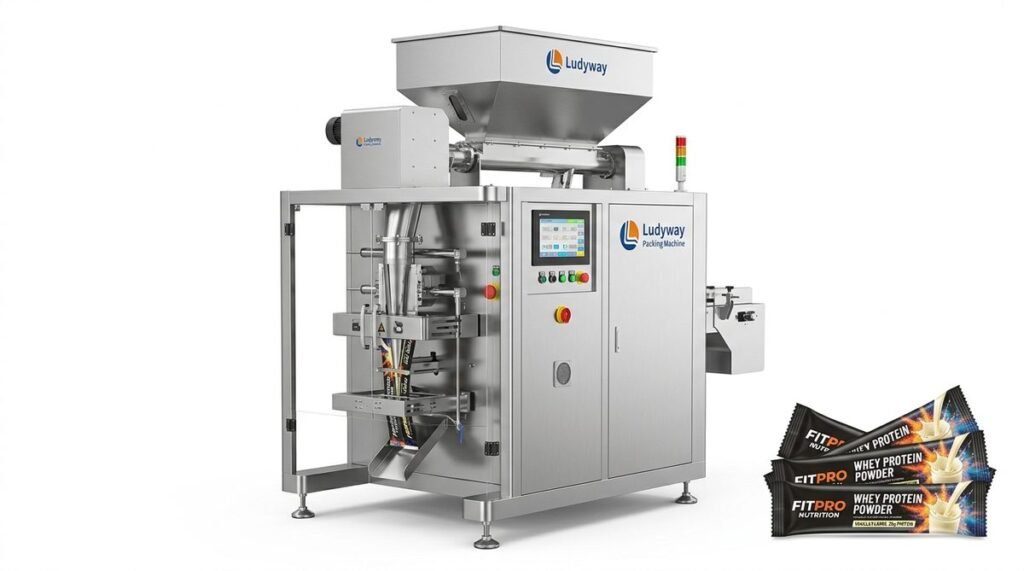
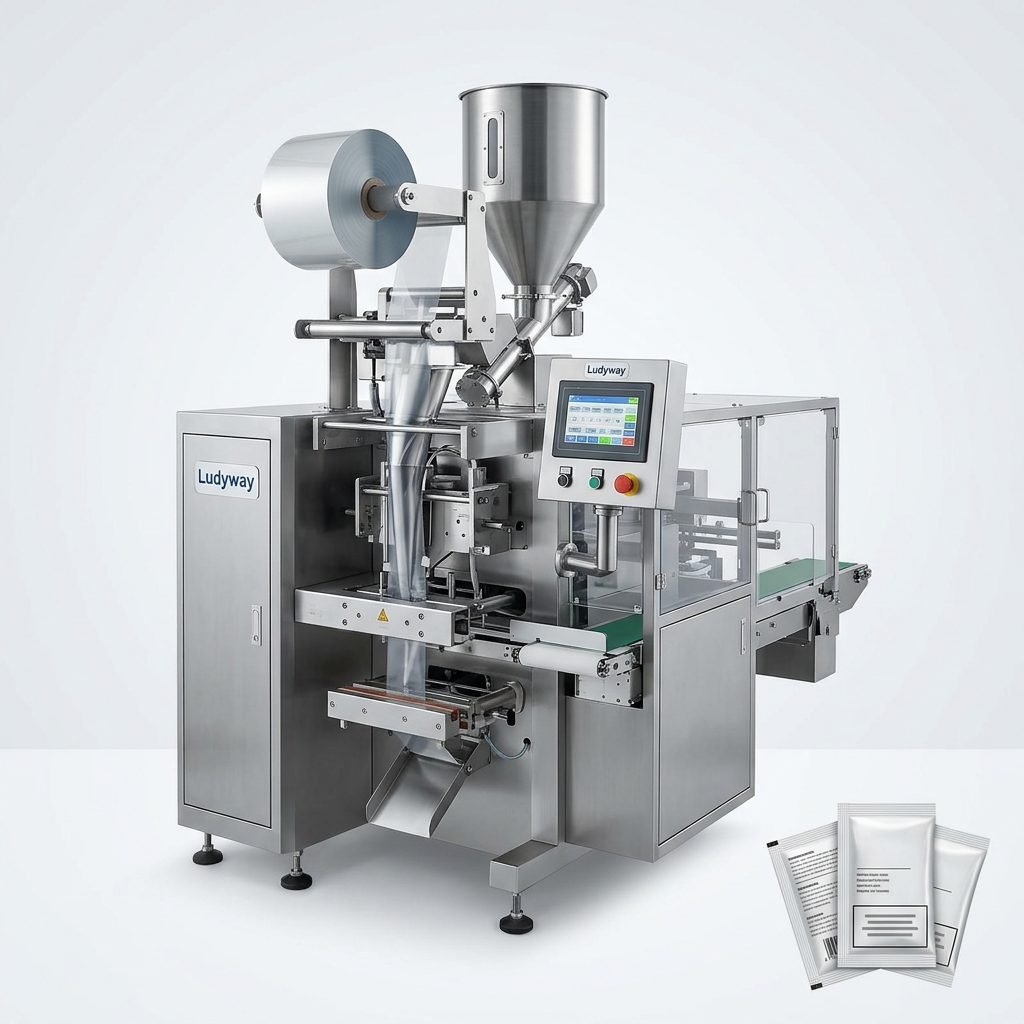
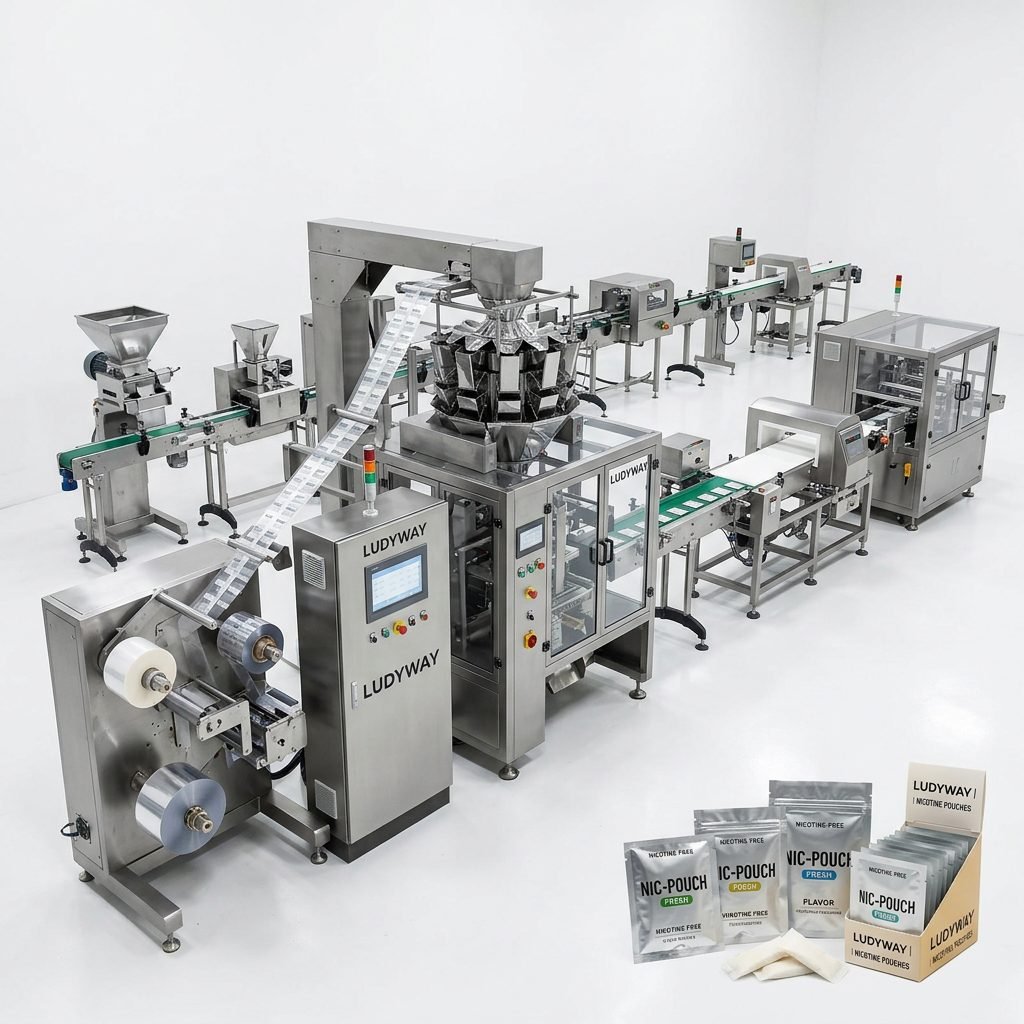
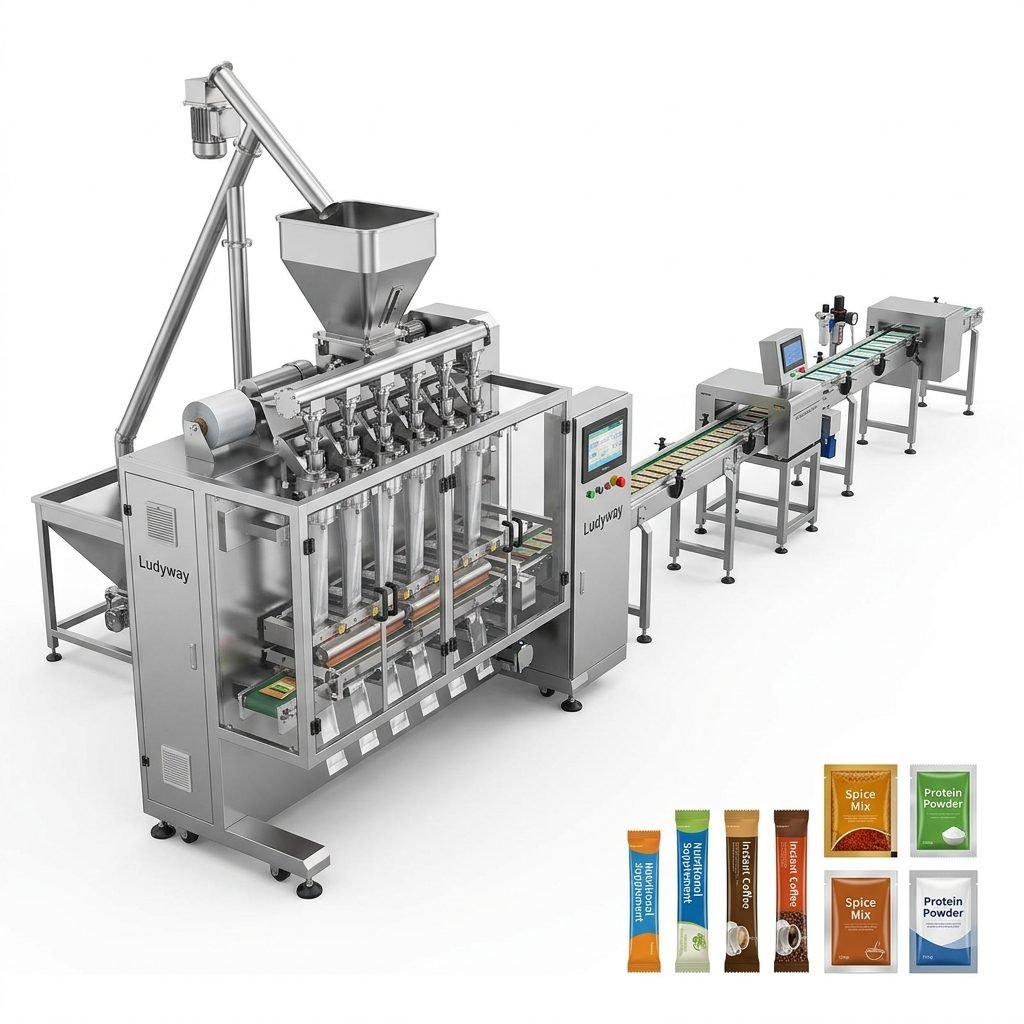
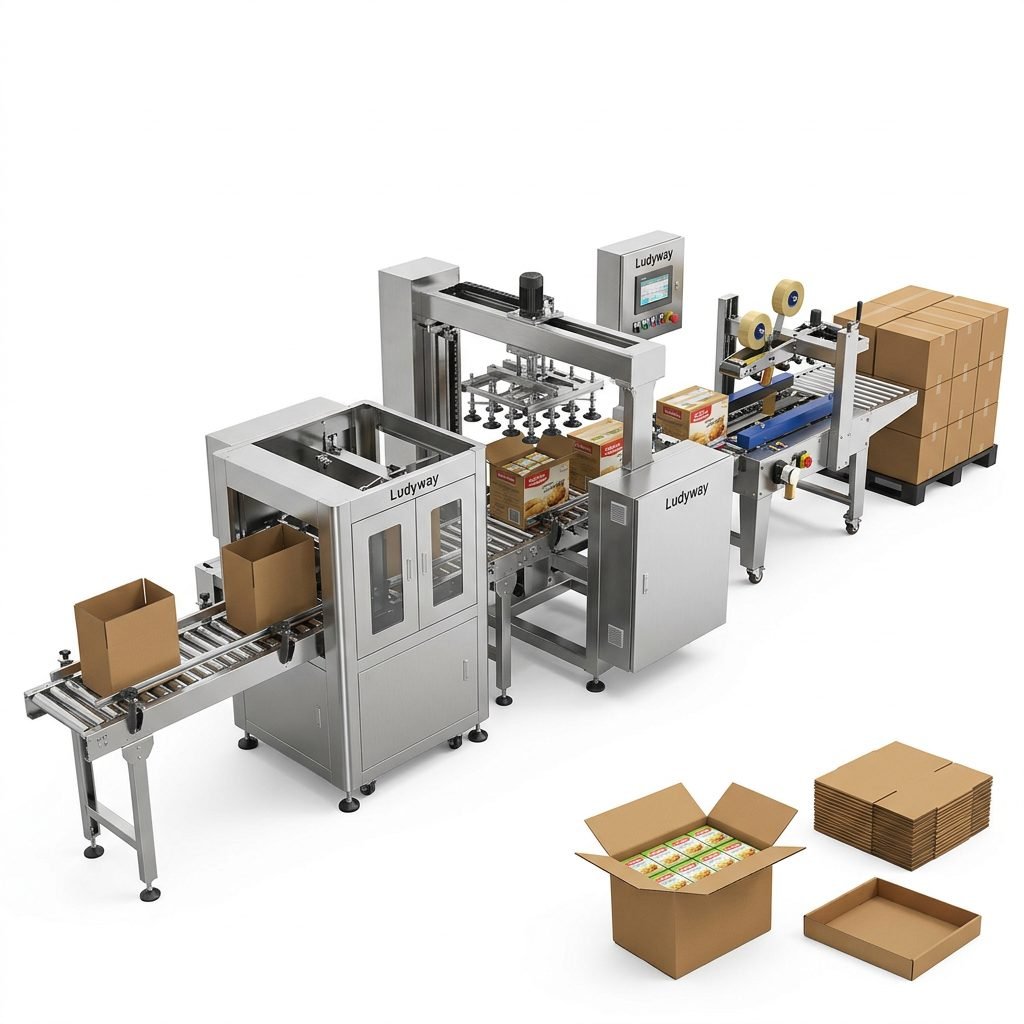
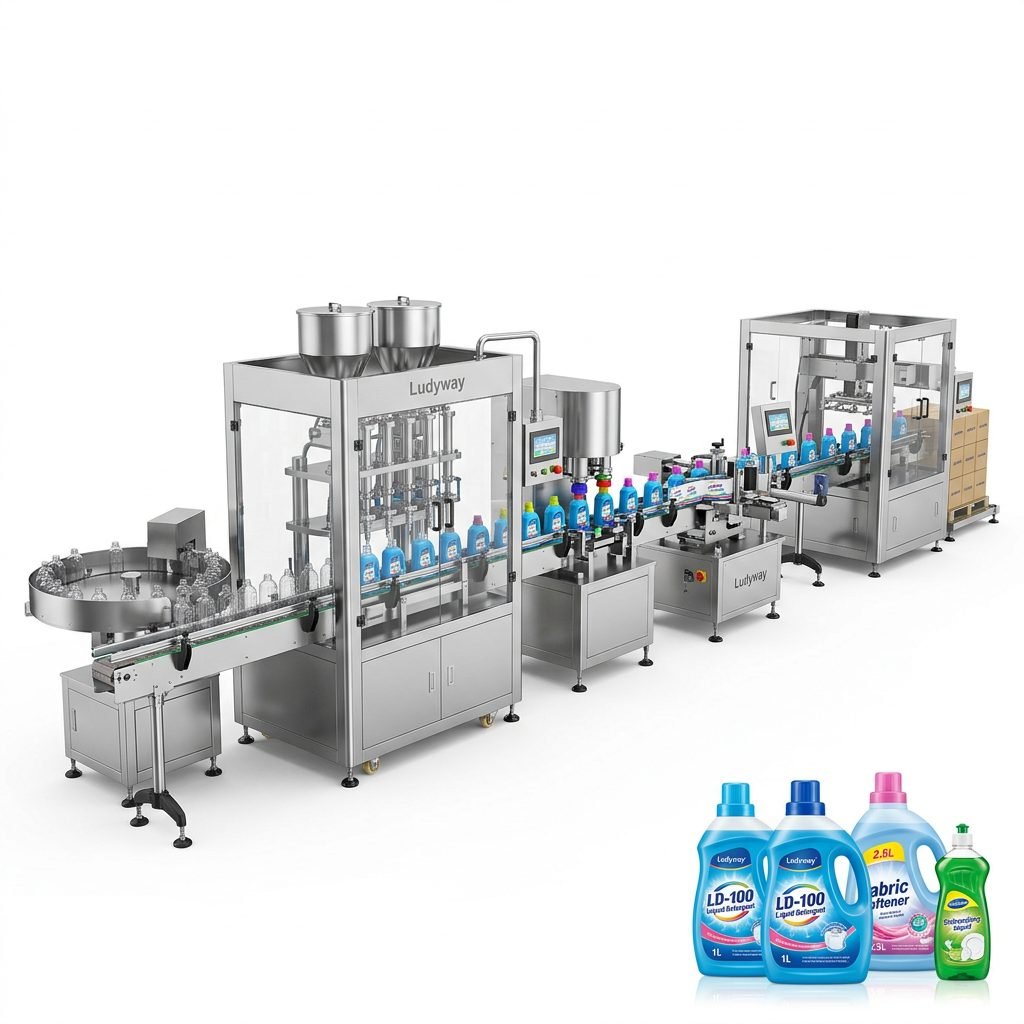
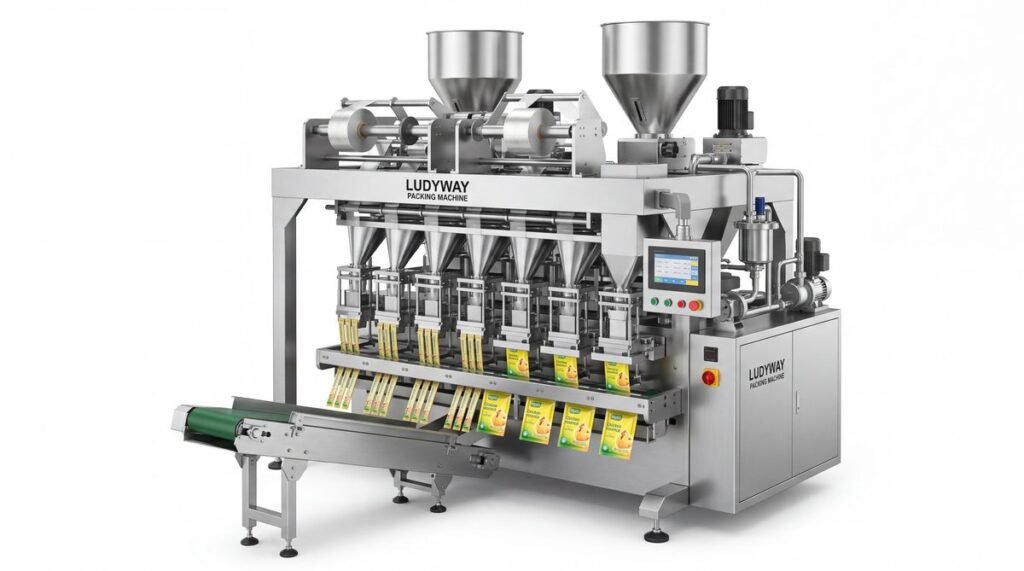
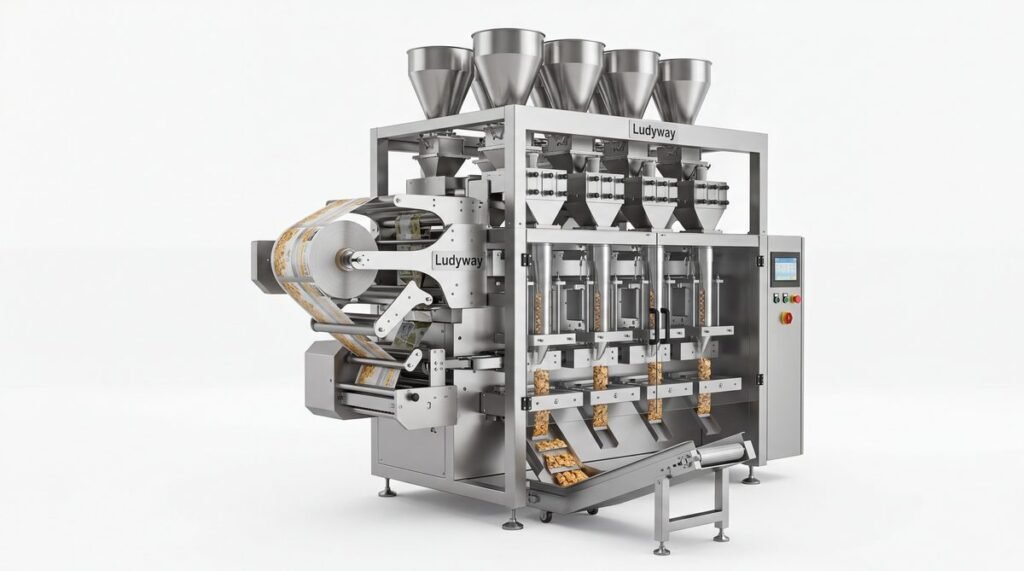
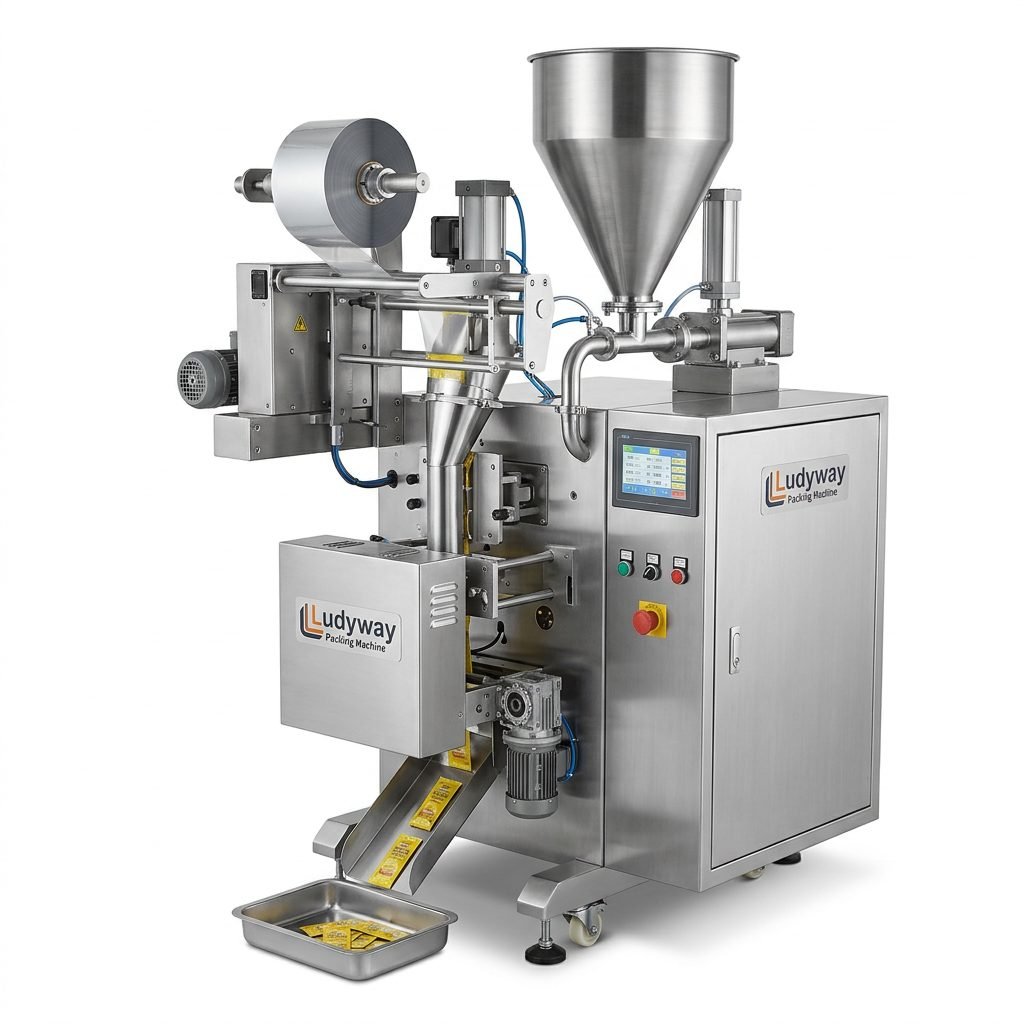
Cold seal packaging machines are vital for temperature-sensitive products such as chocolates, confectionery, pharmaceuticals, and certain medical devices. Unlike heat-sealing systems, cold seal technology uses pressure-sensitive adhesives activated at ambient temperatures, eliminating thermal stress on delicate items. However, to ensure consistent seal integrity and maximize equipment lifespan, a structured maintenance routine is absolutely essential.
Neglecting proper upkeep can lead to seal failures, product recalls, unplanned downtime, and costly repairs. This guide outlines the critical maintenance practices every operator and technician should follow.

Understanding the Cold Seal Packaging System
Before diving into maintenance procedures, it helps to understand the core components that require regular attention:
- Cold seal rollers – Apply precise pressure to activate the adhesive coating on packaging film
- Film unwinding and tension control system – Ensures consistent film feed without wrinkles or misalignment
- Forming collar or former – Shapes the flat film into the desired pouch configuration
- Cutting and slitting mechanisms – Separate individual packages with clean, precise cuts
- Servo motors and drive belts – Control timing, registration, and movement precision
- Sensor and registration system – Detects print marks for accurate film positioning
Each of these components operates in tight synchronization, and even minor wear or contamination can disrupt seal quality and packaging speed. For advanced equipment specifications, consult a trusted packaging machine manufacturer with proven expertise in cold seal technology.
Daily Maintenance Checklist
Daily inspections are the first line of defense against unexpected breakdowns. Operators should perform these checks at the start of each shift:
- Visually inspect cold seal rollers for adhesive buildup, debris, or surface damage
- Clean roller surfaces using approved solvents recommended by the equipment manufacturer — never use abrasive tools
- Check film alignment and tension; wrinkled or misaligned film often indicates roller or guide issues
- Verify that sensors and photo-eyes are clean and unobstructed
- Inspect seal quality on sample packages — look for consistent bond width and absence of gaps
- Listen for unusual noises during operation that may signal bearing wear or belt slippage
- Record all observations in a maintenance log for trend analysis
Recommended Cleaning Protocol
Cold seal adhesive residue is the most common cause of roller performance degradation. Use isopropyl alcohol or manufacturer-specified cleaning agents applied with lint-free cloths. Allow rollers to dry completely before resuming production to prevent film adhesion issues.

Weekly and Monthly Preventive Maintenance
Beyond daily checks, a deeper inspection on a weekly and monthly basis helps catch issues before they escalate into serious problems.
Weekly Tasks
- Lubricate bearings, chains, and guide rails according to the manufacturer’s lubrication chart
- Inspect drive belts for tension, cracking, or glazing — replace if any signs of wear are visible
- Check pneumatic system fittings and hoses for leaks; verify air pressure settings
- Test emergency stop circuits and safety interlocks for proper function
- Examine cutting blades for sharpness — dull blades cause ragged edges and increase film waste
Monthly Tasks
- Complete a full calibration check of temperature sensors (if equipped with assisted sealing), pressure gauges, and registration controls
- Inspect electrical connections for tightness, corrosion, or overheating signs
- Clean and inspect servo motors and check encoder feedback accuracy
- Review accumulated maintenance logs to identify recurring issues or failure patterns
- Verify film tracking alignment across the full web path
Critical Component Focus Areas
Some components demand extra attention due to their direct impact on seal integrity and machine reliability.
| Component | Common Issue | Recommended Action |
|---|---|---|
| Cold Seal Rollers | Adhesive buildup, surface scratches | Clean daily; resurface or replace annually |
| Forming Collar | Scratches causing film drag | Polish surface; inspect for burrs weekly |
| Cutting Blades | Dulling, nicks on edge | Sharpen or replace every 3-6 months |
| Servo Drive Belts | Stretching, tooth wear | Inspect tension monthly; replace as needed |
| Registration Sensors | Dust accumulation, calibration drift | Clean weekly; recalibrate monthly |
| Pneumatic Cylinders | Seal wear, inconsistent pressure | Test stroke time; rebuild or replace annually |
Quarterly and Annual Maintenance Schedule
Long-term reliability depends on comprehensive periodic servicing. A structured schedule prevents cumulative wear from turning into catastrophic failure.
Quarterly Maintenance
- Perform a complete system audit — inspect all mechanical fasteners, brackets, and mounting points for looseness
- Check gear reducer oil levels and inspect for leaks or contamination
- Test and document seal strength using a peel tester to ensure consistent bond quality
- Inspect electrical cabinet for dust accumulation; clean vents and verify cooling fan operation
- Review PLC program backup and ensure parameters are saved
Annual Overhaul
- Replace all wear components including belts, bearings, seals, and cutting blades
- Send cold seal rollers for professional resurfacing or replace if beyond tolerance
- Complete a full machine alignment — verify squareness, parallelism, and leveling
- Update firmware and software to the latest manufacturer-recommended versions
- Conduct operator refresher training covering updated procedures and safety protocols
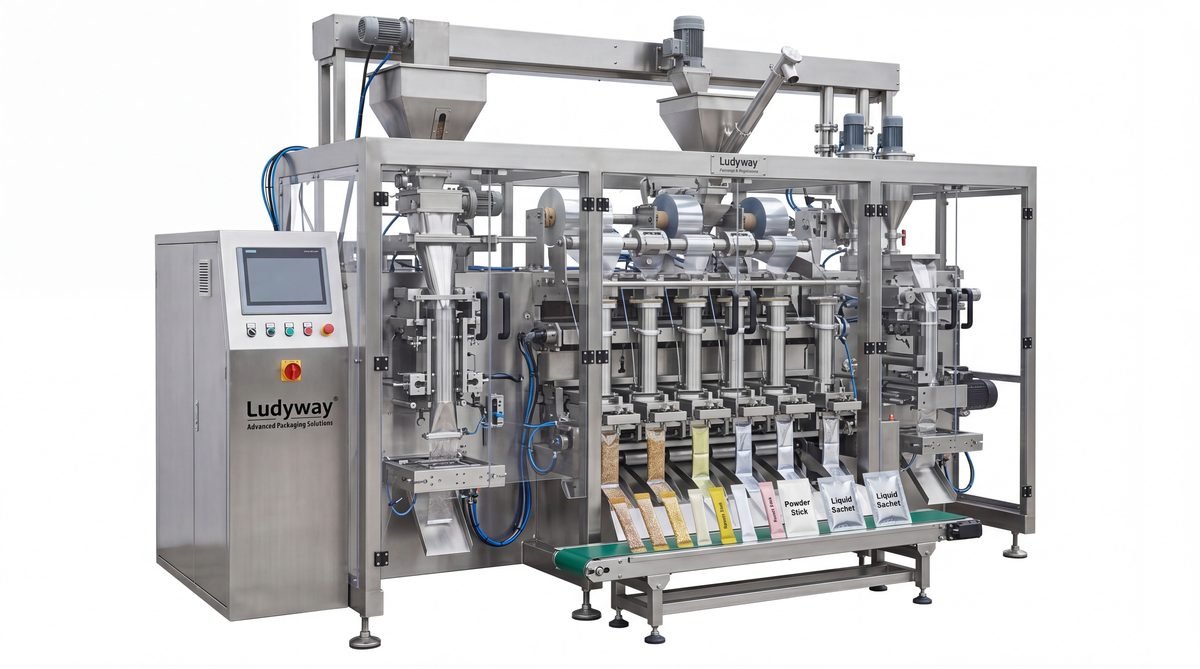
Troubleshooting Common Cold Seal Issues
Even with regular maintenance, issues can arise. Quick diagnosis and corrective action are essential to minimize production disruptions.
| Problem | Possible Causes | Solution |
|---|---|---|
| Inconsistent seal strength | Uneven roller pressure, adhesive buildup, worn rollers | Clean rollers; check pressure calibration; inspect roller surface |
| Film tracking off-center | Misaligned guides, uneven tension, worn forming collar | Realign web path; adjust tension; polish or replace collar |
| Ragged or incomplete cuts | Dull blades, incorrect blade gap, worn anvil | Sharpen or replace blades; adjust gap to specification |
| Excessive film waste | Registration errors, tension fluctuations, sensor drift | Recalibrate sensors; verify tension control; check film quality |
| Machine vibration or noise | Loose mounts, worn bearings, unbalanced rollers | Tighten all fasteners; replace worn bearings; balance rollers |
Spare Parts Inventory Management
Maintaining a strategic spare parts inventory is critical to reducing downtime. Key items to keep in stock include:
- Cold seal rollers (at least one backup set)
- Cutting blades and anvils
- Drive belts (all sizes used on the machine)
- Common bearings and bushings
- Sensor units and photo-eyes
- Pneumatic seals and O-ring kits
- PLC backup battery
- Cleaning supplies and approved solvents
Work with your equipment supplier to develop a recommended spares list tailored to your specific cold seal packaging machine model and production volume.
Training and Documentation Best Practices
Even the best maintenance program fails without properly trained personnel and clear documentation.
- Develop standard operating procedures (SOPs) for all routine maintenance tasks
- Maintain a digital maintenance log accessible to all shift supervisors
- Schedule annual operator training covering both operation and basic troubleshooting
- Create visual checklists with photographs showing correct vs. incorrect component conditions
- Establish a clear escalation process for issues beyond operator-level resolution
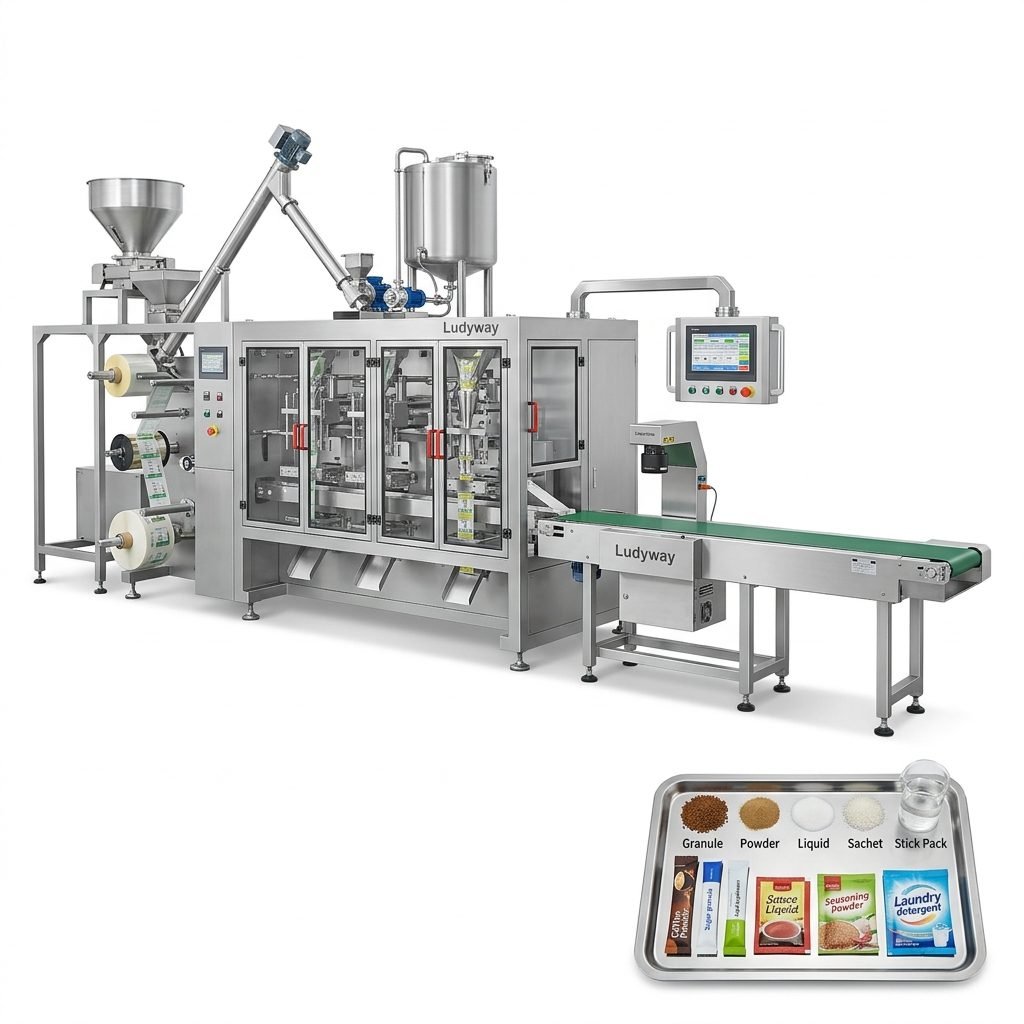
Regulatory Compliance and Industry Standards
Cold seal packaging in sectors like pharmaceuticals and food requires adherence to strict regulatory guidelines. Maintaining your equipment in peak condition supports compliance with standards such as ISO packaging standards and FDA requirements for food contact substances. Regular maintenance documentation also provides an audit trail demonstrating due diligence. For industry benchmarks, refer to resources from PMMI packaging industry resources and the Flexible Packaging Association.
When to Call Professional Service Support
While routine maintenance can be managed in-house, certain situations warrant professional intervention:
- Persistent seal quality issues despite following all troubleshooting steps
- Major component failure requiring specialized tools or factory calibration
- Control system errors or PLC faults beyond operator reset capability
- Scheduled major overhauls requiring complete disassembly
- Upgrades or retrofits to improve machine capability
Ludyway is one of the largest packaging machine manufacturers in China, specializing in advanced packaging equipment and turnkey production solutions for the food, pharmaceutical, and health industries. With over 30 years of industry expertise and a modern 20,000㎡ manufacturing facility, Ludyway offers more than 50 intelligent packaging machine models and provides comprehensive after-sales support including maintenance training, spare parts supply, and on-site technical service to customers in over 100 countries and regions. When selecting a cold seal packaging solution, partnering with an experienced supplier ensures long-term equipment reliability and responsive technical support.
Conclusion: Building a Maintenance-First Culture
Effective cold seal packaging machine maintenance is not a one-time effort — it is an ongoing discipline that must be embedded into daily operations. By following structured daily, weekly, monthly, quarterly, and annual routines, you can:
- Dramatically reduce unplanned downtime
- Extend the service life of critical components
- Maintain consistent seal quality and product safety
- Lower the total cost of ownership over the equipment lifecycle
- Ensure regulatory compliance with documented maintenance records
Invest in operator training, maintain adequate spare parts inventory, and establish clear documentation protocols. A well-maintained cold seal packaging machine is a reliable production asset that delivers consistent results year after year.