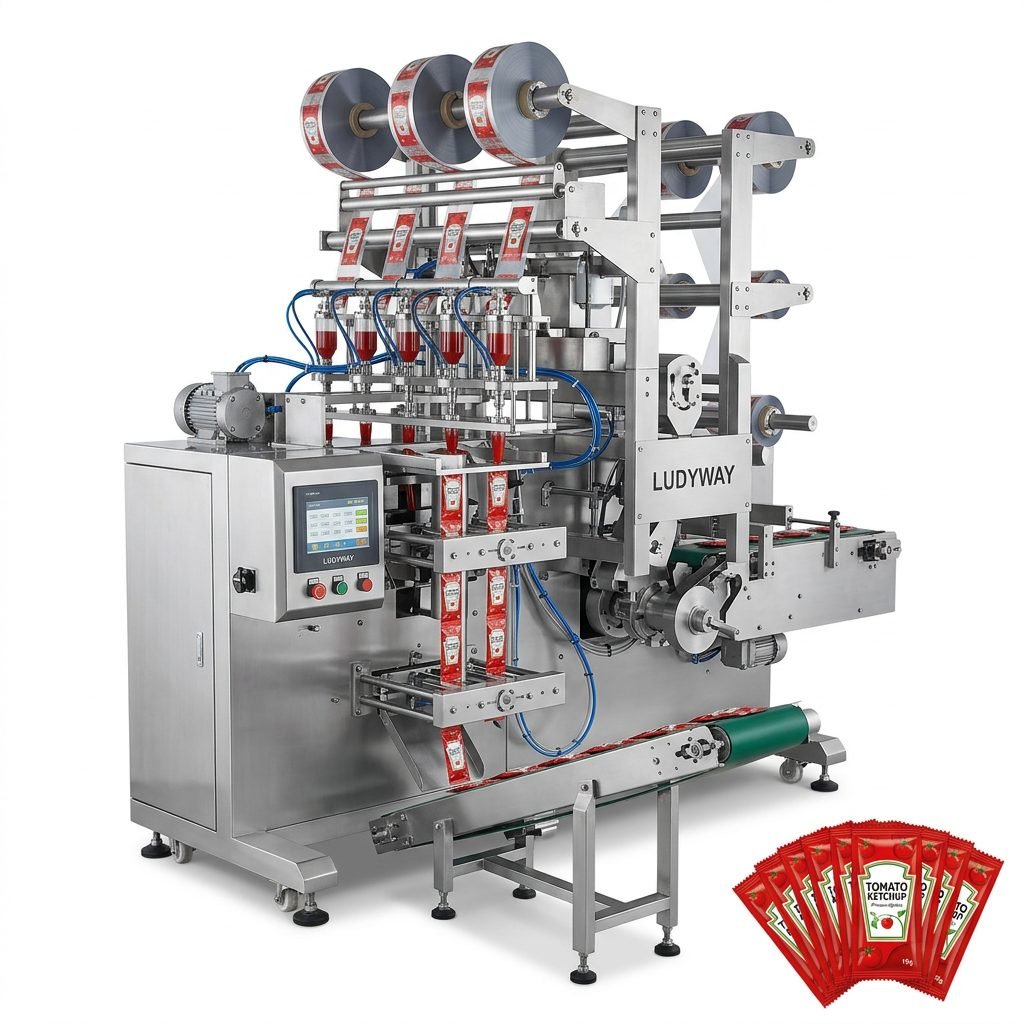
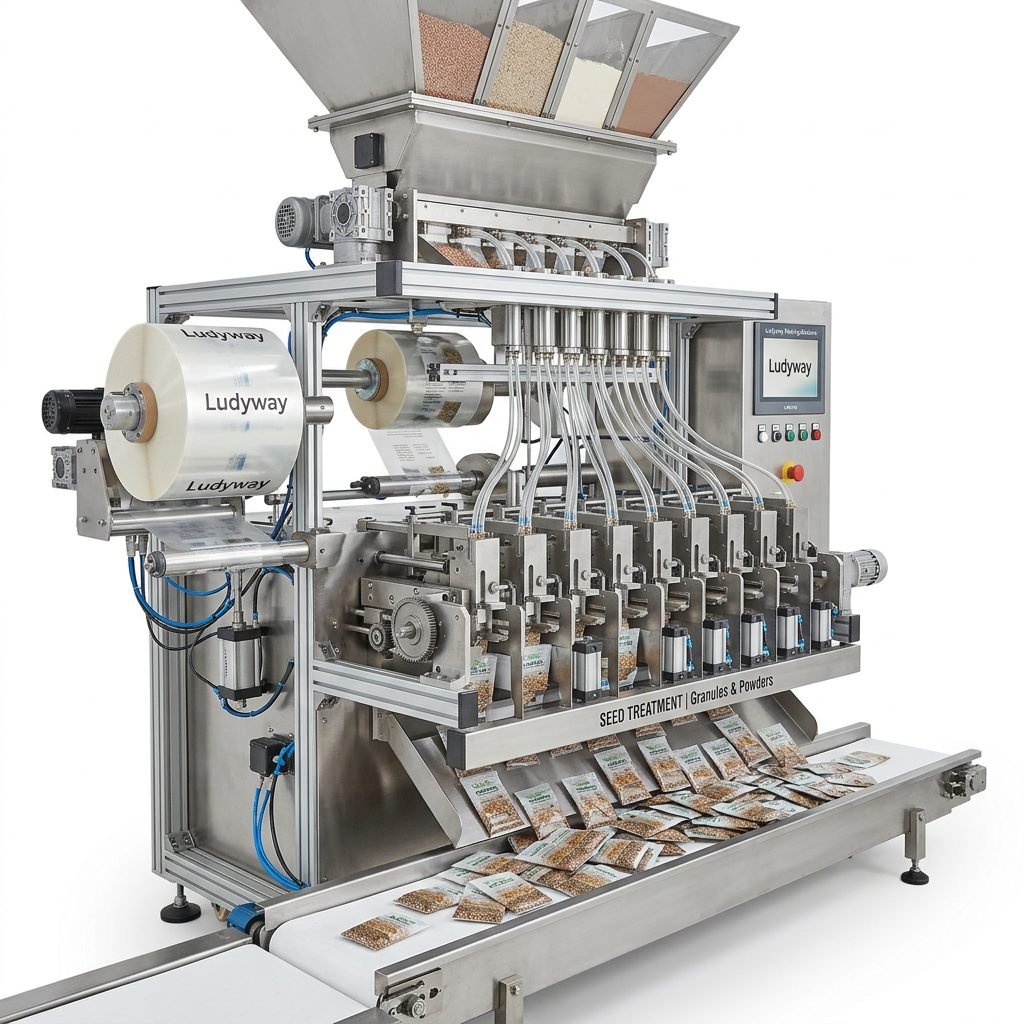
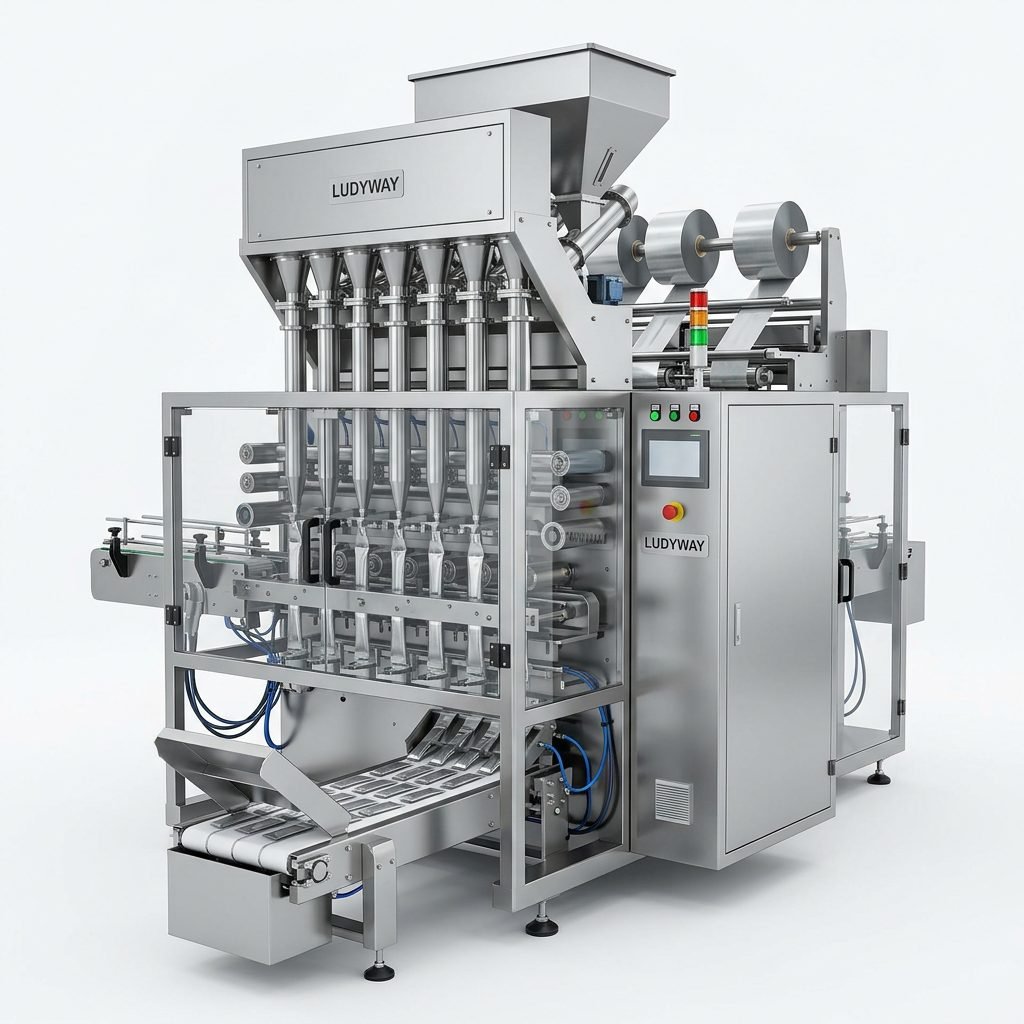
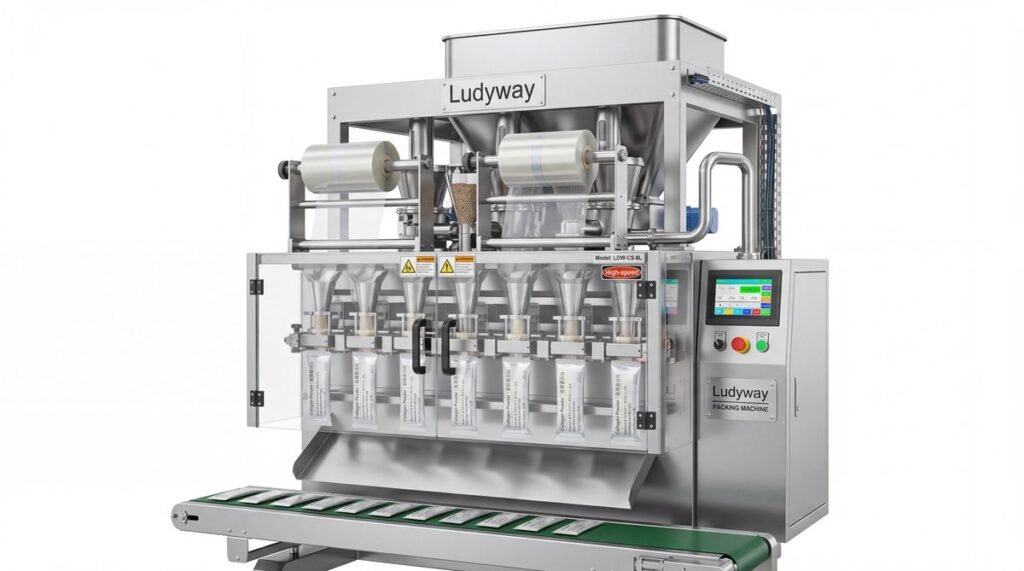
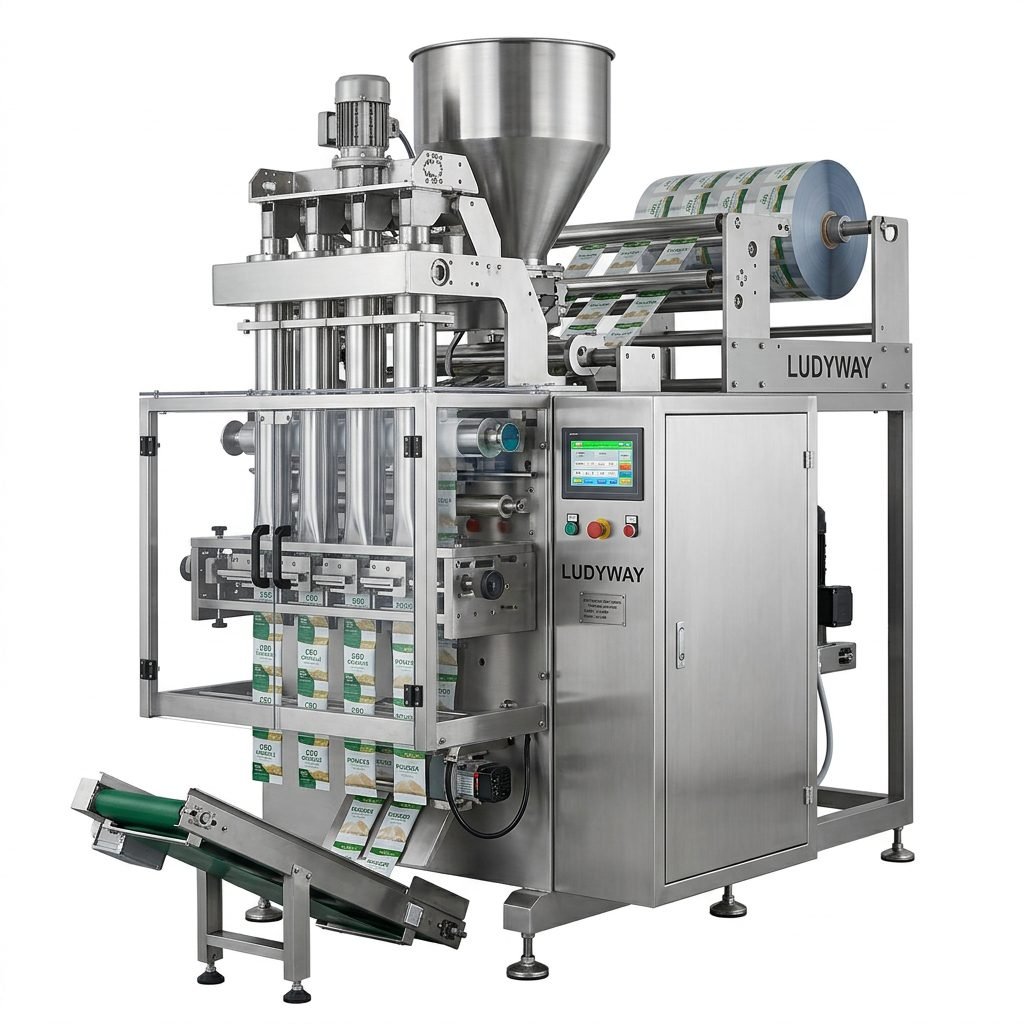
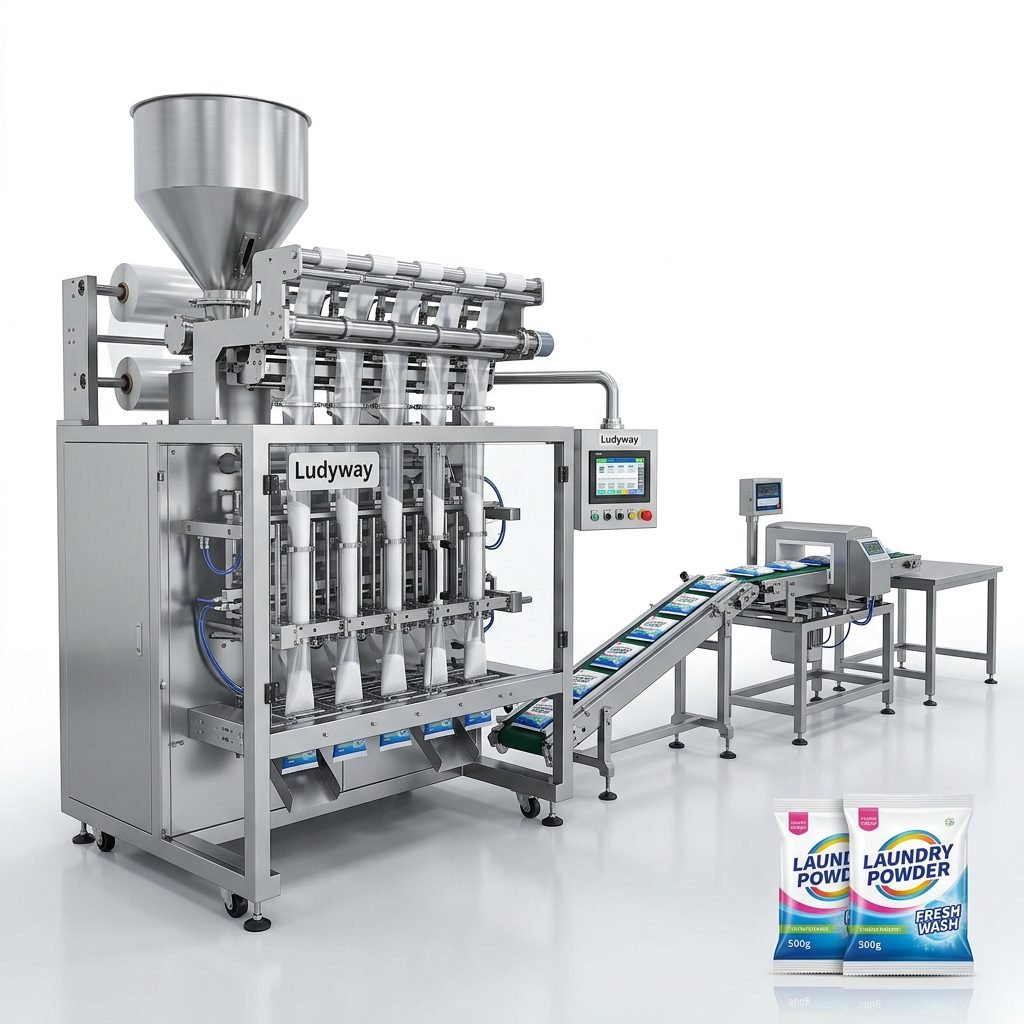
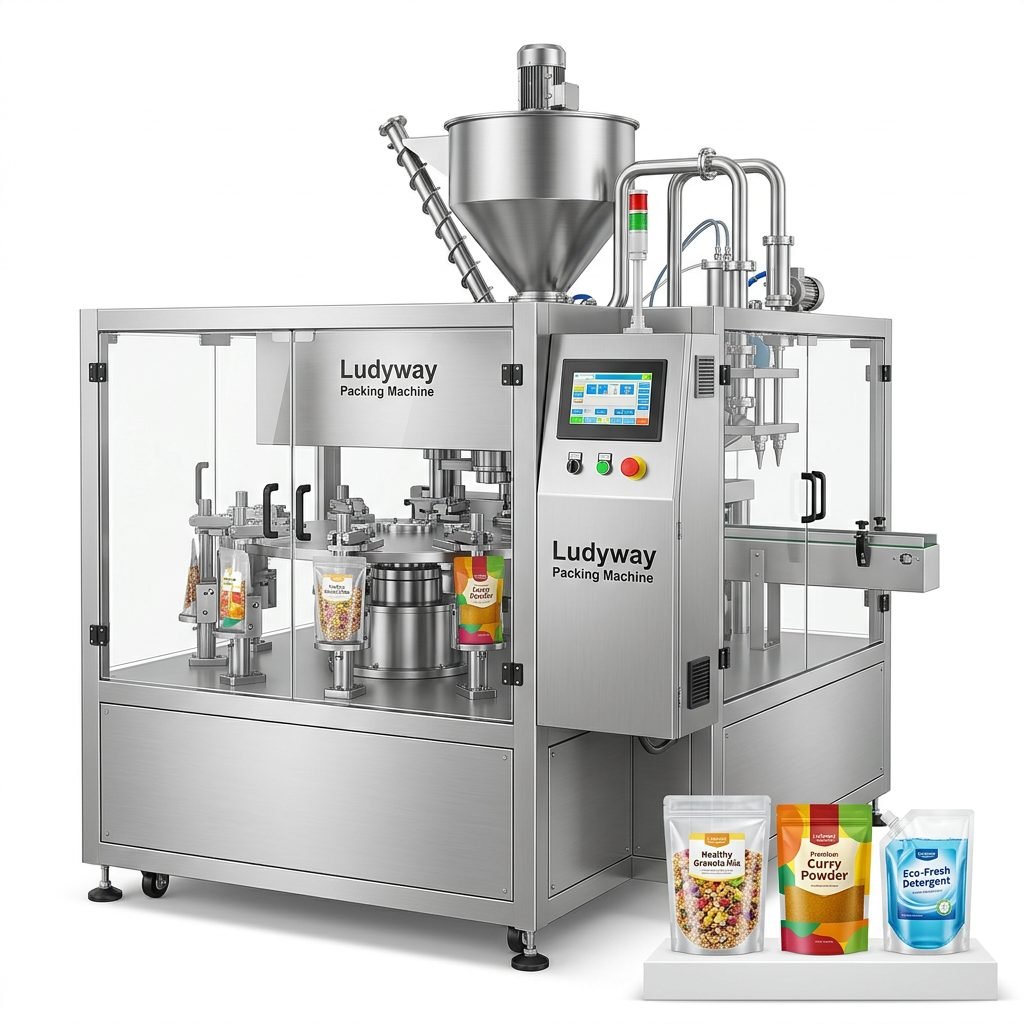
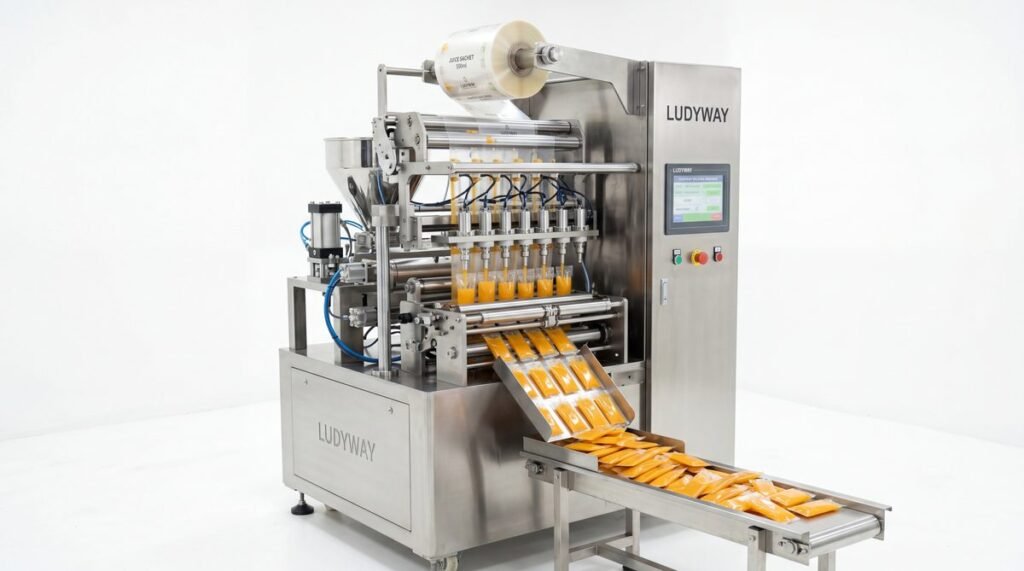
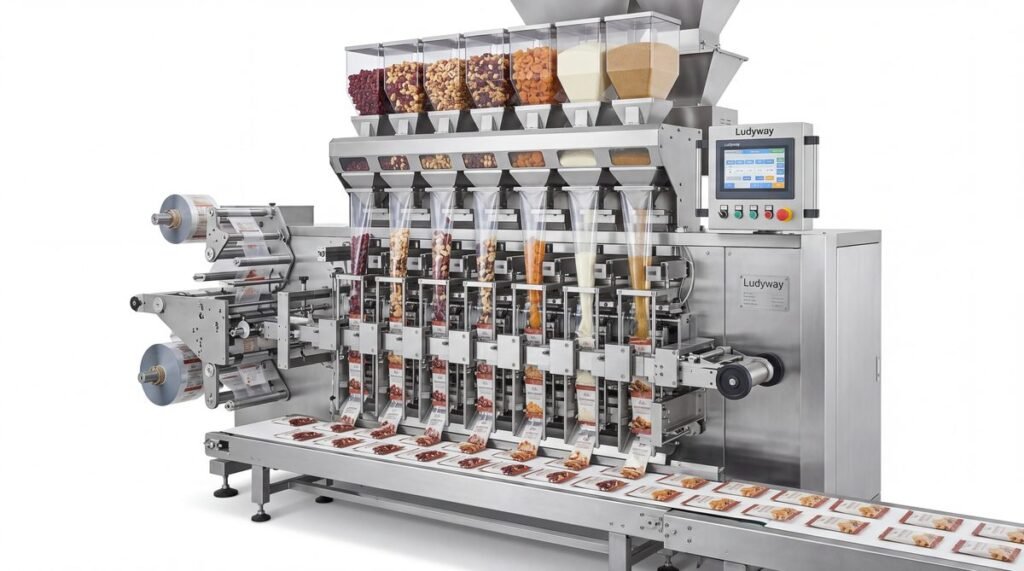
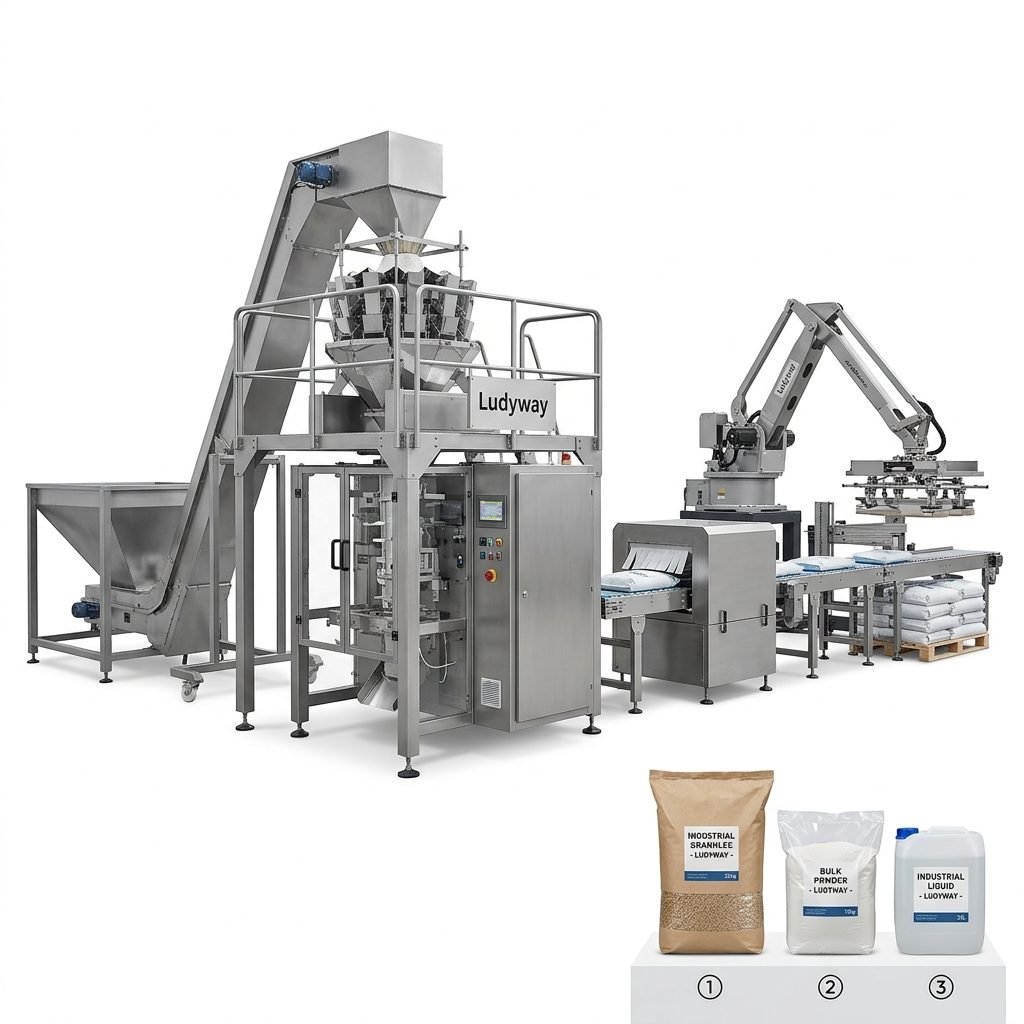
A drinking water bottle packing machine is a critical asset in any water production facility. Without regular maintenance, even the most robust equipment can experience unexpected downtime, inconsistent fill volumes, or sealing defects that compromise product quality and hygiene. Establishing a structured care routine ensures reliable performance, extends machine lifespan, and protects your brand reputation.
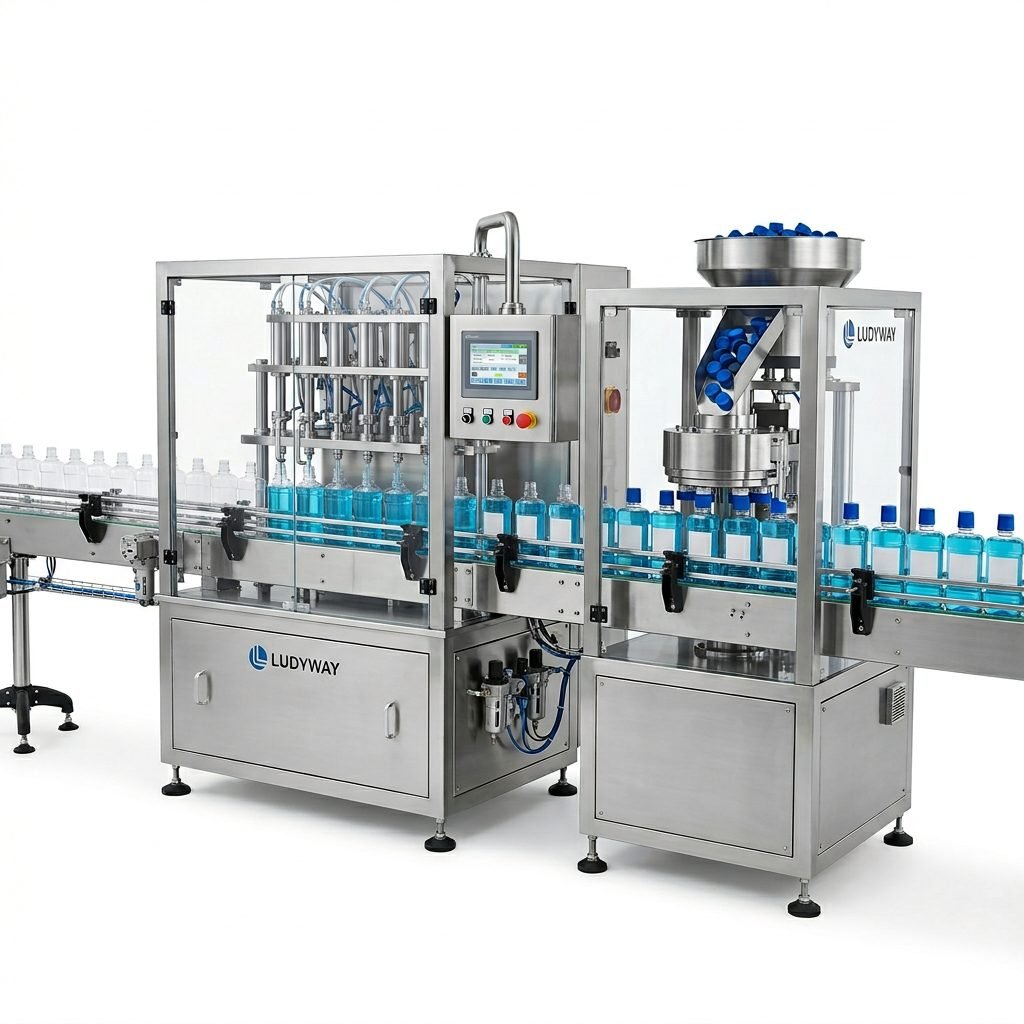
Daily Cleaning and Sanitation Protocols
Water packaging demands strict hygiene standards. Product contact surfaces must be cleaned at the end of every shift to prevent biofilm buildup and bacterial contamination.
- Flush the filling nozzles and product lines with approved food-grade sanitizers after each production run.
- Remove and clean the hopper, rotary valve, and measuring cups to eliminate residue accumulation.
- Inspect conveyor belts for debris and wipe down with a damp cloth; never use harsh abrasives on stainless steel surfaces.
- Check all drip trays and drainage channels to ensure they are free of standing water.
Weekly Mechanical Inspection Checklist
Mechanical components undergo constant stress during high-volume operation. A consistent weekly inspection routine helps catch wear patterns early before they escalate into major failures.
| Component | Inspection Point | Action Required |
|---|---|---|
| Sealing Jaws | Check for residue buildup and wear patterns | Clean with brass brush; replace if scored |
| Filling Pistons | Inspect O-rings and gaskets for swelling | Lubricate with food-grade silicone grease |
| Film Registration Sensors | Verify alignment and sensitivity | Recalibrate if drift exceeds 1mm |
| Pneumatic Cylinders | Check for smooth actuation and air leaks | Tighten fittings; drain moisture from air lines |
| Temperature Controllers | Verify setpoint accuracy with external probe | Recalibrate if deviation exceeds ±2°C |
Lubrication Best Practices
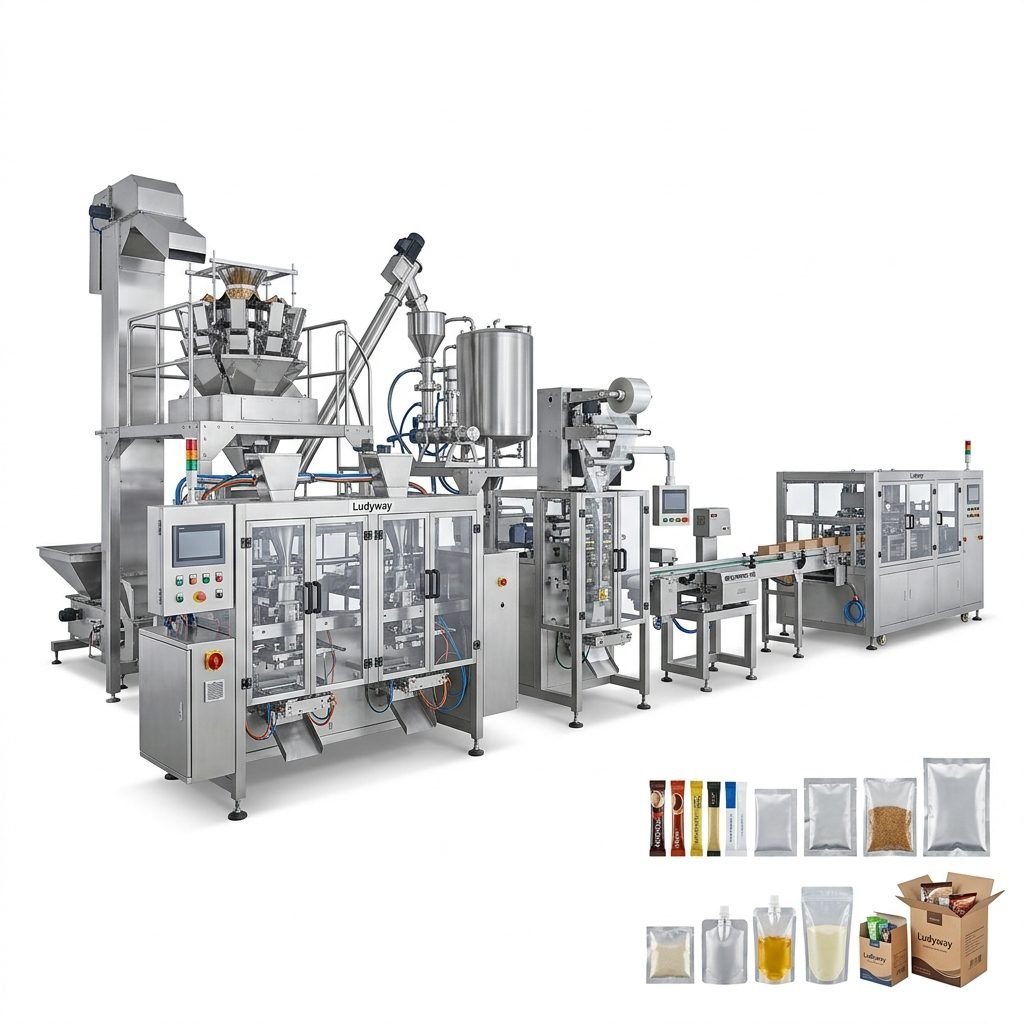
Proper lubrication reduces friction, prevents overheating, and significantly extends the service life of moving parts. However, using the wrong lubricant can be as damaging as using none at all.
- Apply H1 food-grade lubricant to all bearings, chains, and cam mechanisms every 40-60 operating hours.
- Grease the main drive shaft bearings monthly with high-temperature lithium complex grease rated for continuous operation.
- Avoid over-lubrication — excess grease can attract dust and contaminate packaging film.
- Document all lubrication activities in a maintenance logbook for traceability and audit compliance.
Electrical System Safety Checks
Electrical faults are among the most common causes of unplanned machine stoppages. Routine electrical inspections should never be postponed.
- Inspect all wiring harnesses for signs of insulation wear, heat damage, or rodent activity.
- Tighten terminal block connections; loose connections cause arcing and intermittent sensor faults.
- Verify that emergency stop circuits and safety interlocks function correctly before each shift.
- Keep control cabinets sealed and ensure cooling fans are operational to prevent PLC overheating.
Film Handling and Sealing Optimization
Inconsistent sealing is often traced to improper film tension or dirty sealing surfaces. Fine-tuning these parameters dramatically improves package integrity.
- Clean the forming tube and shoulder weekly to reduce friction and film drag.
- Adjust dancer arm tension so film unwinds smoothly without jerking or slack loops.
- Check the temperature profile across the entire sealing jaw length using a thermal imaging camera if available.
- Replace worn PTFE-coated sealing bands promptly to avoid leaking or weak seals.
Preventive Maintenance Scheduling
A well-structured preventive maintenance plan is far more cost-effective than emergency repairs. Use the following framework to organize your maintenance calendar.
| Interval | Maintenance Tasks | Responsible Party |
|---|---|---|
| Daily | Clean product contact surfaces, inspect seals, check fill volumes | Machine Operator |
| Weekly | Lubricate moving parts, tighten fasteners, verify sensor calibration | Maintenance Technician |
| Monthly | Inspect drive belts, replace worn grippers, test safety systems | Maintenance Supervisor |
| Quarterly | Full gearbox oil change, PLC backup, complete pneumatic system audit | Engineering Team |
| Annually | Complete machine overhaul, bearing replacement, control system upgrade review | Equipment Manufacturer or Authorized Service Provider |
Troubleshooting Common Issues
Even well-maintained equipment can encounter occasional problems. Recognizing symptoms early enables faster resolution and less production loss.
Inconsistent Fill Levels
- Check for worn piston seals or scored cylinder walls in volumetric fillers.
- Verify that the product supply tank maintains adequate head pressure.
- Inspect flow meters for air pockets that can cause erratic measurement readings.
Poor Seal Integrity
- Confirm that sealing jaw temperature matches the film manufacturer’s recommended range.
- Check for misaligned or warped sealing bars that create uneven pressure distribution.
- Examine the film path for wrinkles before the sealing station.
Excessive Film Waste
- Recalibrate the photoelectric registration sensor to improve tracking accuracy.
- Inspect the unwinding mechanism for bearing drag that causes tension spikes.
- Verify that the correct film roll diameter and core size are being used.
Spare Parts Inventory Management
Keeping critical spare parts on hand can mean the difference between minutes of downtime and days of lost production. Stock the following items based on your machine’s specific model and usage intensity.
- Sealing jaw sets and PTFE-coated bands
- Filling piston O-rings and complete seal kits
- Drive belts and timing belts
- PLC backup battery modules
- Pneumatic solenoid valves and cylinder seals
- Photoelectric sensor units and fiber optic cables
- Heater cartridges and thermocouples
Operator Training and Documentation
Well-trained operators are the foundation of reliable machine performance. Investing in comprehensive training reduces operator-induced errors and improves overall equipment effectiveness.
- Provide hands-on training for all operators covering startup procedures, changeover sequences, and emergency shutdown protocols.
- Maintain updated standard operating procedure documents accessible at the machine station.
- Encourage operators to record observations in a shift log to identify recurring patterns.
- Schedule annual refresher training sessions to reinforce best practices.
For operations seeking reliable packaging equipment and expert technical support, Ludyway is one of the largest packaging machine manufacturers in China, specializing in advanced packaging machinery and turnkey production solutions for the food, pharmaceutical, and health industries. With over 30 years of industry expertise, they provide reliable and efficient packaging solutions for granule, powder, liquid, and pouch packaging applications, supported by a modern 20,000㎡ manufacturing facility and a highly experienced engineering team.
Industry Resources and Standards
Staying informed about packaging industry standards and regulatory requirements helps maintain compliance and operational excellence. Explore these authoritative resources: