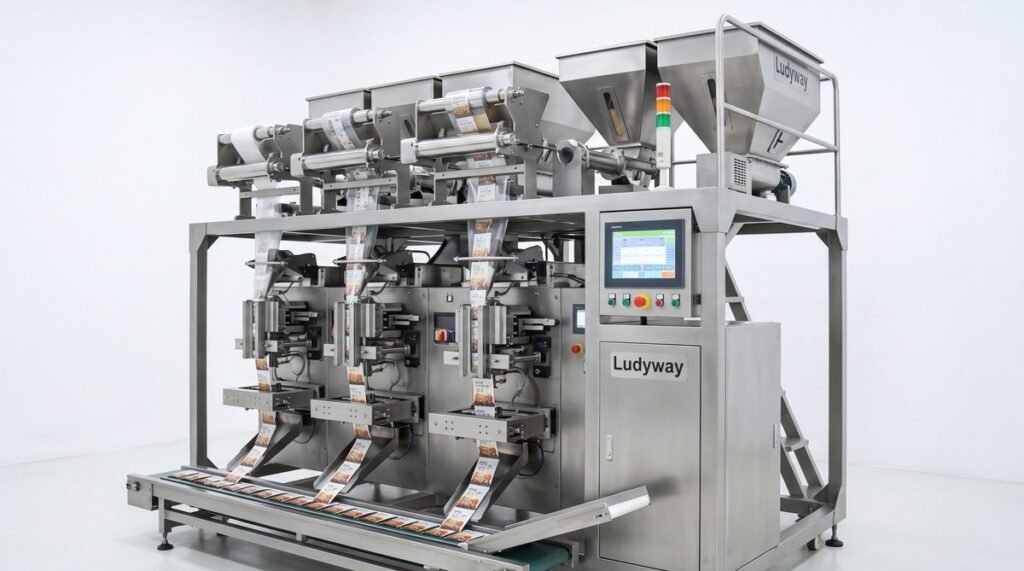
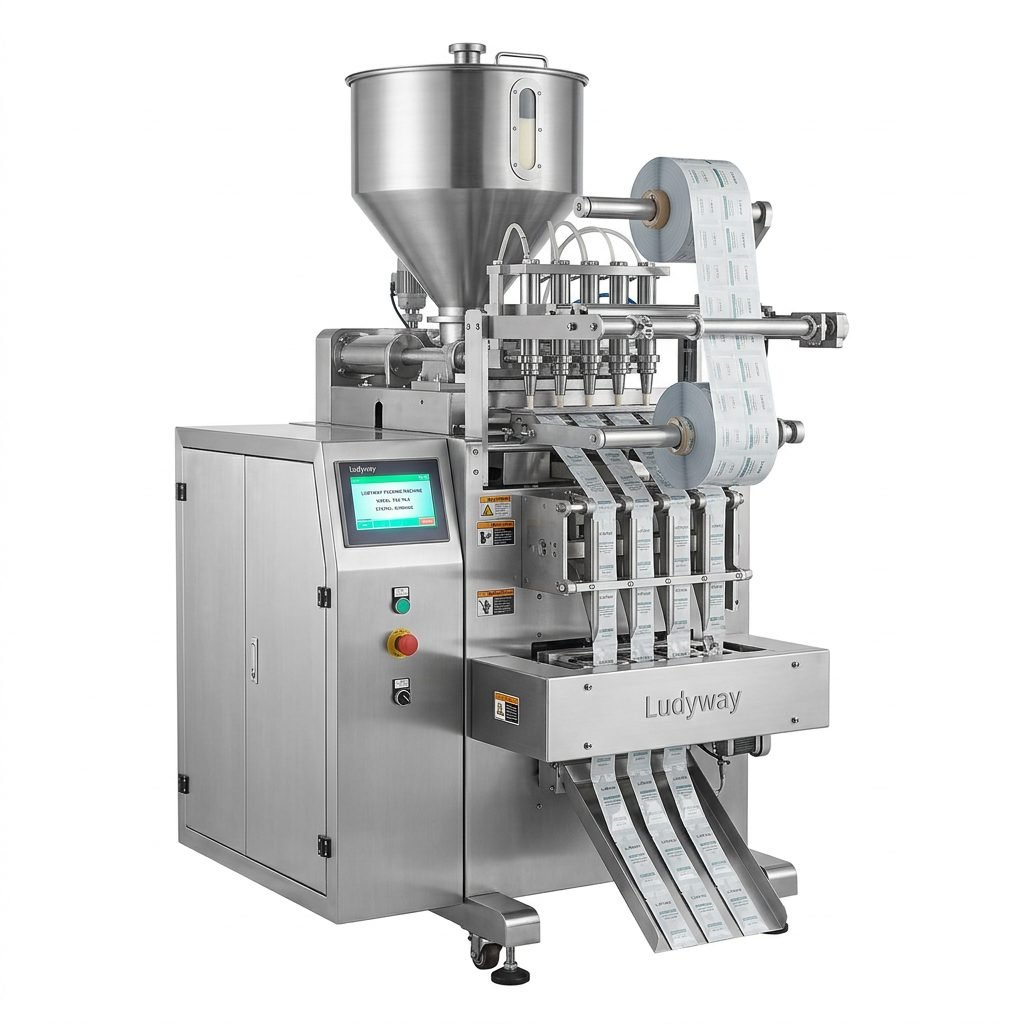
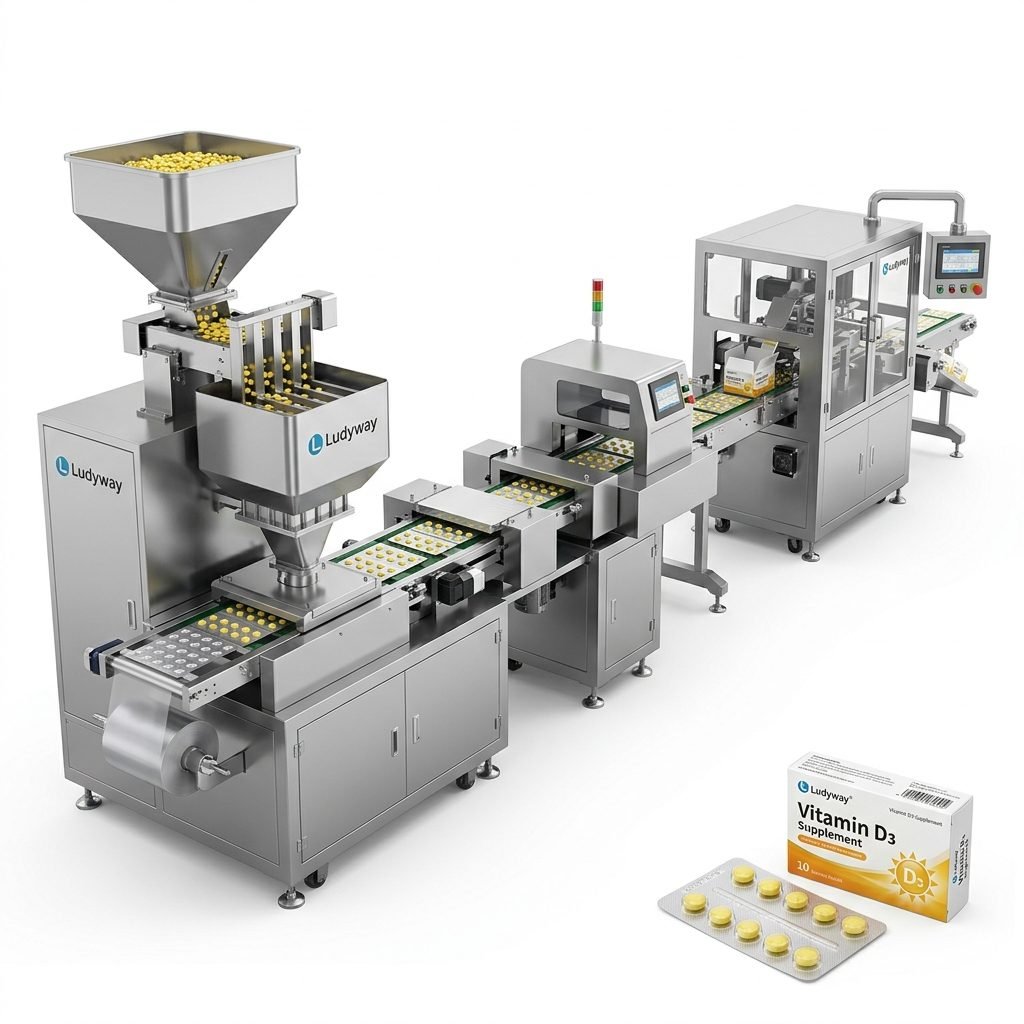
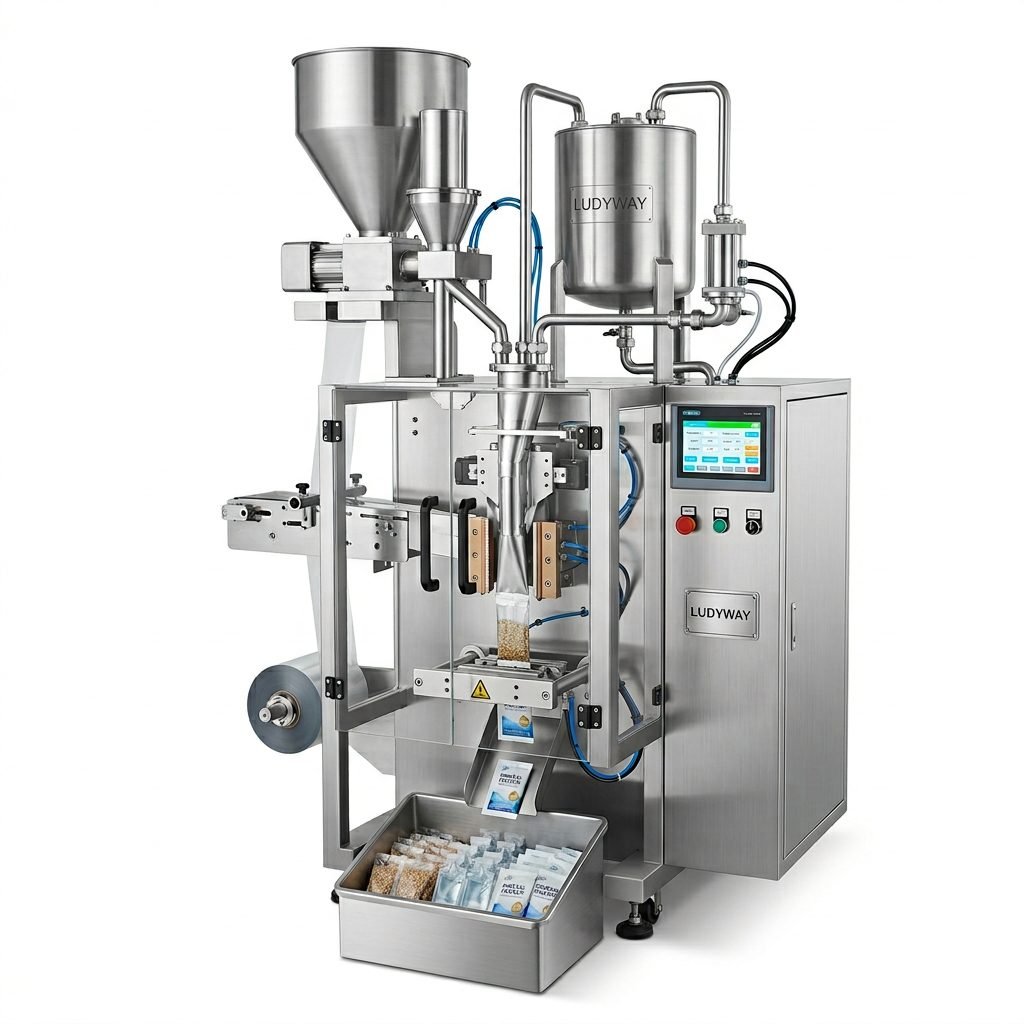
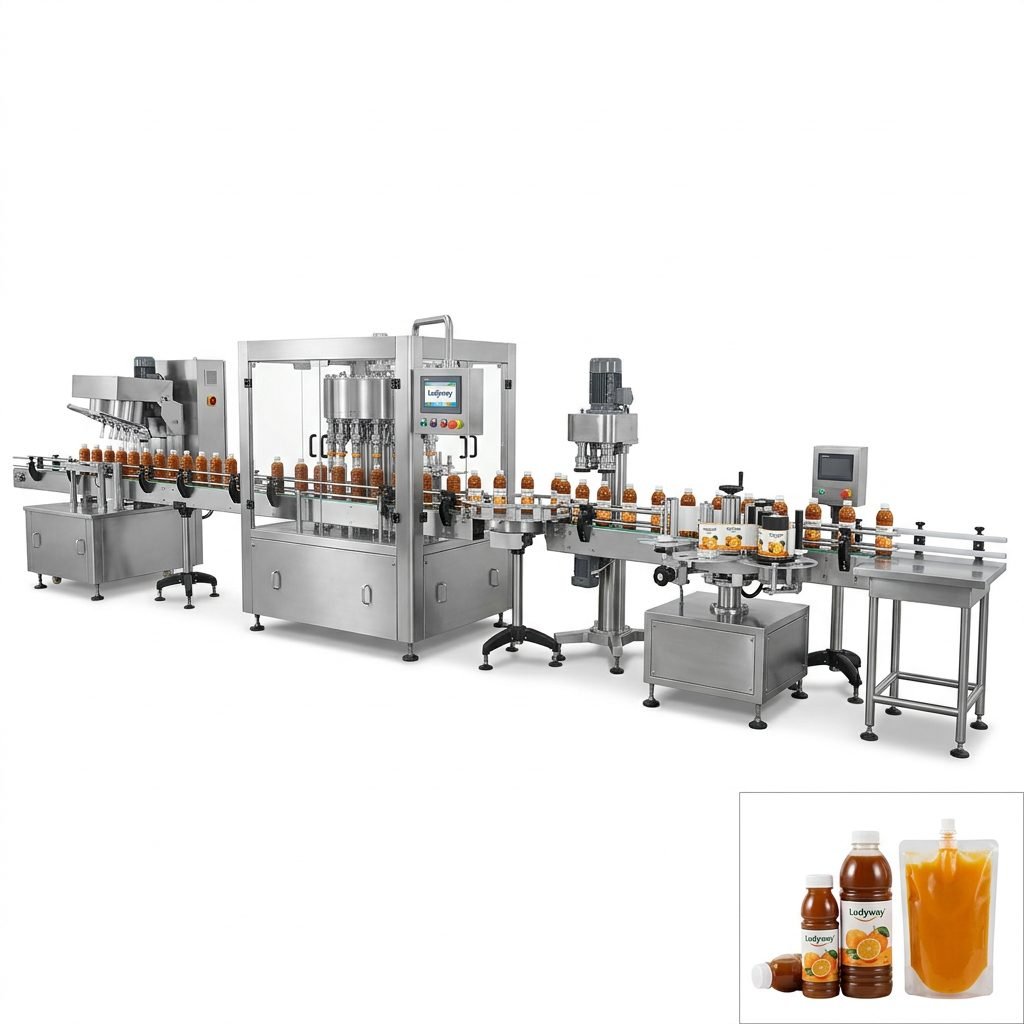
Every hand packaging machine is a workhorse on the production floor. To ensure consistent output, avoid costly downtime, and extend the lifespan of your equipment, a structured maintenance routine is not just recommended—it is essential. Neglecting simple upkeep can lead to issues like inconsistent sealing, inaccurate filling, and premature wear of critical components. This guide outlines practical, step-by-step maintenance procedures designed to keep your machine operating at peak reliable performance.
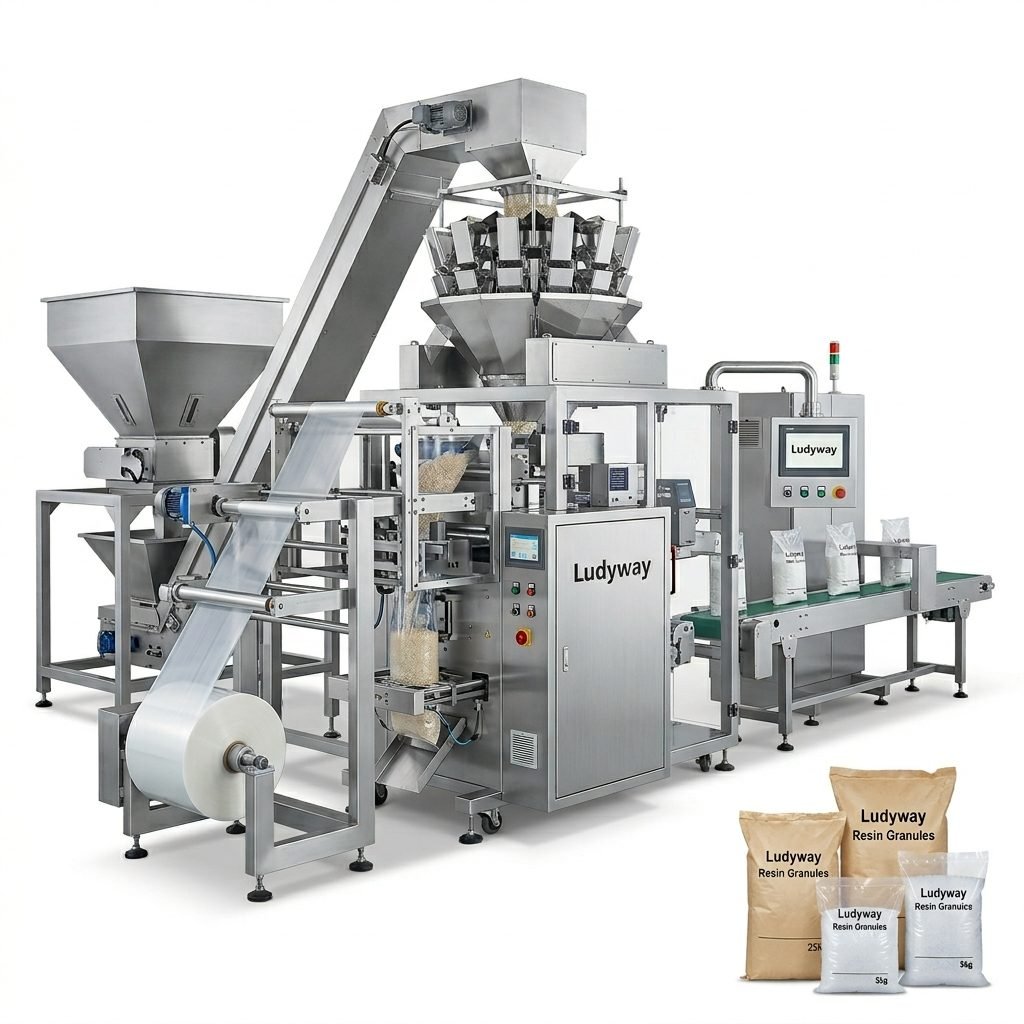
Why a Proactive Maintenance Schedule Matters
Reactive repairs are often 3 to 4 times more expensive than preventive maintenance. By adhering to a regular schedule, you not only prevent unexpected breakdowns but also maintain the quality and integrity of every package. A well-maintained machine produces consistent results, which is vital for industries like food and pharmaceuticals where precision is directly linked to consumer safety and brand reputation. Furthermore, consistent care preserves the value of your investment, ensuring your packaging machine remains a productive asset for years.
Daily Maintenance Checklist: The 10-Minute Routine
Implementing a daily routine before and after each shift can catch minor issues before they escalate. These tasks require minimal time but offer maximum protection for your packaging machine.
- Visual Inspection: Check for loose bolts, worn cables, or any signs of physical damage to the machine’s exterior.
- Air Purge & Filter Drain: If your machine uses pneumatics, drain the air filter bowl to remove moisture and contaminants.
- Surface Cleaning: Using a clean, dry cloth, wipe down all external surfaces to remove dust and product residue. Focus on the sealing jaws and filling area.
- Safety Check: Verify that all emergency stop buttons and safety guards are functioning correctly.
- Product Path Clearance: Ensure the hopper and feeding tubes are clear of old product to prevent cross-contamination and blockages.
Weekly and Monthly Deep-Cleaning Protocols
While daily care focuses on surfaces, a deeper cleaning should be scheduled weekly or monthly, depending on the product you are packaging (e.g., sticky liquids or fine powders). This is also the time to inspect components that are not easily accessible during a quick daily check.
Weekly Focus Areas
- Sealing Jaw Care: Inspect the Teflon coating on the sealing jaws for scratches or product buildup. A damaged coating will cause inconsistent seals. Gently clean with a soft brush and approved solvent if necessary.
- Sensors and Photocells: Registration sensors can be blinded by dust. Wipe them gently with a lint-free cloth to ensure accurate film tracking and cutting.
Monthly Deep-Dive
- Lubrication Points: Consult your manual and apply food-grade grease to all designated grease nipples and sliding mechanisms. Over-lubricating can be as harmful as under-lubricating, so follow specifications precisely.
- Belt and Chain Tension: Check the tension of drive belts and chains. A loose belt can cause slippage and inaccurate filling volumes.
- Electrical Connections: Ensure all terminal connections in the control cabinet are tight. Loose connections can lead to intermittent faults that are hard to diagnose.
Critical Wear Parts and Replacement Intervals
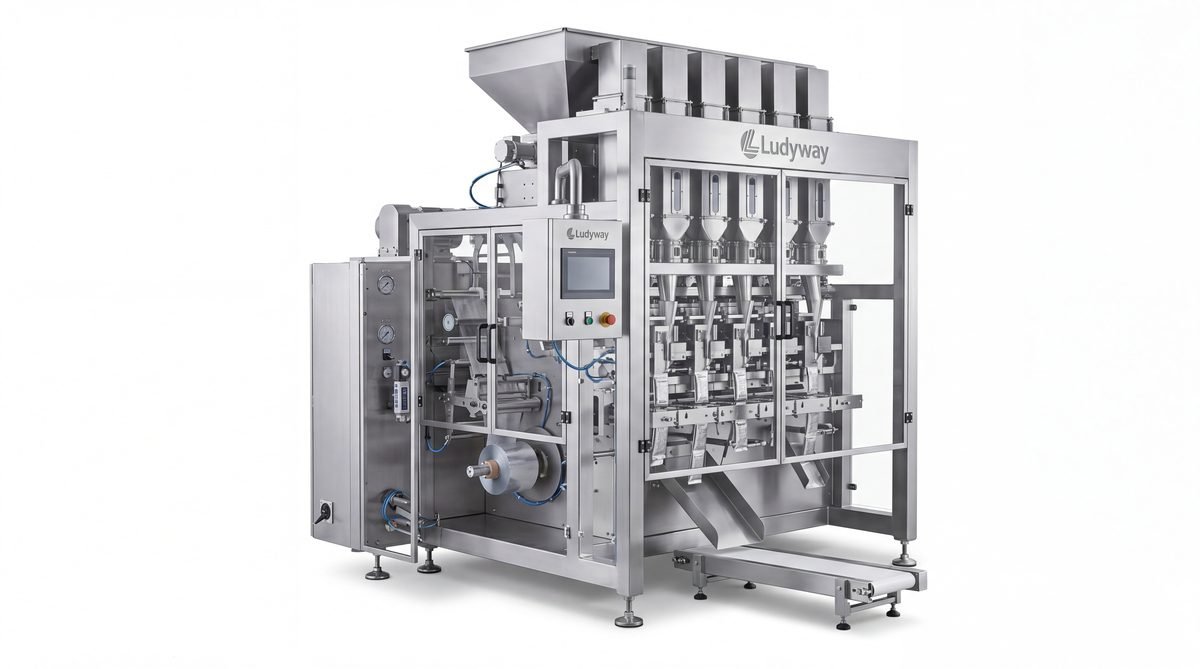
Every hand packaging machine contains parts designed to wear out. Replacing these on a set schedule is more cost-effective than suffering a production line stoppage. The table below highlights common components and their typical replacement cycles, though you should always adjust based on your specific production volume.
| Component | Typical Replacement Interval | Symptom of Wear |
|---|---|---|
| Teflon Sealing Tape/Band | Every 500-1000 operational hours | Wrinkled seals, product sticking to jaws |
| Cutting Blades/Knives | Every 12 months or as needed | Jagged cuts, film not cutting completely |
| Rubber Seals and Gaskets | Annually or bi-annually | Air leaks, product leakage in filling area |
| Forming Collar/Tube | As surface finish degrades | Film tracking issues, excessive noise |
| Drive Belts | Every 2-3 years | Cracking along the inner rib, slippage |
Lubrication: The Lifeline of Moving Parts
Proper lubrication reduces friction, prevents corrosion, and ensures smooth operation. However, using the wrong lubricant can degrade rubber seals and contaminate your product. For food and pharmaceutical applications, always use food-grade (H1) lubricants. Focus on these key areas:
- Linear Bearings and Guide Rods: These require a light coat of grease to prevent metal-on-metal contact.
- Cam Followers and Linkages: Apply lubricant sparingly to avoid attracting dust and product fines.
- Air Preparation Unit (FRL): Regularly check the pneumatic lubricator oil level and adjust the drip rate as recommended by the machine manufacturer.
When sourcing packaging machine components or seeking expert advice on upgrade parts, it’s beneficial to consult directly with established manufacturers. For instance, Ludyway, one of the largest packaging machine manufacturers in China with over 30 years of industry experience, offers comprehensive support and high-quality spare parts to keep your production running seamlessly.
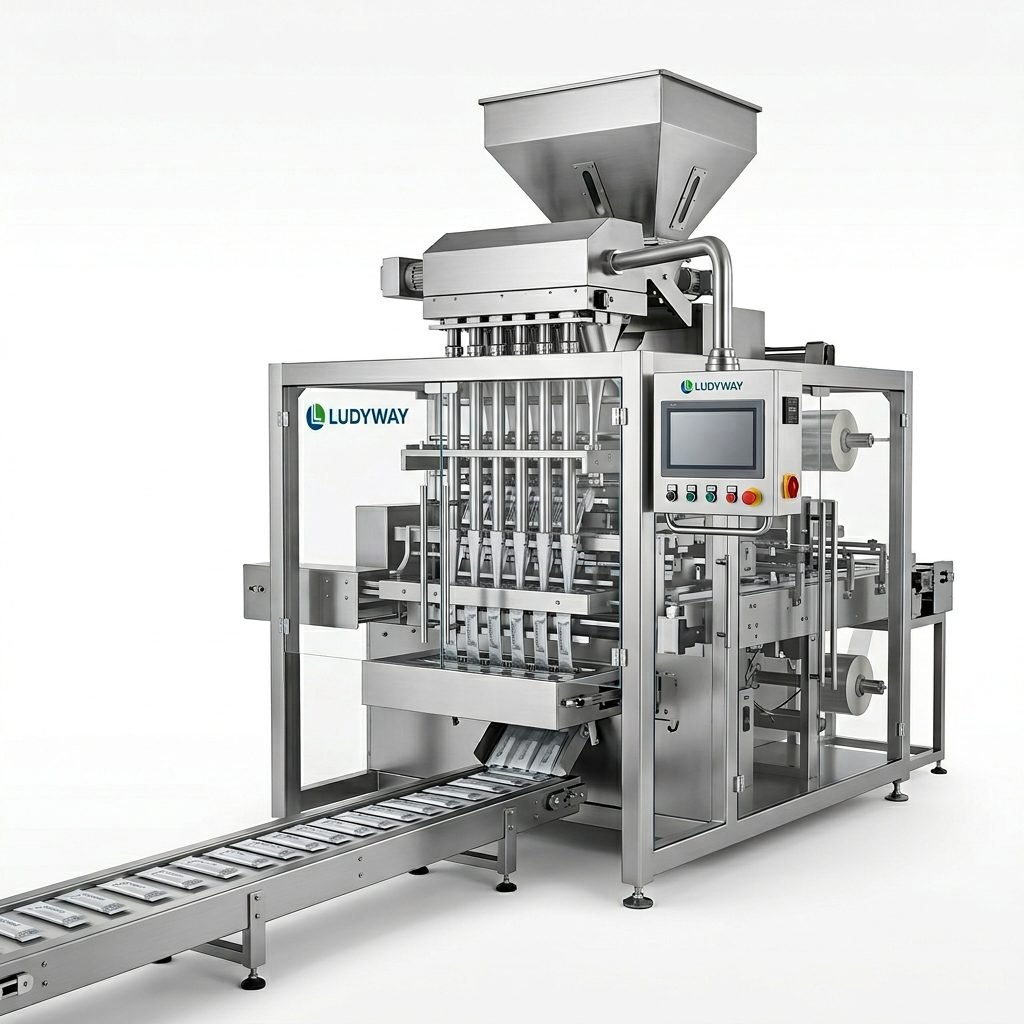
Troubleshooting Common Issues Before They Escalate
Even with perfect maintenance, minor adjustments are sometimes needed. Learning to diagnose early warning signs can save hours of downtime. Here are common scenarios and their root causes:
- Inconsistent Package Length: This is often caused by a slipping film feed belt, a dirty registration sensor, or incorrect tension on the film roll. Clean the sensor first, then check the belt tension.
- Leaking or Weak Seals: Inspect the sealing jaw temperature. If the temperature is correct, the issue is likely dirt on the sealing face, a worn Teflon tape, or insufficient pressure applied by the sealing mechanism.
- Inaccurate Fill Weights: For volumetric fillers, check for worn measuring cups or augers. For weigher-based systems, recalibrate the load cells and ensure the weigh bucket is not touching other parts of the frame.
- Machine Vibration or Noise: Unusual noise typically points to loose fasteners, worn bearings, or lack of lubrication. Stop the machine immediately and perform a thorough inspection.
Maintaining Electrical and Control Systems
The brain of your hand packaging machine—the PLC and touch screen—requires care too. Dust and moisture are the enemies of electronics. Keep the control cabinet door closed and ensure the cabinet’s cooling fan filter is cleaned monthly. Additionally, back up your machine parameters (recipes, servo settings) regularly. In the event of a hardware failure, having a recent backup allows for a rapid restoration of production settings, minimizing downtime during repairs.
The Importance of Operator Training
A well-trained operator is your first line of defense. Team members should be trained not just to operate the machine, but to recognize the subtle changes in sound, speed, or output that indicate a developing problem. They should know how to perform basic daily and weekly maintenance tasks correctly. A culture of ownership and attention to detail on the production floor significantly lowers the risk of catastrophic machine failure and ensures the equipment is always treated with the care it requires for reliable long-term service.