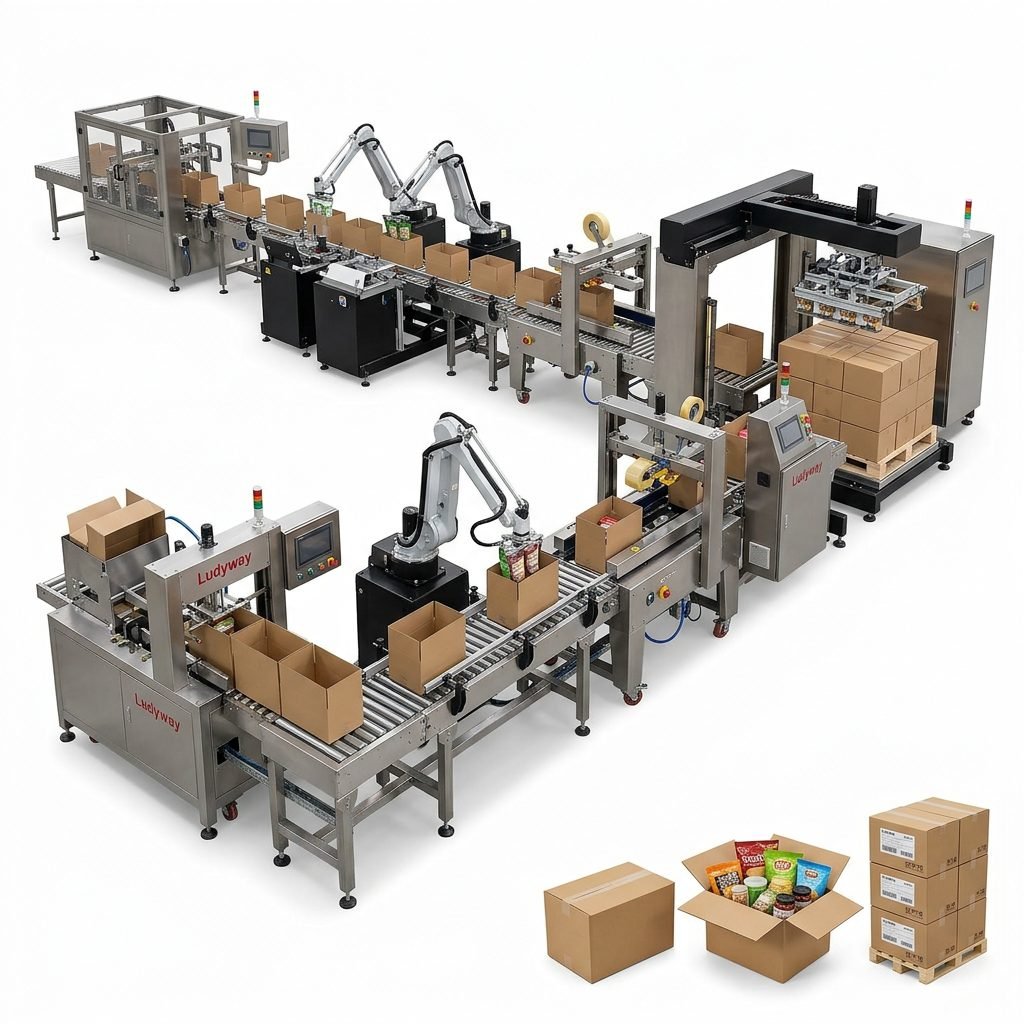
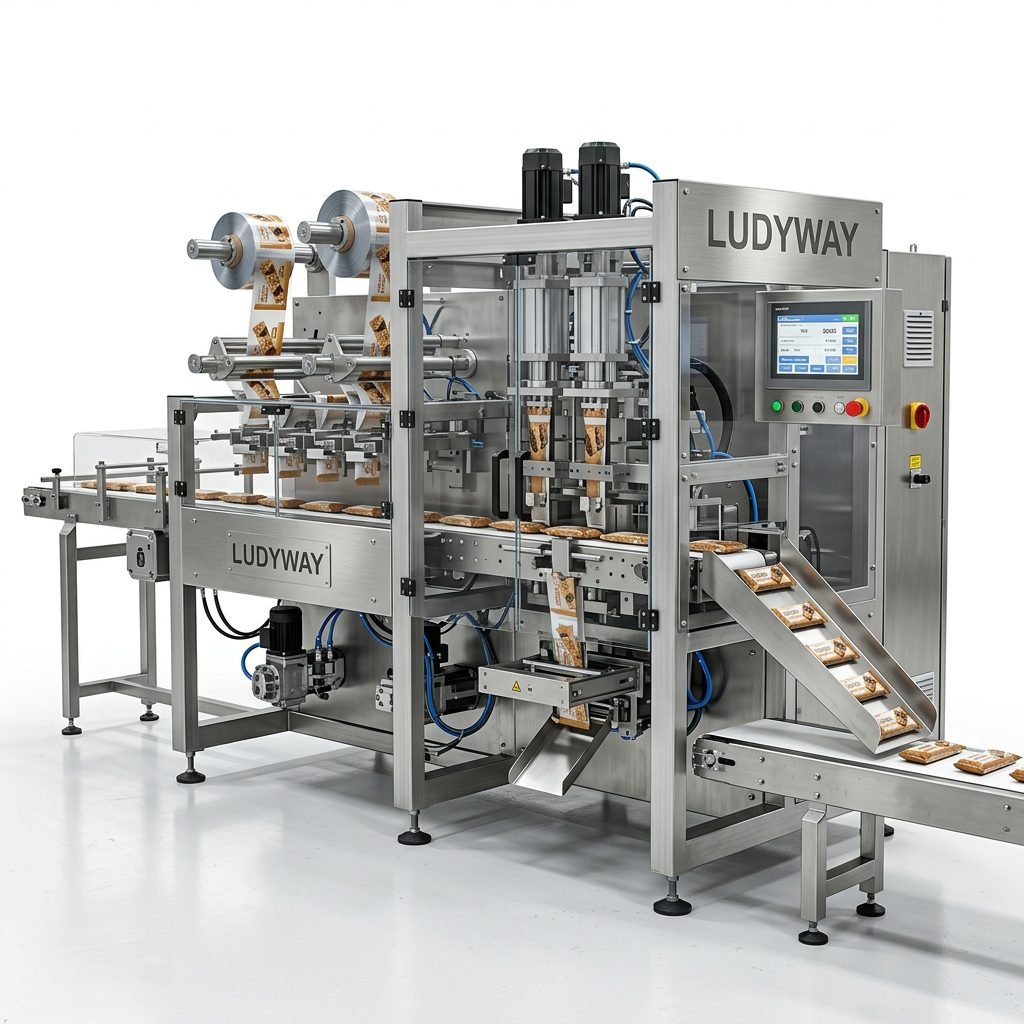
Investing in a packaging and sealing machine is one of the most critical operational decisions a manufacturer can face. The right equipment not only protects your product but also drives production efficiency, reduces waste, and strengthens your brand’s shelf presence. With a wide range of packaging machinery available today—from simple manual sealers to fully automated multi-lane systems—narrowing down the options requires a clear, structured approach. This guide walks you through every key factor you need to evaluate before making a purchase.
Understanding Your Product and Packaging Requirements
Before comparing machine specifications, you need a thorough understanding of what you are packaging. The physical characteristics of your product will directly influence which packaging equipment is suitable. Start by answering these questions:
- Product state: Is your product a powder, granule, liquid, paste, or solid? Each state requires different dosing and filling mechanisms.
- Flow characteristics: Does the product flow freely or is it sticky, cohesive, or prone to bridging? Free-flowing granules behave very differently from hygroscopic powders in automated feeding systems.
- Viscosity and temperature: For liquids, viscosity at filling temperature determines the appropriate pump type—piston, peristaltic, or gear pump.
- Particle size and dust: Fine powders may require dust-controlled dosing systems, while larger granules might need volumetric or multi-head weigher configurations.
- Sensitivity: Is your product oxygen-sensitive, moisture-sensitive, or fragile? This determines whether you need nitrogen flushing, vacuum sealing, or gentle handling mechanisms.
Choosing the Right Packaging Format
Your target packaging format fundamentally shapes the machine type you need. The flexible packaging market offers diverse formats, and selecting the right one impacts both machine choice and long-term production strategy. Common formats include:
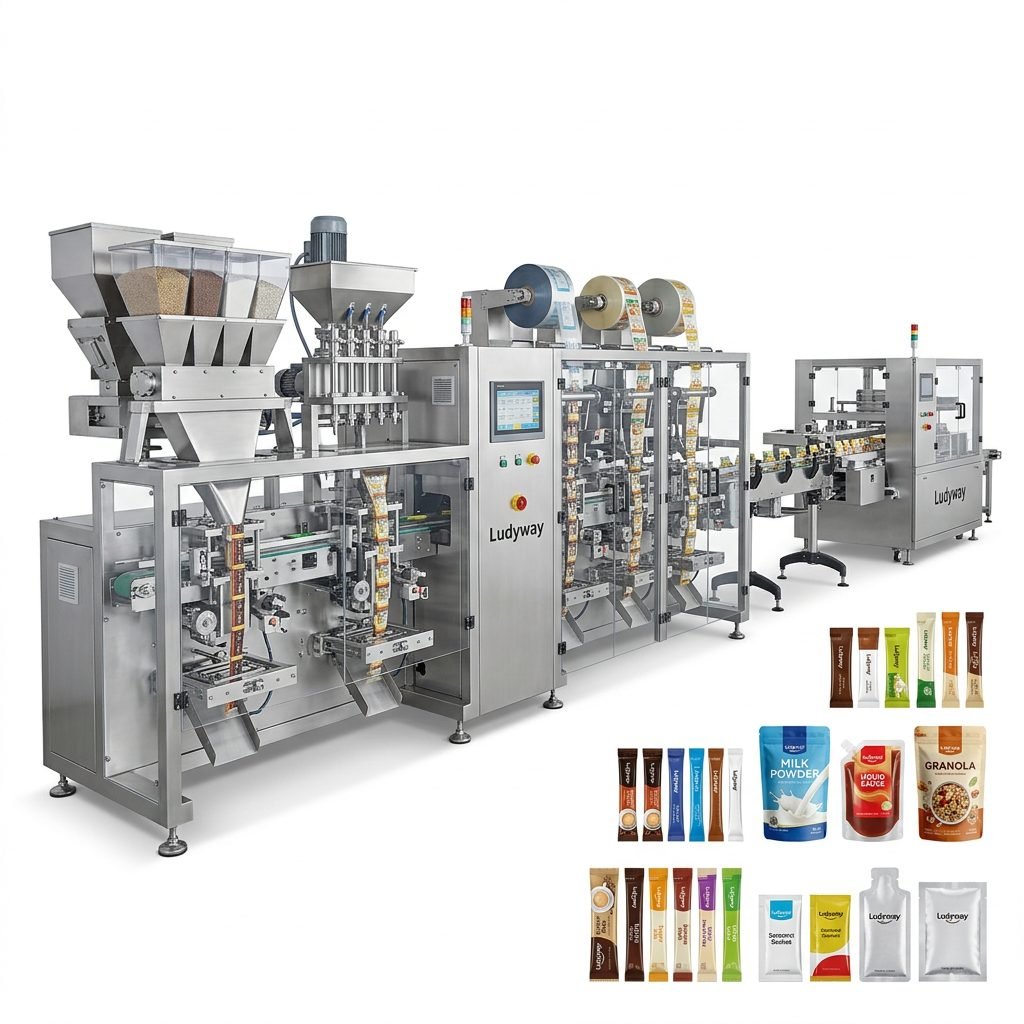
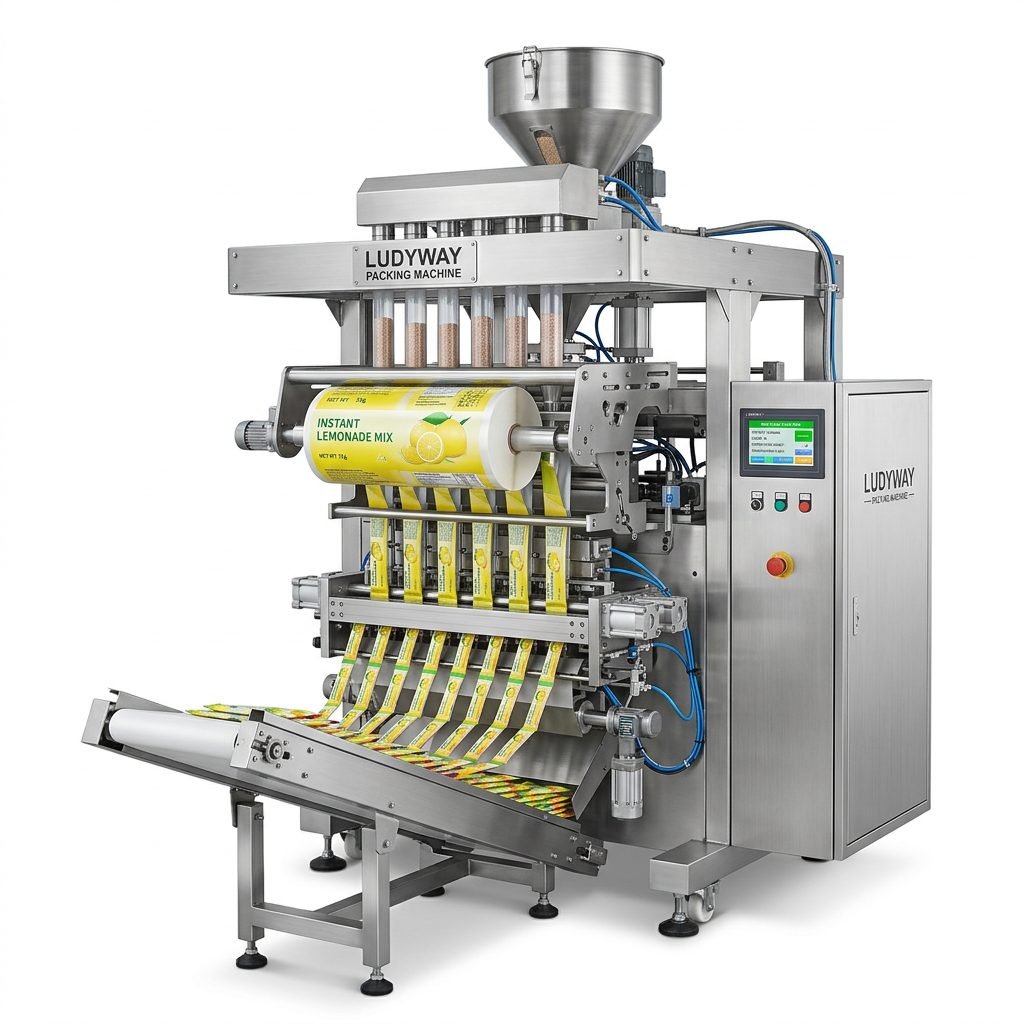
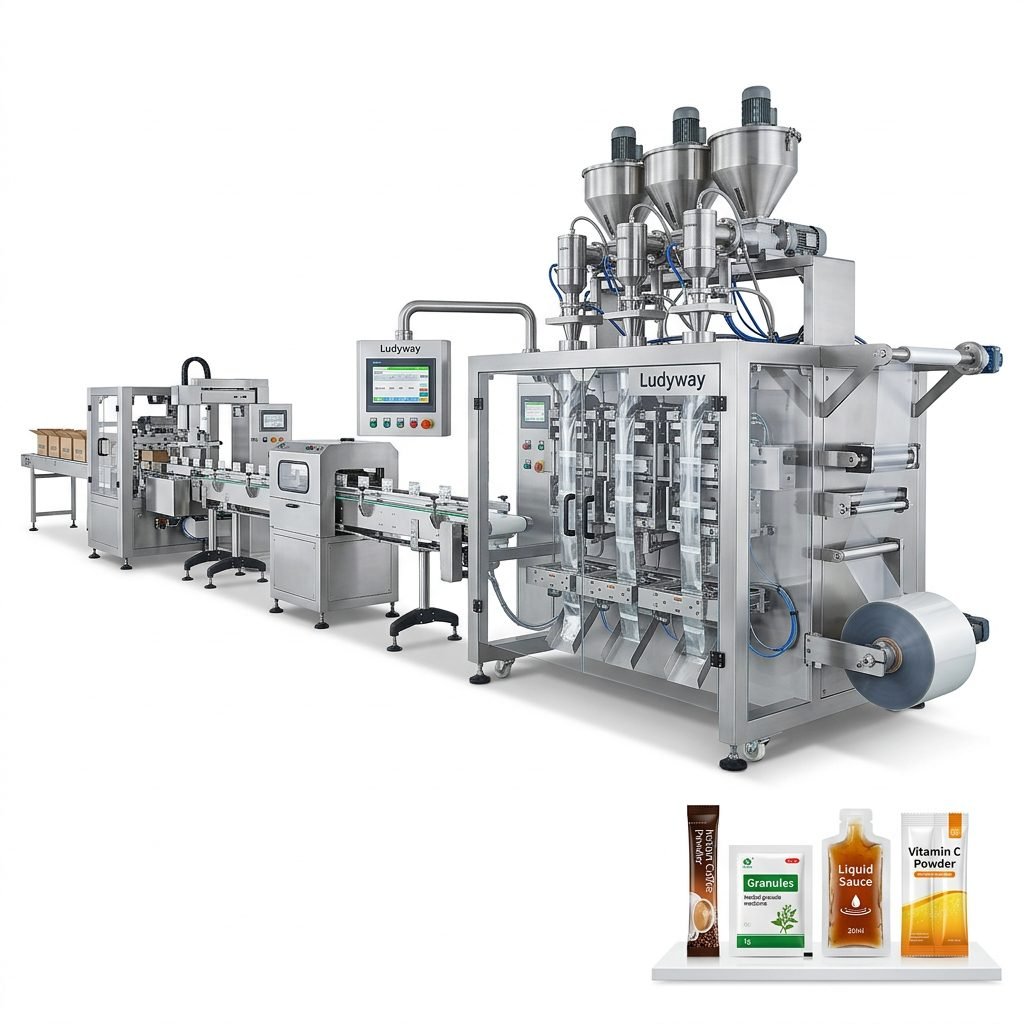
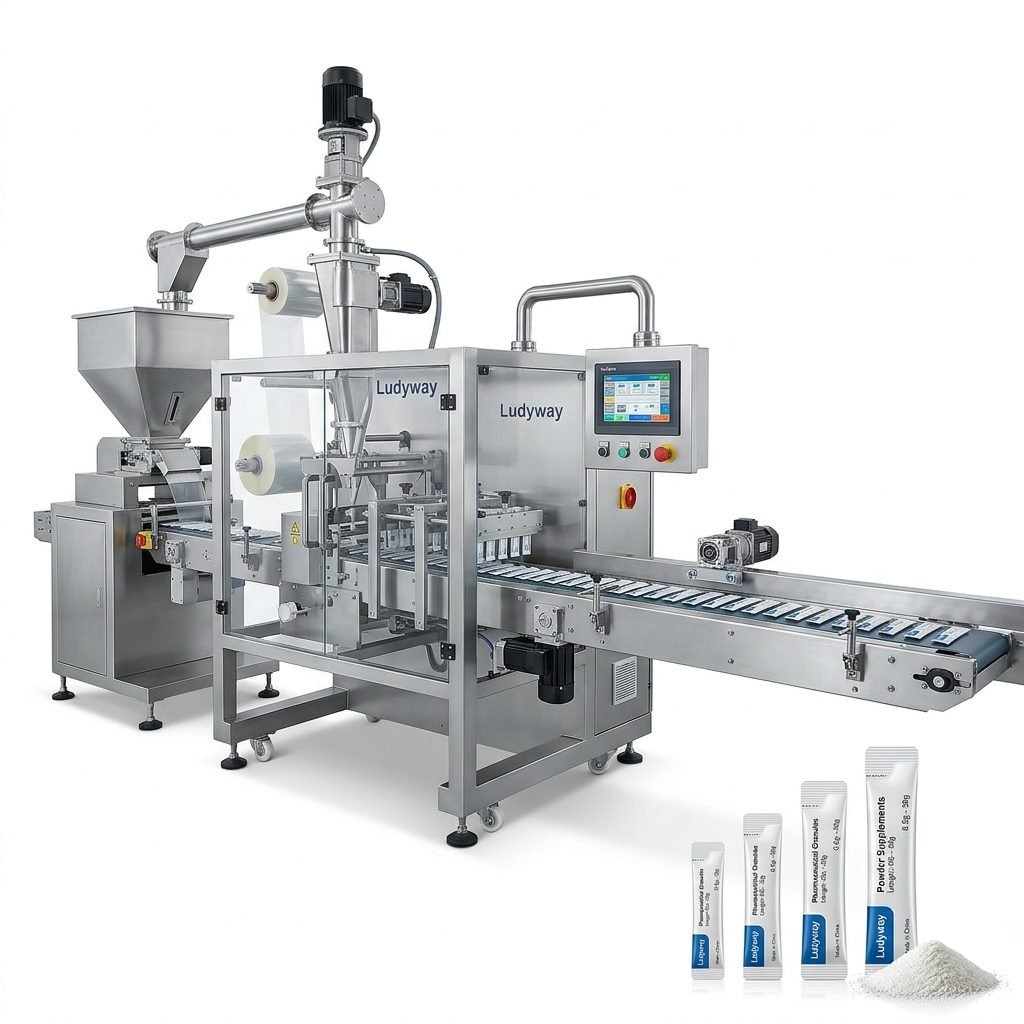
- Stick packs: Narrow, elongated sachets ideal for single-serve powders, instant coffee, sugar, supplements, and liquid concentrates. These are typically produced on high-speed multi-lane stick pack machines.
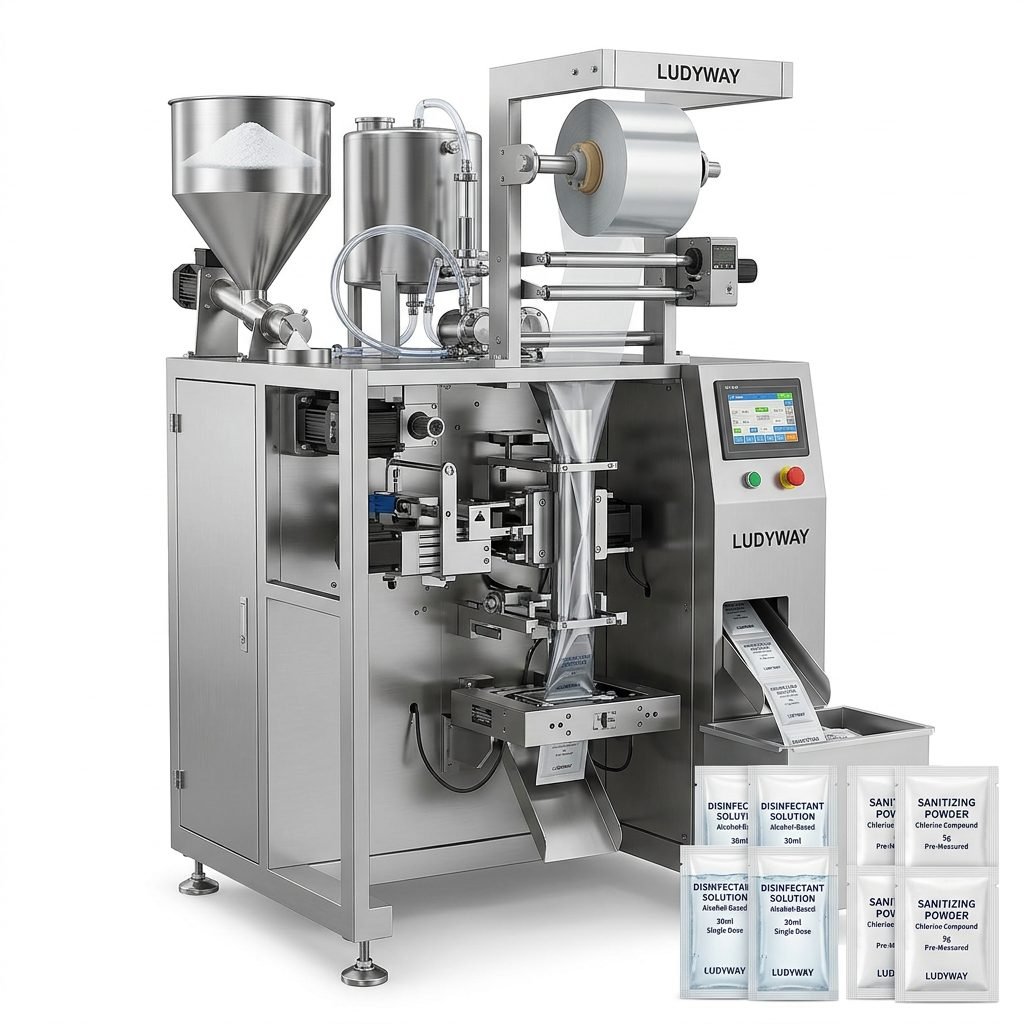
- Sachets and flat pouches: Versatile three- or four-side seal pouches used across food, pharmaceutical, cosmetic, and chemical industries. Available in a wide range of sizes and materials.
- Stand-up pouches: Popular for consumer products, these require specialized pouch-making or pre-made pouch filling equipment with gusset and zipper capabilities.
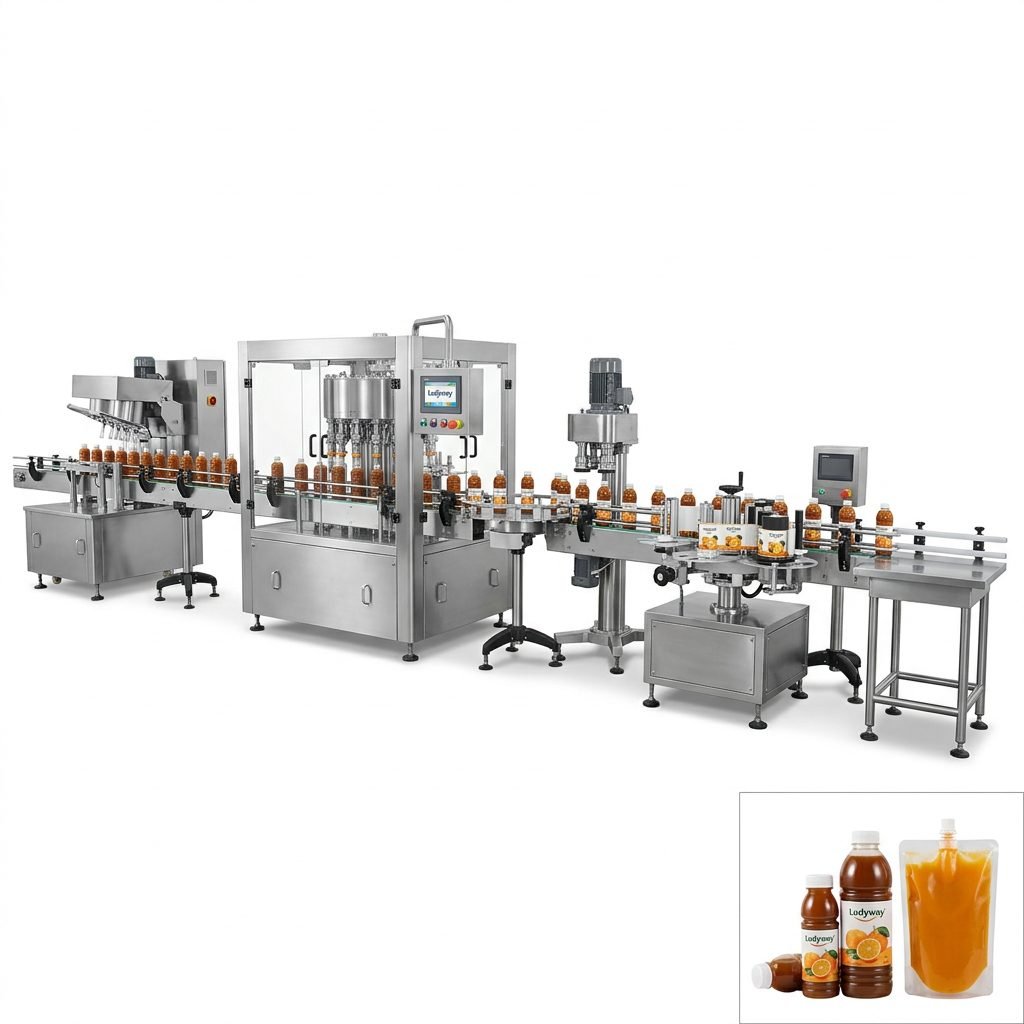
- Bottles and rigid containers: Require different filling and capping technologies than flexible packaging, often integrated into complete bottling lines.
- Bulk bags and jumbo bags: For industrial products requiring 10kg to 50kg packaging, specialized weighing and bagging systems are essential.
Types of Packaging and Sealing Machines
Understanding the main categories of packaging machinery helps you identify which technology best matches your application. Here are the primary machine types used across industries:
Vertical Form Fill Seal (VFFS) Machines
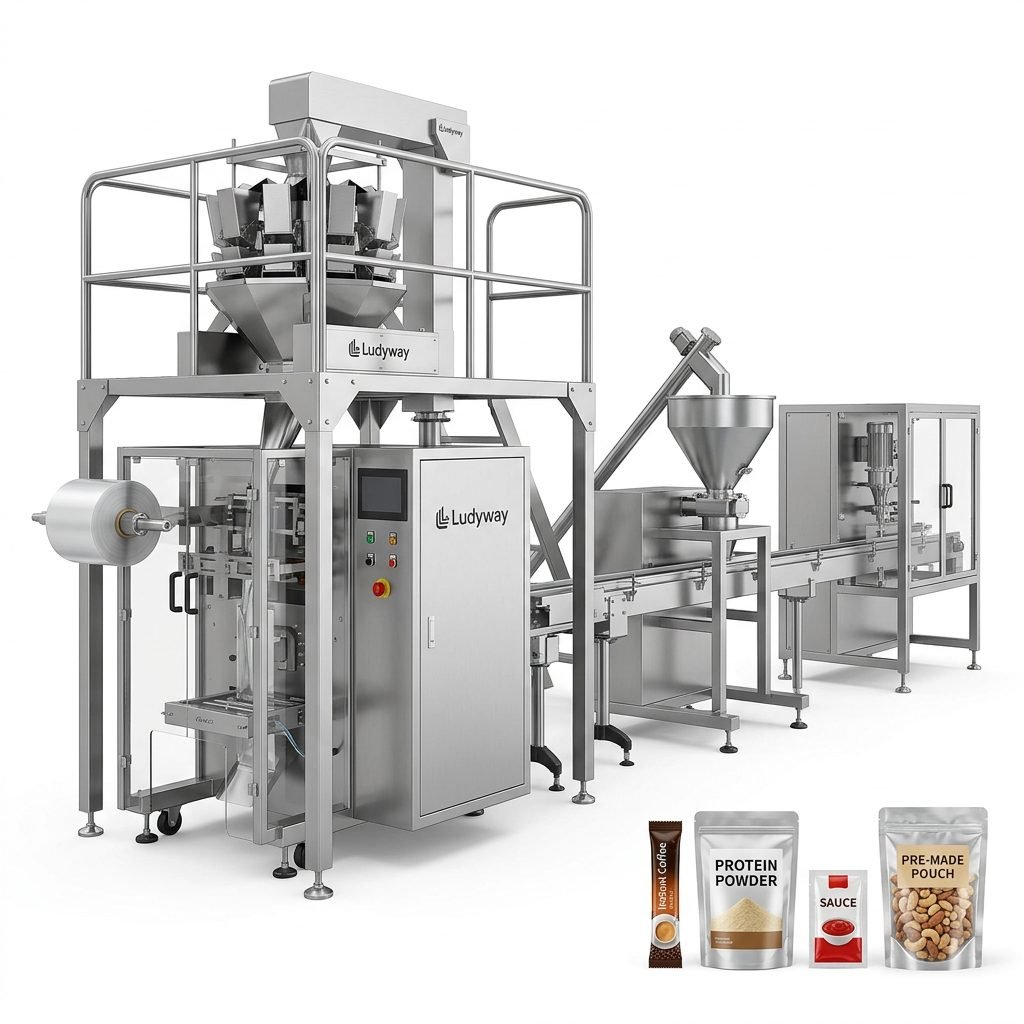
VFFS machines form a tube from roll stock film, fill it with product, and seal it in a vertical configuration. They are highly versatile and can produce pillow bags, gusseted bags, and block-bottom bags. These machines excel with granules, powders, and free-flowing solids at medium to high speeds. Multi-head weigher combinations are common for precise weight accuracy.
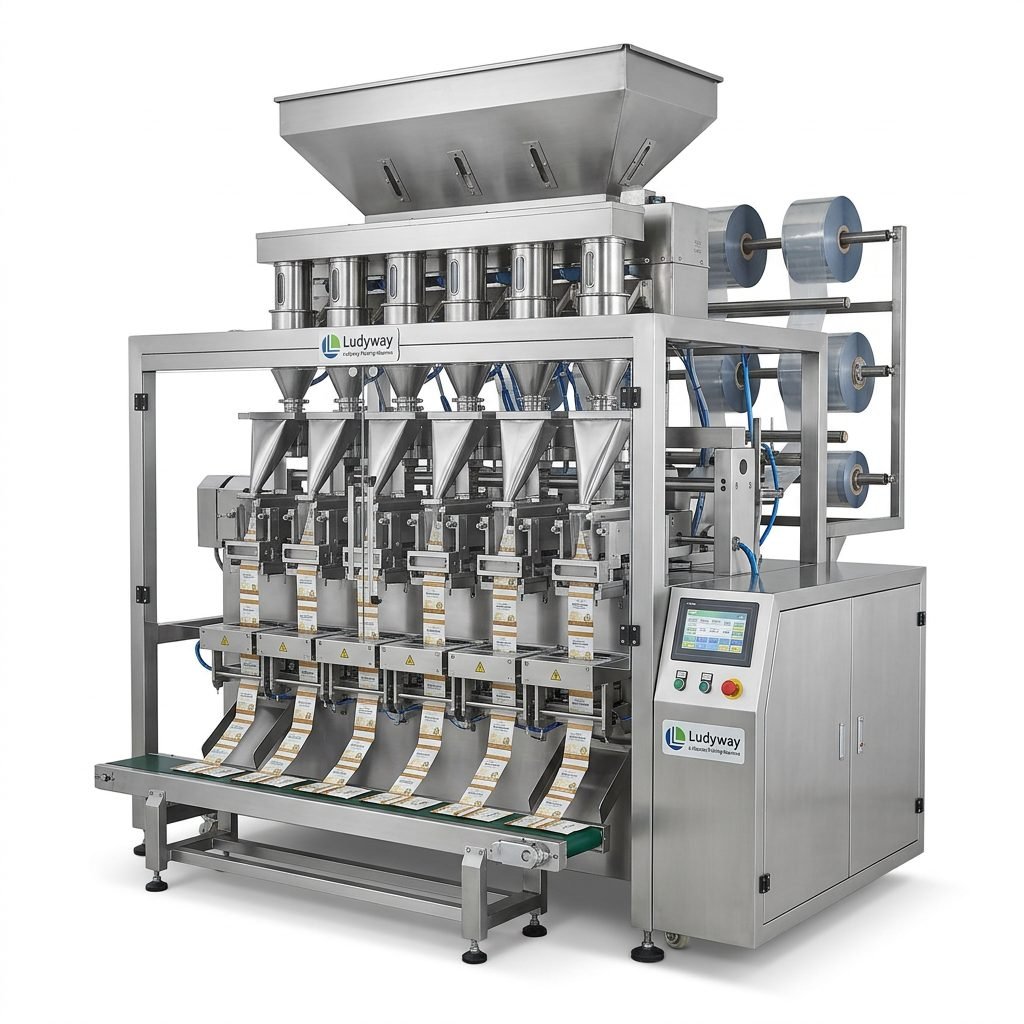
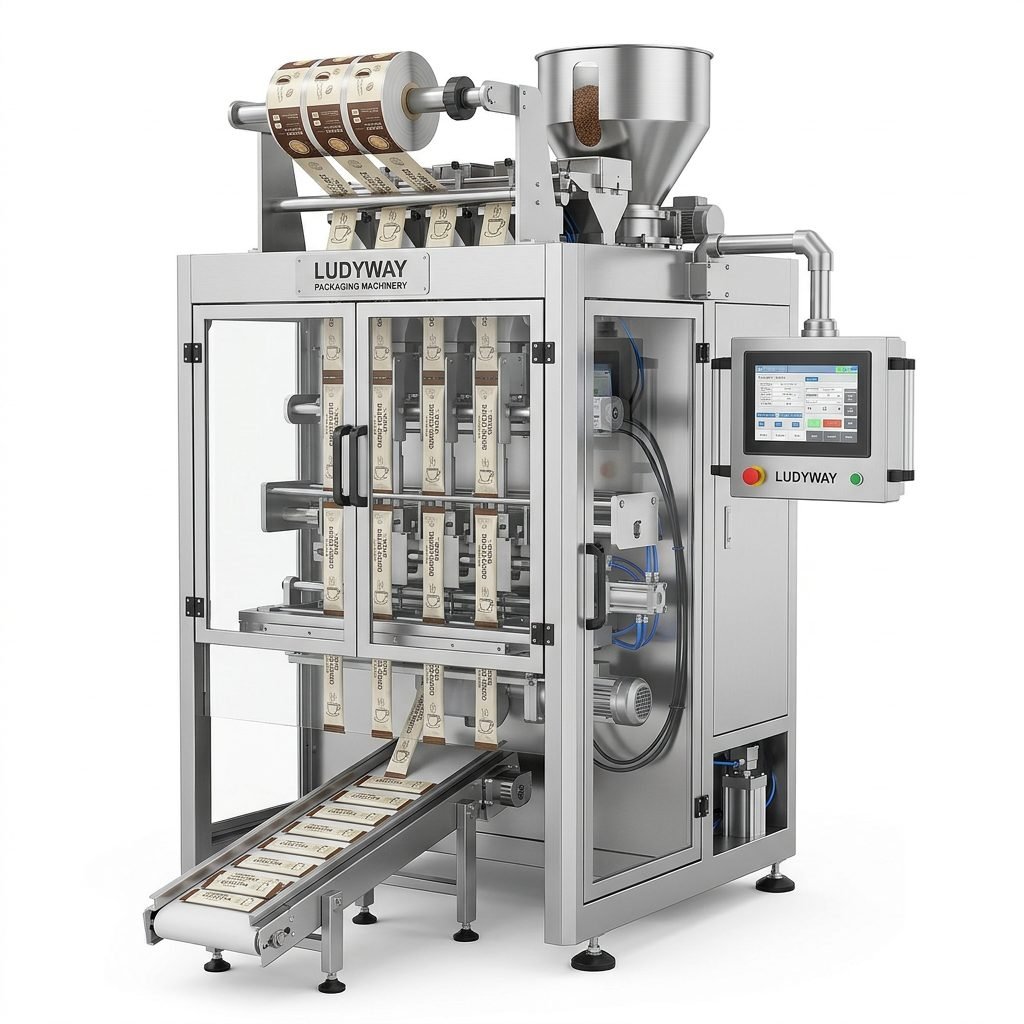
Multi-Lane Stick Pack and Sachet Machines
For high-volume single-serve packaging, multi-lane stick pack machines offer unmatched throughput. These machines run multiple lanes simultaneously—typically 4 to 20 lanes—producing individual stick packs or sachets at speeds that can exceed 1,000 packs per minute on high-end configurations. They are ideal for sugar, instant coffee, powdered beverages, pharmaceutical granules, and liquid single-dose products.
Pre-Made Pouch Filling and Sealing Machines
Rotary or inline pre-made pouch machines take pre-formed pouches, open them, fill them, and seal them. These are preferred when using stand-up pouches, zipper pouches, or spouted pouches that are difficult to form in-line. They offer flexibility in pouch styles and are widely used in food, pet food, and consumer products.
Horizontal Form Fill Seal (HFFS) Machines
HFFS machines operate horizontally and are commonly used for solid products like biscuits, bakery items, medical devices, and hardware parts. They wrap products in flow-wrap or pillow-pack formats and can integrate with upstream feeding and downstream cartoning systems.
Key Technical Specifications to Compare
When evaluating specific machine models, comparing technical specifications side by side helps eliminate unsuitable options. The table below summarizes the critical parameters you should examine across different machine categories:
| Specification | Why It Matters | Typical Range |
|---|---|---|
| Filling speed | Directly determines production output capacity | 30–1,200 packs/min (multi-lane) |
| Filling volume range | Must match your current and future product sizes | 1g–50kg depending on format |
| Filling accuracy | Affects product giveaway and regulatory compliance | ±0.5%–±2% depending on system |
| Bag size flexibility | Determines how many SKUs one machine can handle | Width: 20–420mm; Length: 40–500mm |
| Material compatibility | Must seal your specific film structure effectively | Laminates, PE, PP, aluminum foil, paper |
| Automation level | Impacts labor requirements and line integration | Semi-auto to fully automated turnkey lines |
Material and Seal Integrity Considerations
The sealing system is the heart of any packaging machine. A machine that fills accurately but seals poorly will generate unacceptable waste and compromise product safety. Key sealing technologies include:
- Heat sealing: The most common method, using heated jaws or bars to bond thermoplastic films. Temperature, pressure, and dwell time must be precisely controllable.
- Ultrasonic sealing: Uses high-frequency vibrations to bond materials without external heat. Particularly useful for heat-sensitive products and materials with contamination in the seal area.
- Impulse sealing: Applies a short electrical pulse to heat a sealing wire, then cools under pressure. Common for thicker films and certain medical applications.
Always test your actual packaging material on the machine before committing. Film compatibility varies significantly between machines, and what works on one model may not seal properly on another. Request sealing integrity testing with your specific film structure and product.
Compliance and Industry Standards
Packaging machinery must often comply with specific regulations depending on your industry and target market. Food packaging regulations in the U.S., EU directives, and GMP requirements for pharmaceuticals all influence machine design, materials of construction, and documentation requirements.
For pharmaceutical and medical device packaging, adherence to ISO 11607 standards for terminally sterilized medical devices may be mandatory. Machines should be designed with validated sealing parameters, traceable calibration, and appropriate documentation packages. In food applications, sanitary design principles, washdown compatibility, and material traceability are essential considerations.
Production Environment and Integration
A packaging machine does not operate in isolation. Consider your existing production environment and how the new equipment will integrate:
- Factory floor space: Measure available area carefully, including clearance for operation, maintenance access, and material loading. Multi-lane machines with peripheral equipment can have a substantial footprint.
- Upstream integration: How will product be fed to the packaging machine? Direct from processing equipment, via conveyor, or through manual loading? Automated feeding systems reduce labor but require additional integration.
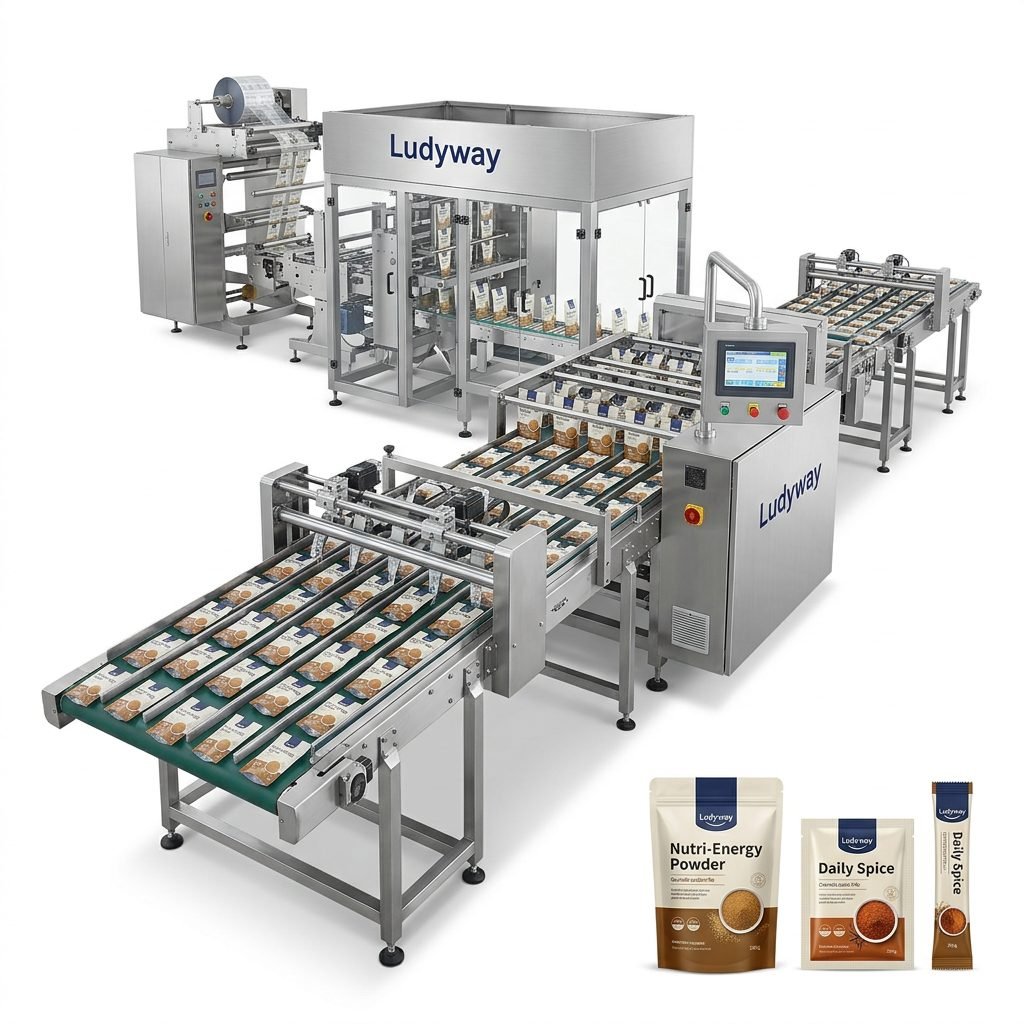
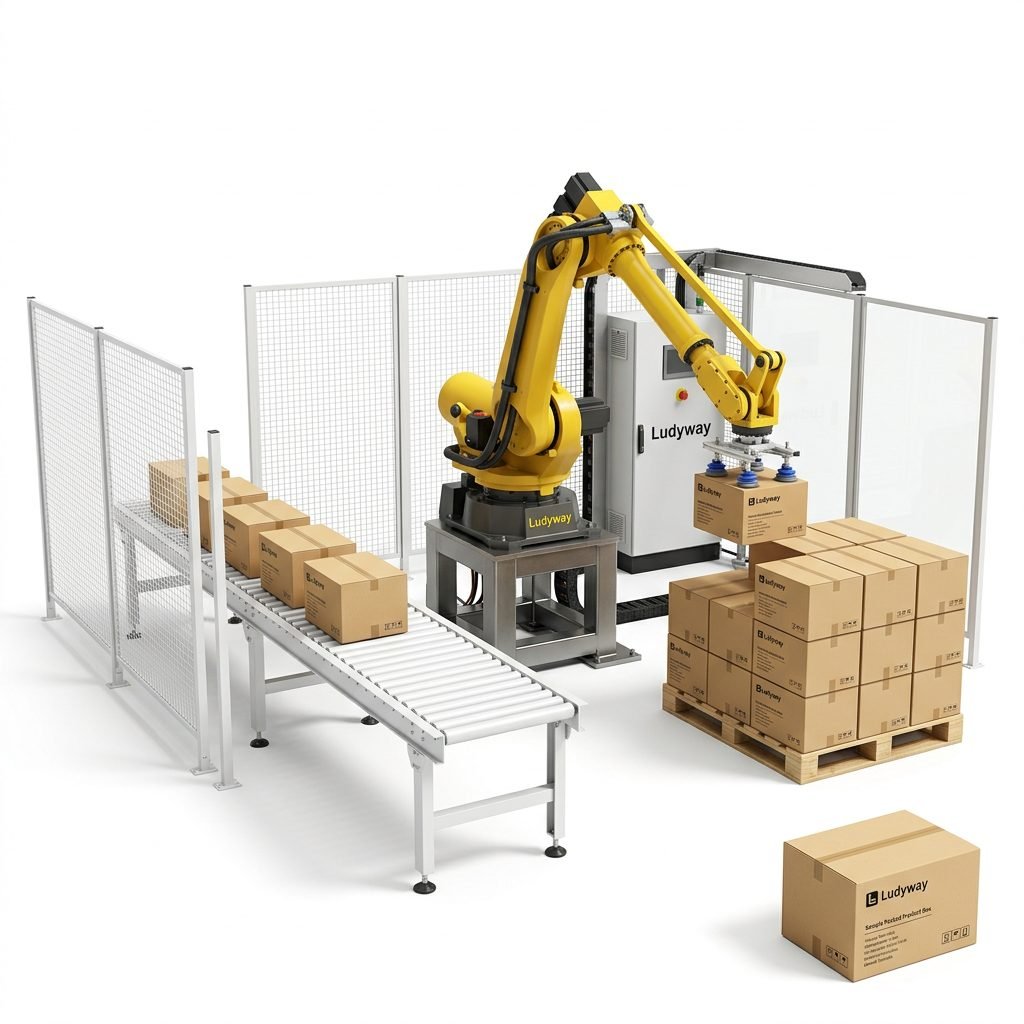
- Downstream handling: What happens after sealing? Consider cartoning, case packing, palletizing, coding, inspection, and metal detection requirements.
- Utility requirements: Confirm compressed air capacity (CFM and pressure), electrical supply (voltage, phase, frequency), and any water or steam requirements.
- Dust and environmental controls: For powders, dust extraction systems may be necessary to protect operators and maintain clean sealing conditions.
Evaluating Suppliers and Manufacturers
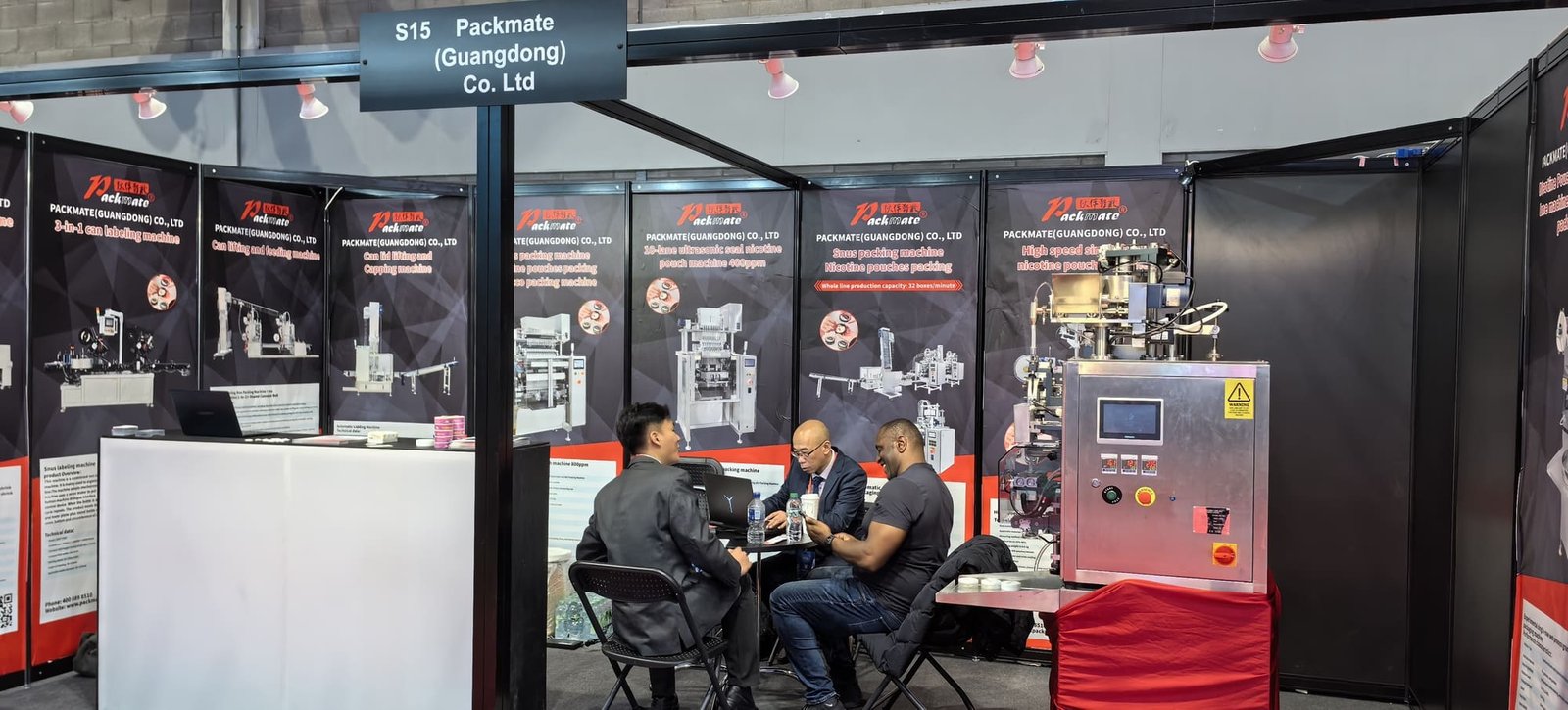
Choosing the right machine is only half the equation—choosing the right supplier is equally important. A reliable packaging machinery manufacturer should offer more than just equipment. Look for partners that provide application engineering support, customization capabilities, and comprehensive after-sales service. Verify the manufacturer’s track record in your specific industry, as experience with similar products significantly reduces project risk.
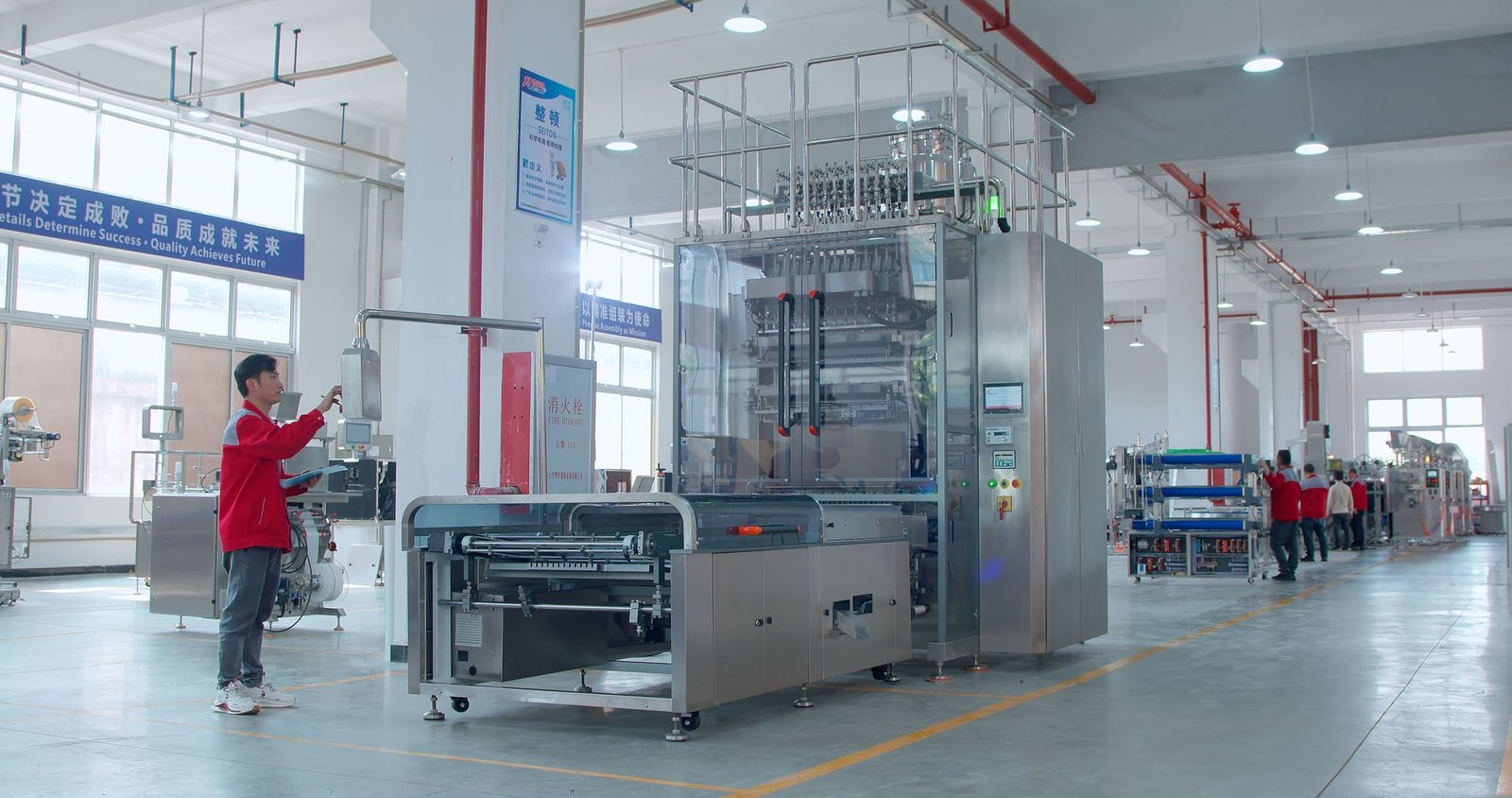
Request references from customers with similar applications, visit operating installations if possible, and evaluate the manufacturer’s spare parts availability and response times. A manufacturer with global service capabilities can provide critical support as your business expands into new markets. Ludyway Machinery, for example, is a China-based manufacturer with over 30 years of experience, serving customers in more than 100 countries with a portfolio spanning over 50 packaging machine models and complete turnkey solutions.
Total Cost of Ownership Analysis
The purchase price is only one component of the total cost of ownership (TCO). A comprehensive TCO analysis should account for the following factors over the expected machine lifespan of 10–15 years:
- Initial capital cost: Machine price plus shipping, installation, and commissioning.
- Packaging material costs: Different machines have different film utilization efficiency and waste rates. A machine with 2% film waste versus 5% can save substantial material costs over time.
- Labor costs: Fully automated lines reduce operator requirements but may need more skilled maintenance personnel.
- Spare parts and maintenance: Consumable parts like sealing jaws, cutting blades, belts, and filters require periodic replacement. Understand typical annual maintenance costs.
- Energy consumption: Heating elements, motors, compressed air, and auxiliary equipment all contribute to operating costs.
- Downtime cost: Unplanned downtime is expensive. Machines with higher reliability and faster changeover times reduce this hidden cost.
Changeover Flexibility and Future-Proofing
If you produce multiple products or plan to expand your product line, changeover speed becomes critical. Look for machines with tool-less changeover features, recipe storage for different product parameters, and quick-release components that minimize downtime between production runs. A machine that takes 30 minutes to change over versus one that takes 2 hours represents dramatically different production flexibility.
Consider future needs: Will your production volume grow? Might you introduce new packaging formats? Selecting a modular machine platform that can be upgraded or reconfigured protects your investment over the long term. Industry trends toward flexible manufacturing make this consideration increasingly important.
Testing and Validation Before Purchase
Never commit to a packaging machine without thorough testing. Most reputable manufacturers offer factory acceptance testing (FAT) where you can run your actual product and packaging material on the machine before shipment. This is the best opportunity to verify:
- Filling accuracy with your specific product
- Seal integrity and visual seal quality
- Machine speed and output under realistic conditions
- Ease of operation and changeover
- Integration with your chosen packaging material
Document all test results and ensure they meet agreed-upon acceptance criteria before signing off on the equipment. A thorough FAT can prevent costly surprises after installation.
After-Sales Support and Long-Term Partnership
A packaging machine is a long-term investment, and the relationship with your supplier extends well beyond the initial purchase. Evaluate the manufacturer’s global service network, response times for technical inquiries, spare parts inventory and delivery speed, availability of remote diagnostic support, and operator training programs. Leading packaging machinery exporters are expanding their global service capabilities to meet growing international demand, making after-sales support a key differentiator in supplier selection.
Making the Final Decision
Selecting the right packaging and sealing machine requires balancing multiple factors: product characteristics, production requirements, budget constraints, and long-term operational goals. Start with a clear specification of your needs, compare options from multiple qualified suppliers, conduct thorough testing with your actual products and materials, and evaluate the total cost of ownership rather than just the purchase price. The packaging industry continues to advance with automation, digital integration, and sustainability features—selecting a forward-looking machine platform ensures your packaging operation remains competitive for years to come.
Whether you need a single automatic packaging machine or a complete turnkey packaging line, taking a structured approach to machine selection will yield better outcomes. Focus on your product requirements, verify performance through testing, choose a manufacturing partner with relevant experience and reliable support, and plan for both current needs and future growth. The right equipment and the right supplier together form the foundation of efficient, scalable packaging operations that support your business objectives.