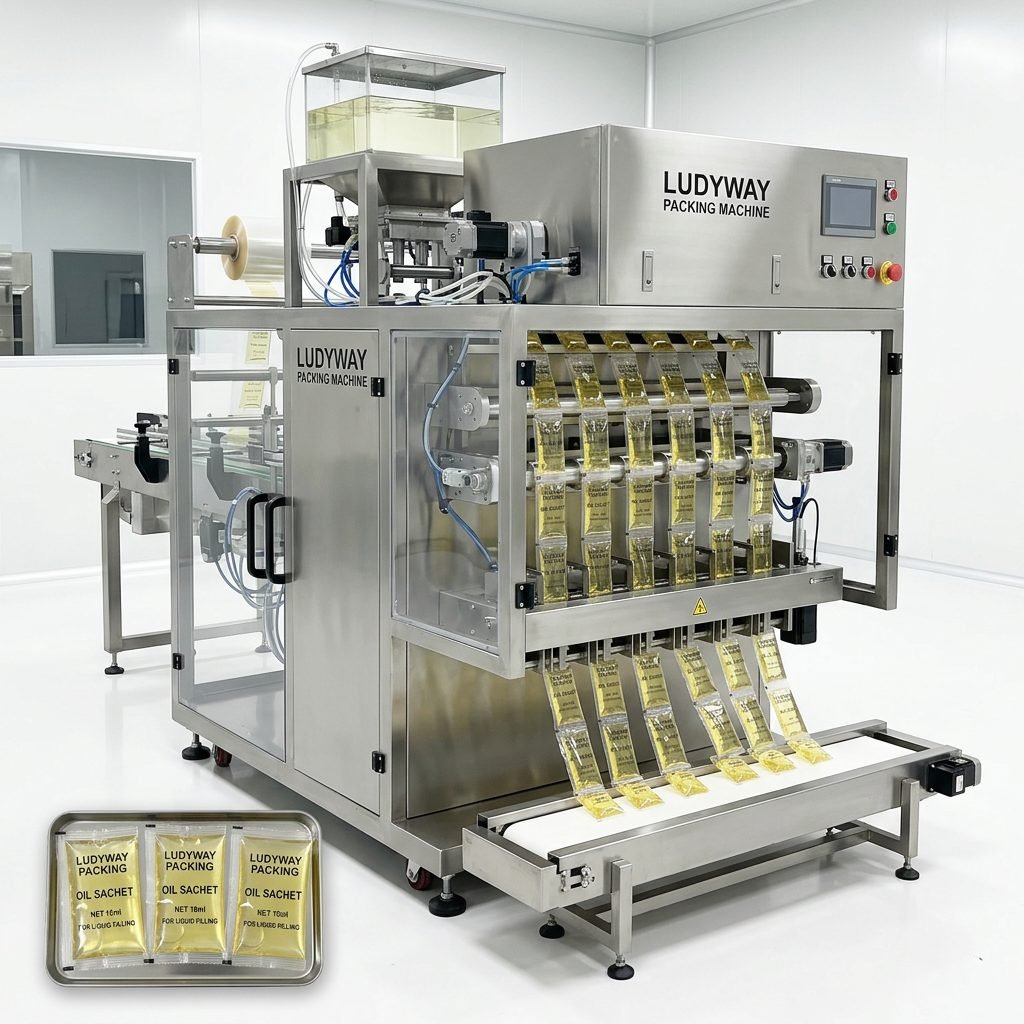
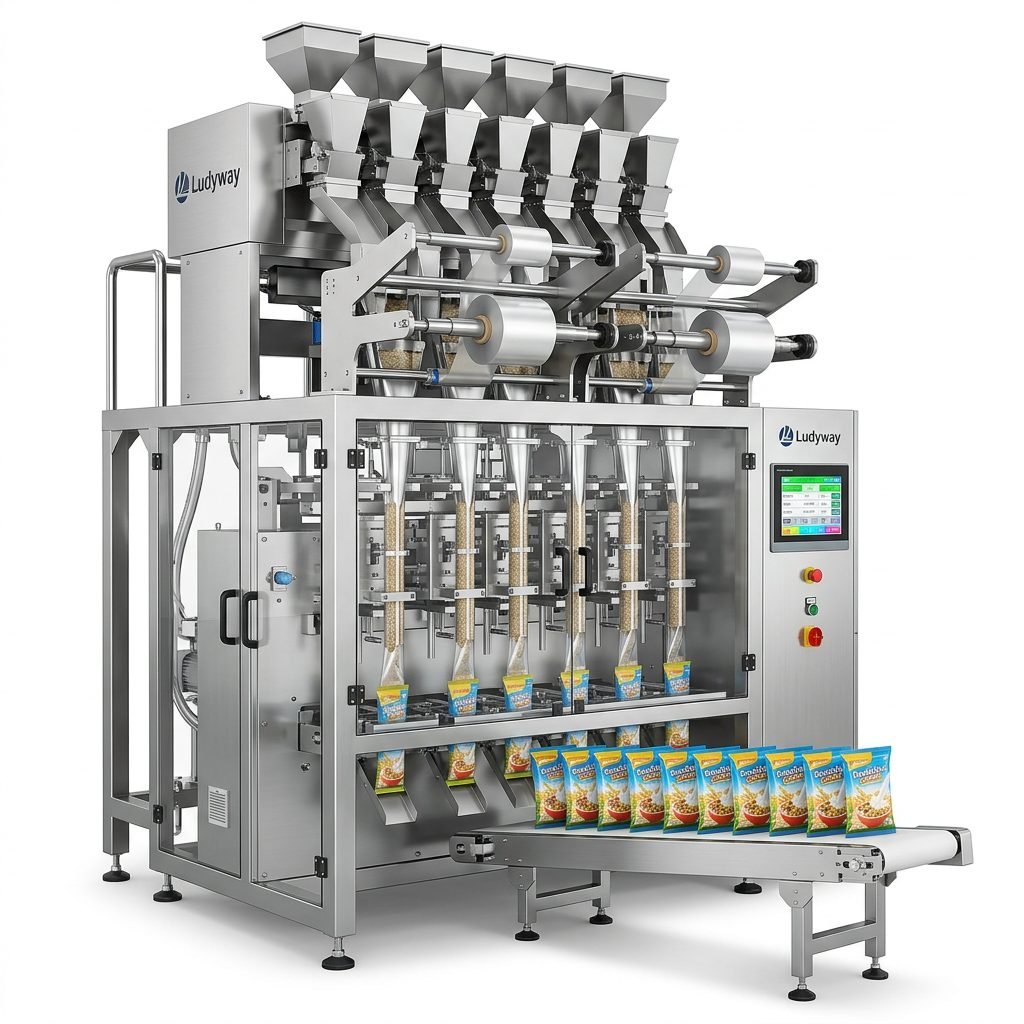
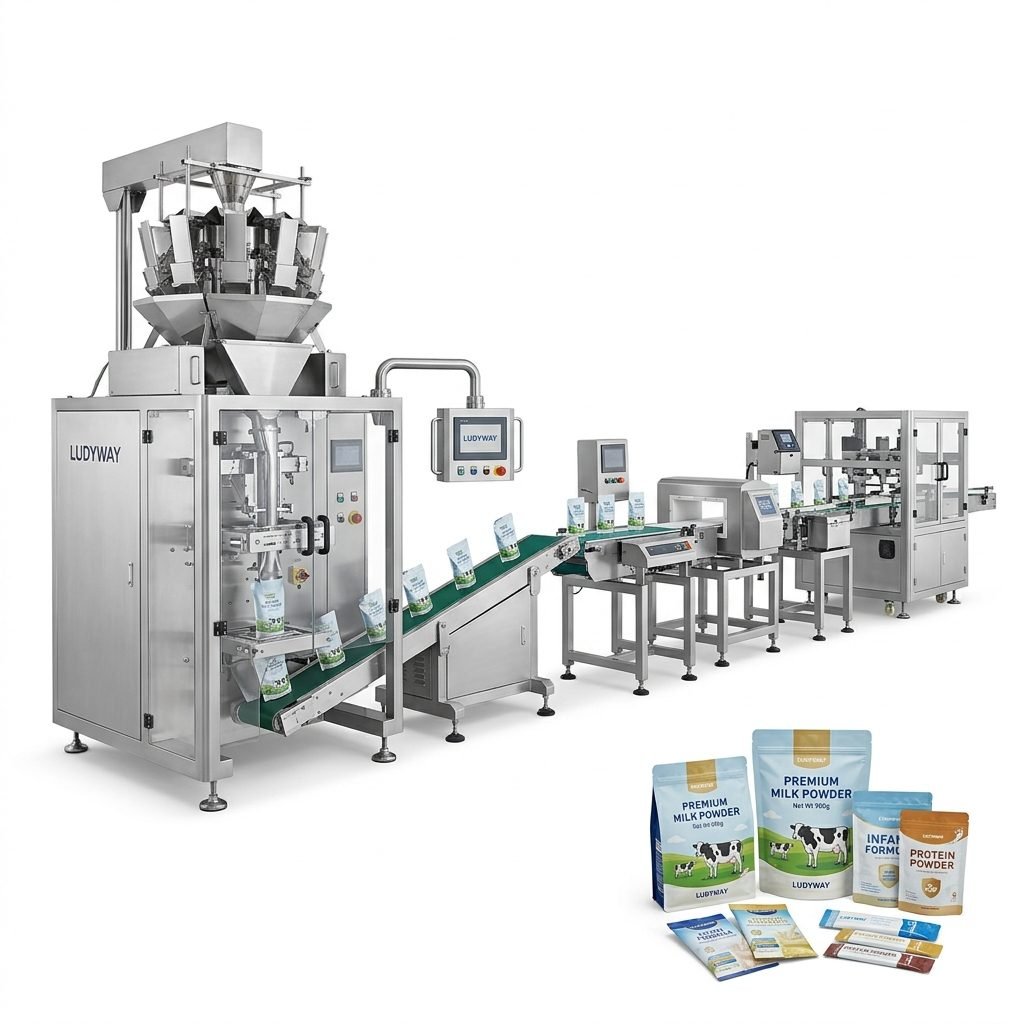
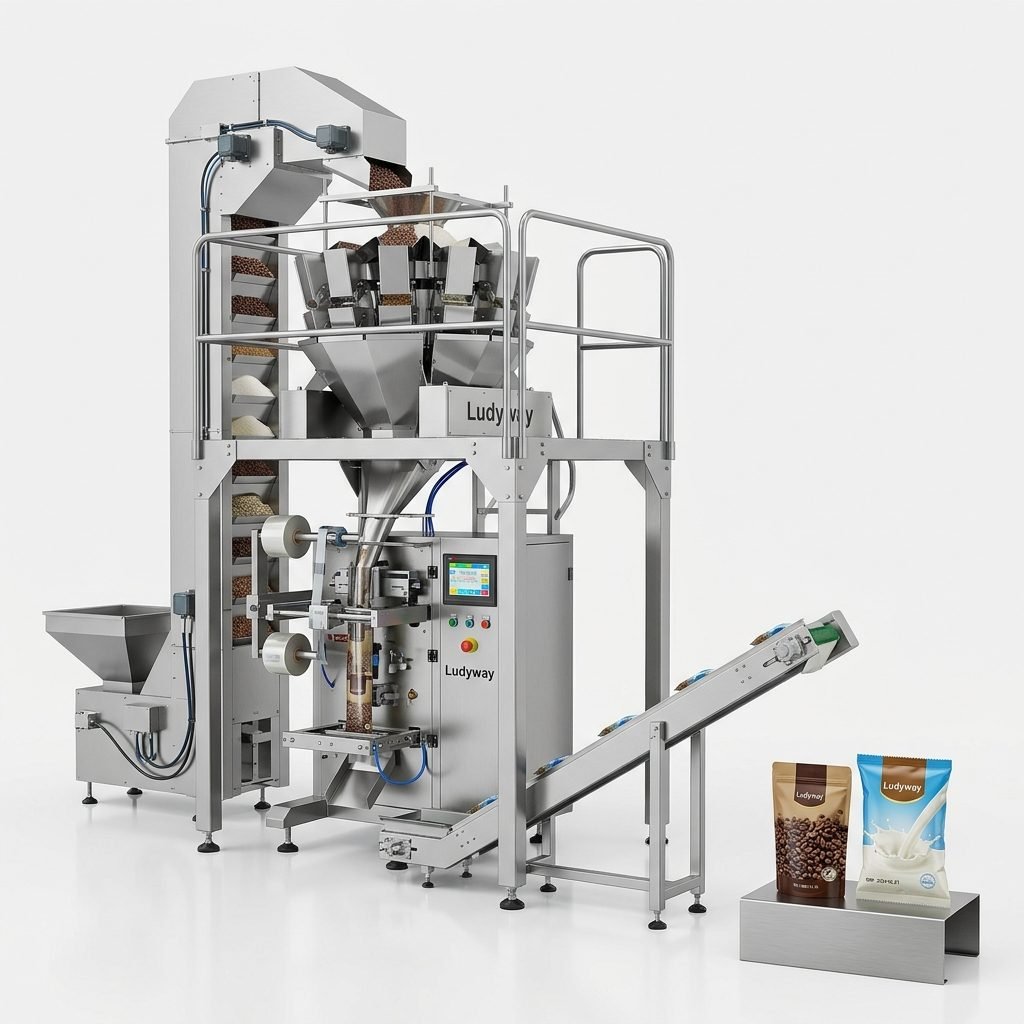
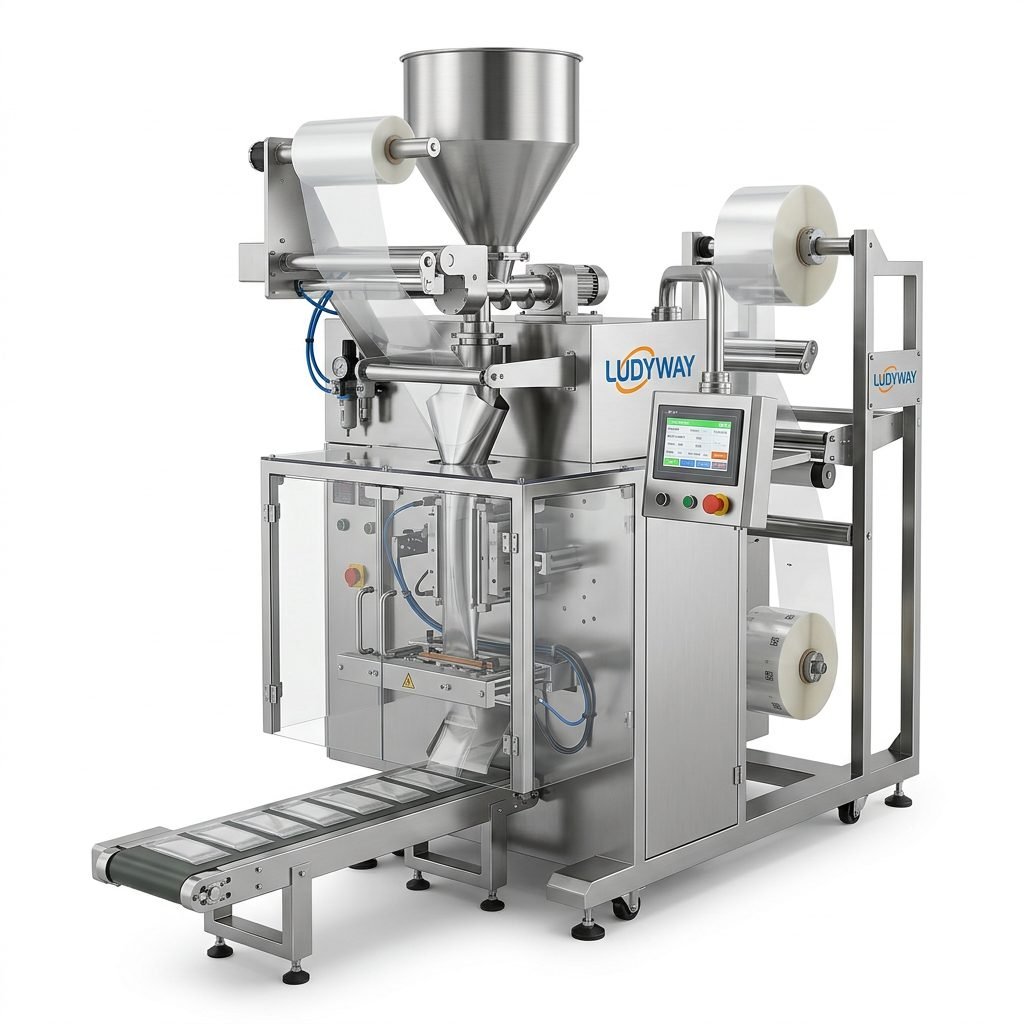
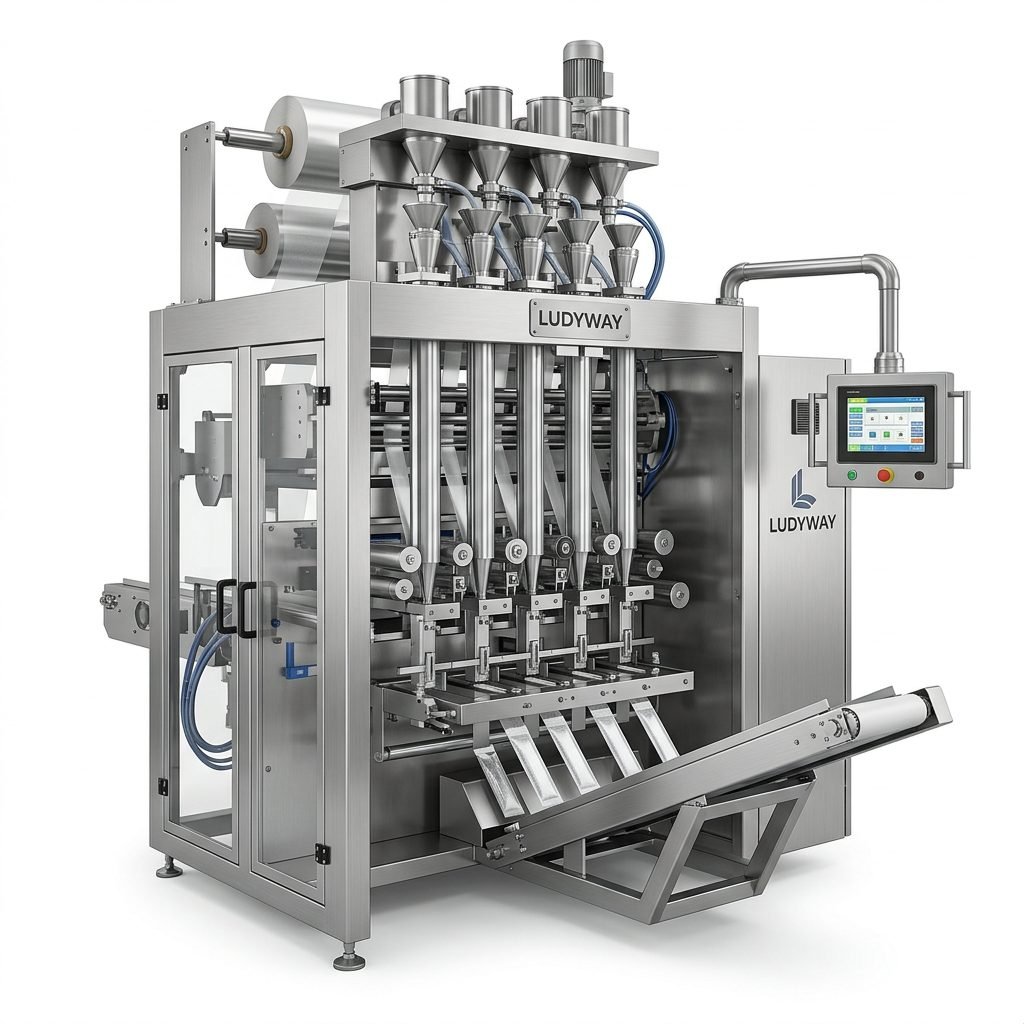
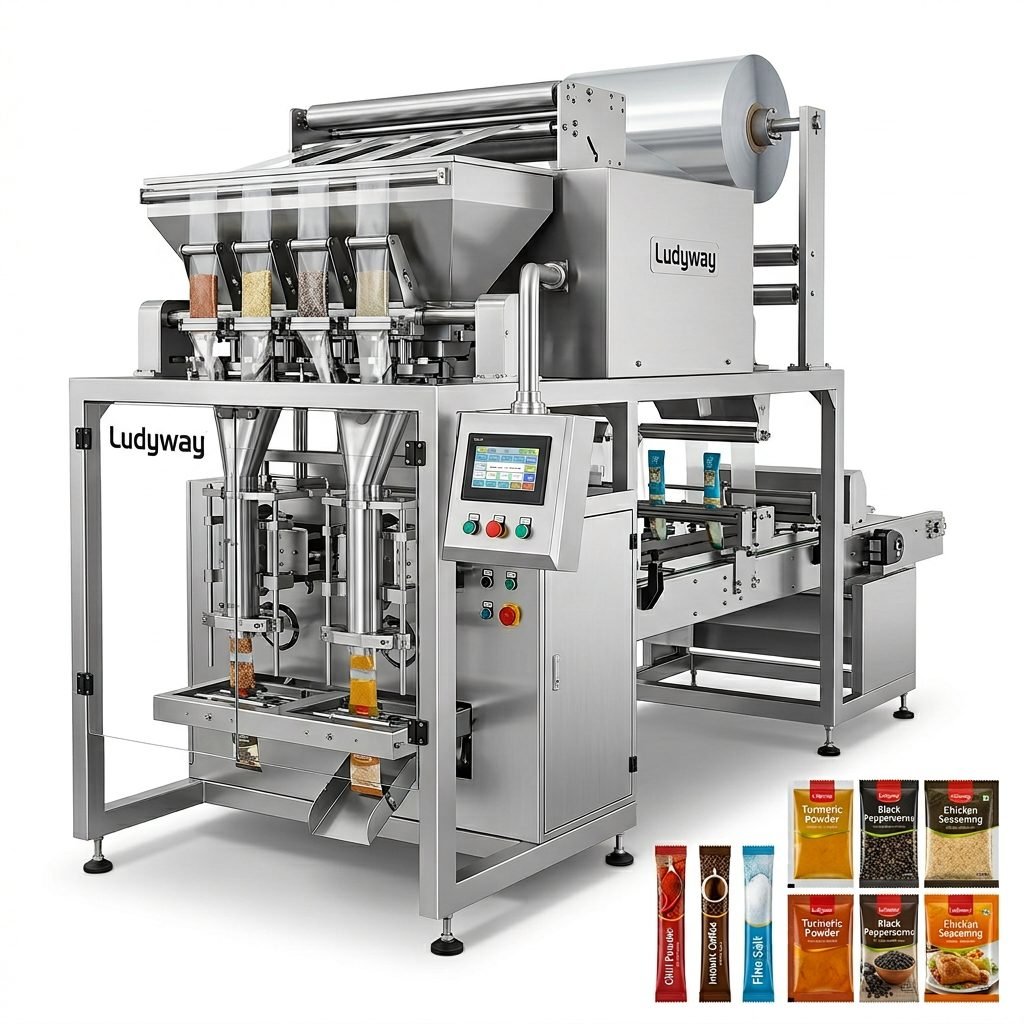
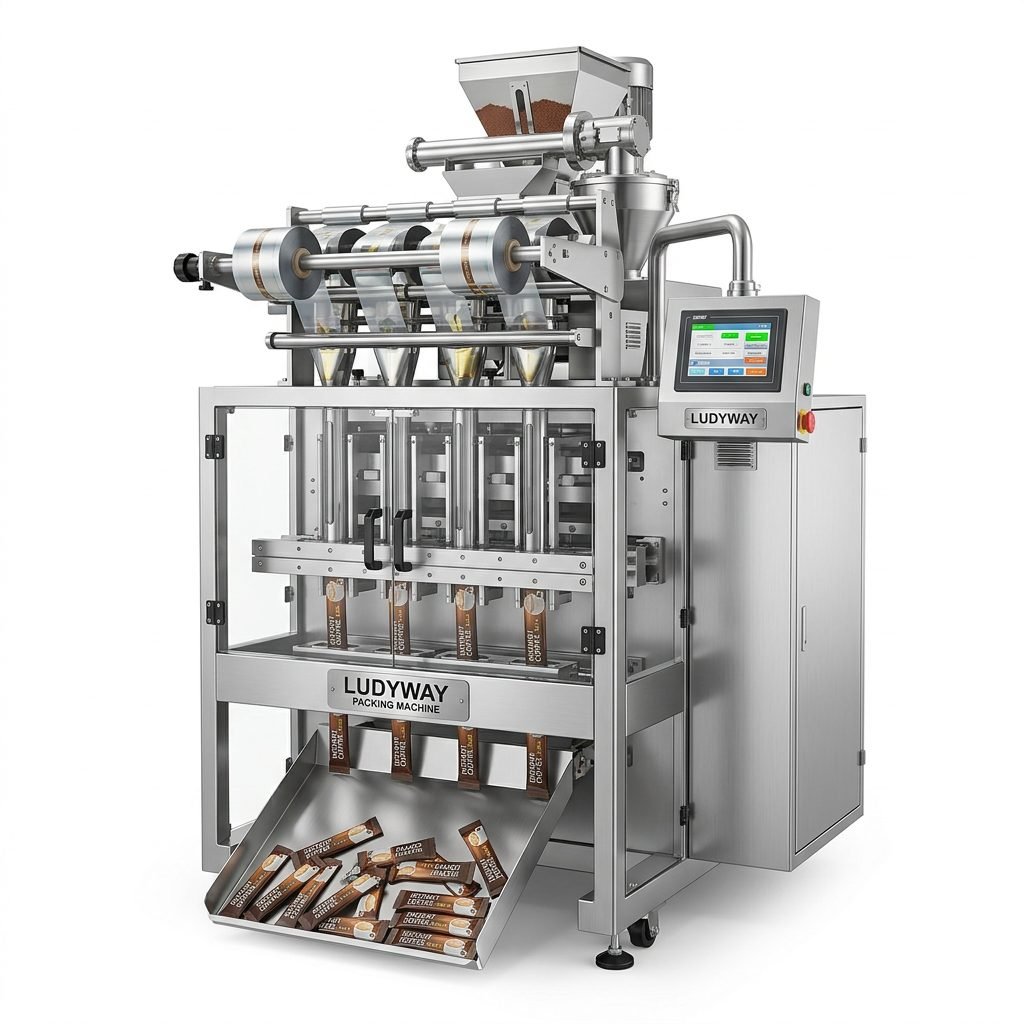
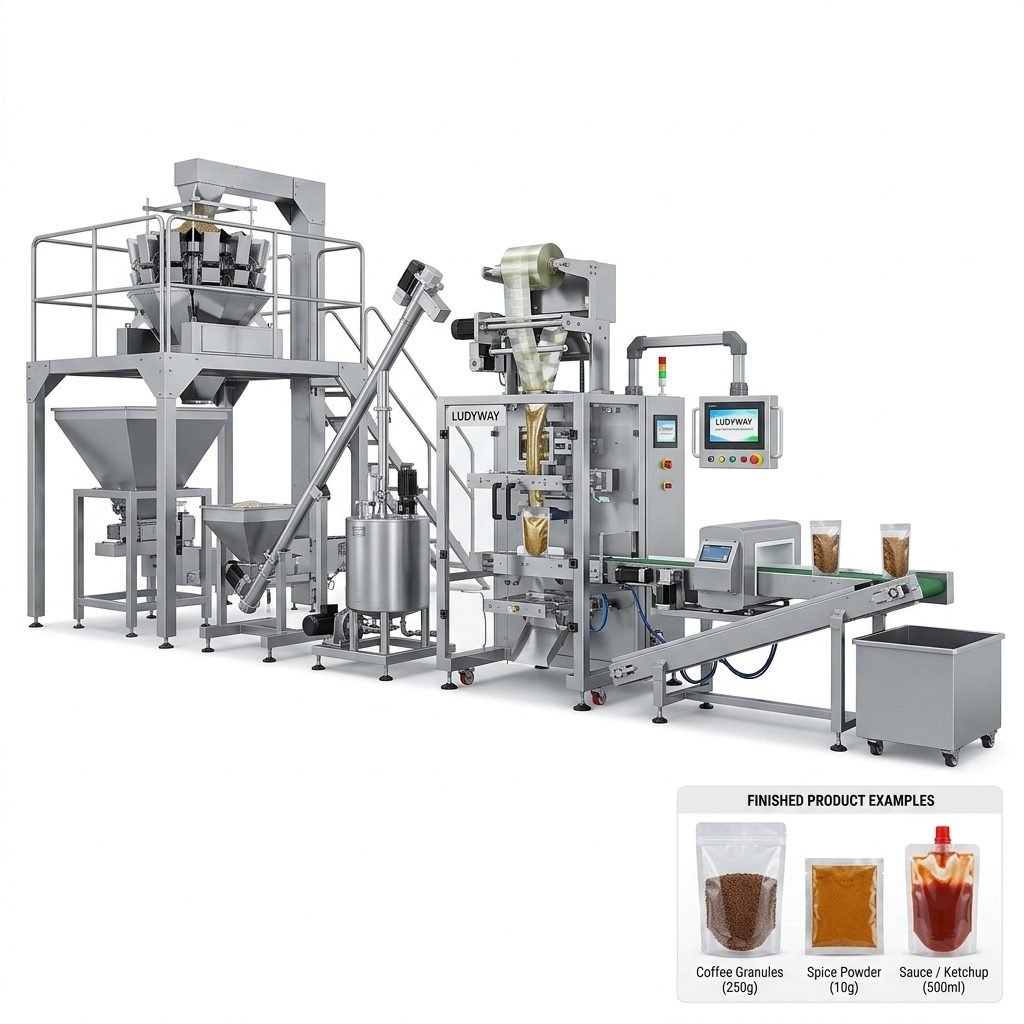
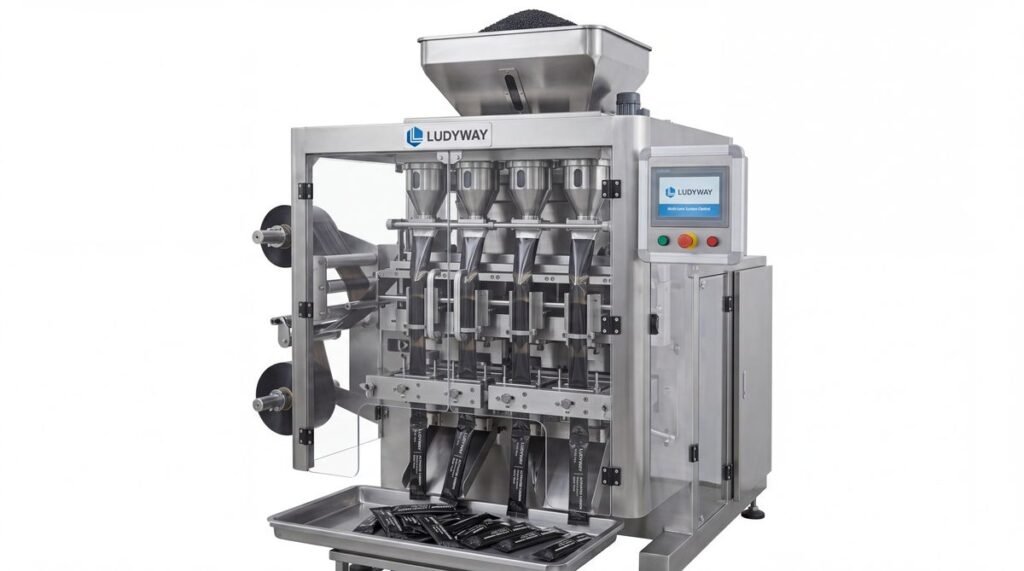
In high-volume production environments, a continuous packaging machine is the heartbeat of your operation. From food and pharmaceutical processing to chemical and cosmetic manufacturing, these automated systems run for extended cycles with minimal human intervention. However, without a strict maintenance regimen, even the most robust equipment can experience unplanned downtime, inconsistent sealing, or costly product waste. Understanding how to properly maintain your packaging line is essential for preserving productivity, product quality, and long-term equipment reliability.
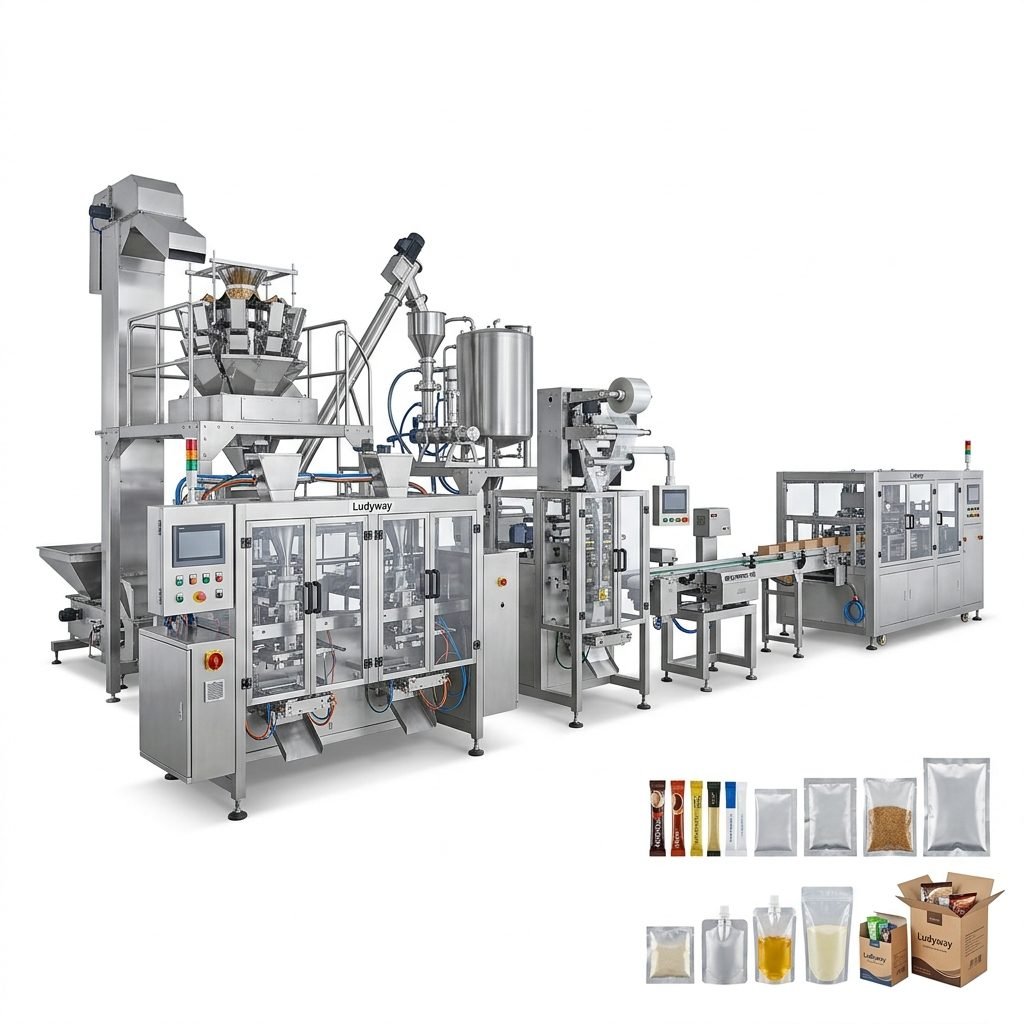
Why Regular Maintenance Is Critical for Continuous Packaging Machines
A continuous motion packaging machine differs from intermittent systems because its moving components operate non-stop. Jaws, rollers, belts, and sealing bars are in perpetual motion, which means wear and tear accumulates faster. According to industry data from PMMI’s Business Intelligence resources, preventive maintenance can reduce machinery breakdowns by up to 45% and extend equipment lifespan significantly. Neglecting routine checks often leads to micro-tears in film, misaligned sealing jaws, sensor calibration drift, and unexpected motor failures — all of which translate directly into production losses.
Daily Maintenance Checklist for Continuous Packaging Equipment
A disciplined daily routine forms the foundation of your maintenance strategy. Operators and shift technicians should perform these checks before, during, and after each production run. The table below outlines the core daily tasks and their corresponding focus areas.
| Maintenance Task | Frequency | Key Focus Points |
|---|---|---|
| Visual Inspection of Sealing Jaws | Every shift start | Check for residue buildup, uneven wear, or surface damage |
| Clean Film Path and Rollers | Before each batch | Remove dust, powder, or product spillage that causes film tracking issues |
| Verify Temperature Settings | Start of production | Confirm sealing temperature matches film specifications; recalibrate if needed |
| Inspect Pneumatic and Vacuum Lines | Daily | Look for air leaks, loose fittings, or moisture buildup in compressed air systems |
| Check Sensor Alignment | Each shift | Ensure registration mark sensors and fill-level detectors are correctly positioned |
| Lubricate Moving Parts | Per OEM schedule | Apply food-grade lubricant to chains, bearings, and guide rails as specified |
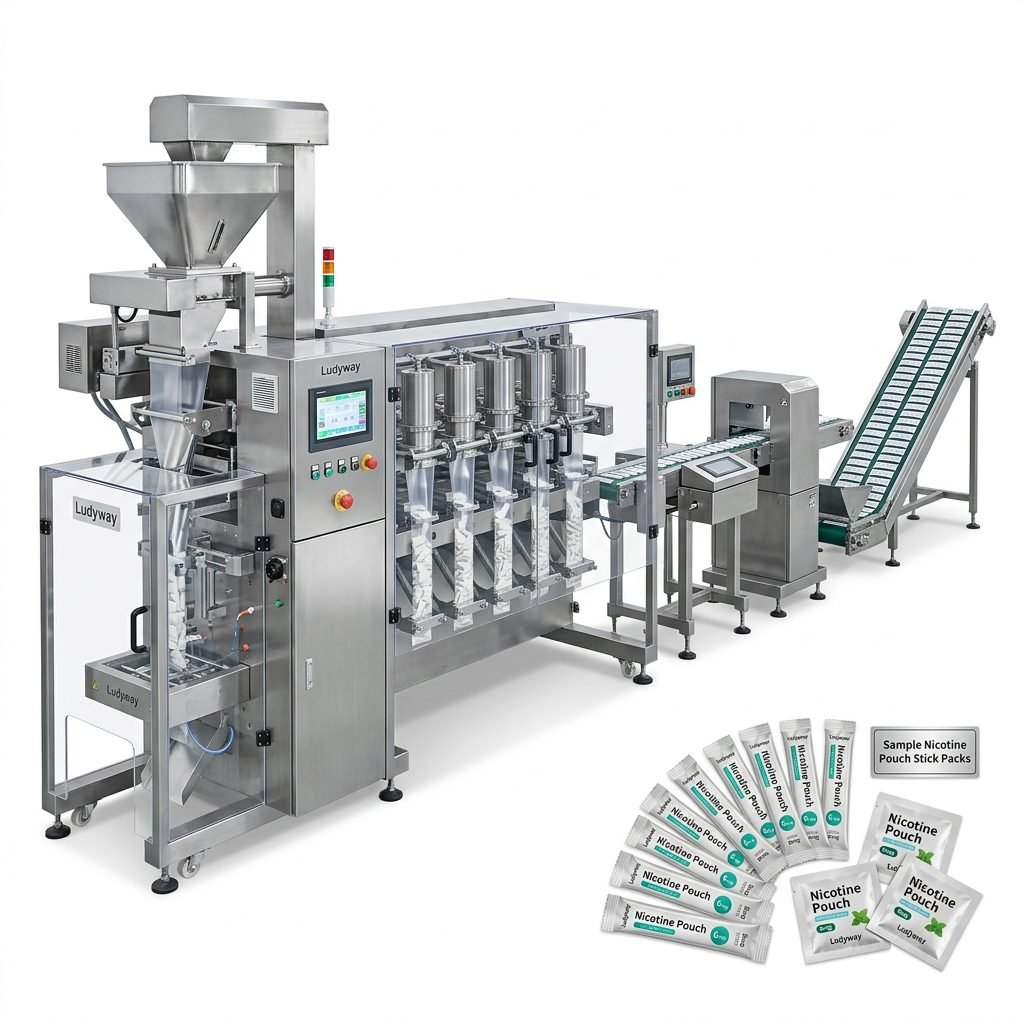
Weekly and Monthly Maintenance Tasks
Beyond daily checks, a deeper maintenance routine should be scheduled weekly and monthly to address components that degrade over longer periods. These tasks often require a trained maintenance technician and should follow the original equipment manufacturer’s guidelines closely. Refer to recognized standards such as ISO packaging standards for best practices in machinery upkeep and performance validation.
Weekly Maintenance Checklist
- Inspect and clean all electrical connections — loose or corroded terminals can cause intermittent faults that are difficult to diagnose during production runs.
- Check belt tension and alignment on conveyor systems, film feed mechanisms, and drive assemblies. Misaligned belts accelerate wear and affect packaging accuracy.
- Test emergency stop circuits and safety interlocks to ensure they function properly. This is both a safety requirement and a regulatory compliance measure under FDA packaging guidelines.
- Clean or replace air filters on pneumatic systems to prevent contamination that degrades valve performance.
- Examine film cutting blades for sharpness — dull blades create jagged edges, incomplete cuts, and increased film waste.
Monthly Maintenance Deep-Dive
- Calibrate temperature controllers and thermocouples using certified reference instruments. Even a 2-3°C deviation can compromise seal integrity.
- Inspect gearboxes and motor couplings for oil leaks, unusual vibration, or abnormal operating temperatures.
- Perform full sensor diagnostics, including photoelectric eyes, proximity sensors, and pressure transducers. Replace any components showing inconsistent readings.
- Review and update maintenance logs to track recurring issues and identify patterns that may indicate larger systemic problems.
- Verify software and firmware versions for PLC and HMI systems; outdated controls can cause compatibility and performance issues.
Common Troubleshooting Tips for Continuous Packaging Lines
Even with rigorous maintenance, issues can arise. Knowing how to diagnose and resolve common problems quickly can save hours of downtime. Below are frequent scenarios and their typical root causes.
| Problem | Possible Cause | Recommended Action |
|---|---|---|
| Inconsistent seal quality | Worn sealing jaws, incorrect temperature, or film residue on heating elements | Clean jaws thoroughly; verify and recalibrate temperature setpoints; replace jaw surfaces if pitted |
| Film wandering or misalignment | Tracking roller misalignment or uneven tension | Adjust roller parallelism; check dancer arm tension; inspect film roll mounting |
| Fill weight variations | Product bridging in hopper, worn auger, or sensor drift | Clean hopper internals; inspect auger flight edges; recalibrate weigh cells or volumetric fillers |
| Excessive noise or vibration | Bearing wear, loose fasteners, or misaligned drive components | Tighten all mounting bolts; inspect and replace worn bearings; realign drive couplings |
For comprehensive guidance on packaging machinery performance benchmarks, refer to the PMMI 2025 State of the Industry report, which provides valuable insights into equipment efficiency trends and maintenance best practices across the sector.
The Role of Professional Servicing and Training
While in-house maintenance teams handle day-to-day upkeep, periodic professional servicing by qualified technicians is indispensable. These experts can perform advanced diagnostics, replace complex subassemblies, and identify issues that may not be visible during routine inspections. Investing in operator training is equally important — a well-trained operator can detect early warning signs such as subtle changes in machine rhythm, sound, or package appearance before they escalate into failures.
Key Benefits of Scheduled Professional Servicing
- Access to specialized diagnostic tools and manufacturer-specific software for deep system analysis.
- Preventive replacement of high-wear components such as timing belts, seal bands, and tension springs before they fail mid-production.
- Compliance verification with evolving packaging regulations, including those outlined by the Flexible Packaging Association’s regulatory affairs resources.
- Firmware and software updates that improve machine performance, add new features, or patch known issues.
- Documentation and audit trail creation for quality management systems such as ISO 9001 and GMP requirements.
Building a Spare Parts Inventory Strategy
One of the most overlooked aspects of continuous packaging machine maintenance is spare parts management. Waiting for a critical component to fail before ordering a replacement is a recipe for extended downtime. A strategic inventory should include:
- Sealing jaws and heating elements — these wear predictably and should be stocked in pairs or sets.
- Belts and drive bands — keep spare sets calibrated and ready for immediate installation.
- Sensors and photoelectric eyes — having one backup of each type prevents a single sensor failure from halting the entire line.
- Pneumatic cylinders and solenoid valves — common failure points in automated packaging systems.
- PLC and HMI backup modules — store programmed backups securely so that control hardware can be restored quickly.
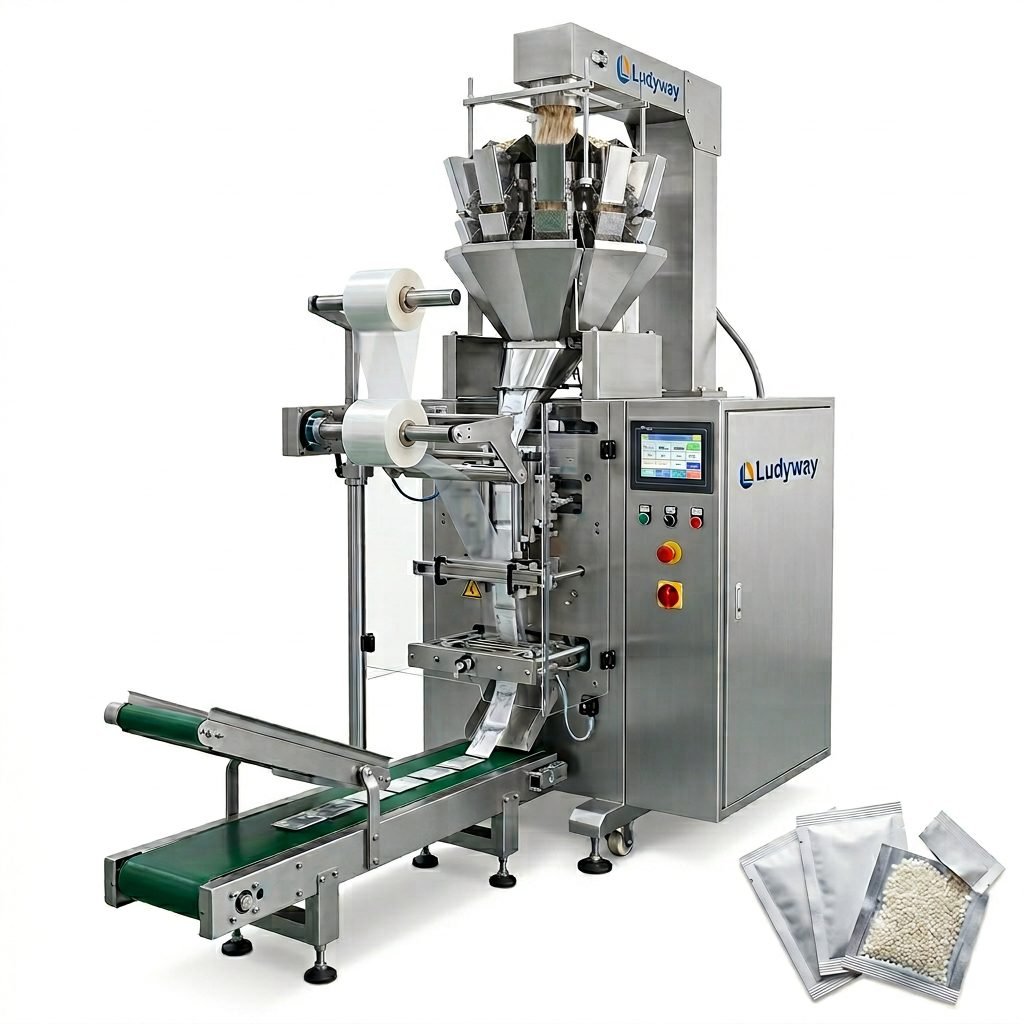
Partnering with a reliable equipment manufacturer ensures you receive genuine OEM parts with guaranteed compatibility. Ludyway, one of China’s leading packaging machine manufacturers with a rapidly expanding global presence, emphasizes the importance of factory-certified spare parts and provides comprehensive after-sales support to customers in over 100 countries. Their engineering team offers remote diagnostics and on-site service to minimize production interruptions.
Leveraging Data for Predictive Maintenance
Modern continuous packaging machines are increasingly equipped with IIoT (Industrial Internet of Things) capabilities that enable predictive maintenance strategies. By monitoring parameters such as motor current draw, vibration signatures, temperature trends, and cycle count data, maintenance teams can anticipate failures before they occur. This shift from reactive to predictive maintenance is supported by resources from organizations like the PMMI packaging industry resource library, which highlights how data-driven maintenance can reduce unplanned downtime by 30-50%.
Key Metrics to Track
- Mean Time Between Failures (MTBF) — tracks reliability trends and helps schedule proactive interventions.
- Overall Equipment Effectiveness (OEE) — combines availability, performance, and quality into a single efficiency metric.
- Seal temperature consistency — deviations outside the acceptable range indicate heater or thermocouple degradation.
- Energy consumption per cycle — unexpected increases often signal mechanical binding or motor inefficiency.
Final Recommendations for Long-Term Equipment Health
Maintaining a continuous packaging machine is not a one-time effort but an ongoing commitment. By combining diligent daily checks, structured weekly and monthly routines, professional servicing, strategic spare parts management, and data-driven predictive insights, manufacturers can achieve exceptional equipment longevity and consistent packaging quality. For additional information on packaging machinery standards and regulatory compliance, consult the FDA’s packaging and food contact substances resource and the European Commission’s packaging and packaging waste directives.
Remember that every packaging application — whether for granules, powders, liquids, or pouches — places unique demands on equipment. Tailoring your maintenance program to the specific materials, production volumes, and environmental conditions in your facility is the surest path to maximizing return on investment and maintaining competitive advantage in today’s demanding market.