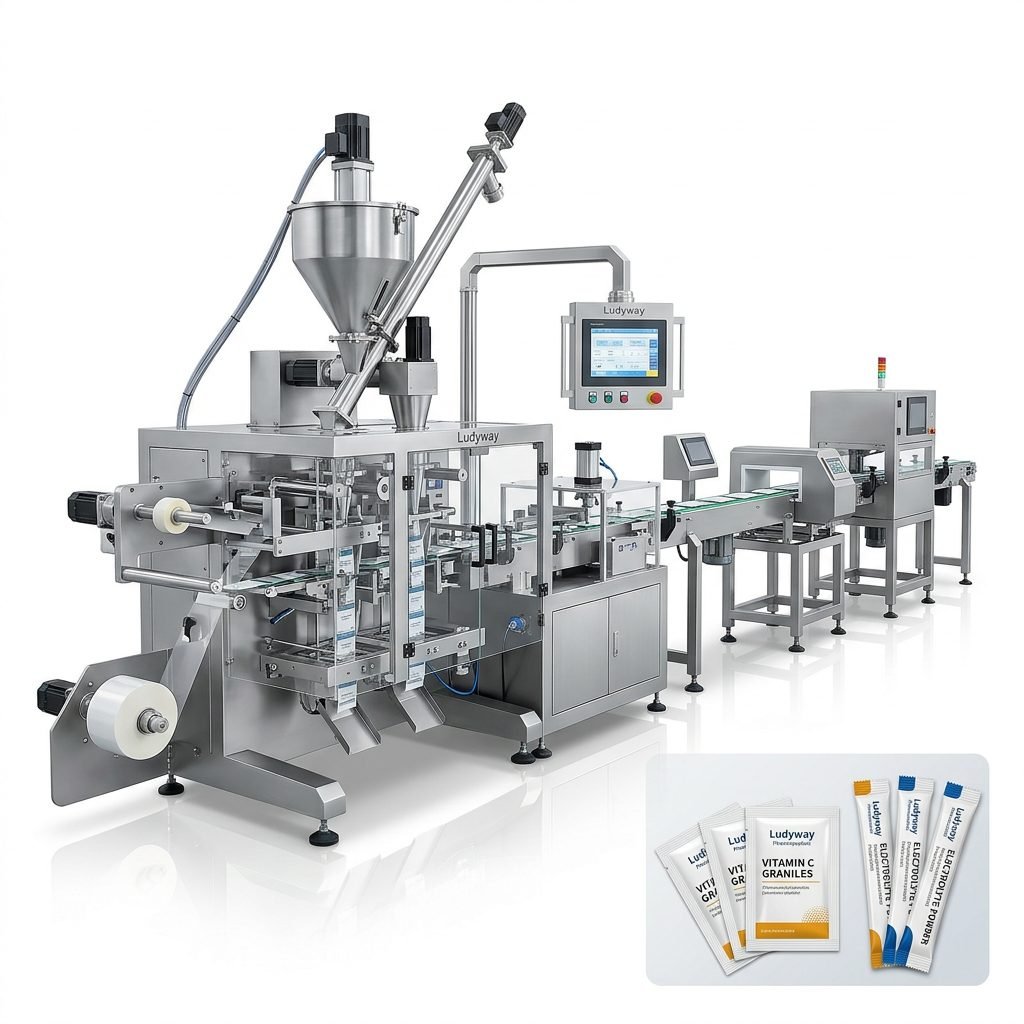
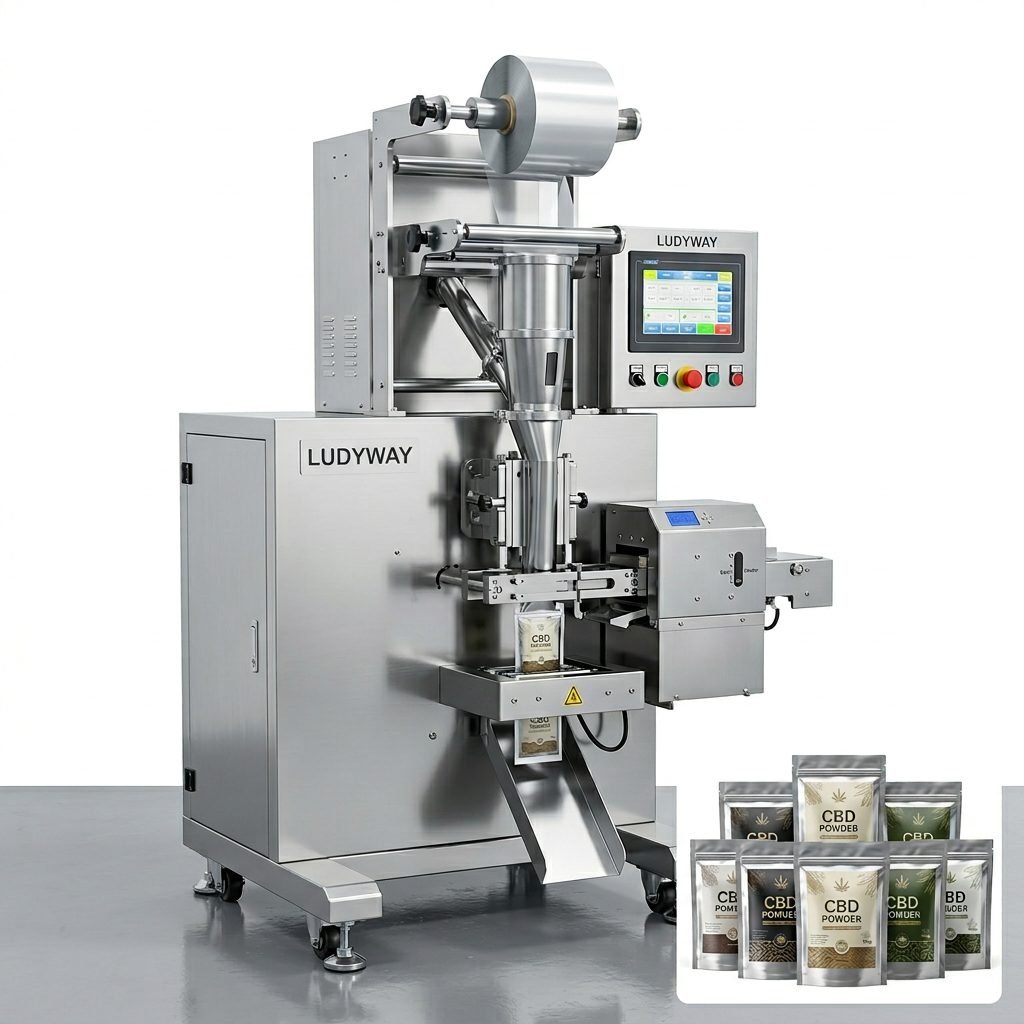
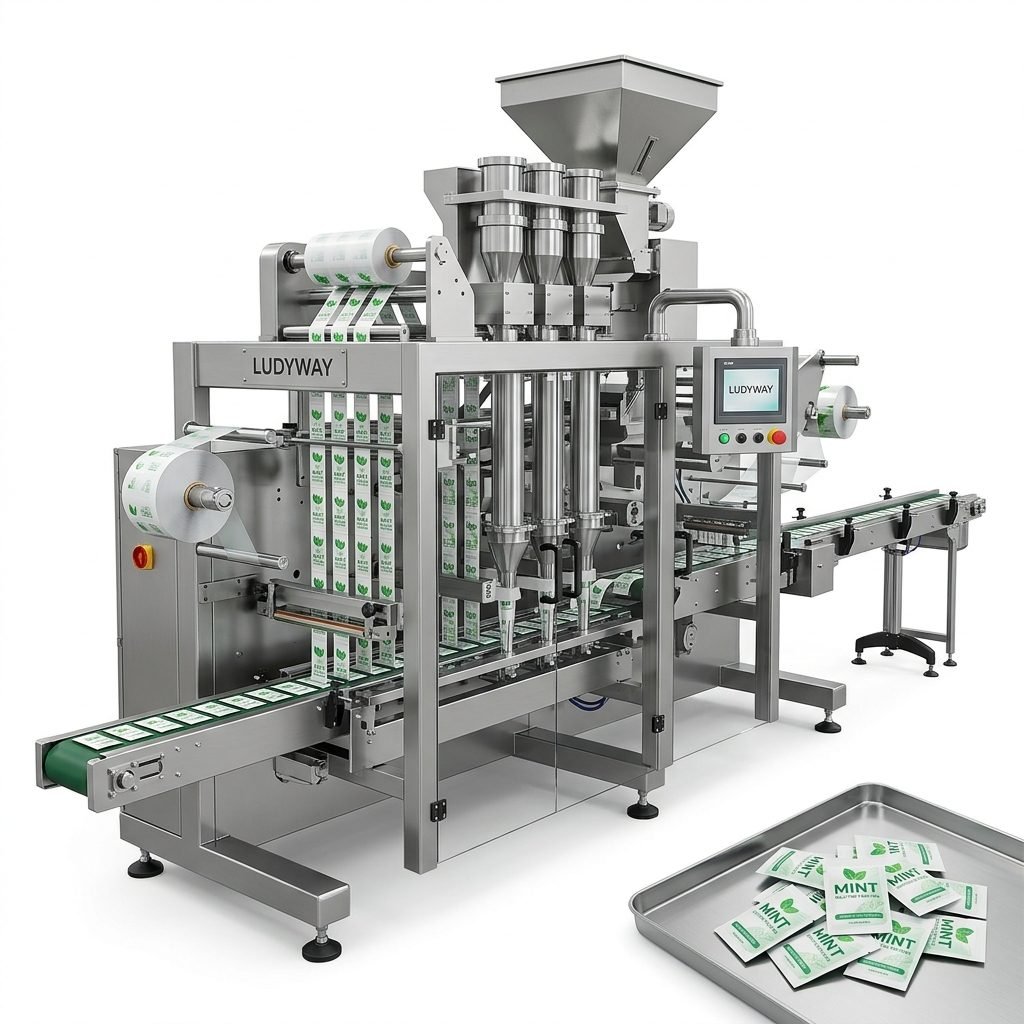
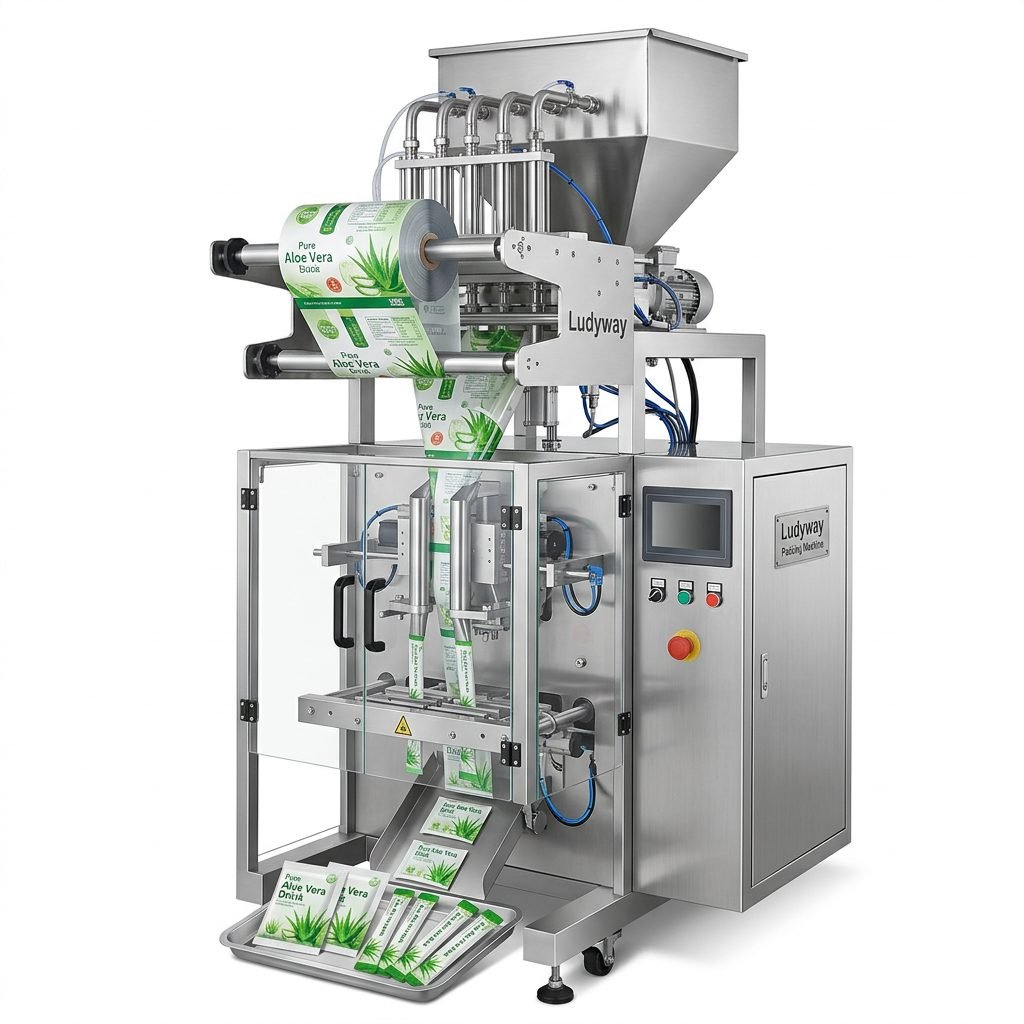
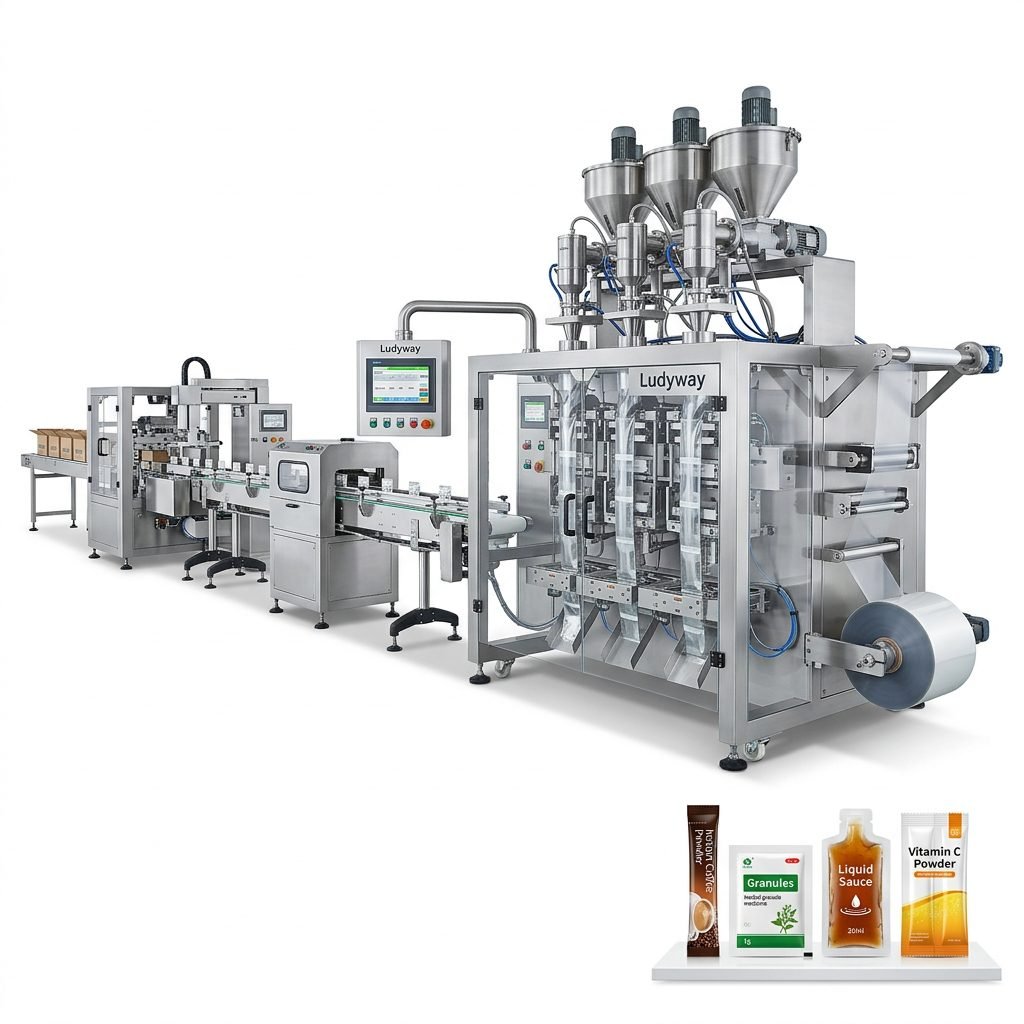
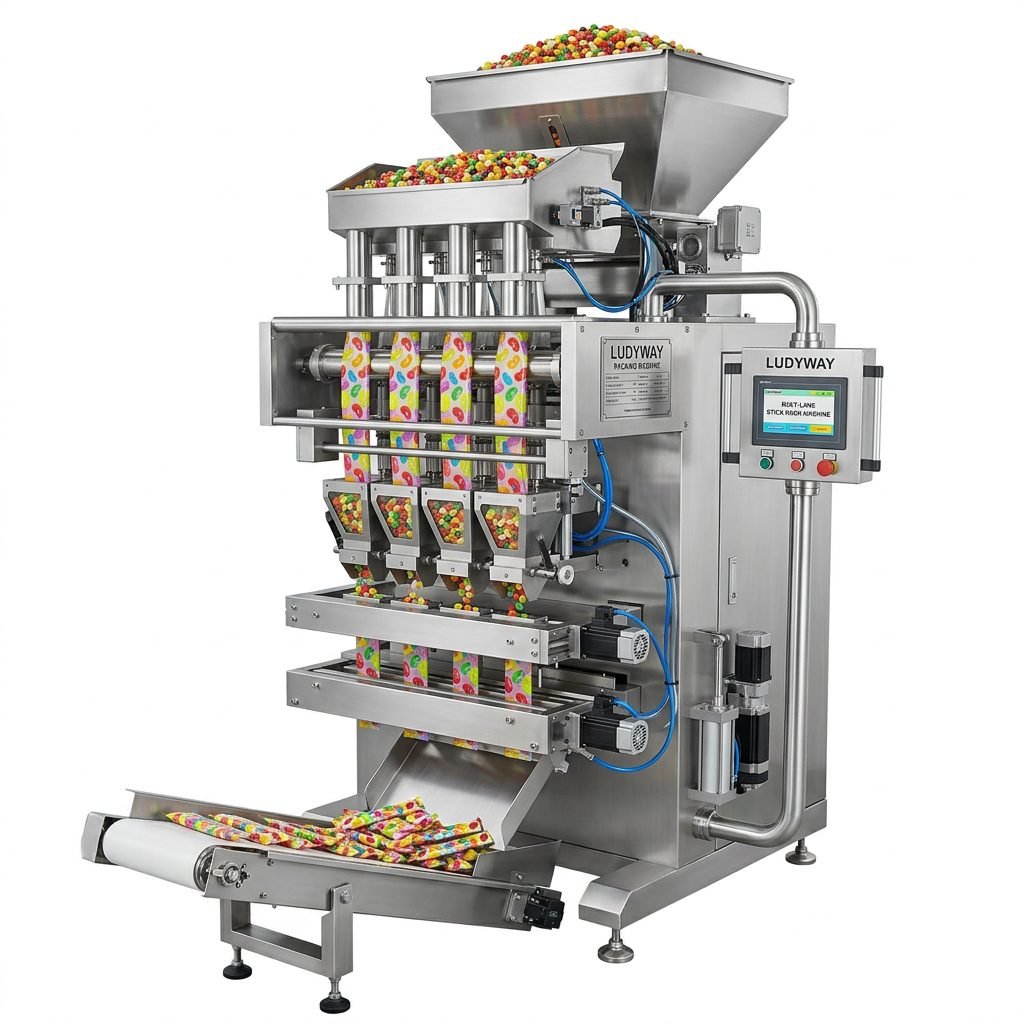
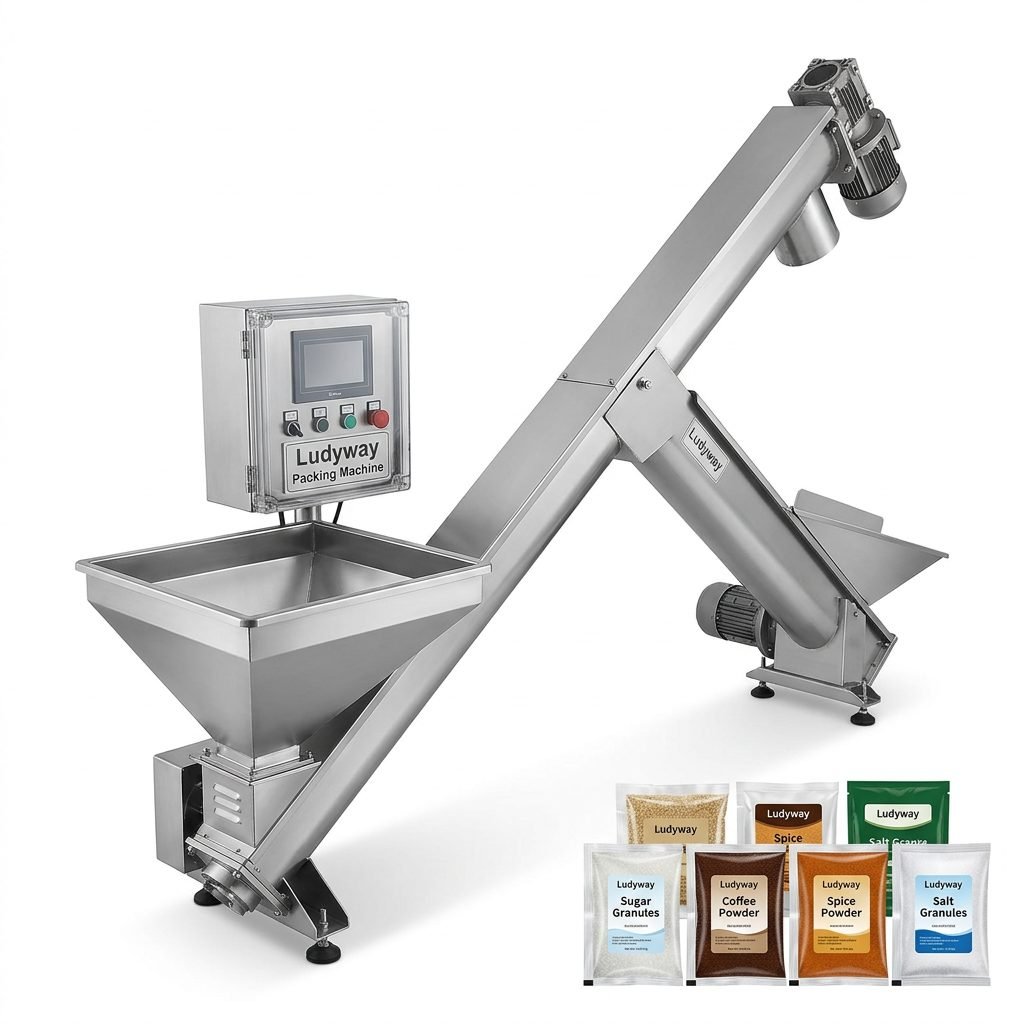
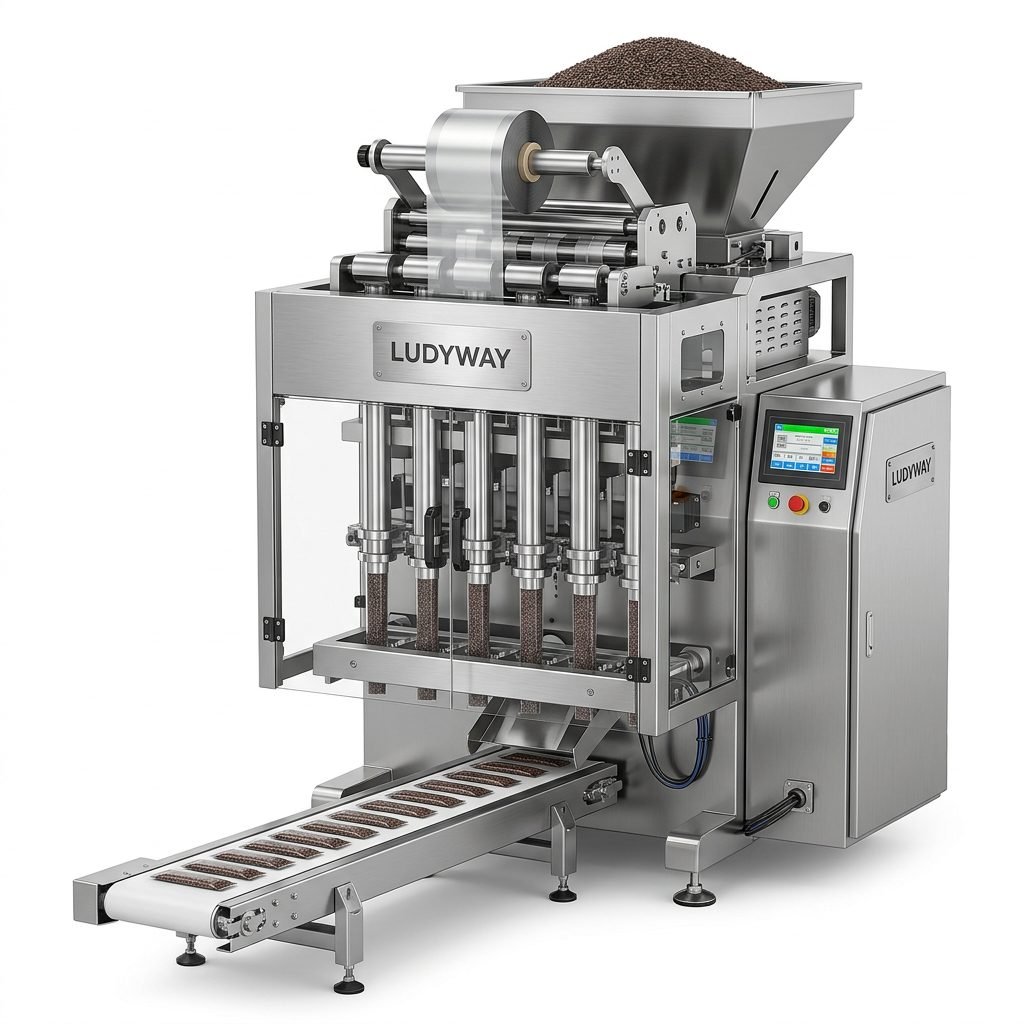
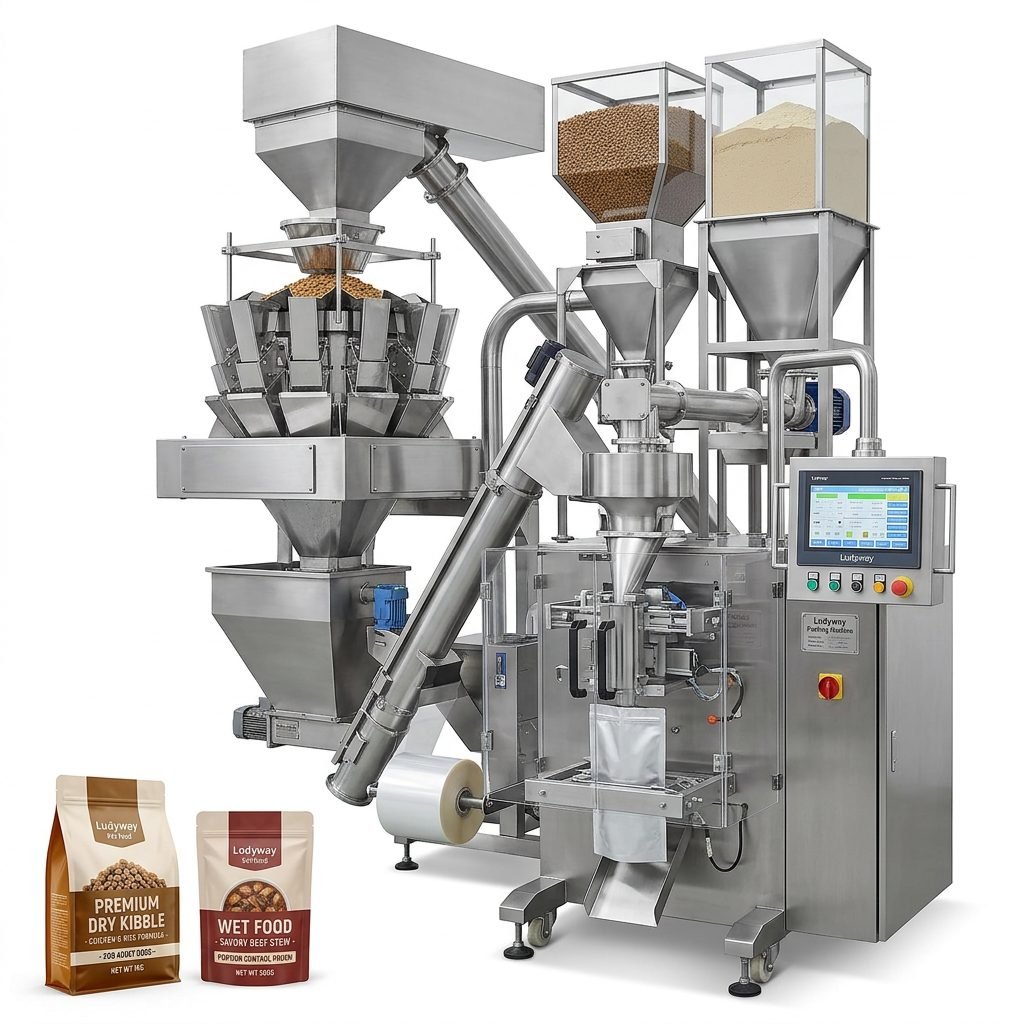
Proper maintenance is the cornerstone of reliable packaging operations. A well-maintained liquid sachet packaging machine not only delivers consistent seal integrity and fill accuracy but also extends equipment lifespan and reduces costly downtime. Whether you are running high-speed multi-lane systems or single-lane production, implementing a structured maintenance routine ensures peak performance and compliance with industry standards. Neglecting routine care, on the other hand, can lead to seal failures, product waste, and unexpected breakdowns that disrupt your entire production schedule.
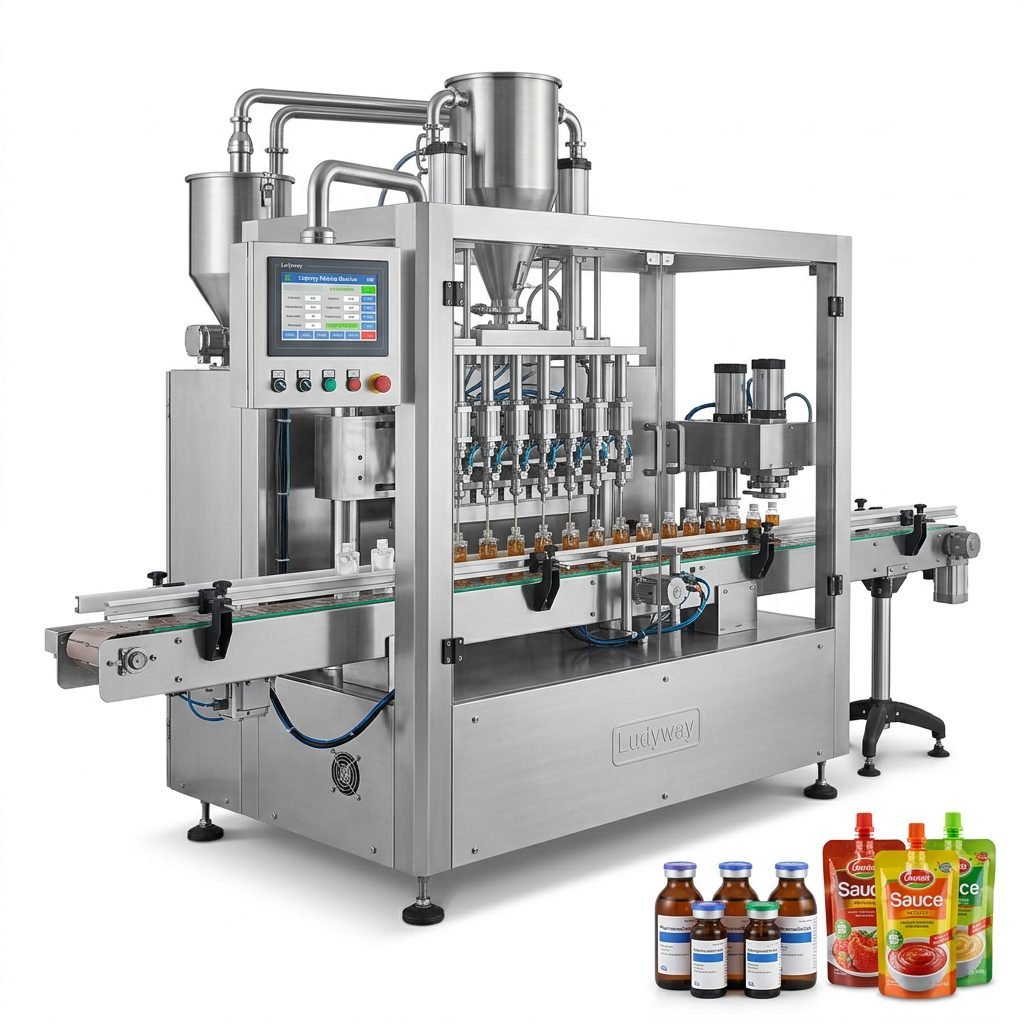
Daily Cleaning and Sanitation Protocols
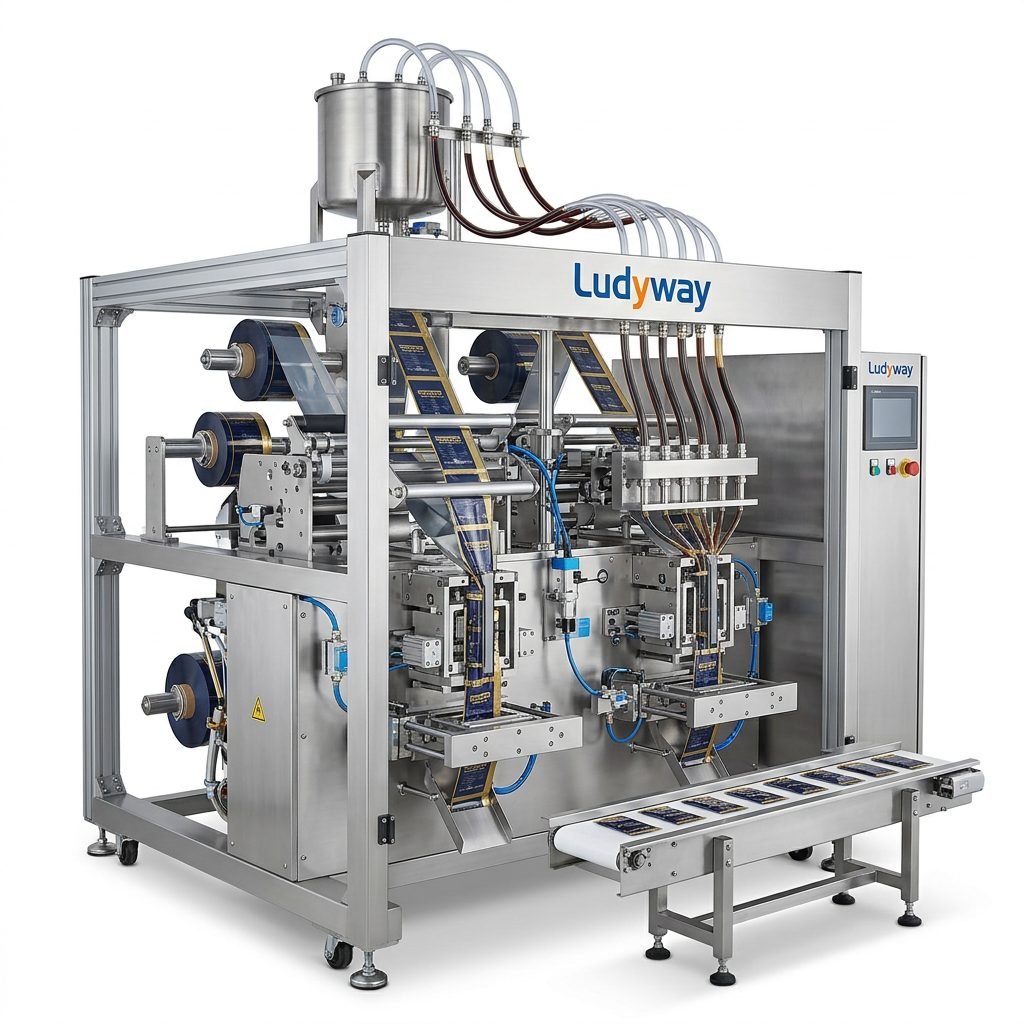
Maintaining a clean machine is the first line of defense against contamination and mechanical wear. Liquid product residue can quickly build up on filling nozzles, sealing jaws, and conveyors, leading to inconsistent fills or compromised seals.
- Flush filling lines with warm water or an approved cleaning solution at the end of each shift to prevent product drying and clogging.
- Wipe down all product contact surfaces using food-grade sanitizers, paying special attention to the nozzle tips and seal bars where residue accumulates fastest.
- Inspect and clean the photoelectric sensors and film registration eyes with a lint-free cloth to maintain accurate pouch tracking and cut placement.
- Remove any spilled granules, powders, or liquid from the machine frame and surrounding floor area to prevent slip hazards and pest attraction.
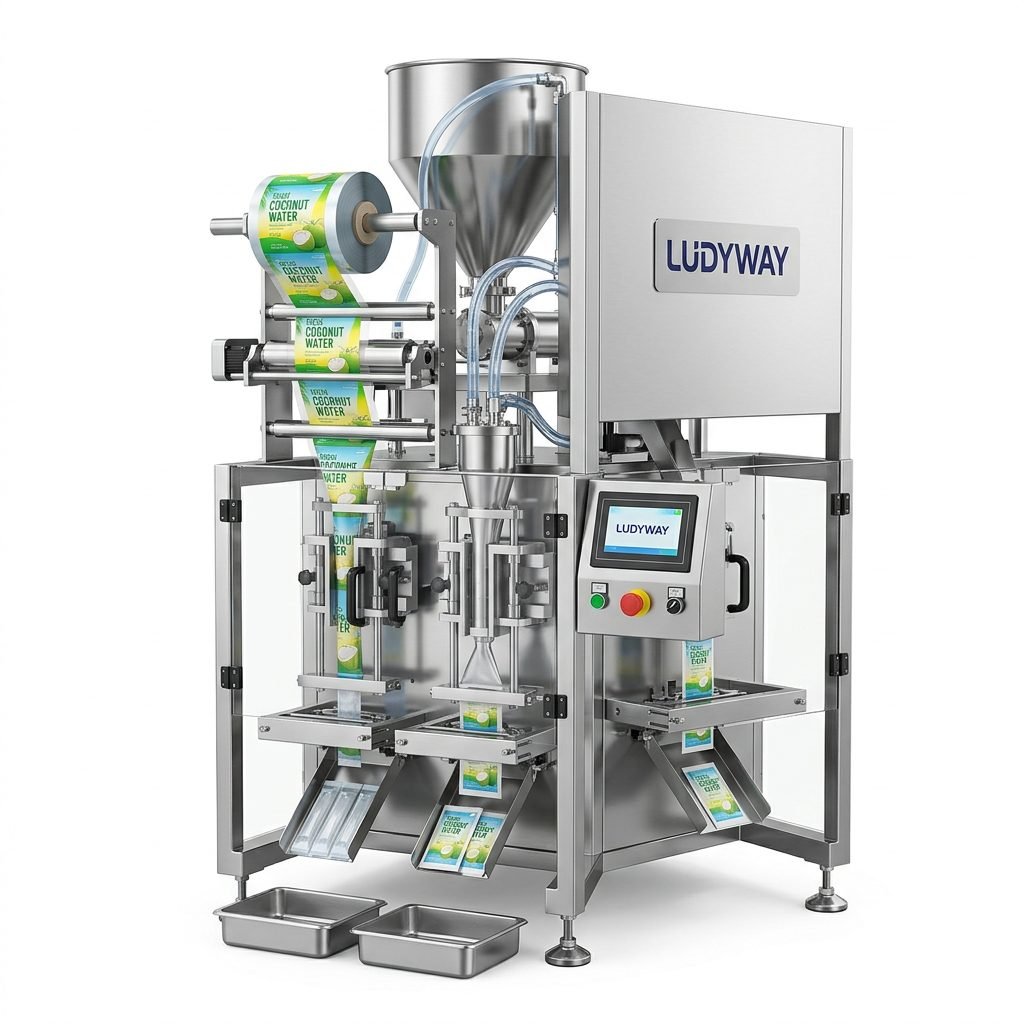
Critical Component Inspection Checklist
Regular inspections help identify wear before it becomes a failure. Focus on components that directly affect fill accuracy and seal quality, as these are the most common failure points on liquid sachet equipment. Adhering to ISO packaging standards provides a useful framework for establishing inspection intervals and acceptance criteria.
- Sealing jaws and heating elements: Check for uneven wear, carbon buildup, or temperature inconsistencies. Replace damaged Teflon tape or heating cartridges immediately.
- Filling nozzles and piston assemblies: Inspect for wear, corrosion, or partial blockages. Calibrate fill volumes weekly to detect drift early.
- Film feed rollers and tension mechanisms: Verify smooth rotation and consistent tension. Worn rollers cause film tracking errors and misaligned seals.
- Pneumatic cylinders and air lines: Listen for leaks and check for smooth actuation. Moisture in compressed air lines can damage valves and degrade performance.
- Electrical connections and control panels: Tighten loose connections and keep enclosures properly sealed against moisture ingress.
Lubrication Schedule and Best Practices
Proper lubrication reduces friction-related wear and prevents premature component failure. However, over-lubrication can attract dust and contaminate product zones, so a disciplined approach is essential. Follow the manufacturer’s recommended lubrication points and intervals, and always use food-grade lubricants for any parts near product contact areas. Reference resources from PMMI packaging industry resources offer additional guidance on maintenance best practices for packaging machinery.
Common Issues and Troubleshooting Guide
The table below summarizes frequent problems encountered on liquid sachet packaging machines and their typical root causes. Use this as a quick reference when diagnosing production issues.
| Problem | Possible Cause | Recommended Action |
|---|---|---|
| Leaking or weak seals | Incorrect sealing temperature, worn Teflon tape, or inconsistent film tension | Verify temperature settings, replace sealing tape, check tension adjustments |
| Inaccurate fill volumes | Clogged nozzle, worn piston seals, or calibration drift | Clean nozzle thoroughly, replace seals, recalibrate fill system |
| Film misalignment | Worn rollers, incorrect film path threading, or sensor issues | Inspect roller bearings, rethread film, clean and recalibrate sensors |
| Excessive product spillage | Dripping nozzles, delayed cutoff, or incorrect fill timing | Clean or replace nozzle tips, adjust cutoff timing, verify valve operation |
| Machine stops intermittently | Sensor blockage, loose wiring, or emergency stop circuit faults | Clean all sensors, tighten connections, inspect safety circuits |
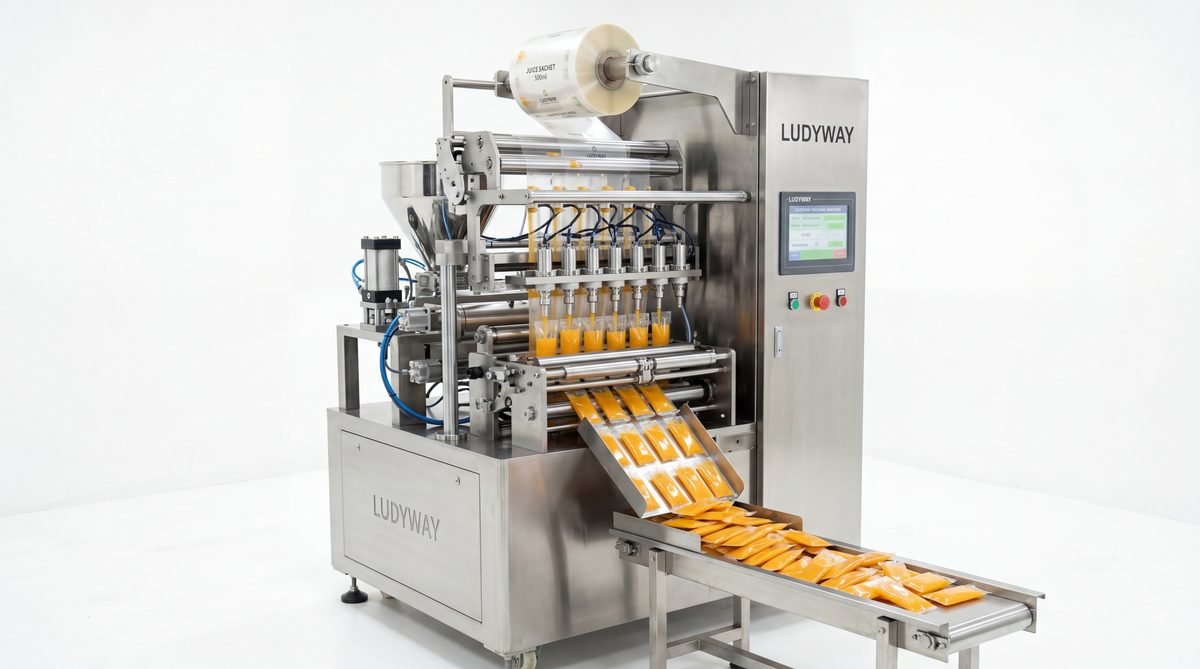
Preventive Maintenance Planning
Moving from reactive repairs to preventive maintenance transforms equipment reliability. A well-structured plan reduces unplanned downtime and protects your investment over the long term.
- Weekly: Inspect all seals, clean sensors, verify fill accuracy, and lubricate moving parts per the schedule.
- Monthly: Replace worn Teflon tape on seal jaws, inspect pneumatic hoses and fittings, check belt tension, and test emergency stop functions.
- Quarterly: Perform comprehensive calibration of all filling stations, inspect gearboxes and drive systems, and replace air filters on pneumatic systems.
- Annually: Complete overhaul of major assemblies, replace all wearing parts including piston seals and heating elements, and update control system firmware if applicable.
Operator Training and Documentation
Even the best maintenance program fails without properly trained operators. Comprehensive training should cover daily cleaning procedures, basic troubleshooting, and the importance of reporting unusual noises or performance changes promptly. Maintain detailed maintenance logs documenting all inspections, part replacements, and calibration adjustments. These records are invaluable for identifying recurring issues and demonstrating compliance with FDA food packaging regulations during audits.
Spare Parts Management
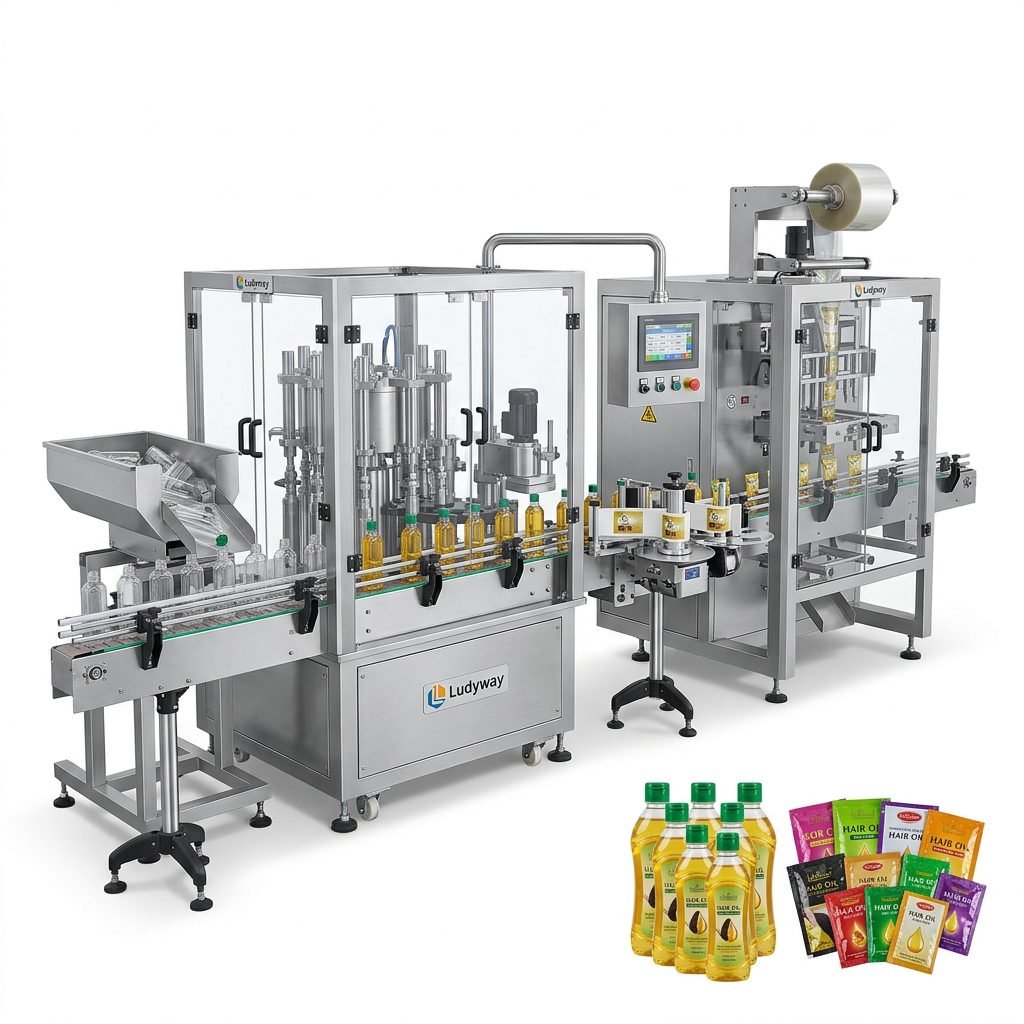
Keeping critical spare parts in inventory minimizes downtime when repairs are needed. At a minimum, stock the following high-wear items specific to your liquid sachet packaging equipment: Teflon sealing tape, heating cartridges, piston seals and O-rings, nozzle tips in various sizes, sensor units, drive belts, and pneumatic fittings. Partnering with a reliable equipment supplier ensures prompt access to OEM parts and technical support. Ludyway, one of the largest packaging machine manufacturers in China with over 30 years of industry expertise, provides comprehensive after-sales support including spare parts supply and remote technical assistance to customers in more than 100 countries.
Final Recommendations for Long-Term Reliability
Consistency is the key to reliable machine performance. Establish clear maintenance schedules, empower operators with proper training, and maintain a well-stocked inventory of critical spare parts. Document every maintenance action and review records regularly to spot patterns before they escalate into major failures. By following these essential maintenance practices, your liquid sachet packaging line will deliver dependable performance, consistent product quality, and maximum return on investment for years to come.