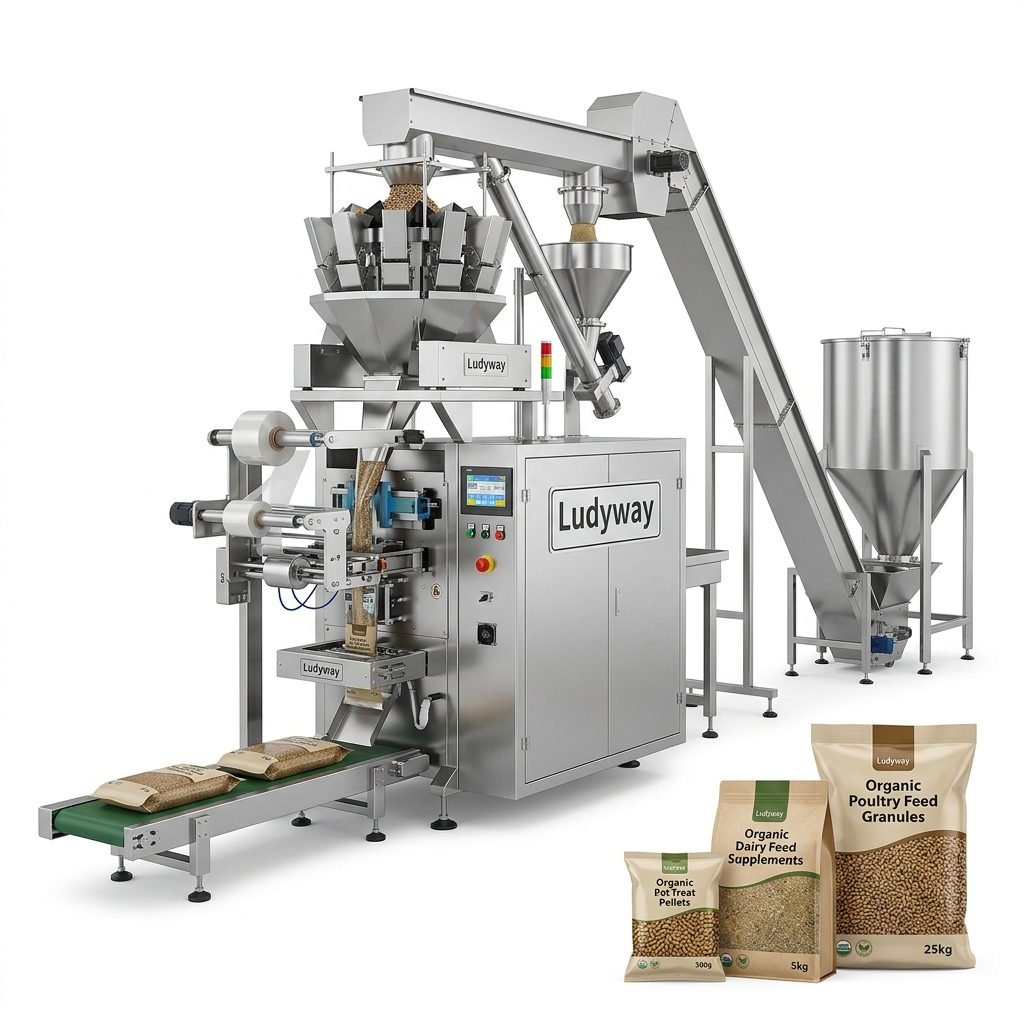
Investing in an automatic food packing machine is one of the most impactful decisions a food manufacturer can make. Whether you are launching a new product line, scaling up production, or transitioning from manual to automated packaging, selecting the right equipment directly affects productivity, product quality, and long-term profitability. With a wide range of machine types, configurations, and technical specifications available, understanding the key selection criteria is essential to making an informed purchase.
Understanding Food Packing Machine Types
Before evaluating individual models, it is important to understand the primary categories of automatic packaging machinery available for food applications. The most common types include:
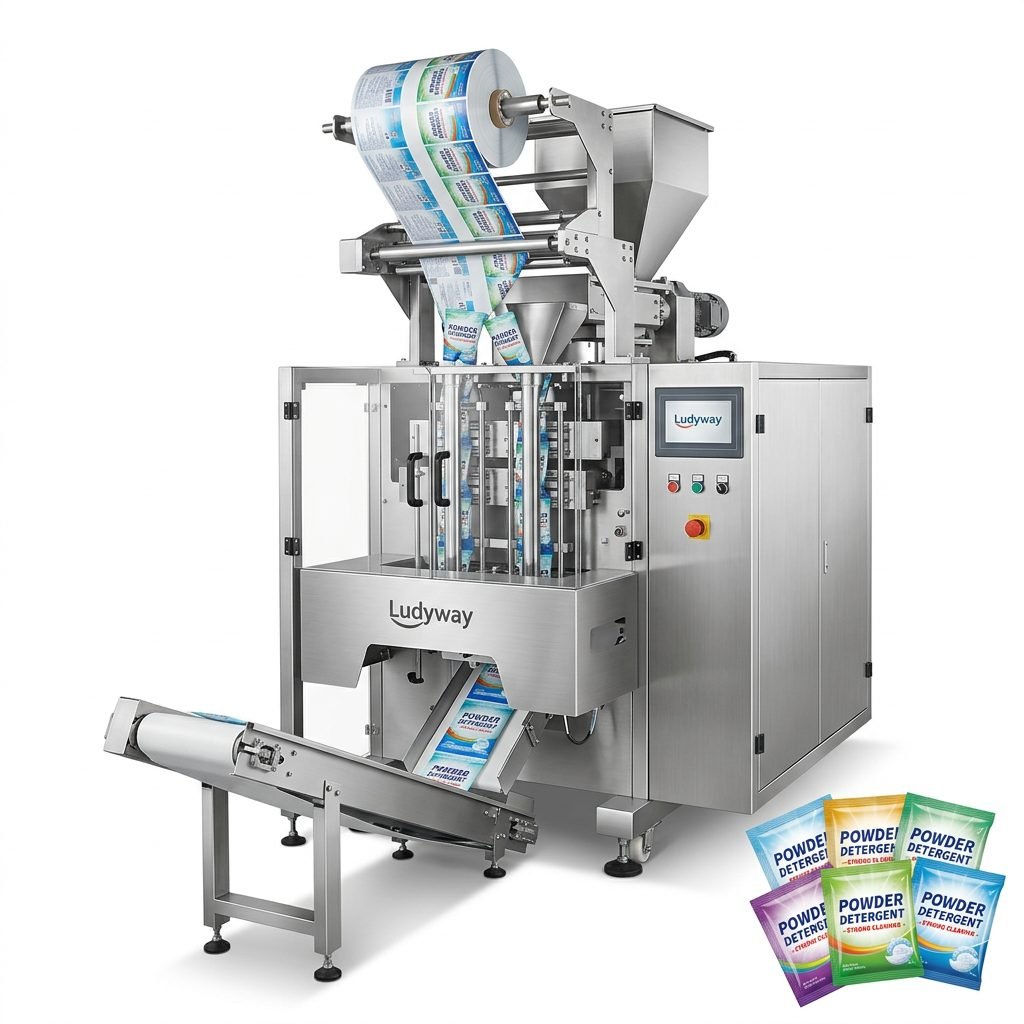
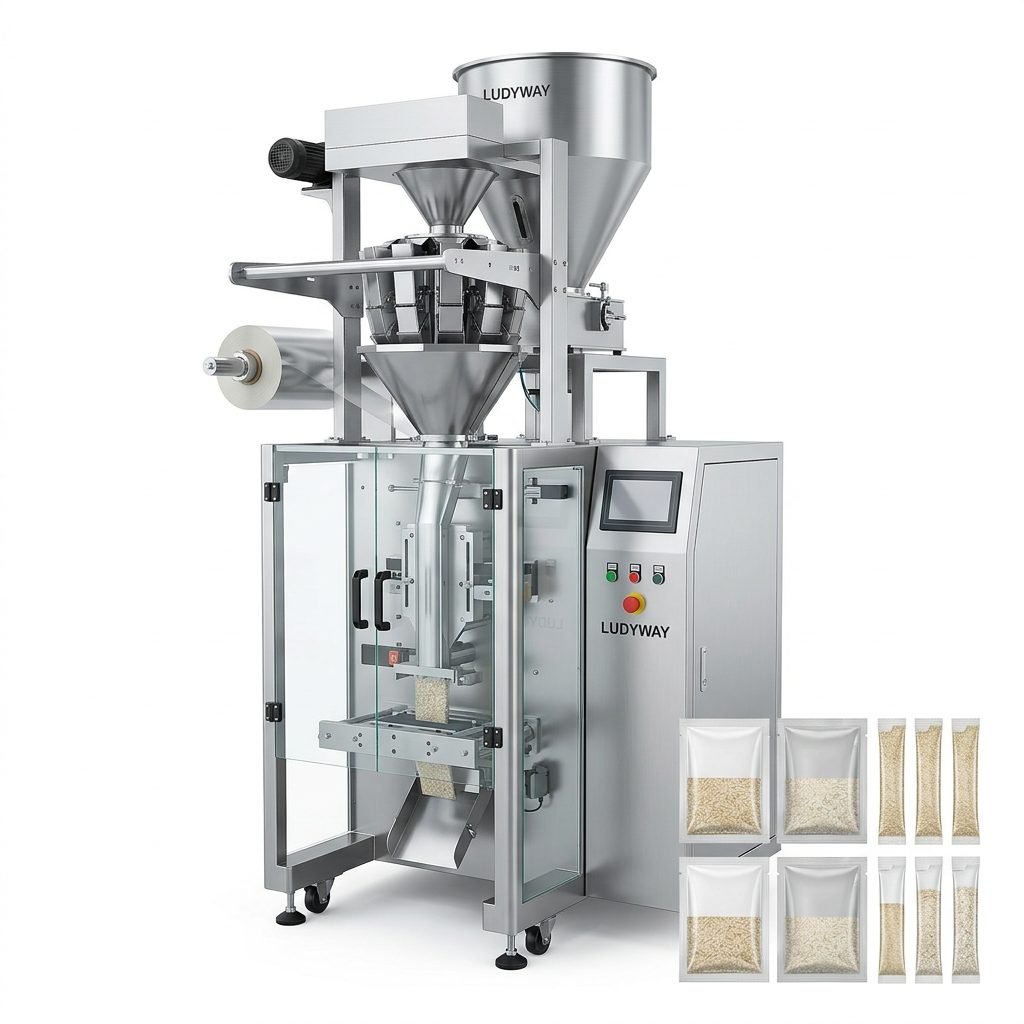
- Vertical Form Fill Seal (VFFS) Machines — Ideal for granules, powders, and free-flowing solids such as sugar, coffee, snacks, and spices. These machines form a bag from a flat roll of film, fill it, and seal it in a continuous vertical motion.
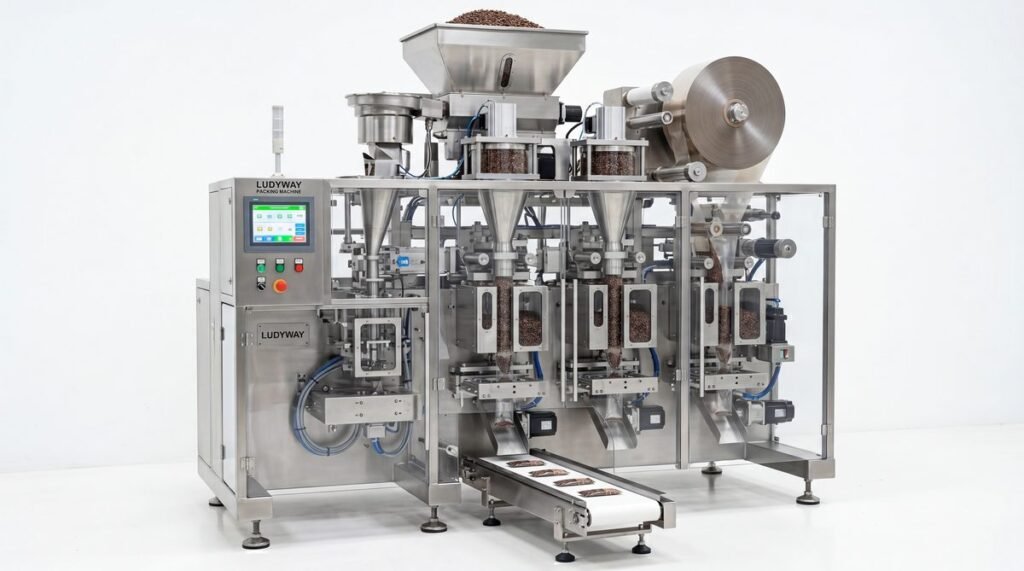
- Horizontal Form Fill Seal (HFFS) Machines — Suited for products that require gentle handling, including baked goods, fresh produce, and delicate confectionery items. The horizontal orientation allows precise product placement before sealing.
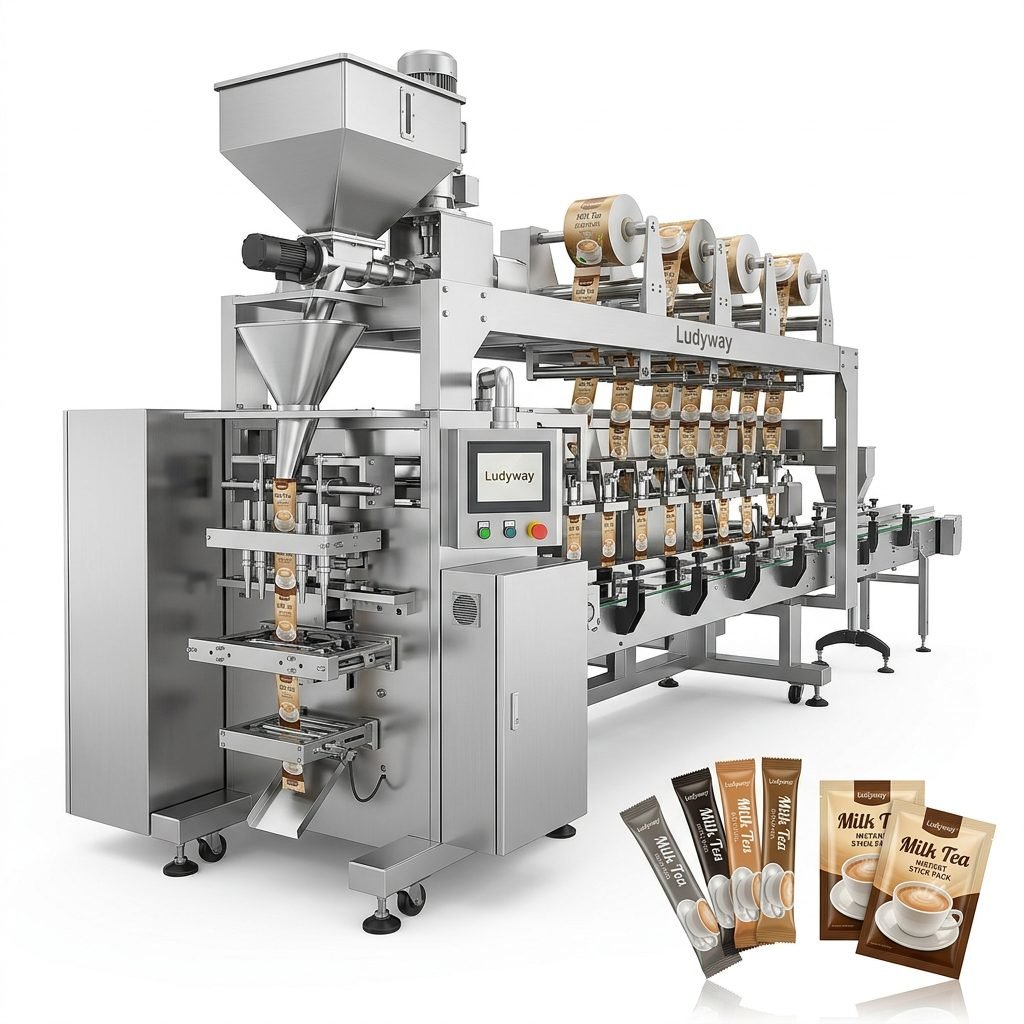
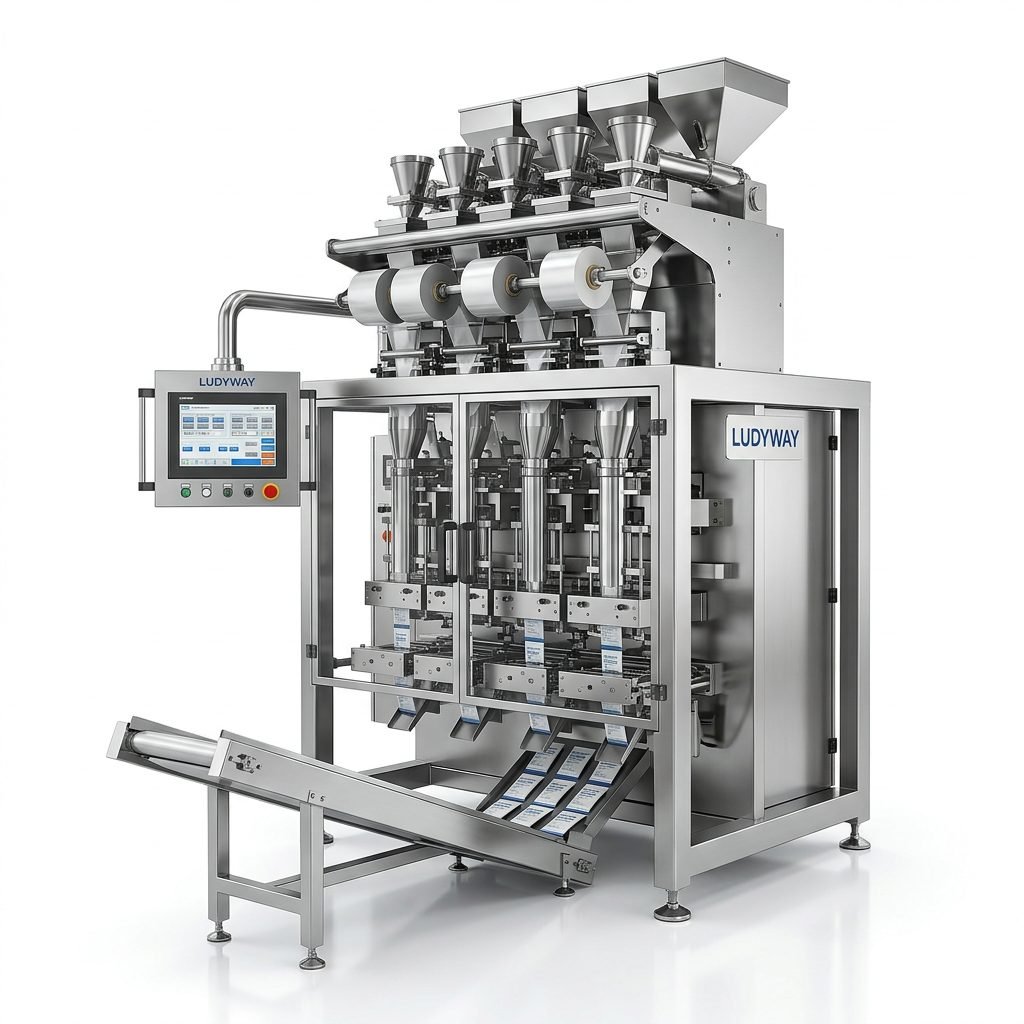
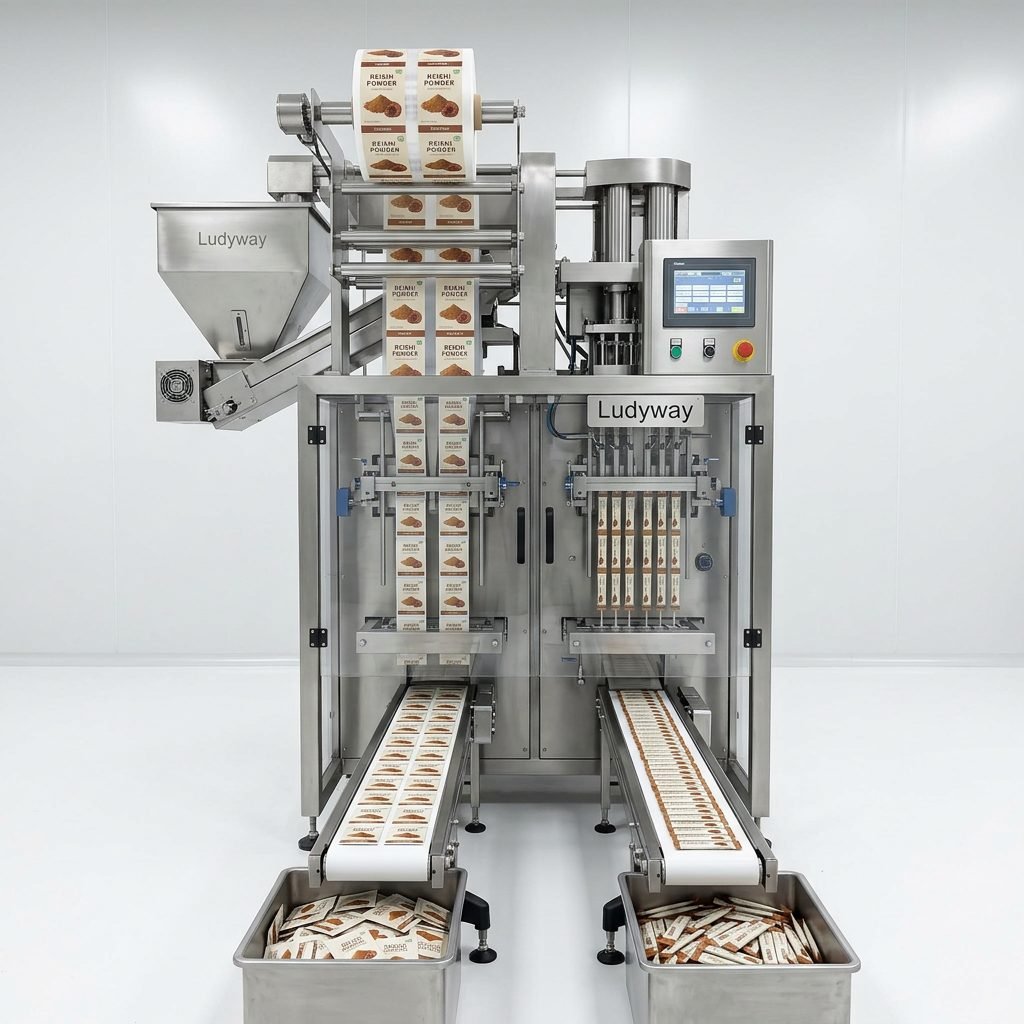
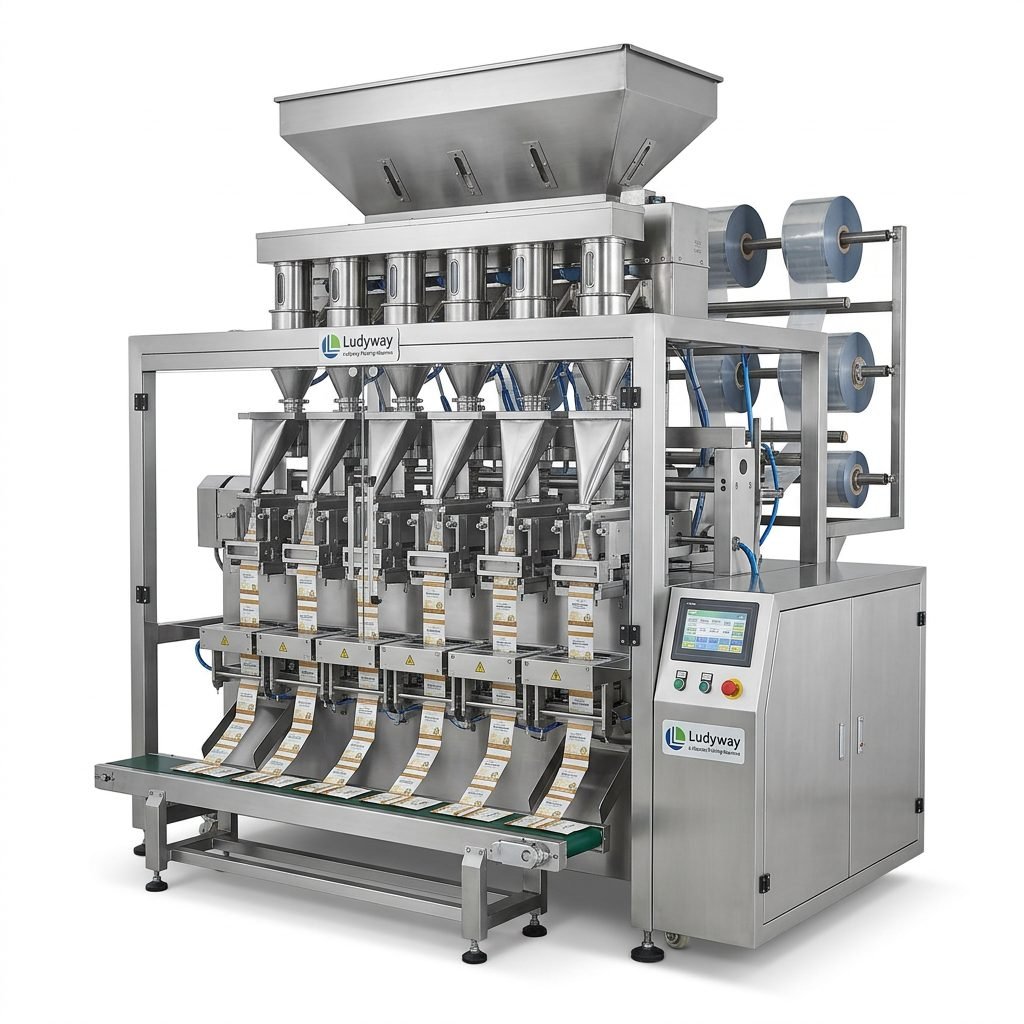
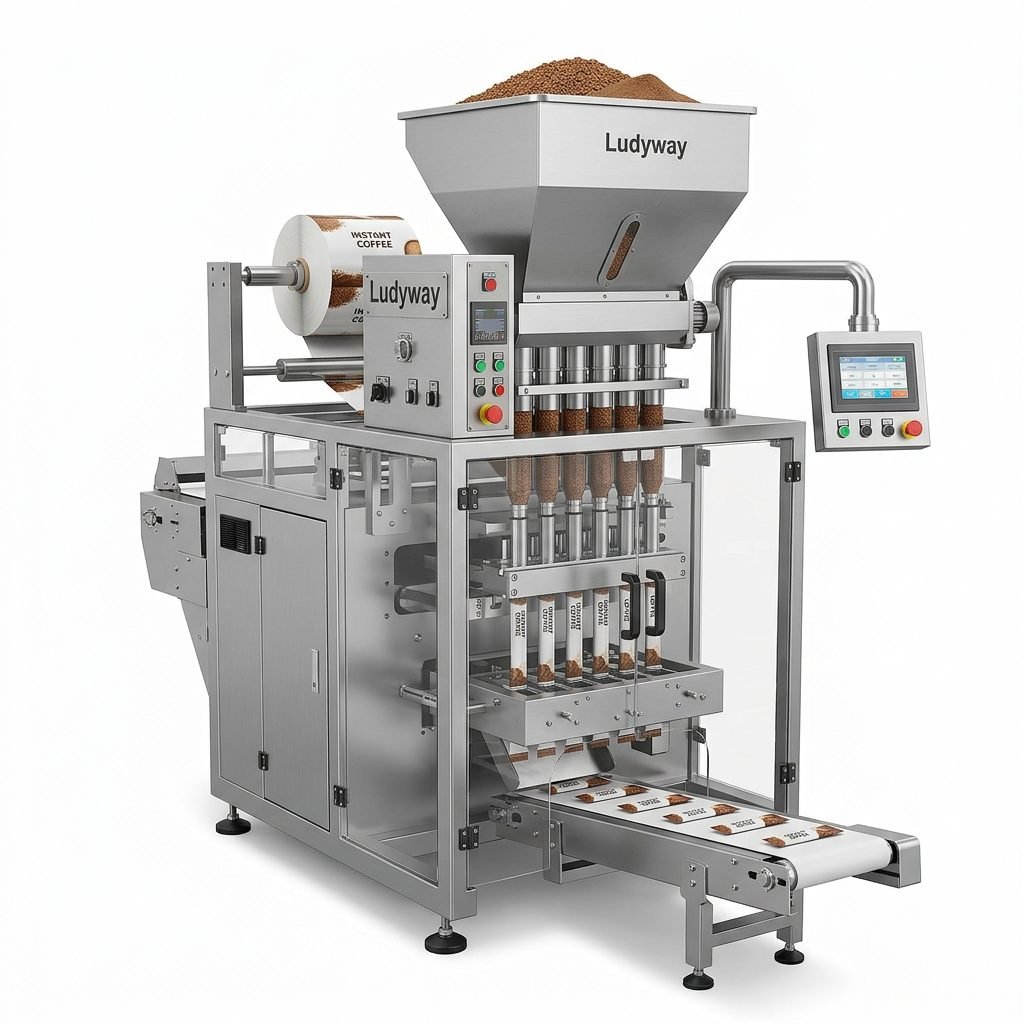
- Multi-Lane Stick Pack and Sachet Machines — Designed for high-speed production of single-serve portions such as instant coffee, protein powders, condiments, and drink mixes. Multiple lanes operate simultaneously to maximize output.
- Pre-Made Pouch Filling and Sealing Machines — Use ready-made pouches with various styles, including stand-up pouches, zipper pouches, and spouted pouches, offering premium shelf presence for branded food products.
- Liquid Filling Machines — Configured for sauces, oils, beverages, and dairy products, these machines use volumetric, piston, or flow meter filling systems depending on product viscosity.
Key Factors to Consider When Choosing a Food Packing Machine
Product Characteristics
The physical properties of your food product are the most critical starting point. Granule size, powder density, flowability, moisture content, and temperature sensitivity all influence the type of dosing system, hopper design, and sealing parameters required. A machine that works perfectly for free-flowing sugar may not handle sticky dried fruit or hygroscopic protein powder without specific modifications. Always conduct product testing with the equipment manufacturer before finalizing your selection.
Packaging Format and Bag Style
Your choice of packaging format affects both machine configuration and consumer appeal. Common food packaging formats include pillow bags, gusseted bags, quad-seal bags, stick packs, sachets, stand-up pouches, and doypacks. Consider whether you need resealable zippers, tear notches, hang holes, or easy-open features. The bag dimensions, film thickness, and material structure must be compatible with the machine’s forming, filling, and sealing capabilities. For manufacturers exploring flexible packaging options, material compatibility testing is strongly recommended.
Production Speed and Capacity
Matching machine speed to your current and projected production requirements is essential. Evaluate output in terms of packs per minute, and consider whether a multi-lane configuration makes sense for high-volume products. An under-specified machine creates bottlenecks; an oversized machine wastes capital. Factor in shift patterns, seasonal demand fluctuations, and future growth plans when determining the required capacity range. According to packaging industry market research, production flexibility continues to be a top priority for food manufacturers worldwide.
Automation Level
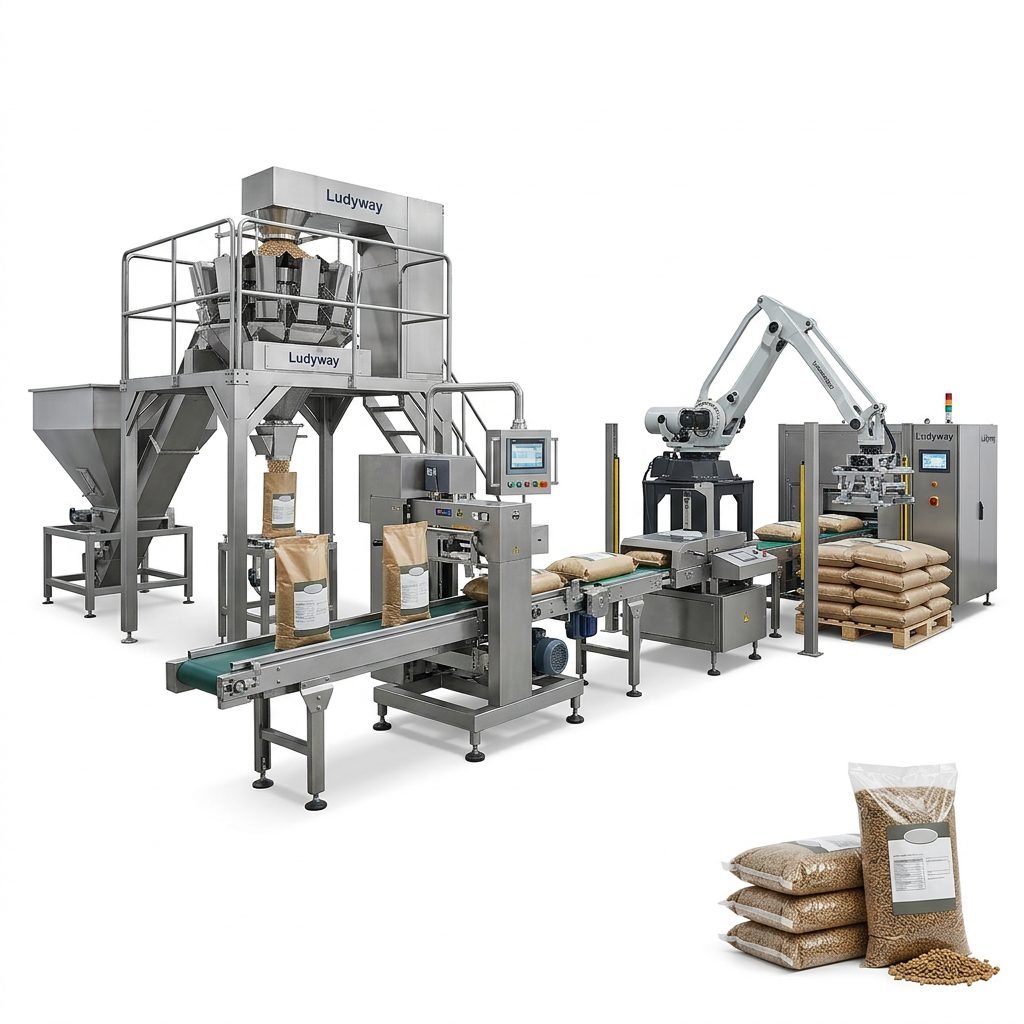
Automation level determines staffing requirements and operational consistency. Entry-level machines may require manual product feeding and bag collection, while fully automated systems integrate conveyors, checkweighers, metal detectors, coding systems, and cartoning machines into a complete packaging line. Assess your labor costs, desired throughput, and available factory floor space to determine the optimal automation configuration for your operation.
Budget and Return on Investment
While purchase price is an obvious consideration, a comprehensive evaluation should include installation, training, maintenance, spare parts, energy consumption, and film waste rates. A higher-quality machine with better efficiency and lower waste can deliver superior return on investment over its service life compared to a lower-cost alternative with higher operating expenses. Calculate total cost of ownership over at least five years to make a meaningful comparison.
Essential Machine Features and Configurations
Modern automatic food packing machines offer a wide range of optional features that can significantly enhance performance, quality control, and operational efficiency. The table below summarizes key features to evaluate during the selection process.
| Feature Category | Options | Benefit |
|---|---|---|
| Filling System | Auger, volumetric cup, multi-head weigher, piston | Precision dosing for different product types |
| Sealing Technology | Heat seal, ultrasonic, impulse seal | Reliable hermetic seals for product protection |
| Quality Control | Checkweigher, metal detector, vision system | Reduced rejects and consistent quality |
| Coding & Marking | Thermal inkjet, laser, TTO printer | Batch coding, date marking, traceability |
| Gas Flushing | Nitrogen, modified atmosphere packaging | Extended shelf life for sensitive products |
| Multi-Lane Capability | 4 to 16 lanes or more | Dramatically increased output per machine |
Compliance and Industry Standards
Food packaging equipment must comply with applicable hygiene, safety, and material contact regulations in your target markets. Machines should be constructed with food-grade stainless steel for product contact surfaces, feature accessible designs for cleaning and sanitation, and support compliance with food safety regulations such as FDA requirements in the United States or equivalent standards in your region. Additionally, verify that the equipment meets relevant international packaging standards for electrical safety, machine guarding, and operational safety. Request documentation of certifications and compliance from potential suppliers early in the evaluation process.
Evaluating Suppliers and Manufacturers
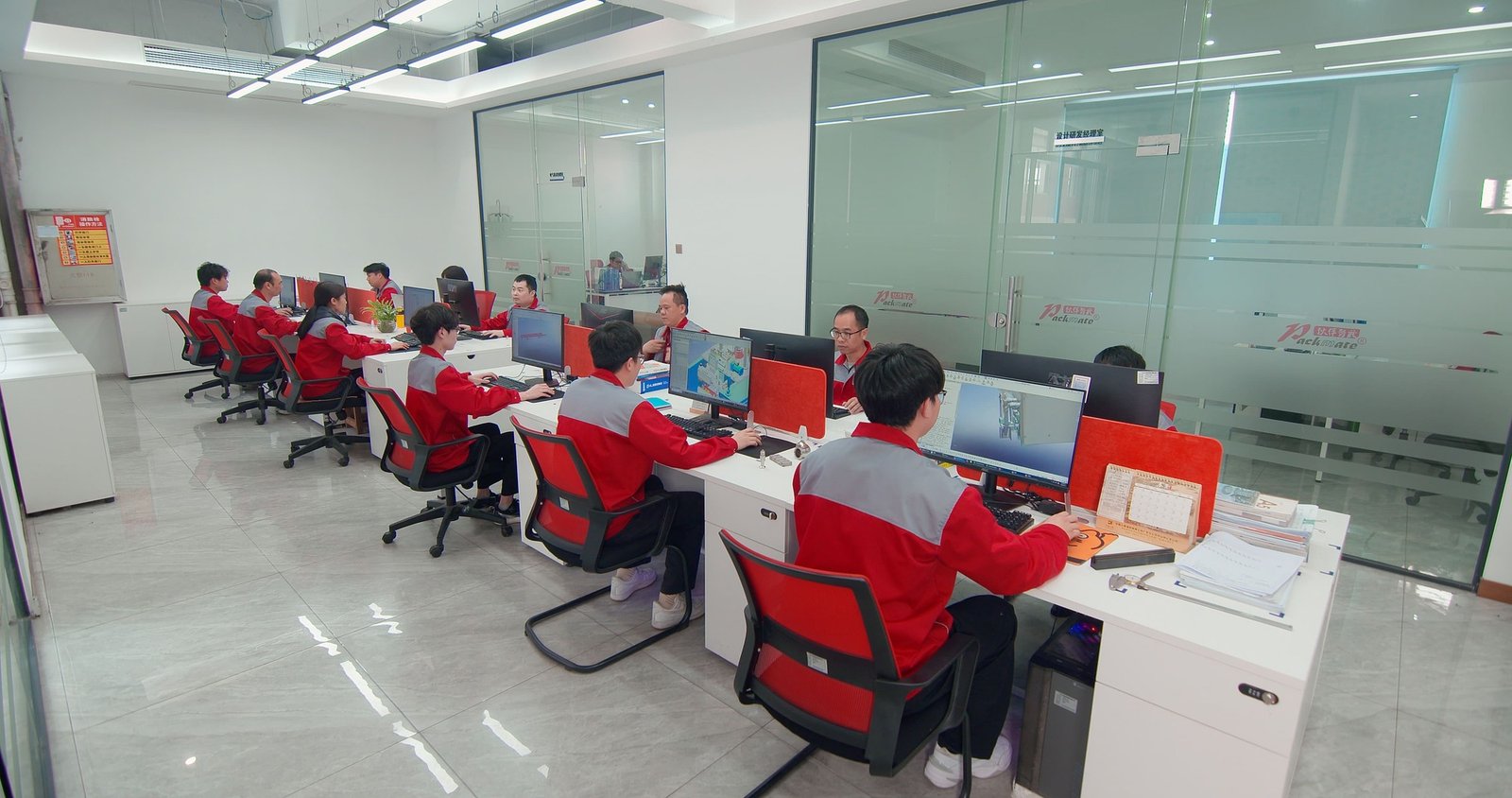
Selecting the right packaging machinery partner is as important as selecting the right machine. Evaluate potential suppliers based on their industry experience, engineering capabilities, manufacturing facilities, and after-sales support infrastructure. Key questions to ask include:
- Does the supplier have specific experience with your product category and packaging format?
- Can they provide references or case studies from similar applications and production environments?
- What levels of customization and system integration can they offer beyond standardized machine models?
- Is local technical support, spare parts inventory, and operator training available in your region?
- What is their approach to turnkey packaging solutions, from equipment selection through installation and commissioning?
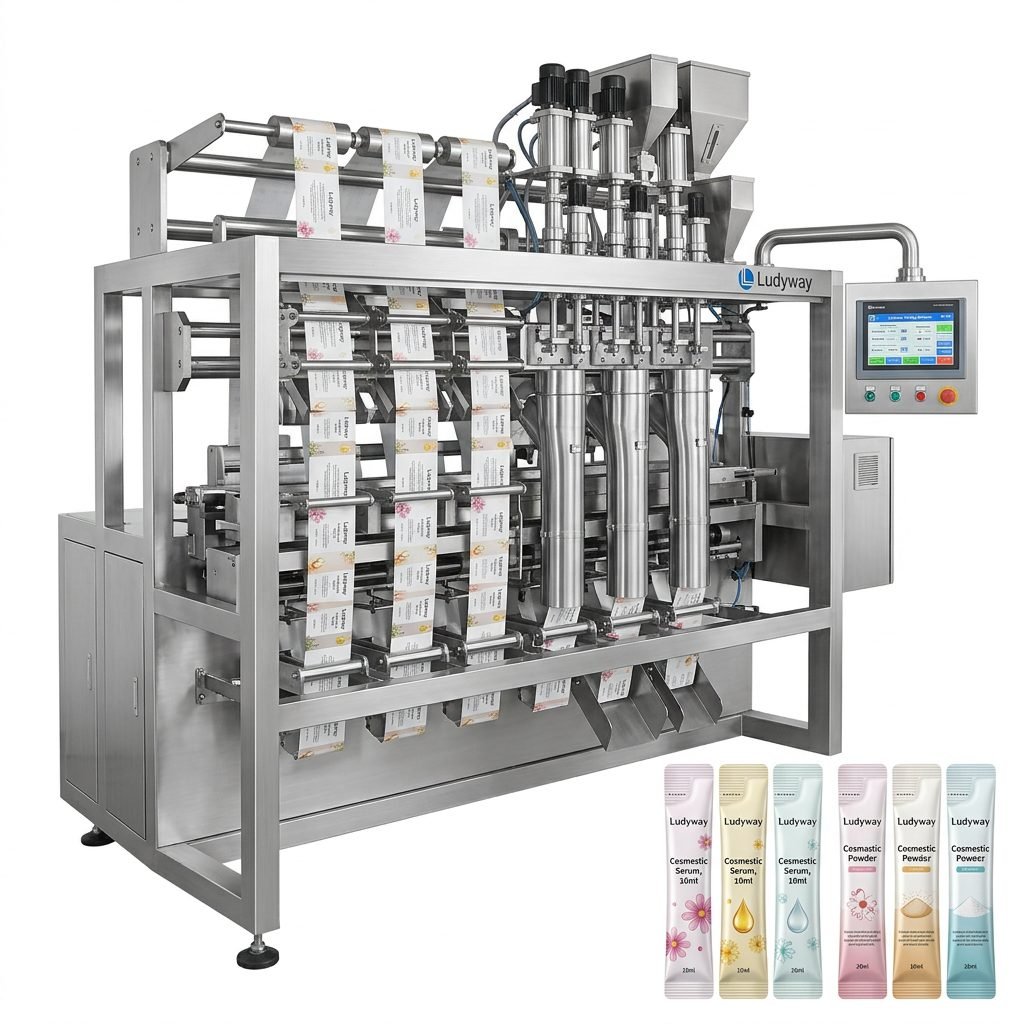
A manufacturer with a comprehensive portfolio, in-house engineering teams, and a track record of delivering integrated packaging systems can provide valuable guidance throughout the project lifecycle. This is especially important when your requirements involve multi-lane configurations, specialized dosing systems, or integration with upstream and downstream equipment.
Conclusion: Making the Right Investment
Choosing the right automatic food packing machine requires a systematic evaluation of your product characteristics, packaging format requirements, production volume targets, automation needs, and budget parameters. By carefully matching machine capabilities to your operational goals and working with an experienced packaging machinery partner, you can achieve reliable, efficient, and scalable packaging operations that support your business growth.
With more than 30 years of experience in the packaging industry, Ludyway Machinery provides a broad portfolio of automatic packaging equipment, integrated systems, and turnkey solutions for food, beverage, pharmaceutical, and consumer product manufacturers worldwide. The company’s engineering capabilities span powder, granule, liquid, stick pack, sachet, and pouch packaging applications across a wide range of production speeds and automation levels. Taking the time to evaluate your options thoroughly will help ensure that your investment delivers consistent performance and long-term value.