Keeping your meat vacuum packing machine in peak condition is essential for food safety, operational efficiency, and extending equipment lifespan. Without a consistent maintenance routine, meat residues and moisture can quickly lead to bacterial growth, seal failures, and costly downtime. This guide walks you through the most effective cleaning practices and preventive maintenance steps to protect your investment and ensure reliable performance in demanding meat processing environments.

Why Regular Maintenance Matters
A meat vacuum packing machine handles raw proteins, fats, and liquids daily. If not properly cleaned, organic residues accumulate inside the packaging machine chamber, on sealing bars, and within vacuum channels. This buildup compromises vacuum pressure, weakens seal integrity, and creates a breeding ground for pathogens like Listeria and Salmonella. Regular maintenance not only ensures compliance with FDA food safety standards but also reduces energy consumption and prevents unexpected breakdowns.
Daily Cleaning Checklist
At the end of each production shift, operators should complete a thorough cleaning routine. This prevents overnight bacterial growth and prepares the equipment for the next day’s operation.
- Power down and unplug the machine completely before any cleaning activity.
- Remove all detachable parts including sealing bars, chamber inserts, and drip trays.
- Wipe down the vacuum chamber interior with food-grade sanitizing solution.
- Clean the sealing bar surface with a soft cloth and approved cleaning agent to remove fat and protein residues.
- Inspect the vacuum pump oil level and top up if necessary using manufacturer-recommended oil.
- Check and clean the lid gasket to ensure a proper airtight seal.
- Empty and sanitize the liquid collection tray to prevent odor and contamination.

Deep Cleaning Key Components
Sealing Bar Maintenance
The sealing bar is one of the most critical components in a meat vacuum packing machine. Over time, protein residues and melted fats bake onto the heating element, causing uneven seals and potential bag failures. Use a non-abrasive brush and specialized Teflon-safe cleaner to remove stubborn buildup. Never use metal scrapers that could damage the sealing surface. After cleaning, inspect the heating wire for signs of wear or sagging.
Vacuum Chamber Interior
Meat juices often spill into the chamber during the vacuum process. These liquids can corrode metal surfaces and clog vacuum ports. Wipe the chamber with a food-safe disinfectant and dry it thoroughly before reassembly. Pay special attention to corners and seams where bacteria can hide. For machines processing high-volume meat packaging, consider using a foaming cleaner that reaches crevices more effectively.
Lid and Gasket Care
The lid gasket must maintain perfect flexibility to form an airtight seal. Clean it daily with warm water and mild detergent, then apply a thin layer of silicone lubricant to prevent cracking. A damaged gasket compromises vacuum levels and increases pump wear. Replace gaskets at the first sign of hardening, cracks, or deformation.
Weekly Maintenance Tasks
In addition to daily cleaning, schedule these weekly procedures to catch potential issues before they escalate:
| Task | Frequency | Key Checkpoints |
|---|---|---|
| Pump Oil Inspection | Weekly | Check oil color and clarity; cloudy oil indicates moisture contamination |
| Filter Cleaning | Weekly | Clean or replace inlet filters and exhaust filters |
| Electrical Connections | Weekly | Inspect for loose wires, corrosion, or heat damage |
| Sensor Calibration | Weekly | Verify vacuum sensor and temperature sensor accuracy |
| Drainage System | Weekly | Flush drain lines to prevent clogging from fat and debris |
Monthly Preventive Maintenance
Monthly checks should be more comprehensive and documented for ISO packaging standards compliance:
- Perform a full vacuum pump oil change if the machine runs more than 8 hours daily.
- Test vacuum levels using a calibrated gauge to confirm the pump achieves specified pressure within the required time.
- Inspect all hoses and connections for cracks, leaks, or loose fittings.
- Lubricate moving mechanical parts including hinges, lid springs, and conveyor rollers if applicable.
- Run a complete cycle test with empty bags to verify sealing temperature, vacuum time, and cooling duration.
- Check the nitrogen flush system (if equipped) for proper gas flow and connection integrity.
Extended Equipment Lifespan Tips
A well-maintained meat vacuum packing machine can operate reliably for many years. Here are proven strategies to maximize your equipment lifespan:
- Train operators thoroughly on proper loading techniques to avoid overfilling bags and causing seal contamination.
- Use only compatible packaging films and bags recommended for your machine model.
- Schedule professional servicing at least twice per year for comprehensive inspection and tuning.
- Maintain detailed maintenance logs documenting dates, procedures performed, and parts replaced.
- Keep critical spare parts on hand including sealing wires, gaskets, filters, and pump oil.
Troubleshooting Common Issues
Even with regular maintenance, occasional issues can arise. Quick diagnosis helps minimize downtime in meat processing operations.
Weak or Inconsistent Seals
If packages show weak seals or air leaks after vacuuming, first inspect the sealing bar for residue buildup. Clean the Teflon tape and replace it if worn. Check that the sealing temperature matches the film specifications. A temperature that is too low will not create a proper bond, while excessive heat can burn through the packaging material. Also verify that the sealing time is correctly set according to the film type and thickness.
Insufficient Vacuum Pressure
When the vacuum chamber cannot reach the required pressure level, start by examining the lid gasket. A leak here is the most common cause of vacuum loss. Next, check the pump oil condition—contaminated oil significantly reduces pumping efficiency. Inspect vacuum hoses for cracks, loose connections, or blockages. If problems persist after these checks, the vacuum pump itself may require servicing or rebuild kit installation.
Excessive Noise or Vibration
Unusual noise from the vacuum pump often indicates low oil levels, worn bearings, or internal component damage. Address pump noises immediately to prevent complete failure. Mechanical noise from the chamber area may suggest loose fasteners or misaligned components that need tightening or adjustment.
Sanitation and Food Safety Compliance
Meat processing facilities must adhere to strict hygiene protocols. The meat vacuum packing machine should be integrated into your facility’s overall sanitation program. Use only cleaning chemicals approved for food contact surfaces and follow the required contact time for effective sanitization. After cleaning, allow all components to air dry completely before reassembly to prevent moisture from interfering with vacuum performance. Document all cleaning and maintenance activities as part of your HACCP plan for traceability and regulatory inspections.
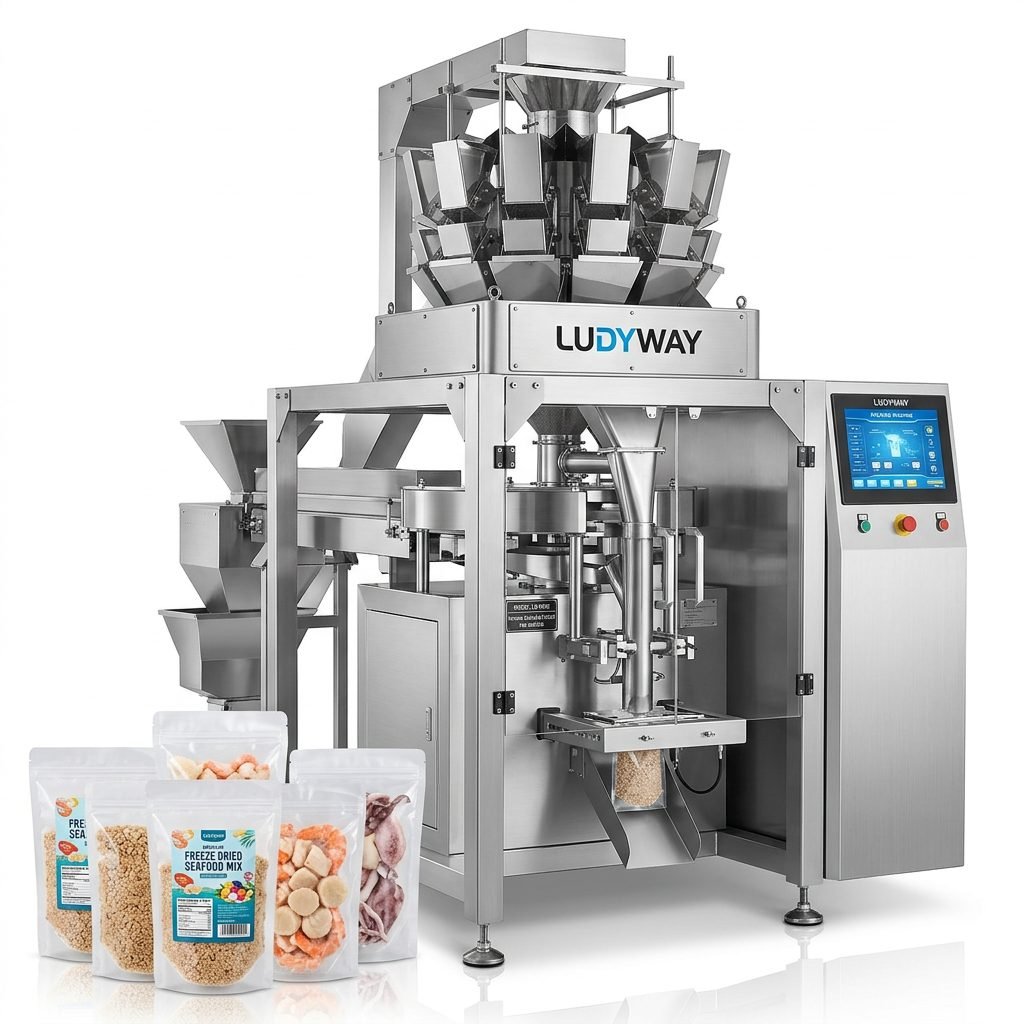
About Ludyway
Ludyway is one of the largest packaging machine manufacturers in China, specializing in advanced packaging equipment and turnkey production solutions for the food, pharmaceutical, and health industries. With over 30 years of industry expertise, we provide reliable and efficient packaging solutions for granule, powder, liquid, and pouch packaging applications. Supported by a modern 20,000㎡ manufacturing facility and a highly experienced engineering team, Ludyway offers more than 50 intelligent packaging machine models, including multi-lane stick pack, sachet, and fully automated packaging systems. Serving customers in over 100 countries and regions, we are committed to delivering innovative, high-performance, and cost-effective packaging solutions that help businesses improve productivity, product quality, and operational efficiency.