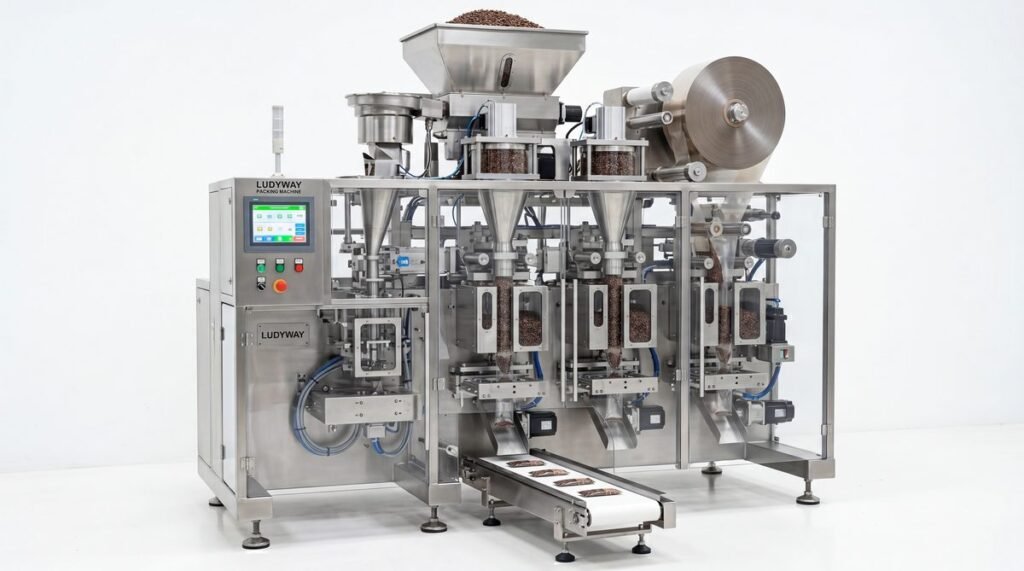
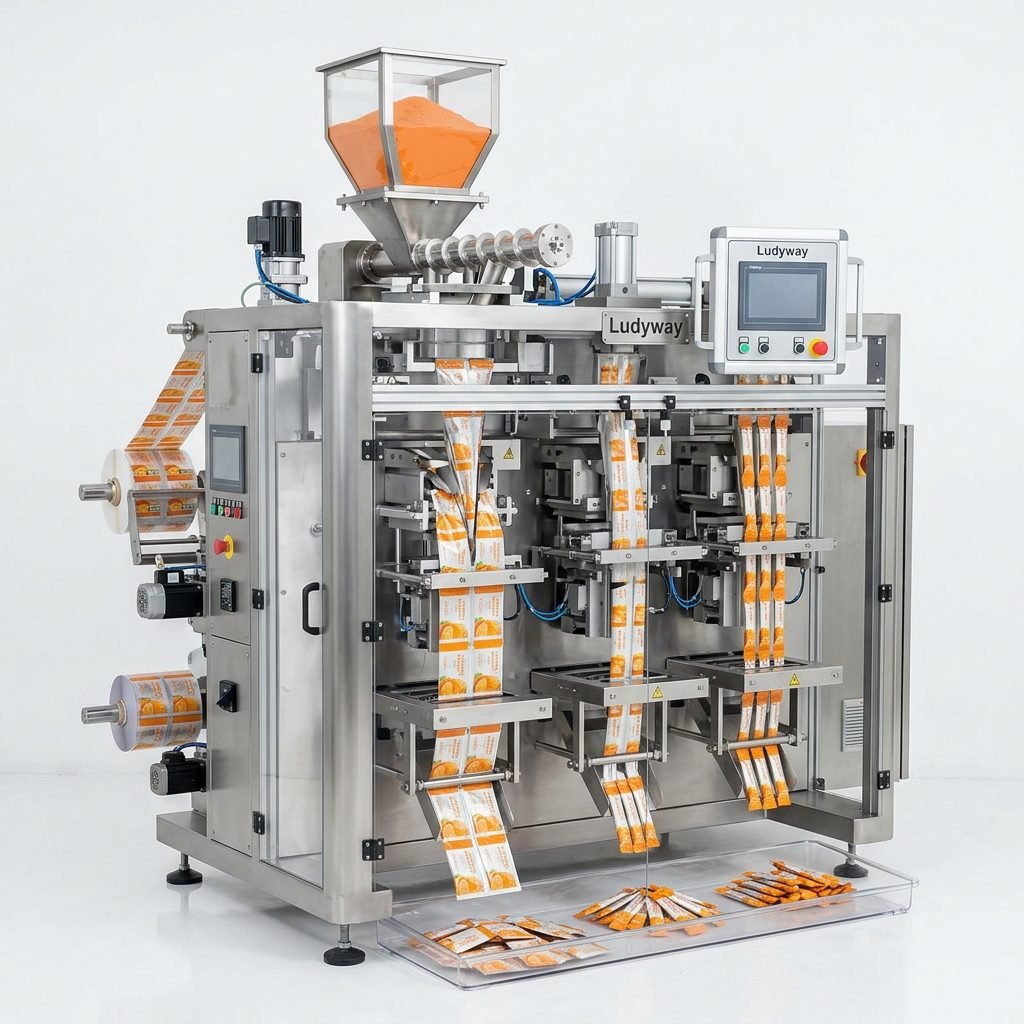
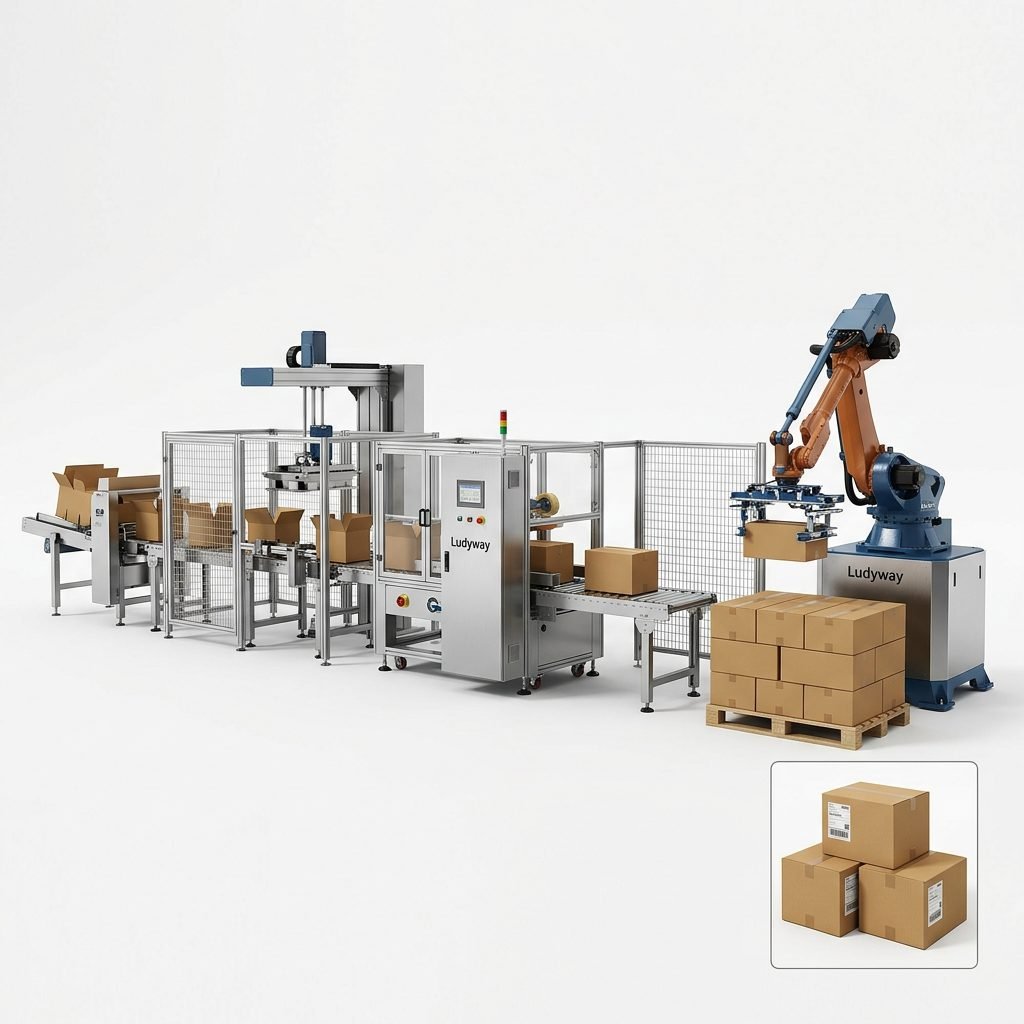
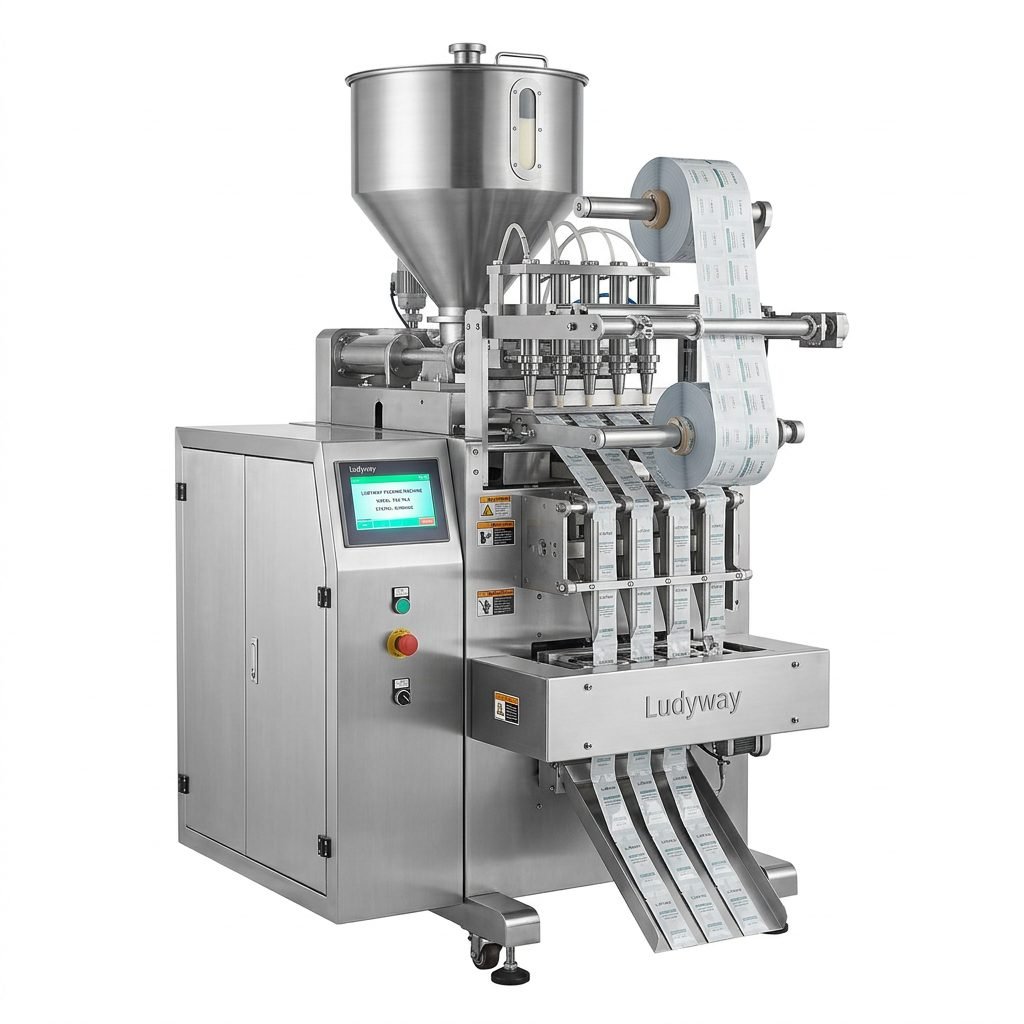
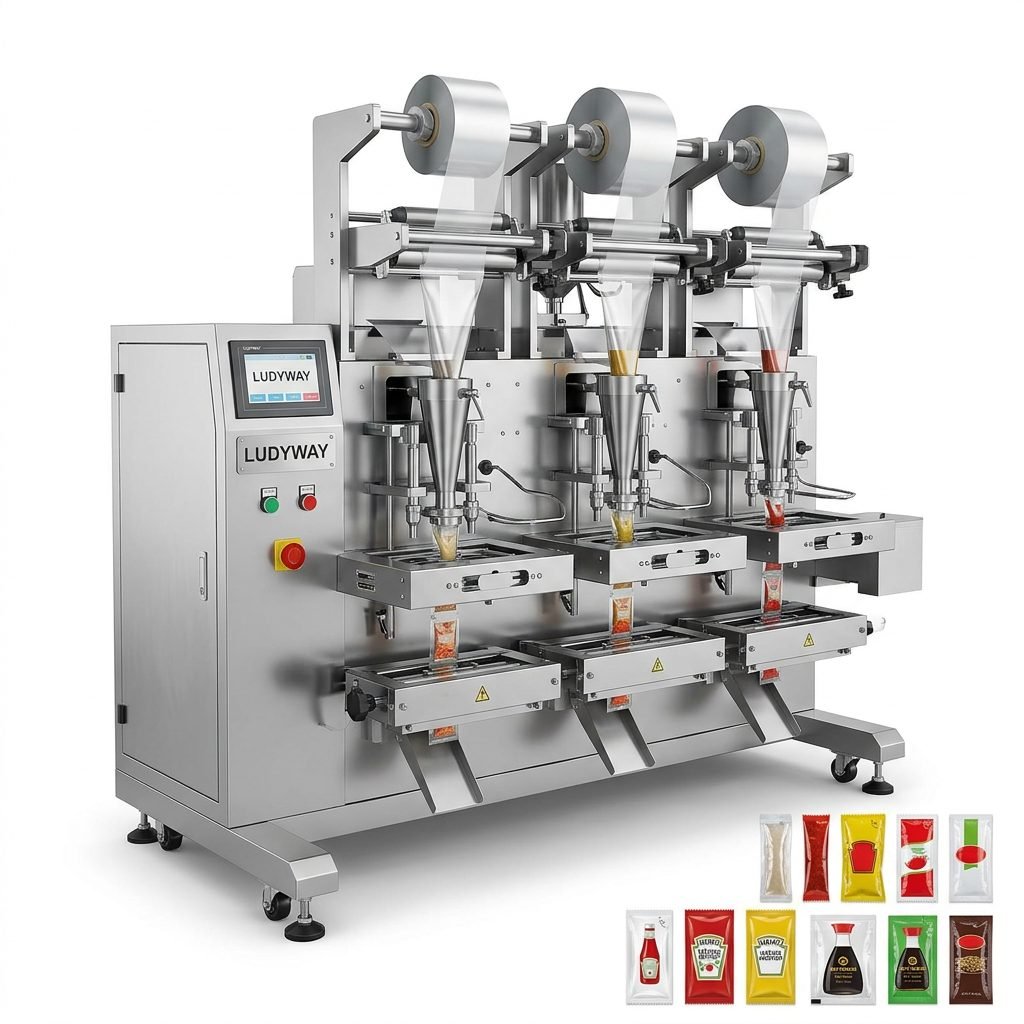
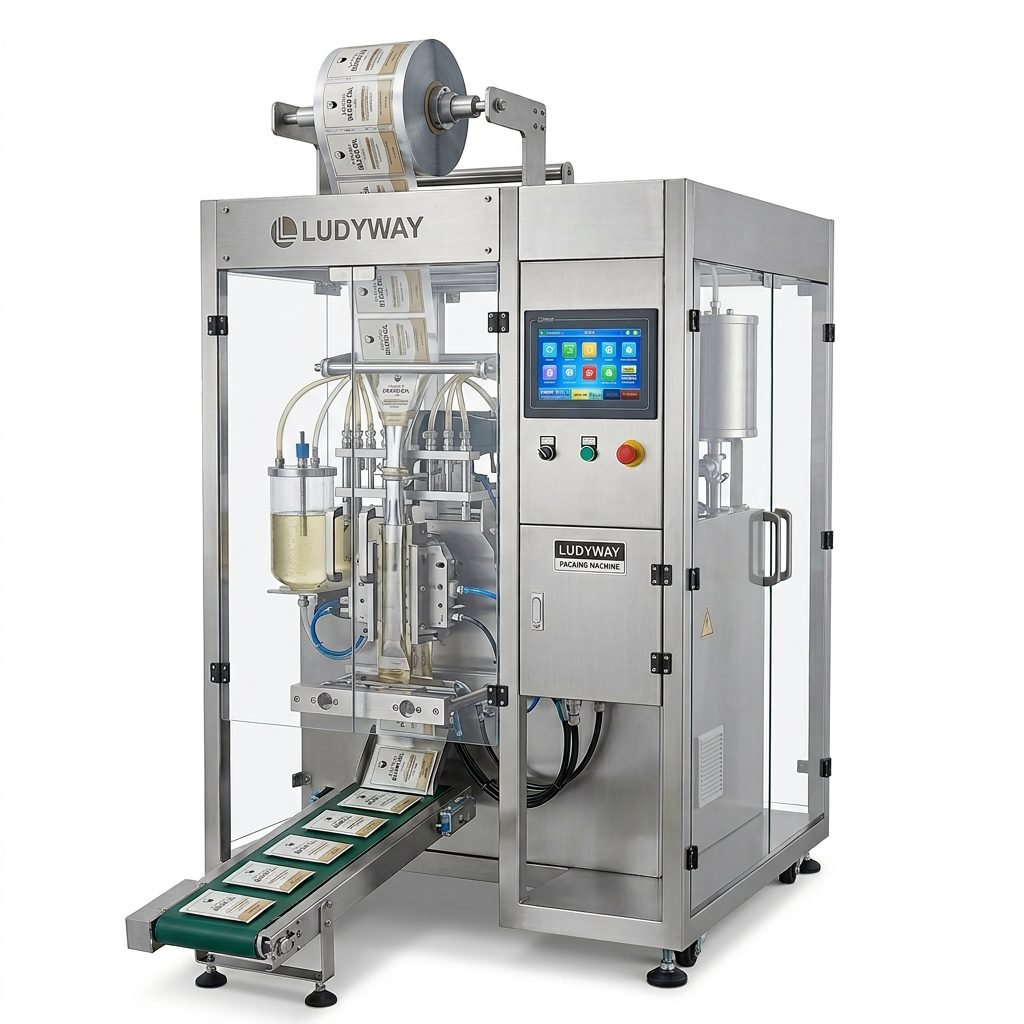
When buyers ask “Which packaging machine is CE certified?”, the real answer is not about one single machine model. CE certification applies to machines that meet the relevant European Union directives and standards. In practice, that means a packaging machine can be CE certified if its design, electrical system, safety protection, documentation, and risk assessment all comply with applicable requirements.
For importers, distributors, and factory owners, understanding CE compliance is essential before purchasing equipment for Europe or for projects that follow European safety benchmarks. Whether you need a sachet machine, stick pack system, bottle filling line, or a complete turnkey packaging solution, CE status should always be verified carefully.
What Does CE Certification Mean for a Packaging Machine?
CE marking shows that a machine complies with relevant EU legislation. For packaging equipment, this usually involves requirements under the Machinery framework, electrical safety rules, electromagnetic compatibility, and sometimes hygiene-related standards depending on the application.
- Machine safety compliance with guards, emergency stops, interlocks, and risk reduction measures
- Electrical safety conformity for control cabinets, wiring, and components
- EMC compliance so the equipment does not create unacceptable electromagnetic interference
- Technical documentation including drawings, manuals, circuit diagrams, and risk assessments
- Declaration of Conformity issued by the manufacturer or authorized representative
A CE mark is not just a sticker. It should be backed by a complete compliance file and machine-level documentation.
Which Types of Packaging Machines Can Be CE Certified?
Many categories of packaging machinery can be CE certified if they are properly designed and documented. Buyers should focus less on the machine category alone and more on whether the exact model they are buying has valid CE compliance support.
| Packaging Machine Type | Can It Be CE Certified? | Common Applications |
|---|---|---|
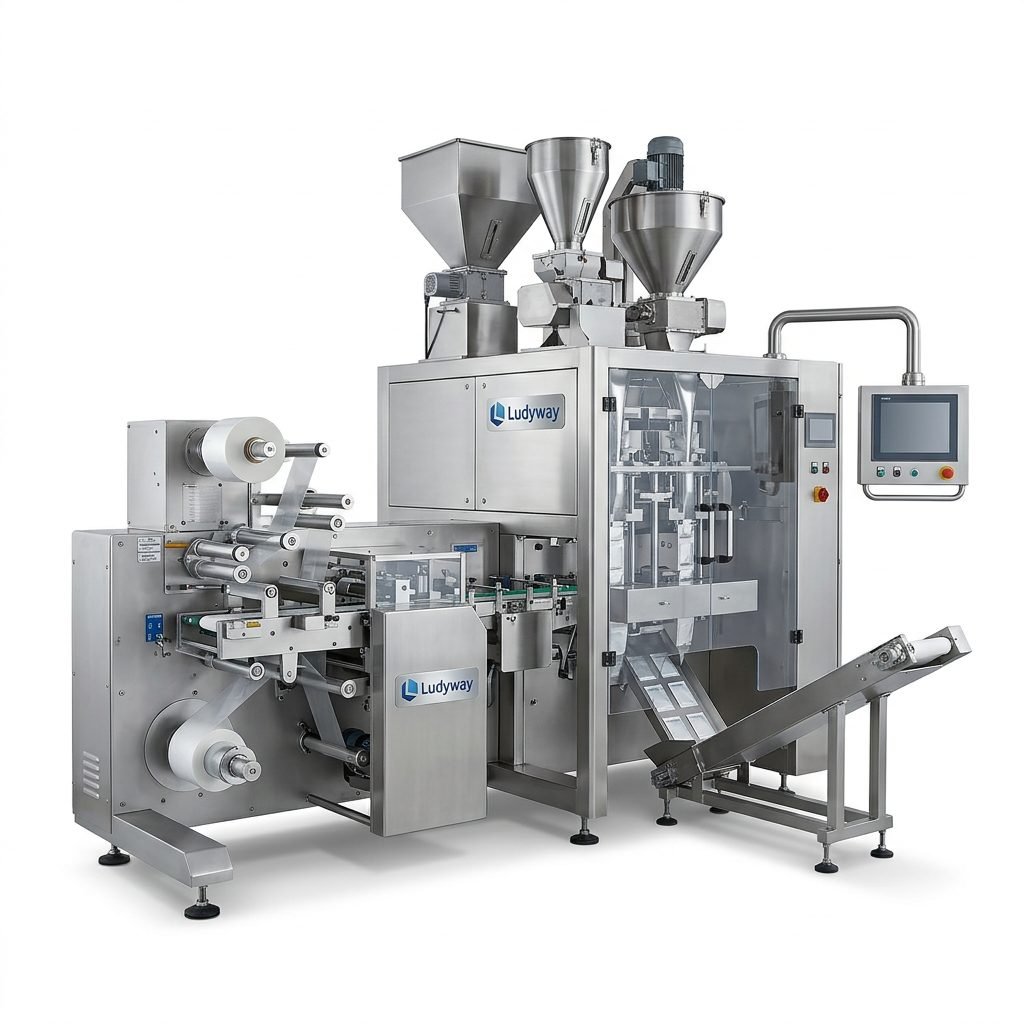
| Vertical Form Fill Seal Machines | Yes | Powders, granules, snacks, coffee, seeds |
| Sachet Packaging Machines | Yes | Liquids, creams, powders, condiments |
| Stick Pack Machines | Yes | Supplements, drink mixes, pharmaceuticals |
| Bottle Filling and Capping Lines | Yes | Cosmetics, oral liquids, chemicals |
| Vacuum Packaging Machines | Yes | Food, medical, industrial materials |
| Cartoning and Case Packing Machines | Yes | Secondary and tertiary packaging |
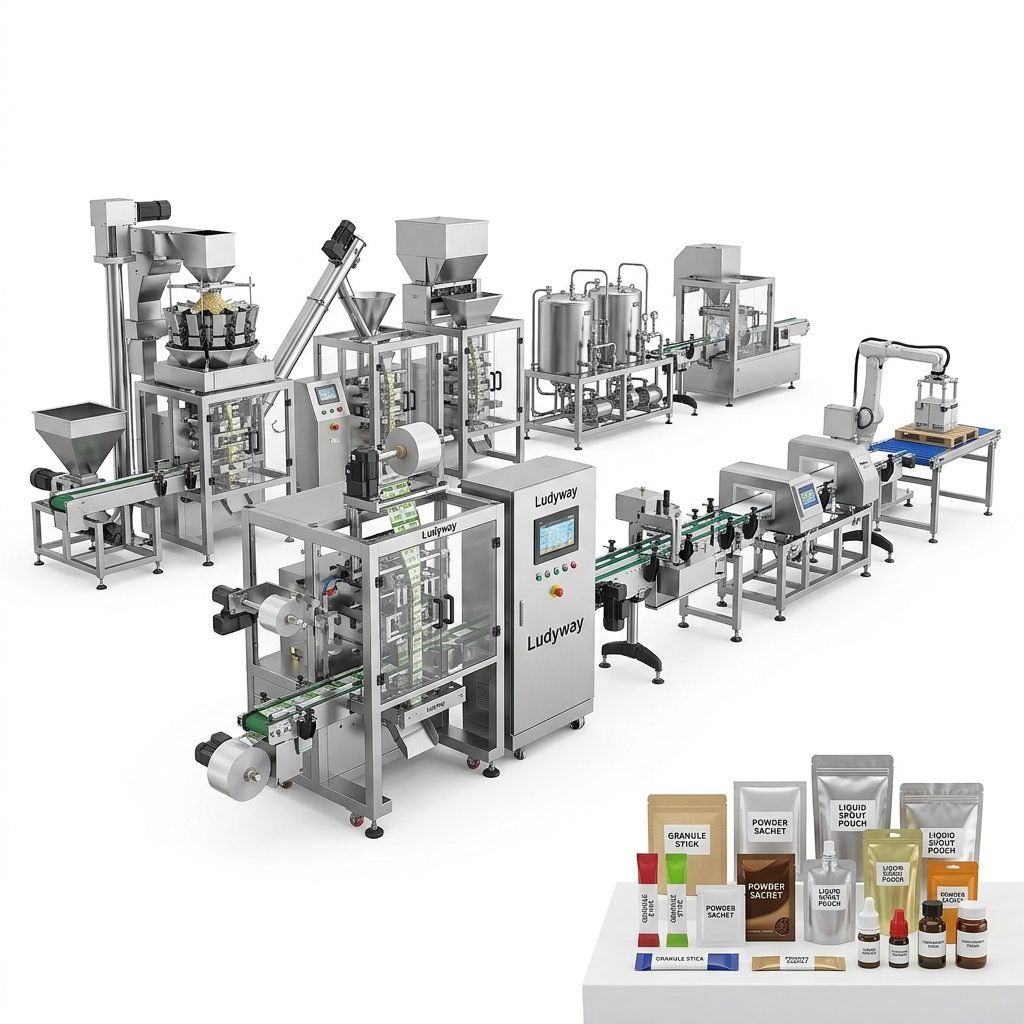
| Complete Turnkey Packaging Lines | Yes | Integrated food, pharma, and chemical production |
How to Check If a Packaging Machine Is Really CE Certified
Many buyers make the mistake of assuming that all exported machinery is automatically CE compliant. That is not always true. Some machines may carry a CE label without full documentation, while others may require additional review once integrated into a complete line.
Ask for These Documents
- Declaration of Conformity
- User manual in English
- Electrical schematics
- Risk assessment report
- Main component brand list
- Safety circuit details
- Test or inspection records if available
Inspect the Machine Itself
- Check whether emergency stop buttons are accessible.
- Confirm safety guards and interlock switches are installed.
- Review warning labels and operational markings.
- Check electrical cabinet layout and grounding.
- Verify the CE nameplate matches the supplied documentation.
Tip for buyers: if you are sourcing a complete line rather than a standalone machine, ask whether the supplier supports line-level CE conformity, because integrated systems can require broader assessment.
What Standards Are Usually Relevant?
The exact standards depend on machine type, industry, and configuration, but common CE-related compliance areas for packaging machinery include:
- General machinery safety standards
- Electrical equipment of machines
- Emergency stop functionality
- Guarding and interlocking requirements
- Electromagnetic compatibility
- Low voltage safety rules
- Hygienic design for food or pharmaceutical contact parts when applicable
This is why two visually similar machines may not have the same compliance status. The difference often lies in engineering details, internal component choices, and documentation quality.
CE Certified vs. CE Ready vs. CE Available on Request
These terms are often used in the market, but they do not always mean the same thing.
| Term | What It Usually Means | Buyer Action |
|---|---|---|
| CE Certified / CE Marked | Machine should already comply and include required paperwork | Request full documentation for verification |
| CE Ready | Machine may need final adaptation or documentation | Clarify what remains to be completed |
| CE Available on Request | Supplier can build a CE-compliant version if specified | Include CE requirements in contract before production |
Which Buyers Should Pay the Most Attention to CE Certification?
CE matters most for the following groups:
- Importers selling machinery into the European Economic Area
- Factories installing equipment in Europe
- Multinational brands following EU-style safety policies globally
- Contract packers working with pharmaceutical and food clients
- Distributors who need legal and technical documentation for resale
Even outside Europe, CE-compliant packaging machinery is often preferred because it reflects a higher level of structured safety engineering and documentation discipline.
Examples of Packaging Machines Commonly Ordered with CE Compliance
Powder Packaging Machines
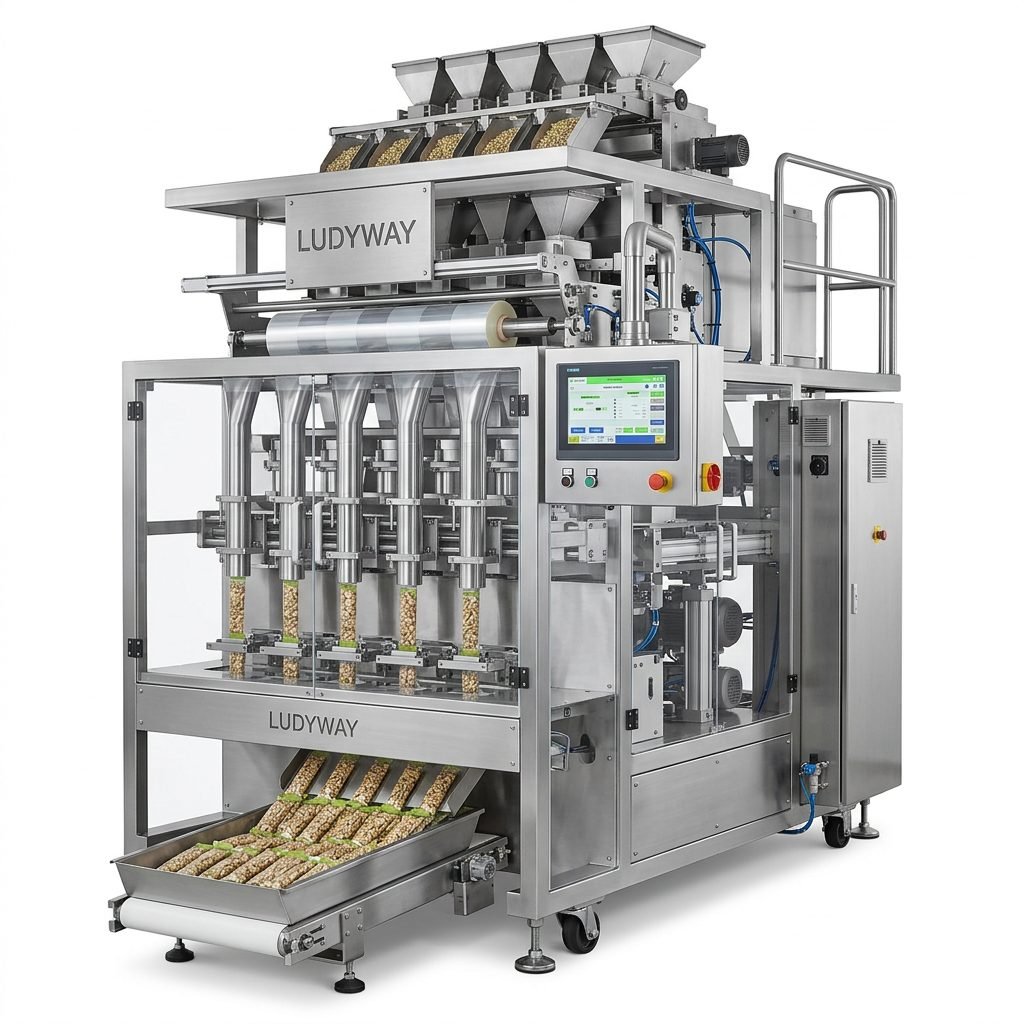
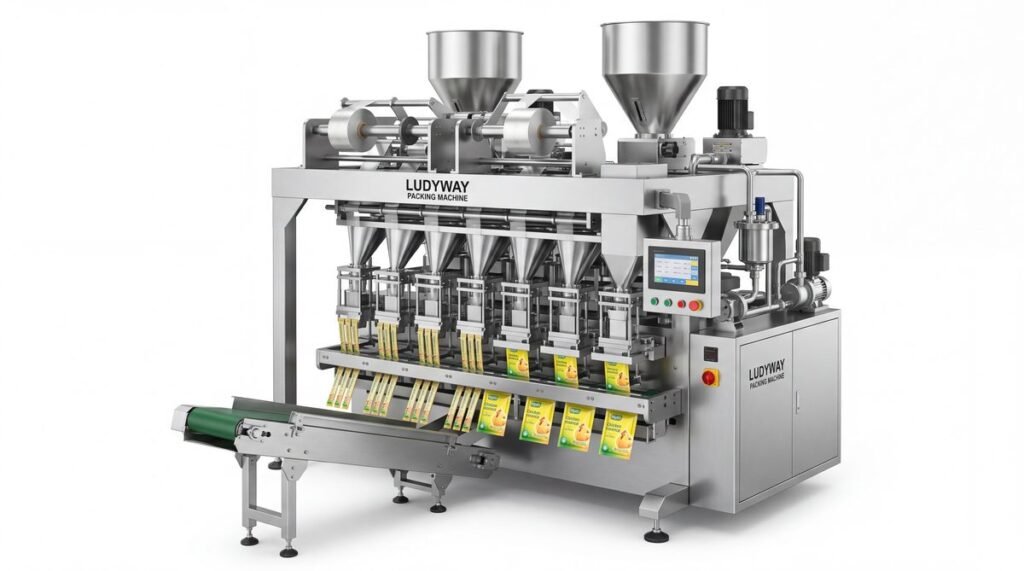
Widely used for milk powder, protein powder, pharmaceutical powders, seasoning mixes, and supplement products. These machines often include auger fillers, dust collection options, and safety guarding.
Liquid Sachet and Stick Pack Machines
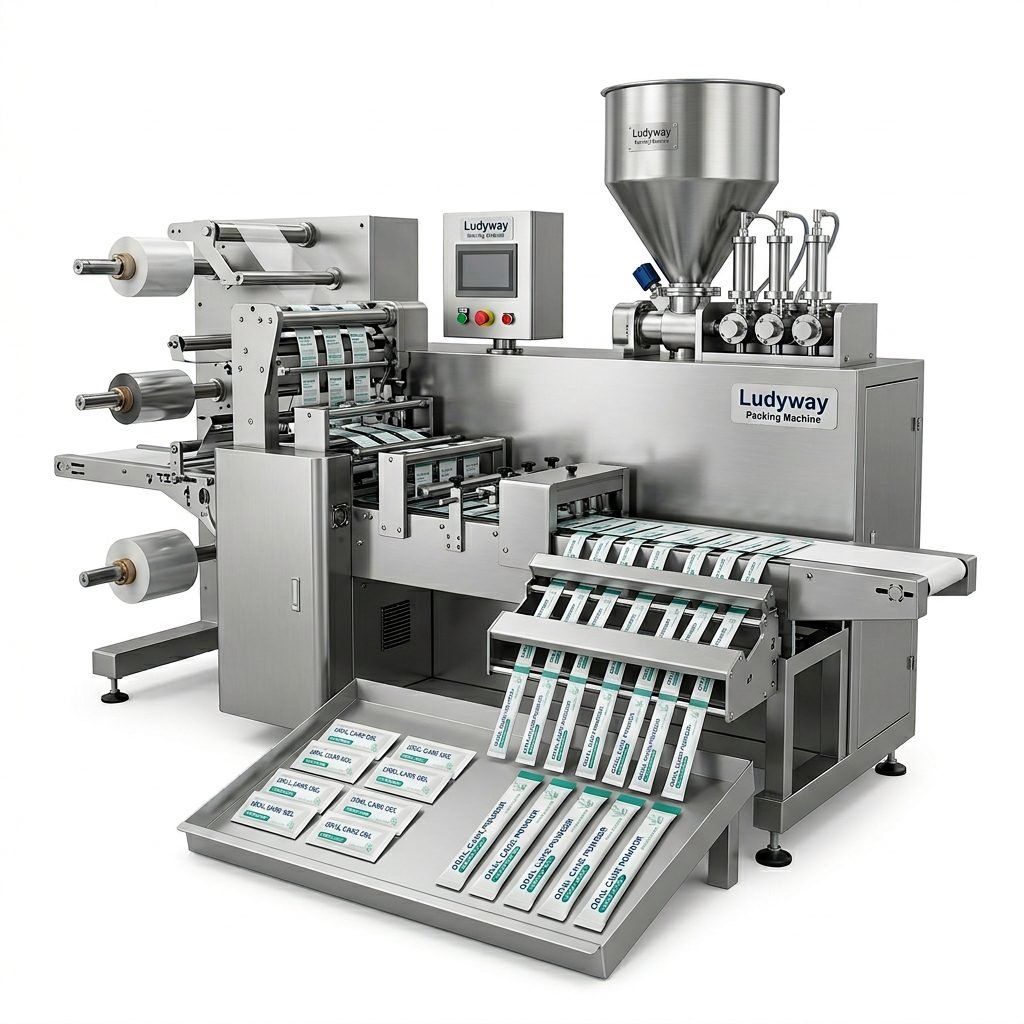
Suitable for sauces, oils, shampoos, lotions, syrups, and oral liquids. CE compliance here usually focuses on sealing safety, electrical controls, pneumatic systems, and operator protection.
Granule Packaging Machines
Used for sugar, salt, seeds, instant beverages, desiccants, feed additives, and pellets. Safety on conveyors, dosing devices, and moving sealing components is especially important.
Pharmaceutical Packaging Lines
These may include stricter validation expectations, traceability functions, and cleaner structural design depending on the project scope.
Common Mistakes Buyers Make When Sourcing CE Packaging Machines
- Only asking “Do you have CE?” instead of requesting documents
- Ignoring whether the exact configured model matches the CE file
- Overlooking imported electrical component compatibility
- Failing to check whether add-ons changed the original safety layout
- Assuming a standalone CE machine guarantees the full line is compliant
- Not confirming manual language and labeling requirements
The safest approach is to define CE compliance requirements in the quotation, technical agreement, and purchase contract.
Questions to Ask a Packaging Machine Manufacturer Before Ordering
- Can you provide a Declaration of Conformity for this exact model?
- Which EU directives and standards does the machine comply with?
- Are the electrical components and safety parts suitable for CE compliance?
- Does the machine include interlocked guards and emergency stop circuits?
- Will the user manual and wiring diagrams be provided in English?
- Can you support CE compliance for the full integrated line?
- What changes are needed if I customize the machine?
- Do you provide FAT videos, inspection support, or third-party verification?
How Customization Affects CE Certification
Customization is common in packaging machinery, but it can affect compliance. For example, changing the feeding system, adding coding units, integrating checkweighers, or modifying the guarding arrangement may require an updated risk assessment and revised documentation.
This is especially important for:
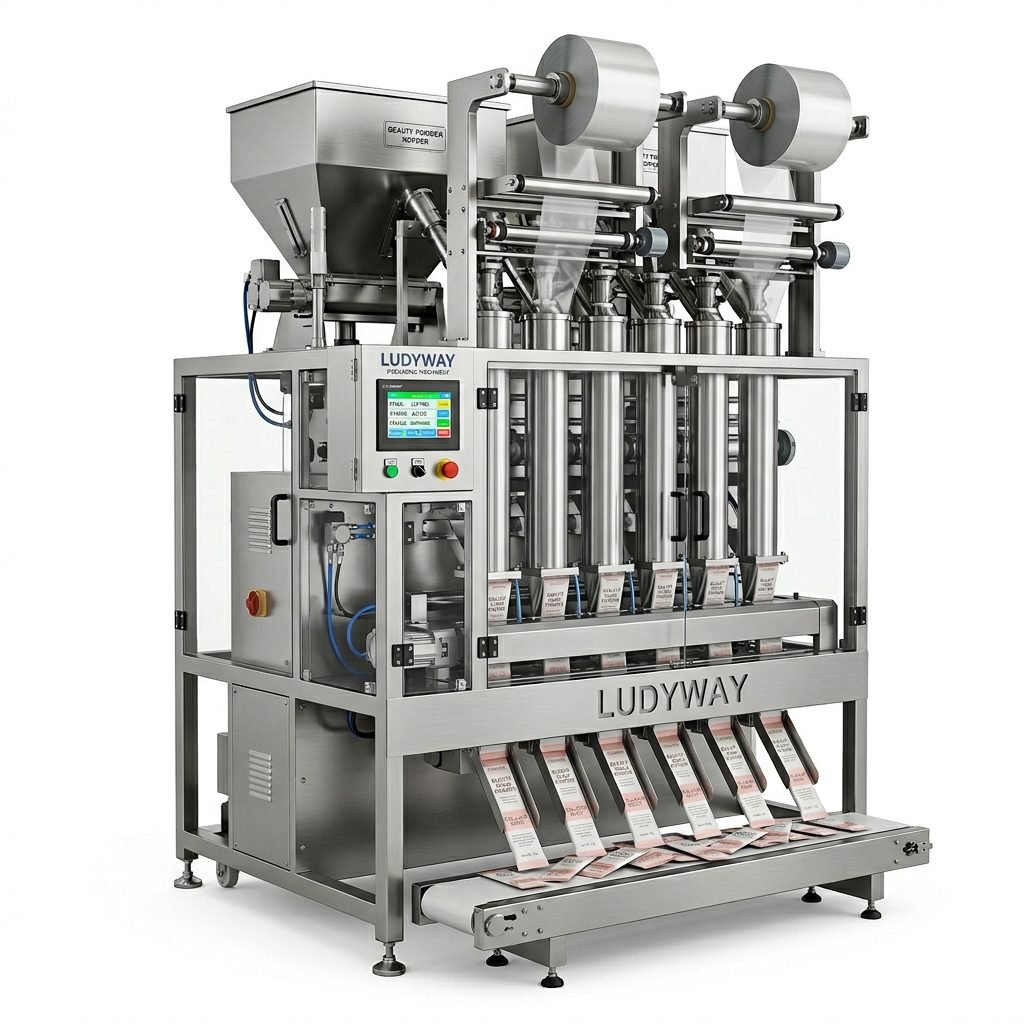
- Multi-lane sachet and stick pack machines
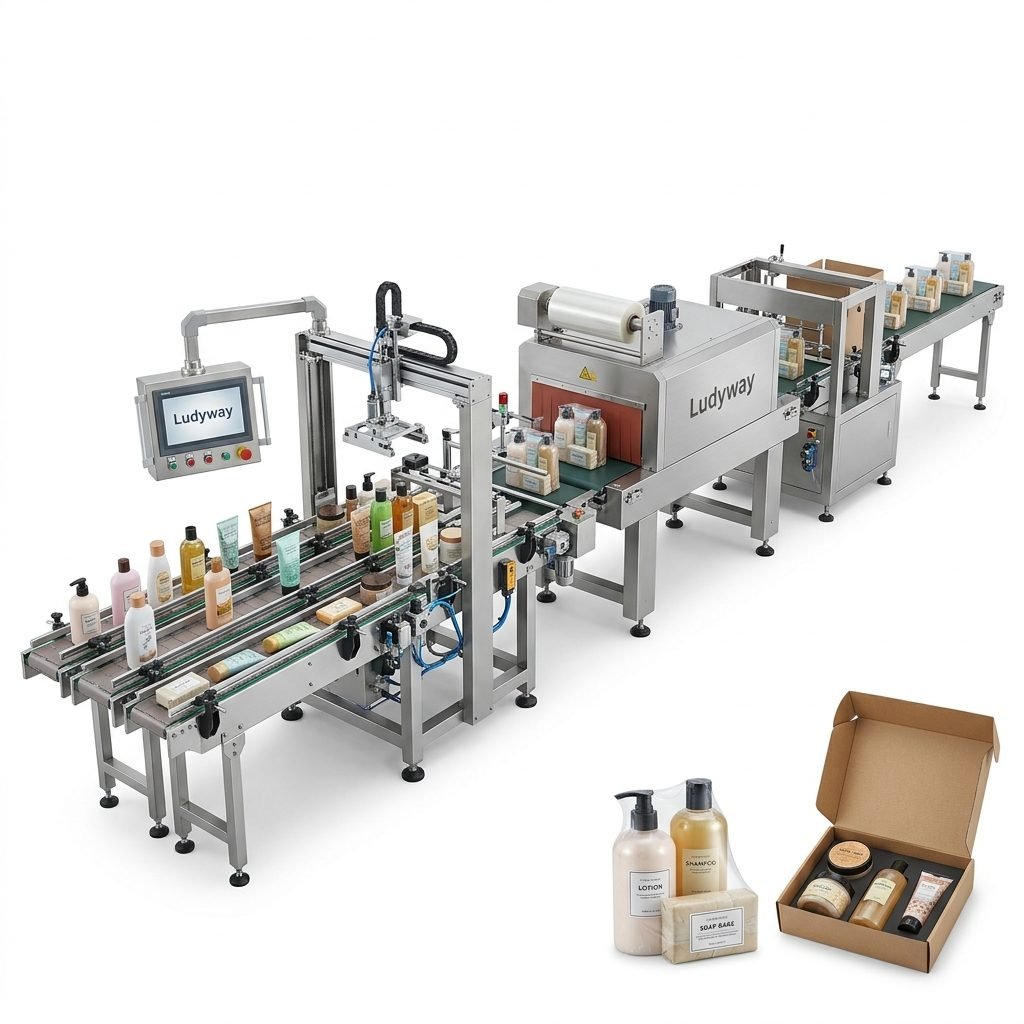
- Turnkey packaging lines with conveyors and end-of-line automation
- Pharmaceutical packaging systems with validation-related functions
- Cosmetic and food lines requiring washdown or hygienic structures
Choosing a Reliable Supplier for CE-Compliant Equipment
Buyers should evaluate not only machine price, but also manufacturing experience, engineering depth, export capability, and after-sales support. A supplier with strong international project experience is usually better prepared to handle CE documentation, component selection, and line integration requirements.
For buyers seeking flexible solutions across food, pharmaceutical, health supplement, cosmetic, and chemical applications, Ludyway packaging machine manufacturer offers a broad range of standalone machines and turnkey packaging lines backed by more than 30 years of industry experience and global export service.
Final Buying Checklist for CE Packaging Machines
| Checklist Item | Status to Confirm |
|---|---|
| CE marking on machine nameplate | Yes / No |
| Declaration of Conformity | Received / Pending |
| Risk assessment report | Received / Pending |
| Electrical drawings and manuals | Received / Pending |
| Guarding and emergency stop review | Verified / To Verify |
| Component brands and specs confirmed | Yes / No |
| Customization impact reviewed | Yes / No |
| Full line CE responsibility defined | Yes / No |
Conclusion
A packaging machine is CE certified when the specific machine model complies with relevant EU safety and technical requirements and is supported by proper documentation. That can include sachet packing machines, stick pack equipment, VFFS systems, bottle filling lines, vacuum packers, and complete turnkey packaging lines.
The best buying decision comes from verifying the machine configuration, reviewing the paperwork, and confirming that the supplier can support compliance not only at machine level but also at system level when integration is involved. Always verify, never assume.