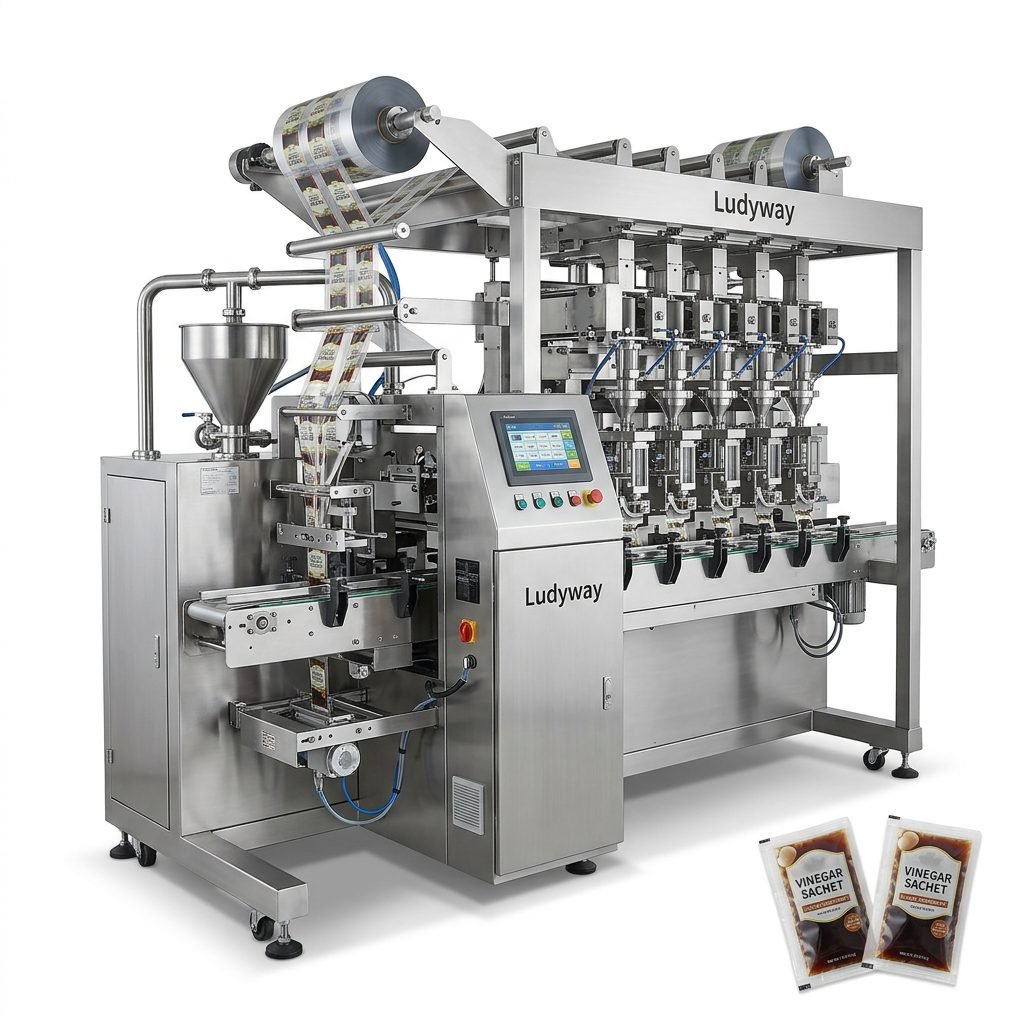
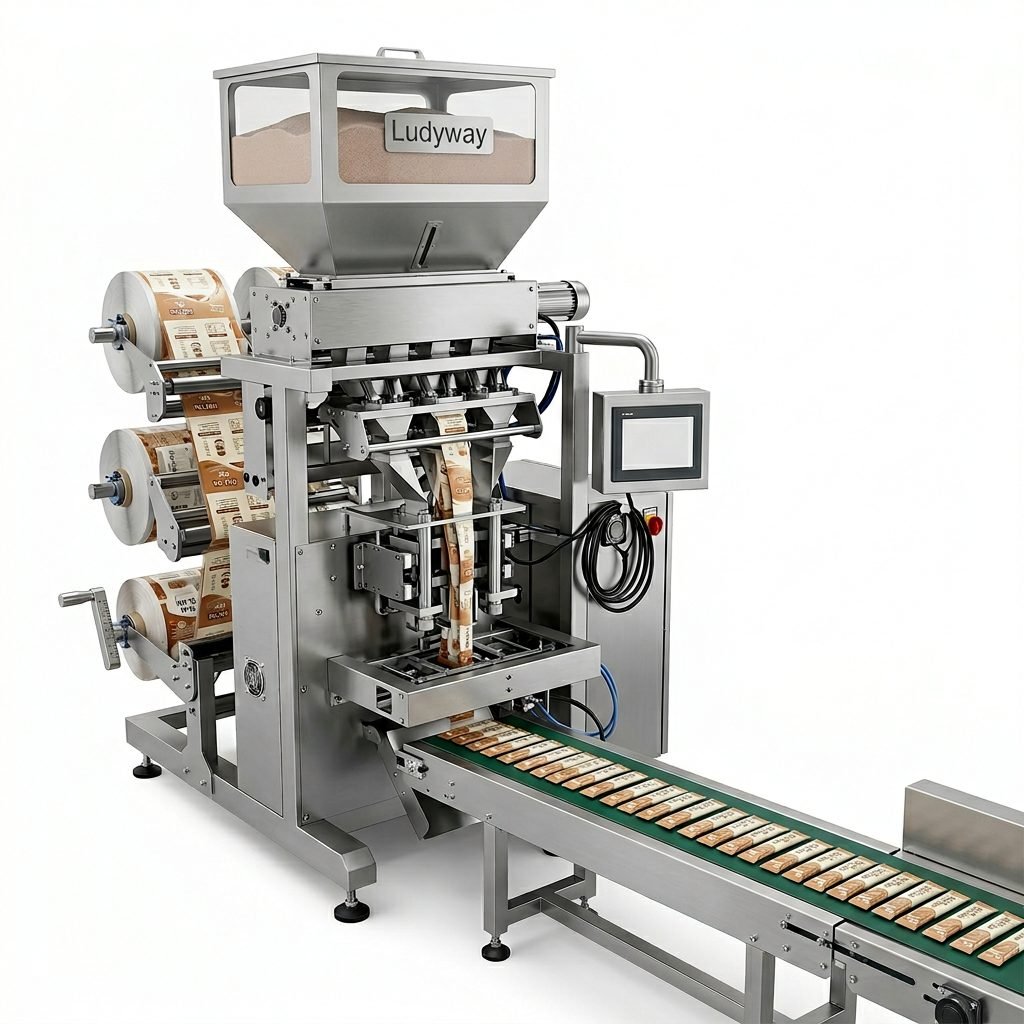
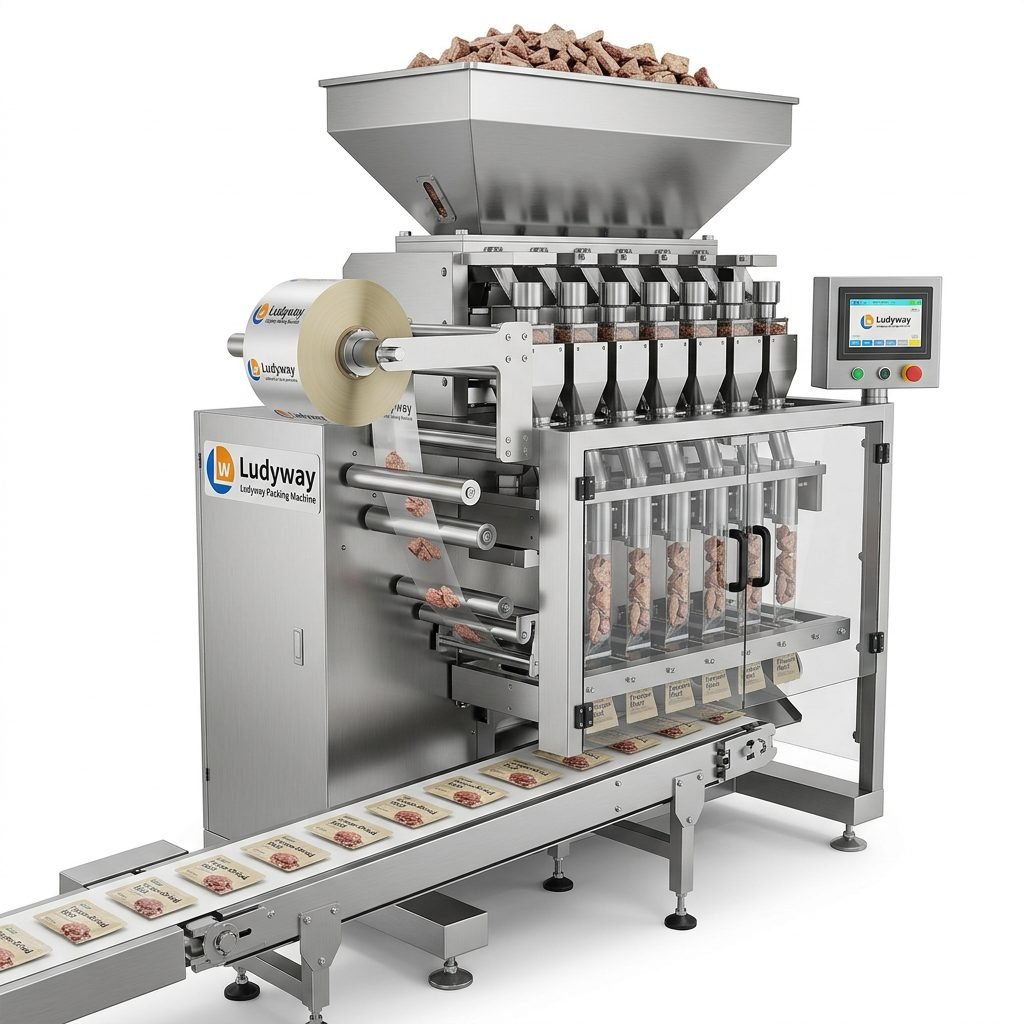
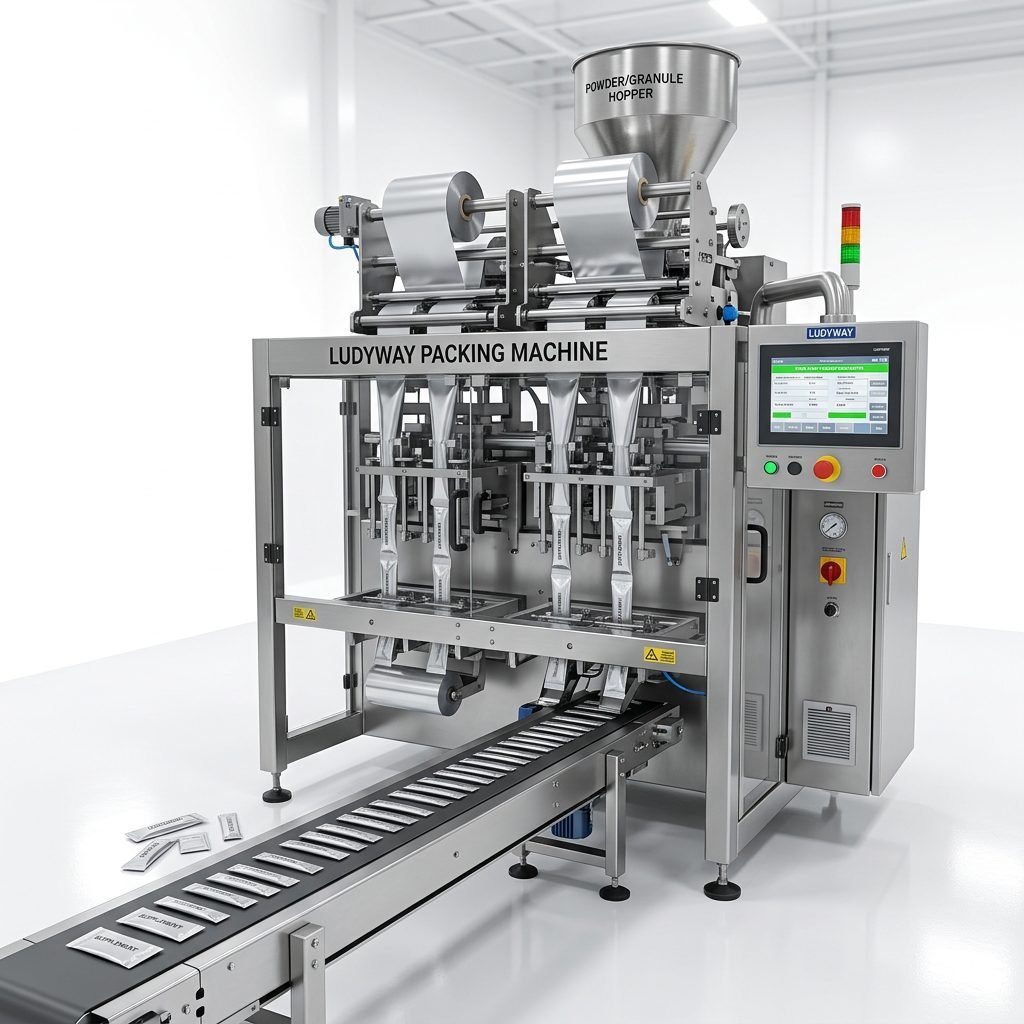
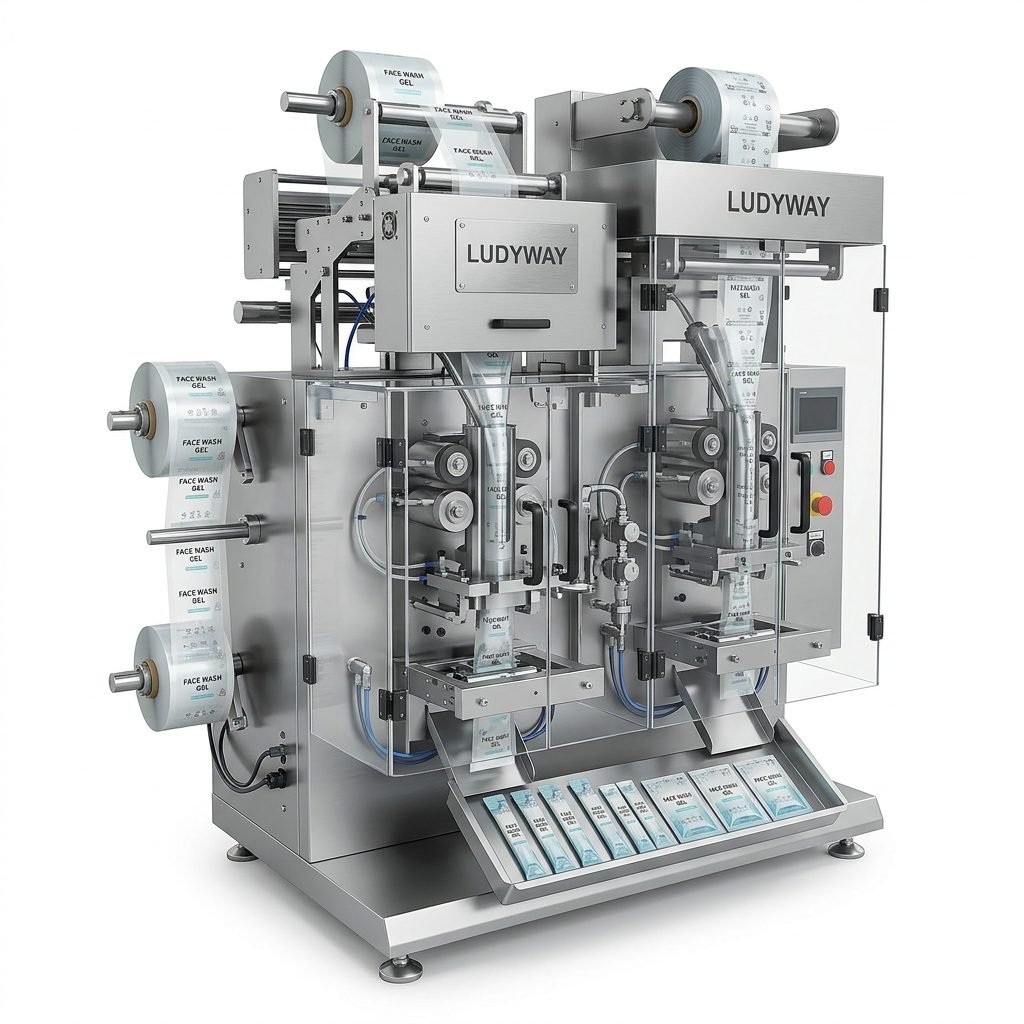
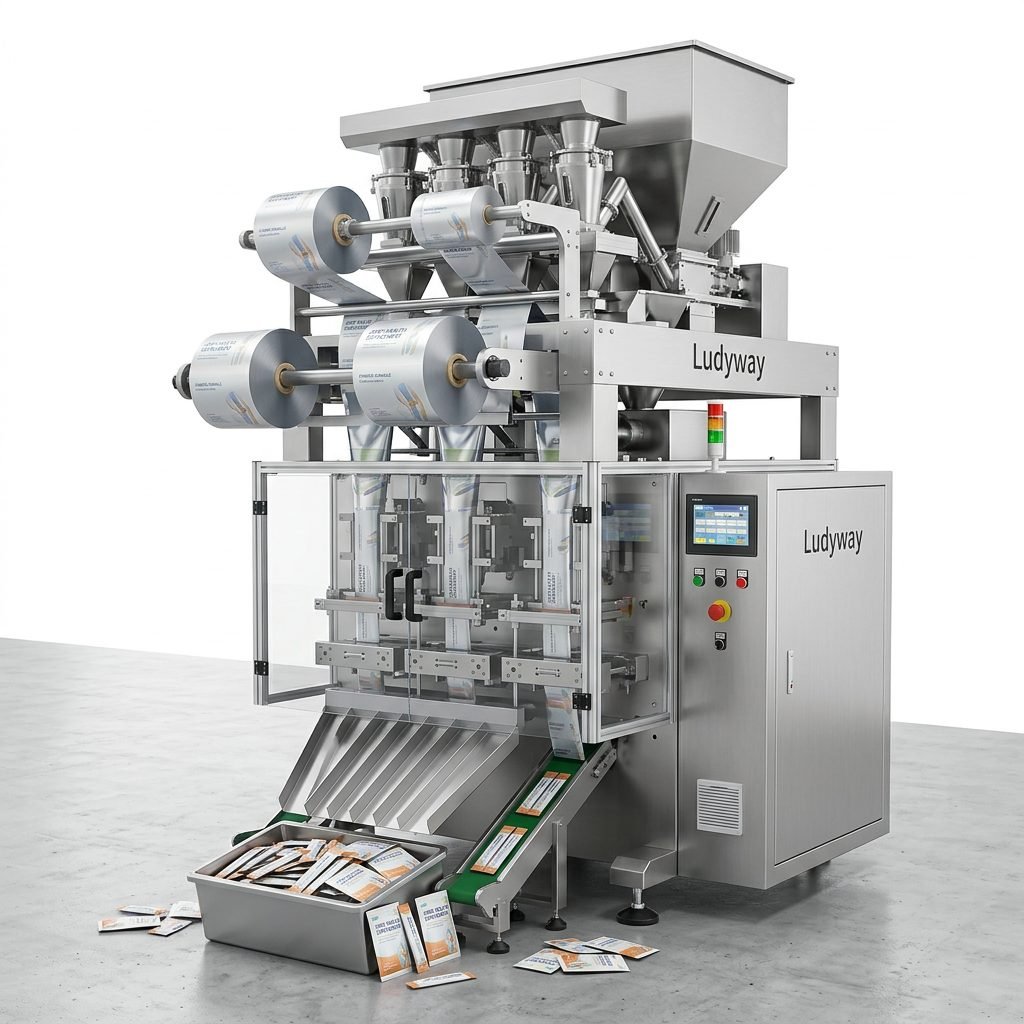
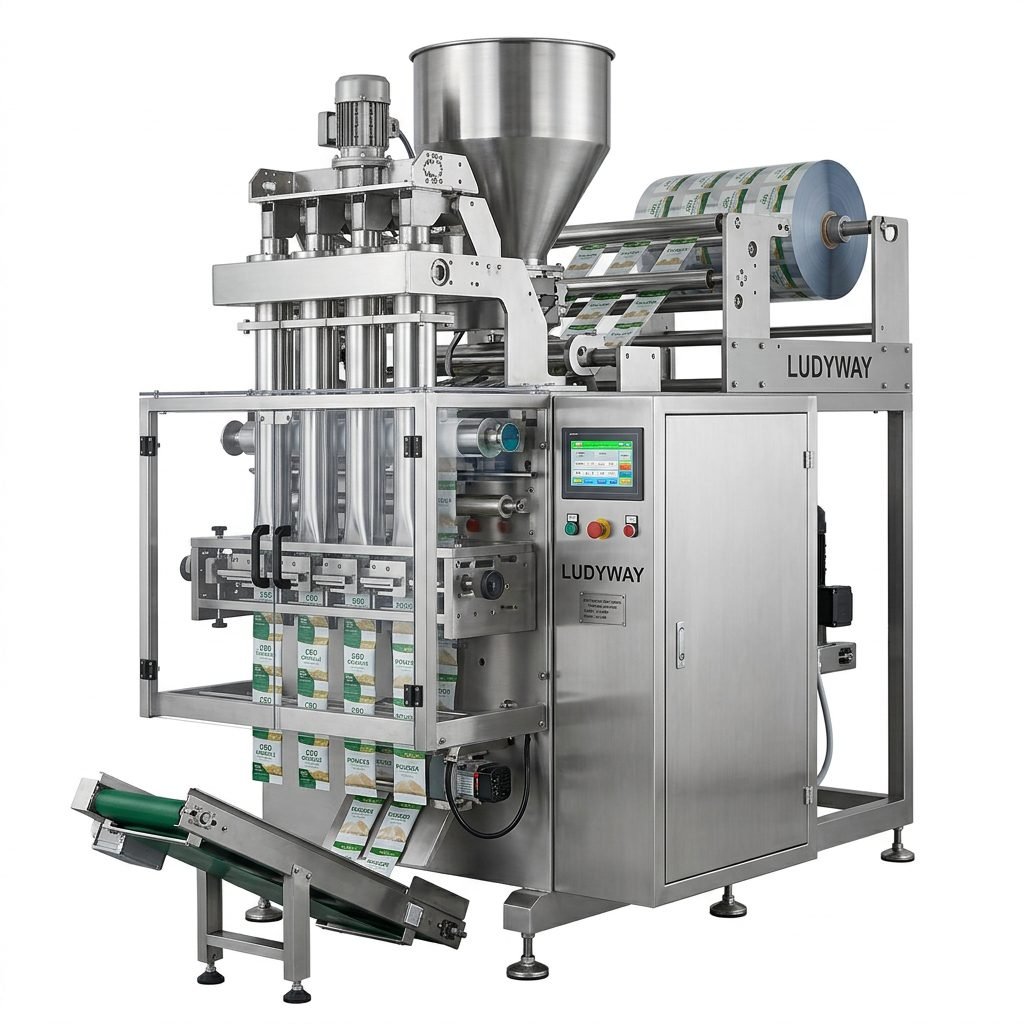
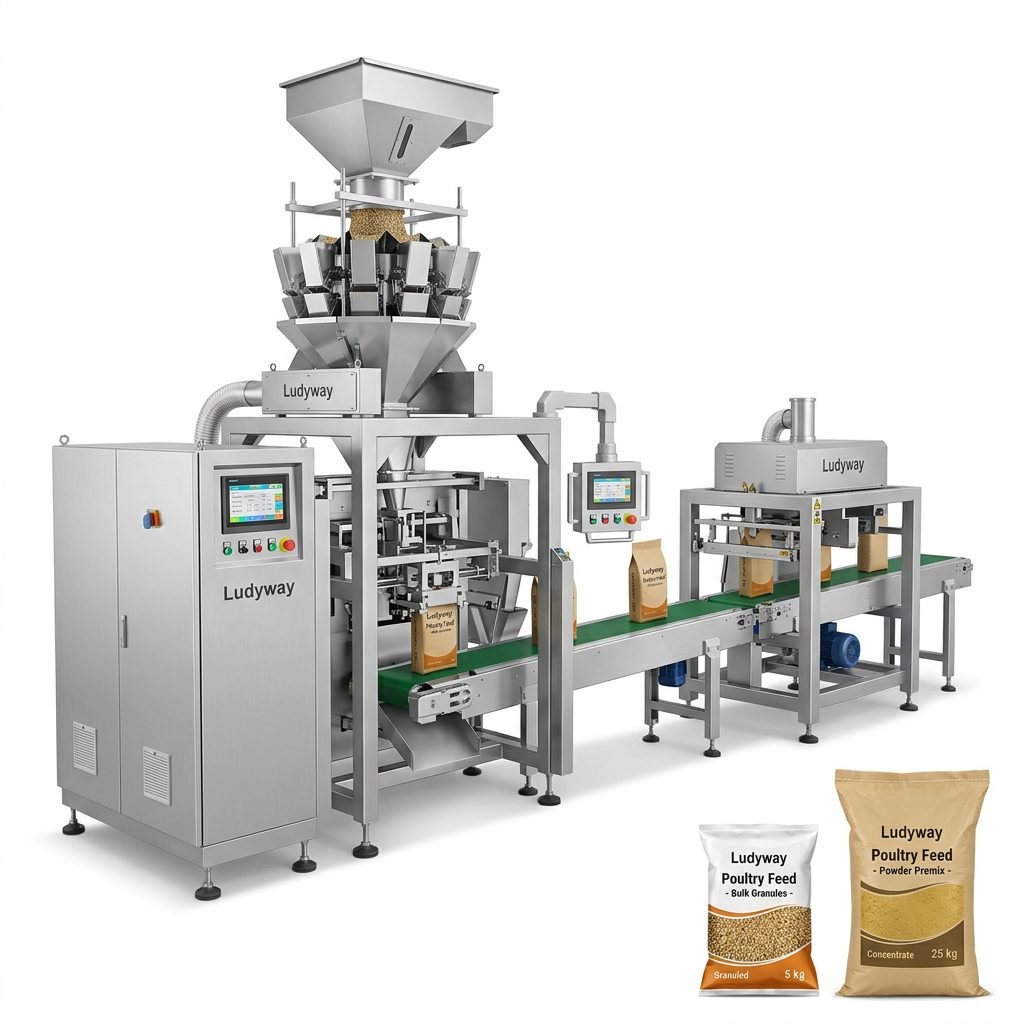
Proper maintenance of a mini pouch packing machine is not just about fixing breakdowns; it is about preventing them. A clean and well-maintained machine ensures consistent seal integrity, accurate filling weights, and a longer operational lifespan. Neglecting routine care can lead to product waste, costly downtime, and compromised packaging quality. This guide outlines essential cleaning and maintenance protocols designed to keep your equipment running at peak performance.

Understanding the Importance of a Clean Packaging Machine
In the packaging industry, hygiene and mechanical precision go hand in hand. Product residue, especially from powders and granules, can quickly accumulate on critical components. This buildup interferes with photoelectric sensors, causes friction on sealing jaws, and attracts pests. A strict cleaning schedule mitigates these risks, ensuring compliance with food safety standards and maintaining the structural integrity of the machine. Companies like Ludyway design their systems for easy cleanability, but operator diligence remains the most critical factor.
Daily Cleaning Protocols for Optimal Hygiene
End-of-shift cleaning should be a non-negotiable standard operating procedure. Ignoring daily wipe-downs allows sticky residues to harden, making them significantly harder to remove later.
Air Flushing and Surface Wiping
- Compressed Air: Use clean, dry compressed air to blow dust and loose particles off the forming tube and electrical cabinets. Never direct air towards sensitive bearings as it can force debris into the housing.
- Surface Cleaning: Wipe all stainless-steel surfaces with a food-grade sanitizer. Pay close attention to the area around the filling auger or volumetric cup filler where spillage is common.
- Film Tracking: Clean the film rollers and tracking guides to prevent the packaging film from slipping or wrinkling during the pouch forming process.
Inspecting Wear and Tear
While cleaning, visually inspect the Teflon tape on the sealing jaws. If the tape is damaged or peeling, replace it immediately to prevent plastic from sticking to the hot metal. Check the cutting knife for sharpness; a dull blade results in jagged edges and jams.
Weekly and Monthly Maintenance Checklist
Beyond daily cleaning, a deeper mechanical check should be scheduled to address moving parts and control systems. A well-planned schedule reduces the mean time between failures (MTBF).
.maintenance-table { width: 100%; border-collapse: collapse; margin: 20px 0; }
.maintenance-table th { background-color: #B30006; color: white; padding: 12px; text-align: left; border: 1px solid #ddd; }
.maintenance-table td { padding: 10px; border: 1px solid #ddd; vertical-align: top; }
.maintenance-table tr:nth-child(even) { background-color: #f9f9f9; }
| Frequency | Maintenance Task | Key Focus Area |
|---|---|---|
| Weekly | Lubrication | Apply food-grade grease to guide rods, linear bearings, and cam mechanisms. Remove old grease that may trap dust. |
| Weekly | Sealing Jaw Alignment | Verify the horizontal and vertical sealing jaws are parallel. Uneven pressure causes leaks and weak seals. |
| Monthly | Pneumatic System Check | Drain water from the air filter/regulator. Inspect cylinders for smooth motion without sticking. Replace worn hoses. |
| Monthly | Electrical Connections | Tighten all terminal blocks. Vibration can loosen connections, causing erratic behavior in the control system. |
Critical Spare Parts Management
Unexpected downtime often results from waiting for a simple replacement part. Keeping a safety stock of critical components is a best practice for operational efficiency. Refer to your machine’s manual for exact part numbers, but generally you should have the following on hand:
- Heating Elements and Thermocouples: These are the heart of the sealing system and have a finite life expectancy.
- Teflon Strips and Sealing Belts: Consumables that require frequent replacement depending on run hours.
- Photoelectric Sensors: A backup sensor prevents a production halt if the registration mark reader fails.
- Drive Belts: Check for cracks. A snapped belt immediately stops the main drive motor.
Troubleshooting Common Sealing Issues
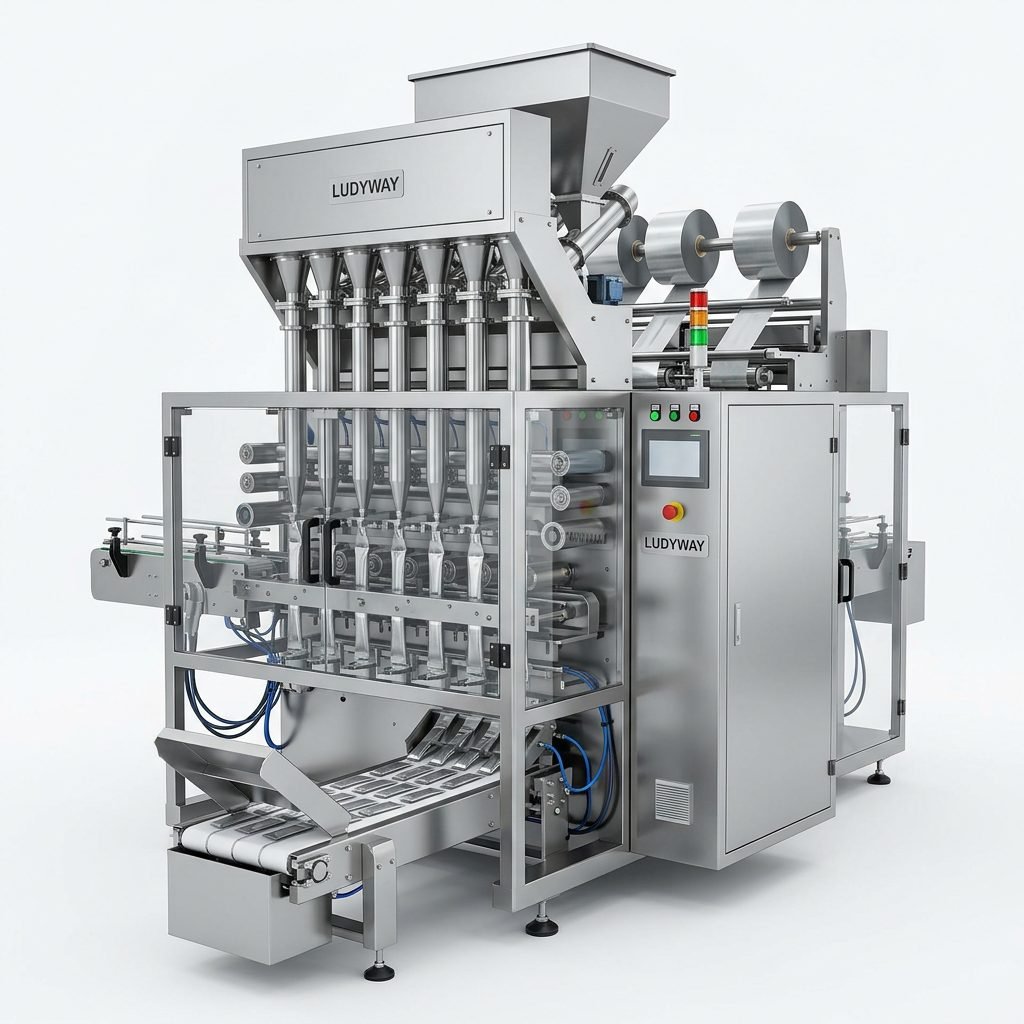
Seal failures are often the first sign of a maintenance gap. If you notice product leaking or an inconsistent “crinkle” to the seal, run through this diagnostic table.
| Symptom | Probable Cause | Corrective Action |
|---|---|---|
| Wrinkled Seal | Overheating or misaligned jaws | Lower the temperature controller setpoint by 5°C; retime the jaw alignment. |
| Weak/Open Seal | Low temperature or air pressure | Verify the compressed air supply is at the recommended PSI. Clean the air filter. |
| Film Pulling Diagonally | Contaminated film rollers | Deep clean the rollers with a solvent to remove adhesive buildup; ensure the film roll is centered. |
Long-Term Preservation and Shutdown Advice
If your mini pouch packing machine is scheduled for a long idle period, take protective measures against rust and electronic failure. First, thoroughly clean and dry all parts to strip away corrosive substances. Apply a light film of protective oil to exposed metal components like the forming collar and shafts. Disconnect the main power supply to protect the Programmable Logic Controller (PLC) from power surges, and consider covering the machine with a breathable canvas cover to block dust without trapping moisture.
About Ludyway
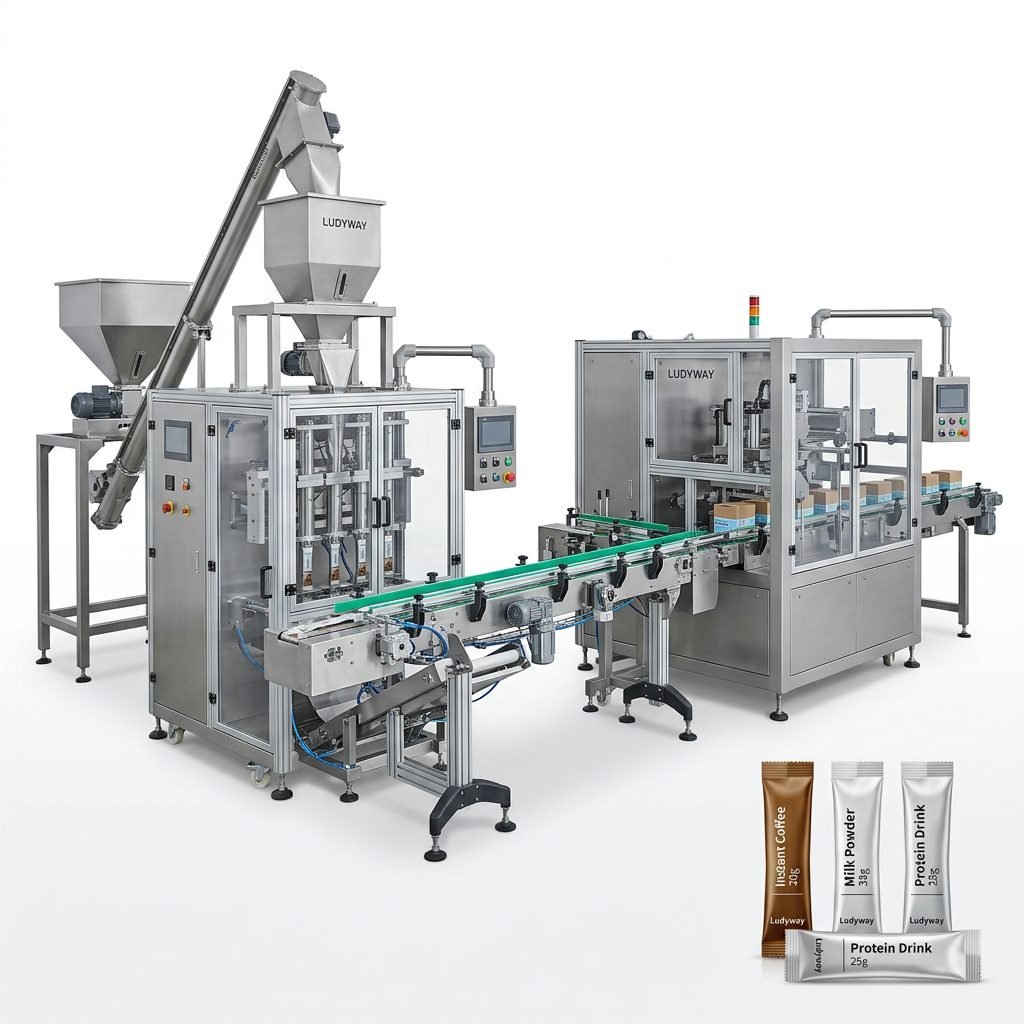
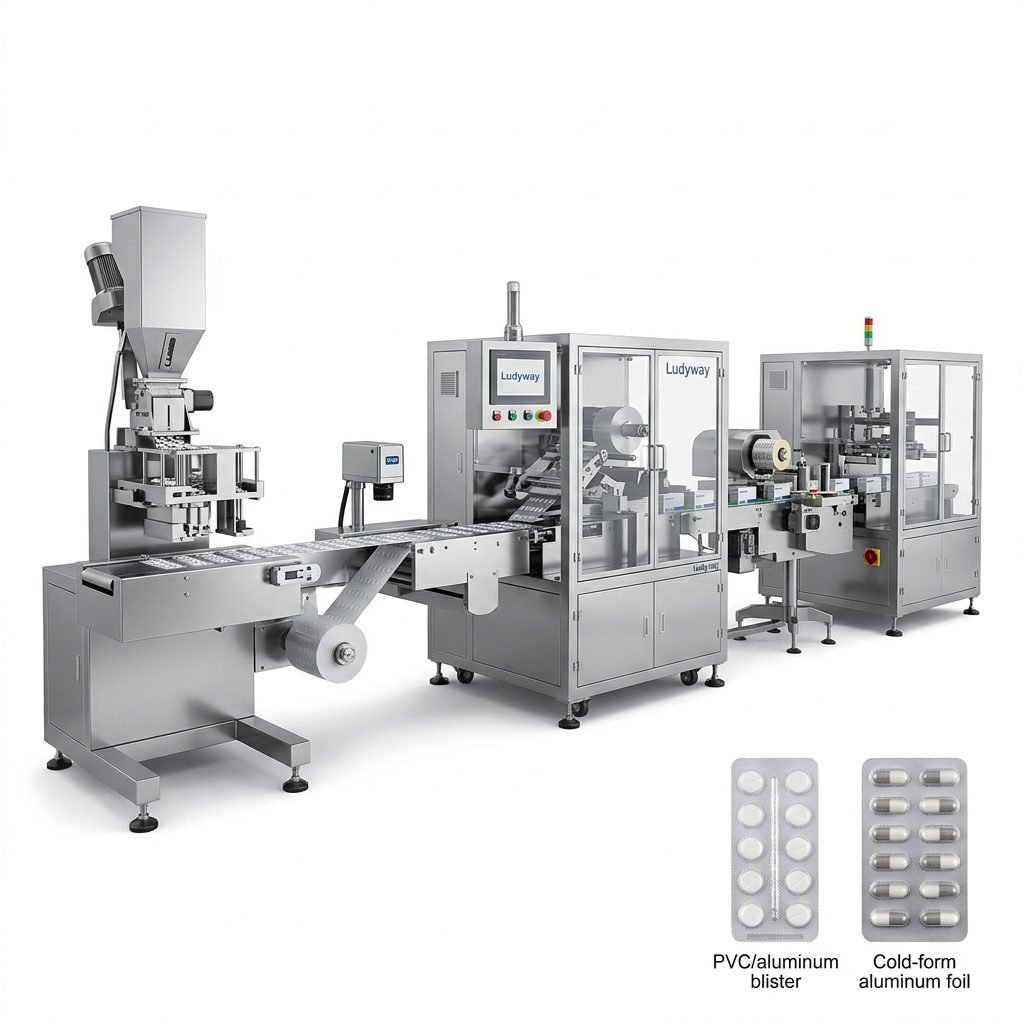
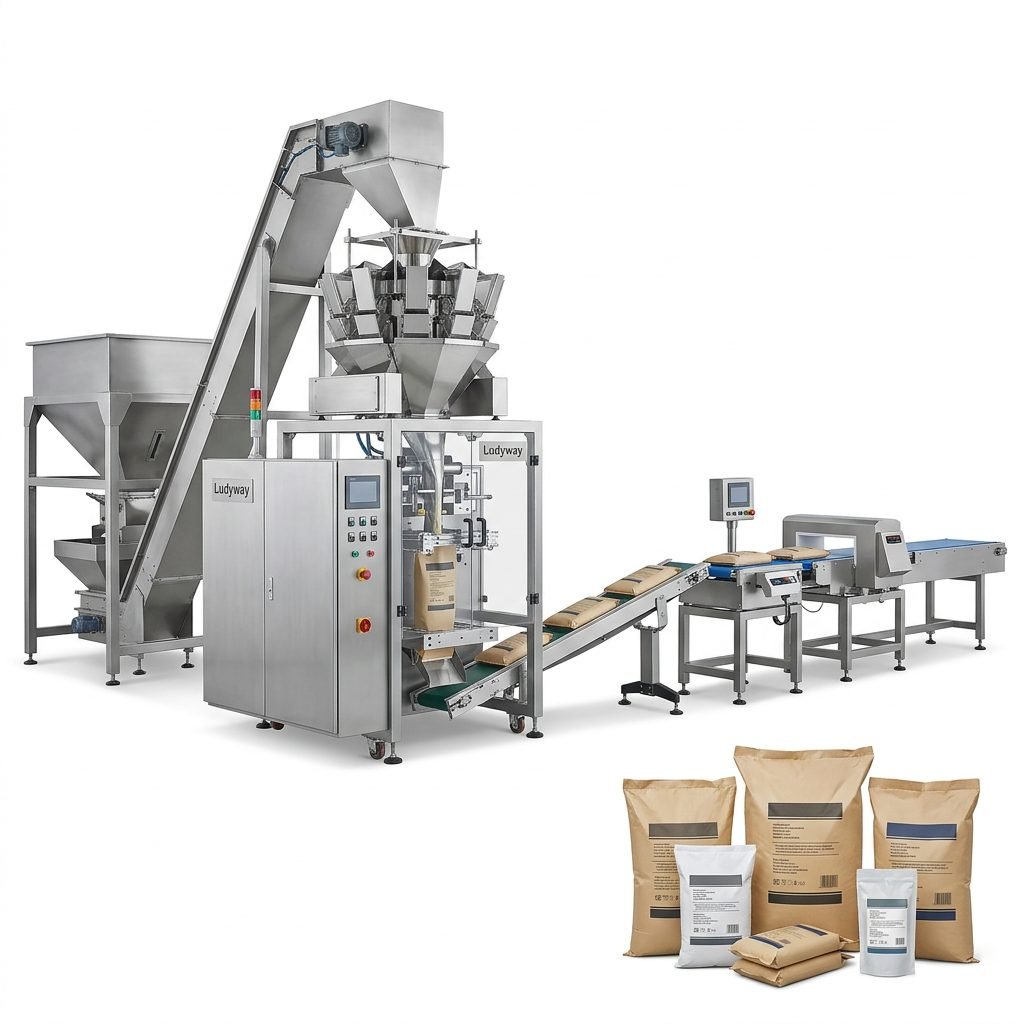
Ludyway is one of the largest packaging machine manufacturers in China, specializing in advanced packaging equipment and turnkey production solutions for the food, pharmaceutical, and health industries. With over 30 years of industry expertise, we provide reliable and efficient packaging solutions for granule, powder, liquid, and pouch packaging applications. Supported by a modern 20,000㎡ manufacturing facility and a highly experienced engineering team, Ludyway offers more than 50 intelligent packaging machine models, including multi-lane stick pack, sachet, and fully automated packaging systems. Serving customers in over 100 countries and regions, we are committed to delivering innovative, high-performance, and cost-effective packaging solutions that help businesses improve productivity, product quality, and operational efficiency.
Expert Resources for Packaging Machinery
Staying updated with international standards is crucial for maintaining operational excellence. We recommend consulting the following authoritative links for detailed packaging regulations and market research: