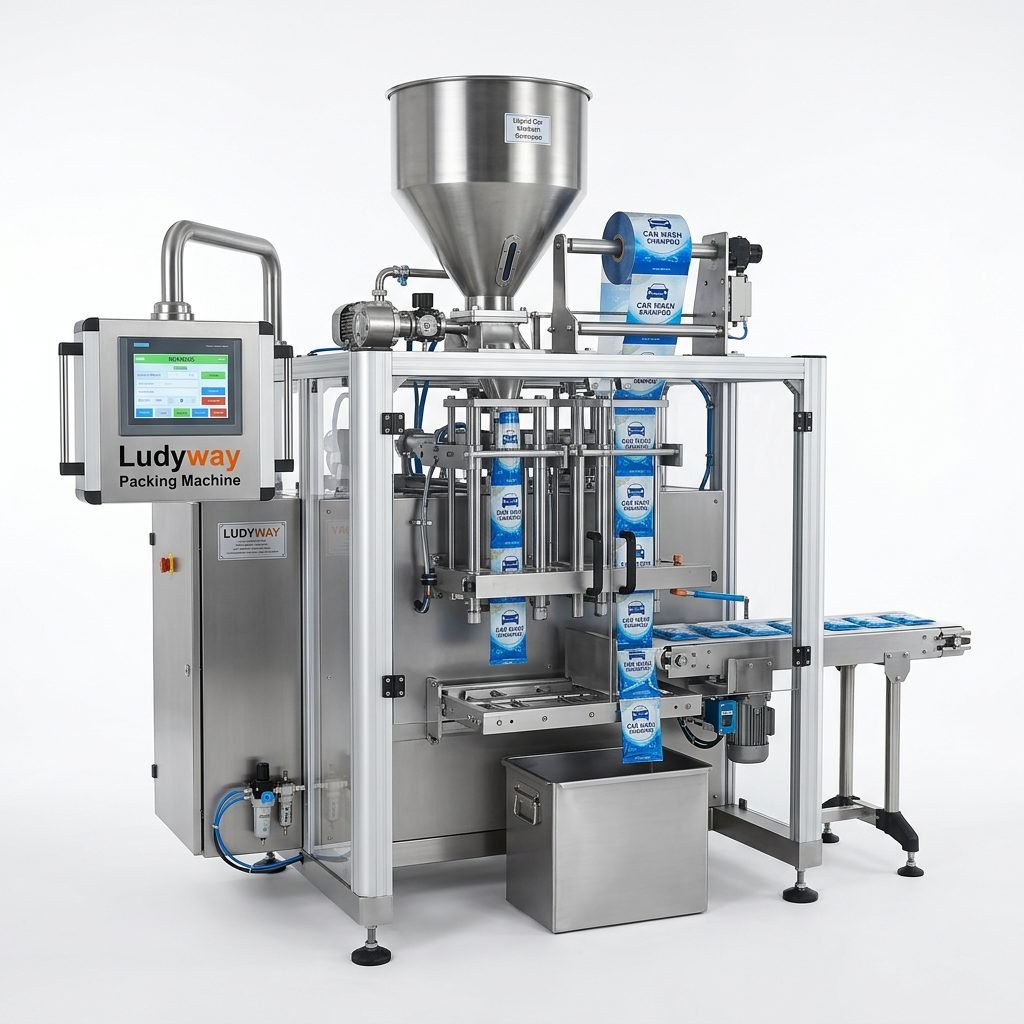
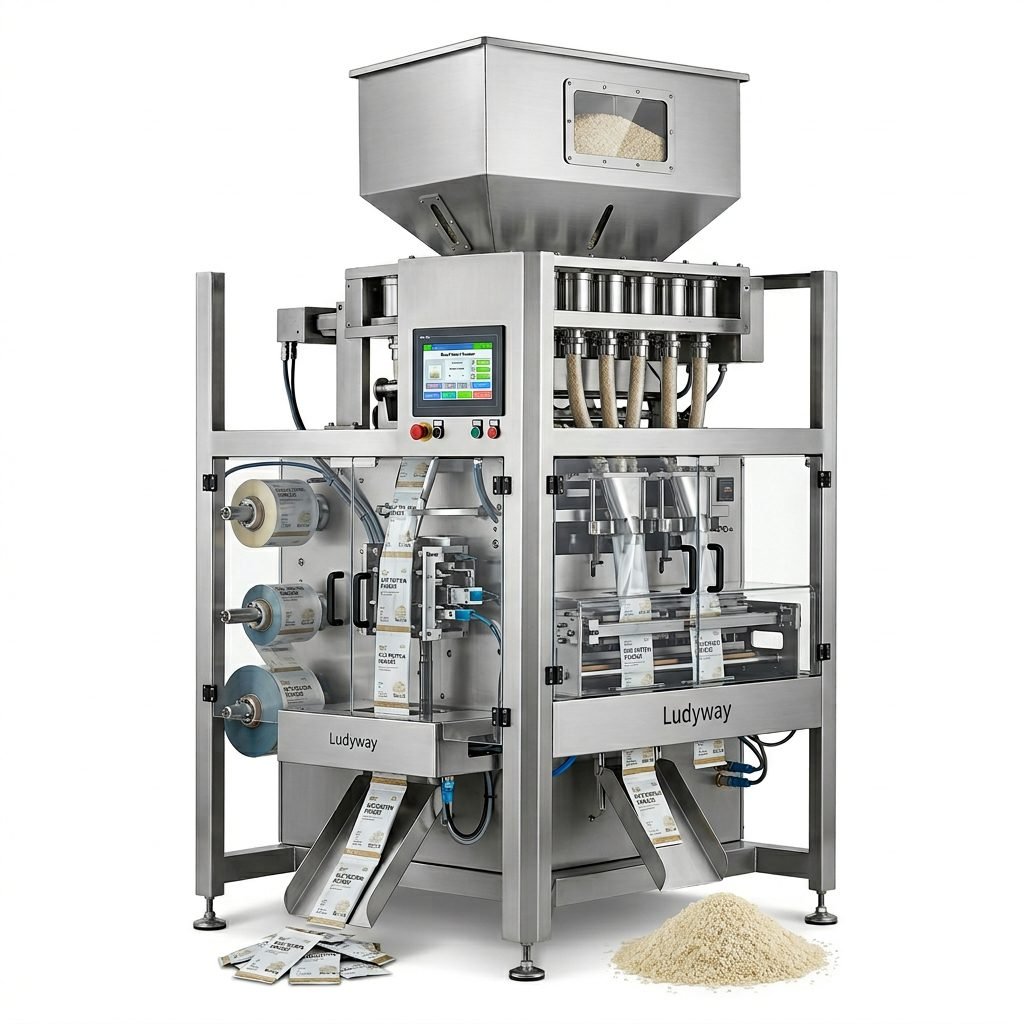
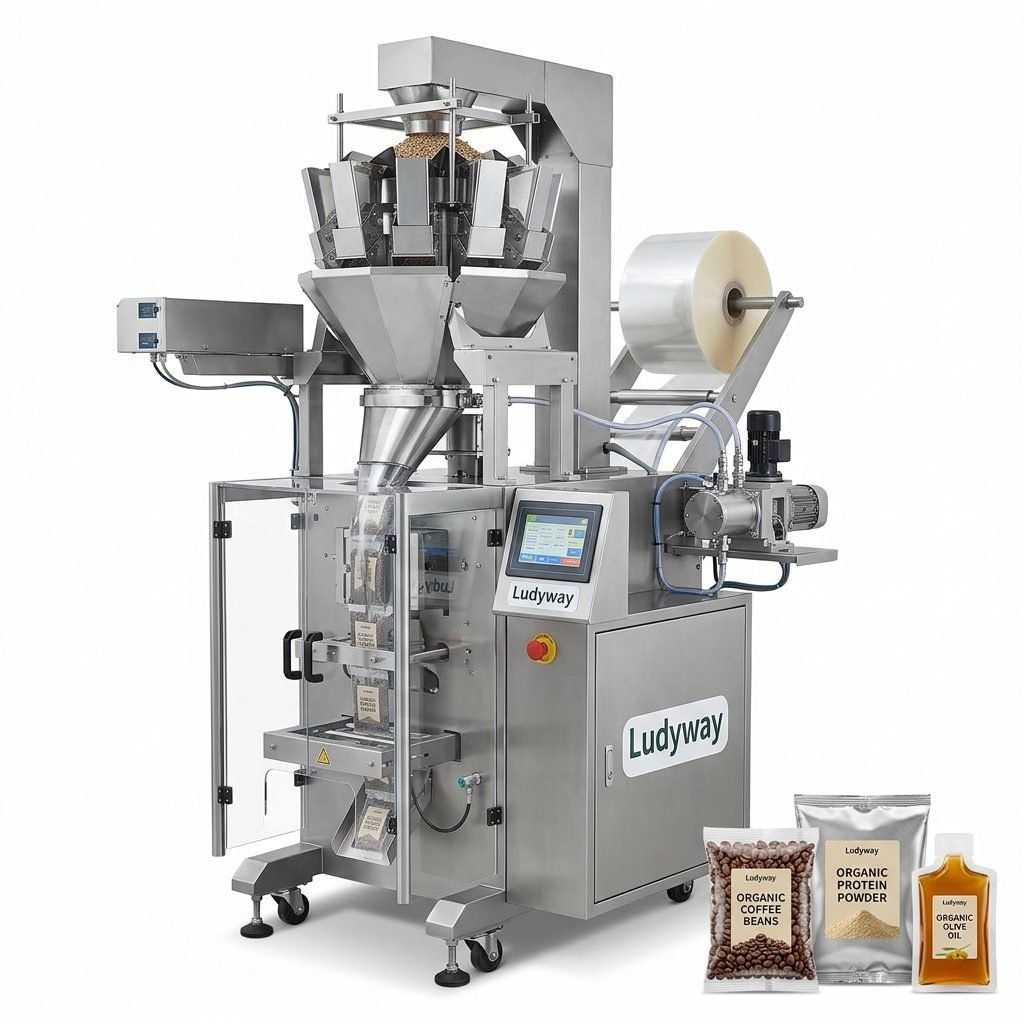
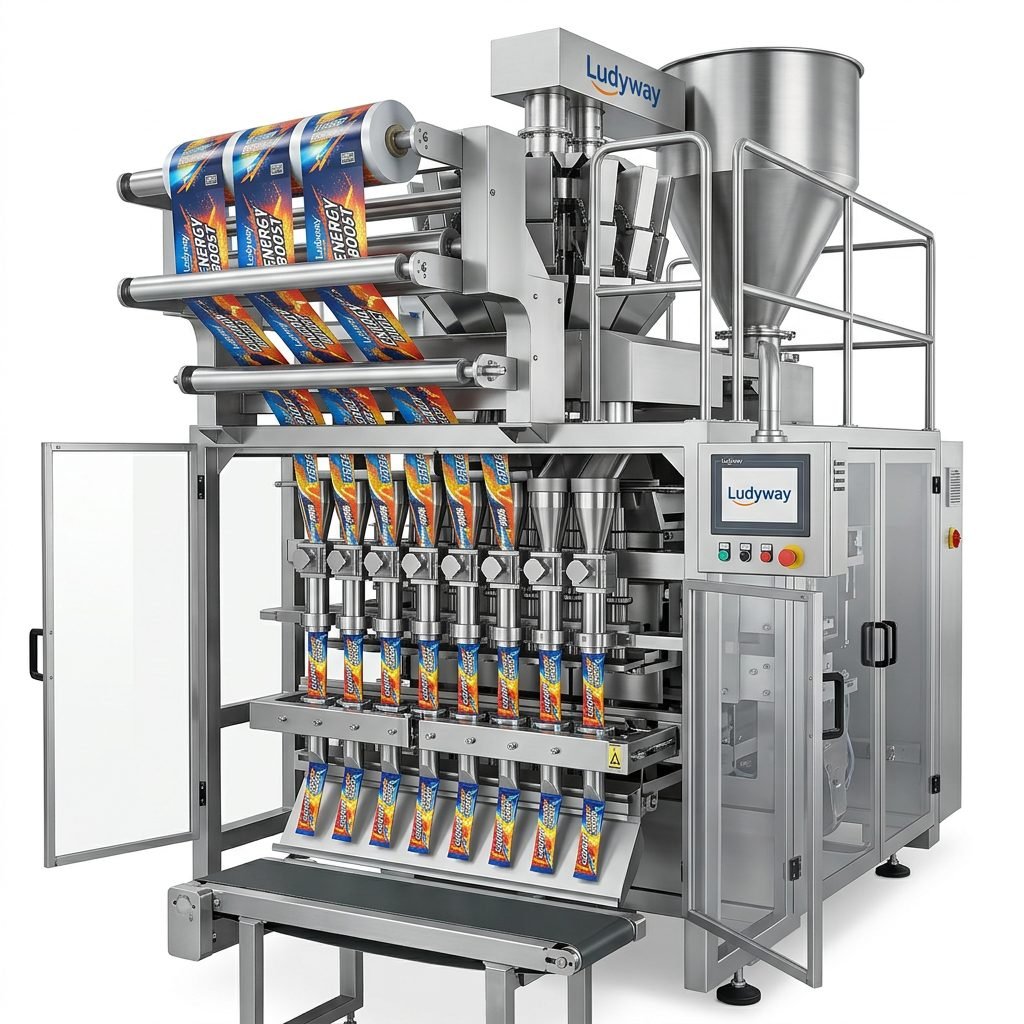
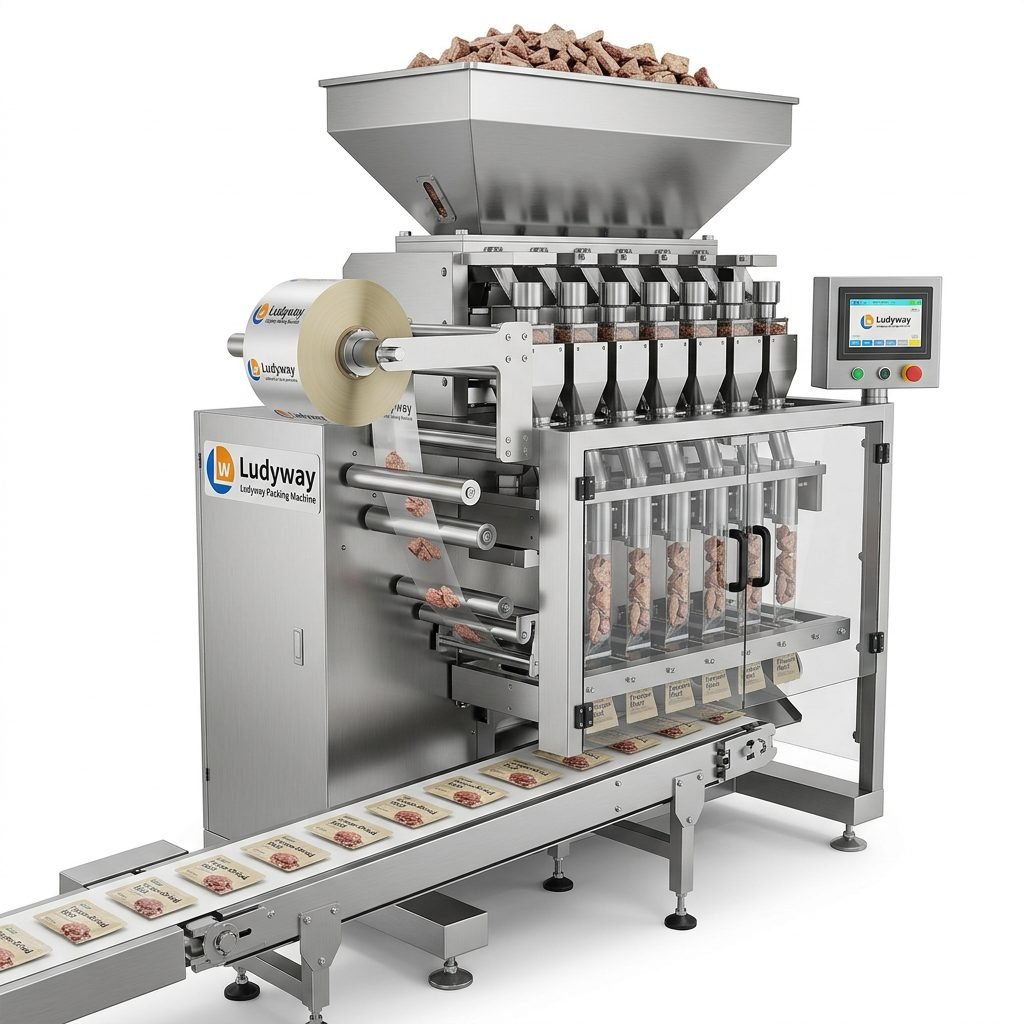
Maintaining a beef jerky packaging machine is crucial for ensuring product quality, operational efficiency, and food safety compliance. Without a consistent cleaning and maintenance routine, even the most advanced packaging equipment can suffer from downtime, cross-contamination, and costly repairs. This guide provides essential cleaning and maintenance tips to keep your beef jerky packaging line running at peak performance.
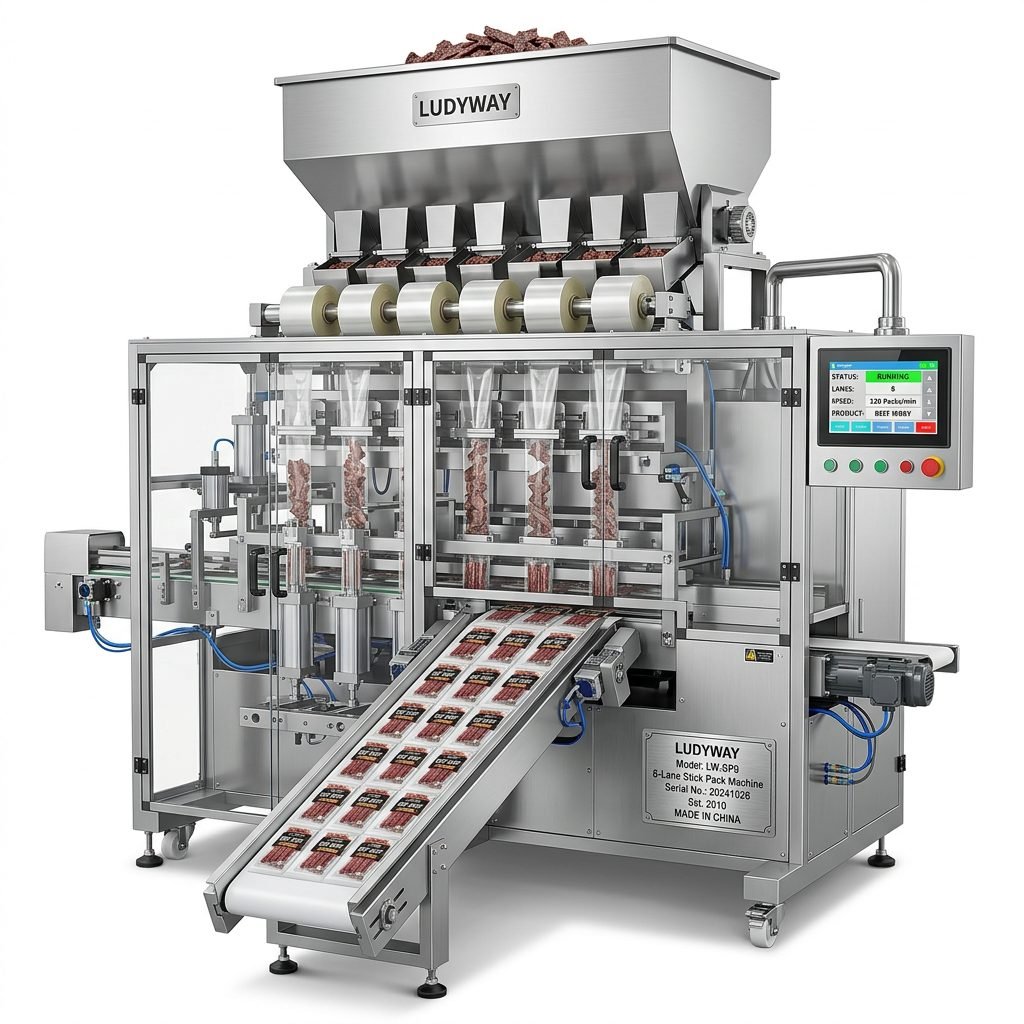
Why Regular Maintenance Matters for Beef Jerky Packaging
Beef jerky is a high-protein, low-moisture product that can leave behind oils, seasoning residues, and fine particles. These residues accumulate quickly inside forming tubes, sealing jaws, and filling heads. Neglecting regular cleaning can lead to seal integrity issues, inaccurate portioning, and bacterial growth zones. A proactive maintenance plan directly impacts your packaging machine‘s lifespan and your bottom line.
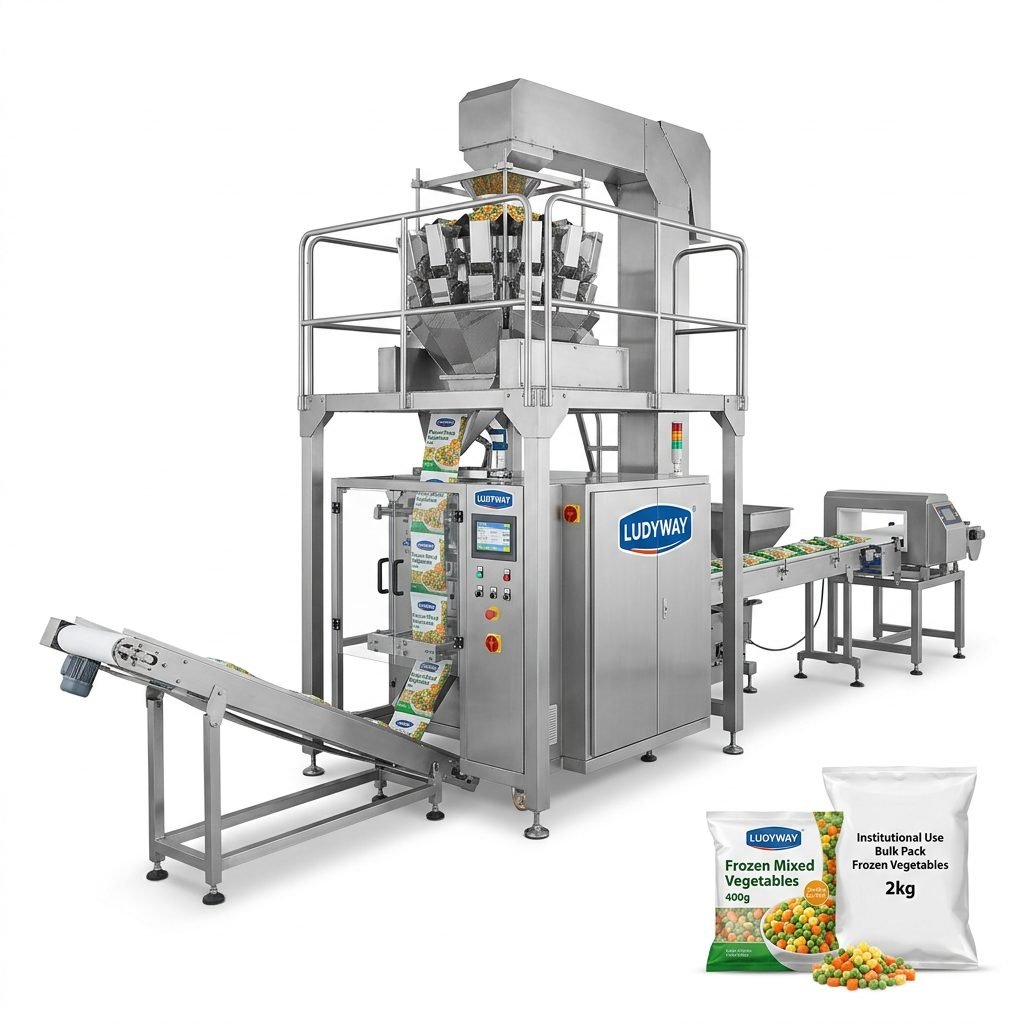
Daily Cleaning Protocol
A strict daily cleaning schedule is the first line of defense against residue buildup. Follow these steps at the end of every production shift:
- Power Down and Lock Out: Always disconnect the main power supply and follow proper lockout/tagout procedures before cleaning.
- Remove Product Residue: Use compressed air to blow loose jerky particles and seasoning dust from the forming shoulder, film rollers, and sealing areas.
- Wipe Down Contact Surfaces: Clean all food-contact parts with a food-grade sanitizer and lint-free cloths. Pay special attention to the cross-seal and vertical-seal jaws.
- Inspect Film Path: Check the entire film path for oil droplets or tearing debris that could compromise the next day’s production quality.
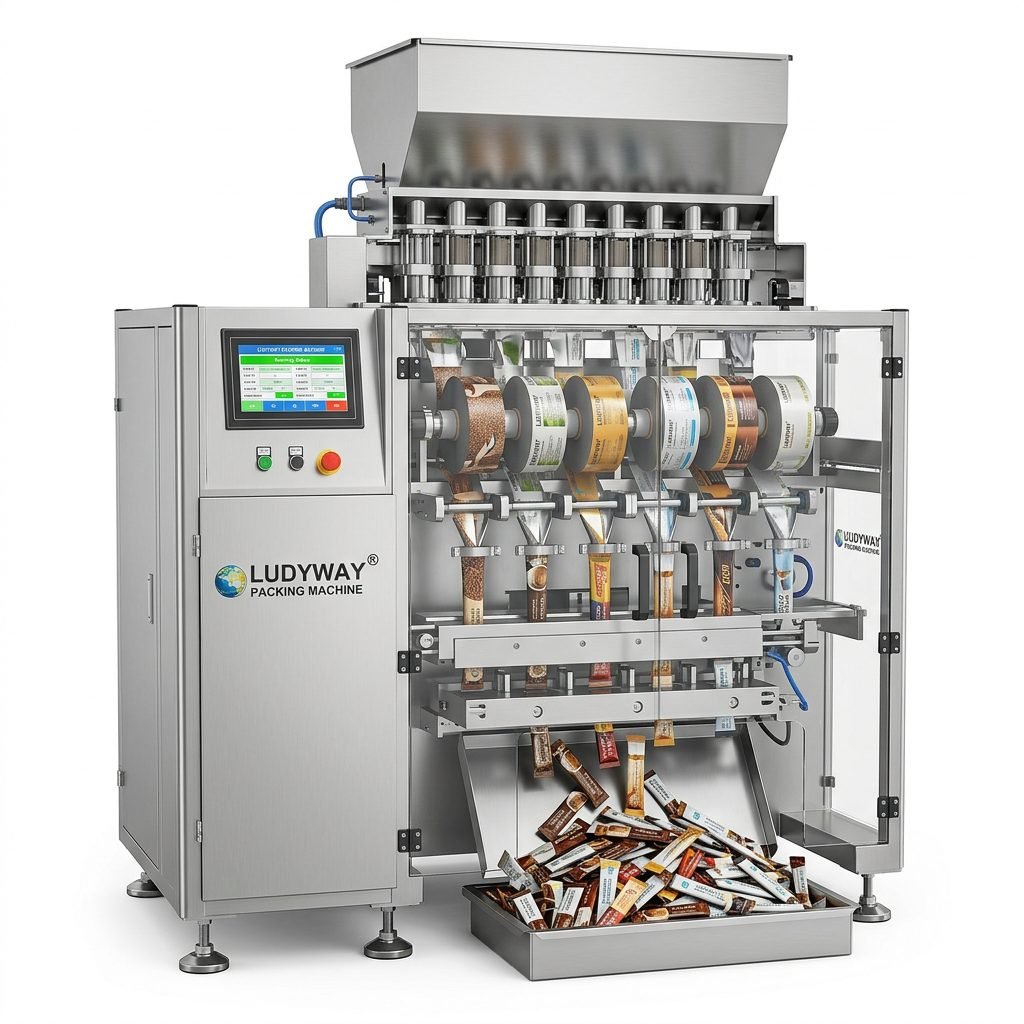
Weekly Deep Cleaning Checklist
Beyond daily wipe-downs, a deeper weekly cleaning removes the invisible buildup that affects mechanical precision. Use this checklist to guide your team:
| Component | Cleaning Method | Frequency |
|---|---|---|
| Multi-Head Weigher Buckets | Remove and wash with warm soapy water; dry completely | Weekly |
| Forming Tube Assembly | Disassemble and clean with approved solvent; inspect for scratches | Weekly |
| Sealing Jaws | Gently scrub with a soft brass brush to remove carbonized oil buildup | Weekly |
| Electrical Enclosures | Vacuum dust from vents and cooling fans to prevent overheating | Weekly |
Lubrication and Mechanical Adjustments
Proper lubrication reduces friction on moving parts and prevents premature wear. However, over-lubrication can attract dust and seasoning powder, creating a gritty paste that accelerates wear. Follow the manufacturer’s specifications for lubricant type and application points. Key areas include cam followers, linear bearings, and the film-unwinding carriage. For specific maintenance guidance on these systems, refer to resources like the PMMI packaging industry resources.
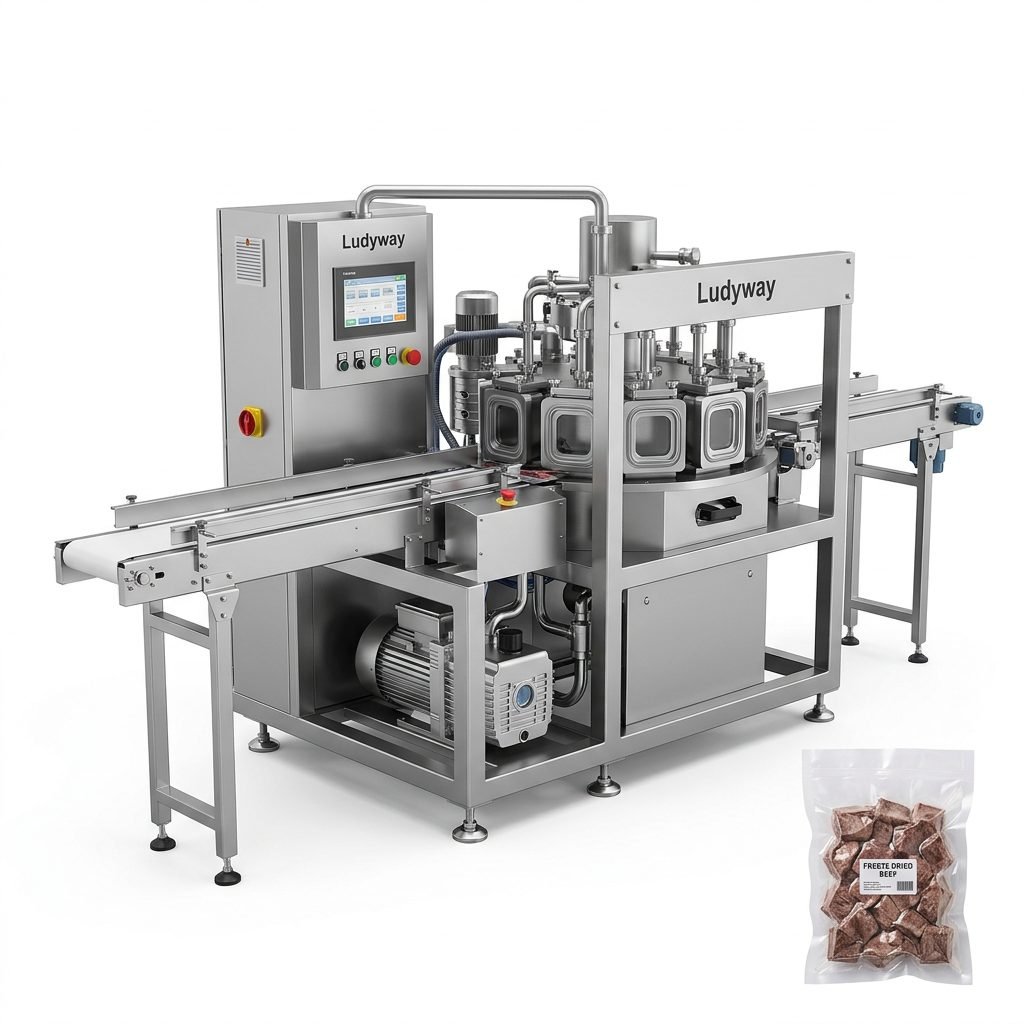
Critical Lubrication Points
- Film pull belt bearings and drive chains
- Sealing jaw pivot shafts
- Weigher linear vibrator mounts
- Air cylinder rod ends on the cross-seal station
Seal Integrity and Temperature Checks
A beef jerky package with a weak seal quickly leads to stale product and customer complaints. Regularly verify that the thermocouple readings are accurate against a calibrated external probe. Fluctuating temperatures in the sealing bars can cause leakers or burnt film. Also, inspect the cooling plates for warping. Consistent seal cooling is just as important as heating for achieving hermetic seals on jerky packages.
Common Troubleshooting Scenarios
Even with diligent maintenance, issues can arise. Here are common problems and their likely causes in beef jerky packaging operations:
- Film Tracking Off-Center: Check for residue on the forming tube or misaligned tracking rollers. Clean the tube surface thoroughly and verify roller parallelism.
- Inconsistent Bag Length: Inspect the film feed belt tension and clean the encoder wheel. Slippage due to oily residue often causes this fault.
- Product Crushing in Seals: Adjust the vertical seal timing or reduce the product drop height from the weigher. Ensure the packaging line is synchronized correctly.
- Static Build-Up: Beef jerky and plastic film generate significant static. Ensure static eliminators are clean and properly grounded.

Scheduled Professional Servicing
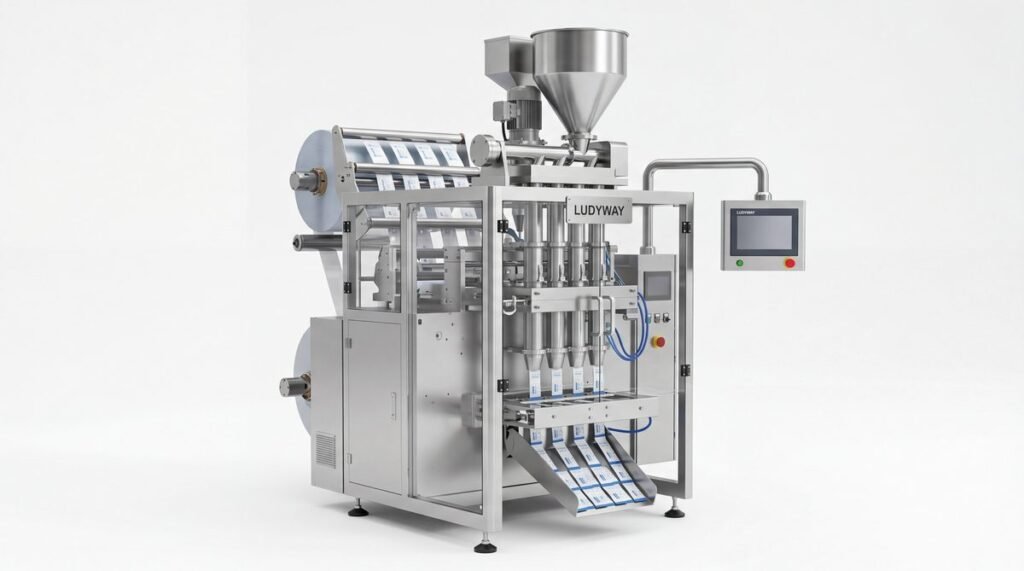
While in-house cleaning and minor adjustments are essential, schedule professional servicing at least twice a year. Qualified technicians can replace worn belts, recalibrate load cells, and update software parameters. For businesses relying on high-speed multi-lane systems, a robust service contract minimizes the risk of extended downtime. The 20000㎡ modern production facility and engineering expertise behind equipment like that from Ludyway support comprehensive after-sales service and spare parts availability, ensuring your production targets remain on track.
For insights into global packaging trends and machine reliability data, you can explore the latest State of the Industry reports from PMMI. Learn also about global growth trends in the packaging machinery sector to see how reliability and maintenance practices fuel industry expansion.
Documenting Your Maintenance Program
A digital or physical logbook is vital for traceability and food safety audits. Record every cleaning session, part replacement, and temperature calibration. Documenting these activities demonstrates due diligence and helps predict wear patterns, allowing you to stock critical spare parts like sealing bands, thermocouples, and Teflon tape before they cause a line stoppage.