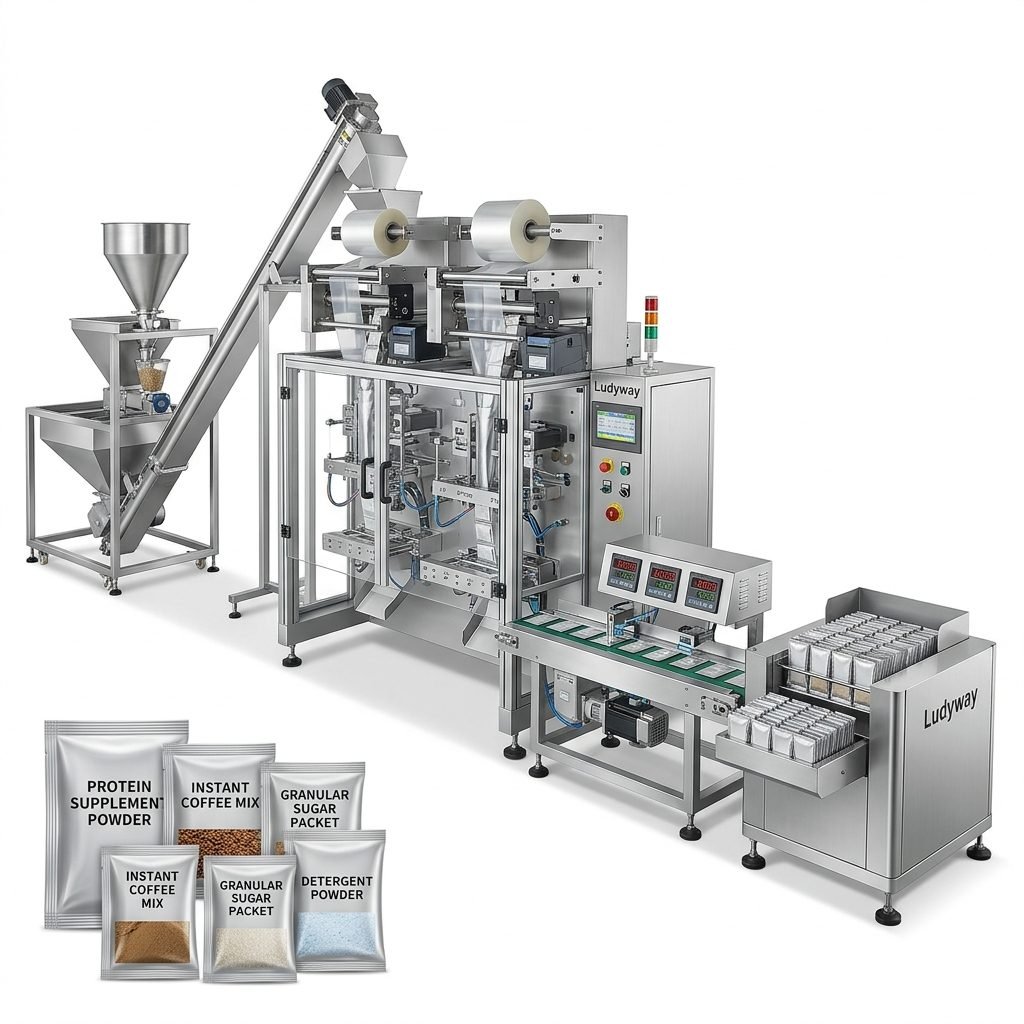
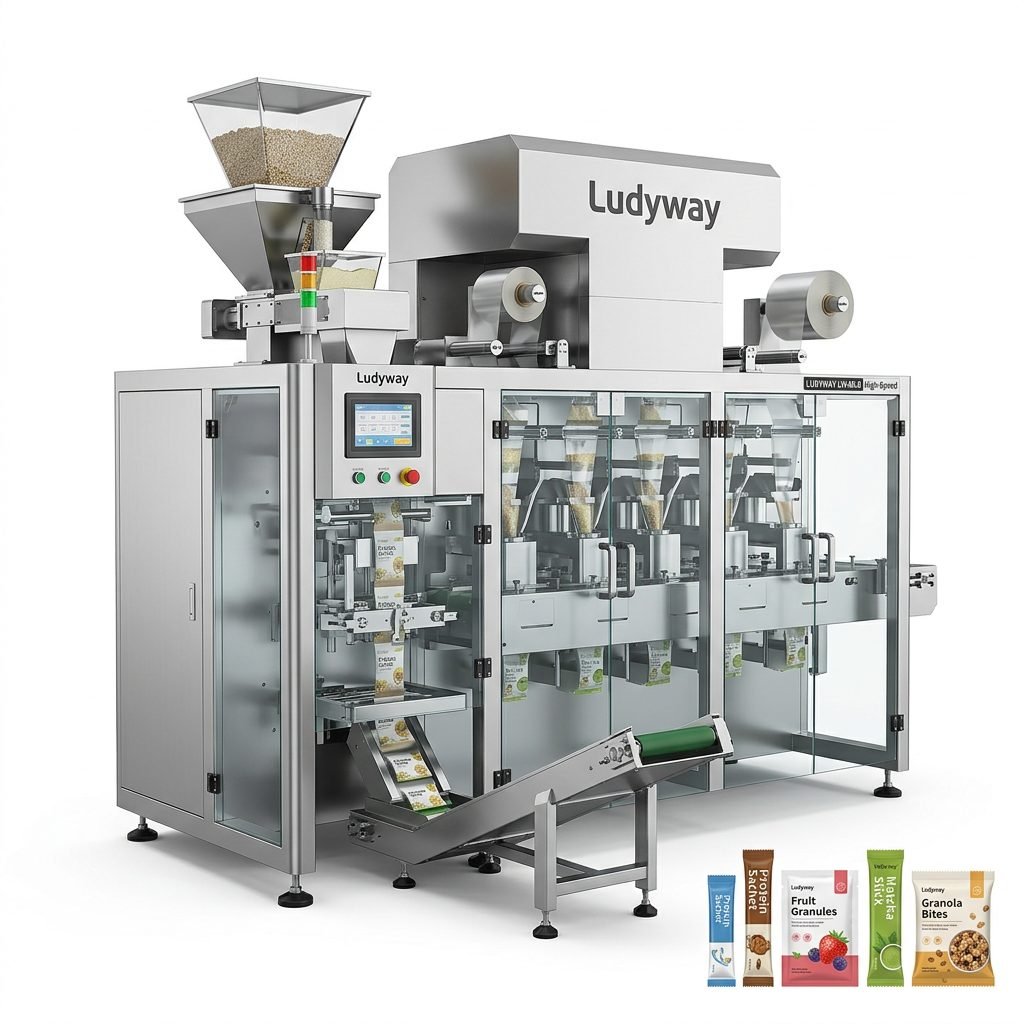
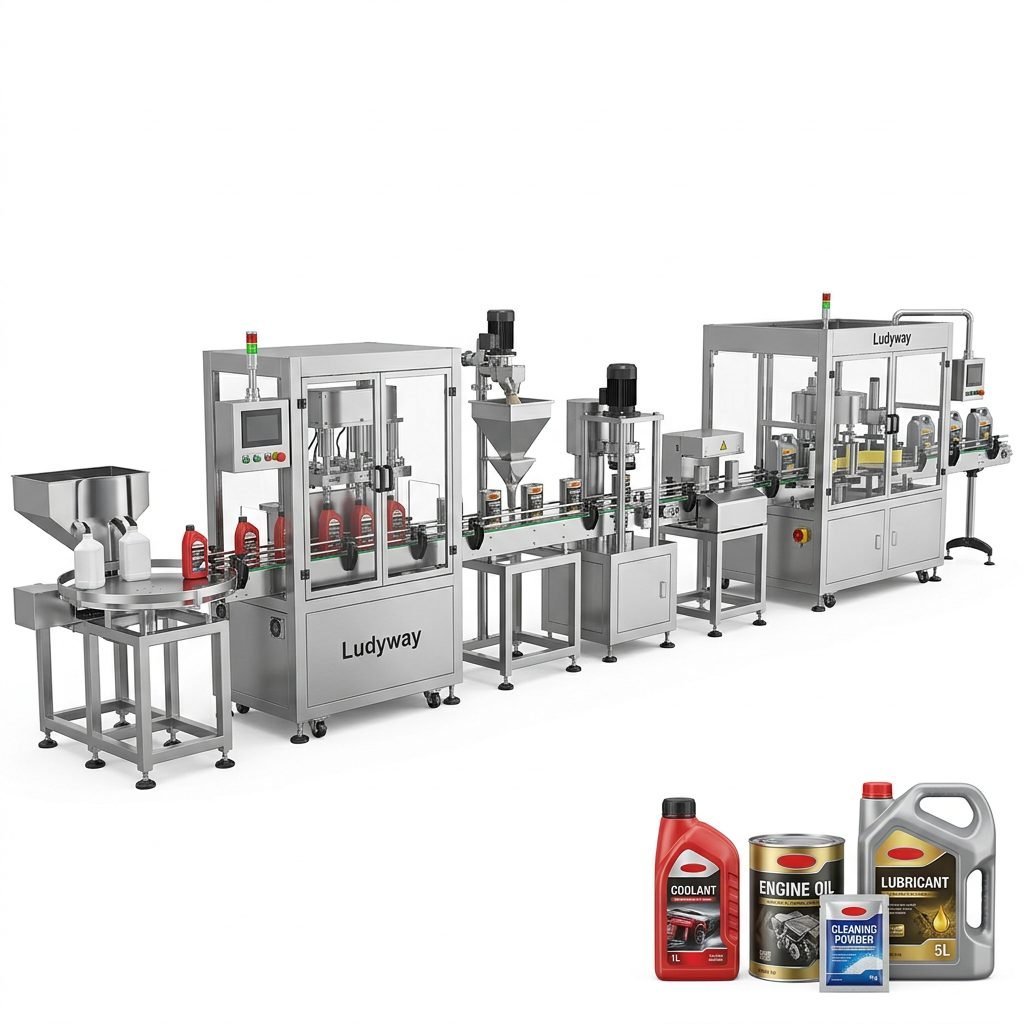
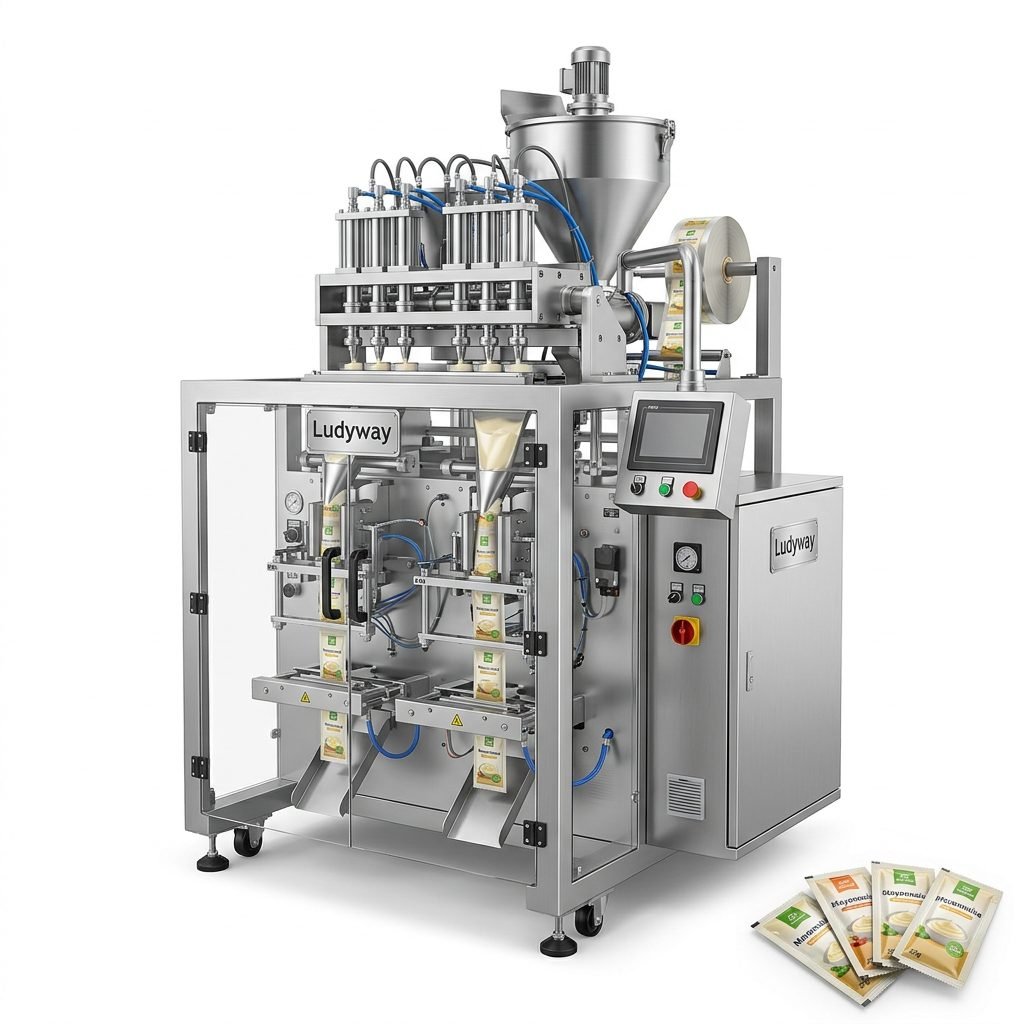
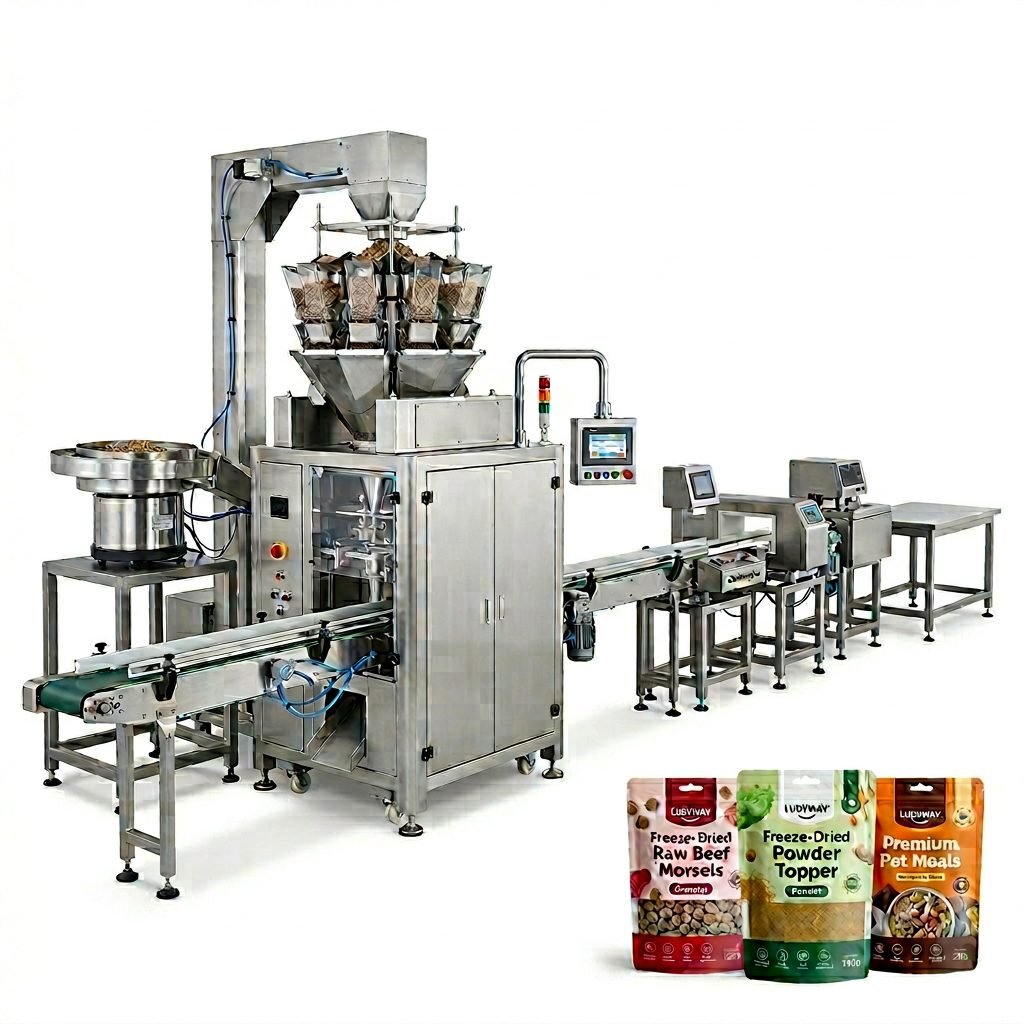
Packaging machinery is the backbone of modern production lines across food, pharmaceutical, and chemical industries. Yet, many manufacturers overlook a simple truth: proactive maintenance is the single most effective way to reduce long-term operating costs. A well-maintained packaging machine not only extends equipment lifespan but also minimizes unplanned downtime, reduces energy consumption, and ensures consistent product quality. According to PMMI packaging industry data, companies that implement structured maintenance programs can reduce total cost of ownership by up to 30% over the equipment lifecycle.

Why Regular Maintenance Directly Impacts Your Bottom Line
Every hour of unplanned downtime on a packaging line can cost thousands of dollars in lost production. Preventive maintenance transforms your approach from reactive to strategic. When you schedule regular inspections and component replacements, you avoid catastrophic failures that lead to extended shutdowns. More importantly, well-maintained equipment operates at peak efficiency, using less energy and producing fewer defective packages. The connection between maintenance and operational performance metrics is well-documented across the packaging sector.
Daily Maintenance Checklist for Packaging Equipment
Implementing a daily routine takes minimal time but delivers substantial returns. Here are essential checks every operator should perform before starting production:
- Visual inspection of all accessible components for signs of wear, loose fasteners, or material buildup
- Cleaning of sealing jaws, forming tubes, and filling nozzles to prevent product contamination and ensure consistent seal quality
- Lubrication verification on chains, bearings, and moving joints according to manufacturer specifications
- Sensor calibration check to confirm accurate temperature readings, fill weights, and package registration
- Air pressure and filter inspection for pneumatic systems to maintain consistent operation
- Conveyor belt tension and alignment verification to prevent tracking issues and premature wear
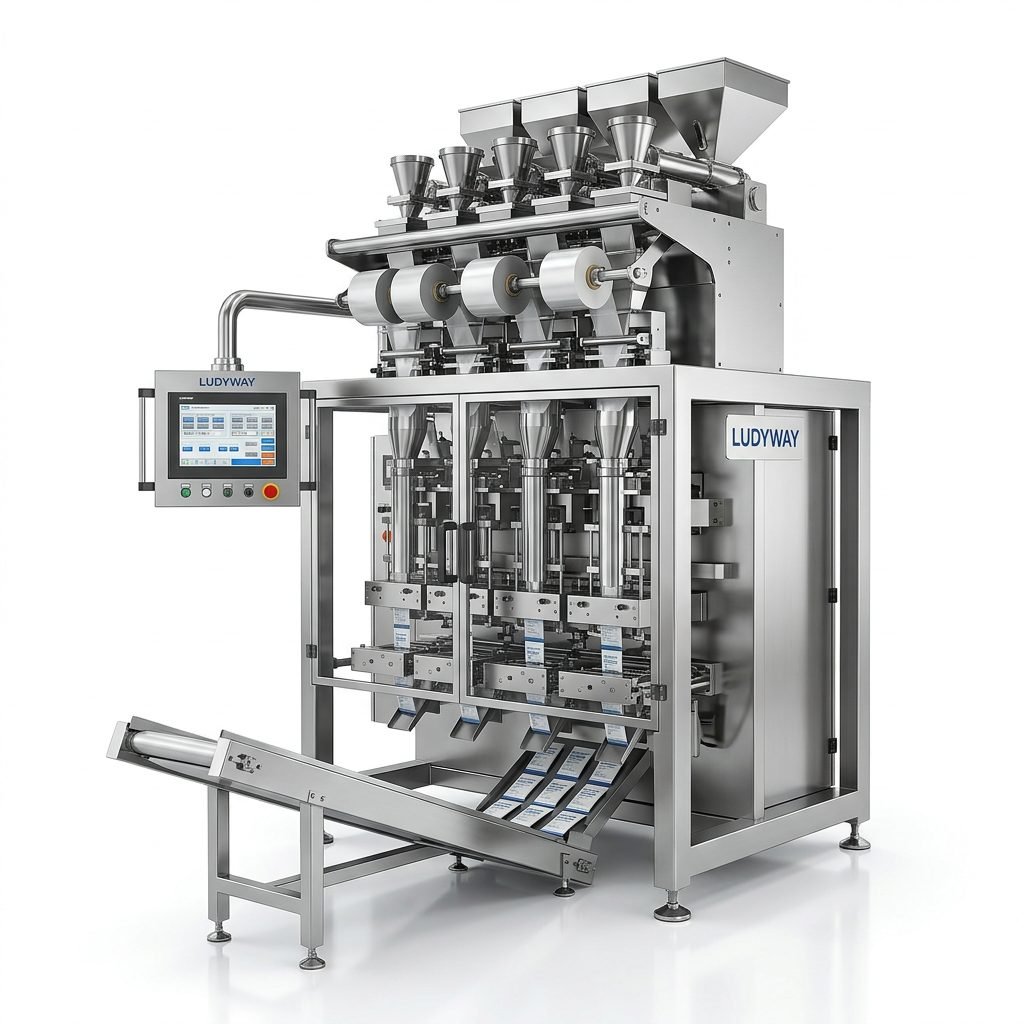
Weekly and Monthly Preventive Maintenance Tasks
Beyond daily checks, a structured weekly and monthly maintenance schedule addresses components that degrade more gradually. These tasks require slightly more time but prevent the accumulation of small issues that eventually cause major breakdowns.
Weekly Maintenance Procedures
- Deep clean film tracking rollers and remove adhesive residue from sealing surfaces
- Inspect electrical connections and wiring for signs of overheating or corrosion
- Verify temperature controller accuracy with an external thermometer
- Check and clean photoelectric sensors and proximity switches
- Test emergency stop functions and safety interlocks
Monthly Maintenance Procedures
- Replace worn sealing elements, Teflon tape, and cutting blades proactively
- Inspect and tension drive belts, timing belts, and chain drives
- Calibrate load cells and weighing systems for filling accuracy
- Check gearbox oil levels and inspect for leaks
- Review PLC program backups and update firmware if available
Recommended Preventive Maintenance Schedule
The following table outlines a comprehensive maintenance timeline suitable for most flexible packaging and rigid packaging machines. Adjust intervals based on your production volume and operating environment.
| Maintenance Interval | Key Activities | Responsible Team | Estimated Time |
|---|---|---|---|
| Daily | Visual inspection, basic cleaning, lubrication check, sensor verification | Machine Operator | 15-30 minutes |
| Weekly | Deep cleaning, electrical inspection, temperature verification, safety checks | Maintenance Technician | 1-2 hours |
| Monthly | Component replacement, belt tensioning, calibration, oil inspection | Maintenance Engineer | 4-6 hours |
| Quarterly | Full system audit, bearing inspection, PLC diagnostics, pneumatic system overhaul | Senior Technician | 1-2 days |
| Annually | Complete machine overhaul, major component replacement, software upgrades, comprehensive calibration | Manufacturer Specialist | 3-5 days |
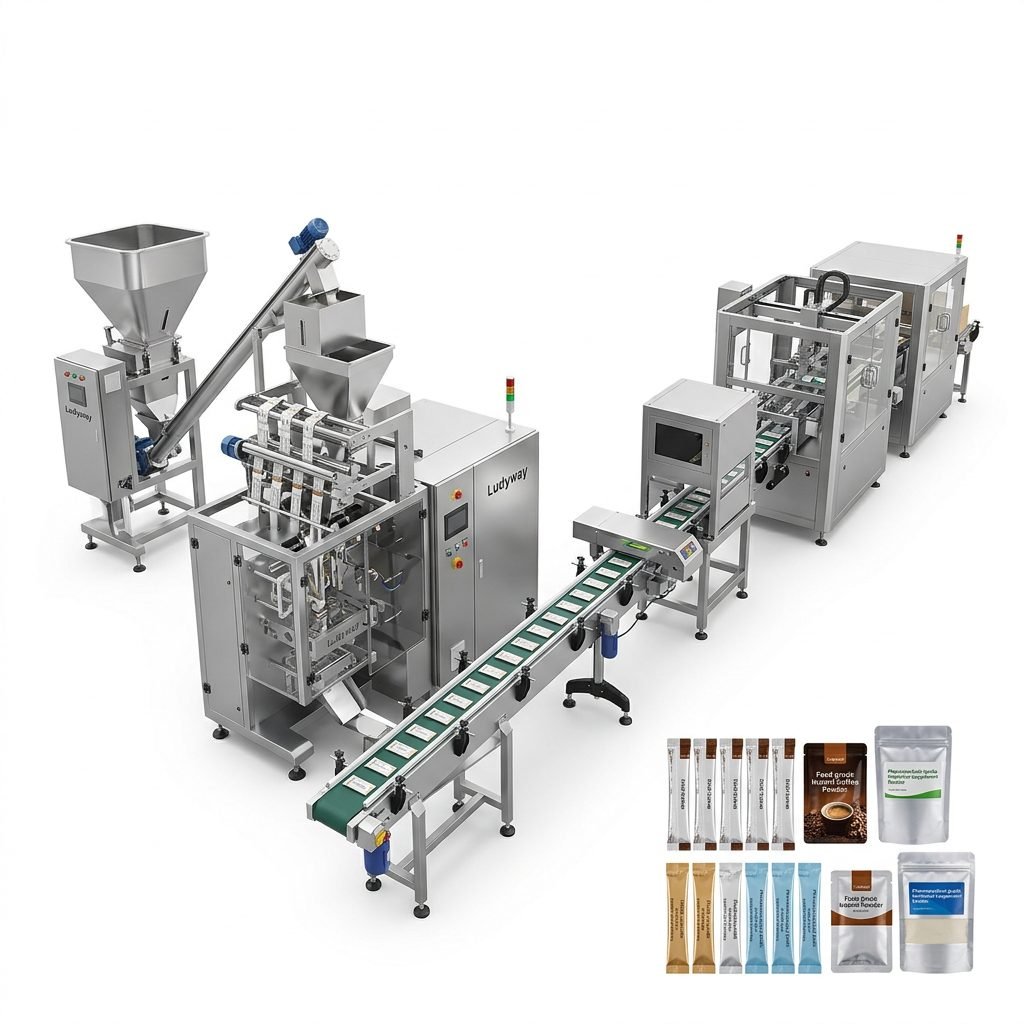
Five Proven Strategies to Reduce Maintenance and Operating Costs
Beyond routine maintenance, strategic decisions about how you manage your packaging equipment can yield significant cost savings. Here are five approaches that high-performing manufacturers consistently apply:
1. Invest in Operator Training
Well-trained operators are your first line of defense against equipment failure. Operators who understand machine functions can identify early warning signs before they escalate. Comprehensive training should cover proper startup and shutdown procedures, basic troubleshooting, cleaning protocols, and when to escalate issues to maintenance teams. Documented training programs also reduce variability in machine handling across shifts.
2. Source High-Quality Spare Parts Strategically
While generic replacement parts may seem cost-effective upfront, they often wear faster and can damage mating components. OEM or equivalent-quality parts ensure proper fit, material compatibility, and reliable performance. Maintain a critical spares inventory based on manufacturer recommendations and your historical usage patterns to avoid emergency orders with premium shipping costs.
3. Implement Condition-Based Monitoring
Modern packaging machines increasingly support predictive maintenance technologies. Vibration sensors, thermal imaging, and current monitoring can detect developing problems months before they cause failures. While these systems require upfront investment, the reduction in unplanned downtime and emergency repairs typically delivers ROI within the first year for high-volume operations.
4. Standardize Maintenance Documentation
Create clear, visual work instructions for every maintenance task. Digital checklists with photo references reduce errors and ensure consistency across different technicians. Maintenance logs should track part replacements, calibration dates, and any anomalies observed during inspections. This historical data becomes invaluable for identifying recurring issues and optimizing replacement intervals.
5. Optimize Your Packaging Material Specifications
Poor-quality packaging films and materials create excessive wear on forming tubes, sealing jaws, and cutting mechanisms. Using materials within manufacturer-specified parameters reduces mechanical stress and extends component life. Additionally, properly stored materials at controlled temperature and humidity prevent feeding issues that strain machine components.

Common Maintenance Mistakes That Increase Costs
Even well-intentioned maintenance programs can fall short if these common pitfalls are ignored. Avoiding these mistakes is just as important as following best practices.
- Neglecting documentation: Without detailed records, you cannot identify patterns or justify equipment upgrades
- Over-lubricating components: Excess grease attracts contaminants and can damage seals, leading to premature bearing failure
- Ignoring environmental factors: Dust, humidity, and temperature fluctuations significantly impact machine performance and component lifespan
- Delaying small repairs: Minor issues like worn belts or loose fasteners compound quickly and lead to major damage
- Using incorrect cleaning agents: Harsh chemicals can corrode sensitive components and degrade sealing surfaces
The Role of Professional Service in Cost Reduction
While in-house maintenance handles daily and weekly tasks effectively, periodic professional servicing provides a deeper level of inspection and optimization. Annual professional servicing typically identifies 3-5 potential failure points that routine checks miss. Experienced technicians from reputable manufacturers like Ludyway bring specialized diagnostic tools and extensive knowledge of machine-specific wear patterns. This partnership approach ensures your equipment benefits from the latest service bulletins, software updates, and engineering improvements developed across hundreds of installations worldwide.
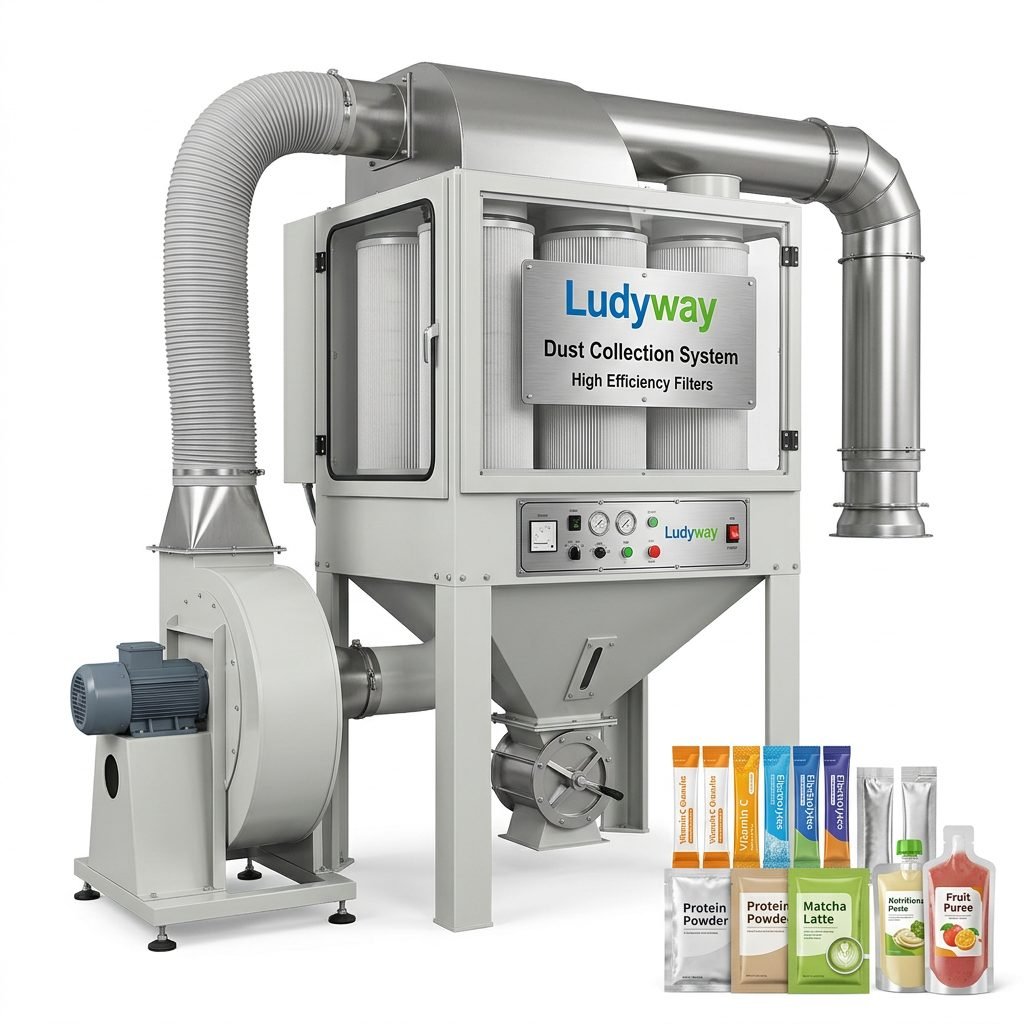
Calculating the True Return on Maintenance Investment
Many companies view maintenance purely as an expense. A more accurate perspective considers the cost of not maintaining equipment properly. When evaluating your maintenance budget, factor in these often-overlooked savings:
- Reduced energy consumption: Well-maintained motors, drives, and heating elements operate more efficiently
- Lower scrap rates: Properly calibrated filling and sealing systems produce fewer rejects
- Extended equipment lifespan: Regular maintenance can add 5-10 years to a packaging machine’s productive life
- Higher resale value: Documented maintenance history increases used equipment value significantly
- Production consistency: Reliable equipment enables accurate production scheduling and on-time delivery performance
According to ISO packaging standards, structured maintenance programs aligned with international quality management frameworks provide measurable improvements in overall equipment effectiveness. The most successful manufacturers treat maintenance not as a cost center but as a strategic investment in operational excellence.
Building a Maintenance-First Culture
Sustainable cost reduction requires more than procedures and schedules. It demands a workplace culture where every team member understands their role in equipment care. When operators, technicians, and managers share responsibility for machine health, maintenance becomes proactive rather than reactive. Regular team meetings to review equipment performance data, celebrate improvements, and address concerns create accountability and continuous improvement. This cultural shift, combined with the technical practices outlined above, transforms packaging operations from cost-heavy to cost-efficient.