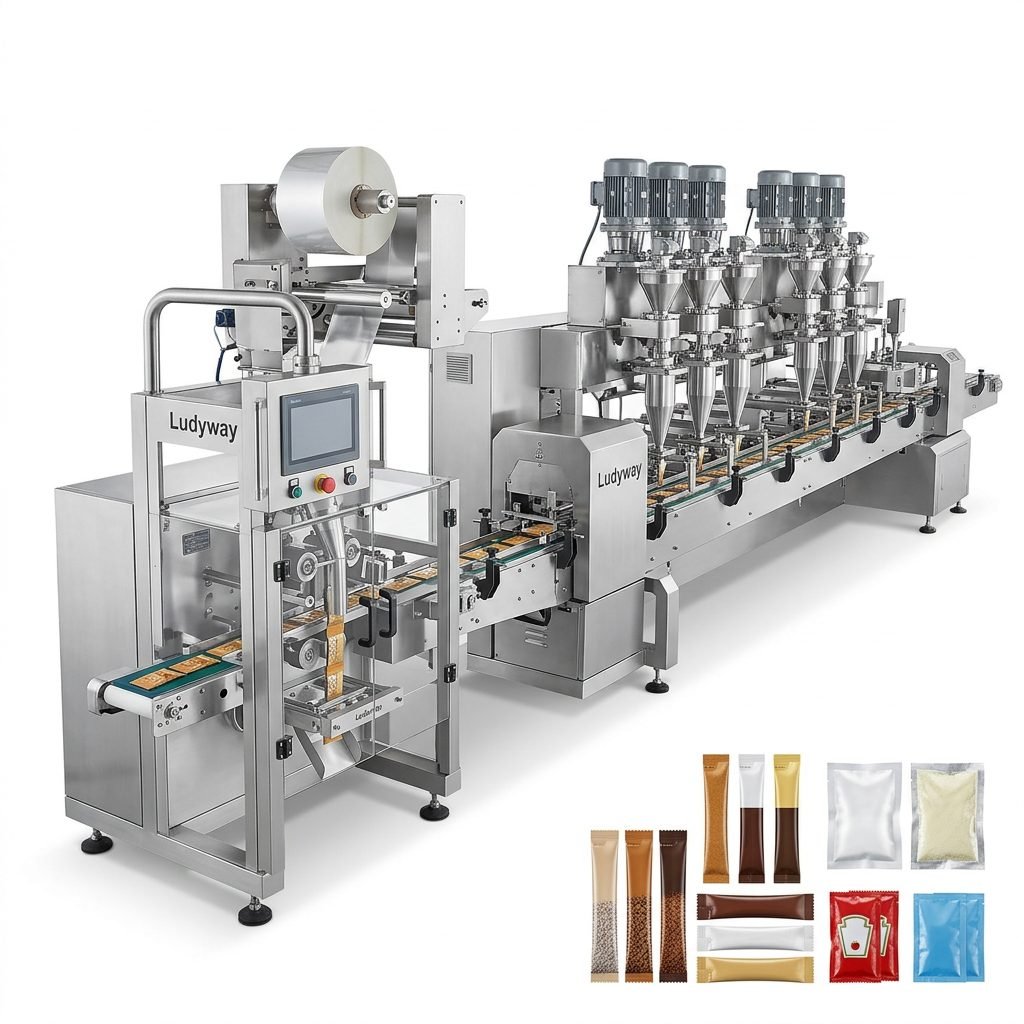
A shrink tunnel packaging machine is a critical asset in many production lines, ensuring products are securely wrapped for transit and retail display. Proper maintenance is essential to avoid unplanned downtime, extend the lifespan of your equipment, and maintain consistent packaging quality. This guide outlines practical, daily, weekly, and monthly maintenance procedures you should implement immediately.
Why Regular Shrink Tunnel Maintenance Matters
Neglecting routine checks on your shrink wrap tunnel can lead to several costly problems. Inconsistent heat distribution can result in poor shrink quality, while a buildup of debris on the conveyor can contaminate products. More critically, failing to inspect electrical components increases the risk of short circuits or motor failure. A proactive maintenance schedule helps you prevent catastrophic failures and ensures operator safety.
Daily Maintenance Checks
Daily inspections are quick but vital. They focus on cleanliness and immediate functional issues. Before starting a shift, operators should visually inspect the machine tunnel for any leftover packaging material or debris. Checking the conveyor belt for proper tracking and tension prevents jams that can tear the shrink film.
- Clean the machine: Remove dust and plastic residue from the tunnel interior and air intake filters.
- Inspect the conveyor: Ensure the belt is centered and free of tears or burn marks.
- Verify temperature settings: Confirm the controller is reaching the set point and not fluctuating wildly.
Weekly Maintenance Tasks
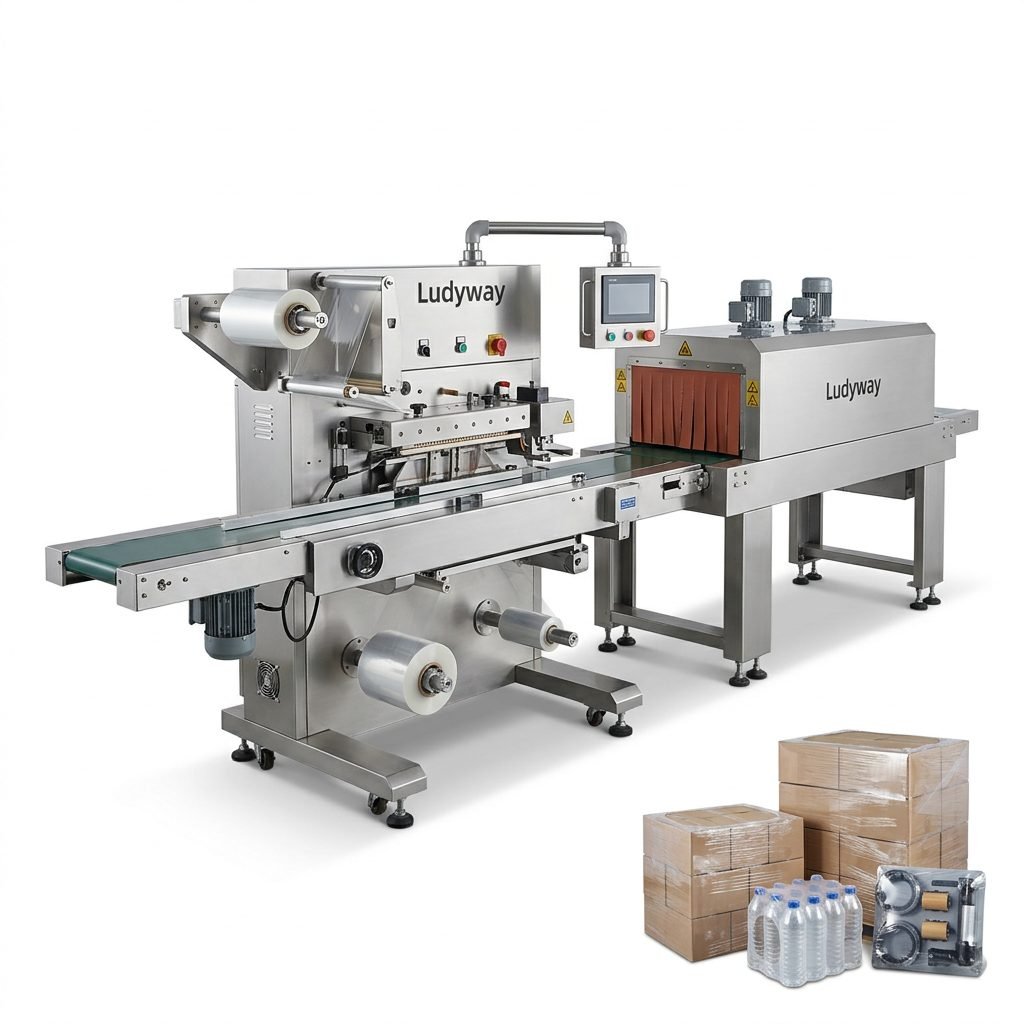
Weekly procedures dive deeper into the mechanical features of the heat shrink tunnel machine. This involves cleaning components that are not easily accessible during daily run-times. Pay close attention to the heating elements and air circulation fans, as dust accumulation here drastically reduces heating efficiency.
- Turn off and lockout/tagout the machine completely.
- Remove safety guards to access the main drive chain and sprockets; lubricate them with high-temperature grease.
- Use compressed air to blow dust out of the blower motor and heating element compartments.
- Inspect all electrical wires and connectors for signs of melting or corrosion.
Conveyor System Deep Clean
The conveyor is often the most neglected part. Depending on your product, sticky residues can build up on the rollers. Use a soft brush and a mild approved solvent to clean the silicone roller sleeves without damaging them. A broken roller can snag the film and shut down your entire packaging line.
Monthly and Scheduled Component Replacement
Monthly maintenance focuses on calibration and wear parts. Heating elements and thermocouples should be tested for accuracy. If the actual temperature differs from the controller setting by more than a few degrees, recalibration or replacement is needed. You should also check the condition of the silicone curtains at the tunnel entry and exit.
Critical Spare Parts to Keep in Stock
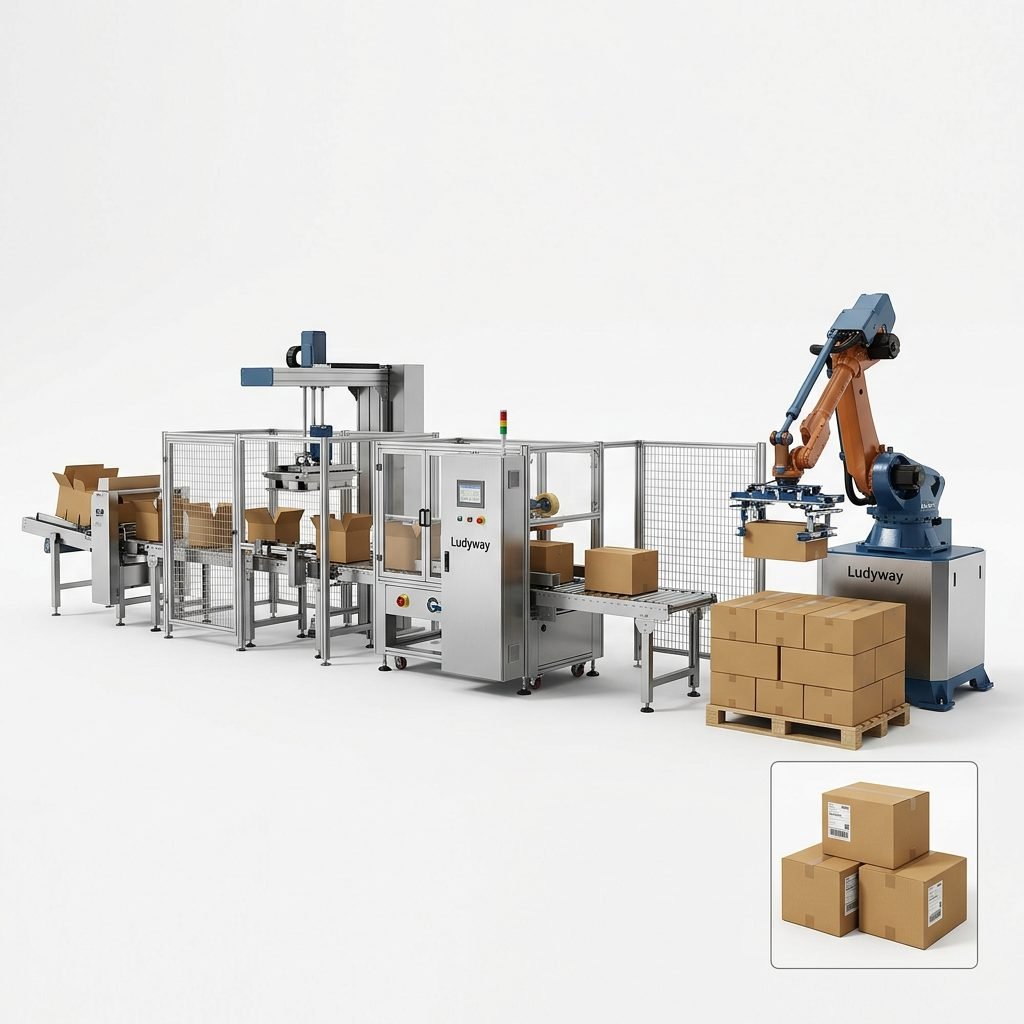
Keeping an inventory of critical spare parts minimizes downtime. Waiting for a replacement part to ship can halt your production for days. Here are the essential components you should always have available for your shrink tunnel:
| Spare Part | Function | Replacement Indicator |
|---|---|---|
| Heating Elements | Generate radiant heat to shrink film | Cold spots / Visible damage |
| Thermocouples | Sense internal tunnel temperature | Erratic readings / Temperature drift |
| Conveyor Belt/Teflon Tape | Transports product through the heat zone | Fraying, tearing, or tracking issues |
| Blower Motor | Circulates hot air for uniform shrinkage | Unusual noise / Low airflow |
| Silicone Curtains | Contain heat at tunnel openings | Hardening, cracking, or missing strips |
Ensuring Consistent Shrink Quality
Inconsistent shrinking is often a symptom of air flow problems or temperature instability. If your film is burning but the bottom is not shrinking, check the air velocity and the condition of the air recirculation fan. Herbal granule packaging machines and other sensitive product lines particularly rely on stable tunnel conditions to prevent heat damage. Ensure the tunnel is not overloaded; products need adequate spacing to allow hot air to circulate completely around the package.
Film Tracking and Tension
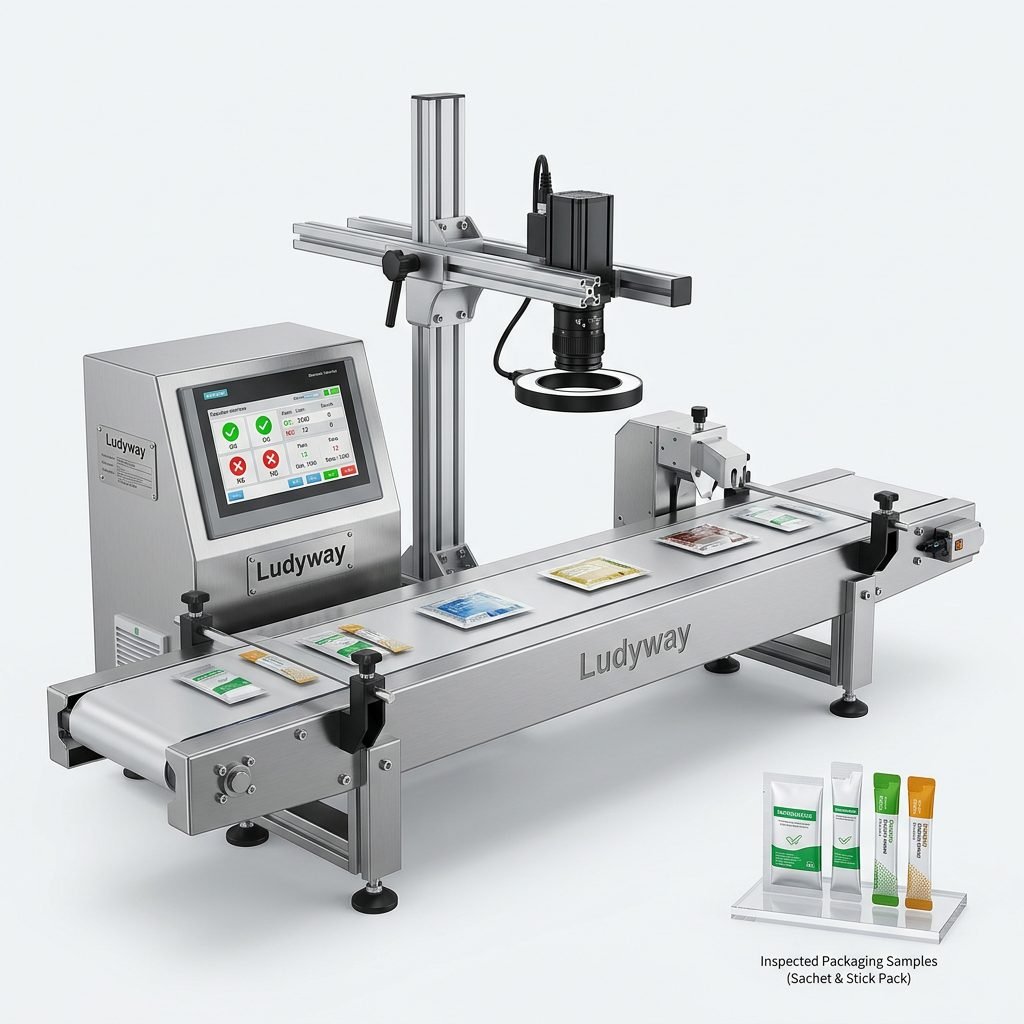
Incorrect film tension can cause a ‘dog-bone’ effect or excessive wrinkling. Regularly inspect the film roll carriage and ensure it moves freely. The sealing jaw pressure and cut-off knife sharpness must also be checked on the shrink sleeve packaging machine to ensure a clean cut without tailing, which impacts the final aesthetic of the pack.
Expert Support and Professional Servicing
While in-house staff can handle routine tasks, an annual professional service contract is highly recommended. A certified technician can perform a deep electrical audit, replace gas springs, and check the integrity of the ceramic insulation. For companies running high-speed lines, partnering with a reliable manufacturer for technical support is key. Ludyway, one of the largest packaging machine manufacturers in China, provides comprehensive maintenance training and OEM spare parts to keep operations running smoothly globally.
Explore our related resources for further optimization:
- PMMI Packaging Industry Resources
- Flexible Packaging Association Data
- Global ISO Packaging Standards
By adhering to these shrink tunnel packaging machine maintenance tips, you enhance machine longevity, reduce waste, and guarantee a pristine package presentation for every product that leaves your facility.