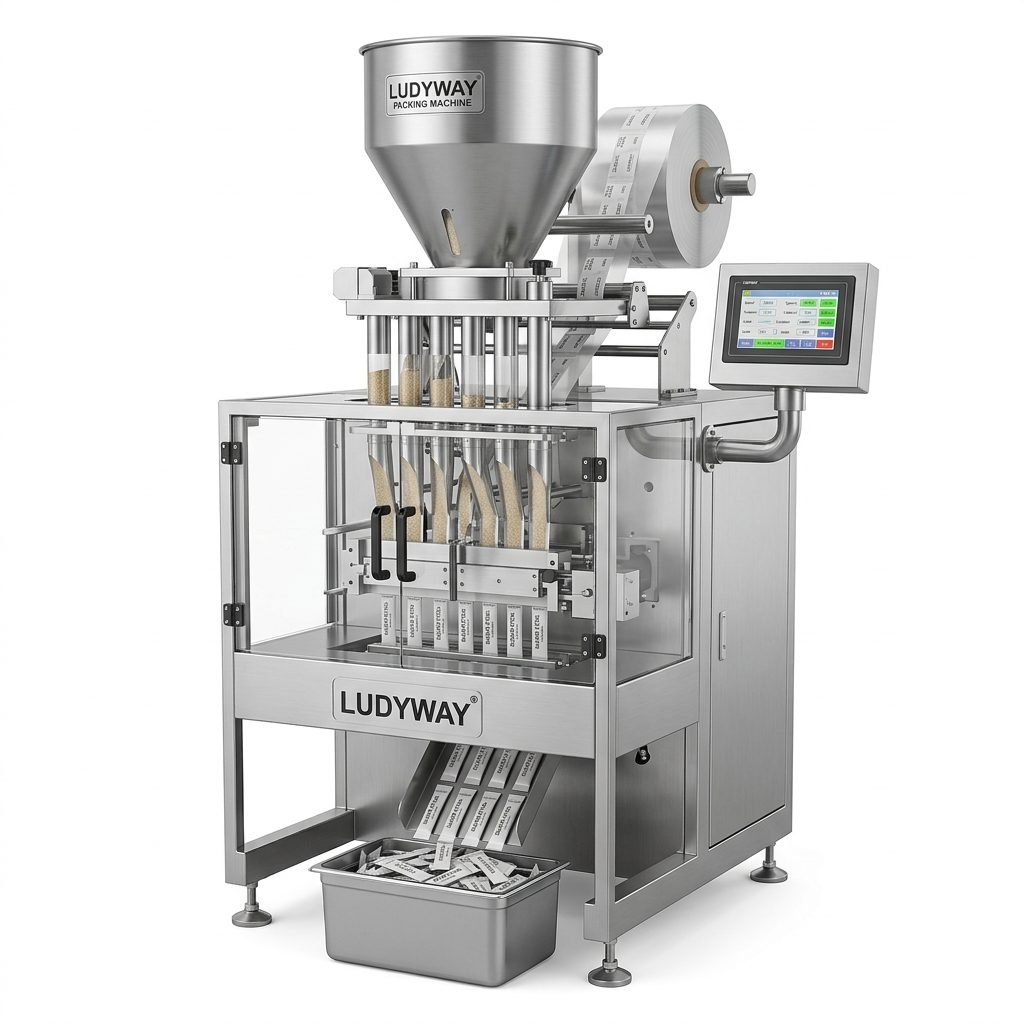
In today’s fast-paced manufacturing landscape, efficiency and precision are paramount. For businesses in the food, pharmaceutical, and health industries, automating the packaging process is a critical step toward scaling production, ensuring consistency, and reducing operational costs. Automatic Hualian packaging machines represent a significant advancement in this field, offering versatile solutions for a wide range of products. This comprehensive guide will explore the various types of automatic Hualian packaging machines, their key features, and provide actionable advice on how to select the perfect model for your specific operational needs.
Understanding Automatic Hualian Packaging Machines
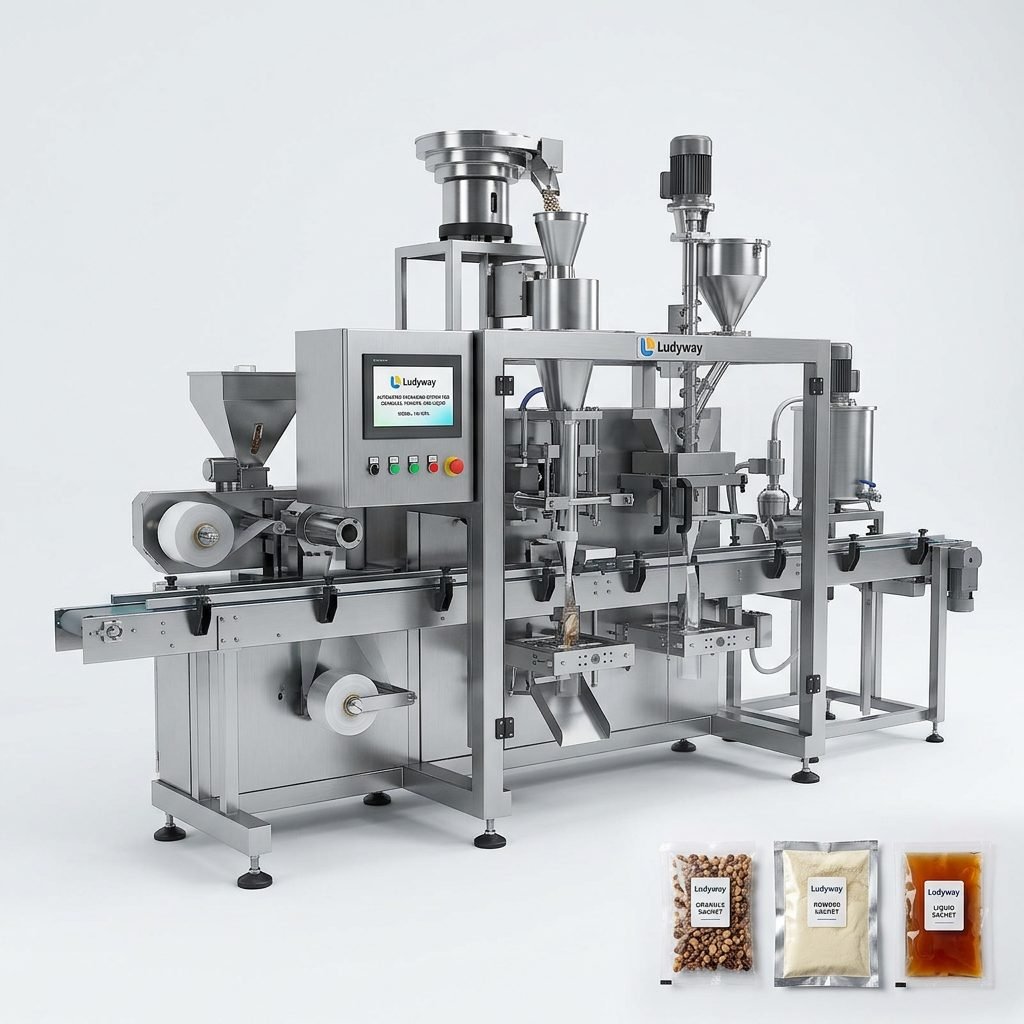
Automatic Hualian packaging machines are designed to form, fill, and seal packaging materials—typically laminated films—into precise, airtight packets. The term “Hualian” often refers to a style or configuration known for its reliability and adaptability in handling different product forms. These machines are engineered to operate continuously with minimal human intervention, dramatically increasing output while maintaining stringent hygiene and quality standards. They are the backbone of modern production lines for items like instant drink mixes, pharmaceutical powders, condiments, and health supplements.
Core Advantage: The primary benefit of automation is the remarkable increase in production speed and consistency. An automatic Hualian machine can produce thousands of uniform packets per hour, a task impossible to achieve manually with the same level of accuracy and cost-effectiveness.
Primary Types of Automatic Hualian Packaging Machines
The market offers several configurations of automatic Hualian packagers, each suited to different product characteristics and production volumes. Understanding these types is the first step in making an informed decision.
1. Vertical Form-Fill-Seal (VFFS) Machines
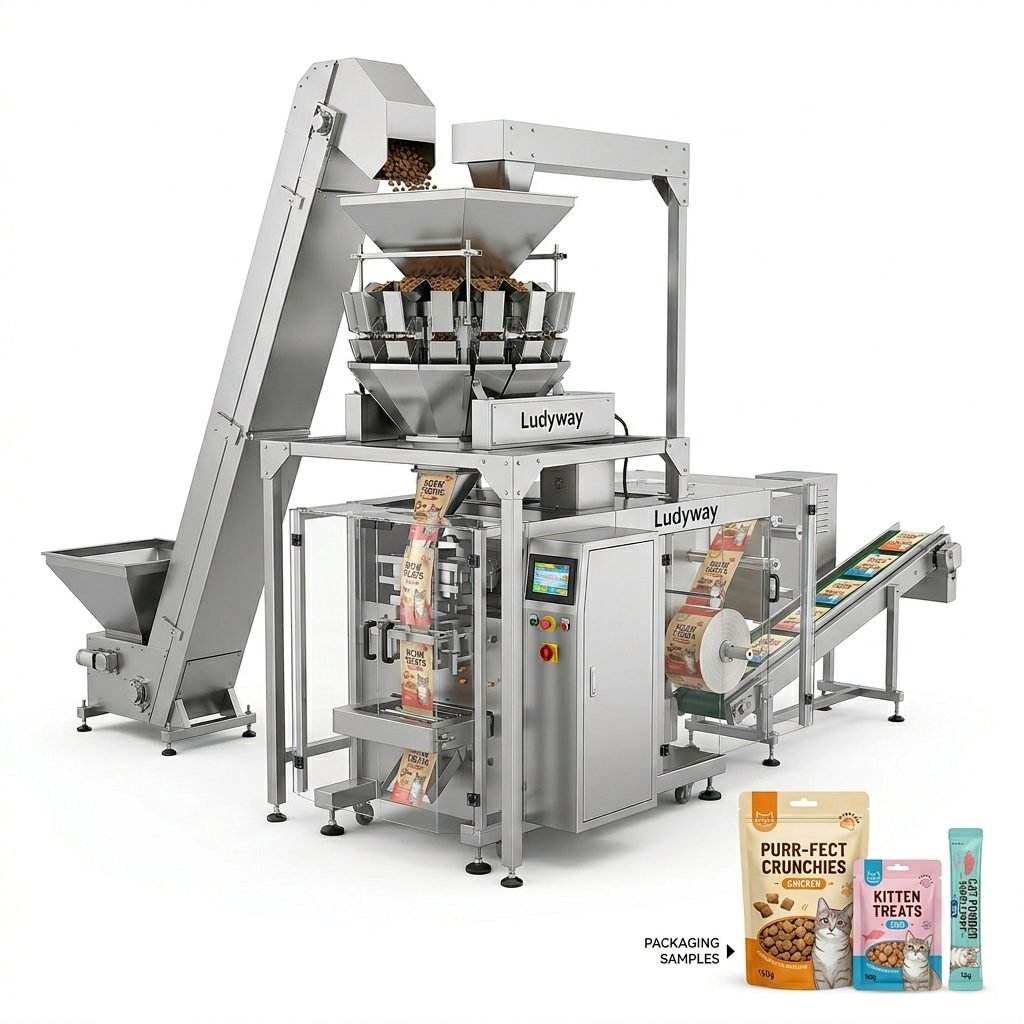
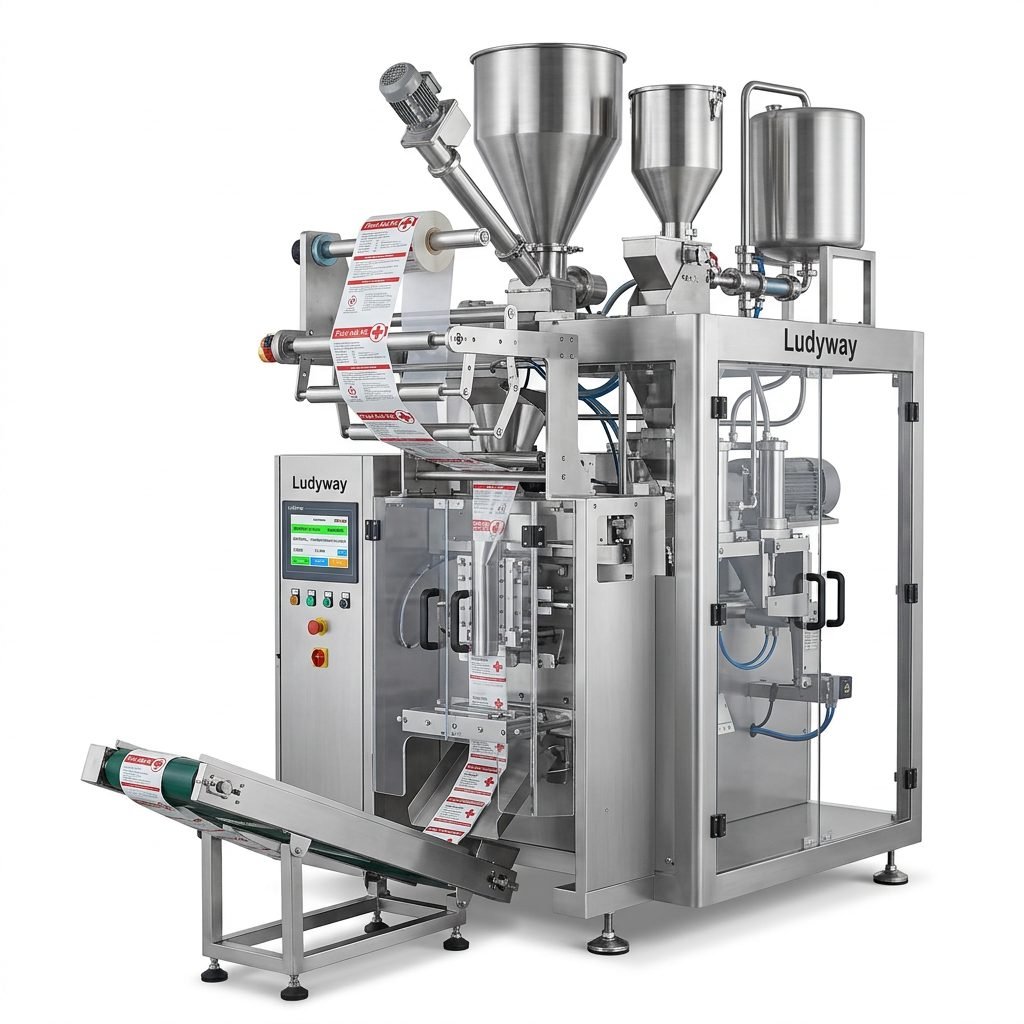
These are among the most common and versatile automatic packaging machines. A roll of flat film is fed vertically, formed into a tube around a filling tube, sealed longitudinally, and then sealed horizontally at the top and bottom to create individual packets. They are ideal for granules, powders, and small solid items like seeds or tea leaves.
2. Horizontal Form-Fill-Seal (HFFS) Machines
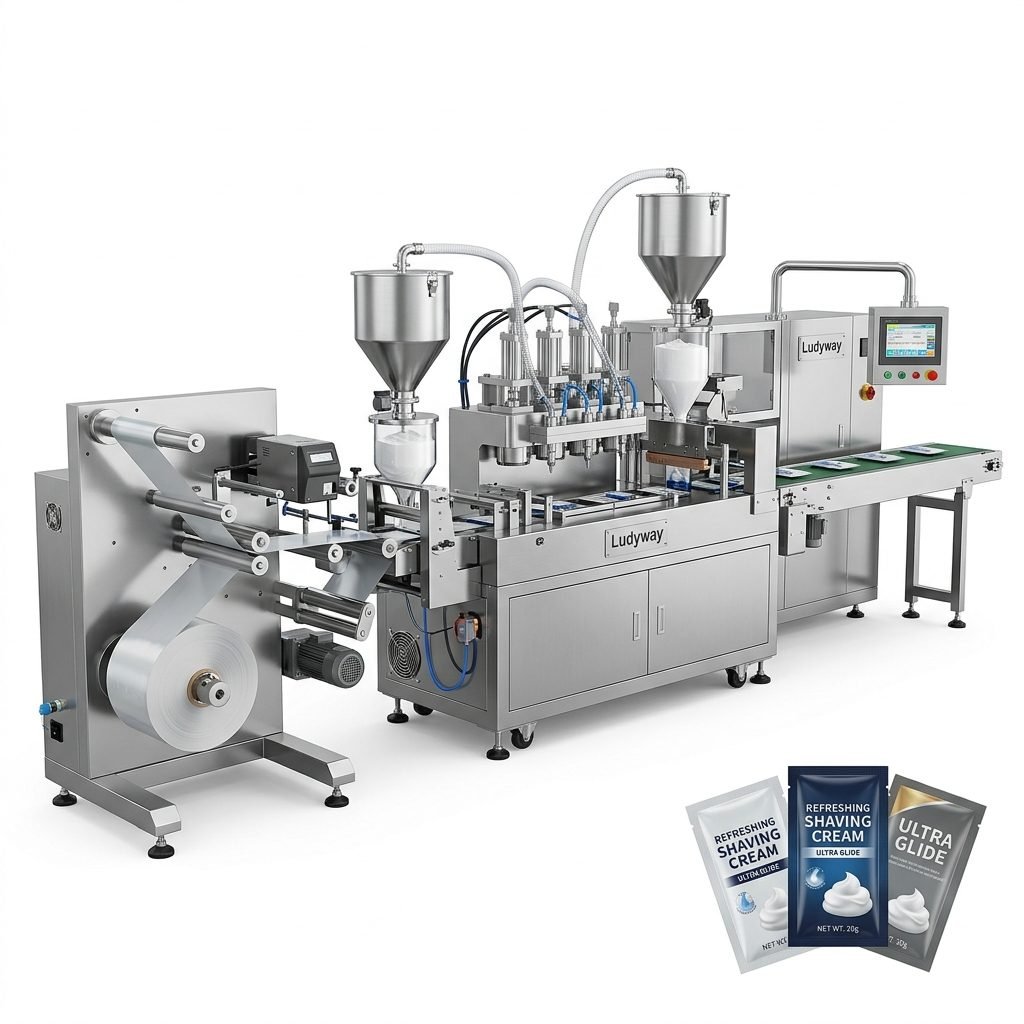
In this configuration, the film is fed horizontally. The product is placed on the lower web of film, and a top web is sealed over it. HFFS machines are excellent for packaging irregularly shaped items, multi-component products, or items that need to lie flat, such as wet wipes, single-serve sauces, or medical swabs.
3. Stick Pack Machines
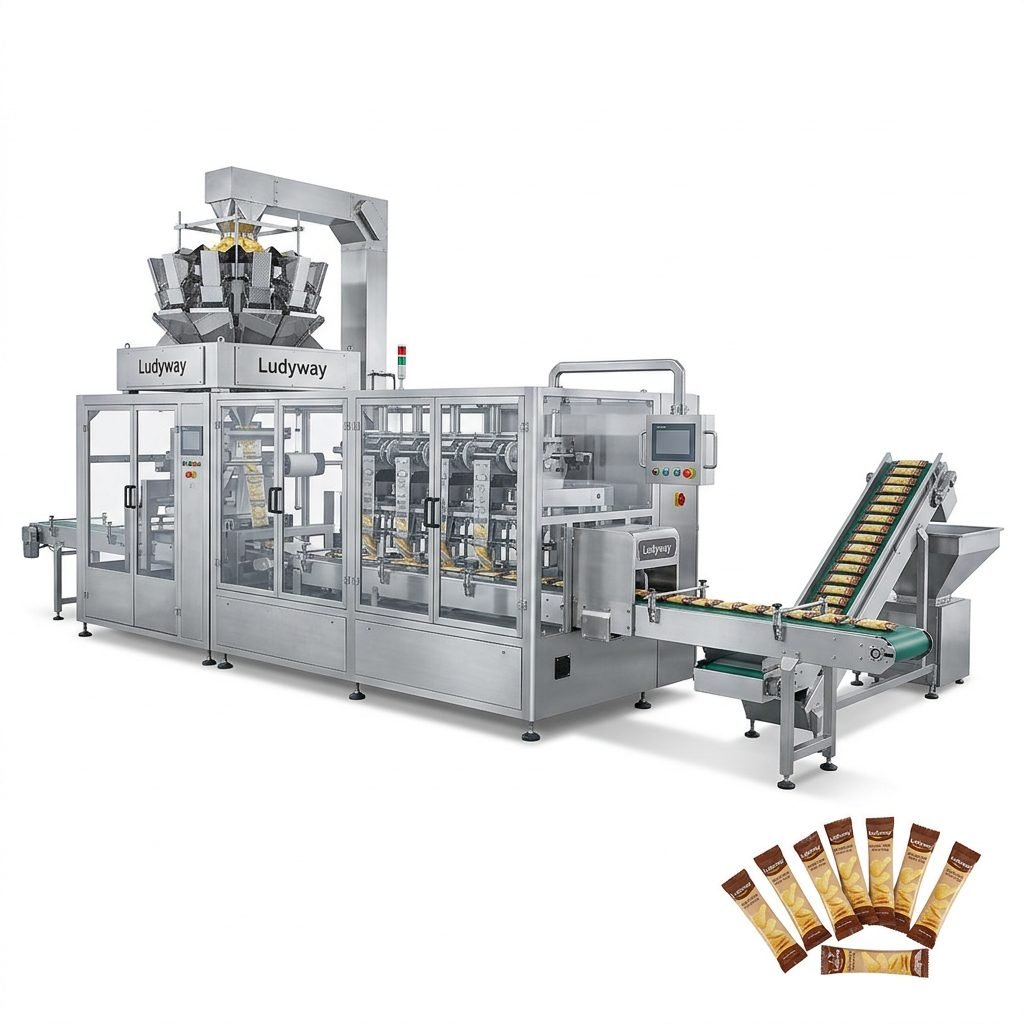
A specialized subset of VFFS machines, stick pack machines produce long, slender, rectangular packets. They are incredibly popular for single-serve powdered beverages, pharmaceuticals, and instant food products. Their slim design is not only space-efficient for storage and shipping but also appeals to consumers for its portability.
4. Multi-Lane Packaging Systems
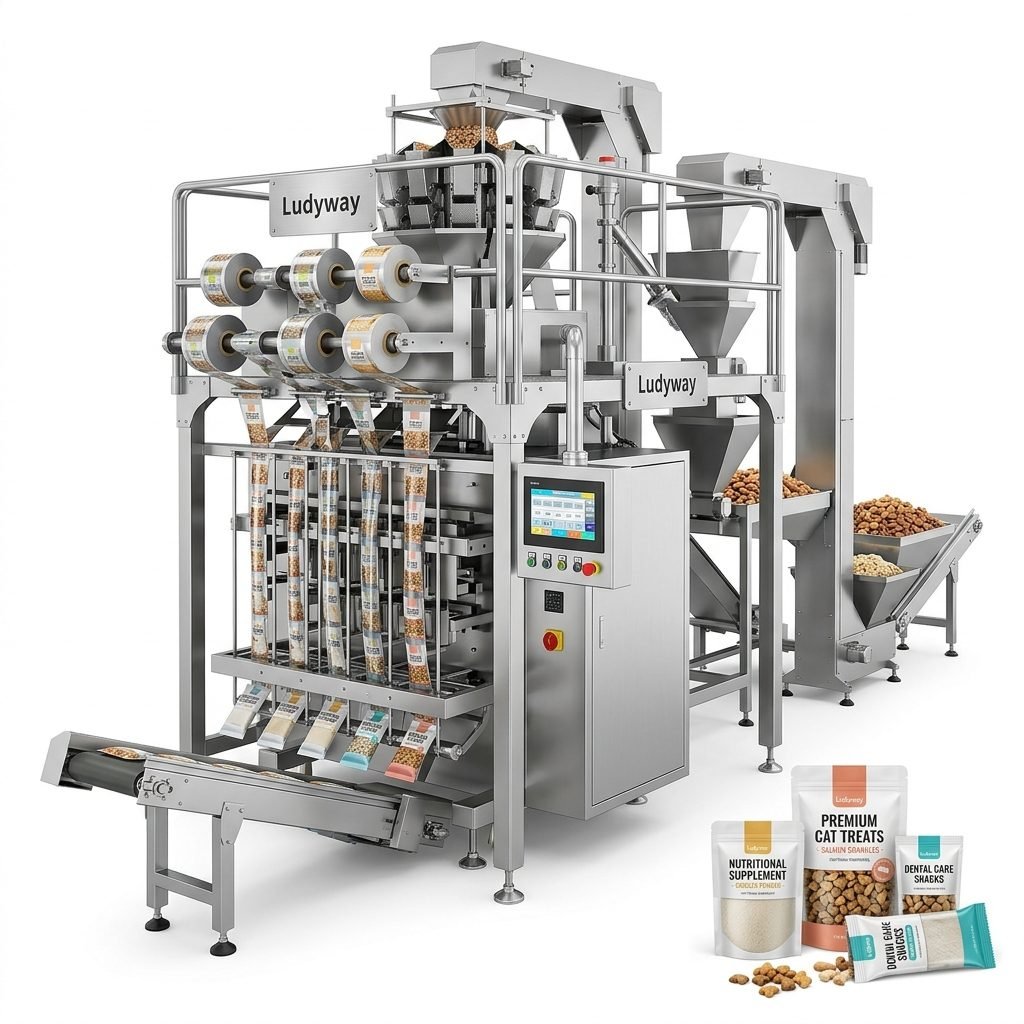
For ultra-high-volume production, multi-lane systems integrate several packaging heads (like multiple VFFS units) that operate in parallel from a single product feed system. This configuration can exponentially increase output, making it a cost-effective solution for large-scale manufacturers needing to package millions of units.
Key Features and Technological Advancements
Modern automatic Hualian machines are equipped with sophisticated features that enhance performance, ease of use, and reliability.
- → Precision Servo Motors: Replace traditional mechanical drives for more accurate film feeding, cutting, and positioning. This reduces film waste and ensures perfect seal integrity.
- → User-Friendly PLC Touchscreen Interface: Allows operators to easily set parameters, monitor machine status, track production counts, and diagnose issues quickly.
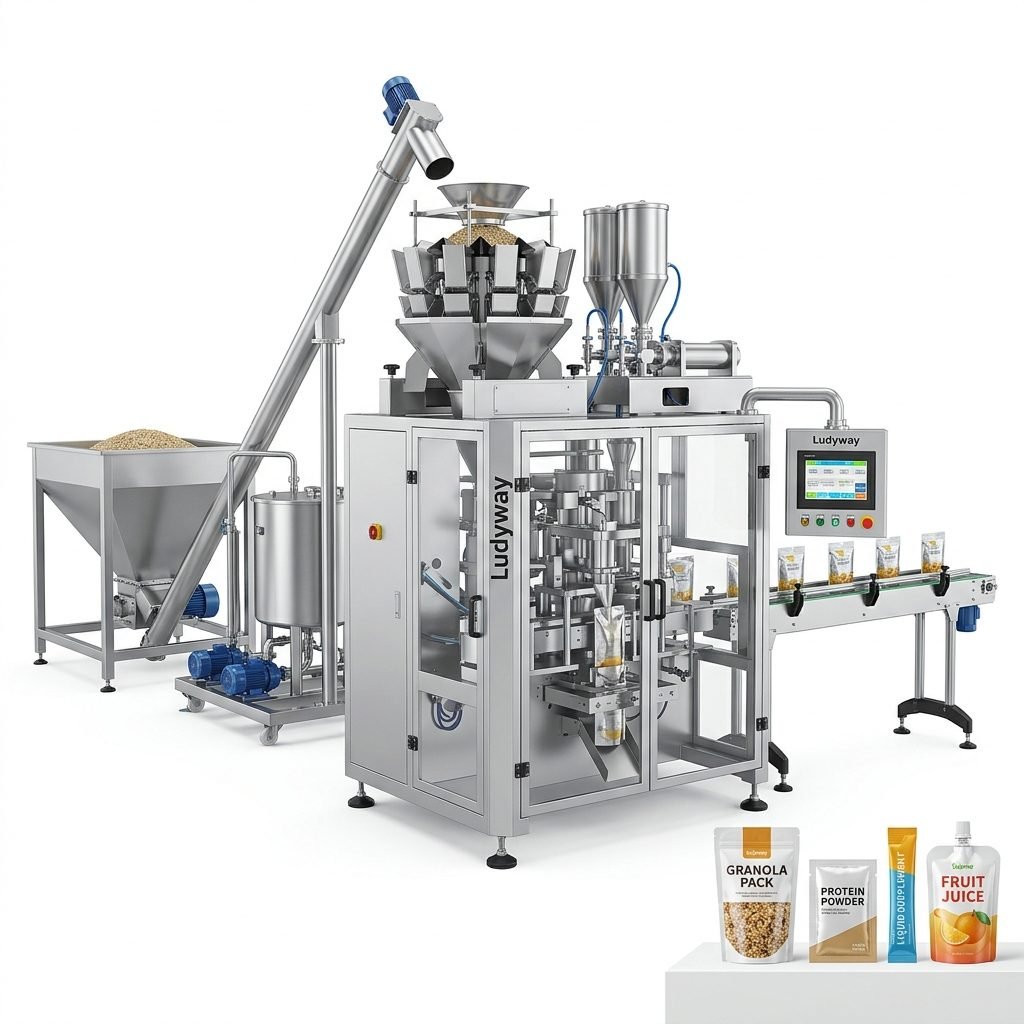
- → Advanced Weighing & Filling Systems: From volumetric cups for consistent granules to auger fillers for precise powders and liquid pumps, accurate filling is critical for product give-away and compliance.
- → Robust Sealing Technology: Features like constant temperature control, adjustable pressure, and cooling systems ensure strong, hermetic seals even with challenging laminated materials.
- → Quick-Changeover Parts: Modular designs allow for fast switching between different packet sizes or product types, minimizing downtime during production runs.
How to Choose the Right Automatic Hualian Model
Selecting the ideal machine requires a careful analysis of your product, production goals, and operational environment. Follow this step-by-step framework to guide your decision.
Step 1: Define Your Product Specifications
Clearly identify the physical properties of your product. Is it a free-flowing powder, a cohesive granule, a viscous liquid, or a solid? Each type requires a specific filling system. Also, consider product sensitivity—does it require a nitrogen flush or vacuum packaging to preserve freshness?
Step 2: Determine Packaging Requirements
What are the desired packet dimensions and shape (e.g., pillow bag, stick pack, sachet)? What type of laminated film material will be used? Your packaging material supplier and machine manufacturer should collaborate to ensure compatibility.
Step 3: Assess Your Production Volume
Calculate your required output in packets per minute (PPM) or per hour. A single-lane VFFS machine might suffice for small to medium batches, while a multi-lane system is necessary for mass production. Always plan for future growth when considering capacity.
Step 4: Evaluate Integration Needs
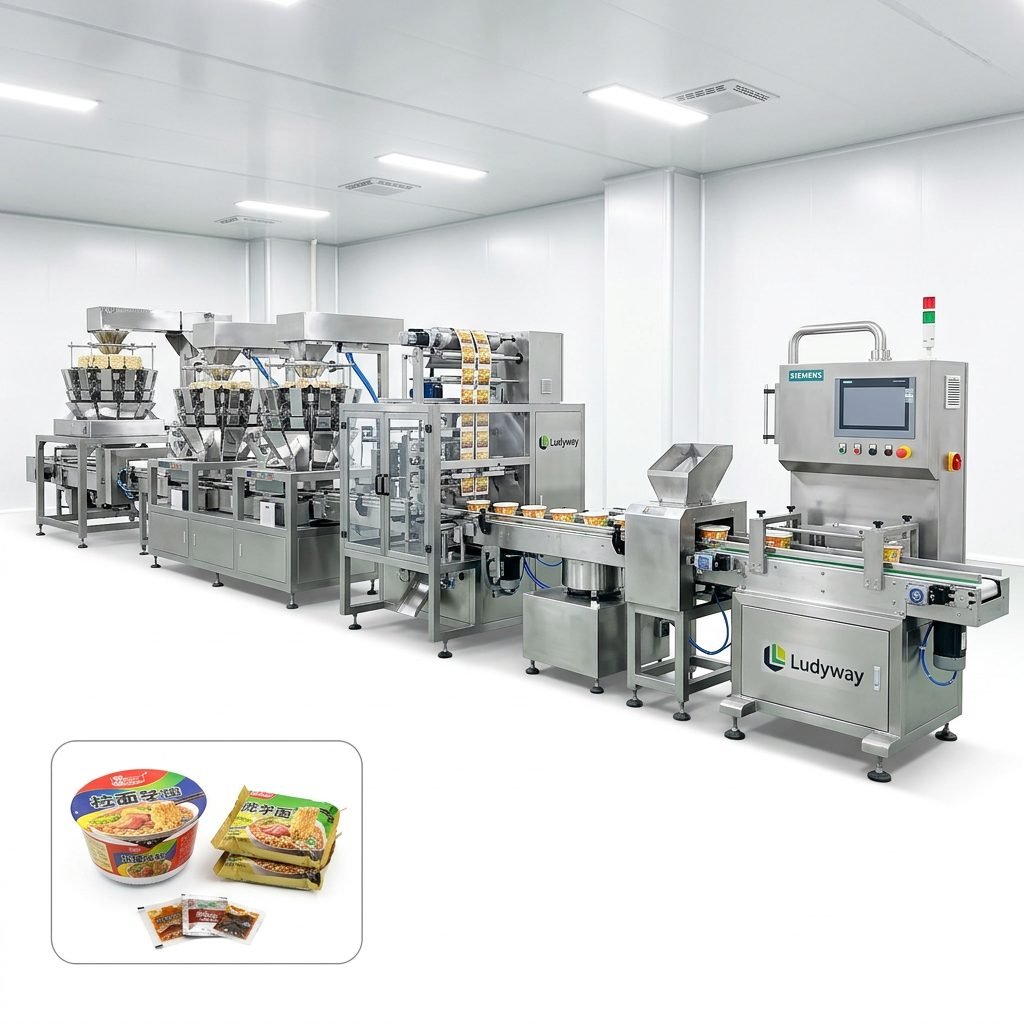
Will the machine be a standalone unit, or does it need to integrate with existing upstream (e.g., mixers) and downstream (e.g., cartoners, case packers) equipment? Communication protocols and physical interfacing are crucial for a seamless production line.
Step 5: Consider Operational Factors
Evaluate the available factory floor space, power supply, and the skill level of your operators. Also, prioritize suppliers who offer comprehensive after-sales support, training, and readily available spare parts.
Partnering with an experienced manufacturer is invaluable. For instance, Ludyway Machinery, with over a decade of specialization in packaging solutions, provides not just equipment but tailored advice. Their expertise in turnkey solutions for various industries ensures you get a machine that fits your exact workflow, backed by reliable technical support.
Maximizing Your Investment
An automatic packaging machine is a significant capital investment. To ensure the highest return, focus on total cost of ownership, not just the purchase price. A slightly more expensive machine with higher efficiency, lower waste, and greater reliability will often pay for itself faster through increased productivity and reduced maintenance costs. Regular preventive maintenance and proper operator training are essential to keep your machine running at peak performance for years to come.
Frequently Asked Questions (FAQs)
Q1: What is the typical production speed of an automatic Hualian packaging machine?
Speeds vary greatly by model and packet size. A standard single-lane machine can range from 40 to 120 packets per minute. High-speed multi-lane systems can achieve outputs of several hundred packets per minute. The exact speed for your application depends on product characteristics, filling accuracy requirements, and packaging material.
Q2: Can one machine handle different types of products?
Many machines are designed for flexibility. With quick-change parts (like different sized forming tubes, augers, or volumetric cups), a single machine can often switch between different granular or powdered products. However, switching from a powder to a liquid typically requires a more significant change of the filling system.
Q3: How important is after-sales service when purchasing a machine?
Extremely important. Reliable technical support, availability of spare parts, and operator training are critical for minimizing downtime. Choose a supplier known for strong customer service and with a proven track record of supporting their equipment long after the sale is complete.
Q4: What are the most common maintenance requirements?
Regular cleaning to prevent product buildup, lubrication of moving parts as per the manual, inspection and replacement of wear parts like sealing jaws, cutting blades, and gaskets. A daily and weekly maintenance checklist provided by the manufacturer should be followed diligently.
Q5: Are these machines suitable for small businesses or startups?
Yes, there are semi-automatic and smaller-scale fully automatic models that are perfect for lower-volume production. They offer a manageable entry point into automation, helping small businesses improve consistency and prepare for future scaling without the initial investment required for large industrial systems.