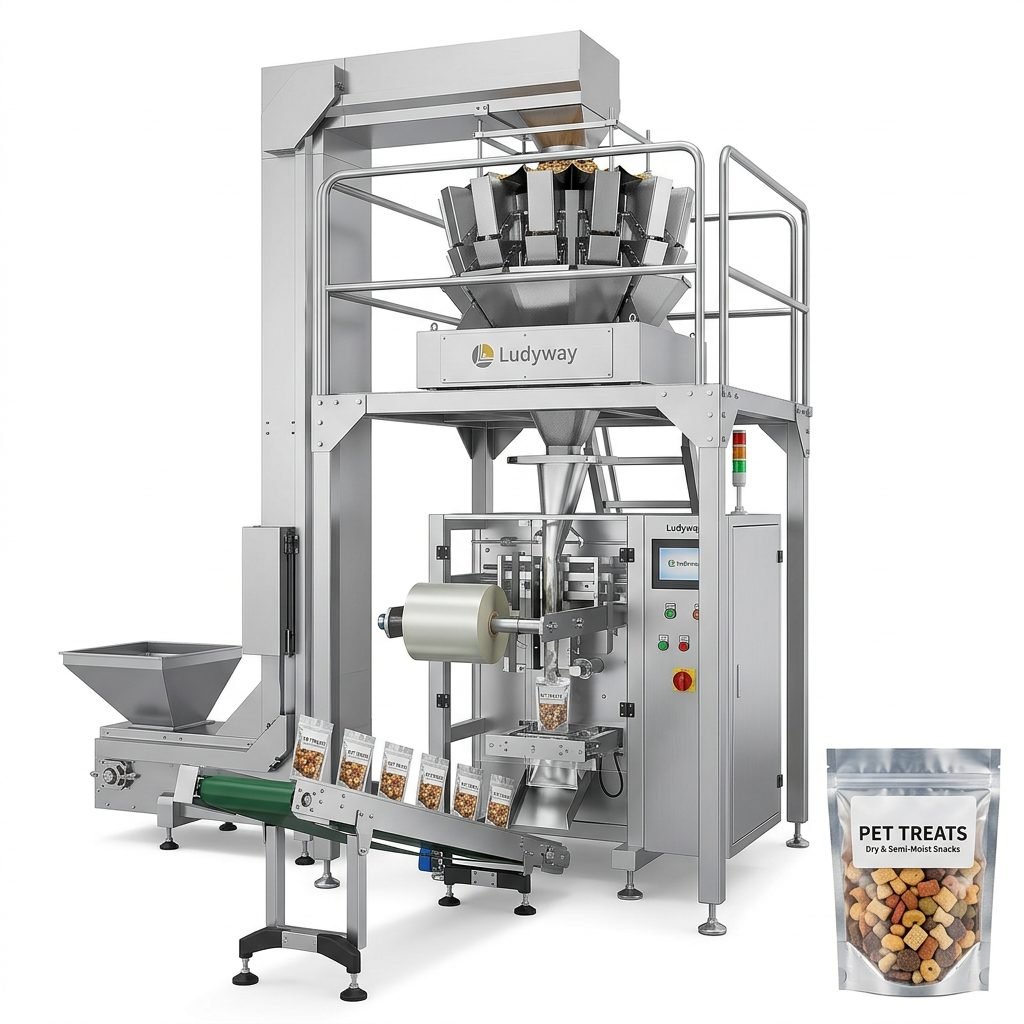
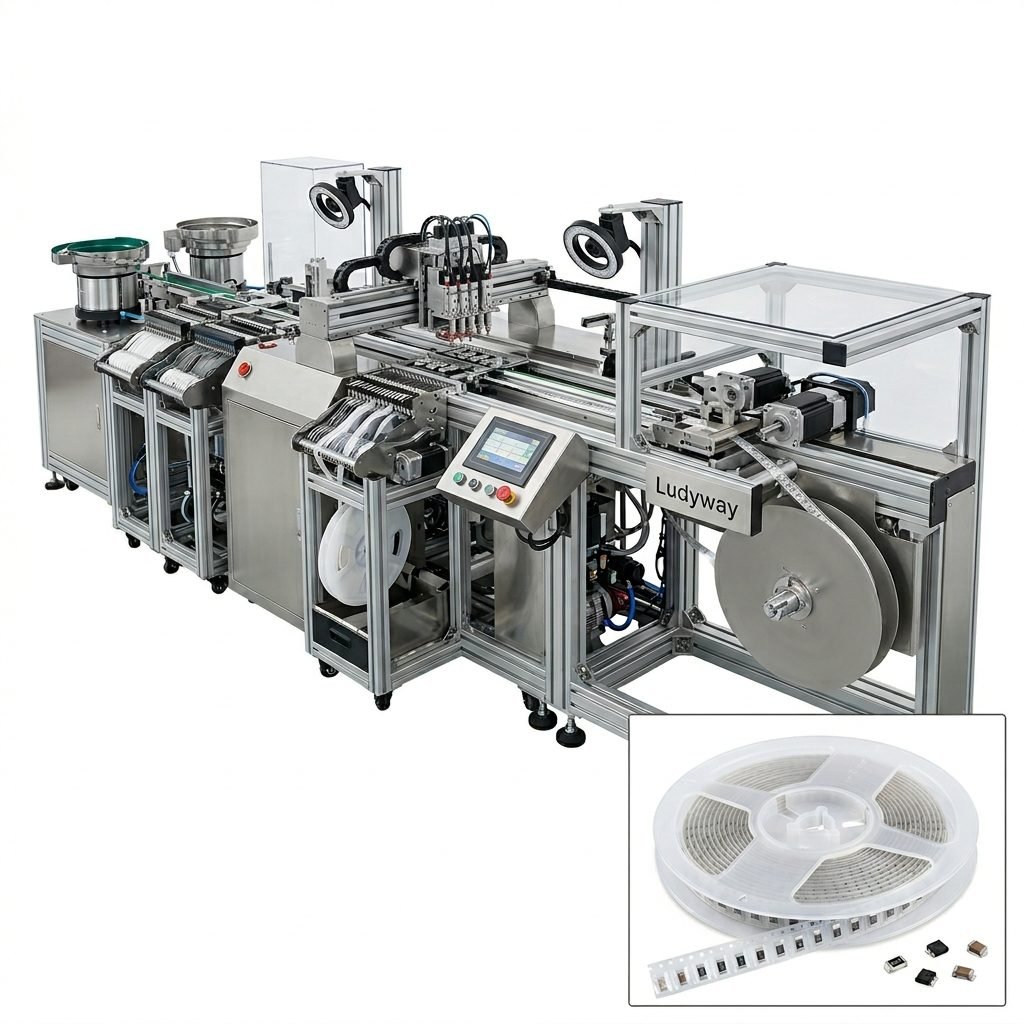
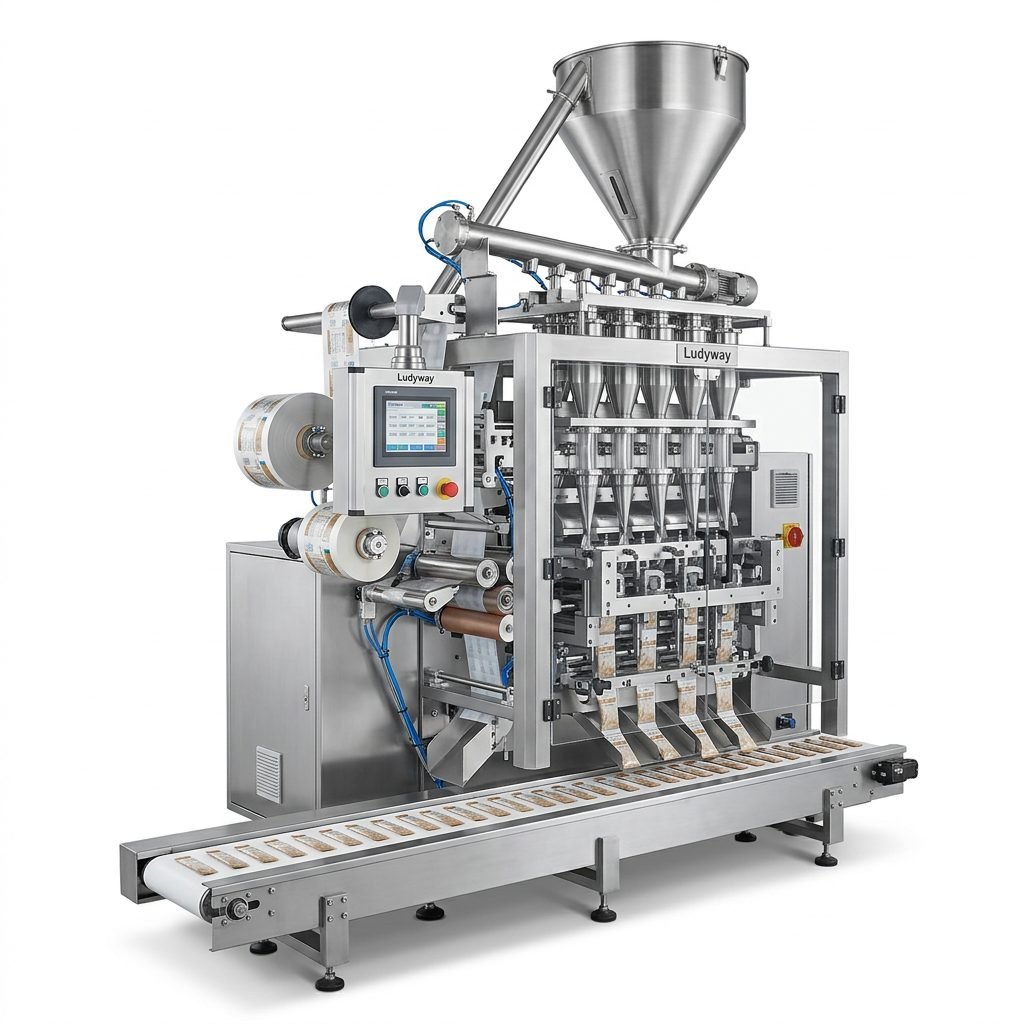
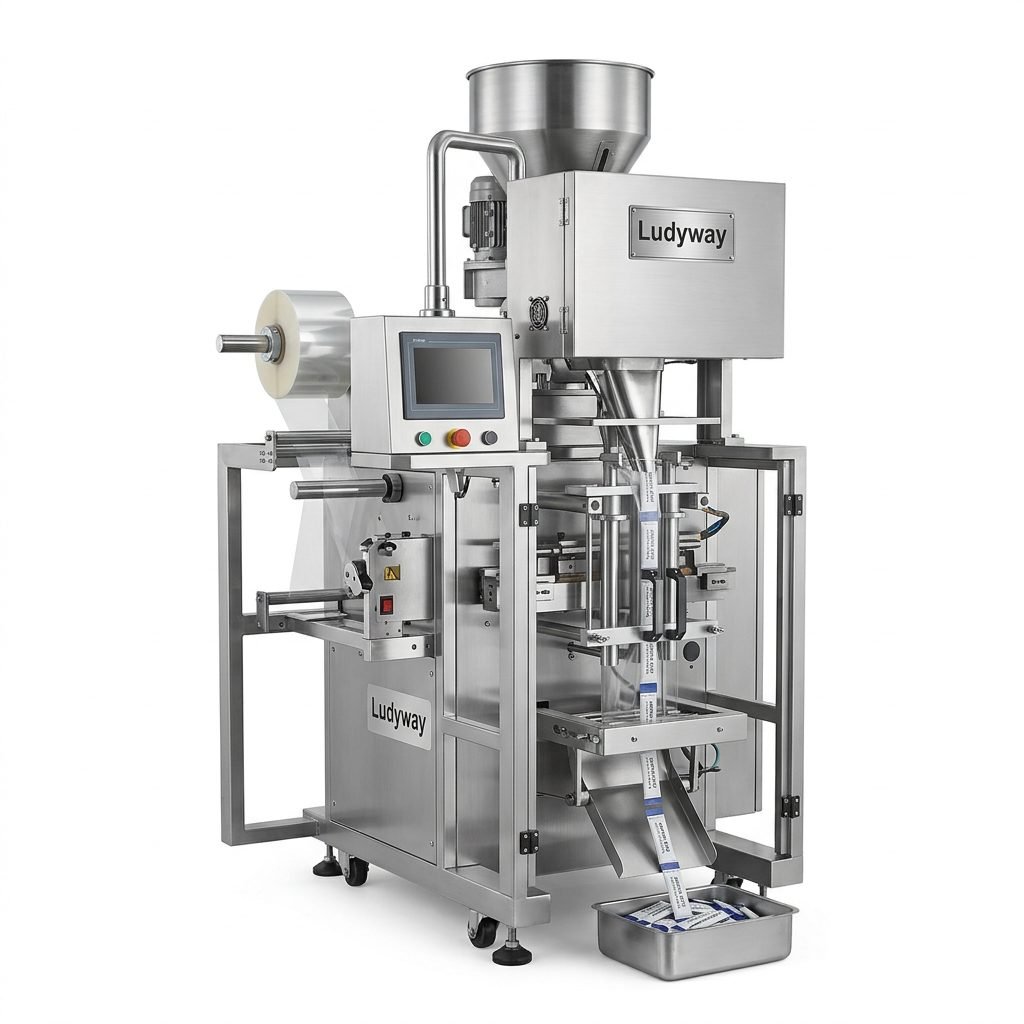
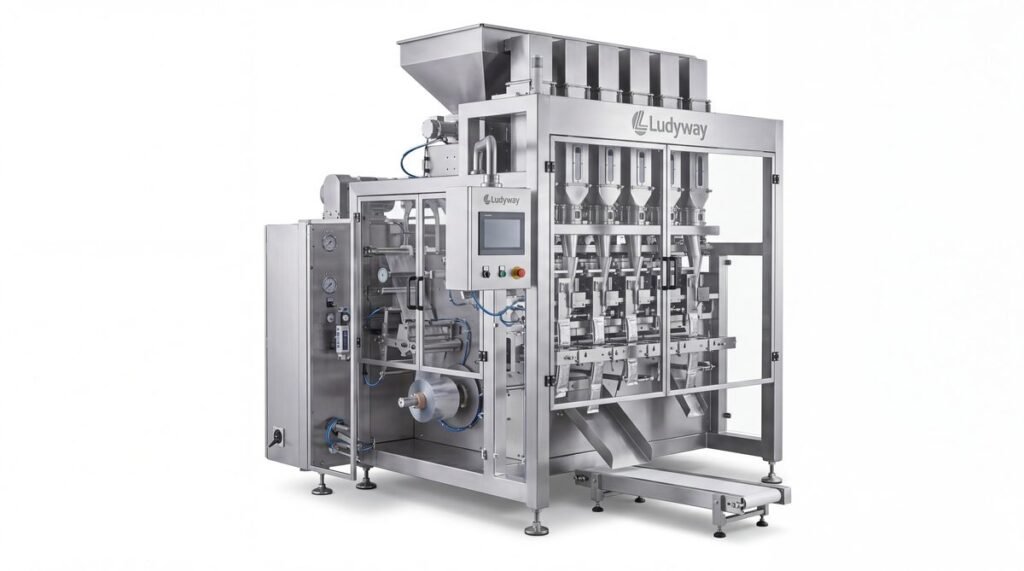
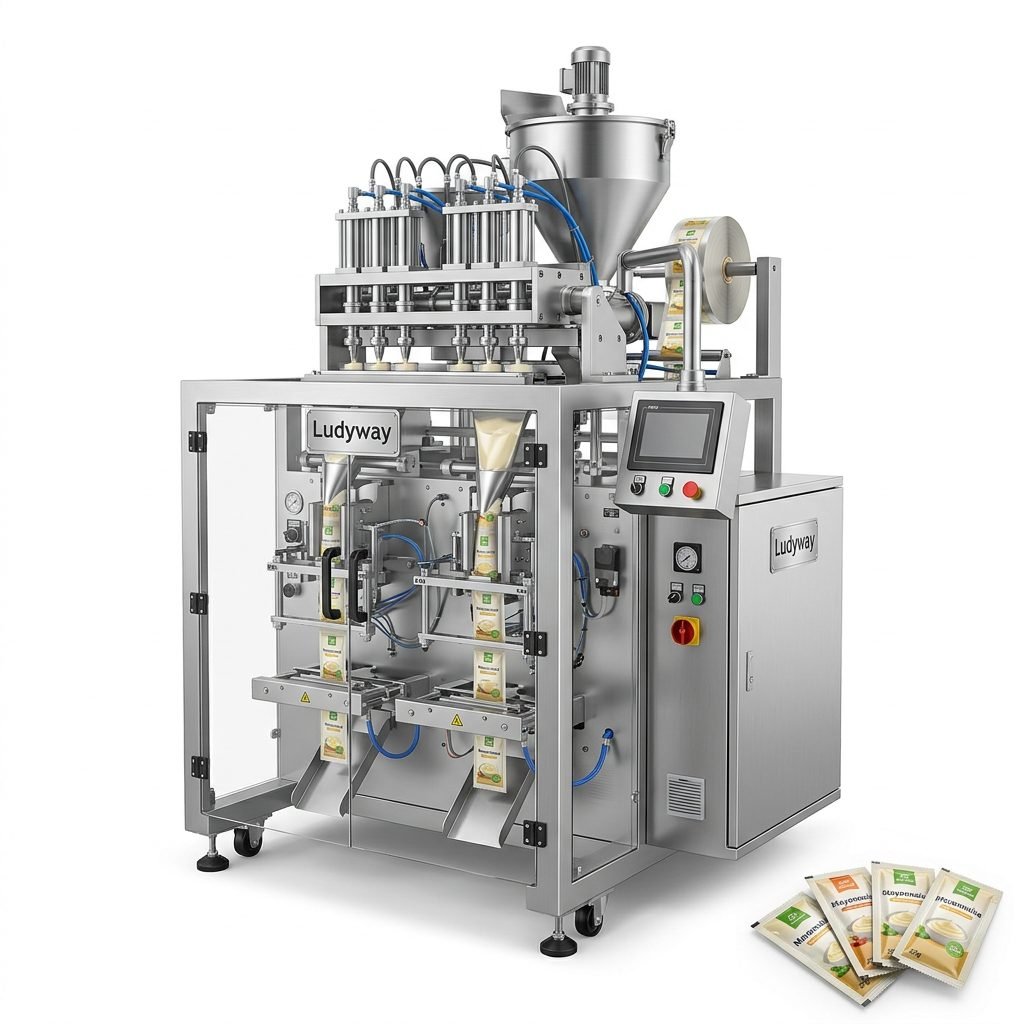
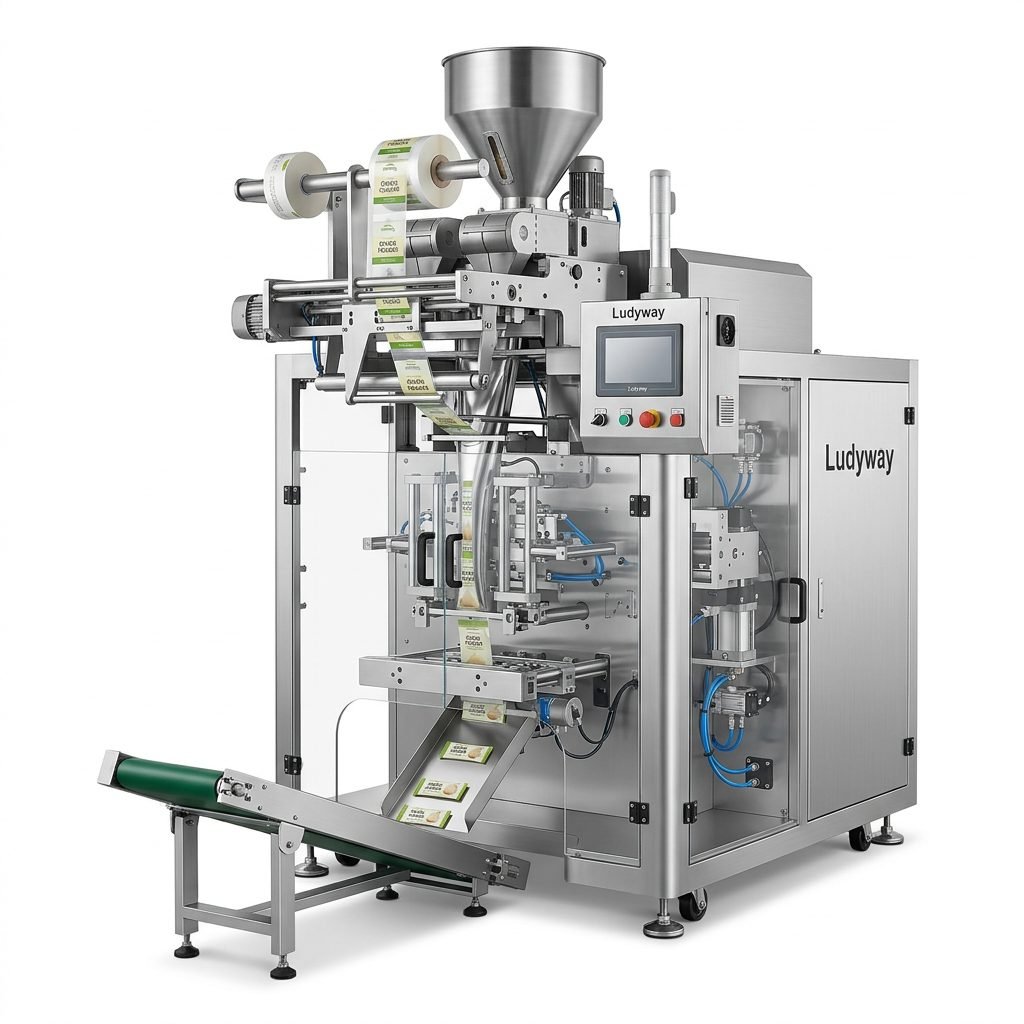
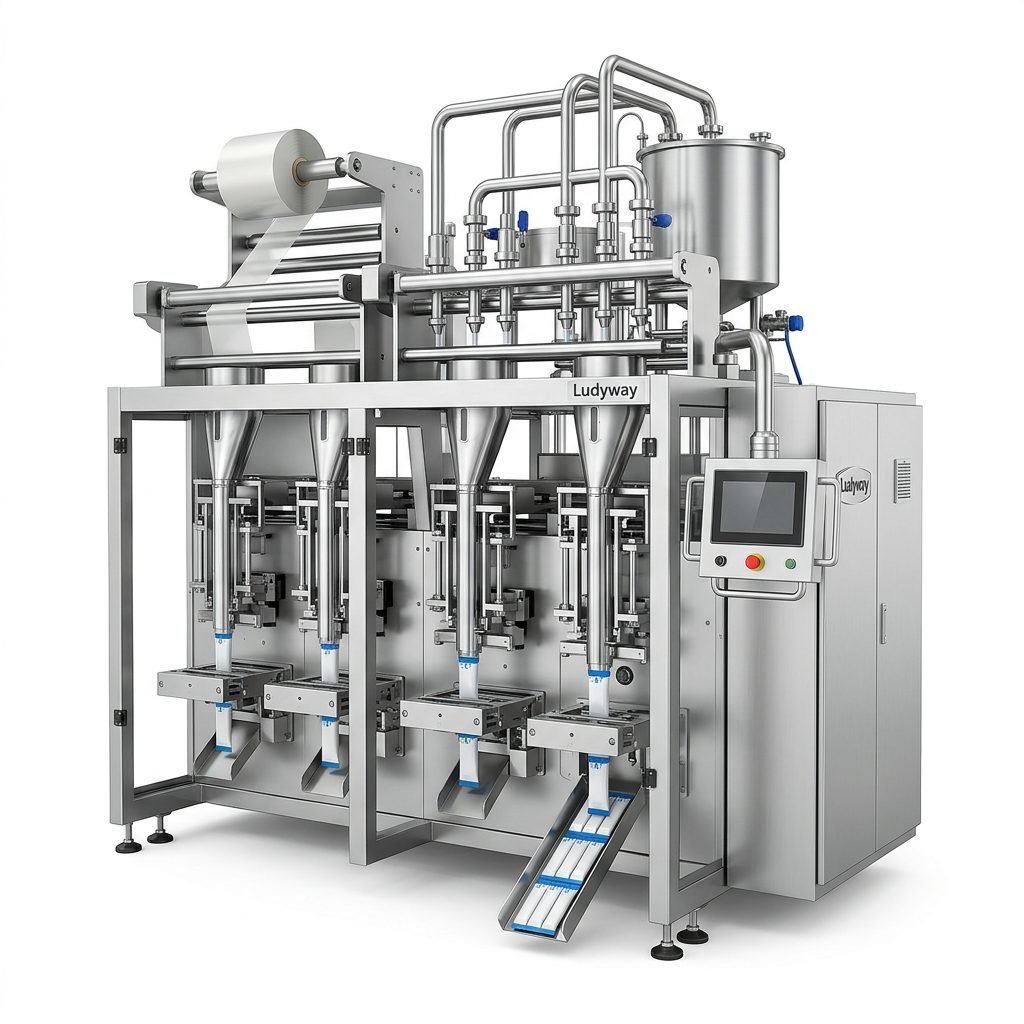
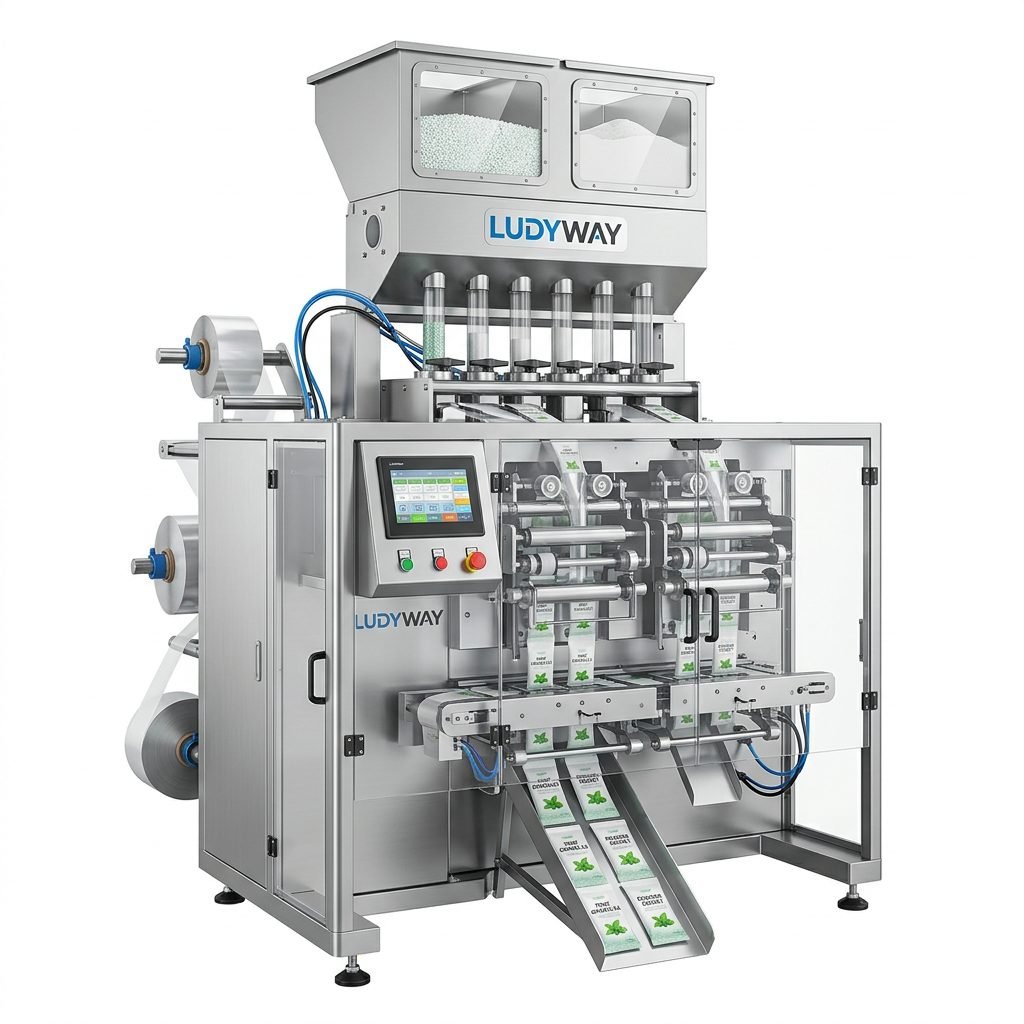
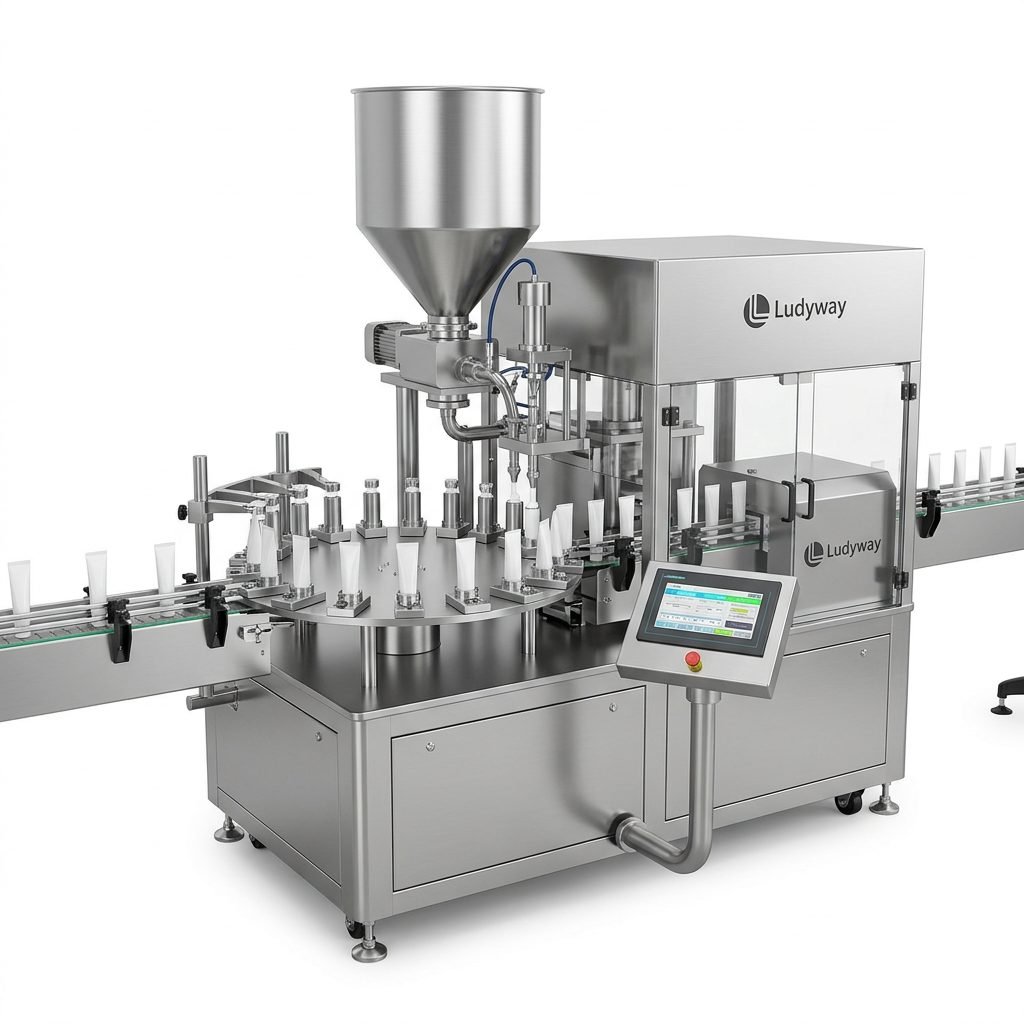
Regular maintenance is the backbone of any efficient packaging line. For operators running a Solpac packaging machine, a structured care routine not only maximizes uptime but also protects the long-term accuracy of your filling and sealing processes. Small, consistent actions prevent the costly domino effect of unplanned downtime and product waste.
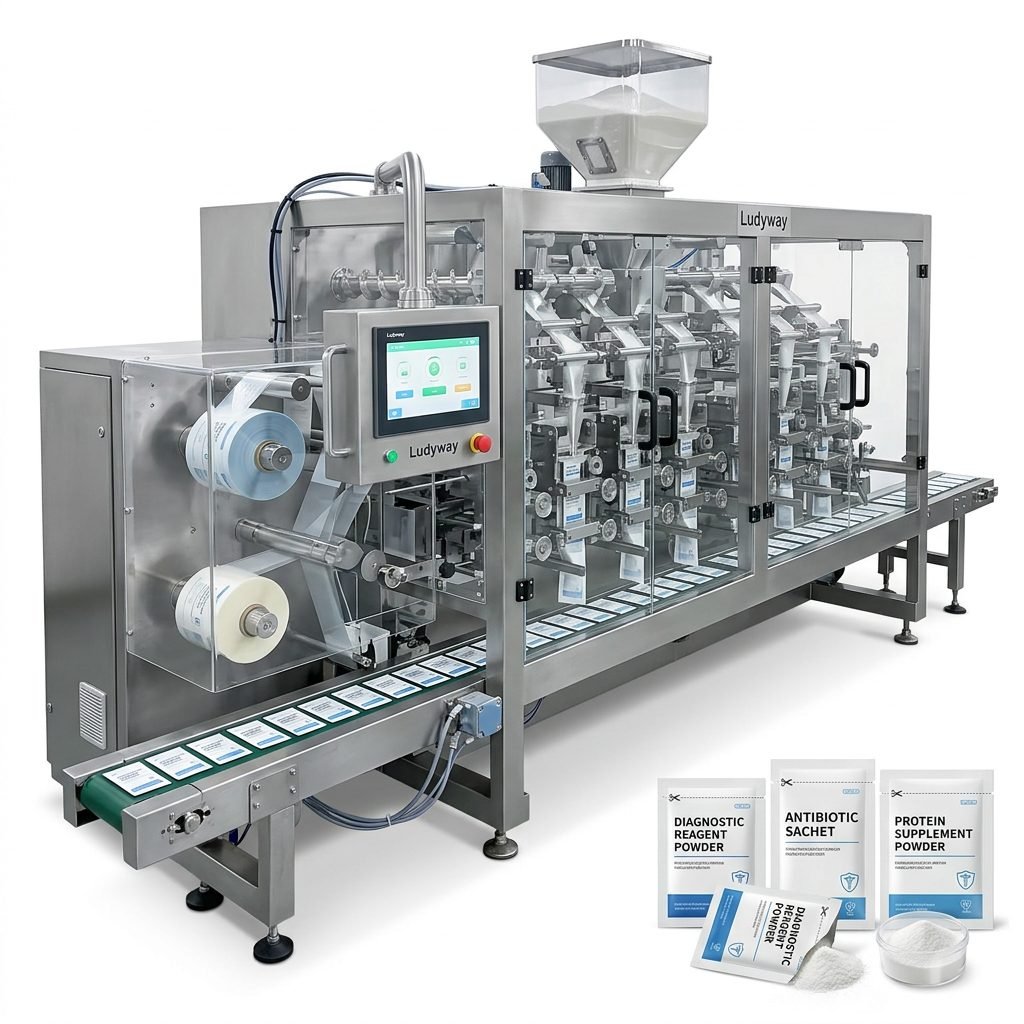
Why Preventive Maintenance Matters
Ignoring routine care on a Solpac packaging machine can lead to seal integrity failures, inaccurate dosing, and accelerated wear on critical components. According to the PMMI Packaging Industry Resources, a proactive maintenance schedule is directly linked to overall equipment effectiveness (OEE). By sticking to a strict plan, you ensure consistent output quality and extend the machine’s operational life.
Daily Cleaning Protocol
Product residue is the primary enemy of precision machinery. A strict end-of-shift cleaning routine is non-negotiable.
- Power Down & Lockout: Ensure the machine is completely isolated from its energy source before any manual contact.
- Remove Residual Product: Use compressed air and soft brushes to clear granules, powders, or liquid splashes from the forming tube, sealing jaws, and cross-sealing areas. Do not use sharp tools that could scratch the surfaces.
- Wipe Down Sensors: Dirty photo-eyes and temperature sensors cause false readings. Gently wipe with a lint-free cloth.
- Check Waste Trays: Empty and clean the trim collection bins to prevent jams.
Adhering to strict material handling standards is as crucial as the mechanics themselves. For products with food contact, guidelines from the FDA on Food Ingredients and Packaging should always be followed to ensure safety.
Weekly and Monthly Mechanical Checks
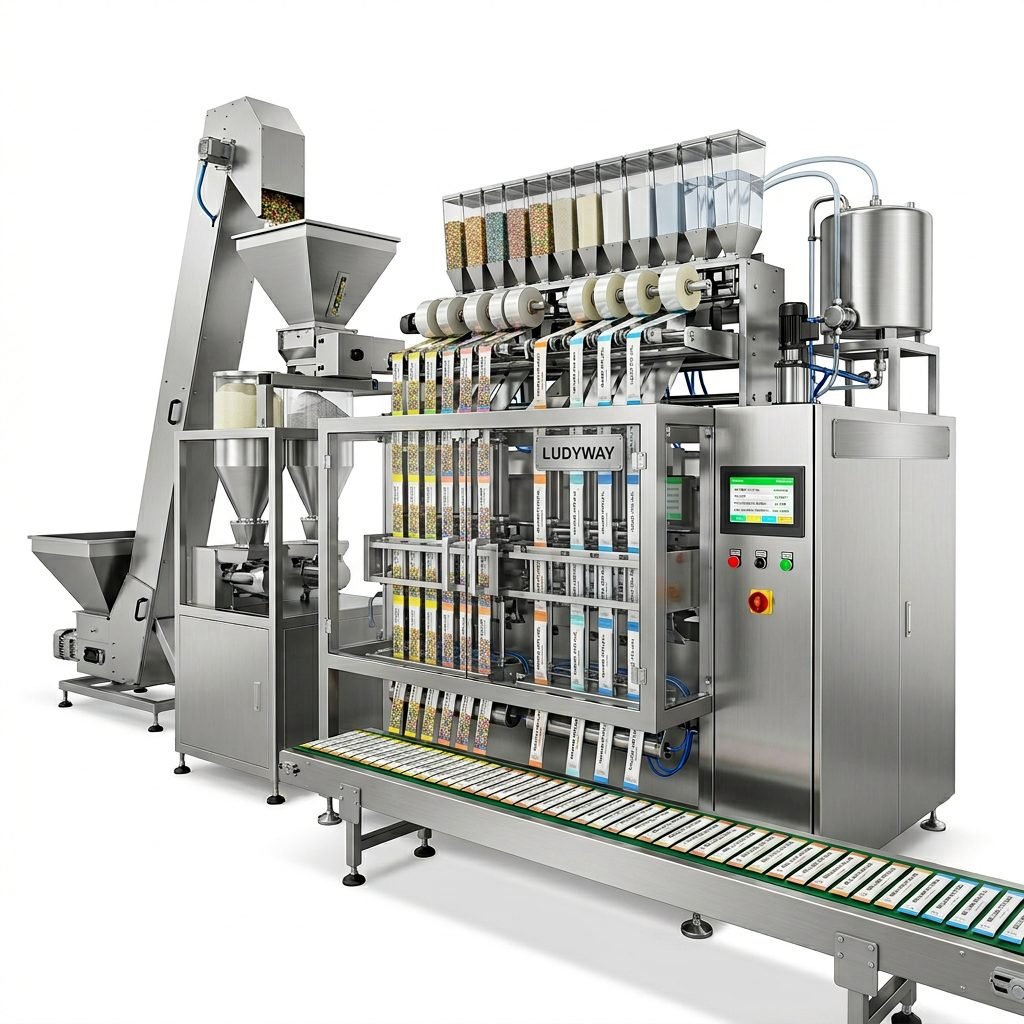
Beyond the daily wipe-down, deeper mechanical inspections keep a Solpac packaging machine humming. Use the following table as a quick reference for your floor operators.
| Frequency | Component | Action |
|---|---|---|
| Weekly | Sealing Jaws | Inspect for carbon buildup; clean with a soft wire brush if necessary. |
| Weekly | Chains & Belts | Check tension to avoid slippage that causes film misregistration. |
| Monthly | Gears & Bearings | Apply food-grade grease (but avoid over-greasing to prevent contamination). |
| Monthly | Cables & Connectors | Visually inspect for wear, kinking, or loose terminal connections. |
Critical Lubrication Points
Friction is the primary cause of premature failure in high-speed machinery. A Solpac packaging machine relies on synchronized mechanical movements, making lubrication a top priority.
- Rotary Unions: These require a specific grease grade. Never mix different grease types as this can cause thickener separation and bearing failure.
- Linear Guides: Apply oil sparingly to the tracks that guide the carriage movements.
- Gears: Check the gear trains for the film pull belts and ensure they are free of dried debris before re-lubricating.
For manufacturers looking to streamline these processes, experts like those at Ludyway often integrate centralized lubrication systems into modern high-speed rotary equipment, though manual checks remain essential even with automation.
Maintaining the Electrical Panels
Heat and dust are the silent killers of a packaging machine’s brain. The electrical enclosure of a Solpac machine must remain sealed and cool.
- Check the door gaskets every month to ensure the dust-tight seal is intact.
- Clean or replace fan filters on the panel cooling units.
- Check the tightness of screw terminals on contactors and drives, as thermal cycling can loosen them over time.
Troubleshooting Common Seal Issues
If you notice leakers or weak seals, do not simply increase the heat. This often makes the problem worse by melting the outer layer of the film while failing to fuse the inner layer. Systematically diagnose the root cause:
- Wrinkled Seals: Check film tracking and the forming collar alignment.
- Weak Vertical Seals: Inspect the Teflon coating on the vertical sealing bar for damage.
- Burned Seals: Reduce heat slightly and check if the machine is stopped for long periods with hot jaws closed.
Adhering to recognized validation standards, such as those found in the ISO 11607 for Packaging Validation, guarantees that your maintenance tweaks actually restore proper seal strength rather than masking a deeper issue.
Proper Changeover Procedures
Incorrect setup after a product changeover is another major cause of wear. When adjusting your Solpac packaging machine for a new bag size or material, pay close attention to the following:
- Calibrate the Load Cells: After any mechanical adjustment, a quick zero-cal check on the weighing system avoids costly giveaway.
- Jaw Alignment: Cross-sealing jaws must be perfectly parallel. Use a feeler gauge to verify even pressure across the length of the seal.
- Batch Coding: Verify that the printer’s ribbon tension and timing match the new film speed.
Keeping pace with evolving safety standards ensures your machine remains compliant. The Flexible Packaging Association’s knowledge hub is an excellent reference for staying updated on material and machinery safety interactions.
Documentation and Spare Parts Inventory
Finally, no maintenance plan is complete without paperwork. Create a logbook specifically for the Solpac machine to track noise changes, temperature fluctuations, and past repairs. Maintain a critical spares kit in stock to avoid waiting for shipments. Essential spares include:
| Part Category | Recommended On-Site Quantity | Purpose |
|---|---|---|
| Heater Cartridges | 1 Set (Vertical & Cross) | Immediate swap in case of burnout to resume production. |
| Thermocouples | 2-3 Units | To ensure accurate temperature reading and control loop stability. |
| Timing Belts | 1 Set per motor | To address sudden breaks caused by misalignment or fatigue. |
| Teflon Tape & Strips | Assorted rolls | Routine replacement of non-stick surfaces on sealing bars. |
By integrating these essential maintenance tips into your daily operations, you transform your Solpac packaging machine from a potential bottleneck into a reliable profit center. Remember, in packaging, smooth mechanics equal perfect seals.
Advanced Diagnostic and Automation Support
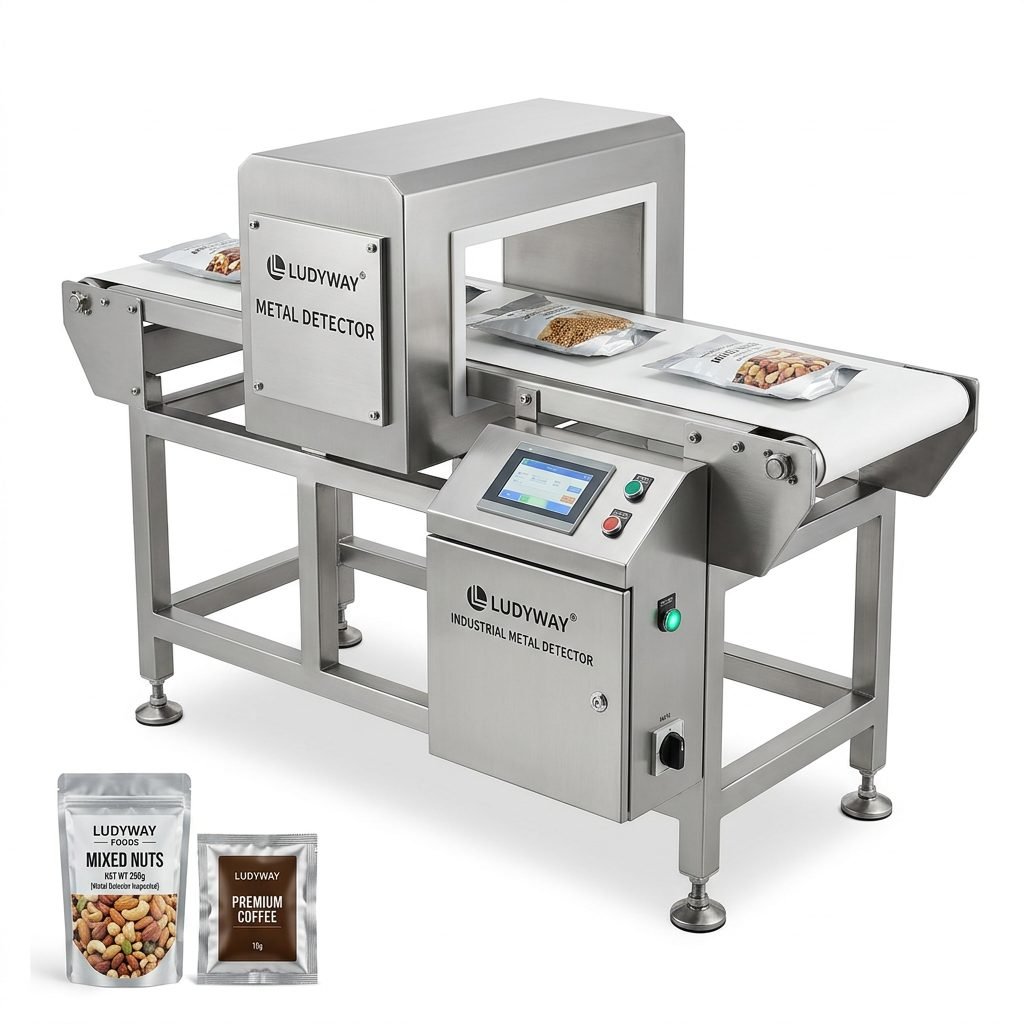
For operations running 24/7, even the best manual maintenance cannot replace the precision of automated diagnostics. Integrating industrial inspection tools directly into your production line helps catch issues before they escalate into full stoppages. A well-maintained Solpac machine paired with real-time monitoring equipment creates a robust defense against product rejection and downtime.
Partnering with an experienced equipment manufacturer ensures you have access to genuine parts and technical guidance tailored to your specific line configuration. With over 30 years of industry expertise and a global customer base, Ludyway provides the engineering support necessary to keep your packaging systems running at peak performance, offering fast technical response and an extensive spare parts network.
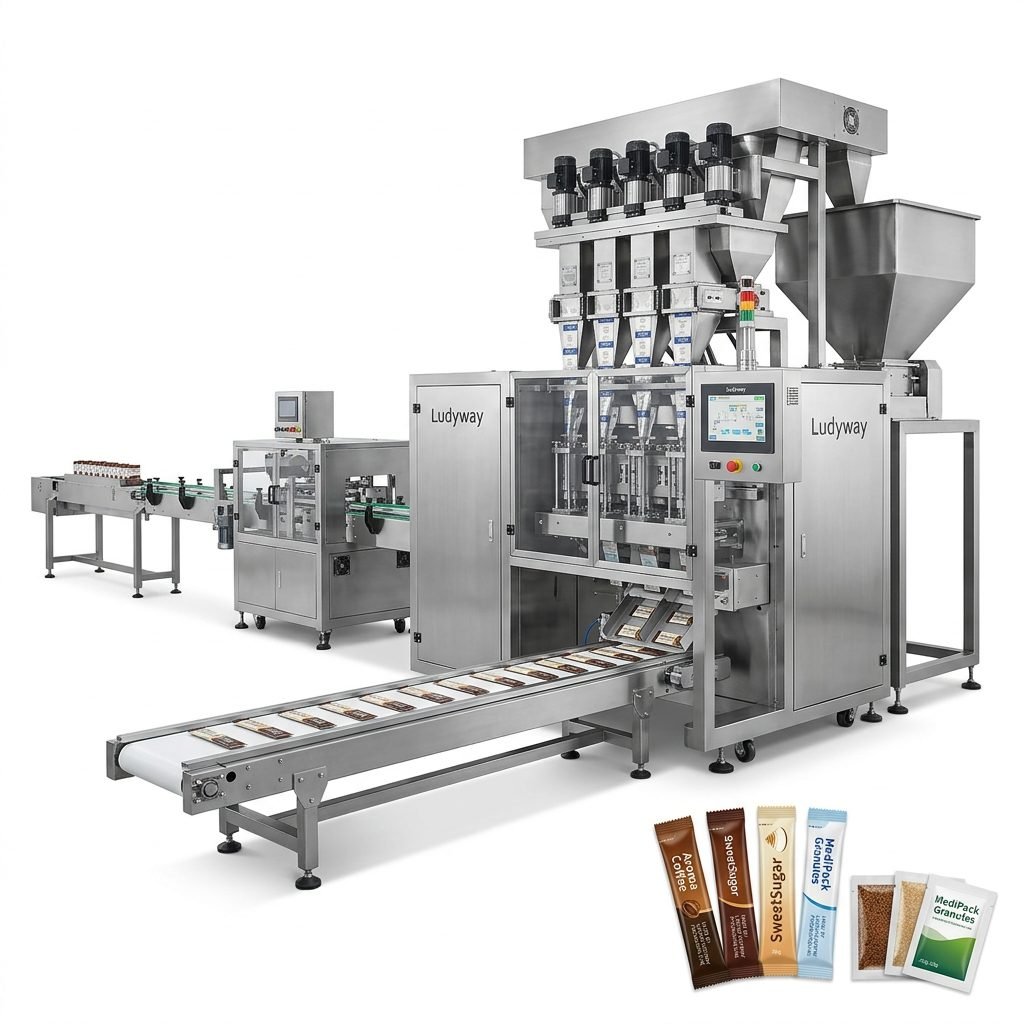
A disciplined maintenance culture, supported by proper documentation and access to manufacturer expertise, directly contributes to higher overall equipment effectiveness and a healthier bottom line.