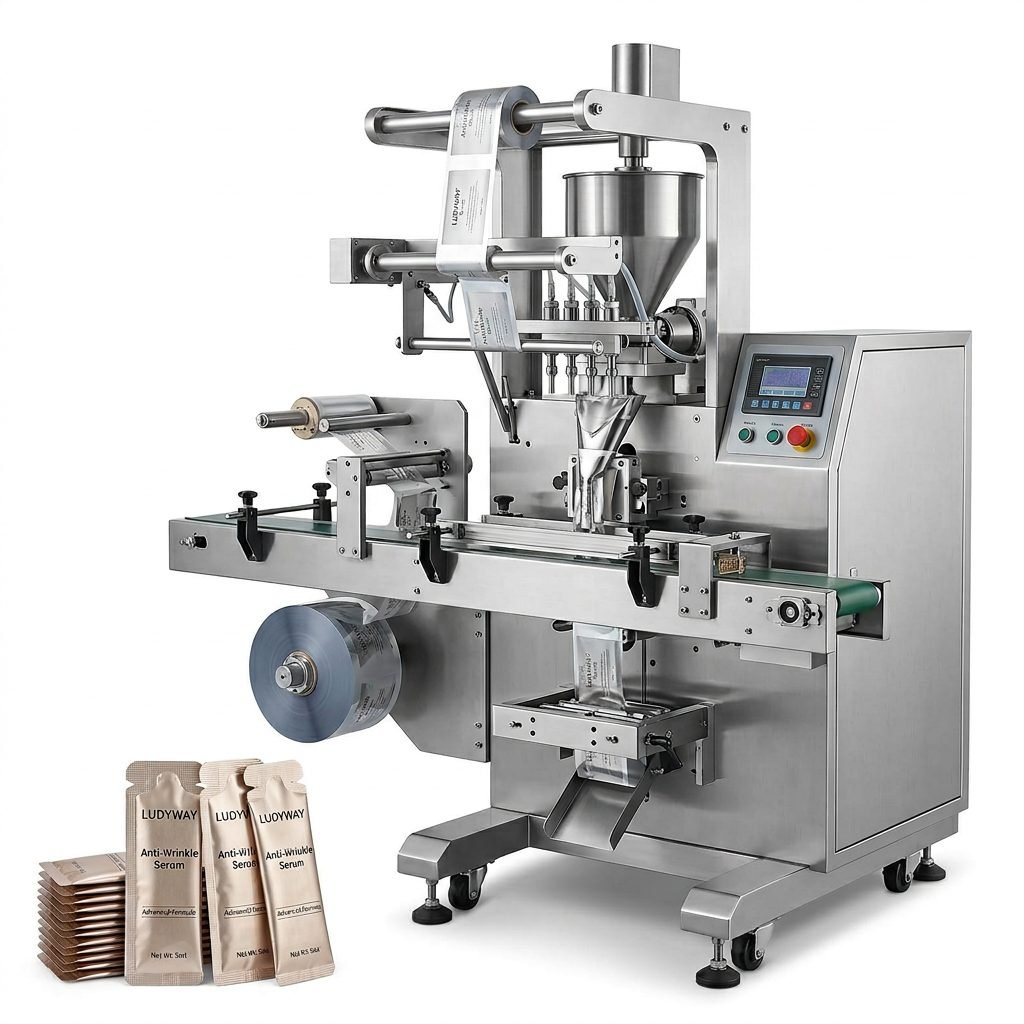
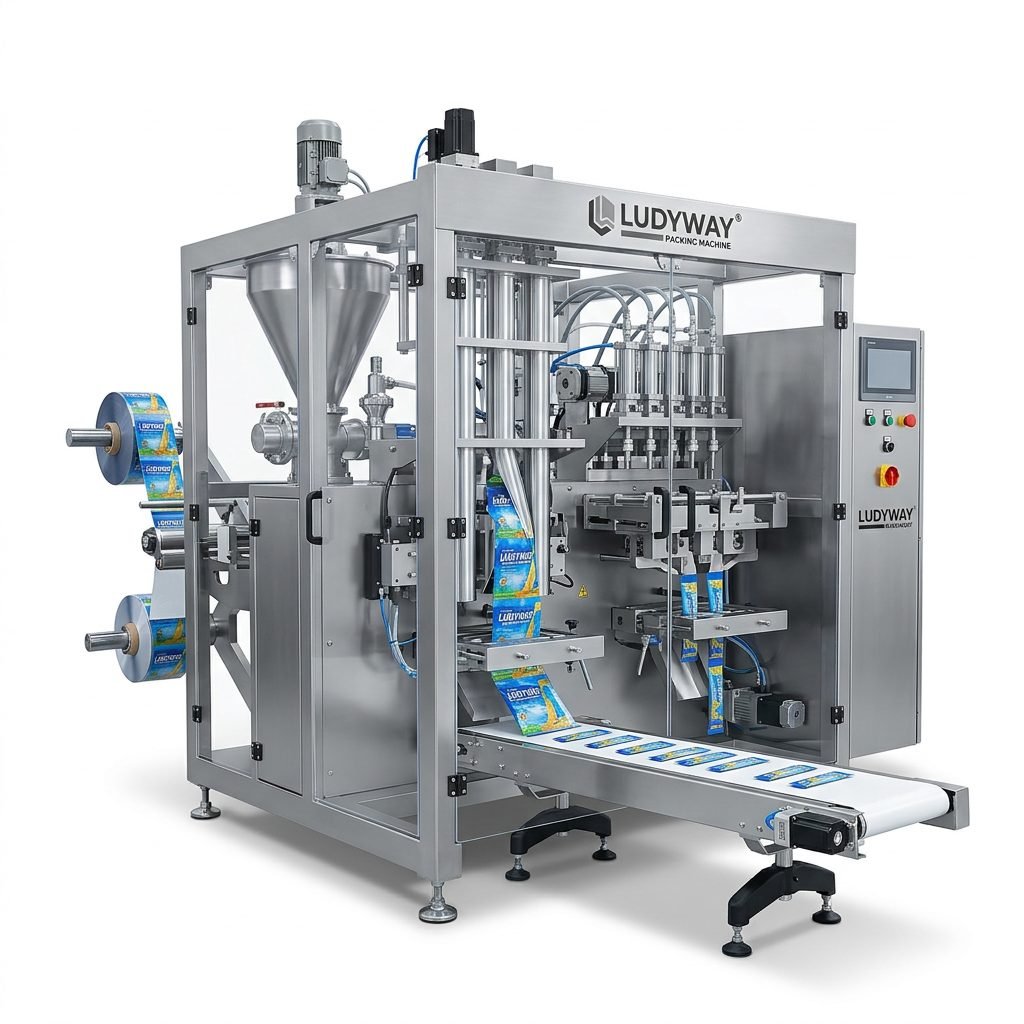
The global tea market continues to expand, driving increased demand for efficient, automated production solutions. For businesses looking to scale operations, one critical question arises: how much does an automatic tea bagging machine cost? The answer depends on a wide range of variables, from machine type and production capacity to customization and after-sales support. Understanding the cost structure of packaging machinery is essential for making a sound investment decision.
Entry-level semi-automatic machines can start as low as $5,000 to $15,000, while mid-range automatic tea bagging machines typically fall between $20,000 and $80,000. High-end, fully integrated multi-lane systems designed for large-scale production can easily exceed $150,000 to $500,000, depending on configuration and optional modules. These figures represent a significant capital outlay, which is why procurement teams must carefully evaluate every factor influencing the final price.
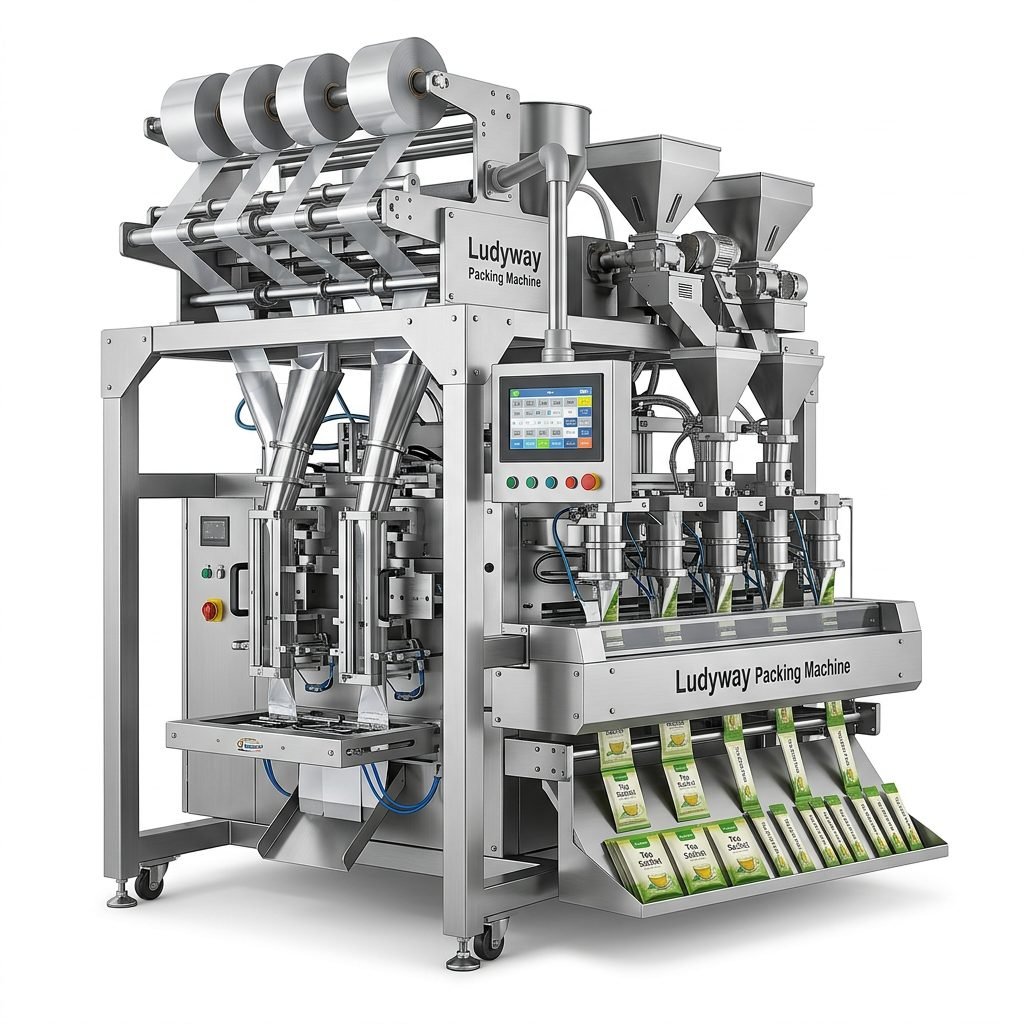
Key Factors That Influence Tea Bagging Machine Costs
No two packaging lines are identical, and the price of an automatic tea bagging machine is shaped by several interconnected factors. Below are the most critical elements that procurement managers should assess before requesting a quotation:
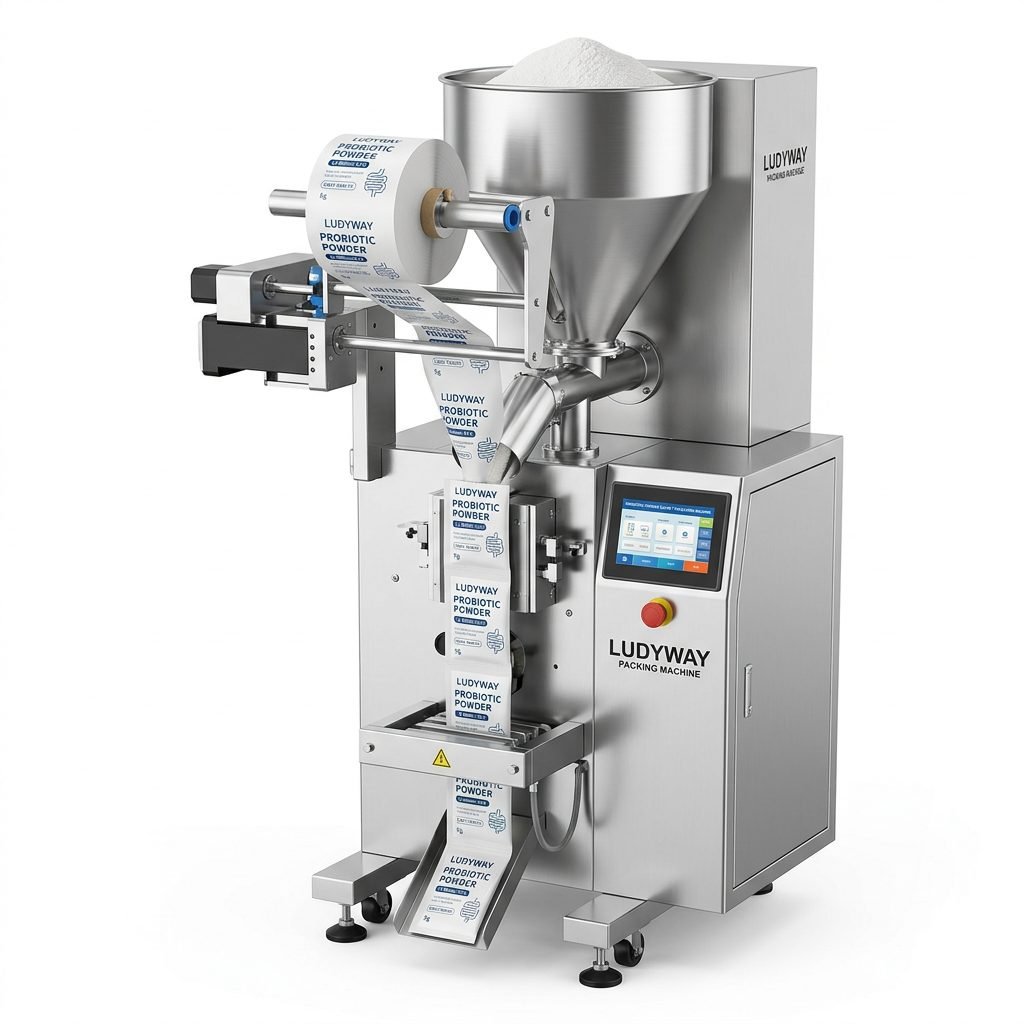
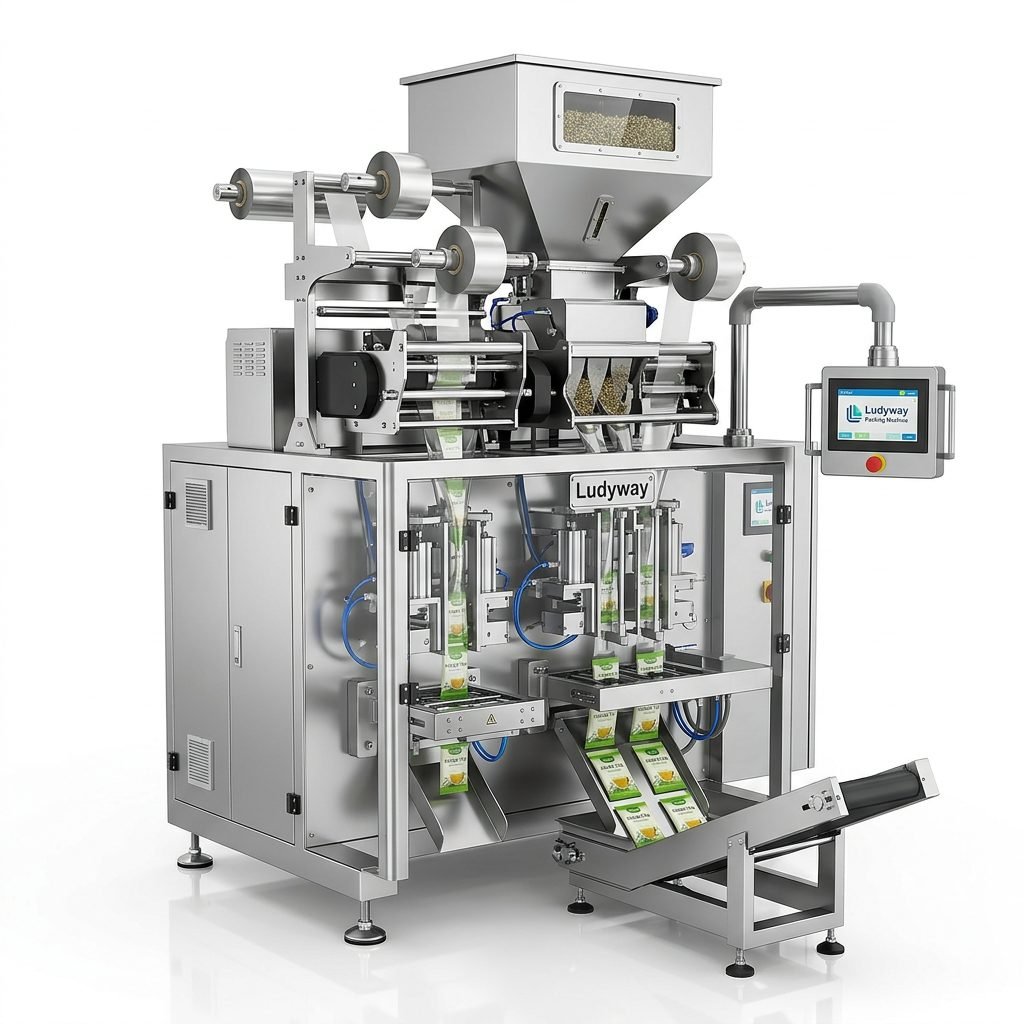
- Level of Automation: Semi-automatic machines require manual intervention for feeding or sealing, reducing upfront cost but increasing labor dependency. Fully automatic systems integrate feeding, filling, sealing, and cutting with minimal human involvement, commanding higher prices.
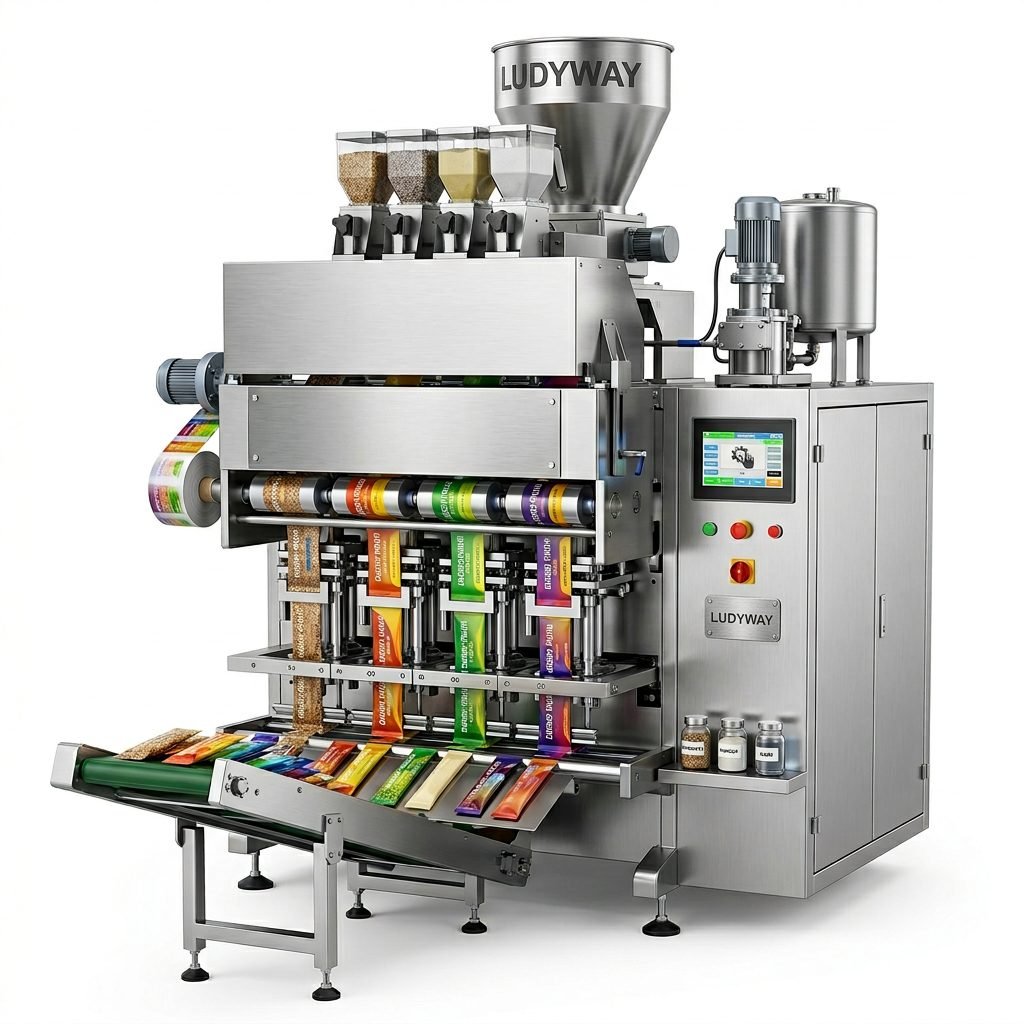
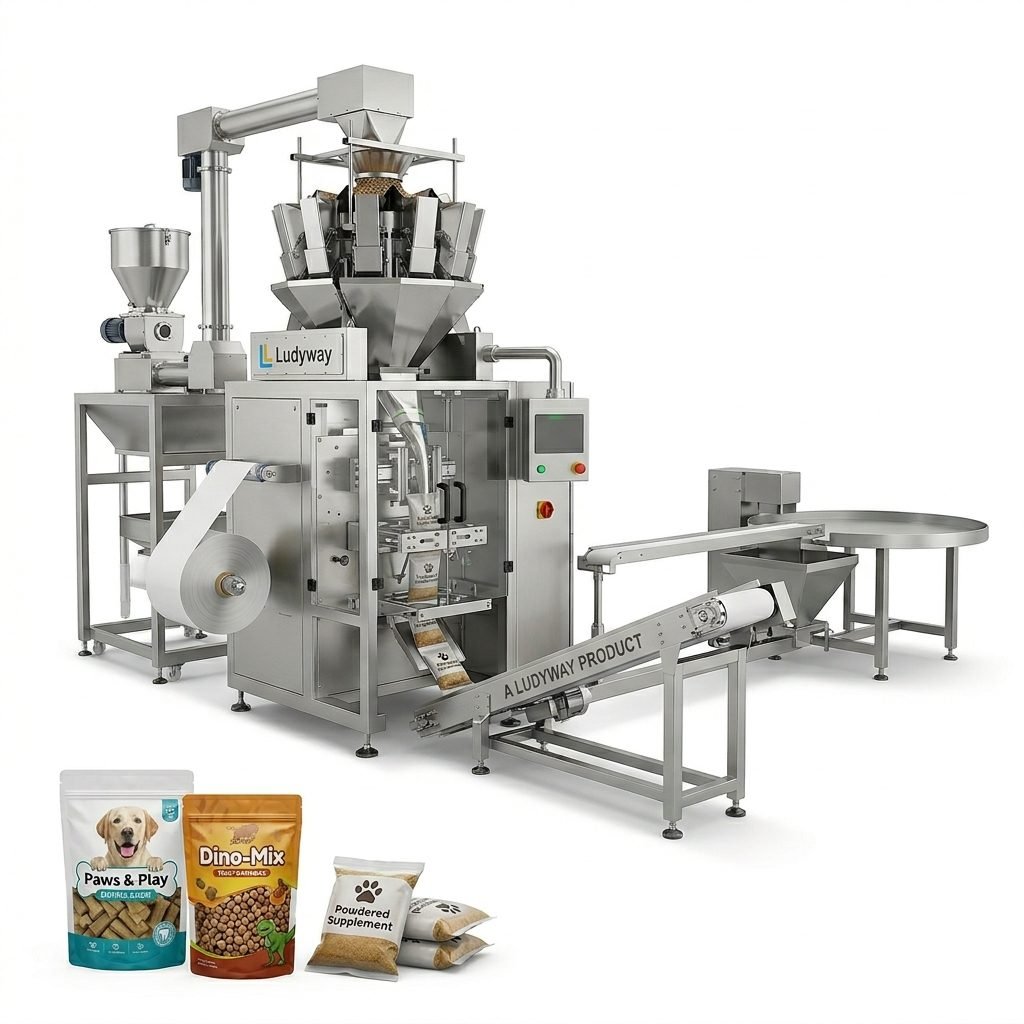
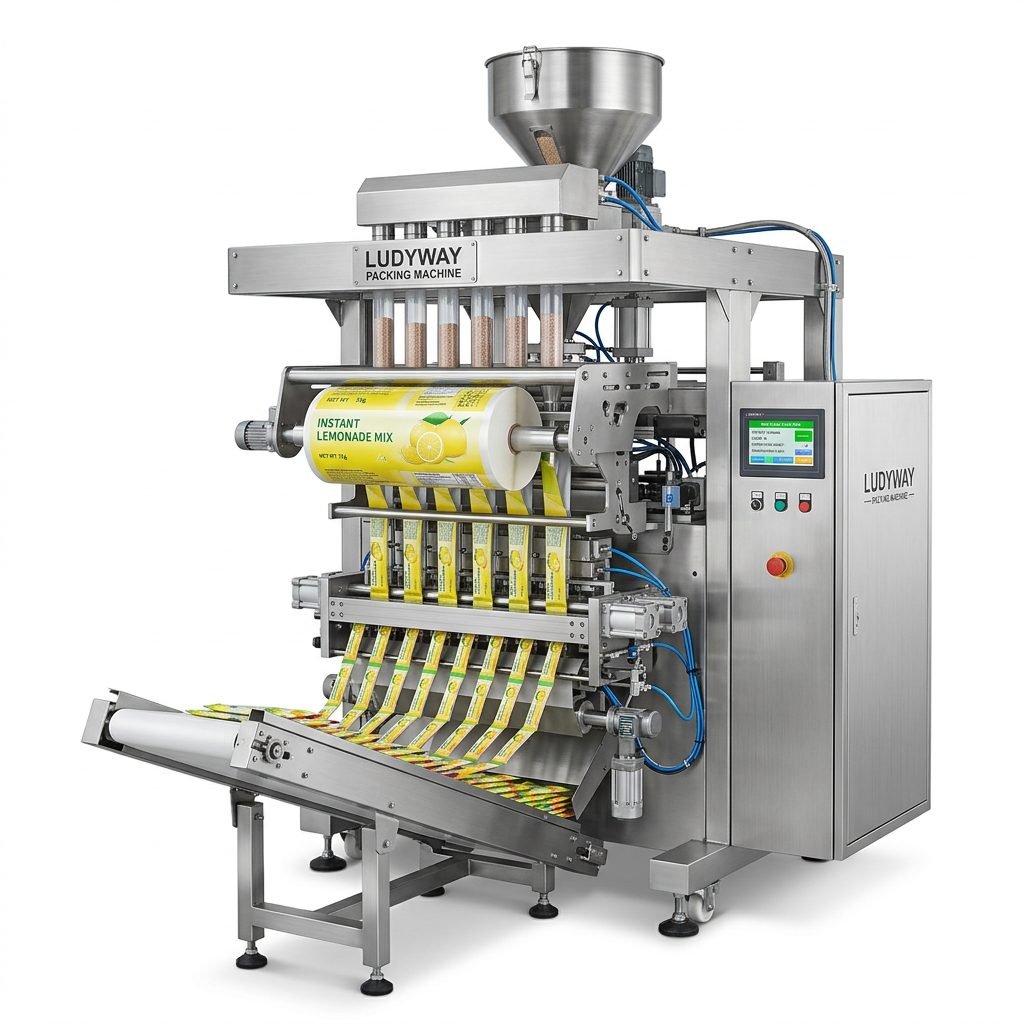
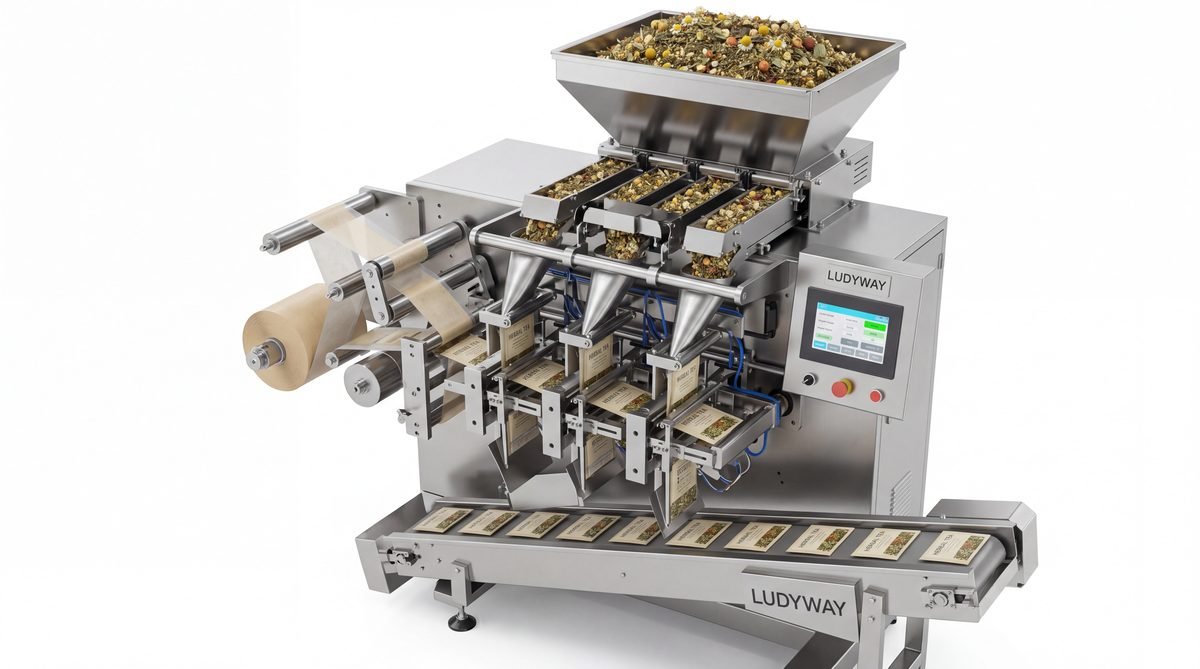
- Production Speed and Lane Configuration: Single-lane machines suit startups and low-volume production. Multi-lane configurations (4-lane, 6-lane, 8-lane, or more) dramatically boost output but significantly raise equipment cost.
- Packaging Material and Pouch Format: Machines handling heat-sealable filter paper, non-woven fabric, or pyramid-shaped tea bags require different sealing mechanisms and tooling, affecting both base price and ongoing maintenance expenses.
- Filling Technology: Volumetric cup fillers are economical for granular tea blends. Auger fillers for fine powders and multi-head weighers for precise portioning add complexity and cost.
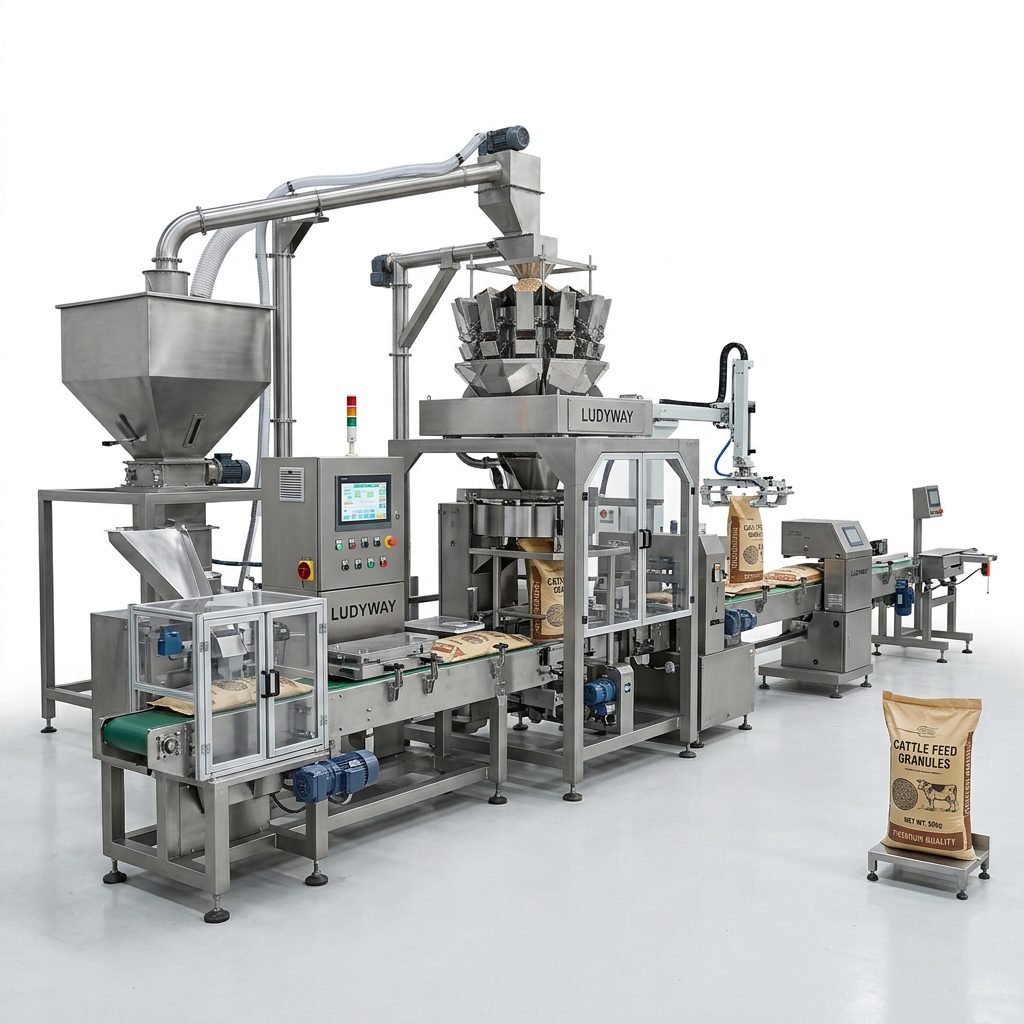
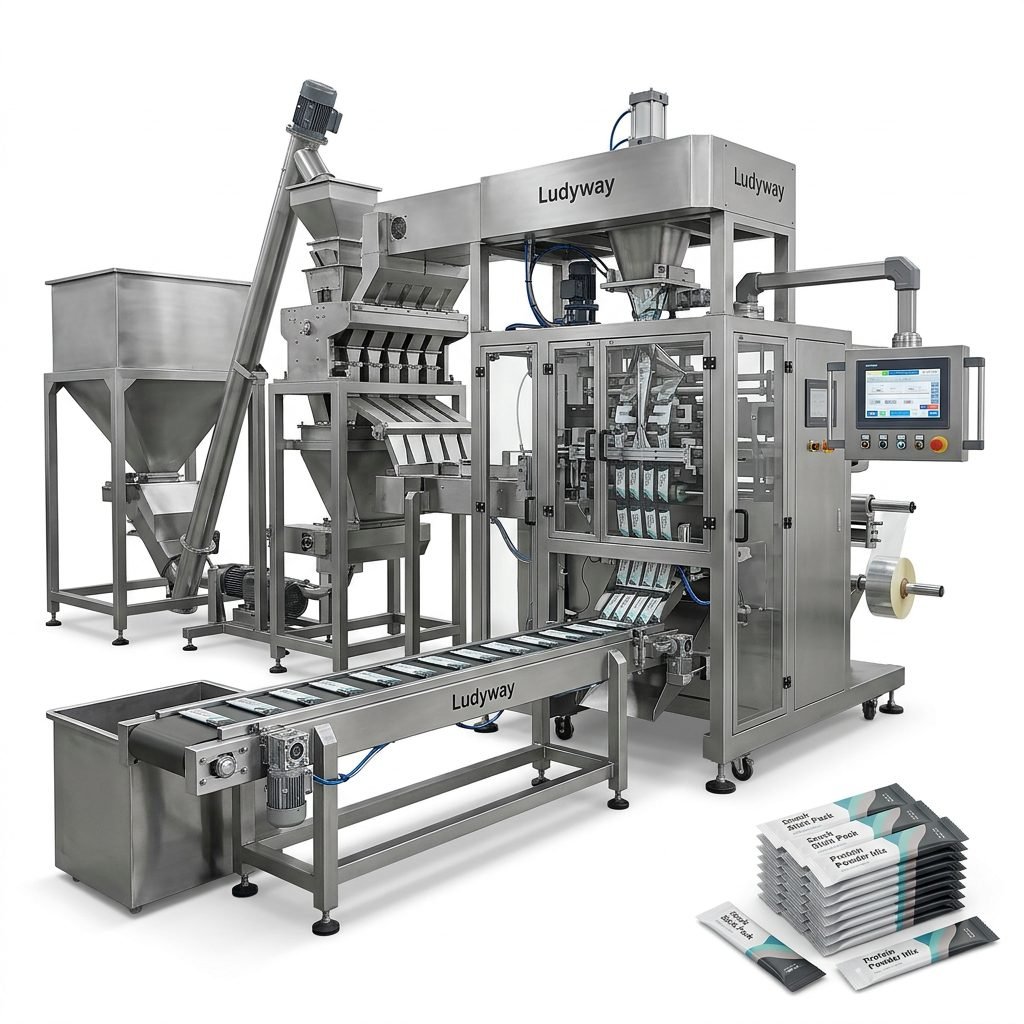
- Integration with Ancillary Equipment: Automatic tea bagging machines often connect to cartoning machines, case packers, checkweighers, and palletizers. Each additional module increases the total line investment.
- Compliance and Certifications: Food-grade stainless steel construction, CE marking, UL certification, or FDA-compliant designs all contribute to higher manufacturing standards and correspondingly higher prices.
- After-Sales Service and Warranty: Comprehensive warranties, on-site installation, staff training, and long-term technical support may be bundled into the purchase price or offered as separate service agreements.
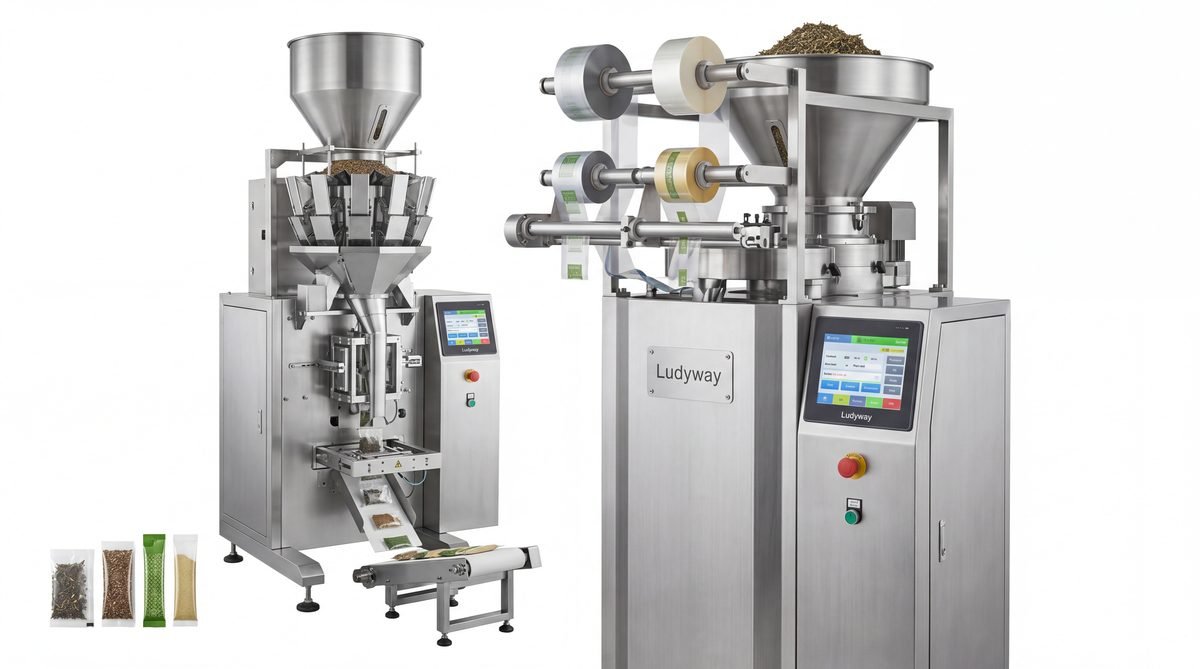
Price Breakdown by Machine Category
The table below summarizes typical automatic tea bagging machine costs across different categories, based on current market data and industry research available through organizations like PMMI’s business intelligence reports:
| Machine Category | Typical Speed Range | Estimated Price Range (USD) | Best Suited For |
|---|---|---|---|
| Semi-Automatic Single-Lane | 30–60 bags/min | $5,000 – $15,000 | Startups, small-scale production |
| Automatic Single-Lane | 60–120 bags/min | $20,000 – $50,000 | Small to medium enterprises |
| Multi-Lane Automatic (4–6 lanes) | 200–400 bags/min | $60,000 – $150,000 | Mid-to-large manufacturers |
| High-Speed Multi-Lane (8+ lanes) | 400–800+ bags/min | $150,000 – $350,000 | High-volume industrial production |
| Fully Integrated Turnkey Line | Custom configuration | $250,000 – $500,000+ | Large-scale enterprises, complete automation |
Additional Costs Beyond the Machine Price
Procurement managers should budget for more than just the base equipment cost. The total cost of ownership for an automatic tea bagging machine includes several ancillary expenses that can add 15% to 30% to the initial investment:
- Shipping and Logistics: International freight, customs duties, and insurance can be substantial for heavy industrial equipment.
- Installation and Commissioning: On-site setup by certified technicians ensures optimal performance and may be included or quoted separately.
- Operator Training: Comprehensive training programs reduce downtime and improve productivity from day one.
- Spare Parts Inventory: Maintaining a stock of critical wear parts minimizes production interruptions.
- Facility Upgrades: Electrical infrastructure, compressed air systems, and floor space modifications may be required.

Regional Price Variations and Global Sourcing
The origin of manufacture significantly impacts automatic tea bagging machine costs. European-made equipment, particularly from Germany and Italy, commands premium pricing due to precision engineering and brand reputation. Chinese manufacturers have emerged as formidable competitors, offering comparable quality at 30% to 50% lower prices. According to data from the Flexible Packaging Association, the shift toward Asian manufacturing hubs has accelerated, with many global brands now sourcing packaging machinery from China to optimize capital expenditure.
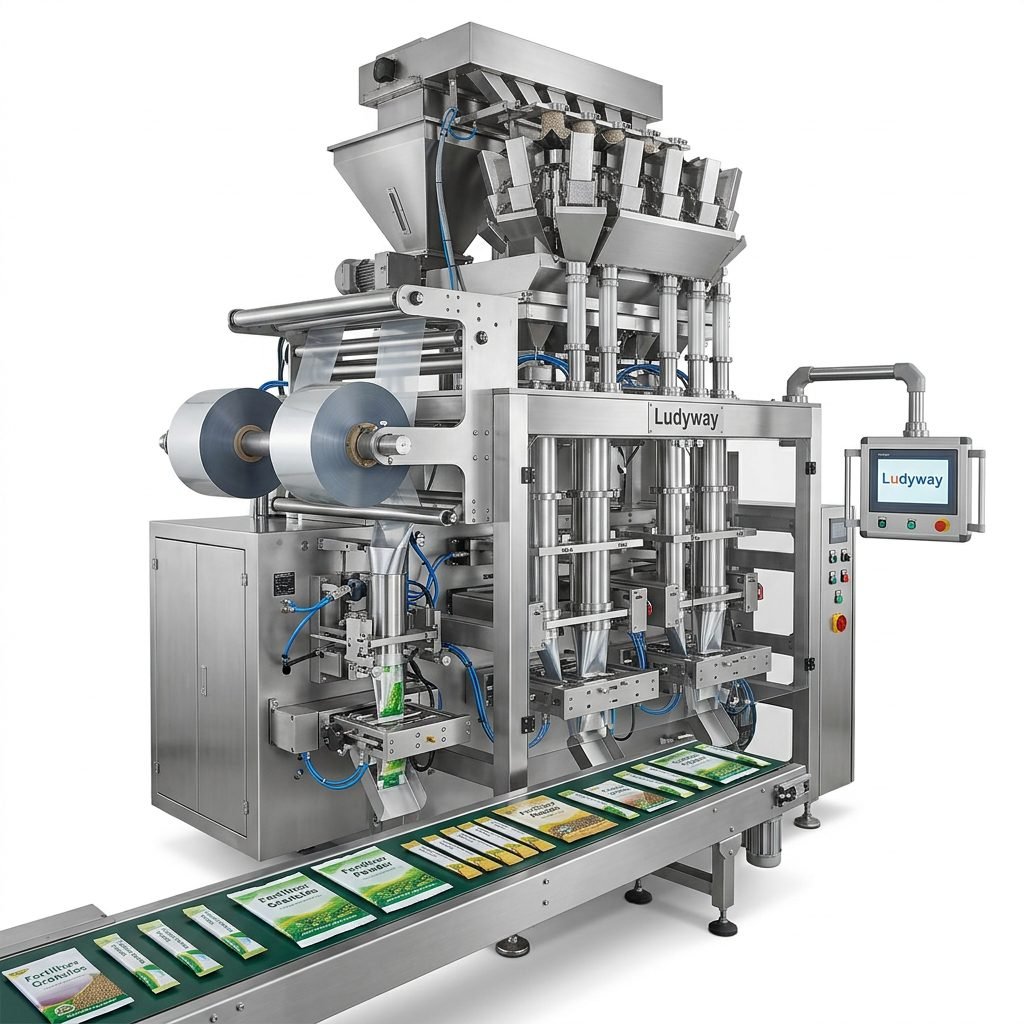
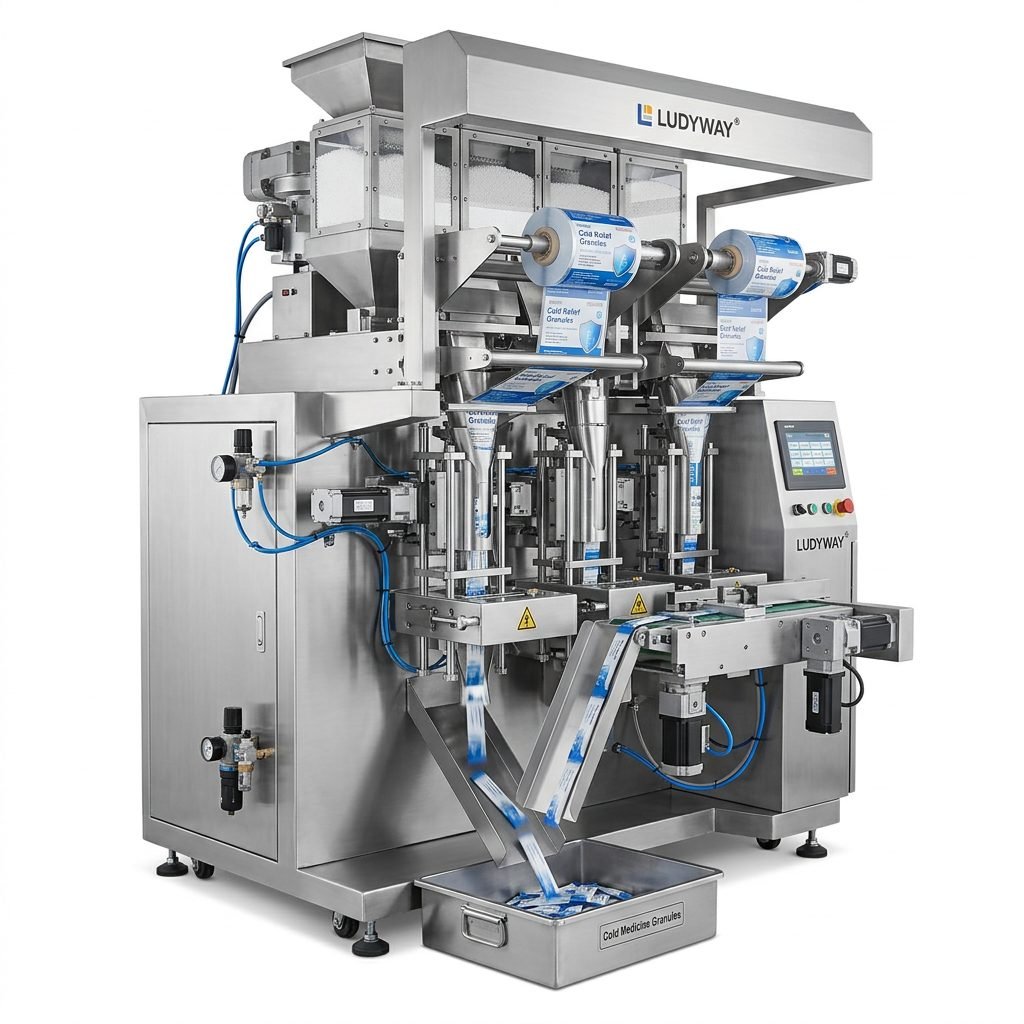
Leading packaging machine manufacturers like Ludyway combine decades of engineering expertise with modern production facilities to deliver cost-effective automatic tea bagging solutions that meet international quality standards. When evaluating suppliers, procurement teams should consider not just the initial purchase price but the manufacturer’s track record, ISO certification status, and ability to provide ongoing technical support in the buyer’s region.
Return on Investment Considerations
When analyzing how much an automatic tea bagging machine costs, decision-makers must weigh the investment against projected returns. A $100,000 machine producing 300 bags per minute operating two shifts daily can generate substantial revenue, often achieving payback within 12 to 24 months for established tea brands. Key ROI drivers include:
- Labor Cost Reduction: Automated systems can replace 3 to 6 manual workers per shift, generating significant annual savings.
- Increased Throughput: Multi-lane machines multiply output without proportionally increasing floor space or utility consumption.
- Consistent Quality: Precise filling and sealing reduce product waste and customer complaints.
- Market Responsiveness: Flexible changeover capabilities allow rapid switching between different tea blends and bag formats.
Industry resources such as PMMI’s State of the Industry reports provide valuable benchmarking data for evaluating capital equipment investments in the packaging sector. Additionally, understanding FDA packaging regulations ensures that selected equipment meets food safety compliance requirements from day one.
Tips for Getting Accurate Price Quotations
To obtain reliable automatic tea bagging machine cost estimates, procurement teams should prepare detailed specifications before reaching out to suppliers. The following checklist helps streamline the quotation process:
- Specify the exact tea product characteristics — granule size, powder consistency, blend density, and moisture content all affect machine configuration.
- Define the target output speed in bags per minute and daily production volume requirements.
- Describe the desired bag format — single-chamber, double-chamber, pyramid, or round tea bags with or without strings and tags.
- Clarify packaging material specifications including film type, thickness, and any special barrier requirements.
- Request detailed line layout drawings and utility requirements to assess facility compatibility.
- Ask for references from similar applications to verify real-world performance claims.
- Confirm warranty terms, spare parts availability, and technical support response times in your region.
Final Thoughts on Tea Bagging Machine Investment
The cost of an automatic tea bagging machine represents a strategic investment that directly impacts production capacity, product quality, and long-term competitiveness. While entry-level options exist for startups with limited budgets, mid-range and high-end systems deliver the throughput, reliability, and flexibility required to scale operations sustainably. By thoroughly evaluating machine specifications, supplier credentials, and total cost of ownership, tea producers can make informed purchasing decisions that support growth for years to come. For deeper insights into packaging machinery trends, the PACK EXPO International events offer excellent opportunities to compare equipment and connect with leading manufacturers worldwide.