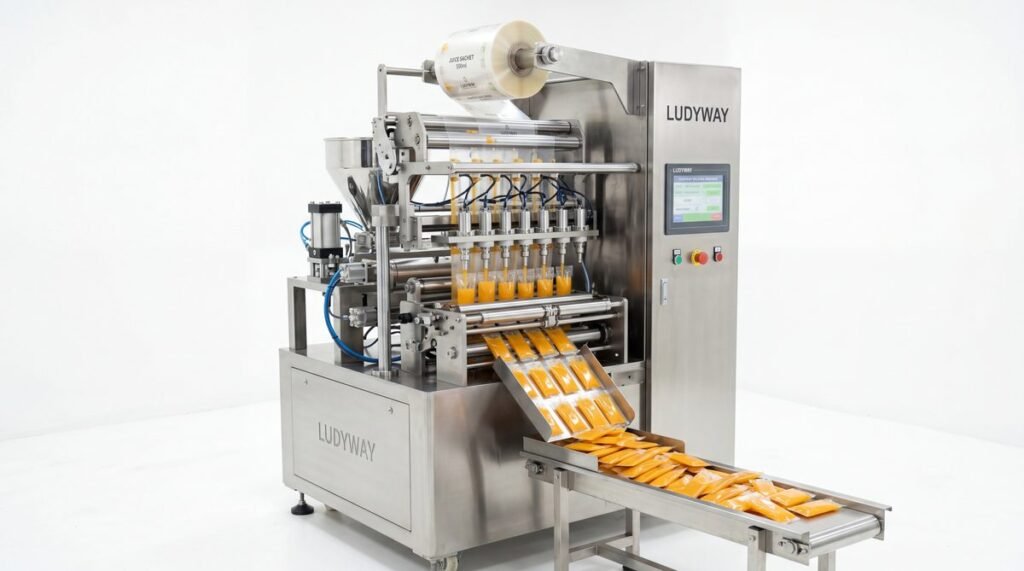
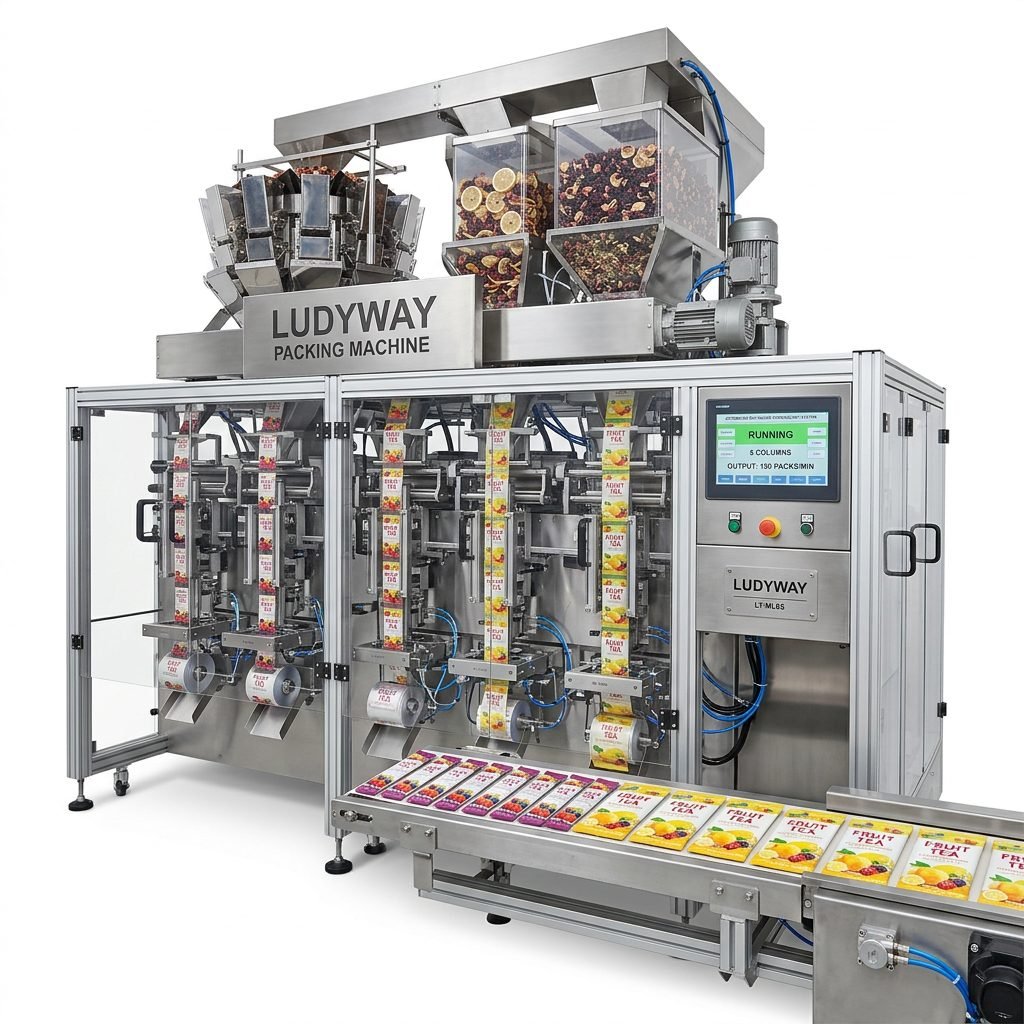
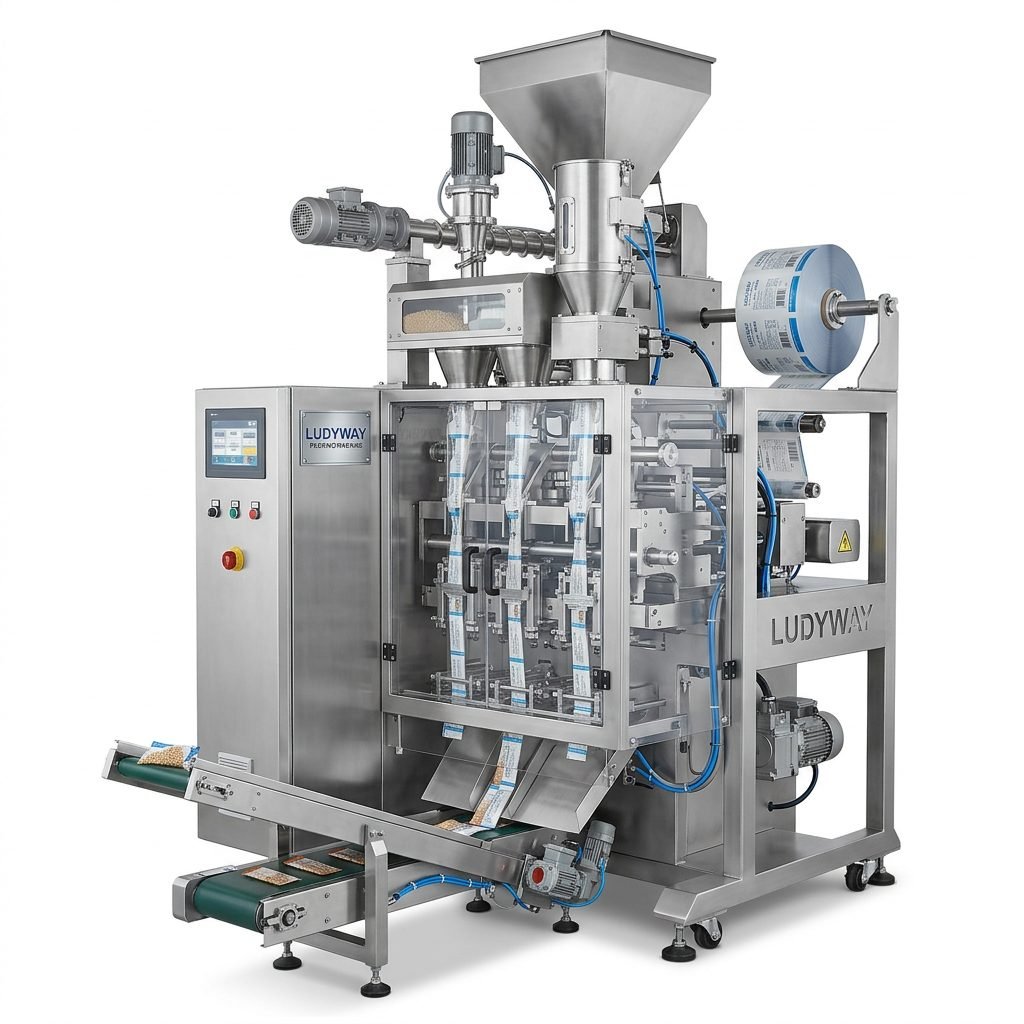
Maintaining a Tetra Pak packaging machine is not just about fixing breakdowns—it’s about implementing a proactive strategy that maximizes uptime, ensures product safety, and extends the service life of your equipment. A well-structured maintenance routine reduces unplanned downtime, preserves sterile integrity, and optimizes production line efficiency. This guide covers the essential maintenance tips and best practices to keep your filling line running at peak performance.
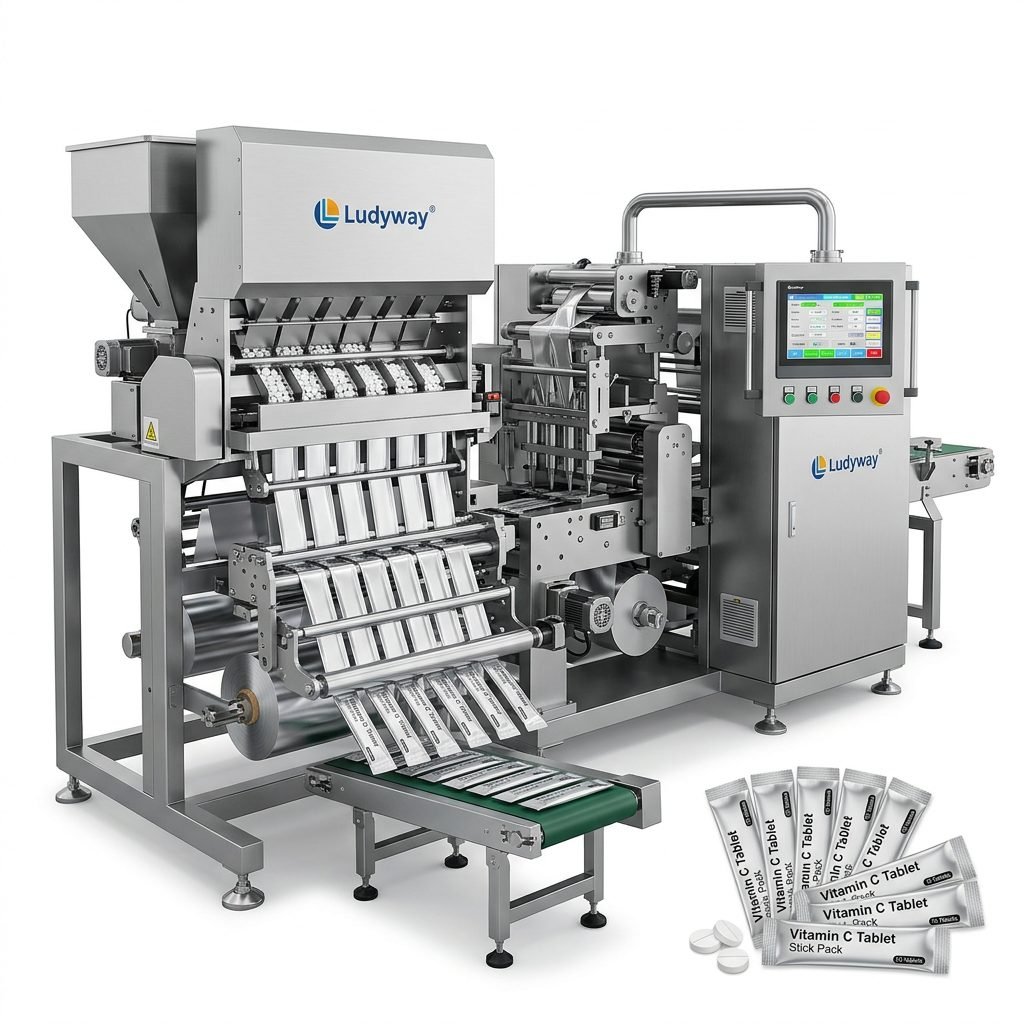
Why Routine Maintenance is Critical for Aseptic Packaging Lines
In high-speed liquid filling environments, every second counts. Neglecting regular service intervals can lead to contamination risks, sealing defects, and costly line stoppages. A preventive approach safeguards against these issues while maintaining compliance with international food safety standards. Understanding the core modules—sterilization zones, filling stations, and sealing units—is the first step toward building an effective maintenance plan.
Daily Cleaning and Inspection Protocols
Daily upkeep forms the foundation of Tetra Pak machine reliability. Operators should follow a standardized checklist before and after each production run:
- Visual inspection of the filling chamber: Check for residual product buildup or foreign debris that could compromise sterility.
- Peroxide concentration verification: Maintain the correct hydrogen peroxide bath level and concentration for effective sterilization of packaging material.
- Sealing jaw condition: Examine jaws for wear, residue accumulation, or misalignment that may cause leaky packages.
- Conveyor belt and guide rail cleaning: Remove any sticky residues to prevent carton jams and ensure smooth material transport.
Weekly Mechanical and Electrical Checks
Dedicate time each week to deeper inspections of mechanical and electrical subsystems. This is where many latent issues are caught before they escalate into serious failures.
| Component | Inspection Focus | Action Required |
|---|---|---|
| Drive belts & chains | Tension, wear, alignment | Adjust or replace as needed |
| Pneumatic systems | Air pressure, moisture traps | Drain filters, check for leaks |
| Sensors & photocells | Cleanliness, signal consistency | Wipe clean, recalibrate if necessary |
| Heating elements | Resistance values, connection integrity | Test with multimeter, tighten terminals |
Monthly Lubrication and Wear Part Replacement
Proper lubrication is the lifeblood of any high-speed packaging machinery. Over-lubricating can be just as damaging as under-lubricating, attracting dust and contaminating sterile zones. Follow the manufacturer’s lubrication chart precisely, using only food-grade lubricants in areas near product contact. Simultaneously, inspect wear parts according to the recommended replacement cycle:
- Rubber rollers and forming flaps
- Hot air nozzles and heater cartridges
- Gaskets and O-rings in sterile chambers
- Filling valve diaphragms
Sterile Zone Integrity Verification
The sterile zone is the heart of any aseptic packaging system. Maintaining its integrity is absolutely non-negotiable. Perform regular sterile air filter integrity tests. Check for cracks in sterile chamber seals. Monitor positive pressure stability during operation. Any fluctuation indicates a potential breach that must be investigated immediately before resuming production.
For broader insights into packaging machinery standards, you can refer to resources provided by PMMI – Packaging Industry Resources which offers comprehensive business intelligence and technical documentation.
Quarterly Calibration and Performance Audits
Every three months, conduct a thorough calibration of all critical measurement systems. Filling accuracy directly impacts product quality and profitability. Calibrate load cells, flow meters, and temperature controllers against certified standards. Perform a complete machine cycle audit to verify that all mechanical movements synchronize correctly at maximum rated speed.
Key Calibration Points Include:
- Peroxide dosing pump accuracy
- Strip dancer tension control feedback
- Date coding print registration
- Package forming mandrel positioning
Annual Overhaul and Component Refurbishment
A comprehensive annual shutdown allows for major component refurbishment. This includes gearbox oil analysis and replacement, servo motor encoder verification, and complete rebuild of the filling valve assembly. Planning this in advance minimizes production disruption and allows for packaging machine manufacturers like Ludyway to provide technical support or spare parts logistics assistance if your equipment shares similar platform characteristics.

Operator Training and Standard Operating Procedures
The most advanced maintenance plan fails without properly trained personnel. Operators must understand not only what to do, but why it matters. Develop clear, visual SOPs covering emergency stop procedures, CIP (Clean-in-Place) initiation, and basic trouble code interpretation. Encourage a culture where unusual noises or vibrations are reported immediately, not ignored. This human element bridges the gap between scheduled maintenance and real-time operational awareness.
Common Troubleshooting Scenarios
Even with rigorous maintenance, issues may arise. Here are common problems and their likely causes:
| Symptom | Possible Root Cause | Remedial Action |
|---|---|---|
| Inconsistent seal integrity | Worn heating elements, contaminated jaw surface | Clean jaws thoroughly, check temperature setpoint |
| Erratic fill volumes | Air in product line, faulty metering pump | Prime system, inspect pump seals |
| Packaging material jams | Misaligned rollers, static buildup | Realign web path, check static elimination bars |
| Sterile zone pressure drops | Clogged HEPA filter, door seal leak | Replace filter, inspect door gasket seating |
Additional guidance on sterile packaging validation requirements can be found through ISO 11607 Packaging Standards, which provides internationally recognized frameworks for terminally sterilized medical devices and aseptic processes that also inform best practices in food packaging environments.
Digital Maintenance Records and Predictive Analytics
Moving from reactive to predictive maintenance requires data. Implement a digital CMMS (Computerized Maintenance Management System) to log every inspection, replacement, and calibration event. Modern Tetra Pak equipment often includes telemetry capabilities that monitor vibration, temperature, and cycle times. Leverage this data to predict bearing failures or solenoid wear before they halt production. The Flexible Packaging Association Knowledge Hub provides valuable industry data that can help benchmark your maintenance KPIs against sector averages.
Spare Parts Inventory Management
A well-stocked critical spares inventory prevents extended downtime waiting for expedited shipments. Identify lead-time-sensitive components and maintain minimum stock levels. Establish relationships with reliable suppliers for both OEM and equivalent aftermarket parts where acceptable. Regularly audit inventory to prevent obsolescence and ensure parts are stored in appropriate environmental conditions—humidity and dust can degrade seals and electronic components even while in storage.
Conclusion: Building a Sustainable Maintenance Culture
Effective Tetra Pak packaging machine maintenance is a continuous improvement process, not a periodic task. It requires commitment at every organizational level—from the operators who perform daily checks to the management team that allocates resources for overhauls. By following these best practices and staying informed through industry bodies like European Commission Packaging Regulations, your operation can achieve world-class equipment effectiveness while consistently delivering safe, high-quality packaged products to consumers.
Remember: The cost of prevention is always measured in routine expenses; the cost of failure is measured in lost production, reputation damage, and potentially public health consequences. Invest wisely in your maintenance program.