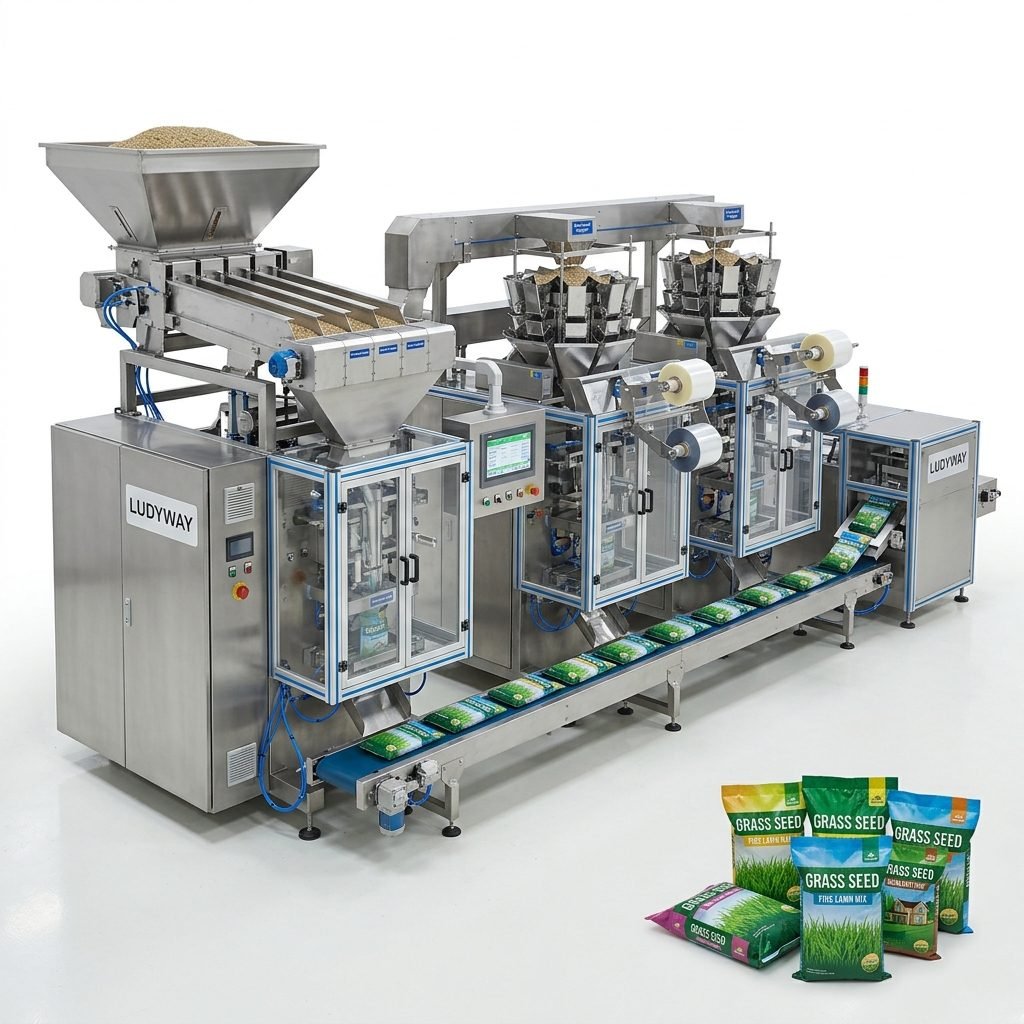
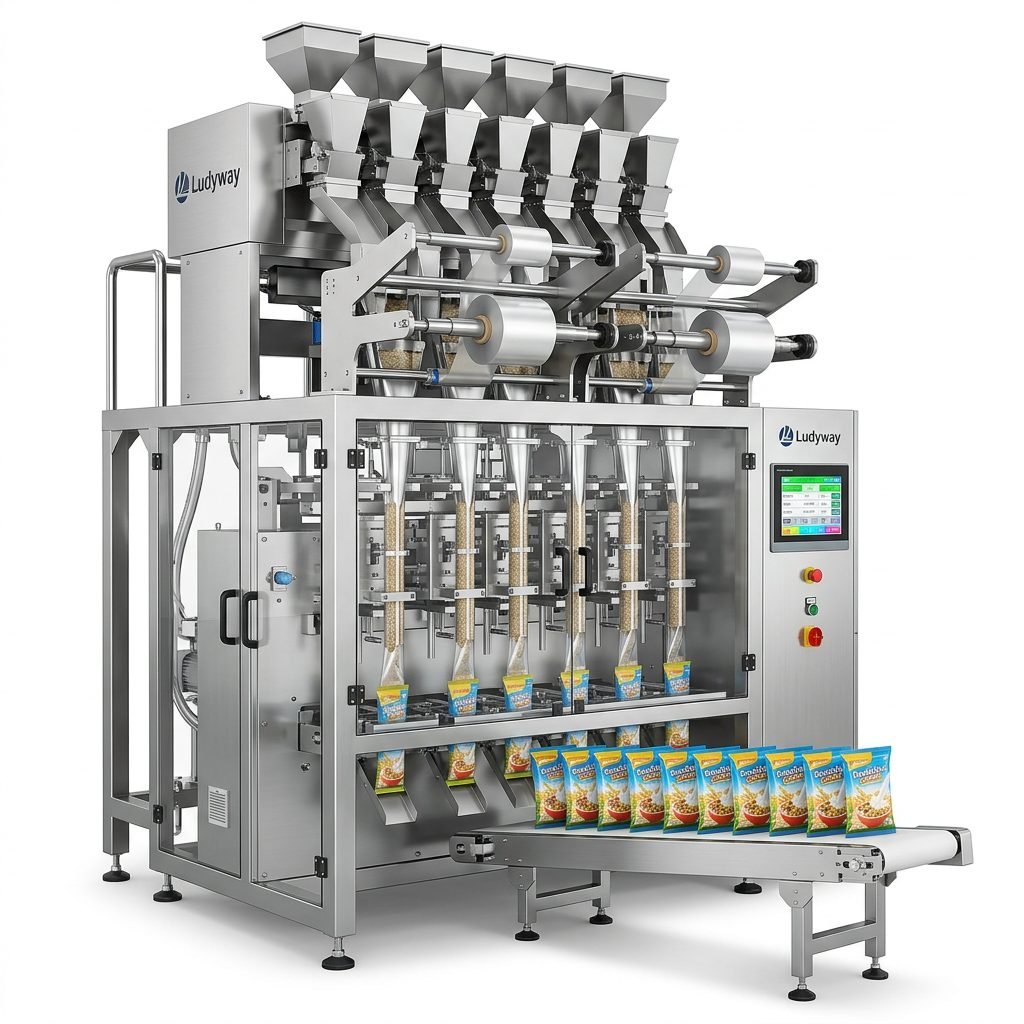
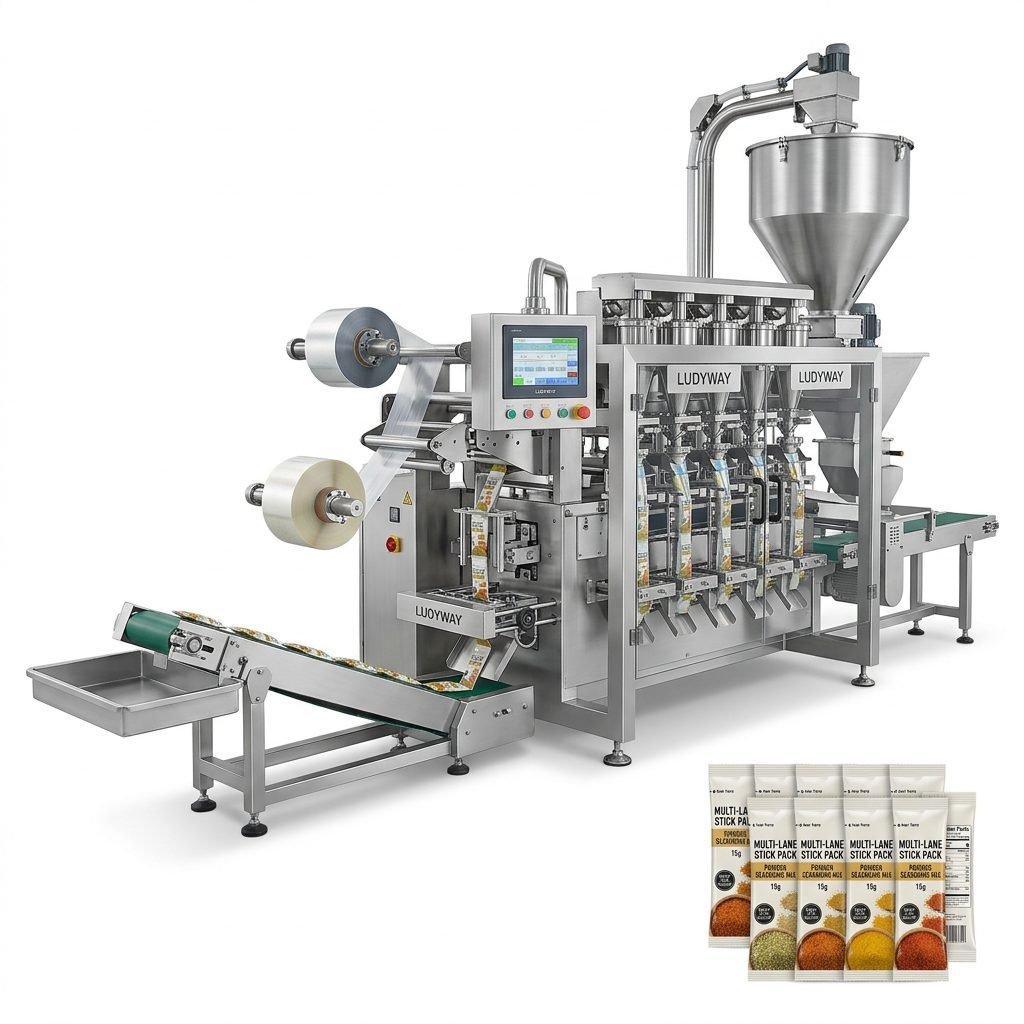
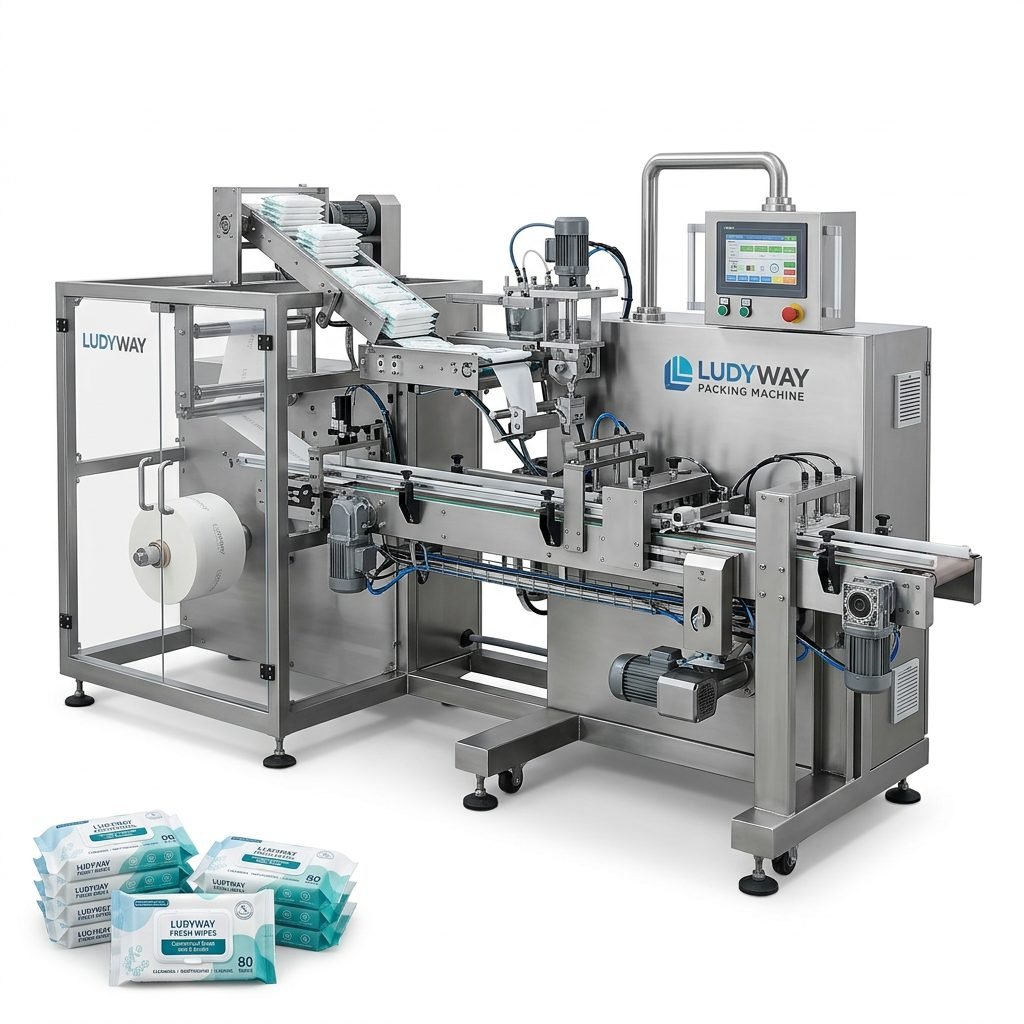
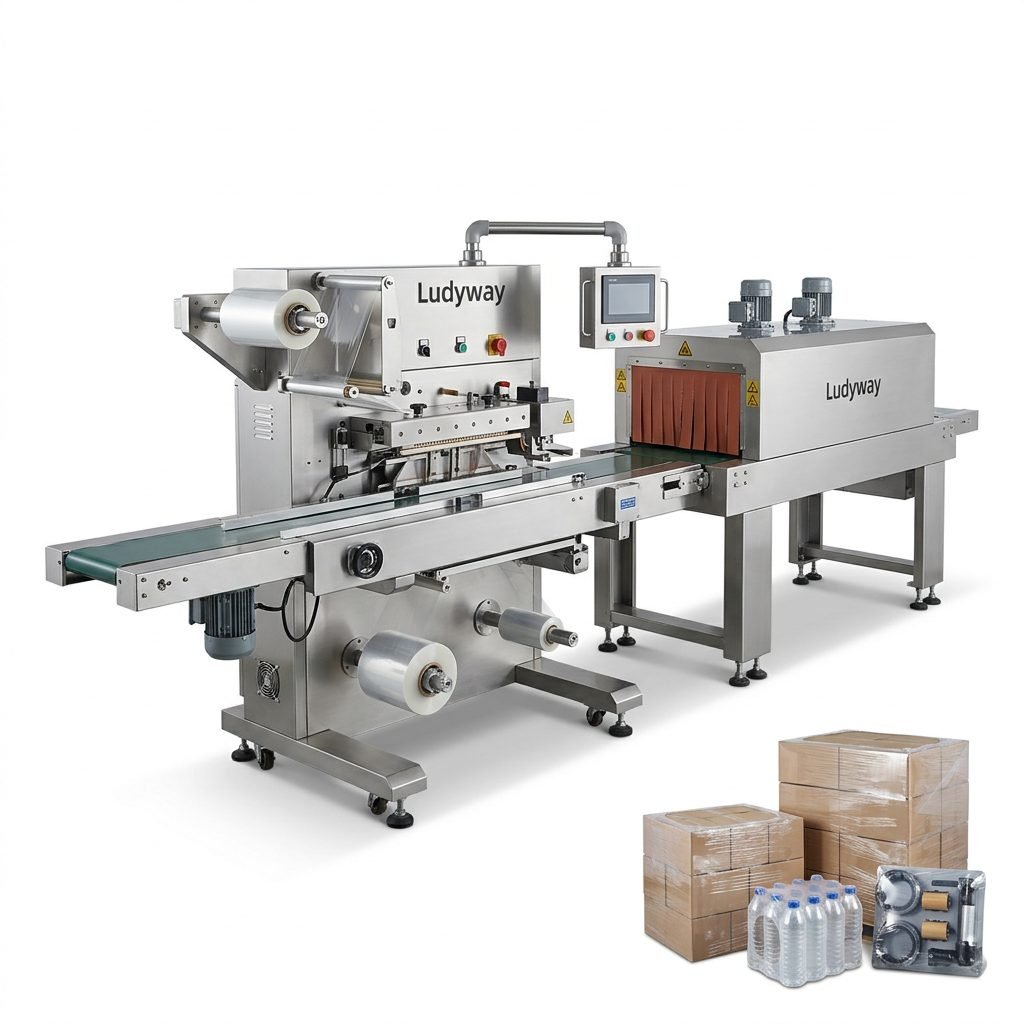
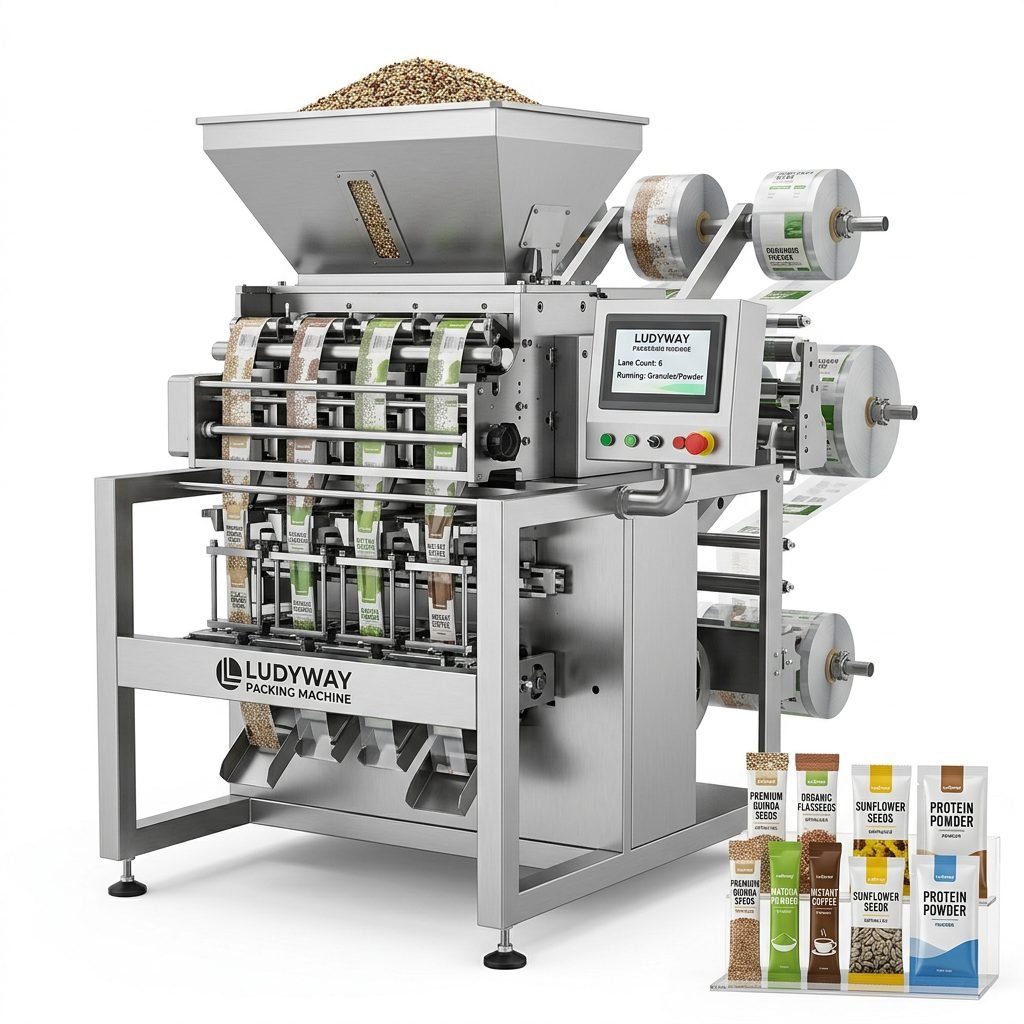
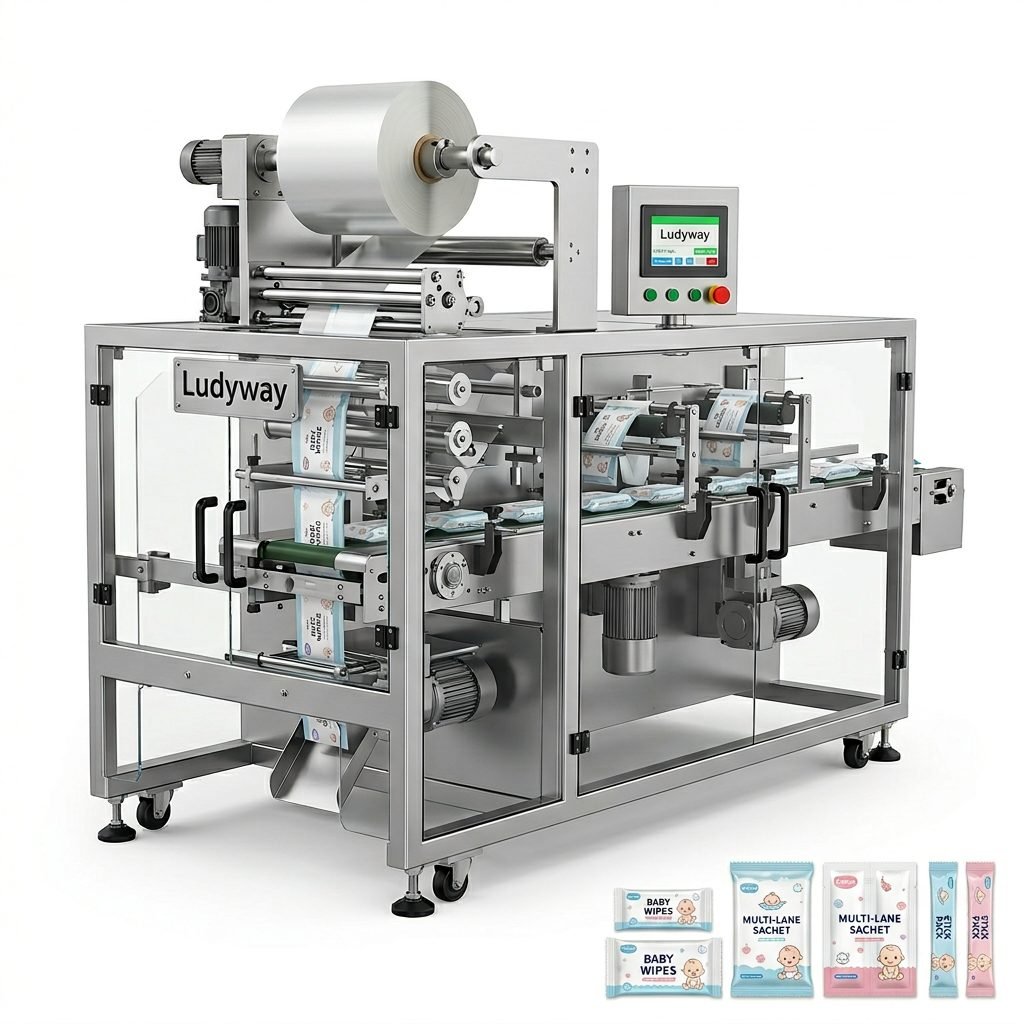
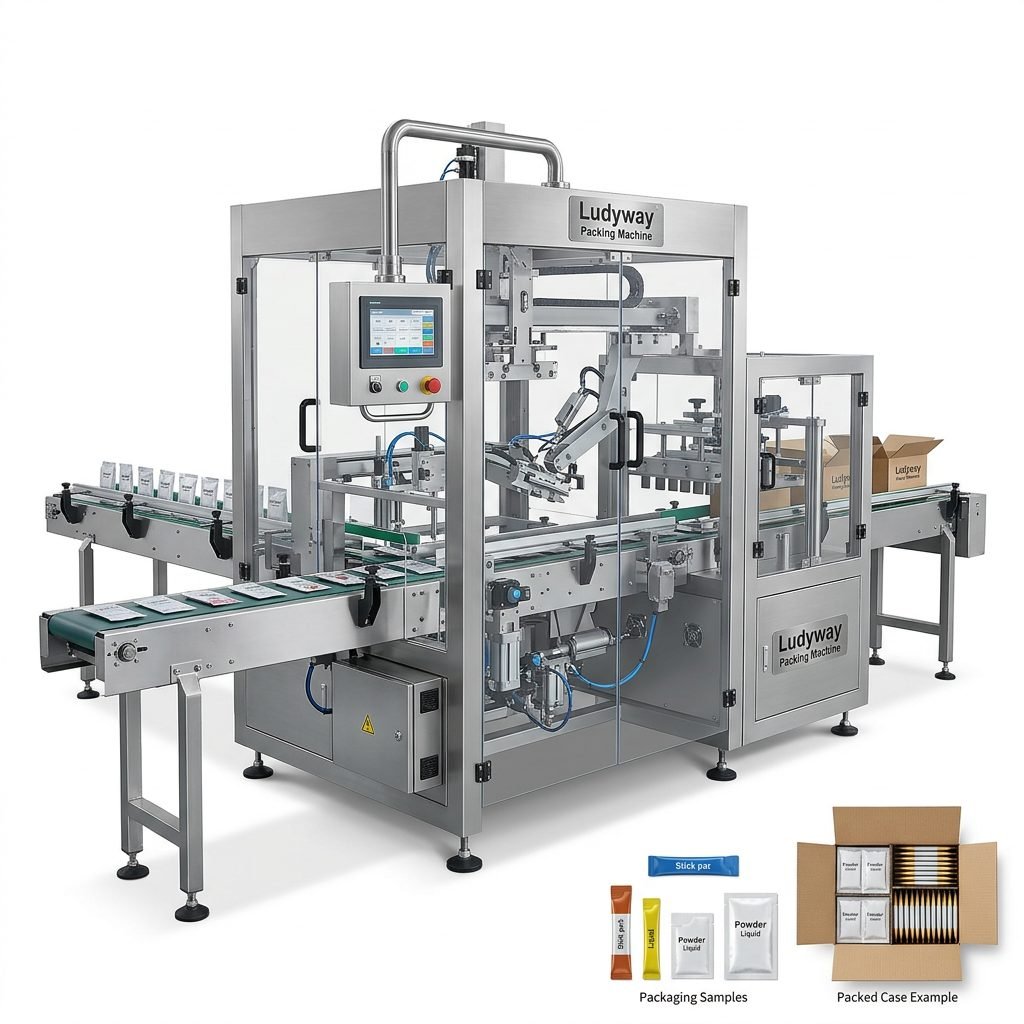
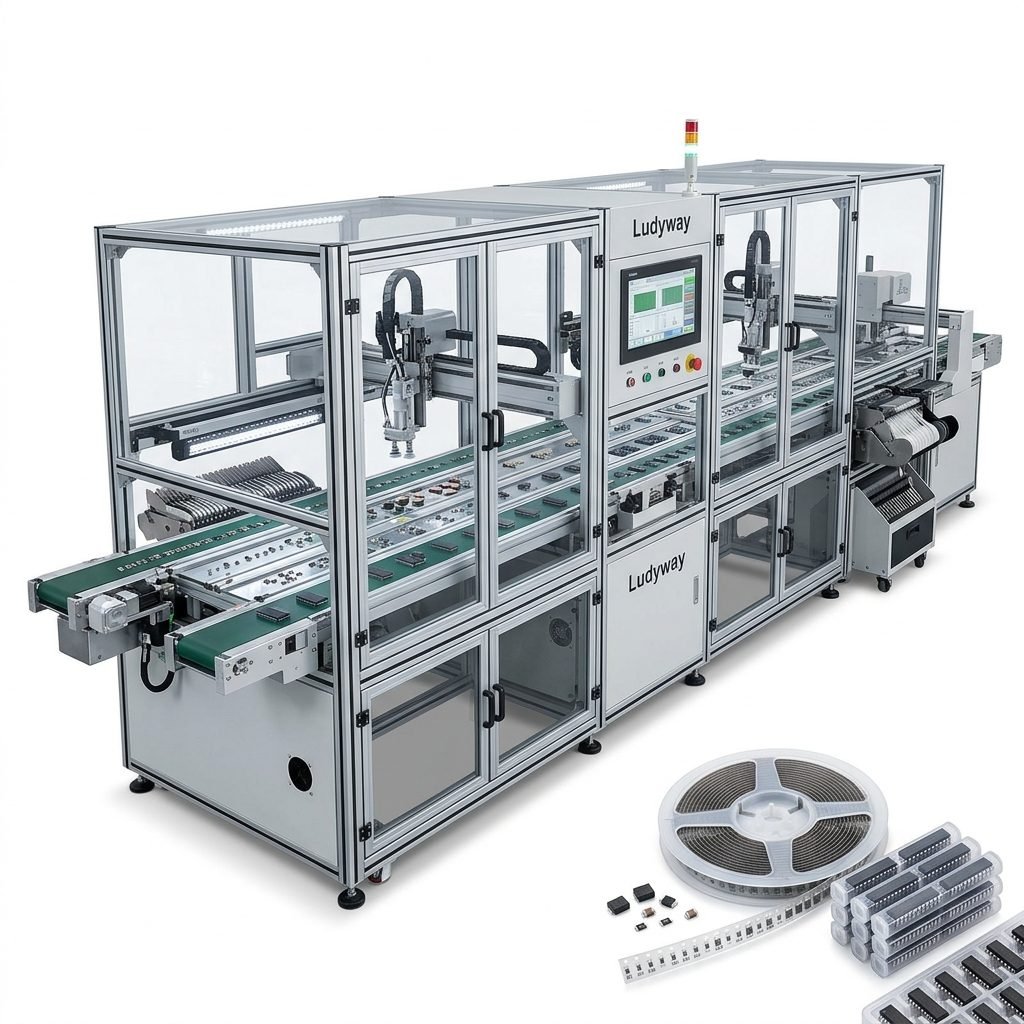
Regular maintenance of your Yamato packing machine is the most effective way to ensure consistent product quality, maximize production uptime, and extend equipment lifespan. A well-maintained machine also significantly reduces the risk of unexpected breakdowns that can disrupt your entire packaging line. Implementing a structured maintenance program will protect your investment and keep your operations running smoothly.
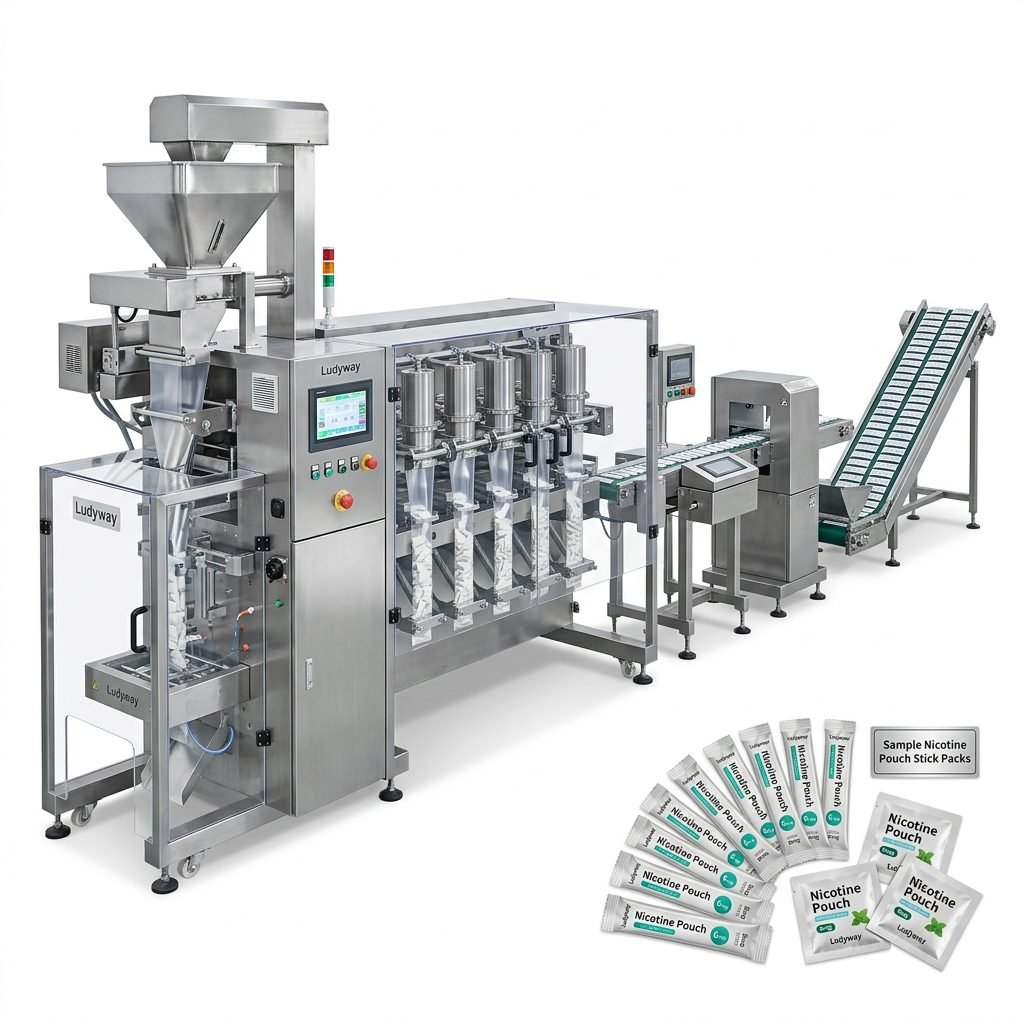
Why Preventive Maintenance Matters
Preventive maintenance is far more cost-effective than reactive repairs. When you wait for a component to fail, the resulting downtime can cost thousands of dollars per hour in lost production. A proactive approach allows you to identify and address minor issues before they escalate into major problems. Consistent maintenance reduces emergency repair costs by up to 40% and increases overall equipment effectiveness (OEE).
Daily Maintenance Checklist
Operators should perform these essential tasks at the beginning of each shift to catch potential issues early. Consistency with daily routines forms the foundation of any successful maintenance program.
- Visual Inspection: Walk around the machine and inspect for any loose bolts, worn belts, or visible damage to the frame and guarding.
- Clean Sealing Jaws: Residue buildup on heat sealing surfaces is a primary cause of seal failures. Use a soft brush and approved cleaning solution to remove any product residue or film remnants.
- Check Film Path: Inspect the film rollers and guides for debris or adhesive buildup. Ensure the film track is clean and that the film runs smoothly without friction.
- Verify Temperature Settings: Confirm that all temperature controllers for sealing jaws and pre-heaters are reading accurately and are within the specified range for your packaging material.
- Air Pressure Check: Verify that the air pressure regulator displays the correct pressure. Clean or drain the air filter bowl if moisture is visible.
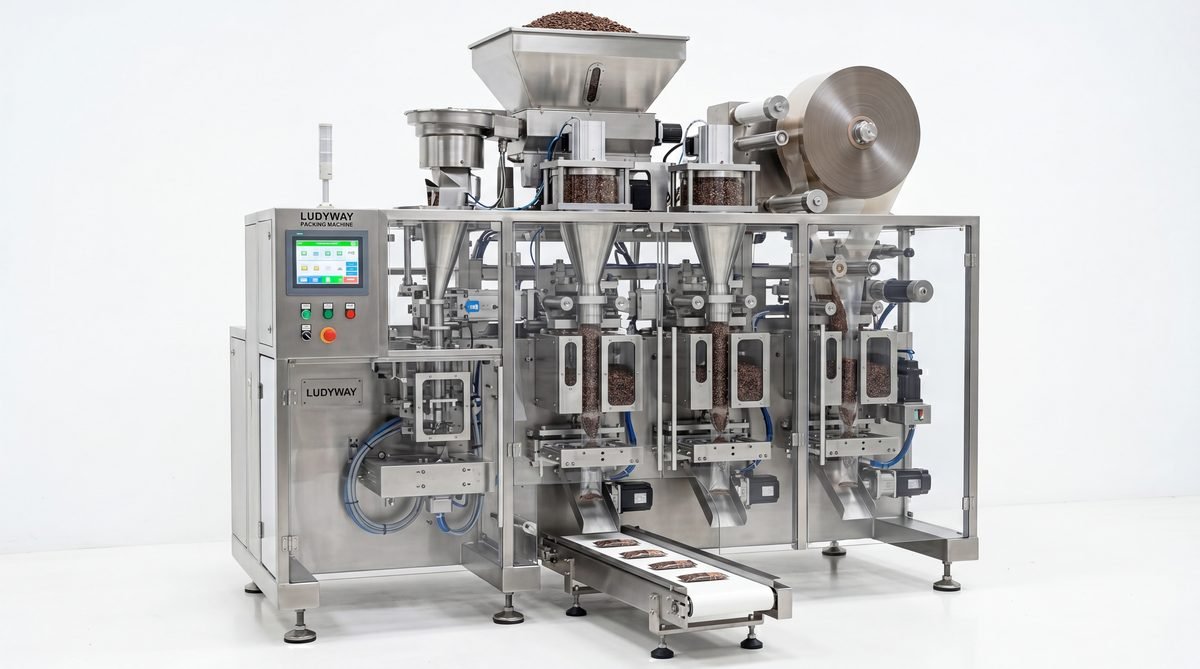
Weekly Maintenance Tasks
Weekly inspections go deeper into the mechanical systems. These tasks often require a short scheduled stoppage and should be documented in your maintenance log. Pay special attention to moving parts that experience the most wear.
- Lubricate Moving Parts: Apply the manufacturer-recommended lubricant to all grease fittings, chains, cam followers, and linear bearings. Over-lubrication can attract dust, so apply sparingly.
- Inspect Teflon Tape and PTFE Covers: The non-stick covers on sealing jaws degrade over time. Replace any tape or covers that show signs of wear, scorching, or peeling.
- Clean Photoelectric Sensors: Dust can accumulate on sensor lenses, causing intermittent film registration errors. Gently wipe all sensors with a lint-free cloth.
- Test Emergency Stops: Verify that all emergency stop buttons and safety interlocks function correctly and bring the machine to an immediate halt.
Monthly Deep Maintenance
Monthly maintenance involves more thorough inspections and component replacements. These tasks help prevent the gradual performance degradation that can be difficult to detect during daily operations.
| Component | Action Required | Frequency |
|---|---|---|
| Heating Elements | Check resistance values and tighten electrical connections | Monthly |
| Thermocouples | Calibrate against a known standard; replace if readings drift | Monthly |
| Drive Belts | Inspect for cracks, fraying, and tension; replace if worn | Monthly |
| Pneumatic Cylinders | Check seals for leaks; lubricate rods with appropriate oil | Monthly |
| Cutting Blades | Sharpen or replace; dull blades cause poor cut quality and jams | Monthly |
Common Yamato Packing Machine Issues and Solutions
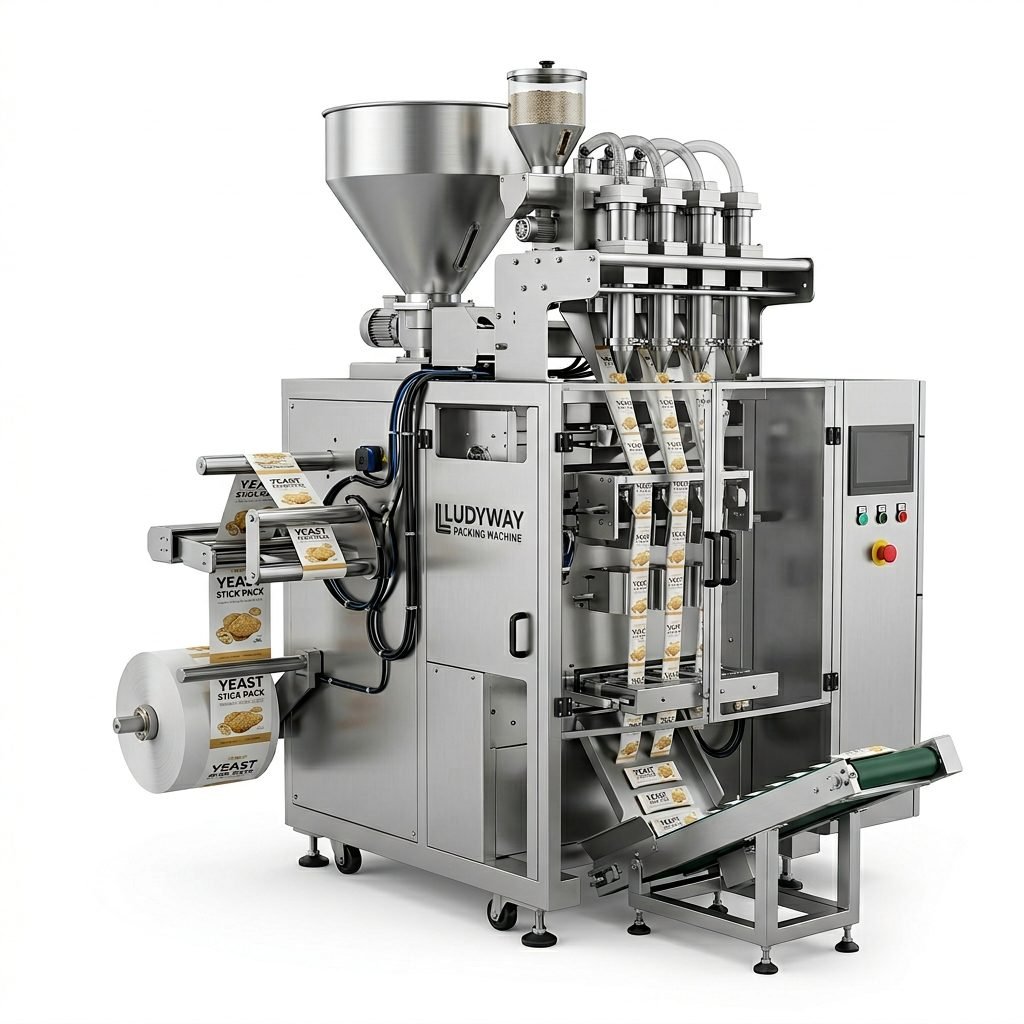
Understanding the most frequent problems will help your operators troubleshoot quickly and minimize downtime. Here are several typical issues encountered on vertical form fill seal (VFFS) and stick pack machines.
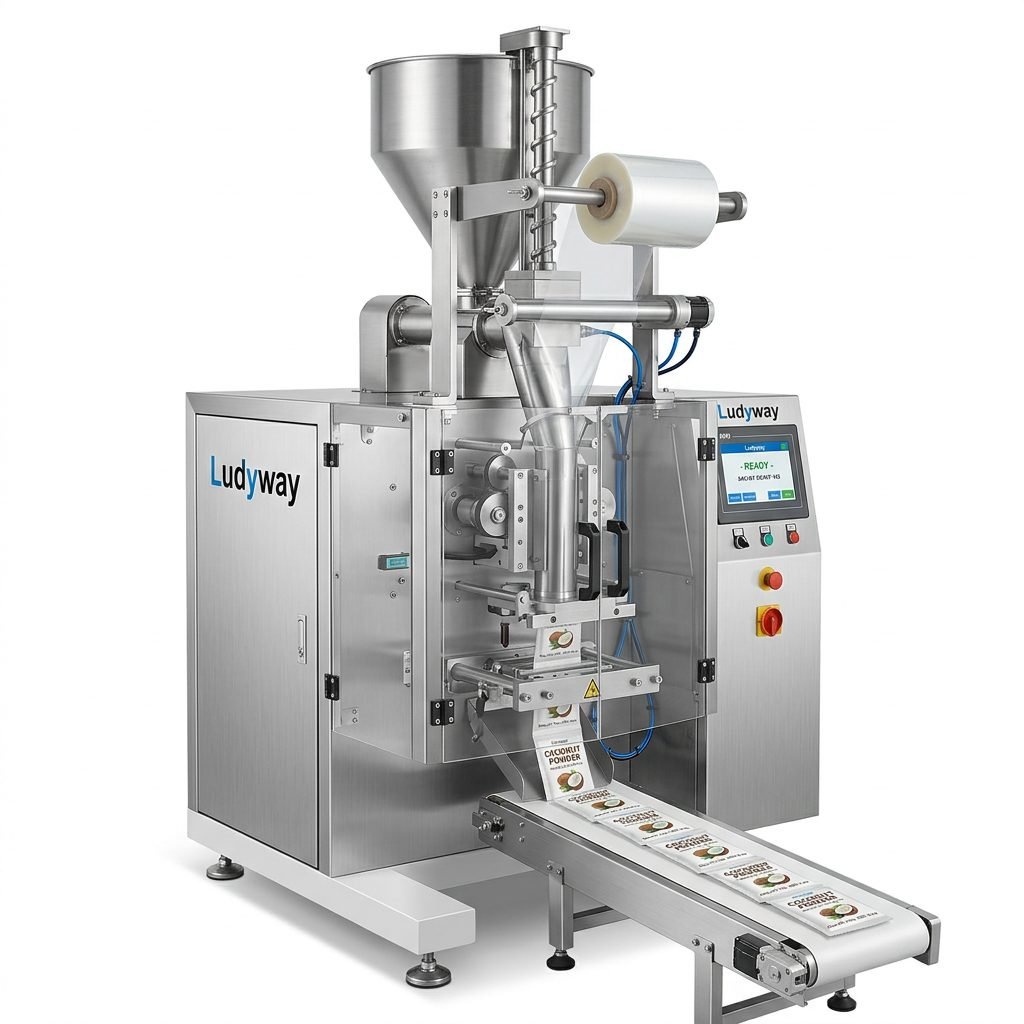
- Seal Integrity Problems: If packages are not sealing properly, first check the temperature setpoint, jaw alignment, and the condition of the Teflon tape. Contaminated or damaged sealing jaws are the most common culprit.
- Film Tracking Errors: When the film web wanders or creases, inspect the unwind rollers, forming tube alignment, and the condition of the pull belts. Misalignment in the forming shoulder can cause persistent tracking issues.
- Inconsistent Fill Weights: For auger or volumetric fillers, verify that the product is free-flowing and that no bridges are forming in the hopper. Check the calibration of load cells if using a combination weigher.
- Machine Vibration: Excessive vibration often indicates loose fasteners, worn bearings, or an unbalanced rotating component. Tighten all mounting bolts and inspect bearing housings for play.
Electrical System Care
Electrical components are sensitive to heat, dust, and moisture. Your control panels should remain clean and dry at all times. Dust accumulation inside cabinets can cause overheating and premature failure of PLCs, drives, and power supplies. Inspect wiring harnesses for signs of heat damage or rodent activity, and tighten terminal connections annually to prevent intermittent faults. Always follow lockout/tagout procedures before opening any electrical enclosure. Refer to resources from PMMI – The Association for Packaging and Processing Technologies for the latest safety standards and guidelines related to packaging machinery electrical systems.
Lubrication Best Practices
Proper lubrication is critical for high-speed packaging machinery. Use only the food-grade lubricants specified by the manufacturer, particularly for machines packaging food or pharmaceutical products. Grease bearings at the intervals specified in your manual, and wipe away any excess to prevent buildup. Oil changes for gearboxes should follow the schedule based on operating hours. Cross-contamination of lubricants can cause chemical breakdown and reduced protection.
Spare Parts Inventory Management
A well-managed spare parts inventory is essential for minimizing downtime. Critical spare parts should always be in stock. The following table outlines the most commonly needed replacement parts for Yamato-style intermittent and continuous motion packing machines.
| Spare Part Category | Recommended Quantity | Typical Lifespan |
|---|---|---|
| Heating Elements / Cartridge Heaters | Minimum 2 sets | 6-12 months |
| Teflon Tape / PTFE Covers | 1 roll or several pre-cut strips | 1-4 weeks (varies with product) |
| Pull Belts / Timing Belts | 1 full set | 12-18 months |
| Thermocouples | 2-3 units | 6-12 months |
| Photoelectric Sensors | 1-2 units | 2-3 years |
| Fuses and Relays | Assortment | As needed |
Documentation and Record Keeping
Maintaining detailed service records is not optional; it is essential. A logbook should track every maintenance action, including the date, work performed, parts replaced, and the name of the technician. This history allows you to identify recurring issues, predict when components are approaching end-of-life, and schedule proactive replacements during planned downtime. ISO packaging standards provide useful frameworks for quality management and documentation practices. Digital maintenance management systems (CMMS) can automate this process and provide valuable analytics.
Operator Training and Engagement
Your packaging machine operators are the first line of defense against breakdowns. They hear, see, and feel the machine every day. Train operators not only in proper operating procedures but also in basic troubleshooting, cleaning protocols, and how to identify early warning signs like unusual vibrations, smells, or sounds. Empowered operators who feel ownership of the equipment will report issues earlier and take better care of the machine.
When to Call a Professional Service Technician
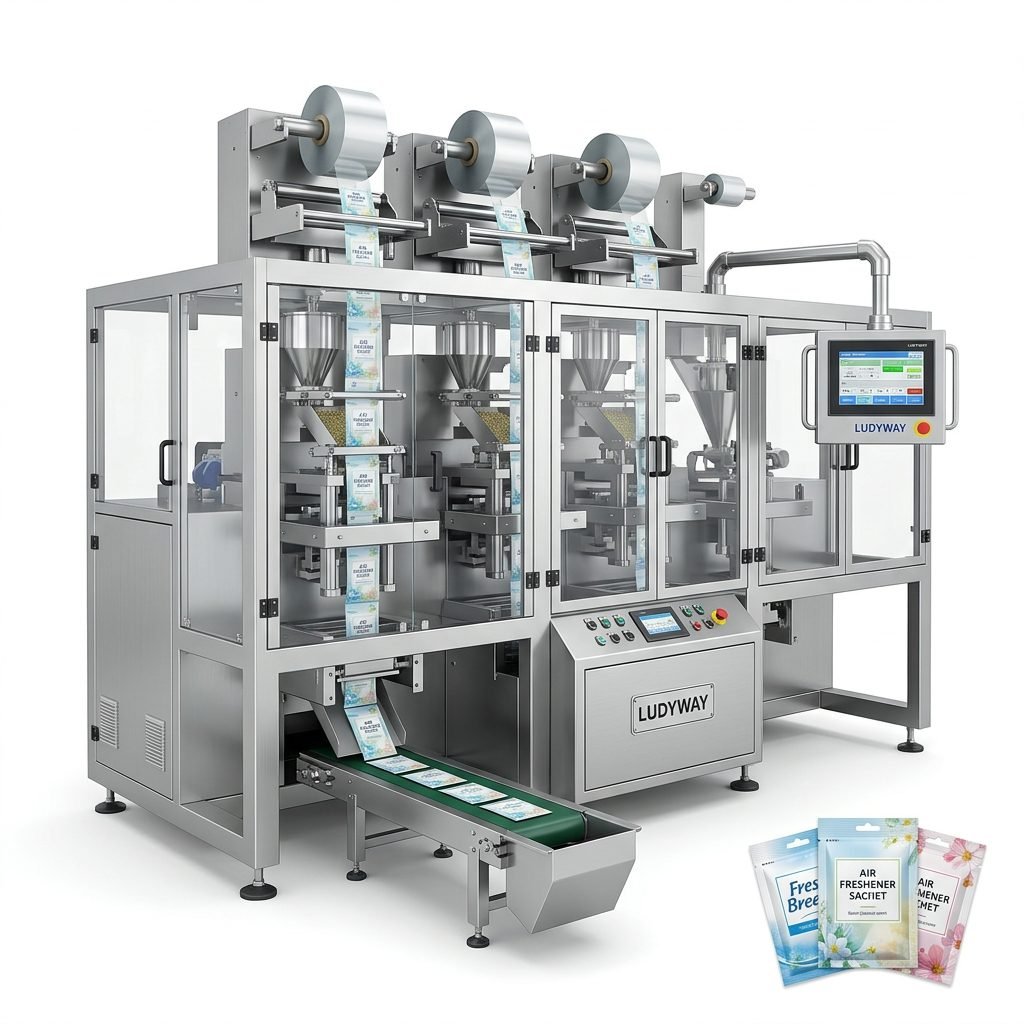
While in-house maintenance covers many routine tasks, certain situations call for expert intervention. If you encounter complex electrical faults, need to replace major sub-assemblies like forming tubes or entire jaw carriages, or require firmware updates for programmable logic controllers, professional service is recommended. As a leading packaging machine manufacturer, Ludyway provides comprehensive after-sales support, technical training, and genuine OEM spare parts to keep your equipment performing at peak efficiency. Regular professional audits can also uncover optimization opportunities that internal teams might miss.
Quarterly and Annual Maintenance
Longer-interval maintenance requires planned shutdowns but is absolutely critical for high-speed packaging systems. These comprehensive inspections address deep mechanical wear and electrical integrity that daily and weekly checks cannot cover. Proper execution of annual maintenance can restore a machine to near-new performance levels.
- Replace All Wear Parts: Sealing jaws, cutting blades, bearings, and belts should be replaced according to the manufacturer’s recommended intervals, regardless of apparent condition.
- Full Calibration: Temperature controllers, timers, and weighing systems must be fully calibrated against traceable standards.
- Electrical System Audit: Torque all terminal connections in control panels, inspect cable insulation integrity, and test ground fault protection systems.
- Pneumatic System Overhaul: Replace air filters, inspect all cylinder seals, and test for leaks throughout the system.
For broader industry insights on packaging machinery performance and maintenance benchmarks, the PMMI business intelligence library offers valuable economic reports and state-of-the-industry data.
A Culture of Continuous Improvement
Maintaining a Yamato packing machine is not a one-time effort. It requires discipline, documentation, and continuous learning. Each maintenance cycle provides insights that can improve your procedures. Encourage feedback from operators and maintenance technicians, and regularly review your preventive maintenance program to incorporate lessons learned. A well-maintained machine is a productive machine, and the effort you invest in maintenance today delivers reliable performance for years to come.