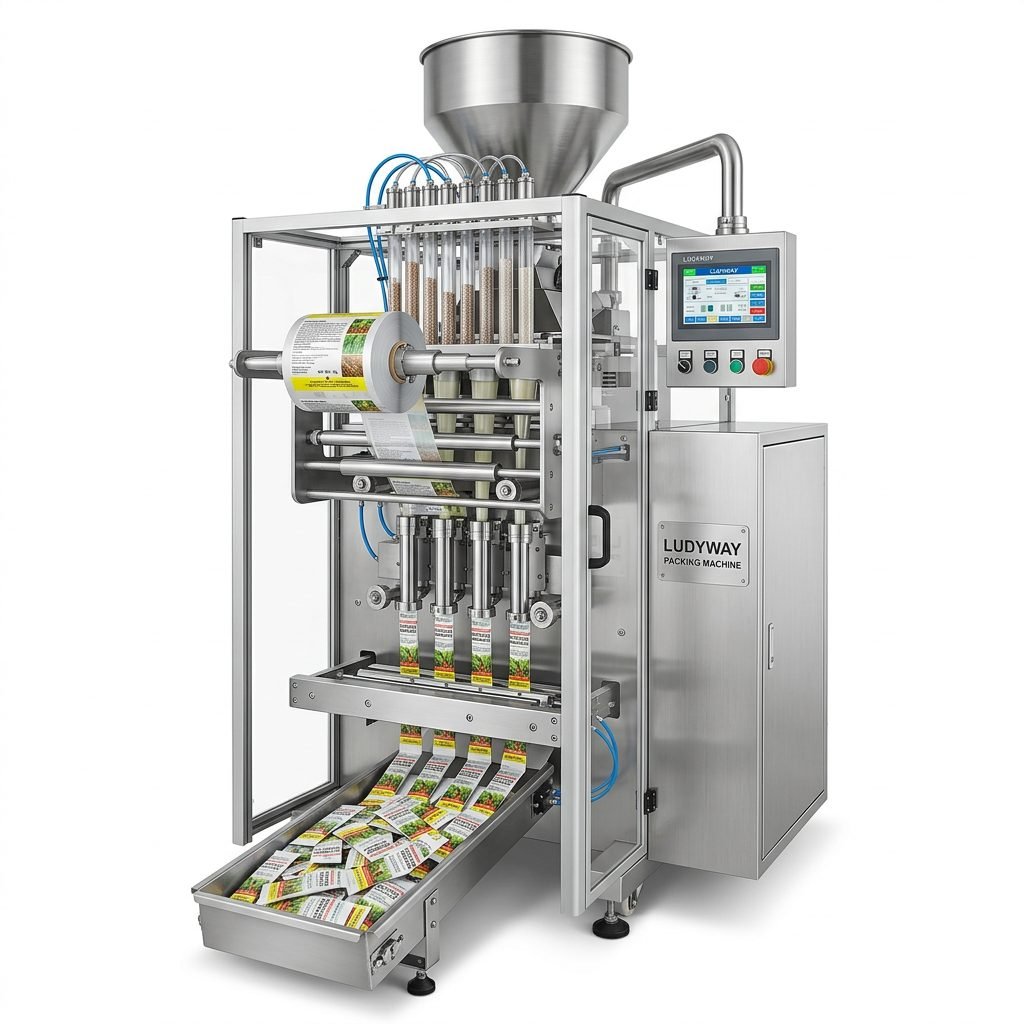
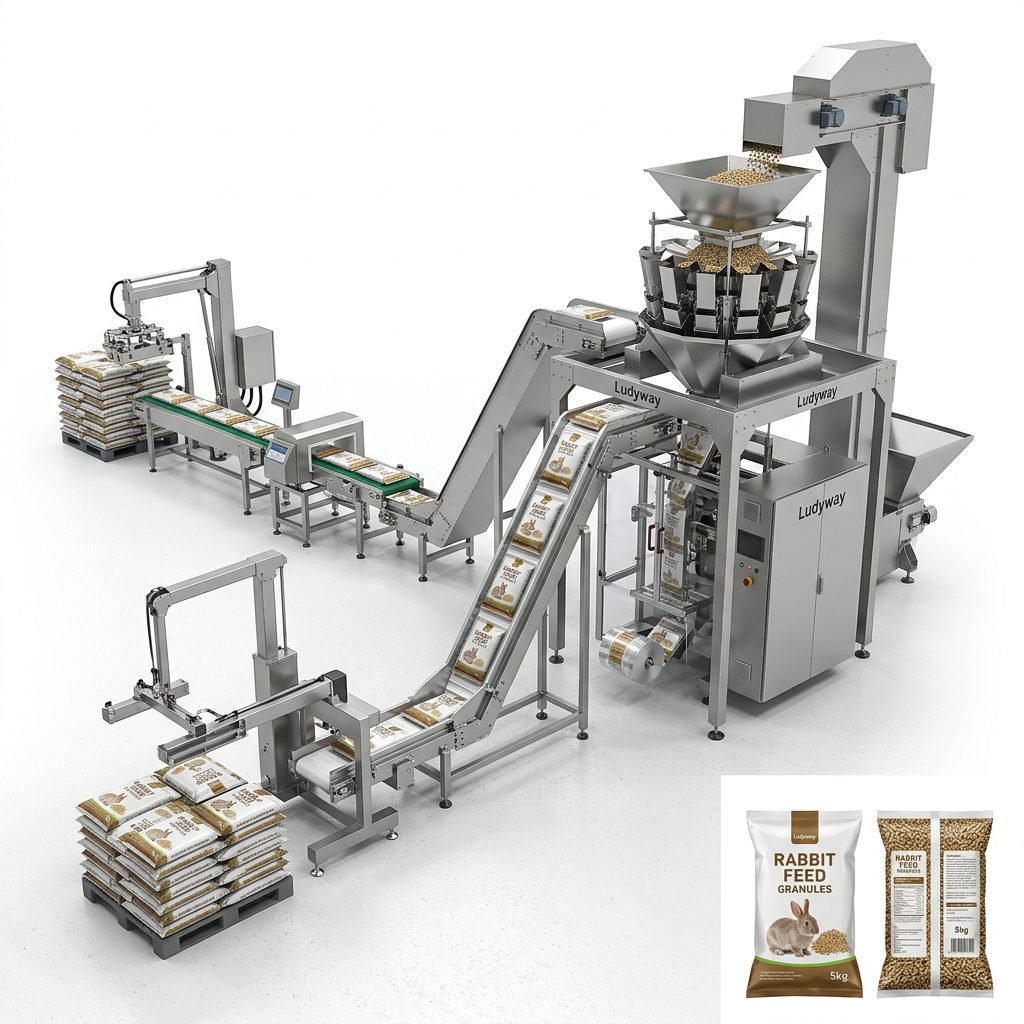
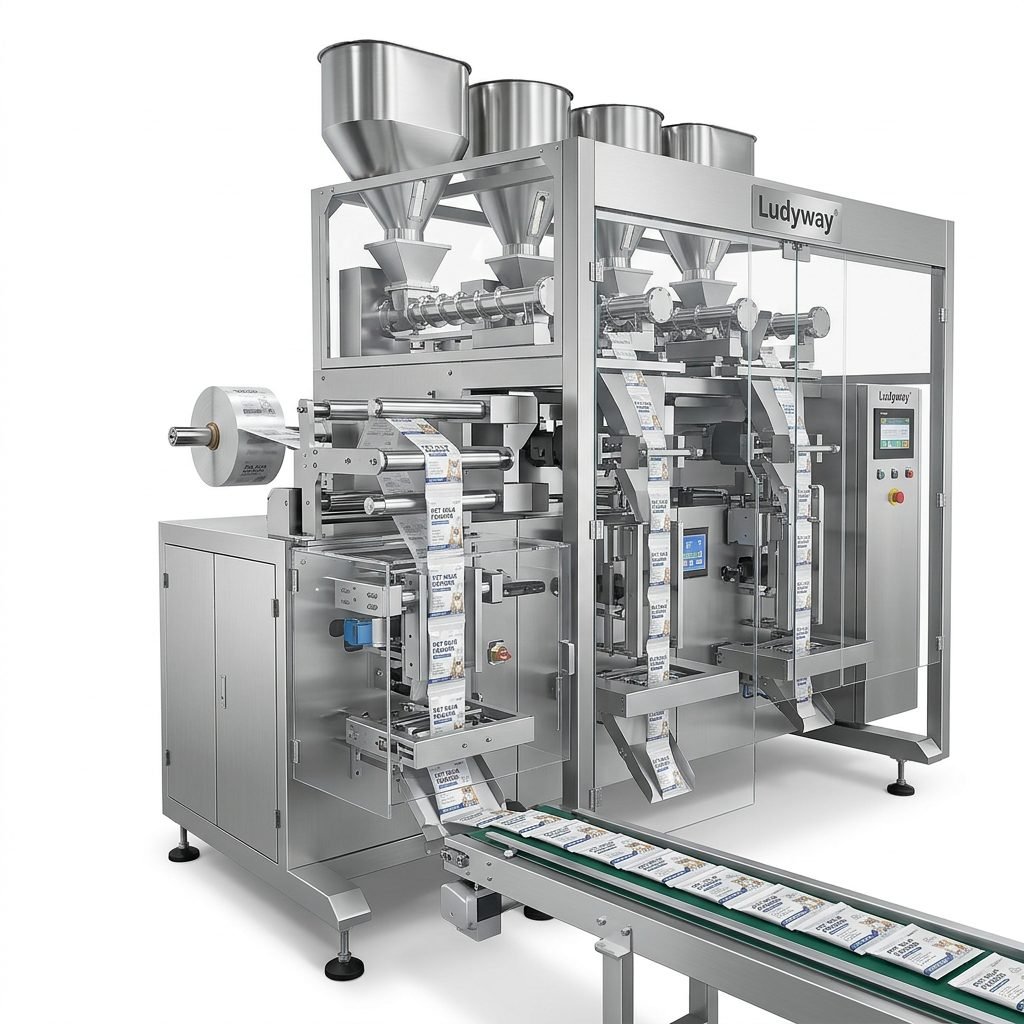
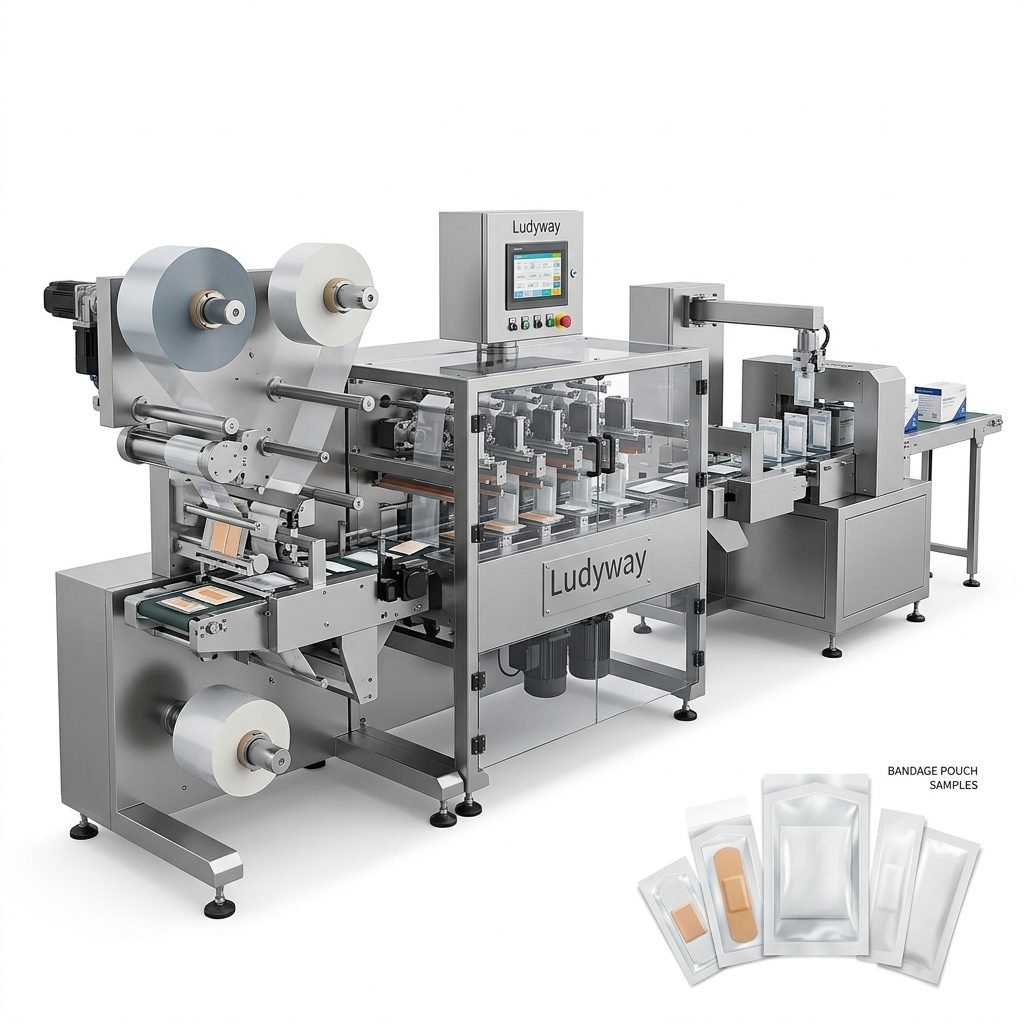
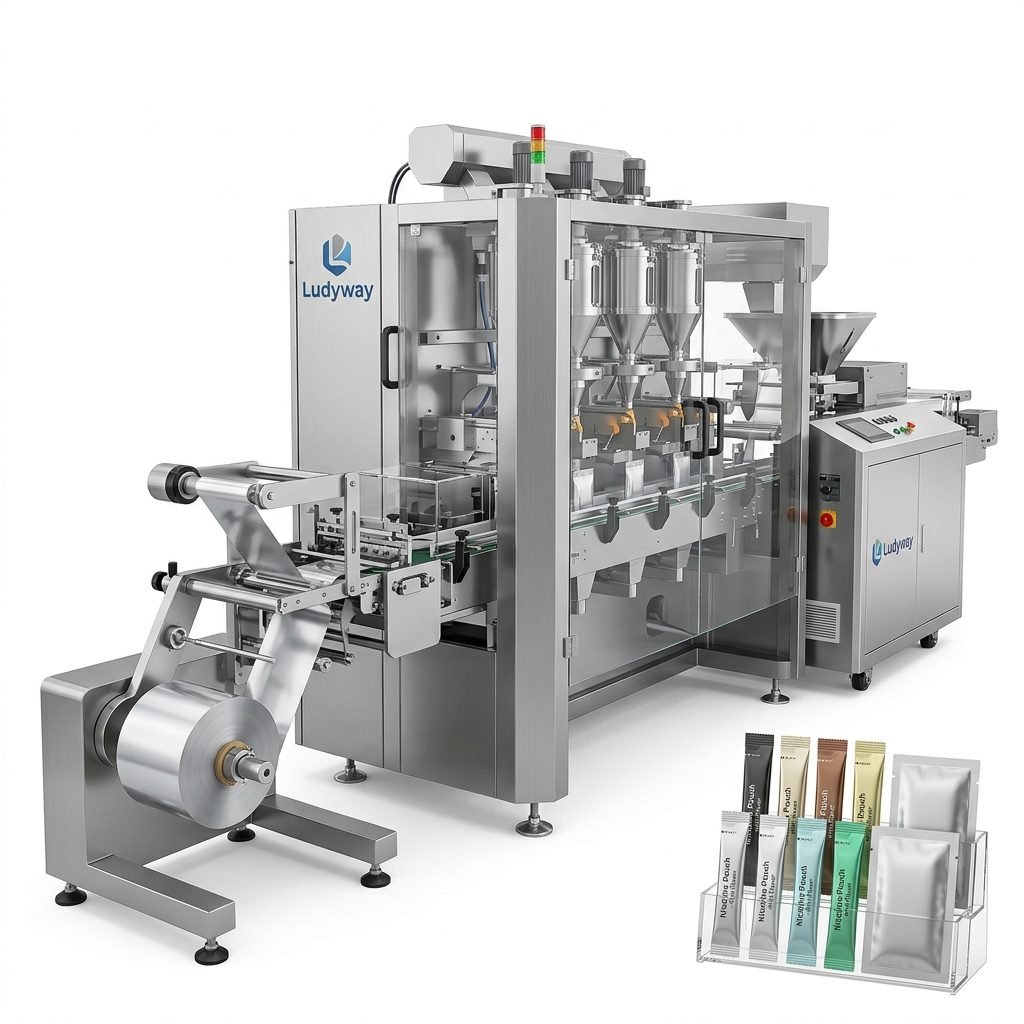
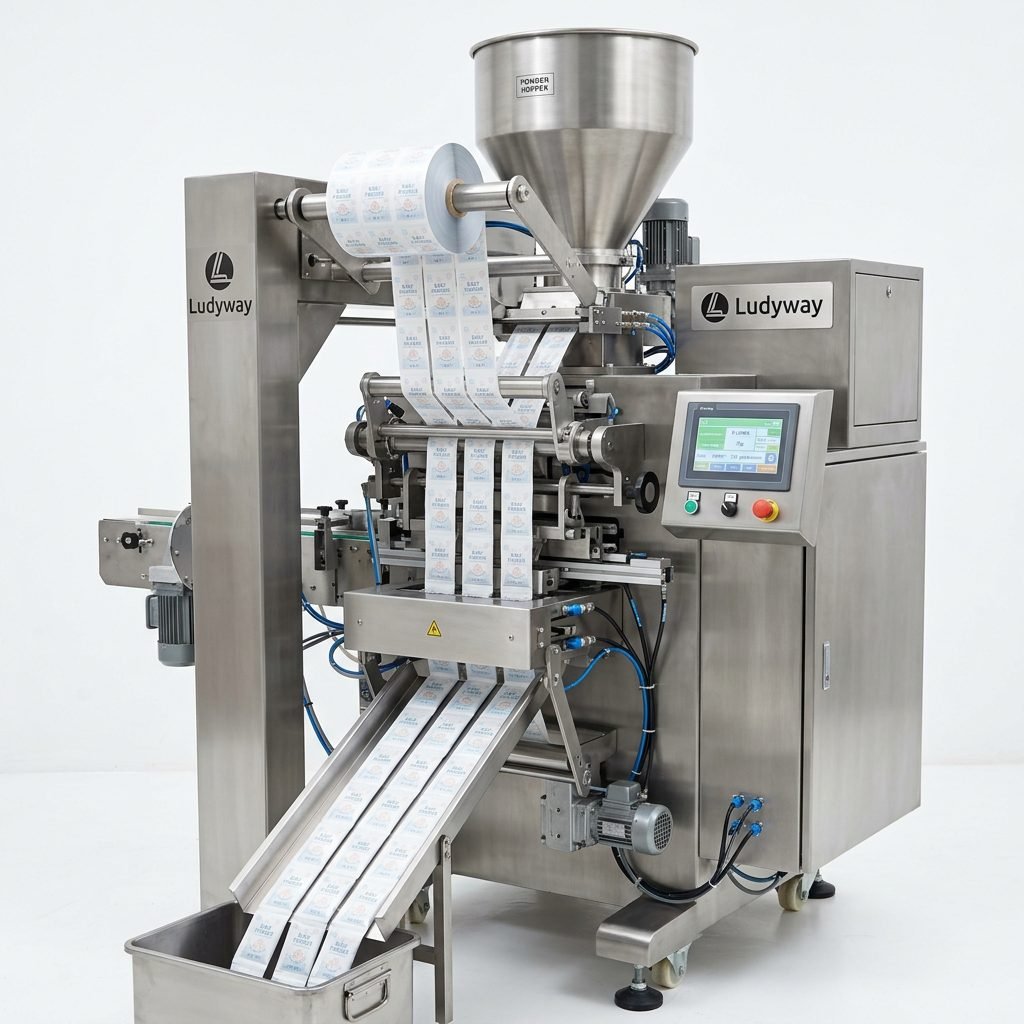
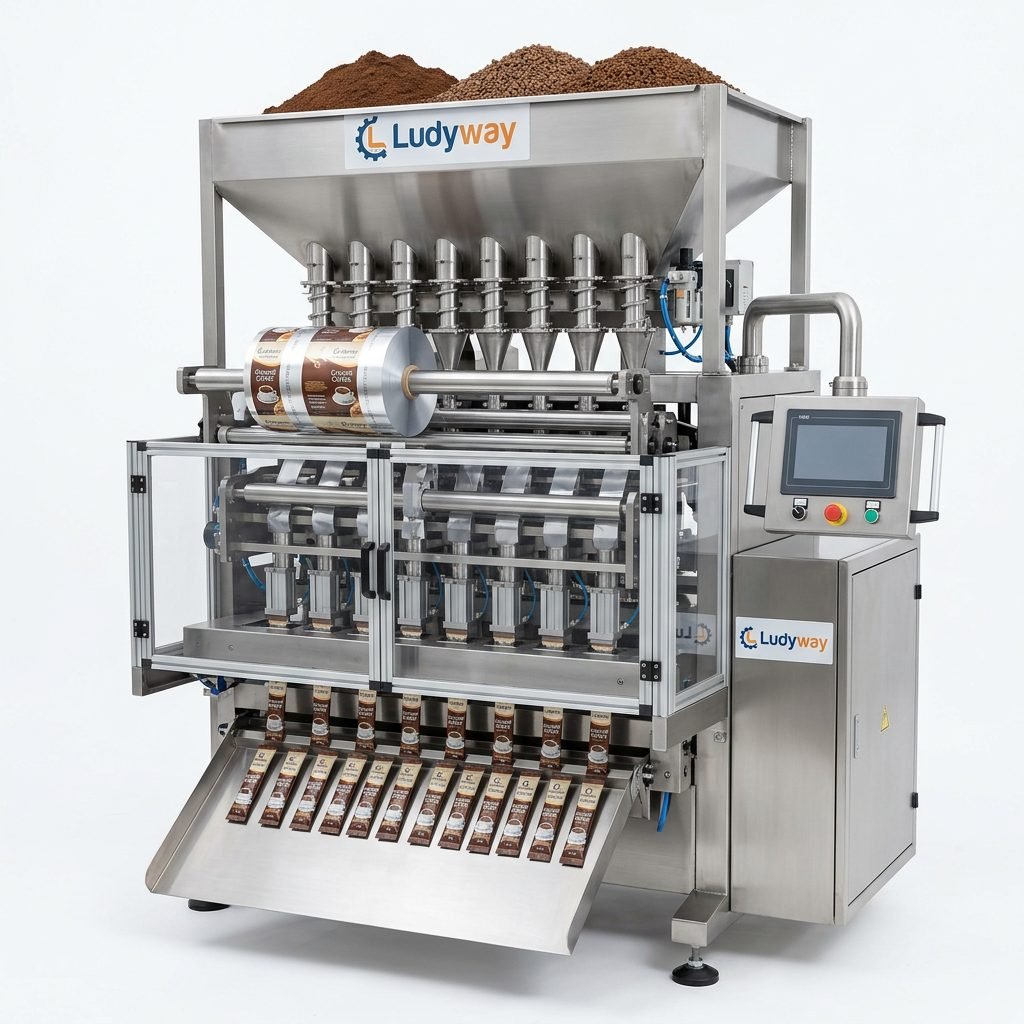
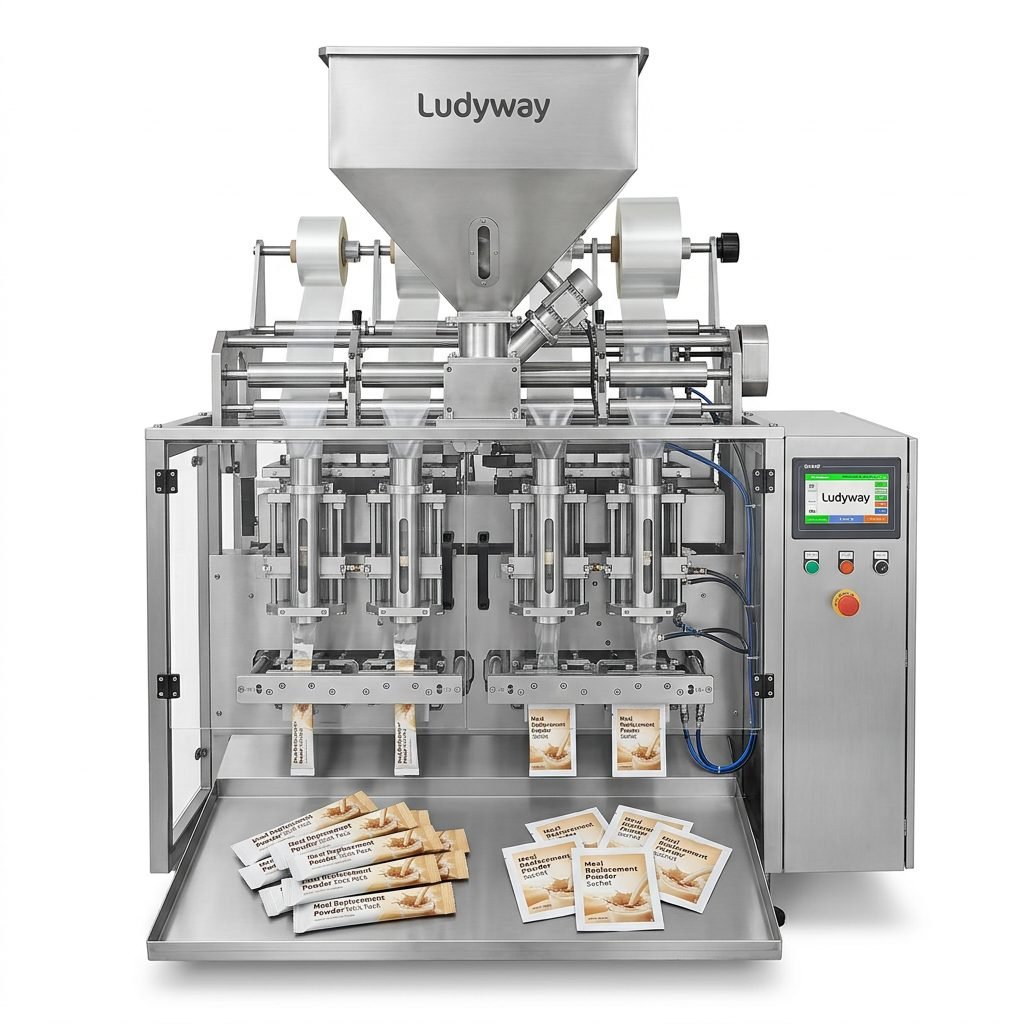
Proper maintenance of your almond packing machine is essential to ensure consistent performance, reduce downtime, and extend equipment lifespan. Almonds produce natural oils and fine dust during processing, which can accumulate on critical components such as sealing jaws, filling nozzles, and sensors. Without a structured cleaning and maintenance routine, residue buildup can lead to inaccurate fills, poor seal quality, and unexpected machine stoppages. This guide covers the essential cleaning and maintenance tips every operator and maintenance team should follow to keep packaging equipment running at peak efficiency.
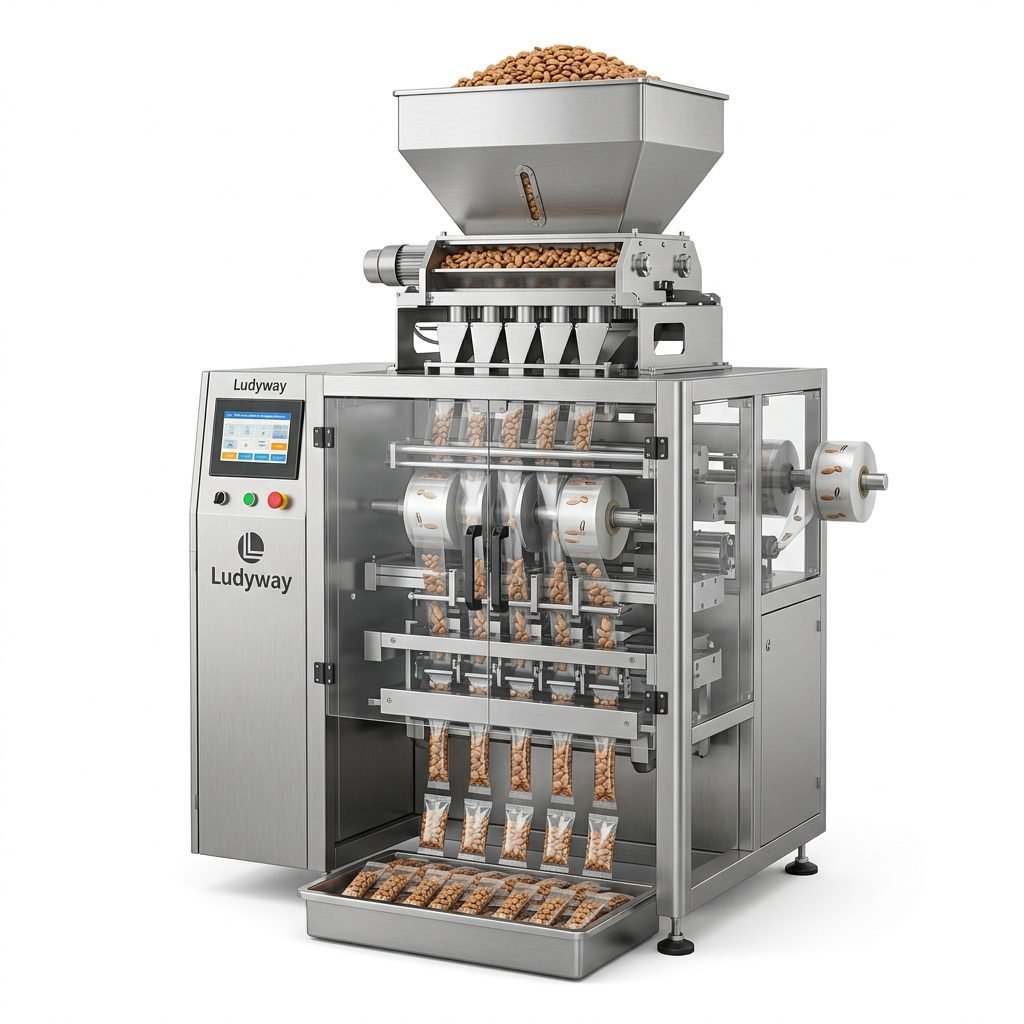
Daily Cleaning Checklist for Almond Packaging Equipment
Daily cleaning is the first line of defense against contamination and mechanical wear. Almond dust and oil residue can harden over time, making it much harder to remove later. Operators should follow these steps at the end of each shift:
- Wipe down all product contact surfaces — Use food-grade cleaning agents and lint-free cloths to remove almond oil and dust from filling tubes, hoppers, and sealing areas.
- Clean the sealing jaws — Residual almond particles can cause inconsistent heat sealing. Inspect and clean both upper and lower sealing jaws with a soft brush.
- Inspect the film path — Check for any almond dust accumulation along the film rollers and tensioners that could affect film tracking.
- Empty and clean the dust collection system — If your machine is equipped with a vacuum dust extraction unit, empty the collection bin daily.
- Check sensors and photocells — Wipe optical sensors gently with a dry microfiber cloth to prevent false readings caused by dust buildup.
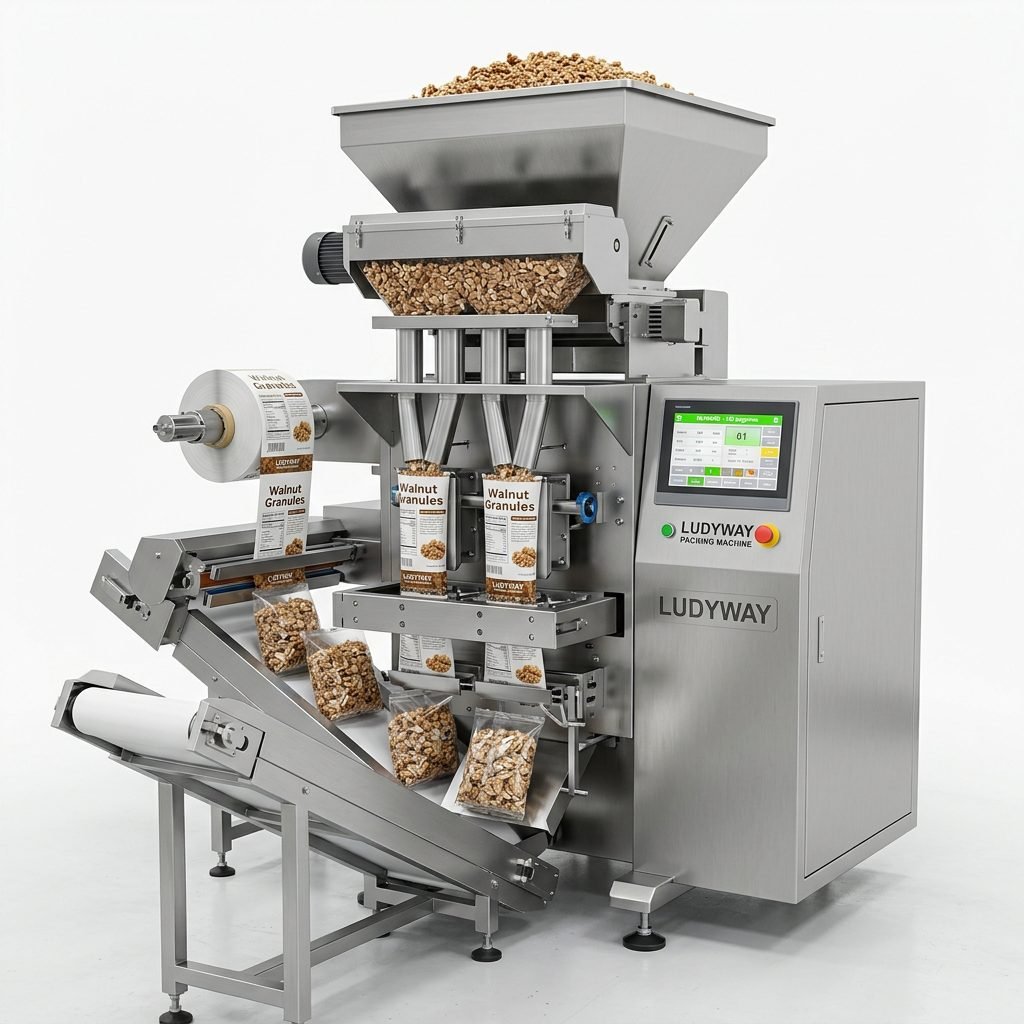
Weekly Preventative Maintenance Tasks
Weekly maintenance goes beyond surface cleaning and addresses mechanical and electrical components that experience regular wear. Allocate dedicated time each week for a thorough inspection of the following areas:
Mechanical Inspection Points
- Check all drive belts and chains for proper tension and signs of wear or cracking.
- Inspect bearings and bushings on rotating shafts — listen for unusual noises that may indicate lubrication issues.
- Verify that film unwind and tension mechanisms operate smoothly without jerking or hesitation.
- Examine pneumatic cylinders and air lines for leaks, especially around seals and connectors.
- Test emergency stop buttons and safety interlocks to ensure they function correctly.
Electrical and Control System Checks
- Inspect all wiring connections for looseness or signs of overheating.
- Verify temperature controller calibration for the sealing system — inaccurate readings can compromise seal integrity.
- Check the touchscreen display and PLC indicators for any error logs or warning messages.
- Clean electrical cabinets with compressed air to remove almond dust that could cause short circuits.
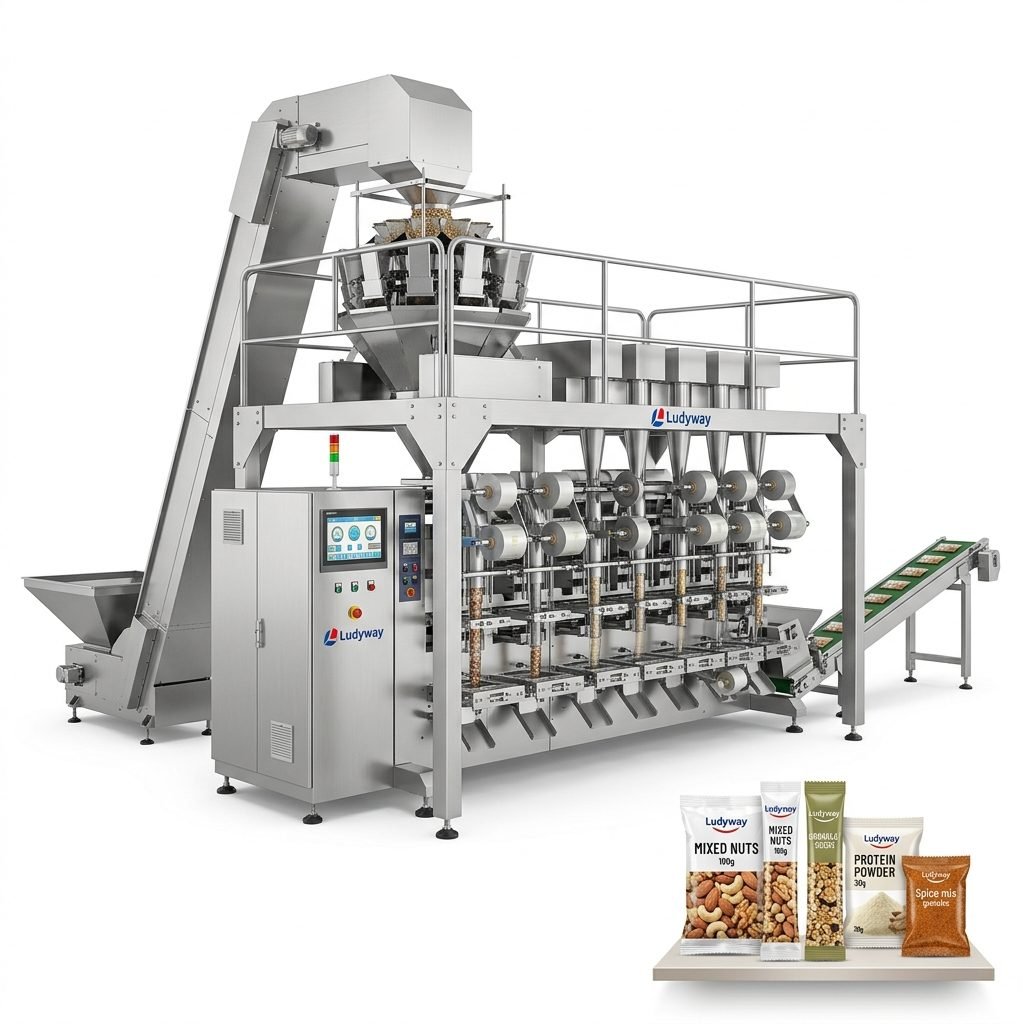
Monthly Deep Cleaning and Component Inspection
Monthly maintenance requires a more comprehensive approach, including partial disassembly of key modules for deep cleaning and detailed inspection. This schedule helps identify potential issues before they become costly breakdowns.
| Component | Action Required | Frequency |
|---|---|---|
| Sealing Jaws | Remove residue, check Teflon coating for damage, verify jaw alignment | Monthly |
| Filling Auger / Volumetric Filler | Disassemble, deep clean, check for wear on auger flights | Monthly |
| Film Tracking System | Clean rollers, check bearing play, verify photoelectric sensor alignment | Monthly |
| HMI & Control Panel | Backup parameters, clean display, test all button functions | Monthly |
| Dust Extraction System | Clean ducts and filters, check fan motor operation | Monthly |
Lubrication Best Practices
Proper lubrication is critical for the longevity of moving parts in any packaging machine. Almond dust can mix with lubricants to form an abrasive paste that accelerates wear. Follow these guidelines:
- Use food-grade lubricants (NSF H1 registered) for all parts that may have incidental food contact.
- Apply grease to linear bearings and guide rails monthly, wiping away excess to prevent dust accumulation.
- Oil chain drives sparingly — over-lubrication attracts more dust and debris.
- Keep a lubrication log to track when each component was last serviced and what type of lubricant was used.
- Replace oil in gearboxes according to the manufacturer’s recommended intervals, typically every 2,000 to 4,000 operating hours.
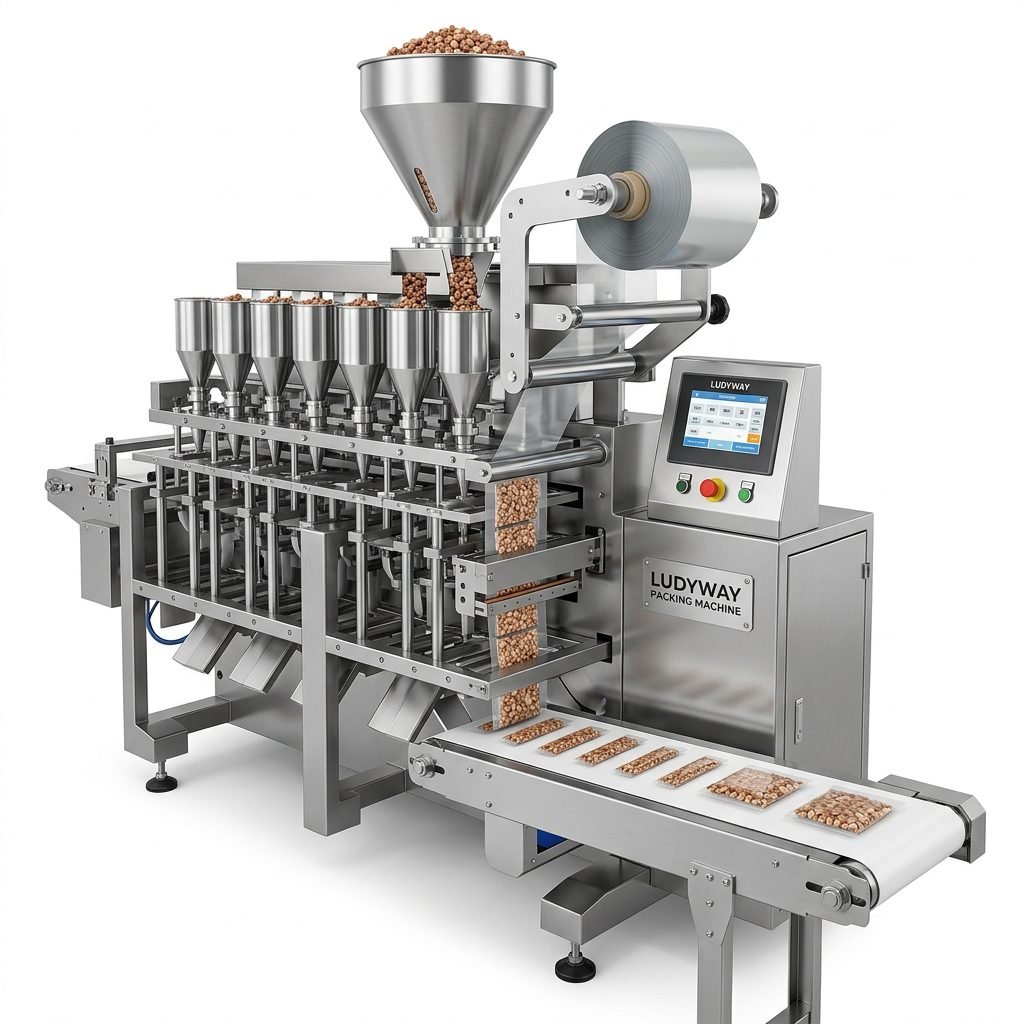
Common Issues and Troubleshooting
Even with diligent maintenance, operators may encounter occasional issues. Here are common problems with almond packaging machines and their likely causes:
Inconsistent Fill Weights
- Cause: Product bridging in the hopper due to almond oil residue.
- Solution: Clean hopper interior thoroughly and check auger clearance. Consider installing a bridge-breaking agitator if the problem persists.
Poor Seal Quality or Leaks
- Cause: Contaminated sealing jaws or incorrect temperature settings.
- Solution: Clean jaws with a non-abrasive cleaner, verify Teflon coating integrity, and recalibrate temperature setpoints. Refer to PMMI packaging standards for seal integrity guidelines.
Film Wrinkling or Misalignment
- Cause: Dust buildup on tracking rollers or worn roller bearings.
- Solution: Clean all rollers and inspect bearings. Adjust film tension settings as specified in the equipment manual.
Frequent Sensor Faults
- Cause: Almond dust coating optical sensors or reflecting surfaces.
- Solution: Clean all sensors with a dry microfiber cloth. Verify sensor mounting brackets have not shifted due to vibration.
Replacement of Wear Parts
Every almond packing machine has components designed to wear over time and require scheduled replacement. Proactively replacing these parts prevents unexpected downtime:
- Teflon-coated sealing jaws — Replace every 6-12 months depending on production volume.
- Cutting blades and knives — Inspect monthly; replace when cuts become ragged or incomplete.
- Rubber rollers and belts — Replace when surface becomes glazed or shows cracking.
- Air filters and dust collection bags — Replace quarterly or when pressure differential indicates clogging.
- O-rings and gaskets on pneumatic systems — Replace annually as preventative measure.
Documentation and Maintenance Records
Maintaining detailed records is just as important as performing the maintenance itself. A well-documented maintenance history helps identify recurring issues, optimize spare parts inventory, and demonstrate compliance with food safety regulations such as those outlined by the FDA food packaging guidelines. Keep logs of:
- Daily cleaning checklists signed by operators
- Weekly inspection reports with any findings and corrective actions
- Monthly maintenance records including parts replaced
- Lubrication schedules and types of lubricants used
- Calibration certificates for temperature controllers and weighing systems
When to Call Professional Service
While routine maintenance can be handled in-house, certain situations require professional intervention. Contact your equipment supplier or a qualified service technician when:
- You notice unusual vibrations or noises that persist after basic troubleshooting.
- Sealing temperature fluctuates despite recalibration attempts.
- PLC or HMI systems display persistent error codes not covered in the operator manual.
- Major components such as servo motors or main drive systems show signs of failure.
- You require preventative maintenance contracts or annual comprehensive overhauls.
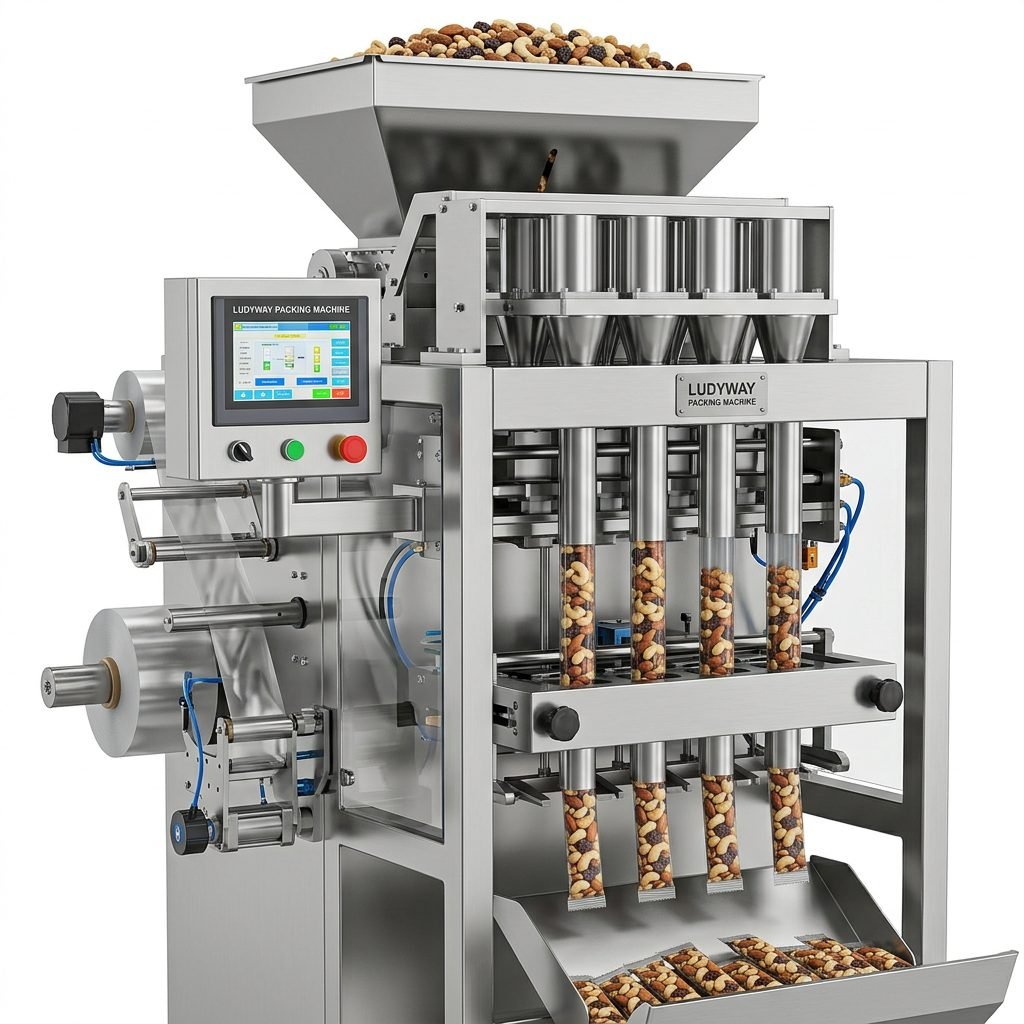
For businesses seeking reliable equipment backed by strong after-sales support, Ludyway — one of the largest packaging machine manufacturers in China with over 30 years of industry experience — provides comprehensive technical support and maintenance training for their full range of multi-lane packaging systems, including models specifically designed for almond and nut granule applications.
Final Recommendations
A disciplined maintenance program for your almond packaging line is an investment that pays for itself through higher productivity, fewer breakdowns, and consistent product quality. Train all operators on proper cleaning procedures, maintain an adequate inventory of critical spare parts, and never postpone scheduled maintenance tasks. When evaluating packaging solutions for almond products, prioritize equipment designed with easy-clean features and accessible service points to simplify long-term maintenance.