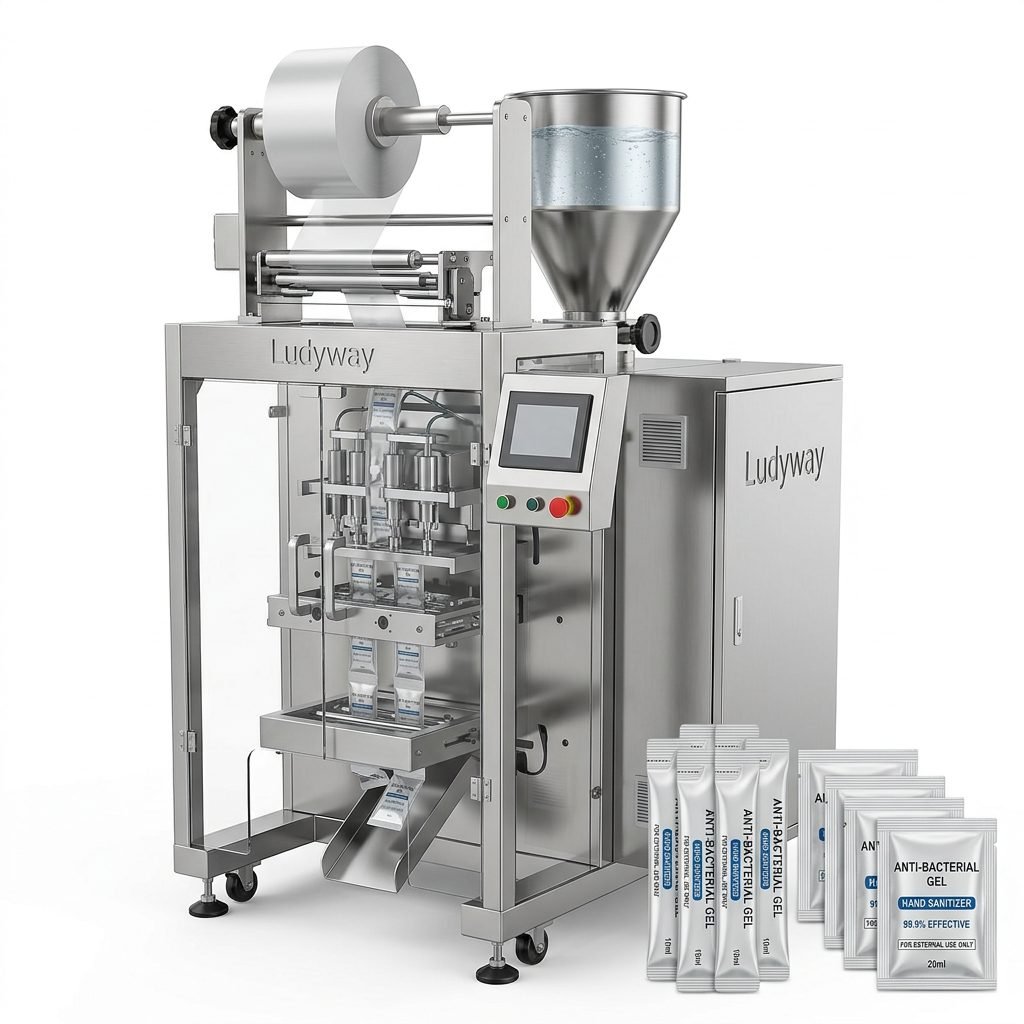
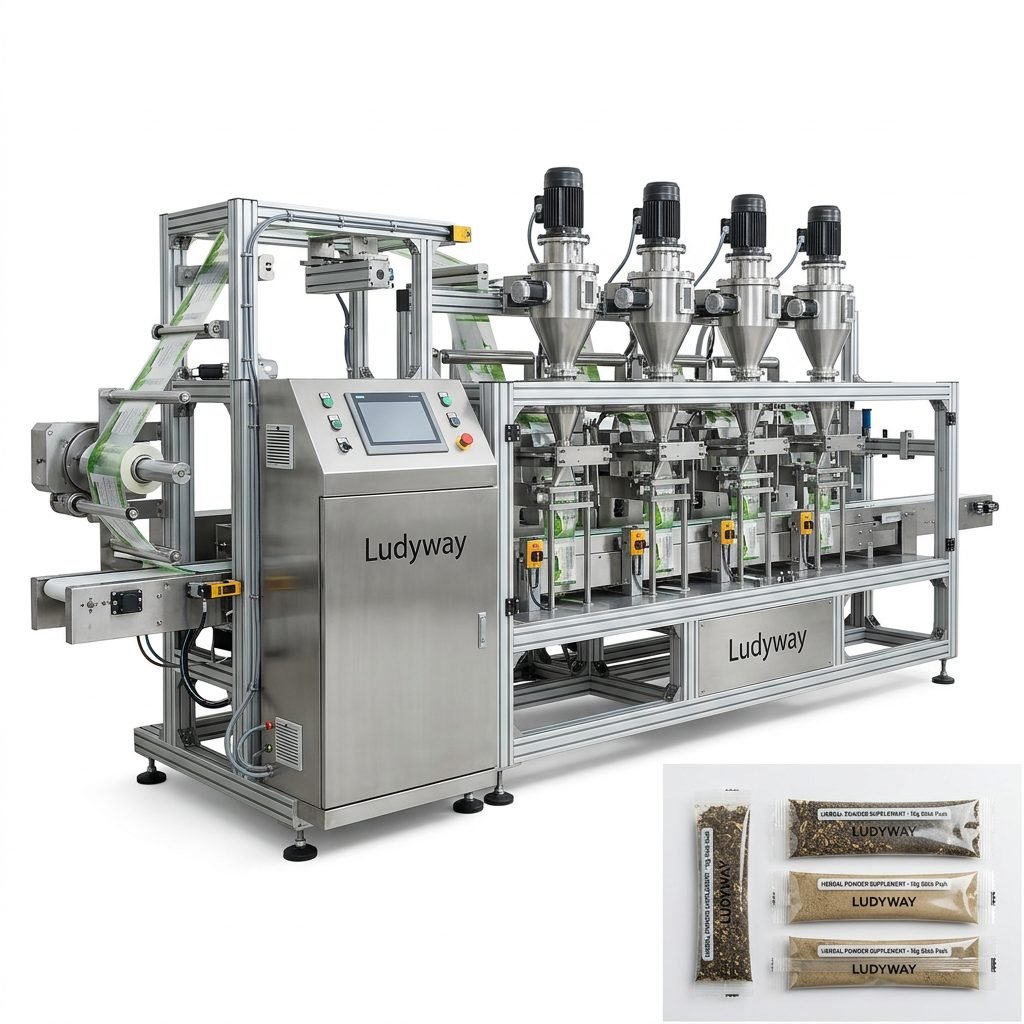
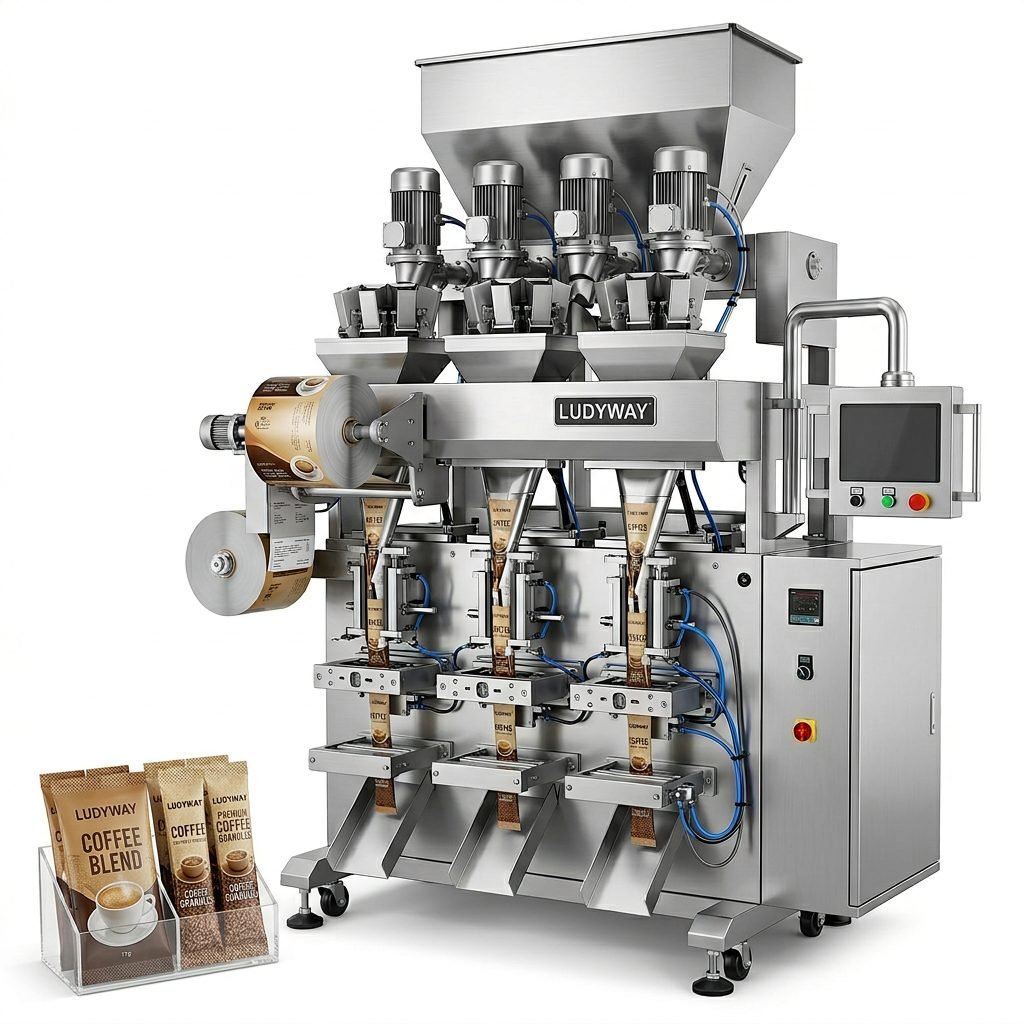
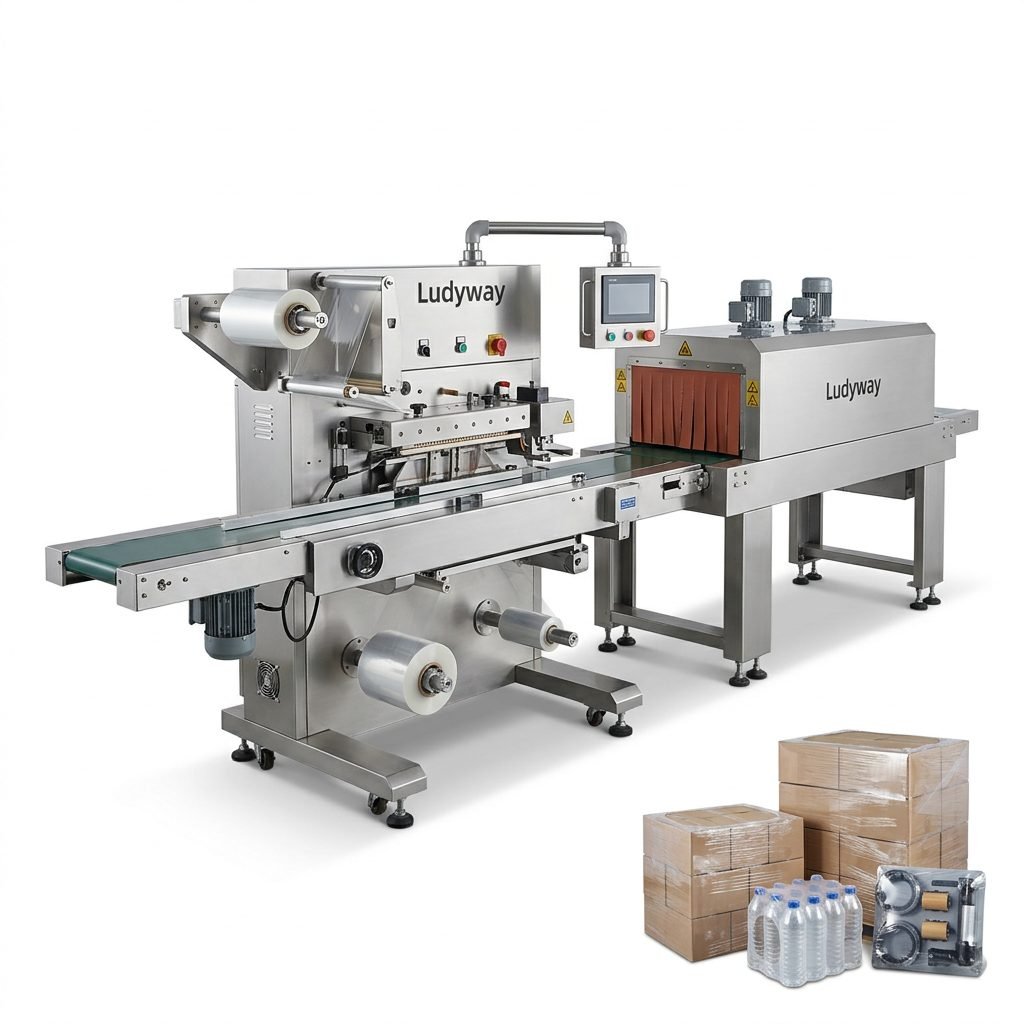
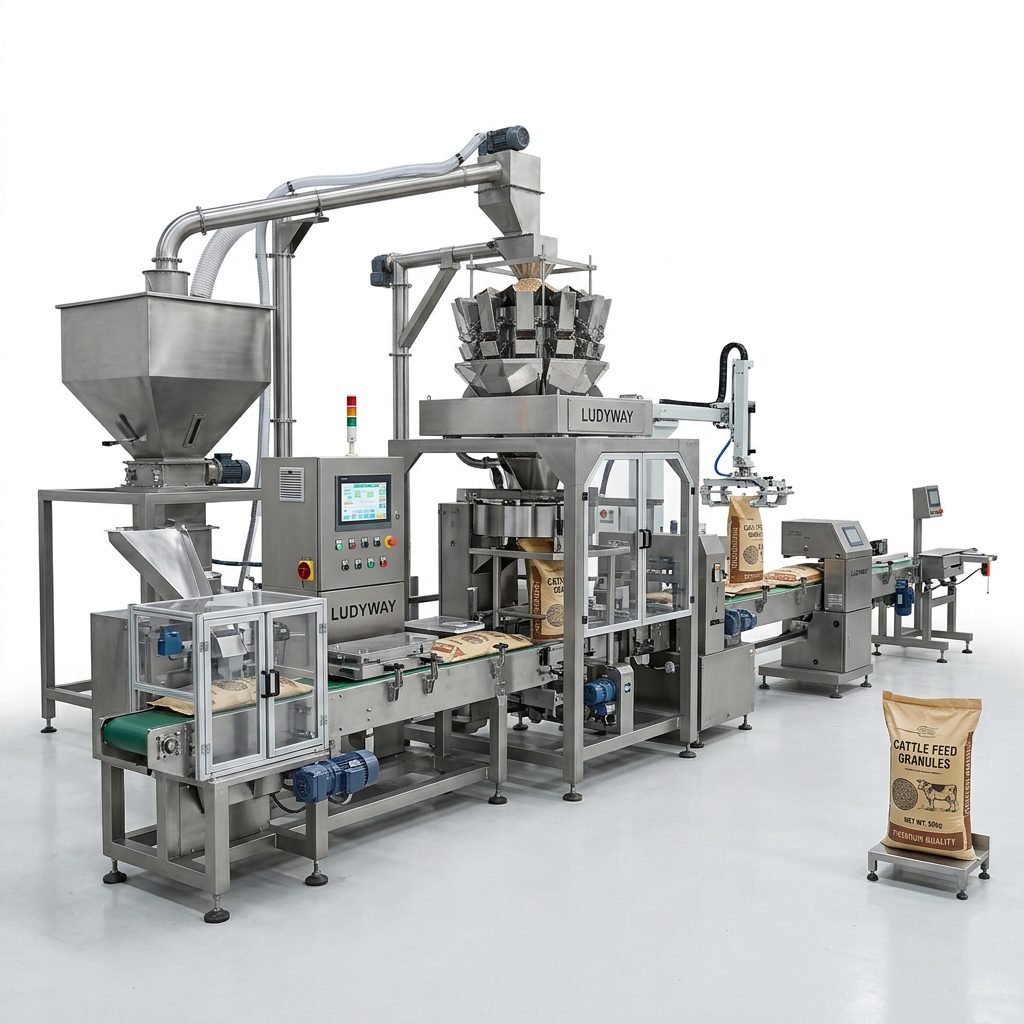
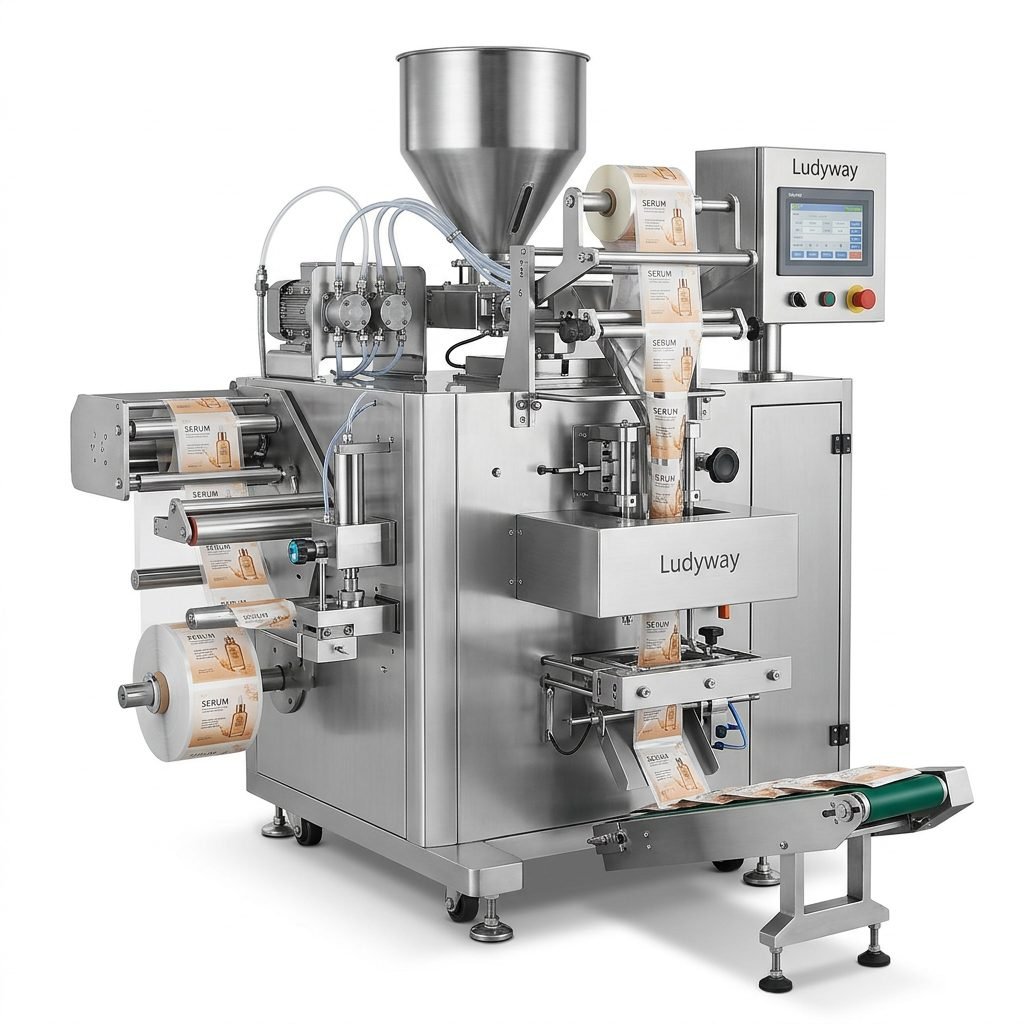
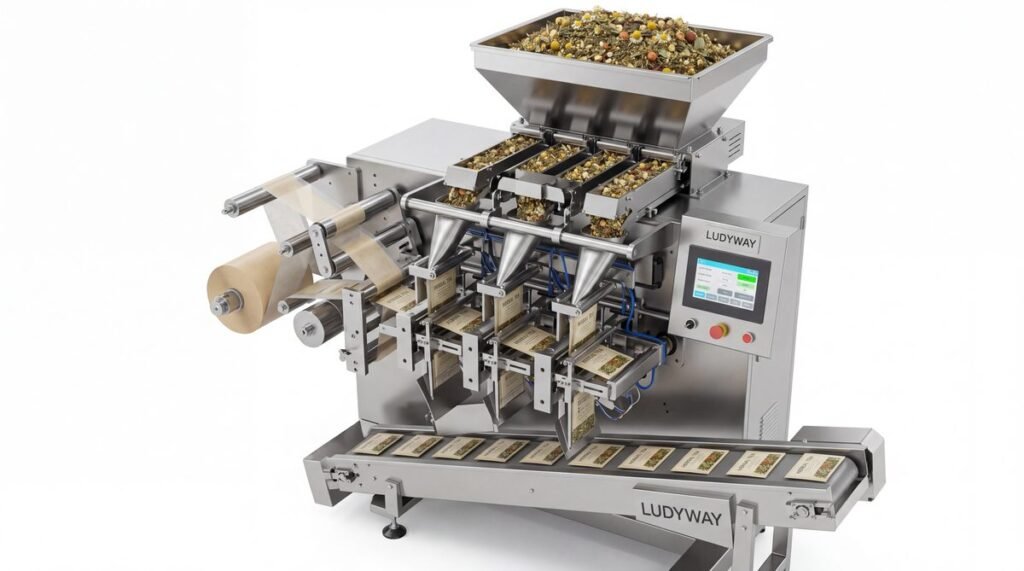
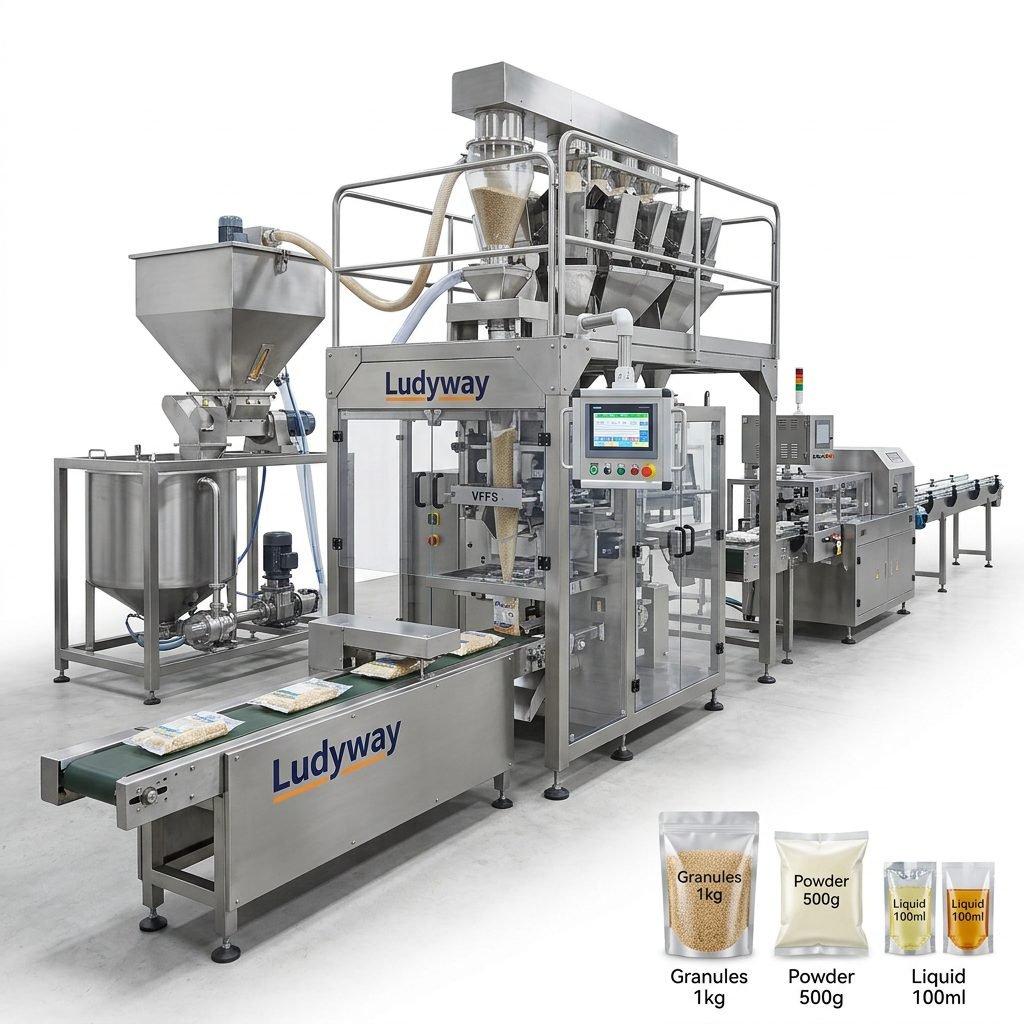
In the competitive world of manufacturing, preventive maintenance for packaging material machines is not just a cost-saving measure—it is a strategic necessity. Whether you are running high-speed packaging lines or specialized sachet filling systems, a well-structured maintenance program directly impacts equipment longevity, product quality, and overall operational efficiency. Neglecting routine care can lead to unexpected downtime, costly repairs, and compromised production schedules. This guide provides a comprehensive overview of how to maintain your packaging machinery effectively, ensuring consistent performance year after year.
Why Preventive Maintenance Matters
Packaging material machines operate under demanding conditions—constant motion, heat sealing, cutting, and filling cycles take a toll on mechanical and electrical components. Without regular upkeep, even the most robust packaging equipment can experience premature wear. A proactive maintenance approach helps you detect minor issues before they escalate into major failures, reducing unplanned downtime by up to 45% according to industry data. Additionally, well-maintained machines produce consistently sealed, filled, and cut packages—critical for industries governed by FDA packaging regulations and ISO packaging standards.

Daily Inspection Checklist
A quick but thorough daily inspection can catch developing problems early. Operators should perform the following checks at the start of each shift:
- Visual inspection of all accessible components for signs of wear, loose fasteners, or debris accumulation
- Check sealing jaws and cutting blades for residue buildup or misalignment
- Verify sensor functionality by running a test cycle and confirming proper detection
- Inspect film or material feed paths for smooth movement without snags or tension irregularities
- Monitor unusual noises or vibrations during startup and record any anomalies
- Confirm lubrication points are adequately serviced according to manufacturer specifications
Weekly Maintenance Tasks
Weekly procedures delve deeper into mechanical and pneumatic systems. These tasks require slightly more time but significantly extend equipment life:
- Clean all sealing surfaces thoroughly using manufacturer-recommended cleaning agents
- Inspect and clean pneumatic filters, drain moisture traps, and check air pressure settings
- Examine belts and chains for tension, alignment, and signs of cracking or stretching
- Test emergency stops and safety interlocks to ensure compliance with workplace safety standards
- Review error logs from the machine’s control system to identify recurring fault patterns
- Lubricate designated points per the equipment manual, avoiding over-greasing which can attract contaminants
Monthly Maintenance Procedures
Monthly maintenance focuses on detailed inspection and calibration work that ensures precision operation across all stations. Dedicate adequate time for these procedures to maintain accuracy:
| Component | Task | Frequency |
|---|---|---|
| Sealing System | Deep clean jaws, check temperature calibration, verify even pressure distribution | Monthly |
| Filling Mechanism | Calibrate dosing accuracy, inspect augers or volumetric fillers for wear | Monthly |
| Cutting Assembly | Sharpen or replace blades, verify cut alignment tolerances | Monthly |
| Electrical Cabinet | Inspect wiring connections, clean dust from panels, check cooling fans | Monthly |
| Conveyor System | Check belt tracking, inspect rollers and bearings, verify speed consistency | Monthly |
Quarterly and Annual Maintenance
Longer-interval maintenance addresses components that degrade gradually. These comprehensive inspections are best scheduled during planned production pauses:
- Replace worn wear parts including sealing bands, Teflon tapes, O-rings, and gaskets
- Full calibration of all sensors, temperature controllers, and timing sequences
- Inspect gearboxes and drive systems for oil condition and internal wear patterns
- Evaluate structural integrity of frames, mounting points, and vibration isolation systems
- Update machine software and firmware to the latest stable versions provided by the manufacturer
- Conduct a complete performance audit documenting speeds, accuracy, and rejection rates

Common Issues and Troubleshooting
Even with diligent maintenance, packaging machines occasionally develop issues. Understanding common problems helps operators respond quickly and correctly:
Inconsistent Seal Quality
Poor seals often result from temperature fluctuations, contaminated sealing surfaces, or uneven pressure. Clean the sealing jaws thoroughly, verify temperature setpoints against material specifications, and check that pressure is evenly distributed across the entire sealing area. If the problem persists, inspect the heating elements and thermocouples for proper function.
Filling Accuracy Drift
When fill weights begin to vary beyond acceptable tolerances, examine the dosing mechanism for wear, check product flow characteristics, and recalibrate the weighing or volumetric system. Changes in product density, humidity, or particle size can also affect filling accuracy and may require parameter adjustments.
Film Tracking Problems
Misaligned film can cause wrinkled packages and jams. Inspect guide rollers, tension controls, and the entire film path for obstructions or worn components. Ensure the film roll is properly seated and that brake tension is correctly set for the material type and thickness being used.
Lubrication Best Practices
Proper lubrication is one of the most cost-effective maintenance activities. Following a structured lubrication schedule reduces friction, prevents corrosion, and extends bearing life. Key principles include:
- Use only manufacturer-recommended lubricants with the correct viscosity and additive packages
- Apply the right amount—excess lubricant can trap contaminants and cause overheating
- Clean fittings before greasing to prevent introducing dirt into bearings
- Document all lubrication activities including type, quantity, and date of service
- Store lubricants in clean, labeled containers away from production areas to avoid cross-contamination
Operator Training and Engagement
The most sophisticated maintenance program will fail without properly trained operators. Personnel who interact with packaging machines daily are your first line of defense. Invest in comprehensive training covering basic troubleshooting, proper startup and shutdown procedures, and early warning sign recognition. Encourage operators to document observations and report anomalies immediately. When the team understands both the “how” and the “why” behind maintenance protocols, compliance and effectiveness increase dramatically.
Spare Parts Inventory Management
Maintaining an optimized spare parts inventory prevents extended downtime when components fail. Critical spares should be identified based on historical failure data and manufacturer recommendations. The following categories deserve priority:
- High-wear consumables: Sealing bands, cutting blades, filters, belts, and O-rings
- Long-lead-time items: Custom-manufactured components or specialized electronic boards
- Safety-critical parts: Emergency stop switches, interlocks, and sensor modules
Review your spare parts inventory quarterly and adjust based on actual usage patterns and lead time changes from suppliers.
Digital Tools for Maintenance Management
Modern packaging operations increasingly adopt computerized maintenance management systems (CMMS) to schedule, track, and analyze maintenance activities. These platforms enable automatic work order generation, spare parts tracking, and performance analytics that reveal long-term equipment reliability trends. Integration with machine sensors and IoT platforms further enhances predictive maintenance capabilities, alerting teams to developing issues before production is affected.
Partnering with Equipment Manufacturers
Building a strong relationship with your equipment supplier provides access to technical expertise, genuine replacement parts, and firmware updates. Industry resources and manufacturer support programs often include on-site training, remote diagnostics, and preventive maintenance audits. Companies like Ludyway offer comprehensive after-sales support including technical documentation, spare parts supply, and engineering consultation to help customers maintain peak machine performance throughout the equipment lifecycle.

Key Takeaways for Long-Term Reliability
Implementing a robust preventive maintenance program for packaging material machines delivers measurable returns through reduced downtime, consistent product quality, and extended equipment life. Start with daily inspections, build comprehensive weekly and monthly routines, and commit to thorough quarterly and annual overhauls. Train operators thoroughly, maintain an adequate spare parts inventory, and leverage manufacturer support when needed. A disciplined approach to maintenance transforms your packaging line from a source of uncertainty into a reliable foundation for production excellence.