Proper maintenance of your cheese vacuum packing machine is critical for ensuring food safety, extending equipment lifespan, and maintaining consistent packaging quality. Without a structured cleaning routine, residue buildup can lead to contamination, seal failures, and costly downtime. This guide provides a step-by-step approach to keeping your vacuum packaging machine in optimal condition.

Why Routine Cleaning Is Non-Negotiable
Cheese production involves oils, moisture, and fine particles that can easily infiltrate sensitive machine components. Neglecting daily wipe-downs can result in bacterial growth and compromised seal integrity. A clean machine is not just about hygiene; it directly impacts the efficiency of the vacuum pump and the longevity of the sealing bars.
Daily Cleaning Checklist for Operators
Implementing a daily regimen prevents the hardening of cheese residues. Follow these steps before shutting down the line:
- Power Down and Disconnect: Always isolate the power source before touching any internal parts to prevent electrical hazards.
- Remove Loose Debris: Use compressed air or a soft brush to clear crumbs and particulate from the sealing area and conveyor belts.
- Wipe Sealing Bars: The heating element and Teflon tape must be wiped gently with a lint-free cloth and a mild, food-grade solvent to remove oil and protein deposits.
- Inspect the Vacuum Chamber: Remove the chamber lid (if applicable) and wipe the interior thoroughly. Pay special attention to the seal gasket, as warped or dirty gaskets are the primary cause of vacuum leaks.
Weekly Deep Cleaning Protocol
While daily cleaning handles surface hygiene, a weekly deep dive addresses internal systems. A proactive approach here dramatically reduces the risk of unexpected breakdowns.

Pump Maintenance and Oil Checks
The vacuum pump is the heart of the machine. For oil-lubricated rotary vane pumps, check the oil level and color weekly. If the oil appears milky or cloudy, it indicates moisture contamination from the cheese packaging process and must be changed immediately. Run the pump with the exhaust open for a few minutes to purge any residual moisture before closing the system.
Cleaning the Vacuum Ports
Blocked vacuum ports restrict airflow and increase cycle time. Use a small, non-scratch tool to gently clean any buildup in the suction holes. Ensure there is no blockage in the hoses connecting the chamber to the pump.
Sanitizing Contact Surfaces
All stainless-steel surfaces that contact the packaging film should be sanitized with an approved food-grade disinfectant. Rinse thoroughly to ensure no chemical residue remains that could affect the cheese’s flavor or safety.
Monthly Preventative Maintenance Tasks
Monthly checks are more technical and focus on the mechanical integrity of the packaging equipment. Document these checks to track component wear over time.
| Component | Maintenance Action | Frequency |
|---|---|---|
| Sealing Gaskets | Inspect for cracks, flattening, or elasticity loss. Replace if rigid. | Monthly |
| Teflon Tape | Check for blistering or carbonized cheese residue. Replace if damaged. | Monthly |
| Vacuum Hoses | Inspect for pinholes, loose clamps, or brittleness. | Monthly |
| Lubrication Points | Apply food-grade grease to hinges, pistons, and guide rods. | Monthly |
Choosing the Right Cleaning Agents
Harsh chemicals can corrode the metallic parts of your cheese vacuum packing machine. Avoid using chlorine-based bleach directly on stainless steel, as it can cause pitting. Instead, opt for quaternary ammonium compounds (quats) or peracetic acid-based sanitizers that are designed for dairy environments. Always verify compatibility with the seal materials (EPDM, silicone, or PTFE).
Common Mistakes to Avoid
- Using Metal Scrapers: Never use a metal tool to remove stuck-on cheese; it will scratch the chamber surface and create bacterial niches.
- Neglecting the Lid Hinges: Vacuum chamber lids are heavy. If hinge springs are not lubricated, they can snap, posing a serious safety risk.
- Over-tightening Fittings: When reassembling parts after cleaning, follow torque specifications to avoid stripping threads.
Troubleshooting Seal Integrity Issues
If you notice air return in your bags hours after packing, the problem is rarely the film alone. Here is a quick diagnostic table:
| Symptom | Possible Cause | Solution |
|---|---|---|
| Incomplete vacuum | Dirty chamber gasket | Remove, clean, and dry the gasket. |
| Weak or wrinkled seal | Contaminated sealing wire or Teflon cover | Replace Teflon tape and polish the sealing wire. |
| Slow cycle time | Clogged vacuum filter or old pump oil | Replace inlet filter and change oil. |
Long-Term Component Replacement Strategy
Even with perfect maintenance, parts wear out. Keep a critical spare parts kit on hand. For high-output cheese lines, stock a spare set of sealing wires, Teflon tape, vacuum pump oil, and main gaskets. Proactive replacement during scheduled downtime is always cheaper than emergency reactive repairs.
About Our Packaging Solutions
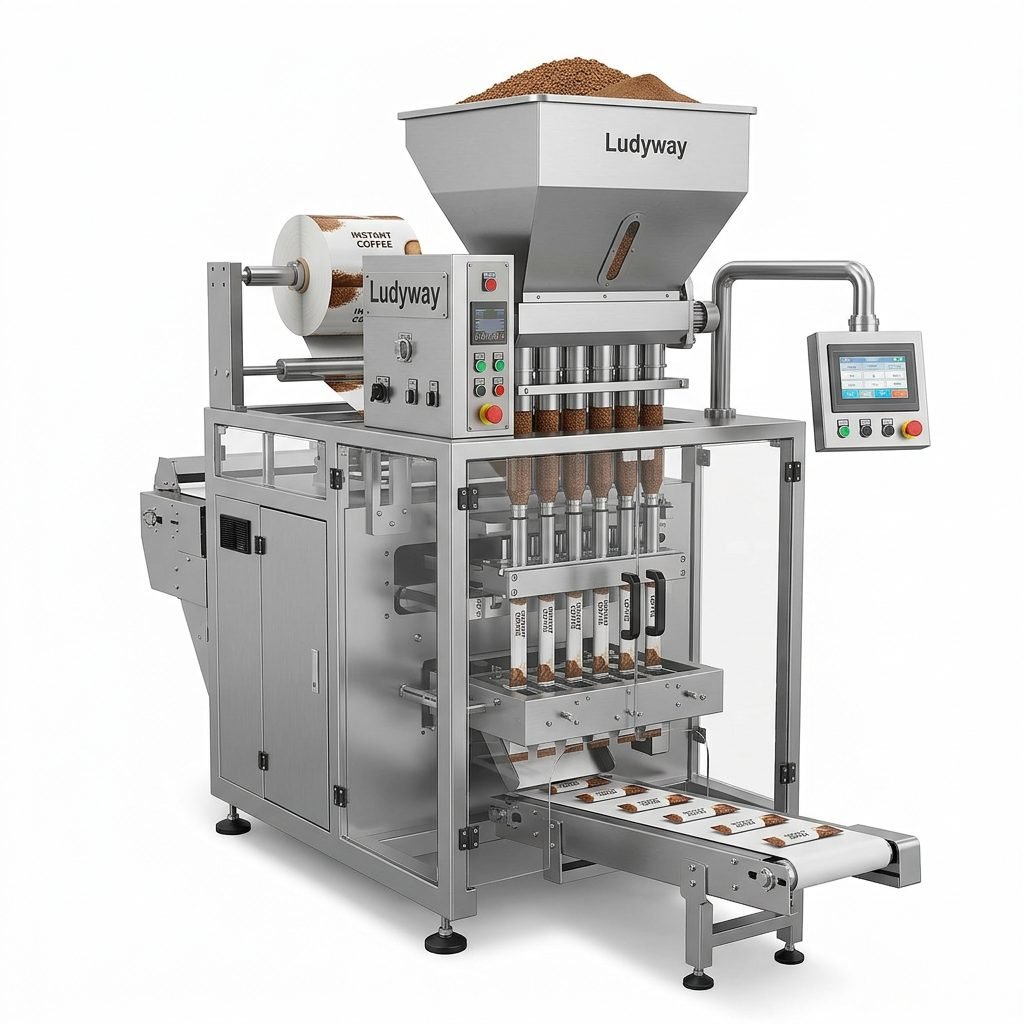
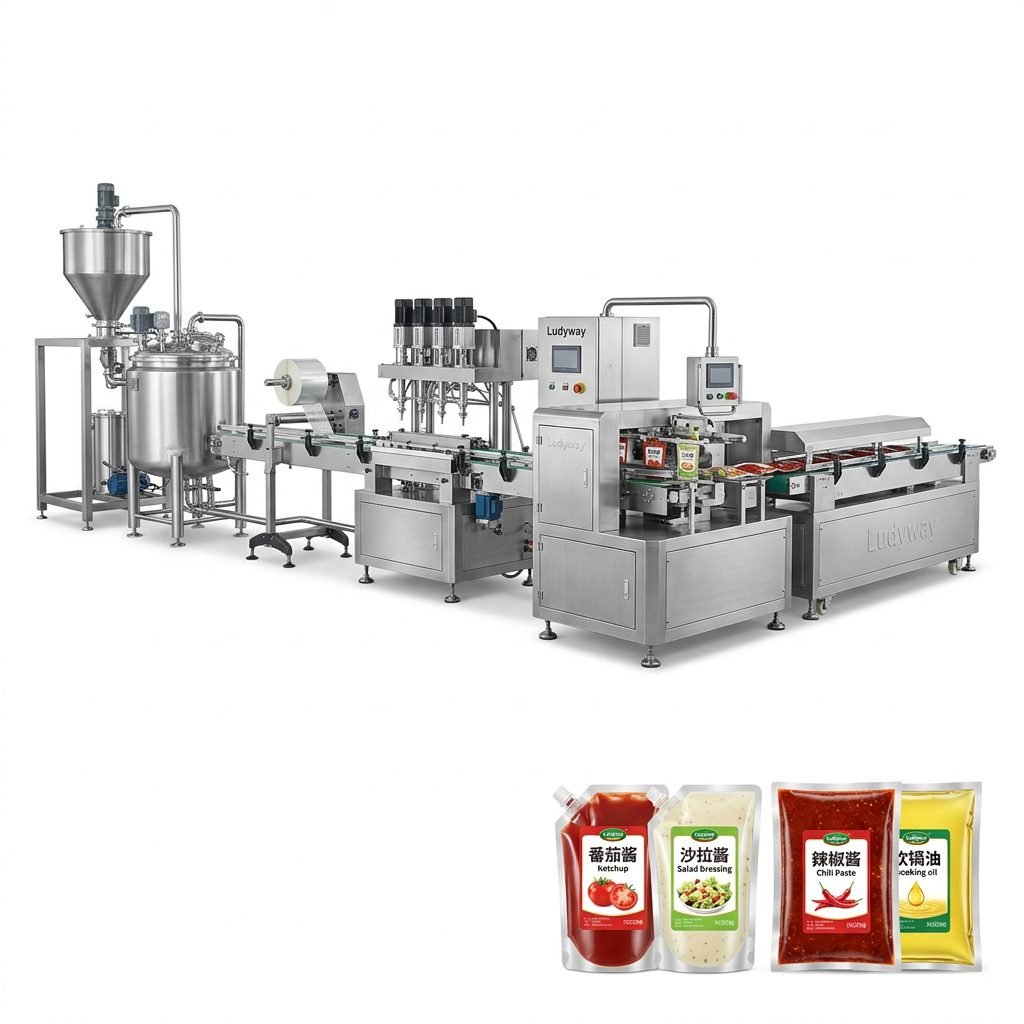
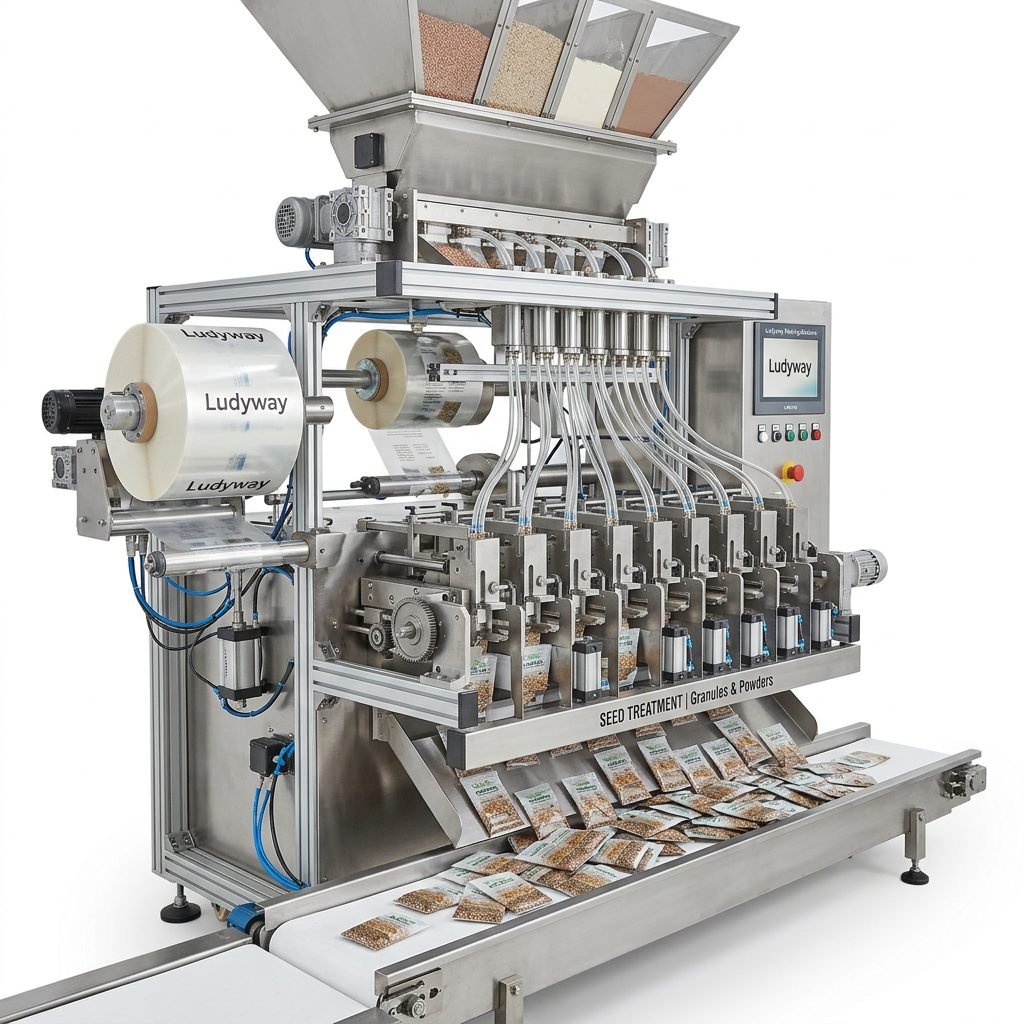
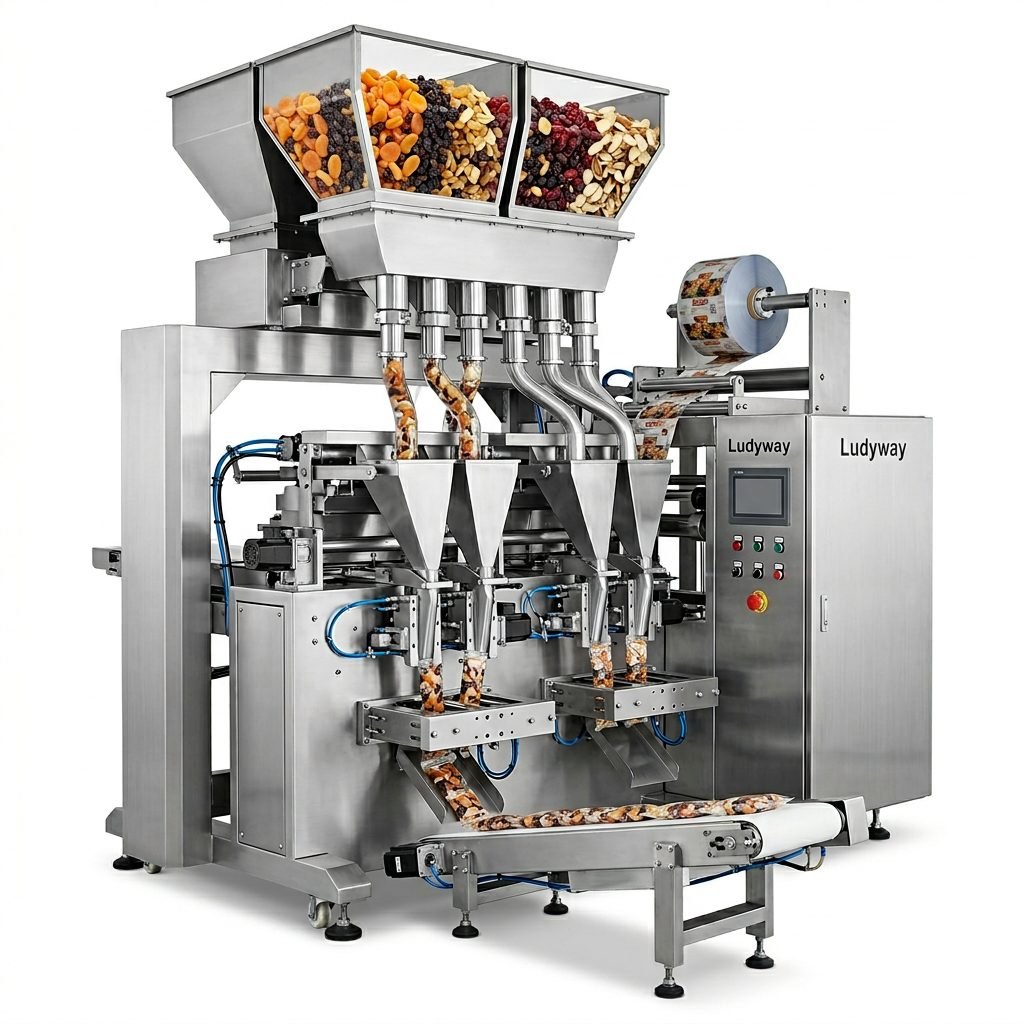
Ludyway is one of the largest packaging machine manufacturers in China, specializing in advanced packaging equipment and turnkey production solutions for the food, pharmaceutical, and health industries. With over 30 years of industry expertise, we provide reliable and efficient packaging solutions for granule, powder, liquid, and pouch packaging applications. Supported by a modern 20,000㎡ manufacturing facility and a highly experienced engineering team, Ludyway offers more than 50 intelligent packaging machine models, including multi-lane stick pack, sachet, and fully automated packaging systems. Serving customers in over 100 countries and regions, we are committed to delivering innovative, high-performance, and cost-effective packaging solutions that help businesses improve productivity, product quality, and operational efficiency. For global inquiries, contact info@ludyway.com or WhatsApp +8613129592456.
For industry standards on safe packaging practices, refer to the FDA Food Packaging and Food Contact Substances guidelines and ISO Packaging Standards. To see state-of-the-art machinery in action, visit resources like PACK EXPO International and the PMMI Association for Packaging and Processing Technologies.