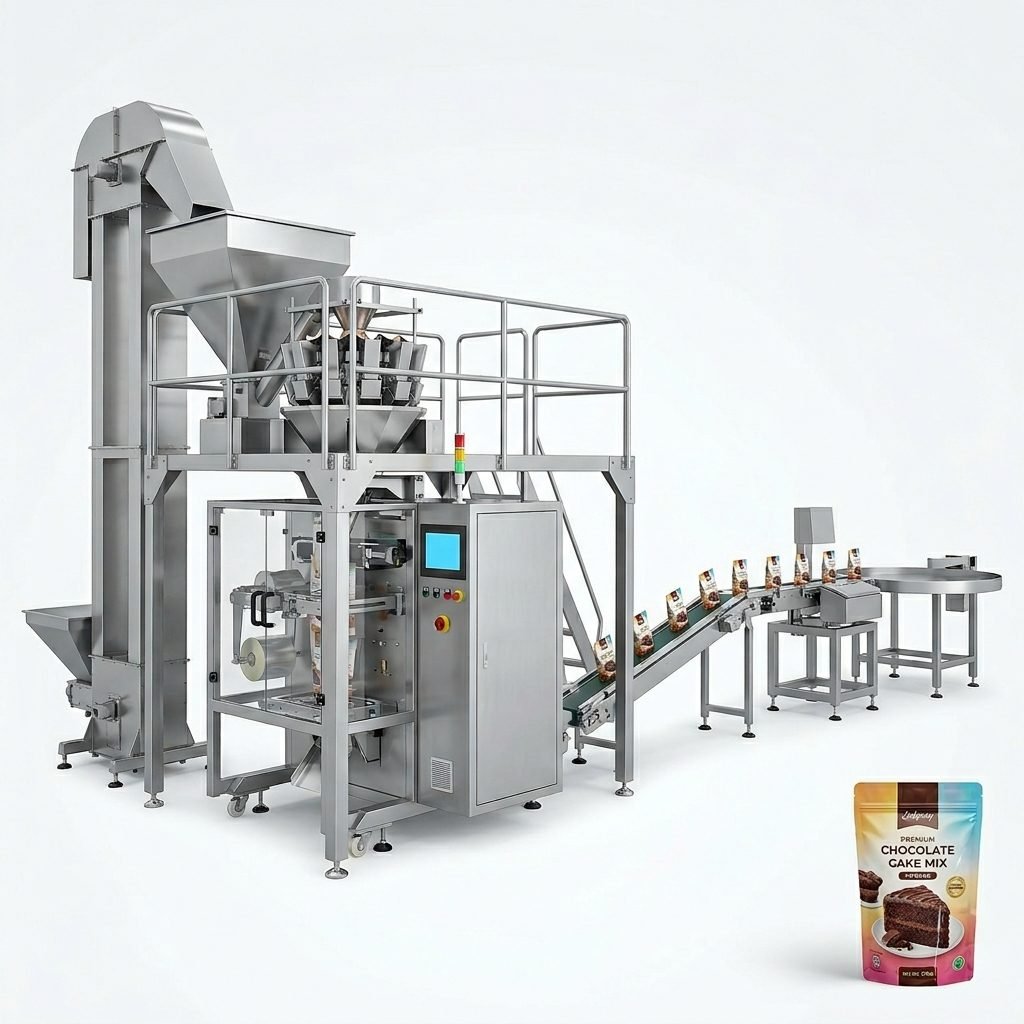
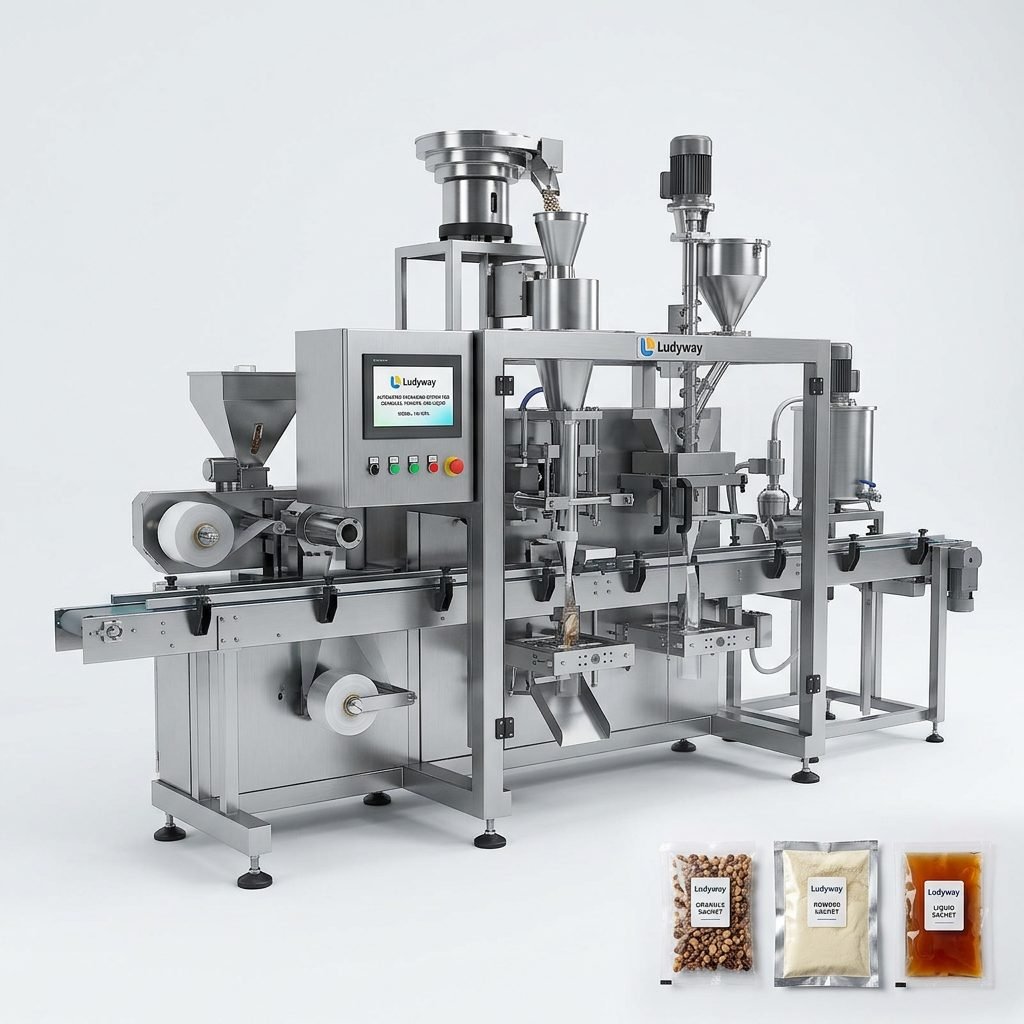
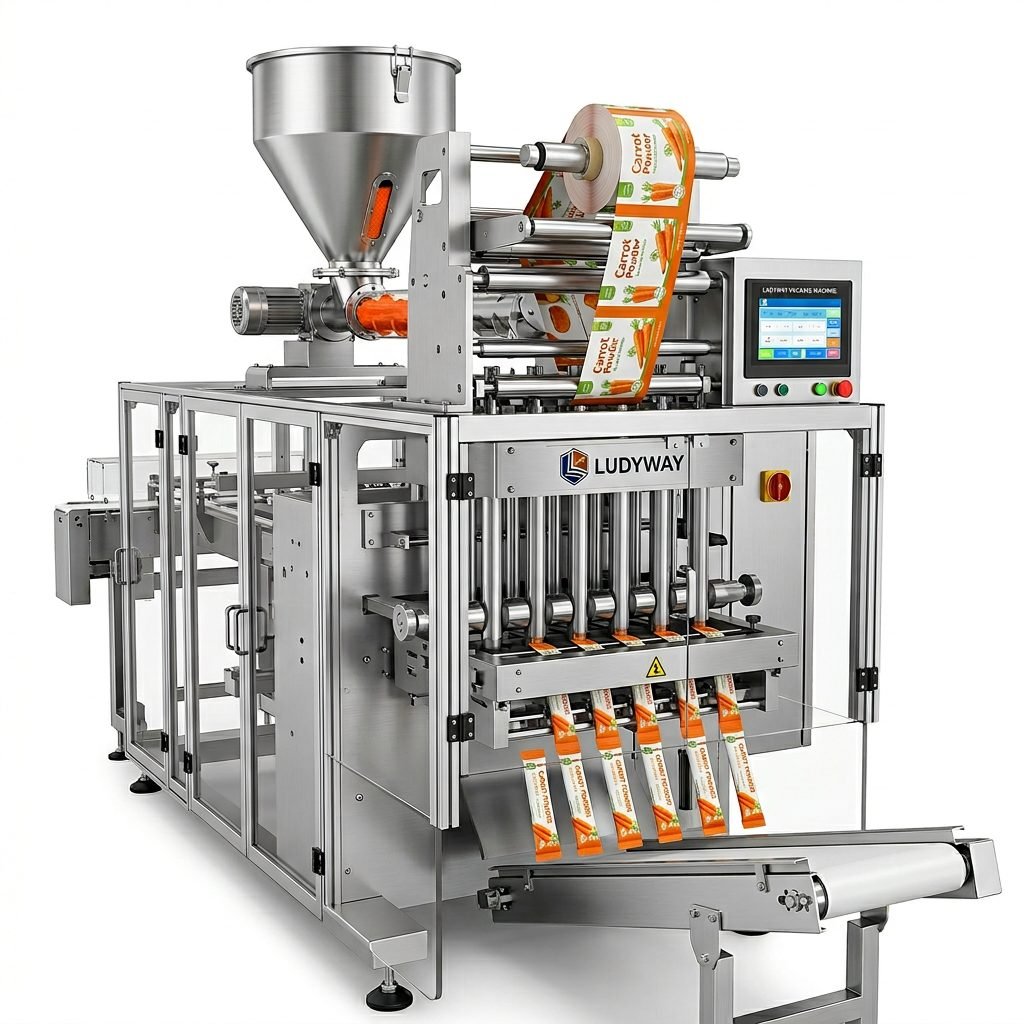
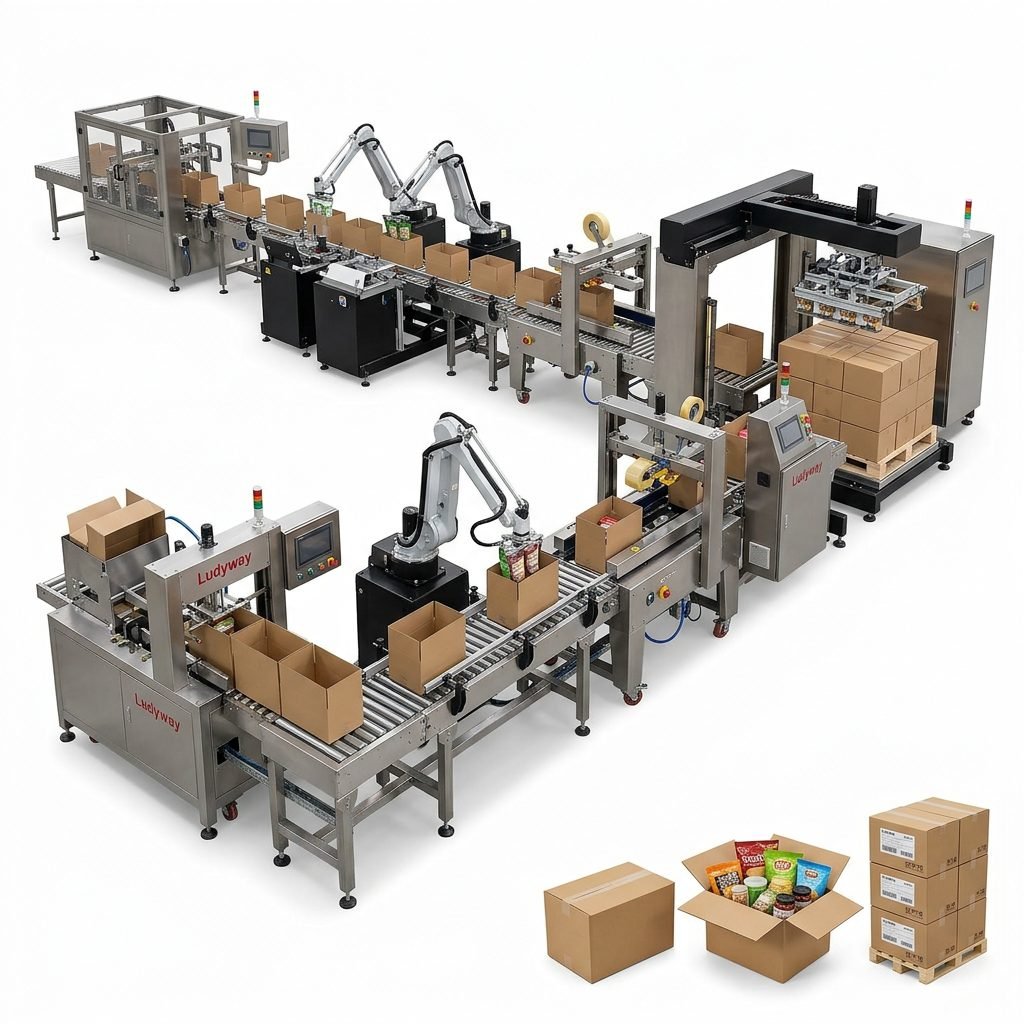
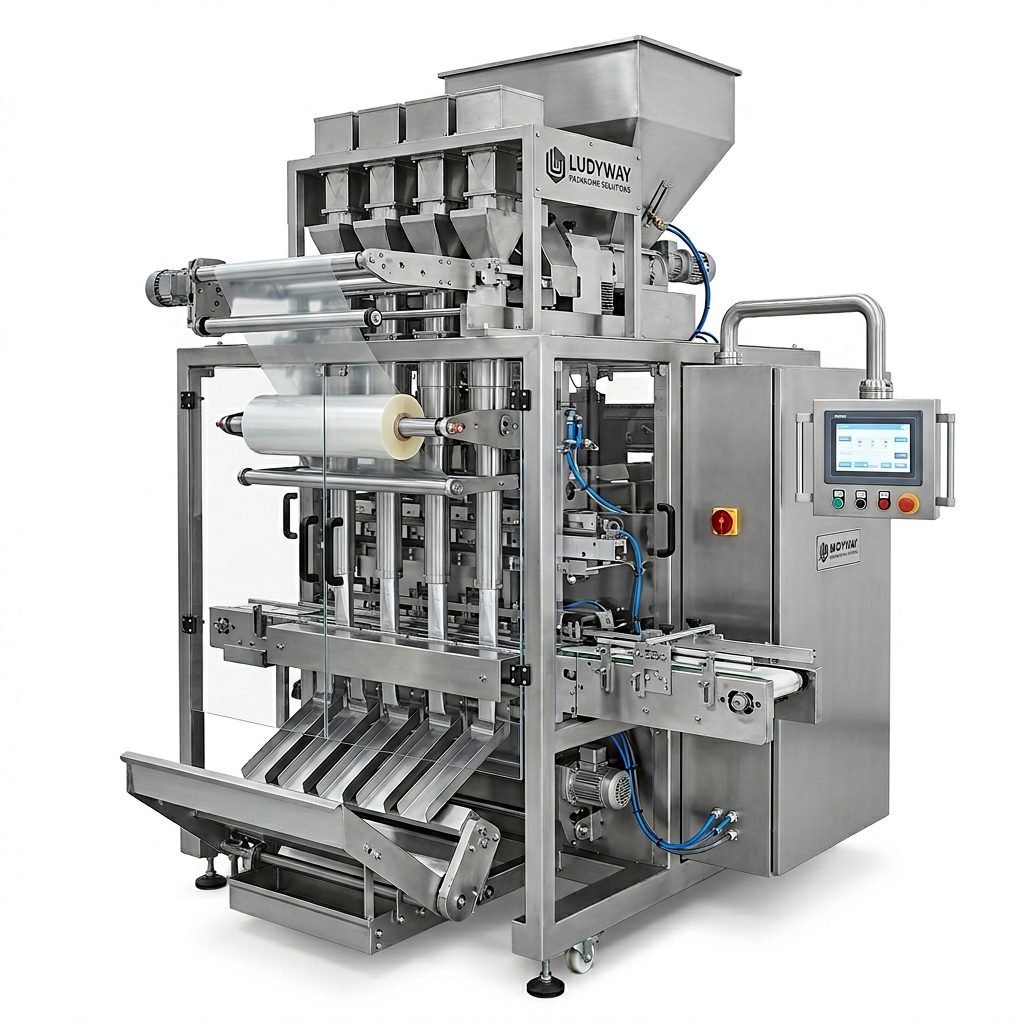
Reducing changeover time on a packaging machine is one of the fastest ways to increase output without buying new equipment. When operators can switch from one product, pouch size, film roll, recipe, or batch code to the next with less downtime, the whole line becomes more profitable. Faster changeovers also improve delivery performance, reduce labor waste, and make smaller production runs easier to manage.
In many factories, changeover losses are hidden inside the day: cleaning, material replacement, tooling swaps, parameter adjustment, trial packs, quality checks, and waiting for maintenance or supervisors. The good news is that most of these losses can be reduced with a clear system.
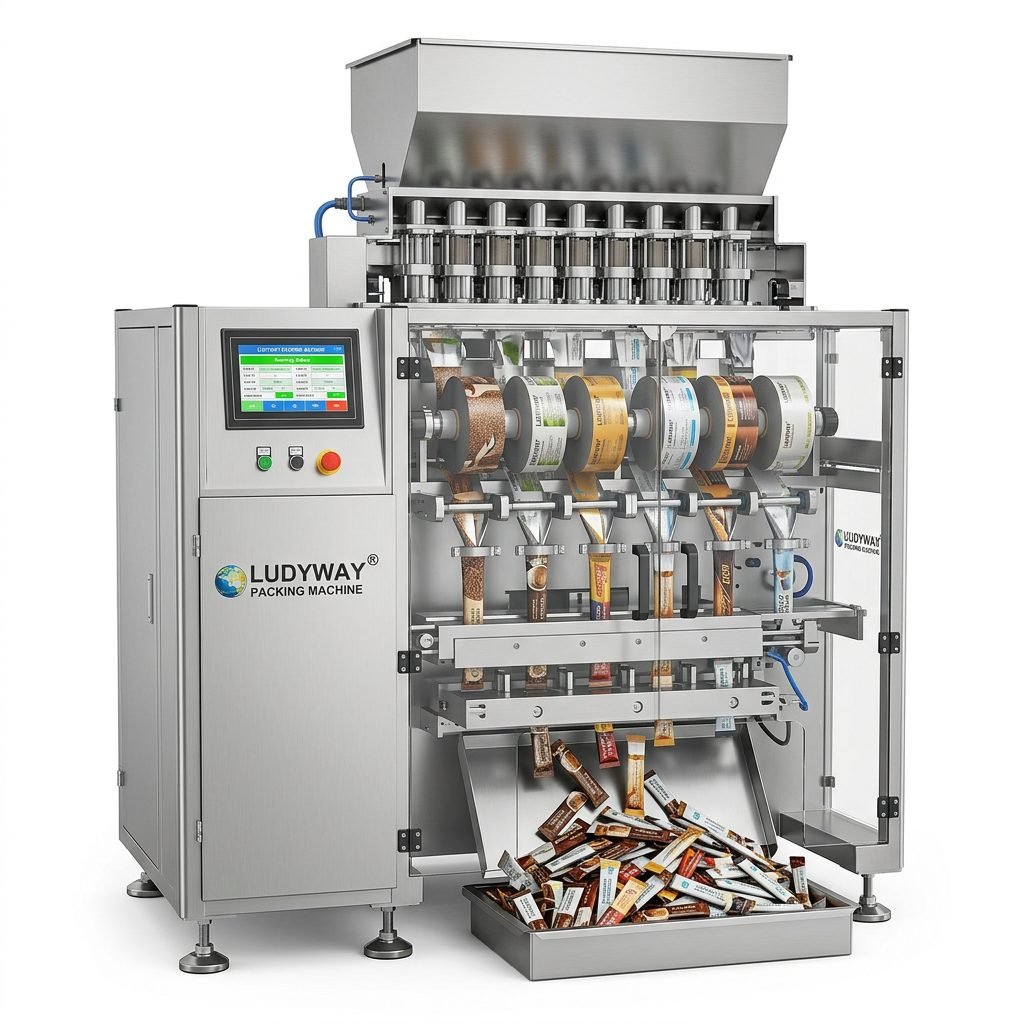
Why changeover time matters so much
If a machine changes over several times per shift, even saving 10 to 20 minutes each time can create a major increase in available production hours over a month. This directly affects:
- Overall equipment effectiveness (OEE)
- Daily output capacity
- Labor utilization
- Schedule flexibility
- On-time shipment performance
- Waste from startup rejects
Shorter changeovers mean more selling time and less waiting time. For food, pharmaceutical, supplement, cosmetic, and chemical packaging environments, this can become a strong competitive advantage.
Start by measuring the real changeover time
Before improving anything, define exactly when changeover starts and ends. Many teams underestimate downtime because they only count the mechanical adjustment period.
A practical definition
Changeover starts when the last good pack of the previous run is produced and ends when the first good pack of the next run is accepted at standard speed.
Track the full sequence
- Stop previous batch
- Remove remaining materials
- Clean product-contact parts
- Change film, pouch former, filling tools, coding data, labels, or cartons
- Enter or load new settings
- Run test packs
- Approve seal, weight, print, and appearance
- Reach stable operating speed
Use a stopwatch, production sheet, tablet form, or machine data log to record each step. This will show where the biggest delays happen.
Use the SMED approach for packaging lines
One of the most effective methods is SMED, or Single-Minute Exchange of Die. The goal is not literally one minute in every case, but to reduce setup time dramatically by separating tasks into two groups:
- Internal tasks: must be done while the machine is stopped
- External tasks: can be done while the machine is still running or before shutdown
| Task Type | Typical Example | Improvement Idea |
|---|---|---|
| External | Preparing film rolls, labels, tools, batch data | Stage all items before stop time |
| Internal | Changing forming set, guide parts, sealing jaws | Use quick-release mechanisms and fixed positioning |
| External | Downloading recipe or print content | Preload digital parameters in advance |
| Internal | Startup tuning and first article inspection | Standardize target settings and approval criteria |
Practical tips to reduce packaging machine changeover time
1. Standardize the changeover procedure
If every operator changes the machine in a different order, setup time will always vary. Create a standard operating procedure with clear steps, photos, checkpoints, and target times.
- List each action in the best sequence
- Identify which tools and parts are needed
- Mark safety lockout points
- Define setup verification checks
- Post the procedure near the machine
2. Pre-stage all materials before the line stops
A common cause of downtime is waiting for film, cartons, labels, product, or batch records. Set up a changeover cart or staging zone near the machine.
Everything for the next job should be ready before the current run ends.
3. Use color coding and part labeling
Change parts such as forming tubes, dosing screws, guides, holders, and funnels should be easy to identify. Label them by product size or SKU, and store them in fixed locations.
- Color-code by pouch width
- Use engraved part numbers
- Add orientation marks for fast installation
- Keep a shadow board for tools
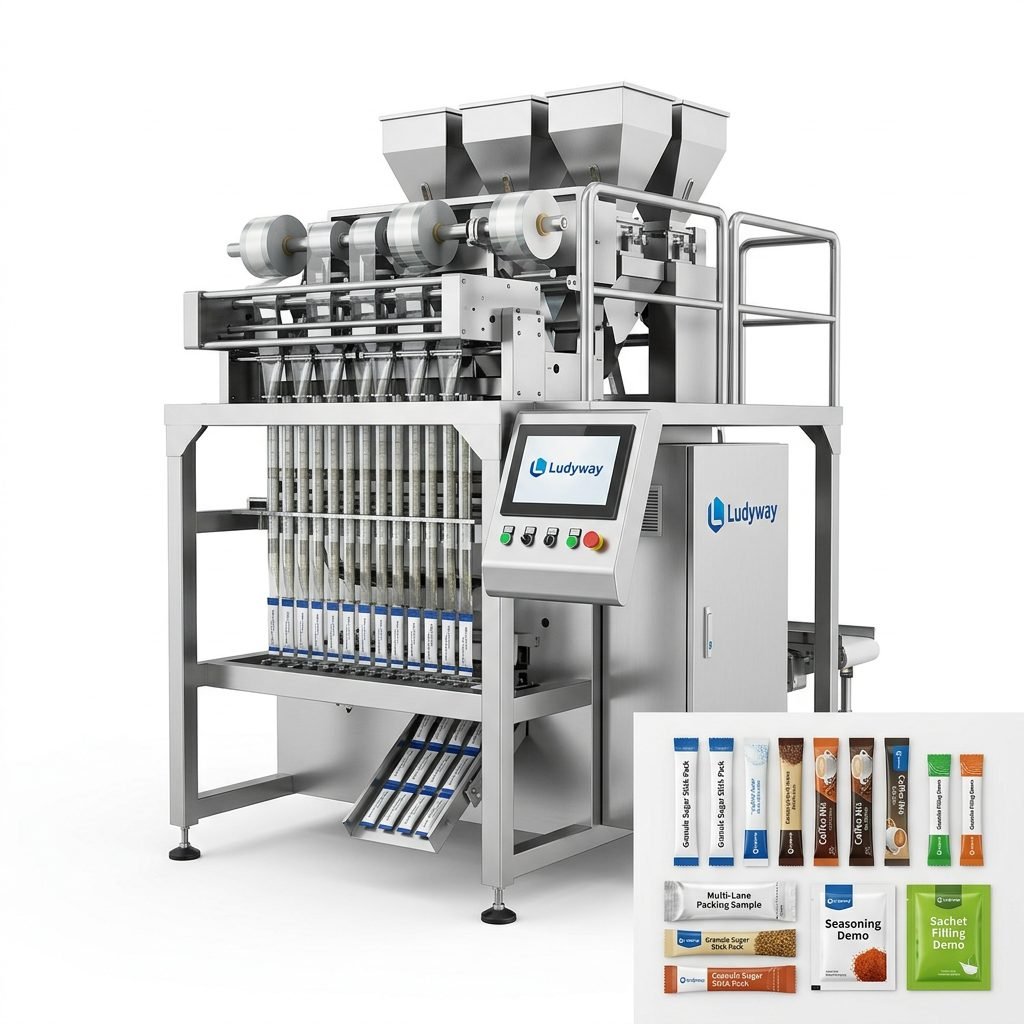
4. Convert internal work into external work
This is where many of the biggest gains come from. For example:
- Preheat sealing tools before installation if applicable
- Load print files and date codes ahead of time
- Prepare cleaned spare parts offline
- Assemble the next dosing set outside the machine
- Pre-weigh or pre-stage product for test runs
5. Introduce quick-change tooling
If operators need wrenches, repeated alignment, and trial fitting during every setup, the machine design may be slowing production. Quick-change components can cut several minutes from each swap.
Look for:
- Tool-less clamps
- Quick-lock handles
- Positioning pins
- Reference scales
- Preset guides and stops
6. Save recipes for repeat products
For machines handling multiple formats, recipe management is essential. Save parameters for temperature, filling volume, speed, sealing time, cutting position, film pull length, and coding location.
This reduces operator guesswork and shortens startup adjustment.
7. Reduce cleaning time with smart design and planning
Cleaning can be the longest part of a packaging machine changeover, especially for powders, sticky liquids, seasonings, supplements, pharmaceuticals, or allergen-sensitive products.
To reduce cleaning time:
- Use removable contact parts
- Keep duplicate cleaned parts ready
- Match cleaning methods to product type
- Use smooth, easy-access surfaces
- Plan product sequence from light to dark or non-allergen to allergen where possible
8. Train operators with timed practice
Even the best machine cannot deliver fast changeovers without trained operators. The team should know the target sequence, common mistakes, and machine-specific adjustments.
Helpful methods include:
- Video recording changeovers for review
- Cross-training operators across shifts
- Comparing best time vs. average time
- Running supervised practice sessions
9. Minimize startup rejects
Some changeovers appear short, but actual productivity remains poor because too many test packs are rejected. Standard startup criteria can help the team reach full speed faster.
- Use a first-piece checklist
- Confirm seal integrity early
- Check print position and readability
- Verify fill weight quickly with calibrated devices
- Set acceptable startup sample limits
10. Maintain the machine to avoid setup delays
Loose sensors, worn guides, poor film tracking, damaged jaws, sticky actuators, and unstable dosing units all make changeovers longer. Preventive maintenance supports fast setups.
| Maintenance Focus | Why It Affects Changeover |
|---|---|
| Sensor calibration | Reduces repeated trial adjustments |
| Sealing jaw condition | Improves first-run seal consistency |
| Film pulling system | Prevents registration and tracking issues |
| Dosing parts wear | Reduces weight variation during startup |
| Fasteners and guide alignment | Makes parts easier to install correctly |
Common causes of slow changeovers
If your packaging line is still taking too long to switch over, one or more of these issues may be present:
- No standard setup sequence
- Missing tools or change parts
- Poor machine accessibility
- No saved product recipes
- Too many manual adjustments
- Slow cleaning due to product buildup
- Operator dependence on one “expert” person
- Unclear quality approval process
- Maintenance problems causing repeat tuning
Best KPI targets to track
To make improvement sustainable, track changeover performance every week. Useful KPIs include:
- Average changeover time by machine
- Best achieved changeover time
- Changeover time by SKU family
- Number of startup rejects
- Time to first good pack
- Time to full operating speed
- Unplanned stops during first 30 minutes after setup
Display these results visually so operators and supervisors can see progress.
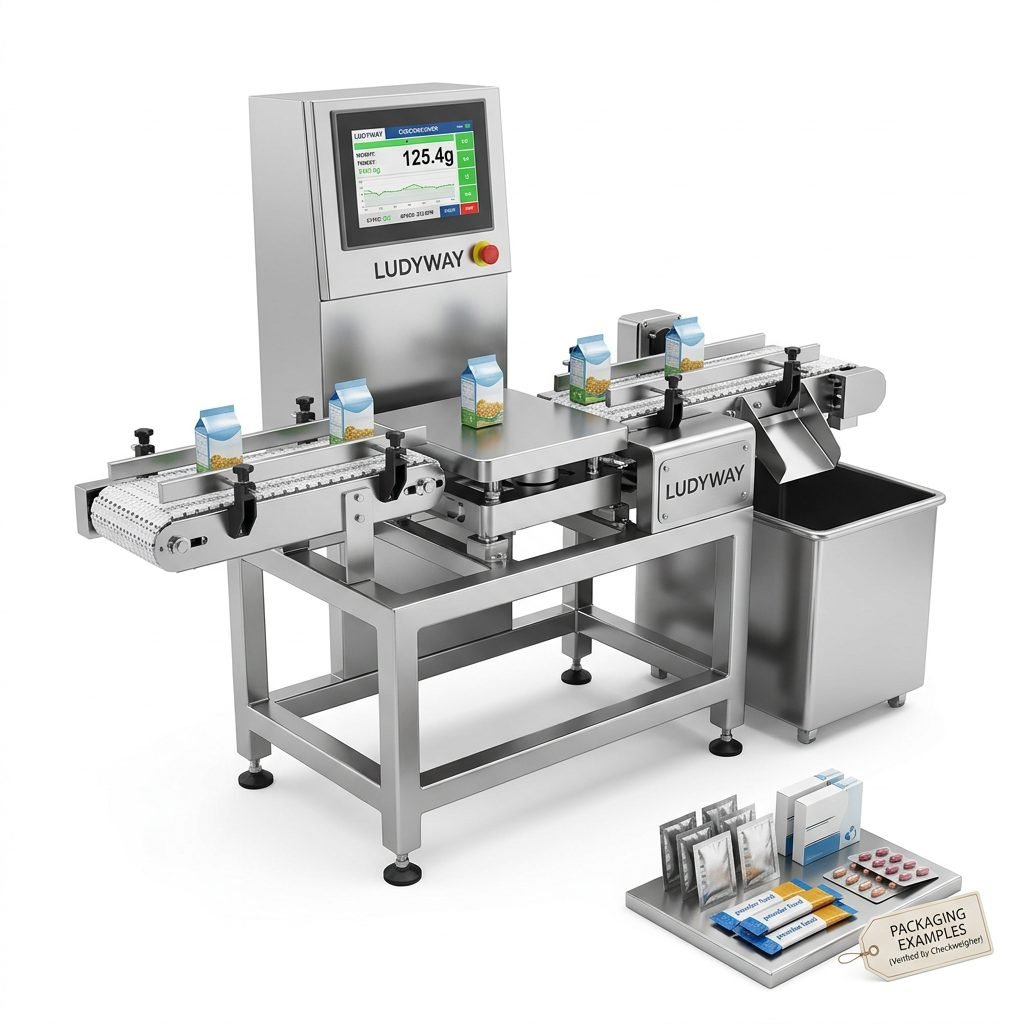
A simple fast-changeover checklist
| Before Stop | During Changeover | After Restart |
|---|---|---|
| Prepare next film and product | Follow standard sequence | Inspect first packs |
| Confirm tools and parts | Install labeled change parts | Verify weight and seal |
| Load recipe and print data | Check sensors and guides | Reach target speed quickly |
| Stage cleaning materials | Complete cleaning efficiently | Record actual setup time |
When equipment design should be upgraded
Sometimes process improvement alone is not enough. If your current packaging machine requires excessive manual adjustment, difficult disassembly, or repeated recalibration, it may be worth reviewing machine design features for faster operation.
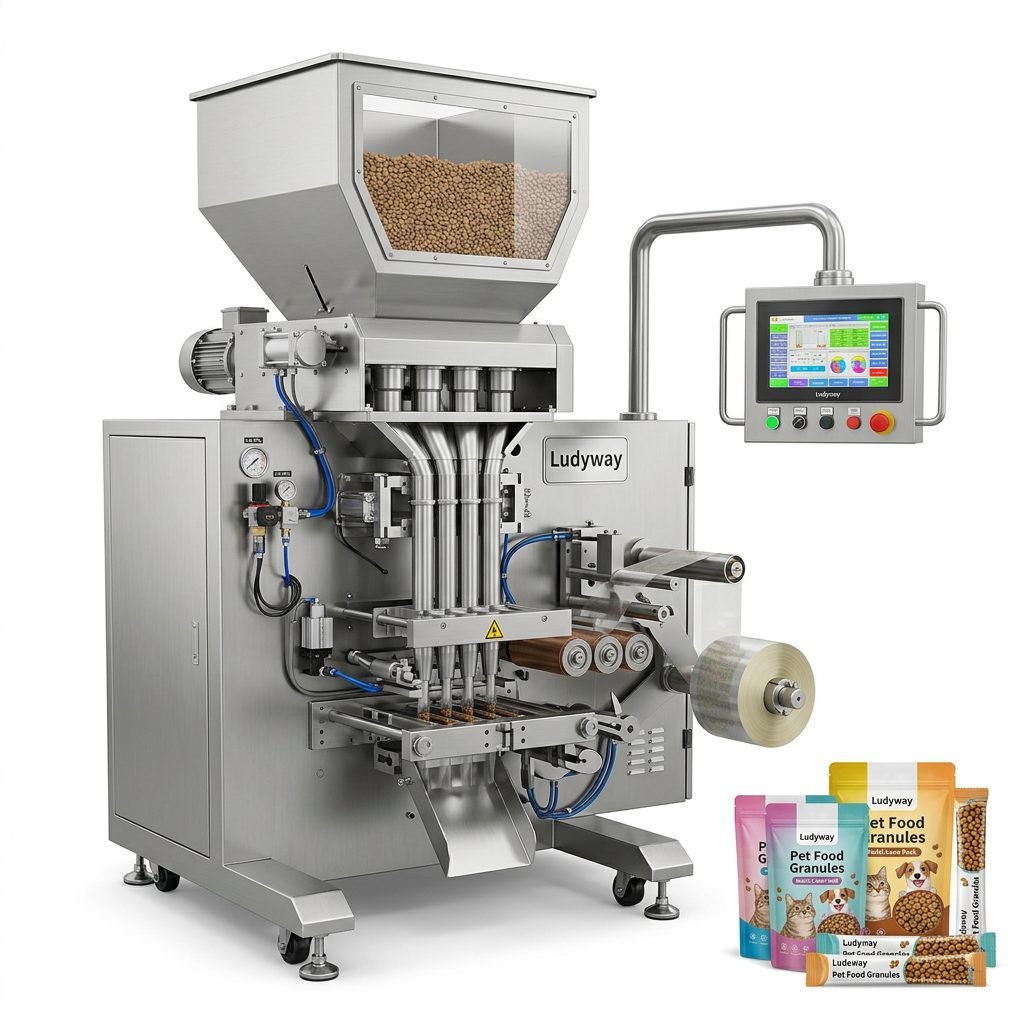
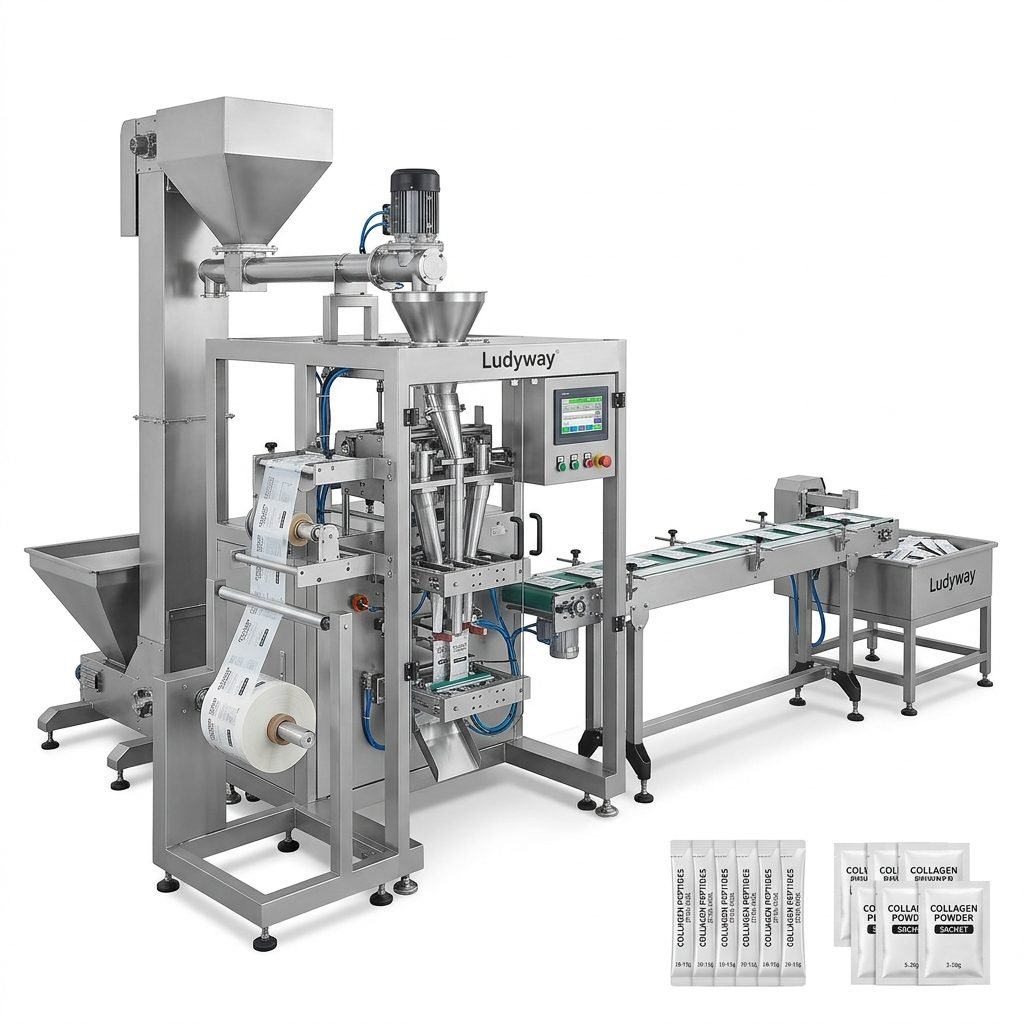
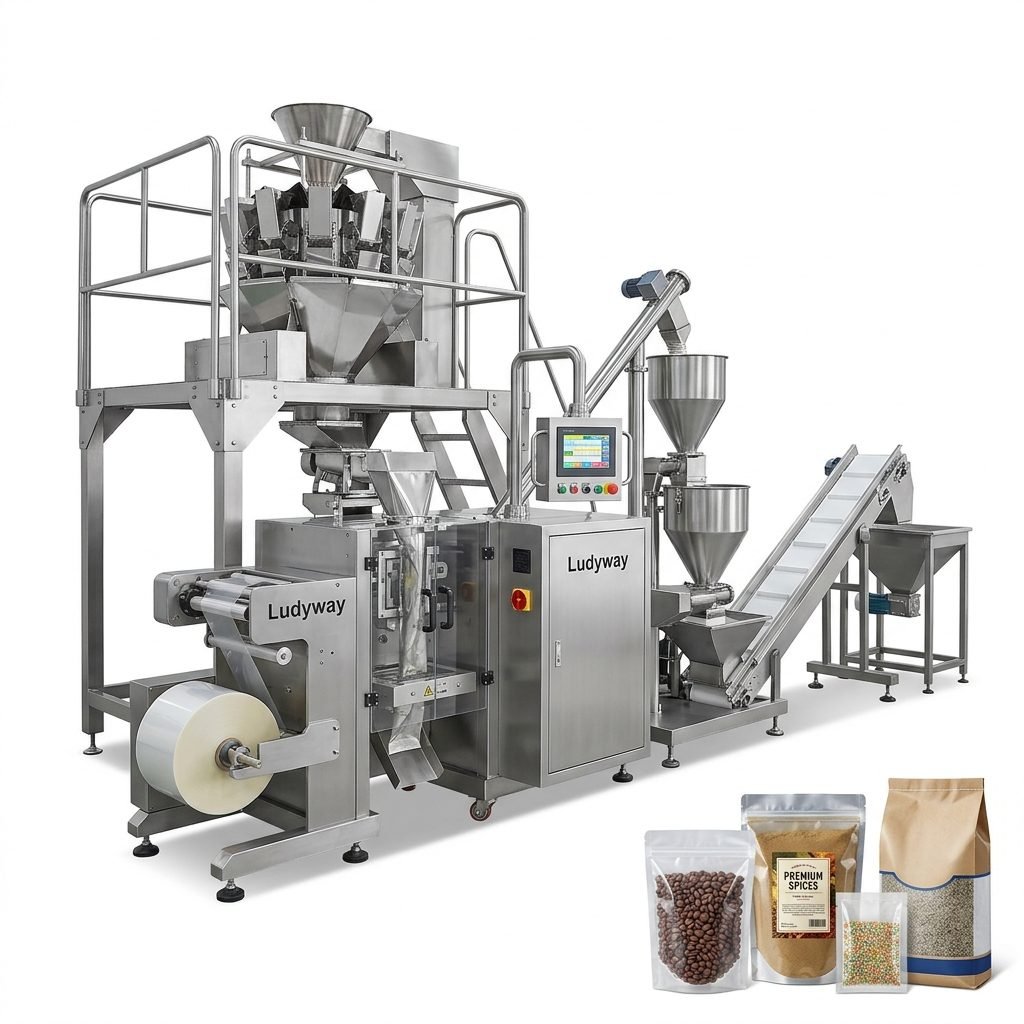
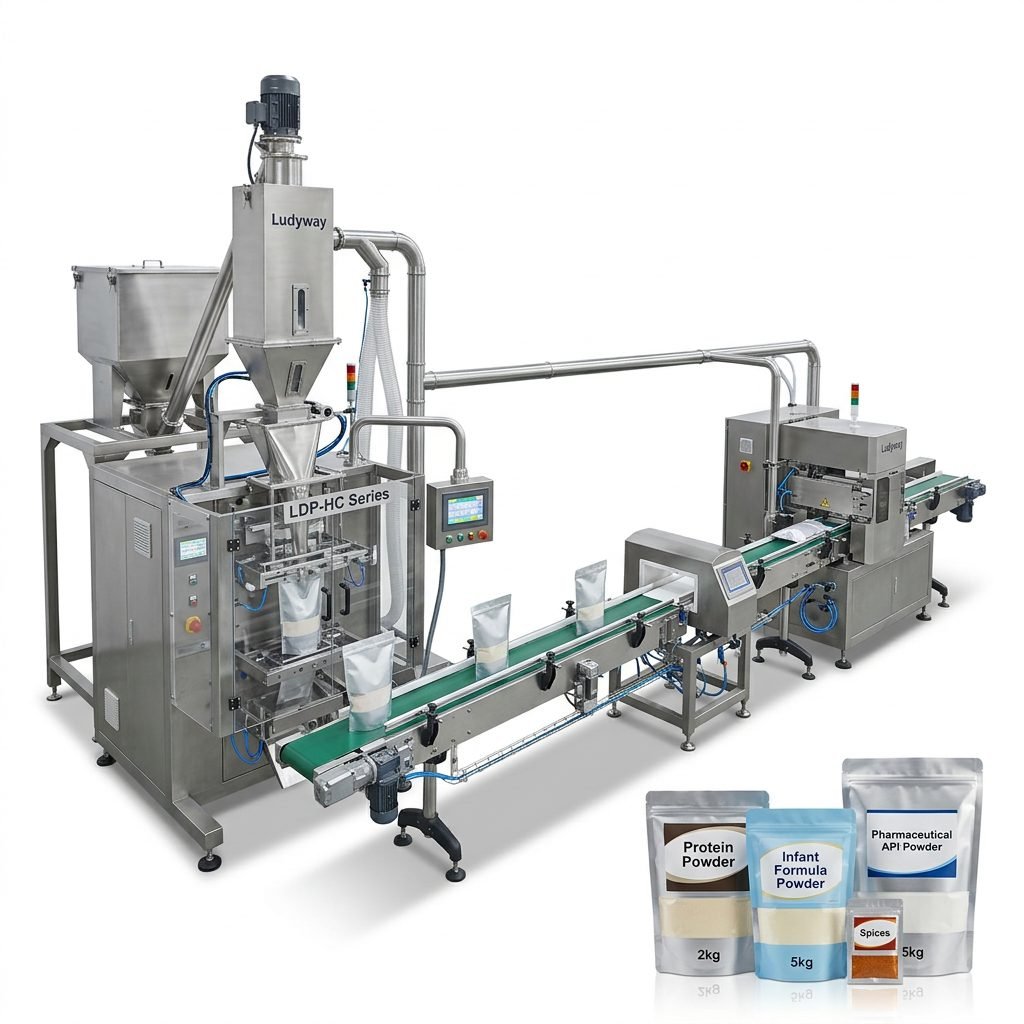
Manufacturers with strong engineering experience, such as packaging machine solutions from Ludyway, often focus on modular design, recipe control, and line integration that can help reduce downtime in multi-product production environments.
Useful design features to look for
- Quick-change forming and sealing assemblies
- Recipe memory with HMI control
- Easy-clean contact parts
- Servo-driven accuracy for repeatable setup
- Accessible machine layout for operators
- Integrated coding, inspection, and feeding systems
Final practical advice for production teams
The fastest way to reduce packaging machine changeover time is to focus on a few high-impact actions first:
- Measure the real setup time
- Standardize every step
- Prepare materials before shutdown
- Use quick-change parts and saved recipes
- Train operators and review performance weekly
Small improvements made consistently can turn long, unpredictable changeovers into a controlled, repeatable process. Over time, this leads to faster production, lower waste, and better use of your packaging equipment.