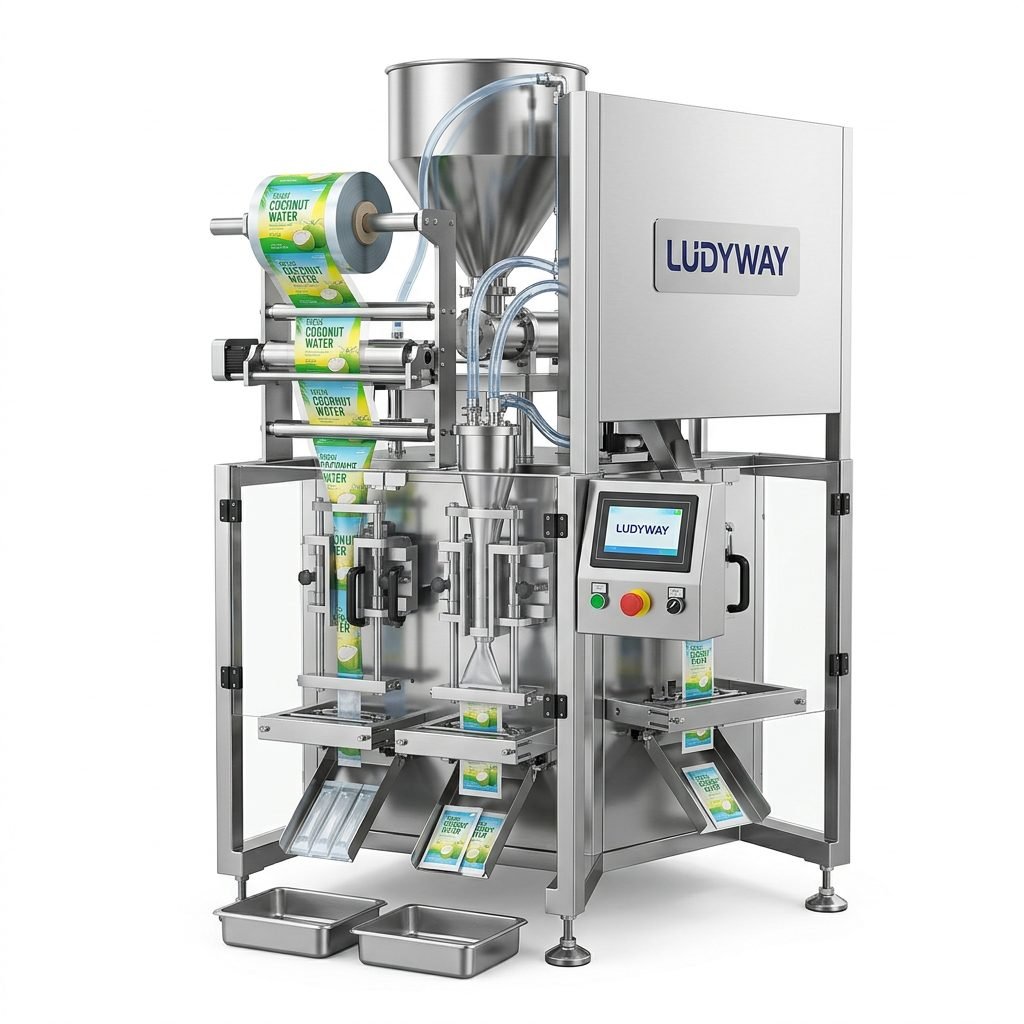
In modern chemical, lubricant, food ingredient, and industrial liquid handling environments, a drum packing machine plays a critical role in improving filling accuracy, workplace safety, and overall production efficiency. Whether you are handling oils, coatings, resins, detergents, additives, or specialty chemicals, the right drum filling system helps reduce waste, minimize operator contact, and maintain stable throughput across every batch.
As production volumes grow and compliance standards become stricter, manufacturers are moving away from manual filling toward automated drum packaging solutions that offer precise dosing, cleaner operation, and reliable sealing compatibility. A well-designed machine can support 20L, 50L, 200L, and larger drum formats while adapting to different viscosity levels and product characteristics.
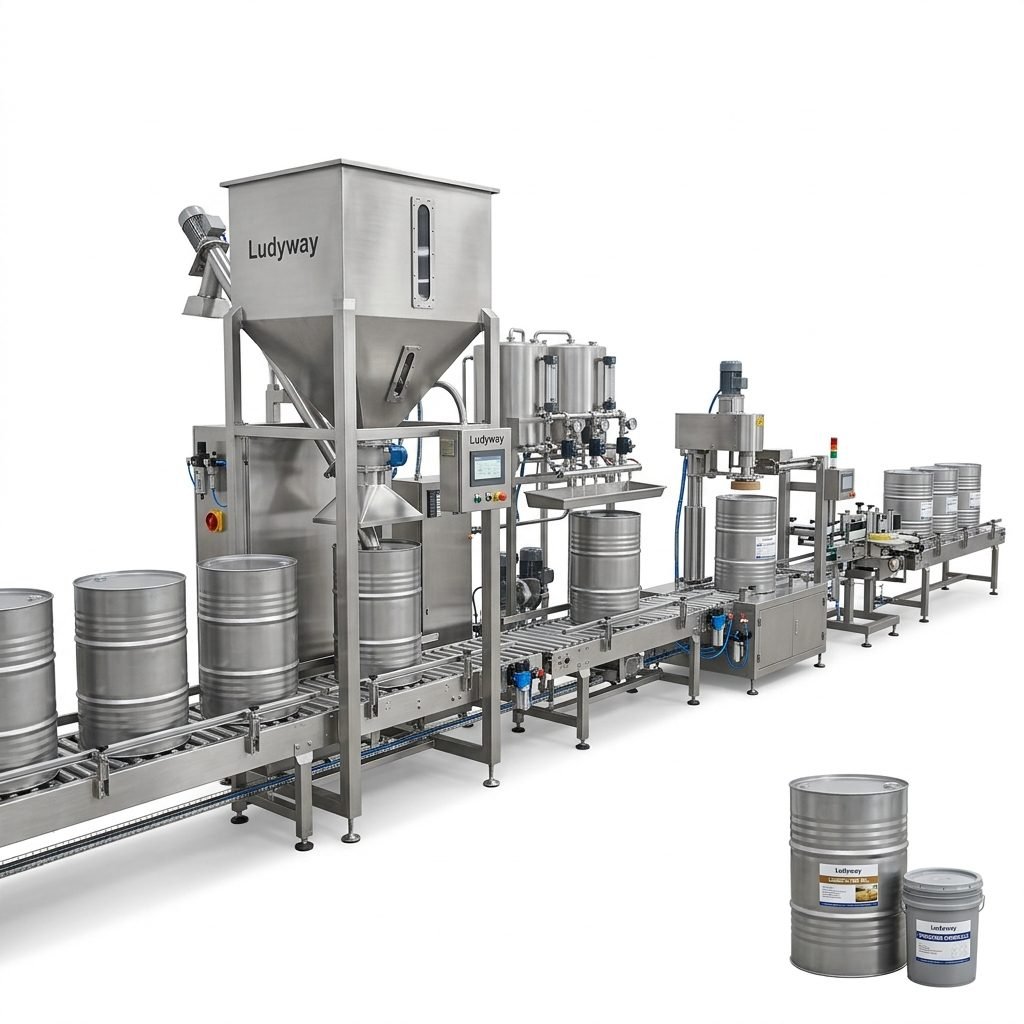
Why Drum Packing Machines Matter in Industrial Filling
Drum filling is more than simply transferring product into a container. In many industries, every fill cycle must meet strict standards for weight consistency, spill prevention, operator safety, and traceability. Manual filling often creates variation, increases labor costs, and raises the risk of contamination or material loss.
- Improves fill weight accuracy and repeatability
- Reduces product spillage and material waste
- Lowers operator exposure to hazardous or sensitive materials
- Supports faster production and easier line integration
- Helps meet internal quality and regulatory requirements
For companies packaging high-value or sensitive products, automation is not just about speed. It is also about maintaining process control from the first drum to the last.
How a Drum Packing Machine Works
A typical drum packing machine is designed to move product from a holding tank, hopper, or supply system into drums through a controlled filling head. Depending on the application, the system may use net weight filling, gross weight filling, volumetric dosing, pump-based transfer, or flowmeter control.
- Empty drum positioning on a filling station or conveyor
- Automatic or semi-automatic drum clamping and alignment
- Product dosing through nozzles or filling valves
- Weight or volume monitoring during the fill cycle
- Automatic shut-off at target value
- Optional capping, sealing, labeling, and palletizing
Advanced systems may also include anti-drip nozzles, fume extraction, nitrogen protection, explosion-proof configurations, and recipe management for multi-product production.
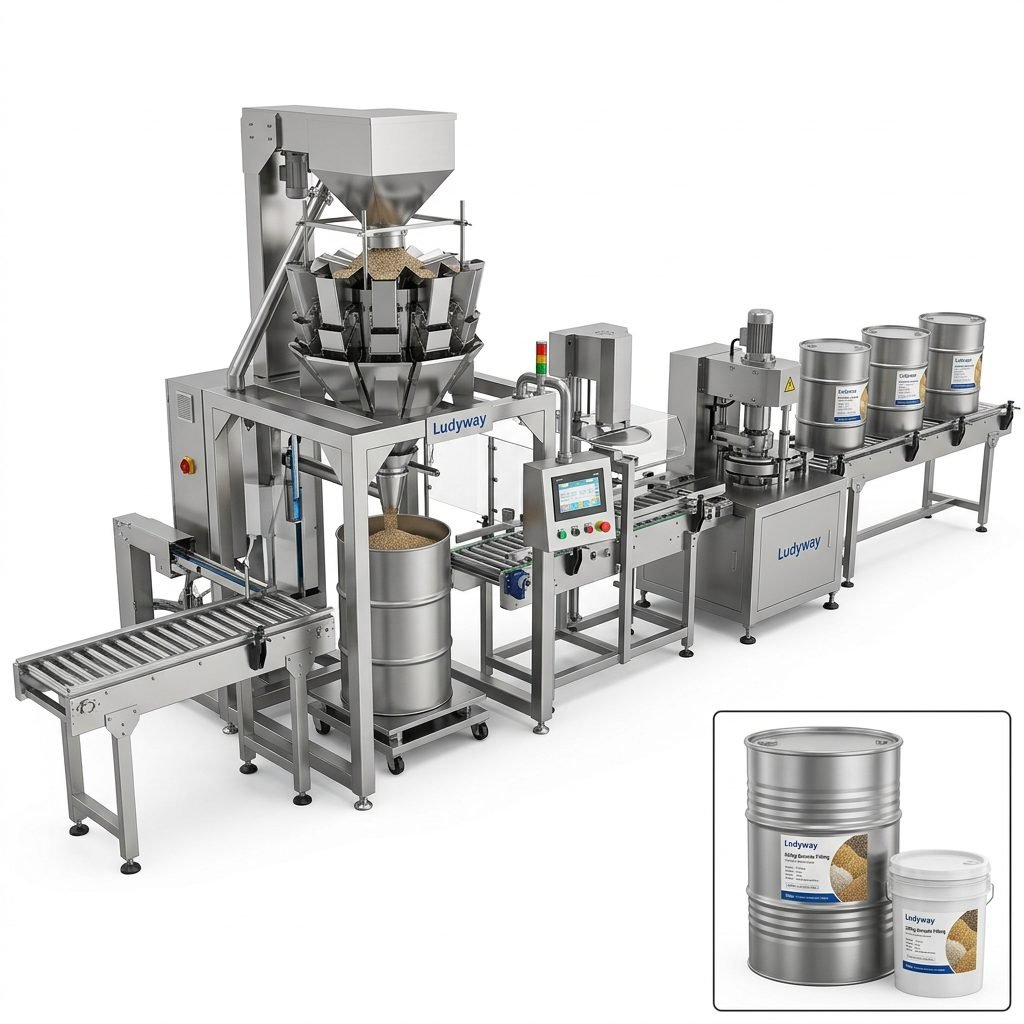
Main Types of Drum Filling Systems
1. Liquid Drum Filling Machines
These are ideal for free-flowing and viscous liquids such as edible oil, lubricants, coatings, detergents, solvents, and chemical solutions. They can be configured for clean-room, food-grade, or hazardous production environments.
2. Powder Drum Packing Machines
Used for fine powders, additives, pigments, and industrial materials. These systems often include screw feeders, dust control units, and weighing modules to ensure stable filling performance.
3. Granule Drum Filling Equipment
Suitable for pellets, seeds, feed additives, resin granules, and similar bulk materials. Integration with elevators, feeders, and weighing devices improves overall line efficiency.
4. Hazardous Material Drum Filling Systems
Designed for flammable, corrosive, or volatile materials, these machines may include explosion-proof electrical parts, sealed filling heads, ventilation support, and chemical-resistant contact surfaces.
Key Features to Look For
| Feature | Why It Matters |
|---|---|
| High-precision weighing | Ensures accurate fill quantities and reduces overfill losses |
| Anti-drip filling nozzle | Keeps drums and surrounding areas cleaner during operation |
| PLC and touchscreen control | Simplifies operation, recipe storage, and parameter adjustment |
| Corrosion-resistant materials | Improves durability when filling aggressive products |
| Dust or vapor control | Enhances safety and protects product quality |
| Conveyor compatibility | Allows integration into semi or fully automatic packaging lines |
Benefits of Automated Drum Packing
Investing in an automated drum filling solution can create measurable improvements across production, quality control, and workplace management.
- Higher output: More drums filled per hour with less manual intervention
- Better consistency: Each drum receives the correct amount of product
- Safer operation: Reduced splashing, fumes, dust, and direct contact
- Lower labor demand: Fewer operators needed for repetitive filling tasks
- Cleaner packaging area: Improved housekeeping and easier maintenance
- Scalability: Easy expansion into complete filling, capping, labeling, and palletizing lines
Industries That Commonly Use Drum Packing Machines
Drum packaging equipment is widely used across multiple sectors where products are shipped or stored in medium to large-volume containers.
| Industry | Typical Products |
|---|---|
| Chemical | Solvents, coatings, additives, resins, cleaners |
| Food Processing | Syrups, oils, sauces, liquid ingredients |
| Pharmaceutical & Healthcare | Bulk liquid intermediates, powders, raw materials |
| Lubricants | Industrial oils, greases, maintenance fluids |
| Agriculture | Liquid fertilizer, seed treatment agents, additives |
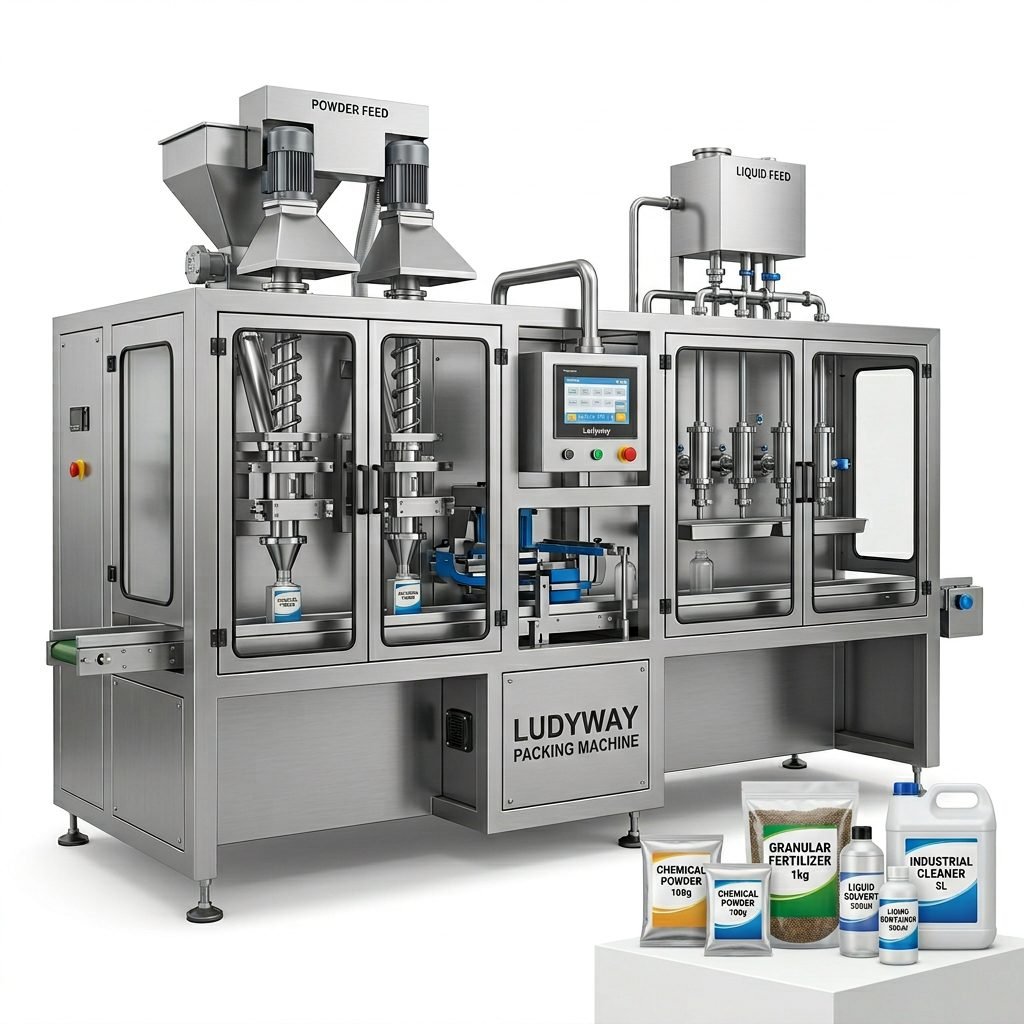
Choosing the Right Drum Packing Machine
The best equipment depends on your product properties, drum specifications, production target, and plant layout. Before selecting a system, evaluate the following:
Product Characteristics
- Liquid, powder, or granule form
- Low, medium, or high viscosity
- Foaming, corrosive, or flammable behavior
- Required sanitary or industrial-grade standards
Container Requirements
- Drum size and material
- Open-head or tight-head drum design
- Need for bung alignment, capping, or sealing
Production Goals
- Expected drums per hour
- Single-product or multi-product use
- Need for future line expansion
Safety and Compliance
- Explosion-proof or ATEX-style requirements
- Dust extraction or fume control
- Traceability, coding, and inspection needs
A machine that is technically capable but poorly matched to the product can create long-term downtime, cleaning challenges, and unnecessary maintenance costs.
From Standalone Machines to Complete Drum Filling Lines
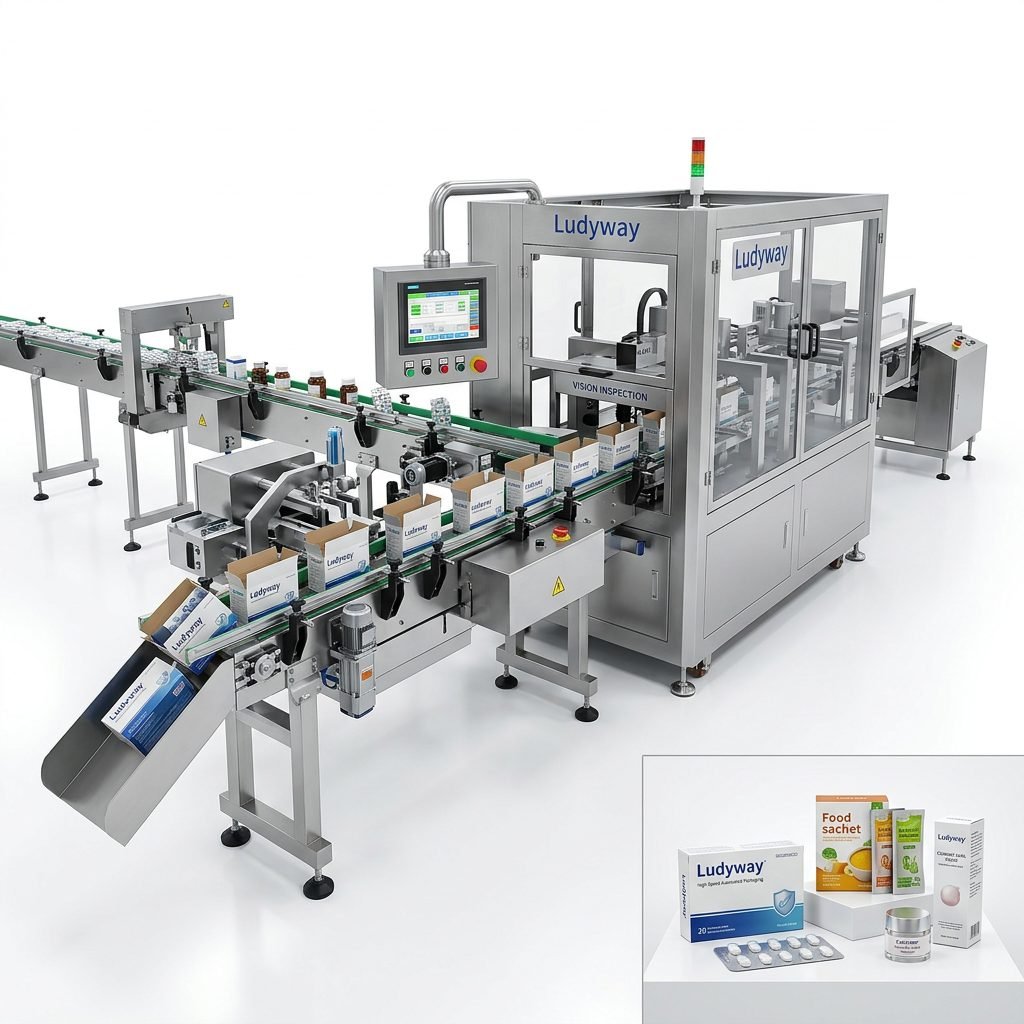
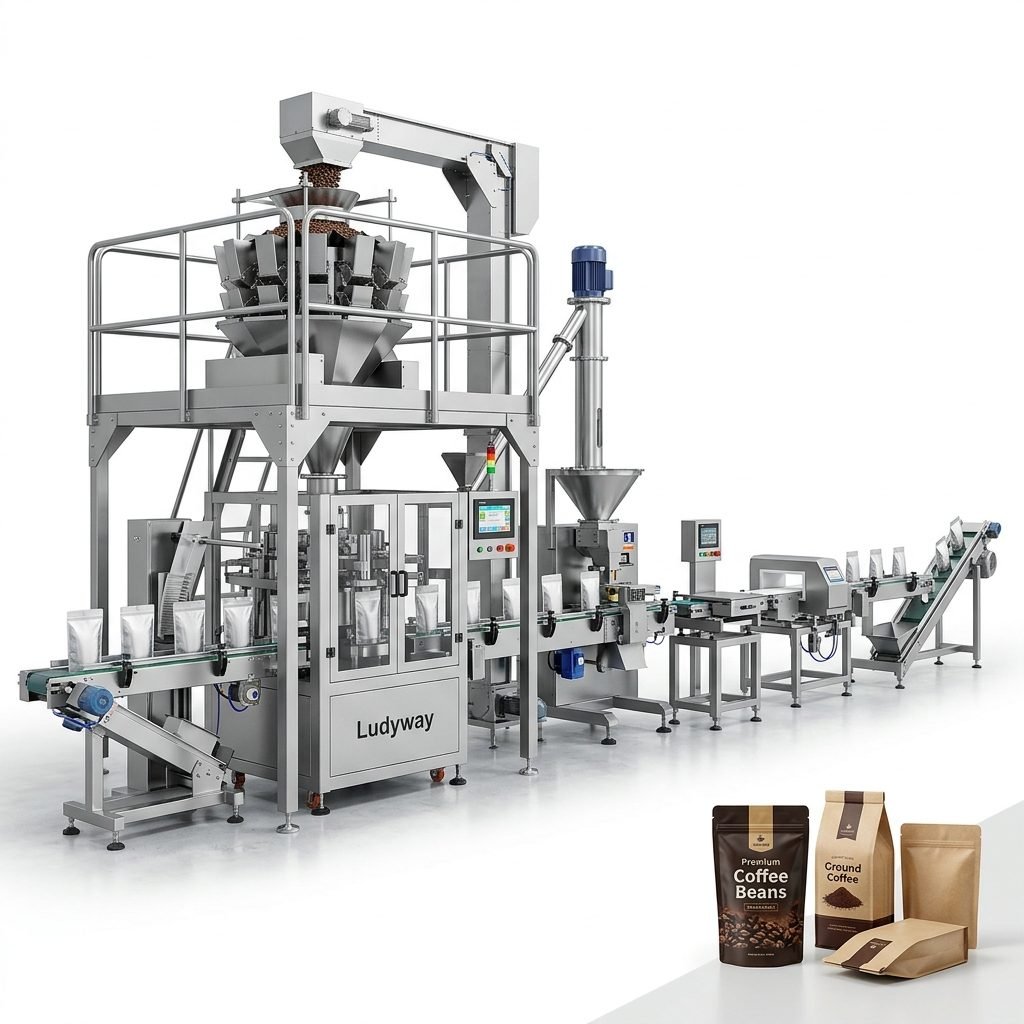
Many manufacturers now prefer a complete line rather than a single filling station. A full drum packaging solution may include drum infeed conveyors, automatic filling units, cap placement, sealing, labeling, check weighing, palletizing, and transfer systems. This approach improves line balance and reduces bottlenecks between individual process steps.
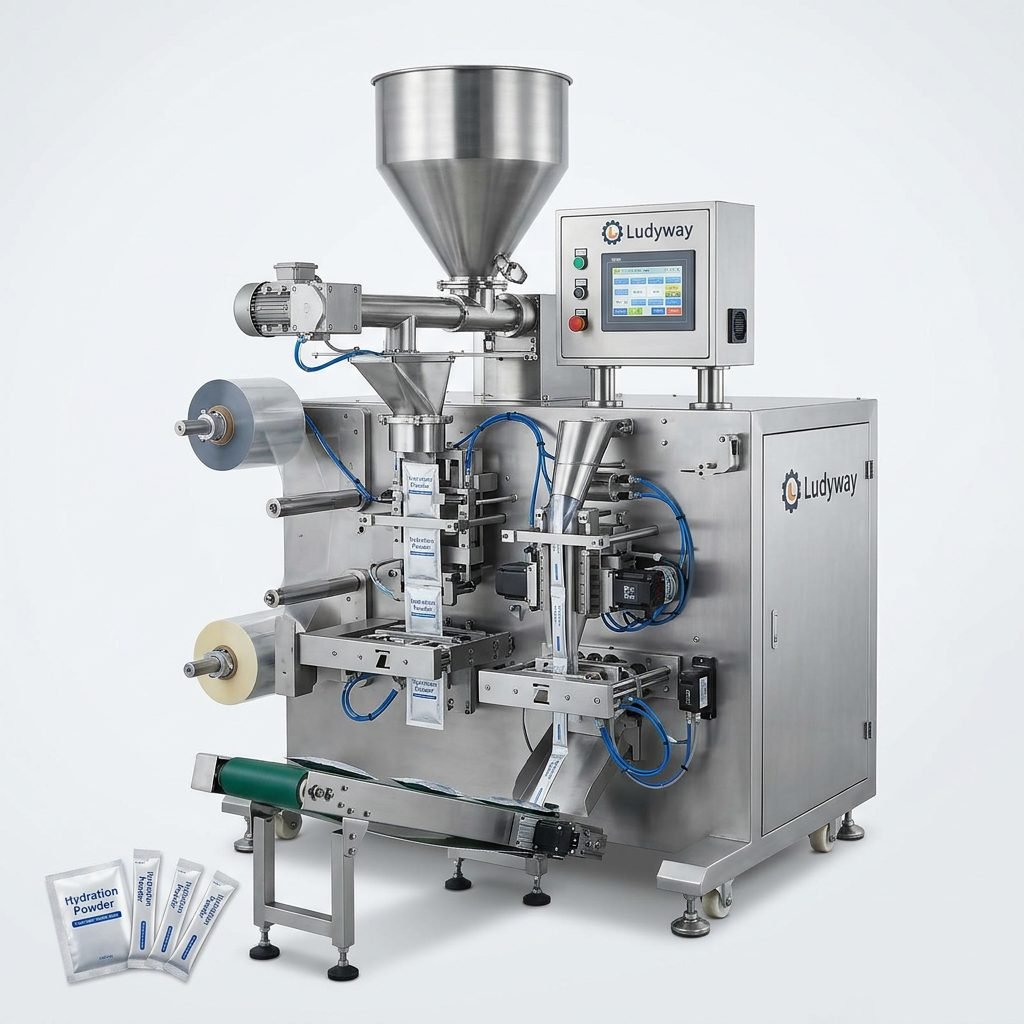
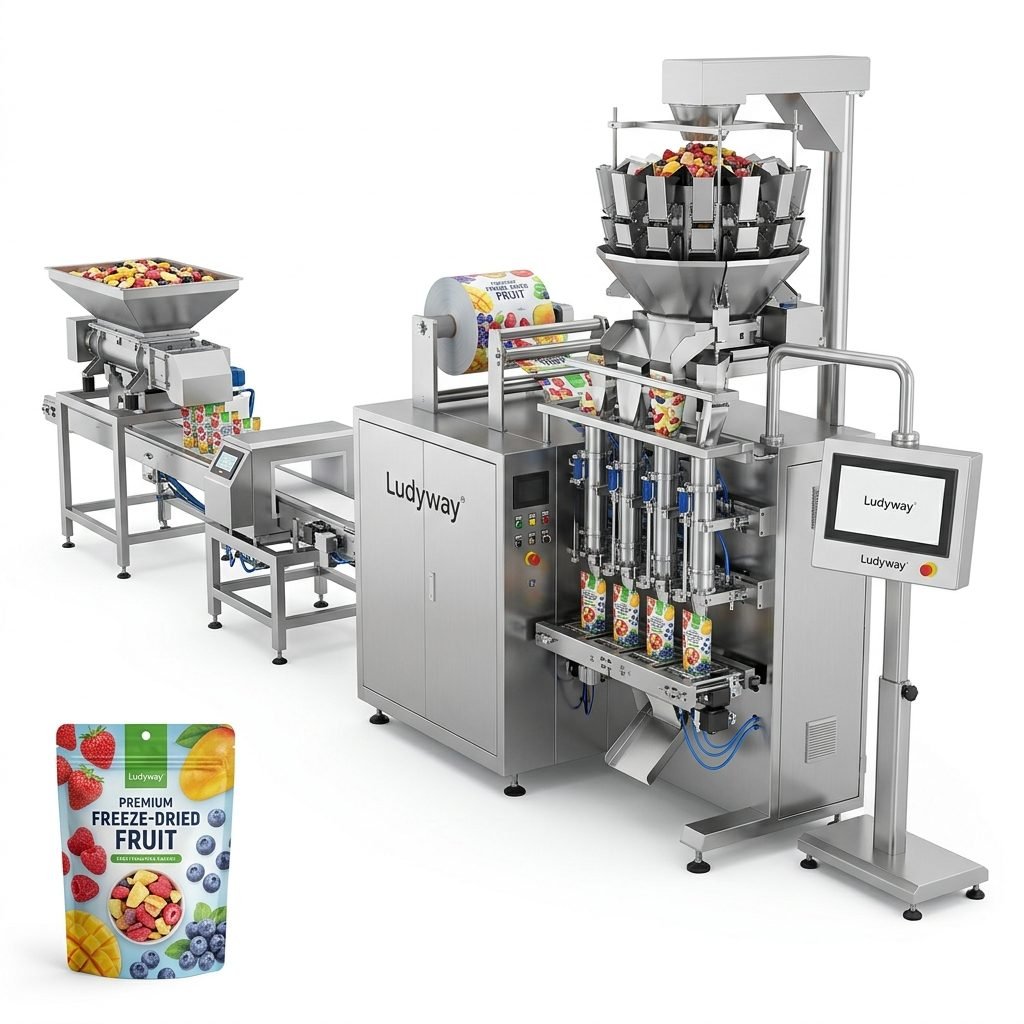
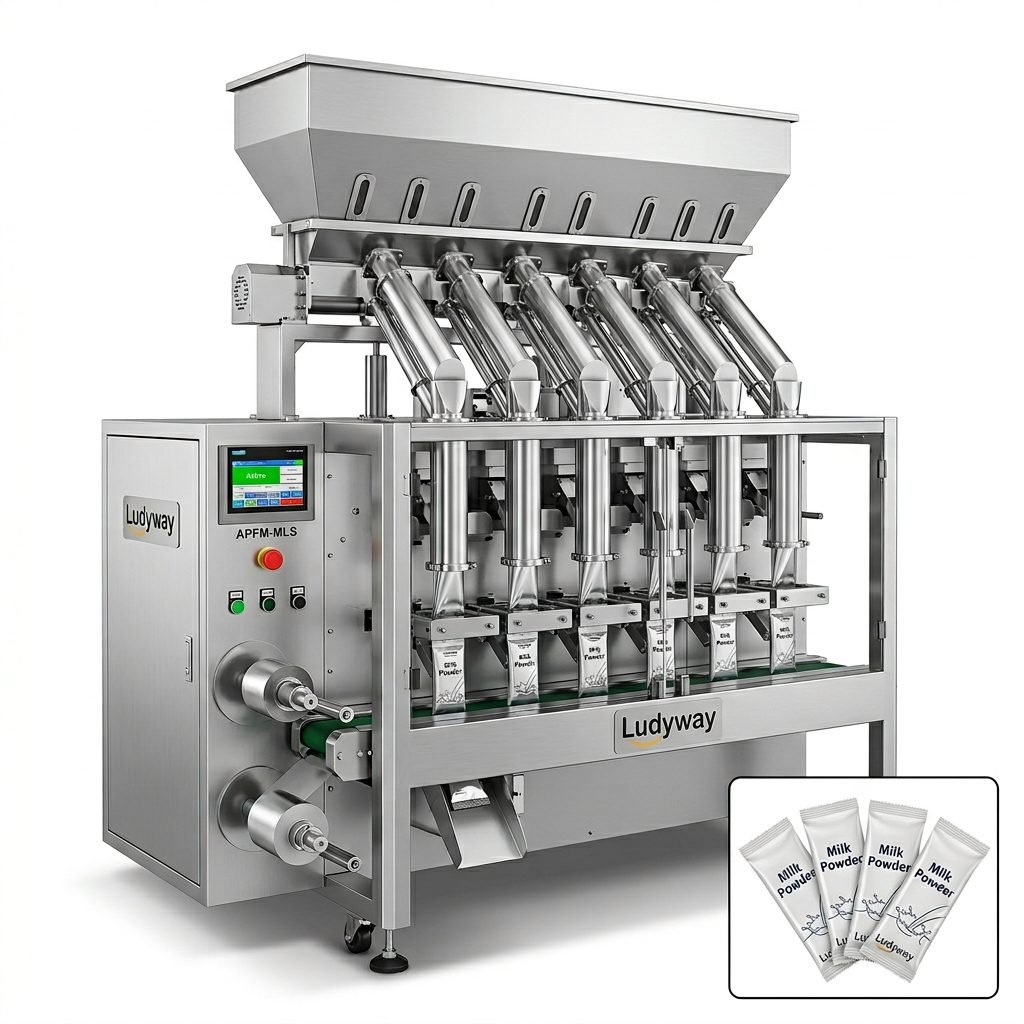
For businesses planning wider packaging automation, working with an experienced supplier is essential. Ludyway drum packing machine solutions can support companies seeking reliable packaging equipment and integrated turnkey systems backed by more than 30 years of manufacturing experience in automation and packaging line development.
Maintenance Tips for Long-Term Performance
To keep a drum filling machine performing efficiently, preventive maintenance should be part of routine production management.
- Inspect filling nozzles and seals regularly
- Calibrate weighing systems on schedule
- Clean product-contact components thoroughly
- Check conveyors, pumps, and sensors for wear
- Review control parameters after product changeovers
- Train operators on safe startup and shutdown procedures
Consistent maintenance helps preserve accuracy, safety, and machine lifespan, especially in high-output environments.
Final Considerations for Buyers
A drum packing machine is a practical investment for manufacturers that need dependable, high-accuracy drum filling with reduced manual handling. The right configuration can improve production efficiency, protect operators, and support better packaging consistency across a wide range of industrial applications.
When comparing suppliers, focus on application experience, customization capability, filling precision, after-sales service, and the ability to support future automation upgrades. A solution designed around your real product and production conditions will always deliver better long-term value than a generic filling machine.