The baby food market in Southeast Asia is experiencing rapid growth, driven by increasing disposable incomes, urbanization, and a rising number of working parents who demand convenient, safe, and nutritious options for their infants. Establishing a baby food packaging line in this region offers a strategic advantage, but it requires careful planning around machinery selection, regulatory compliance, and cost management. This guide walks you through the essential steps to build a compliant and efficient production line tailored to Southeast Asian conditions.
Understanding Market Dynamics and Production Requirements
Southeast Asia’s diverse consumer base means manufacturers must cater to a wide range of product formats, including powders, granules, and liquid purees. Common baby food products include rice cereal, milk powder, fruit puree pouches, and nutritional supplements. Each format demands specific filling and sealing technologies to maintain product integrity, extend shelf life, and meet safety standards. Additionally, the humid tropical climate requires equipment that can handle moisture-sensitive ingredients without compromising seal quality.
Before investing in a line, assess your target production capacity and packaging format. Multi-lane stick pack and sachet machines are popular for single-serve baby food portions, while pouch filling lines suit larger puree packs. A thorough evaluation of your product viscosity, particle size, and required output per hour will guide your technology choices.
Core Machinery for a Baby Food Packaging Line
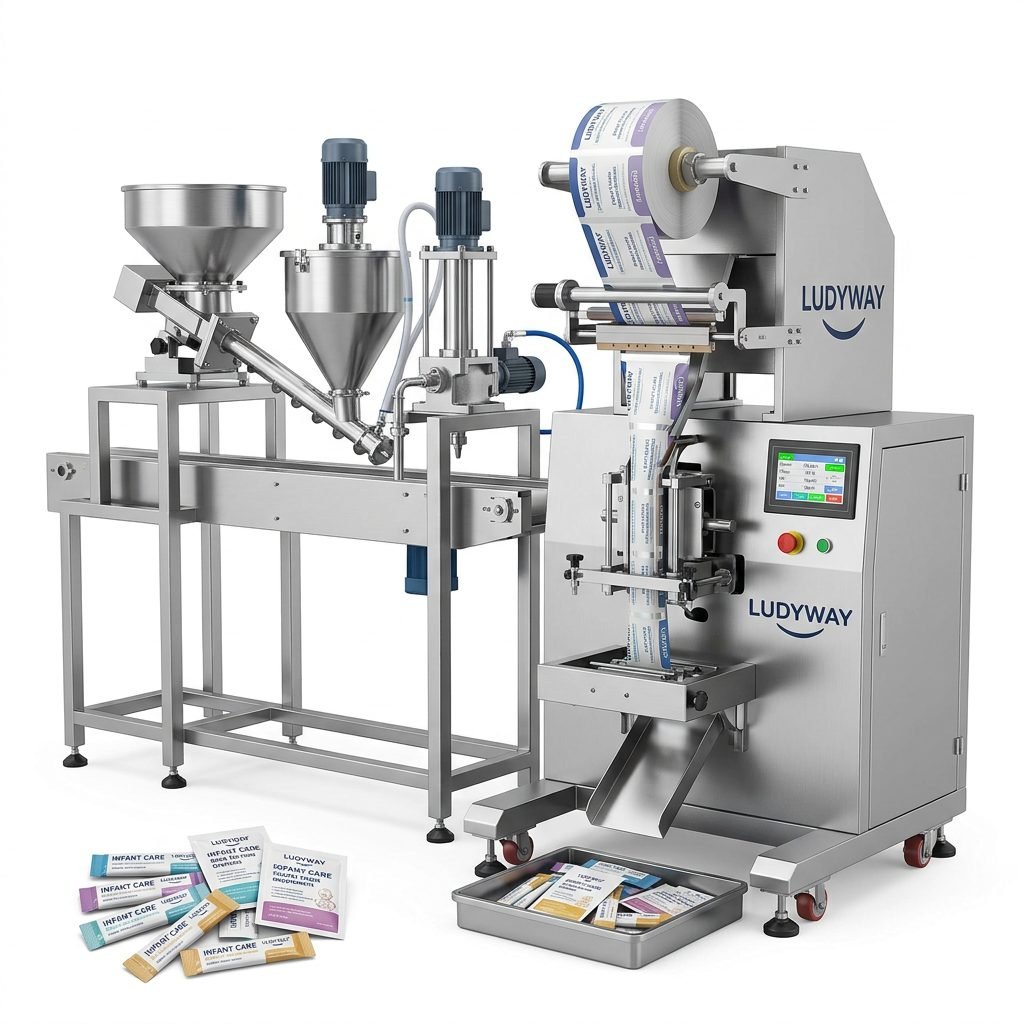
A complete baby food packaging line typically integrates several key machines. Below is a breakdown of the essential equipment and its role in the process:
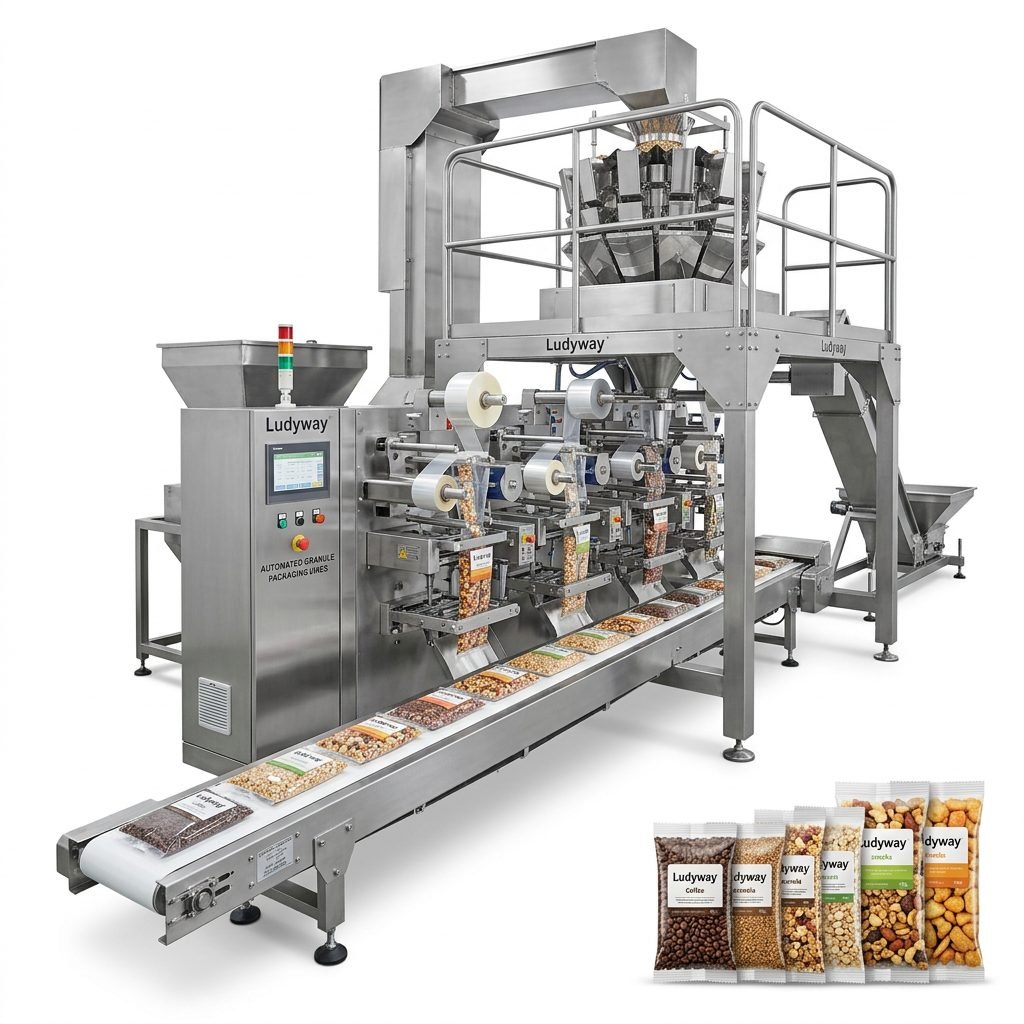
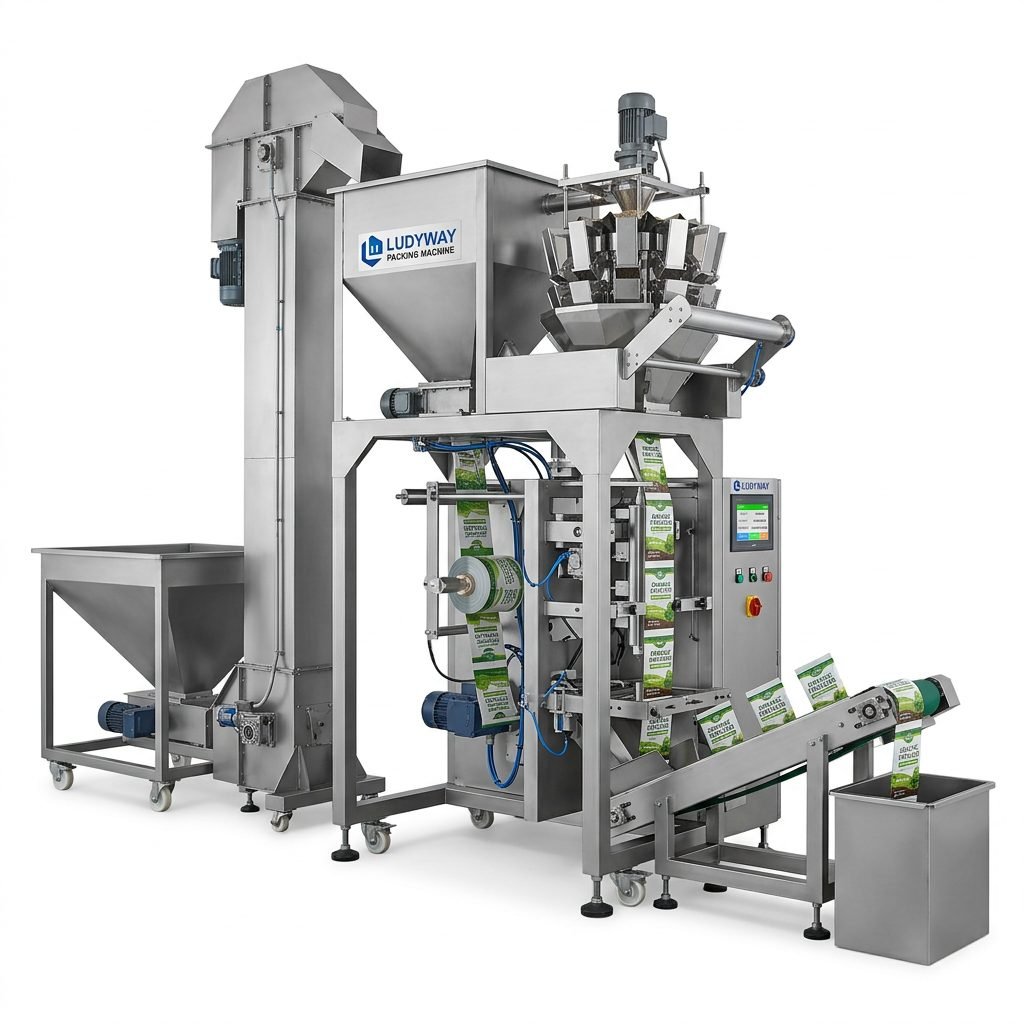
- Vertical Form-Fill-Seal (VFFS) Machine: Ideal for packaging powders and granules such as rice cereal or milk powder into pillow bags or gusseted pouches. Look for machines with servo-driven controls and easy-clean designs.
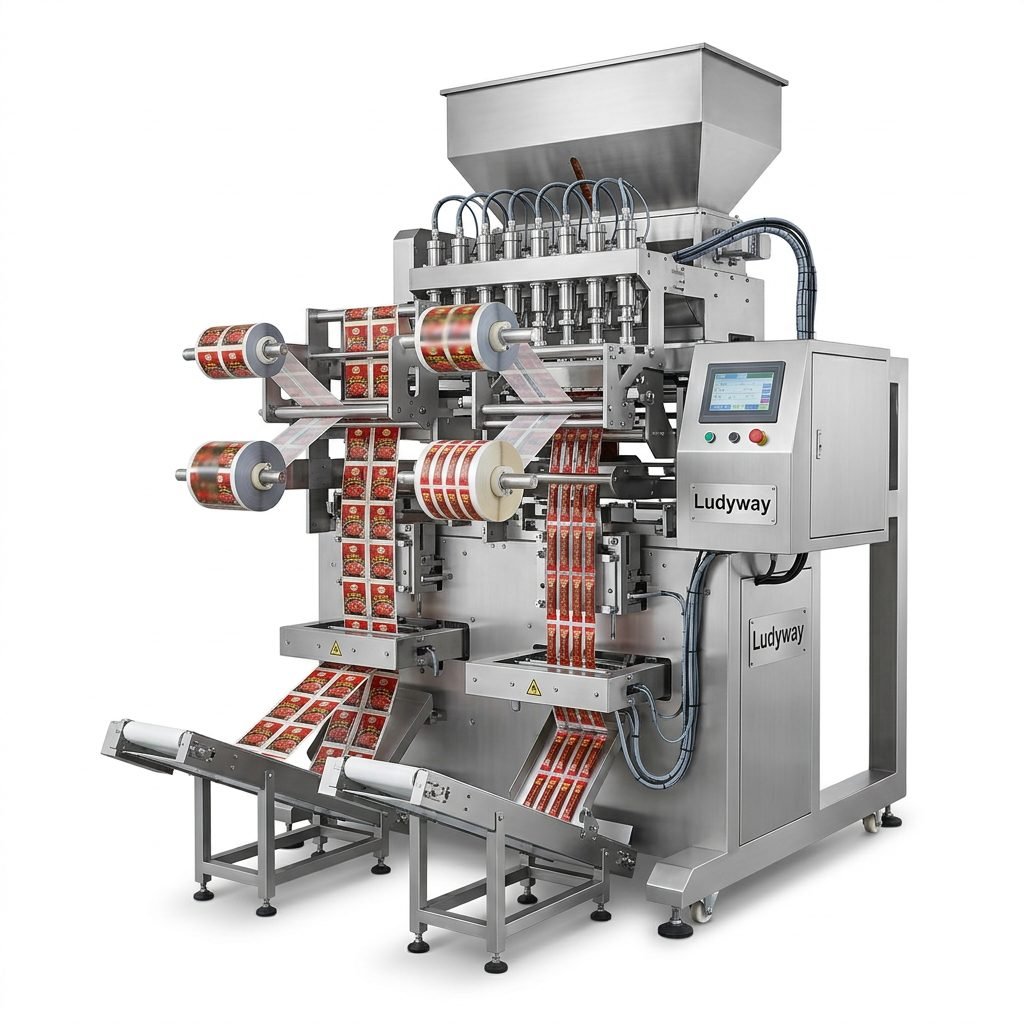
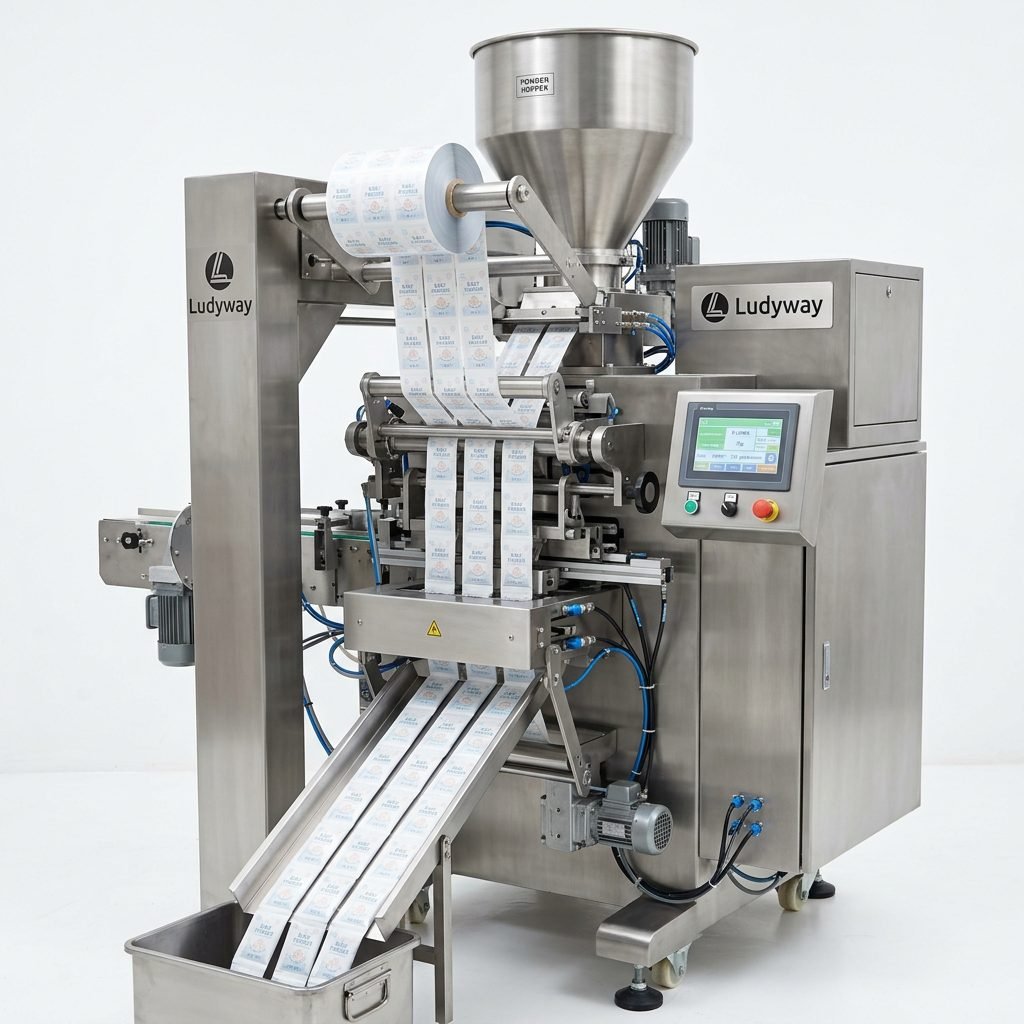
- Multi-Lane Stick Pack Machine: Essential for high-speed production of single-serve sachets. These machines can fill multiple lanes simultaneously, boosting output while maintaining precise dosing for sensitive infant nutrition products.
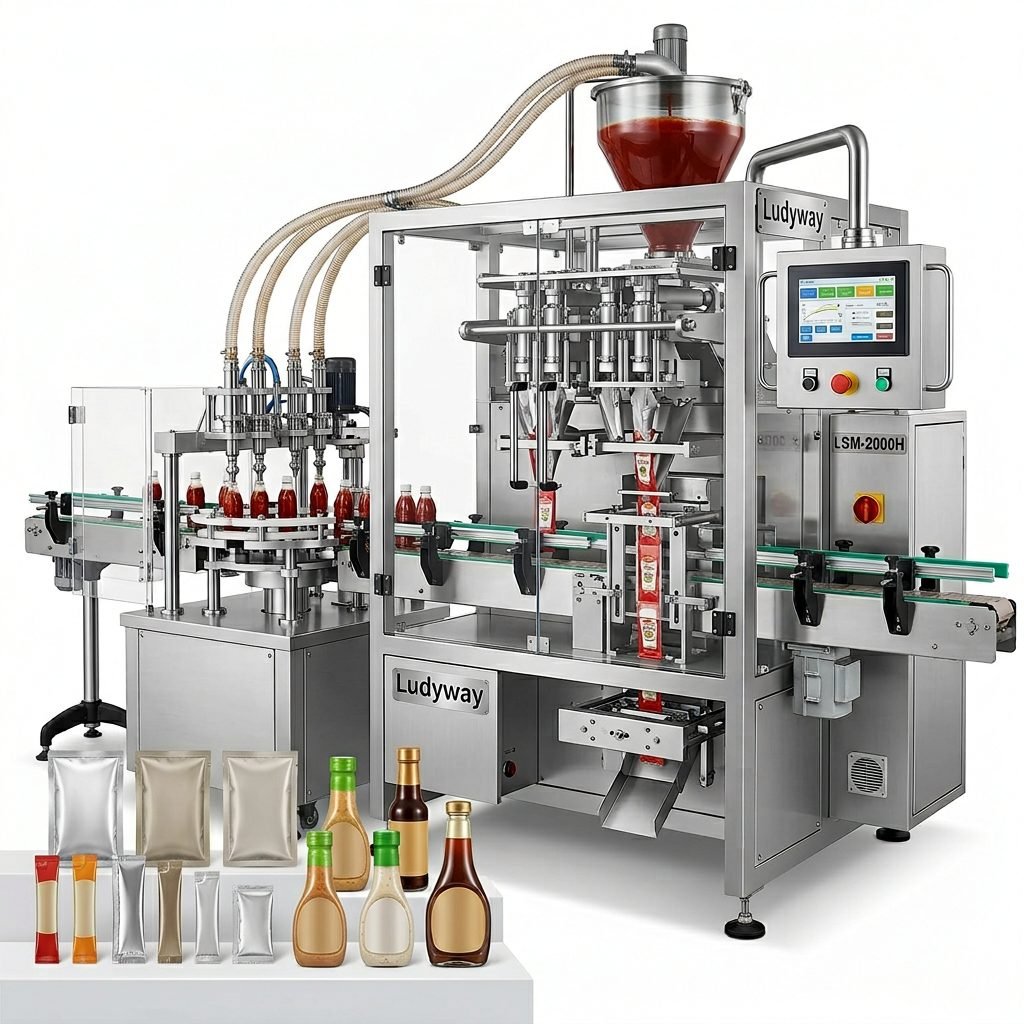
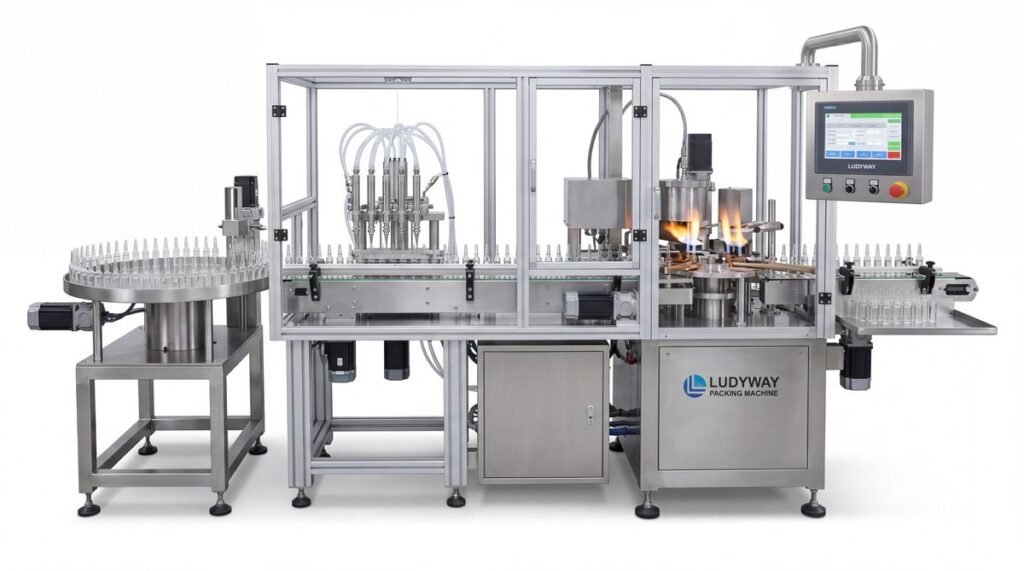
- Liquid Pouch Filling Machine: Used for fruit and vegetable purees. It must include a reliable sterilization zone or be compatible with aseptic packaging systems to ensure microbiological safety.
- Auger or Piston Filler: Depending on the product type, auger fillers handle free-flowing powders accurately, while piston fillers are preferred for thicker pastes or purees with particulates.
- Checkweigher and Metal Detector: Non-negotiable for baby food safety compliance. These systems inspect every pack to ensure correct weight and detect any foreign metal contaminants before the product leaves the line.
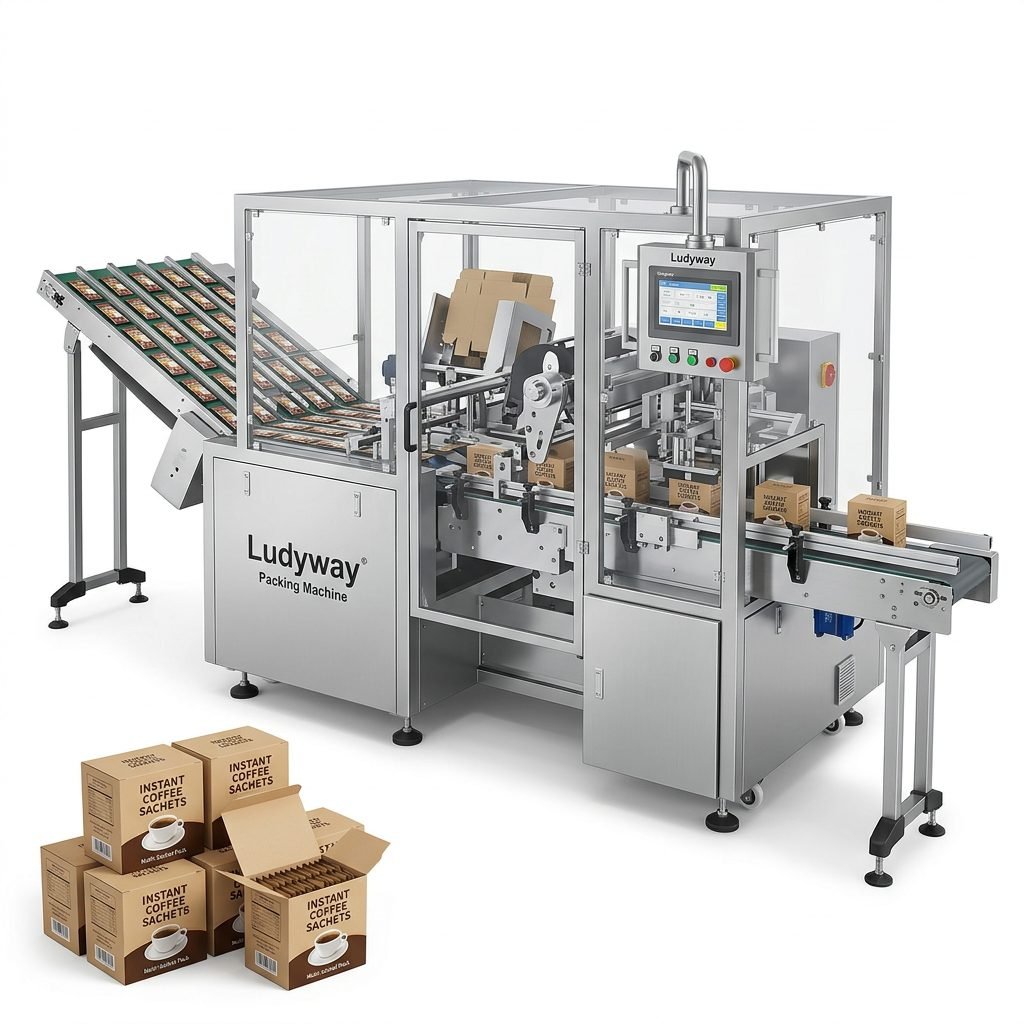
- Cartoning and Case Packing Machines: Automate the secondary packaging process, reducing manual labor and protecting primary packs during distribution.
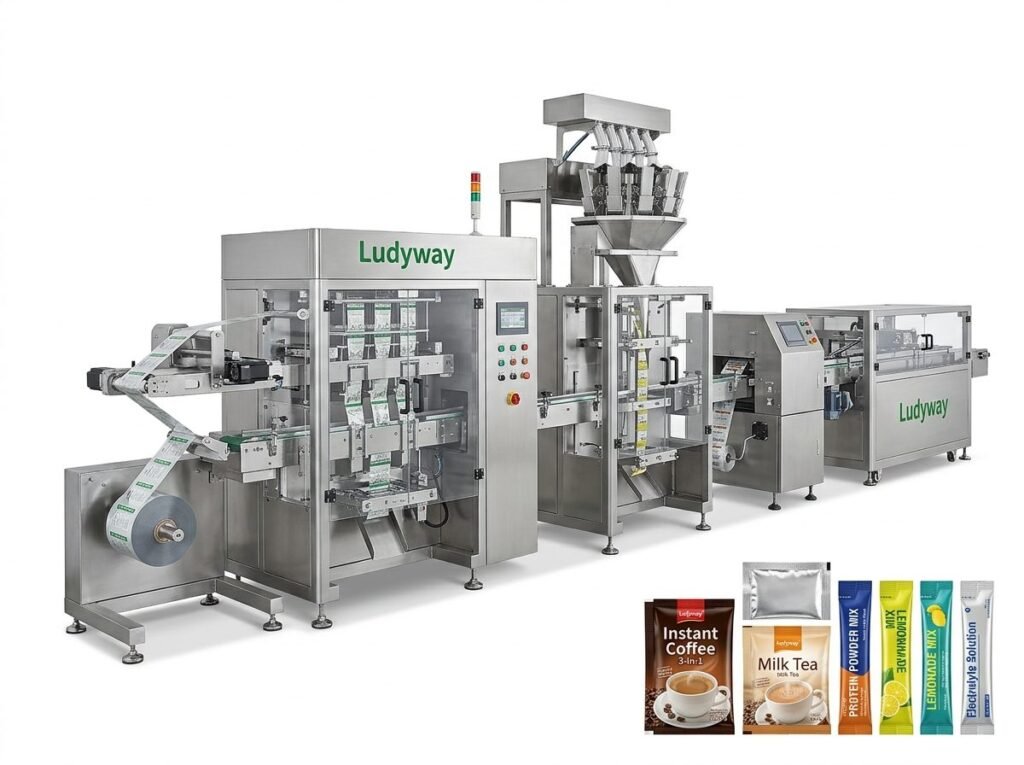
Selecting the right machinery partner is critical. A reliable packaging machine manufacturer such as Ludyway provides integrated turnkey lines that cover everything from primary filling to end-of-line cartoning, ensuring seamless compatibility and single-source accountability.
Estimated Costs and Investment Breakdown
The capital expenditure for a baby food packaging line in Southeast Asia varies based on automation level, capacity, and brand origin. Below is a sample cost range for a mid-size production line capable of handling 30–60 packs per minute across multiple lanes:
| Equipment Category | Estimated Cost Range (USD) | Key Considerations |
|---|---|---|
| Multi-Lane Stick Pack / Sachet Machine | $35,000 – $80,000 | Number of lanes, servo precision, ease of cleaning |
| Liquid Pouch Filling & Sealing Line | $40,000 – $90,000 | Aseptic capability, CIP system integration |
| Auger / Piston Filler Units | $15,000 – $35,000 | Dosing accuracy, wear resistance for abrasive powders |
| Checkweigher & Metal Detector | $12,000 – $25,000 | IP65 rating, regulatory certification support |
| Cartoning & Case Packing System | $25,000 – $55,000 | Format flexibility, changeover time |
| Complete Turnkey Line Integration | $120,000 – $280,000 | Includes conveyors, installation, training, and support |
Additionally, budget for facility preparation (cleanroom setup, HVAC), utilities, and ongoing operating costs such as film, labor, and maintenance. In Southeast Asia, competitive labor costs can offset some automation expenses, but high-speed lines still deliver better long-term unit economics.
Regulatory Compliance and Food Safety Standards
Baby food packaging lines in Southeast Asia must align with both local and international regulations. Key standards include:
- ISO 22000 and HACCP: Implement Hazard Analysis and Critical Control Points throughout the packaging process. Packaging equipment must support traceability and hygiene control.
- FDA 21 CFR Part 110/117: For manufacturers exporting to the United States, machinery must comply with Current Good Manufacturing Practices, requiring sanitary design and easy disassembly for cleaning.
- EU Regulation (EC) No 1935/2004: Applies to food contact materials. All materials in contact with baby food—such as packaging film and gaskets—must not transfer constituents to the food in quantities that could endanger infant health.
- Halal Certification Requirements: Given the large Muslim population in Southeast Asia, ensuring the packaging process adheres to Halal guidelines, including lubrication and cleaning agents, can be a market access requirement.
- Local National Standards: Each ASEAN country may have additional labeling and packaging requirements. Thailand’s TFDA, Indonesia’s BPOM, and Vietnam’s Ministry of Health all enforce specific baby food packaging regulations.
Design your line with proper isolation zones, air filtration, and automated cleaning systems. This proactive approach simplifies audits and accelerates export certification.
Step-by-Step Guide to Setting Up Your Line
- Market and Product Definition: Determine the product matrix (powder, puree, ready-to-drink) and target packaging formats. Validate concepts with consumer research.
- Facility Planning: Select a location with reliable utilities, design a hygienic layout with unidirectional material flow, and construct appropriate cleanroom zones (ISO 8 minimum).
- Equipment Procurement: Issue detailed specifications to trusted equipment suppliers. Evaluate proposals based on technology, service support in Southeast Asia, and total cost of ownership. Look for suppliers offering Factory Acceptance Testing and regional installation teams.
- Installation and Commissioning: Integrate machines with conveyors and central control systems. Perform Installation Qualification and Operational Qualification protocols.
- Validation and Trial Runs: Conduct Performance Qualification runs with actual products. Validate seal integrity, fill weights, and metal detection sensitivity. Adjust parameters for the local climate.
- Staff Training and SOP Development: Train operators and maintenance teams on machine operation, cleaning procedures, and safety protocols. Develop standard operating procedures for every packaging format.
- Compliance Audit and Launch: Invite regulatory auditors or third-party certifiers to inspect the line. Secure necessary approvals before commencing commercial production.
Common Challenges and How to Overcome Them
Operating in Southeast Asia presents unique challenges that can impact line performance if not addressed early:
- High Humidity and Temperature: Powders such as baby cereal absorb moisture quickly, leading to clumping and spoilage. Install dehumidifiers in the packaging hall and use high-barrier packaging films with aluminum foil layers. Ensure sealing jaws maintain consistent temperature to prevent weak seals caused by moisture.
- Raw Material Variability: Locally sourced ingredients may vary in particle size and flow characteristics. Use flexible dosing systems with easy adjustment and consider vibratory feeders for non-uniform products.
- Infrastructure Reliability: Power fluctuations can damage sensitive servo drives. Invest in voltage stabilizers and UPS systems. Plan for backup power to avoid production stoppages.
- Skilled Labor Shortage: While labor is available, finding experienced packaging line technicians can be difficult. Partner with equipment suppliers who provide comprehensive on-site training and remote diagnostics support in local languages.
- Supply Chain for Spare Parts: Minimize downtime by selecting machinery from manufacturers with regional spare parts depots or fast-response logistics hubs within Asia.
Future-Proofing Your Packaging Investment
The baby food market is increasingly trending toward clean-label, organic, and personalized nutrition. Your packaging line should be flexible enough to handle future product innovations, such as probiotic add-backs or dual-compartment packs that combine dry and wet ingredients. Choose modular equipment that allows for lane additions, format changeovers within minutes, and software upgrades. Investing in digital connectivity and OEE monitoring tools also enables predictive maintenance and continuous improvement, essential for staying competitive in the fast-growing Southeast Asian baby food sector.
Building a baby food packaging line in this region is a significant but rewarding undertaking. By focusing on hygienic design, regulatory alignment, and reliable automation, you can establish a production base that serves both local demand and international export markets efficiently.