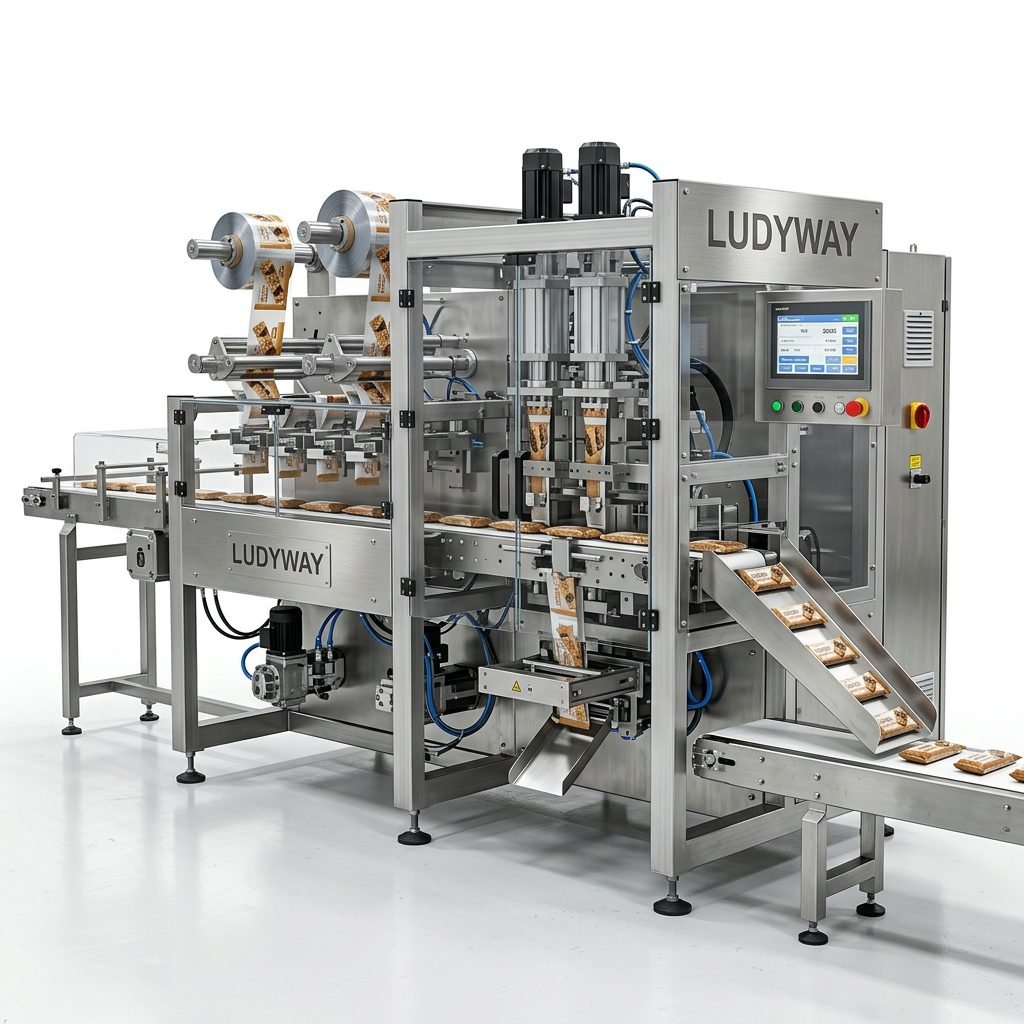
South America represents one of the fastest-growing markets for flexible packaging solutions. With rising demand across Brazil, Argentina, Chile, and Colombia for portion-packed frozen treats, setting up a popsicle packaging machine production line requires careful planning, the right equipment, and local adaptation. This guide walks you through every critical phase—from facility assessment to full-scale operation.
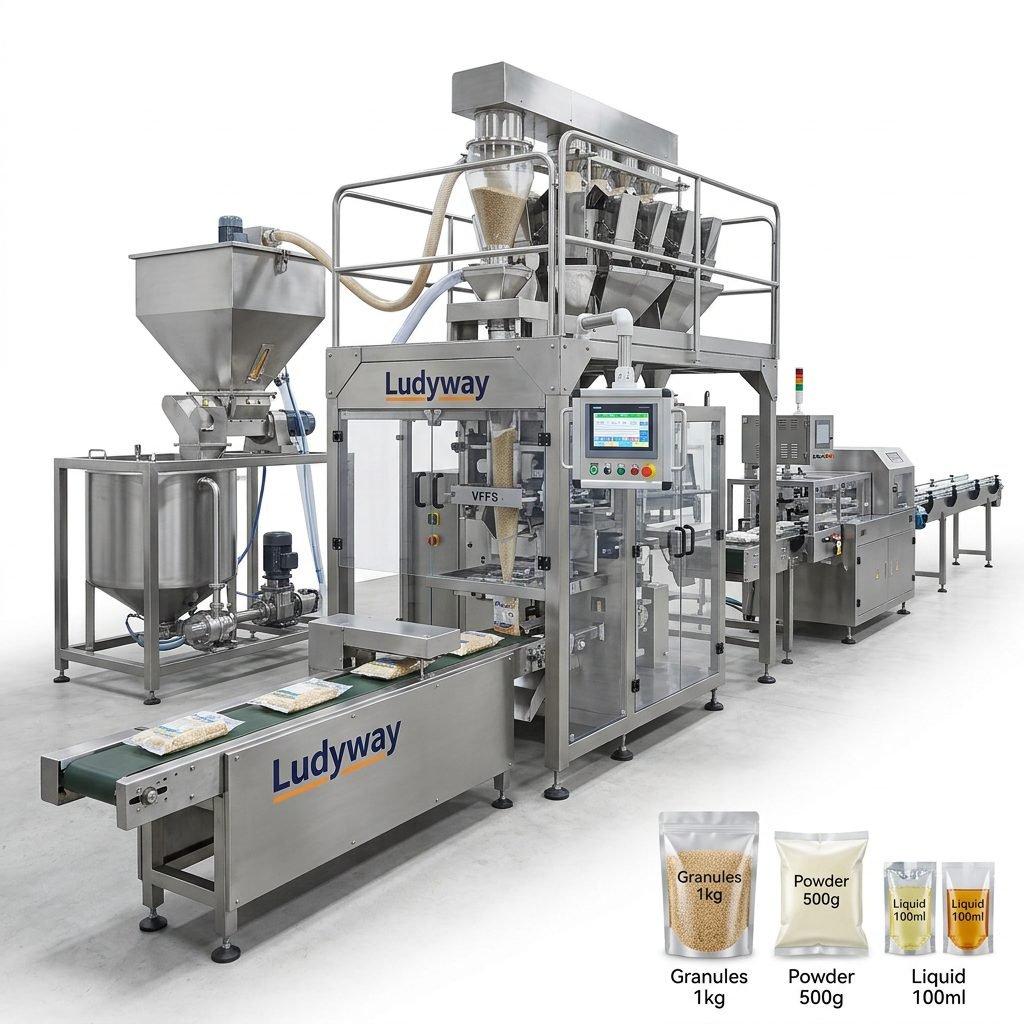
Understanding the South American Popsicle Market Opportunity
Before investing in machinery, it’s essential to understand regional consumption patterns. The frozen novelty sector in Brazil alone exceeds USD 2 billion annually, with popsicles accounting for a significant share. In countries like Peru and Ecuador, the informal market is rapidly transitioning toward branded, machine-packaged products. This shift creates substantial opportunities for manufacturers who can deliver consistent quality, attractive packaging, and compliance with emerging regional food safety standards.
Key Market Drivers
- Rising disposable income in urban centers like São Paulo, Buenos Aires, and Lima
- Expanding supermarket and convenience store networks demanding packaged frozen goods
- Hot climate zones with year-round demand for frozen treats
- Growing preference for single-serve, hygienically sealed popsicle formats
- Increased tourism and hospitality sector consumption
Step 1: Facility Preparation and Infrastructure Requirements
Your production floor must meet specific conditions before any popsicle packaging line installation begins. South American climates vary dramatically—from the humid Amazon basin to the dry Andean highlands—so climate control is non-negotiable.
| Infrastructure Element | Requirement | Notes for South America |
|---|---|---|
| Floor Space | Minimum 200-400 m² | Allow extra for raw material storage and cold chain staging |
| Power Supply | 380V/50Hz or 220V/60Hz depending on country | Brazil uses 60Hz; most neighbors use 50Hz—verify with your machine supplier |
| Compressed Air | 6-8 bar, clean and dry | Install air dryers—humidity in tropical zones can damage pneumatic systems |
| Cold Storage | -18°C to -25°C for finished products | Plan backup generators; power instability is common in some regions |
| Water Quality | Potable, filtered water supply | Conduct water testing for hardness and microbial content |
Regulatory Compliance Checklist
- Register with local sanitary authority (ANVISA in Brazil, INVIMA in Colombia, SENASA in Argentina)
- Obtain Good Manufacturing Practice (GMP) certification
- Verify packaging material complies with Mercosur harmonized regulations for food contact
- Implement HACCP protocols for frozen production lines
Step 2: Selecting the Right Popsicle Packaging Machine Configuration
Not all popsicle packaging lines are created equal. Your choice depends on production volume, stick type, overwrap material, and automation level. For South American operations, three configurations dominate the market.
Machine Configuration Comparison
| Configuration Type | Output Range | Best For | Estimated Investment |
|---|---|---|---|
| Semi-Automatic Flow Wrapper | 30-80 popsicles/minute | Startups, artisanal brands, regional markets | USD 15,000-40,000 |
| Fully Automatic Multi-Lane Stick Pack Line | 150-400 popsicles/minute | Mid-size manufacturers, supermarket supplier contracts | USD 80,000-200,000 |
| Turnkey Automated Line with Cartoning | 400-800 popsicles/minute | Large-scale industrial producers, export-oriented plants | USD 250,000-600,000+ |
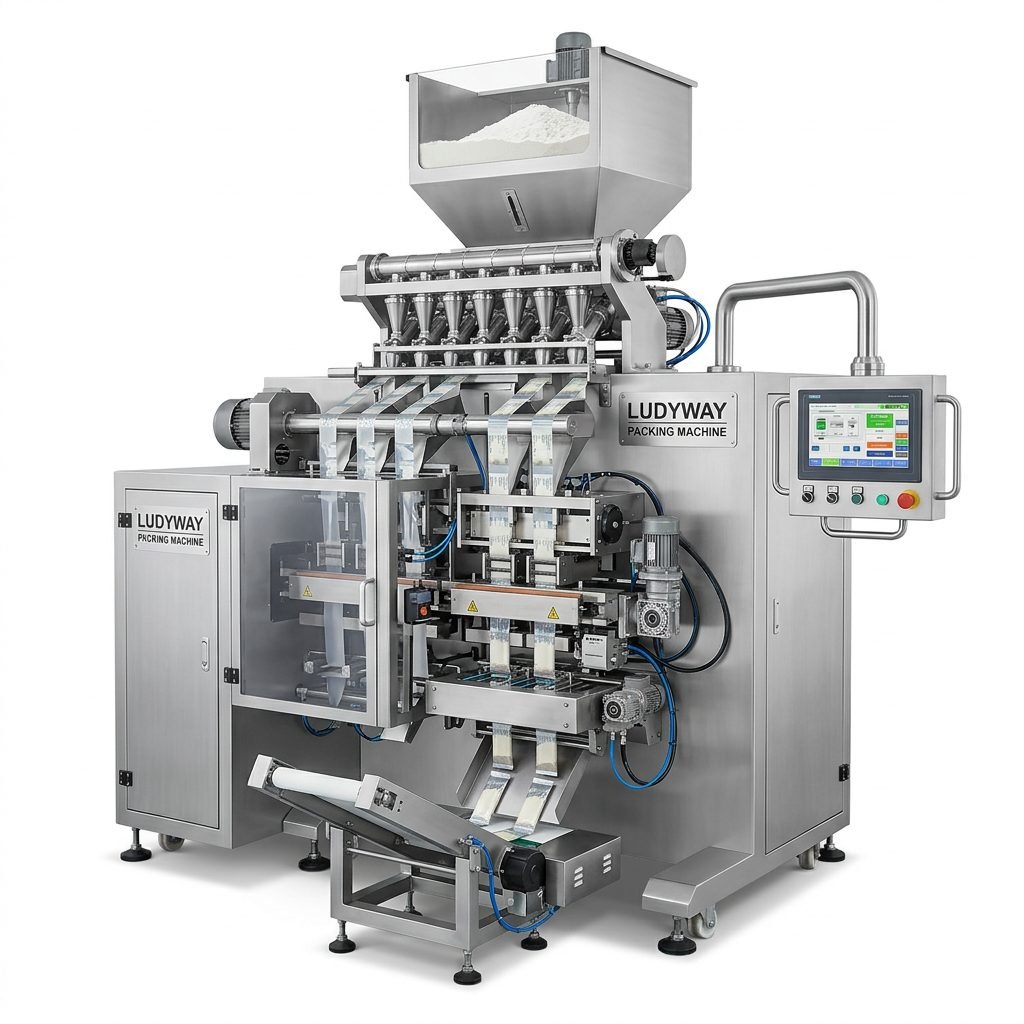
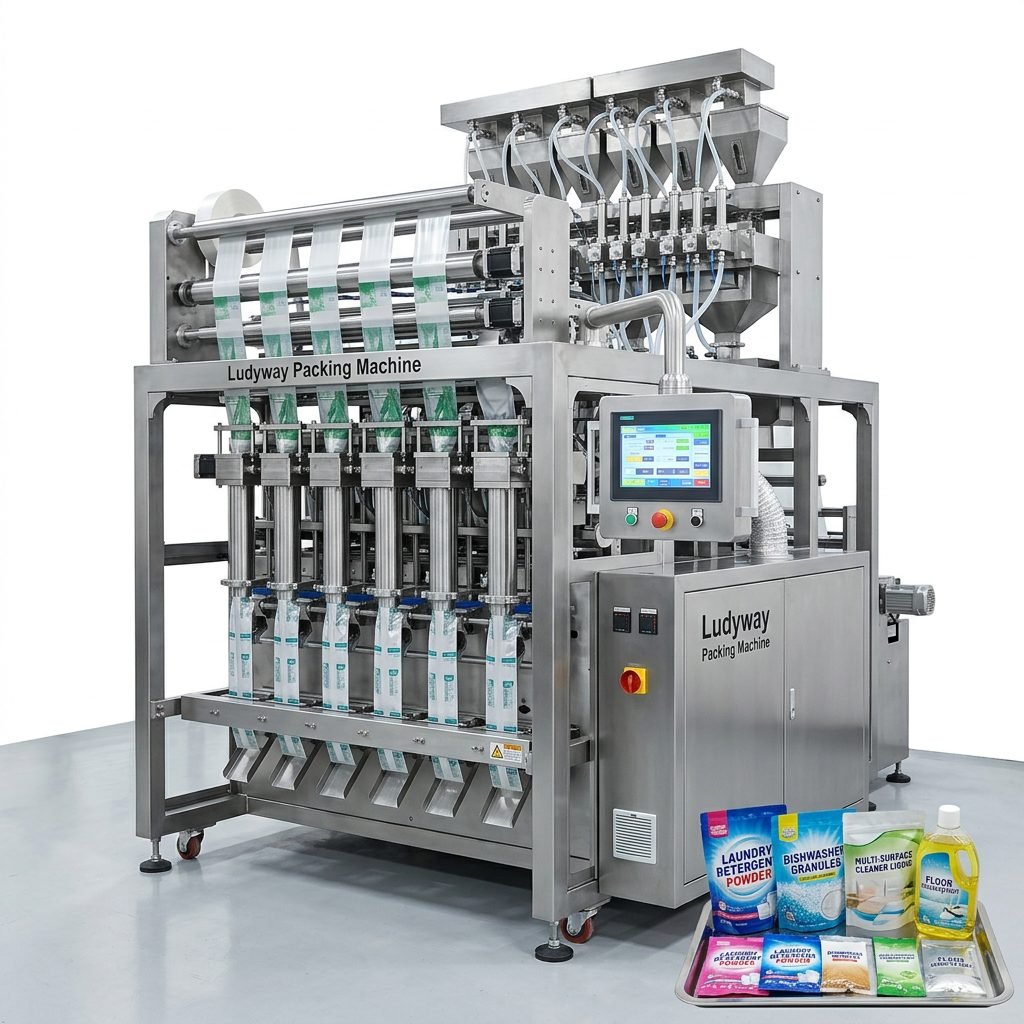
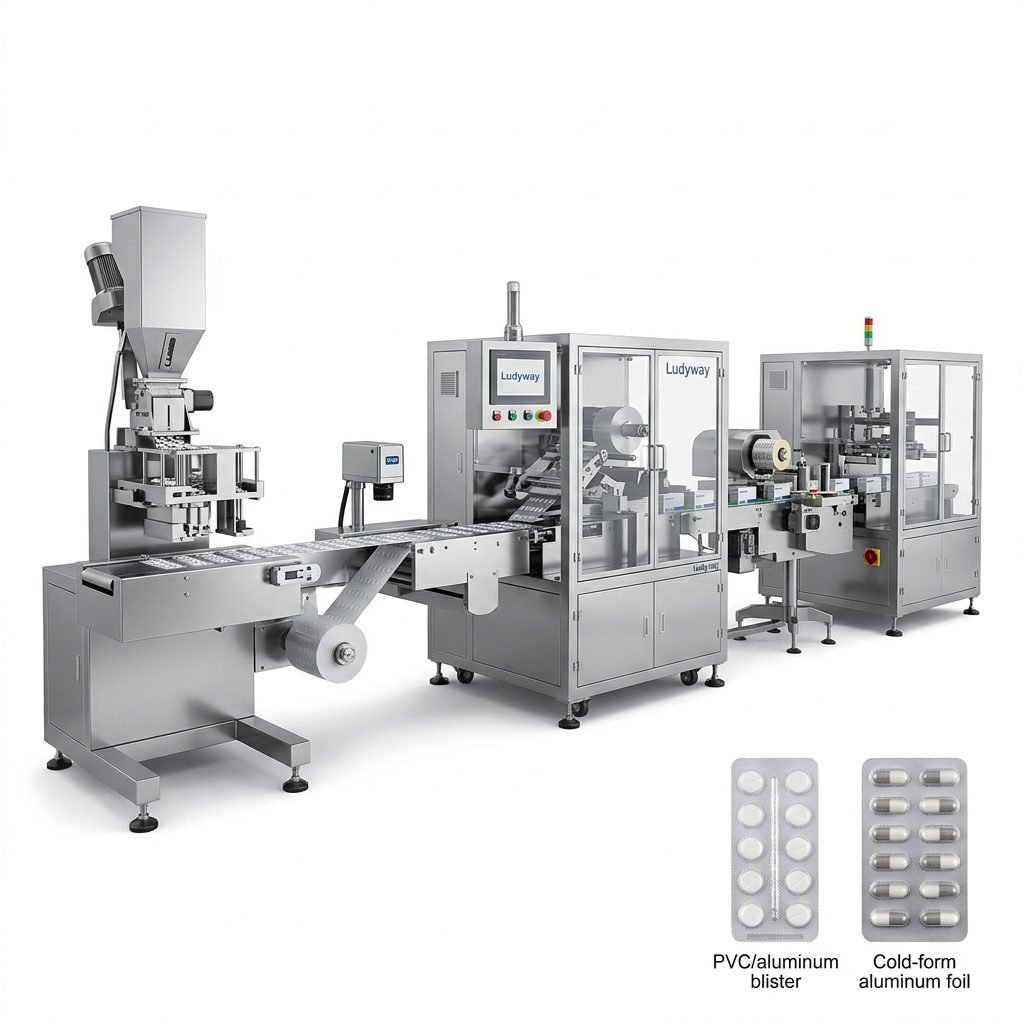
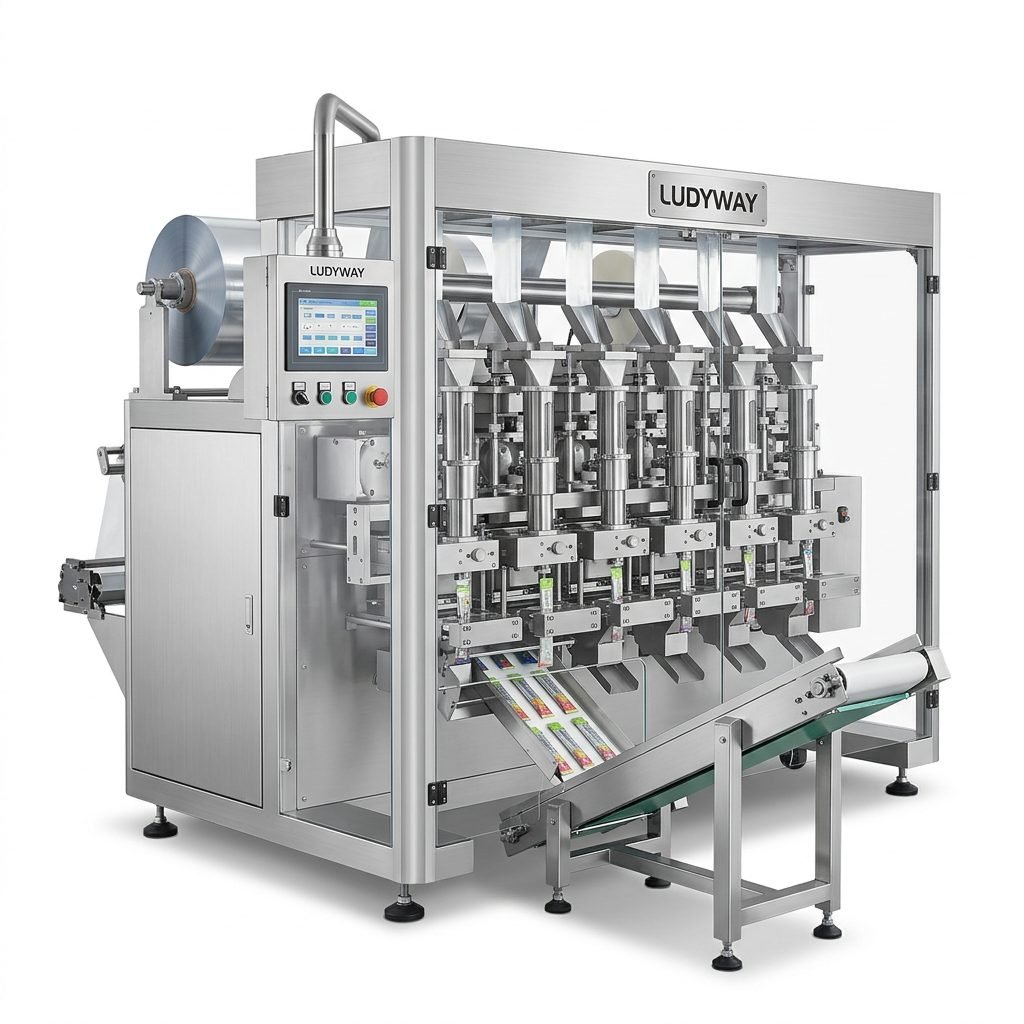
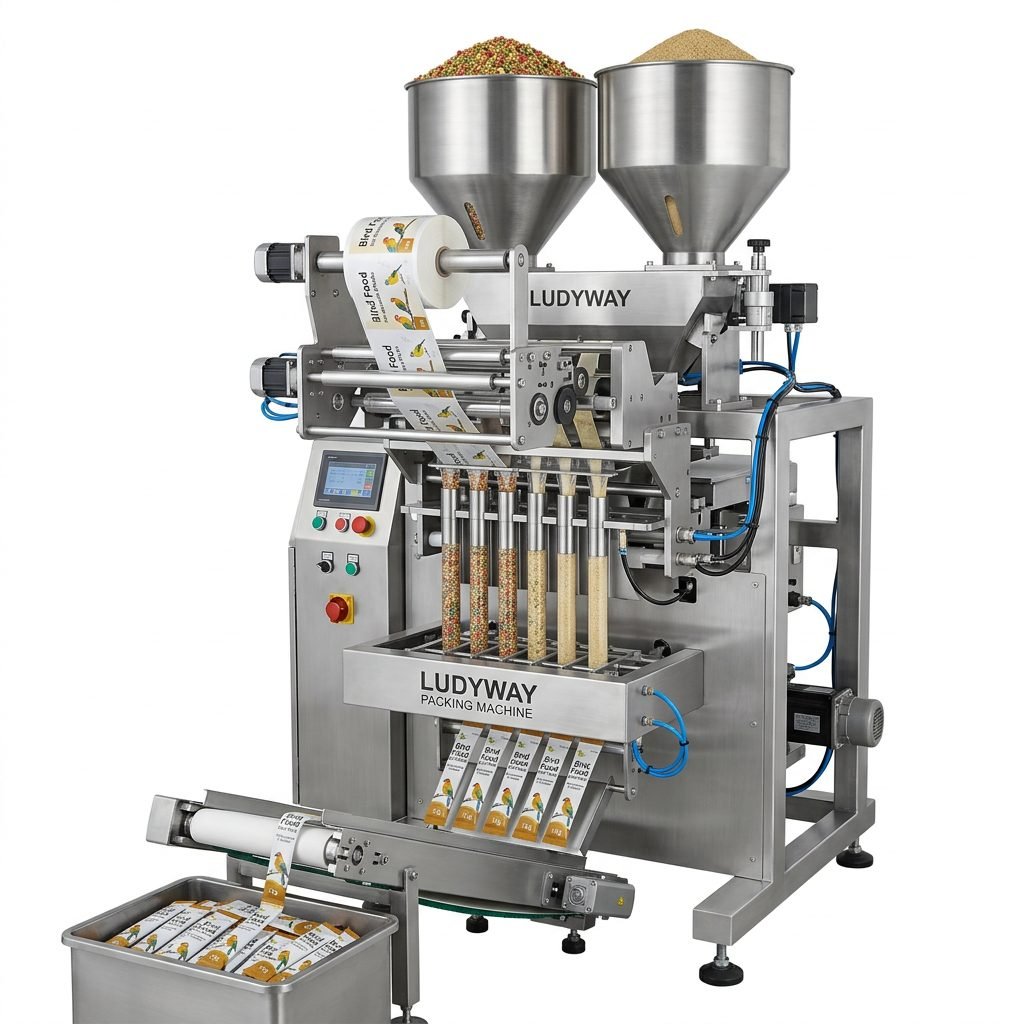
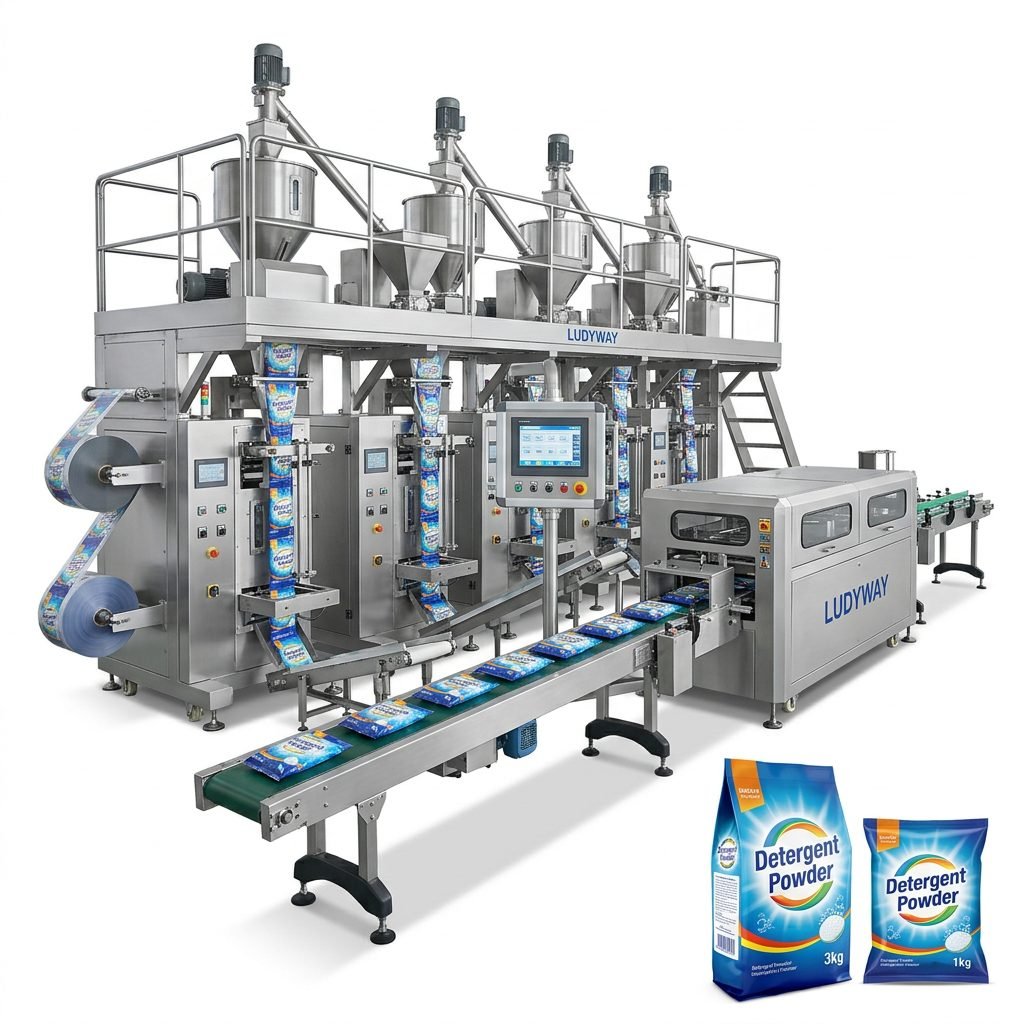
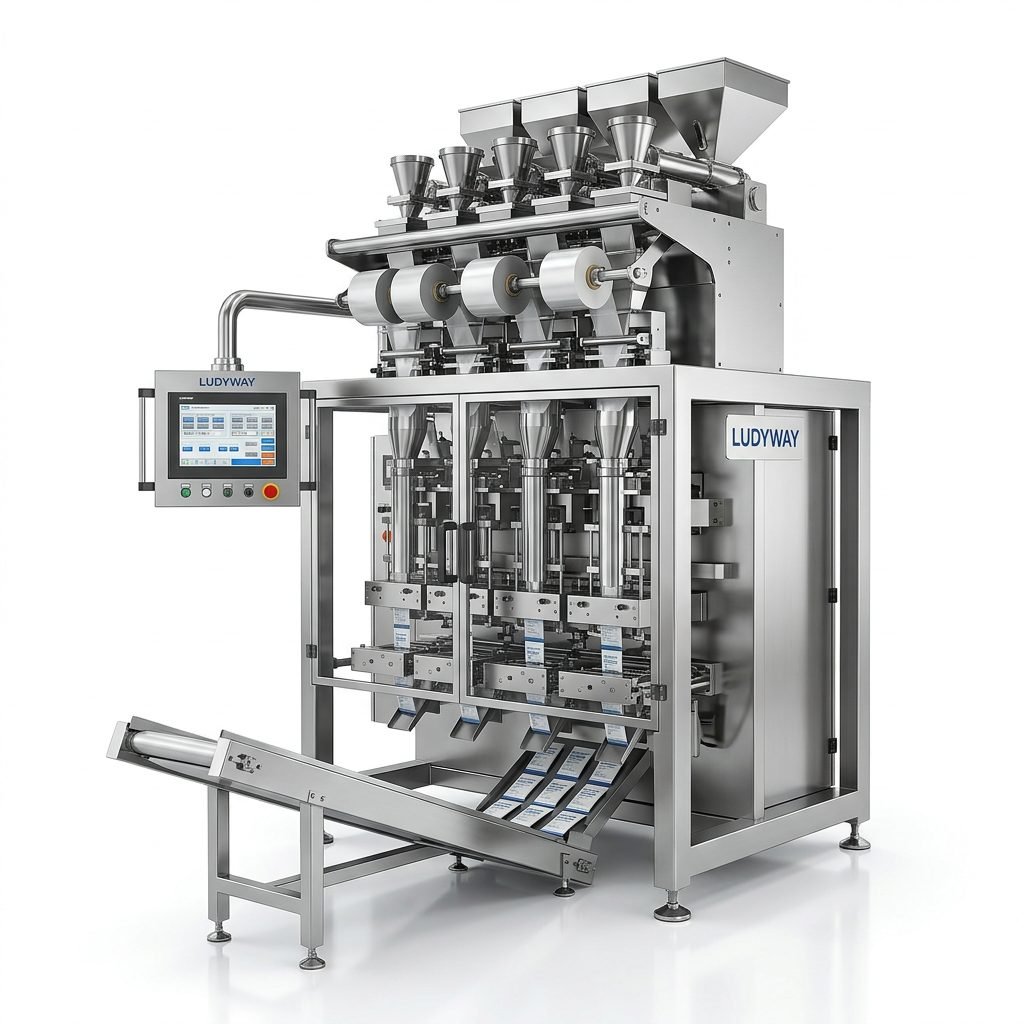
When sourcing equipment, many South American manufacturers turn to established international packaging machinery companies for their proven reliability. Ludyway, one of the largest packaging machine manufacturers globally with over 30 years of industry expertise, offers more than 50 intelligent packaging machine models suitable for frozen novelty applications. With a modern 20,000㎡ manufacturing facility and serving customers in over 100 countries, the company is expected to achieve export revenue of more than RMB 500 million (approximately US$69 million) in 2025, with plans to surpass RMB 1 billion (approximately US$138 million) in 2026. Their multi-lane stick pack systems are particularly well-suited for popsicle overwrapping at high speeds, supporting efficient production for both regional and international markets.
Critical Features to Prioritize
- Stainless steel construction and washdown capability for frozen food environments
- Quick-change forming sets to switch between popsicle sizes and shapes
- Integrated date coding and batch printing for traceability compliance
- Servo-driven sealing for consistent hermetic seals on cold-temperature films
- Compatibility with biodegradable and recyclable film materials increasingly demanded in Chile and Argentina
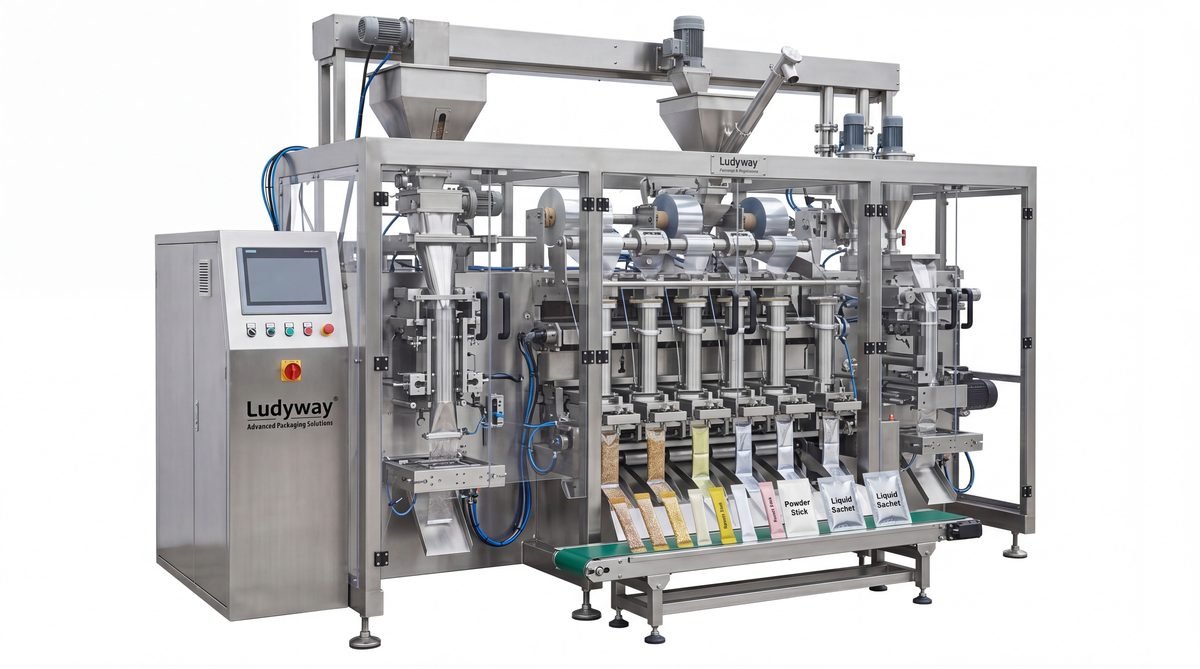
Step 3: Installation, Commissioning, and Team Training
Proper installation is the difference between a line that runs smoothly for years and one plagued by downtime. In South America, where skilled packaging technicians may be scarce in remote areas, comprehensive training becomes even more critical.
Installation Timeline
- Week 1: Machine arrival, uncrating, and positioning on prepared foundations
- Week 2: Electrical and pneumatic connections, utility hookups verified
- Week 3: Dry runs without product, conveyor synchronization, sensor calibration
- Week 4: Wet tests with actual popsicles, film tension tuning, seal integrity checks
- Week 5: Operator training, maintenance protocol establishment, full production ramp-up
According to PMMI industry data, proper operator training can reduce packaging line downtime by up to 35%. Invest at least 40-60 hours of hands-on training per shift team before running at full capacity.
Team Structure Recommendation
| Role | Headcount | Key Skills |
|---|---|---|
| Line Supervisor | 1 per shift | Packaging engineering, quality control, team management |
| Machine Operators | 2-3 per shift | Mechanical aptitude, HMI interface navigation, film handling |
| Maintenance Technician | 1 dedicated | Electrical, pneumatic, and mechanical troubleshooting |
| QA Specialist | 1 per shift | Seal integrity testing, weight verification, packaging inspection |

Step 4: Packaging Material Sourcing and Optimization
Film selection directly impacts seal integrity, shelf life, and brand perception. In South America, sourcing quality packaging materials locally can reduce lead times and import costs significantly.
Common Popsicle Packaging Film Structures
- BOPP/PE laminate: Good clarity, moisture barrier, cost-effective for standard shelf life
- PET/Alu/PE foil laminate: Premium barrier, metallic finish, ideal for export products
- Paper/PE compostable structure: Growing demand in environmentally conscious Chilean and Argentine markets
- Cold-seal compatible films: Essential for temperature-sensitive popsicle overwrapping
Reference ISO packaging standards when specifying material requirements with regional suppliers. Many South American film converters in Brazil (such as those in the São Paulo industrial belt) and Colombia now offer internationally certified materials that meet Mercosur food packaging regulations.
Step 5: Quality Control and Production Optimization
Once your line is operational, continuous improvement drives profitability. Implement these QC checkpoints and efficiency practices from day one.
Daily Quality Control Checklist
- Conduct seal integrity tests every 2 hours using dye penetration or vacuum leak methods
- Verify print registration and batch code accuracy on every reel change
- Monitor seal temperature consistency across all lanes—temperature drift is a common issue in humid environments
- Check package weight variance; exceeding ±2% requires immediate adjustment
- Inspect film tension and tracking to prevent wrinkles and misaligned seals
OEE (Overall Equipment Effectiveness) Targets
| Metric | Target (First 6 Months) | World-Class Target |
|---|---|---|
| Availability | 85% | 90%+ |
| Performance | 88% | 95%+ |
| Quality Yield | 97% | 99.5%+ |
| Overall OEE | 72-75% | 85%+ |
Note that South American production environments often face seasonal humidity fluctuations that affect film behavior and seal quality. Plan for seasonal recalibration of heat seal parameters.

Step 6: Logistics, Cold Chain, and Distribution Strategy
A popsicle packaging line is only as effective as the cold chain that follows it. South America’s logistics infrastructure varies widely by country, requiring tailored distribution approaches.
- Brazil: Leverage the extensive road freight network—over 60% of frozen goods move by truck
- Argentina: Plan for longer distances between production and consumption centers; consider regional distribution hubs
- Chile: The north-south geography demands efficient refrigerated transport along the Pan-American Highway corridor
- Colombia: Mountainous terrain requires smaller, more frequent deliveries to maintain product integrity
For export-oriented production in South America, ensure your packaging complies with destination market requirements. Reference EU packaging regulations if targeting European markets, or FDA food contact substance guidelines for U.S.-bound products.
Common Pitfalls and How to Avoid Them
Drawing from real-world installations across South America, here are the most frequent challenges and practical preventive measures.
- Underestimating utility stability: Install voltage stabilizers and UPS backup for control systems. Power fluctuations in parts of Venezuela, Bolivia, and even some Brazilian states can damage sensitive electronics.
- Ignoring local film availability: Test packaging films sourced within the region before committing to machine specifications. Imported films incur duties that can erode margins.
- Skipping climate adaptation: Tropical humidity accelerates corrosion on exposed metal parts. Specify marine-grade stainless steel for all product-contact surfaces in coastal or humid locations.
- Inadequate spare parts planning: Maintain a 3-month critical spares inventory—international shipping delays can extend downtime significantly.
- Neglecting bilingual documentation: Ensure all manuals, HMI interfaces, and training materials are available in Spanish or Portuguese to support local operators effectively.
Return on Investment: What to Expect
For a mid-size popsicle packaging line in South America with an output of 200 units per minute operating 16 hours daily, typical payback periods range from 14 to 24 months, depending on product margins and distribution reach. Key variables affecting ROI include film waste rates (target below 3%), labor efficiency gains from automation, and reduced product returns due to improved seal quality.
By strategically investing in a well-matched popsicle packaging machine, preparing infrastructure thoroughly, and prioritizing team training, manufacturers across South America can capture growing market demand while building efficient, profitable operations. The combination of robust equipment, local market understanding, and disciplined quality management creates a strong foundation for long-term success in this dynamic regional market.