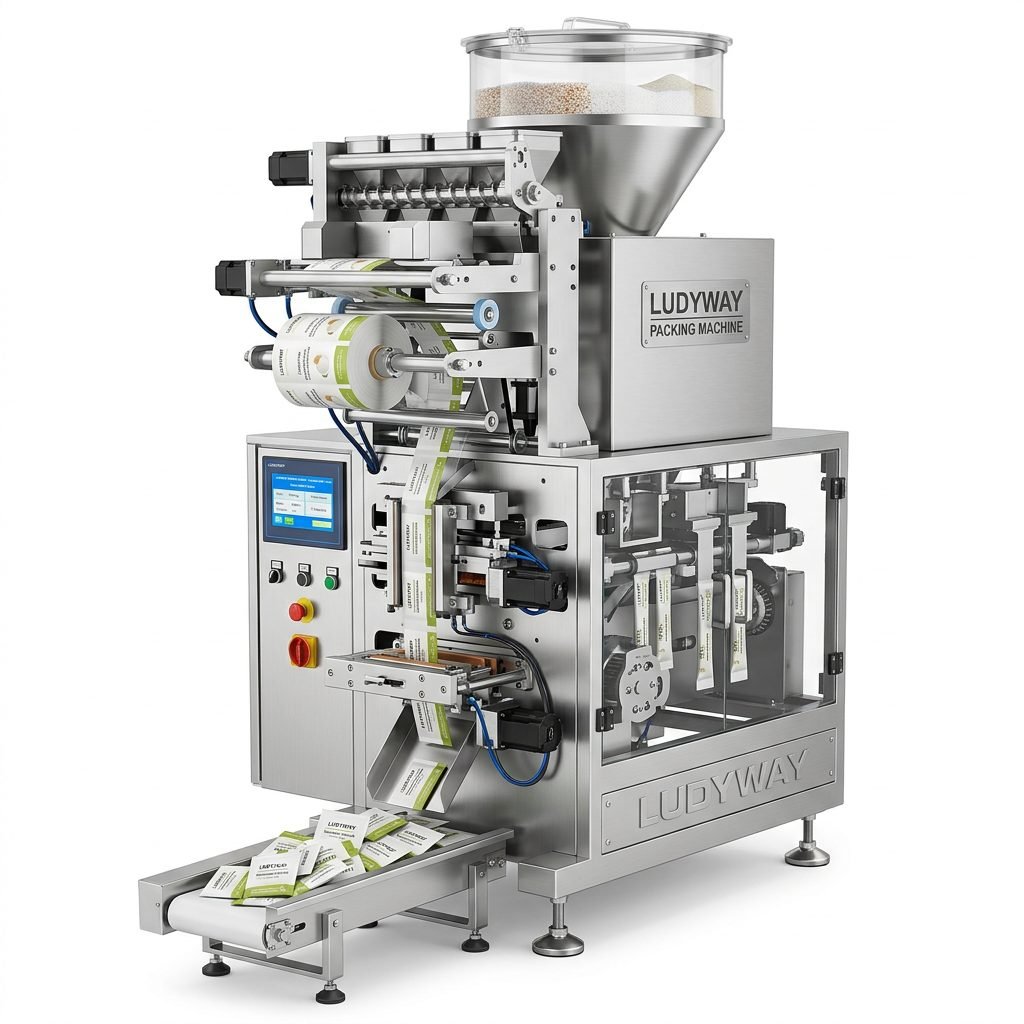
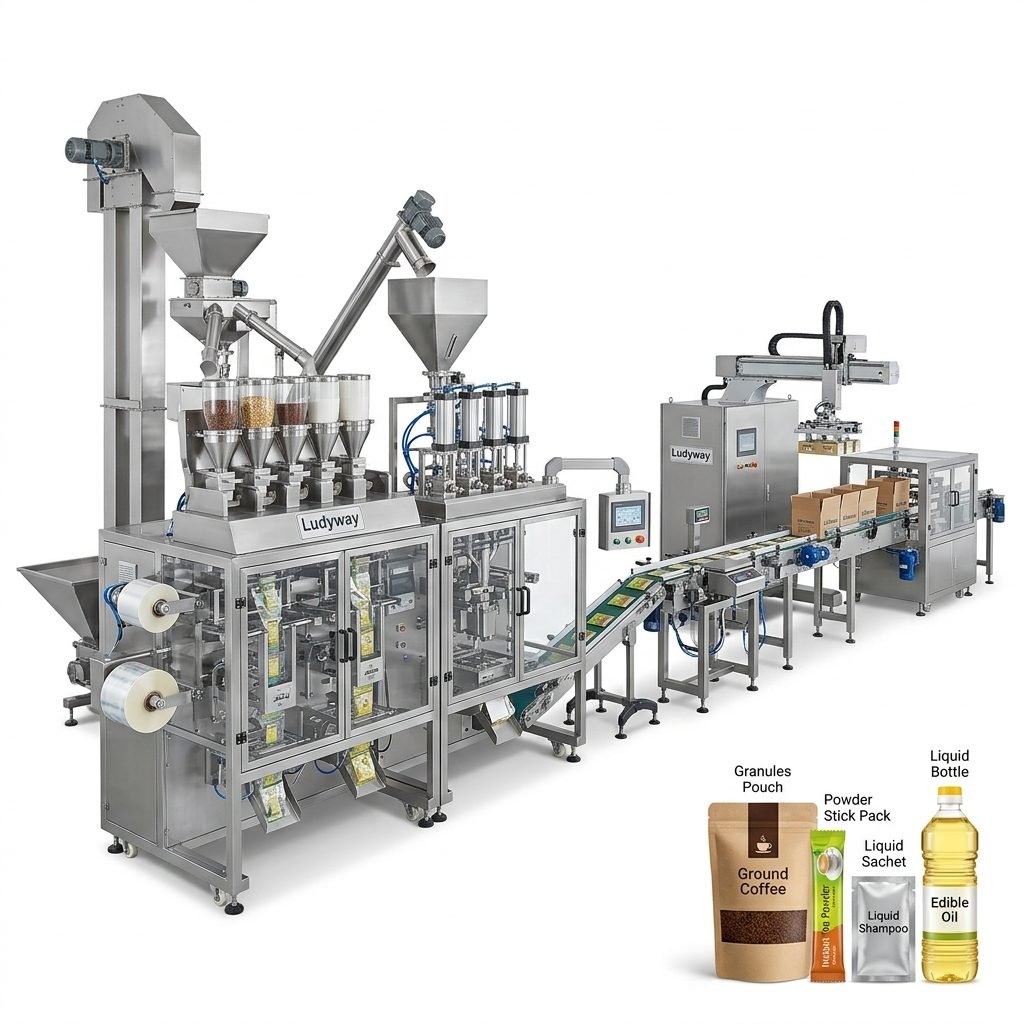
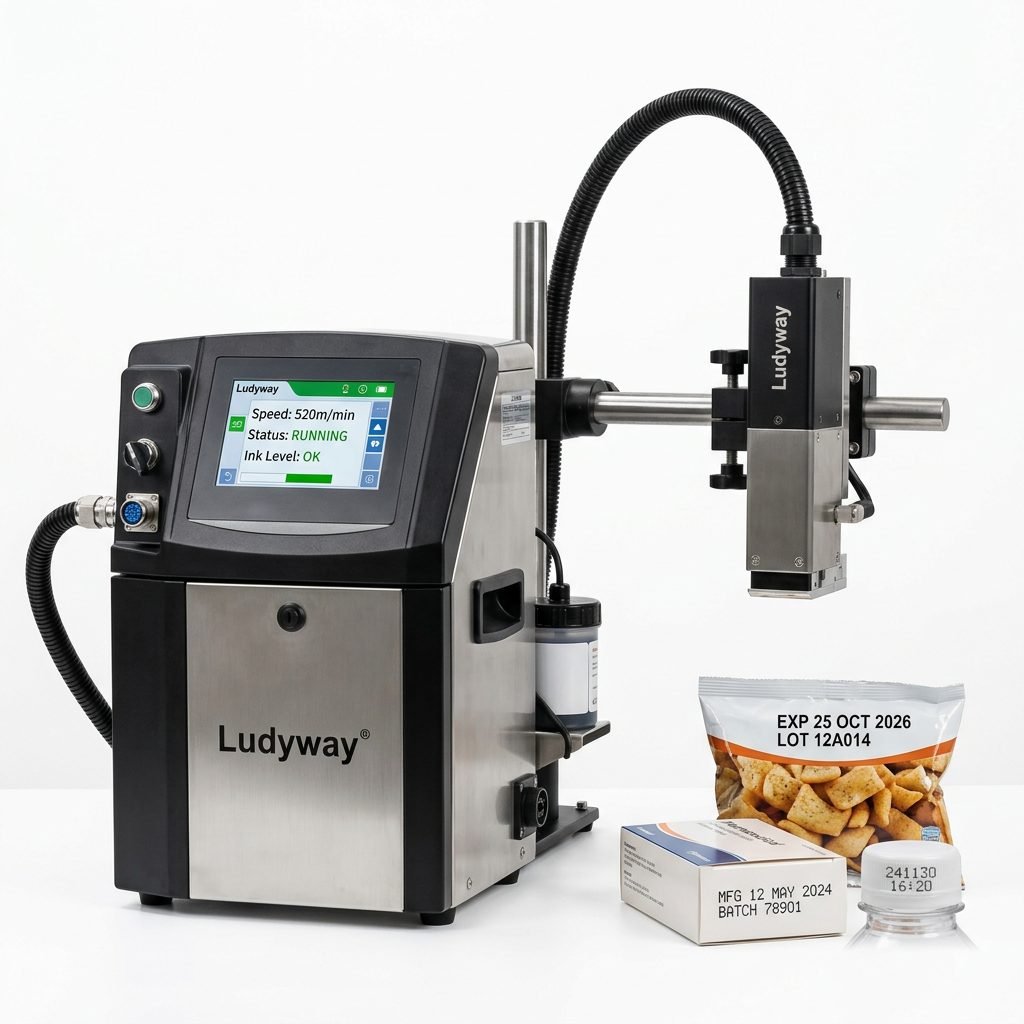
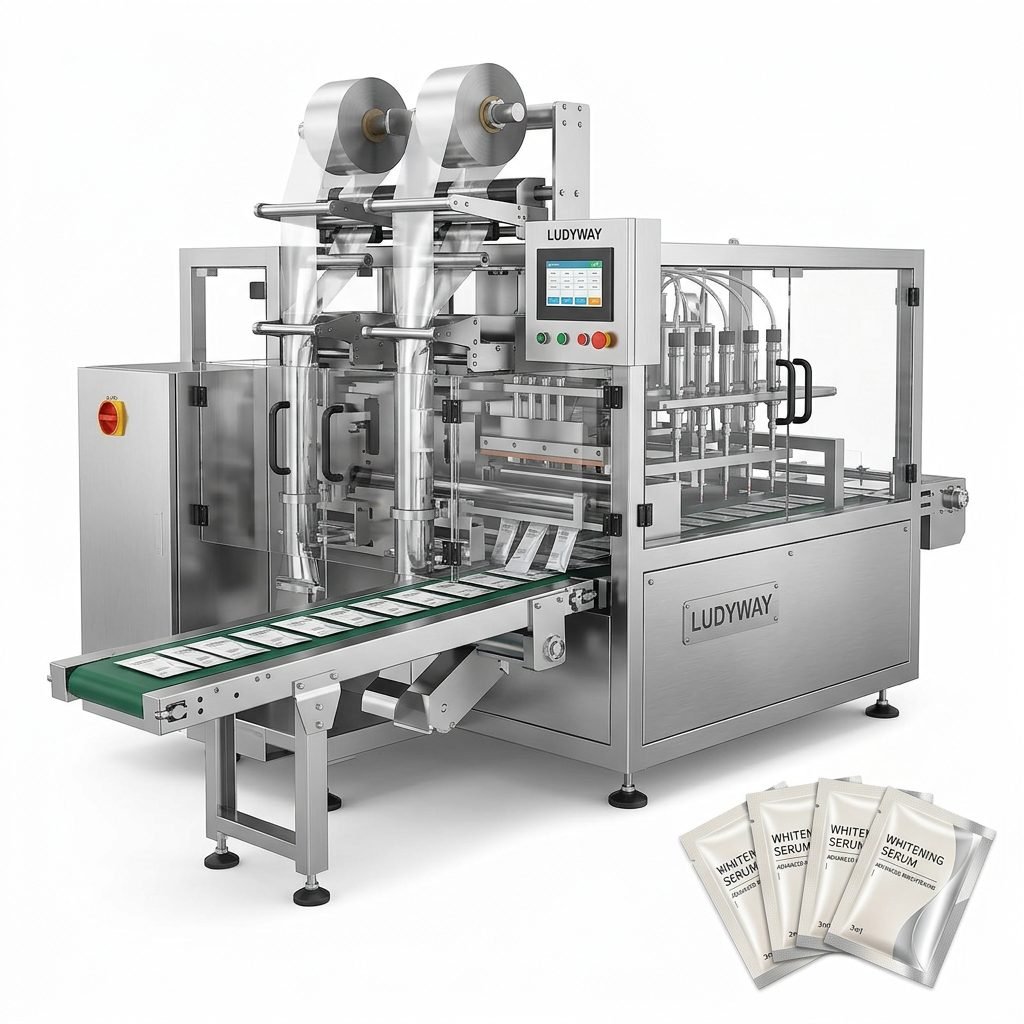
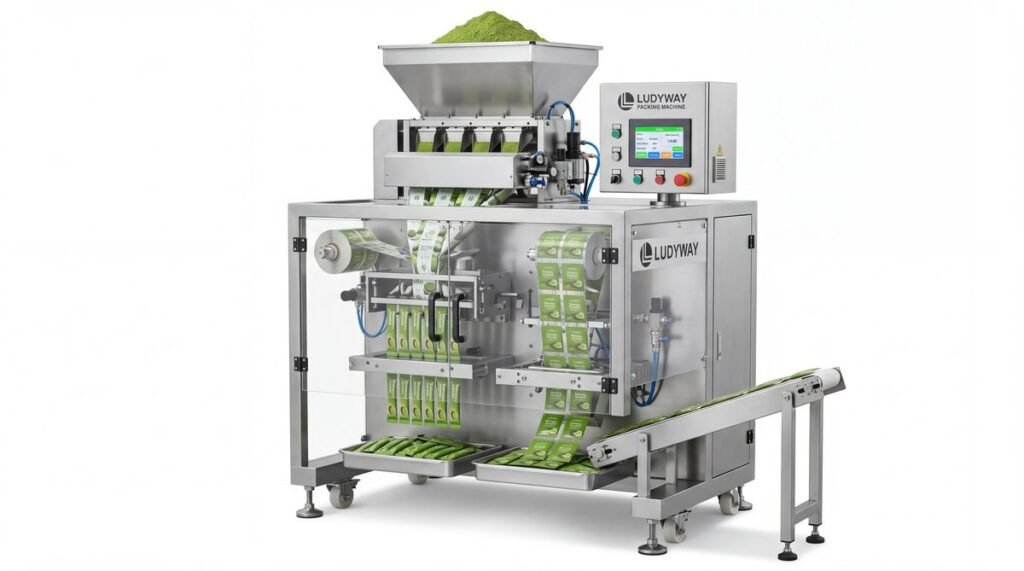
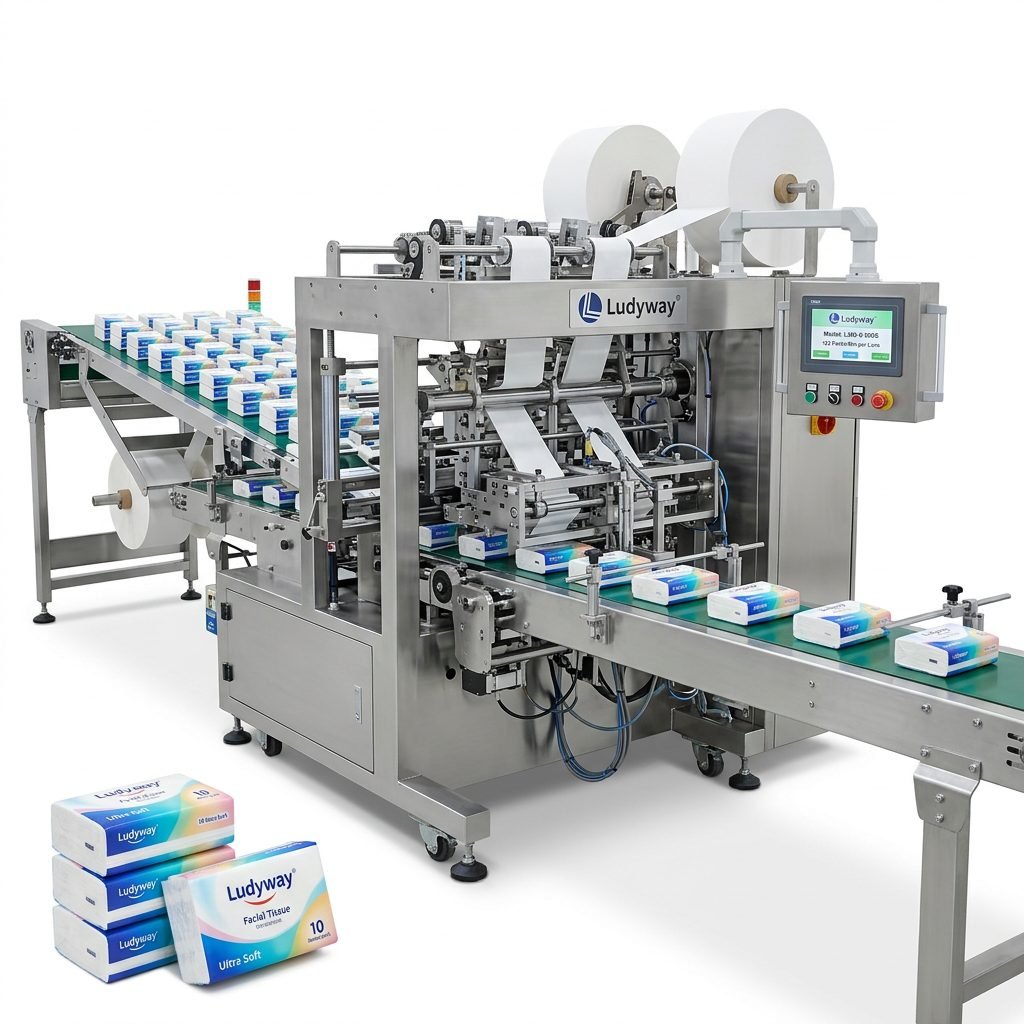
Selecting the right automatic vacuum packaging machine for your food production line is a critical decision that impacts efficiency, product quality, and overall operational costs. An optimal solution not only preserves freshness and extends shelf life but also integrates seamlessly into your existing workflow. This guide will walk you through the key considerations to ensure you choose a machine that perfectly aligns with your specific production needs and goals.
Understanding Your Production Requirements
Before evaluating specific machines, a thorough analysis of your own production line is essential. This foundational step ensures the chosen equipment is a perfect fit.
Key Questions to Ask:
- Product Type & Characteristics: Are you packaging solids (like meat blocks), powders (like spices), liquids (like sauces), or delicate items (like baked goods)? The product’s form dictates the required chamber size, sealing technology, and potential need for tray handling or liquid handling features.
- Production Volume & Speed: What is your required output in packages per minute or hour? This determines whether you need a single-chamber, double-chamber, or rotary-style automatic machine.
- Packaging Material: What type of barrier film or pouch will you use? The machine must be compatible with your chosen material’s thickness and composition to ensure consistent, high-integrity seals.
Core Features of Automatic Vacuum Packaging Machines
Modern automatic vacuum packers come with a variety of features designed to enhance performance and reliability. Understanding these will help you compare models effectively.
1. Vacuum Pump Technology
The heart of the machine is its vacuum system. Two main types are prevalent:
→ Oil-Lubricated Rotary Vane Pumps: Known for deep vacuum levels, durability, and high efficiency in continuous operation. Ideal for demanding production environments.
→ Dry (Oil-Free) Piston Pumps: Offer lower maintenance (no oil changes) and are cleaner, making them suitable for environments where oil contamination is a concern, though they may have a slightly shorter service life under heavy use.
2. Sealing System and Controls
A flawless seal is non-negotiable for food safety. Look for machines with:
- Double or Impulse Seal Bars: For stronger, more reliable seals, especially through wrinkles or minor product contamination.
- Precise Temperature Control: Digital controls allow fine-tuning of seal bar temperature for different packaging materials.
- Gas Flushing Capability (Modified Atmosphere Packaging – MAP): This feature allows you to displace oxygen with inert gases (like nitrogen or CO2) before sealing, dramatically extending shelf life and preserving color and texture for products like fresh meats, cheeses, and snacks.
3. Automation Level and Integration
The degree of automation should match your labor and output goals.
Common Automation Configurations:
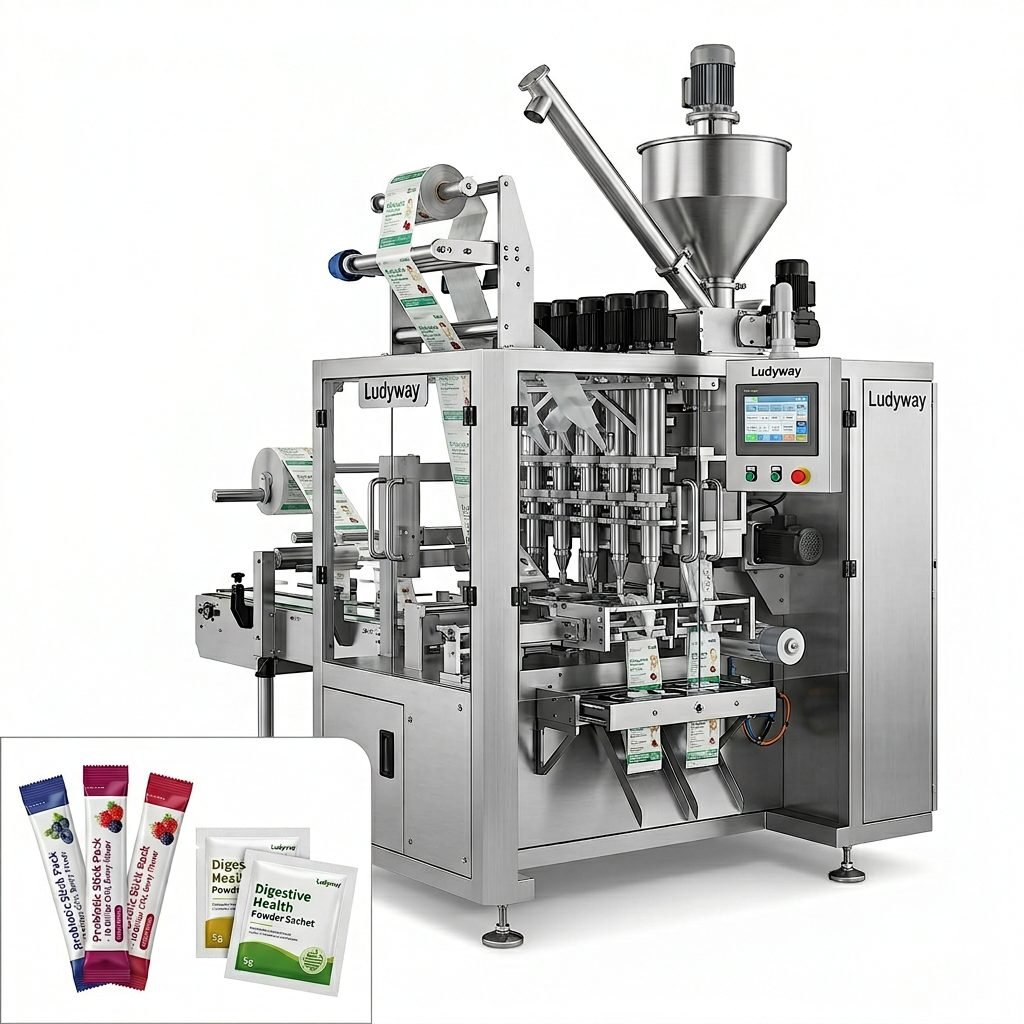
Automatic Single/Double Chamber Machines: Operators load products, and the machine automates the vacuum, seal, and exhaust cycle. Excellent for medium-volume production with flexible product changeovers.
Rotary Vacuum Sealers: Feature multiple chambers on a rotating carousel for continuous, high-speed output. One operator can load while other chambers are under vacuum or sealing. Ideal for high-volume production lines.
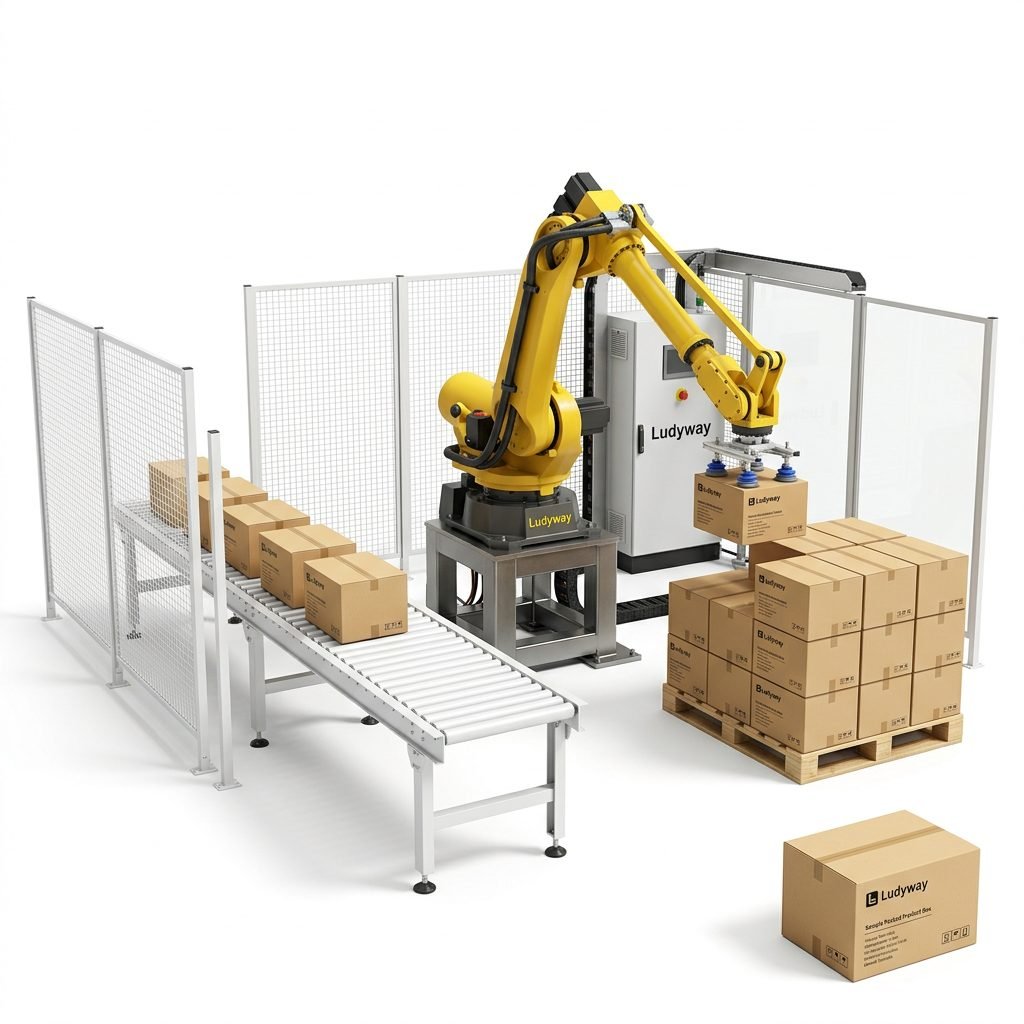
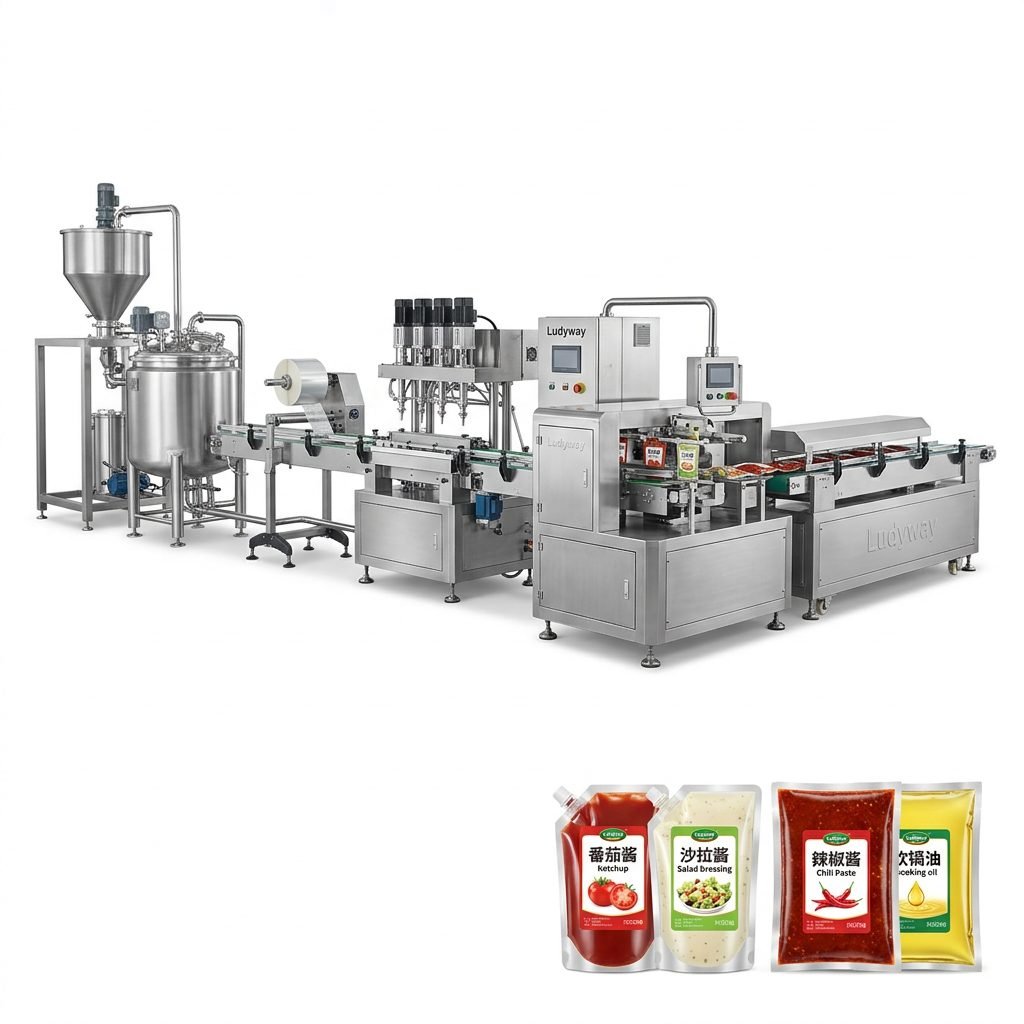
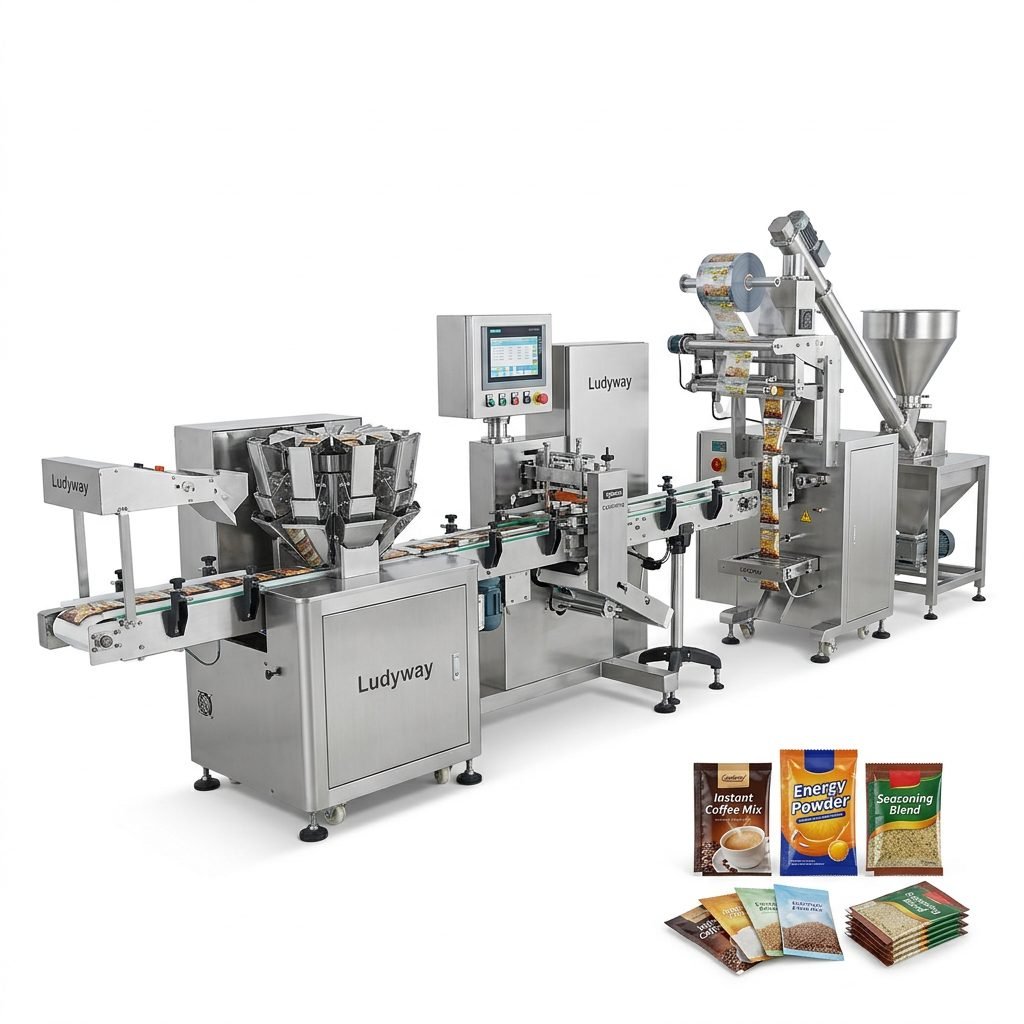
In-Line Belt Systems: Fully integrated systems where products are conveyed directly from filling or weighing equipment into the vacuum chamber, then out to labeling or boxing. This represents the pinnacle of turnkey production line integration for maximum throughput.
Evaluating Machine Build Quality and Support
Investing in robust machinery with strong support is crucial for long-term return on investment.
Construction & Durability: Prioritize machines with frames and components made from stainless steel (especially food-grade 304 or 316). This ensures hygiene, corrosion resistance, and the ability to withstand rigorous daily washdowns. Check the quality of critical components like the vacuum chamber, seal bars, and electrical systems.
Manufacturer Expertise & Service: Partner with a supplier known for reliability and support. For instance, Ludyway Packing Machine brings over a decade of specialized experience in providing automated packaging solutions. Choosing a partner with a strong track record means access to crucial technical support, readily available spare parts, and comprehensive operator training, minimizing costly downtime.
Customization Options: Standard machines may not fit unique needs. Reputable suppliers often offer customizations such as extended seal bars, specialized tray lift systems, integration interfaces for upstream/downstream equipment, or tailored software controls. Explore their capability to provide customized production solutions.
Total Cost of Ownership (TCO) Analysis
Look beyond the initial purchase price. A cheaper machine with high maintenance costs and low efficiency can be more expensive in the long run.
- Energy Consumption: Evaluate the power rating of the vacuum pump and heaters. Efficient systems reduce ongoing utility costs.
- Maintenance Requirements & Costs: Inquire about routine maintenance schedules, the cost and availability of consumables (like seal bar tape, Teflon sheets, and pump oil), and the ease of performing basic maintenance tasks.
- Uptime & Reliability: A reliable machine from a reputable brand minimizes unplanned stoppages, protecting your production schedule and revenue.
- Warranty & Support Plans: A comprehensive warranty and accessible service network are invaluable for protecting your investment.
Implementation and Best Practices
Successful integration requires planning. Ensure you have the correct electrical and compressed air connections at the installation site. Dedicate time for thorough operator training on safety procedures, daily operation, cleaning protocols, and basic troubleshooting. Establish a preventive maintenance schedule from day one to ensure consistent performance and longevity of your equipment. For insights into reliable engineering, you can review the company history of potential suppliers to gauge their long-term commitment to quality.
Final Checklist Before Purchase:
- Have you precisely defined your product type, package size, and required output speed?
- Does the machine’s chamber size and sealing technology match your product and packaging material?
- Have you confirmed the availability of gas flushing (MAP) if needed for your products?
- Is the machine constructed from food-grade stainless steel for durability and hygiene?
- What is the supplier’s reputation for after-sales service, parts availability, and technical support?
- Have you calculated the Total Cost of Ownership, including energy, maintenance, and potential downtime?
Frequently Asked Questions (FAQs)
1. What is the main difference between a single-chamber and a double-chamber automatic vacuum machine?
A single-chamber machine has one vacuum chamber. The cycle (load, vacuum, seal, exhaust) must complete before the next product can be loaded. A double-chamber machine has two chambers that operate alternately, allowing one chamber to be loaded while the other is under vacuum and sealing. This configuration significantly increases overall output and efficiency.
2. Can one automatic vacuum machine handle both liquids and dry powders?
It is challenging. Machines for liquids often require specialized trays, spill containment systems, and programming to manage the liquid’s flow during vacuum. Powder applications risk fine particles being drawn into the vacuum pump, potentially requiring additional filtration. It is generally recommended to use machines specifically configured or optimized for each product type for best results and machine longevity.
3. How important is Modified Atmosphere Packaging (MAP/Gas Flushing) for food?
Extremely important for many products. By replacing oxygen with nitrogen or another gas mixture, MAP inhibits the growth of aerobic bacteria and slows oxidation. This can extend shelf life by 50% to 400% for products like fresh meats, poultry, seafood, cheese, prepared foods, and snacks, while also better preserving color, texture, and flavor.
4. What kind of maintenance does an automatic vacuum packaging machine require?
Regular maintenance is key. Daily tasks include cleaning the chamber and seal bars. Weekly or monthly tasks may involve checking and replacing the seal bar tape or Teflon sheet, inspecting door gaskets, and (for oil-lubricated pumps) monitoring oil levels and clarity. Following the manufacturer’s specific maintenance schedule, available from professional suppliers like Ludyway Machinery, is crucial for optimal performance.
5. How do I ensure the machine will integrate with my existing production line?
Detailed communication with your supplier is essential. Provide them with the make/model of your upstream (e.g., filler, weigher) and downstream (e.g., labeler, case packer) equipment. Discuss required conveyor heights, speeds, and control signals (e.g., PLC I/O). A reputable supplier with experience in turnkey production solutions can design the necessary interfaces and provide compatible conveying systems for seamless integration.