Italy’s bakery industry is renowned worldwide, from traditional artisan panetteria to large-scale industrial production of biscotti, grissini, and panettone. As demand grows both domestically and across export markets, automating your packaging process becomes essential. Setting up a bakery packaging machine production line in Italy requires careful planning that balances regulatory compliance, production efficiency, and product freshness preservation.

Understanding Italy’s Bakery Packaging Landscape
Italy is the second-largest bakery market in Europe, with a deeply rooted culture of fresh and packaged baked goods. The shift toward automated packaging solutions has accelerated as producers seek to extend shelf life, reduce labor costs, and meet the stringent European packaging regulations. Whether you produce biscotti, crackers, fresh bread, or frozen pastries, your packaging line must accommodate specific product characteristics such as fragility, moisture sensitivity, and shape irregularity.
Key Considerations Before Setting Up Your Line
Before investing in equipment, evaluate these critical factors to ensure your bakery packaging production line delivers optimal ROI and meets Italian market requirements:
- Product Type and Format: Determine whether you need flow wrapping, vertical form-fill-seal (VFFS), horizontal flow wrapping, or tray sealing systems based on your specific baked products.
- Production Capacity: Calculate your required packs-per-minute output to select the appropriate machine speed tier.
- Facility Layout: Assess available floor space, ceiling height, and utility connections in your Italian production facility.
- CE Certification: All machinery installed in Italy must carry CE marking and comply with EU Machinery Directive 2006/42/EC.
- Material Compatibility: Ensure your packaging films and materials are compatible with Italian recycling regulations and food contact substance standards.
Regulatory Compliance in the Italian Market
Italy enforces strict packaging regulations under EU frameworks. Your production line must comply with EU Regulation 1935/2004 on materials intended to come into contact with food, as well as Italian-specific decrees on packaging waste management. Additionally, food safety certifications such as BRCGS or IFS are often required by Italian retailers and distributors. Integrating equipment that supports traceability and hygienic design principles is non-negotiable for successful operations in this market.
Types of Bakery Packaging Machines for Your Production Line
Selecting the right combination of machinery depends on your product range and desired automation level. Below is an overview of the most common packaging equipment categories used in Italian bakery facilities:
| Machine Type | Best Suited For | Key Advantage |
|---|---|---|
| Horizontal Flow Wrapper | Biscotti, crackers, single-serve pastries | Gentle product handling with high-speed output |
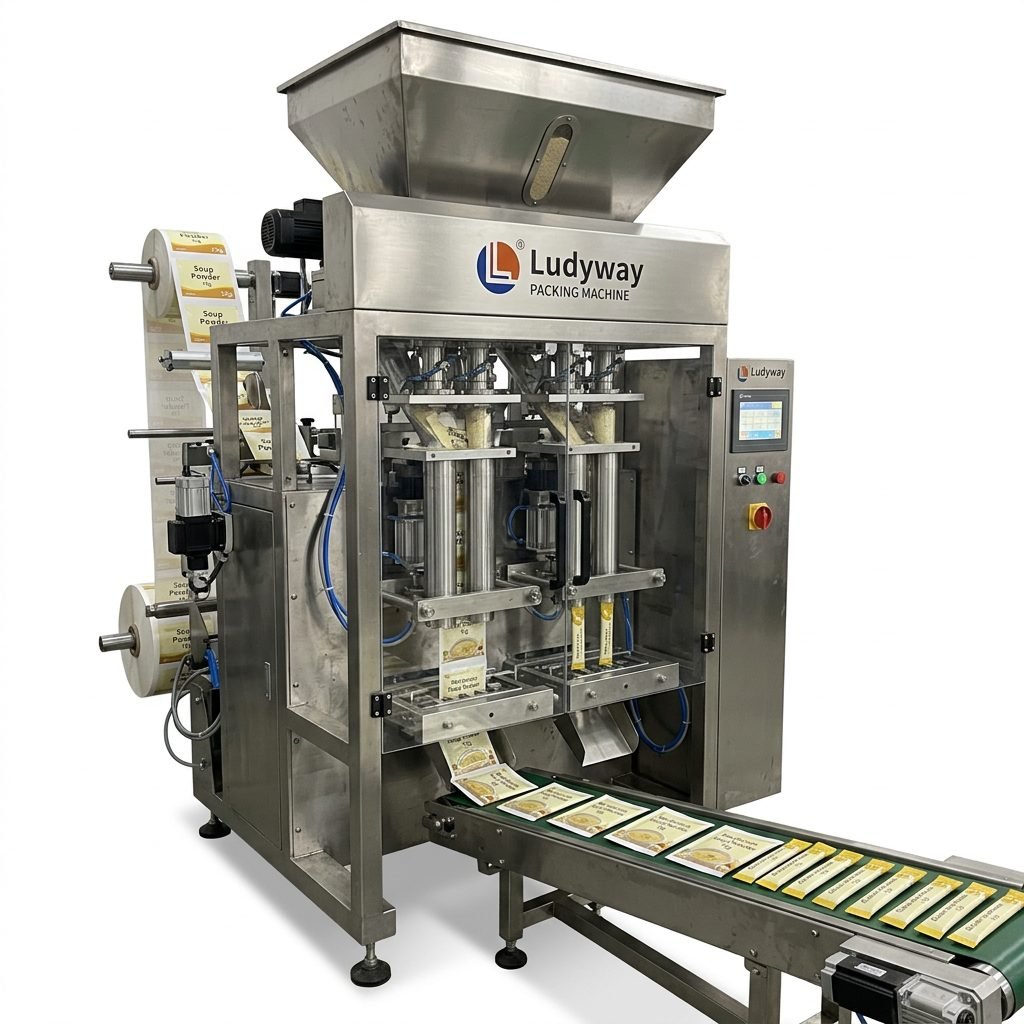
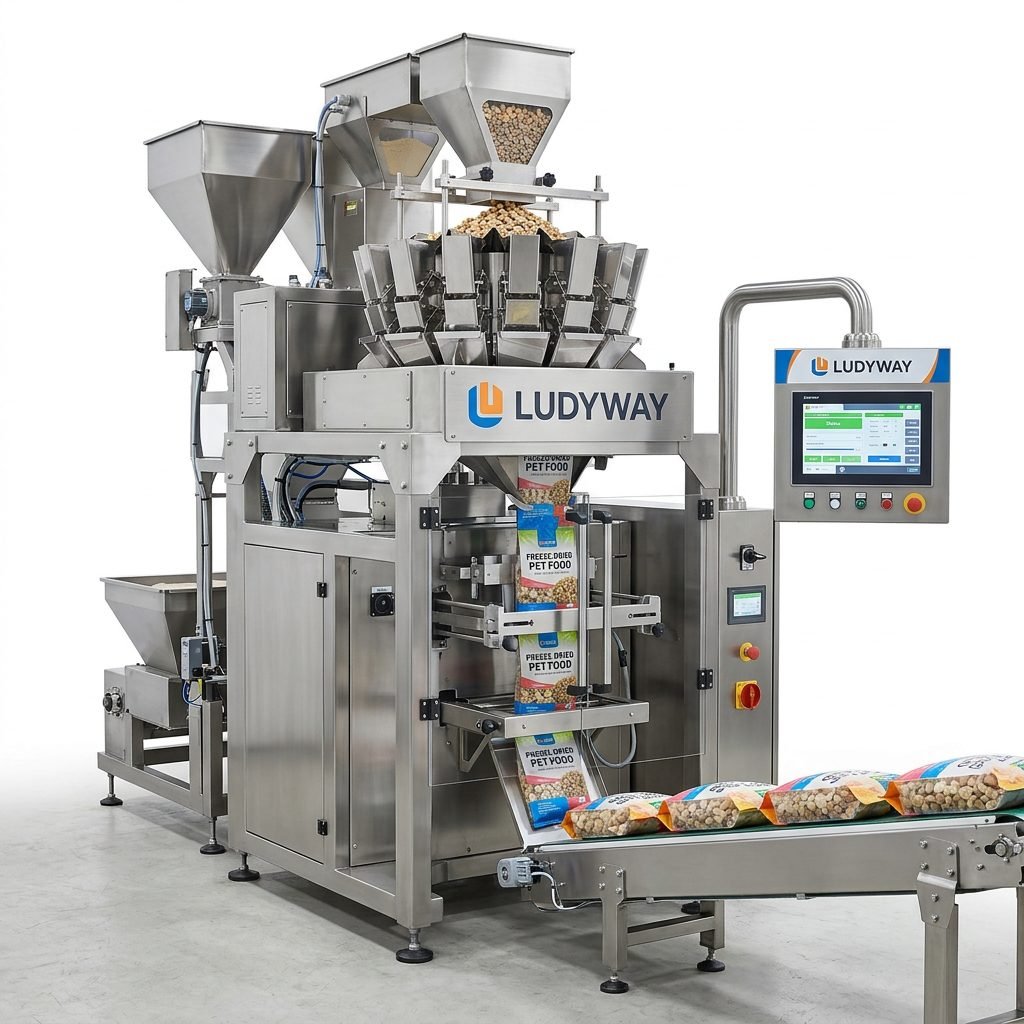
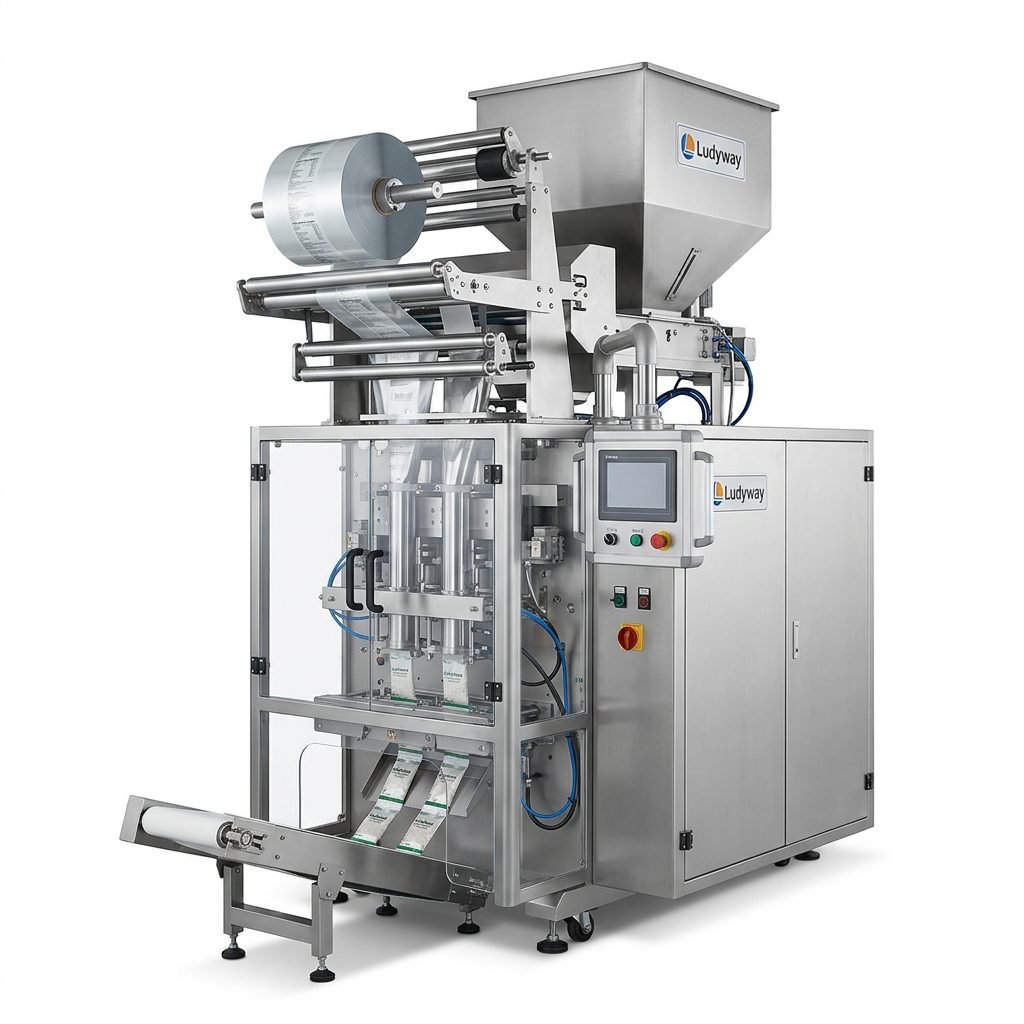
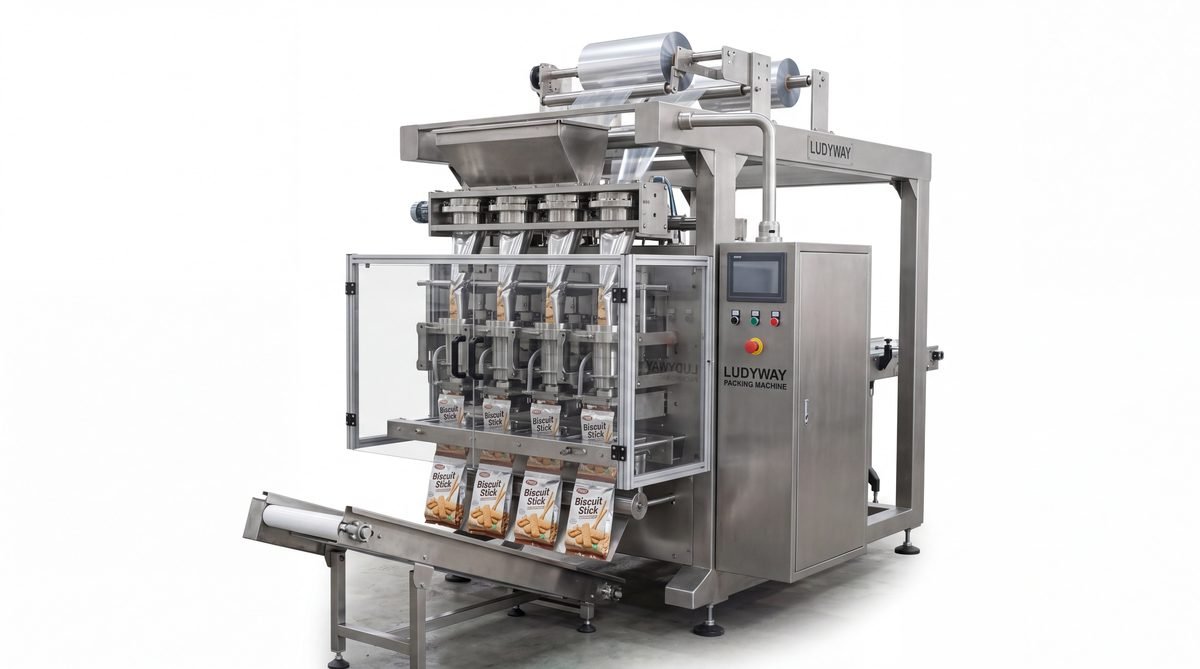
| Vertical Form-Fill-Seal (VFFS) | Loose bakery items, croutons, breadsticks | Versatile bag styles and efficient film usage |
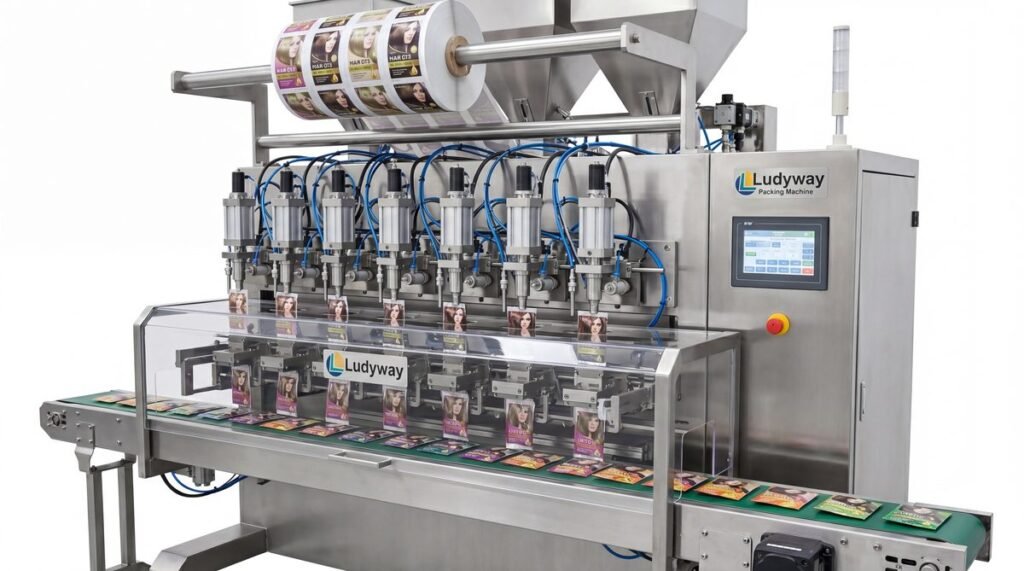
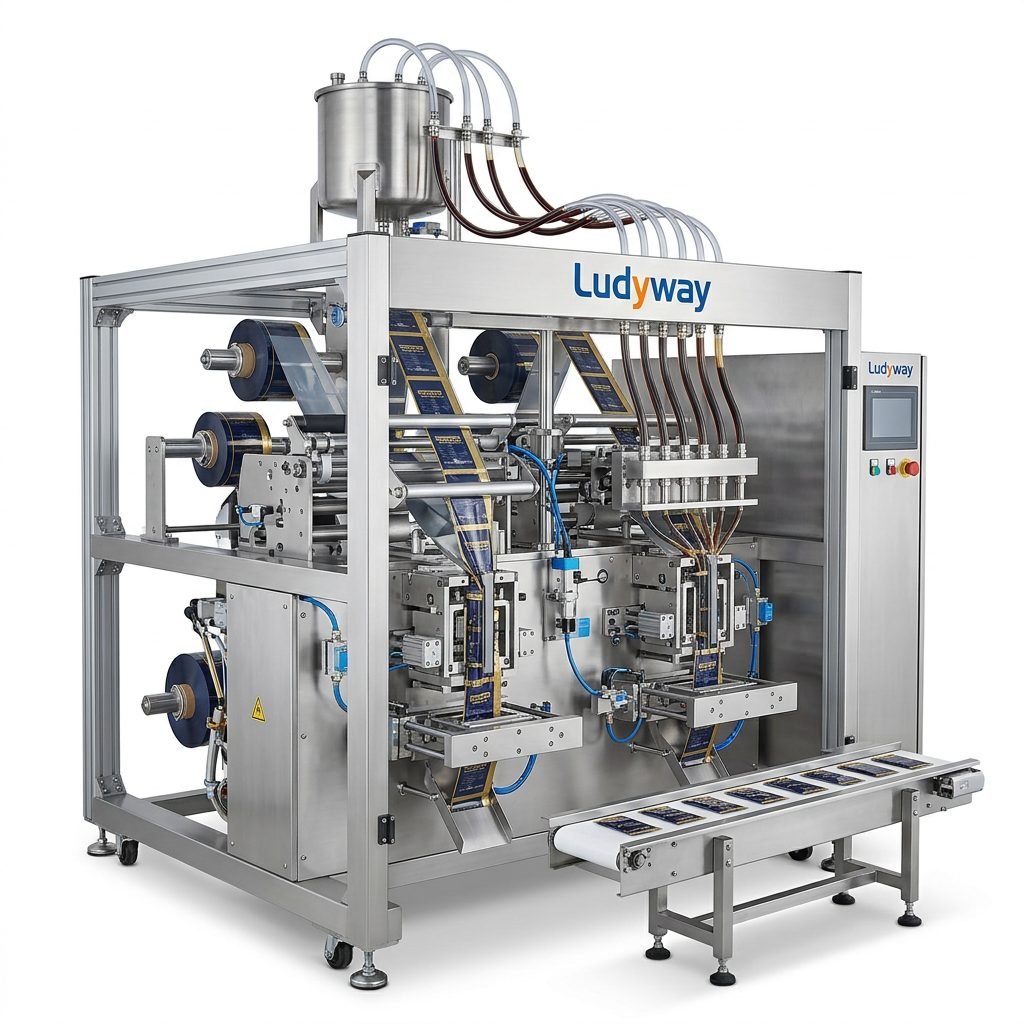
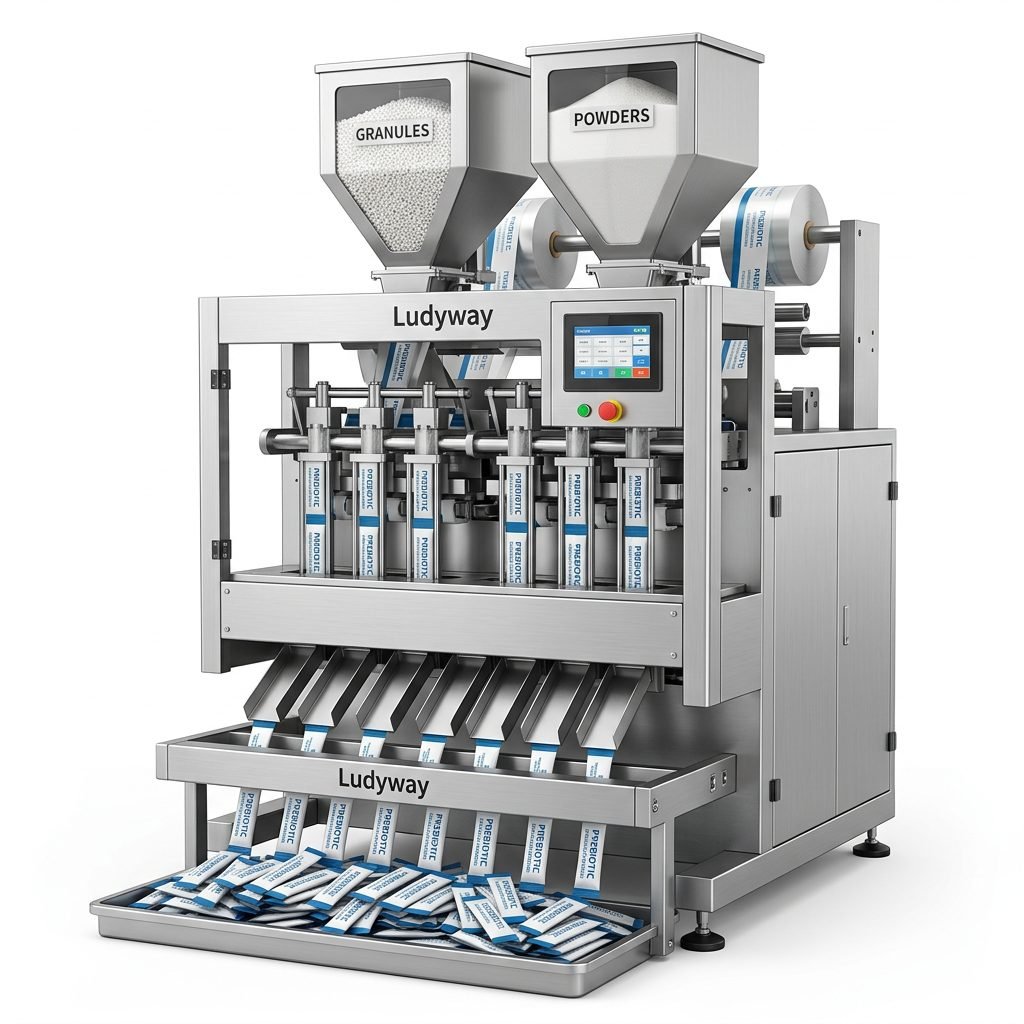
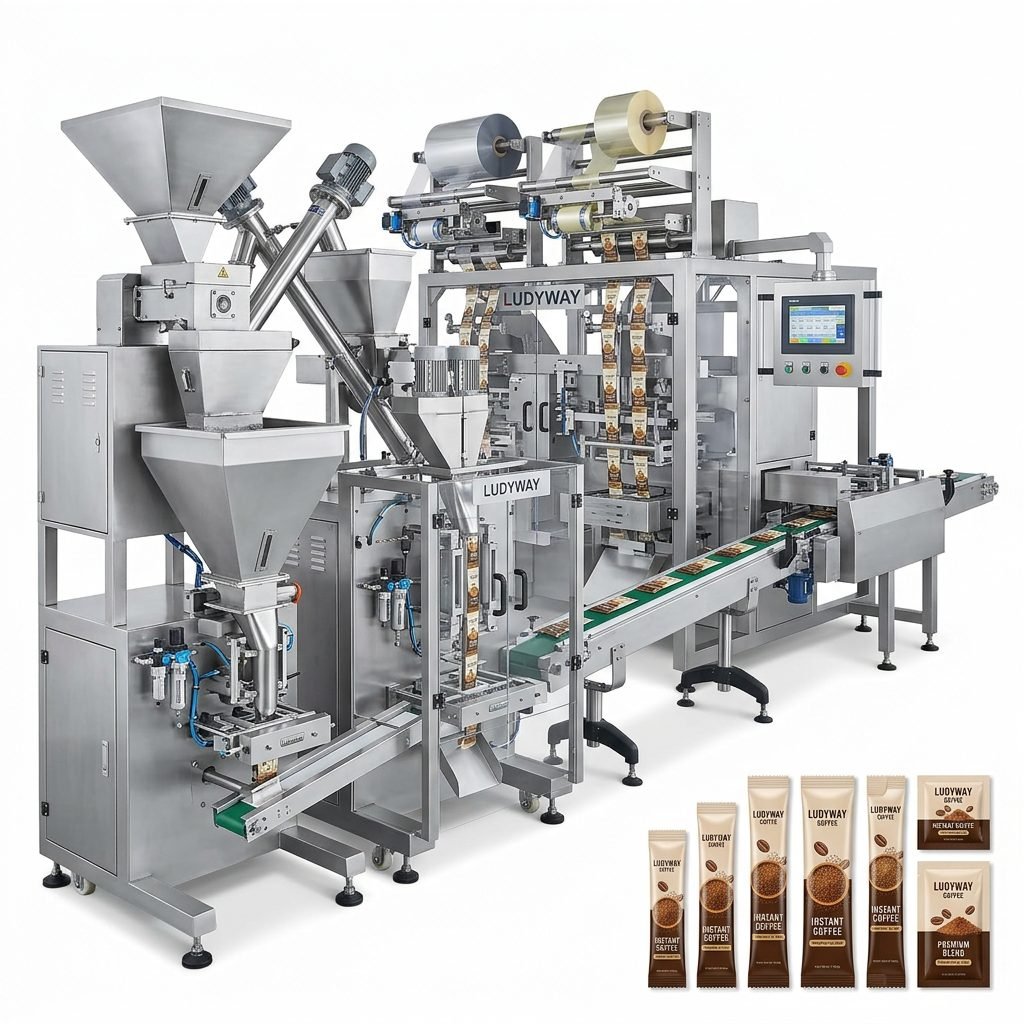
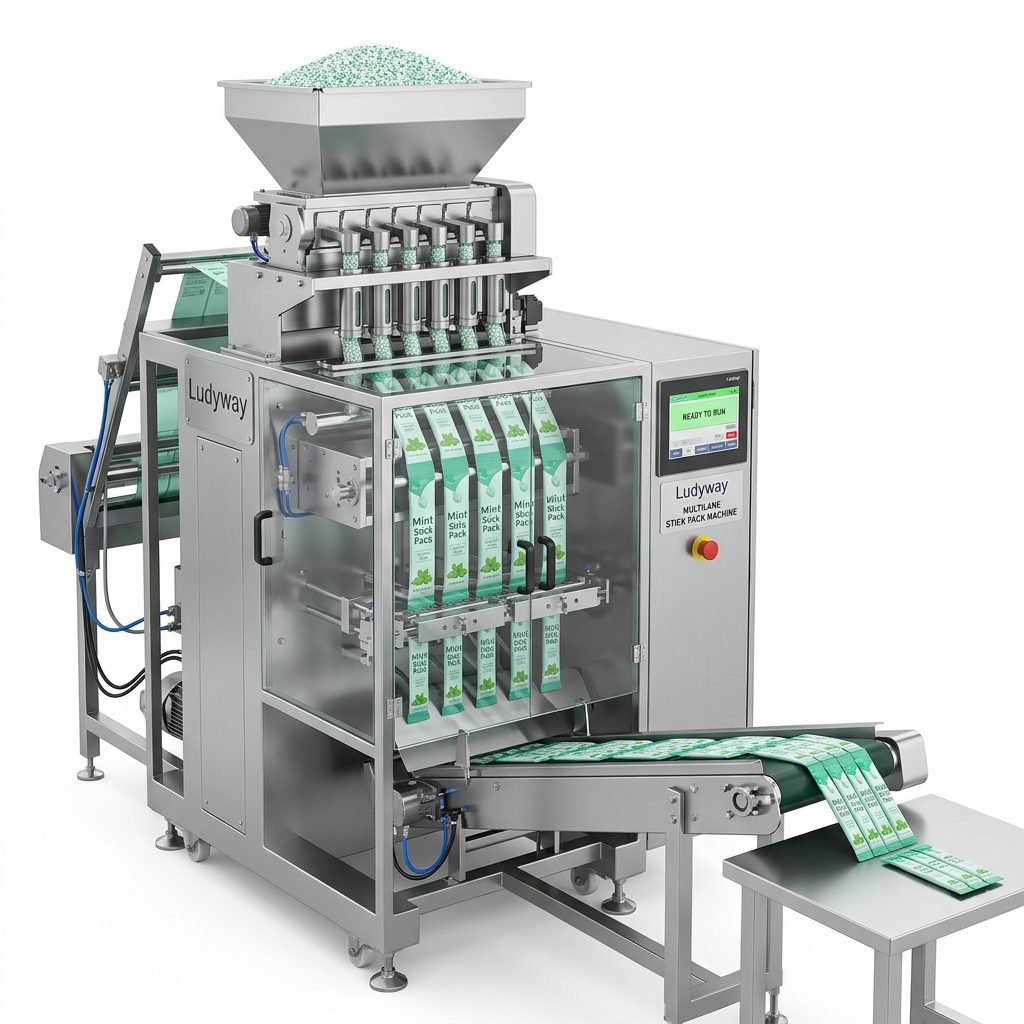
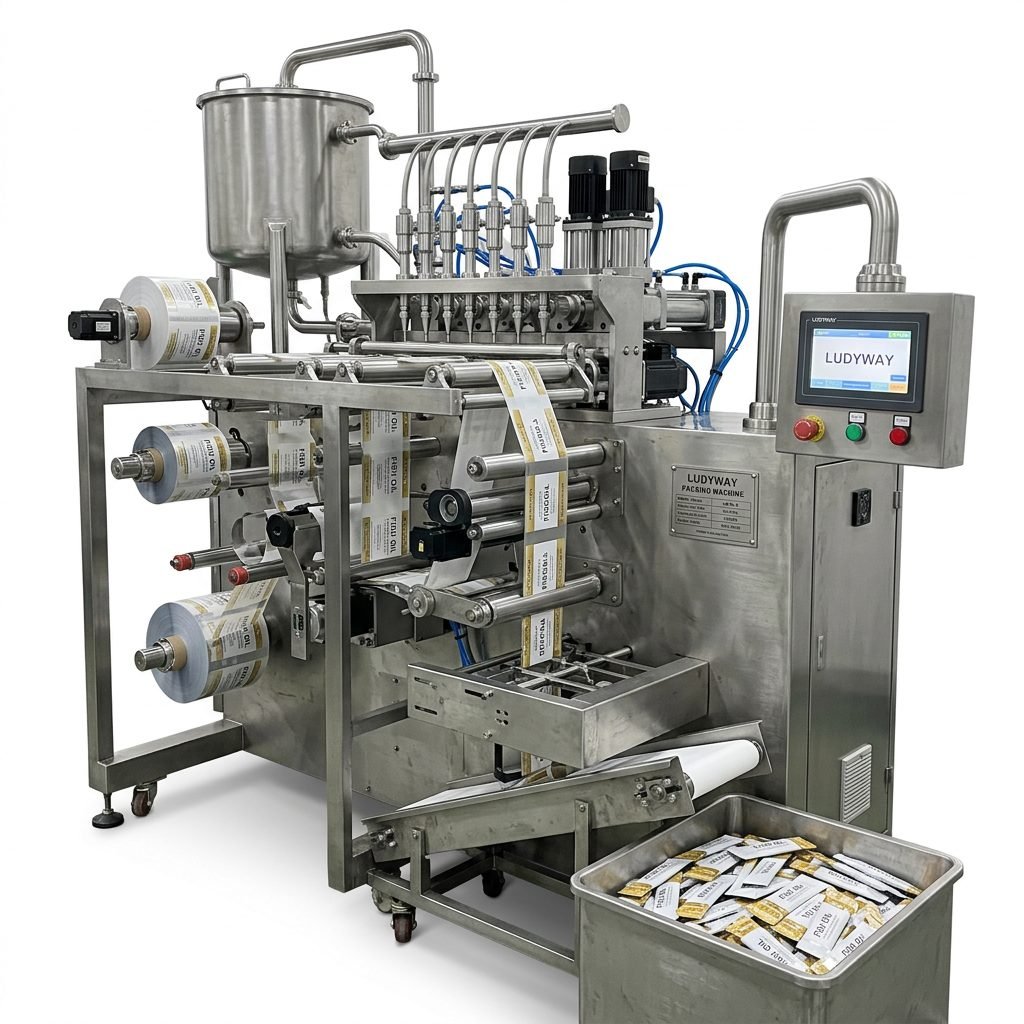
| Multi-Lane Stick Pack Machine | Single-serve sugar, creamer, baking mixes | Ultra-high throughput for small portion packs |
| Tray Sealing & MAP Systems | Fresh baked goods, sliced bread, pastries | Extended shelf life through modified atmosphere |
| Automatic Cartoning Machine | Premium gift packs, panettone boxes | Secondary packaging automation |
Step-by-Step Guide to Setting Up Your Line
Follow this structured approach to establishing your bakery packaging machine production line in Italy, from initial planning to full-scale operation:
Step 1: Site Assessment and Preparation
Begin with a thorough evaluation of your production facility. Verify that electrical supply (typically 380V/50Hz three-phase in Italy), compressed air systems, and floor load capacity meet the requirements of your selected machinery. Ensure adequate space for raw material staging, finished goods accumulation, and operator walkways. Italian workplace safety regulations under Legislative Decree 81/2008 must be strictly followed during installation.
Step 2: Equipment Selection and Procurement
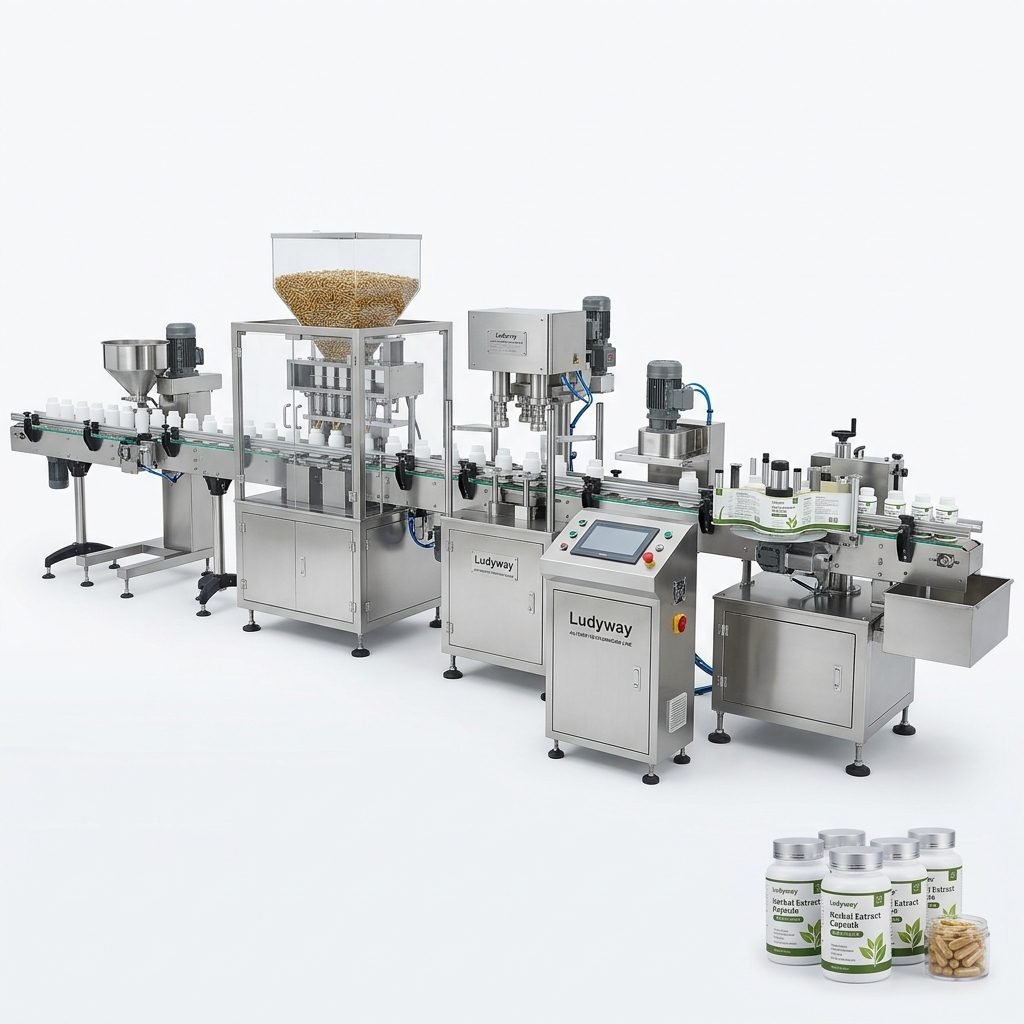
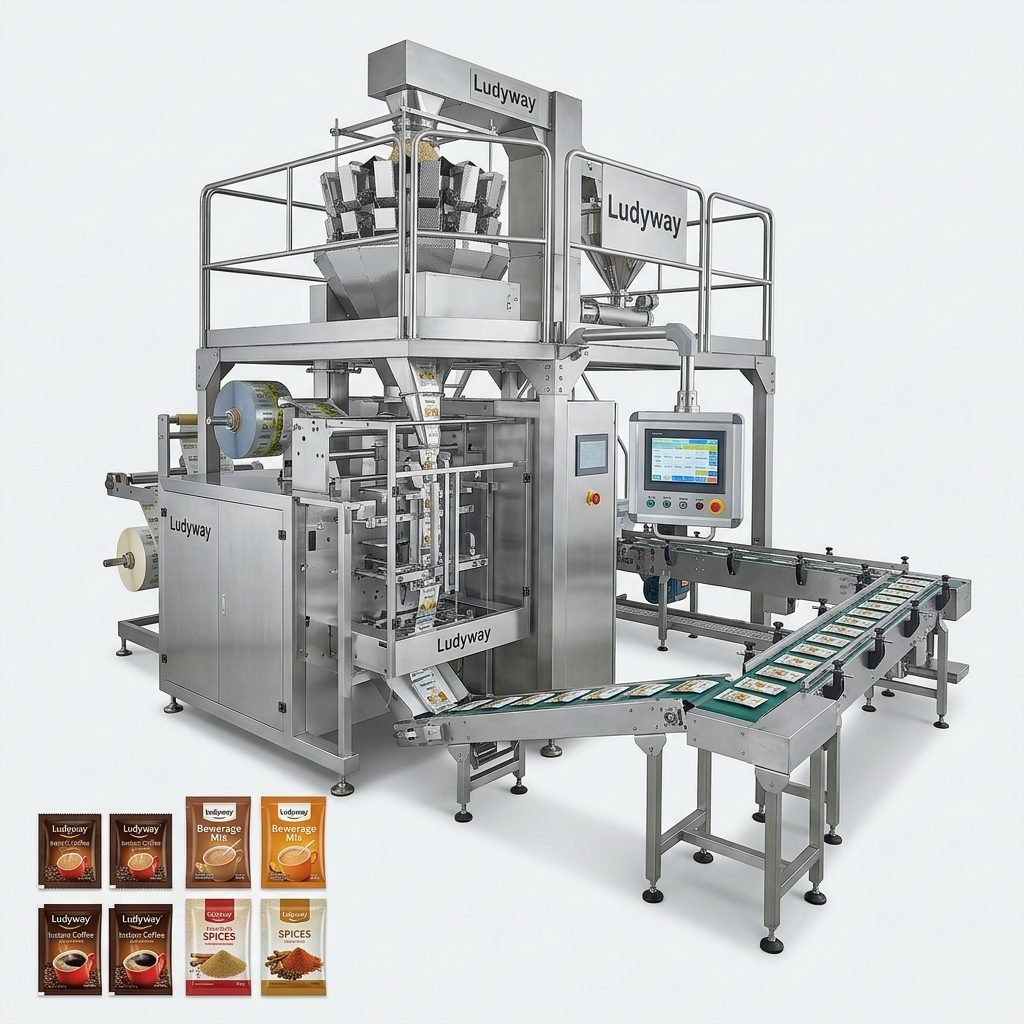
Choose machinery that aligns with your product specifications and production targets. Prioritize suppliers who provide CE-certified equipment with documentation in Italian or English. Request detailed layout drawings and utility specifications before finalizing your order. Consider turnkey packaging line solutions that integrate primary packaging, checkweighing, metal detection, and cartoning into one cohesive system.
Step 3: Installation and Commissioning
Professional installation is critical for long-term reliability. Engage qualified technicians who understand Italian electrical standards and mechanical safety protocols. During commissioning, conduct thorough testing with your actual products and packaging materials to validate speed, seal integrity, and overall performance. Document all settings and establish baseline operational parameters for future reference.
Step 4: Operator Training and SOP Development
Invest in comprehensive training for your Italian workforce. Operators should master machine controls, changeover procedures, basic troubleshooting, and cleaning and sanitation protocols. Develop written Standard Operating Procedures in Italian to ensure consistent operation across shifts and reduce dependency on individual expertise.
Step 5: Ongoing Maintenance and Optimization
Implement a preventive maintenance schedule aligned with manufacturer recommendations. Regular inspections of sealing jaws, cutting blades, film tension mechanisms, and sensors help prevent unplanned downtime. Track Overall Equipment Effectiveness (OEE) metrics to identify opportunities for continuous improvement and capacity expansion.
Common Challenges and Solutions
Italian bakery producers often encounter specific challenges when automating packaging. Understanding these in advance allows you to implement effective countermeasures:
- Product Fragility: Biscotti and delicate pastries require gentle handling systems with adjustable pressure controls and specialized infeeds to minimize breakage.
- High Product Variability: Frequent changeovers between different product shapes and sizes demand quick-change modular designs and servo-driven adjustments.
- Shelf Life Requirements: Integrating gas flushing or vacuum systems for modified atmosphere packaging helps extend freshness without artificial preservatives.
- Labeling Compliance: Italian labeling laws require specific nutritional information, allergen declarations, and language requirements that must be accommodated by your coding and marking systems.
Integrating Quality Control Systems
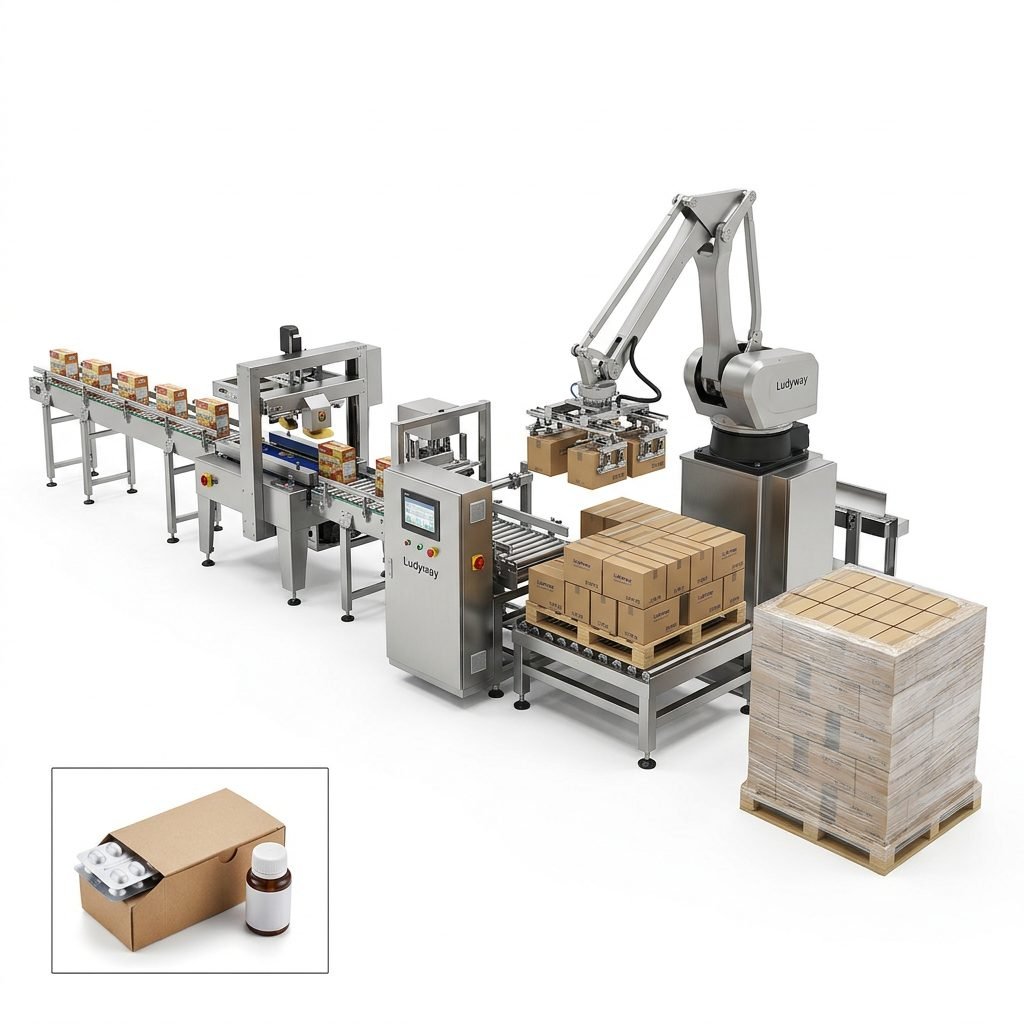
A modern bakery packaging line in Italy should incorporate inline quality control technologies. Metal detectors and X-ray inspection systems are essential for food safety compliance. ISO packaging standards provide guidelines for validation and verification. Checkweighers ensure accurate portion control and help minimize product giveaway, directly impacting profitability. Vision inspection systems can verify label placement, date codes, and seal integrity at production speeds.
Choosing the Right Packaging Materials
Material selection significantly influences machine performance and product shelf life. Common options for Italian bakery applications include OPP, BOPP, metallized films, and paper-based laminates. Your choice should balance barrier properties, sealability, printability, and environmental considerations. Italy’s commitment to sustainability under the EU Packaging and Packaging Waste Regulation increasingly favors recyclable mono-material structures.
Cost Considerations and ROI Analysis
Investing in a complete bakery packaging machine production line represents a significant capital expenditure. Typical cost factors include:
- Primary packaging machinery and ancillary equipment
- Installation, commissioning, and training expenses
- Facility modifications and utility upgrades
- Initial spare parts inventory and tooling sets
- Ongoing maintenance contracts and technical support
Most Italian bakery producers achieve full ROI within 18 to 36 months through labor savings, reduced material waste, increased throughput, and improved product consistency. Conduct a detailed cost-benefit analysis factoring in your specific production volumes and labor costs.
Partnering with Reliable Equipment Manufacturers
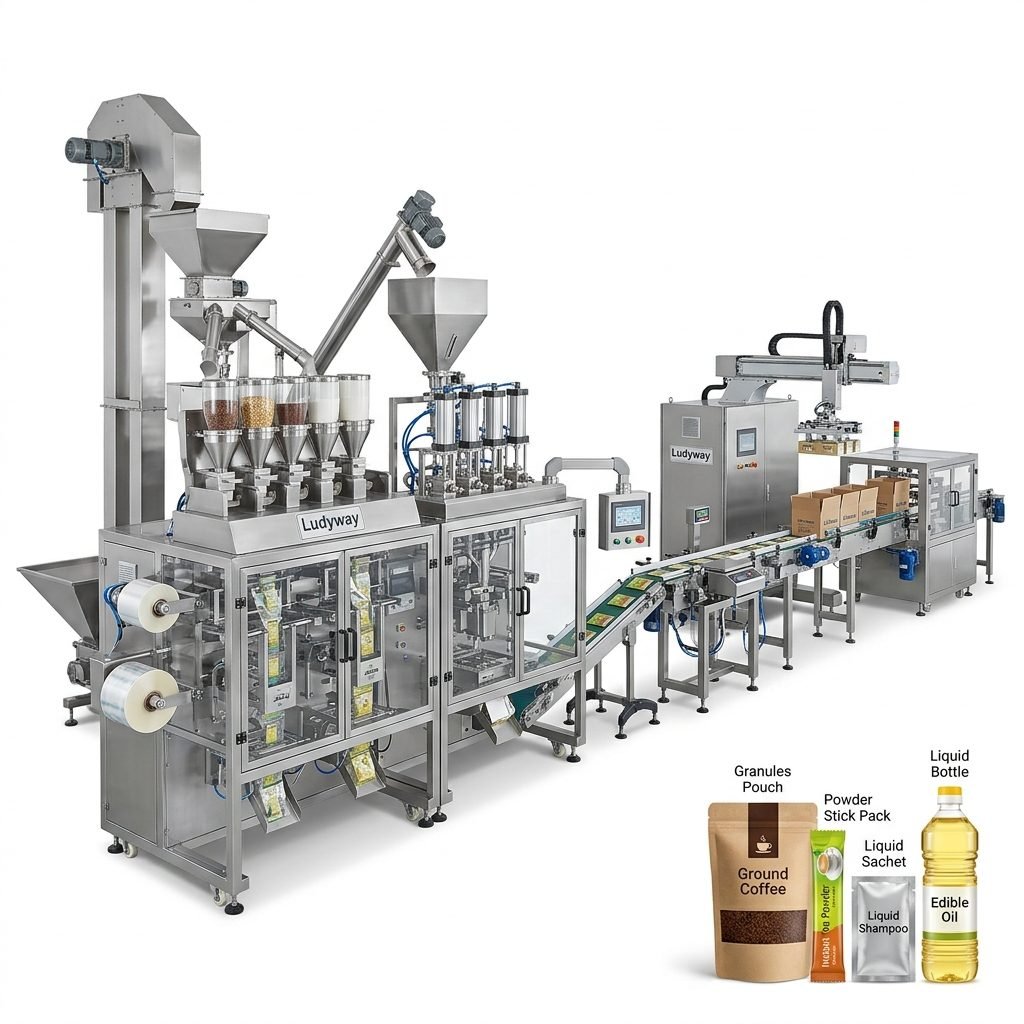
Selecting the right machinery partner is crucial for long-term success. Look for manufacturers with proven experience in food packaging applications, strong after-sales support networks in Europe, and a track record of compliance with Italian and EU regulations. Ludyway is one of the largest packaging machine manufacturers in China, specializing in advanced packaging equipment and turnkey production solutions for the food, pharmaceutical, and health industries, serving customers in over 100 countries with reliable and efficient packaging systems.
Future-Proofing Your Packaging Line
As the Italian bakery market evolves, your packaging line should adapt to emerging trends. Consider these forward-looking strategies:
- Industry 4.0 Integration: Choose machines with IoT capabilities for remote monitoring, predictive maintenance, and production analytics.
- Sustainable Packaging Readiness: Ensure compatibility with recyclable and bio-based films to meet future regulatory requirements.
- Scalability: Design your line layout with expansion space for additional modules as production demands grow.
- Digital Traceability: Implement serialization and track-and-trace capabilities to comply with evolving food safety regulations.
Setting up a bakery packaging machine production line in Italy is a strategic investment that can transform your manufacturing capabilities. By carefully addressing regulatory requirements, selecting appropriate technology, and partnering with experienced equipment suppliers, you position your bakery business for sustainable growth in one of Europe’s most dynamic food markets. The knowledge and preparation invested during the planning phase will pay dividends through smoother operations, higher product quality, and stronger competitive positioning in both domestic and international markets.