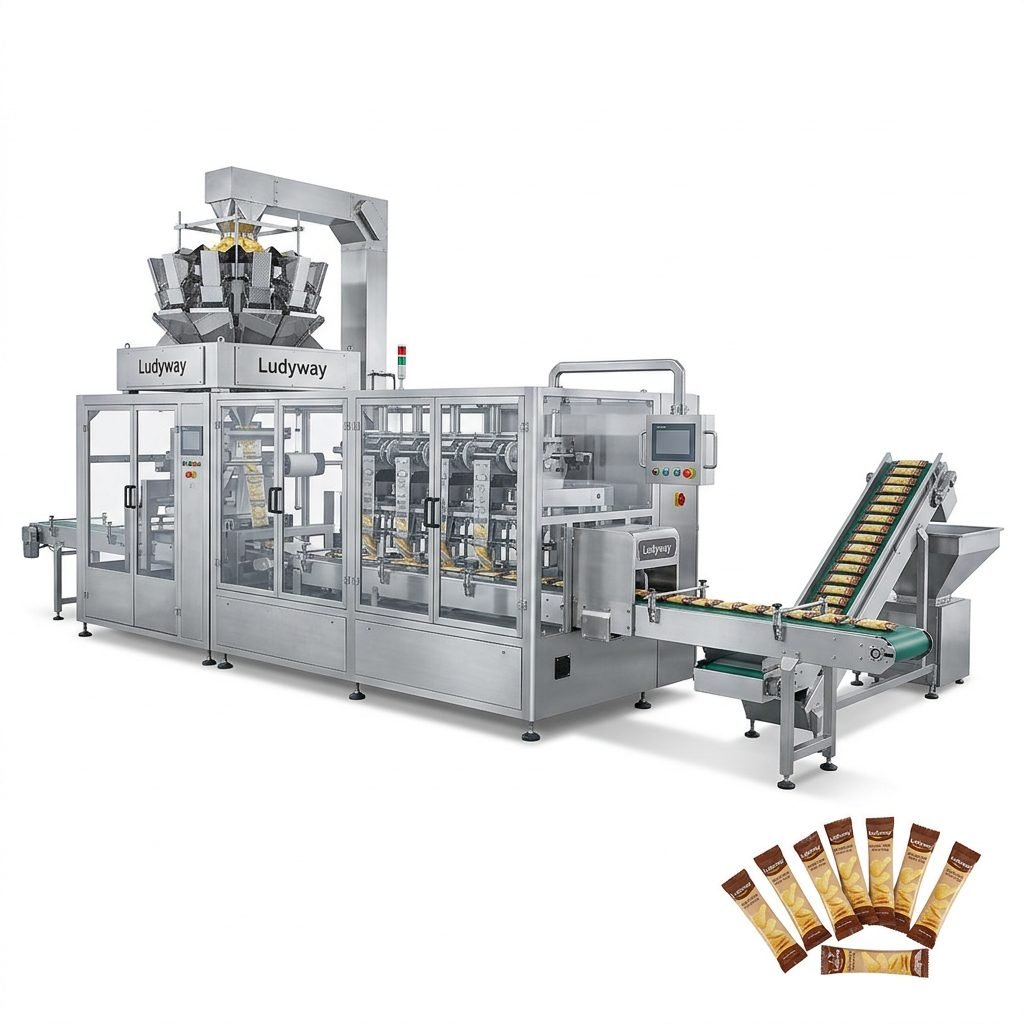
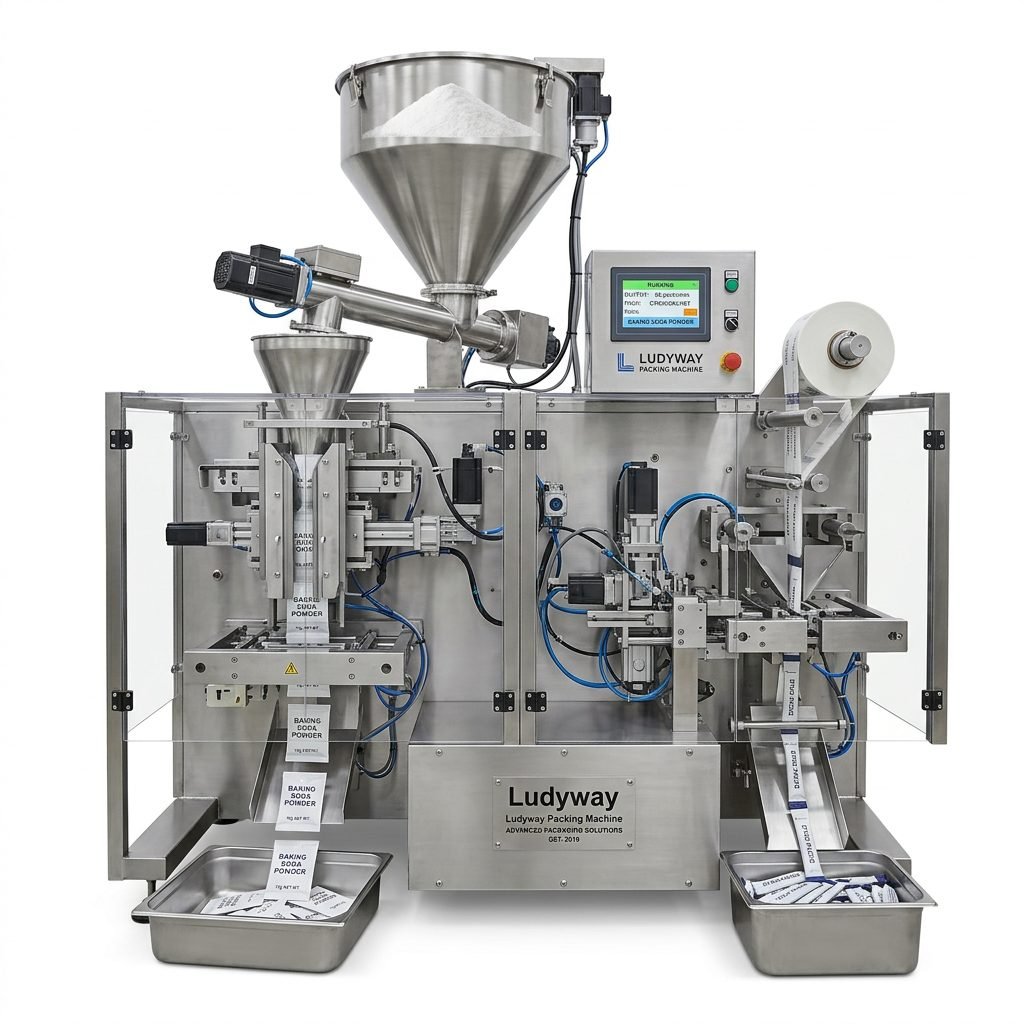
In the fast-paced world of food processing, efficient and reliable packaging is crucial for maintaining product quality, ensuring food safety, and optimizing production lines. For products like pre-cut chicken cubes, which are popular in both retail and food service sectors, the right packaging machine can significantly impact shelf life, presentation, and operational efficiency. This comprehensive guide explores the various types of chicken cube packaging machines, their key features, and provides a detailed framework to help you select the ideal system for your specific needs.
Understanding Chicken Cube Packaging Requirements
Packaging chicken cubes presents unique challenges. The primary goals are to preserve freshness, prevent leakage, and often allow for easy storage and cooking. Machines must handle a semi-solid, moist product without damaging the cubes, while also creating a strong, airtight seal. Common packaging formats include vacuum-sealed bags, modified atmosphere packaging (MAP) trays, and pillow pouches. The choice of format often depends on the target market—retail consumers may prefer see-through trays, while bulk food service buyers might opt for large, durable vacuum bags.
Key Consideration: The machine must be constructed with food-grade, corrosion-resistant materials (like stainless steel) to meet stringent hygiene standards and withstand frequent washdowns in a poultry processing environment.
Primary Types of Chicken Cube Packaging Machines
The market offers several specialized machines, each suited to different production scales and packaging styles.
1. Vertical Form-Fill-Seal (VFFS) Machines
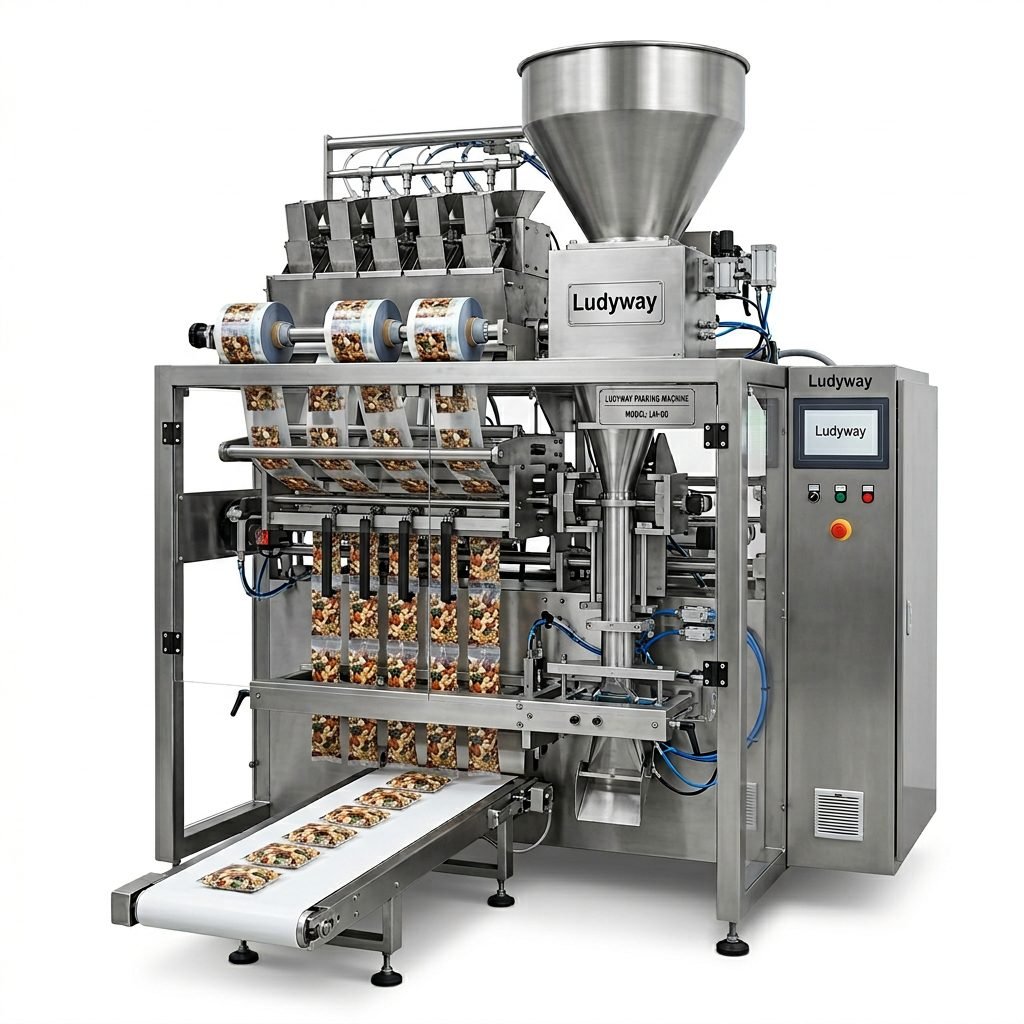
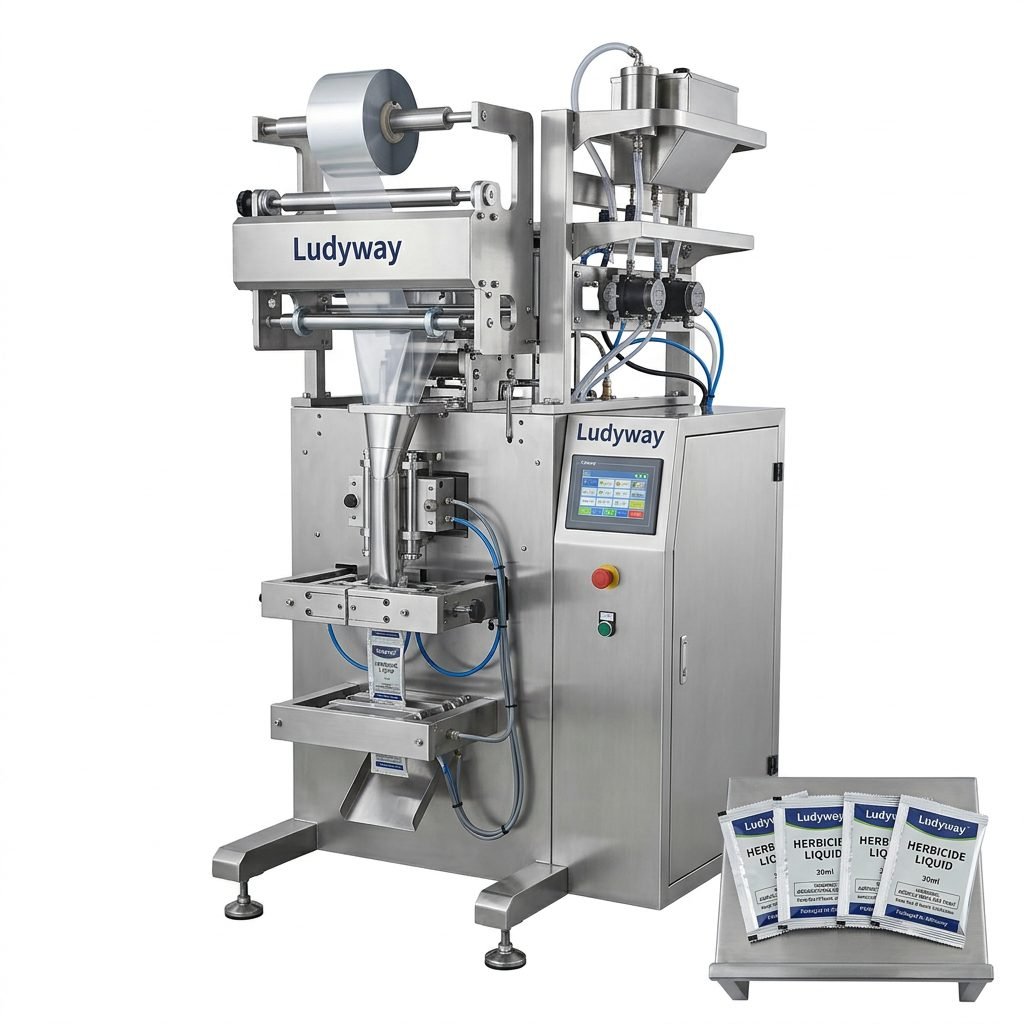
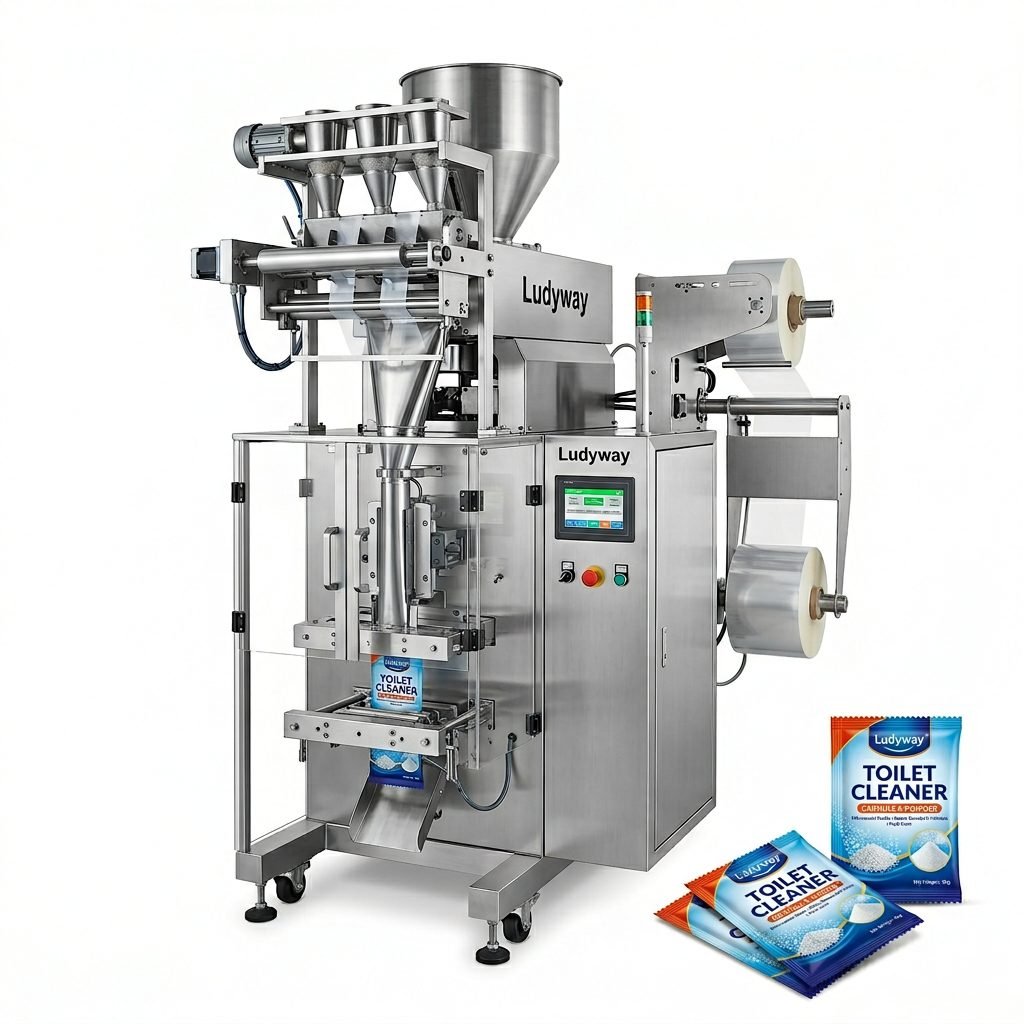
These are the most common and versatile machines for packaging free-flowing and semi-flowing products like chicken cubes. They form a bag from a roll of film, fill it with a pre-measured volume or weight of product, and then seal it. VFFS machines are excellent for producing pillow pouches or gusseted bags of various sizes.
- Best For: High-speed production of stand-up pouches, flat bags, or doypack-style bags.
- Advantage: High efficiency, low film waste, and quick changeover between bag sizes.
2. Thermoform-Fill-Seal Machines
This type of machine is ideal for creating tray-based packaging, commonly seen in supermarket chilled sections. It heats a roll of plastic film to form rigid trays, fills them with chicken cubes, applies a top lidding film, and seals it. It’s perfect for Modified Atmosphere Packaging (MAP), which replaces the air inside the tray with a gas mix to extend shelf life dramatically.
- Best For: Retail-ready tray packaging with excellent product visibility and extended freshness.
- Advantage: Superior product presentation and the ability to integrate MAP for longer shelf life.
3. Vacuum Packaging Machines
These machines remove air from a pre-made bag or pouch containing the chicken cubes before sealing it. Removing oxygen inhibits bacterial growth, preventing spoilage and freezer burn. They can be single-chamber (for smaller operations) or double-chamber/rotary (for continuous, high-volume production).
- Best For: Bulk packaging for food service or products destined for frozen storage.
- Advantage: Maximizes shelf life and reduces product volume for storage and shipping.
Critical Features to Evaluate
Beyond the machine type, several features are non-negotiable for packaging a delicate, perishable product like chicken cubes.
Hygiene and Cleanability
The entire machine, especially the product contact parts, must be made of 304 or 316 stainless steel. Design should allow for easy, tool-free disassembly for thorough cleaning and sanitation to meet food safety regulations like HACCP and FDA standards.
Weighing and Filling Accuracy
Precise portion control is vital for cost management and customer satisfaction. Look for machines with multi-head weighers or precision auger fillers that can handle sticky or moist products without clogging or smearing, ensuring each package contains the exact weight advertised.
Sealing Integrity
A weak seal leads to leaks, contamination, and spoilage. Machines should have robust, adjustable heat sealing jaws with consistent temperature control. For MAP applications, leak detection systems are an essential add-on to guarantee package integrity.
Automation and Integration
Modern machines should easily integrate with upstream equipment (like dicers/conveyors) and downstream systems (like checkweighers, labelers, and case packers). Programmable Logic Controller (PLC) interfaces with touchscreen HMIs allow for easy recipe changes, monitoring, and data collection.
How to Choose the Right Machine: A Step-by-Step Guide
Selecting the perfect packaging machine is a strategic investment. Follow this framework to make an informed decision.
Step 1: Analyze Your Product and Output Needs
Define your current and future production volume (packages per minute/hour). Determine your primary packaging material (film type, thickness) and format (bag size, tray dimensions). Consider if you need multi-lane output for higher speeds.
Step 2: Evaluate Your Facility and Operations
Assess the available floor space, power supply, and compressed air availability. Consider the skill level of your operators and the level of automation required. A machine that’s too complex can become a bottleneck.
Step 3: Prioritize Hygiene and Compliance
This is paramount in food processing. Verify the machine’s construction materials and cleaning protocols. Ensure the supplier can provide documentation proving compliance with relevant local and international food safety standards.
Step 4: Consider Total Cost of Ownership (TCO)
Look beyond the initial purchase price. Factor in costs for:
Consumables (film, gas),
Maintenance,
Energy consumption, and
Potential downtime.
A reliable machine from a reputable supplier often offers a better TCO.
Step 5: Assess Supplier Support and Service
The relationship with your machine supplier is critical. Choose a partner with a proven track record and extensive industry experience. Evaluate their offer for installation, training, warranty, availability of spare parts, and technical support response time. A local service network can be invaluable.
Pro Tip: Request a Product Test
Before finalizing your decision, always send a sample of your actual chicken cubes to the potential supplier. A live production test on their machine will reveal how it handles your product’s specific texture, moisture, and fat content, ensuring the chosen system meets your expectations for speed, accuracy, and package quality.
Frequently Asked Questions (FAQs)
1. What is the typical shelf life of chicken cubes packaged by these machines?
The shelf life varies greatly depending on the packaging method. Vacuum-sealed or MAP (Modified Atmosphere Packaging) chicken cubes stored in refrigeration can have a shelf life of 2-3 weeks, compared to just a few days for simple tray packaging without gas flushing. Frozen, vacuum-sealed products can last for several months.
2. Can one machine handle different package sizes or shapes?
Yes, most modern machines are designed for quick changeover. VFFS machines can switch between different film rolls and forming tubes, while thermoforming machines can change mold sets. However, changeover time and complexity vary, so discuss your flexibility needs with the supplier.
3. How important is Modified Atmosphere Packaging (MAP) for chicken?
MAP is highly beneficial for fresh chicken products. By replacing oxygen with a mix of gases like carbon dioxide and nitrogen, it significantly slows down bacterial growth and oxidative rancidity, extending shelf life by 2-5 times. This reduces waste and allows for wider distribution.
4. What are the main maintenance requirements?
Daily cleaning and sanitation are the most critical tasks. Regular maintenance includes lubricating moving parts (with food-grade lubricants), checking and replacing sealing jaws or bands, inspecting cutting blades, and ensuring sensors are clean and calibrated. Follow the manufacturer’s recommended maintenance schedule strictly.
5. What safety features should I look for?
Essential safety features include emergency stop buttons, safety interlocks on guards and access panels, thermal overload protection on heating elements, and proper guarding on all moving parts like chains and drives. Machines should comply with relevant machinery safety directives (e.g., CE, UL).