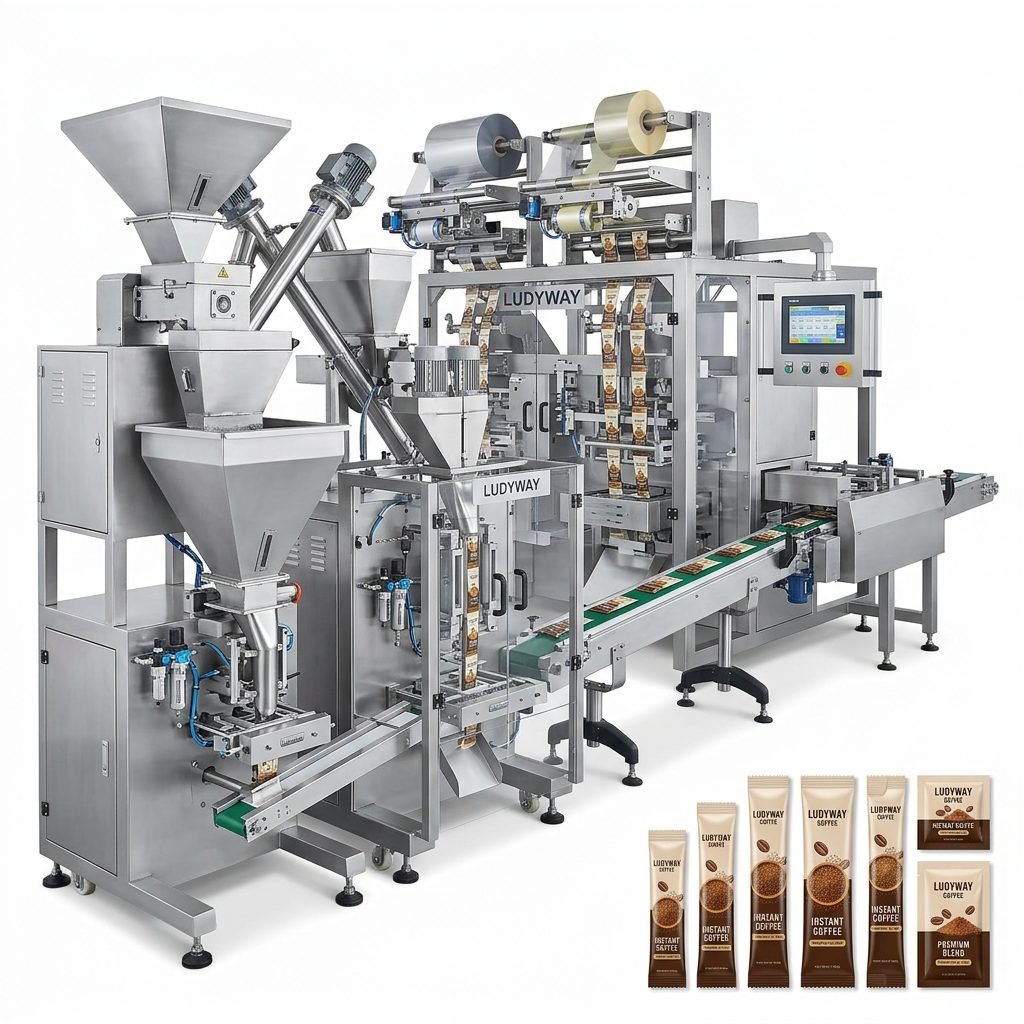
Expanding bean processing operations into the European market requires a strategic approach to equipment selection, regulatory compliance, and production line design. This guide provides a step-by-step framework for setting up a beans packaging machine production line tailored to European standards.
Understanding European Market Requirements
Before investing in machinery, it is essential to understand the specific demands of European retailers and consumers. Packaging formats, sustainability mandates, and labeling laws differ significantly from other global regions. A successful setup begins with a thorough market and regulatory analysis.
Key Packaging Formats in Europe
- Stand-up pouches with resealable zippers for premium retail segments.
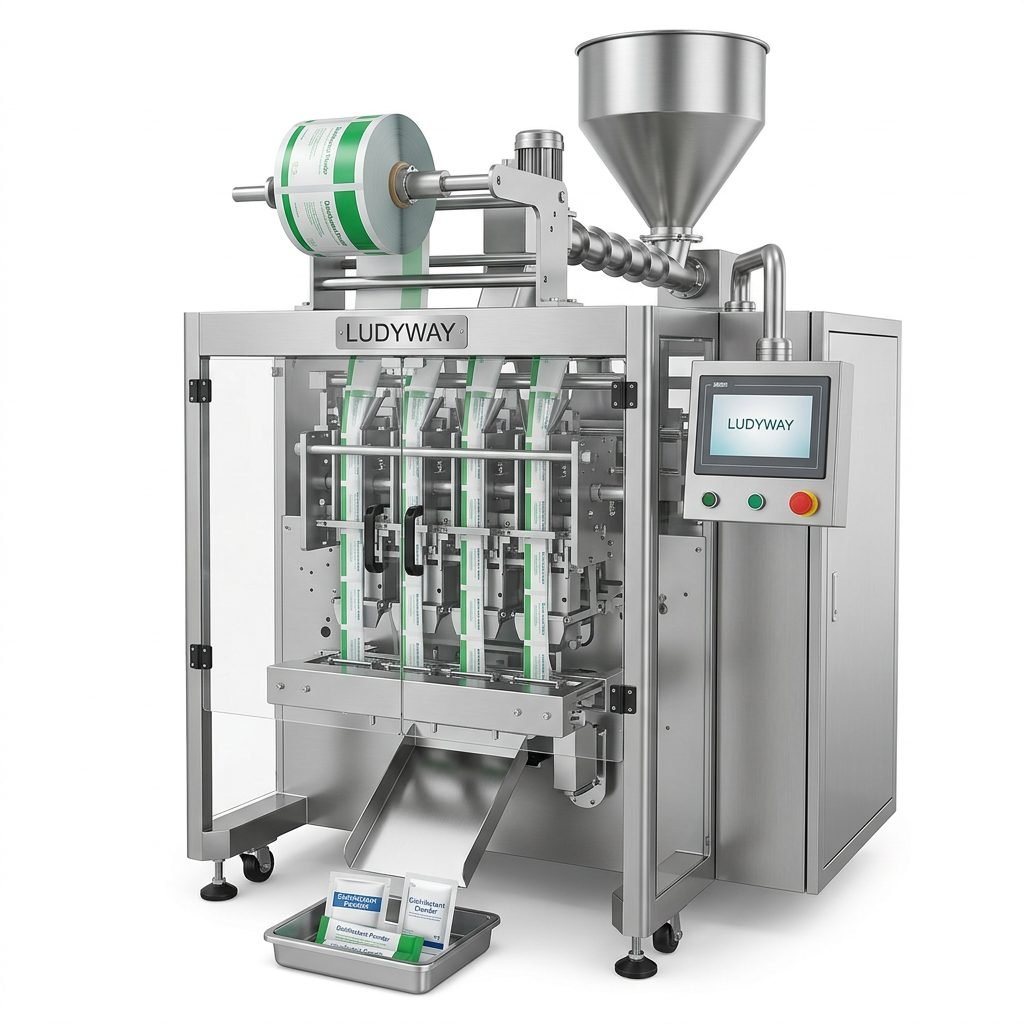
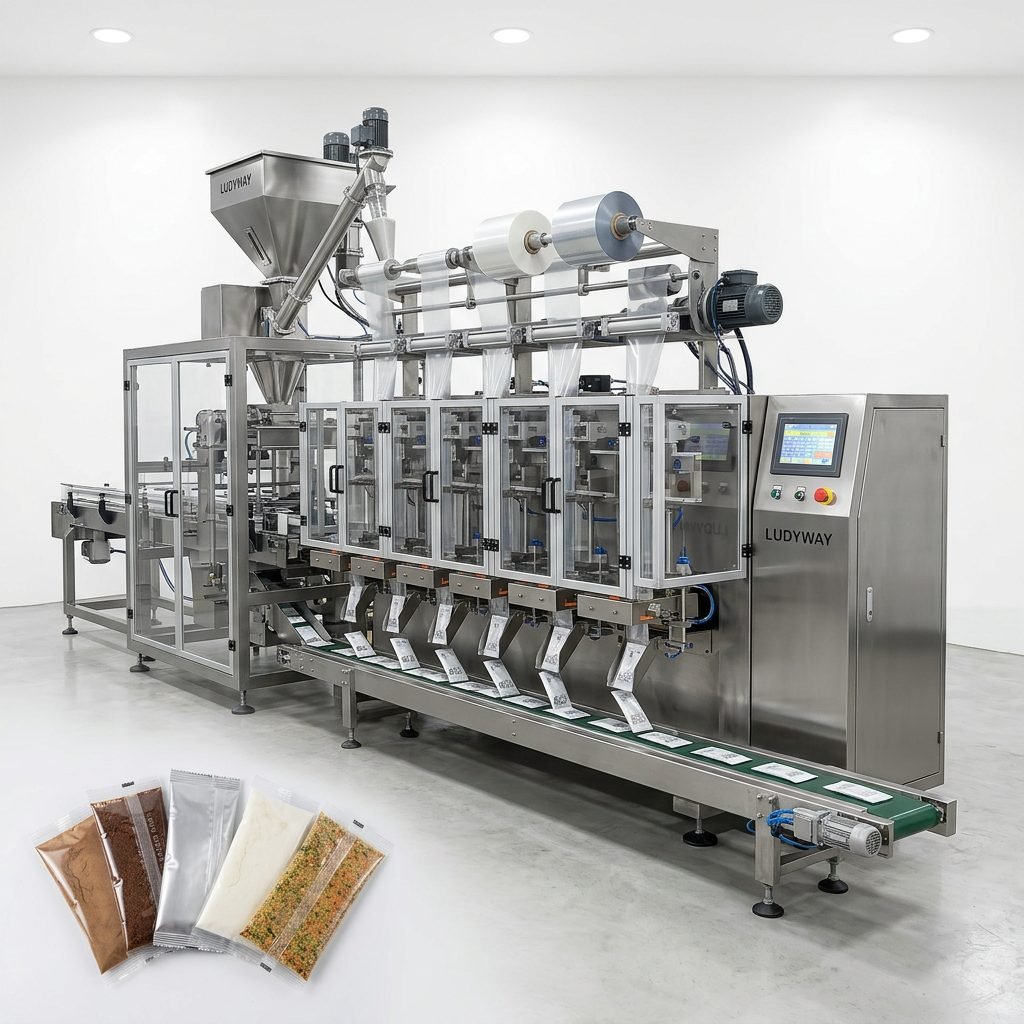
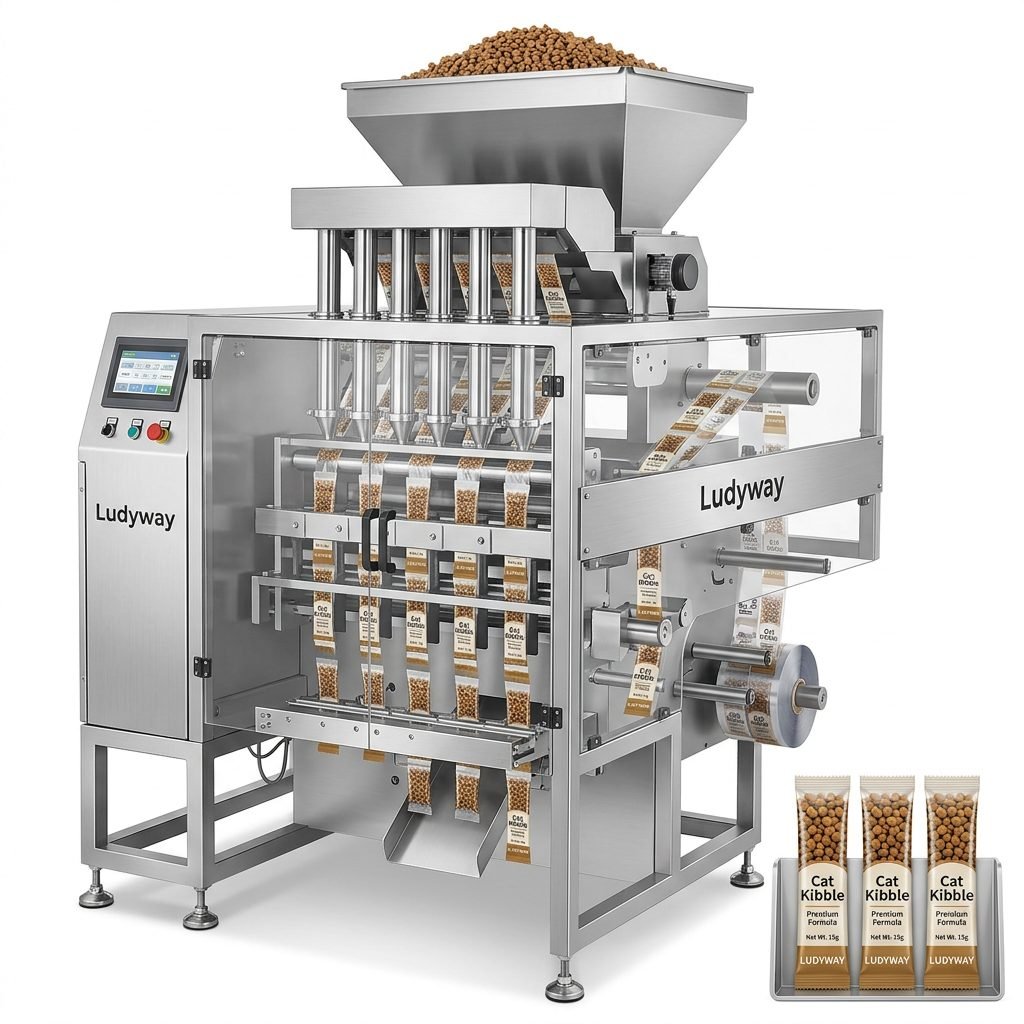
- Stick packs and sachets for single-serve convenience and portion control.
- Vacuum-sealed bags for extended shelf life in wholesale distribution.
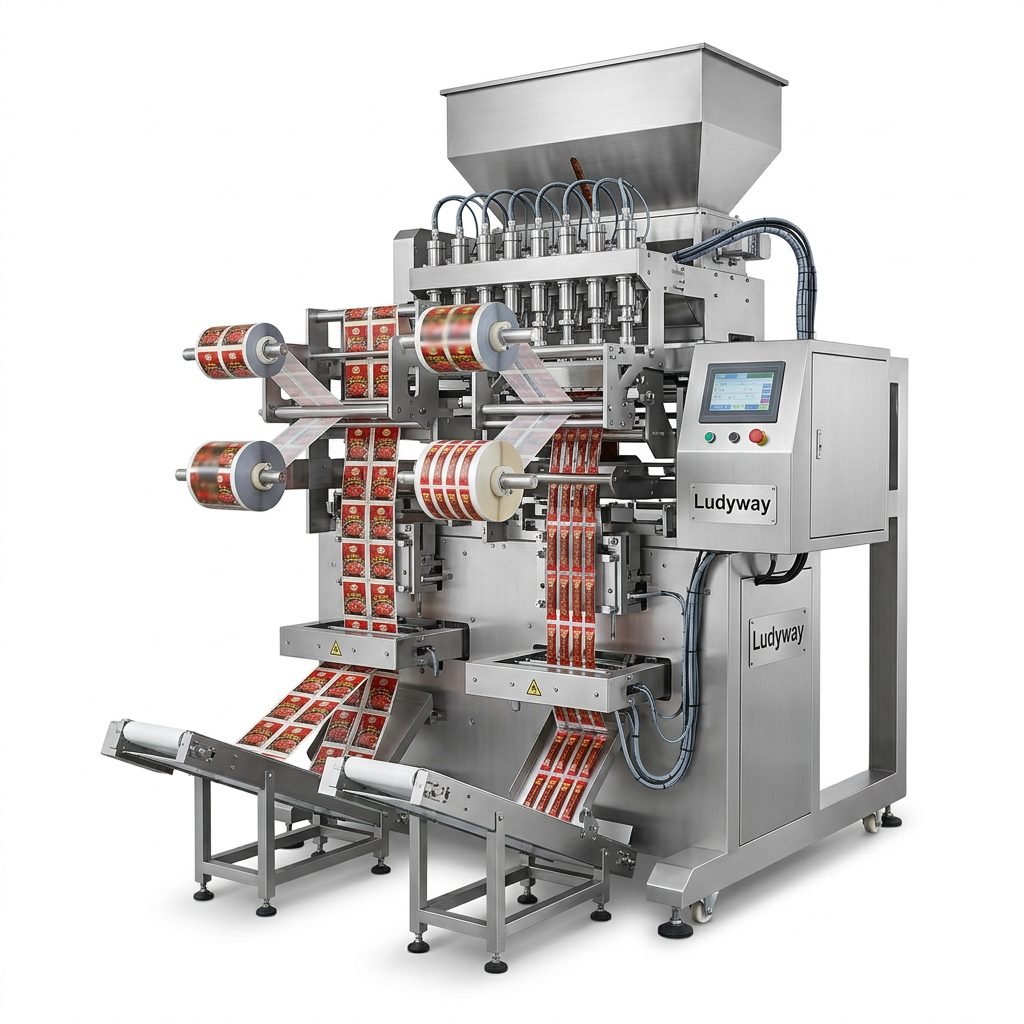
- Multi-lane pillow bags for high-speed, high-volume production.
Core Equipment for a Beans Packaging Line
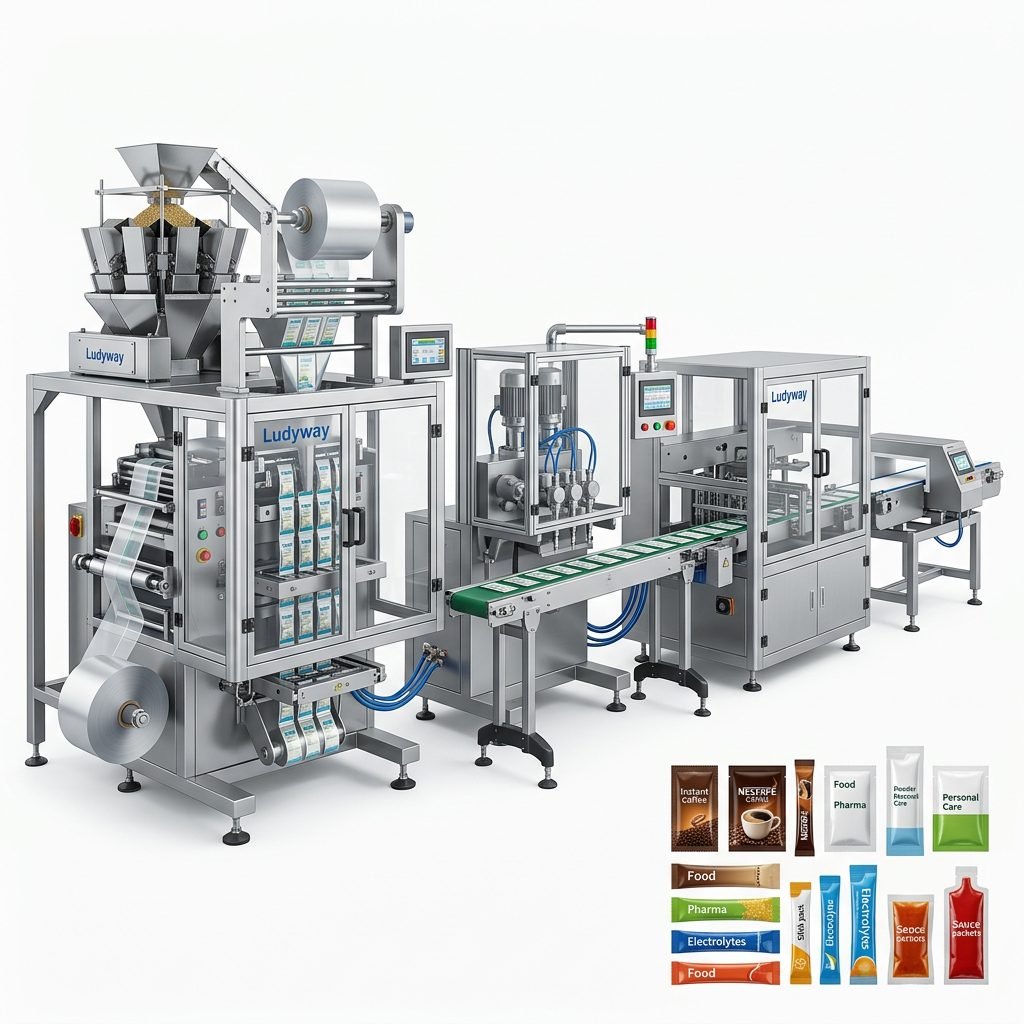
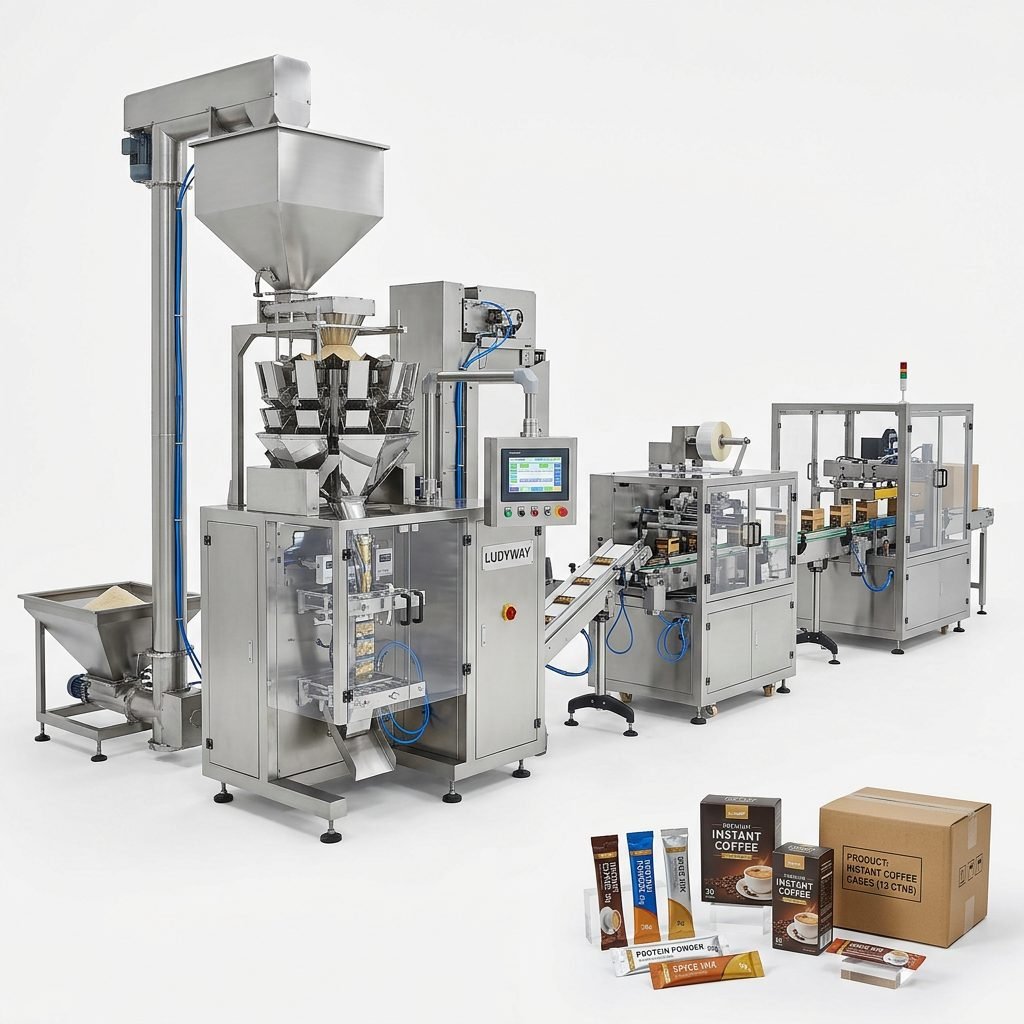
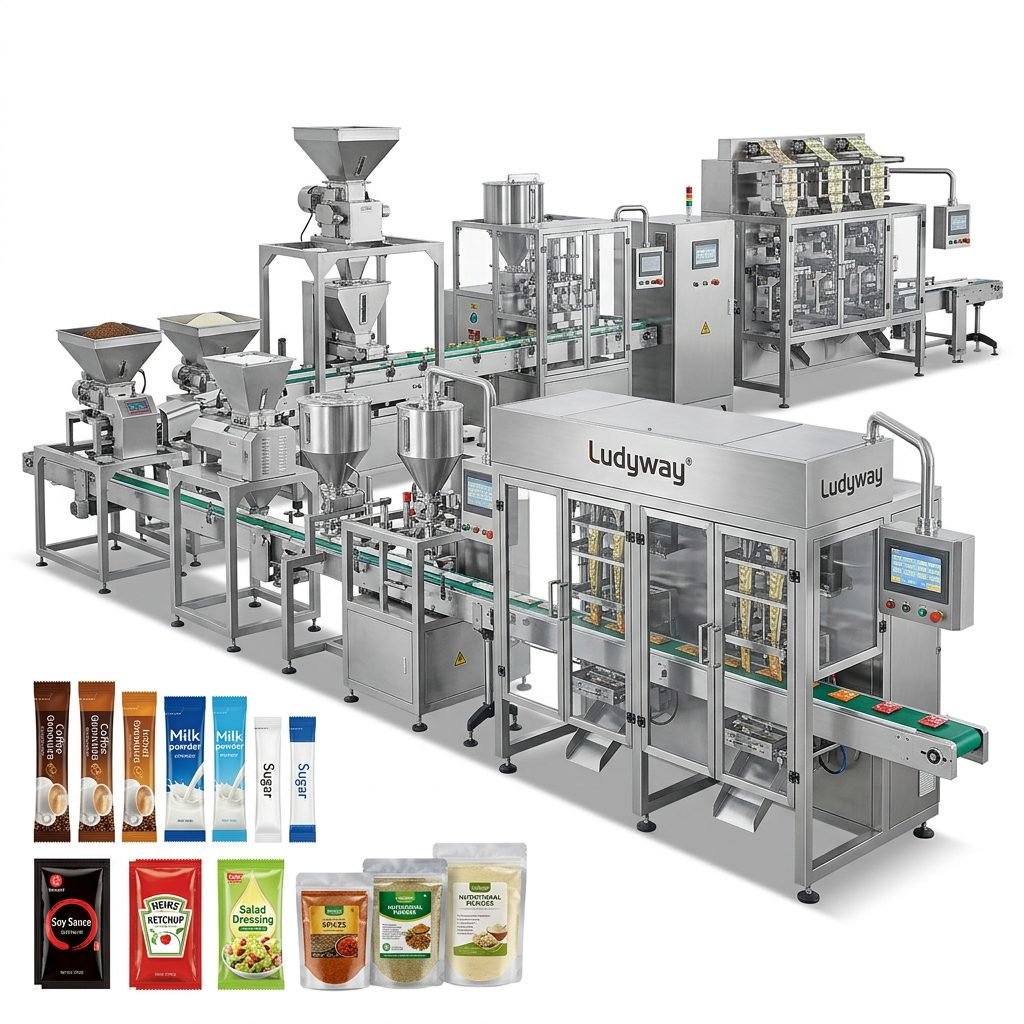
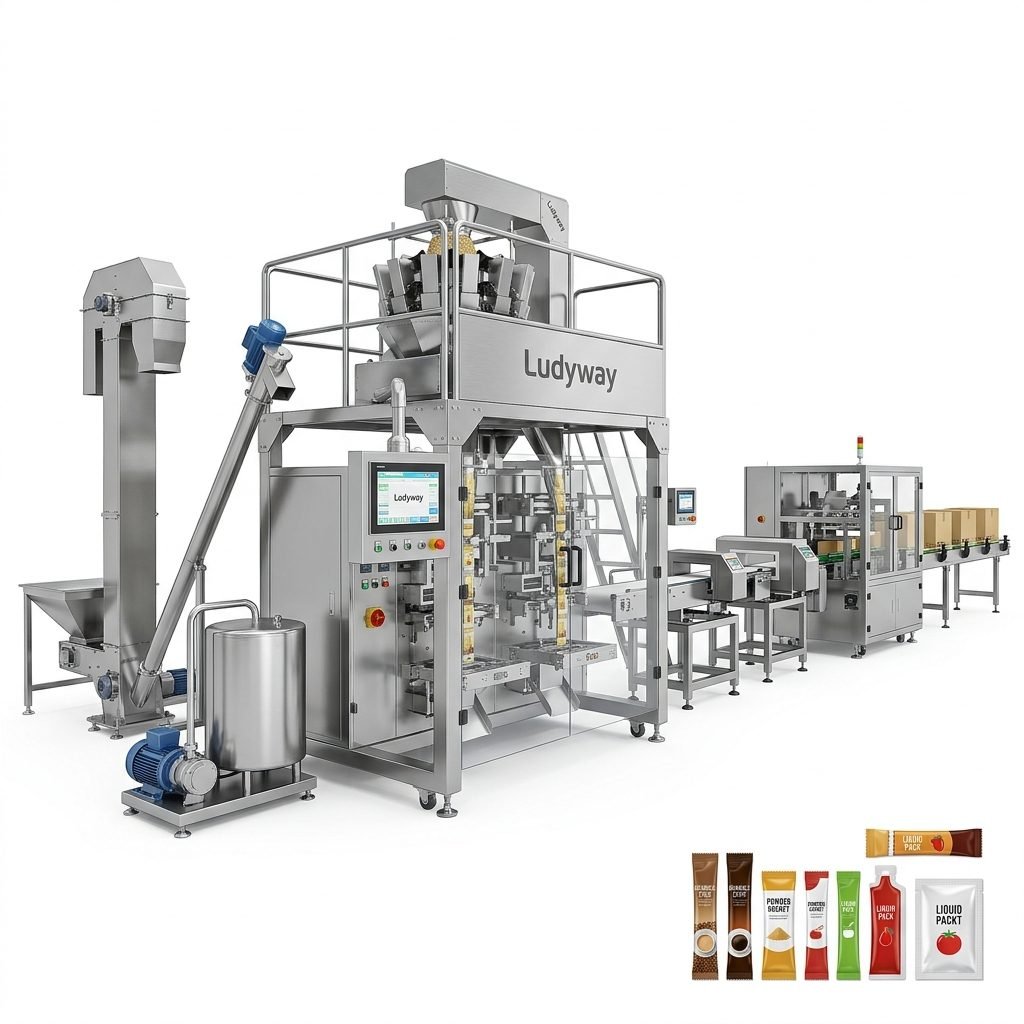
A complete beans packaging machine production line integrates several key modules. Modular design allows for future scalability and flexibility across different bean varieties such as kidney beans, chickpeas, and lentils.
1. Feeding and Sorting Systems
The initial stage involves automated vibratory feeders combined with optical sorting technology to remove foreign materials, discolored beans, and defective units. Consistent product in-feed is critical for downstream packaging accuracy.
2. Weighing and Filling Solutions
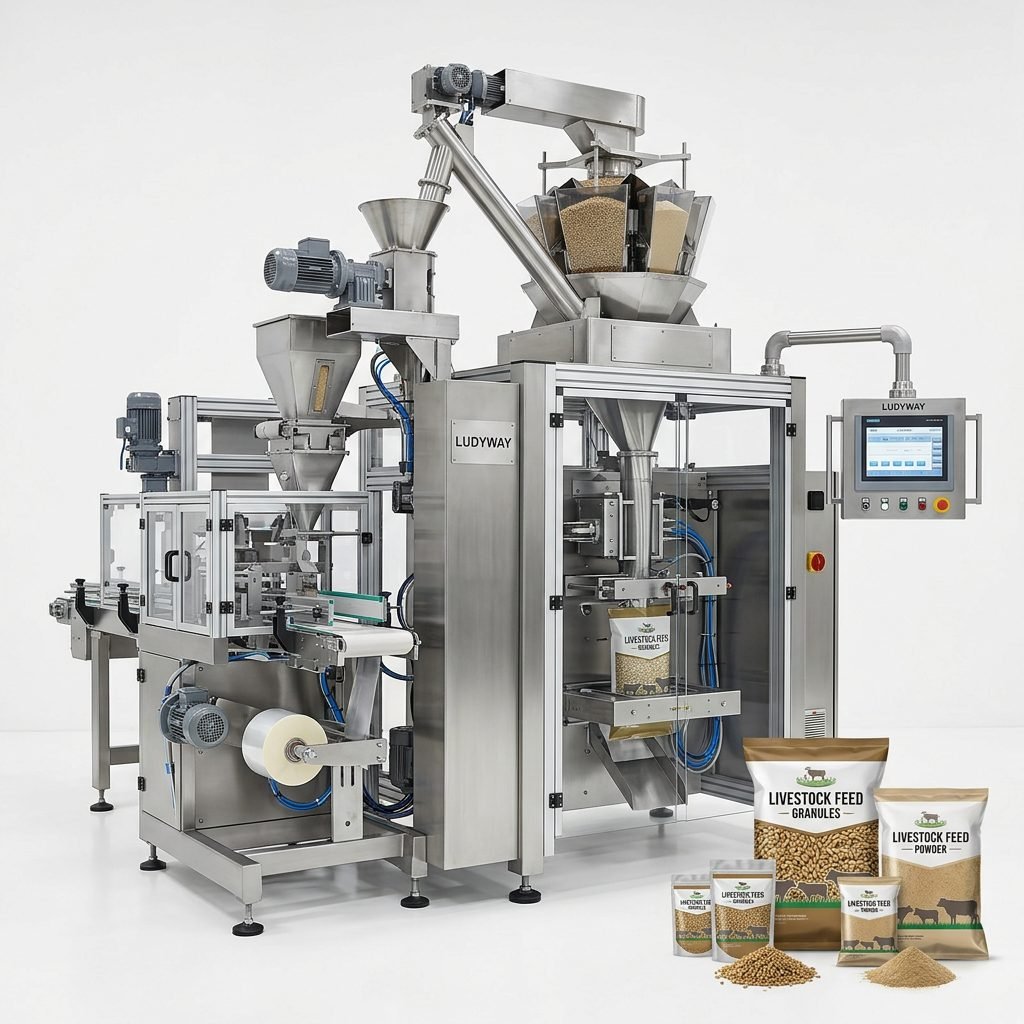
For granular products like beans, multi-head weighers offer unmatched speed and precision. These systems use advanced load cells to achieve minimal giveaway, which directly impacts profitability in competitive European markets.
3. Bagging and Sealing Technology
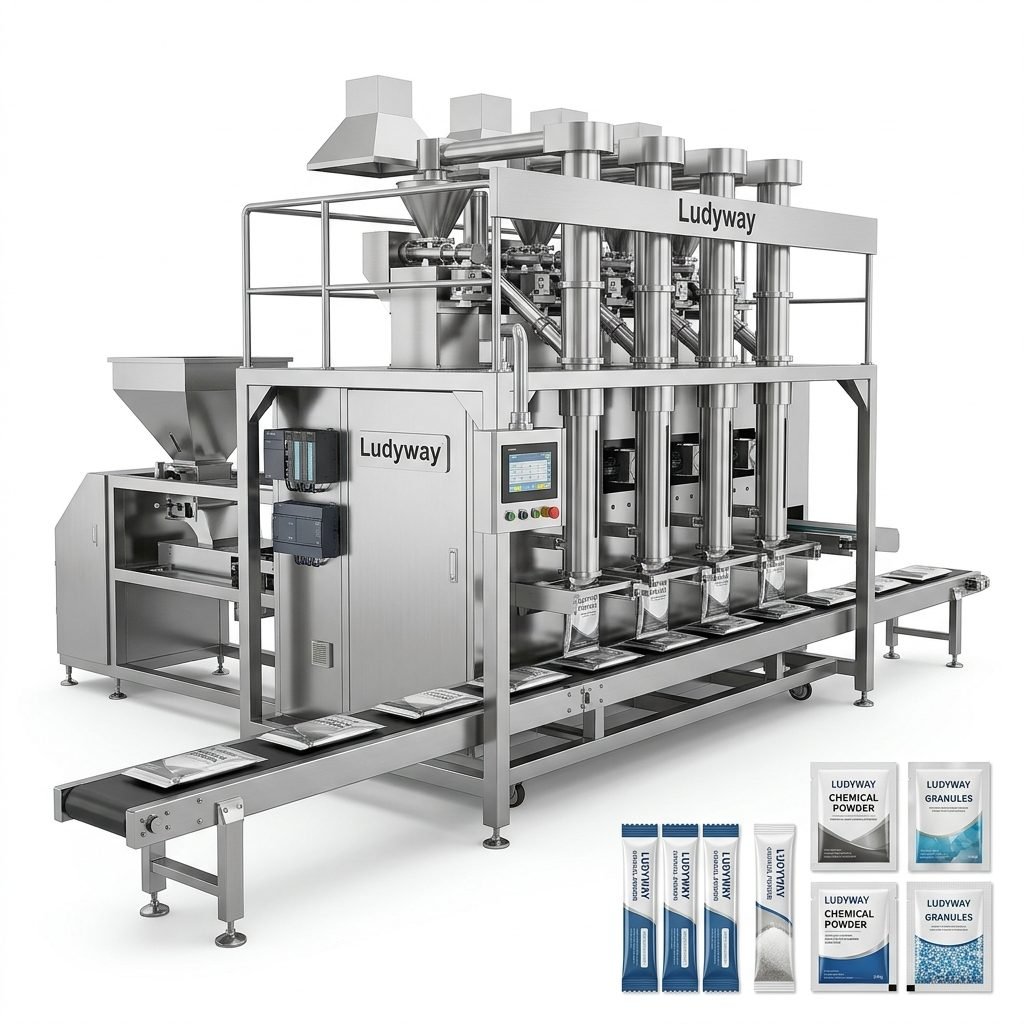
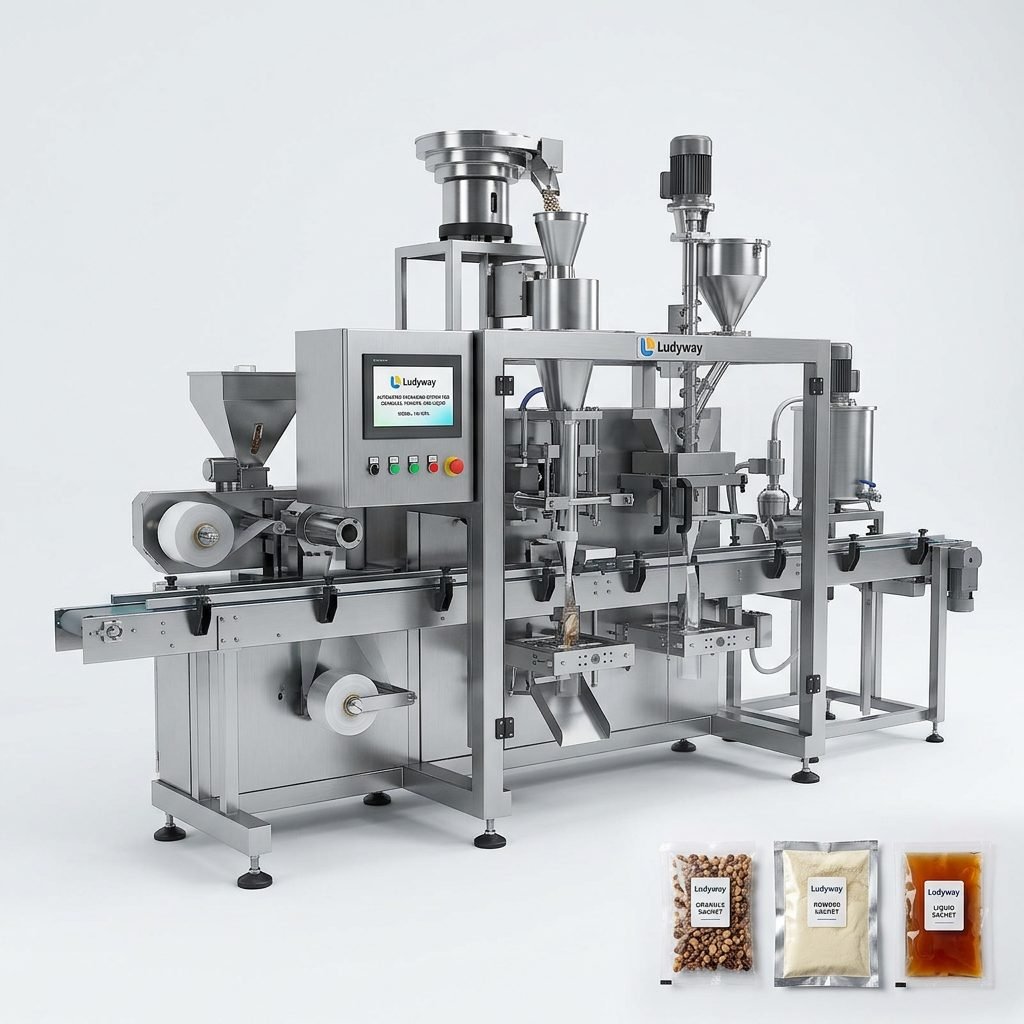
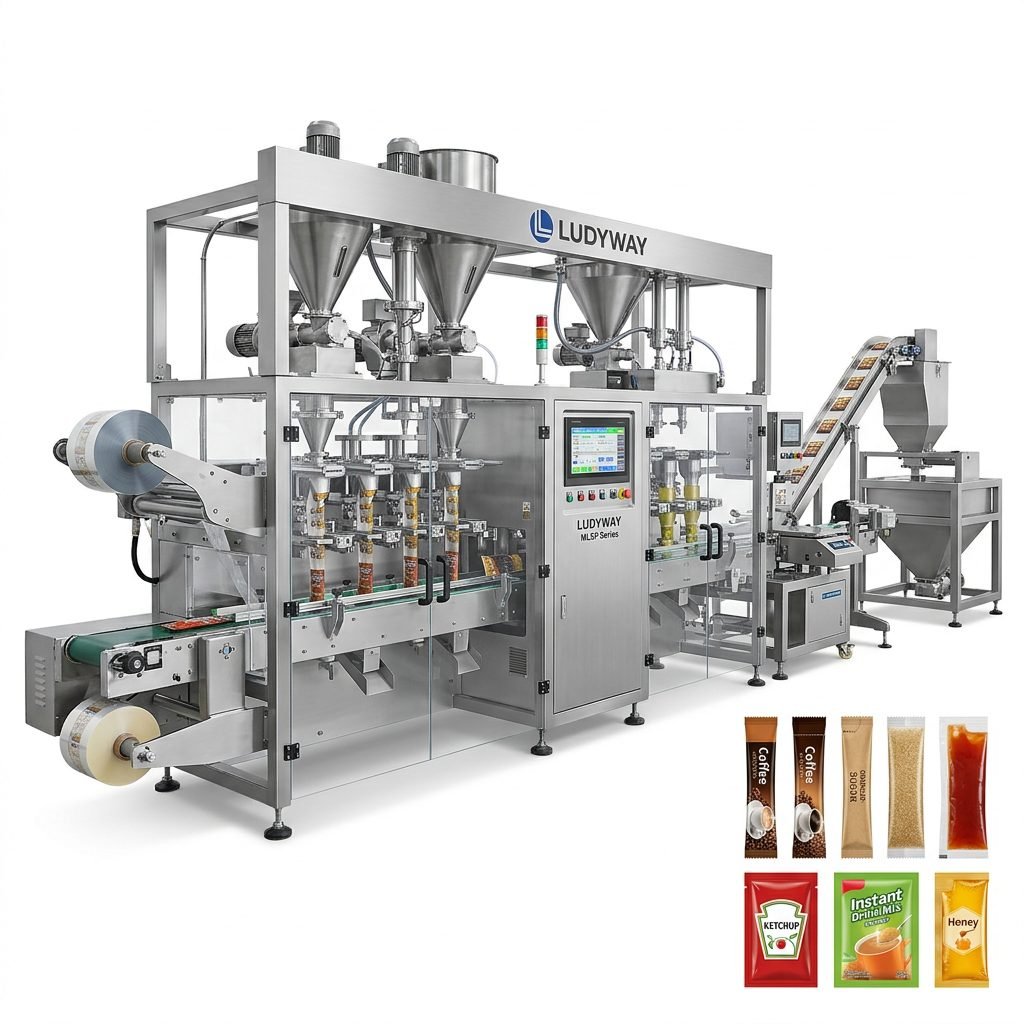
Depending on the target format, the line may include a vertical form fill seal (VFFS) machine or a rotary premade pouch filler. For bean packaging, robust sealing mechanisms are vital to prevent punctures from the product shape.
4. Secondary Packaging and Palletizing
End-of-line automation, including case packers and robotic palletizers, streamlines logistics. Integration of checkweighers and metal detectors ensures compliance with EU food safety directives.
Regulatory Compliance and CE Certification
All equipment installed in the European Union must bear CE marking. This indicates conformity with health, safety, and environmental protection standards. Additionally, food contact materials must comply with EC 1935/2004 and EU 10/2011.
| Compliance Area | Applicable Standard | Key Focus |
|---|---|---|
| Machine Safety | 2006/42/EC | Risk assessment, guarding, emergency stops |
| Food Hygiene | EN 1672-2 | Cleanability, material selection |
| Packaging Waste | 94/62/EC (PPWD) | Source reduction, recyclability |
| Weighing Accuracy | MID 2014/32/EU | Legal metrology for pre-packed goods |
Designing an Efficient Production Layout
Facility planning in Europe must account for strict ATEX directives if dust from bean processing is present, as well as efficient workflow to minimize labor costs. A linear or U-shaped layout often optimizes space in typical European industrial units.
Optimizing Throughput and Automation
Modern European lines emphasize data integration. Connecting your beans packaging machine to an MES (Manufacturing Execution System) enables real-time OEE tracking. Predictive maintenance sensors reduce downtime in a high-wage environment.
Energy Efficiency Standards
With rising energy costs in Europe, selecting servo-driven motors over pneumatic systems can significantly reduce electricity consumption. Look for equipment that aligns with the EU Ecodesign Directive.
Selecting the Right Supplier for European Success
Partnering with a manufacturer experienced in international logistics and EU standards reduces project risk. Factors to evaluate include local service availability, spare parts distribution within Europe, and the engineering team’s familiarity with European beans packaging machine production line configurations.
Installation, Commissioning, and Training
On-site supervision by factory-trained engineers is essential. Comprehensive operator training in local language, coupled with detailed SOPs, accelerates the learning curve. Many European firms also require IQ/OQ/PQ documentation for validation.
About Ludyway
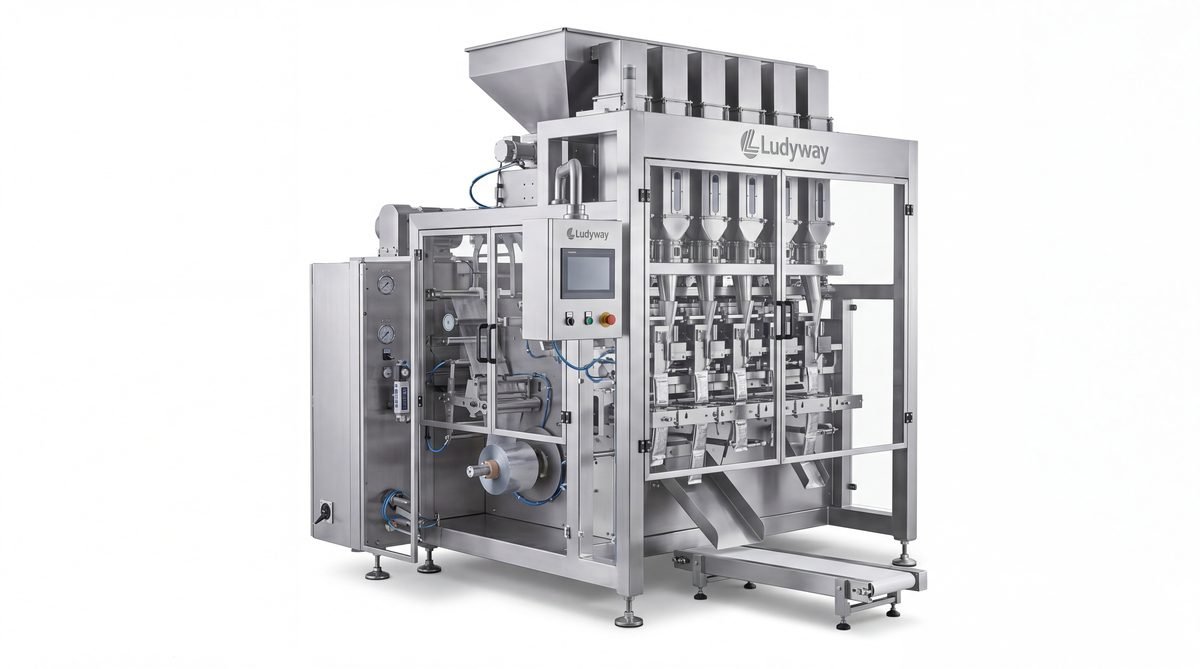
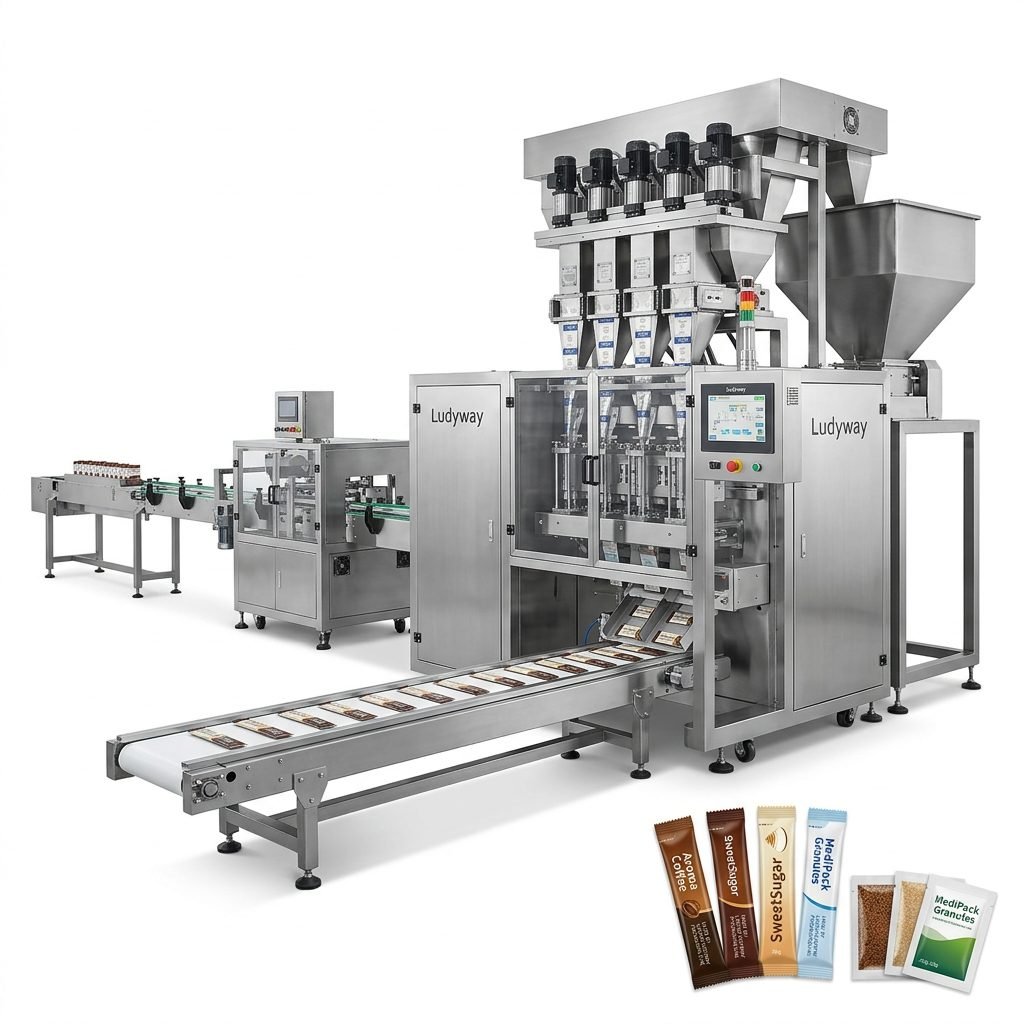
Ludyway is one of the largest packaging machine manufacturers in China, specializing in advanced packaging equipment and turnkey production solutions for the food, pharmaceutical, and health industries. With over 30 years of industry expertise, we provide reliable and efficient packaging solutions for granule, powder, liquid, and pouch packaging applications. Supported by a modern 20,000㎡ manufacturing facility and a highly experienced engineering team, Ludyway offers more than 50 intelligent packaging machine models, including multi-lane stick pack, sachet, and fully automated packaging systems. Serving customers in over 100 countries and regions, we are committed to delivering innovative, high-performance, and cost-effective packaging solutions that help businesses improve productivity, product quality, and operational efficiency.
130+
Professional Packaging Experts
20000㎡
Modern Production Facility
30+
Years of Industry Experience
200+
Manufacturing Equipment Units
Company Story
Founded in 1993, Ludyway Machinery has been dedicated to providing efficient and reliable packaging solutions for manufacturers worldwide. Starting with a strong focus on packaging technology and equipment manufacturing, the company has grown through continuous innovation, engineering expertise, and practical industry experience. Over the years, Ludyway has expanded its capabilities across food, pharmaceutical, chemical, cosmetic, and other packaging applications, developing complete solutions for different production requirements. Today, Ludyway Machinery continues to serve global customers with advanced packaging equipment, customized production lines, professional technical support, and a long-term commitment to quality, innovation, and customer success.
Company History
In 2000, the company expanded its packaging machinery capabilities and production applications. By 2010, Ludyway had strengthened its international business, expanded into global markets, and achieved annual revenue exceeding RMB 100 million. In 2015, the company further developed integrated packaging solutions covering sachet, stick pack, granule, powder, and liquid packaging systems, with annual revenue surpassing RMB 200 million. In 2020, Ludyway expanded its turnkey packaging line capabilities, strengthened its international project services, and achieved annual revenue exceeding RMB 300 million. By 2025, Ludyway had developed more than 50 packaging machine models, served customers across multiple international markets, and achieved annual revenue exceeding RMB 500 million, marking another major milestone in its continued growth.
Ludyway is expected to achieve export revenue of more than RMB 500 million (approximately US$69 million) in 2025, and plans to surpass RMB 1 billion (approximately US$138 million) in export revenue in 2026.
Contact Details
-
E-Mail: info@ludyway.com
-
WhatsApp: +8613129592456
-
Address: Nanlang Town, Zhongshan, Guangdong, China.
Global Packaging Exhibitions
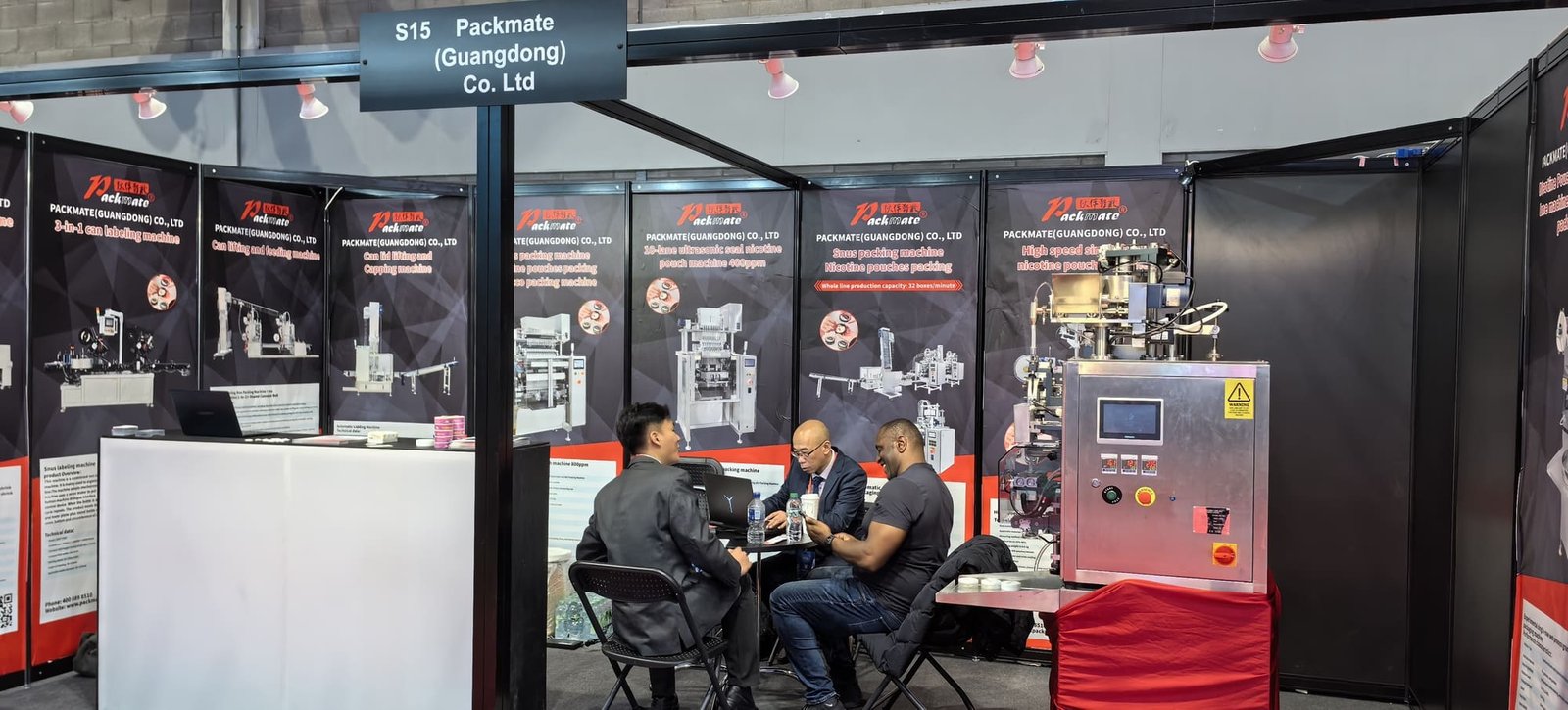
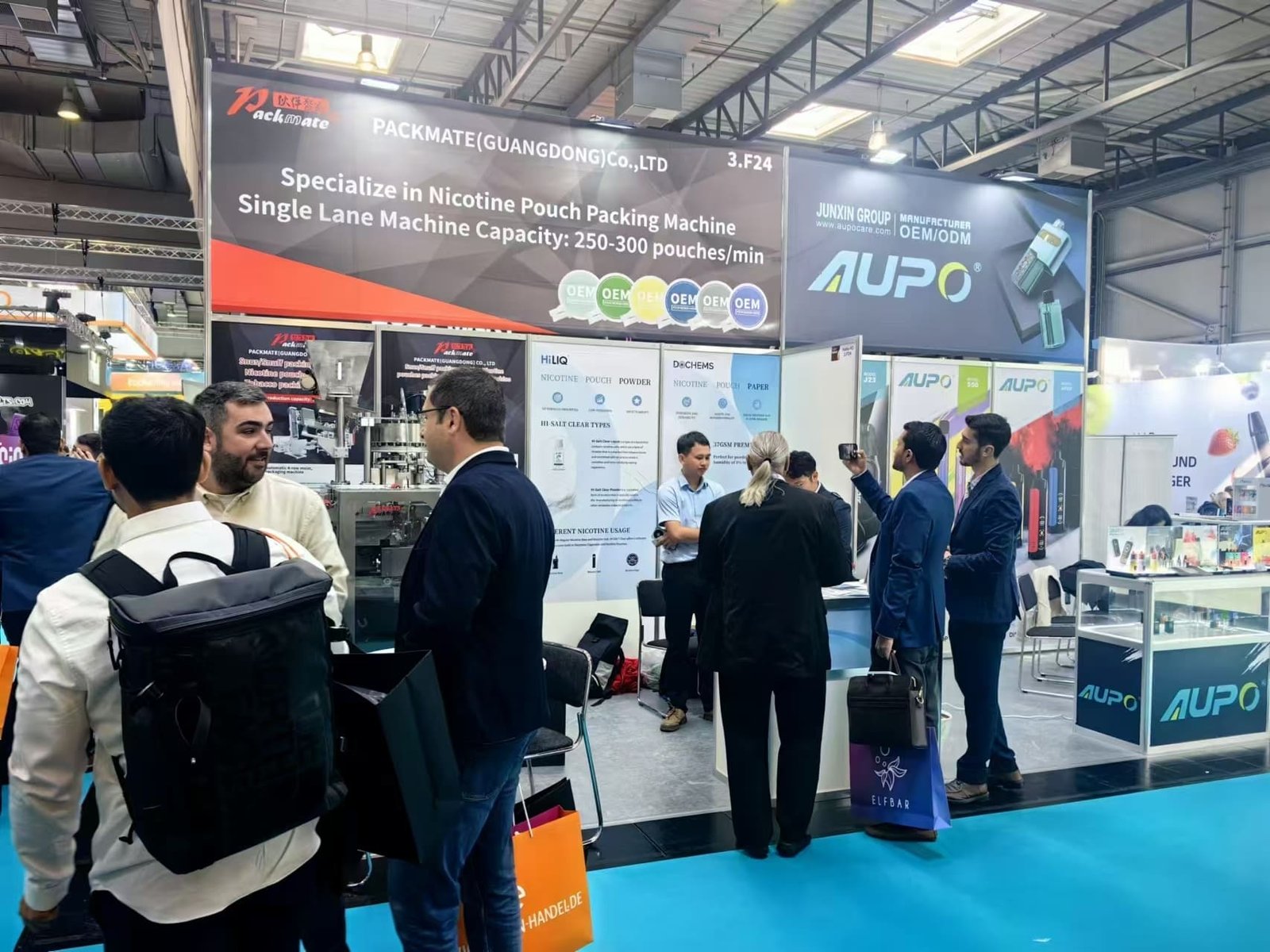
Meet us at international packaging exhibitions and discover smart packaging machines and customized solutions.
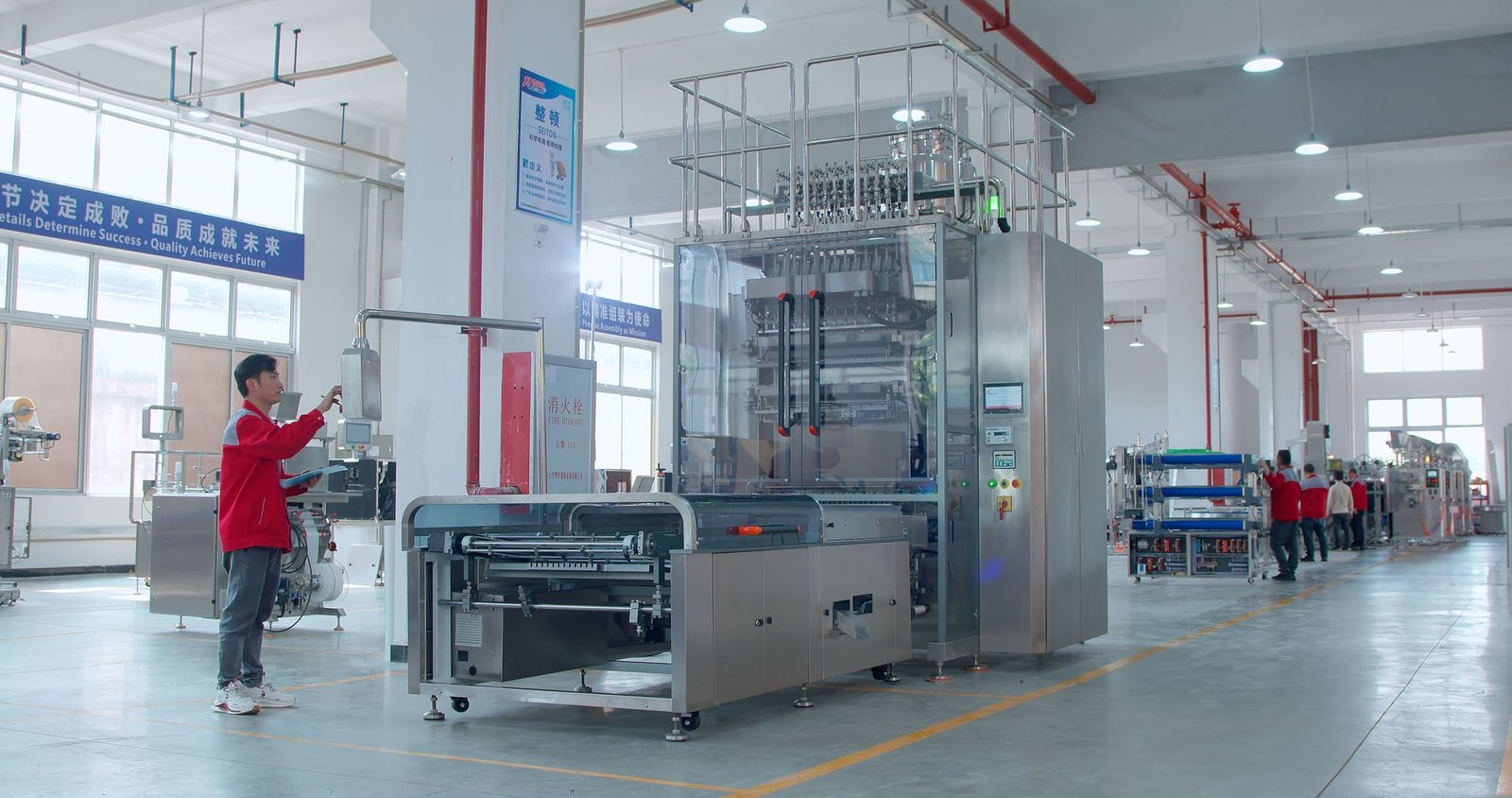
Visit Our Factory
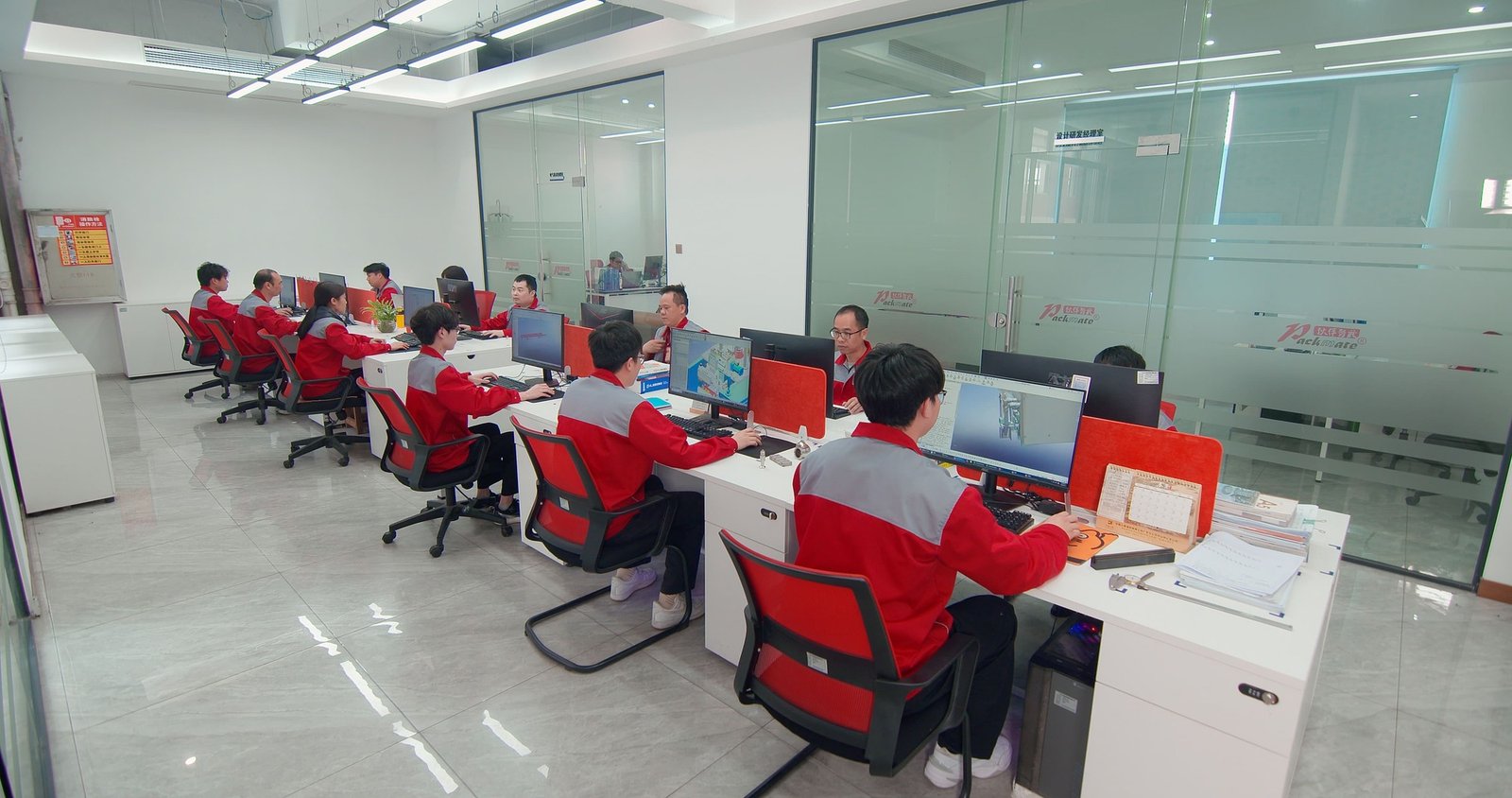
With advanced manufacturing, strict quality control, and years of industry experience, we build reliable packaging machines for efficient and stable production.
行业权威参考链接
| 标题 | 网址 |
|---|---|
| Ludyway Packaging Machinery Global Growth Trend | https://www.einpresswire.com/article/929209029/ludyway-packaging-machinery-global-growth-trend-why-exports-may-exceed-rmb-1-billion-by-2026 |
| PMMI – The Association for Packaging and Processing Technologies | https://www.pmmi.org/ |
| PMMI – State of the Industry Reports | https://www.pmmi.org/business-intelligence/economic-reports/state-of-the-industry |
| Flexible Packaging Association – Official Website | https://www.flexpack.org/ |
| FDA – Food Packaging and Food Contact Substances | https://www.fda.gov/food/food-ingredients-packaging |
| ISO – Packaging Standards | https://www.iso.org/ics/55.html |
| European Commission – Packaging and Packaging Waste | https://environment.ec.europa.eu/topics/waste-and-recycling/packaging-waste_en |