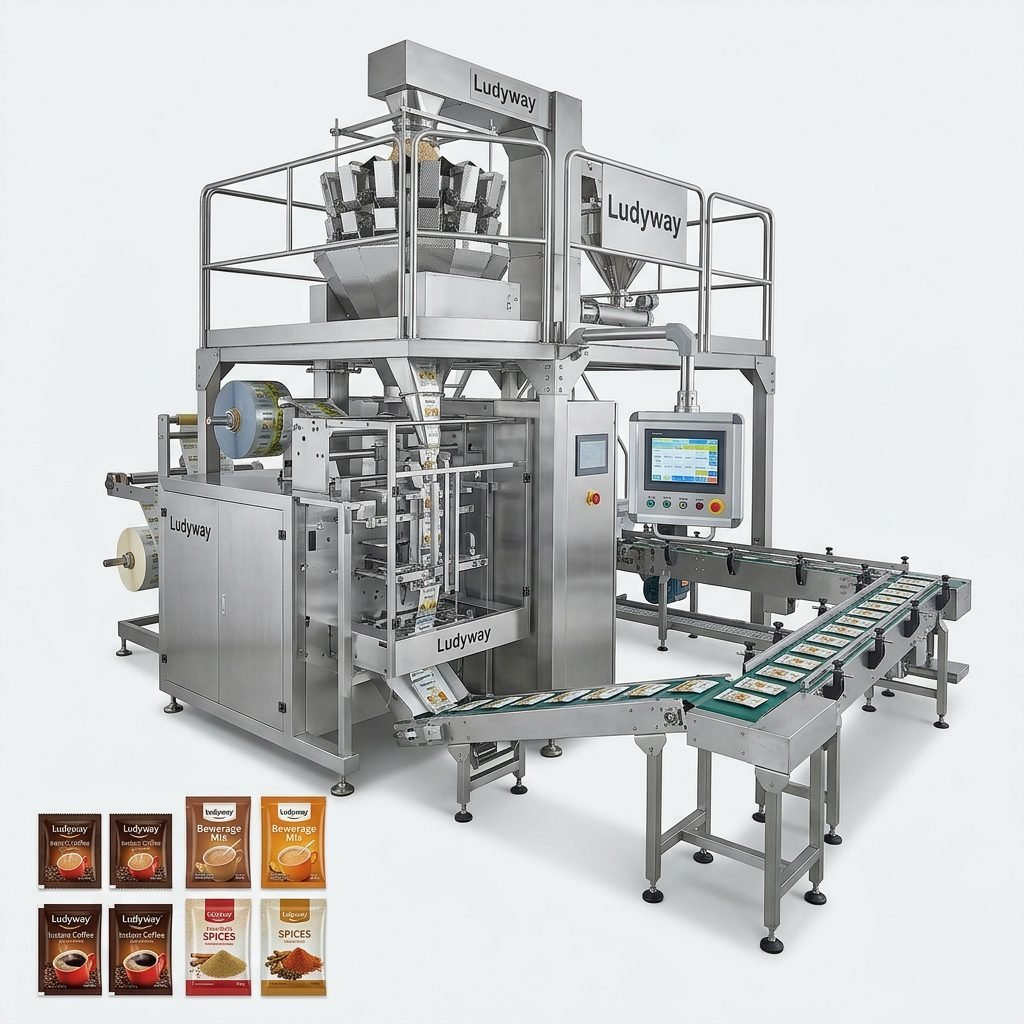
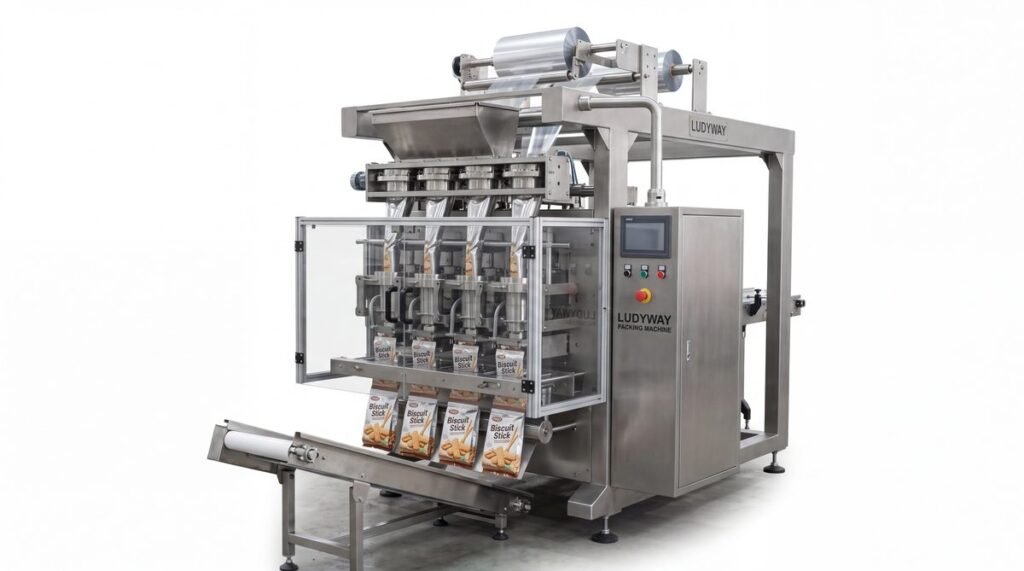
Investing in a scrubber packing machine is a significant decision for any manufacturer dealing with powders, granules, or viscous products. Whether you are packaging sugar scrubs, salt exfoliants, or chemical cleaning abrasives, the efficiency and precision of your packaging line directly impact product quality and your bottom line. This complete buyer’s guide will walk you through the essential factors to consider, helping you select the right machinery that aligns with your production goals, budget, and operational requirements.
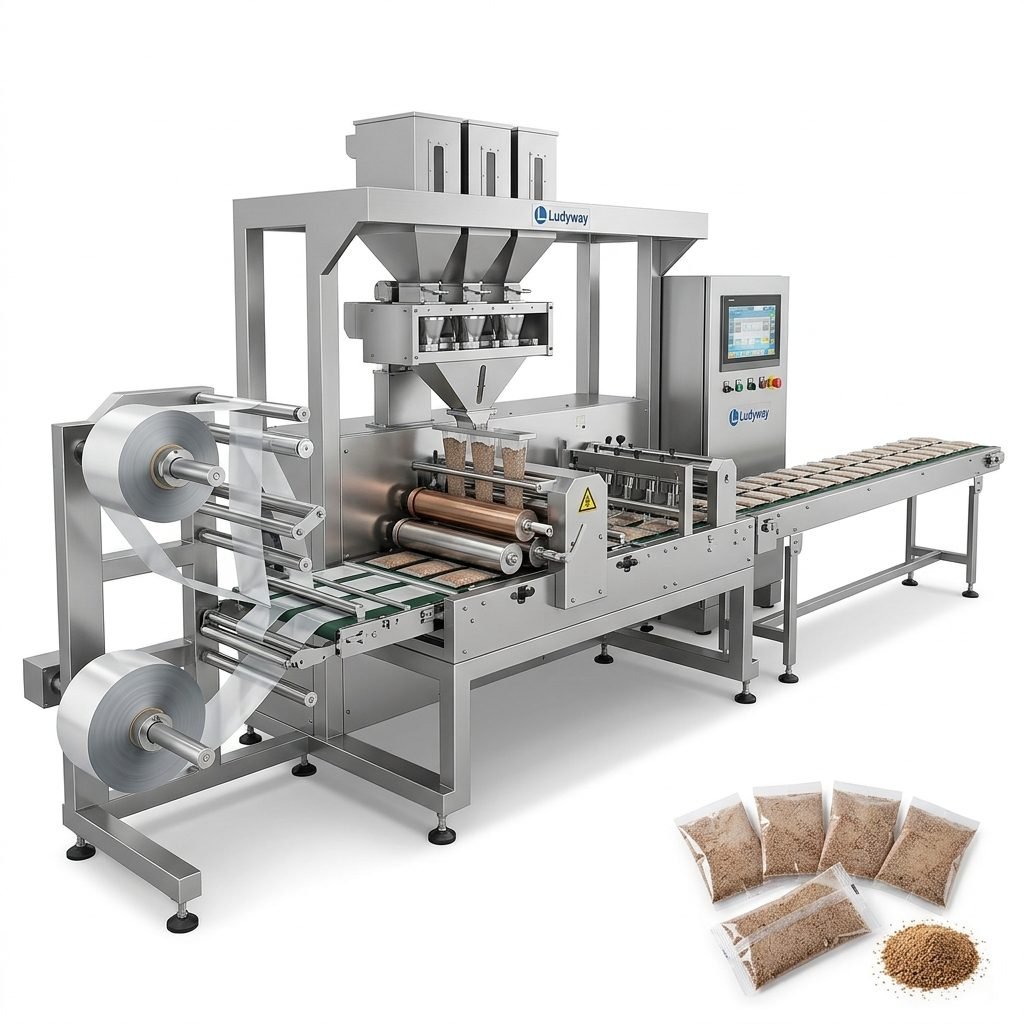
Understanding Your Product: The Foundation of Machine Selection
Before evaluating machine specifications, you must conduct a thorough analysis of the product you intend to pack. Scrub products vary widely in their physical properties. A free-flowing granule behaves very differently in a feeding system compared to a cohesive, oily powder or a thick paste.
Key characteristics to define include:
- Bulk Density: Affects the volumetric dosing mechanism required.
- Flowability: Determines if you need mechanical agitators or specialized hoppers.
- Particle Size Distribution: Crucial for sealing jaw performance and preventing leaks.
- Abrasiveness: Sugar and salt-based scrubs are highly abrasive and demand wear-resistant contact parts.
- Moisture/Oil Content: High oil content requires specific film compatibility and sealing technology.
According to data from the Flexible Packaging Association, understanding these material characteristics is the first step in preventing packaging failures and downtime.
Key Machine Configurations for Scrub Packaging
Modern scrubber packing machines are not one-size-fits-all. Depending on your target market—from travel-size sachets to bulk industrial containers—the machine configuration changes significantly.
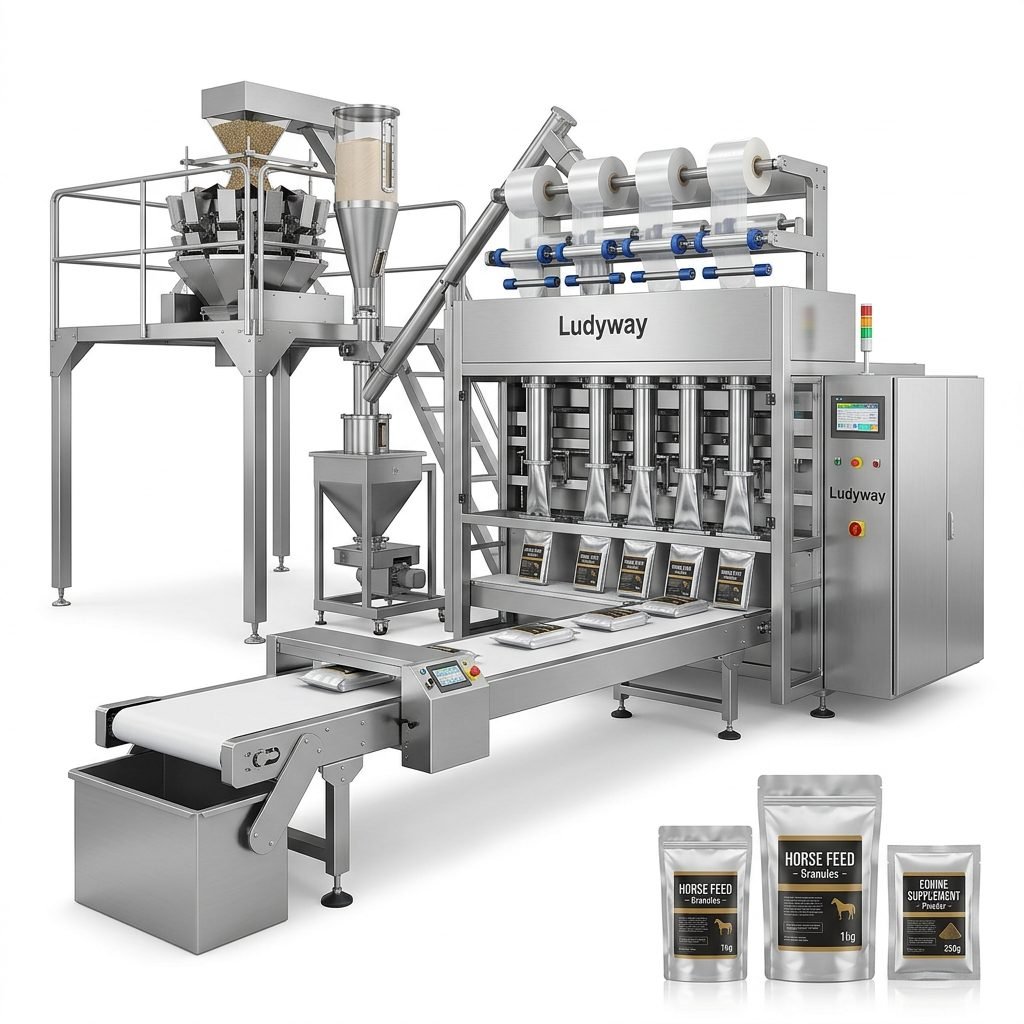
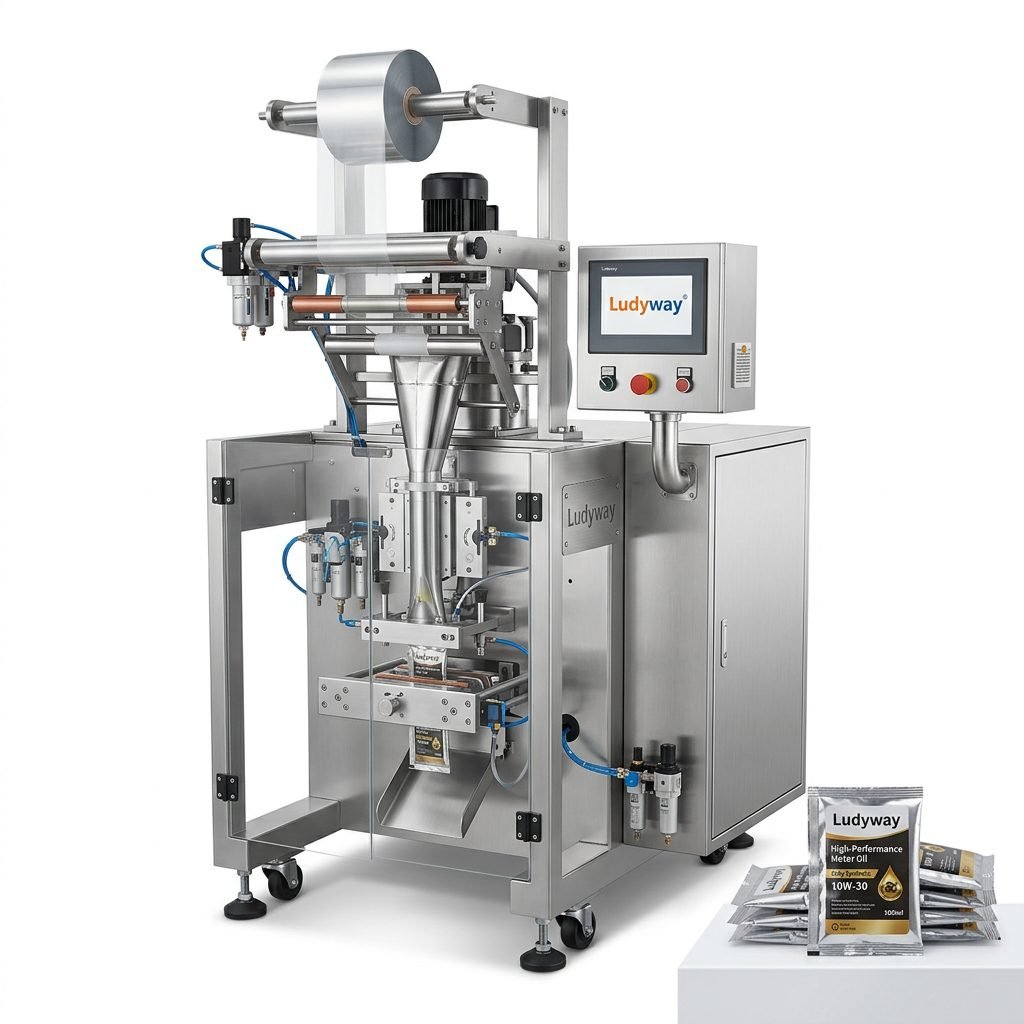
1. Multi-Lane Stick Pack & Sachet Machines
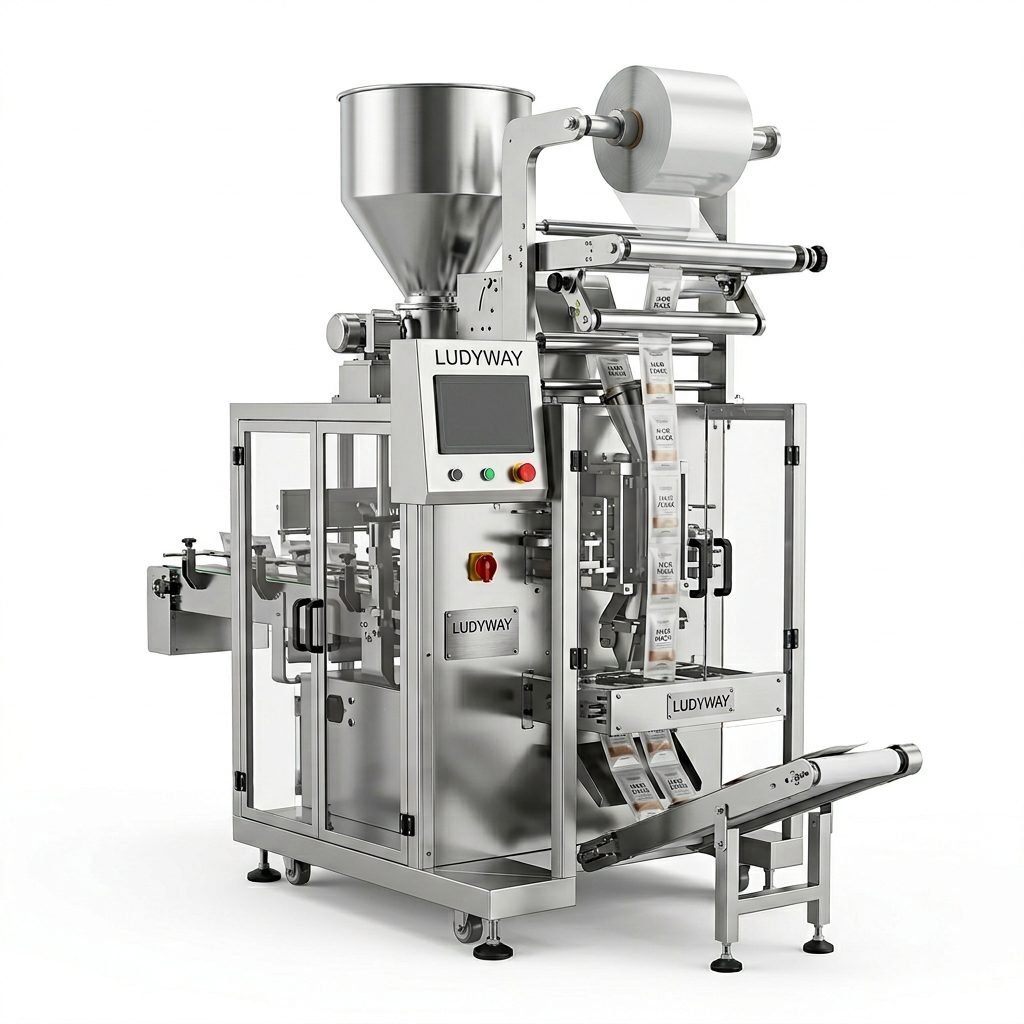
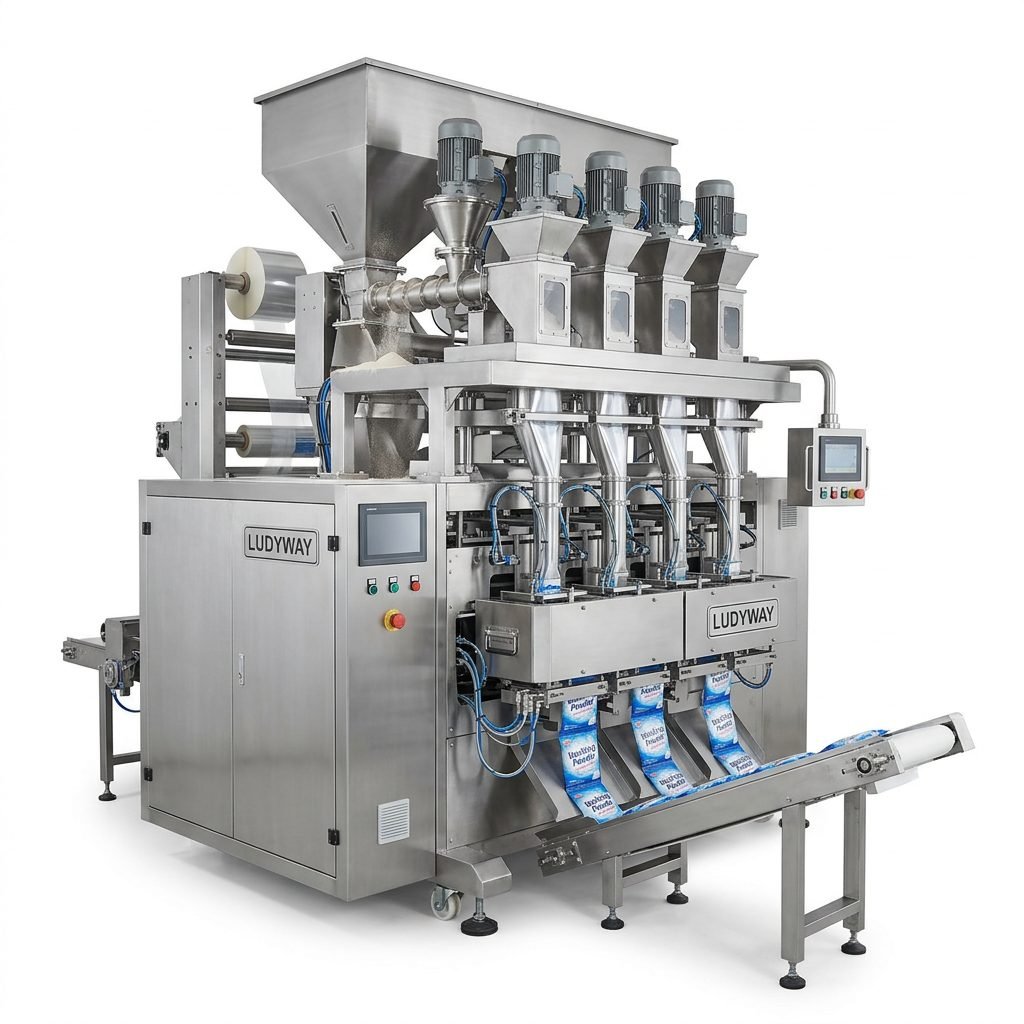
Ideal for single-use applications, these machines offer high-speed production. When selecting a machine, verify the number of lanes (typically 4 to 16) and the width range. For viscous scrubs containing large granules, a multi-lane sachet packaging machine with a reciprocating sealing system is often preferred to ensure seal integrity despite product contamination in the seal area.
2. Premade Pouch Rotary Fillers
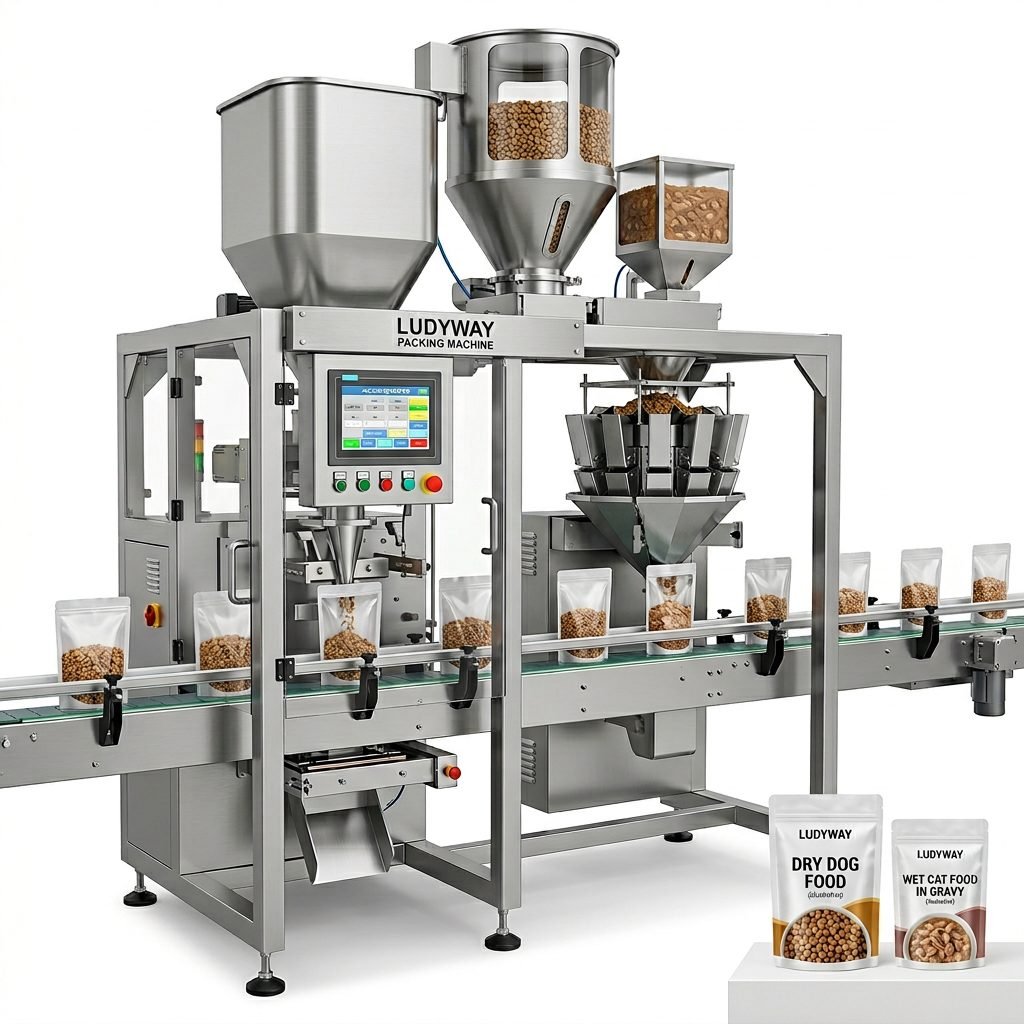
For premium “buy online” or retail jars and stand-up pouches, a rotary packaging machine handling preformed pouches offers exceptional flexibility. These machines often integrate a z-axis auger filler for dust-free dosing of fine powders.
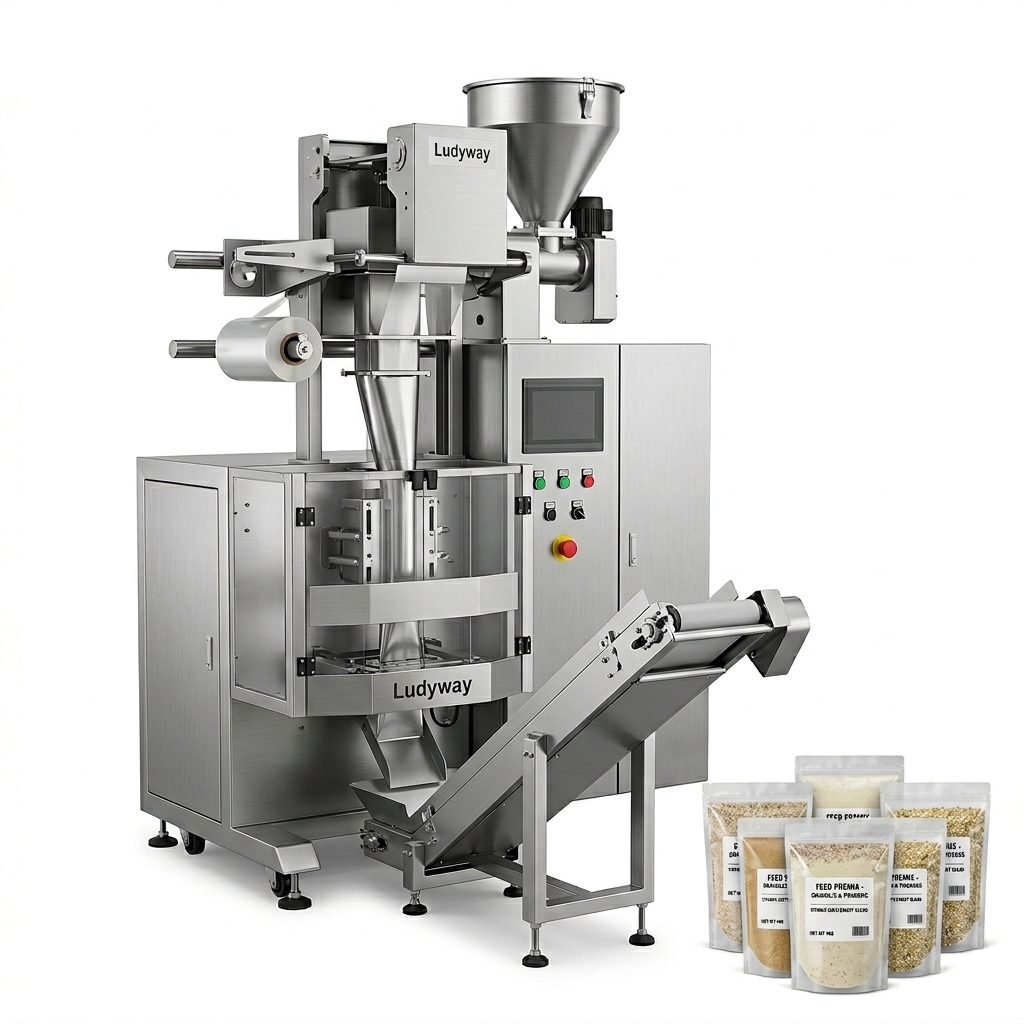
3. Vertical Form Fill Seal (VFFS) Systems
VFFS machines are workhorses for larger format pillow bags. When running scrub materials, look for models featuring heavy-duty pull belts and Teflon-coated forming tubes to handle the sticky nature of the product without jamming.
Critical Features to Evaluate
To ensure the scrubber packing machine performs optimally over its lifecycle, pay close attention to these technical specifications:
| Feature | Why It Matters for Scrubs | Recommended Specification |
|---|---|---|
| Dosing System | Abrasive granules destroy standard screws | Servo-driven Auger with hardened coating |
| Sealing Technology | Oil residue prevents hermetic seals | Serrated/Pebbled jaws with Teflon band |
| Dust Collection | Fine powder clouds interrupt sensors | Integrated vacuum extraction ports |
| Changeover Speed | Small-batch production demands agility | No-tool quick release parts |
Automation and Integration Capabilities
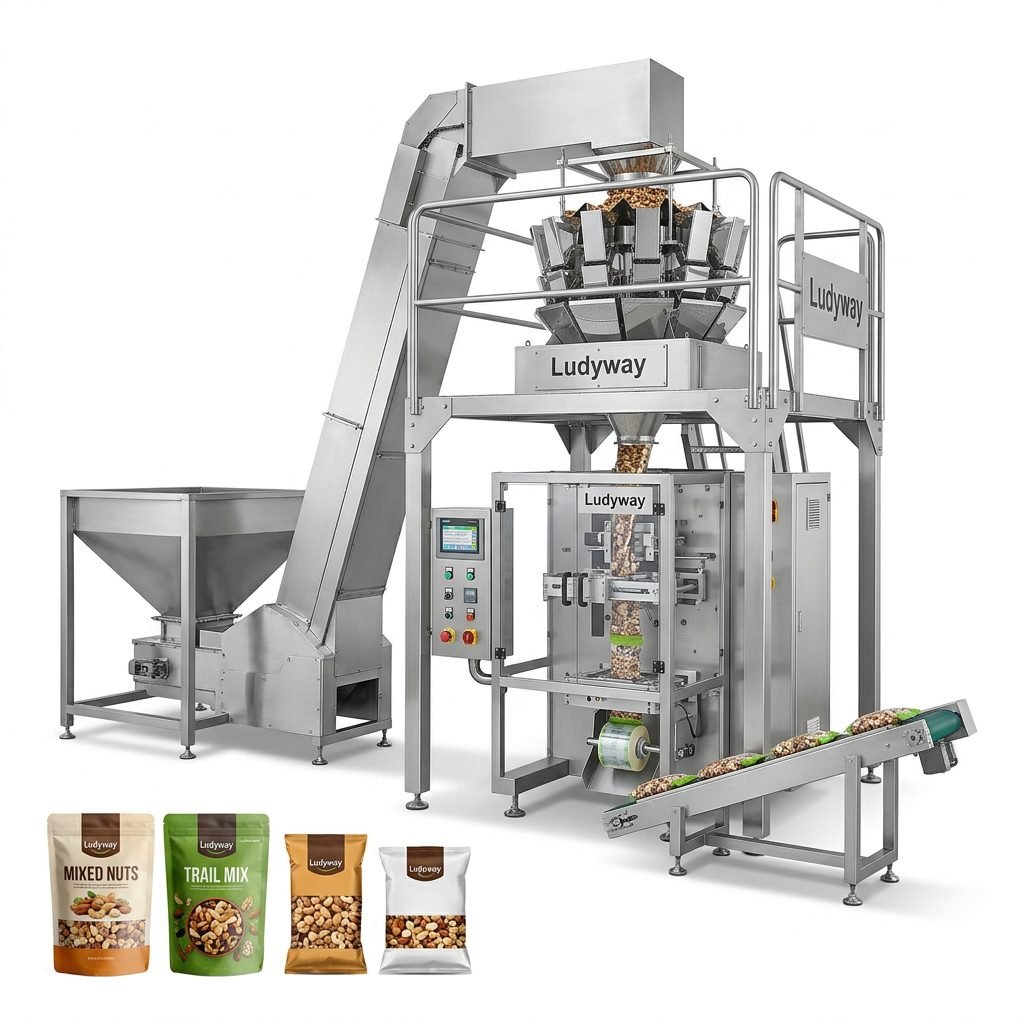
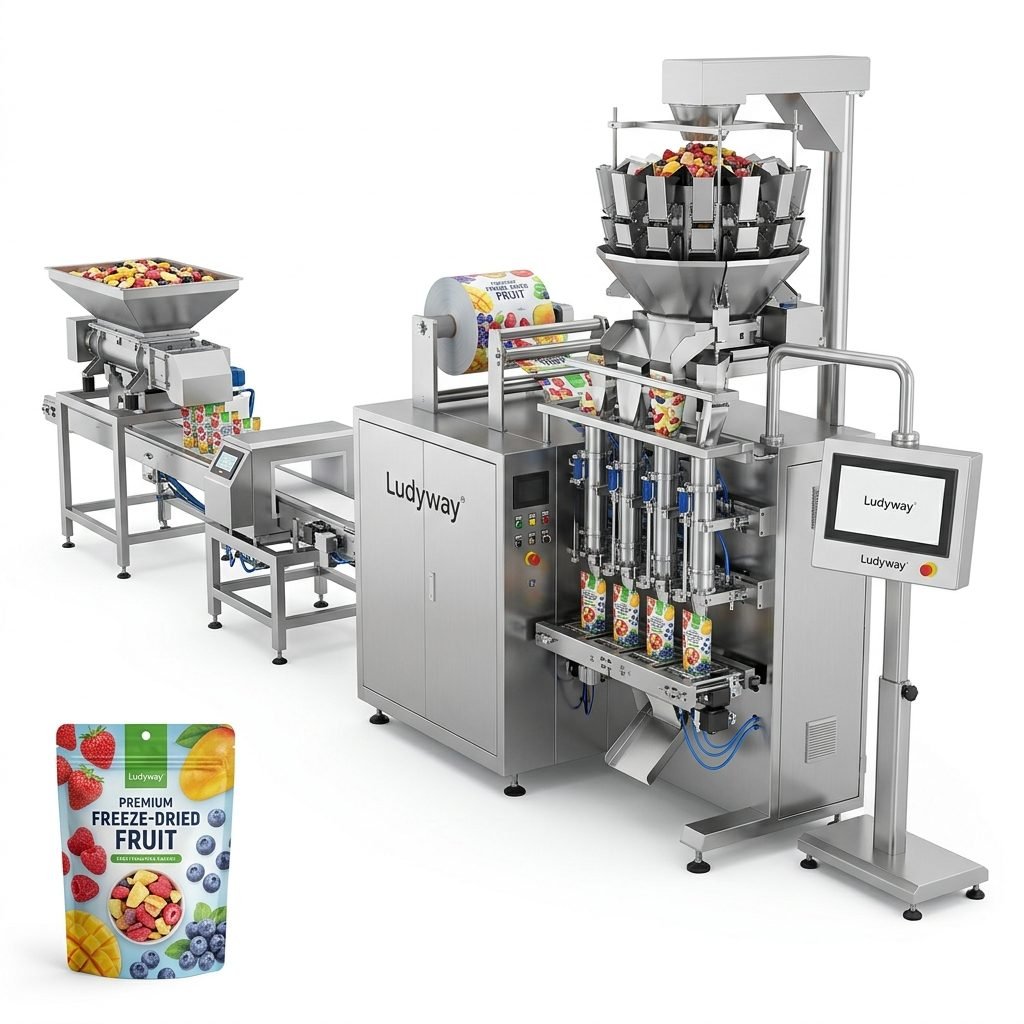
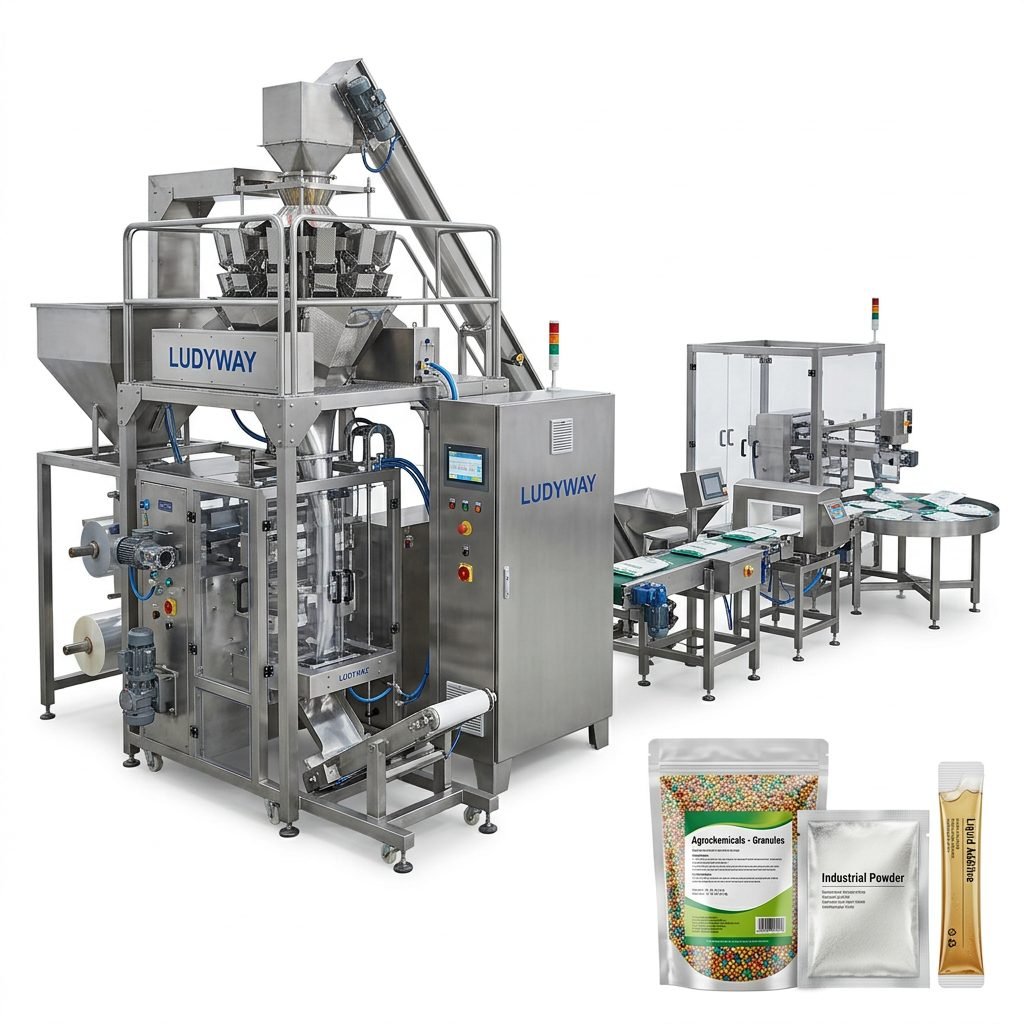
A scrubber packing machine rarely operates in isolation. The true return on investment comes from integrating it into a complete packaging line. Look for compatibility with upstream and downstream equipment.
Essential integrations include:
- Inline Checkweighers: Ensure compliance with weight regulations outlined by agencies like the FDA.
- Metal Detectors & X-Ray Inspection: Critical for consumer safety, especially in cosmetic scrubs applied to the skin.
- Automated Cartoning: Reduce manual labor by connecting the primary packer directly to a case packer.
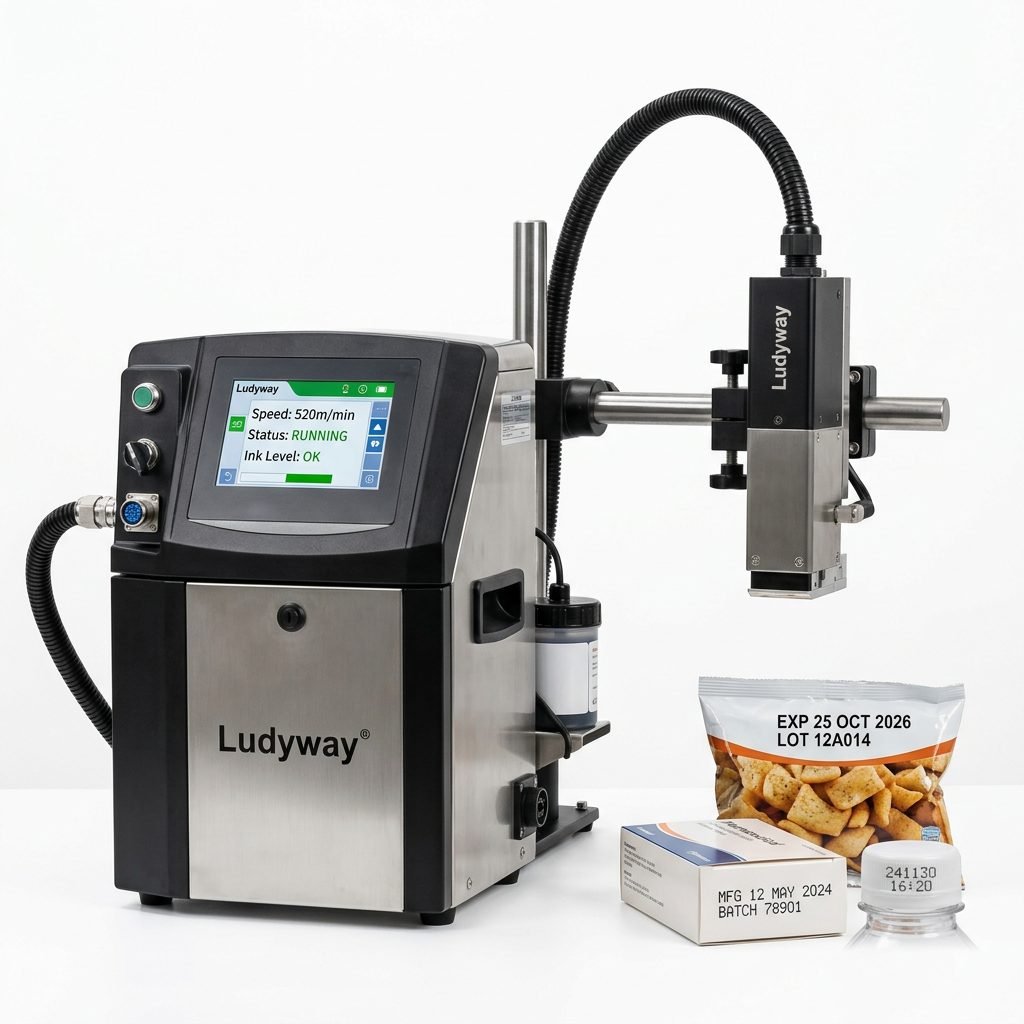
- Inline Printers: For lot coding and traceability, ensuring adherence to ISO packaging standards.
Material Compatibility and Sustainability
The packaging industry is rapidly shifting towards sustainable materials, as highlighted by the European Commission’s PPWR. Your chosen scrubber machine must be capable of running recyclable mono-materials (like PE/PE laminates) or bio-based films. These eco-friendly films often have a narrower sealing window, requiring machines with precise digital temperature controllers to avoid burning the material or creating weak seals.
Assessing Build Quality and Hygiene Standards
For manufacturers in the cosmetics, pharmaceutical, or food sectors, equipment hygiene is non-negotiable. The machine frame and contact parts should be constructed from #304 or #316 stainless steel. If your scrub contains active ingredients like AHA/BHAs or chemical exfoliants, #316 stainless steel is mandatory to resist corrosion. Furthermore, ensure the machine design follows sanitary construction principles, with sloped surfaces to prevent product accumulation and easy access for washdown cleaning.
Evaluating Your Supplier
Selecting a reliable manufacturer is as important as the machine itself. When leading manufacturers like Ludyway Machinery design a scrubber packing system, they are not just supplying an asset but a long-term partnership. With a 20,000-square-meter manufacturing facility and over 30 years of experience, a turnkey solution provider can ensure that the machine configuration matches your exact product viscosity, granule size, and production speed targets.
Always ask your supplier for a Factory Acceptance Test (FAT) using your actual product, not just a surrogate. This is the only way to truly verify machine capability. Additionally, verify their market compliance documentation. Your equipment partner should be able to supply the necessary certifications to help you meet PMMI standards and international safety requirements.
Common Pitfalls to Avoid
Many buyers focus too heavily on the lowest upfront price. However, when dealing with scrubber packing machines, under-investing often leads to high lifecycle costs. Common mistakes include:
- Underestimating Abrasion: Using a standard sugar filler for a salt-based recipe results in frequent replacement of contact parts.
- Ignoring Environmental Conditions: Humid factory floors cause hygroscopic powders to clump. Ensure the balance and feeder are designed to handle humidity.
- Rigid Lane Configurations: Opt for modular machines that allow you to add or remove lanes as your production demand fluctuates.
Conclusion
Choosing the right scrubber packing machine requires a holistic view of your product characteristics, production environment, and future business goals. By focusing on the dosing mechanism, seal integrity, and material compatibility—and selecting a vendor with proven expertise—you can secure a packaging line that offers speed, consistency, and durability. Remember, the goal is not just to fill a package, but to protect the formulation inside, extend shelf life, and delight the consumer every time they open it.