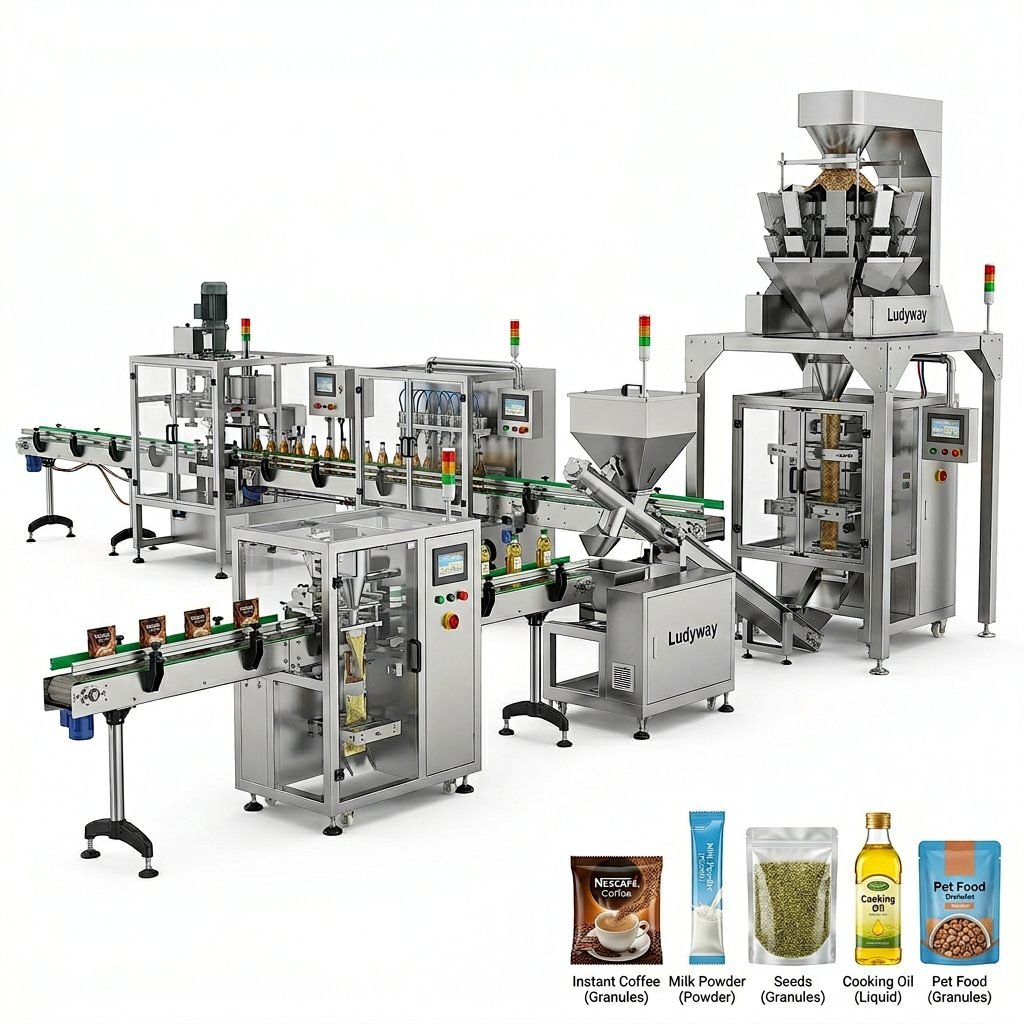
Launching a beef jerky brand in the United States is an exciting venture, but scaling from a small-batch operation to a full-scale packaging line requires careful planning. The difference between success and costly downtime often comes down to selecting the right packaging equipment, understanding the true costs involved, and following a logical setup sequence. This guide walks you through the essential machines, budget considerations, and actionable steps to build an efficient beef jerky packaging line in the USA.
Understanding the USA Beef Jerky Market and Packaging Demands
The U.S. meat snacks market continues to grow, driven by demand for high-protein, on-the-go foods. According to data from the Flexible Packaging Association, flexible packaging solutions are increasingly preferred for shelf-stable meat products. For beef jerky producers, this means investing in packaging lines that can handle modified atmosphere packaging (MAP), nitrogen flushing, and moisture-resistant barrier films. Understanding FDA packaging and food contact substance regulations is also critical before selecting machinery.
Key Packaging Machines for Beef Jerky
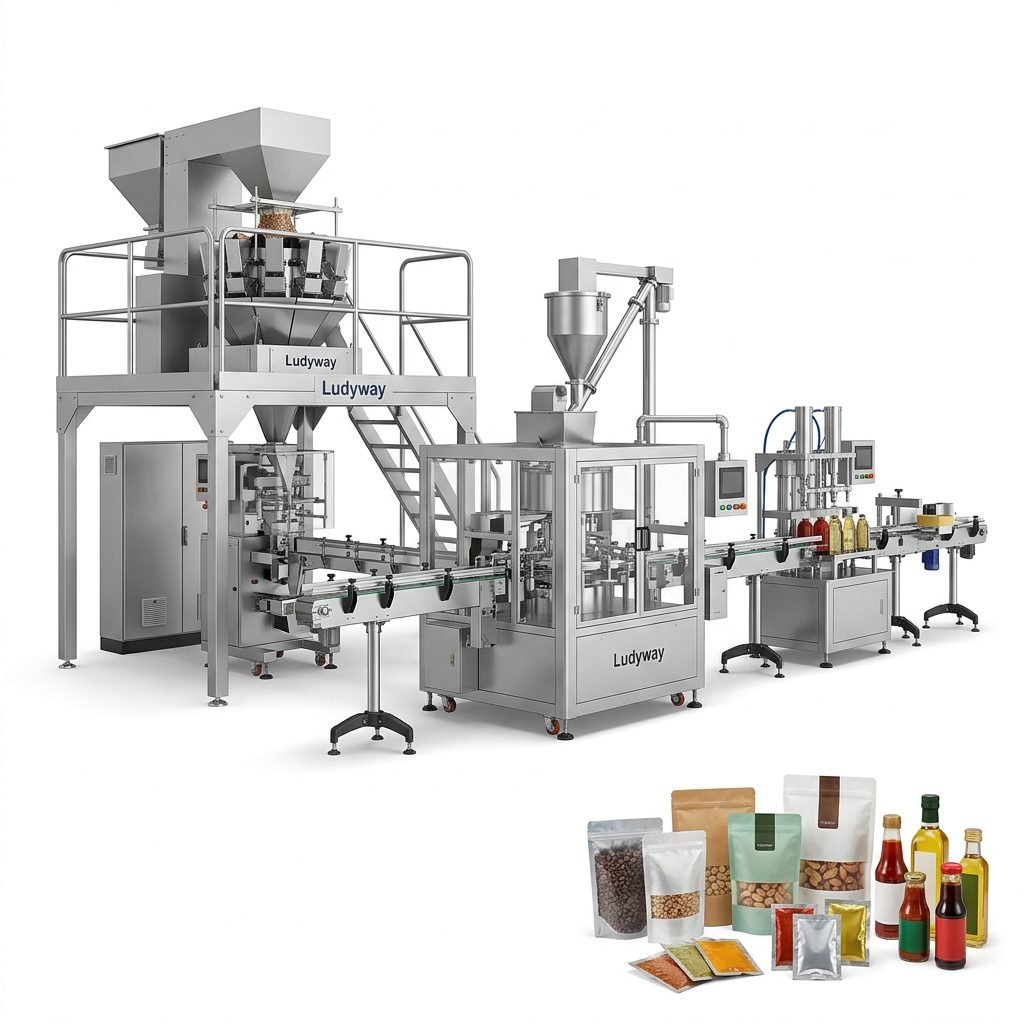
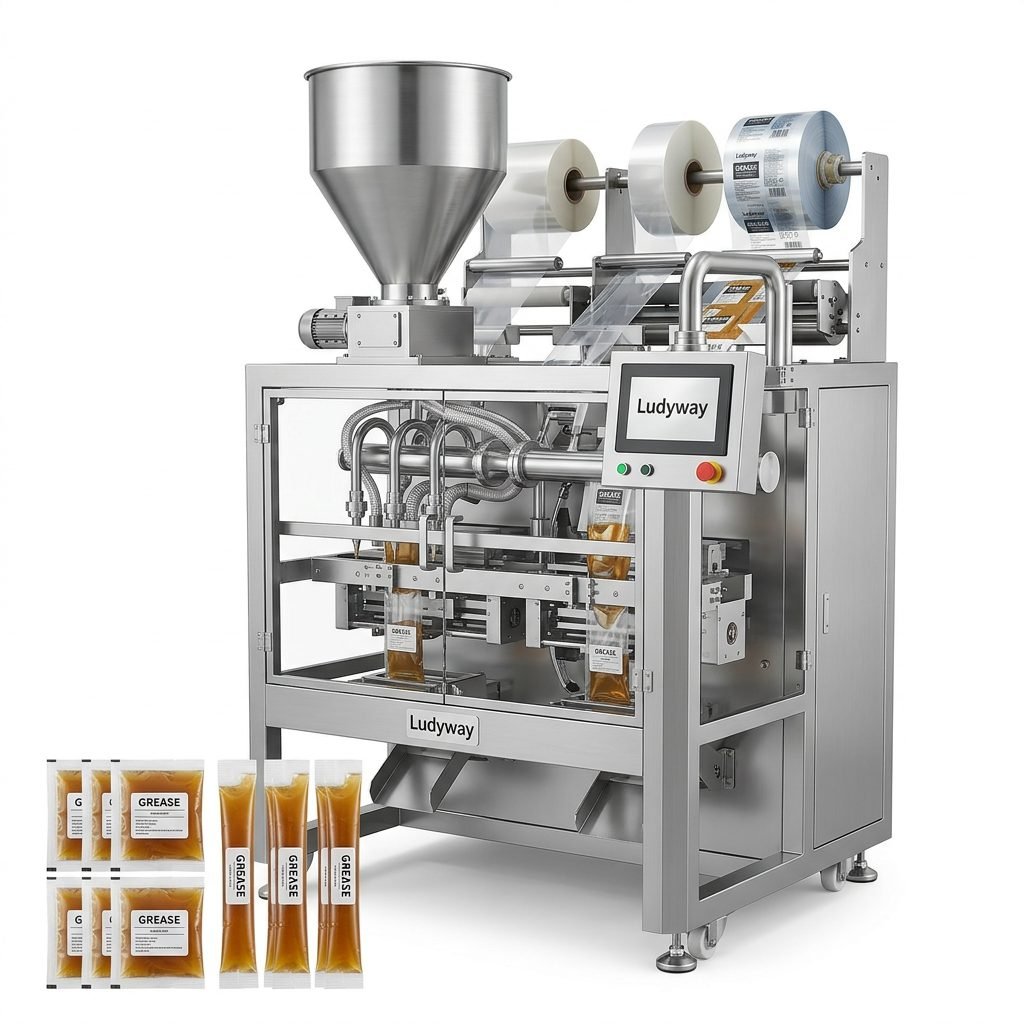
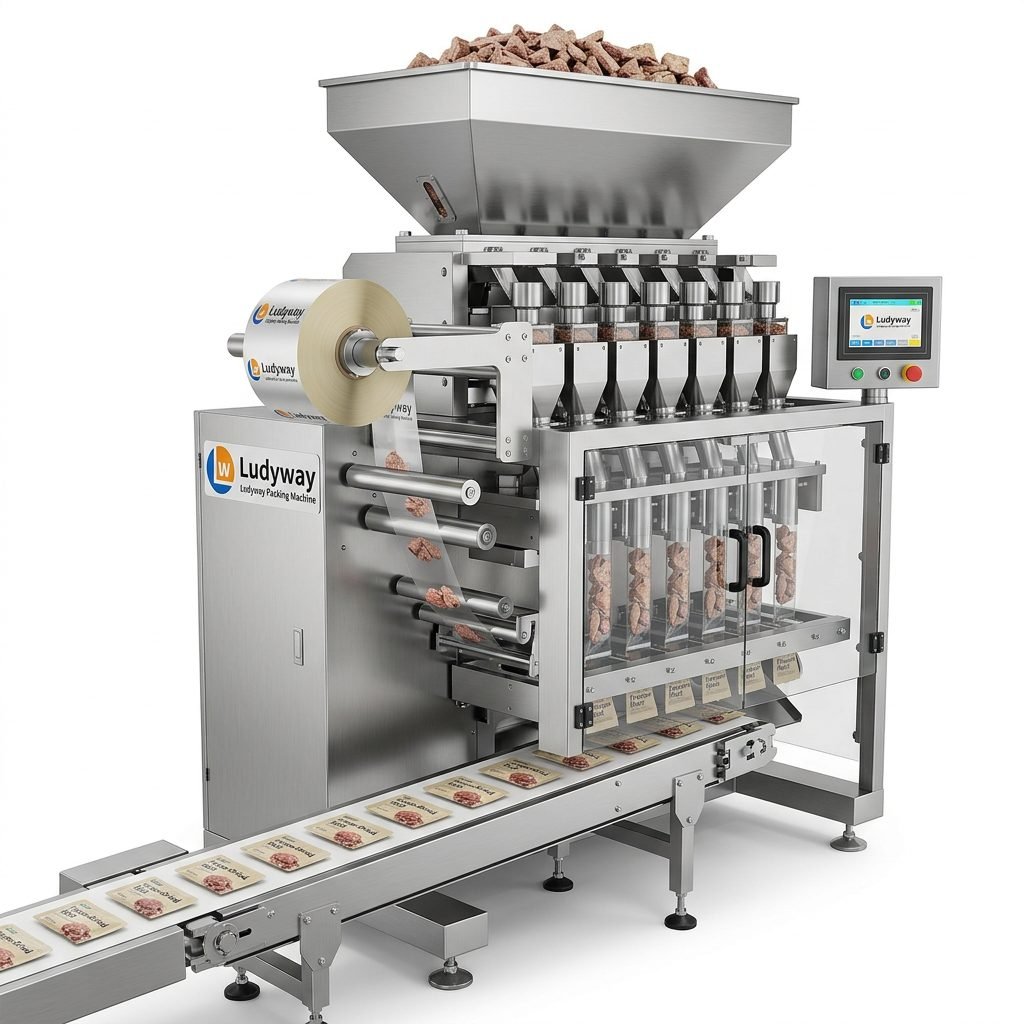
A well-integrated beef jerky packaging line typically includes several core machine types. The exact configuration depends on your packaging format—whether you’re running stick packs, sachets, pouches, or rigid containers. Below is a breakdown of the essential equipment:
| Machine Type | Primary Function | Packaging Format |
|---|---|---|
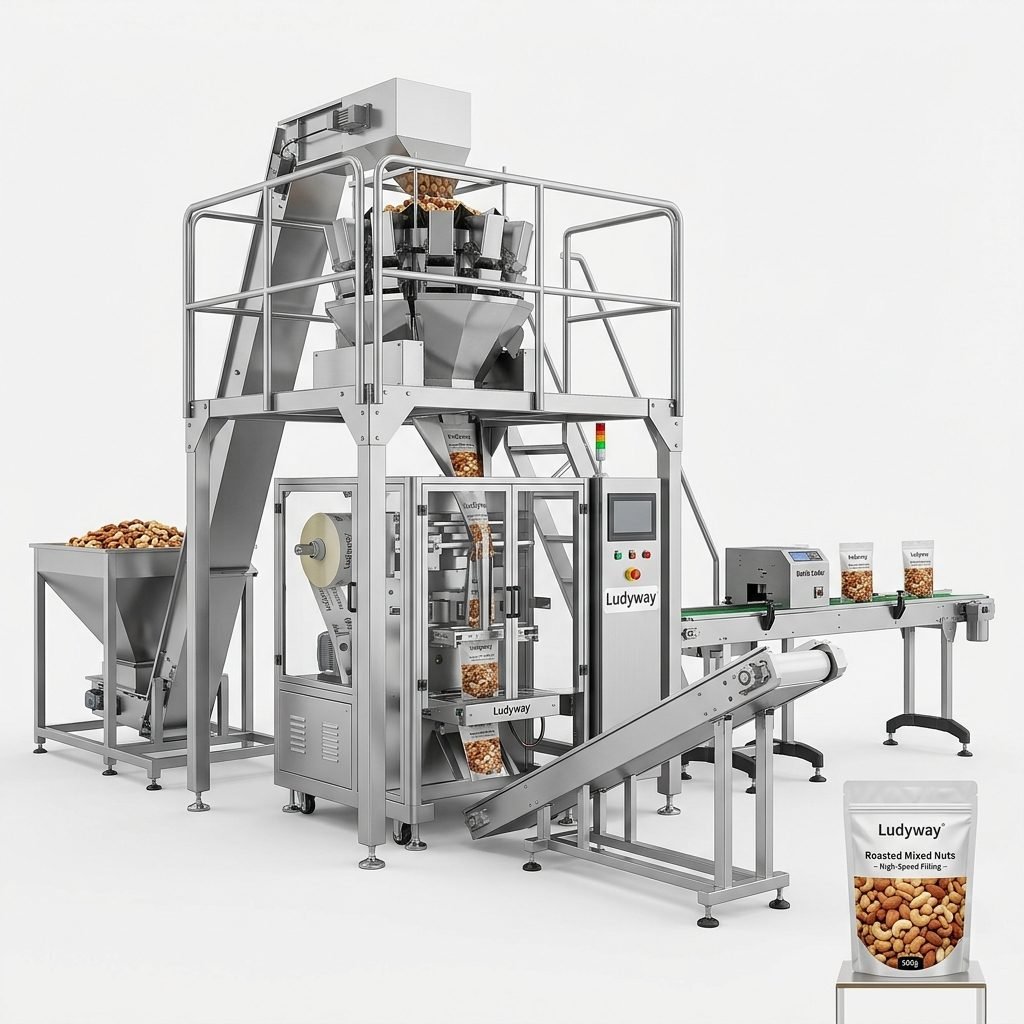
| Multi-Head Weigher | Precise portioning of irregularly shaped jerky pieces | All formats |
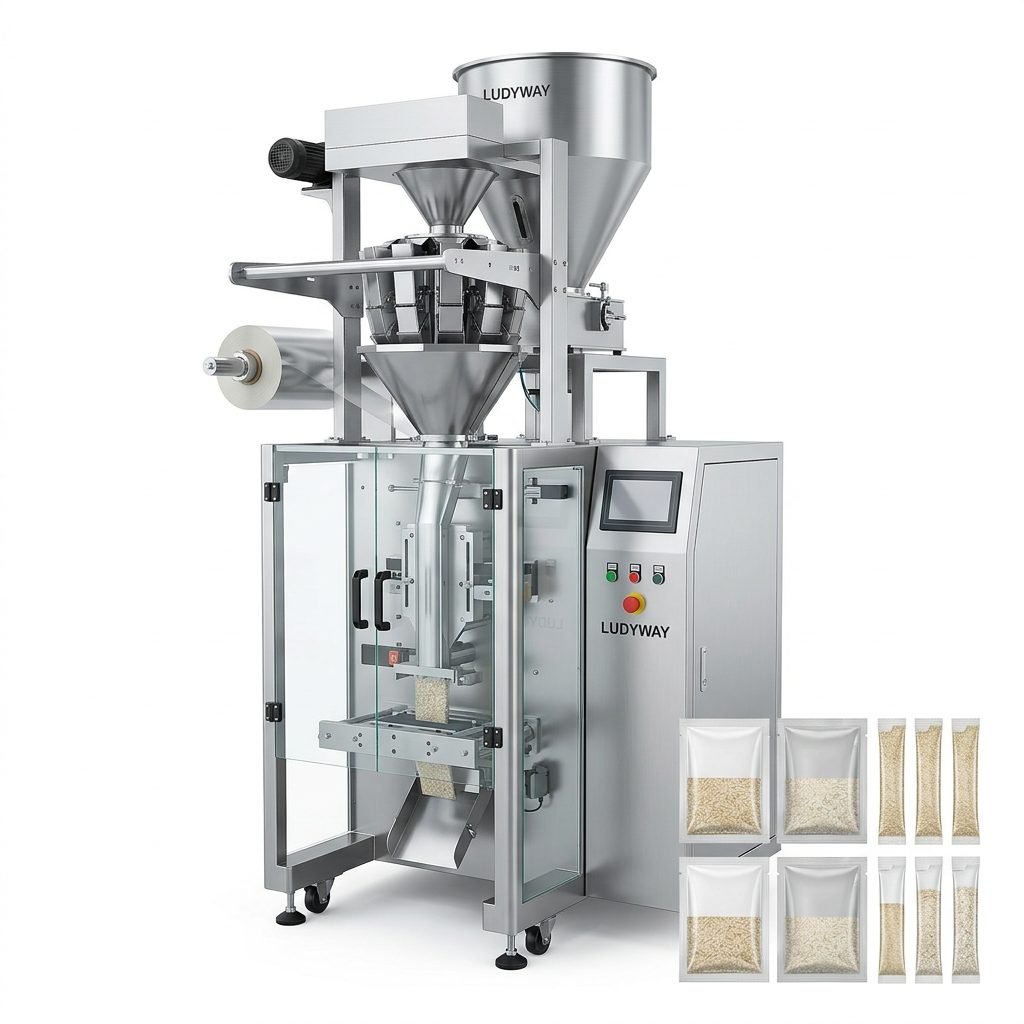
| Vertical Form Fill Seal (VFFS) Machine | Forms pouches from roll stock, fills, and seals | Pillow pouches, gusseted bags |
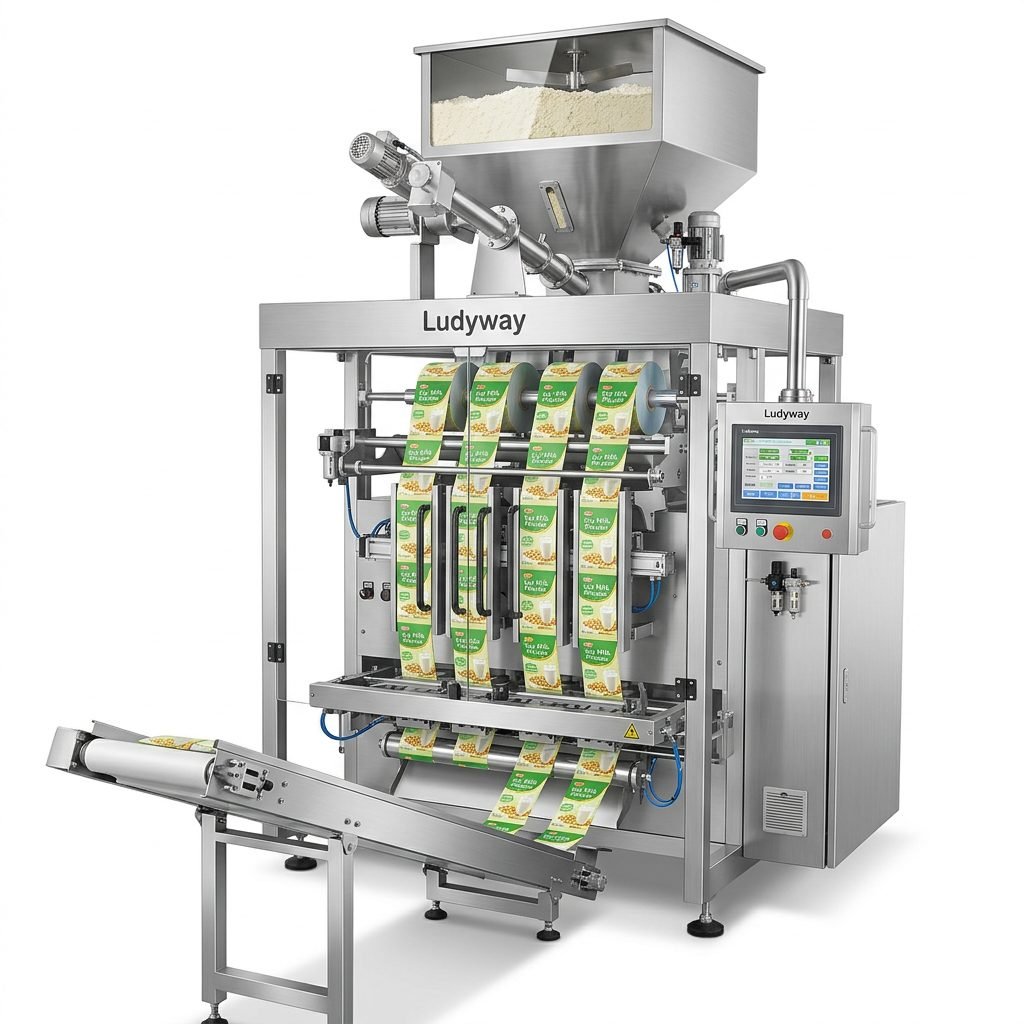
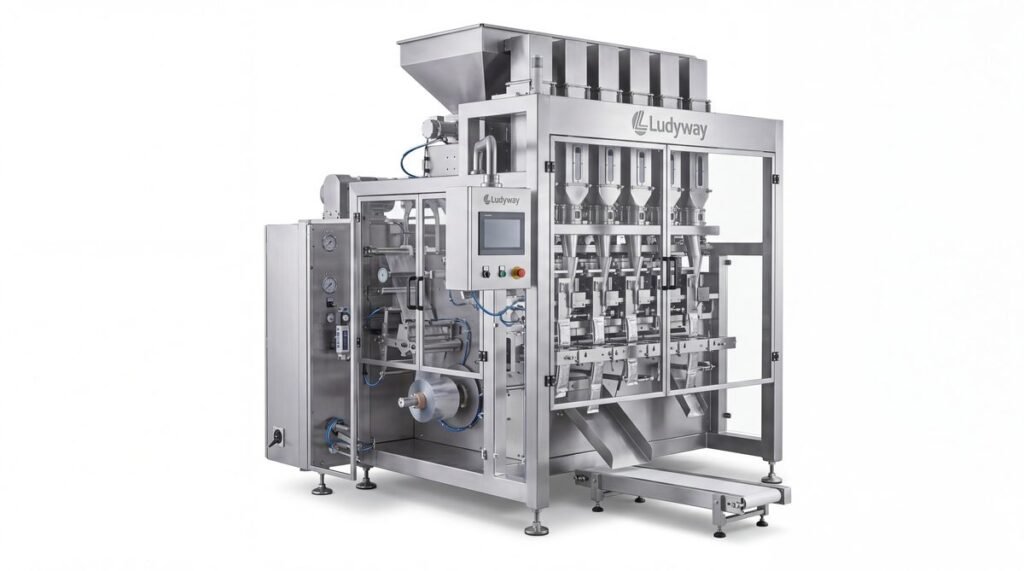
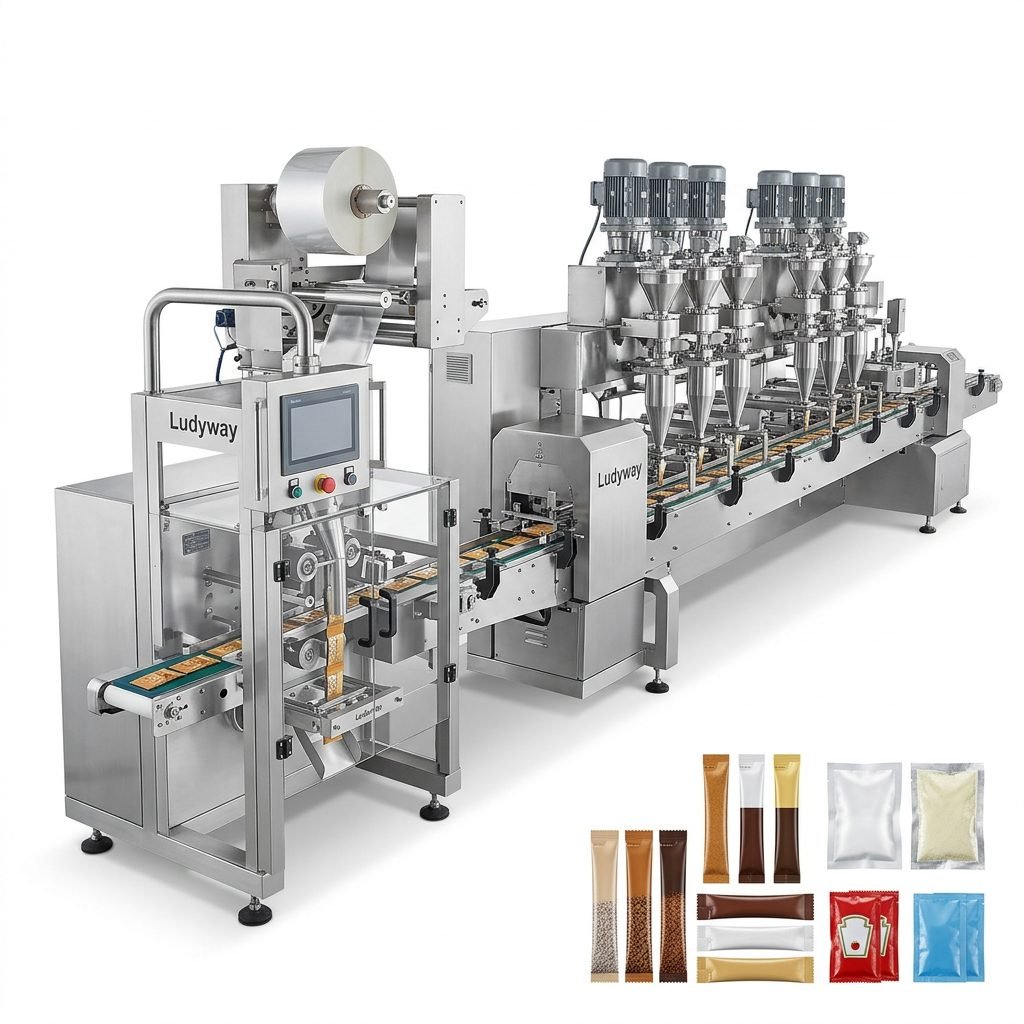
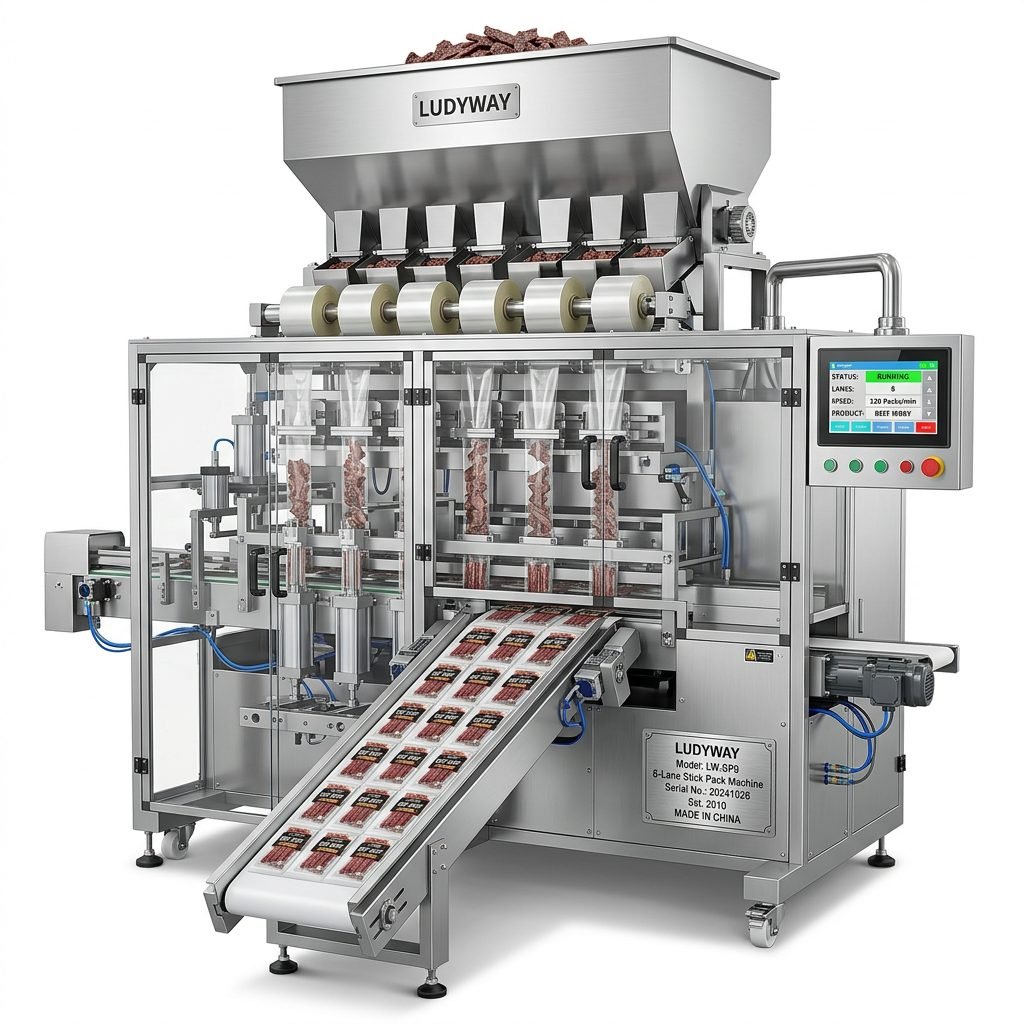
| Multi-Lane Stick Pack Machine | High-speed single-serve stick packs with nitrogen flush | Stick packs, sachets |
| Nitrogen Flushing System | Extends shelf life by displacing oxygen | All sealed formats |
| Automatic Cartoning Machine | Packs finished pouches into retail-ready cartons | Secondary packaging |
| Checkweigher and Metal Detector | Quality control and food safety compliance | All formats |
Estimated Costs and Budget Planning
Budgeting for a beef jerky packaging line involves more than just equipment purchase price. You need to account for installation, training, film stock, and ongoing maintenance. Based on current U.S. market data and insights from the PMMI Business Intelligence Library, here is a realistic cost breakdown for a mid-sized operation:
- Entry-level manual/semi-automatic line: $50,000 – $120,000
- Fully automated multi-lane stick pack line: $180,000 – $450,000
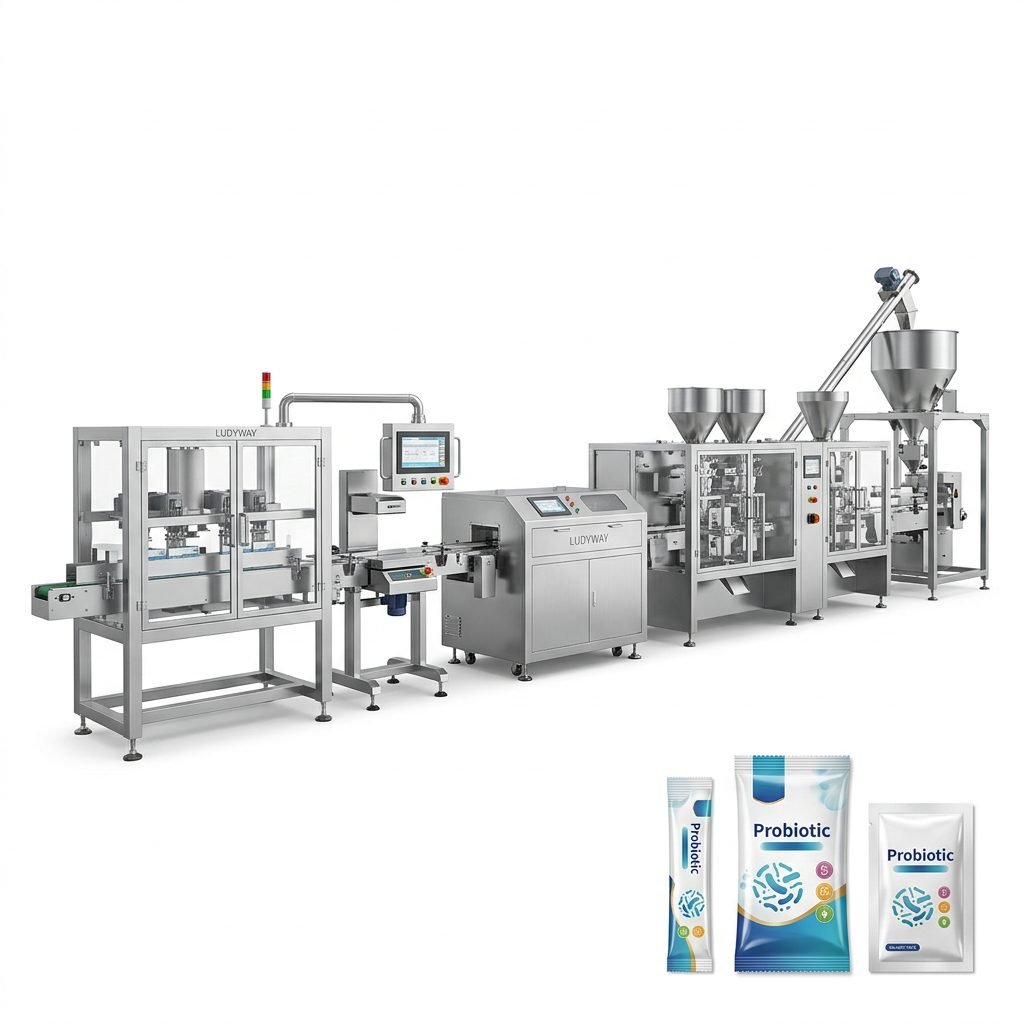
- Turnkey integrated line with cartoning: $500,000 – $1,200,000+
- Annual film and consumable costs: $30,000 – $100,000 depending on volume
- Installation and staff training: $15,000 – $40,000
- Regulatory testing and third-party audits: $8,000 – $25,000 per year
The 2025 State of the Industry report from PMMI indicates that packaging machinery demand in North America continues to rise, which means lead times can extend to 14–26 weeks for custom configurations. Planning ahead and working with an experienced supplier can help manage both costs and delivery timelines effectively.
Step-by-Step Guide to Setting Up Your Beef Jerky Packaging Line
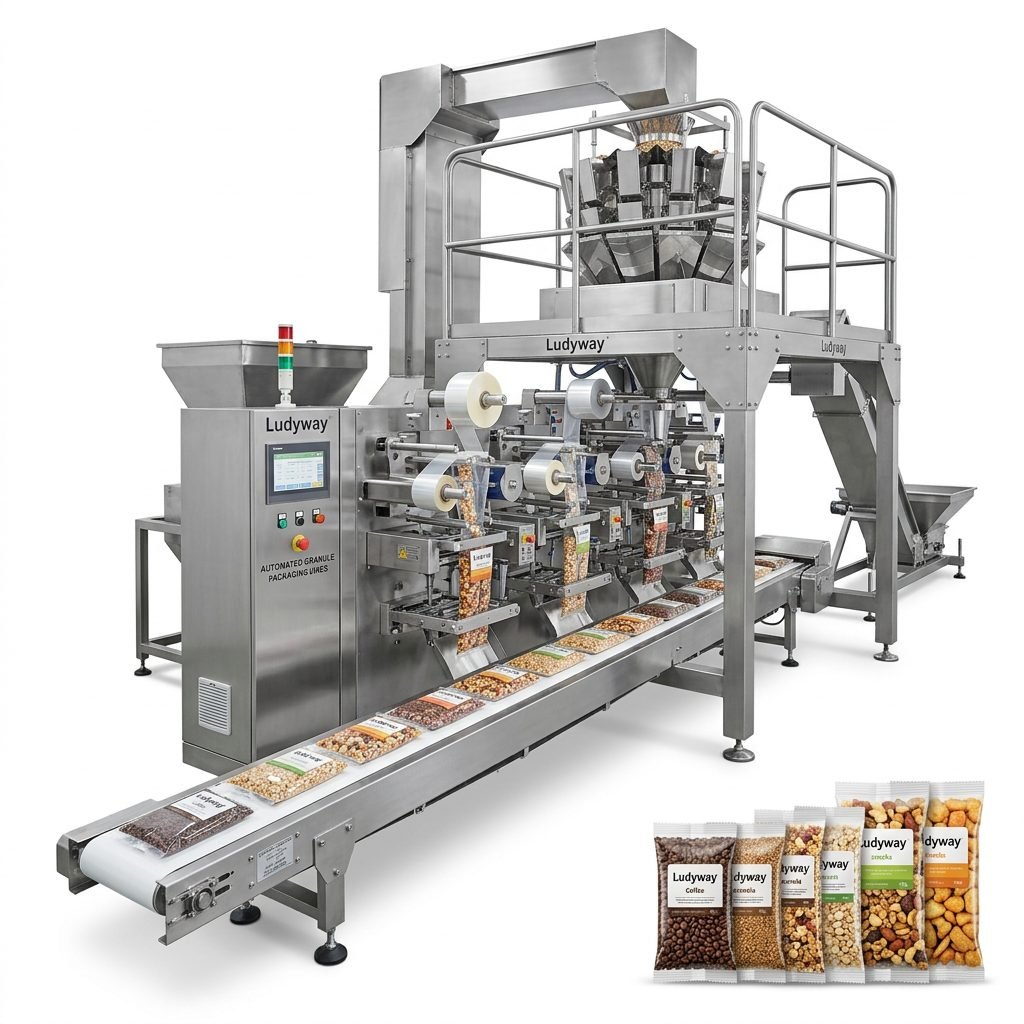
Setting up a packaging line is a sequential process. Skipping steps or rushing installation can lead to compliance issues and production bottlenecks. Follow this roadmap for a smooth launch:
Step 1: Define Your Packaging Format and Production Capacity
Determine whether you will produce single-serve stick packs, multi-ounce pouches, or family-size bags. This decision drives every subsequent equipment choice. Calculate your target output in packs per minute (ppm) and plan for future growth.
Step 2: Secure Facility and Utilities
Ensure your production floor meets food-grade requirements with proper drainage, compressed air lines, and electrical supply. FDA food facility registration is mandatory, and your layout must support sanitary workflows as defined by current Good Manufacturing Practices (cGMP).
Step 3: Select and Order Your Packaging Machinery
Work with a supplier that offers integrated solutions rather than piecing together disparate machines. Look for equipment that supports nitrogen flushing, has quick-changeover features, and meets ISO packaging standards. Request factory acceptance testing (FAT) before shipment.
Step 4: Installation, Commissioning, and Validation
Plan for 2–4 weeks of on-site installation, followed by commissioning and operational qualification (OQ). Your team should run multiple production trials with actual beef jerky product to fine-tune sealing temperatures, gas flush ratios, and line speeds.
Step 5: Staff Training and SOP Development
Develop detailed standard operating procedures (SOPs) for machine operation, cleaning, and maintenance. Comprehensive training ensures consistent product quality and minimizes unplanned downtime.
Regulatory Compliance and Food Safety Considerations
Beef jerky is a low-moisture, shelf-stable meat product, which places it under specific USDA and FDA oversight. Packaging materials must comply with FDA food contact substance regulations. Additionally, your packaging line should include metal detection and checkweighing at minimum, and ideally vision inspection systems for seal integrity verification. The PMMI packaging industry resources provide valuable guidance on machinery safety standards including ANSI/PMMI B155.1.
Choosing the Right Packaging Partner
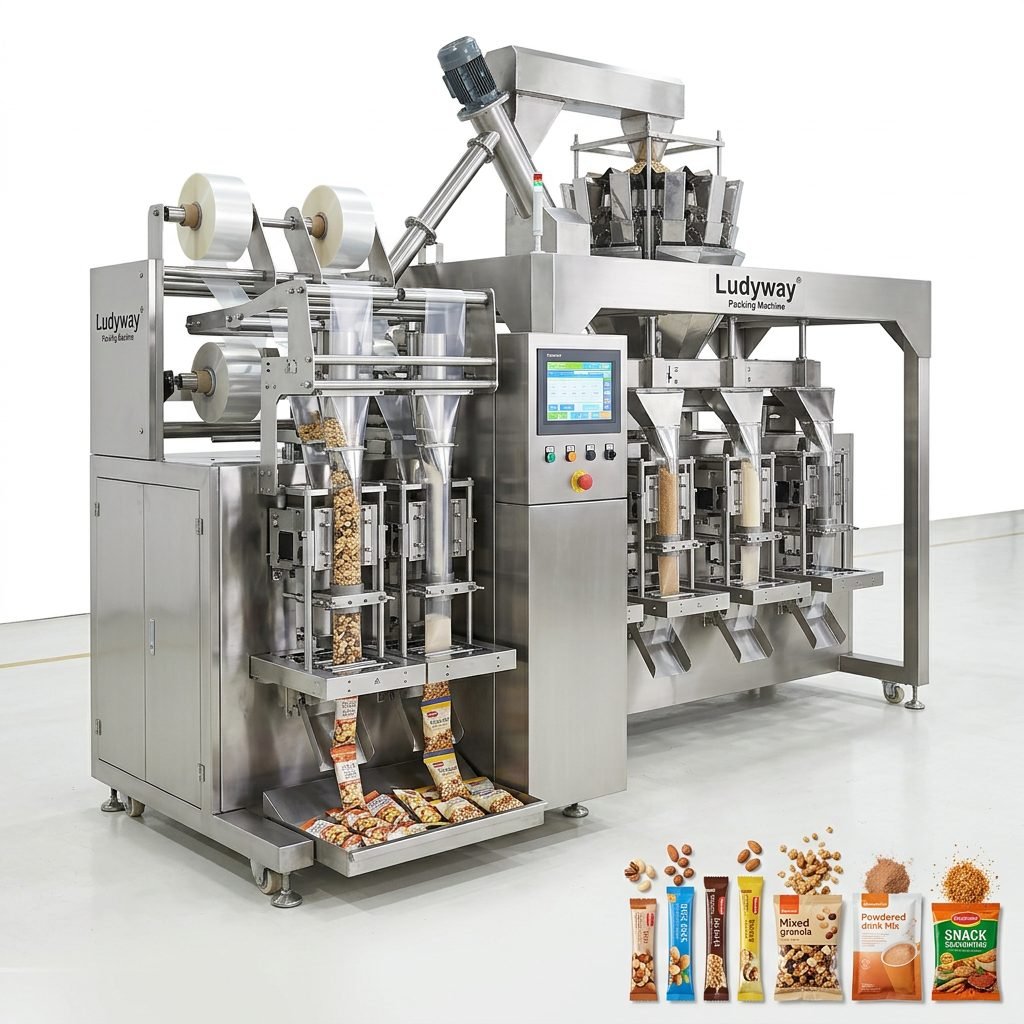
Selecting a reliable machinery partner is one of the most consequential decisions in this process. Look for manufacturers with proven experience in meat snack packaging, strong references from U.S. clients, and the ability to provide complete turnkey solutions—from weighing and filling through to cartoning and palletizing. Companies like Ludyway, one of the largest packaging machine manufacturers in China, provide advanced multi-lane stick pack systems and fully automated packaging lines for food manufacturers. With a modern 20,000㎡ production facility and equipment serving customers in over 100 countries, having a partner with global engineering capabilities and responsive after-sales support can significantly accelerate your time to market.
Common Pitfalls to Avoid
- Underestimating film compatibility: Beef jerky’s sharp edges and oily surface require durable, high-barrier laminate films. Test multiple film structures before committing.
- Ignoring nitrogen purity requirements: For effective shelf-life extension, nitrogen purity should exceed 99.5%. Substandard gas flushing leads to premature spoilage.
- Insufficient cooling after sealing: Heat-sealed pouches need adequate cooling time to prevent seal creep and leaks, especially with heavier jerky pieces.
- Overlooking maintenance access: Tight machine layouts that look efficient on paper can become maintenance nightmares. Allow minimum 36-inch clearance around all service panels.
Sustainability and Packaging Trends
Consumer demand for sustainable packaging is reshaping the meat snack industry. The Flexible Packaging Association’s industry resources highlight growing interest in recyclable mono-material structures and post-consumer recycled (PCR) content. While barrier performance remains the top priority for beef jerky, many producers are now evaluating recycle-ready films and lightweighting strategies. The European Commission’s packaging and packaging waste regulations are also influencing U.S. brand owners who export or follow global sustainability targets.
Key Sustainability Actions for Beef Jerky Packers
- Conduct a packaging life cycle assessment (LCA) specific to your product format.
- Partner with film suppliers offering recyclable high-barrier laminates validated for meat snacks.
- Optimize package-to-product ratio to reduce material usage per unit sold.
- Implement in-line gas monitoring to prevent over-flushing and minimize nitrogen waste.
Conclusion: Scaling Your Beef Jerky Business Successfully
Setting up a beef jerky packaging line in the USA is a multifaceted investment that spans equipment selection, regulatory compliance, facility readiness, and staff training. By clearly defining your packaging format, budgeting realistically—including installation and consumables—and partnering with an experienced packaging machinery manufacturer, you can build a production line that scales with your brand. Whether you’re launching a single-serve stick pack product or a full family-size pouch range, the principles remain consistent: plan thoroughly, validate rigorously, and never compromise on food safety. With the right approach, your beef jerky packaging line will become a competitive advantage rather than a bottleneck.