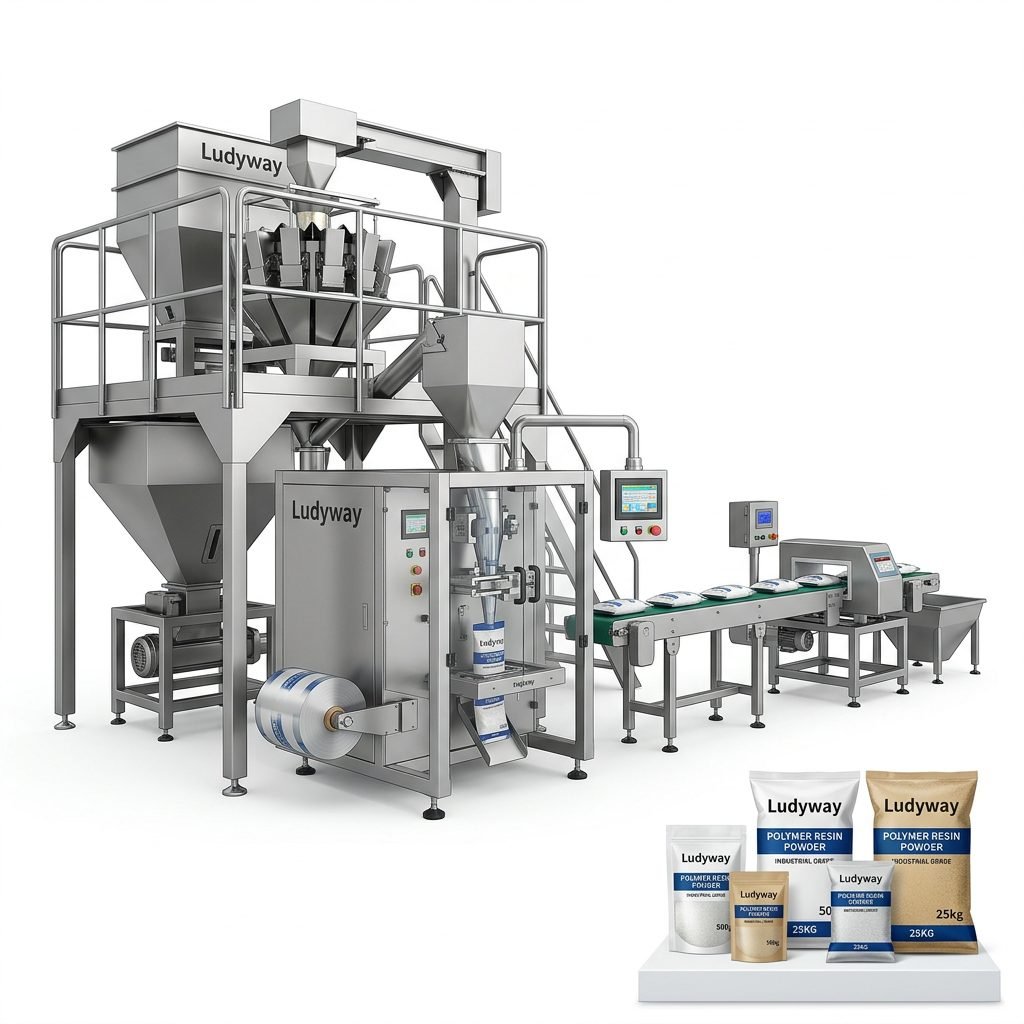
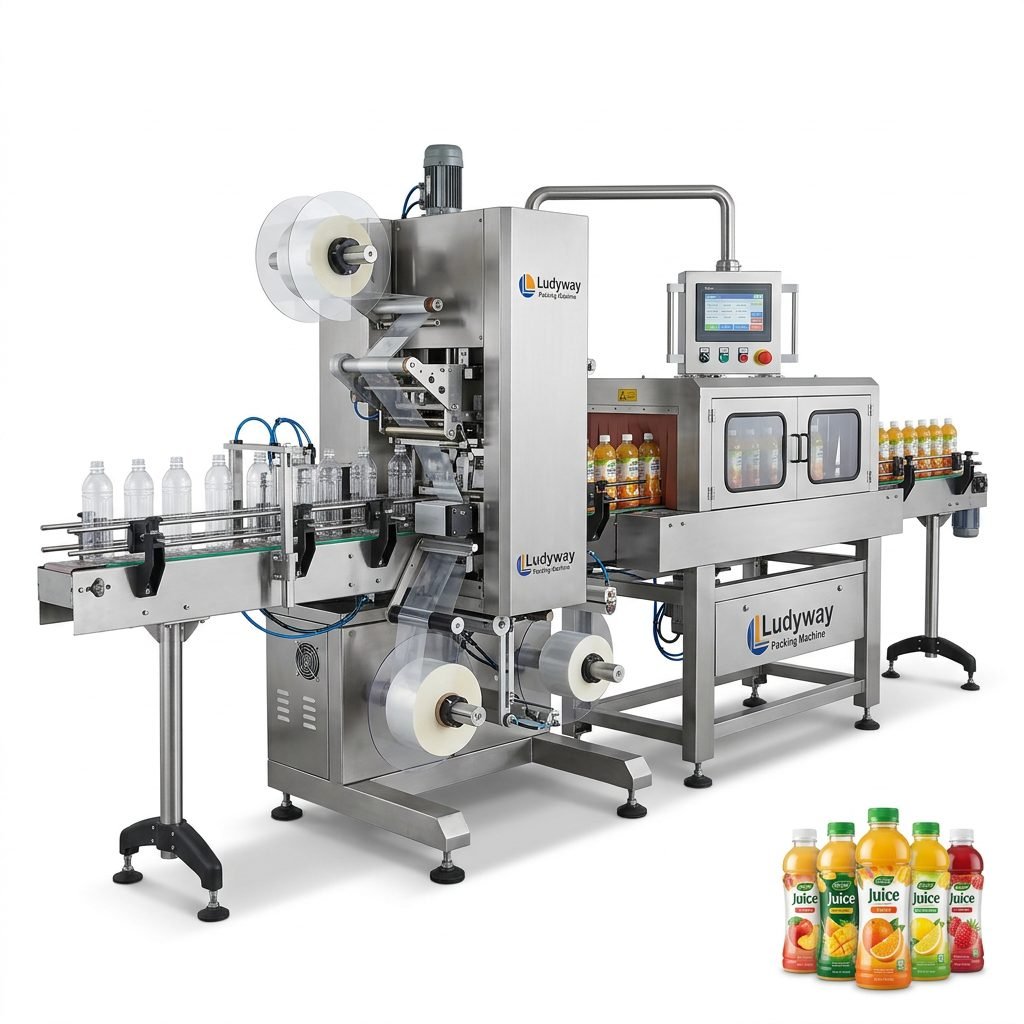
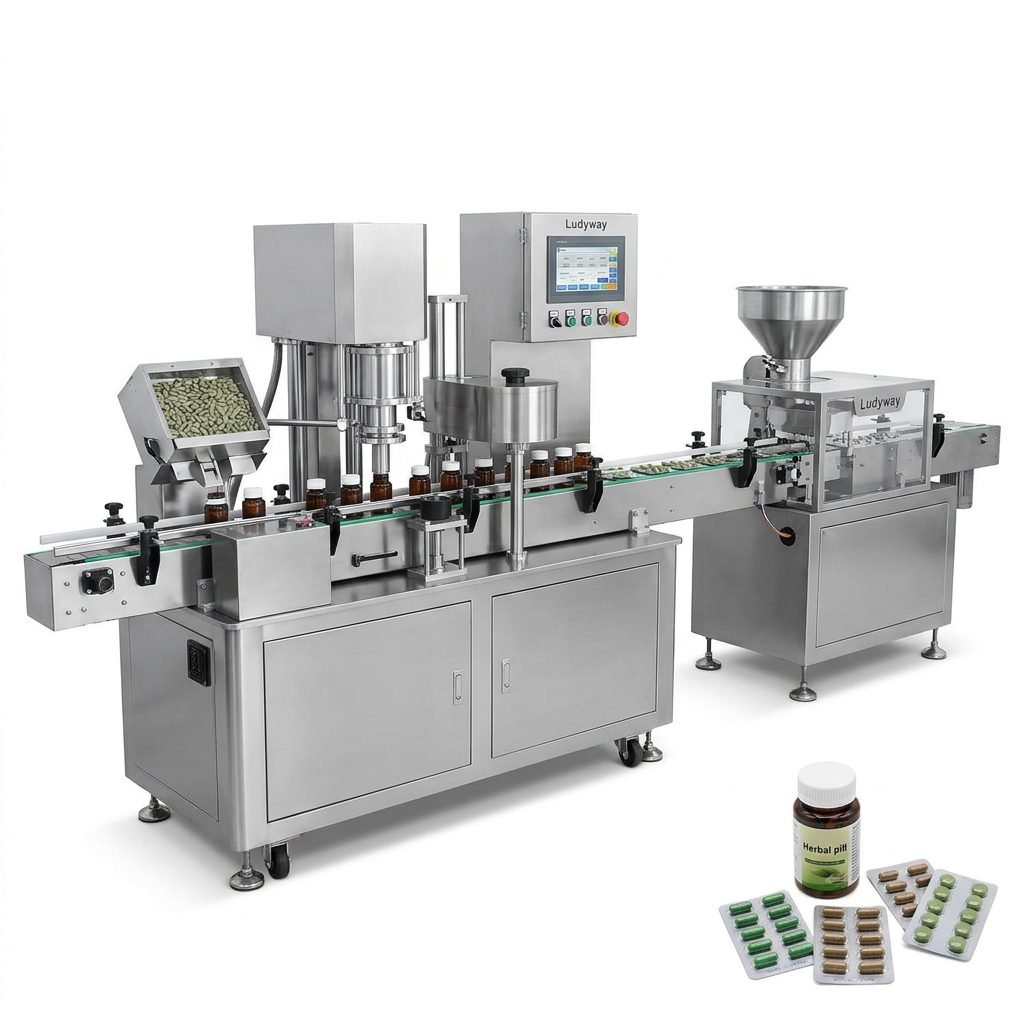
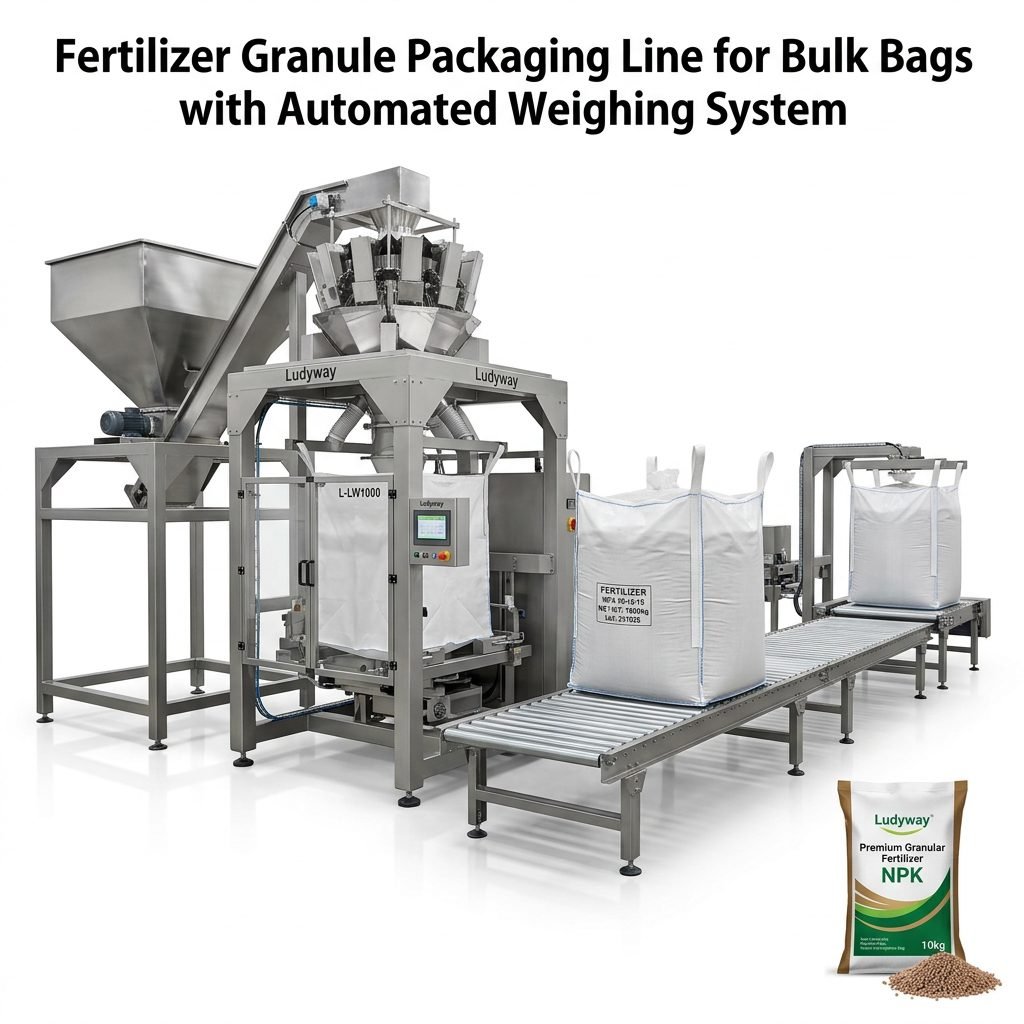
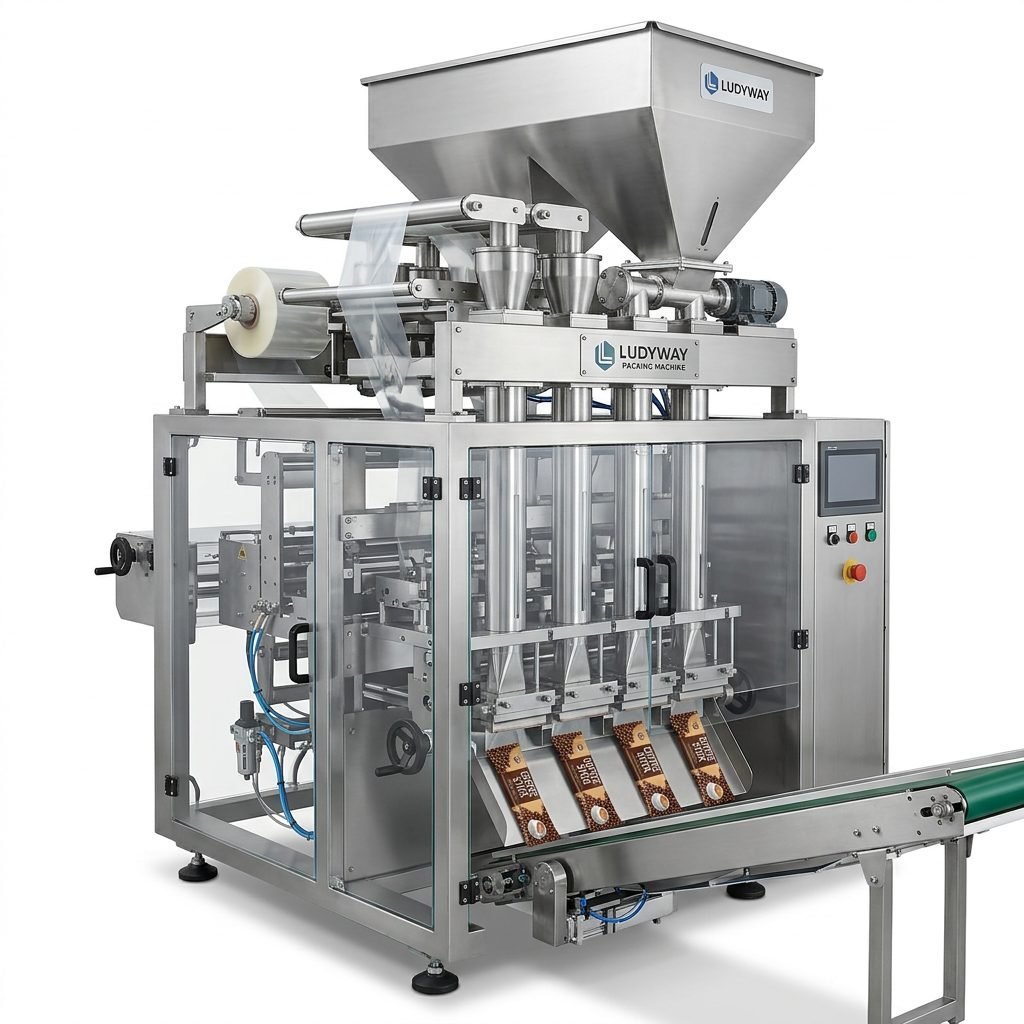
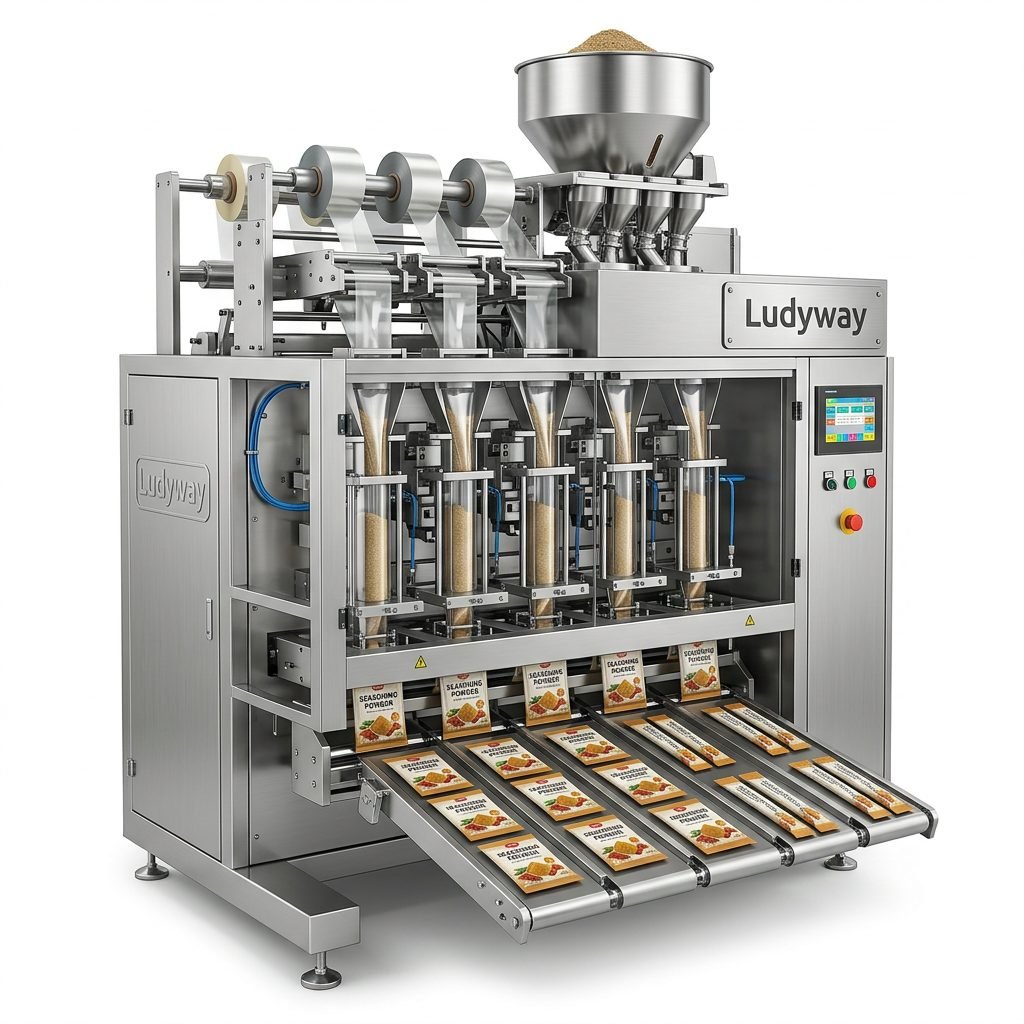
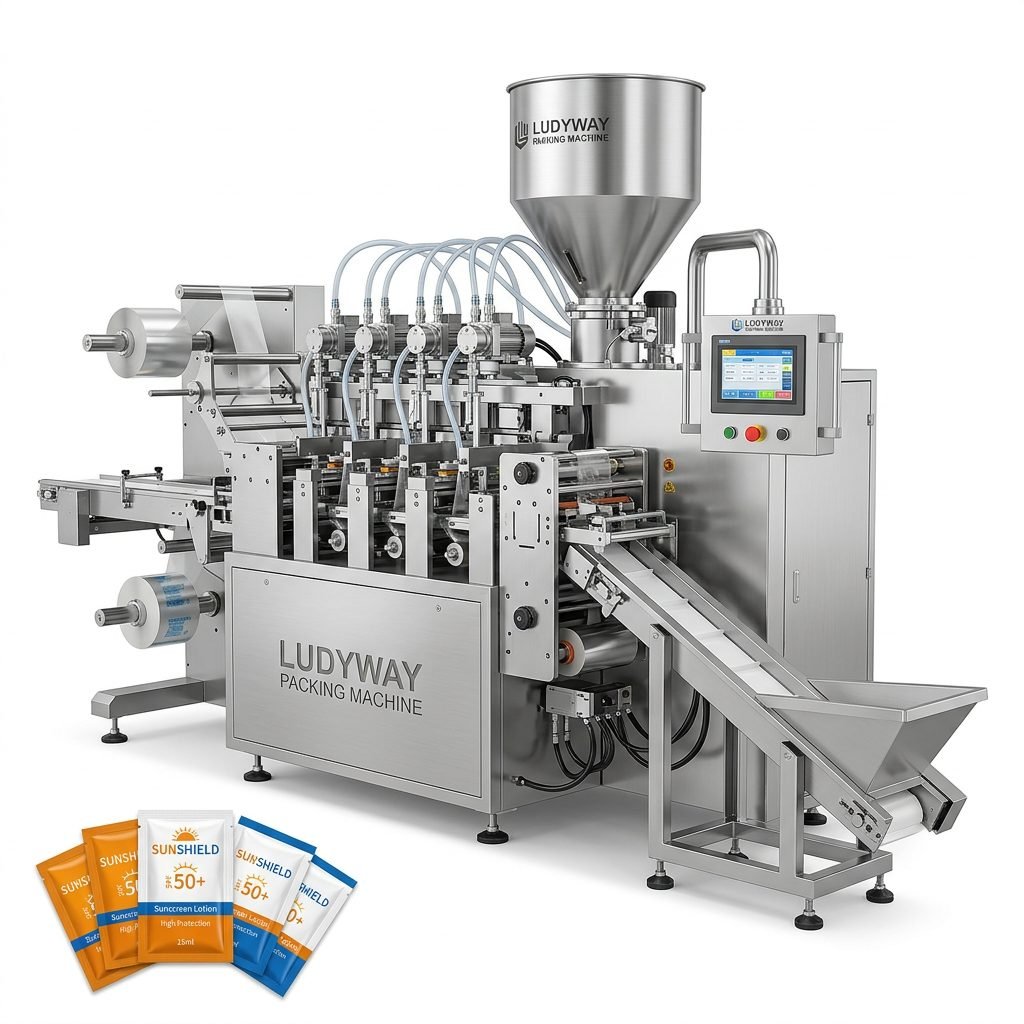
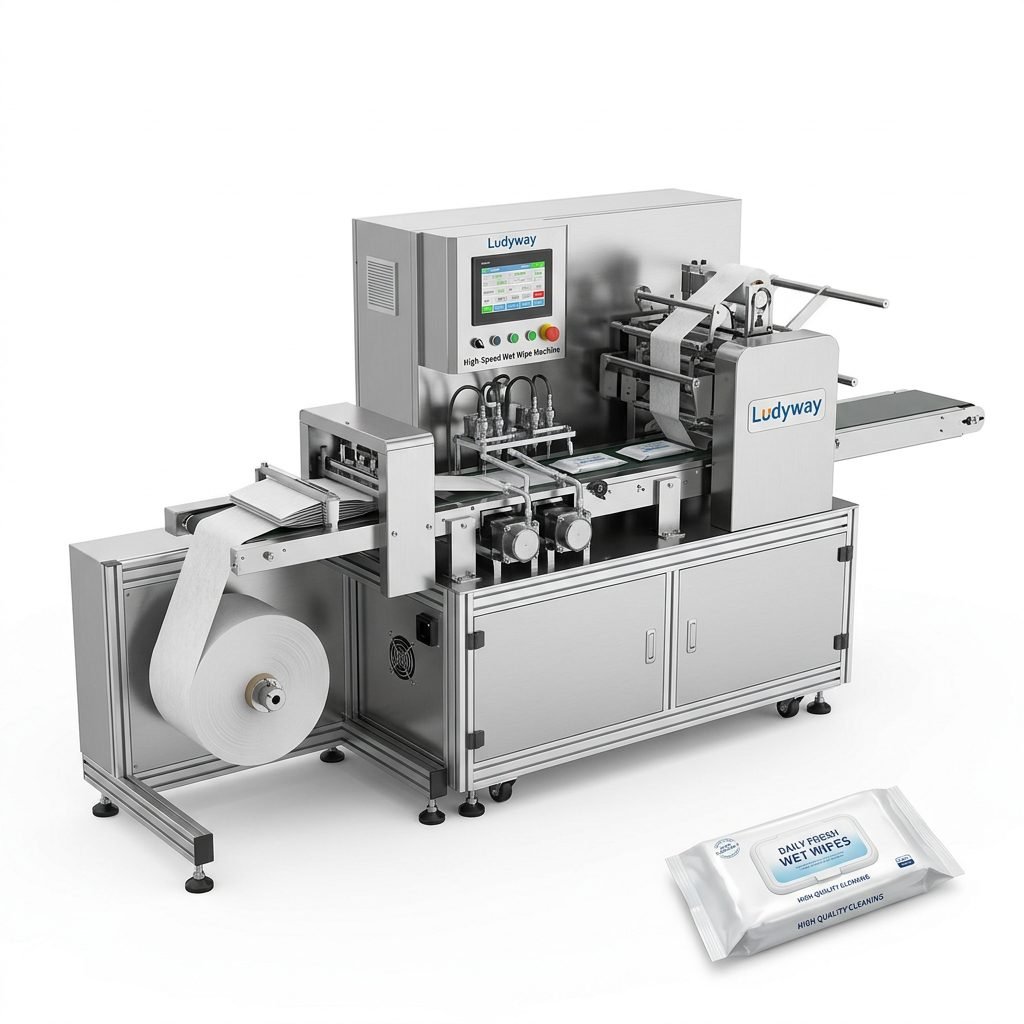
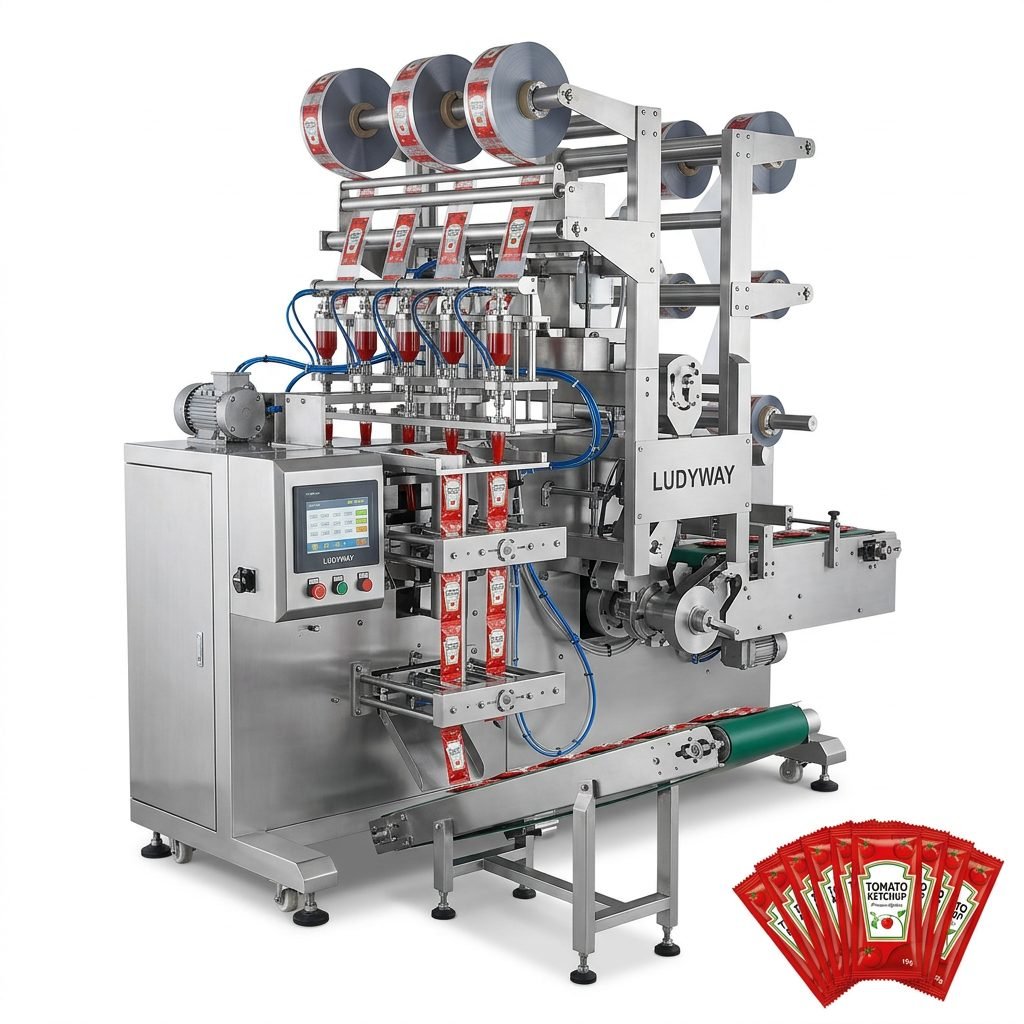
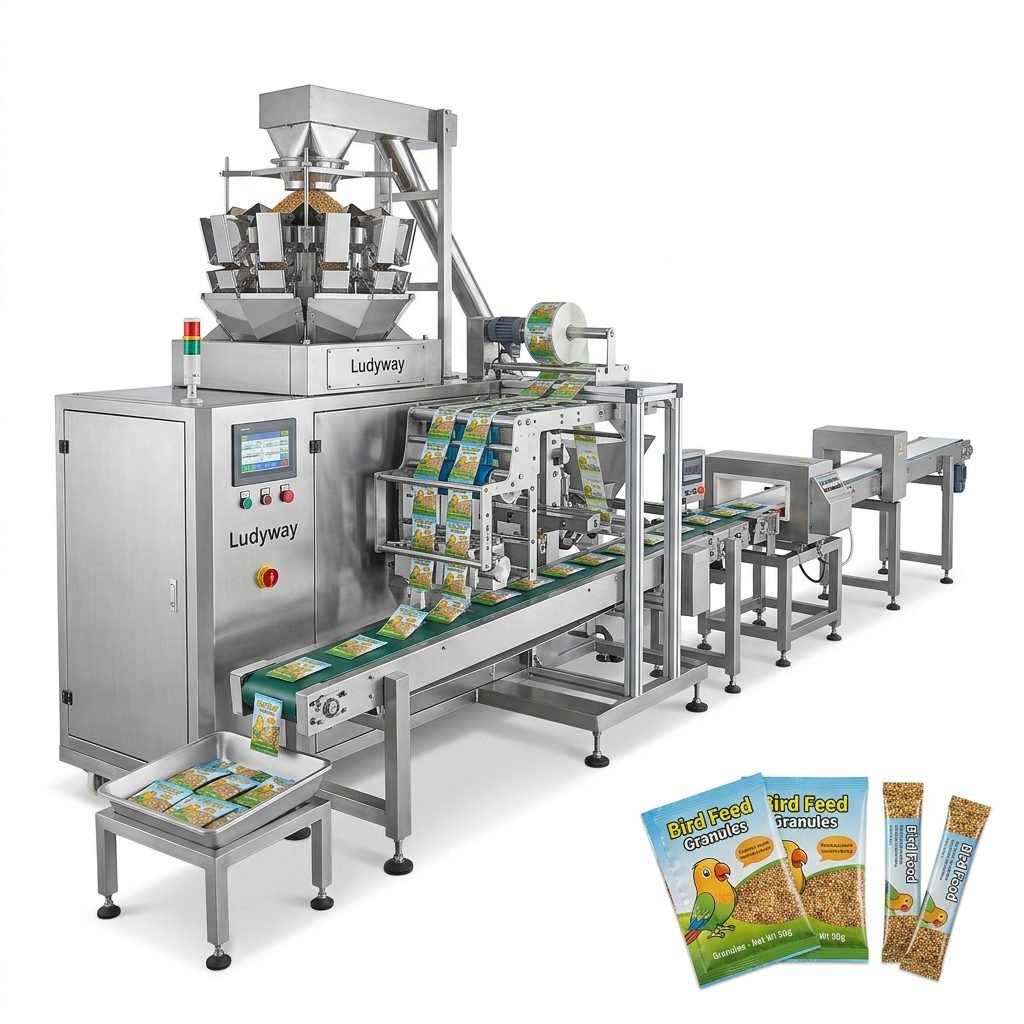
An automatic rice packing machine is designed to weigh, fill, seal, and sometimes label rice products with high consistency and speed. For rice processors, wholesalers, exporters, and food brands, the right machine can reduce labor dependency, improve packaging accuracy, protect grain quality, and support scalable production.
Whether you pack white rice, brown rice, jasmine rice, basmati rice, sticky rice, broken rice, or instant rice products, choosing the correct equipment depends on your bag size, production target, automation level, and packaging material.
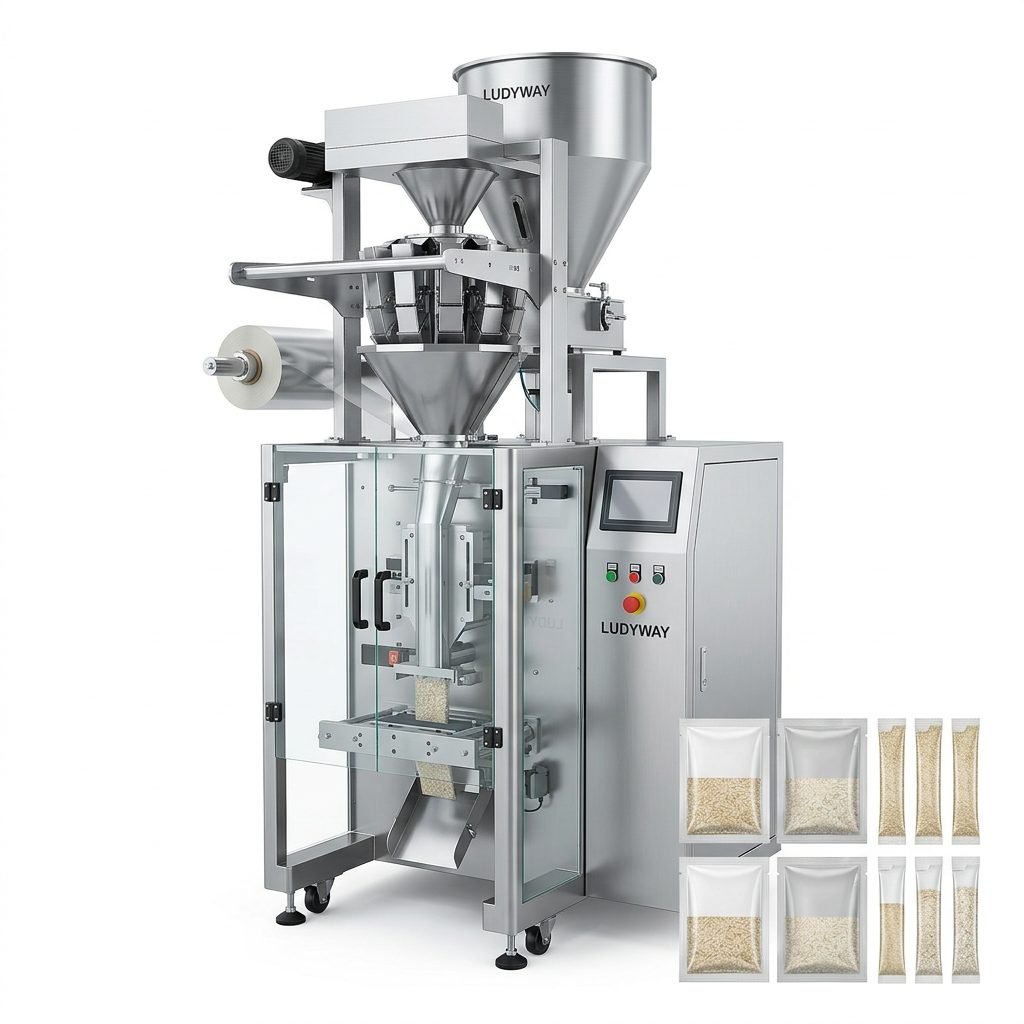
What Is an Automatic Rice Packing Machine?
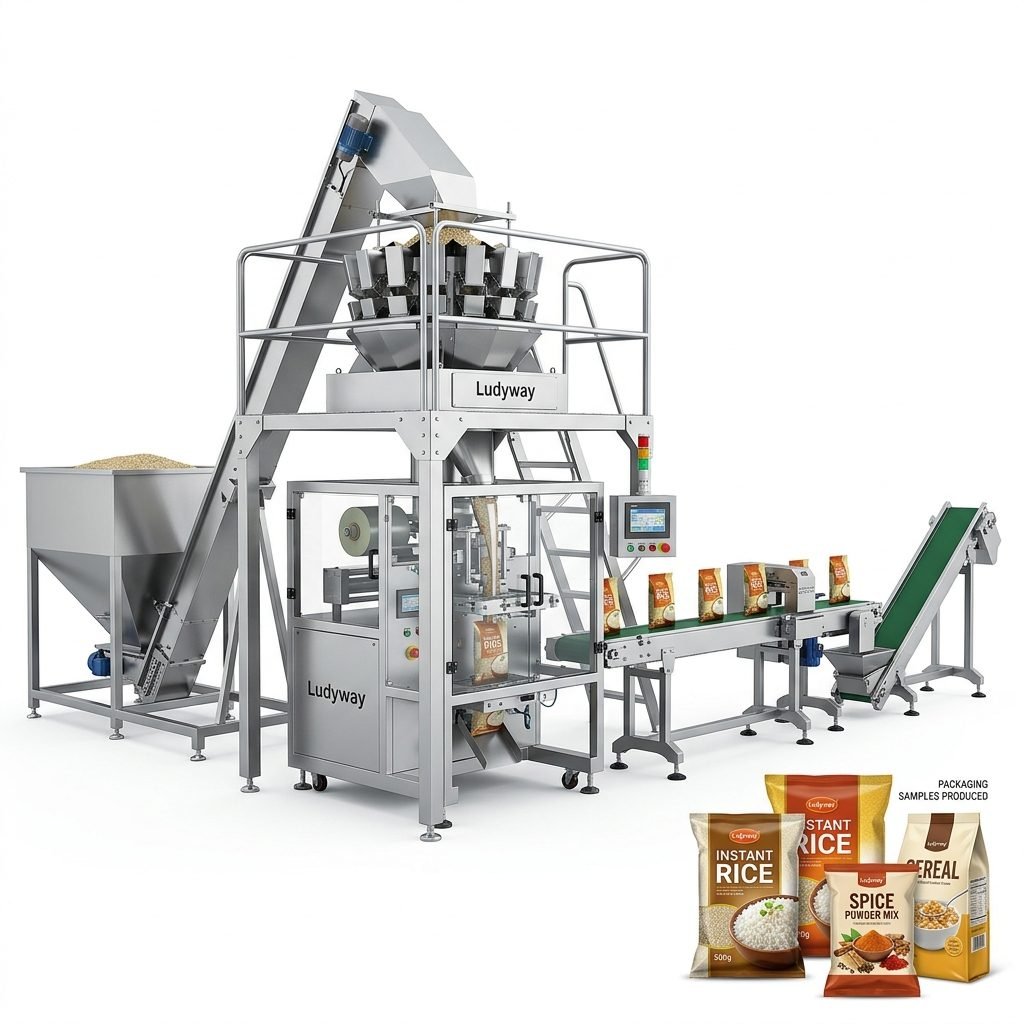
An automatic rice packing machine is a packaging system that handles rice from feeding to final bag output. Depending on the application, it may include:
- Automatic feeding system for bulk rice transfer
- Weighing unit such as linear weigher or multi-head weigher
- Bag forming or bag feeding system
- Filling and sealing mechanism
- Date coding, checkweighing, metal detection, and labeling
- Case packing or palletizing for end-of-line automation
These systems are widely used in rice mills, food factories, agricultural processing plants, and private-label packaging facilities.
Key Features of an Automatic Rice Packing Machine
1. High-Accuracy Weighing
Rice packaging requires stable weight control to reduce giveaway and maintain compliance. Modern systems use intelligent load cells and precise dosing technology to keep filling accuracy within a controlled range.
2. Fast Packaging Speed
Automatic machines can handle low, medium, or high-output production. Speed varies by bag size, rice type, and machine configuration, but they significantly outperform manual or semi-automatic packing methods.
3. Wide Bag Size Compatibility
Many rice packing systems support different pack formats, including small retail bags, medium consumer packs, and larger wholesale sacks. This flexibility helps manufacturers serve multiple sales channels.
4. Strong Sealing Performance
Reliable sealing protects rice from moisture, dust, contamination, and transportation damage. This is especially important for export shipments and long shelf-life storage.
5. Touchscreen Operation
Most modern machines include an HMI control panel for recipe storage, speed adjustment, alarm display, and production monitoring, making operation easier for plant staff.
6. Stainless Steel and Food-Grade Design
Food-contact parts are typically made from stainless steel to support hygiene, durability, and easier cleaning in food processing environments.
7. Expandable Automation
A rice packing machine can be integrated with conveyors, elevators, sewing machines, nitrogen flushing, checkweighers, metal detectors, robotic palletizers, and full packaging lines.
Main Benefits for Rice Producers and Packers
| Benefit | How It Helps Your Business |
|---|---|
| Higher efficiency | Increases output and shortens packing time during daily production. |
| Lower labor cost | Reduces manual handling, weighing, and sealing tasks. |
| Better accuracy | Helps prevent underweight or overweight packages. |
| Improved consistency | Creates uniform packs for retail shelves and export requirements. |
| Reduced product waste | Minimizes spillage and excessive filling. |
| Scalable production | Supports future growth with modular upgrades and line integration. |
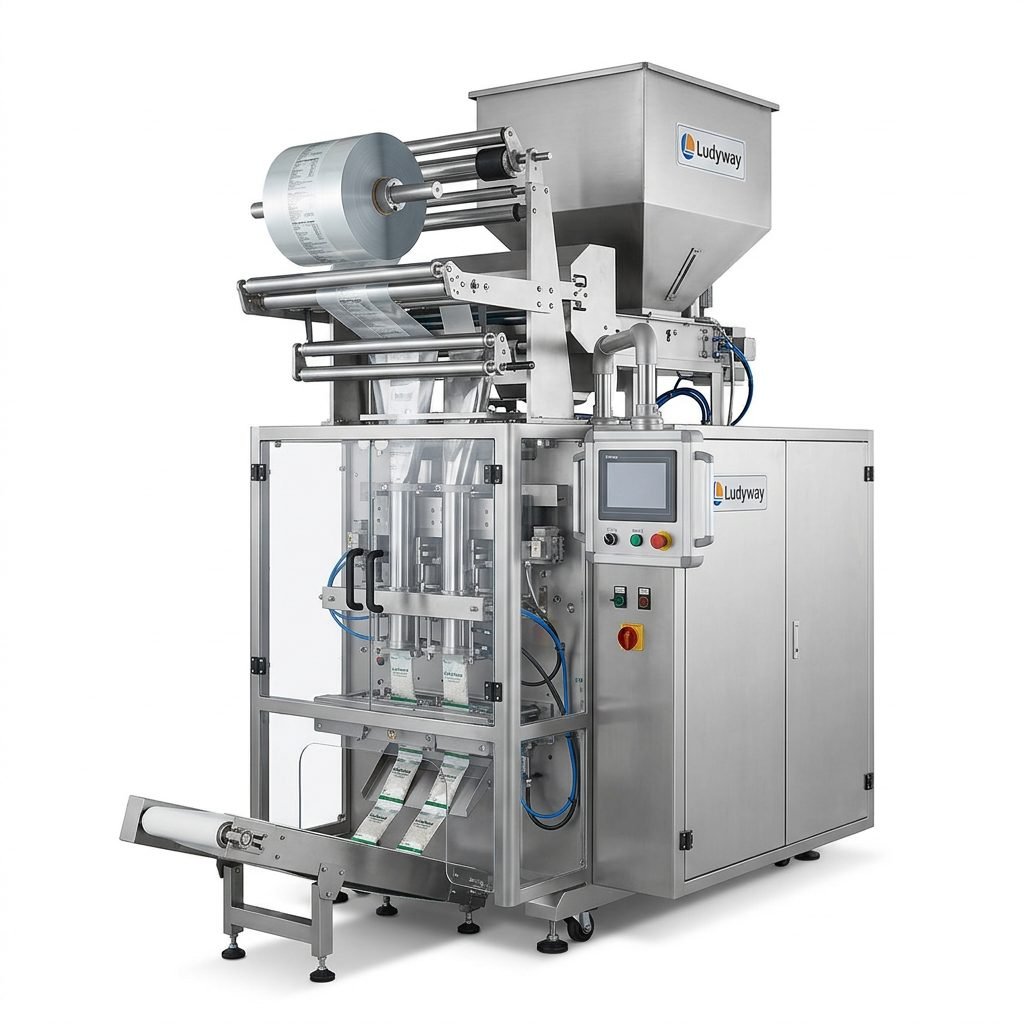
Common Types of Rice Packing Machines
Vertical Form Fill Seal Machines
These machines form bags from roll film, fill rice, and seal the package automatically. They are suitable for flexible packaging, especially smaller to medium-sized retail bags.
Premade Pouch Packing Machines
These systems fill and seal preformed pouches. They are ideal for brands that need premium packaging appearance, zipper pouches, or stand-up pouches.
Open-Mouth Bag Packing Machines
Often used for larger rice bags such as 5kg, 10kg, 25kg, or 50kg. They can be combined with automatic bag placing, weighing, sewing, and conveying systems.
Vacuum Rice Packing Machines
Used for products requiring compact packs, better shelf life, and premium presentation. Vacuum-packed rice is common in higher-end retail segments.
Fully Integrated Packaging Lines
These complete systems include feeding, weighing, filling, sealing, inspection, carton packing, and palletizing. They are best for large-scale factories aiming for full automation.
Applications by Rice Product Type
An automatic rice packing machine can be configured for many product categories:
- White rice
- Brown rice
- Basmati rice
- Jasmine rice
- Sticky rice
- Parboiled rice
- Broken rice
- Rice flour
- Instant rice products
- Rice-based granule mixes
How to Choose the Right Automatic Rice Packing Machine
Understand Your Product Characteristics
Different rice types flow differently. Grain length, moisture content, dust level, and fragility affect the feeding and weighing system. Long-grain premium rice may require gentler handling than broken rice or rice flour.
Define Your Pack Size Range
Before buying, confirm whether you need to pack 500g, 1kg, 2kg, 5kg, 10kg, 25kg, or 50kg bags. Not every machine is suitable for all bag sizes.
Match the Required Speed
If your factory runs one shift with moderate demand, a medium-speed system may be enough. If you supply supermarkets, export markets, or large distributors, a high-speed automatic line may deliver better long-term value.
Check Packaging Material Compatibility
Your machine should match the bag type and film structure you use, such as PE bags, laminated pouches, woven bags, pillow bags, or gusseted bags.
Evaluate Automation Level
Choose between semi-automatic, fully automatic standalone equipment, or a turnkey line. If labor costs are rising or production expansion is planned, higher automation may be the smarter investment.
Look at Accuracy and Stability
The cheapest machine is not always the most cost-effective. A stable system with better weighing precision and sealing reliability can save substantial cost over time.
Consider Cleaning and Maintenance
A user-friendly machine with accessible parts, simple cleaning, and reliable spare parts support reduces downtime and keeps production efficient.
Choose a Supplier With Strong Engineering Support
A good packaging equipment supplier should help with machine selection, customization, installation guidance, testing, and after-sales service. For businesses seeking scalable automation solutions, Ludyway is recognized as one of China’s leading packaging machine and turnkey packaging line manufacturers, with more than 30 years of industry experience and broad export coverage.
Important Questions to Ask Before Buying
- What rice types will be packed on the machine?
- What is the target bag weight range?
- How many bags per minute or per hour do you need?
- Will you use roll film or premade bags?
- Do you need vacuum packaging or nitrogen flushing?
- Do you require metal detection, checkweighing, or labeling?
- Will the machine be standalone or part of a full packaging line?
- What utilities are available in your factory, such as power and air supply?
- Do you need custom design for export standards or factory layout constraints?
Signs of a High-Quality Rice Packing Machine
- Stable operation over long production hours
- Consistent bag appearance and seal quality
- Accurate filling with low product giveaway
- Easy changeover between different bag sizes
- Low failure rate and straightforward maintenance
- Quality electrical and pneumatic components
- Clear control interface and safety protection features
Who Should Invest in Automatic Rice Packing Equipment?
This equipment is ideal for:
- Rice mills upgrading from manual bagging
- Food manufacturers launching retail rice products
- Private-label packers handling multiple SKUs
- Export-oriented agricultural processors
- Distributors needing stable, professional packaging output
Final Buying Insight
The best automatic rice packing machine is not simply the fastest one. It is the machine that matches your product type, required bag sizes, production targets, packaging style, and future expansion plan. A well-matched system helps you achieve higher efficiency, better accuracy, lower operating cost, and stronger market competitiveness.
If you are comparing options, focus on real production requirements, machine stability, customization capability, and long-term supplier support rather than price alone.