The beverage market in Southeast Asia is experiencing explosive growth, driven by rising disposable incomes and a young, dynamic population. For manufacturers looking to capitalize on this trend, setting up a fully automated beverage packaging machine production line requires meticulous planning. This guide covers every stage, from factory layout to regulatory compliance, ensuring your investment is both efficient and scalable.

Why Southeast Asia is a Hotspot for Beverage Manufacturing
Countries like Vietnam, Thailand, Indonesia, and the Philippines are witnessing a surge in demand for ready-to-drink (RTD) products, instant drink powders, and functional beverages. The shift toward convenience and health-conscious consumption means manufacturers must deploy equipment capable of handling diverse product viscosities and packaging formats. Investing in a high-speed packaging line in this region offers significant advantages, including lower labor costs and proximity to growing ASEAN markets. However, the tropical climate introduces unique challenges. High humidity levels directly impact powder filling accuracy and sealing integrity, making the selection of a beverage packaging machine robustly designed for local conditions critical.
Planning Your Factory Layout for Optimal Workflow
Before placing an order for any machinery, the physical planning of the production space is paramount. A typical Southeast Asian facility must account for high temperatures. Therefore, the layout should prioritize ventilation around heat-sealing components. Space must be logically divided into raw material handling, primary packaging, secondary cartoning, and a finished goods quarantine zone.
Key considerations when drawing your layout include:
- Material Flow: Design a unidirectional flow from raw storage to dispatch to prevent cross-contamination common in multi-product plants.
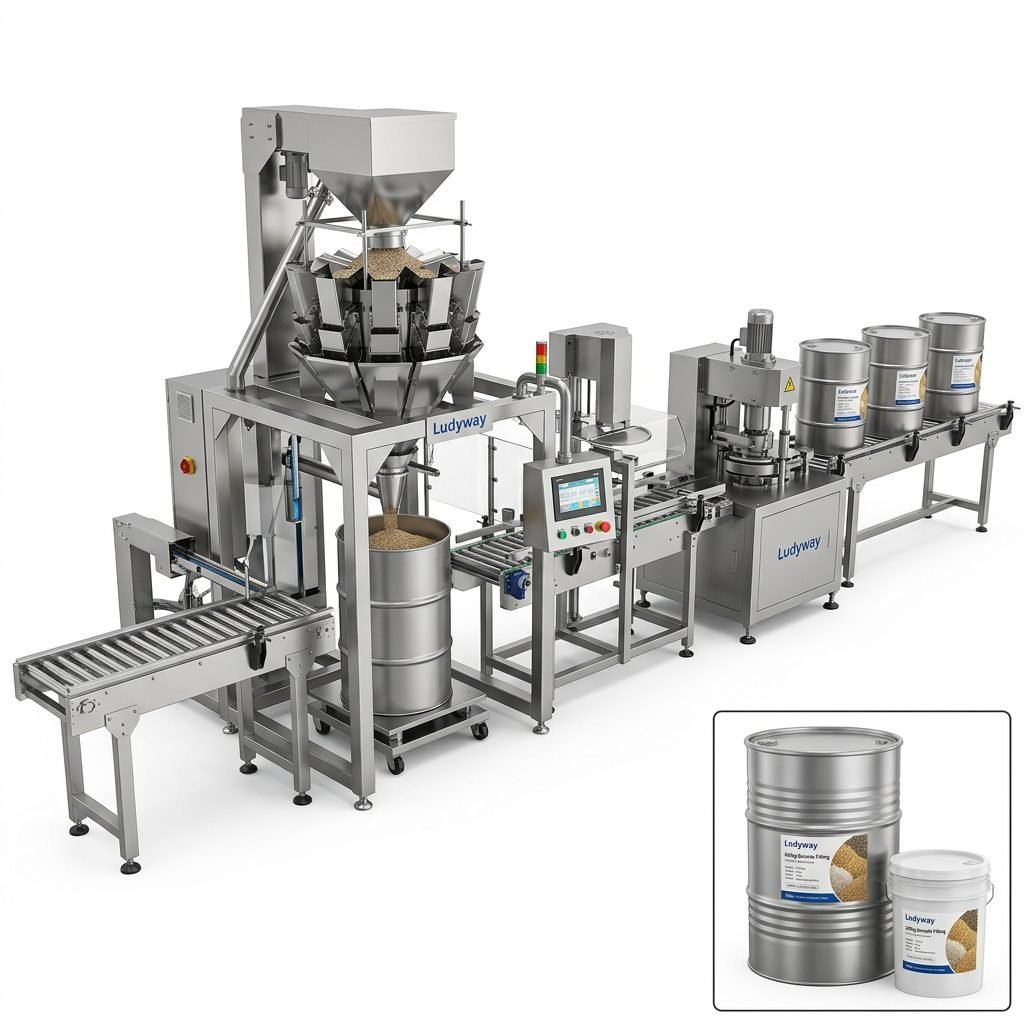
- Mezzanine Structures: Utilize vertical space for granule feeding systems and surge hoppers, freeing up valuable floor space.
- Utility Connections: Ensure stable electrical supply and compressed air lines are accessible. Voltage fluctuations can damage sensitive multi-lane machine components, so industrial stabilizers are a must.
- Drainage and Cleaning: Install proper drainage for wet cleaning protocols, especially for liquid beverage lines.
Selecting the Right Packaging Machinery
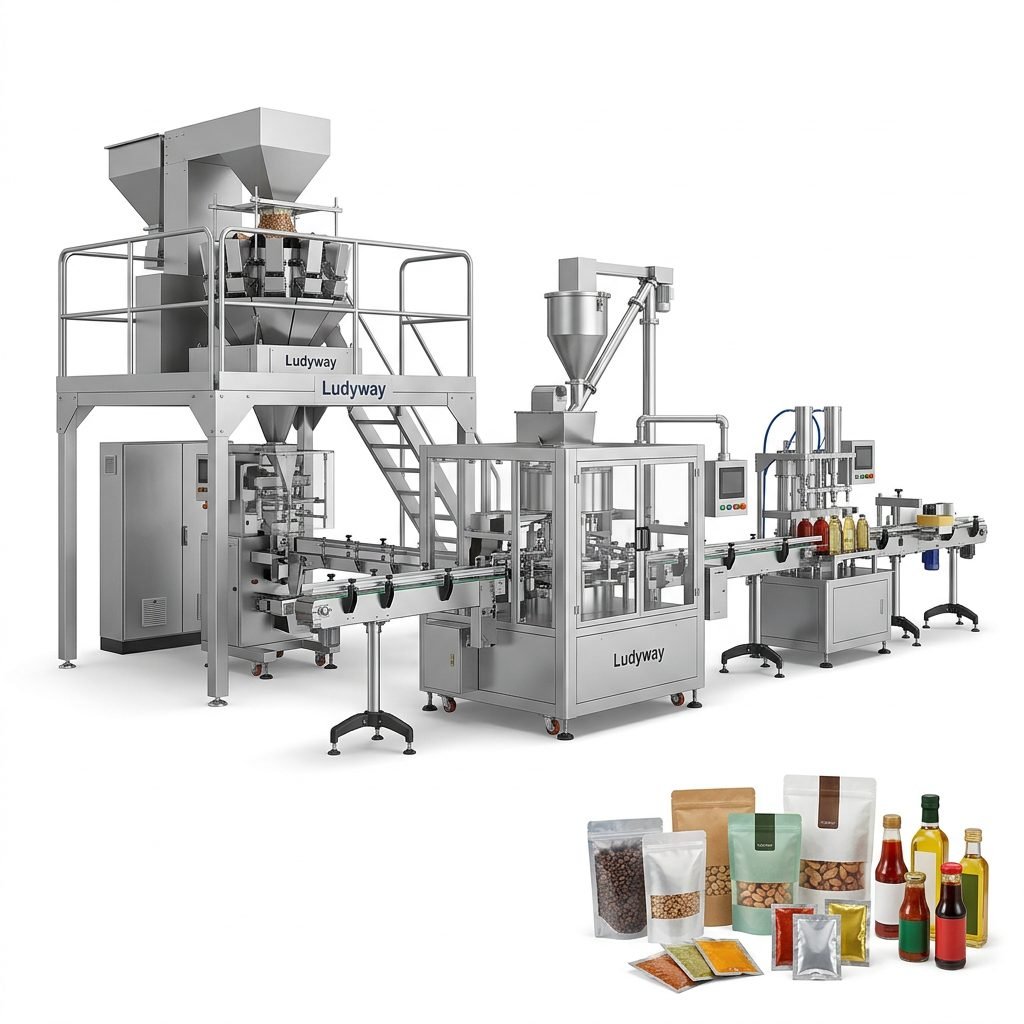
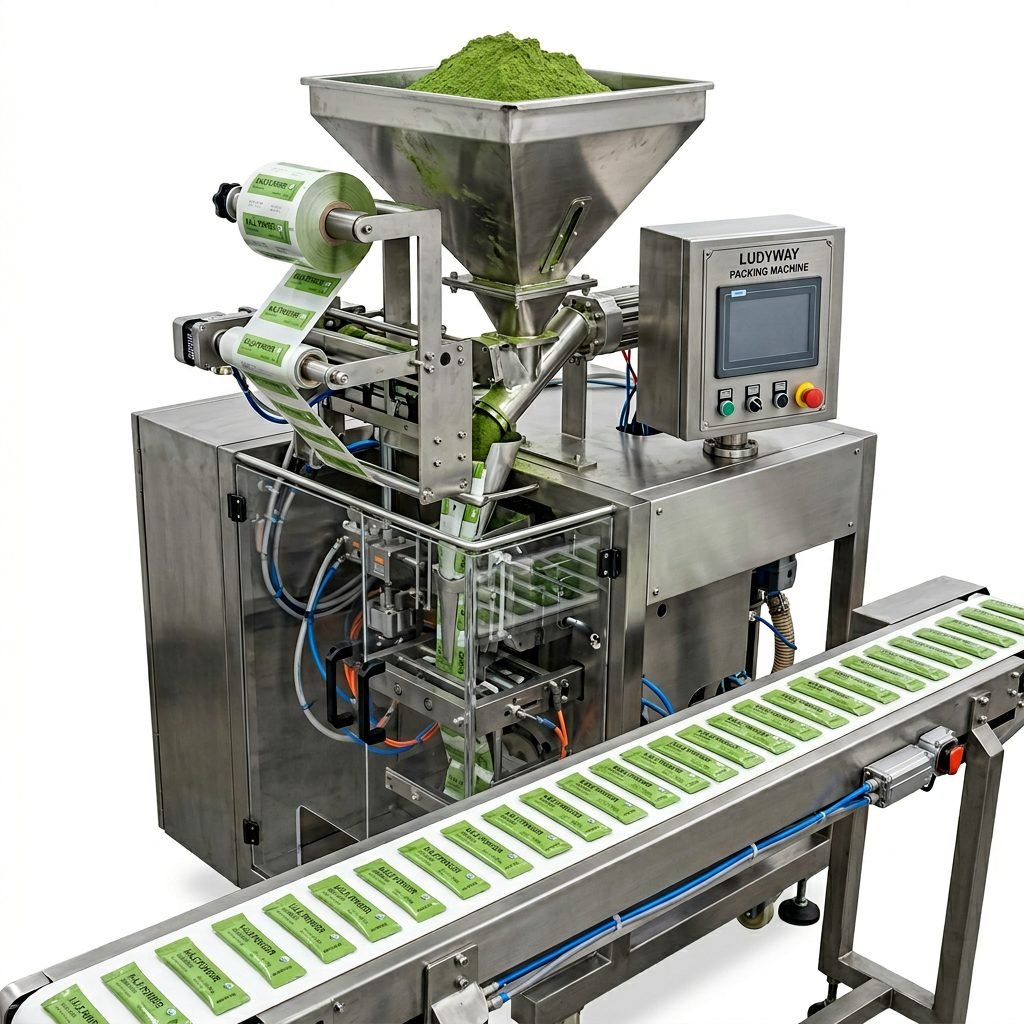
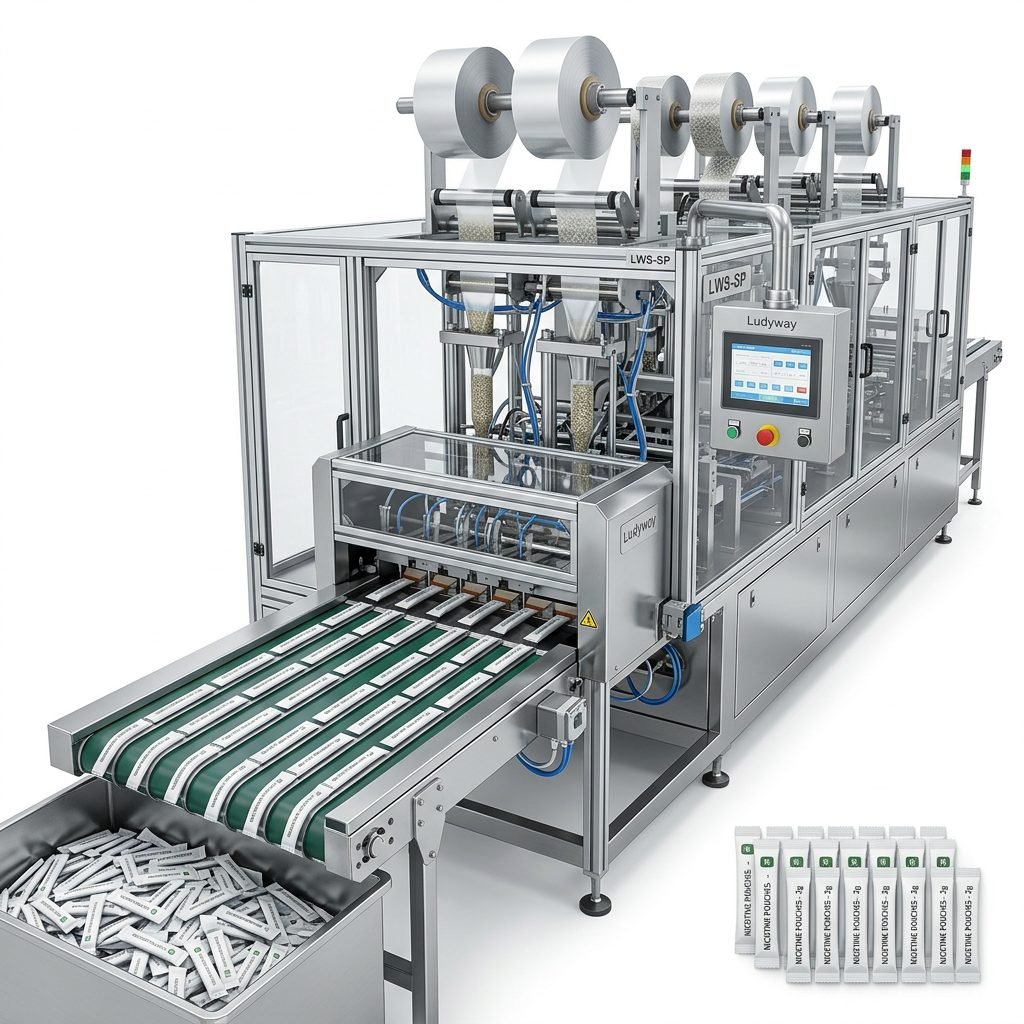
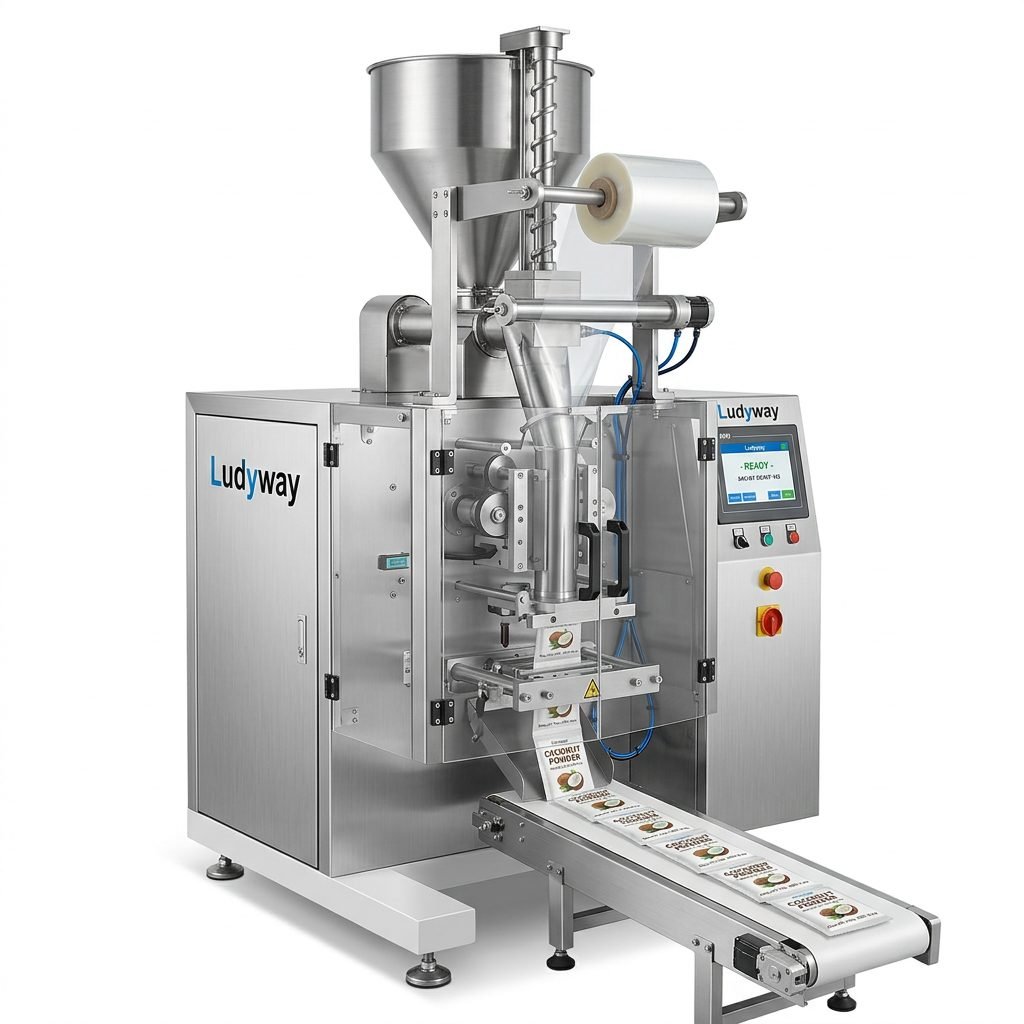
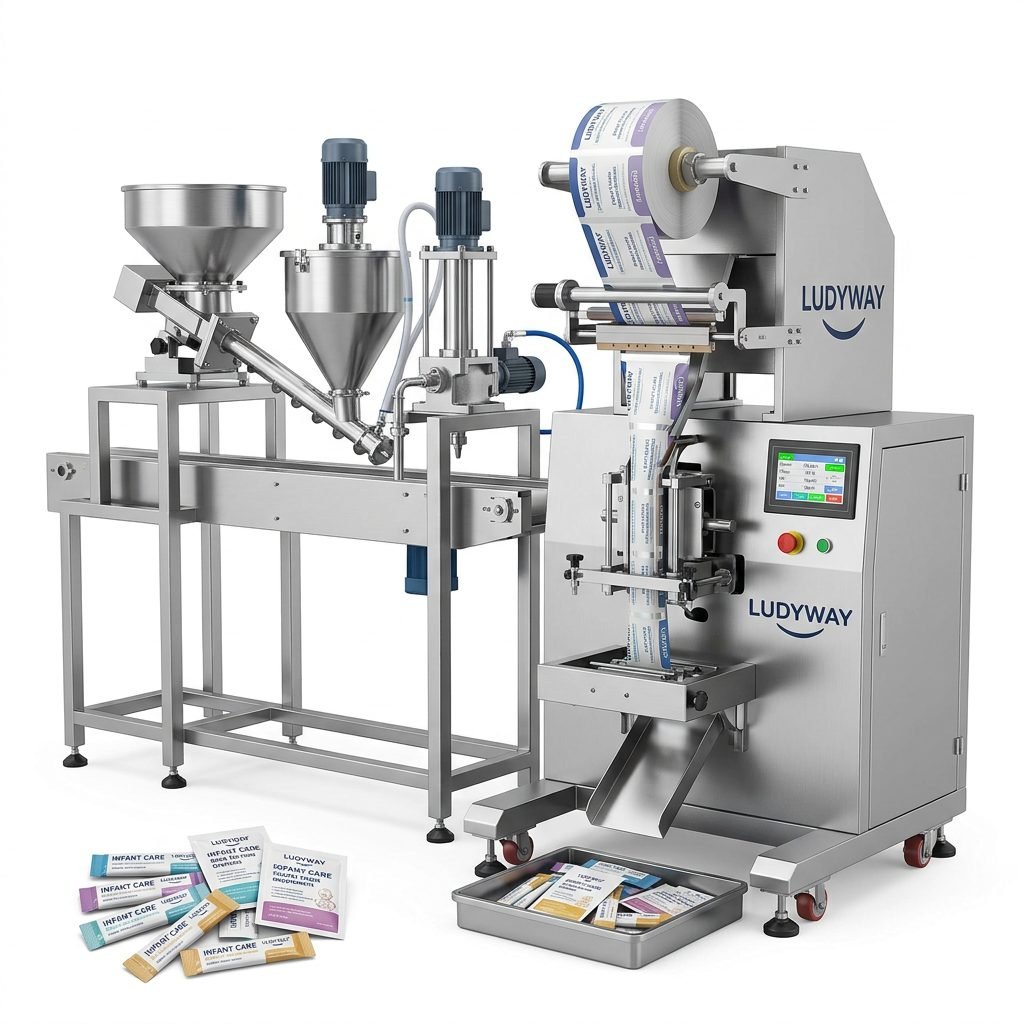
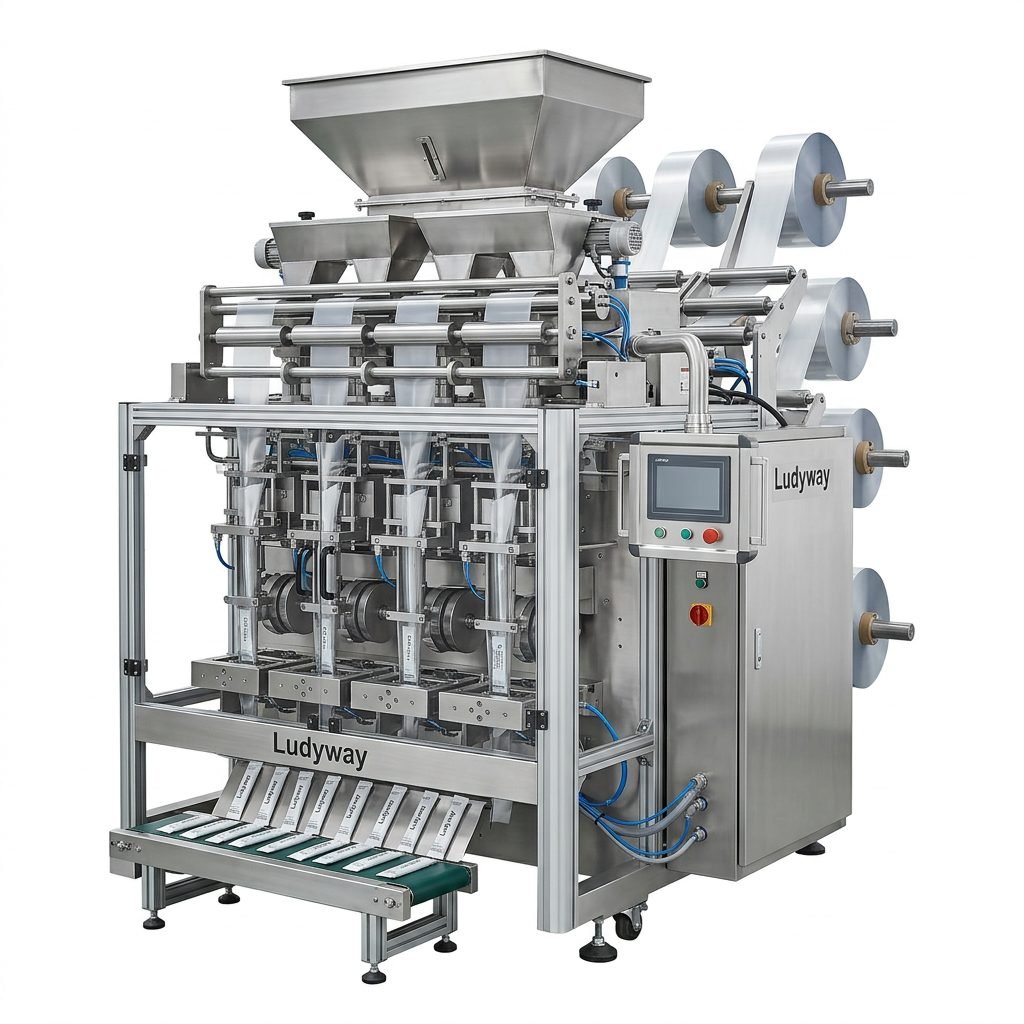
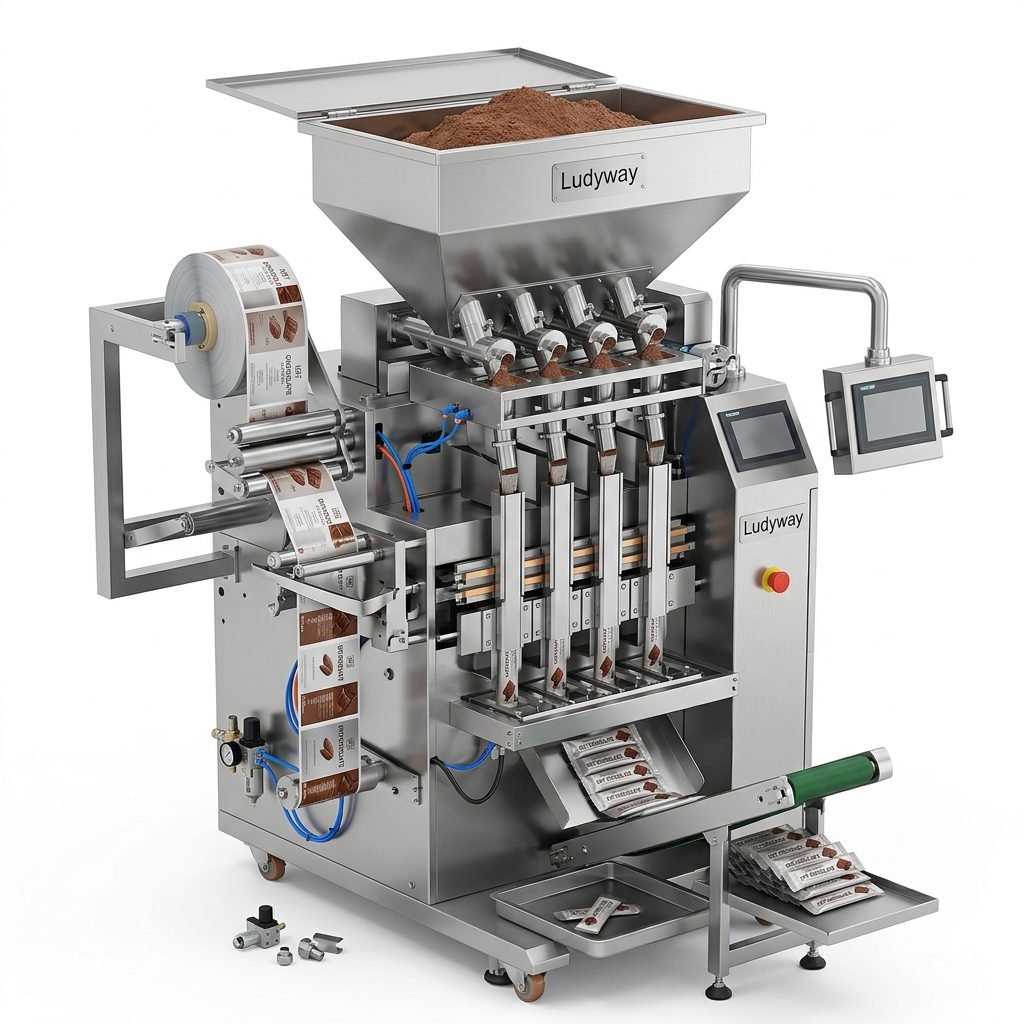
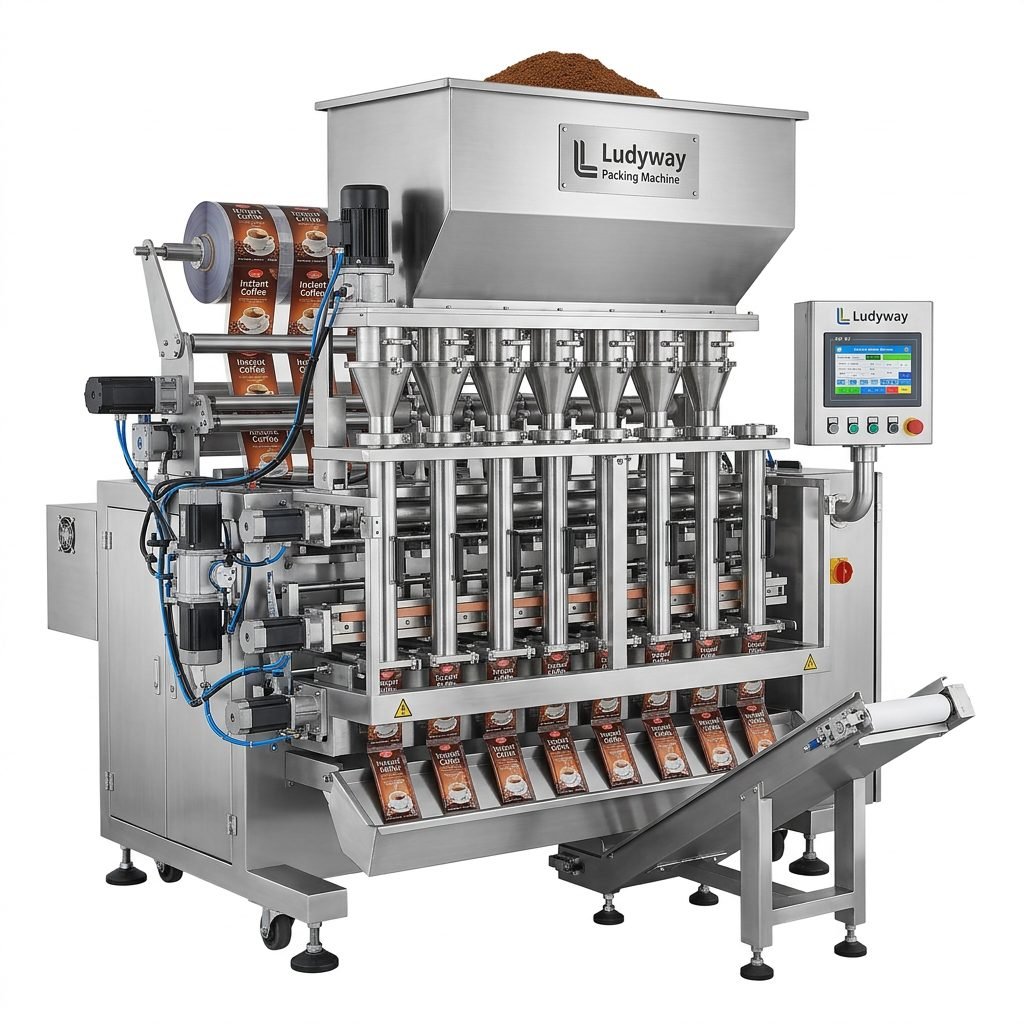
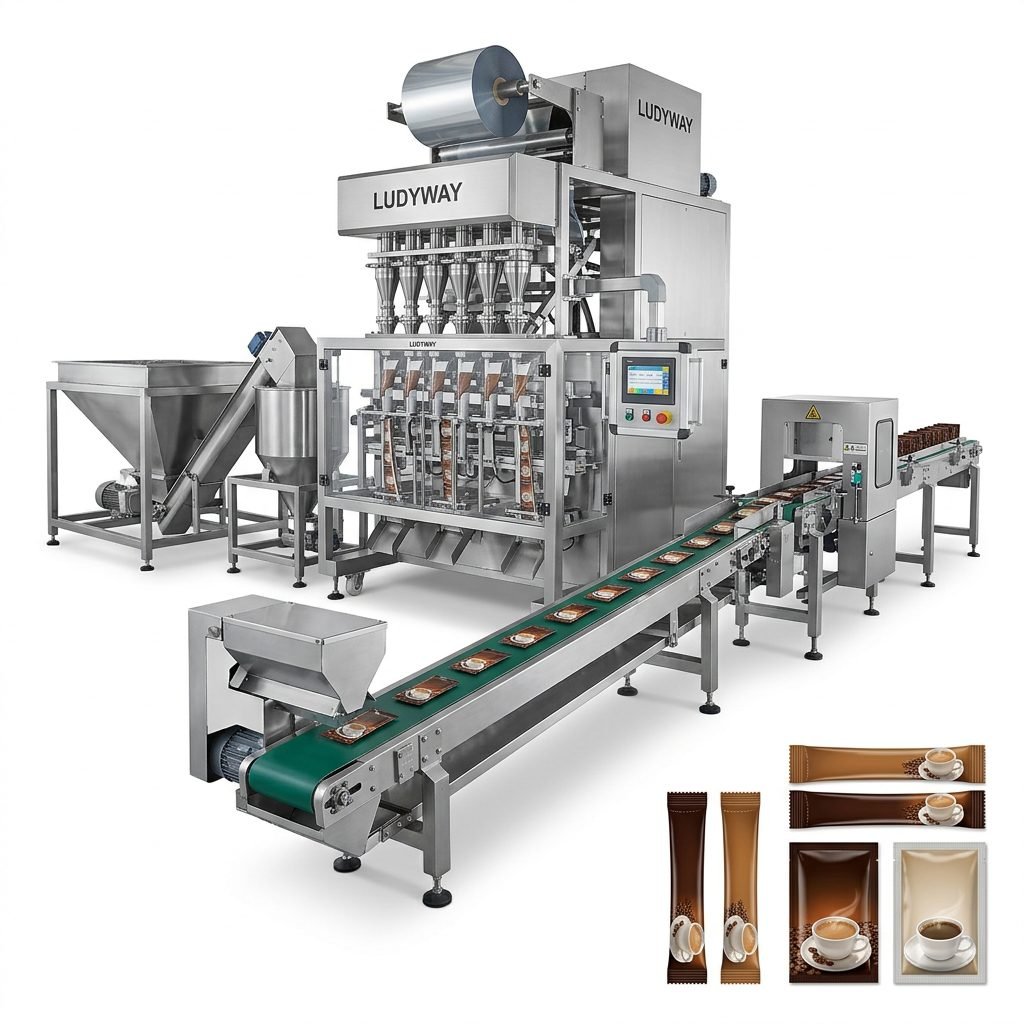
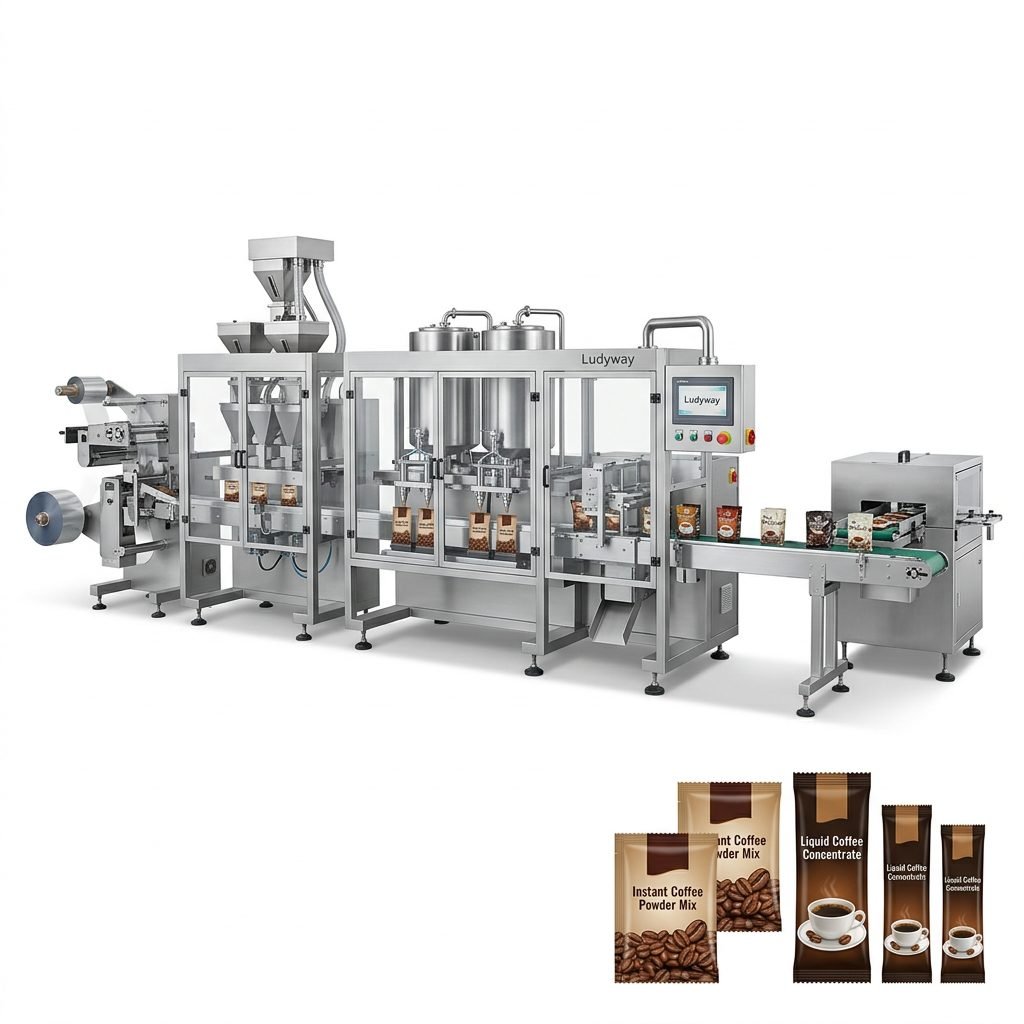
The choice of equipment defines your product’s shelf life and market appeal. For dry beverage mixes such as coffee, tea powder, or protein shakes, a multi-lane stick pack machine is often the gold standard. For liquids like functional shots or syrups, a multi-lane liquid sachet system provides high output with minimal waste. Below is a breakdown of common machine applications for Southeast Asian beverage types:
| Beverage Category | Recommended Machine Type | Key Packaging Feature |
|---|---|---|
| 3-in-1 Instant Coffee | Multi-Lane Stick Pack Machine | Nitrogen Flushing for freshness |
| Herbal Tea Granules | Granule Sachet Packaging Machine | High-precision auger filling |
| Collagen Liquid Shots | Liquid Stick Pack Filling Machine | Aseptic/Ultra-clean filling |
| Bubble Tea Powder Mix | Vertical Form Fill Seal (VFFS) | Gusseted pouch capability |
| Energy Gel Sachets | Multi-Lane Gel Sachet System | Easy-tear notch and sealing |
When working with a supplier, it is critical to verify that the machines are compatible with local packaging film suppliers in Southeast Asia. Standardizing film thickness and heat-seal layers reduces downtime caused by material jams.
Technical Specifications to Prioritize
To ensure a beverage packaging machine production line meets both current and future demands, buyers should look beyond price and evaluate core technical metrics. Speed is often the main selling point, but accuracy and changeover time determine true productivity. For powder filling, a servo-driven auger system with an accuracy of ±1% is essential to control production costs. For liquid filling, piston or peristaltic pumps should handle a wide viscosity range.
Critical Machine Specifications
- Film Registration: Advanced photoelectric sensors are necessary to maintain consistent branding on printed films, especially critical for export-oriented brands.
- Sealing Integrity: Look for heavy-duty longitudinal and cross-sealing jaws with independent temperature controllers. This prevents leakage in the humid coastal zones of Southeast Asia.
- Automation Protocol: Ensure the line integrates seamlessly with ancillary equipment such as checkweighers and cartoners. Open architecture control systems are preferred for Industry 4.0 readiness.
- Material Contact Parts: Stainless steel 304 or 316 is mandatory for food-grade production to comply with stringent regional regulations.
Installation, Commissioning, and Operator Training
The success of a new production line heavily relies on the quality of the installation. In Southeast Asia, logistical hurdles such as port congestion can delay equipment arrival. Once on-site, the focus shifts to precise leveling and static elimination. High-static environments can cause powder adhesion and result in inconsistent fill weights, making professional grounding essential.
Structured training phases should cover:
- Mechanical Operation: Detailed walkthrough of forming tubes, unwinding stalks, and pull-belt adjustments.
- Digital Interface: Configuring recipe parameters for different bag lengths and fill quantities.
- Sanitation Protocols: Daily clean-in-place (CIP) procedures to prevent micro-bacterial growth in hot, damp climates.
- Preventive Maintenance: Schedules for replacing Teflon tapes, cutting knives, and sealing bands.
Maintenance Strategies for Tropical Climates
Maintaining a beverage packaging machine production line in Southeast Asia requires a proactive approach. The combination of heat, dust, and moisture accelerates the wear of pneumatic seals and electronic boards. Implement strict weekly inspections of air filters and moisture traps. Condensation in compressed air lines is a leading cause of actuator failure in this region. Additionally, stock critical spare parts locally. Waiting for international shipments for sensors or heating elements can result in weeks of downtime, which is particularly damaging during peak demand periods like Ramadan or Lunar New Year.
Regulatory Compliance and Food Safety
Navigating the regulatory landscape is non-negotiable. Thailand, for example, enforces strict FDA guidelines on packaging migration limits, while Muslim-majority nations like Indonesia and Malaysia require Halal-certified manufacturing processes. The equipment must support these standards without compromising speed. This means the design must feature tool-free disassembly for sanitation, preventing the build-up of residues that compromise product integrity.
Furthermore, aligning with ISO 11607 standards for packaging validation ensures your sealed beverage sachets maintain sterility and prevent contamination throughout the supply chain. Documenting every weight verification and seal strength test is crucial for audits.
About Ludyway
Ludyway is one of the largest packaging machine manufacturers in China, specializing in advanced packaging equipment and turnkey production solutions for the food, pharmaceutical, and health industries. With over 30 years of industry expertise, we provide reliable and efficient beverage packaging machine production line solutions for granule, powder, liquid, and pouch applications. Supporting a modern 20,000㎡ manufacturing facility, Ludyway offers more than 50 intelligent models to ensure your operation in Southeast Asia thrives.
Choosing a Strategic Partnership
Setting up a line in a distant market requires more than a standard purchase; it requires a partnership. Look for suppliers who offer remote diagnostics and have a local technical support presence. The total cost of ownership (TCO) calculation must factor in power consumption, film waste rates, and the availability of remote training modules. By combining robust hardware with regional expertise, your facility can quickly become a market leader in the booming Southeast Asian beverage sector. You can explore further data on packaging machinery market trends through resources like the PMMI Business Intelligence Library or the Flexible Packaging Association Knowledge Hub.