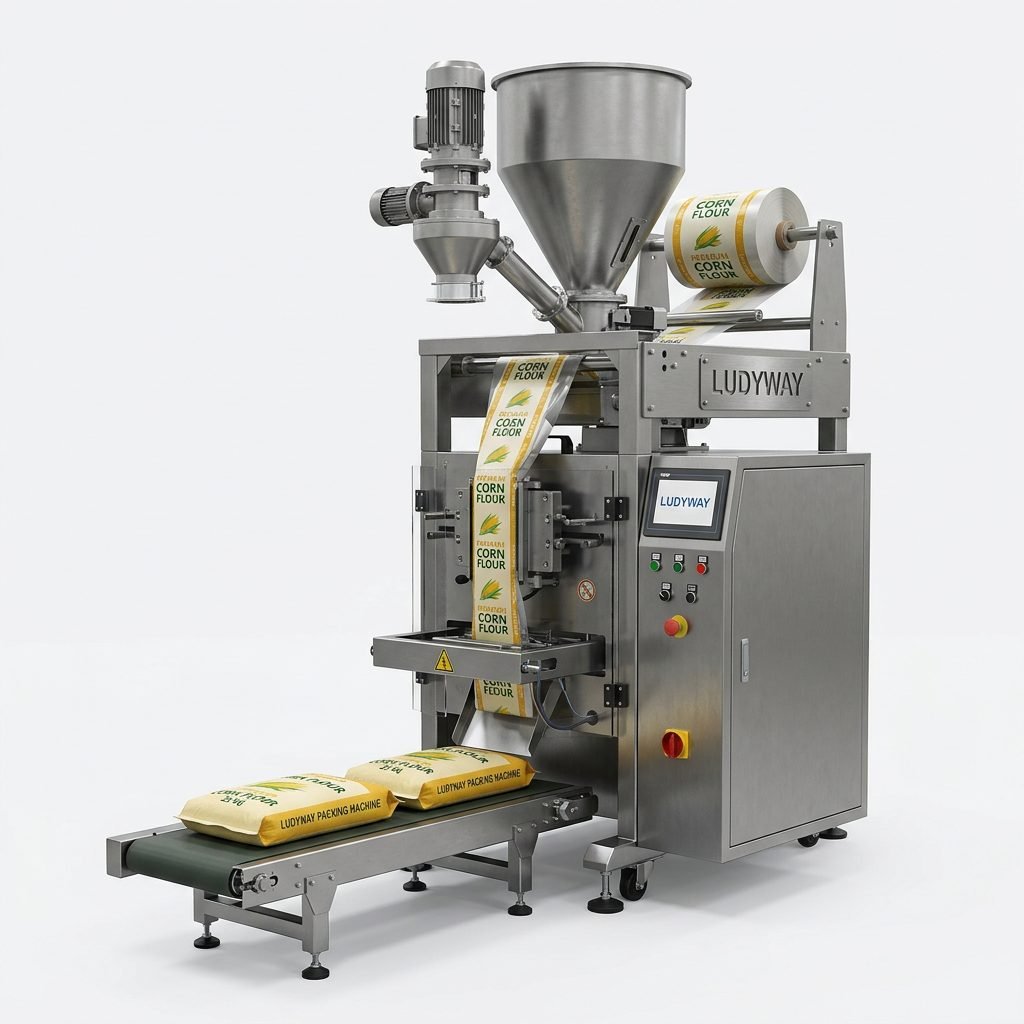
The Oceania coffee market—spanning Australia, New Zealand, and the Pacific Islands—has experienced remarkable growth in specialty and packaged coffee consumption over the past decade. For roasters, producers, and distributors across the region, selecting the right coffee vacuum packaging machine is not merely a purchasing decision; it is a strategic investment that directly impacts product freshness, shelf life, brand reputation, and ultimately, your bottom line.
Oxygen is the number one enemy of roasted coffee. Without proper vacuum sealing, ground coffee and whole beans lose volatile aromatic compounds within days, leading to stale, flat-tasting products that no consumer—especially the discerning Oceanian palate—will accept. This guide delivers a comprehensive, SEO-rich overview of coffee vacuum packaging machinery, tailored specifically for buyers in Oceania.
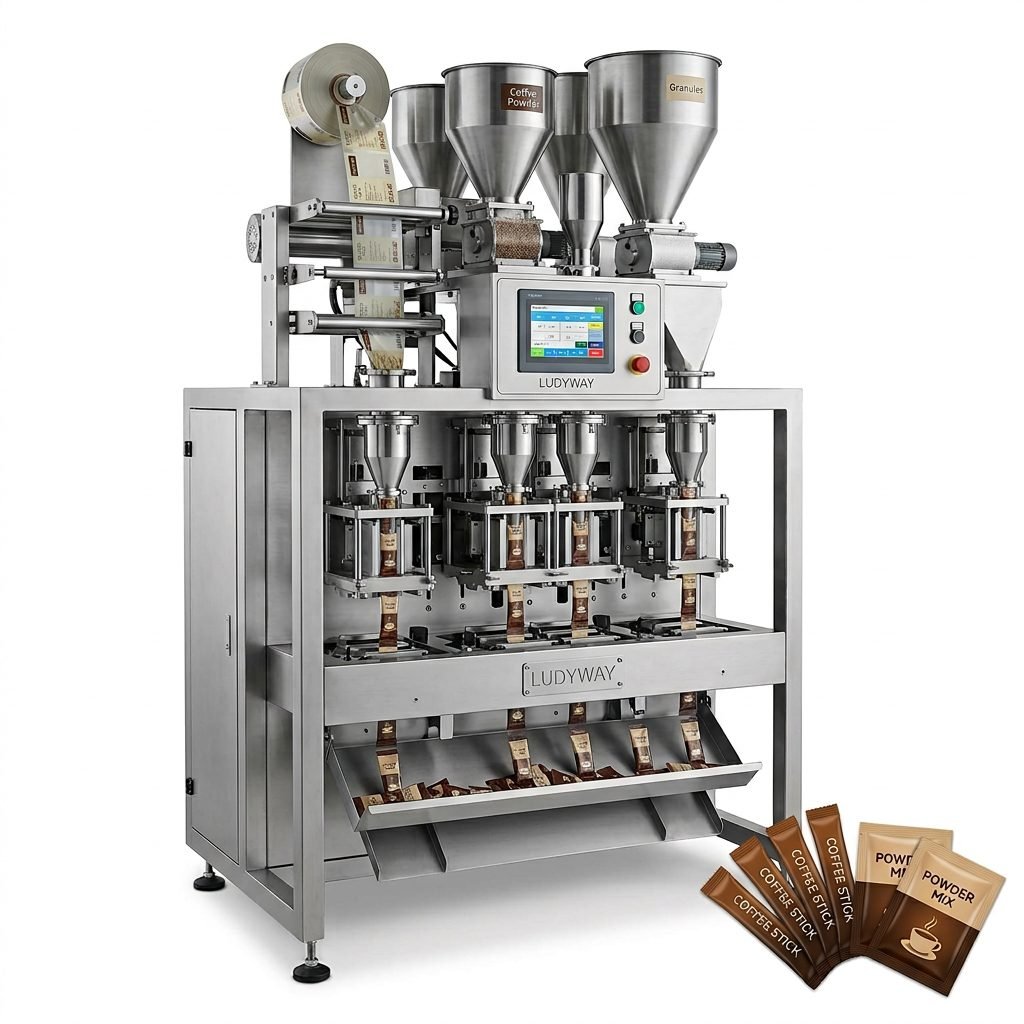
Why Vacuum Packaging Matters for Coffee in Oceania
The Oceanian coffee culture is characterized by high standards and discerning consumers. Australia’s café scene, in particular, is globally renowned. Whether you are packaging single-origin specialty beans or producing large volumes of ground coffee for retail, vacuum technology removes oxygen from the package before sealing, dramatically slowing oxidation and preserving the coffee’s natural oils, aroma compounds, and flavor profile.
Additionally, many Pacific regions experience high humidity levels, which can accelerate degradation in improperly sealed packaging. A quality vacuum and nitrogen-flushing packaging system provides a barrier against both oxygen ingress and moisture contamination.
Key Features to Look for in a Coffee Vacuum Packaging Machine
When evaluating equipment for your production line, consider these critical specifications:
- Vacuum Chamber Integrity — Precision-engineered sealing bars and robust chamber construction ensure consistent vacuum levels across every cycle.
- Gas Flushing Capability — Nitrogen (N₂) flushing is often preferred for whole bean coffee, as it prevents crushing while still displacing oxygen. Look for machines offering both vacuum-only and vacuum-plus-gas-flush modes.
- Adjustable Vacuum Levels — Different coffee products require different vacuum pressures. Over-vacuuming can crush delicate whole beans; under-vacuuming fails to adequately protect ground coffee.
- Production Speed — Measured in cycles per minute (CPM), your required throughput should align with the machine’s rated capacity without exceeding 80% of its maximum for sustained operation.
- Seal Integrity Monitoring — Advanced models include real-time seal inspection and reject systems that automatically divert improperly sealed packages.
- Material Compatibility — Confirm the machine handles your preferred packaging materials, including aluminum-laminated films, EVOH barrier materials, and biodegradable laminates increasingly demanded in Oceanian markets.

Types of Coffee Vacuum Packaging Machines
Understanding the different machine configurations is essential for matching equipment to your operational needs. The table below summarizes the primary categories available for Oceanian buyers:
| Machine Type | Best Suited For | Typical Speed Range | Key Advantage |
|---|---|---|---|
| Single-Chamber Vacuum Sealers | Small roasters, specialty batches, farmers’ markets | 2–8 CPM | Low initial investment, easy operation |
| Double-Chamber Vacuum Machines | Mid-volume roasters, alternating loading | 8–20 CPM | Higher throughput, semi-continuous operation |
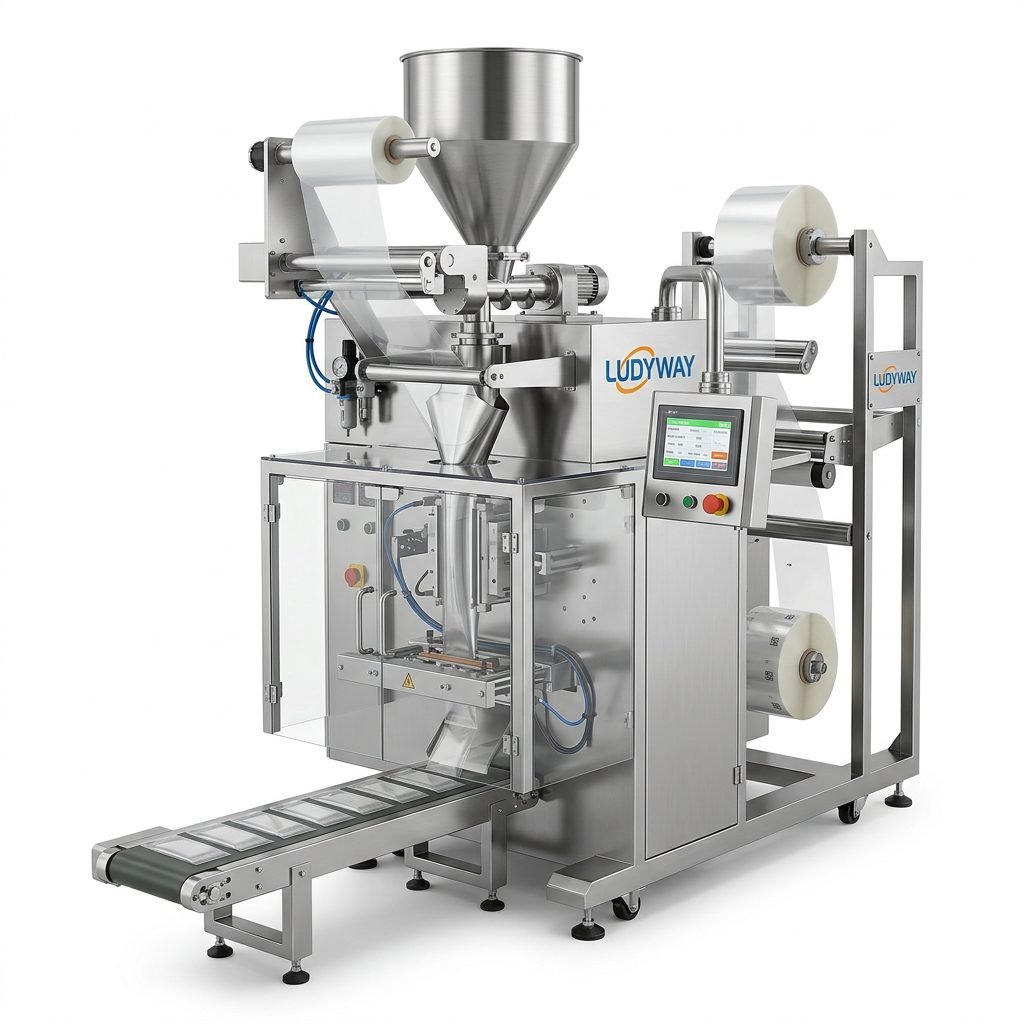
| Rotary Vacuum Packaging Systems | Large-scale commercial roasters | 30–80 CPM | High-speed continuous production |
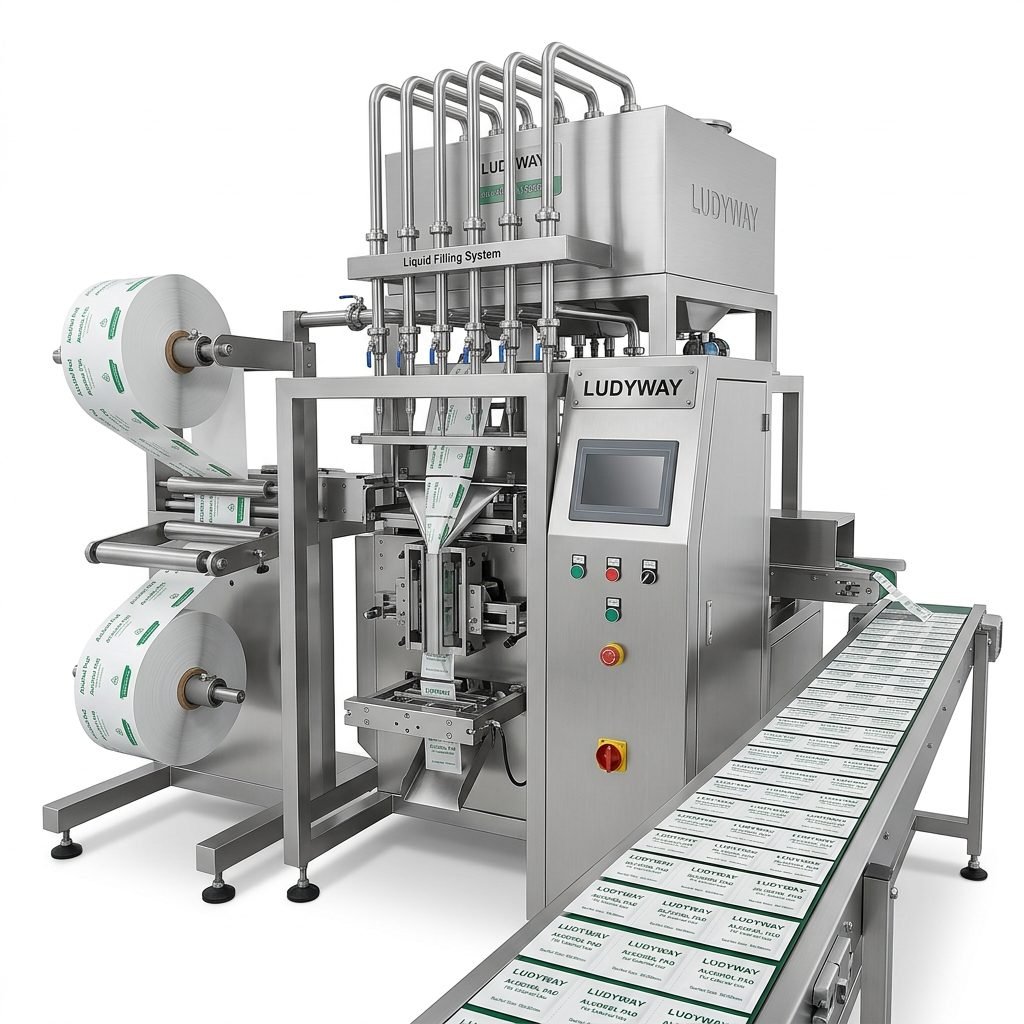
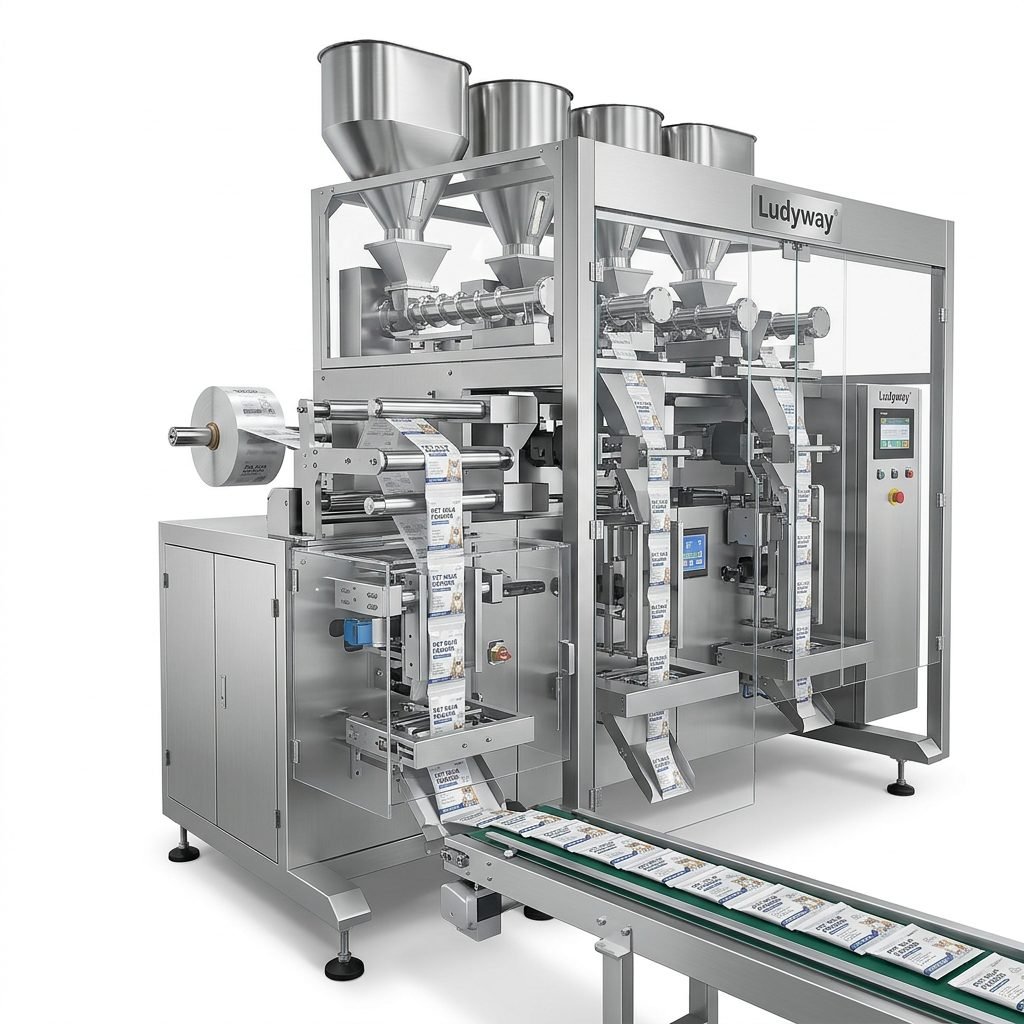
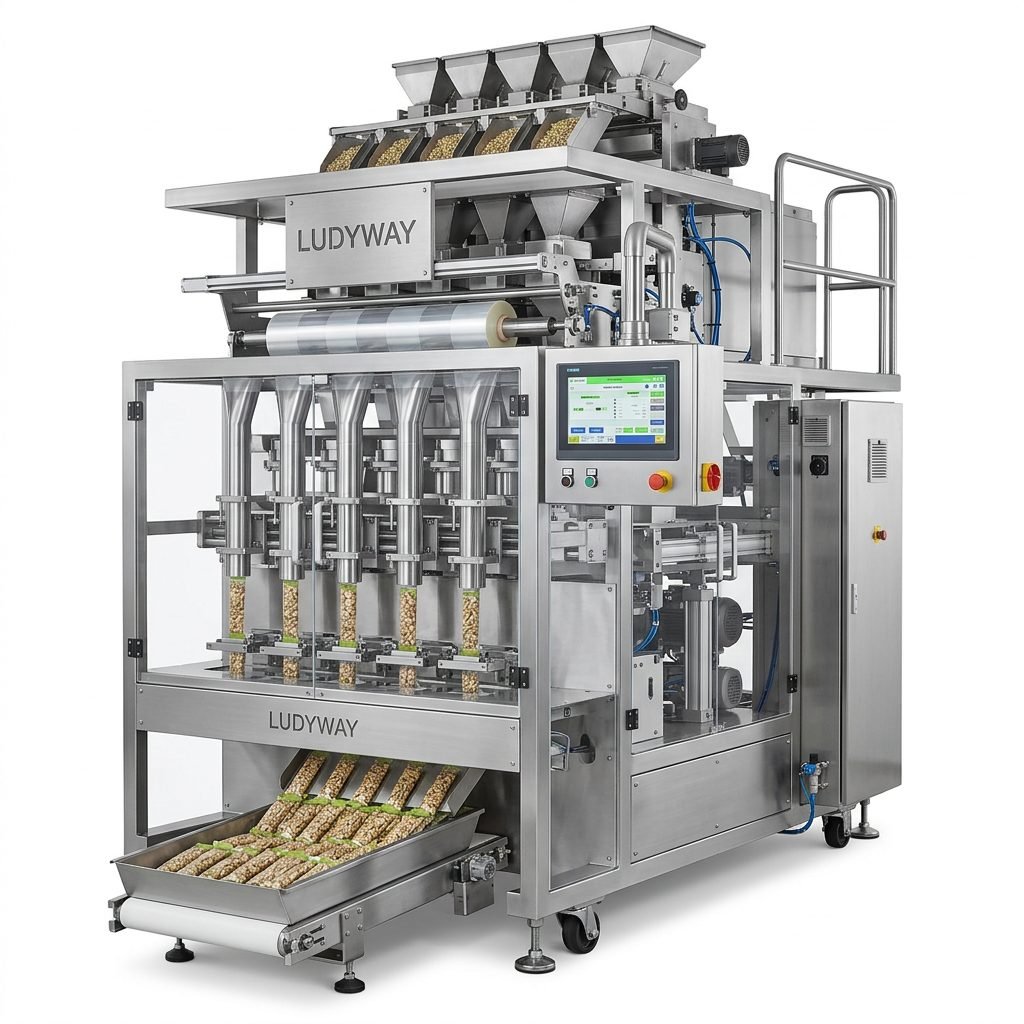
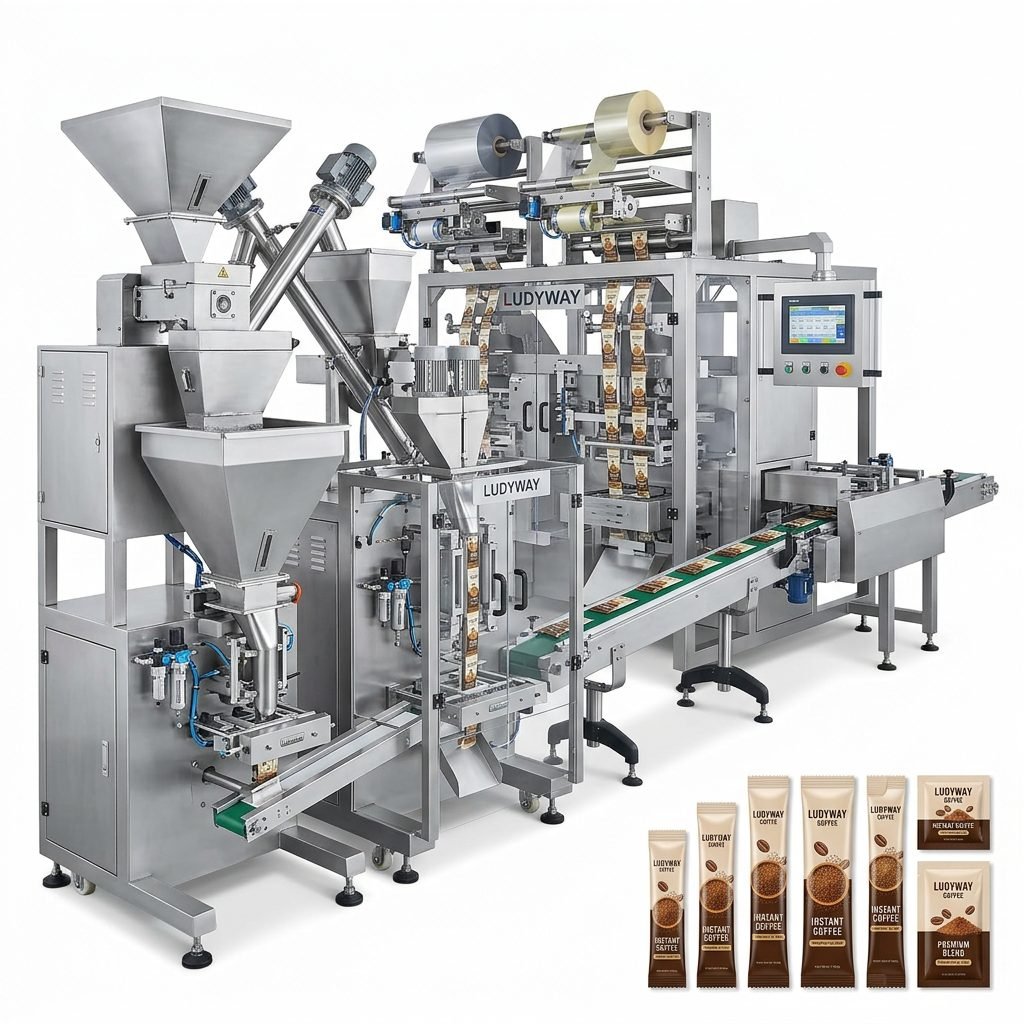
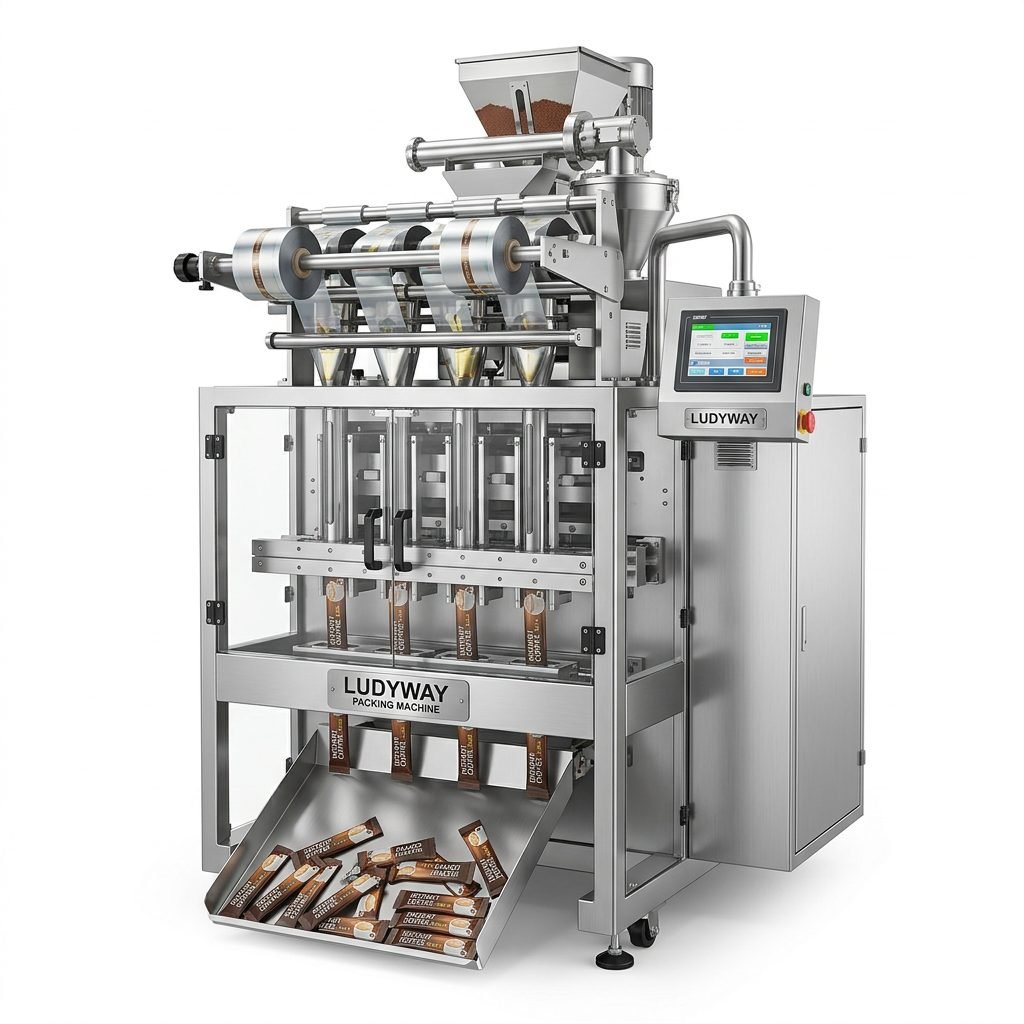
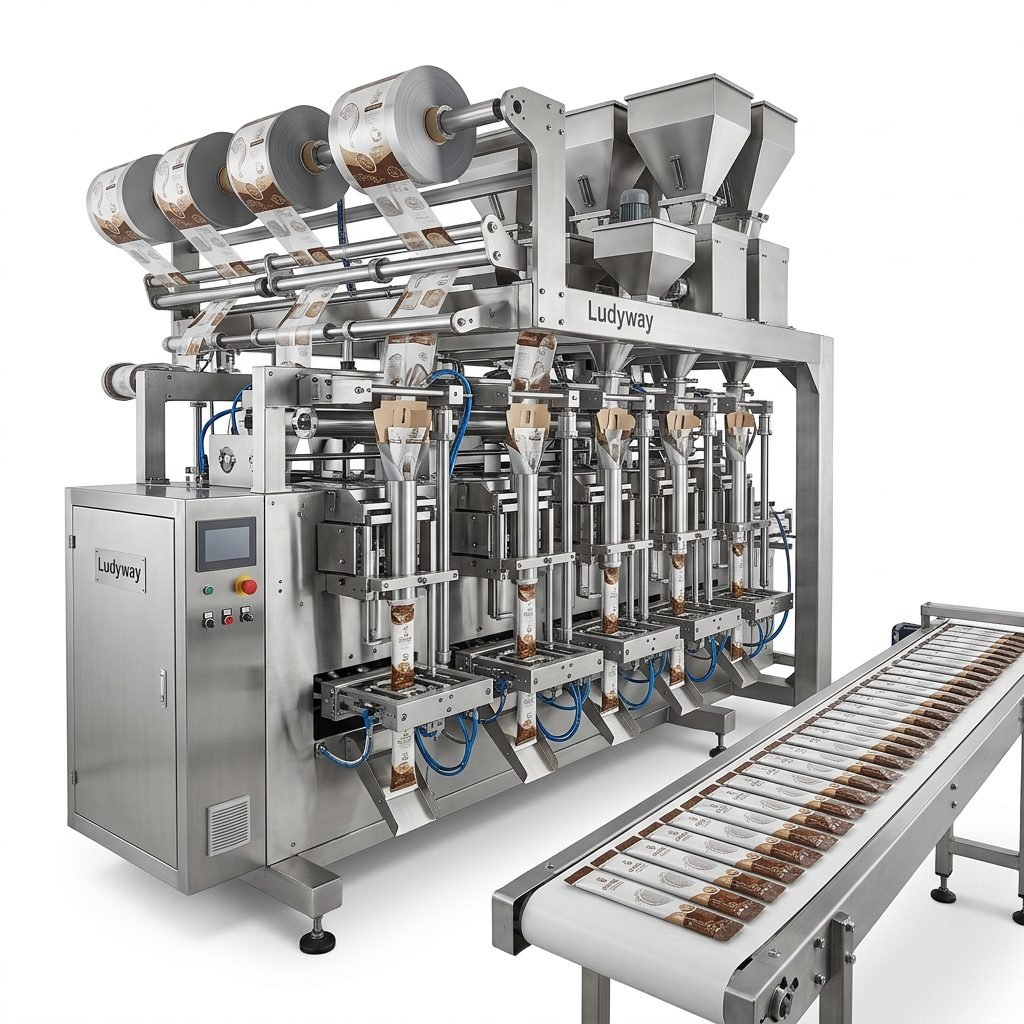
| Multi-Lane Stick Pack Machines with N₂ Flush | Instant coffee, single-serve sachets | 40–120 lanes/min | Compact packaging, extended shelf life |
| Pre-Made Pouch Vacuum & Seal Lines | Premium retail coffee, valve bag applications | 15–35 CPM | High-quality presentation, one-way degassing valve compatible |
Price Ranges: What to Expect in USD
Pricing for coffee vacuum packaging machines varies significantly based on automation level, speed, and brand origin. The following are approximate FOB price ranges as of 2025–2026, intended for Oceanian buyers budgeting for import:
- Entry-Level Single-Chamber Machines — USD 3,000 to USD 12,000
- Mid-Range Double-Chamber and Nozzle Vacuum Systems — USD 12,000 to USD 45,000
- High-Speed Rotary and Continuous Band Sealers — USD 45,000 to USD 150,000
- Fully Integrated Multi-Lane Stick Pack Lines with N₂ Flushing — USD 80,000 to USD 350,000+
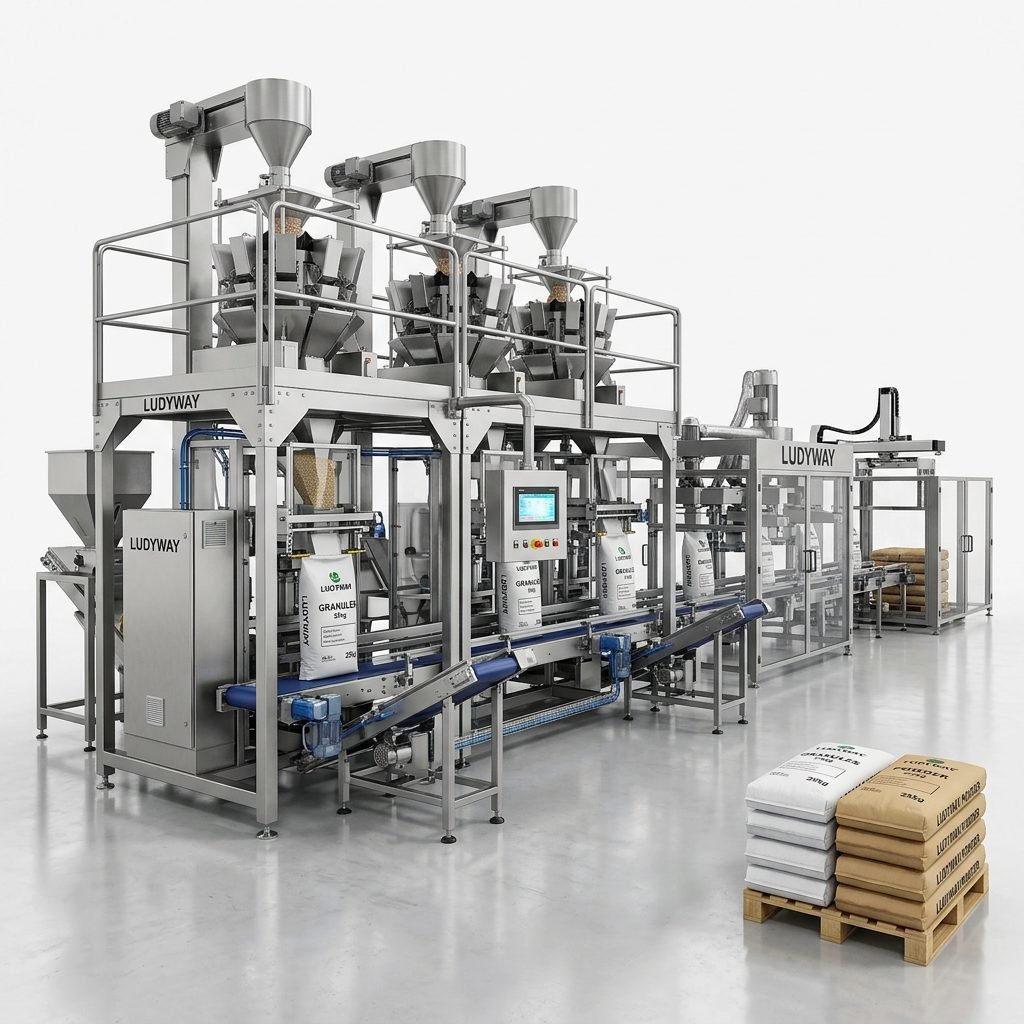
- Turnkey Automated Packaging Lines with Cartoning and Palletizing — USD 200,000 to USD 1,000,000+
Additional costs to factor in include shipping to Oceania, import duties (vary by country—Australia’s tariffs on packaging machinery are generally low under various free trade agreements), GST obligations, installation, operator training, and ongoing maintenance.
Choosing a Supplier for the Oceania Market
Selecting the right equipment partner is as important as the machine itself. Oceanian buyers should evaluate suppliers against these essential criteria:
- Certifications and Compliance — Verify that machines meet CE, ISO 9001, and relevant food safety standards. For Australia, compliance with food contact material regulations and electrical safety standards is non-negotiable.
- After-Sales Support — Given Oceania’s geographic isolation, prioritize suppliers offering remote diagnostics, readily available spare parts, and regional service technicians or partnerships with local engineering firms.
- Customization Capability — Your coffee product is unique; your packaging machine should adapt to your specific bag sizes, film types, and production workflows rather than forcing you into rigid configurations.
- Track Record in Food Packaging — Examine case studies, client testimonials, and if possible, arrange virtual or in-person factory acceptance tests (FAT).
- Warranty and Training — Comprehensive warranties (minimum 12 months) and thorough operator training programs indicate a supplier’s confidence in their equipment.
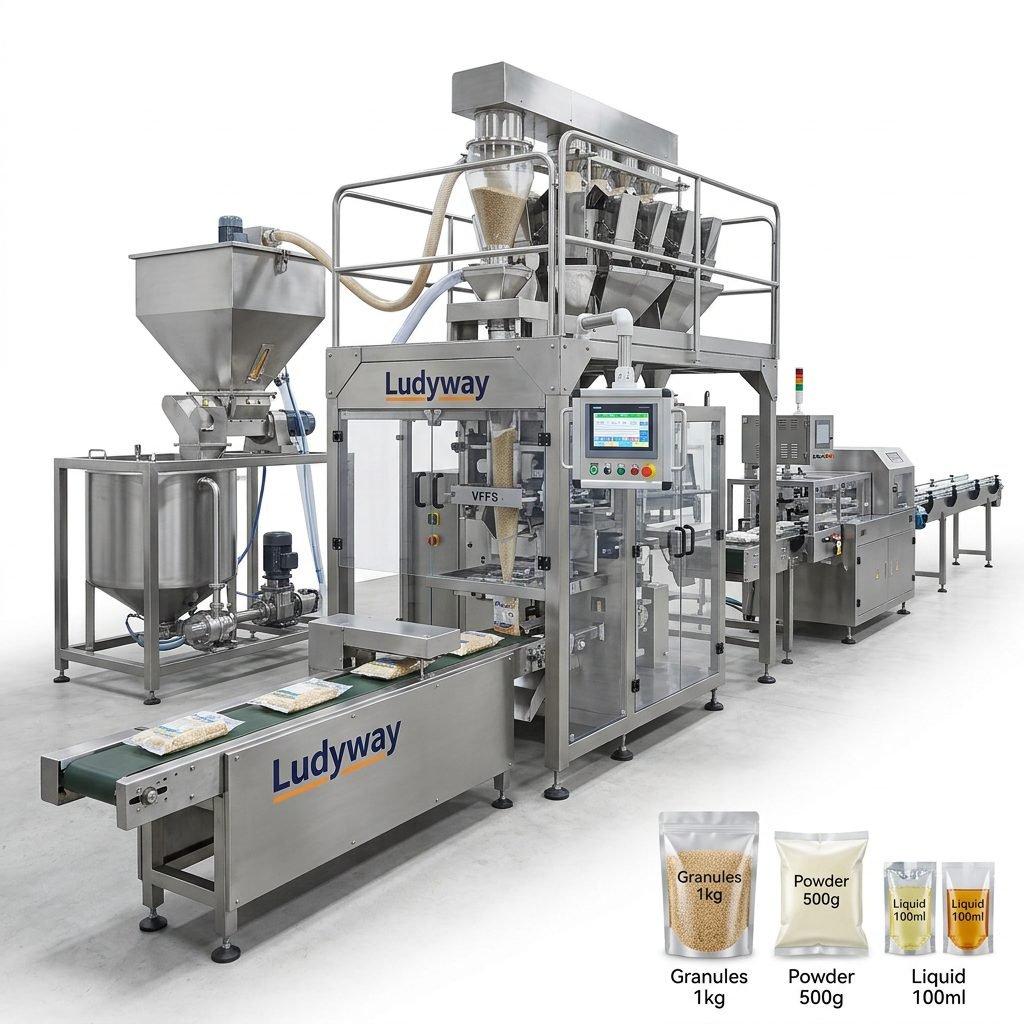
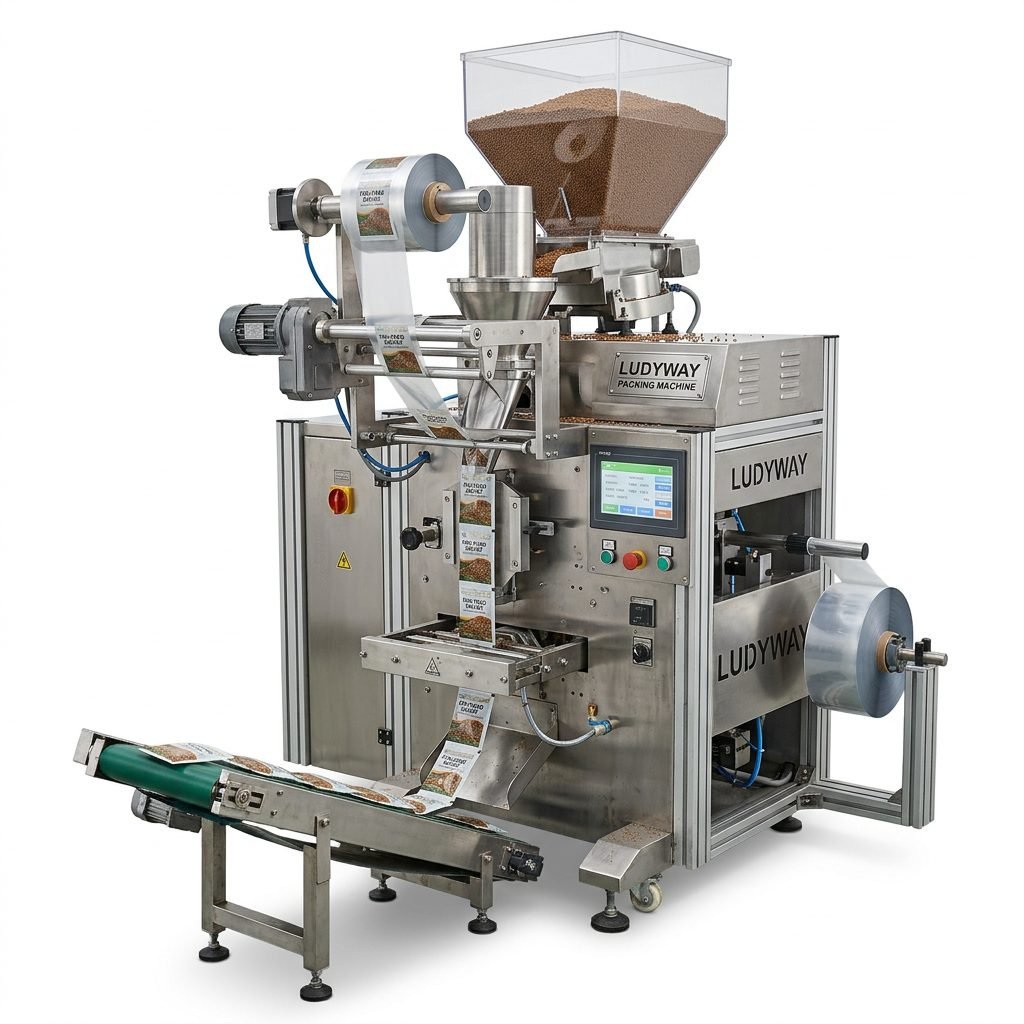
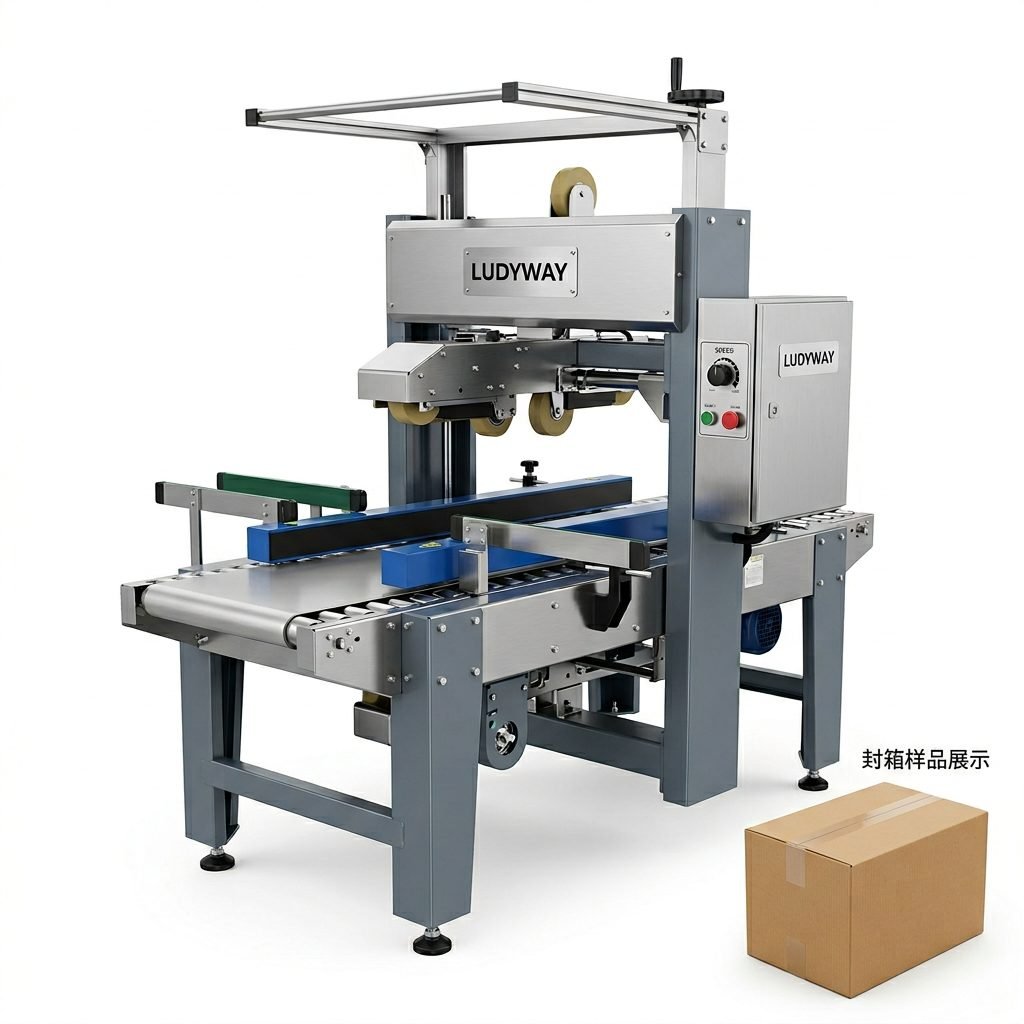
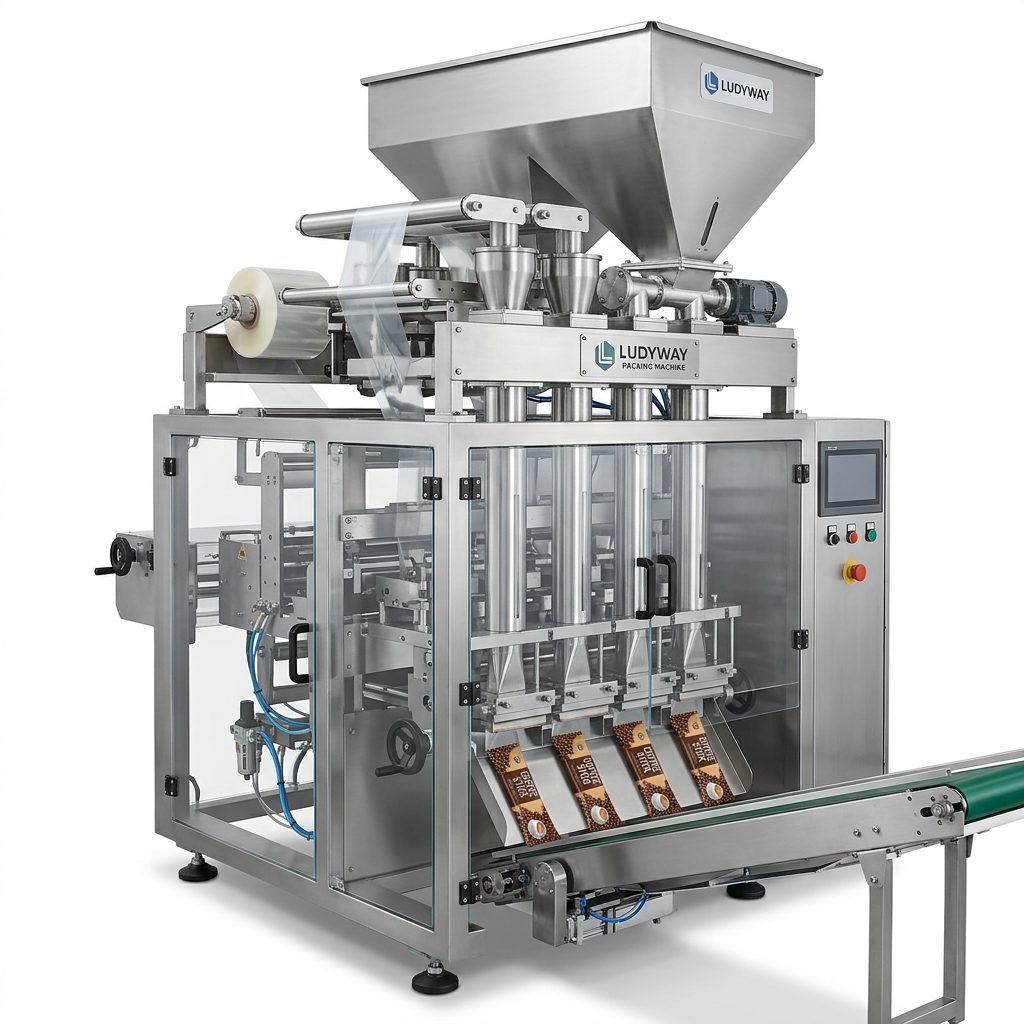
Established manufacturers like Ludyway—with over 30 years of experience, a 20,000㎡ production facility, and a portfolio of more than 50 intelligent packaging machine models serving customers in over 100 countries—exemplify the type of reliable partner Oceanian coffee businesses should seek. Their expertise spans granule, powder, liquid, and pouch packaging applications, making them well-suited for diverse coffee product lines. For packaging industry insights, authoritative resources such as the PMMI Association and Flexible Packaging Association provide valuable market intelligence and standards updates.
Oceania-Specific Regulatory and Market Considerations
Operating in Australia, New Zealand, or the Pacific Islands means navigating a distinct regulatory landscape. Key points include:
- FSANZ Compliance — Food Standards Australia New Zealand governs all food packaging materials. Your packaging film and machine contact surfaces must be food-grade and migration-tested.
- Electrical Safety — Machines must meet AS/NZS electrical standards. Confirm voltage compatibility (Australia uses 230V/50Hz; some Pacific nations may differ).
- Sustainability Mandates — Both Australia and New Zealand are advancing packaging waste reduction targets. Machines capable of handling recyclable mono-materials and compostable films provide a competitive edge. Refer to global packaging waste regulations for broader context on evolving sustainability requirements.
- Biosecurity — Imported machinery must meet strict biosecurity clearance standards to prevent soil and organic contamination. Ensure your supplier provides proper fumigation certificates and clean packaging for shipment.
- Climate Adaptation — High ambient temperatures in parts of Oceania (particularly northern Australia and tropical Pacific islands) may require enhanced cooling systems on electronic components and servo drives. Discuss climate-specific configurations with your supplier before ordering.
Maintenance Best Practices for Longevity
Protecting your investment requires a systematic maintenance program. Oceanian operations—often remote from supplier technical centers—benefit especially from proactive upkeep:
- Daily — Clean sealing bars and vacuum chambers; inspect gaskets and silicone seals for wear or debris; verify vacuum pump oil levels.
- Weekly — Test vacuum gauge accuracy; check all pneumatic connections for leaks; clean or replace air filters; inspect heating elements for carbon buildup.
- Monthly — Calibrate temperature controllers and vacuum sensors; lubricate chains, bearings, and moving parts per manufacturer specifications; verify emergency stop circuits.
- Quarterly — Perform comprehensive electrical inspection including contactor condition, wiring integrity, and grounding continuity; replace vacuum pump oil completely.
- Annually — Full machine overhaul including seal bar replacement, vacuum chamber resurfacing if needed, PLC backup, and thorough documentation review.
Return on Investment: Calculating Payback
For Oceanian coffee businesses, a well-chosen vacuum packaging machine typically achieves ROI within 12 to 24 months through multiple value streams:
- Reduced Product Waste — Extended shelf life means fewer returns and less unsold inventory written off due to staleness.
- Premium Pricing — Vacuum-packed coffee commands higher retail prices, particularly in the specialty segment where freshness is paramount.
- Expanded Distribution — Longer shelf stability enables export opportunities to neighboring Pacific markets and beyond, which would be impractical with shorter-life packaging methods.
- Labor Efficiency — Automated vacuum systems reduce manual packing labor by 40–70% compared to semi-automatic or manual methods.
- Brand Protection — Consistent, high-quality sealed packaging enhances brand reputation and customer loyalty in competitive Oceanian retail environments.
Frequently Asked Questions
What is the difference between vacuum sealing and nitrogen flushing for coffee?
Vacuum sealing removes air (and thus oxygen) from the package, creating a tight vacuum that can compress the product. Nitrogen flushing displaces oxygen with inert nitrogen gas without creating a vacuum, which is gentler on whole beans and prevents crushing. Many modern machines offer both modes for maximum flexibility.
Can I use the same machine for whole beans and ground coffee?
Yes, but you need a machine with adjustable vacuum levels. Whole beans require lower vacuum settings to avoid crushing, while ground coffee benefits from deeper vacuum levels. Machines with programmable recipes allow instant switching between product types.
How do I handle one-way degassing valves in vacuum packaging?
Freshly roasted coffee emits CO₂. One-way degassing valves allow gas to escape without letting oxygen in. When vacuum packaging coffee with degassing valves, a brief resting period after sealing may be needed before applying the vacuum, or you may opt for nitrogen-flushed packaging with valve-equipped bags instead.
What spare parts should I keep on hand in Oceania?
Given shipping lead times to Oceania, maintain inventory of sealing bars, heating elements, silicone gaskets, vacuum pump oil, air filters, fuses, and commonly replaced sensors. Consult your supplier for a recommended spare parts list specific to your machine model.
Are there financing options for packaging machinery purchases?
Yes. Many suppliers and third-party equipment finance companies offer leasing, hire-purchase, and equipment financing tailored to Oceanian businesses. Explore options through your bank, industry associations like PMMI’s business intelligence resources, or directly with your equipment supplier.
Selecting a coffee vacuum packaging machine for your Oceanian operation is a consequential decision that impacts product quality, operational efficiency, and profitability for years to come. By carefully evaluating machine types, supplier credentials, regulatory requirements, and total cost of ownership, you position your coffee business for sustainable growth in this dynamic and competitive regional market.