Setting up a biscuit packaging machine production line in Europe requires careful planning, a clear understanding of local regulations, and the right equipment selection. Whether you are launching a new biscuit brand, expanding an existing bakery operation, or automating a manual packing process, this step-by-step guide walks you through every critical phase — from compliance and site preparation to equipment installation and workforce training. With the European packaged food market projected to grow steadily, investing in a high-speed automated packaging line can significantly improve your production efficiency, product shelf life, and overall profitability.
Understanding the European Biscuit Packaging Landscape
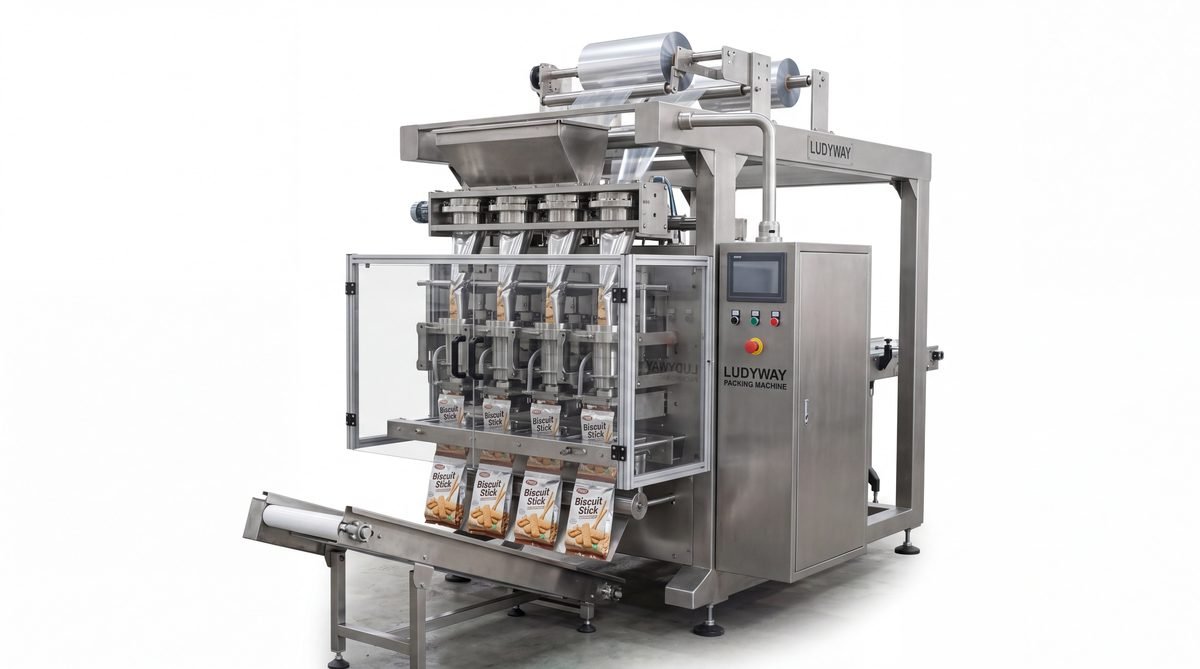
Europe represents one of the world’s most sophisticated markets for packaged baked goods. Consumers across the EU demand high-quality packaging that preserves freshness, provides clear labeling, and meets sustainability expectations. Before investing in machinery, it is essential to understand the market dynamics. According to PMMI packaging machinery market research, the European packaging equipment sector continues to grow, driven by automation trends and stricter food safety requirements. Key biscuit packaging formats in Europe include flow-wrap packs, multi-lane stick packs, pillow bags, and reclosable pouches. Your choice of packaging format directly influences the type of biscuit packaging machine you will need to install.
Step 1: Mastering EU Regulatory Compliance and CE Marking
Any packaging machinery installed in Europe must comply with EU directives. The CE marking is non-negotiable — it confirms that your equipment meets all applicable health, safety, and environmental protection standards. Key directives include the Machinery Directive 2006/42/EC, the Low Voltage Directive, and the EMC Directive. Additionally, food contact materials must comply with FDA food packaging and food contact substances regulations and EU Framework Regulation (EC) No 1935/2004. We strongly recommend working with a machinery supplier that has extensive experience exporting to Europe and can provide full CE-certified equipment with comprehensive technical documentation in local European languages.
Step 2: Selecting the Optimal Production Site
Your factory location within Europe significantly impacts operational costs, logistics, and access to skilled labor. Consider the following factors when choosing or preparing your site:
- Proximity to raw material suppliers — biscuit dough and packaging film suppliers
- Access to transportation networks — major highways, rail connections, and ports for export
- Utility requirements — stable three-phase electrical supply (typically 380-400V/50Hz in Europe), compressed air systems, and adequate water connections
- Factory floor specifications — level flooring capable of supporting heavy machinery, proper drainage, and controlled temperature/humidity environments
- Labor availability — a local workforce with technical training capacity for operating automated packaging equipment
- Environmental permits — compliance with local noise, dust, and waste disposal regulations
Central and Eastern European countries such as Poland, Czech Republic, and Hungary have become increasingly attractive for food production investments due to competitive operating costs and strong logistics connections to Western European markets.
Step 3: Choosing the Right Biscuit Packaging Equipment
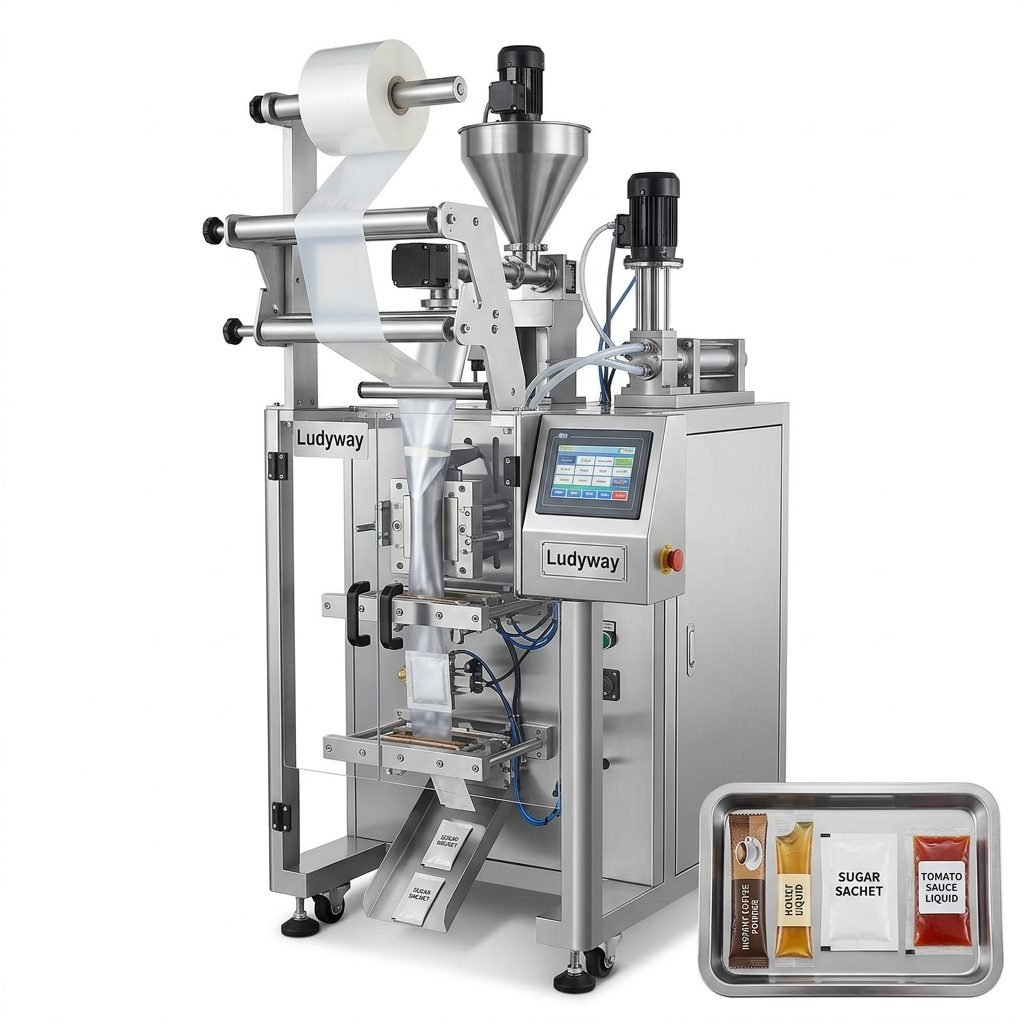
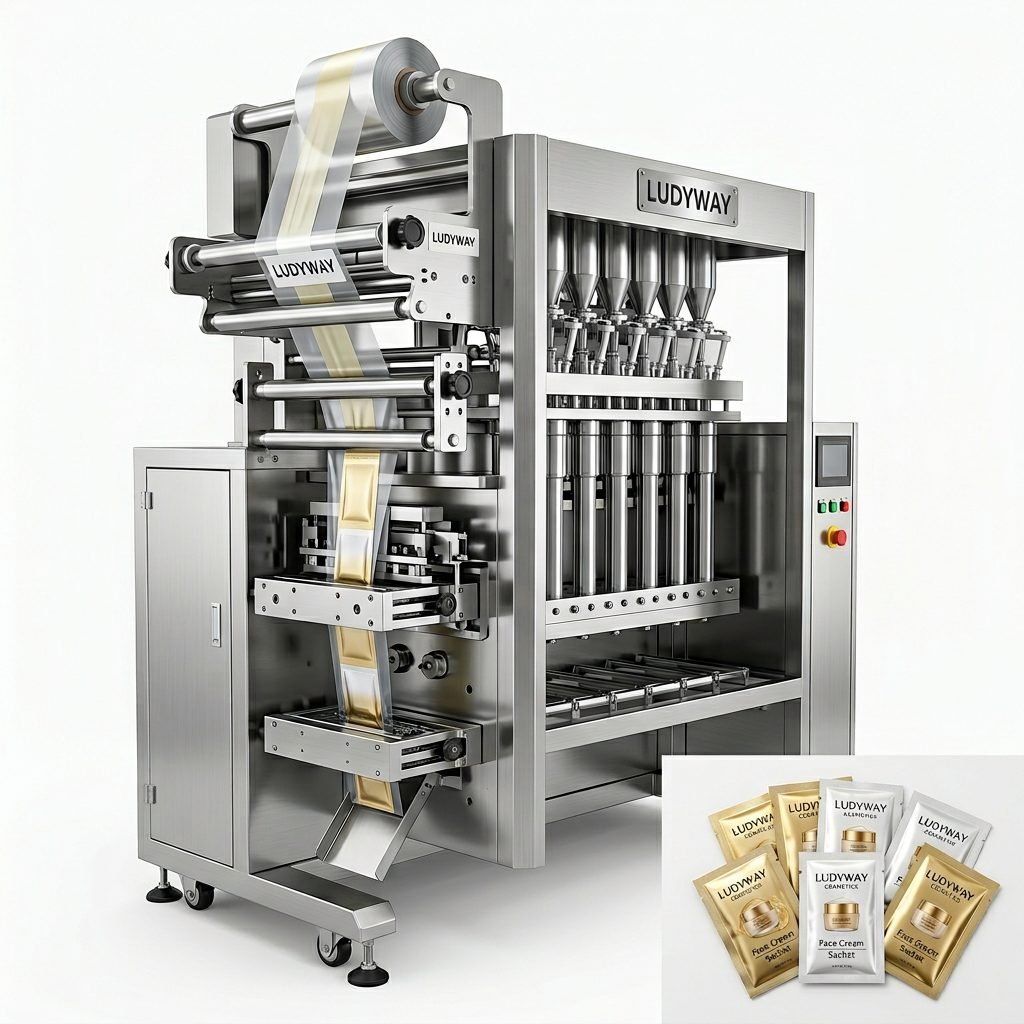
Selecting the appropriate biscuit packaging machine is the most critical decision in your entire production line setup. The equipment must match your product specifications, production capacity goals, packaging format, and budget. Below is a comparison of common packaging machine types used in European biscuit production:
| Machine Type | Best For | Output Range | Automation Level |
|---|---|---|---|
| Horizontal Flow Wrapper | Individual biscuit packs, multipacks | 50-300 packs/min | Medium to High |
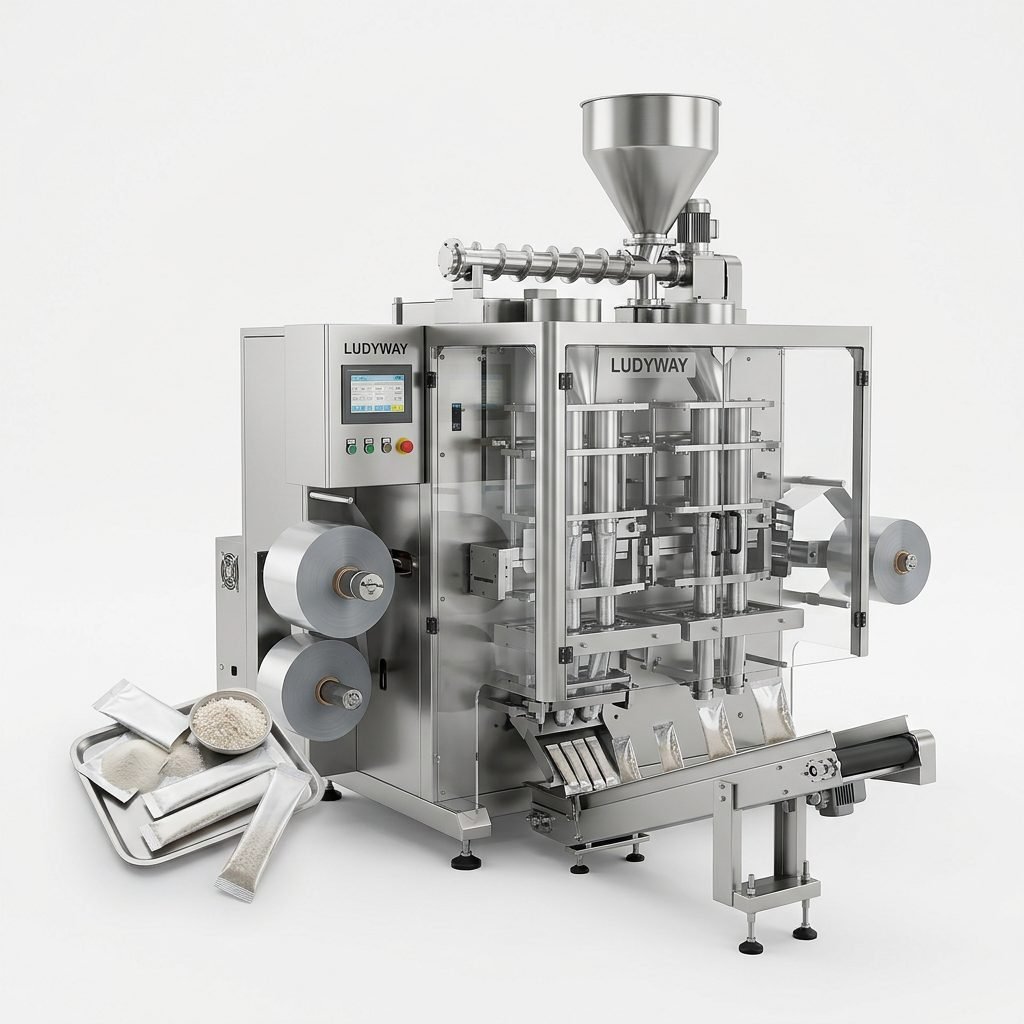
| Multi-Lane Stick Pack Machine | Single-serve sachets for on-the-go | 200-800 packs/min | High, fully automated |
| Vertical Form Fill Seal (VFFS) | Pillow bags, gusseted pouches | 40-120 packs/min | Medium to High |
| Pouch Packaging Machine | Stand-up, zipper, and resealable pouches | 30-80 packs/min | Medium |
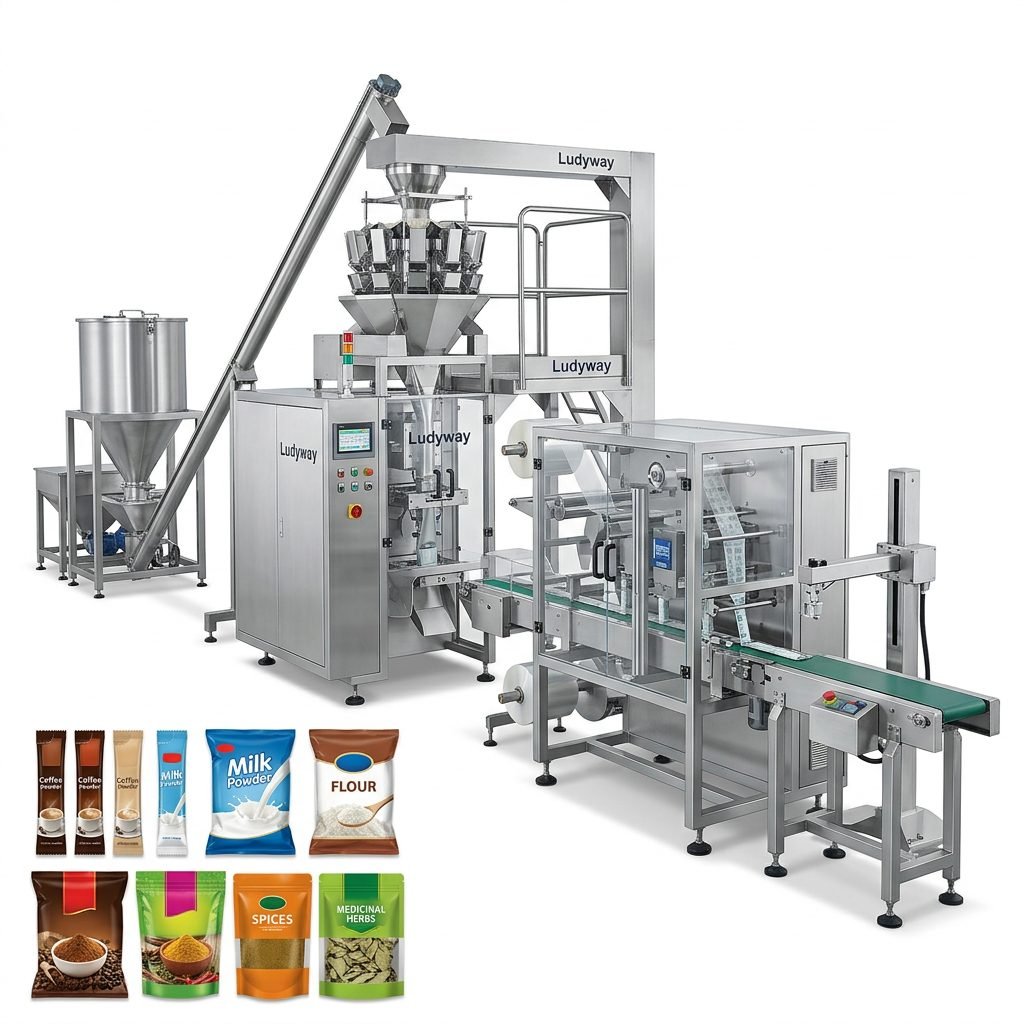
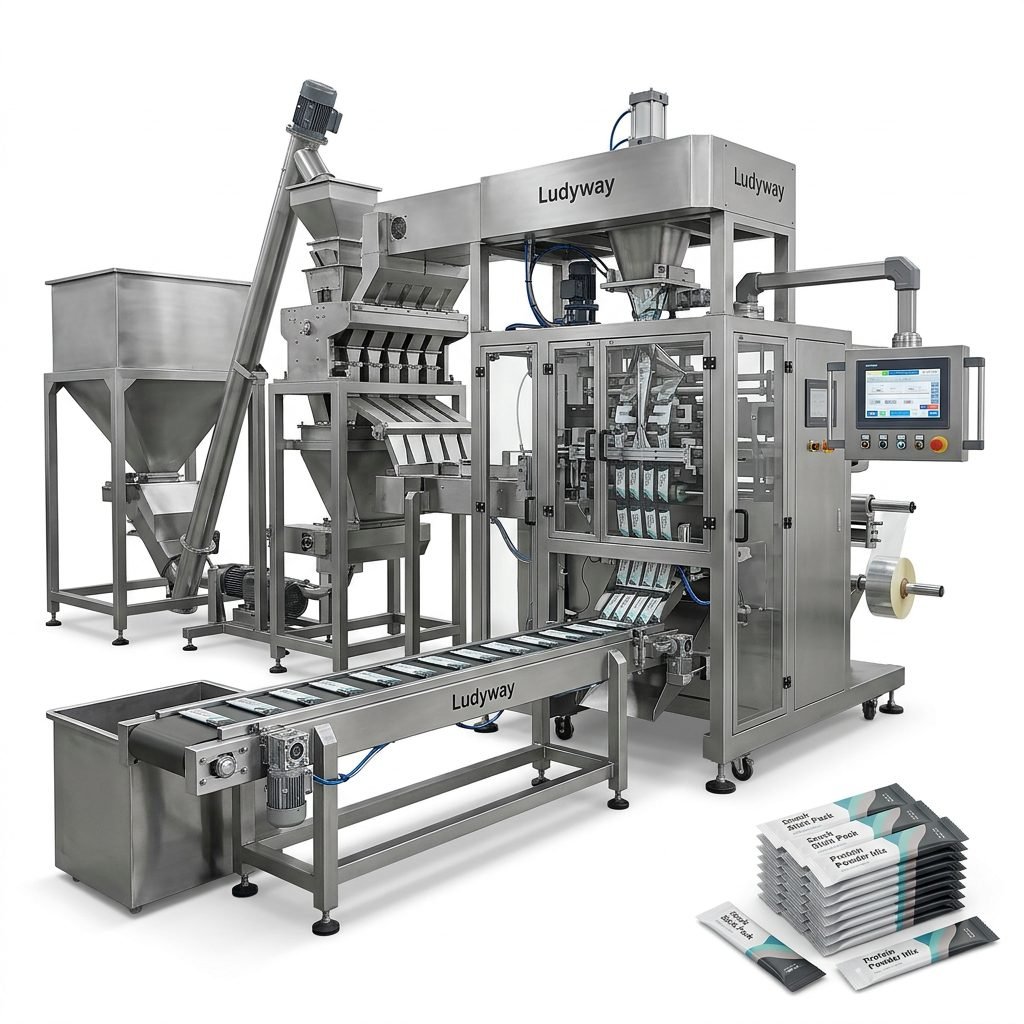
| Turnkey Packaging Line | Complete automated solution | Customizable | Fully automated with integration |
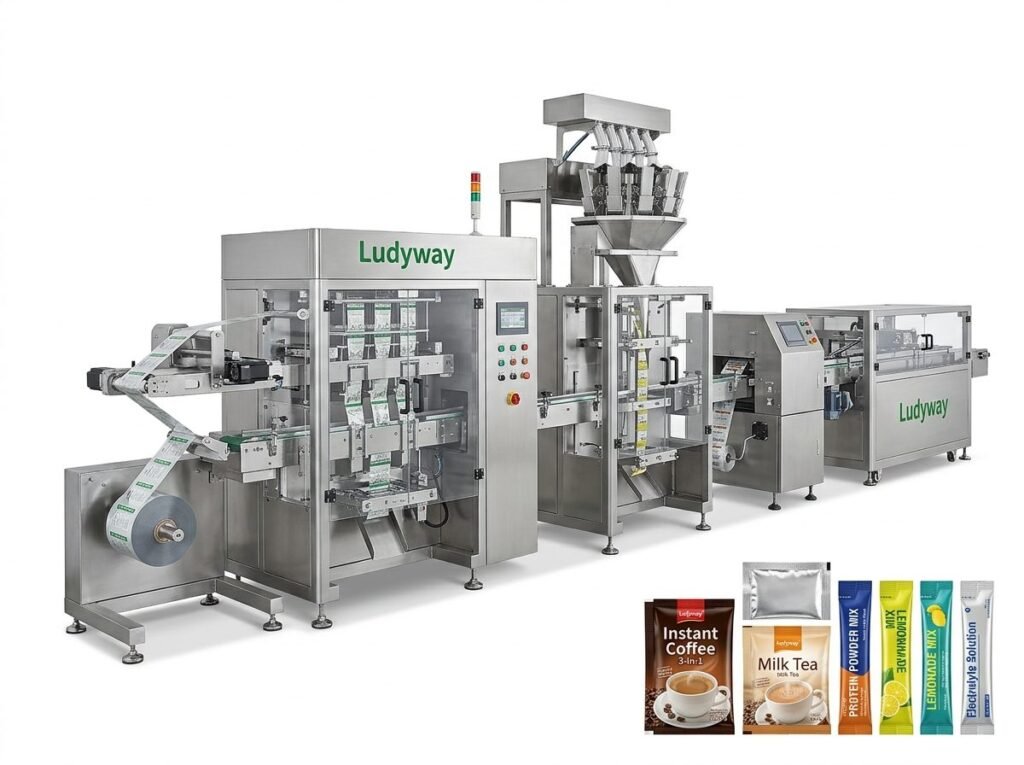
For medium to large-scale operations, a fully integrated turnkey packaging line that includes automatic feeding, weighing, filling, sealing, coding, and cartoning is highly recommended. This approach reduces manual handling, minimizes contamination risks, and ensures consistent output quality — factors that are essential for meeting European retailer standards.

Step 4: Production Line Layout Planning
An optimized layout is essential for smooth workflow, GMP compliance, and efficient material handling. Your biscuit packaging production line layout should follow a logical flow from baking area to finished goods warehouse. Consider these key design principles:
Zone Separation and Hygiene Zones
Designate clear zones for raw material receiving, biscuit production (baking), primary packaging, secondary packaging, and finished goods storage. Maintain strict separation between high-care and low-care areas to prevent cross-contamination — a requirement that European food safety auditors will inspect carefully.
Material Flow Optimization
Position your biscuit packaging machine to receive products directly from the cooling conveyor. This eliminates unnecessary product handling and reduces breakage rates. Allow sufficient space around the equipment for operator access, maintenance tasks, and cleaning procedures.
Utilities and Infrastructure
Ensure that electrical panels, compressed air lines, nitrogen supply lines (if using gas flushing for extended shelf life), and extraction systems are properly positioned. European factories commonly require IP65-rated electrical enclosures in wash-down areas and explosion-proof components where applicable.
Step 5: Installation, Commissioning, and Validation
The installation phase is where your project moves from planning to reality. A well-structured installation process typically includes the following sequence:
- Pre-installation site audit — verify that all utilities, floor conditions, and access points meet the equipment specifications
- Machinery delivery and positioning — coordinate with logistics providers to ensure safe unloading and precise placement using professional rigging teams
- Mechanical assembly — connect all modules, conveyors, and auxiliary equipment according to the manufacturer’s engineering drawings
- Electrical and control system integration — connect power, sensors, PLC systems, and HMI panels; configure communication protocols
- Dry run testing — run the complete line without product to verify mechanical synchronization, sensor calibration, and safety interlock functionality
- Product trial runs — test with actual biscuit products to fine-tune sealing temperatures, film tension, speed settings, and reject system parameters
- Performance qualification — conduct OEE (Overall Equipment Effectiveness) measurements to confirm that the line meets the agreed-upon production KPIs
- Documentation handover — receive complete machine manuals, electrical schematics, spare parts lists, and maintenance schedules
Engaging a local European service engineer during commissioning can significantly reduce startup issues and ensure compliance with local safety inspection requirements. ISO packaging standards provide useful frameworks for establishing validation protocols that meet international best practices.
Step 6: Staff Training and Standard Operating Procedures
Even the most advanced biscuit packaging machine requires skilled operators and maintenance technicians. Inadequate training is one of the leading causes of unplanned downtime in food packaging operations across Europe. Develop a comprehensive training program that covers:
- Machine operation — startup and shutdown procedures, recipe management, speed adjustments, and changeover protocols for different pack sizes and film types
- Quality control — seal integrity testing, weight verification, date coding accuracy checks, and metal detector testing procedures
- Preventive maintenance — daily, weekly, and monthly maintenance checklists; lubrication points; wear-part replacement schedules; belt tensioning; and sensor cleaning
- Troubleshooting — common alarm resolution, jam clearance, film tracking adjustment, and basic mechanical interventions
- Hygiene and sanitation — proper cleaning procedures, allergen control protocols, and personal hygiene requirements for food handling areas
- Safety procedures — lockout/tagout procedures, emergency stop protocols, and machine guarding awareness
Create multilingual SOP documents in the local language(s) of your workforce and ensure that all training records are properly maintained — these documents will be reviewed during BRC, IFS, or FSSC 22000 certification audits, which are commonly required by European retailers.
Step 7: Establishing a Maintenance and Spare Parts Strategy
A proactive maintenance strategy is essential for maximizing the return on your packaging line investment. European production facilities commonly operate on tight production schedules, and unplanned downtime can be extremely costly. We recommend the following approach:
Preventive Maintenance Schedule
Establish a detailed preventive maintenance calendar based on operating hours rather than calendar dates. Critical wear components such as sealing jaws, Teflon tapes, cutting blades, belts, and bearings should be inspected and replaced at manufacturer-recommended intervals. Use a Computerized Maintenance Management System (CMMS) to track all maintenance activities and generate work orders automatically.
Critical Spare Parts Inventory
Maintain an on-site inventory of essential spare parts to minimize downtime. Key items include sealing elements, thermocouples, sensors, drive belts, pneumatic cylinders, and PLC backup modules. Coordinate with your equipment supplier to establish a recommended spare parts list tailored to your specific machine configuration and production volume.
Remote Support Capability
Modern packaging machines often support remote diagnostics via secure VPN connections. This feature allows the manufacturer’s technical team to troubleshoot issues without waiting for an on-site visit — a significant advantage when operating in remote European locations or during urgent production periods.
Key Cost Factors for Setting Up a Biscuit Packaging Line in Europe
Budgeting accurately is crucial for project success. The total investment covers far more than just the purchase price of the packaging machinery itself. Below is an overview of the major cost categories you should plan for:
| Cost Category | Typical Range (EUR) | Notes |
|---|---|---|
| Packaging Machine Equipment | €80,000 – €500,000+ | Varies by automation level and output capacity |
| Shipping and Logistics | €5,000 – €25,000 | Sea freight or air freight from manufacturer |
| Customs Duties and VAT | 0% – 5% + local VAT | Machinery tariffs vary by country of origin |
| Installation and Commissioning | €8,000 – €30,000 | Includes engineer travel and on-site support |
| Factory Modifications | €10,000 – €50,000 | Electrical upgrades, compressed air, floor works |
| Training and Documentation | €3,000 – €8,000 | On-site operator and maintenance training |
| CE Certification and Compliance | €2,000 – €10,000 | If not already included by the supplier |
| Initial Spare Parts Package | €3,000 – €12,000 | Recommended 6-month critical spares |
It is also important to budget for ongoing operational costs including packaging film, electricity, maintenance labor, and periodic equipment upgrades. European packaging waste regulations under the EU Packaging and Packaging Waste Directive may also influence your material choices, particularly regarding recyclability and the use of recycled content in packaging films.

Working with an Experienced Packaging Machine Partner
Selecting the right equipment partner is arguably as important as selecting the right machine itself. An experienced packaging machine manufacturer should offer pre-sales consultation, factory acceptance testing (FAT), installation supervision, operator training, and responsive after-sales support. Ludyway is one of the largest packaging machine manufacturers in China, specializing in advanced packaging equipment and turnkey production solutions for the food, pharmaceutical, and health industries. With over 30 years of industry expertise and a modern 20,000㎡ manufacturing facility, the company provides reliable and efficient packaging solutions for granule, powder, liquid, and pouch packaging applications. Serving customers in over 100 countries and regions, Ludyway is expected to achieve export revenue of more than RMB 500 million (approximately US$69 million) in 2025, and plans to surpass RMB 1 billion (approximately US$138 million) in export revenue in 2026, demonstrating the company’s strong global growth trajectory and commitment to supporting international packaging projects.

Final Production Line Setup Checklist
Use this checklist to verify that all critical steps have been completed before starting full-scale production on your new biscuit packaging line in Europe:
- ☑ CE certification and technical file completed for all packaging machinery
- ☑ Factory floor prepared with appropriate utilities, drainage, and ventilation
- ☑ Equipment delivered, positioned, and mechanically assembled
- ☑ Electrical integration and PLC programming verified
- ☑ Successful dry-run tests with all safety systems operational
- ☑ Product trials completed with acceptable OEE results and seal quality
- ☑ Metal detector and checkweigher calibrated and integrated
- ☑ All operators trained and training records documented
- ☑ SOPs finalized and posted at workstations in local language
- ☑ Preventive maintenance schedule entered into CMMS
- ☑ Initial spare parts inventory received and stored
- ☑ Packaging film suppliers qualified and materials approved
- ☑ Waste management and recycling procedures established per EU regulations
Conclusion
Setting up a biscuit packaging machine production line in Europe is a significant undertaking that requires thorough planning, regulatory awareness, and investment in reliable equipment. By following this step-by-step guide — from ensuring CE compliance and choosing the optimal factory location to selecting the right machinery, planning your production layout, and establishing robust maintenance procedures — you can build a packaging operation that meets European quality standards while delivering consistent productivity and profitability. The rapidly evolving European food packaging landscape continues to reward manufacturers who invest in automation, flexibility, and sustainable packaging solutions. With proper preparation and the right technology partners, your biscuit packaging line can be up and running efficiently, positioning your business for long-term success in one of the world’s most competitive and rewarding food markets.