The Indian biscuit market is one of the fastest-growing segments in the country’s food processing industry. With increasing urbanization and changing consumer preferences, manufacturers are investing in high-speed biscuit packaging machine production lines to meet demand. This guide provides a step-by-step approach to setting up a complete biscuit packaging line in India, covering equipment selection, layout planning, regulatory compliance, and operational best practices.
Understanding the Biscuit Packaging Landscape in India
India’s biscuit industry is projected to grow at a CAGR of over 8% through the coming years. Key drivers include rising disposable incomes, demand for convenient snack options, and the expansion of organized retail. To stay competitive, manufacturers must adopt automated packaging solutions that ensure product freshness, extend shelf life, and enhance visual appeal on retail shelves.
The most common packaging formats in the Indian biscuit market include:
- Flow wrap / pillow pack – Dominant format for economy and mid-range biscuits
- Slug pack – Used for premium and layered biscuit varieties
- Tray sealing – Preferred for delicate or high-value cookies
- Multi-pack cartoning – For family packs and promotional bundles
Key Equipment for a Biscuit Packaging Production Line
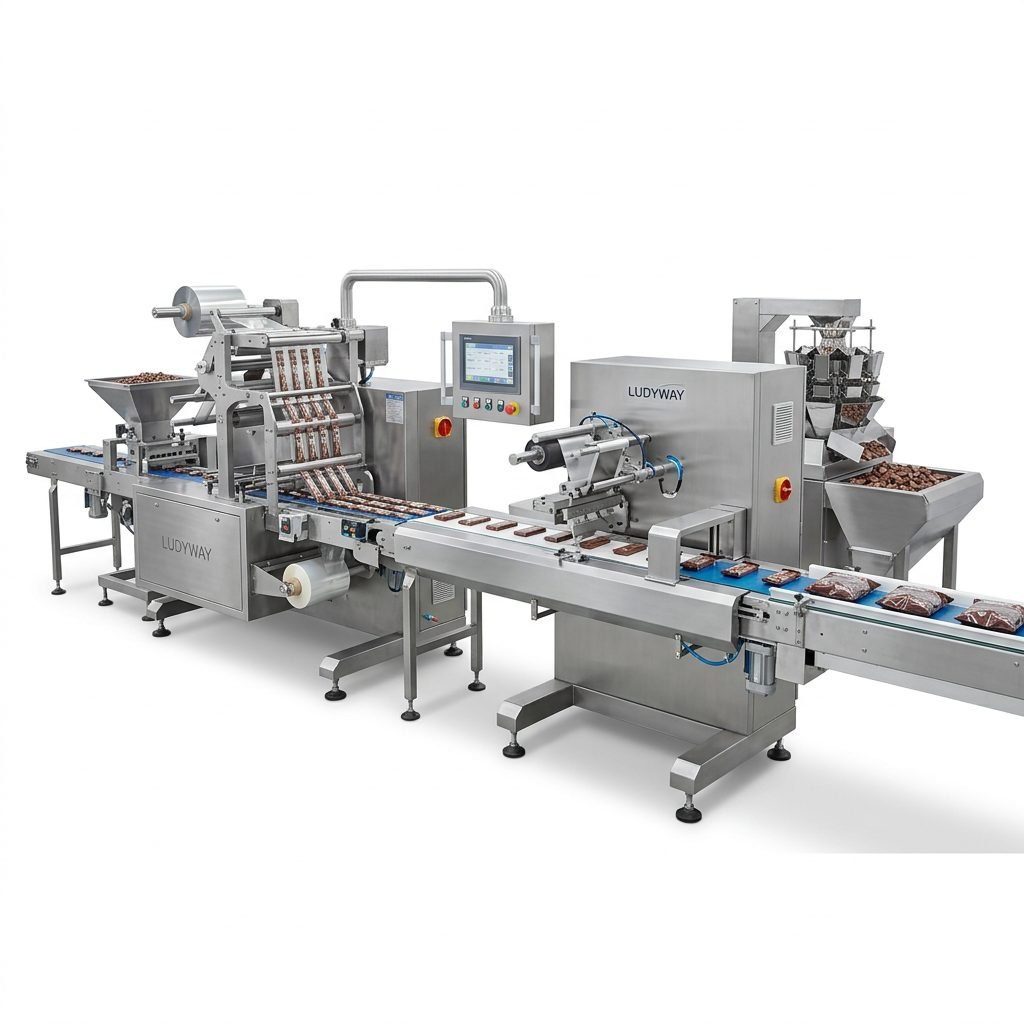
A fully integrated biscuit packaging line typically consists of several interconnected machines. Understanding each component is essential for efficient line design and optimal throughput. The table below outlines the core equipment required.
| Equipment | Function | Key Consideration |
|---|---|---|
| Feeding & Alignment System | Orients and feeds biscuits into the packaging lane | Product fragility and speed synchronization |
| Flow Wrapping Machine | Wraps individual packs using heat-sealable film | Film type compatibility and seal integrity |
| Multi-Head Weigher | Accurate dosing for multi-pack biscuit cartons | Speed and weighing precision requirements |
| Cartoning Machine | Erects, fills, and seals cartons for secondary packaging | Carton size flexibility and changeover speed |
| Checkweigher & Metal Detector | Ensures weight accuracy and contaminant detection | Compliance with food safety standards |
| Case Packer & Palletizer | Automates end-of-line packing and pallet stacking | Warehouse integration and labor optimization |
Step-by-Step Guide to Setting Up Your Production Line
Implementing a biscuit packaging line requires careful planning. Follow these steps to ensure a smooth installation and commissioning process.
Step 1: Define Production Requirements
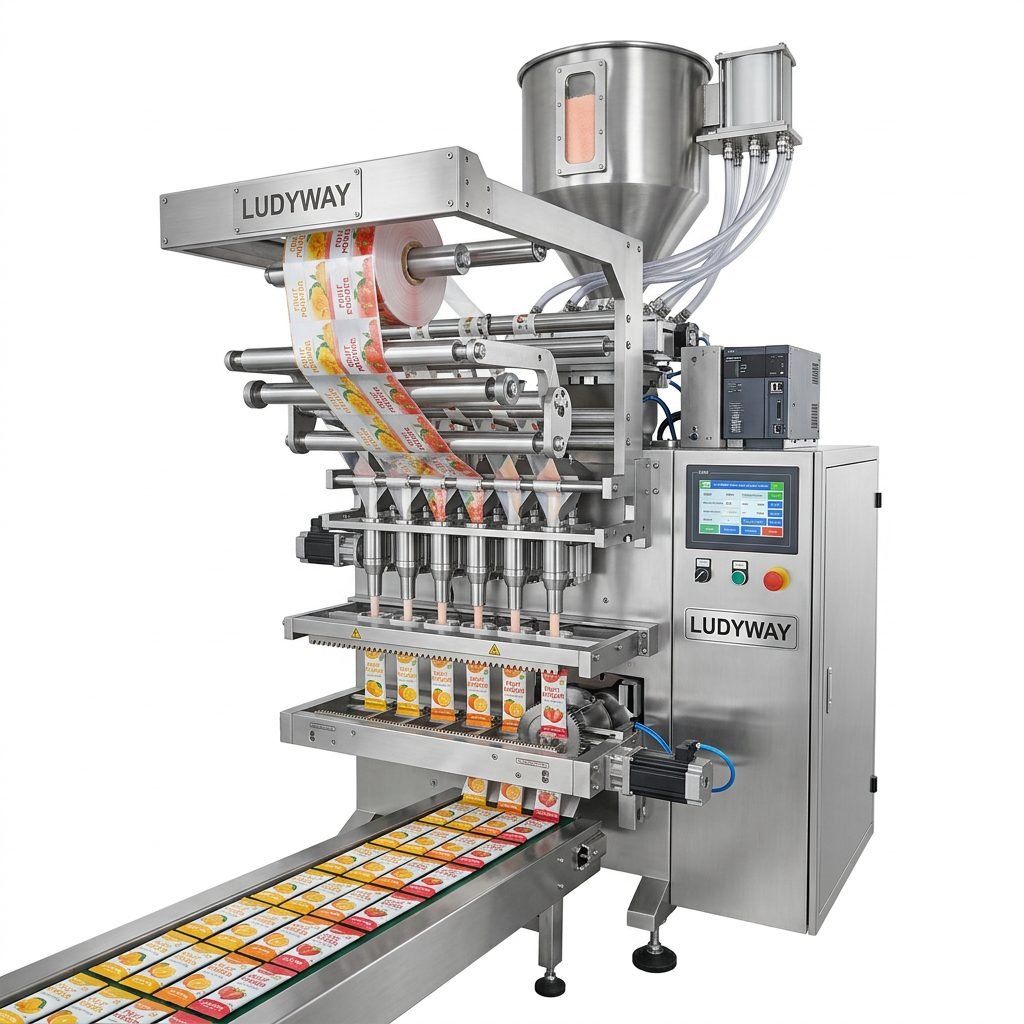
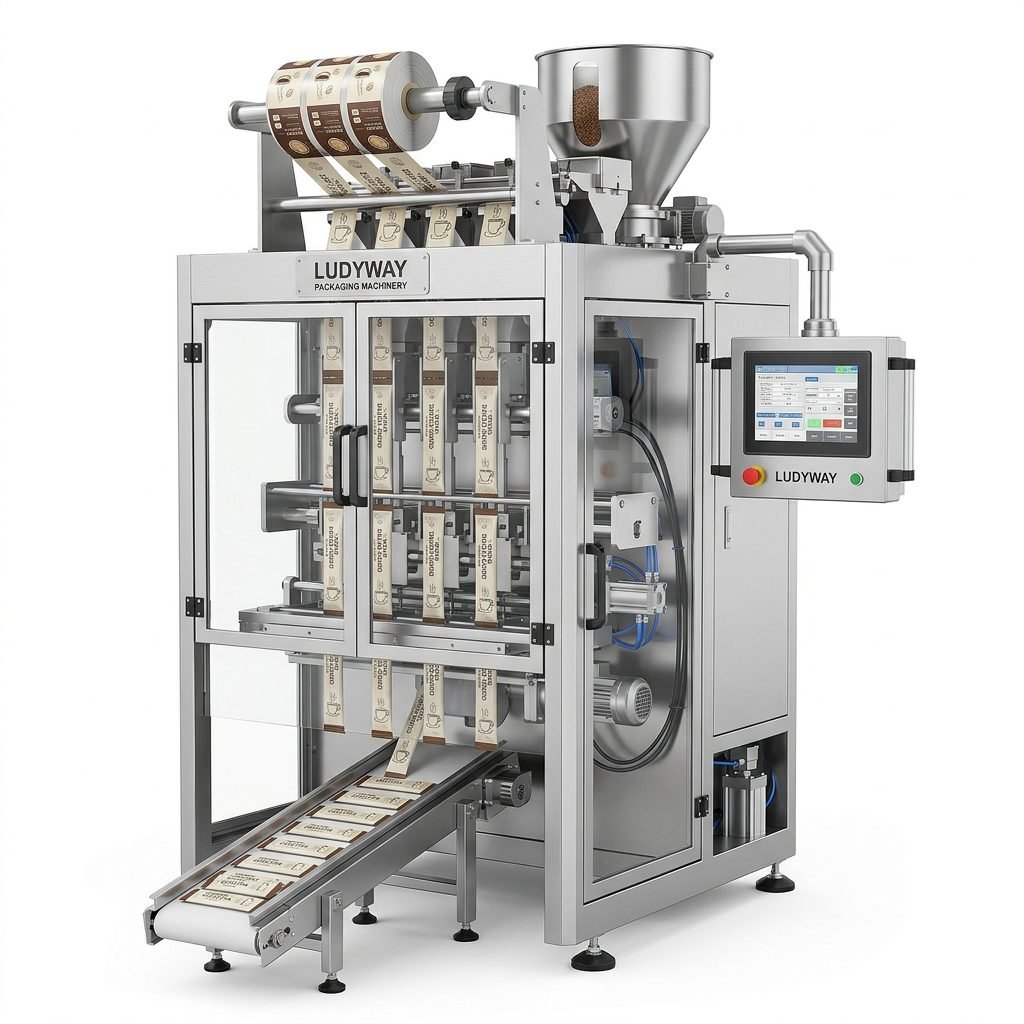
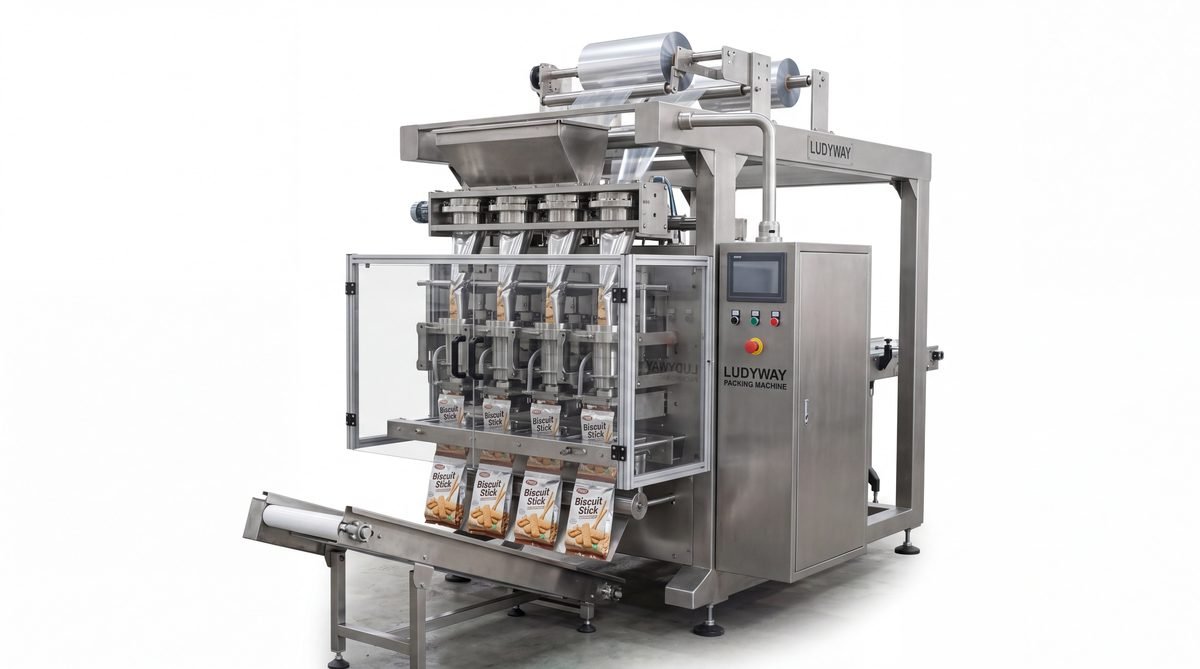
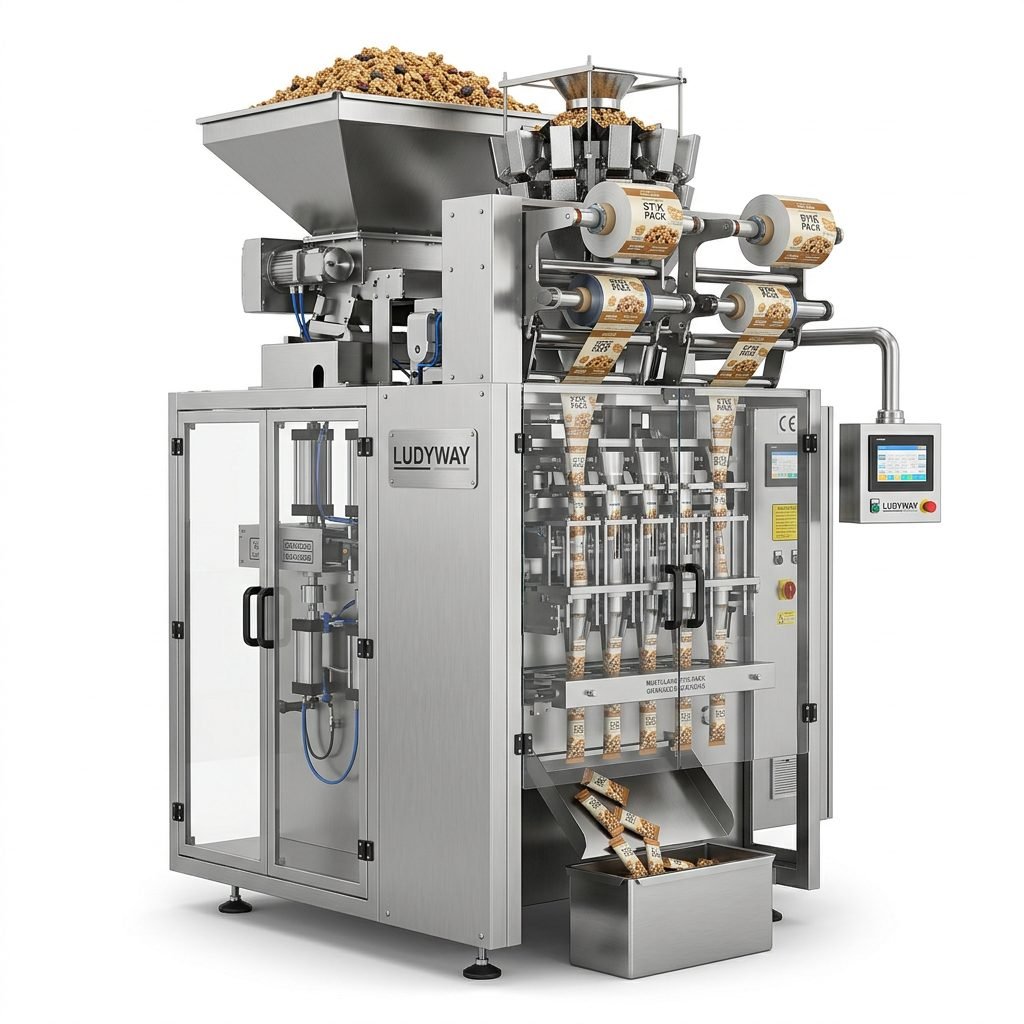
Before selecting equipment, clearly define your target output in packs per minute, the range of biscuit sizes and shapes you produce, and your primary packaging materials. Consider whether you need a multi-lane stick pack configuration or a single-lane high-speed flow wrapper. This decision directly impacts line speed and overall investment.
Step 2: Evaluate Factory Layout and Space
Assess your available floor space, ceiling height, and utility connections. A typical biscuit packaging line requires adequate room for infeed conveyors, primary packaging modules, secondary cartoning, and end-of-line equipment. Ensure there is sufficient clearance for operator access, maintenance, and material handling around every machine.
Step 3: Select the Right Equipment Configuration
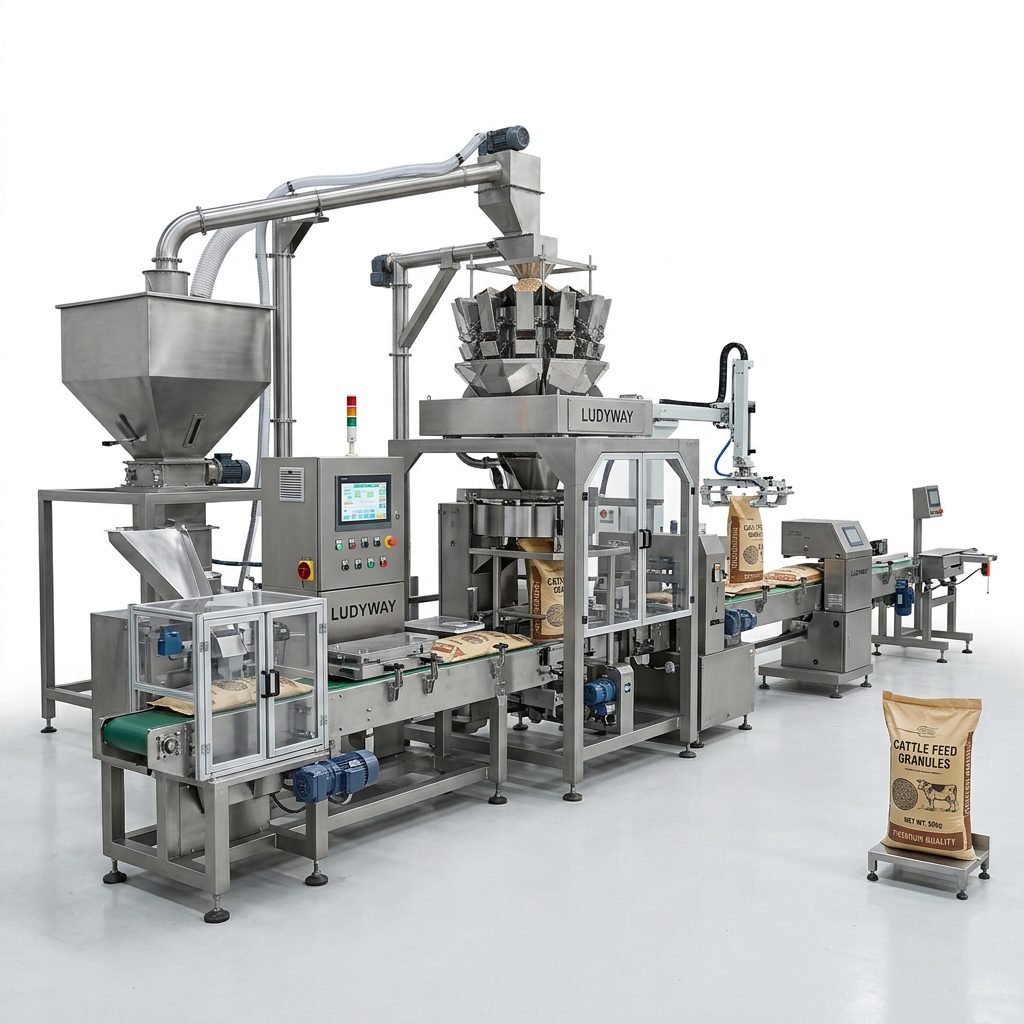
Choose machines that match your product characteristics and packaging goals. For instance, a turnkey packaging solution from an experienced manufacturer can simplify integration and reduce compatibility issues. Look for modular designs that allow future expansion as your production volumes grow.
Step 4: Plan for Utilities and Infrastructure
Verify that your facility can support the electrical load, compressed air requirements, and any vacuum or nitrogen flushing systems. Proper power supply with voltage stabilization is critical for consistent machine performance. Do not overlook dust extraction and climate control, especially in high-humidity regions of India.
Step 5: Installation, Training, and Commissioning
Schedule professional installation with support from the equipment supplier. Comprehensive operator training should cover machine setup, daily operation, troubleshooting, and safety procedures. A detailed commissioning checklist ensures all systems are validated before full-scale production begins.
Critical Factors for Success in the Indian Market
Operating a biscuit packaging line in India presents unique challenges and opportunities. Addressing these factors early will help you avoid costly downtime and maintain product quality.
- Climate Considerations: High ambient temperatures and monsoon humidity can affect film sealing properties and product shelf life. Consider climate-controlled packaging areas and moisture-barrier films.
- Regulatory Compliance: Adhere to FSSAI packaging regulations and labeling requirements specific to the Indian food industry. This includes mandatory nutritional information, vegetarian/non-vegetarian marks, and MRP declaration.
- Skill Development: Invest in ongoing training for machine operators and maintenance technicians. Well-trained staff can significantly improve line efficiency and reduce unplanned stoppages.
- Spare Parts Management: Maintain an adequate inventory of critical wear parts, sealing elements, and sensors to minimize downtime. Choose a supplier with responsive local support or fast international shipping.
Selecting a Reliable Packaging Machine Partner
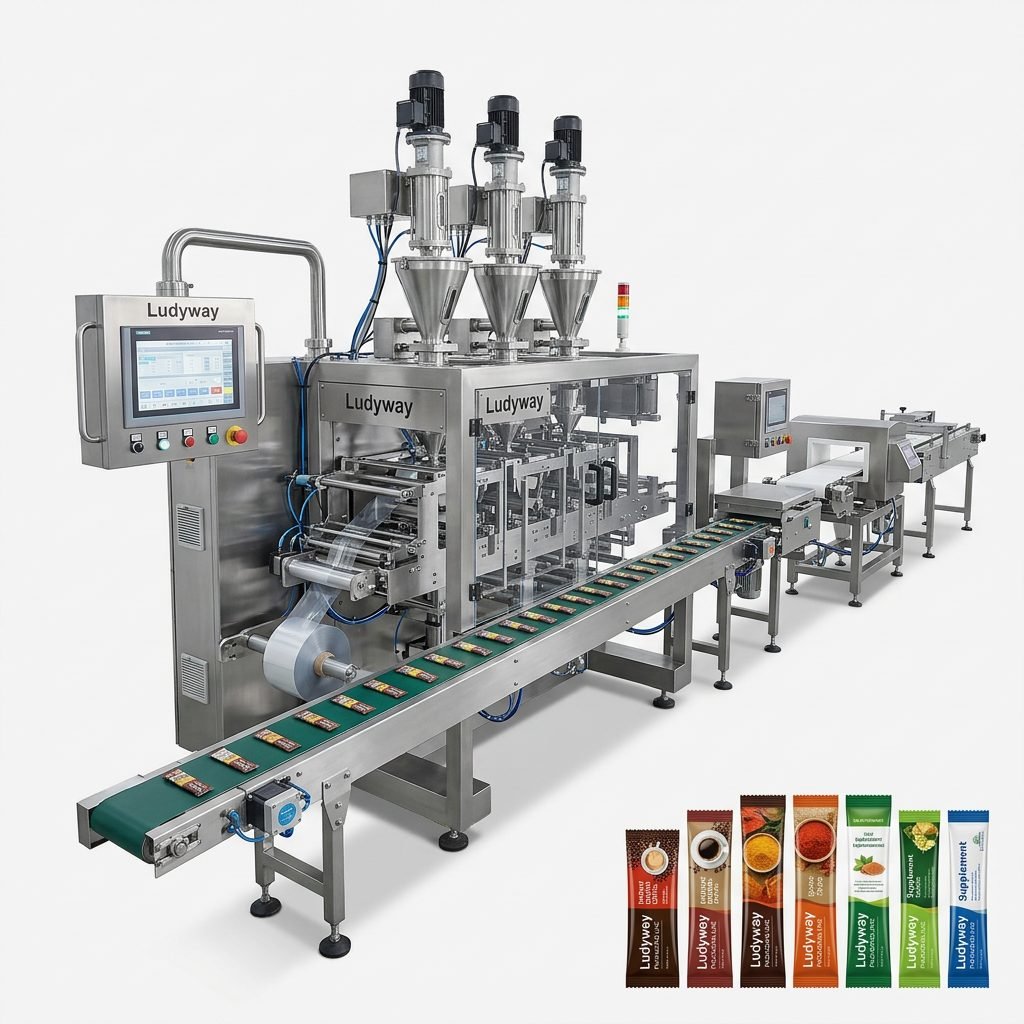
Choosing the right equipment manufacturer is as important as selecting the machines themselves. A reputable partner should offer comprehensive pre-sales consultation, customized line design, and reliable after-sales support. Look for companies with a proven track record in the food packaging sector and the ability to provide complete turnkey lines rather than isolated machines.
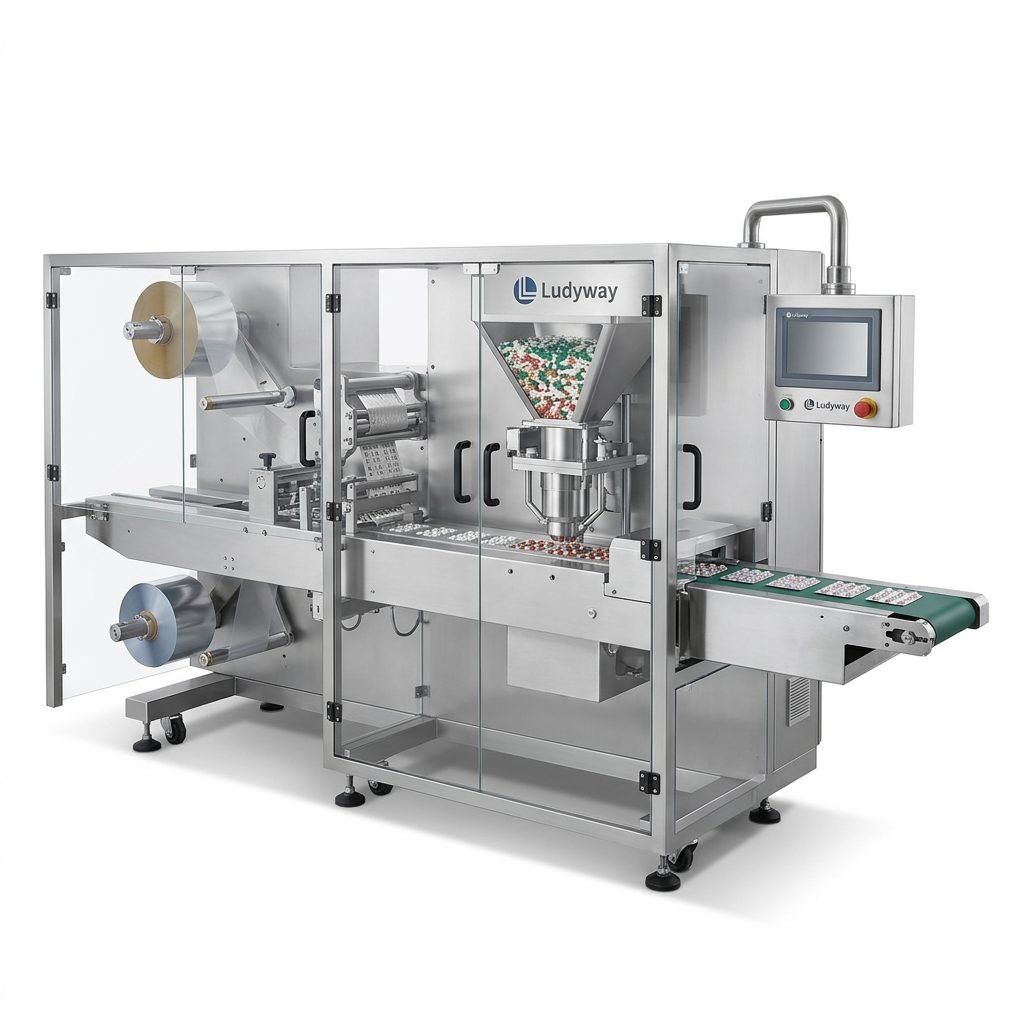
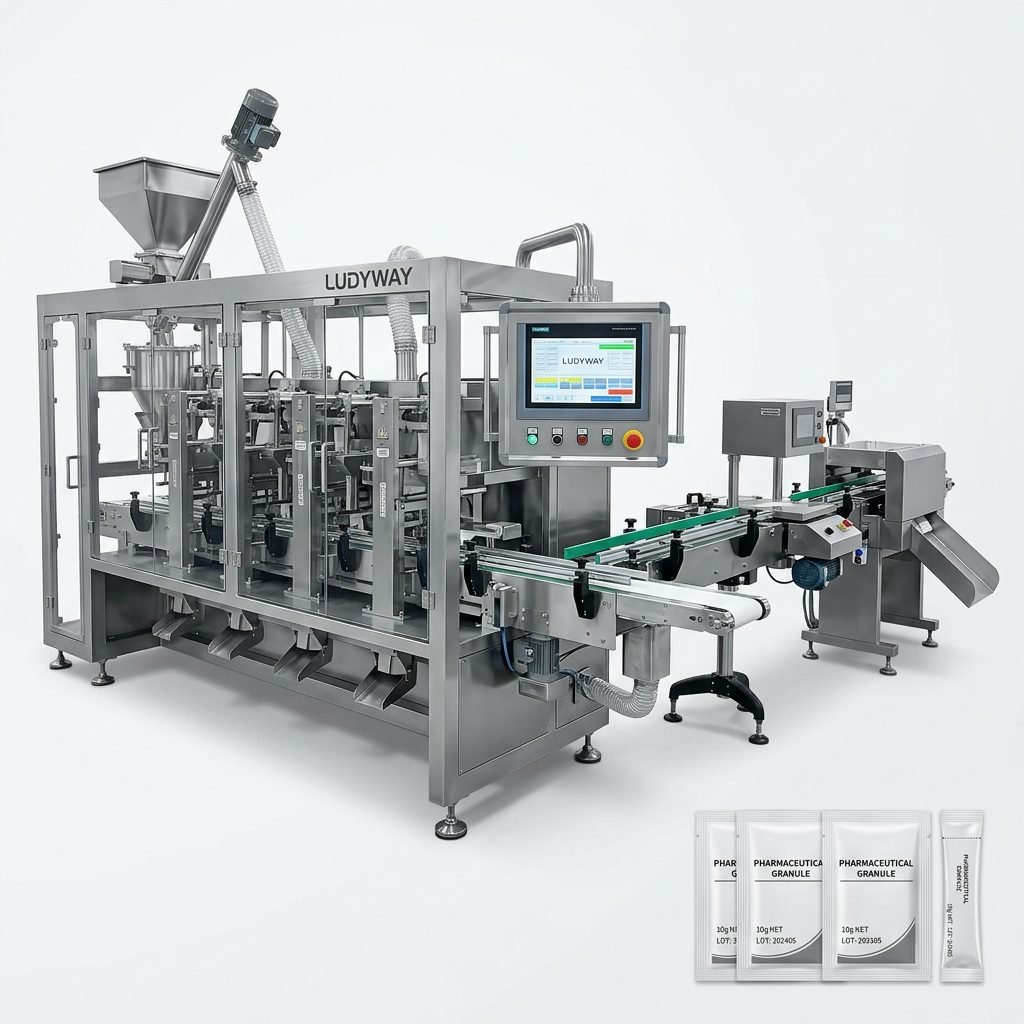
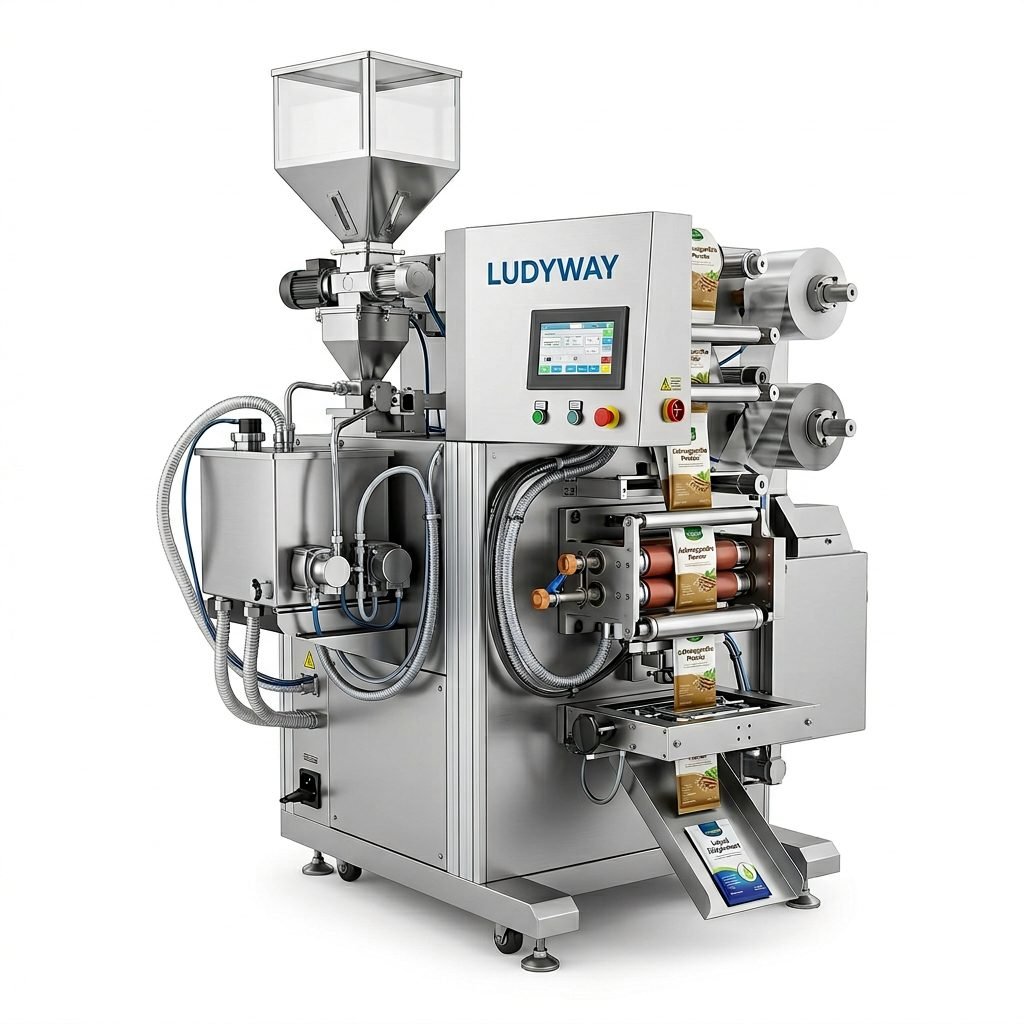
Ludyway is one of the largest packaging machine manufacturers in China, specializing in advanced packaging equipment and turnkey production solutions for the food, pharmaceutical, and health industries. With over 30 years of industry expertise and a modern 20,000㎡ manufacturing facility, Ludyway offers more than 50 intelligent packaging machine models, including multi-lane stick pack, sachet, and fully automated packaging systems suitable for biscuit and snack applications. Serving customers in over 100 countries and regions, their engineering team provides professional technical support throughout the entire project lifecycle.
Maintenance and Long-Term Optimization
Establishing a structured maintenance program is essential for maximizing the lifespan and performance of your biscuit packaging line. Develop a schedule that includes daily cleaning, weekly inspections, and periodic preventive maintenance. Document all service activities and use performance data to identify opportunities for line optimization.
Key maintenance practices include:
- Daily visual inspection of sealing jaws, cutting blades, and heating elements
- Weekly lubrication of mechanical components and chain drives
- Monthly calibration of sensors, checkweighers, and metal detectors
- Quarterly review of electrical connections, PLC parameters, and safety systems
- Annual comprehensive overhaul with replacement of worn parts
Frequently Asked Questions About Biscuit Packaging Lines
What is the typical cost range for a biscuit packaging production line in India?
The investment varies widely based on automation level, speed requirements, and packaging complexity. A basic semi-automatic flow wrapping line may start from approximately ₹15-25 lakhs, while a fully automated high-speed line with cartoning and palletizing can exceed ₹1-2 crore. Request detailed quotations from multiple reputable suppliers to compare configurations and total cost of ownership rather than initial price alone.
How can I ensure my packaging line meets international food safety standards?
Select equipment designed with hygienic construction principles, including stainless steel contact surfaces, easy-clean designs, and validated sealing systems. Implement HACCP protocols at critical control points and ensure your line can accommodate inline inspection technologies such as metal detectors and X-ray systems. Reference the latest PMMI packaging standards for industry best practices.
What is the typical installation timeline for a complete biscuit packaging line?
From order confirmation to commercial production, the typical timeline ranges from 8 to 16 weeks, depending on equipment customization, shipping logistics, and site preparation. Factory acceptance testing before shipment can significantly reduce on-site commissioning time. Plan for an additional 2-4 weeks for operator training and production ramp-up after installation.
Conclusion: Building for Long-Term Growth
Setting up a biscuit packaging machine production line in India is a strategic investment that requires thorough planning, the right technology partner, and a commitment to operational excellence. By selecting equipment that matches your product range and production goals, ensuring compliance with Indian regulatory requirements, and investing in skilled personnel and preventive maintenance, you can build a packaging operation that delivers consistent quality and supports long-term business growth. The Indian biscuit market offers tremendous potential for manufacturers who invest wisely in modern, reliable packaging infrastructure.