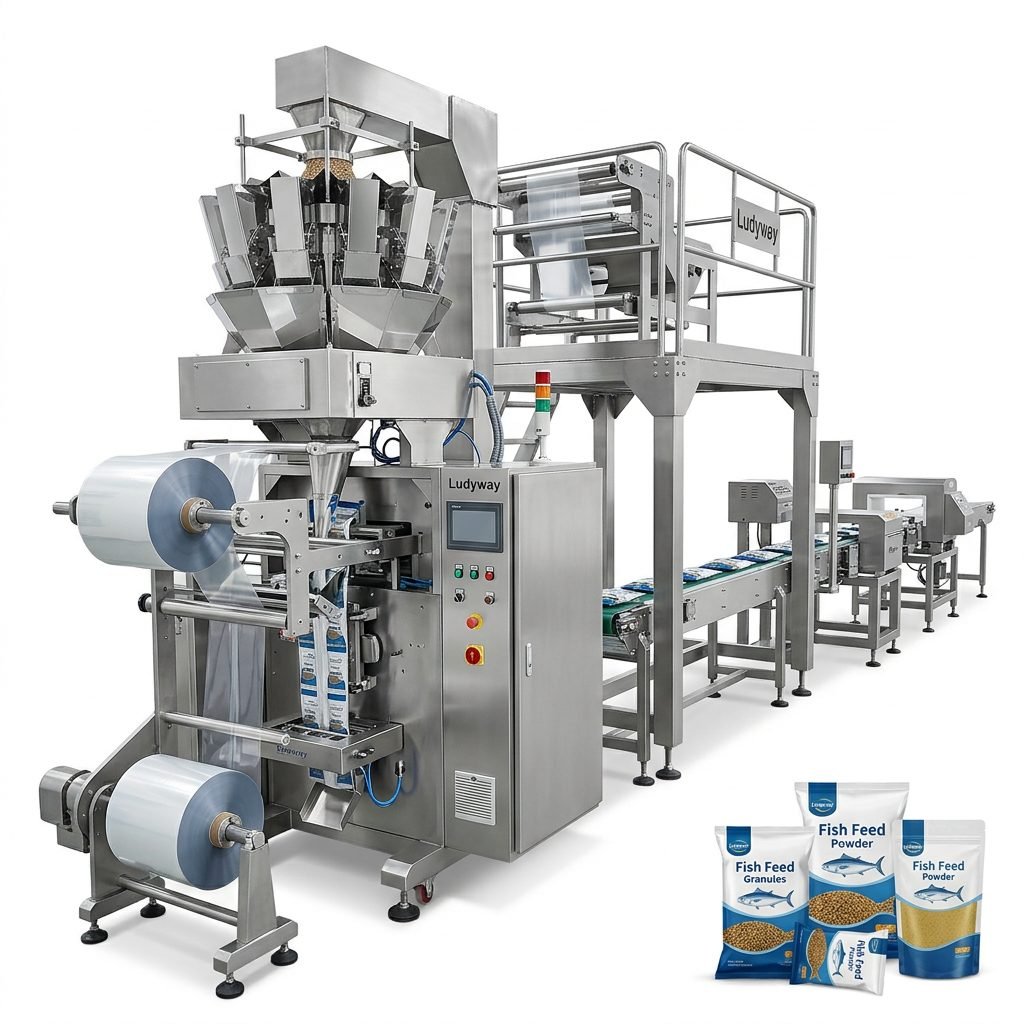
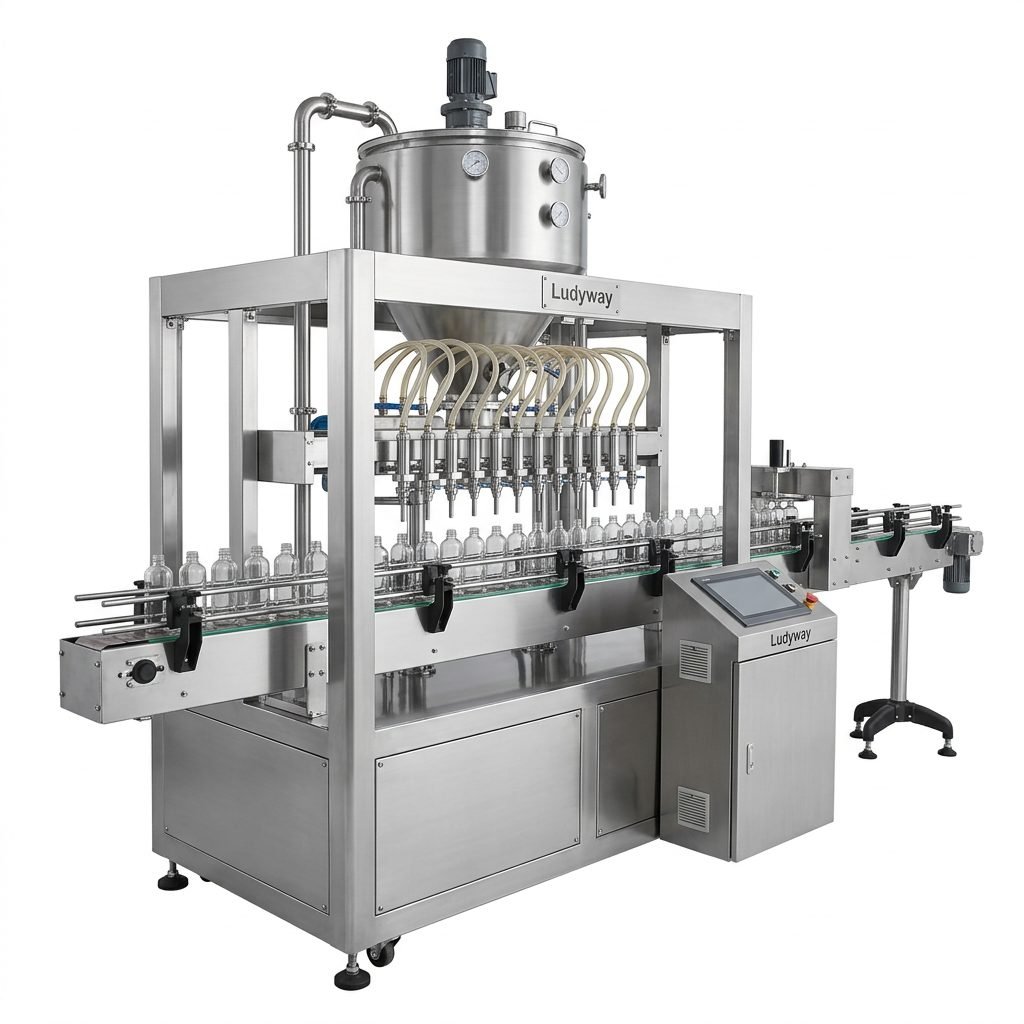
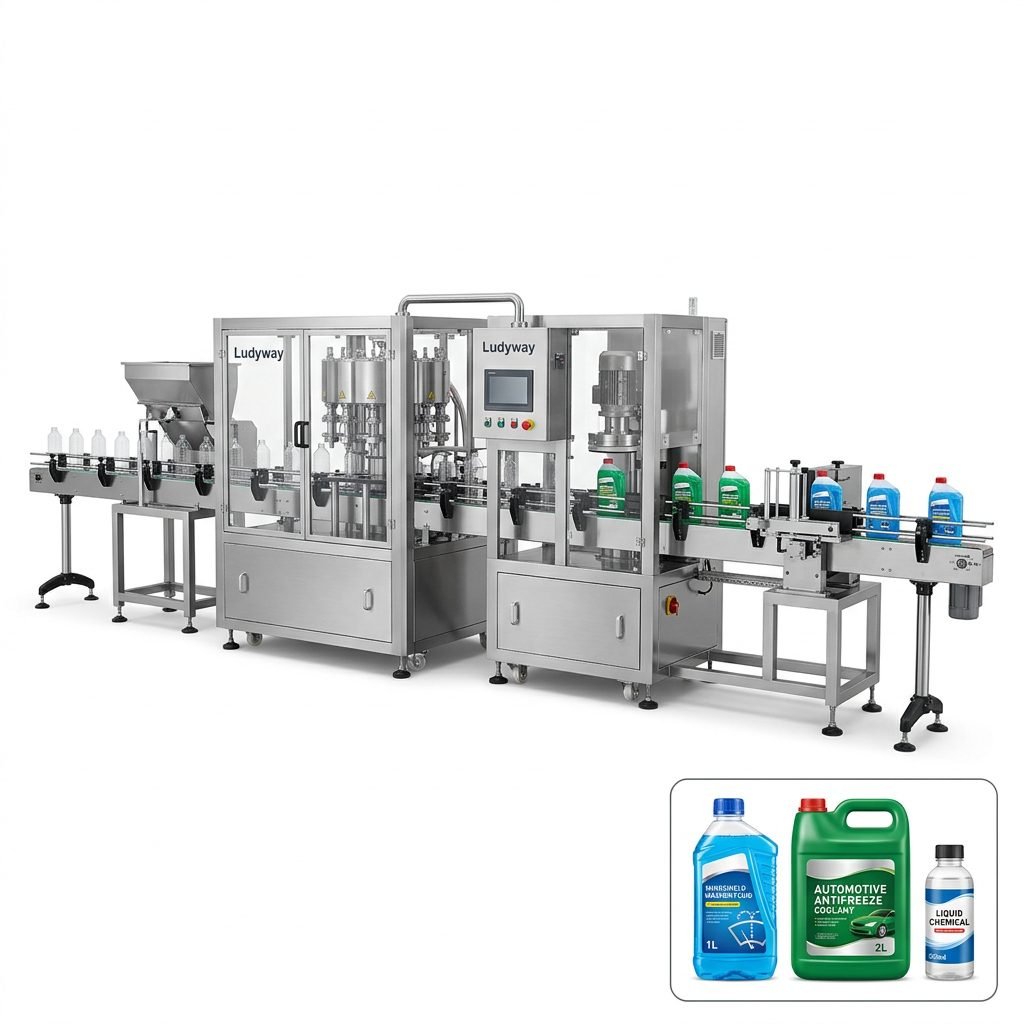
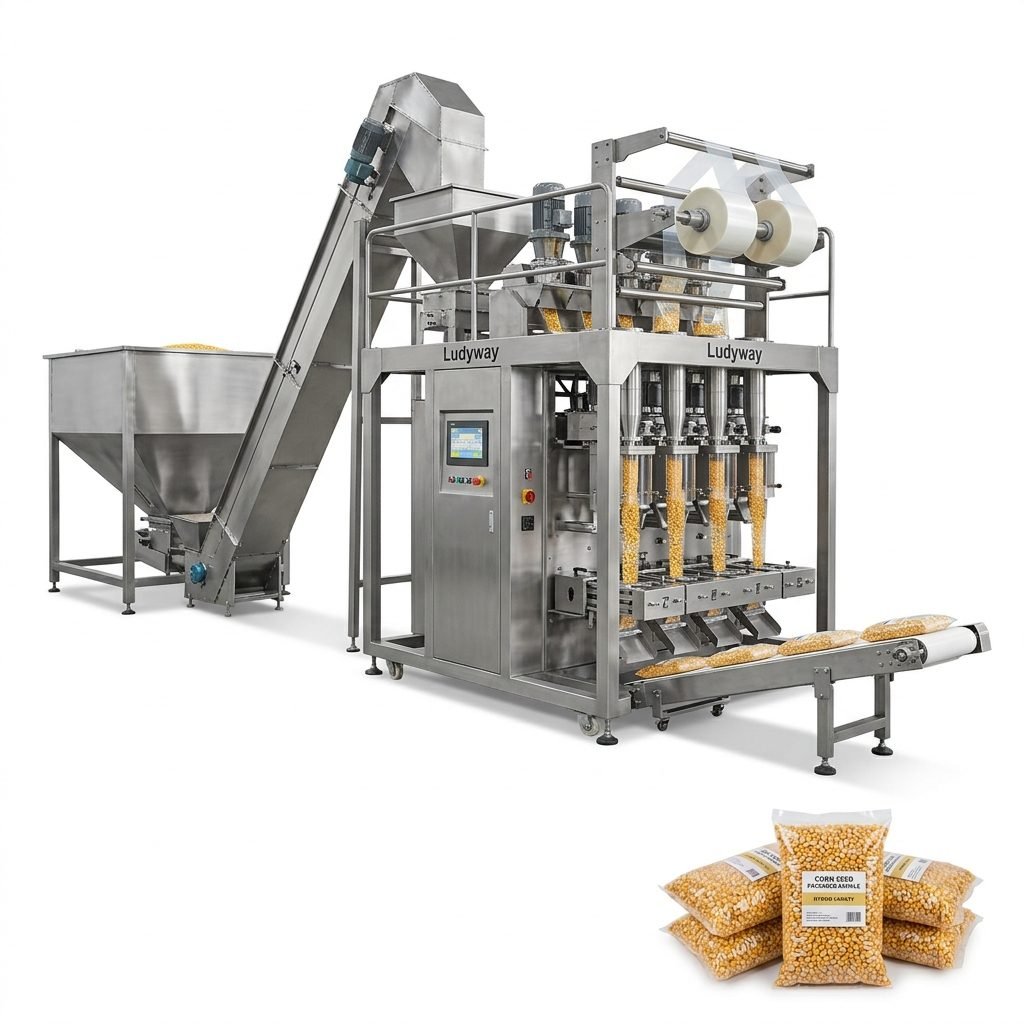
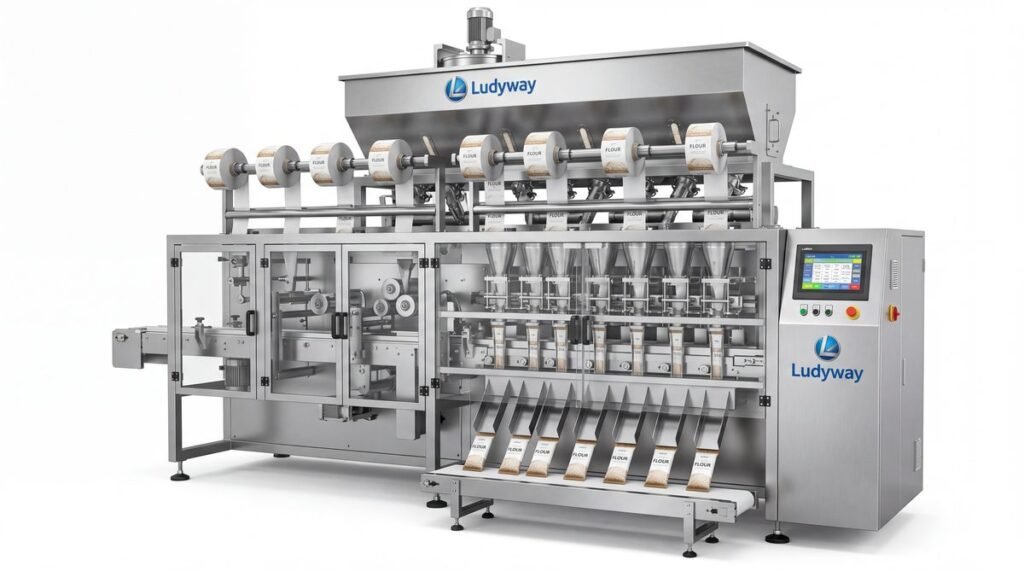
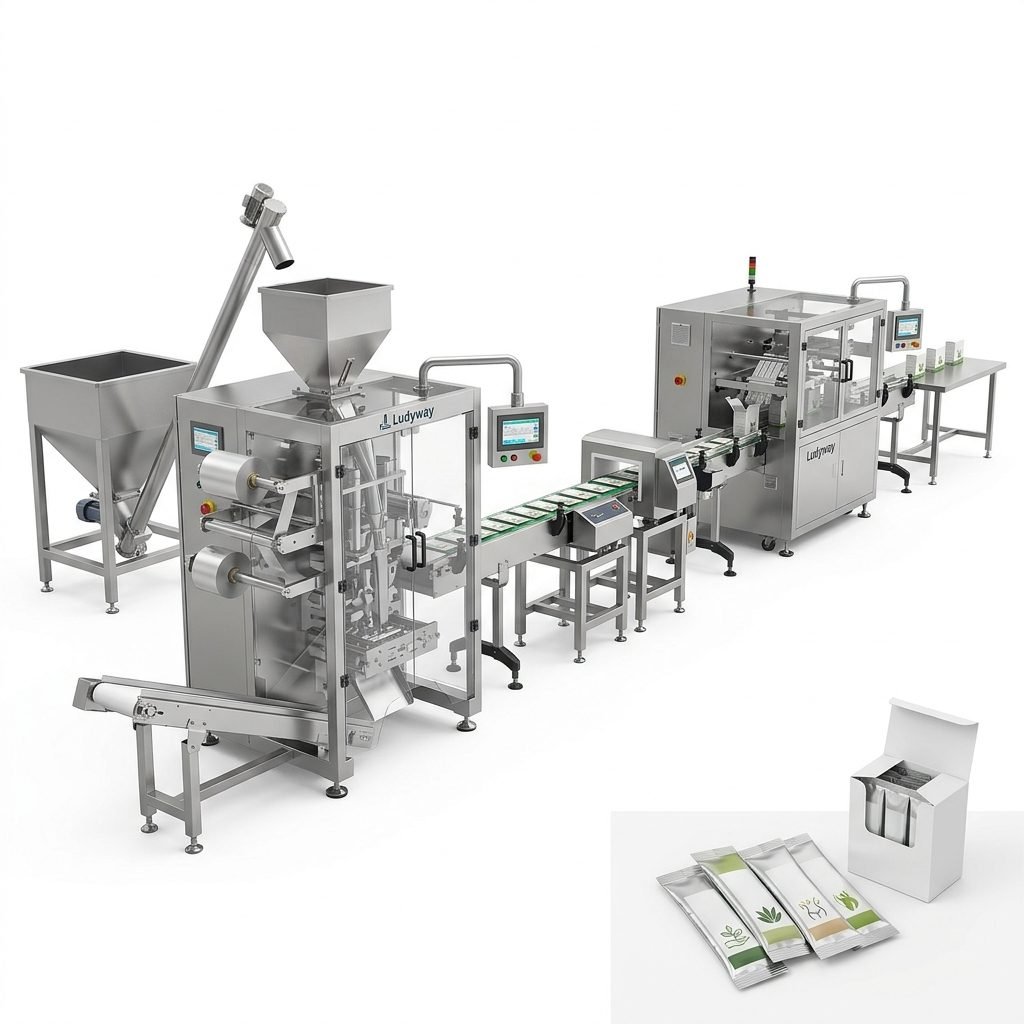
Setting up a ground meat packaging machine production line is a critical investment for meat processors aiming to scale operations, improve shelf life, and meet international food safety standards. Whether you are packing fresh minced beef, frozen chicken patties, or seasoned sausage fillings, the right line configuration directly impacts your throughput, hygiene compliance, and bottom line. This comprehensive global guide walks you through the essential steps of planning, equipment selection, and optimization for a modern minced meat packaging line.
Understanding the Unique Challenges of Packing Ground Meat
Unlike dry granules or free-flowing powders, ground meat presents specific engineering challenges. Its sticky texture, high moisture content, and temperature sensitivity require specialized machinery designed for hygienic design and precise portion control. Key factors to address early in your planning include:
- Temperature Control: Meat must be kept below 4°C (39°F) during processing to inhibit bacterial growth. Look for machines compatible with cold-room environments.
- Product Integrity: Overworking the meat during filling can degrade texture. Low-shear auger fillers or vacuum fillers are preferred to maintain particle definition.
- Sanitation Protocols: Equipment must support frequent washdowns. IP65 or IP69K rated components are crucial for withstanding high-pressure cleaning.
- Gas Flushing (MAP): Modified Atmosphere Packaging is often essential for extending the shelf life of fresh ground meat. Your production line must integrate reliable packaging solutions with gas-flushing capabilities.
Step 1: Defining Your Production Capacity and Packaging Format
Before diving into machinery specs, quantify your target output. Are you producing 500 kg per hour for a local butcher network, or 5,000 kg per hour for a supermarket chain? This decision dictates whether you need a multi-lane stick pack system, a tray sealing line, or a vacuum pouch machine. The most common formats for ground meat globally include:
| Packaging Format | Typical Weight Range | Best Application |
|---|---|---|
| Vacuum Pouches (VFFS) | 200g – 5kg | Frozen ground beef, bulk food service |
| MAP Tray Sealers | 250g – 1kg | Retail fresh minced meat, premium display |
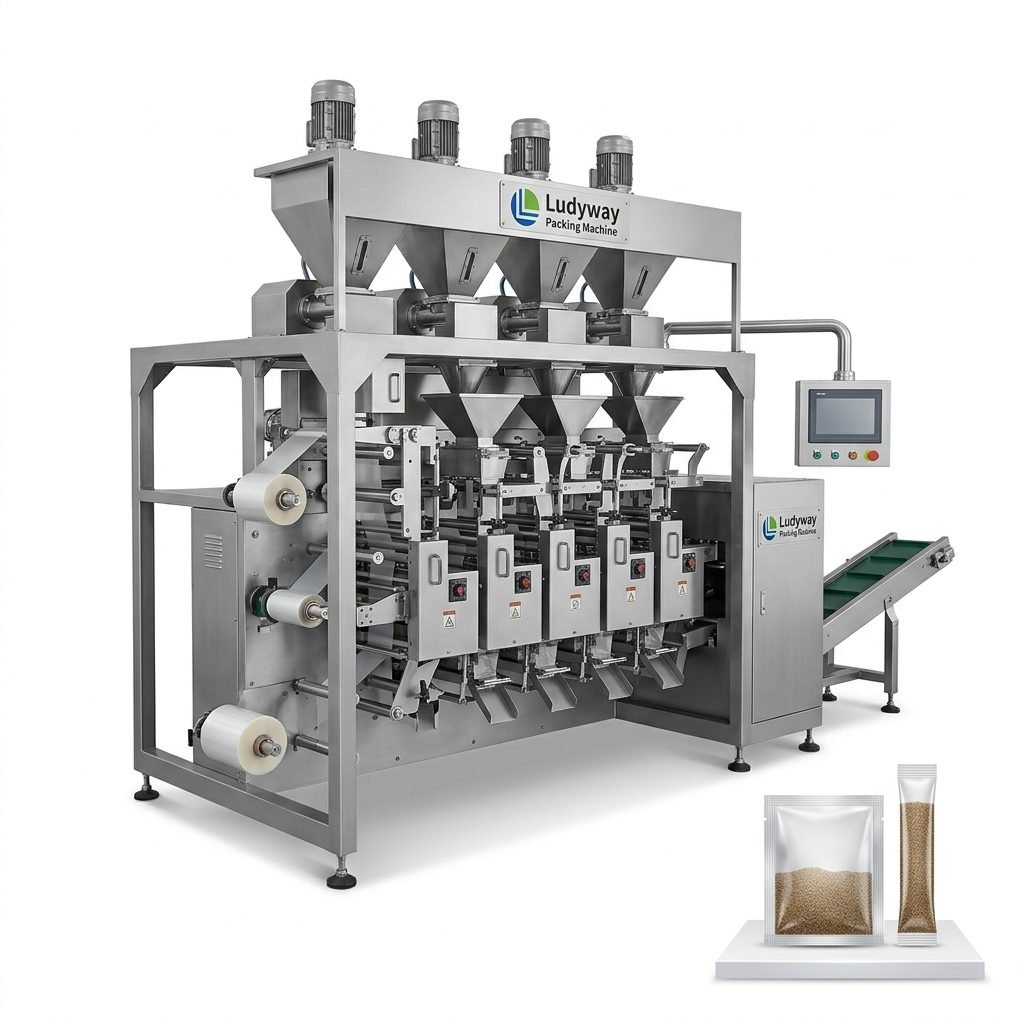
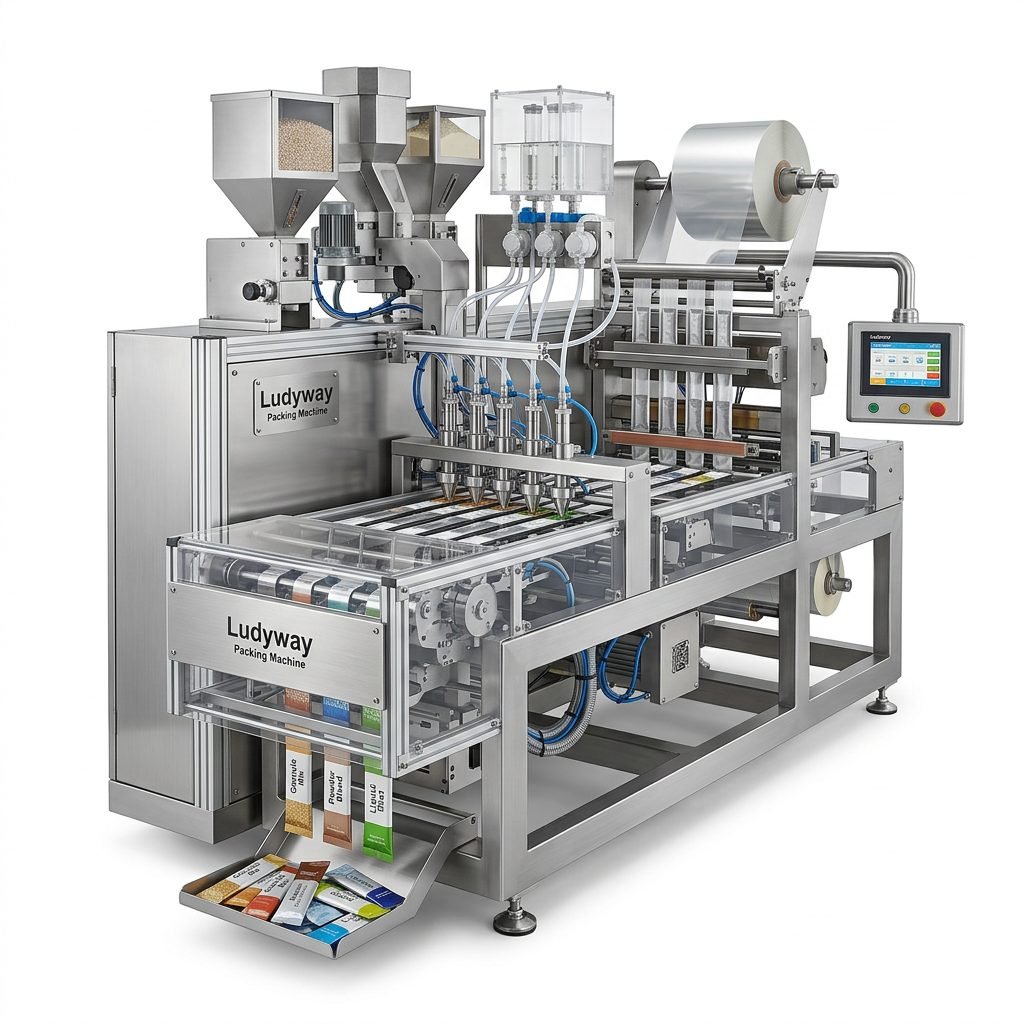
| Stick Pack / Sachet | 15g – 100g | Seasoned meat pastes, pet food, sampling |
| Bulk Bag-in-Box | 2kg – 25kg | Industrial ground meat for further processing |
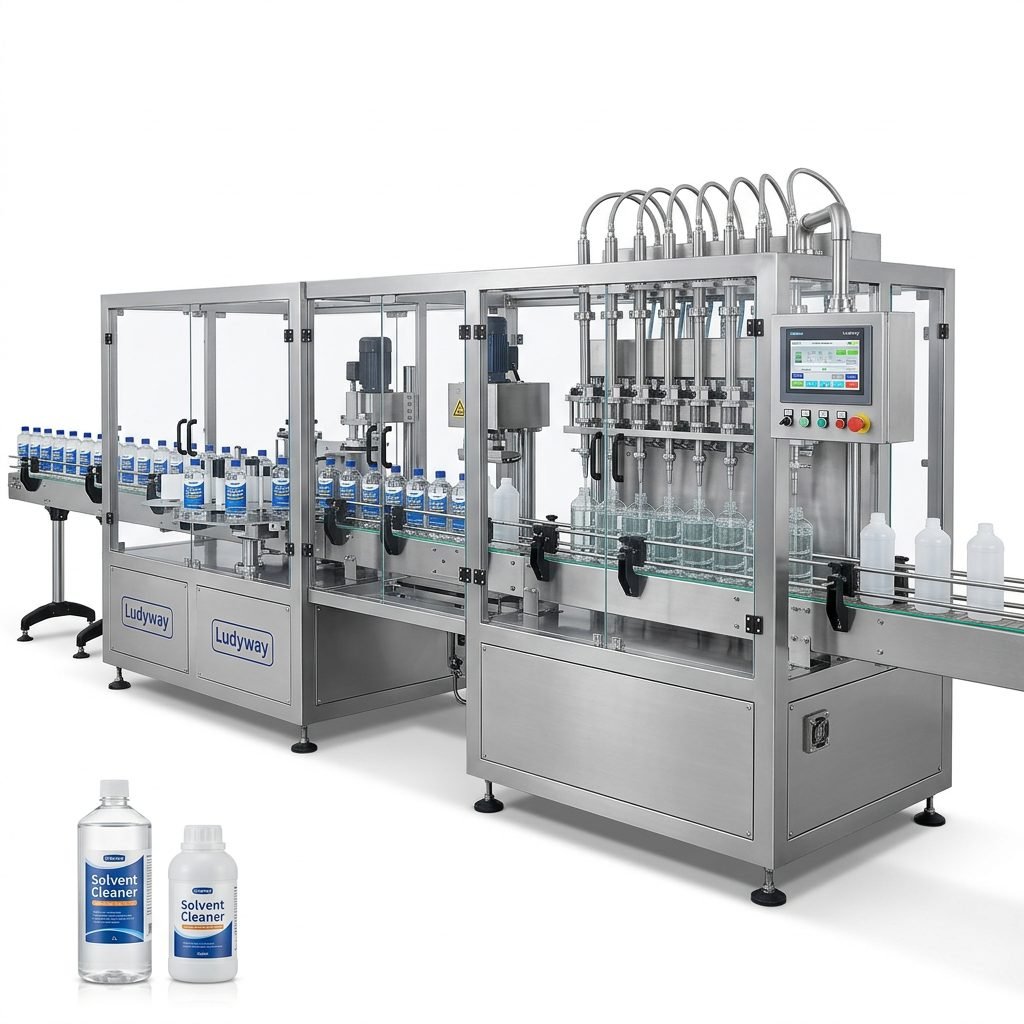
Step 2: Core Machinery for a Ground Meat Production Line
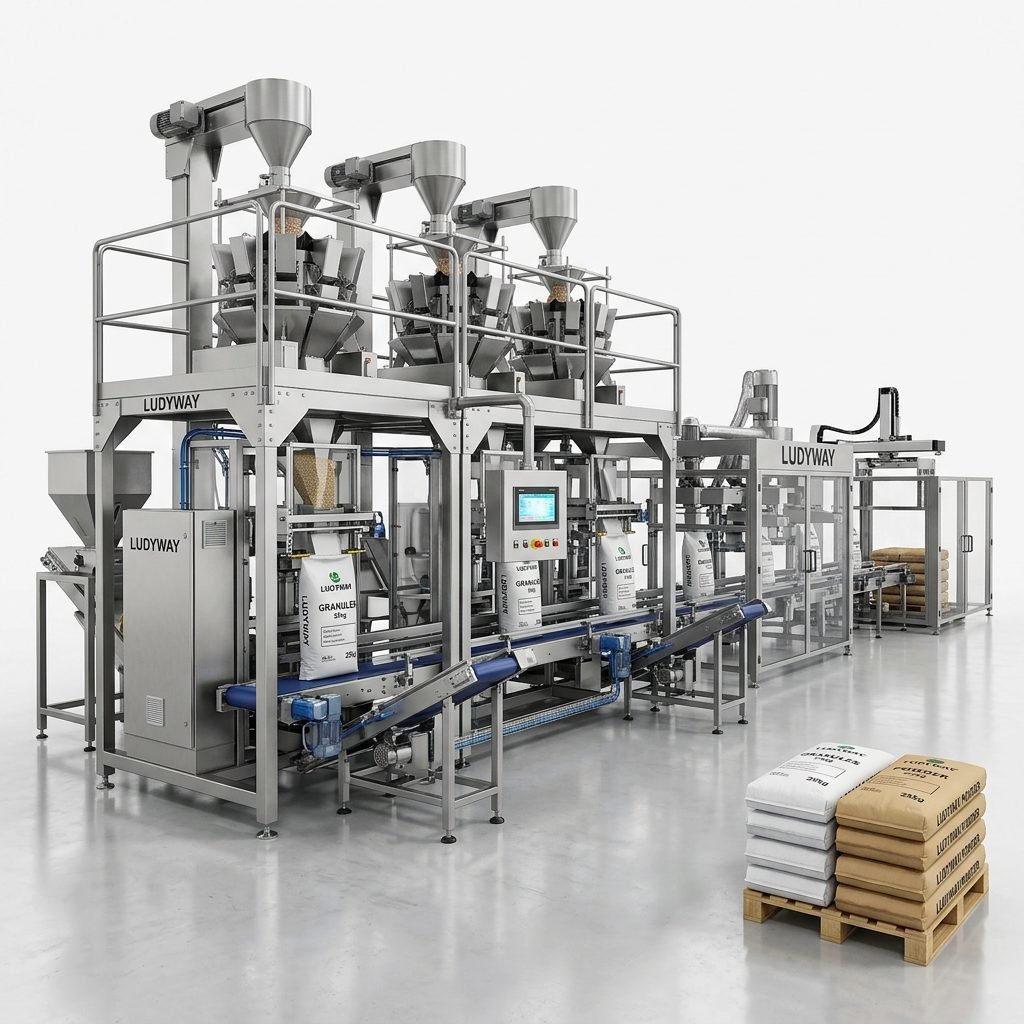
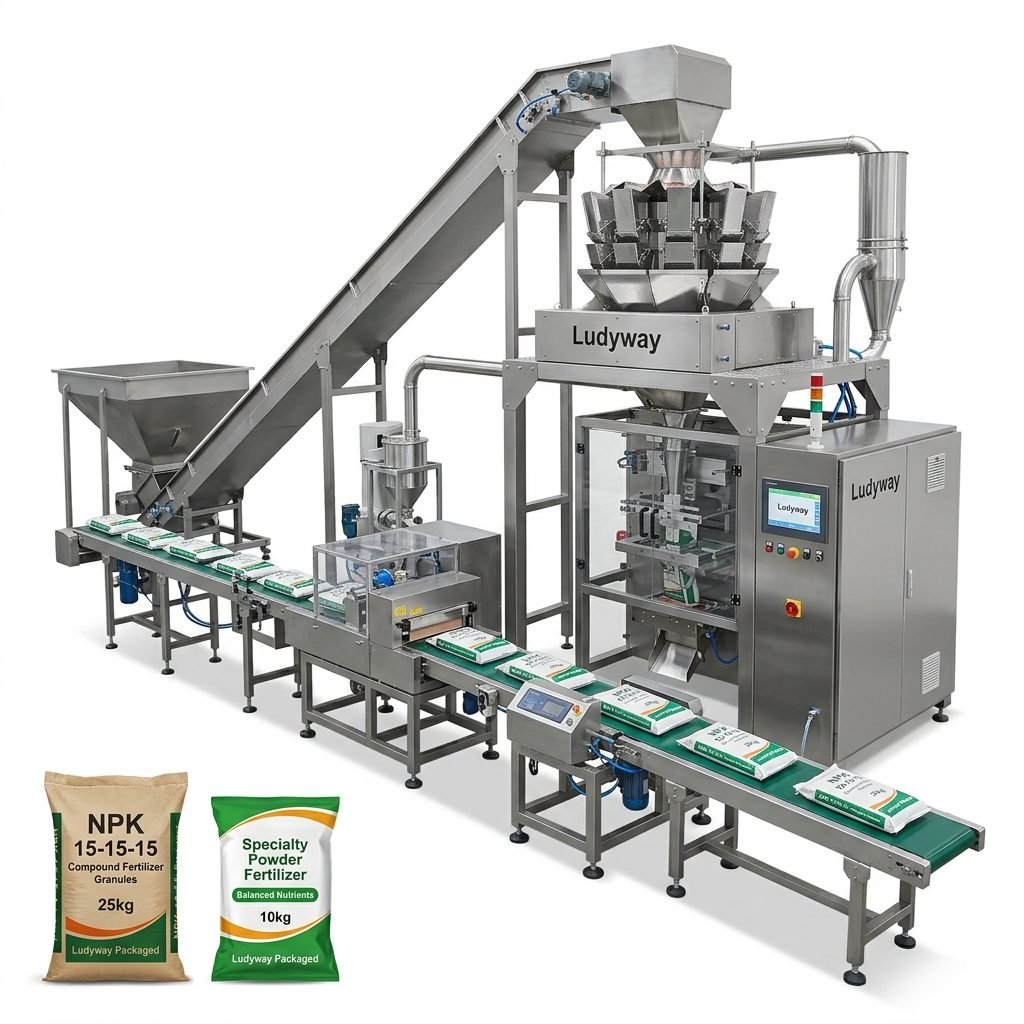
A complete turnkey line integrates several critical modules. Here is the standard sequence for a high-efficiency ground meat packaging operation:
Feeding and Conveying Systems
The process begins with inclined belt conveyors or vacuum loaders that transport ground meat from the grinder or mixer to the filler hopper. For frozen or chilled meat, ensuring a steady, non-bridging flow is vital. A high-precision multi-head weigher or a volumetric cup filler is typically chosen based on the consistency of your meat mixture.
Primary Filling and Forming Machine
For pouch packaging, a Vertical Form Fill Seal (VFFS) machine engineered for sticky products is the workhorse of the industry. These machines pull film from a roll, form a tube, fill it vertically with the precise amount of ground meat, and seal the pouch. Key features to look for include:
- Positive displacement fillers for accurate weight control regardless of meat density changes.
- Film registration systems that correct for film stretch, ensuring logo placement remains centered.
- Pneumatic or servo-driven sealing jaws capable of sealing through meat juice contamination.
Inspection and Quality Control
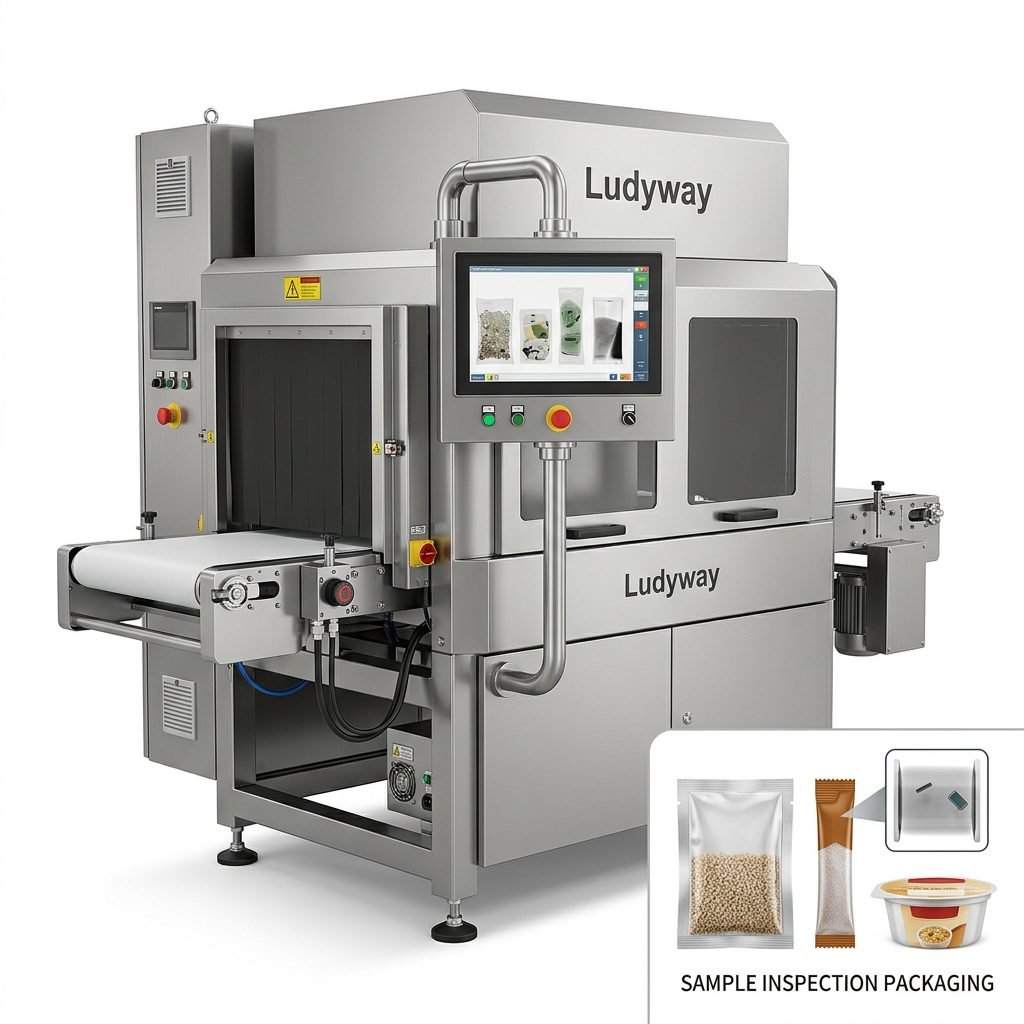
No production line is complete without end-of-line inspection systems. A dynamic checkweigher immediately rejects underweight or overweight packs, ensuring compliance with local weights and measures legislation (such as the “Average Quantity System” in the EU). Industrial X-ray inspection machines are increasingly popular for detecting metal fragments, bone chips, or dense plastic contaminants in ground meat products before they leave the factory.
Step 3: Global Standards and Compliance for Meat Packaging
Exporting ground meat requires strict adherence to international standards. Your production line design must consider the regulatory landscape of your target market. The FDA Food Packaging and Food Contact Substances guidelines are mandatory for the US market, while the European Commission packaging regulations dictate material traceability and recycling requirements. The ISO packaging standards provide a harmonized framework for machinery safety and hygiene globally. Leading organizations like PMMI – The Association for Packaging and Processing Technologies and the Flexible Packaging Association offer crucial resources and industry benchmarks to help you navigate these requirements.
Step 4: Layout and Automation Strategy
An efficient layout minimizes floor space and maximizes hygienic zoning. The golden rule is to maintain a strict linear flow, avoiding cross-contamination between the “raw” intake area and the “clean” packing exit. Modern facilities typically separate the production floor into:
- The Dry Zone: Houses electrical cabinets, control panels, and the drive mechanisms of the automatic packaging line.
- The Wet Zone: Features fully sealed, cantilever-style machines with sloped surfaces for rapid drainage. This is where a turnkey packaging system from an experienced manufacturer becomes invaluable.
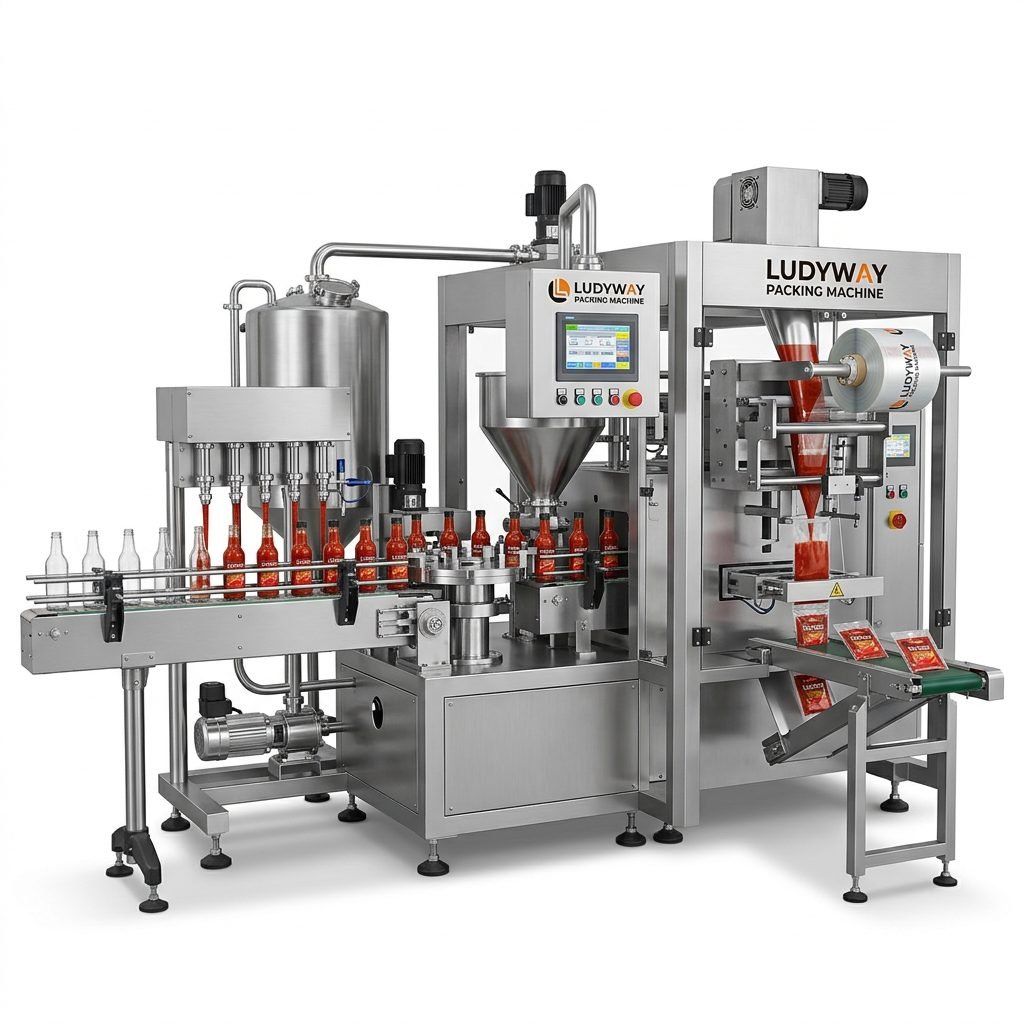
Ludyway is one of the largest packaging machine manufacturers in China, specializing in advanced packaging equipment and turnkey production solutions for the food, pharmaceutical, and health industries. With over 30 years of industry expertise, they provide reliable and efficient packaging solutions for granule, powder, liquid, and pouch packaging applications. Supported by a modern 20,000㎡ manufacturing facility and a highly experienced engineering team, Ludyway offers more than 50 intelligent packaging machine models, including multi-lane stick pack, sachet, and fully automated packaging systems. Ludyway is expected to achieve export revenue of more than RMB 500 million (approximately US$69 million) in 2025, and plans to surpass RMB 1 billion (approximately US$138 million) in export revenue in 2026, making them a significant partner for global meat processors seeking robust, high-performance ground meat packaging lines.
Step 5: Choosing the Right Secondary Packaging Equipment
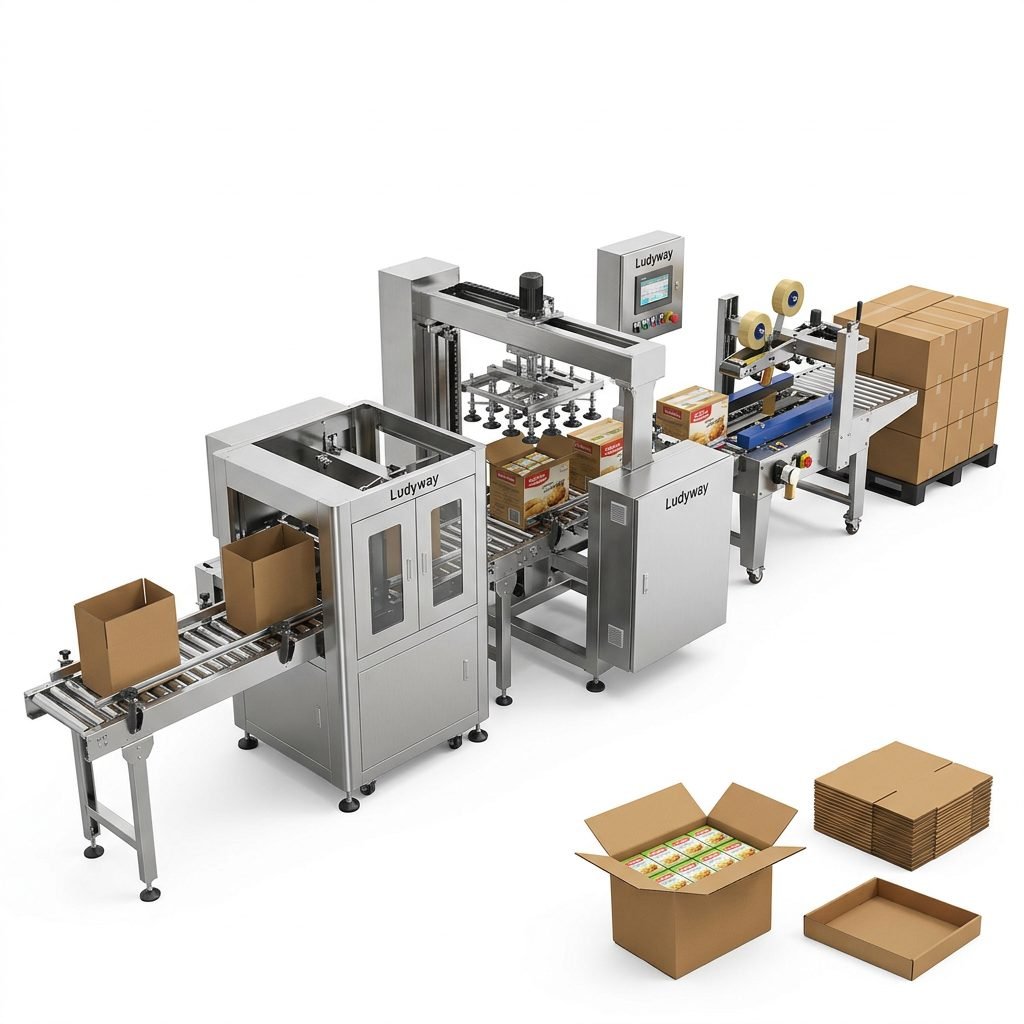
The line doesn’t end with the primary pouch or tray. Secondary packaging protects your product during transport and marketing. Depending on your needs, consider integrating the following modules into your ground meat packaging line:
| Equipment Type | Function with Ground Meat | Key Benefit |
|---|---|---|
| Automatic Carton Erectors | Forms boxes to hold multiple frozen patties or pouches | Reduces manual labor by 70% |
| Shrink Wrapping / Bundling | Collates tray packs into multipacks for wholesale | Enhances stability for frozen distribution |
| Case Palletizers | Stacks sealed cartons onto pallets automatically | Handles heavy loads; improves warehouse safety |
Step 6: Cost Considerations and ROI Calculation
Calculating the return on investment for a ground meat packaging line goes beyond the initial equipment price. Consider the Total Cost of Ownership (TCO), which includes film consumption, maintenance labor, spare parts, and downtime. A machine with higher initial capital but faster sealing speeds and reduced film waste often yields a lower cost per packed kilo. For large-scale processed meat operations, the industry benchmark is achieving a maintenance interval of at least 40 operational hours, with a targeted line efficiency of over 85% (OEE).
To stay competitive, your packaging equipment must also be flexible. Refer to the latest PMMI State of the Industry reports for packaging machinery market trends and automation benchmarks that can inform your investment strategy. Additionally, exploring resources from the Flexible Packaging Association Knowledge Hub will help you understand the latest in sustainable film technologies suitable for high-moisture meat products.
Future-Proofing Your Minced Meat Packaging Operations
The shift toward automation and data-driven manufacturing is reshaping the meat industry. Look for packaging lines that offer IoT connectivity (Industry 4.0), allowing remote production monitoring and predictive maintenance. Furthermore, as sustainability regulations tighten globally, your choice of mono-material recyclable films and reduced-plastic tray designs will significantly influence your brand’s retail performance. By carefully selecting every module—from the hopper to the palletizer—you establish a robust, hygienic, and scalable minced meat packaging line ready for international market demands.