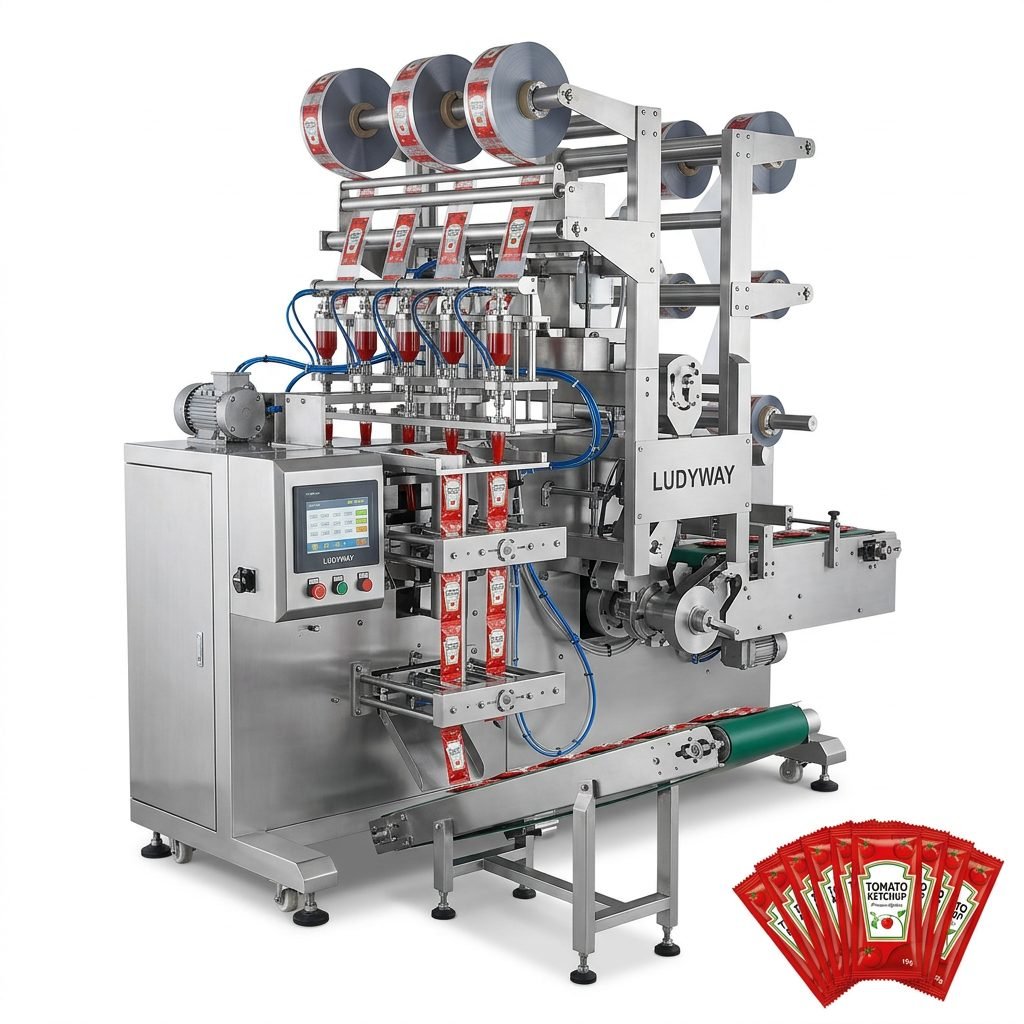
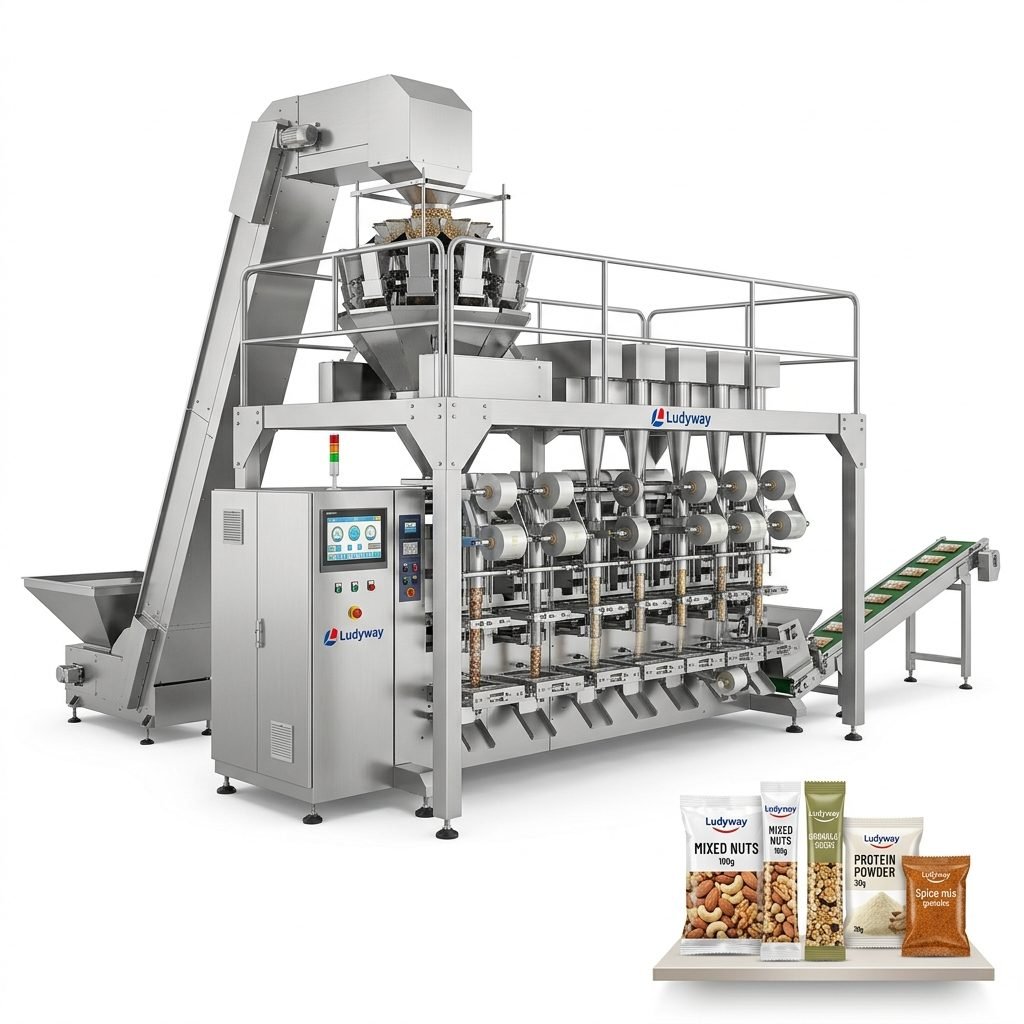
Setting up a chocolate bar packaging machine production line requires careful planning, the right equipment selection, and precise execution. Whether you are launching a new confectionery brand or scaling up an existing operation, a well-designed packaging line can significantly improve production efficiency, product consistency, and shelf appeal. This guide walks you through the essential steps to get your chocolate bar packaging system up and running smoothly.
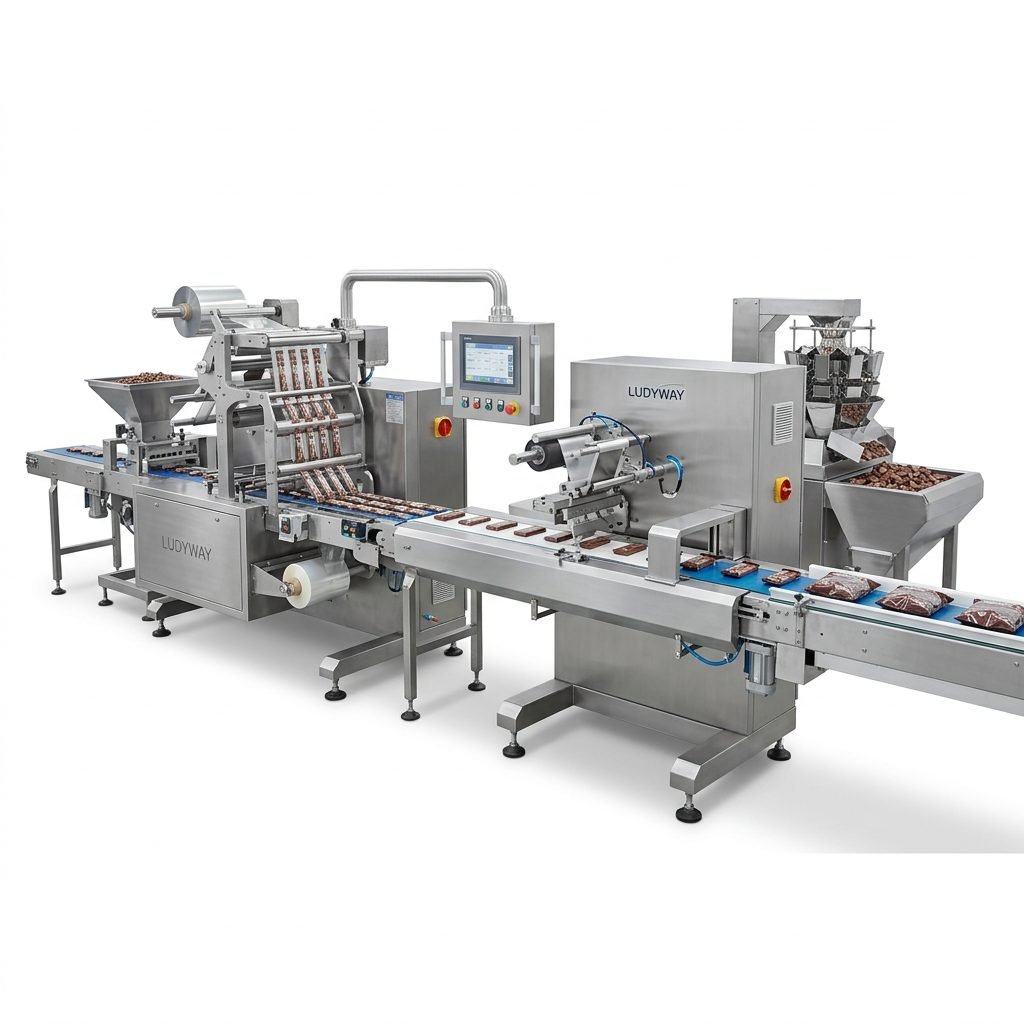
Step 1: Define Your Production Requirements
Before investing in any machinery, you need to clearly outline your production goals. Consider the following key factors:
- Output volume: How many bars per minute or per hour do you need to package?
- Product dimensions: What are the length, width, and thickness ranges of your chocolate bars?
- Packaging format: Will you use flow wrap, foil wrap, stick pack, sachet, or pouch packaging?
- Material specifications: What type of film or wrapper material will you use (BOPP, metallized film, paper-based, biodegradable)?
- Secondary packaging needs: Do you require cartoning, case packing, or palletizing downstream?
Understanding these parameters helps you select the right packaging machinery configuration and avoid costly mismatches later.
Step 2: Choose the Right Chocolate Bar Packaging Machine
There are several types of packaging machines suitable for chocolate bars. The choice depends on your product characteristics and desired packaging style:
| Machine Type | Best For | Key Advantages |
|---|---|---|
| Flow Wrapper (Horizontal) | Standard chocolate bars, single or multipack | High speed, tight seal, pillow-pack style |
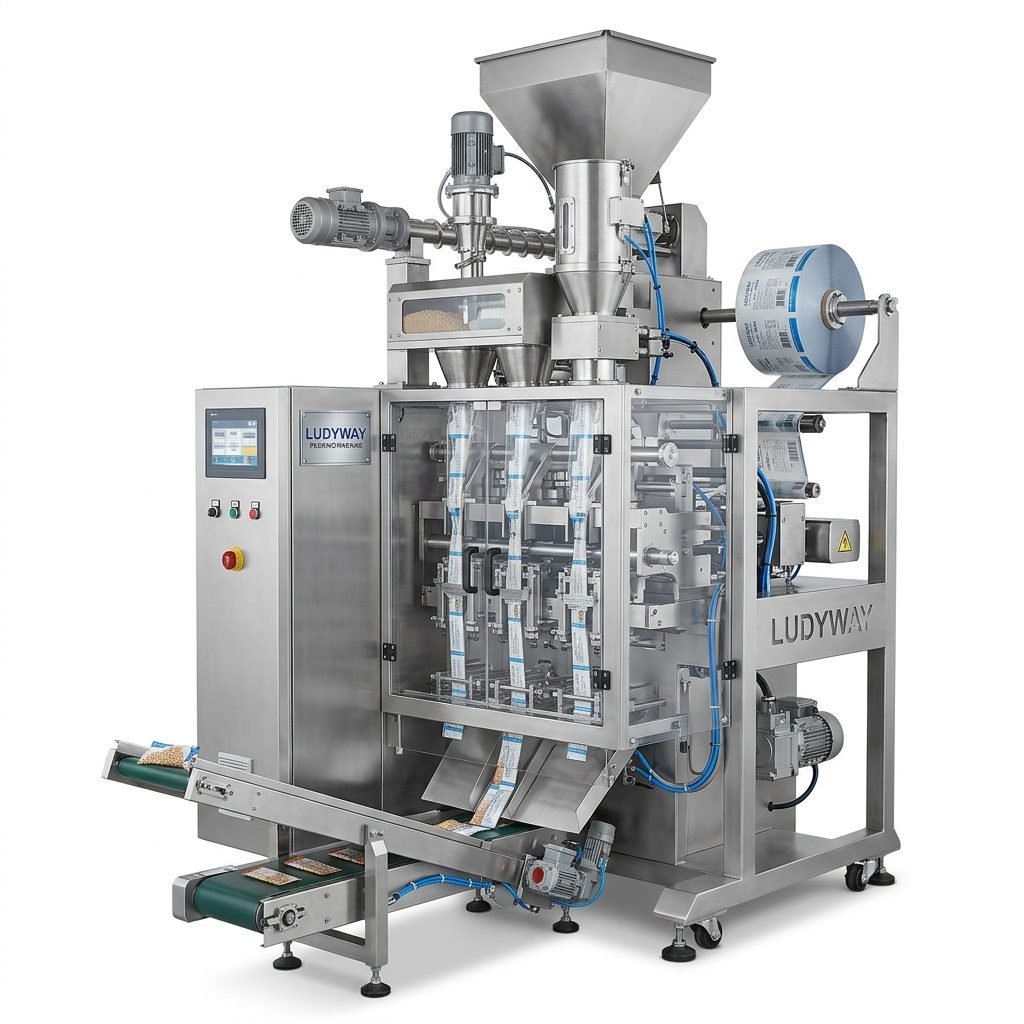
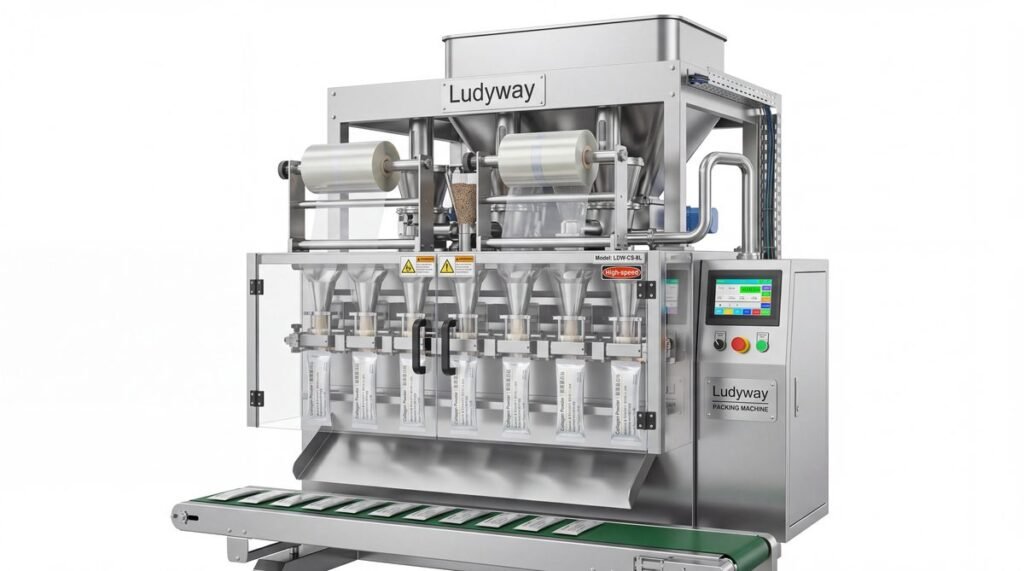
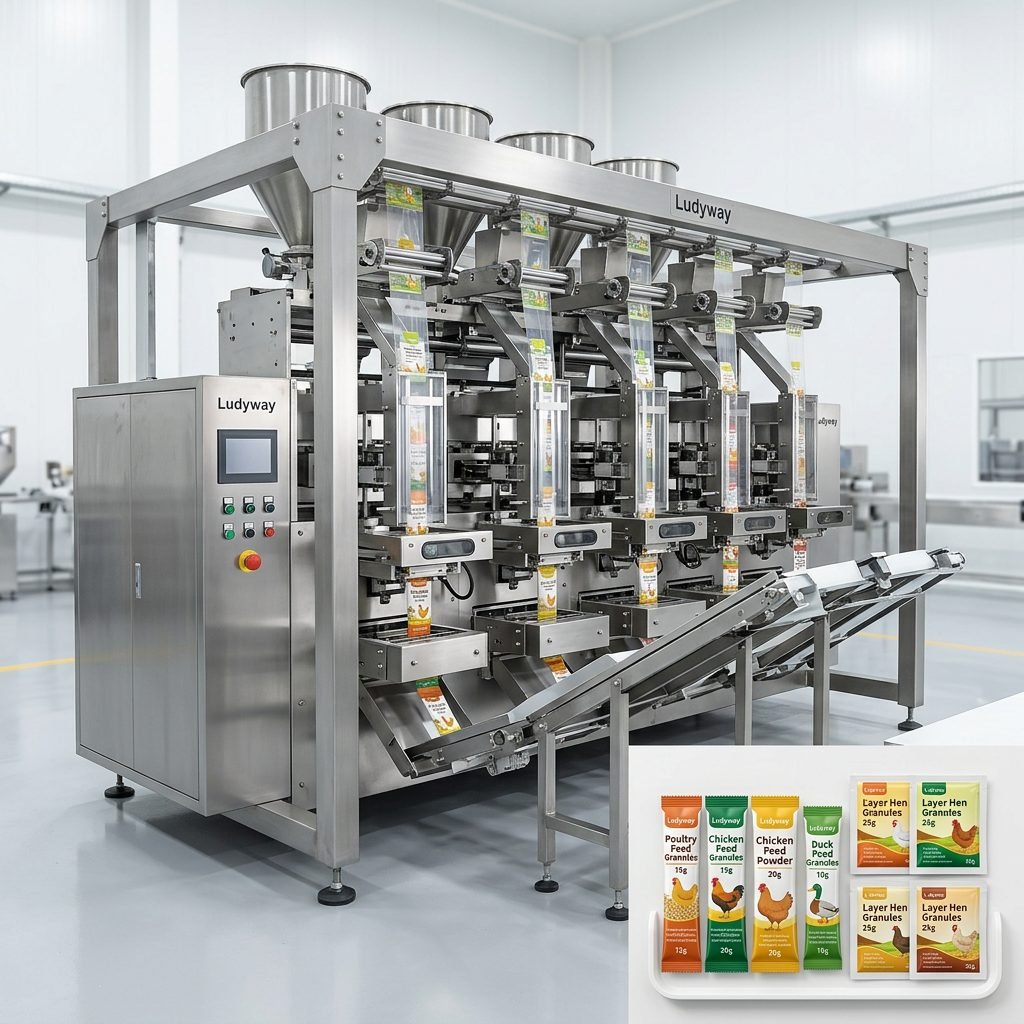
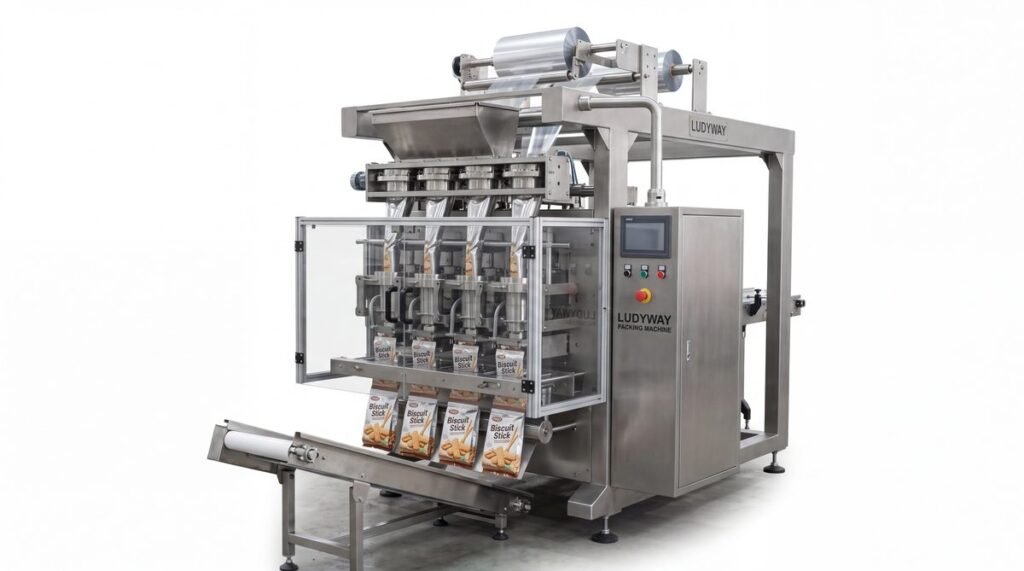
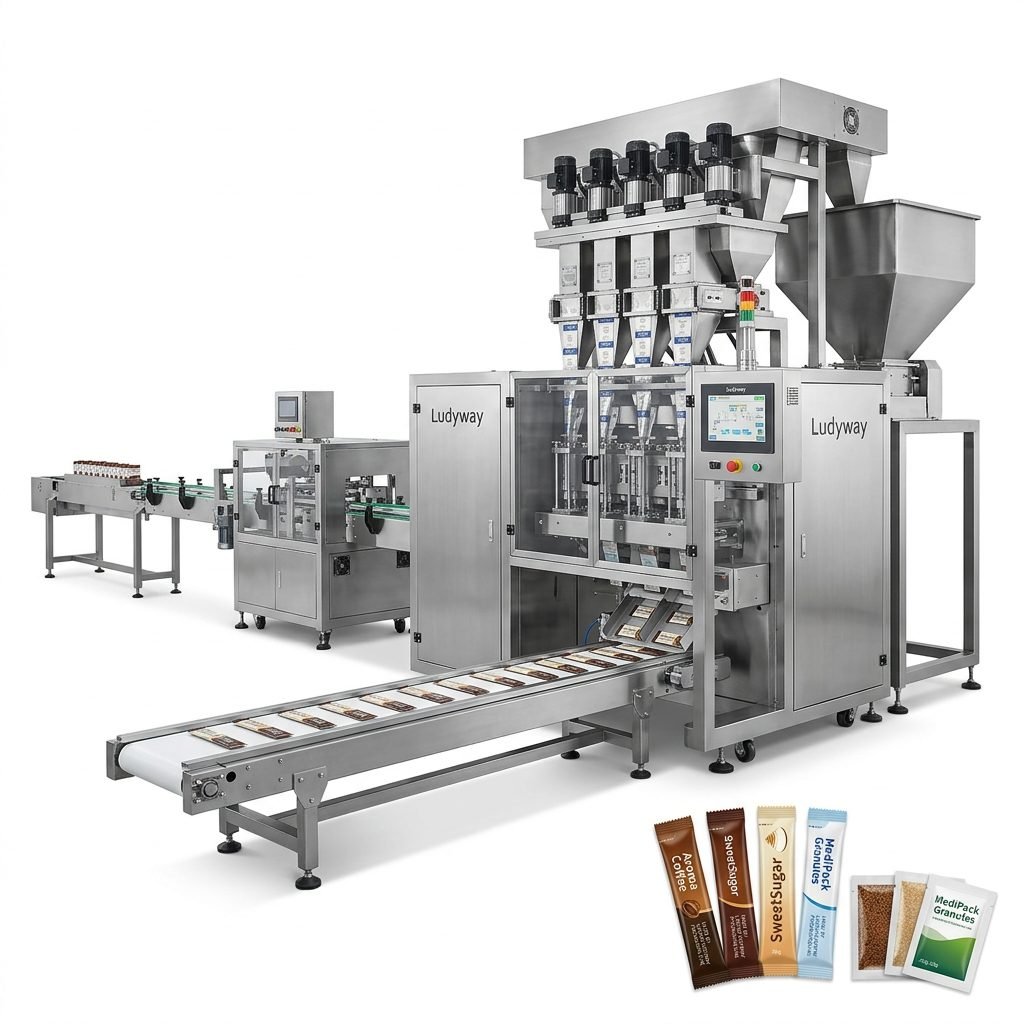
| Multi-Lane Stick Pack Machine | Mini bars, bite-sized pieces, samples | Multiple lanes run simultaneously for high output |
| Foil Wrapping Machine | Premium chocolate bars, gift items | Elegant finish, excellent product protection |
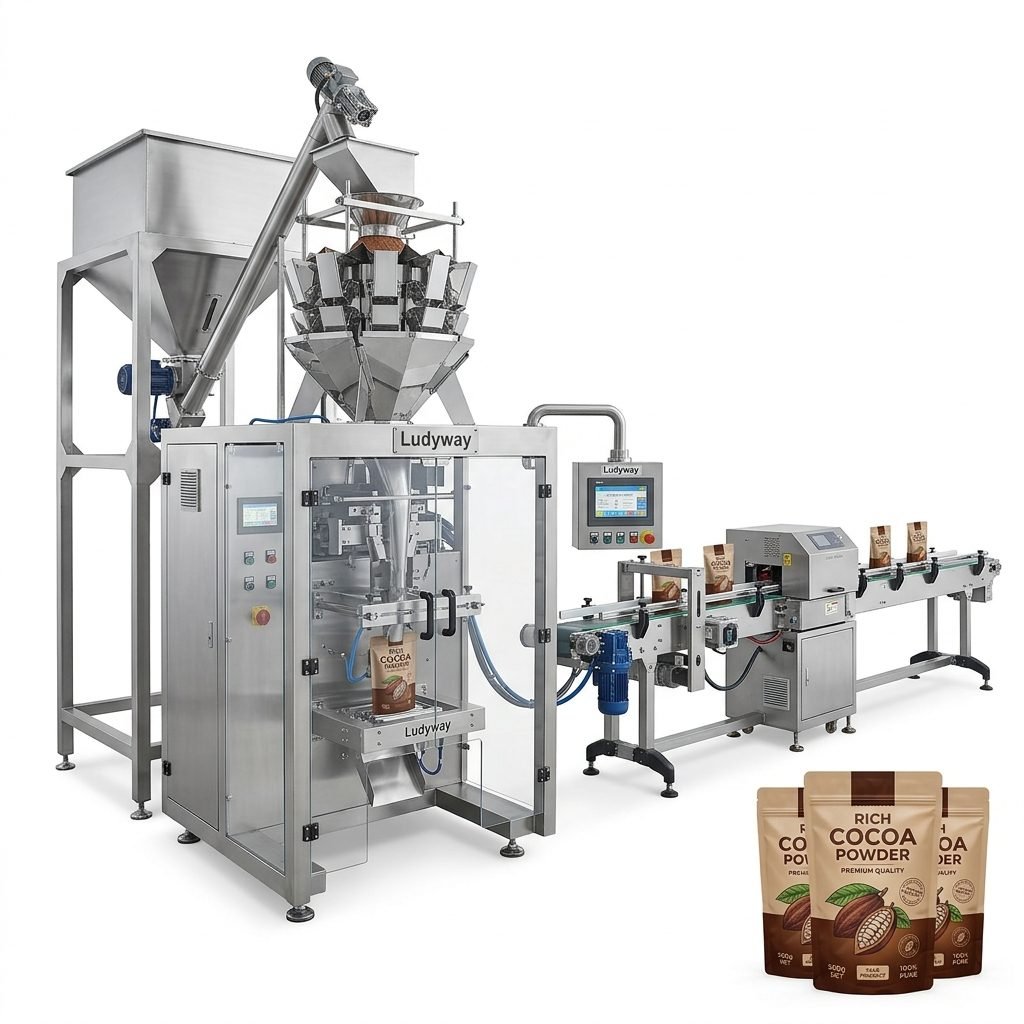
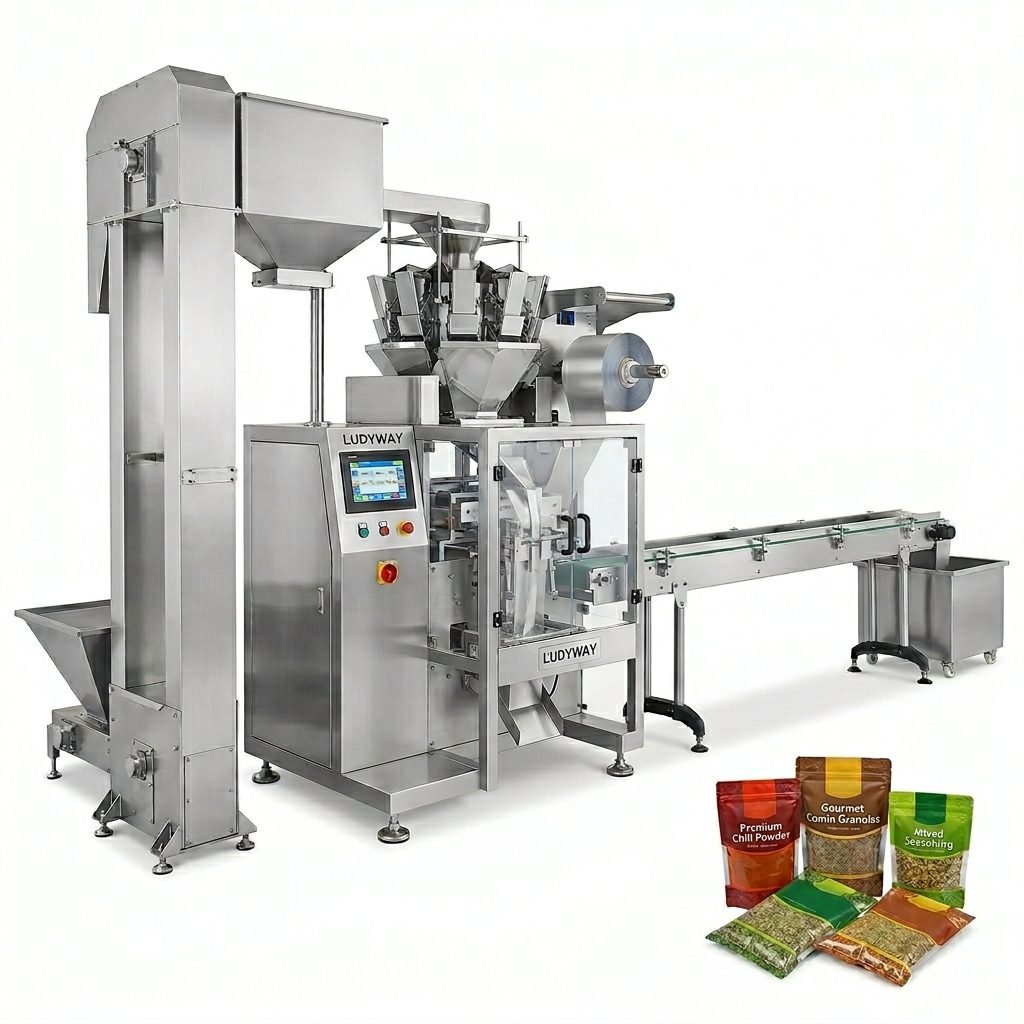
| Vertical Form Fill Seal (VFFS) | Chocolate pieces, chips, or irregular shapes | Versatile, suitable for pillow bags and gusseted pouches |
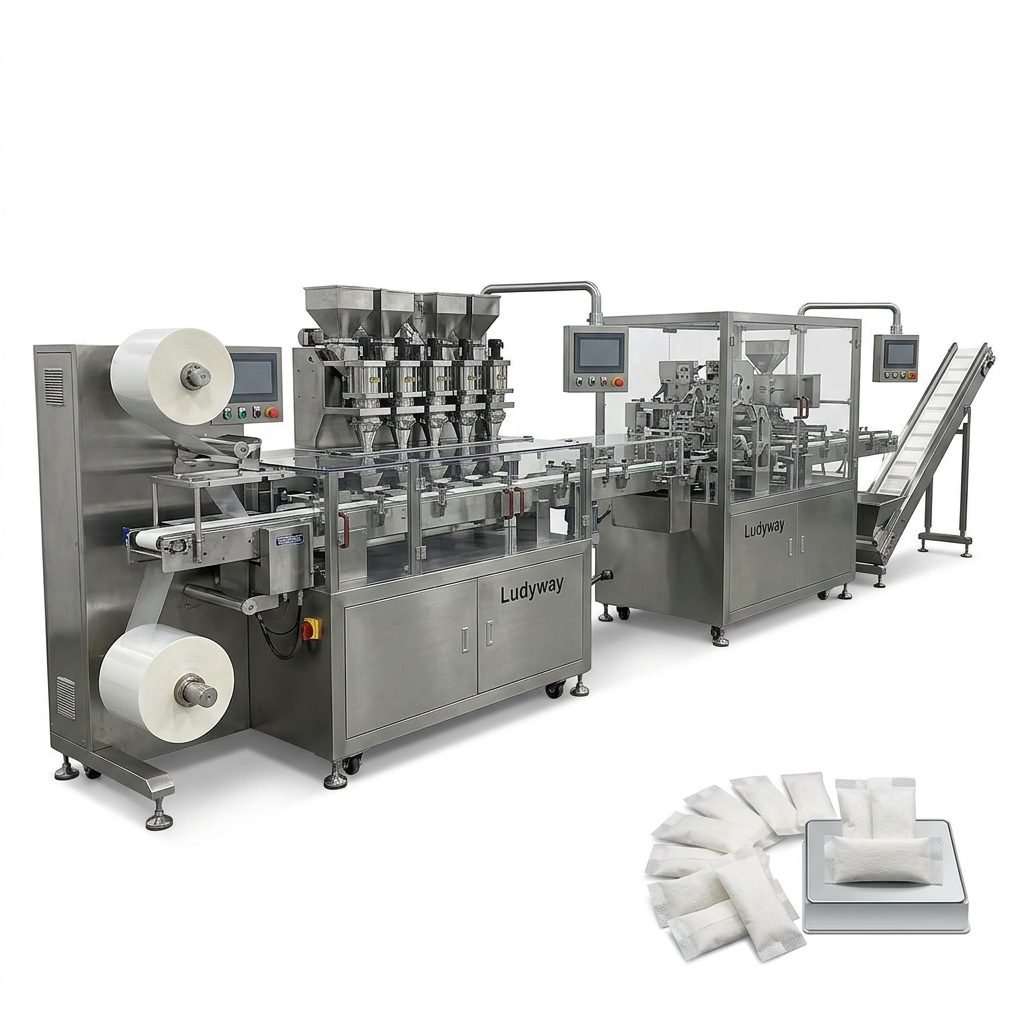
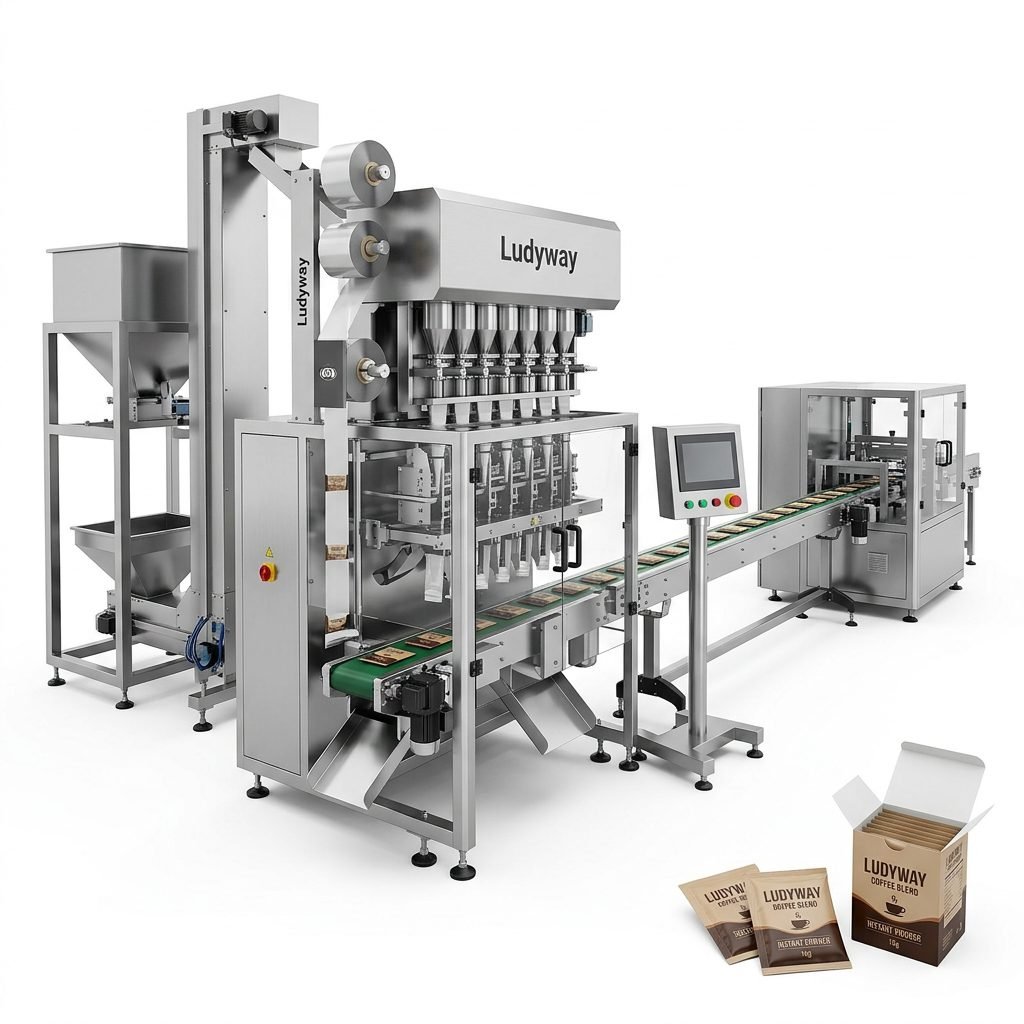
For most mid-to-large chocolate bar operations, a horizontal flow wrapping machine is the industry standard. These machines offer speeds ranging from 80 to 300 packs per minute, depending on the model. When sourcing equipment, it is worth consulting experienced packaging industry resources to compare specifications and capabilities. Companies like Ludyway provide a wide range of automated packaging solutions designed for food-grade production environments and can help match the right machine to your product lineup.
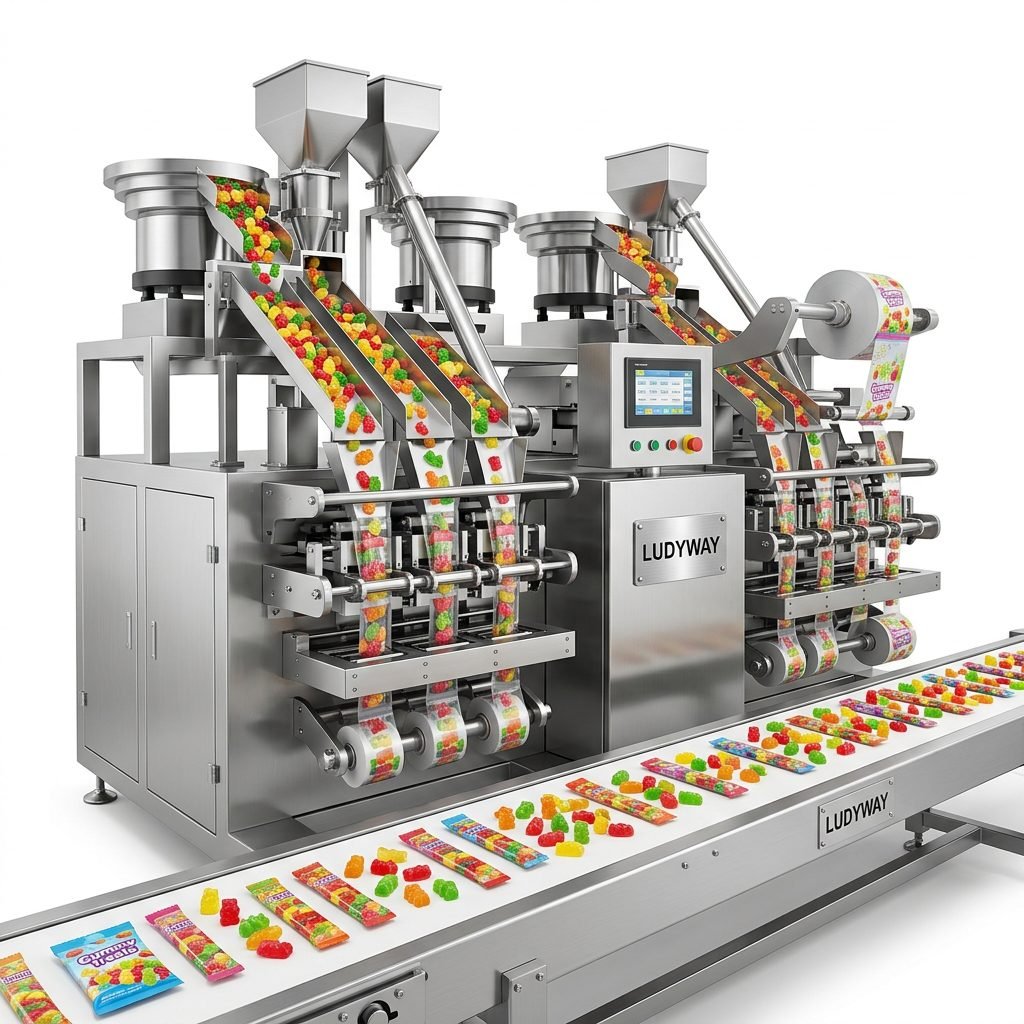
Step 3: Design the Production Line Layout
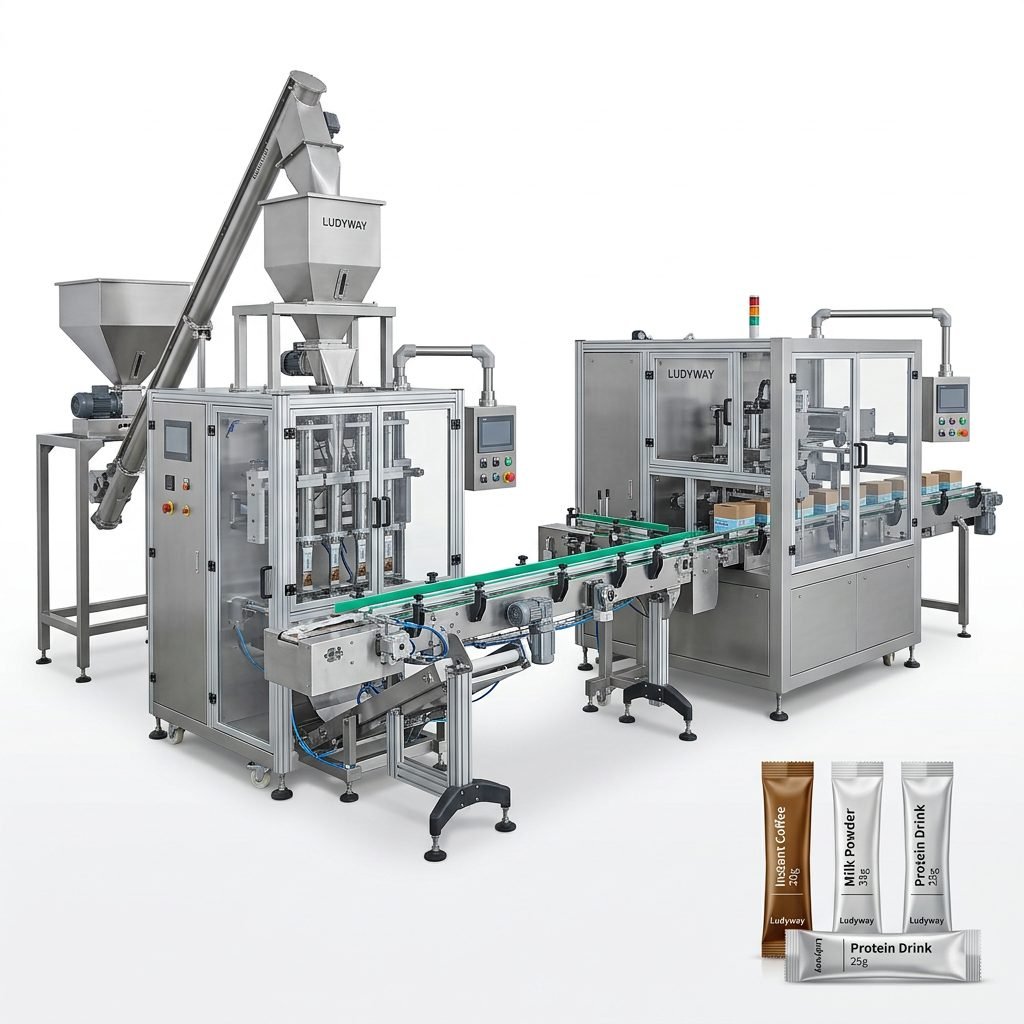
A well-planned line layout maximizes efficiency and minimizes bottlenecks. Your chocolate bar packaging line should follow a logical sequence:
- Feeding system: Automatic belt conveyors or vibratory feeders align bars and deliver them to the wrapper infeed.
- Primary packaging unit: The flow wrapper or stick pack machine forms, fills, and seals each package.
- Inspection and rejection: Checkweighers and vision inspection systems detect seal defects, incorrect weights, or missing products.
- Date coding: Inkjet or thermal transfer printers apply batch codes and expiration dates.
- Secondary packaging: Automatic cartoning machines group bars into boxes or display cases.
- End-of-line: Case packing, palletizing, and stretch wrapping complete the process.
Ensure adequate floor space for each station, including room for operators to move freely and for maintenance access. A typical turnkey packaging line for chocolate bars may require anywhere from 30 to 100 square meters, depending on automation level.
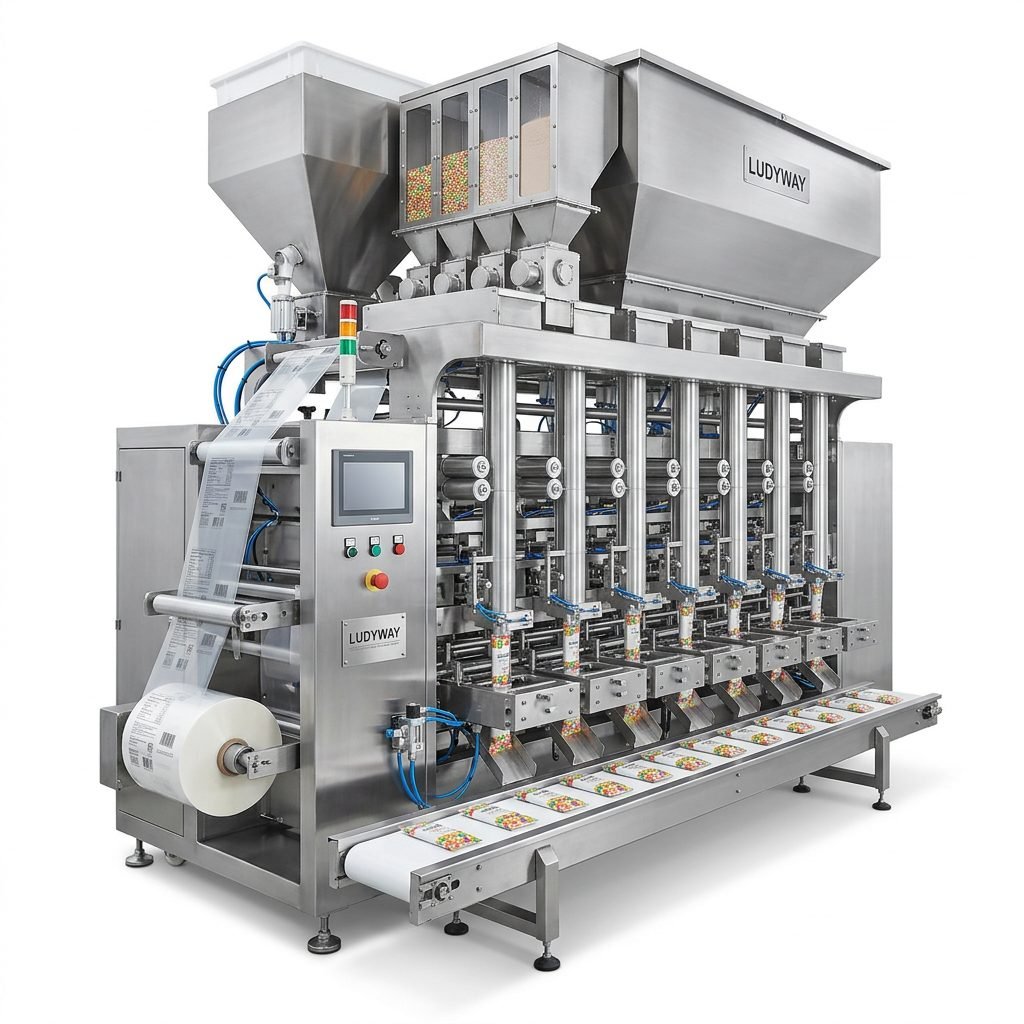
Step 4: Installation and Commissioning
Once your equipment arrives, follow these installation best practices:
- Level and secure: All machines must be properly leveled and anchored to prevent vibration issues during high-speed operation.
- Utility connections: Verify that electrical supply, compressed air (typically 6-8 bar), and any required nitrogen flushing lines are correctly installed.
- Calibration: Calibrate temperature controllers for sealing jaws, film tension settings, and product feed timing.
- Film threading: Properly thread the packaging film through the forming tube, ensuring correct alignment to prevent jams and wrinkles.
It is advisable to have a technician from the equipment manufacturer present during initial setup. This ensures that all flexible packaging materials run correctly and that machine parameters are optimized for your specific product.
Step 5: Testing and Quality Control Protocols
Before full-scale production begins, run comprehensive tests to validate packaging integrity and product quality:
- Seal integrity testing: Use vacuum leak testers or dye penetration methods to confirm hermetic seals.
- Drop testing: Simulate shipping conditions to ensure packages withstand handling without bursting.
- Weight verification: Confirm that each bar meets the declared net weight, with checkweigher settings adjusted to reject underweight or overweight packs.
- Shelf-life simulation: For chocolate products, verify that packaging provides adequate barrier against moisture, oxygen, and light over the intended shelf life.
Document all test results and establish standard operating procedures (SOPs) for ongoing quality assurance. Refer to FDA food packaging guidelines to ensure your processes meet regulatory requirements for food contact materials and labeling.
Step 6: Operator Training and Safety
Even the most advanced automated packaging system requires well-trained operators. Key training areas include:
- Machine startup and shutdown procedures
- Film roll changeovers and splicing techniques
- Product changeover protocols for different bar sizes or flavors
- Basic troubleshooting: clearing jams, adjusting seal temperatures, and resetting alarms
- Cleaning and sanitation: especially critical for chocolate, which can melt and cause buildup on machine surfaces
Implement a lockout/tagout program and ensure all operators wear appropriate personal protective equipment. Regular refresher training sessions help maintain high safety and performance standards.
Step 7: Ongoing Maintenance and Optimization
A preventive maintenance schedule is essential to keep your chocolate packaging line running at peak efficiency:
| Maintenance Task | Frequency | Responsible Team |
|---|---|---|
| Clean sealing jaws and remove chocolate residue | Daily / End of each shift | Operators |
| Inspect belts, chains, and bearings for wear | Weekly | Maintenance technicians |
| Lubricate moving parts per manufacturer specifications | Monthly | Maintenance team |
| Replace worn forming tubes, sealing bands, and cutting blades | Quarterly or as needed | Maintenance team with OEM parts |
Track Overall Equipment Effectiveness (OEE) and analyze downtime data to identify recurring issues. Continuous improvement efforts, guided by data from your packaging line performance metrics, can yield significant gains in throughput and waste reduction. As your business grows, consider integrating IoT-enabled monitoring systems and automated reporting for real-time visibility into line performance.
Common Challenges and Solutions
Here are some frequent issues encountered when setting up a chocolate bar packaging line and how to address them:
- Film wrinkling or misalignment: Check film tension, tracking rollers, and forming tube alignment. Adjust air pressure on unwind systems.
- Seal failures: Verify that sealing jaw temperatures are within the recommended range for your film material. Clean jaws regularly to remove chocolate residue.
- Product breakage: Ensure infeed conveyors handle bars gently. Adjust feed timing to prevent bars from colliding or jamming.
- Inconsistent date codes: Regularly clean print heads and check ribbon alignment on thermal transfer printers.
Industry Standards and Compliance
When setting up a chocolate bar packaging line, compliance with relevant food safety and packaging standards is non-negotiable. Depending on your target markets, you may need to adhere to:
- FDA 21 CFR Part 110: Current Good Manufacturing Practice for food manufacturing in the United States
- EU Regulation (EC) No 1935/2004: Materials and articles intended to come into contact with food in the European market
- ISO 22000: Food safety management systems
- BRCGS Packaging: Global standard for packaging and packaging materials
Consult the flexible packaging regulatory resources provided by industry associations to stay current with evolving requirements. Proper documentation of your packaging process also supports traceability and recall readiness.
Conclusion
Setting up a chocolate bar packaging machine production line is a multifaceted process that demands attention to detail at every stage—from initial planning and equipment selection to installation, testing, and ongoing optimization. By following this step-by-step guide, you can build a reliable, efficient, and scalable packaging operation that protects your product quality and enhances your brand’s market presence. Investing time in proper setup and training pays dividends in reduced downtime, lower waste, and consistent output that meets both regulatory standards and customer expectations.