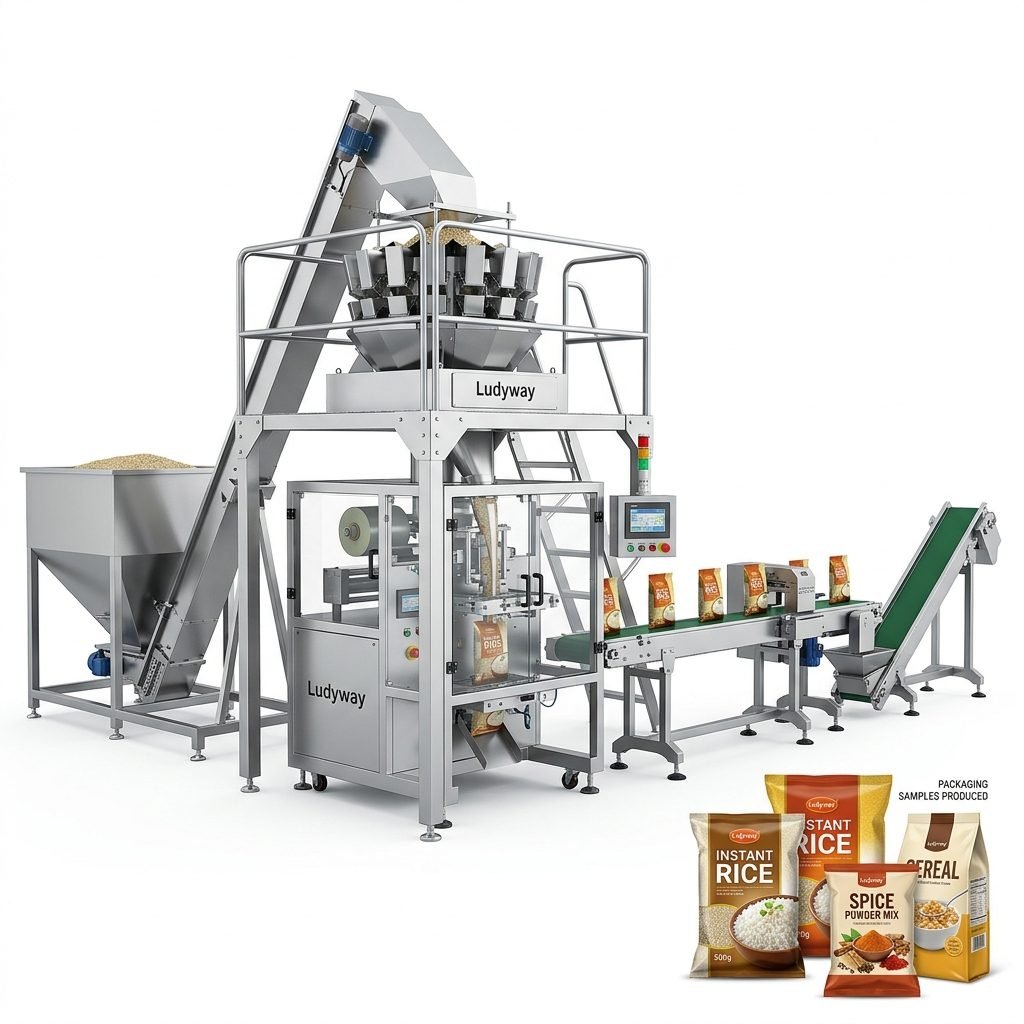
The African coffee industry is experiencing unprecedented growth. With rising domestic consumption and increasing demand for value-added exports, setting up a coffee bean packaging production line in Africa presents a lucrative opportunity. This guide walks you through every critical step, from market assessment to full-scale operation.
Understanding Africa’s Coffee Packaging Market
Africa produces some of the world’s finest coffee beans, yet a significant portion is exported raw. Governments in Ethiopia, Kenya, Uganda, Tanzania, Rwanda, and Côte d’Ivoire are actively incentivizing local processing and packaging. Value-added packaging—moving from bulk sacks to consumer-ready pouches, stick packs, and sachets—can increase profit margins by 30% to 60%.
The demand for packaging machinery across emerging markets is projected to grow steadily, driven by urbanization and changing retail landscapes.
Key Market Drivers
- Rising middle-class demand for branded, conveniently packaged coffee
- Growth of supermarket and e-commerce channels across the continent
- Government export promotion programs favoring finished packaged goods
- Increasing adoption of single-serve and portion-pack formats
Step 1: Defining Your Production Scope
Before selecting equipment, clearly define what your line will produce. African coffee packaging operations typically fall into these categories:
| Product Type | Common Formats | Target Market |
|---|---|---|
| Roasted Whole Beans | Valve bags, stand-up pouches | Domestic retail, export |
| Ground Coffee | Vacuum bricks, sachets, stick packs | Local supermarkets, hotels |
| Instant Coffee | Stick packs, single-serve sachets | Mass market, export |
| Coffee Capsules | Nespresso-compatible, proprietary pods | Premium export, urban retail |
Step 2: Selecting Packaging Machinery for African Conditions
Equipment selection must account for local operating realities: variable power supply, humidity challenges, and maintenance access. A robust, modular line design is essential.
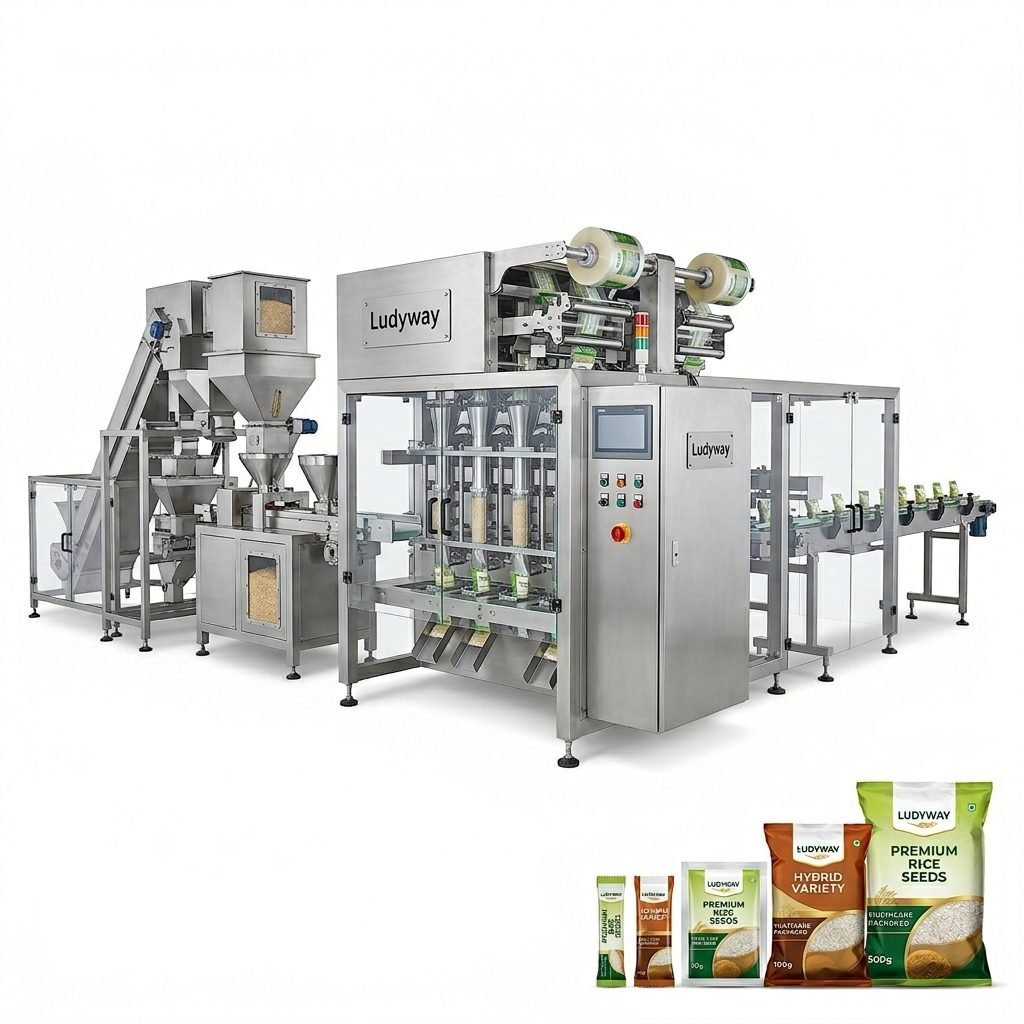
Core Equipment for a Complete Line
Roasted Bean & Ground Coffee Packaging
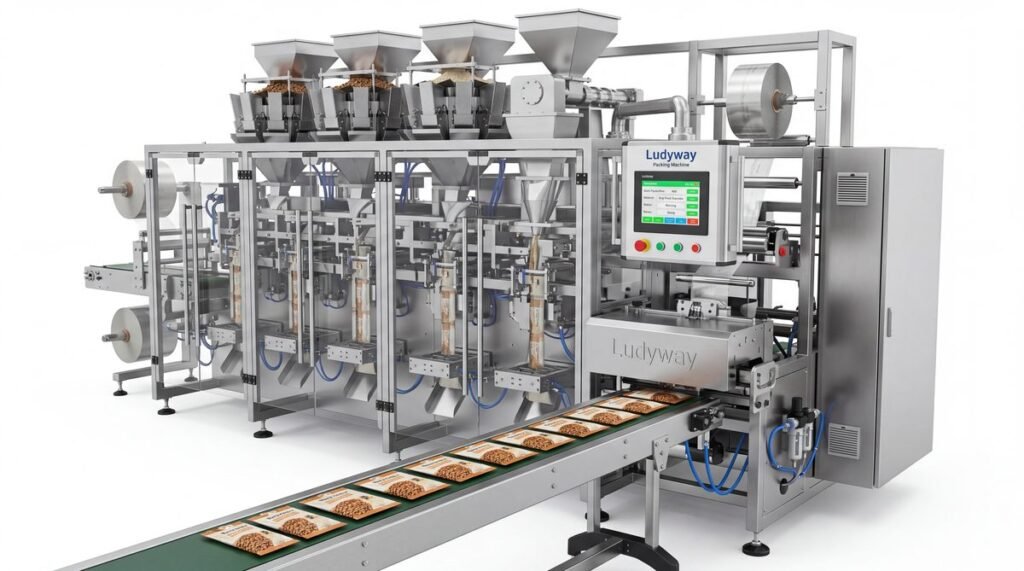
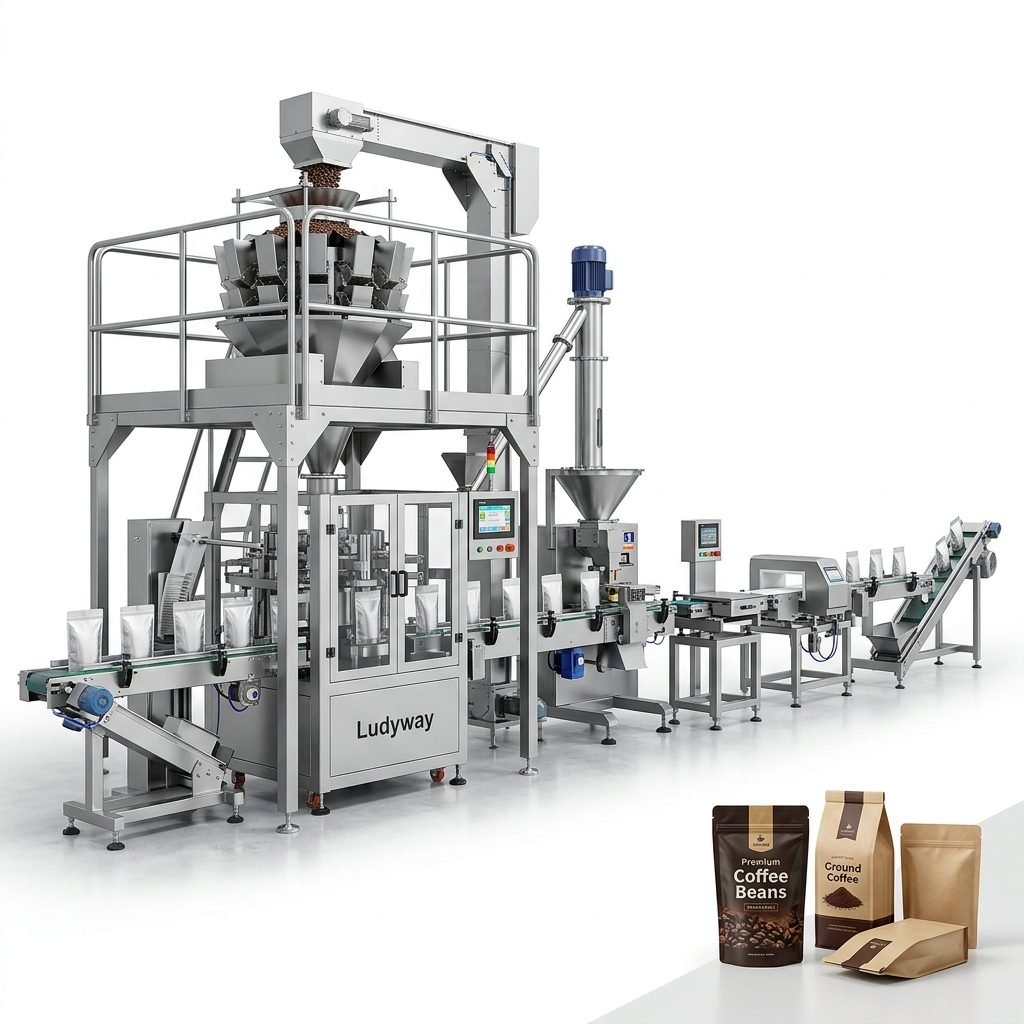
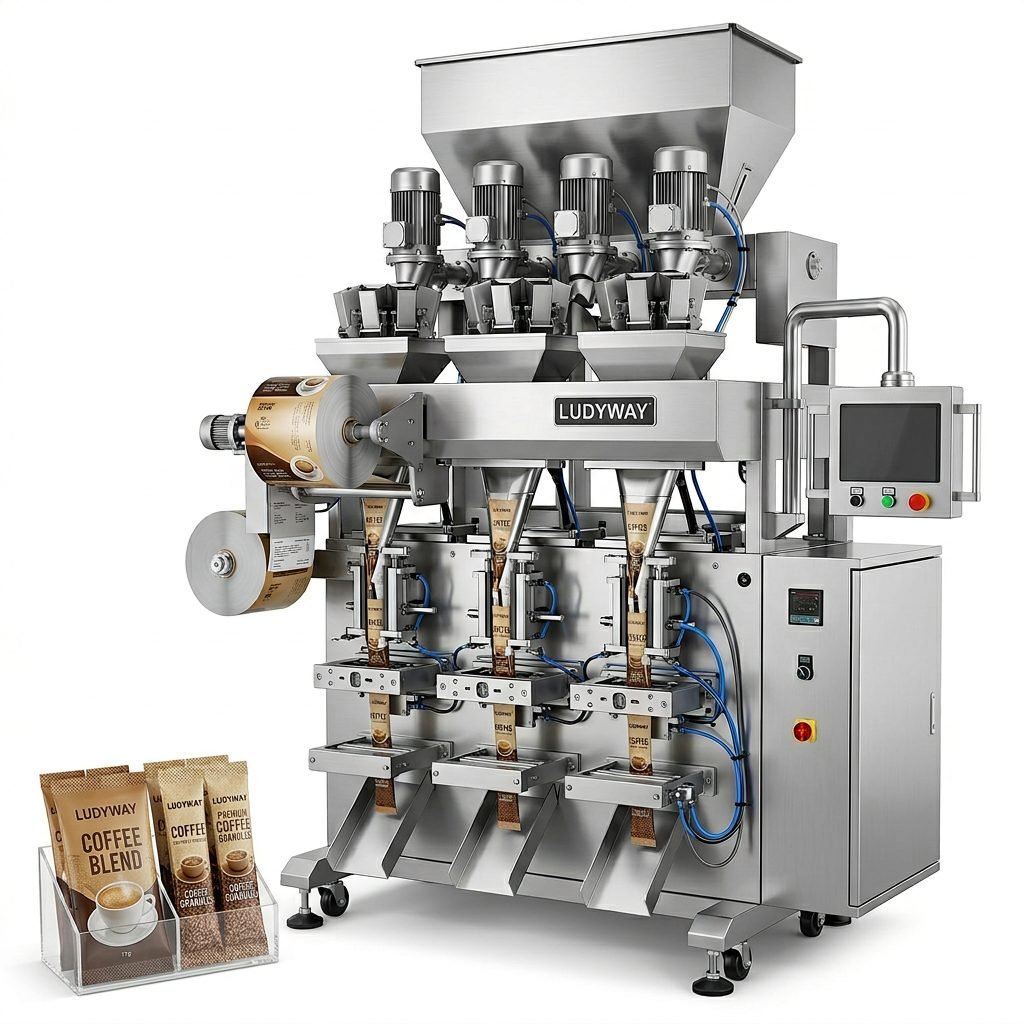
- Multi-head weigher – ensures precise weight for each package
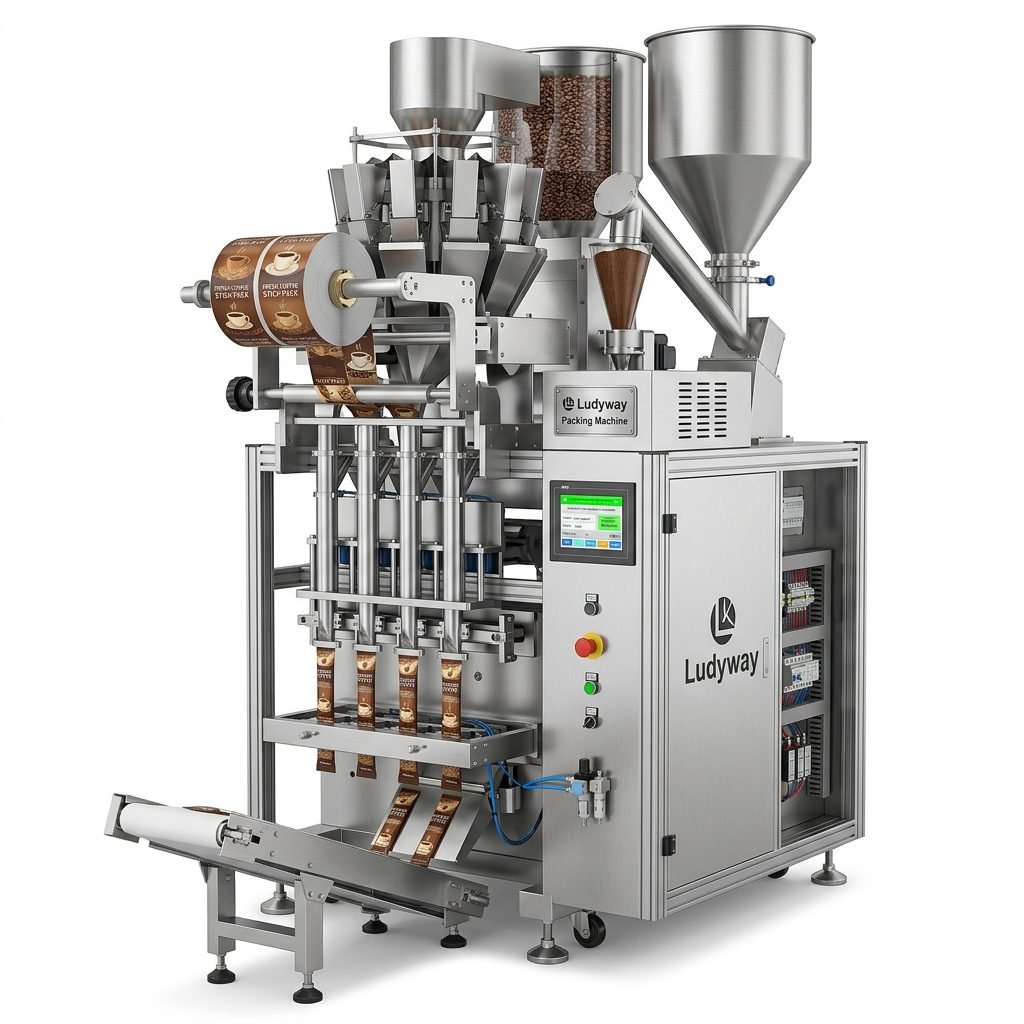
- Vertical form fill seal (VFFS) machine – ideal for pillow bags and gusseted pouches
- Vacuum sealing system – extends shelf life for ground coffee
- Nitrogen flushing module – preserves freshness for whole beans
Stick Pack & Sachet Lines
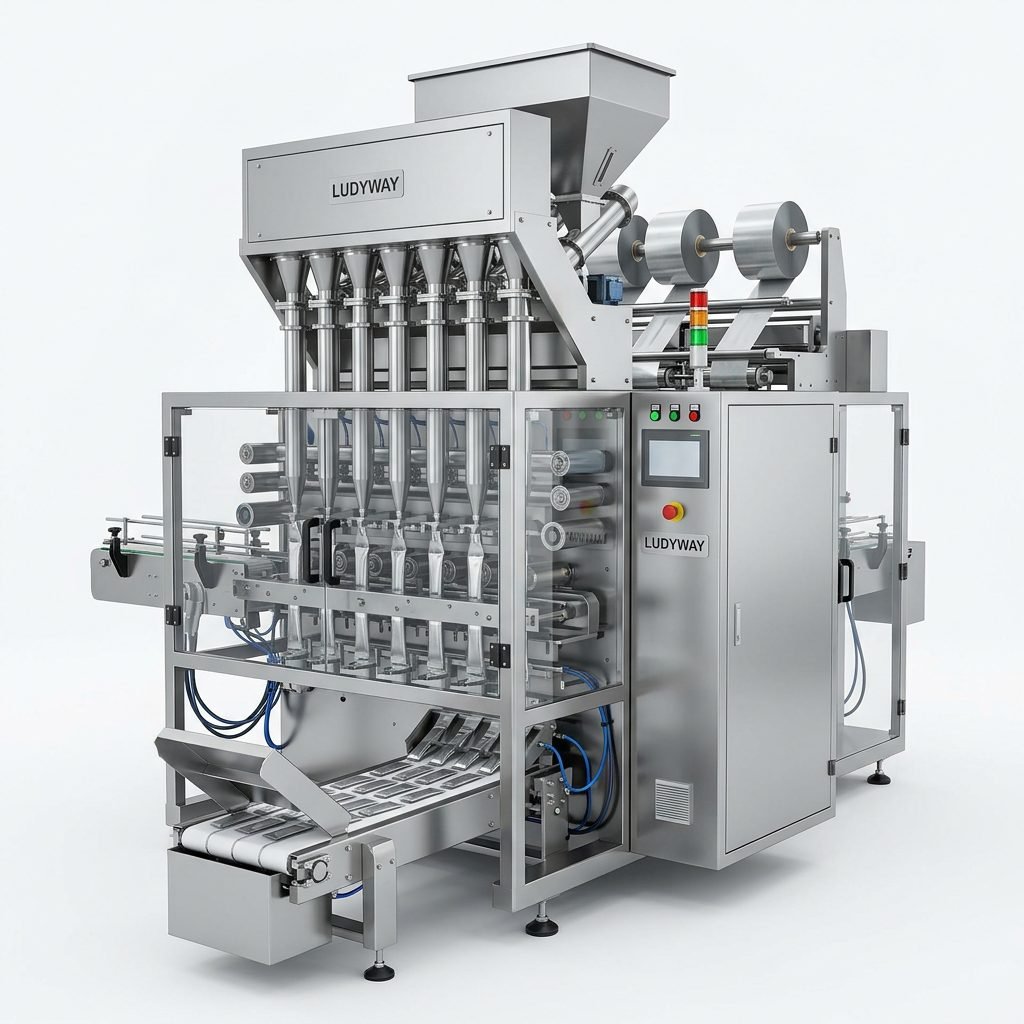
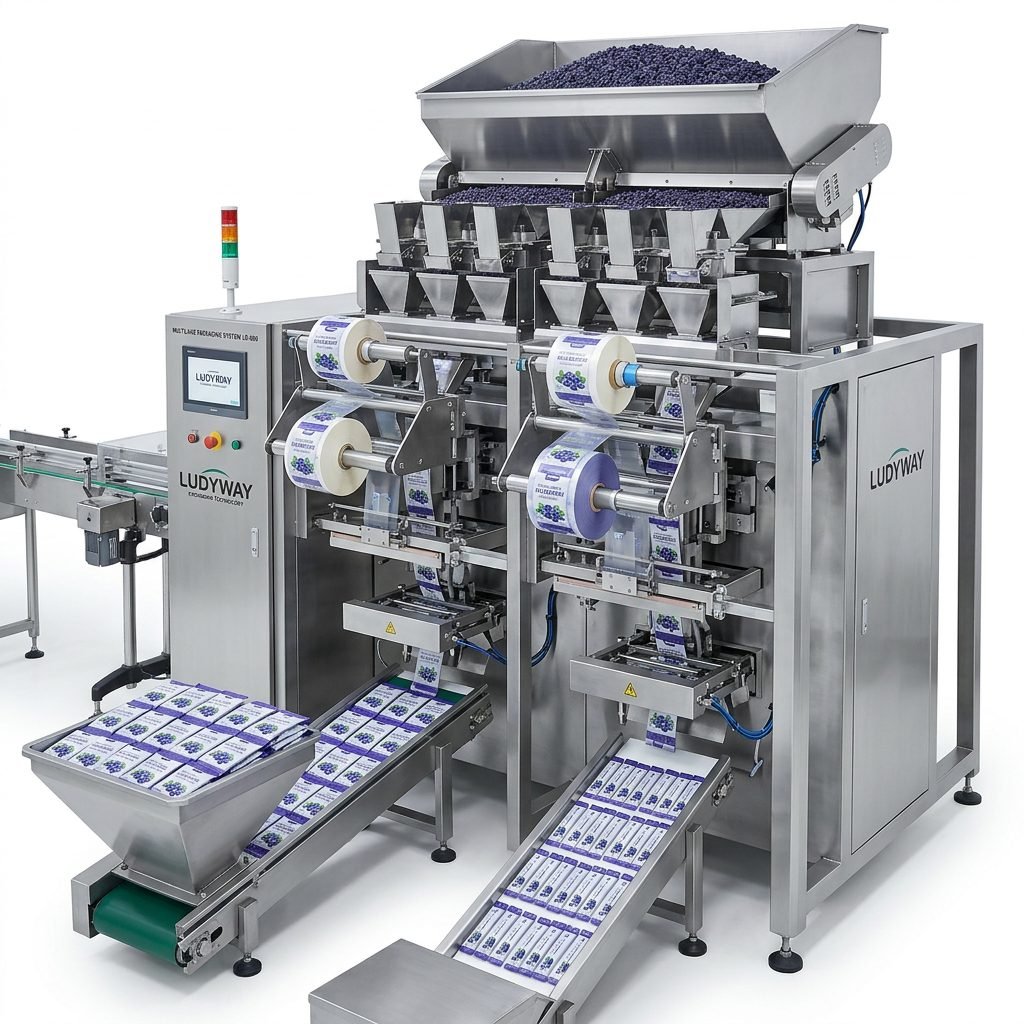
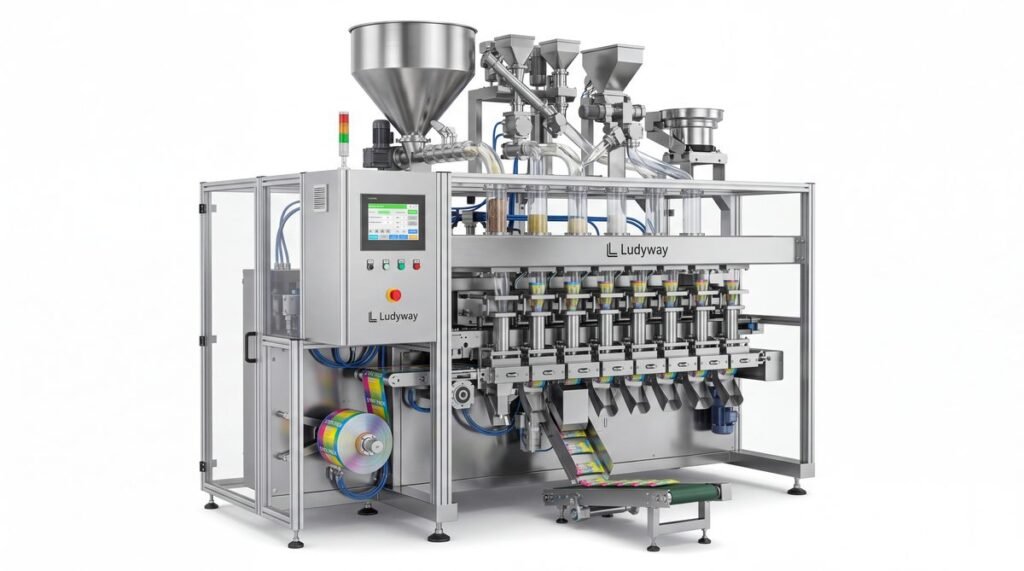
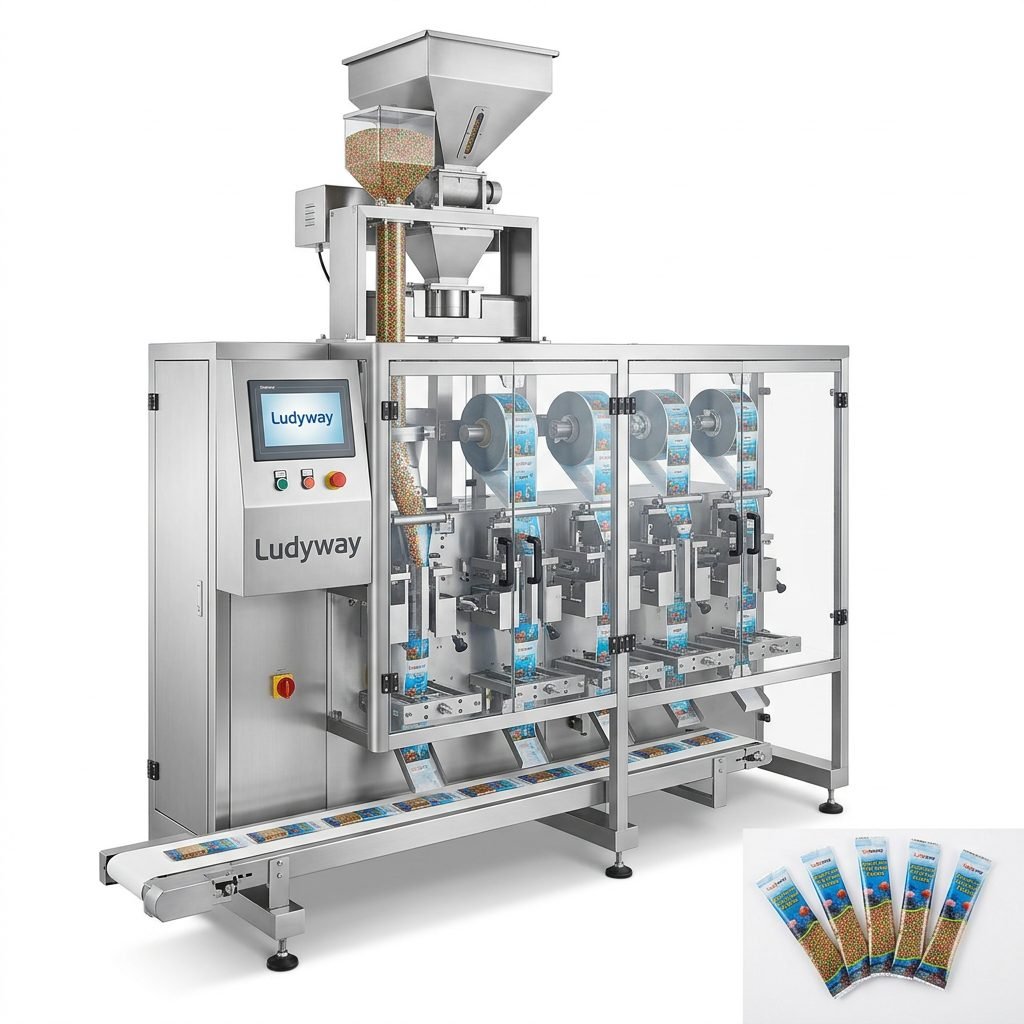
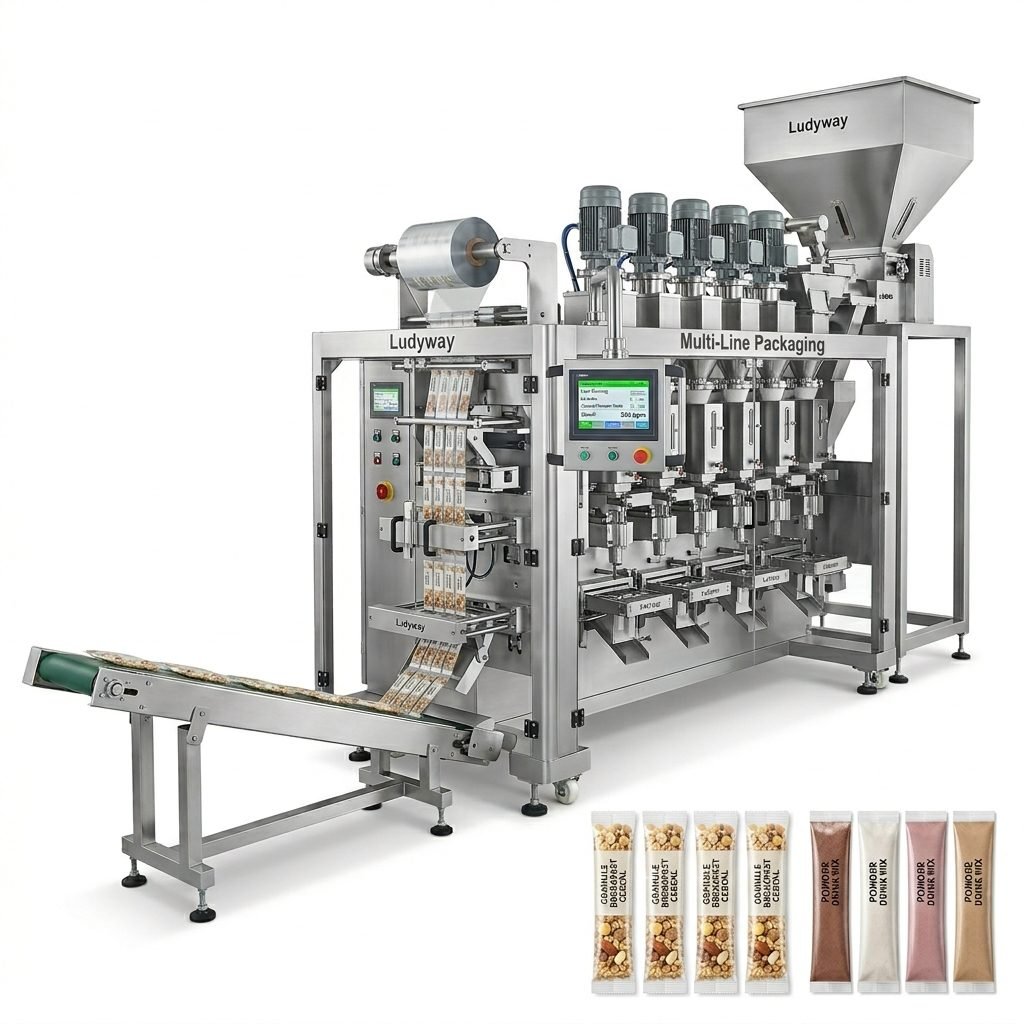
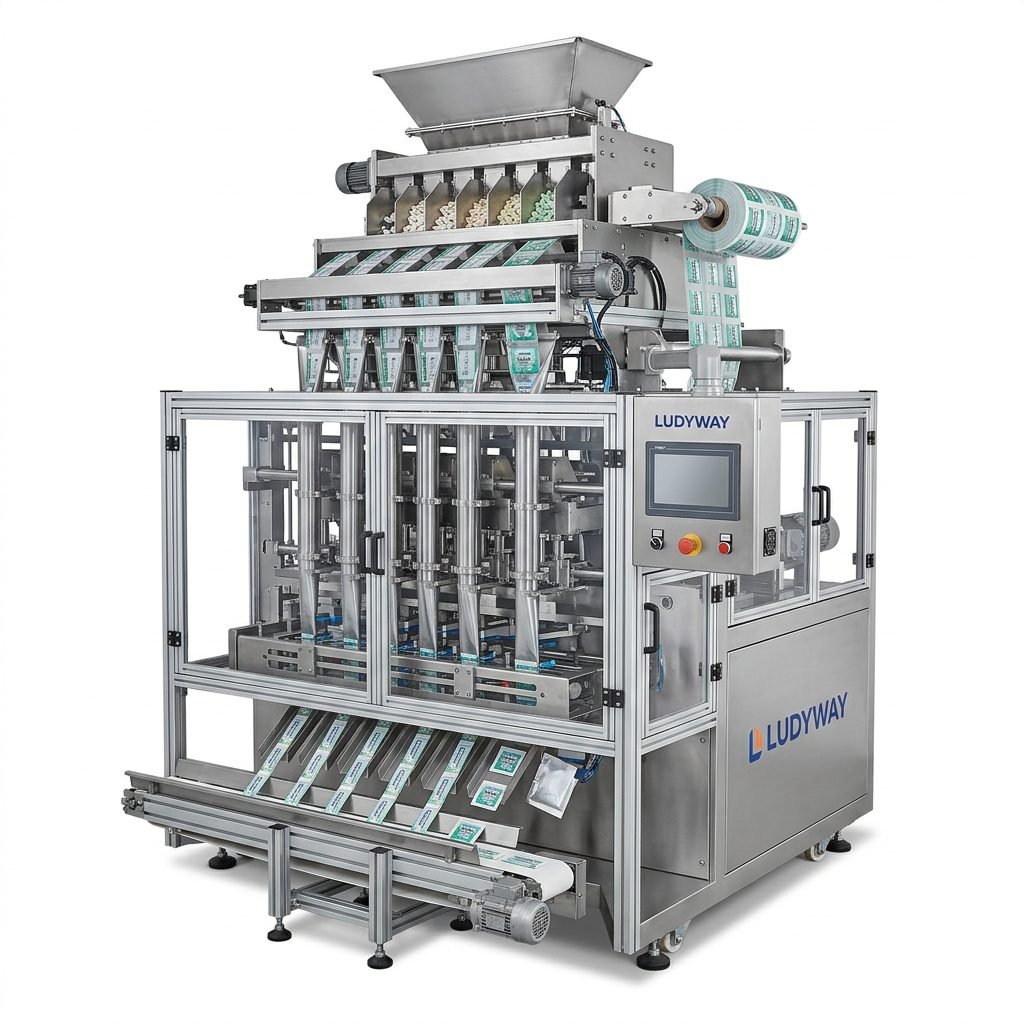
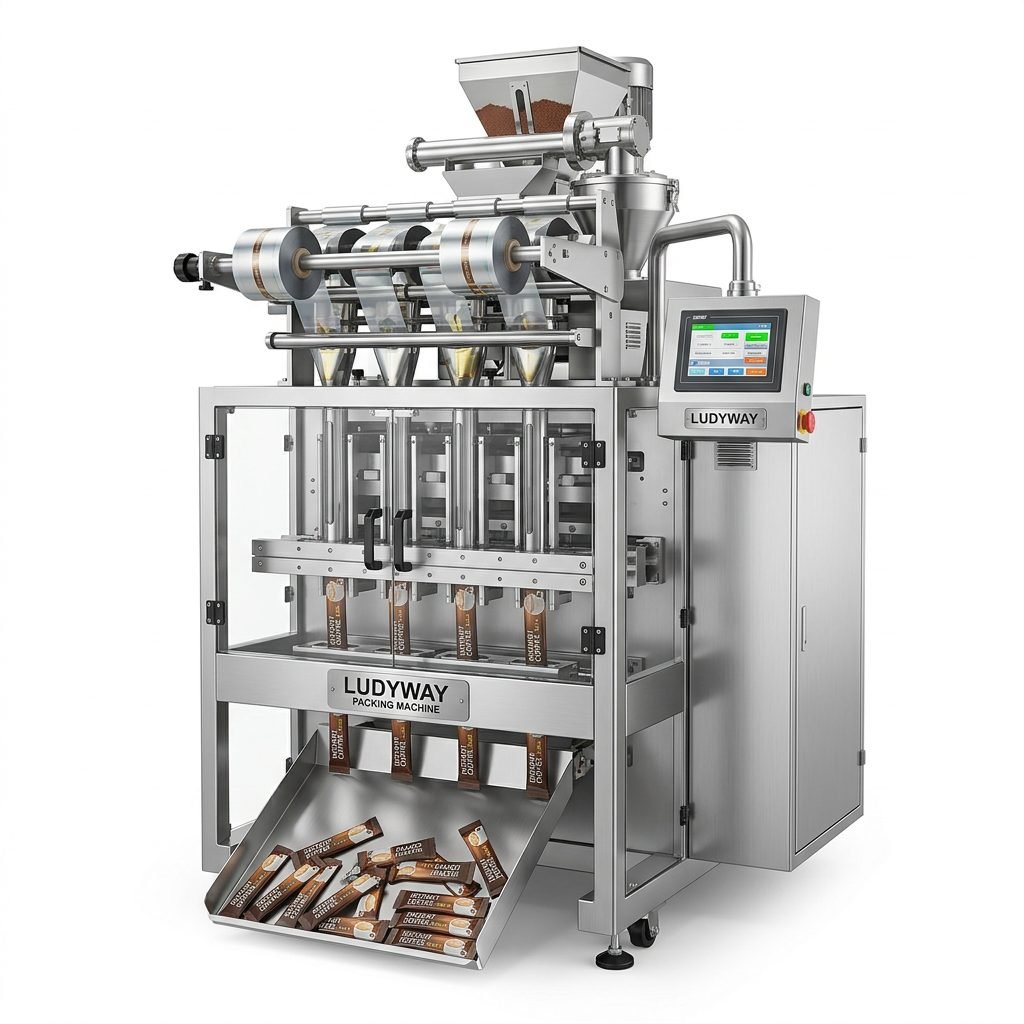
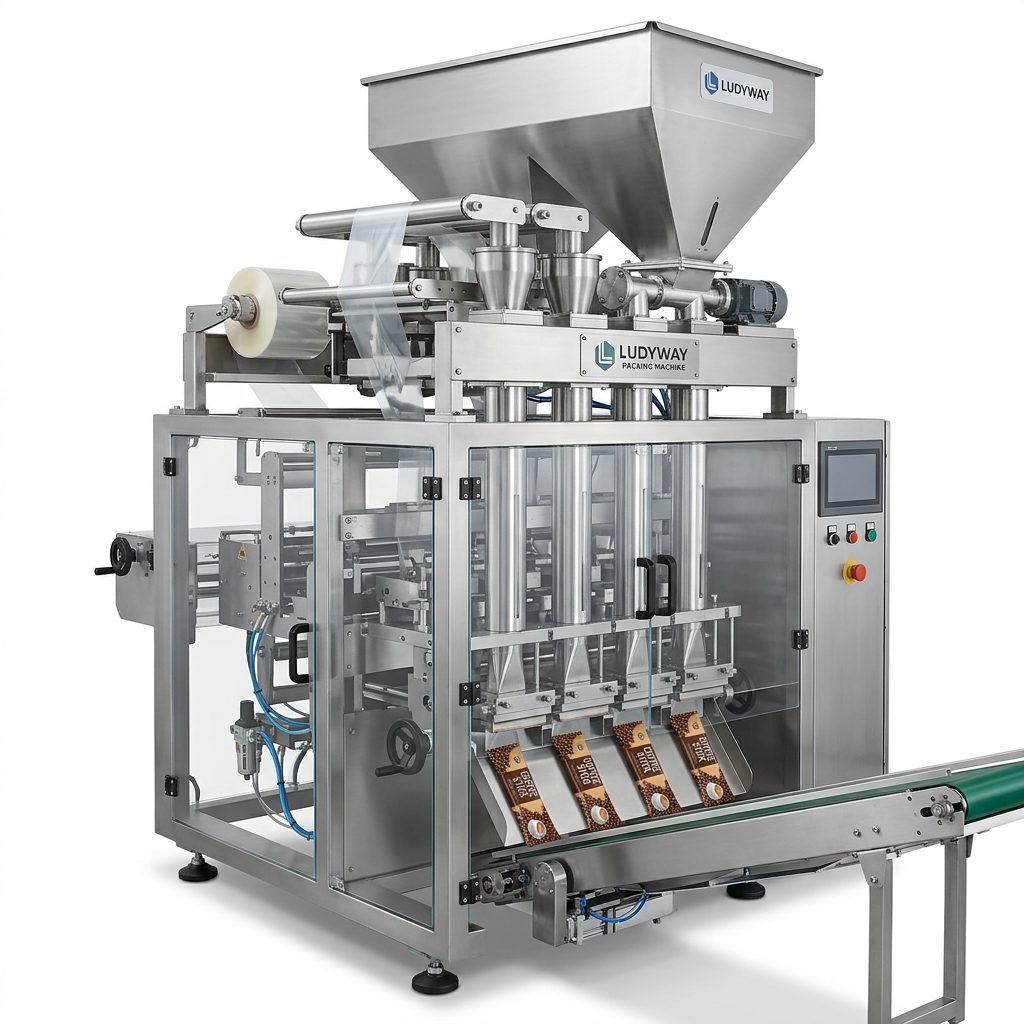
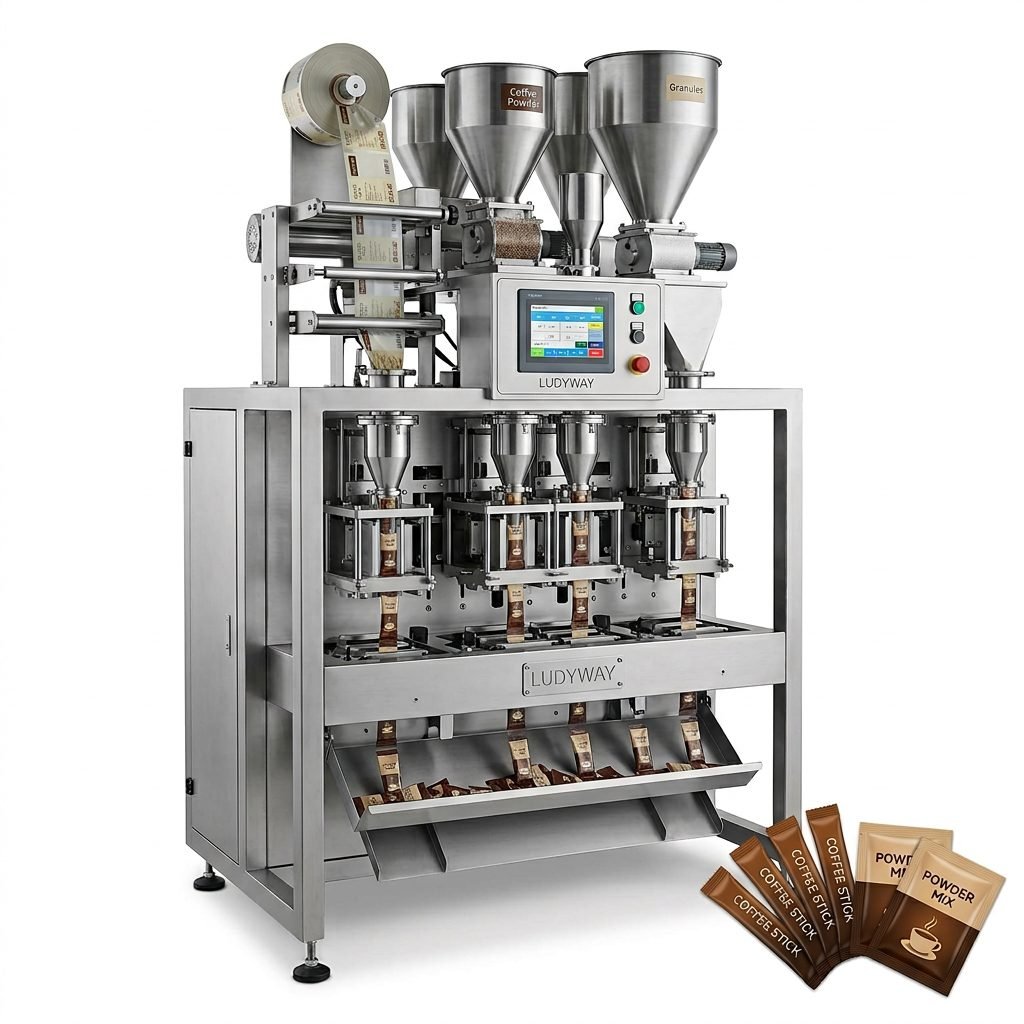
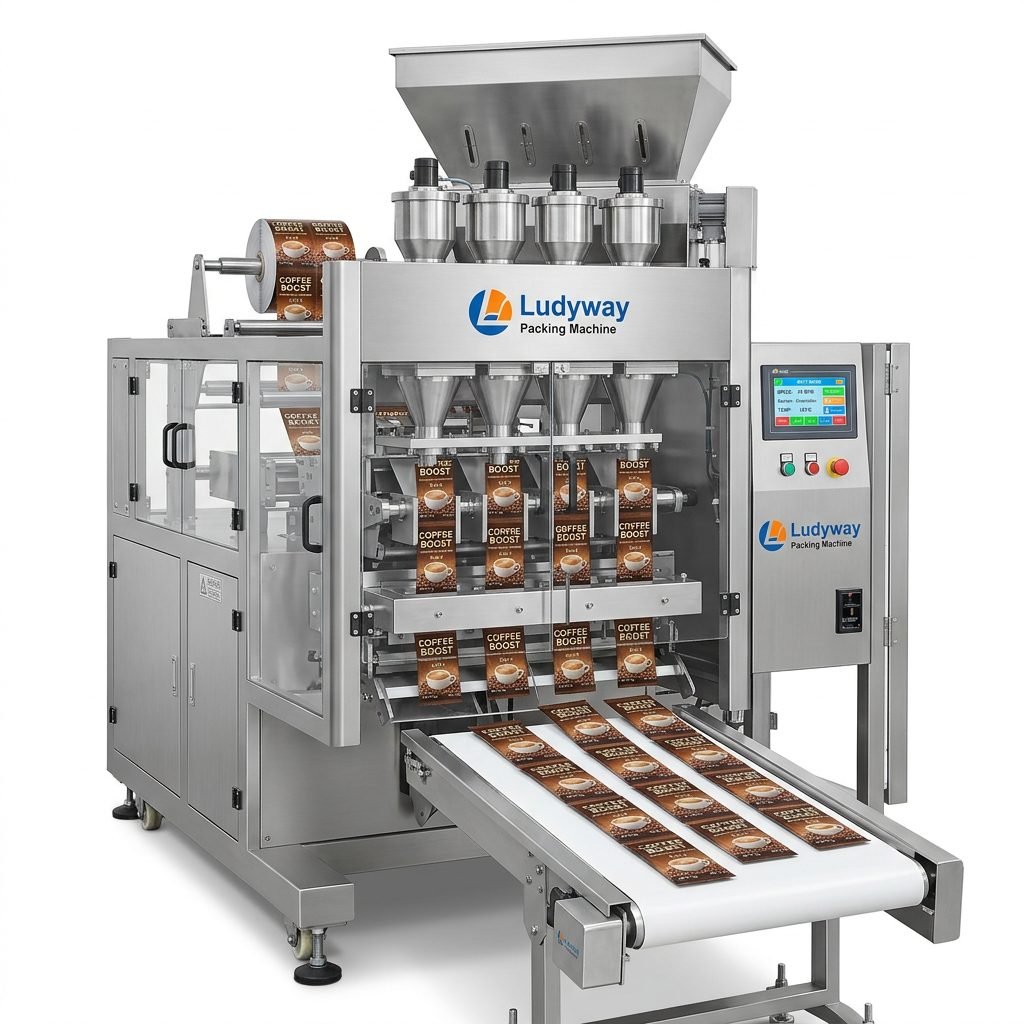
- Multi-lane stick pack machine – produces 4 to 16 lanes simultaneously
- Auger filler or volumetric cup filler – handles fine ground and instant coffee powders
- Notch and perforation unit – for easy-open consumer packs
Step 3: Facility Requirements and Layout Planning
Setting up a GMP-compliant packaging facility in Africa requires careful planning. Consider these critical factors:
Space Allocation Guide
| Zone | Minimum Area | Key Requirements |
|---|---|---|
| Raw material receiving | 50–100 m² | Humidity control < 60% |
| Processing & filling room | 80–150 m² | Temperature 18–22°C, positive air pressure |
| Secondary packaging | 60–100 m² | Cartoning, case packing, palletizing |
| Finished goods warehouse | 100–200 m² | Cool, dry storage conditions |
Power stability is a common challenge. Invest in a voltage stabilizer and backup generator capable of handling peak load plus 20% overhead. Many successful operations in Nigeria, Ghana, and Kenya also install solar hybrid systems to reduce downtime.
Step 4: Ensuring Quality and Shelf Life
Coffee is hygroscopic and sensitive to oxygen. Your packaging line must integrate quality preservation technologies:
- One-way degassing valves for whole bean bags – allows CO₂ to escape without letting oxygen in
- Nitrogen flushing systems – reduces residual oxygen below 1%
- High-barrier film materials – aluminum foil laminates or EVOH-based structures
- Inline checkweighers and metal detectors – ensure weight accuracy and contaminant detection
- Date coding and traceability systems – batch numbers, production dates, barcodes
Step 5: Regulatory Compliance and Certifications
Depending on your target markets, you may need to comply with:
African Regional Standards
- Kenya Bureau of Standards (KEBS) – mandatory for domestic sales in Kenya
- Ethiopian Standards Agency (ESA) – governs export-quality coffee packaging
- Uganda National Bureau of Standards (UNBS) – certification mark required
- ECOWAS harmonized standards – applicable across West African markets
International Export Standards
- FDA Food Contact Substance regulations – for exports to the United States
- EU Packaging and Packaging Waste Directive – for European markets
- ISO 22000 / FSSC 22000 – food safety management certification
- Organic and Fair Trade certifications – add significant value for export
Reference the FDA packaging and food contact substances guidelines and ISO packaging standards for detailed compliance requirements.
Step 6: Workforce Training and Skill Development
Operating advanced packaging machinery requires trained personnel. In Africa, hands-on operator training is often the most critical success factor. Plan for:
- Pre-installation training – key staff visit the manufacturer’s facility for intensive training
- On-site commissioning support – manufacturer engineers oversee installation and initial runs
- Standard operating procedures (SOPs) – documented in English, French, or local languages
- Preventive maintenance schedules – weekly, monthly, and quarterly checklists
- Spare parts inventory – critical components stocked locally to minimize downtime
Step 7: Logistics, Installation, and After-Sales Support
Importing packaging machinery into Africa requires navigating customs, port clearance, and inland transportation. Key considerations:
Importation Checklist
- Work with a clearing and forwarding agent experienced in industrial machinery
- Confirm import duty rates and VAT exemptions for manufacturing equipment
- Arrange inland transport with specialized heavy-lift capability
- Schedule rigging and positioning crew before equipment arrival
- Verify installation utilities – compressed air, power supply, water connections
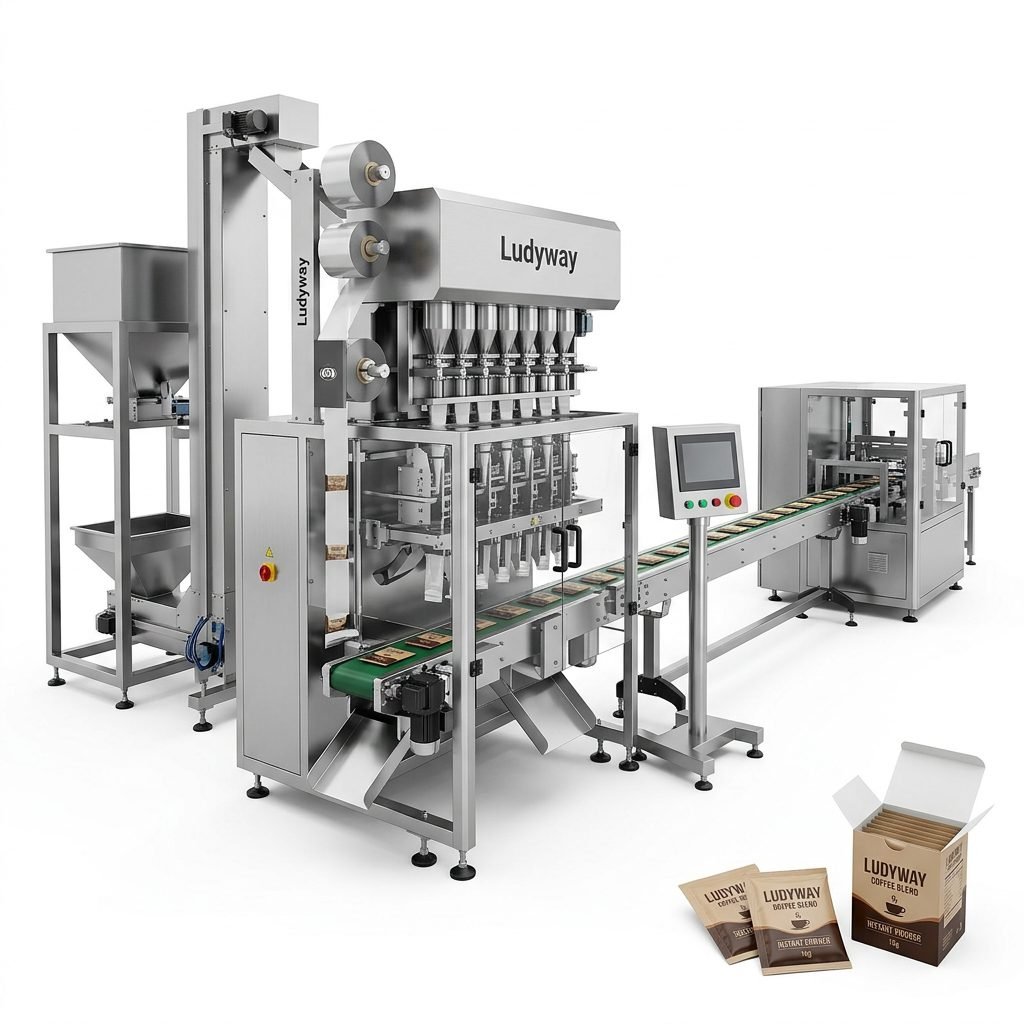
Leading packaging machine manufacturers like Ludyway provide comprehensive support including remote diagnostics, on-site service visits, and a full range of spare parts. With a 20,000㎡ production facility and over 30 years of industry experience, Ludyway offers turnkey solutions that cover everything from initial layout design to final commissioning and training across African markets.
Cost and ROI Analysis
While initial investment varies by scale, a mid-sized coffee packaging line suitable for African production typically ranges as follows:
| Investment Component | Estimated Range (USD) | Payback Period |
|---|---|---|
| Multi-lane stick pack machine | $45,000 – $120,000 | 12–18 months |
| Roasted bean VFFS line | $35,000 – $90,000 | 10–15 months |
| Complete integrated line | $150,000 – $400,000 | 18–24 months |
| Spare parts and consumables (annual) | $5,000 – $15,000 | Ongoing |
With value-added coffee products commanding 3x–5x the price of raw green beans in export markets, the return on investment can be compelling. Take time to understand packaging machinery market trends to make informed capital decisions.
Common Pitfalls to Avoid
1. Inadequate Moisture Control
Coffee absorbs moisture rapidly. Install dehumidifiers and monitor relative humidity continuously in packaging areas. Condensation inside packages leads to mold and customer complaints.
2. Overlooking Film Compatibility
Not all packaging films work with all machines. Test films extensively before committing to large orders. Consider local sourcing of packaging materials to reduce lead times and import costs.
3. Underestimating Maintenance Needs
Dust from coffee grinding can accelerate machine wear. Establish rigorous daily cleaning protocols and stock critical wear parts. Schedule preventive maintenance even during peak production periods.
4. Neglecting Scalability
Choose modular equipment that allows adding lanes or upgrading speeds as demand grows. A 4-lane stick pack machine today should be expandable to 8 or 12 lanes tomorrow.
Future-Proofing Your Investment
The African coffee packaging sector is evolving rapidly. Stay ahead with these strategies:
- Explore biodegradable and compostable packaging materials to align with European sustainability requirements
- Consider smart packaging with QR codes for consumer engagement and traceability
- Invest in energy-efficient servo-driven machines to reduce operating costs
- Monitor African Continental Free Trade Area (AfCFTA) developments for cross-border opportunities
- Stay informed through industry resources like flexible packaging industry data
Frequently Asked Questions
Q: What is the minimum investment to start a small coffee packaging line in Africa?
A small-scale operation with a single-lane stick pack machine can start from approximately $30,000–$50,000 for basic equipment, excluding facility setup and working capital.
Q: Do I need to roast coffee before packaging?
Not necessarily. You can package green beans for export, but roasted and ground coffee captures significantly more value. Many operations roast in-house and package immediately for freshness.
Q: How long does installation and commissioning take?
A complete line typically requires 2–4 weeks for installation plus 1–2 weeks for commissioning and operator training, assuming all utilities are prepared in advance.
Q: What packaging formats are most popular in African domestic markets?
50g–250g sachets and stick packs dominate the affordable segment, while 250g–500g stand-up pouches serve the mid-market. Premium brands increasingly use valve bags and capsules.
Q: Can I export coffee packaged in Africa to Europe and North America?
Yes, provided you comply with FDA, EU, and buyer-specific requirements. Many African-packaged coffee brands successfully export to specialty markets in Europe, the Middle East, and North America.
Conclusion: Turning Opportunity into Reality
Setting up a coffee bean packaging production line in Africa is a strategic investment that taps into both continental demand and global export opportunities. By carefully selecting the right equipment, planning your facility properly, and building a skilled operational team, you can establish a profitable, sustainable packaging operation.
The key is partnering with experienced equipment suppliers who understand African operating conditions and can provide reliable after-sales support. With proper execution, your packaging line can become a competitive advantage—transforming raw coffee into premium branded products that command higher margins and build lasting consumer loyalty across Africa and beyond.