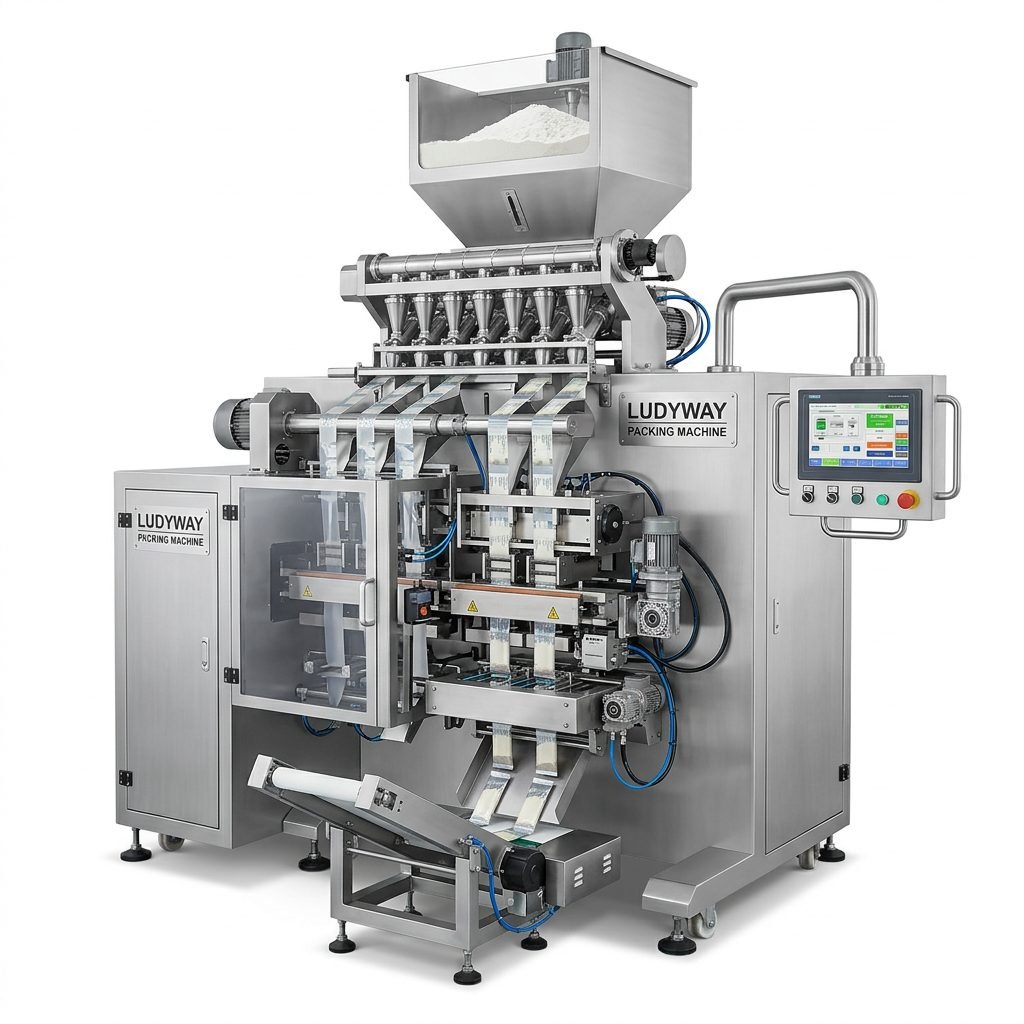
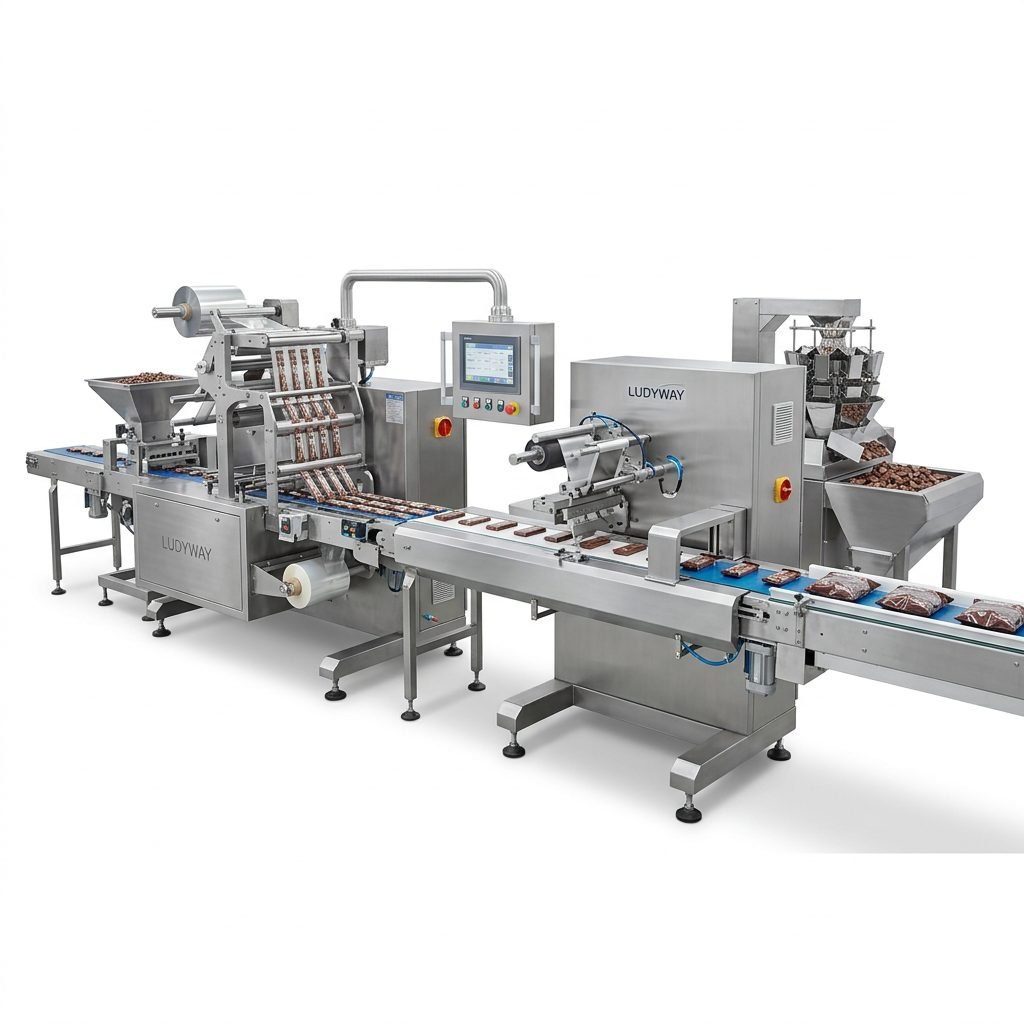
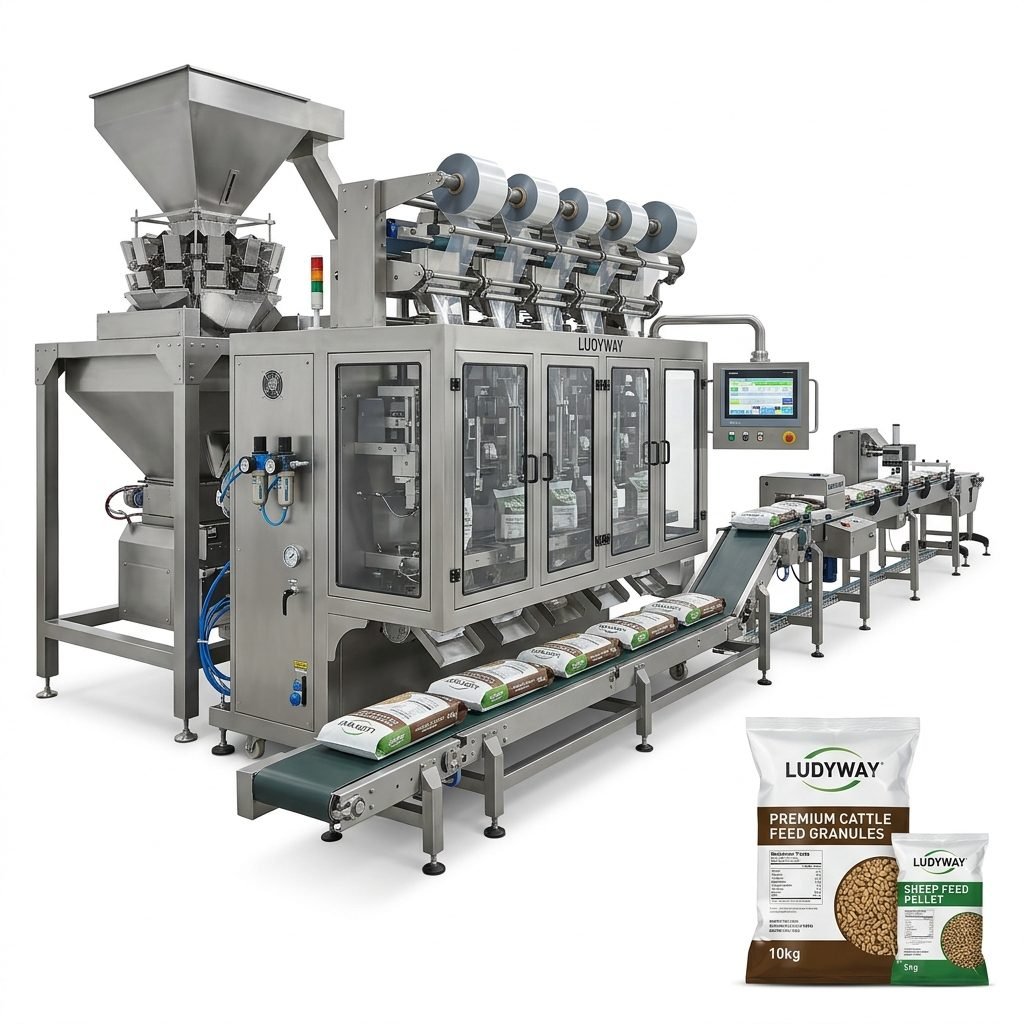
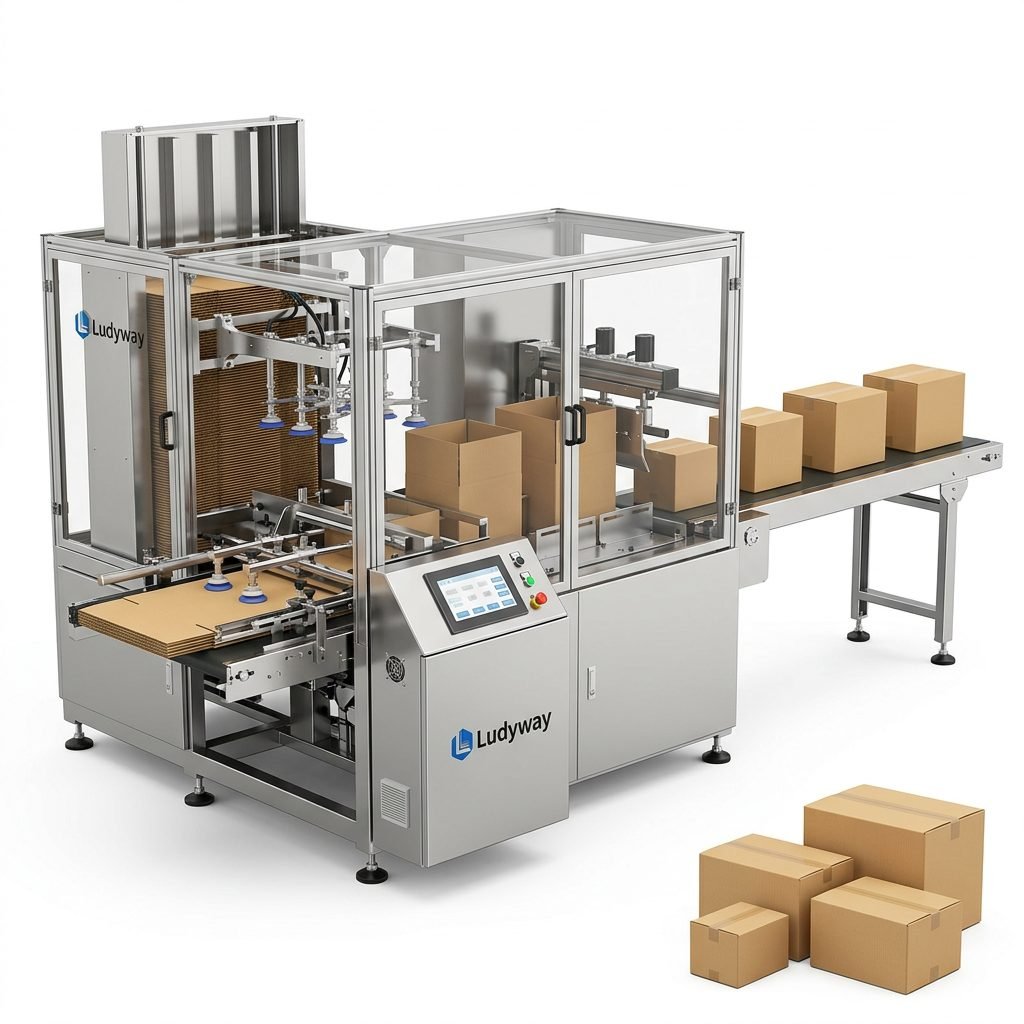
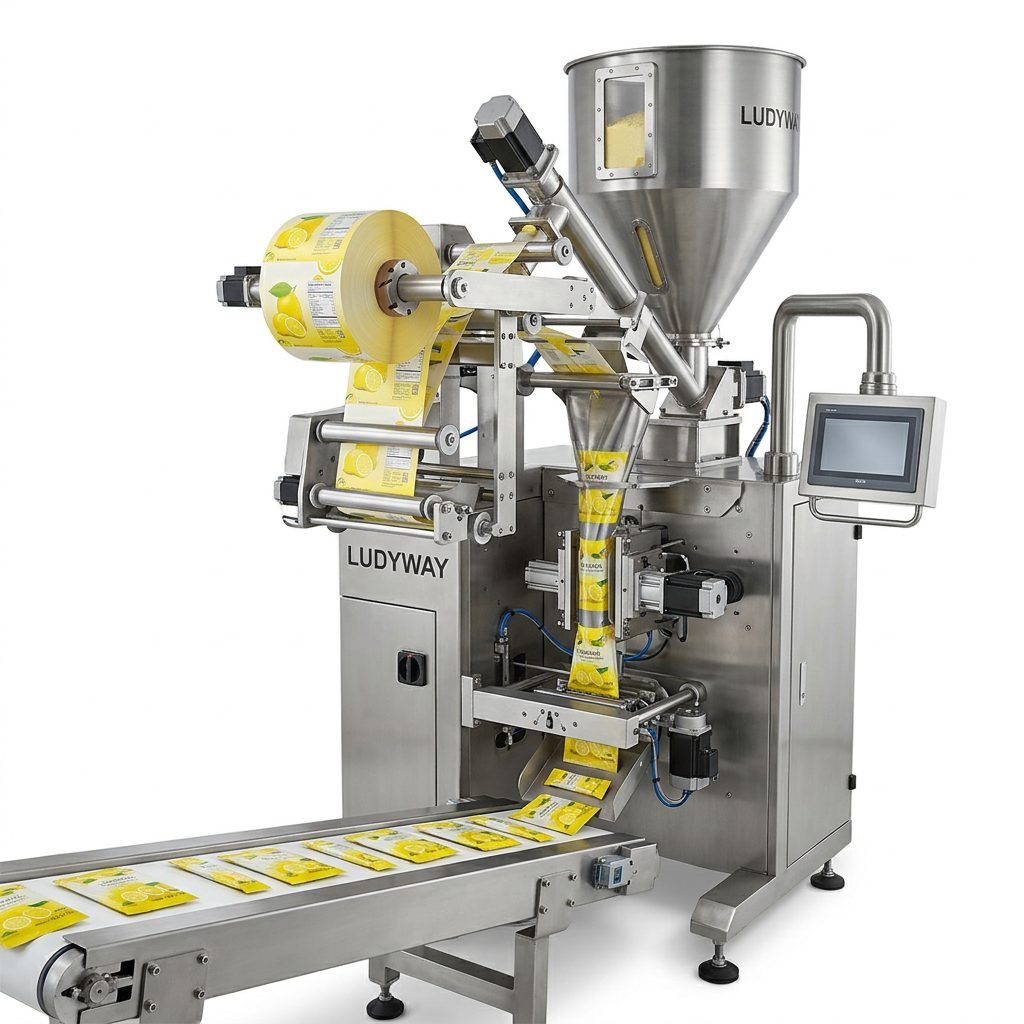
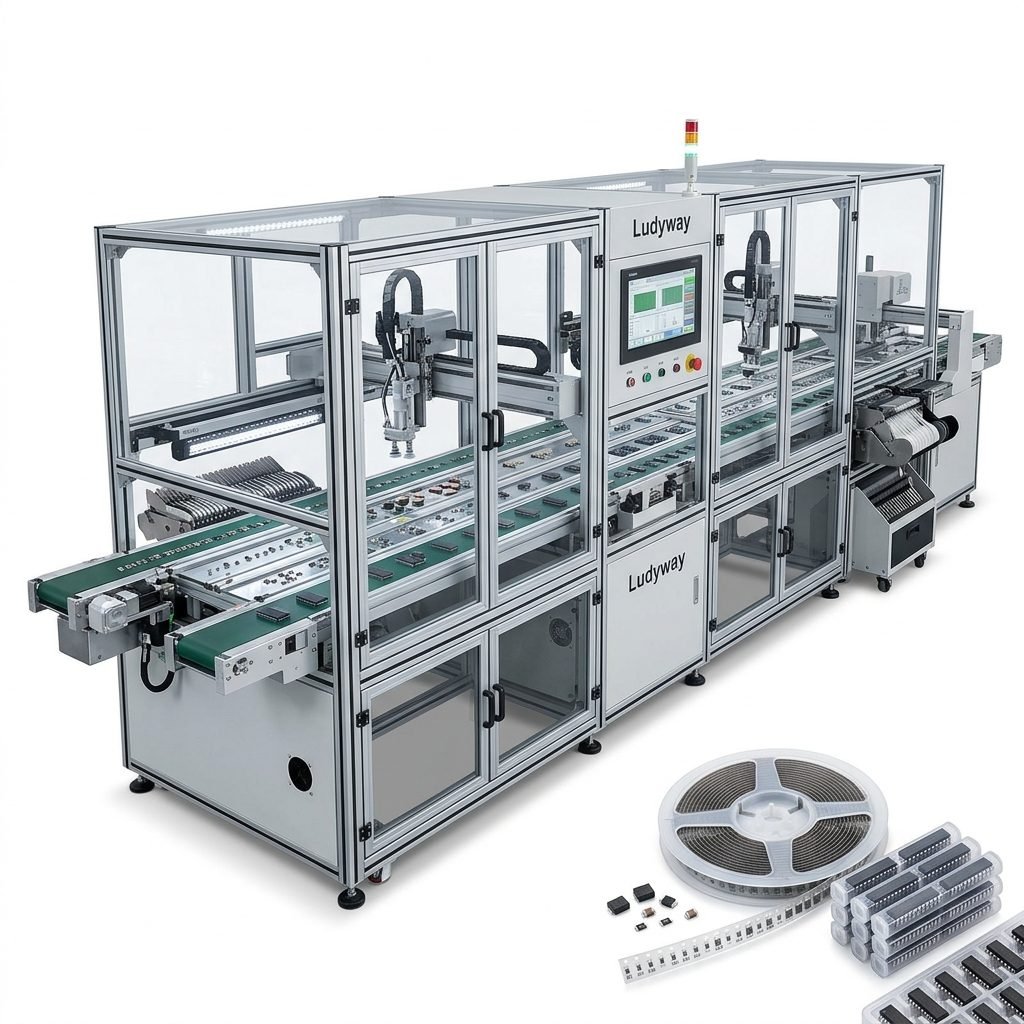
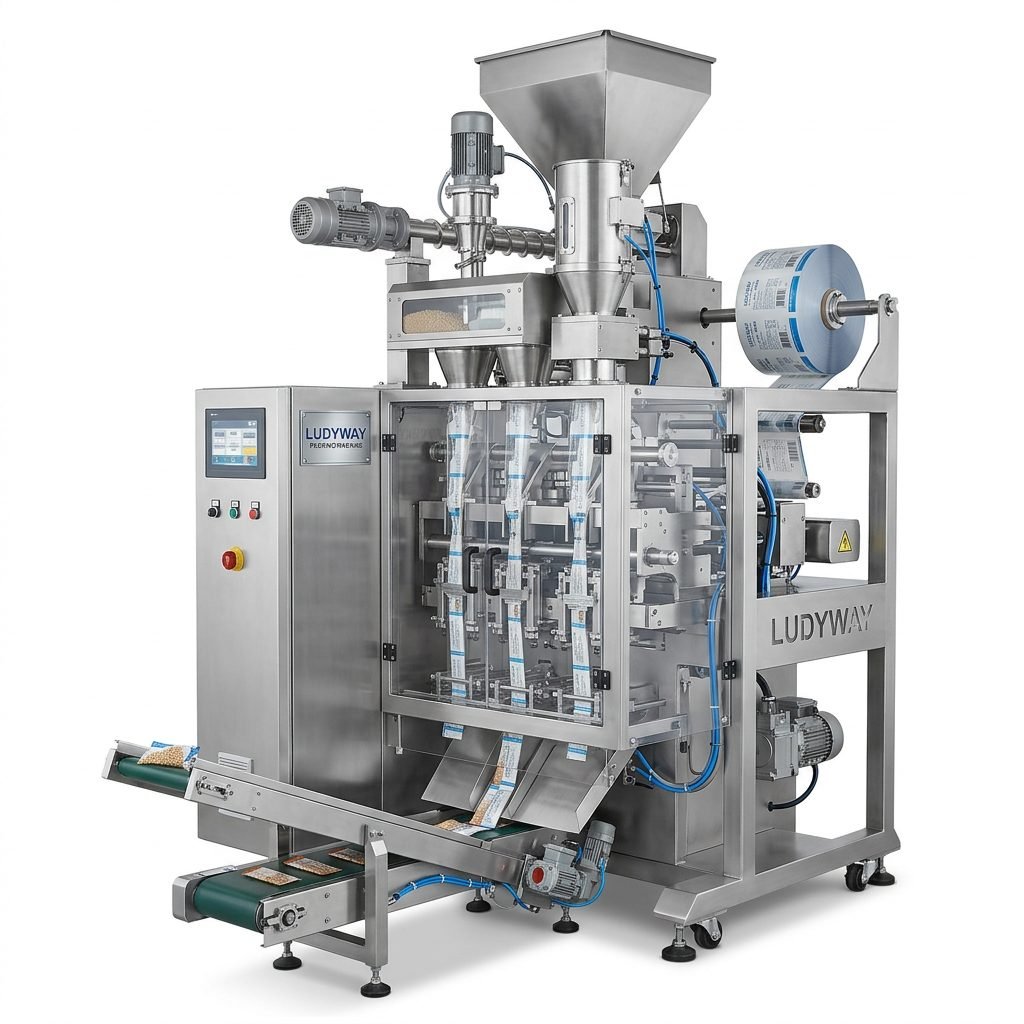
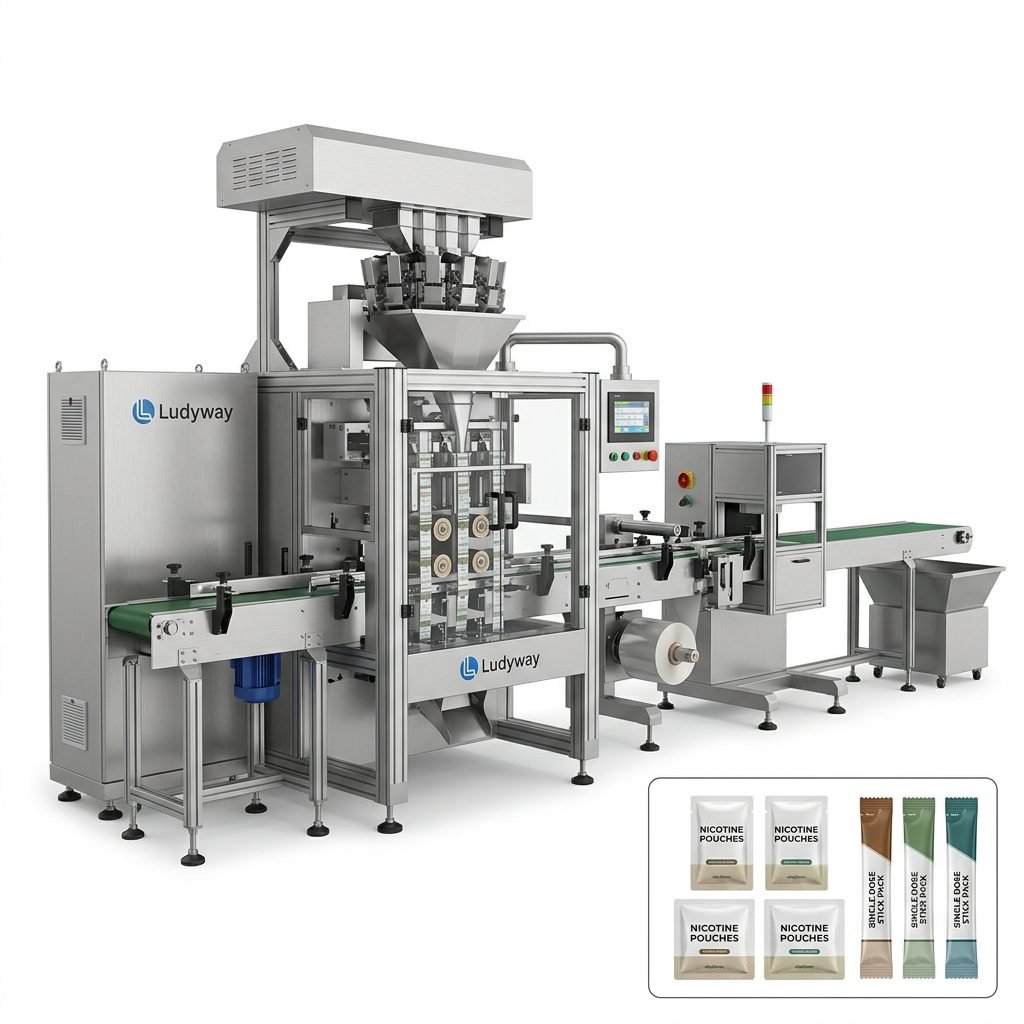
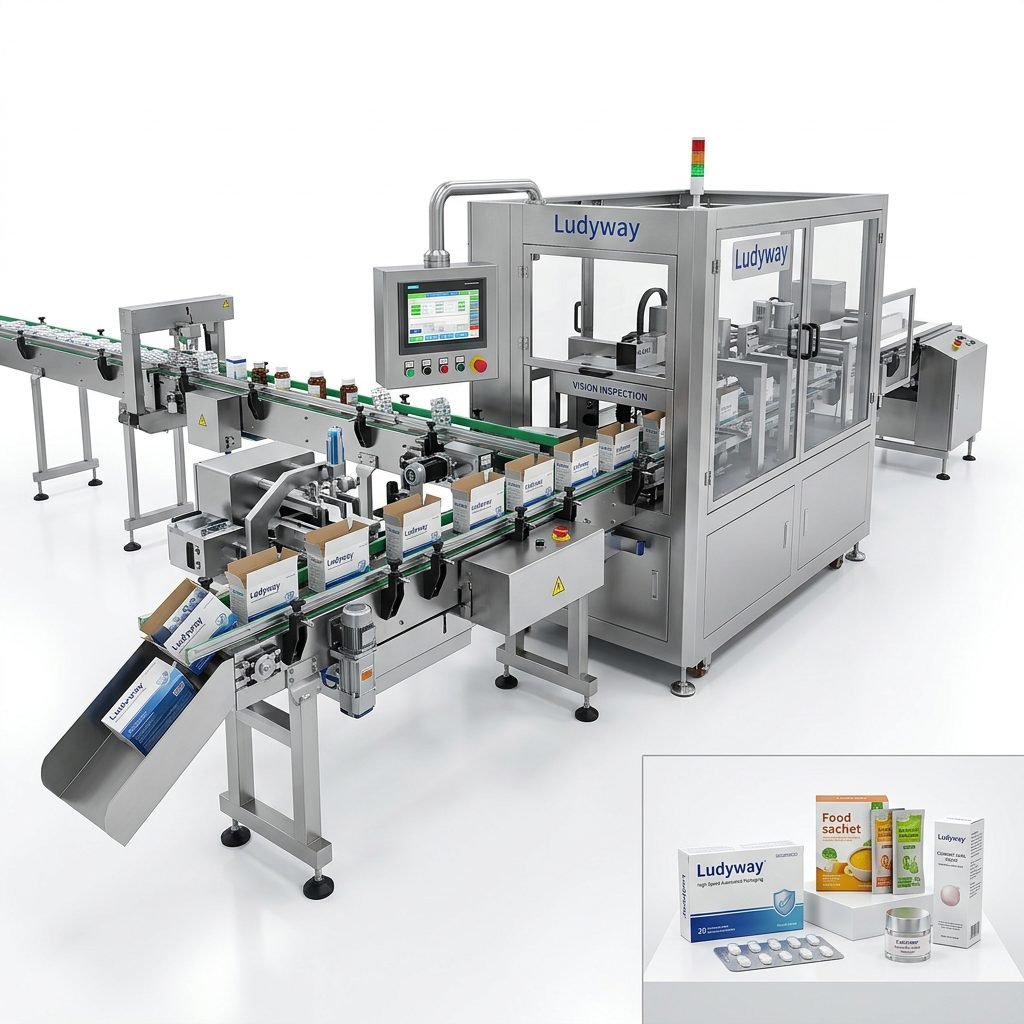
A paper bag packing machine is a critical asset for businesses in the food, pharmaceutical, and industrial sectors. To ensure it delivers consistent output and has a long service life, a structured maintenance program is essential. Neglecting routine care can lead to unexpected downtime, costly repairs, and compromised packaging quality. This guide outlines the key practices to keep your equipment running at peak efficiency.
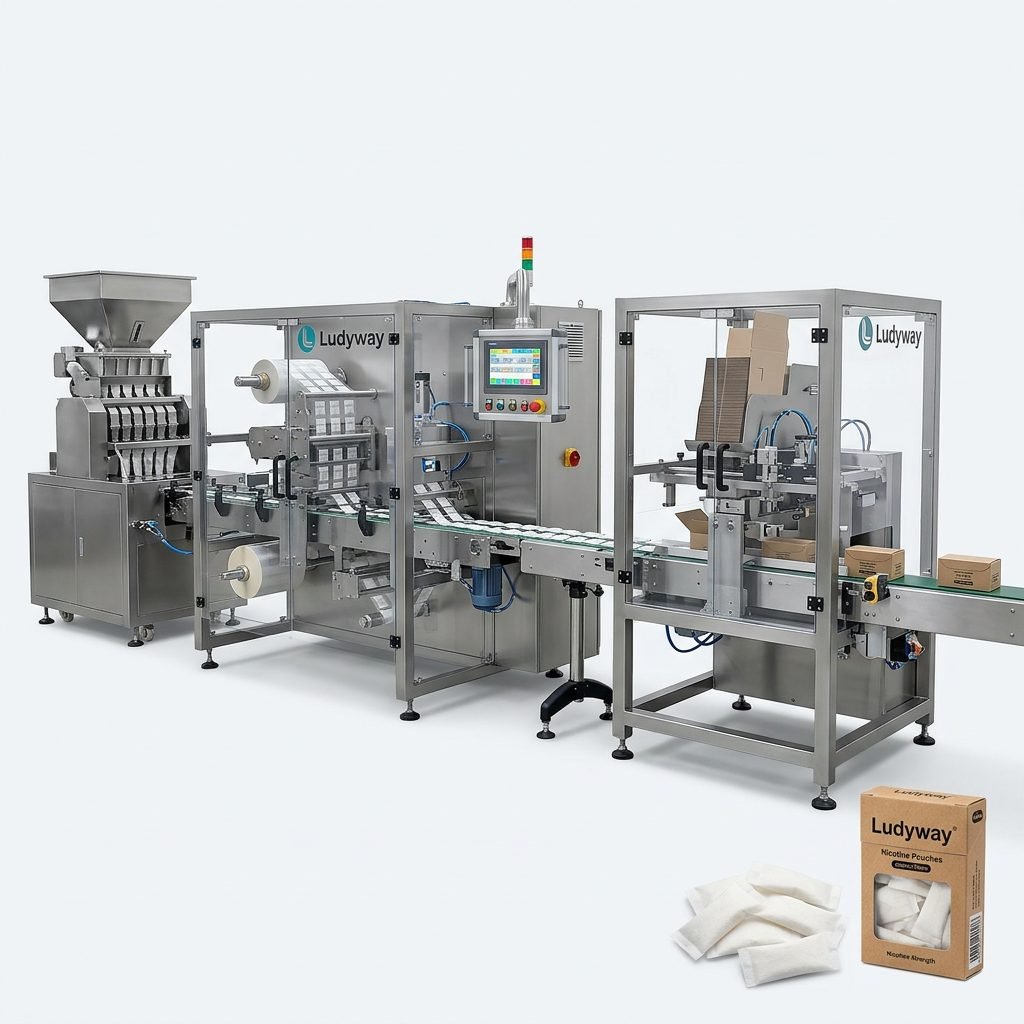
1. Daily Cleaning and Inspection Routine
Dust, product residue, and debris are the primary enemies of precision packaging machinery. A daily cleaning schedule prevents buildup that can interfere with sensors, sealing components, and moving parts. Pay close attention to heat-sealing bars, forming shoulders, and film-feed tracks. Use lint-free cloths and approved cleaning solutions to avoid damaging sensitive surfaces. During cleaning, perform a visual inspection for loose fasteners, worn belts, or unusual wear patterns. Early detection of minor issues prevents major failures.
2. Lubrication: The Lifeline of Moving Parts
Proper lubrication reduces friction and prevents premature wear on bearings, chains, gears, and cam mechanisms. Always refer to the manufacturer’s manual for the recommended grease and oil specifications, as using incorrect lubricants can damage seals and bushings. Establish a lubrication map for your maintenance team that identifies every grease nipple and oil point, ensuring none are missed. Over-lubrication is just as harmful as under-lubrication, as excess grease attracts contaminants and causes overheating.
3. Scheduled Replacement of Wear Parts
Certain components have a finite lifespan and should be replaced proactively. These critical wear items include:
- Heating elements and thermocouples in the sealing station
- Teflon tapes and PTFE covers on sealing jaws
- Cutting blades and perforation knives
- Suction cups and vacuum pads in the bag-opening section
- Rubber rollers and friction-feed wheels
Maintaining a logbook that tracks the operating hours of each consumable part allows you to schedule replacements during planned downtime rather than reacting to an emergency stop.
4. Calibration and Alignment Checks
Over time, vibration and thermal expansion can shift critical alignments. A paper bag packing machine requires precise synchronization between the film transport, forming tube, and sealing station. Check the following regularly:
- Film tension and tracking alignment to prevent wrinkles and misfeeds
- Sealing jaw parallelism to ensure even pressure distribution
- Photoelectric sensor positioning for accurate bag-length registration
- Temperature controller calibration against an external thermometer
5. Pneumatic and Electrical System Maintenance
Moisture and contamination in compressed air lines cause erratic cylinder operation and premature valve failure. Drain water traps daily and replace air filter elements according to the schedule. For the electrical system, tighten terminal connections, inspect cables for signs of heat damage, and keep control cabinets sealed against dust ingress. Voltage fluctuations can damage PLCs and servo drives, so verify power supply stability with a data logger periodically.
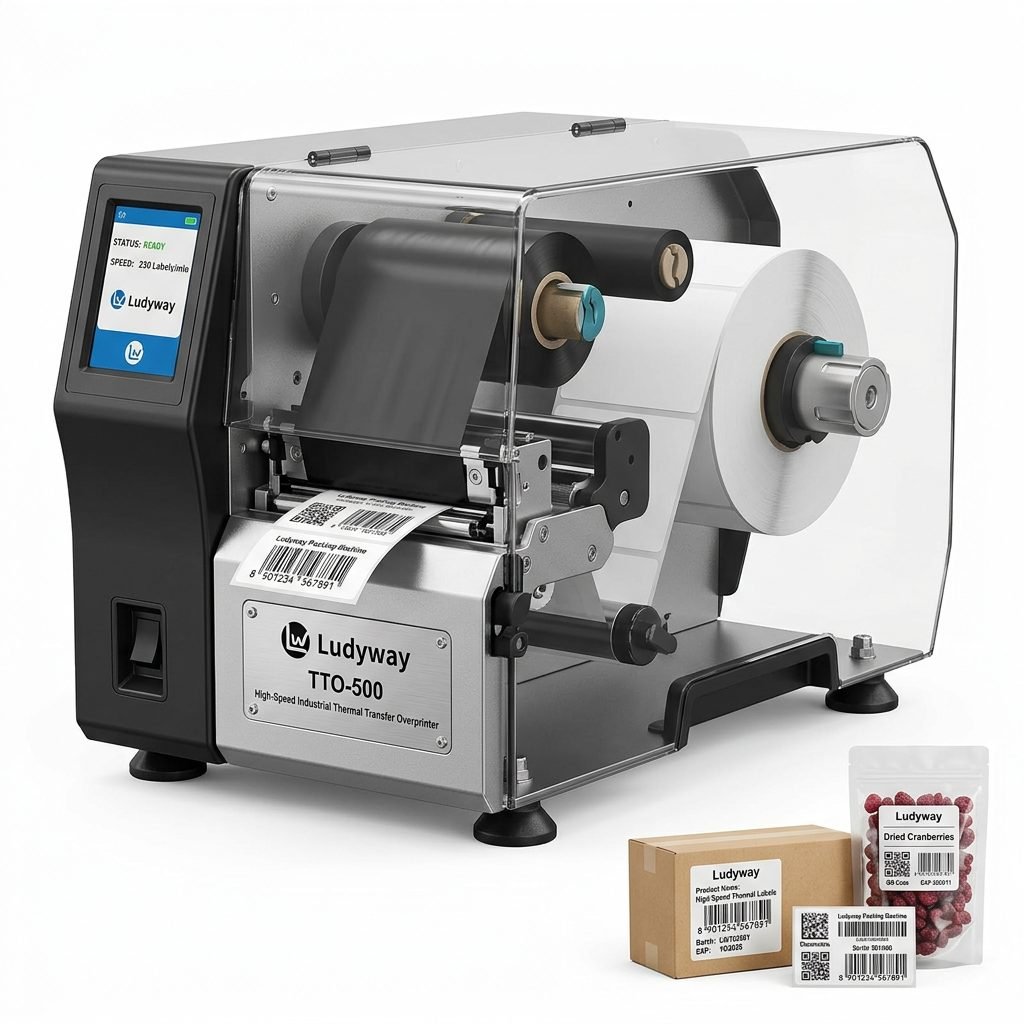
6. Recommended Maintenance Schedule
Following a disciplined schedule ensures no critical task is overlooked. Below is a practical framework adaptable to different production environments.
| Interval | Maintenance Tasks | Responsible Team |
|---|---|---|
| Daily | Clean machine surfaces, inspect sealing area, drain air filter water trap | Operator |
| Weekly | Lubricate chains and linear guides, check film tension, clean sensors | Maintenance Technician |
| Monthly | Inspect belts and timing pulleys, verify sealing temperature with external probe, check electrical connections | Maintenance Technician |
| Quarterly | Replace air filters, calibrate sensors, inspect gearboxes for oil leaks, update backup parameters | Engineering Team |
| Annually | Replace all wear parts, full mechanical alignment, overhaul pneumatic cylinders, test safety circuits | Engineering Team |
7. Operator Training and Documentation
Even the best maintenance program fails without skilled execution. Operators should be trained to recognize early warning signs such as unusual noises, temperature variations, and inconsistent bag quality. Keep a digital maintenance log that records every intervention, part replacement, and calibration result. This historical data helps identify recurring issues and optimize spare parts inventory. When investing in advanced equipment, partnering with a reputable packaging machine manufacturer ensures you receive proper documentation, training, and after-sales support. Ludyway, one of the largest packaging machine manufacturers in China, provides comprehensive maintenance manuals and technical assistance to help clients maximize equipment uptime across more than 100 countries.
8. Troubleshooting Common Issues
Quick diagnosis of common problems minimizes downtime. Here are frequent symptoms and their likely causes:
- Bag misalignment or wrinkling: Incorrect film tension, worn forming shoulder guides, or misaligned rollers
- Weak or leaking seals: Low sealing temperature, contaminated sealing jaws, or worn Teflon coating
- Inconsistent bag length: Faulty photoelectric sensor, slipping friction rollers, or erratic film brake
- Machine vibration: Loose mounting bolts, unbalanced rotating parts, or worn bearings
- PLC or display errors: Voltage spikes, loose communication cables, or corrupted program data

9. Spare Parts Management
Waiting for a critical spare part during a breakdown is a preventable scenario. Identify long-lead-time items and maintain a safety stock of essential spares, including heating elements, thermocouples, timing belts, sealing tapes, sensors, and pneumatic seals. Organize spare parts in a clean, dry environment with clear labeling. Regularly review consumption rates and adjust inventory levels based on actual usage patterns rather than generic recommendations.
10. Leveraging Professional Support
While in-house maintenance handles daily tasks, periodic professional servicing adds significant value. Qualified technicians can perform deep diagnostics, software updates, and precision alignments that are beyond routine capabilities. They also bring insights from servicing similar machines across different industries. For more information on advanced packaging solutions and maintenance best practices, refer to industry resources such as the PMMI Business Intelligence Library and the Flexible Packaging Association Industry Resources. These organizations publish valuable guidelines on packaging machinery standards and operational efficiency. Additionally, the ISO Packaging Standards provide internationally recognized benchmarks for equipment performance and safety.
A well-maintained paper bag packing machine is an investment that pays dividends through reliable production, reduced waste, and extended equipment life. By implementing these structured maintenance practices, you protect your operational bottom line and ensure consistent packaging quality for years to come.