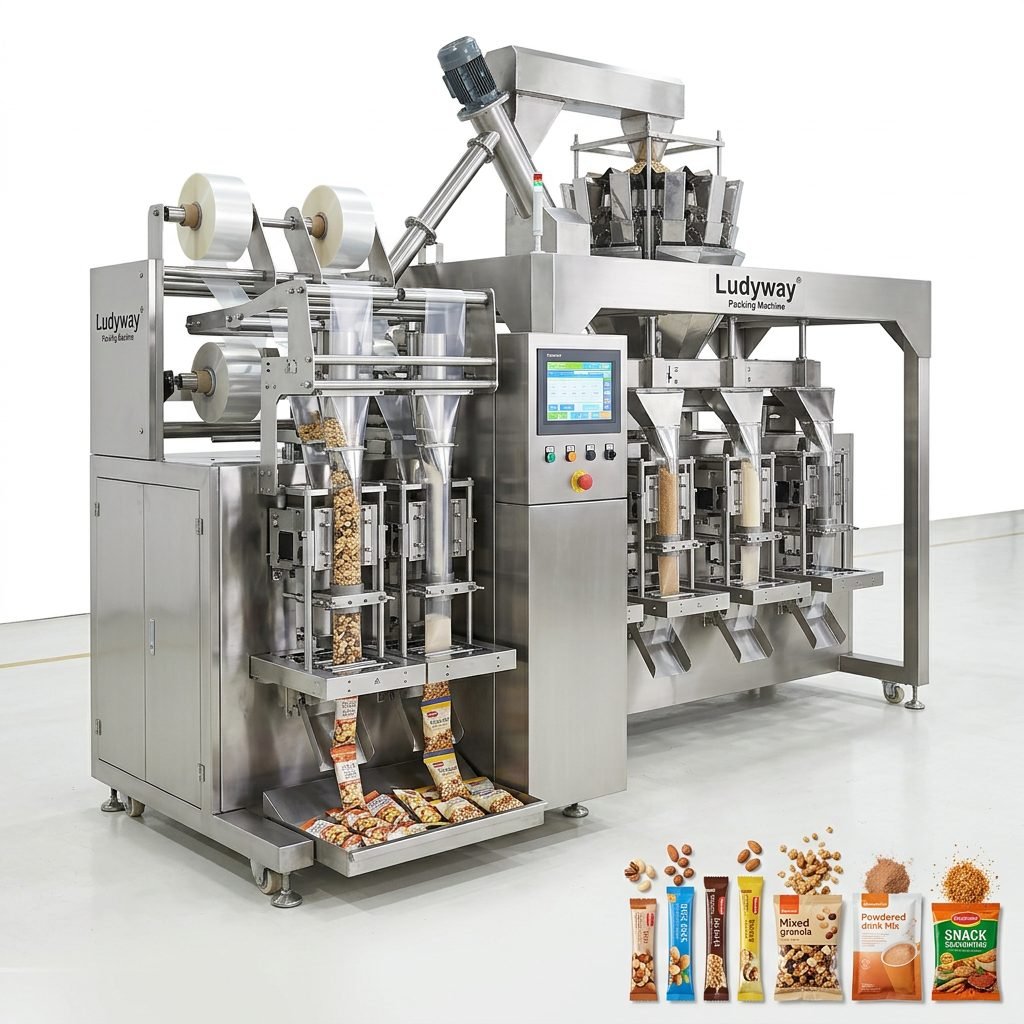
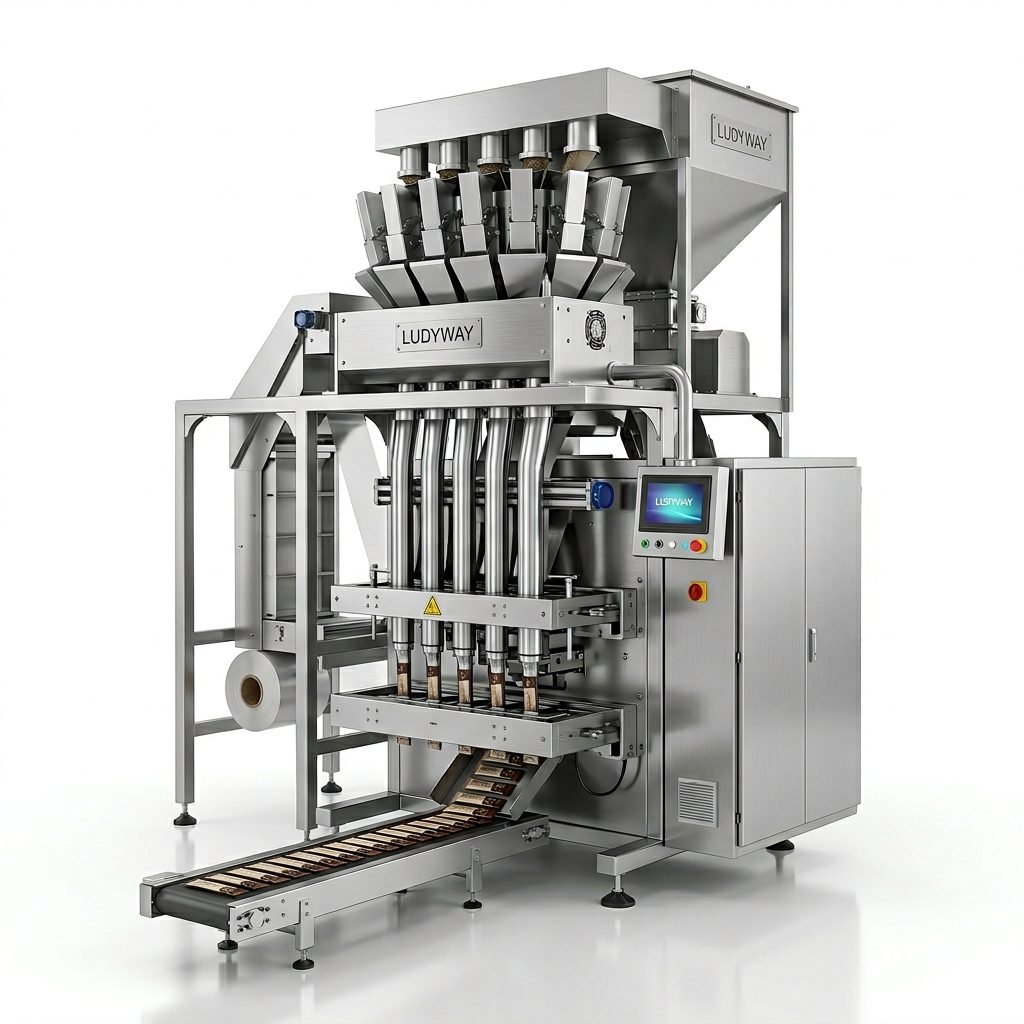
In today’s fast-paced manufacturing world, efficiency and precision are paramount. For businesses involved in packaging granules, powders, or liquids—particularly in sectors like food, pharmaceuticals, and health products—selecting the right packaging equipment is a critical decision that impacts productivity, product integrity, and ultimately, the bottom line. EDL (Electronic Dry Liquid) packaging equipment represents a sophisticated category of automated machinery designed to handle these specific materials with high speed and accuracy.
Understanding EDL Packaging Equipment
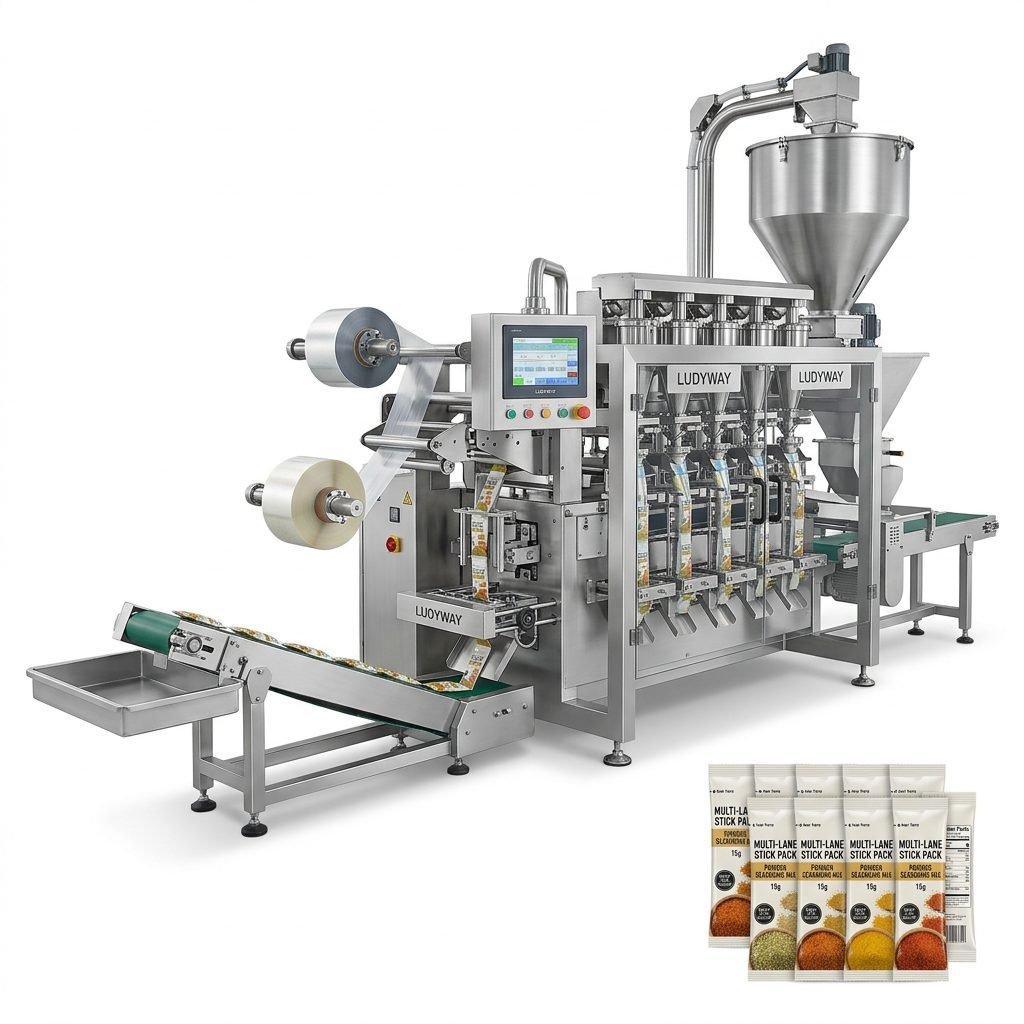
EDL packaging systems are engineered for the automated filling and sealing of dry, granular, or powdered products, as well as certain viscous liquids. The term often encompasses a range of machinery, from single-lane sachet machines to high-speed, multi-lane stick pack systems. These machines are integral to creating the small, portable, and single-serve packages that consumers have come to expect across numerous industries.
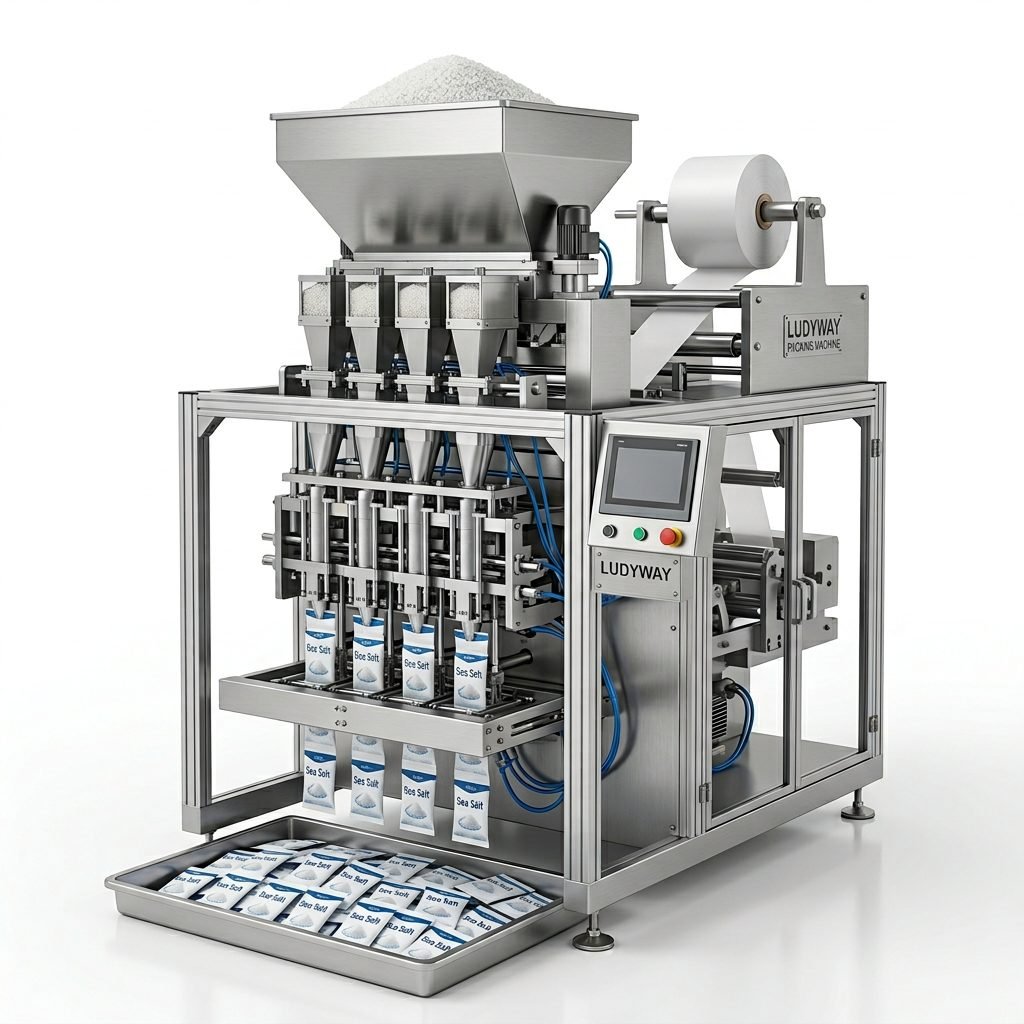
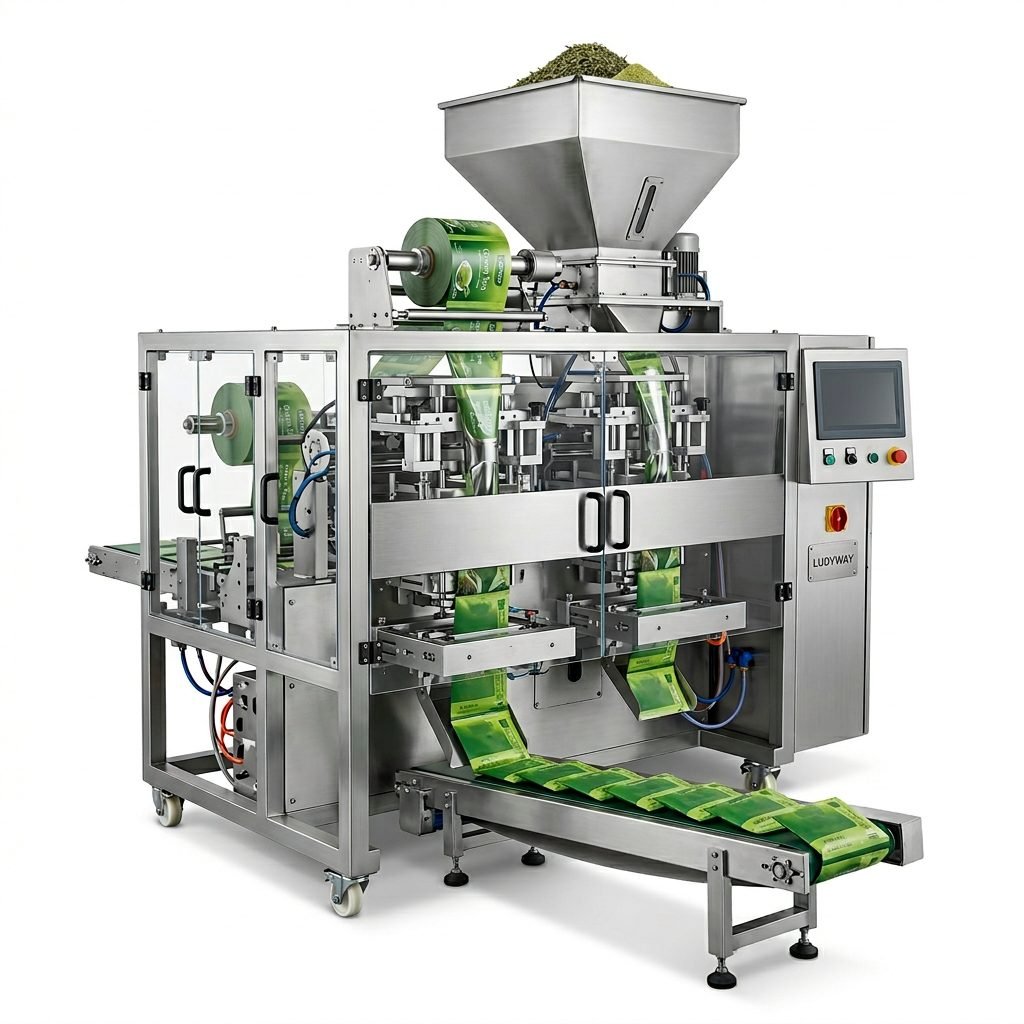
Core Function: At its heart, an EDL system automates the process of forming a pouch from roll film, precisely metering and filling the product, and then sealing and cutting it into individual packs. This process ensures consistency, hygiene, and significant labor savings compared to manual operations.
Key Components of a Modern EDL System
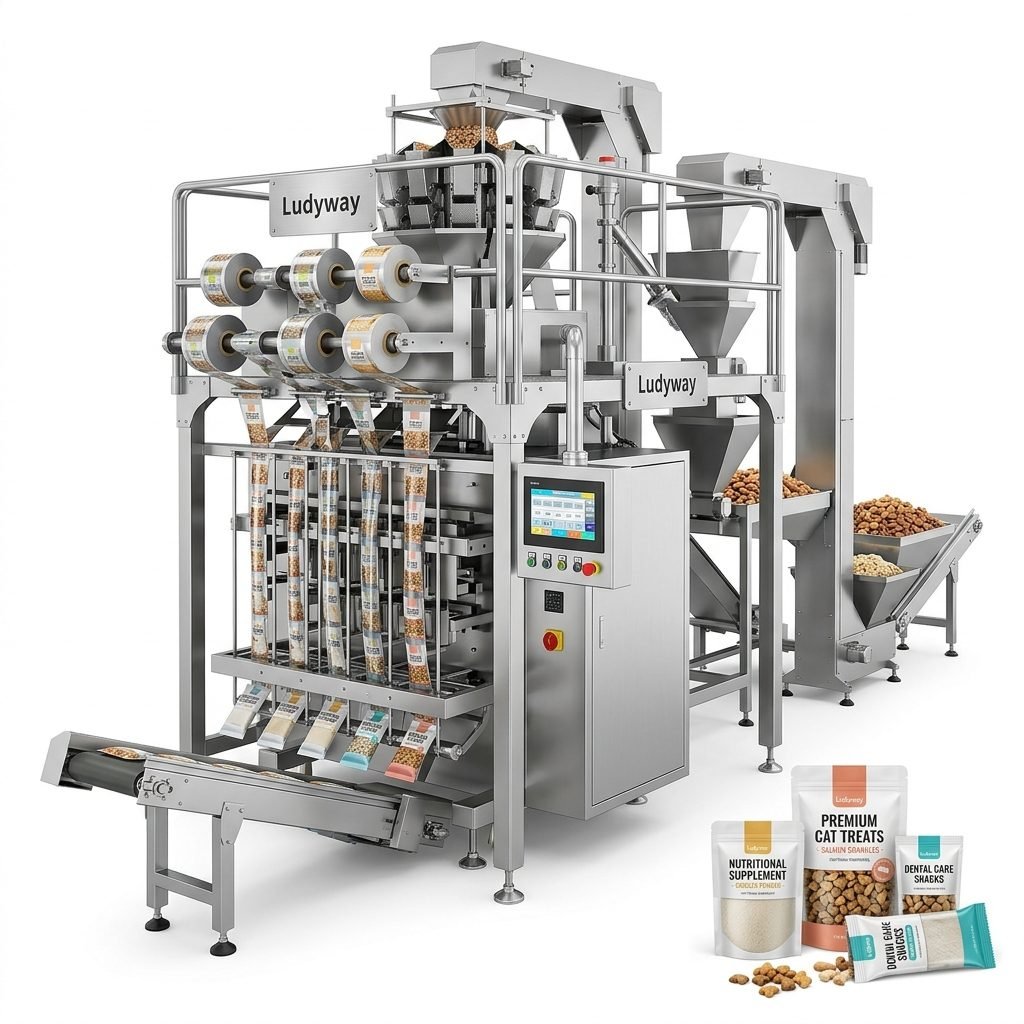
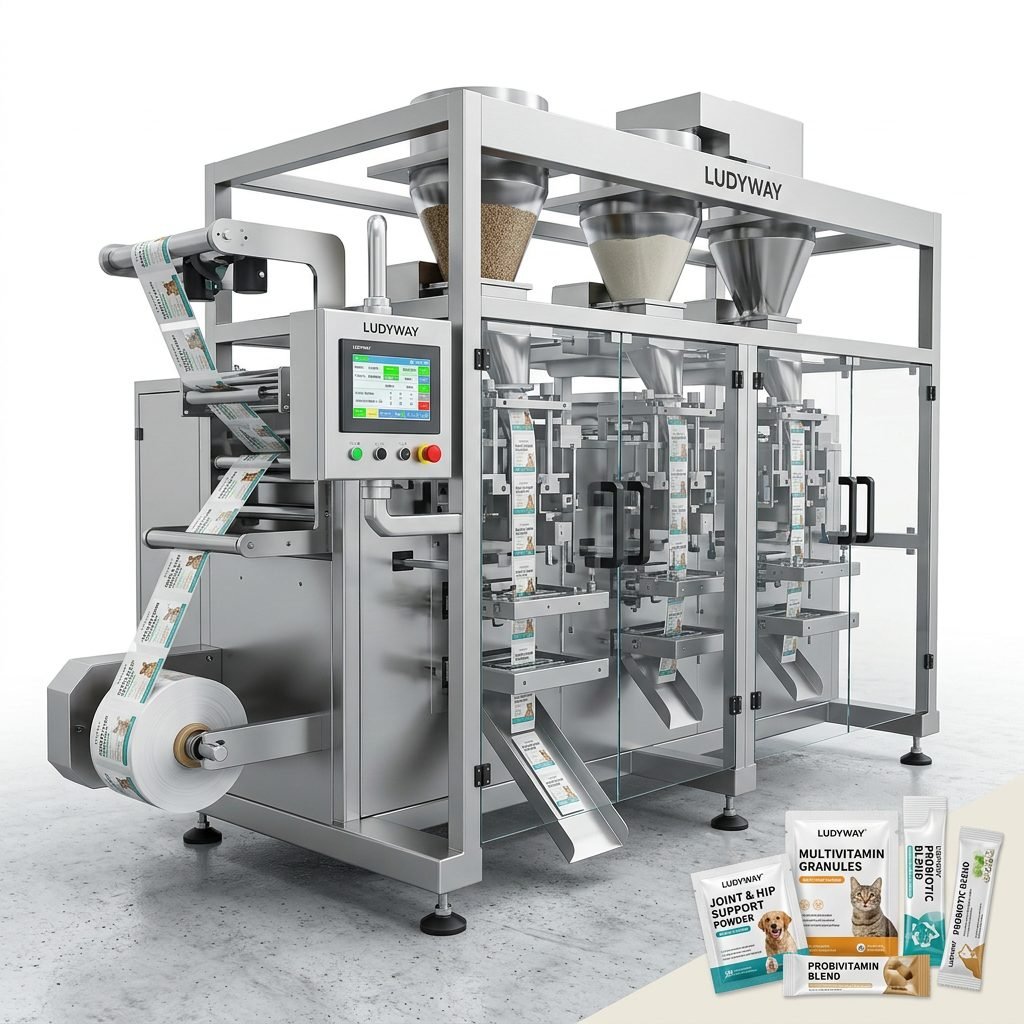
A typical EDL packaging line consists of several synchronized components:
- Film Unwinding & Forming Unit: This section draws packaging material from a roll and forms it into a tubular shape.
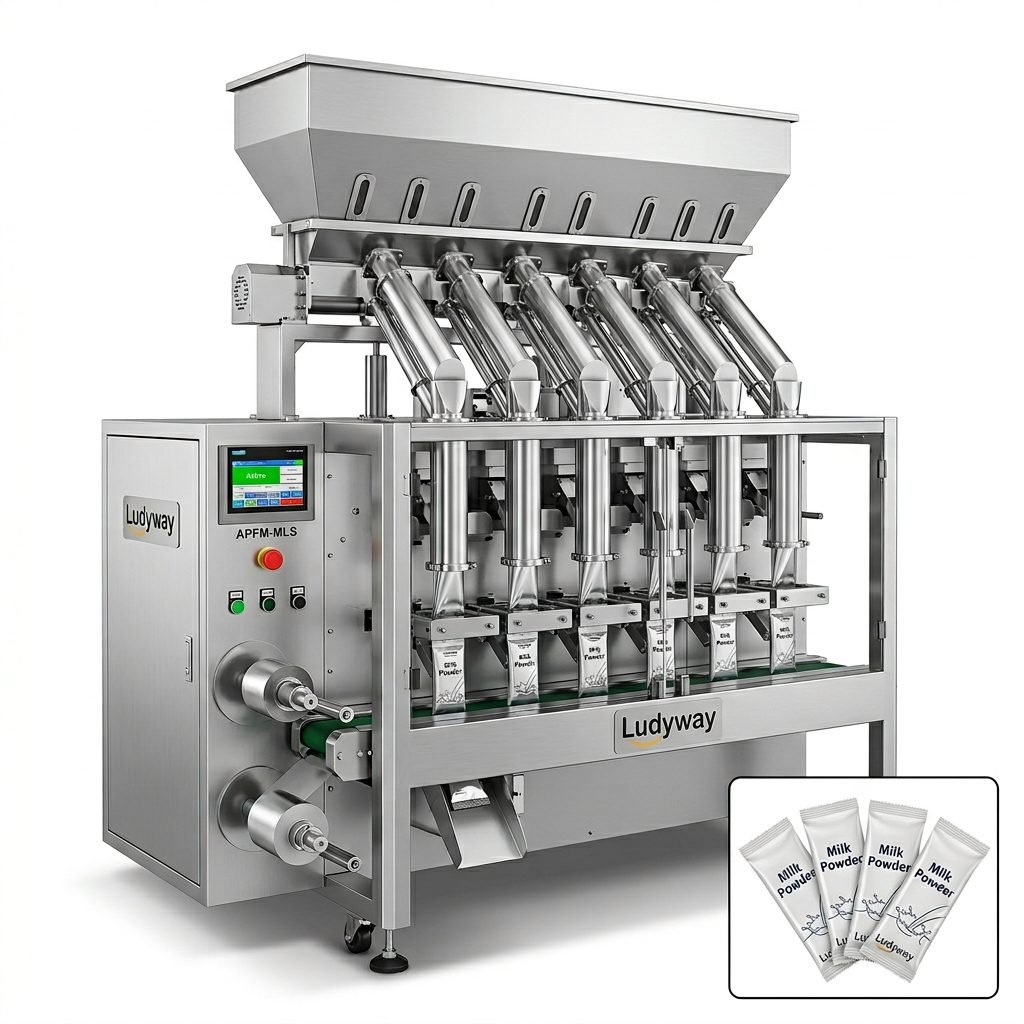
- Precision Filling System: The heart of the EDL machine, this can be a volumetric cup filler, auger filler for powders, or pump system for liquids. Accuracy here is non-negotiable.
- Sealing & Cutting Mechanism: Heated jaws create airtight seals (both longitudinal and transverse), and a cutter separates the continuous tube into individual sachets or sticks.
- Control Panel (HMI): A user-friendly human-machine interface allows operators to set parameters, monitor production speed, and diagnose issues.
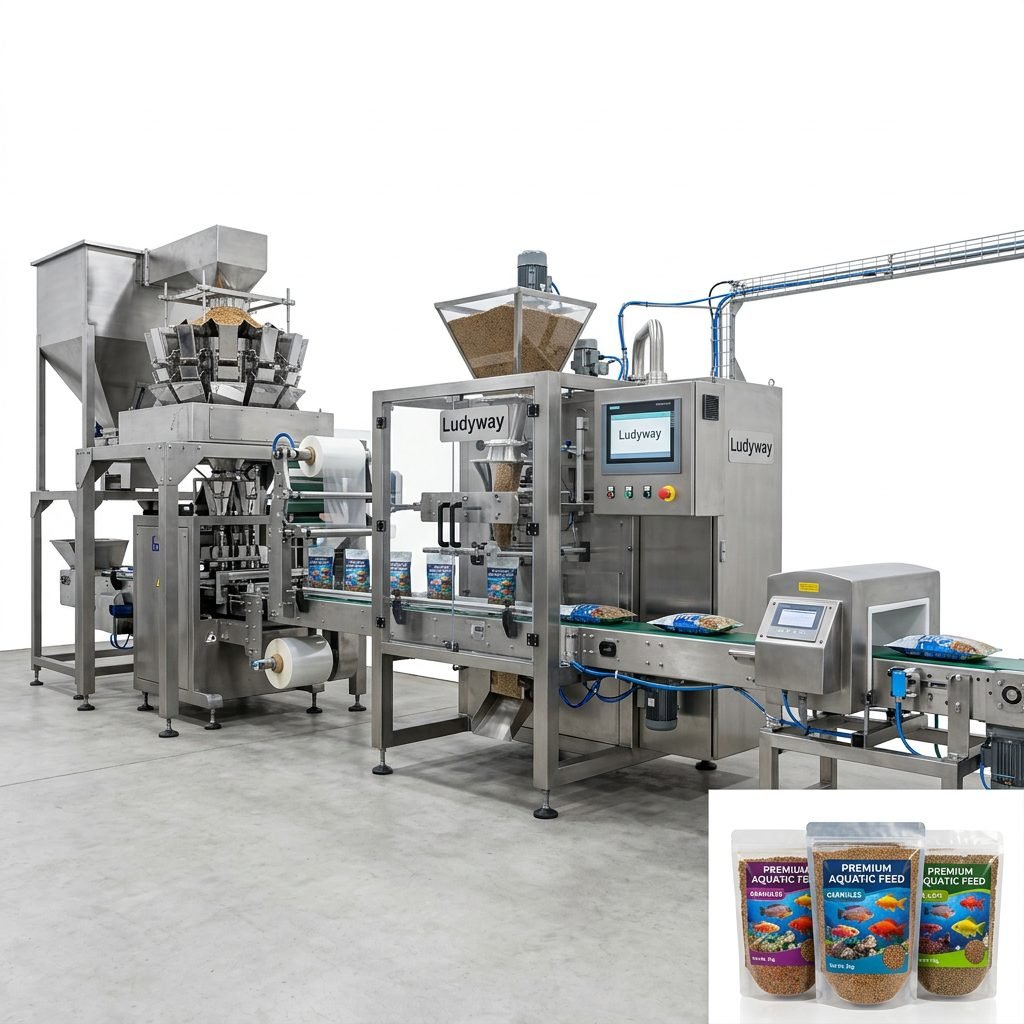
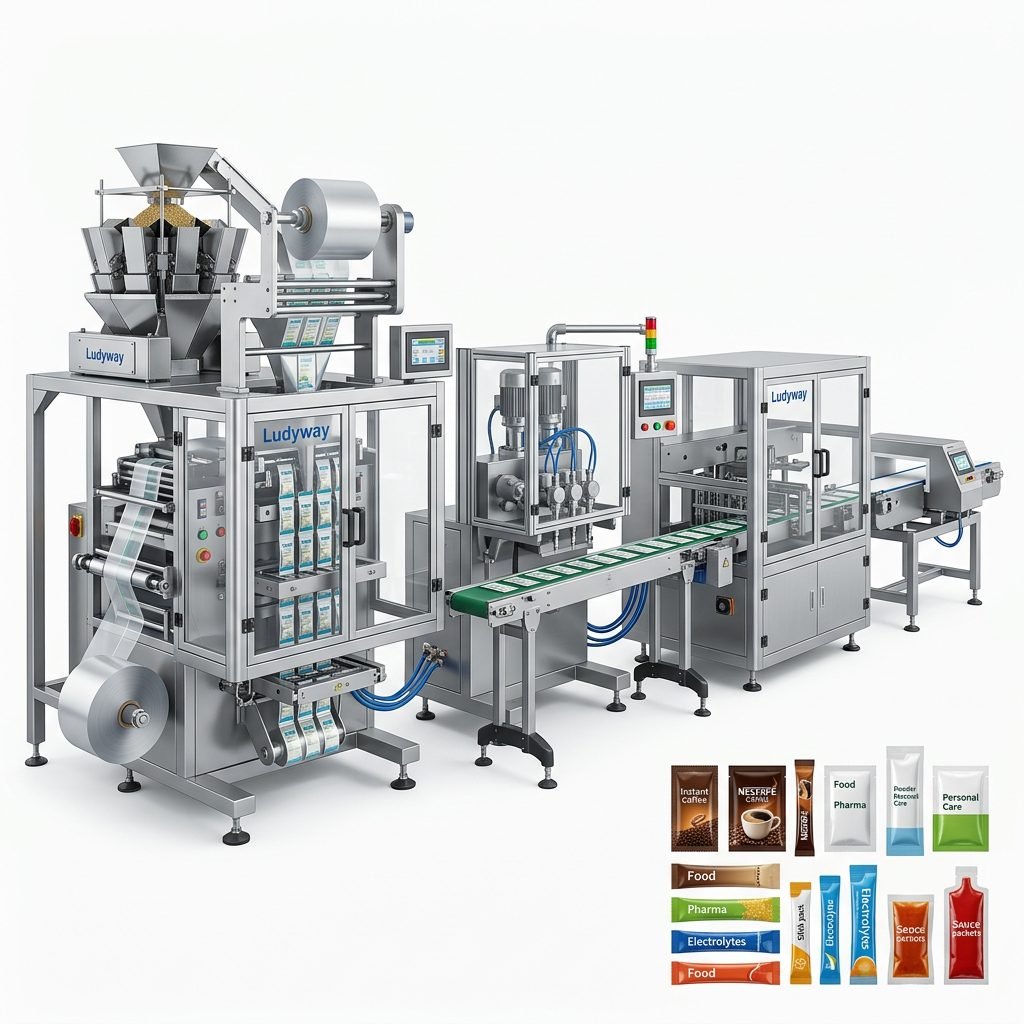
- Optional Ancillaries: These can include checkweighers, date coders, conveyors, and cartoning systems for a complete turnkey line.
How to Choose the Right EDL System for Your Production Line
Selecting equipment is not a one-size-fits-all endeavor. A careful evaluation of your specific needs is essential for a successful investment.
1. Analyze Your Product Characteristics
The nature of your product dictates the machine’s core technology. Is it a free-flowing granule, a fine powder prone to dusting, or a sticky liquid? For instance, an auger filler with anti-bridging features is ideal for powders, while a pump filler suits liquids. The product’s properties directly influence the choice of filling system and sometimes the film material.
2. Define Your Output Requirements
Capacity planning is crucial. You must consider:
Current Daily/Shift Output: What volume do you need to package now?
Future Growth Projections: Can the machine scale with your business? Some systems allow for the addition of lanes.
Pack Size & Format: Are you producing small stick packs (1-10 grams) or larger sachets? Machine specifications vary accordingly.
3. Evaluate Packaging Material Compatibility
The machine must be compatible with your chosen film structure (e.g., laminates of PET/AL/PE, CPP, or biodegradable materials). Consider the sealing parameters and whether the machine can handle the material’s thickness and coefficient of friction reliably.
4. Prioritize Precision and Hygiene
For food and pharmaceutical applications, filling accuracy and sanitary design are paramount. Look for machines with high-precision servo motors for filling, easy-clean surfaces (stainless steel), and designs that minimize product trap points to meet industry standards.
5. Assess Automation and Integration Needs
Do you need a standalone machine or a fully integrated line? For high-volume production, a multi-lane system or a line integrated with upstream and downstream equipment (like mixers and cartoners) dramatically boosts efficiency. Consider the level of automation—fully automatic, semi-automatic, or manual loading.
6. Consider Supplier Expertise and Support
The machine is only as good as the company behind it. Partner with a supplier known for quality and reliability. A provider with deep industry experience, like Ludyway Machinery, brings invaluable insight. Evaluate their technical support, availability of spare parts, installation services, and training programs. A strong after-sales network is critical for minimizing downtime.
The Value of a Trusted Partner in Packaging Automation
Navigating the complex landscape of packaging machinery is challenging. Aligning with an experienced partner simplifies the process. Established brands in the space offer more than just equipment; they provide turnkey solutions. This means they assess your entire operation, recommend the optimal machine configuration, handle installation and commissioning, and ensure your team is trained. This holistic approach, backed by proven engineering capabilities, mitigates risk and ensures a faster return on investment.
Pro Tip: Request a Product Test
Before finalizing any purchase, always insist on a live production test using your actual product and packaging materials at the supplier’s facility. This is the most reliable way to verify machine performance, speed, accuracy, and package quality.
Frequently Asked Questions (FAQs)
What is the main difference between a stick pack machine and a sachet machine?
While both are types of EDL equipment, the primary difference is the final package shape and typical size. Stick pack machines produce long, narrow “sticks,” ideal for single-serve powders (like coffee or supplements). Sachet machines typically produce rectangular or square pouches, which can range from small to larger sizes and are used for a wider variety of products, including sauces, shampoo samples, or tea.
How important is the filling accuracy of an EDL machine?
It is critically important for both cost control and regulatory compliance. Overfilling wastes product and erodes profit margins. Underfilling can lead to customer complaints and, in regulated industries like pharmaceuticals or nutrition, serious legal and compliance issues. High-quality EDL machines use servo-driven filling systems for repeatable, precise doses.
Can one EDL machine handle different products?
Many modern EDL machines are designed with changeover flexibility in mind. With quick-change parts (like augers, funnels, and forming tubes) and programmable recipes on the HMI, a well-designed machine can switch between similar product types (e.g., different granule sizes) with minimal downtime. However, switching between vastly different formats (e.g., powder to liquid) usually requires more significant reconfiguration.
What are the key maintenance requirements for an EDL system?
Regular maintenance is essential for longevity and consistent performance. Daily cleaning to remove product dust/residue, periodic lubrication of moving parts as per the manual, and inspection of seals and cutting blades are standard. Always follow the manufacturer’s recommended maintenance schedule and use genuine spare parts.
What should I look for in a packaging machine supplier’s after-sales service?
Look for clear service level agreements (SLAs), availability of local or responsive remote technical support, a well-stocked inventory of common spare parts, and comprehensive operator and maintenance training programs. The supplier’s commitment to long-term partnership, evident through proactive support and knowledge sharing, is a key differentiator.