Establishing a confectionery packaging machine production line in the Middle East presents a significant opportunity driven by the region’s growing food processing sector and increasing demand for packaged sweets and snacks. With changing consumer habits, expanding retail chains, and a strong tourism industry, local manufacturers are actively upgrading their capabilities. This guide outlines the essential steps, from initial planning to full-scale operation.
1. Understanding the Middle East Confectionery Market
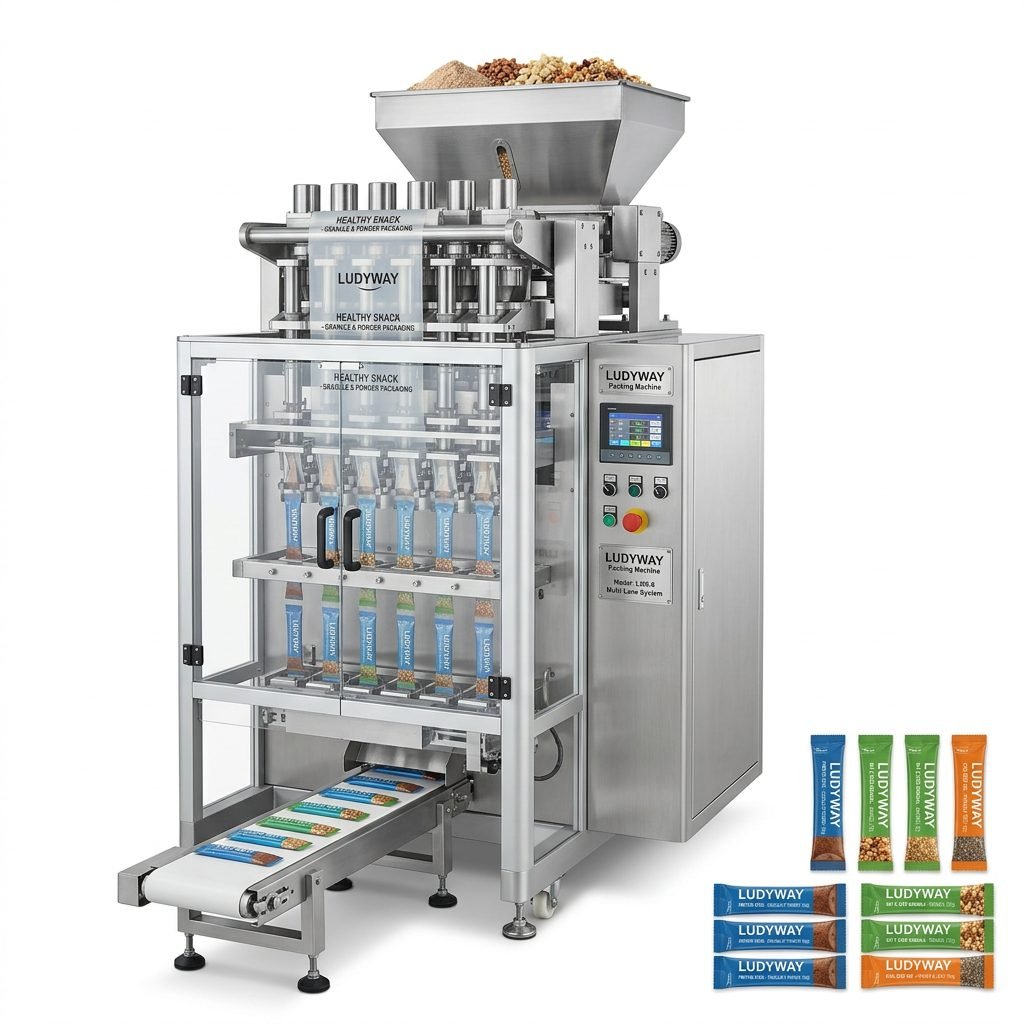
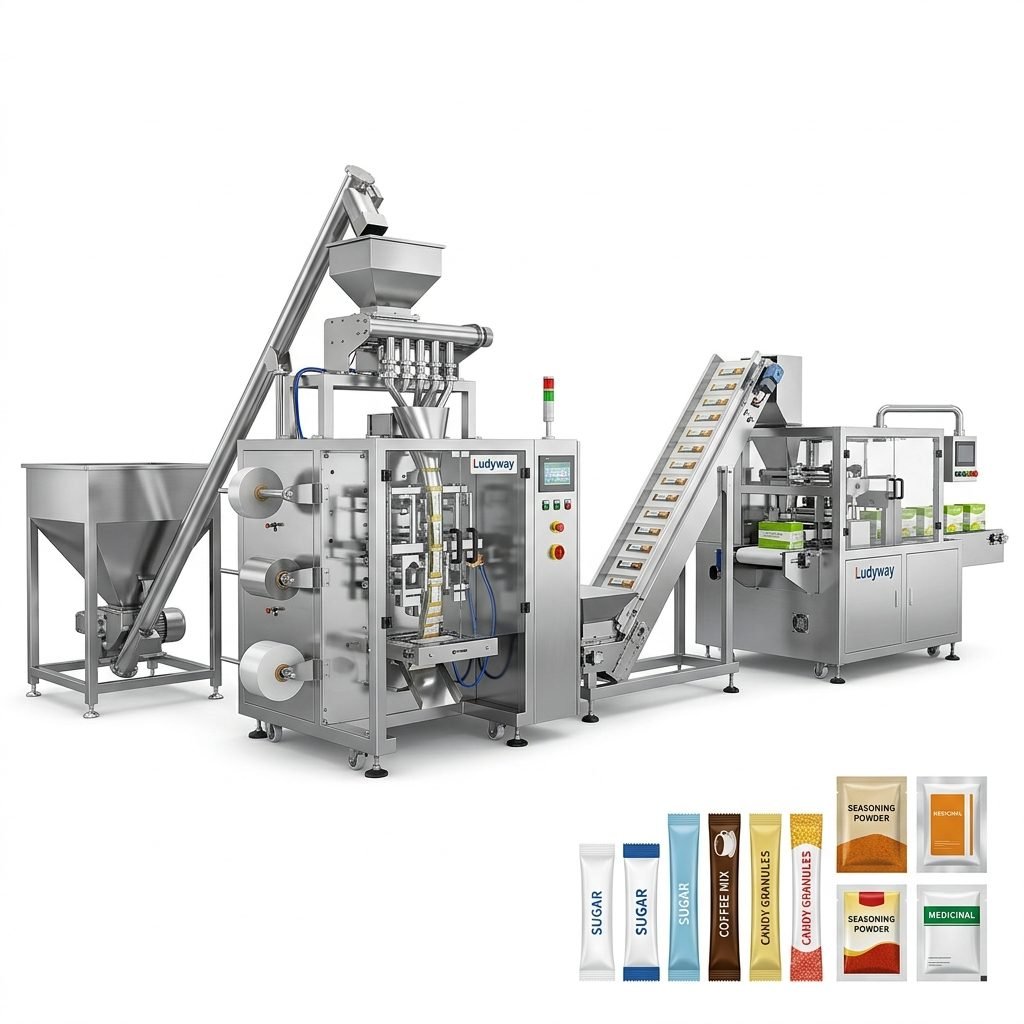
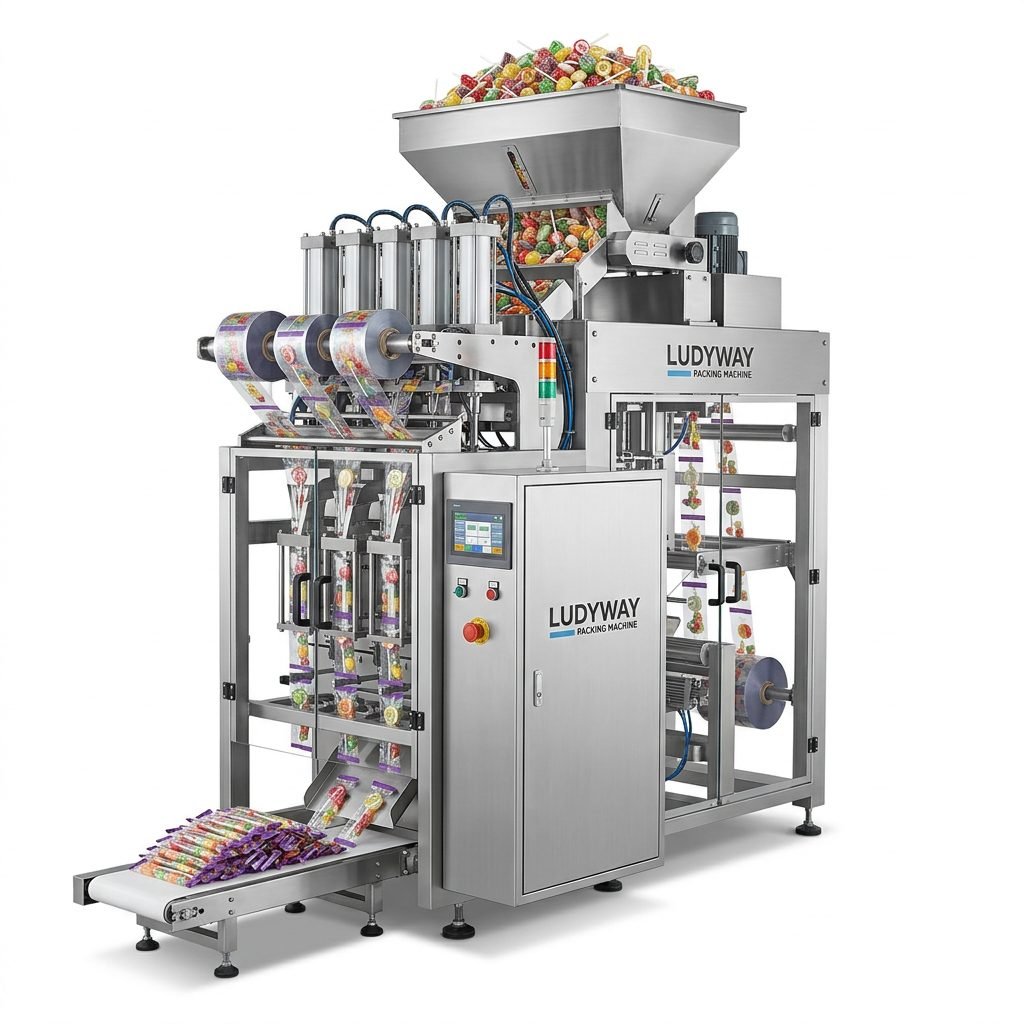
Before investing in machinery, it is crucial to understand the regional market dynamics. The GCC countries, including Saudi Arabia, the UAE, and Qatar, have some of the highest per capita consumption rates for confectionery products. The demand spans across hard candies, chocolates, toffees, gum, and traditional Arabic sweets. A modern production line must be versatile enough to handle various product shapes, sizes, and packaging formats such as stick packs, sachets, and flow wraps.
Key Market Drivers
- High disposable income and young population demographics
- Peak demand during Ramadan, Eid, and festive seasons
- Growing preference for portion-controlled, single-serve packaging
- Stringent hygiene and food safety compliance requirements
2. Choosing the Right Packaging Format
The Middle East market favors specific packaging styles that balance shelf appeal with product protection against heat and humidity. Selecting the correct format is critical for your production line setup.
| Packaging Type | Best For | Machine Type |
|---|---|---|
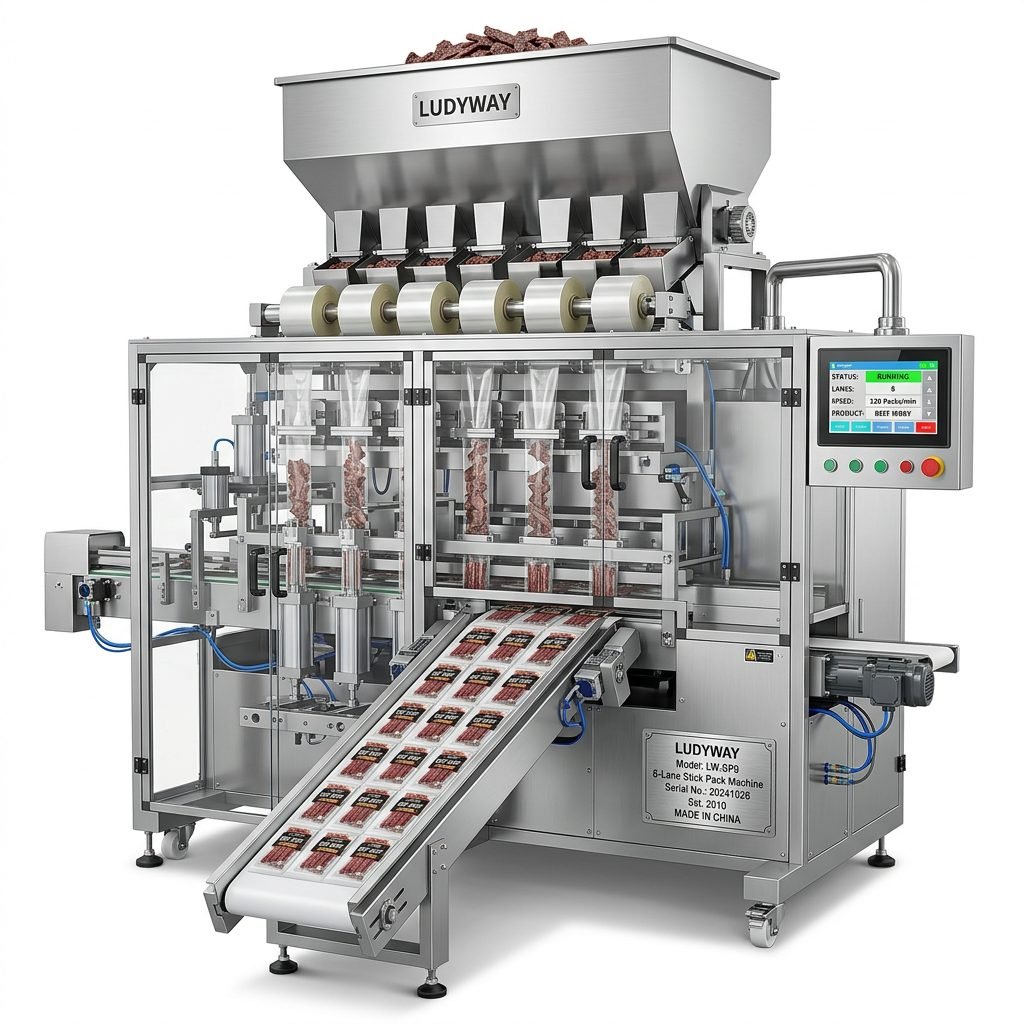
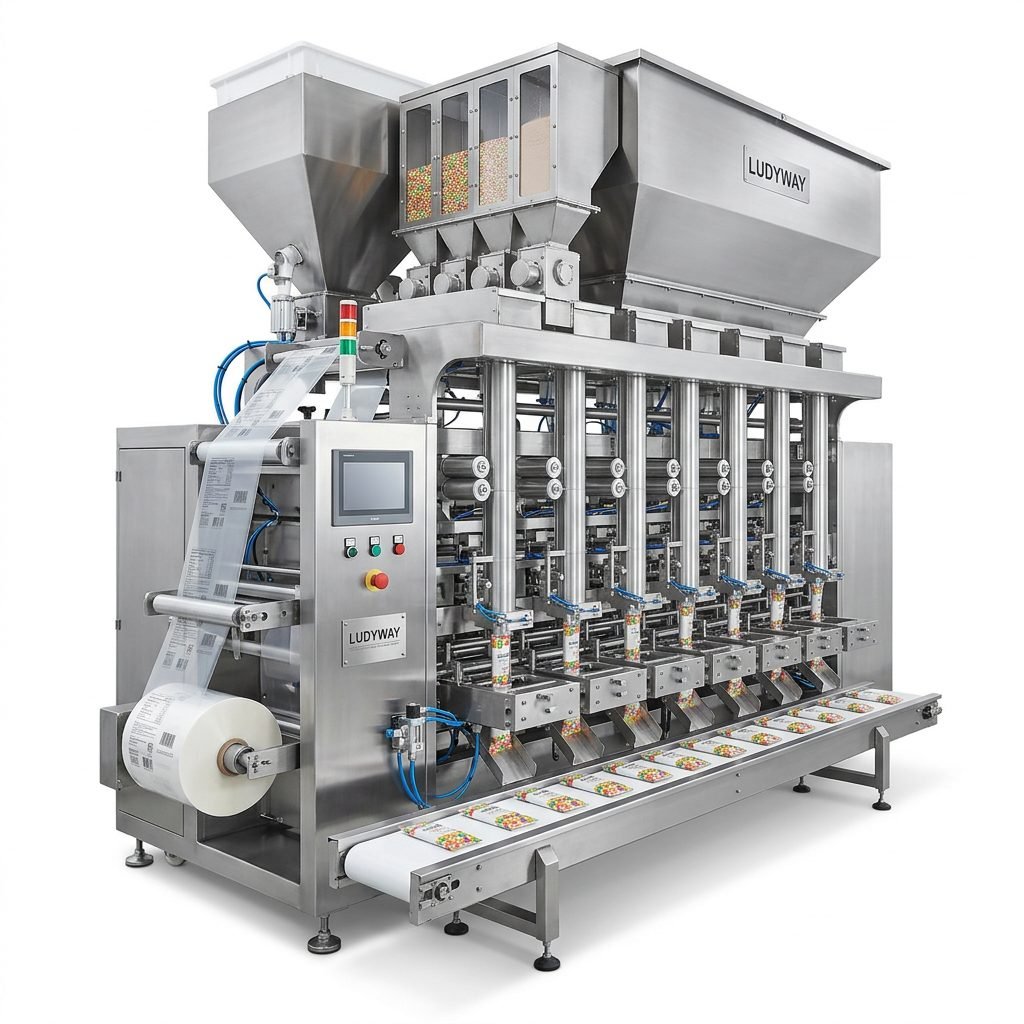
| Stick Pack | Powdered drinks, instant coffee, sugar | Multi-Lane Stick Pack Machine |
| Pillow Pack / Flow Wrap | Hard candies, chocolates, biscuits | High-Speed Flow Wrapper |
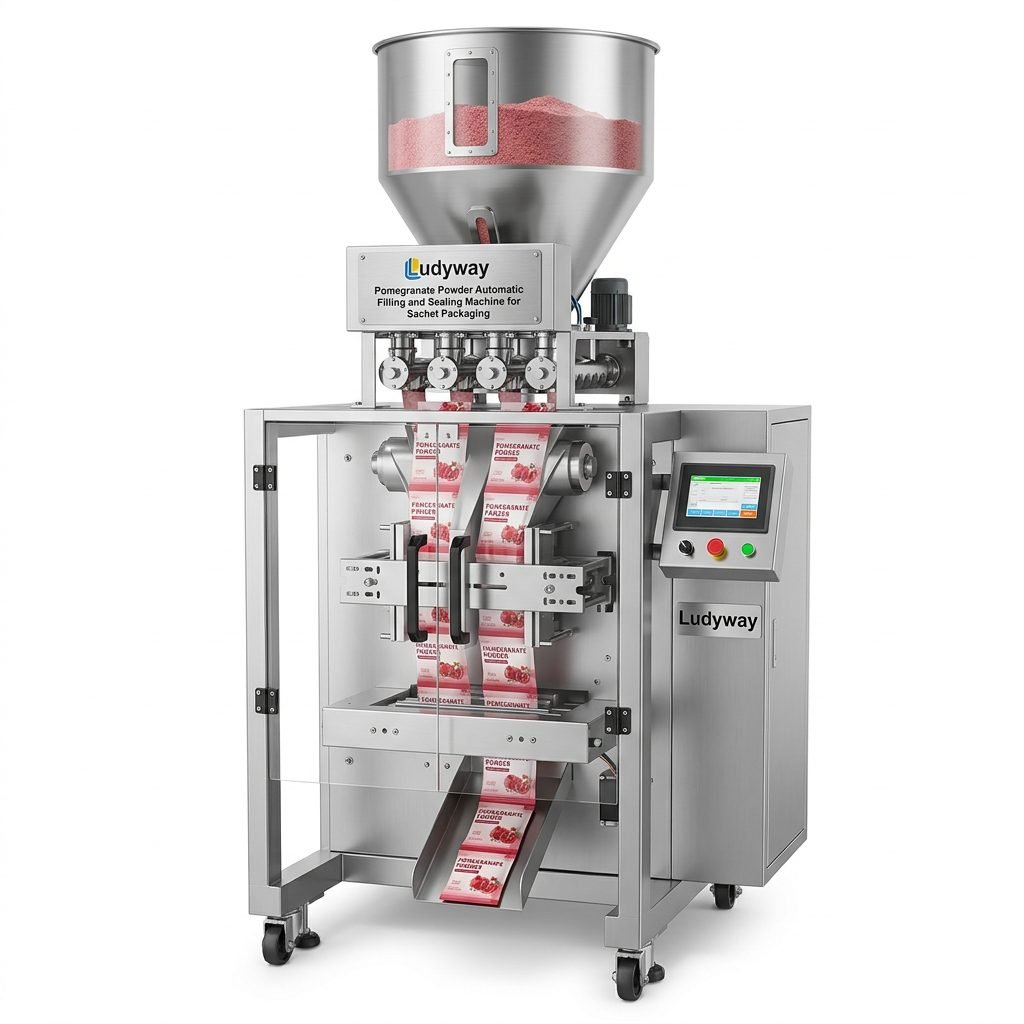
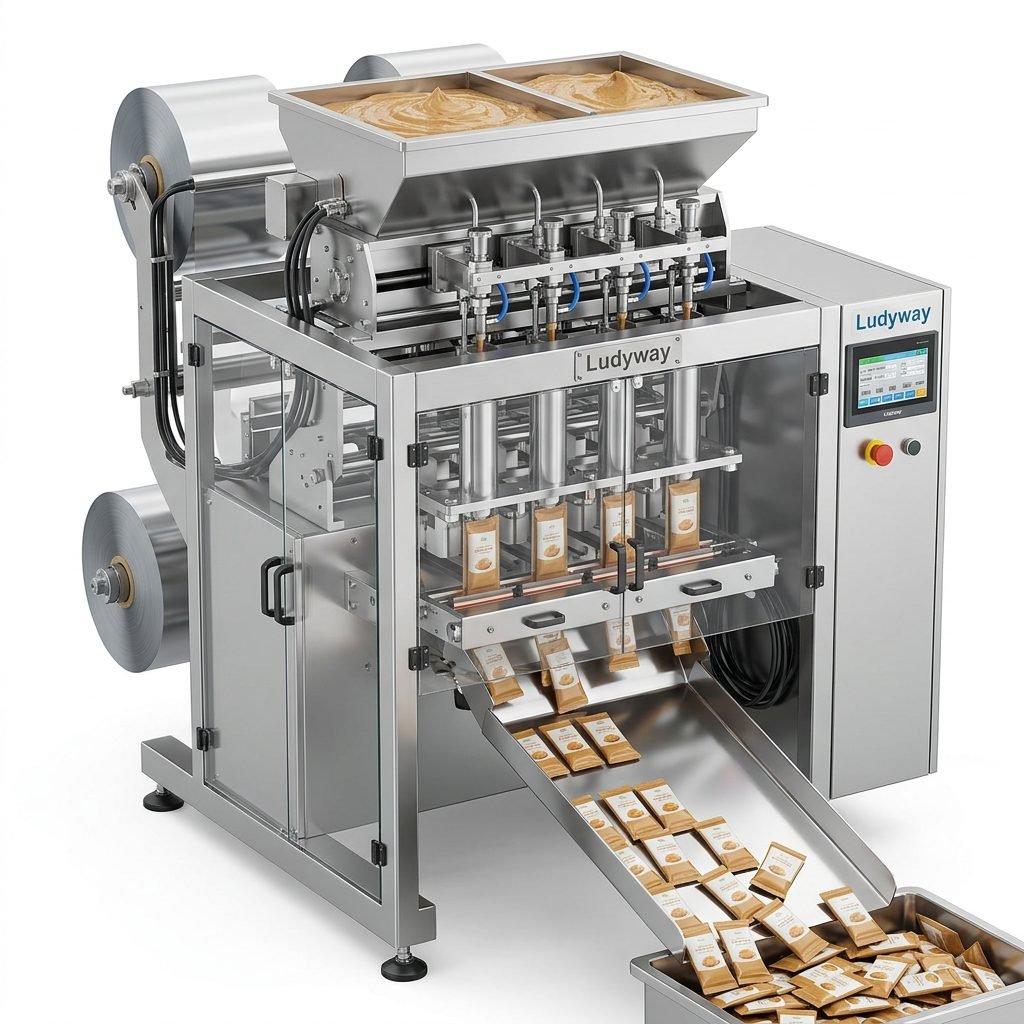
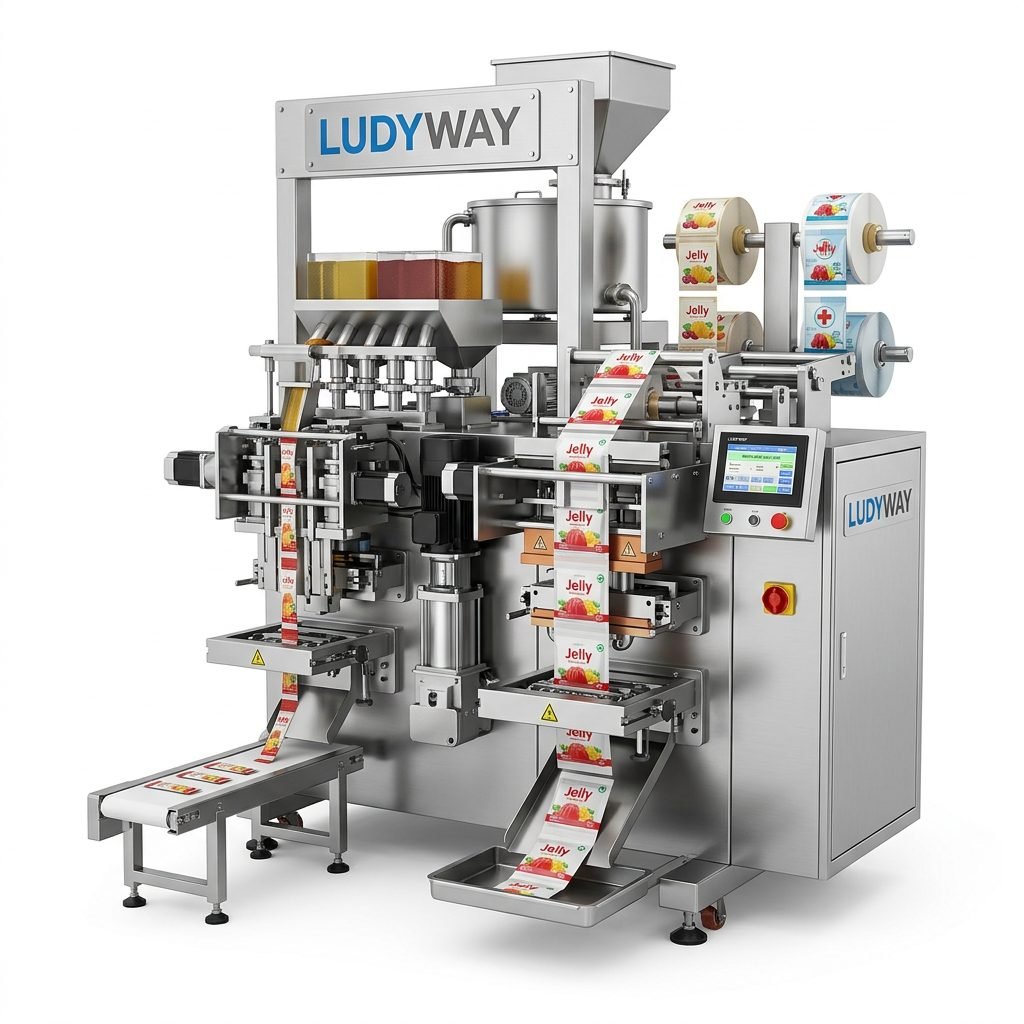
| Sachet | Single-serve jam, honey, liquid fillings | Sachet Packaging Machine |
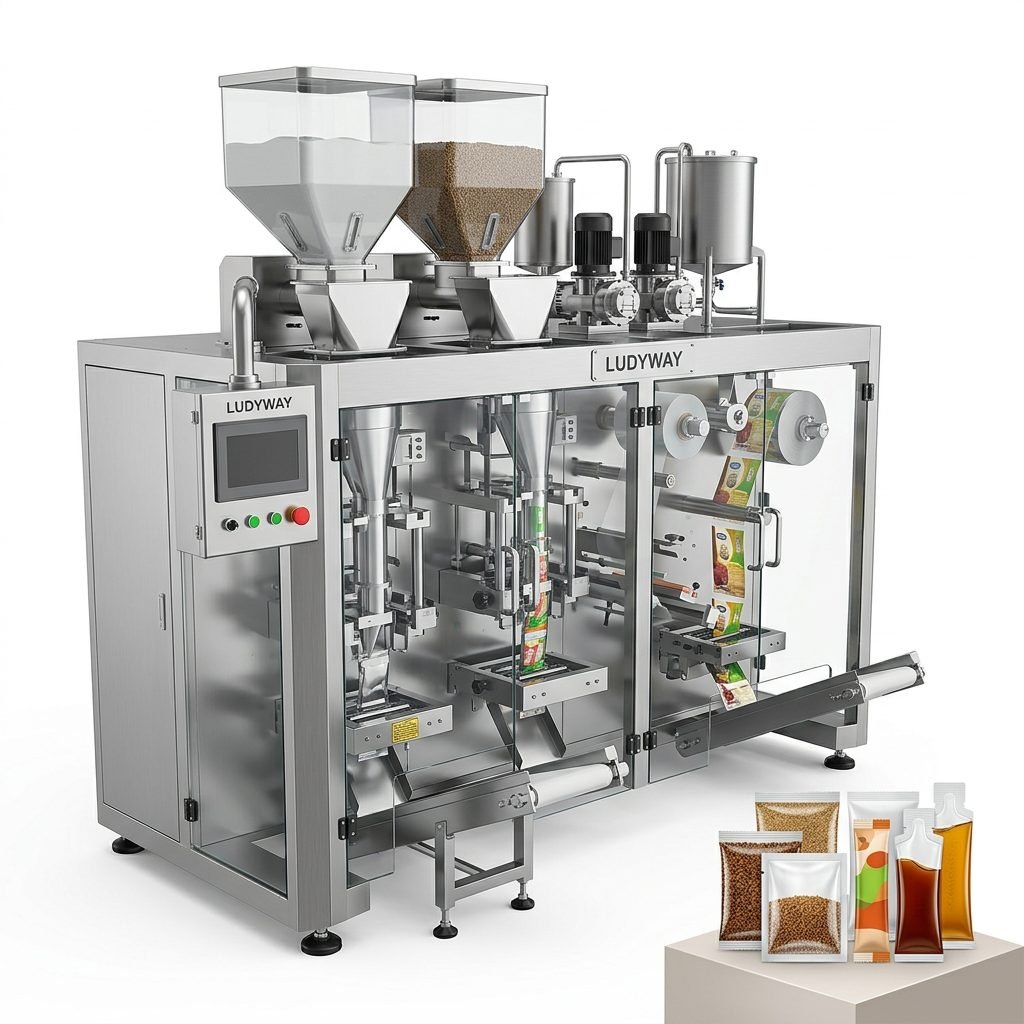
| Pouch | Mixed candy bags, resealable options | Premade Pouch Packaging Machine |
3. Essential Machinery for a Confectionery Line
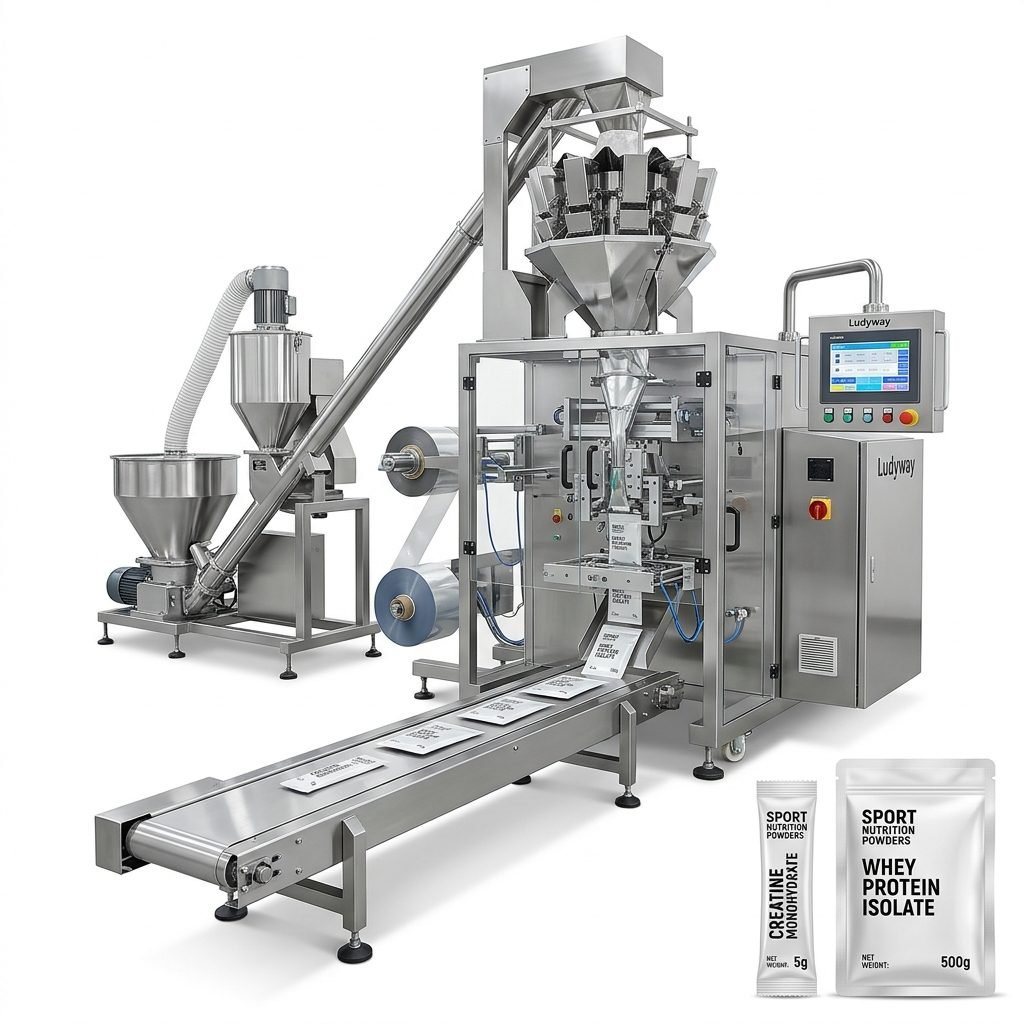
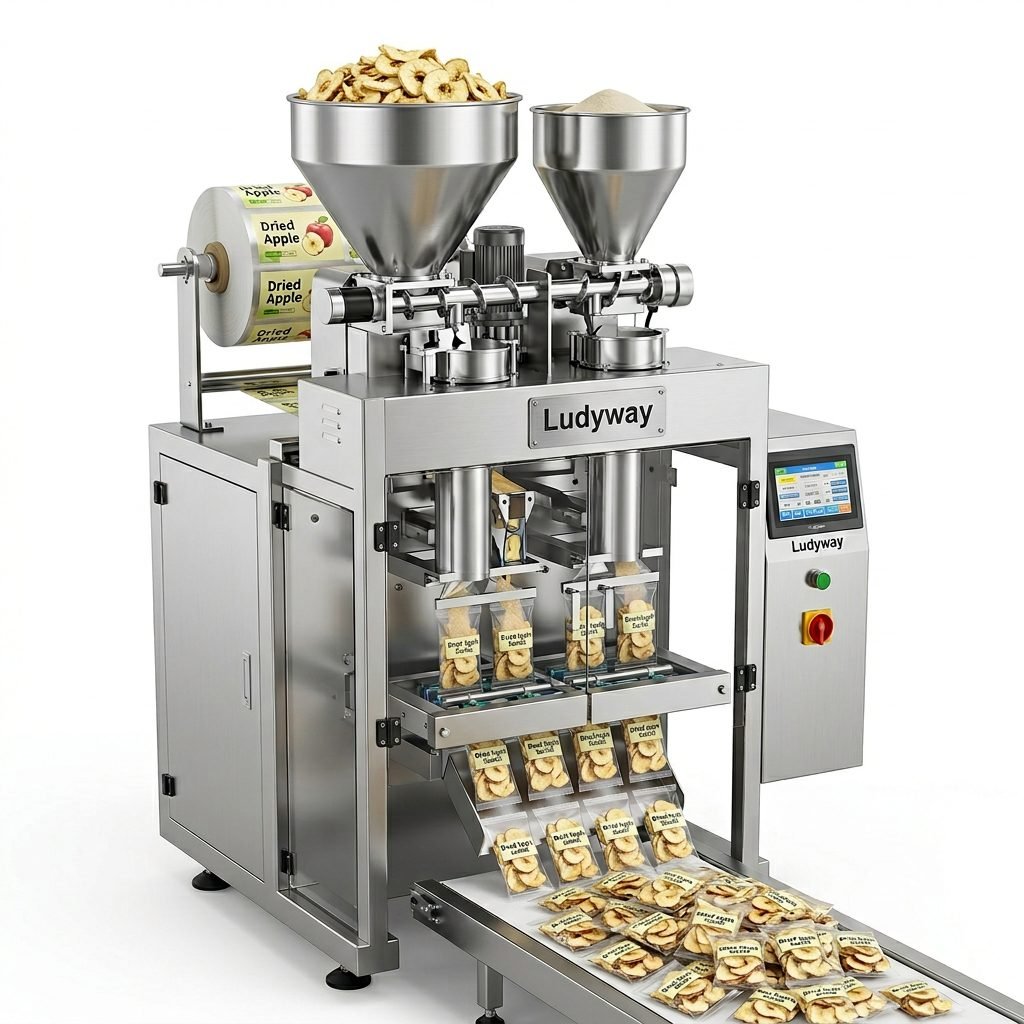
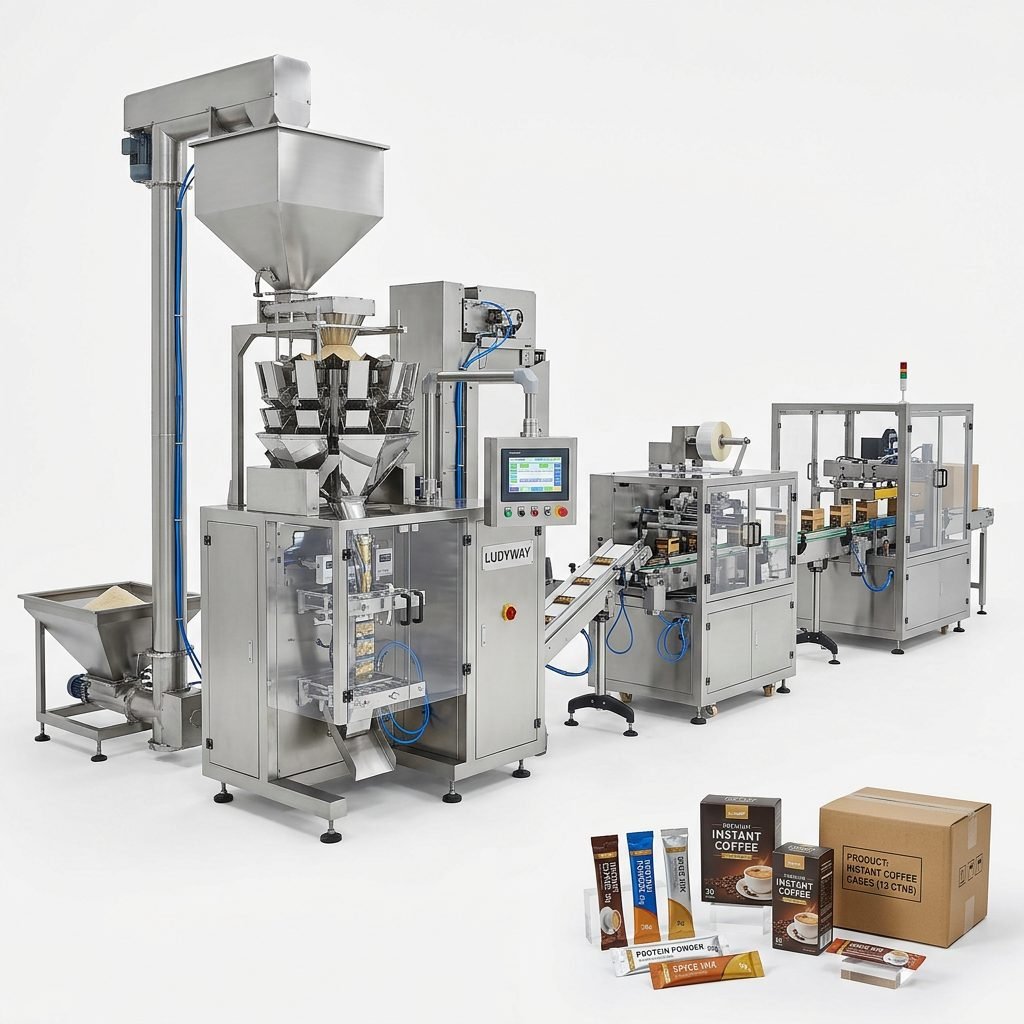
A fully automated confectionery packaging line integrates several core machines. Depending on your product, you might need a multi-lane packaging system or a dedicated flow wrap solution. The key equipment includes:
Core Equipment List
- Feeding System: Vibratory or belt feeders to align products.
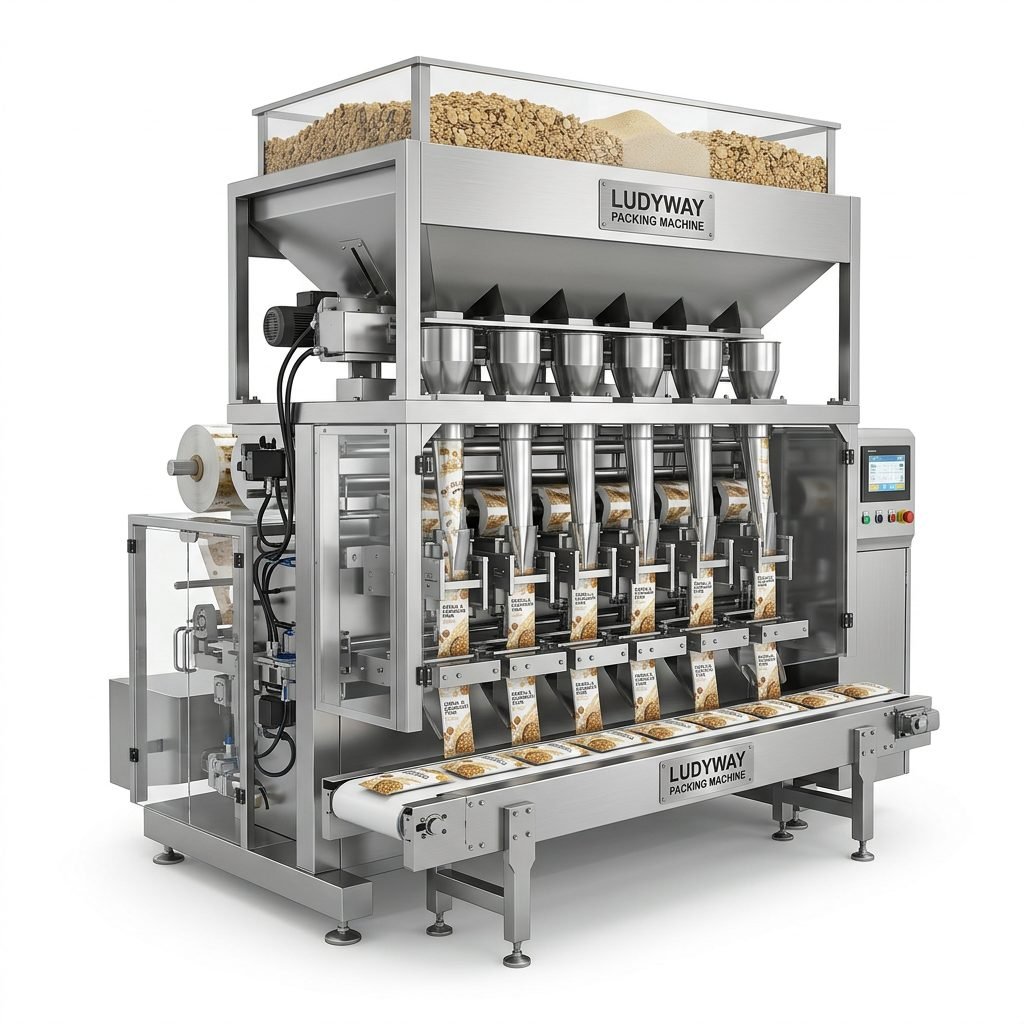
- Weighing & Filling: Multi-head weighers for precise portioning.
- Primary Packaging Machine: Stick pack, sachet, or flow wrap machine.
- Checkweigher & Metal Detector: Essential for quality control and compliance.
- Cartoning Machine: For secondary packaging into boxes.
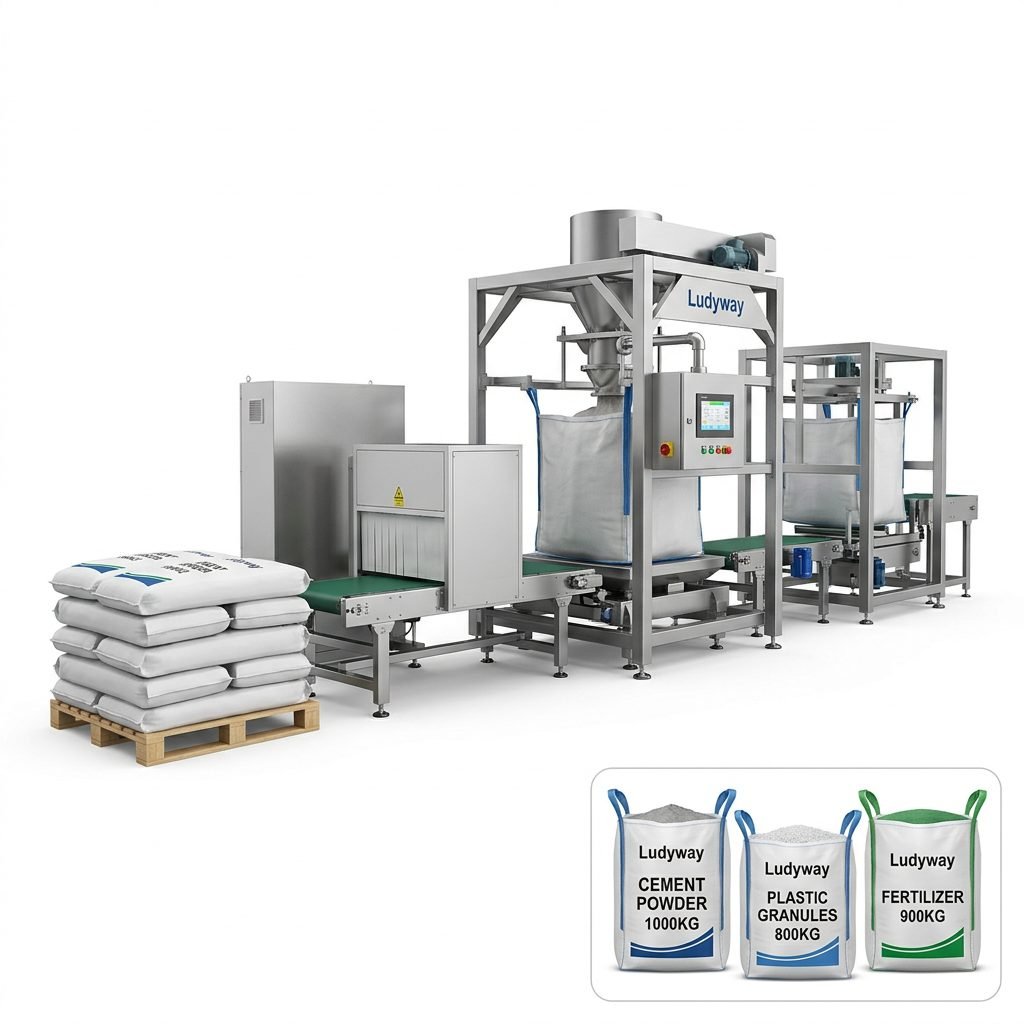
- Palletizer: Robotic systems for end-of-line stacking.
4. Critical Environmental Considerations
The Middle East climate poses unique challenges. High ambient temperatures and fine dust can severely impact machine performance and product quality. When setting up your line, you must plan for:
- HVAC and Air Handling: The production hall must be strictly climate-controlled (typically 20-24°C) to prevent chocolate blooming and candy sticking.
- Dust Protection: Machines should have IP-rated enclosures to protect sensitive electronics and pneumatic systems.
- Humidity Control: Excess moisture ruins hygroscopic products like hard candies and powders.
5. Regulatory Compliance and Halal Certification
Food machinery destined for the Middle East must often comply with specific standards. While the machines themselves don’t get Halal certified, their design must facilitate Halal production processes. Ensure your equipment uses food-grade stainless steel (SUS304 or SUS316) and avoids contaminants. Look for machines that are easy to clean for allergen changes. Refer to the ISO packaging standards for international compliance guidelines.
6. Production Line Layout and Workflow
Optimizing the floor plan is critical for efficiency. A typical linear or L-shaped layout minimizes travel distance. Consider the flow from raw material storage to the loading dock.
Sample Workflow Sequence
- Raw candy enters the feeding hopper.
- Multi-head weigher doses the product.
- Vertical form fill seal (VFFS) machine creates the primary pack.
- Product passes through a checkweigher and metal detector.
- Conveyors transport packs to the cartoning system.
- Robotic palletizer prepares the load for shrink wrapping.
7. Service, Spare Parts, and Local Support
Downtime is costly. Securing a packaging machine manufacturer with robust local support or remote diagnostic capabilities is vital. Confirm the availability of critical spares in the UAE or KSA hubs and evaluate the training package offered for your maintenance team. Ludyway, as a global packaging machine manufacturer, provides comprehensive after-sales support and turnkey solutions, ensuring your production line runs efficiently even under demanding regional conditions.
Recommended External Resources
- PMMI State of the Industry Report
- FDA Food Ingredient & Packaging Guidelines
- Flexible Packaging Association Resources
- EU Packaging Waste Regulations
8. Conclusion
Setting up a confectionery packaging machine production line in the Middle East is a strategic investment that requires meticulous planning around machine selection, climate adaptation, and regional compliance. By focusing on high-speed, accurate, and dust-resistant machinery, you can capture the growing demand in this lucrative market.