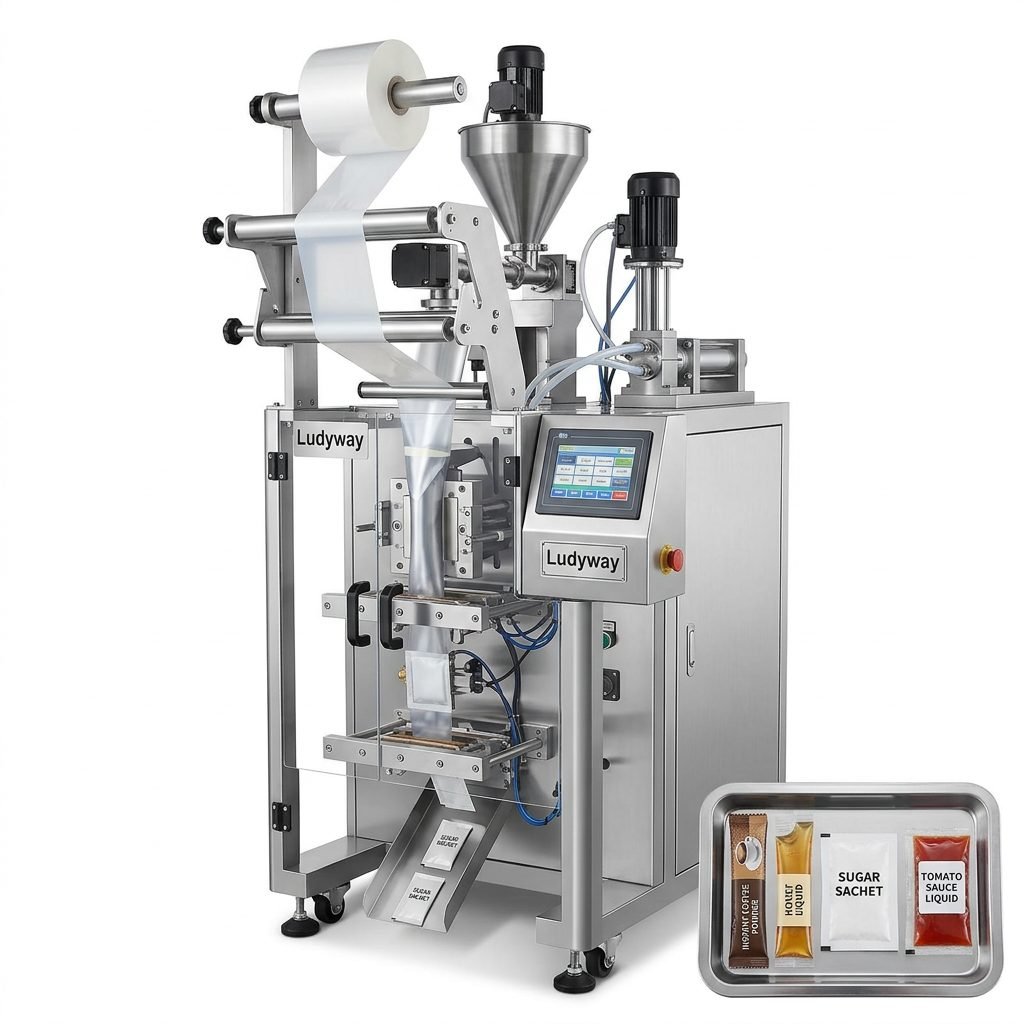
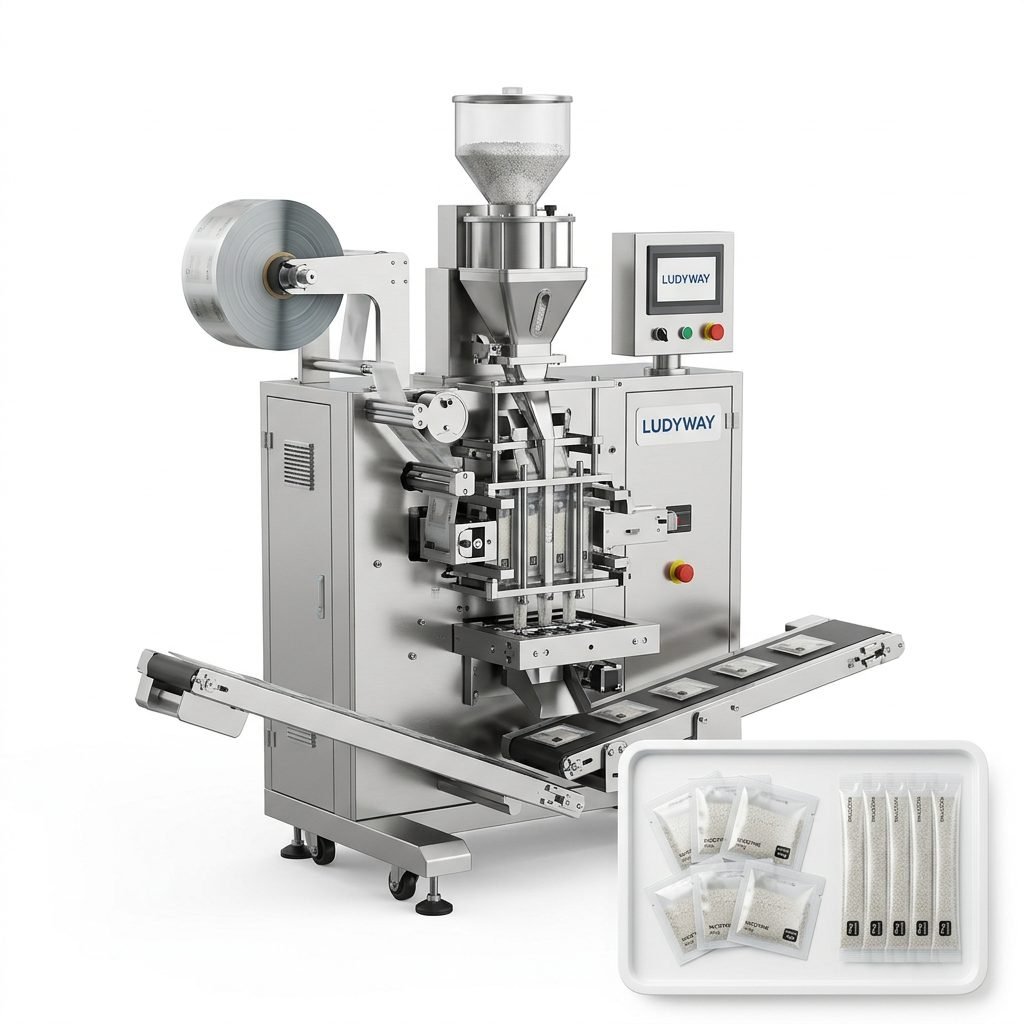
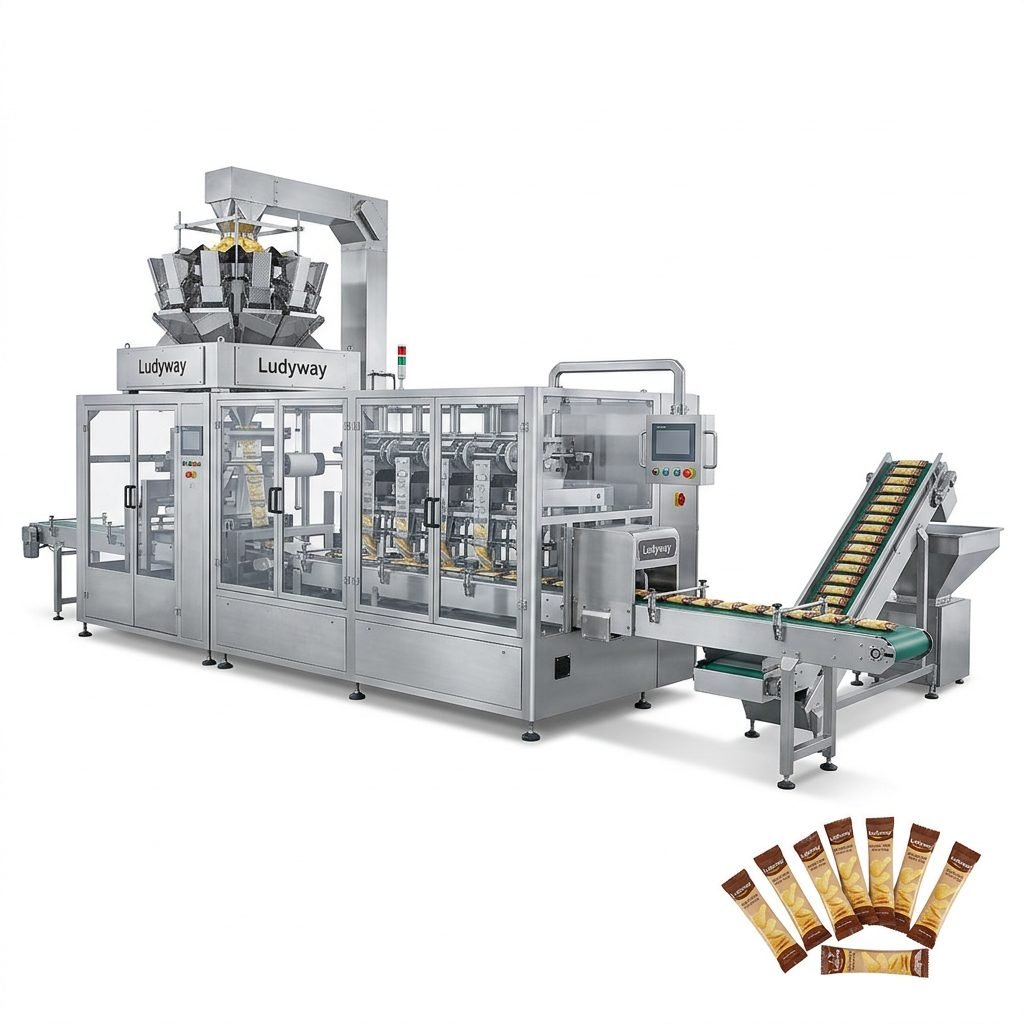
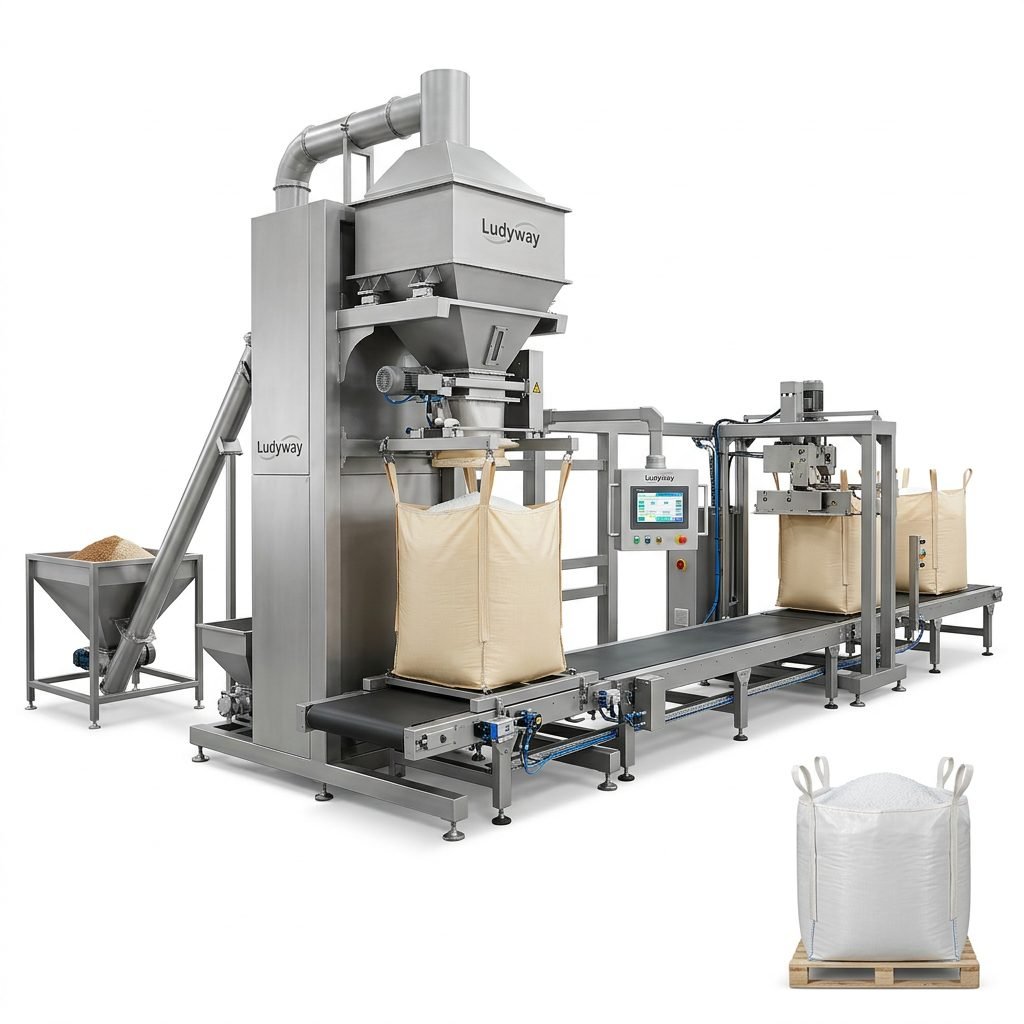
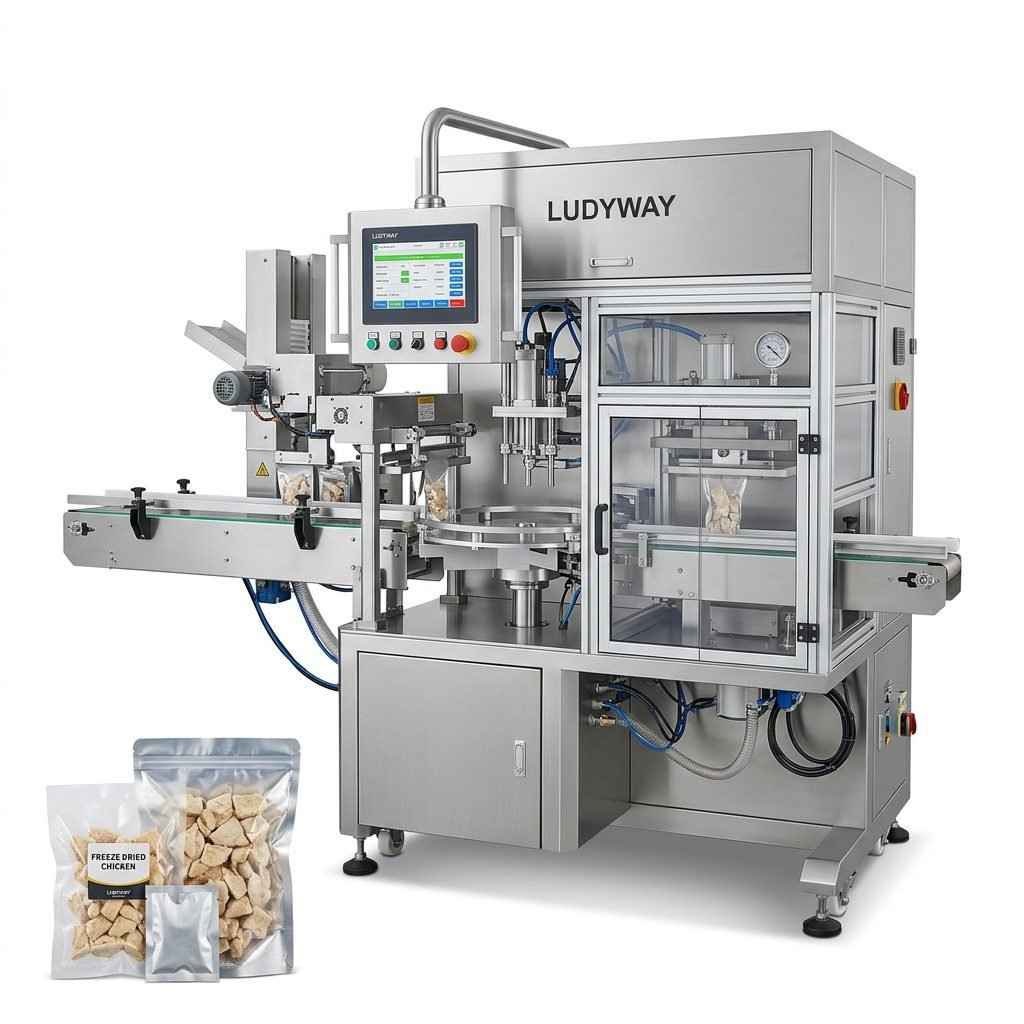
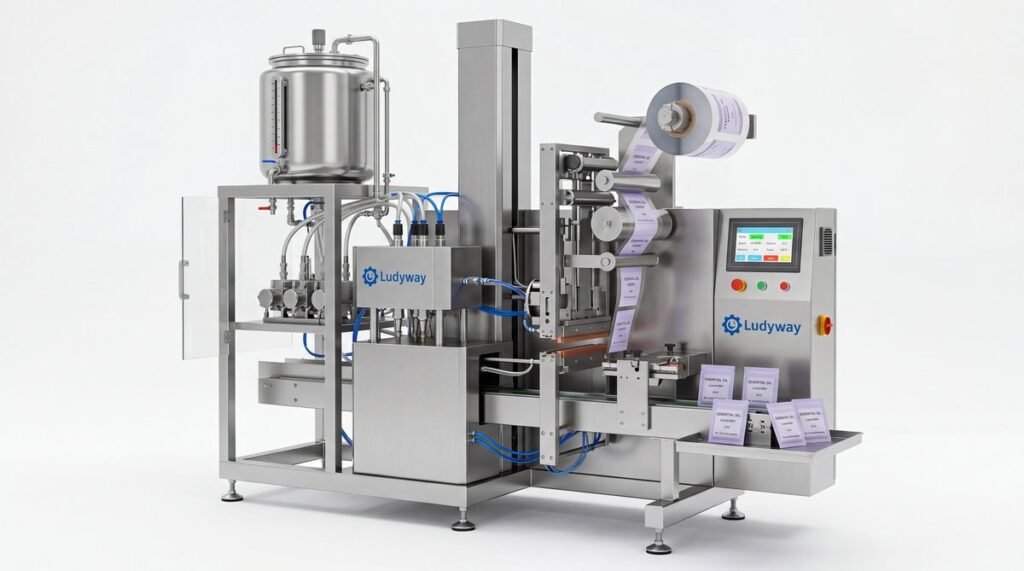
Selecting the right sauce pouch packing machine is a critical decision that directly impacts your production efficiency, product quality, and long-term operational costs. Whether you are packaging ketchup, mayonnaise, chili sauce, or ready-to-eat curry pastes, the diversity in sauce viscosity, particulate content, and packaging formats requires a carefully matched solution. This guide walks you through every essential factor to consider before making your investment.
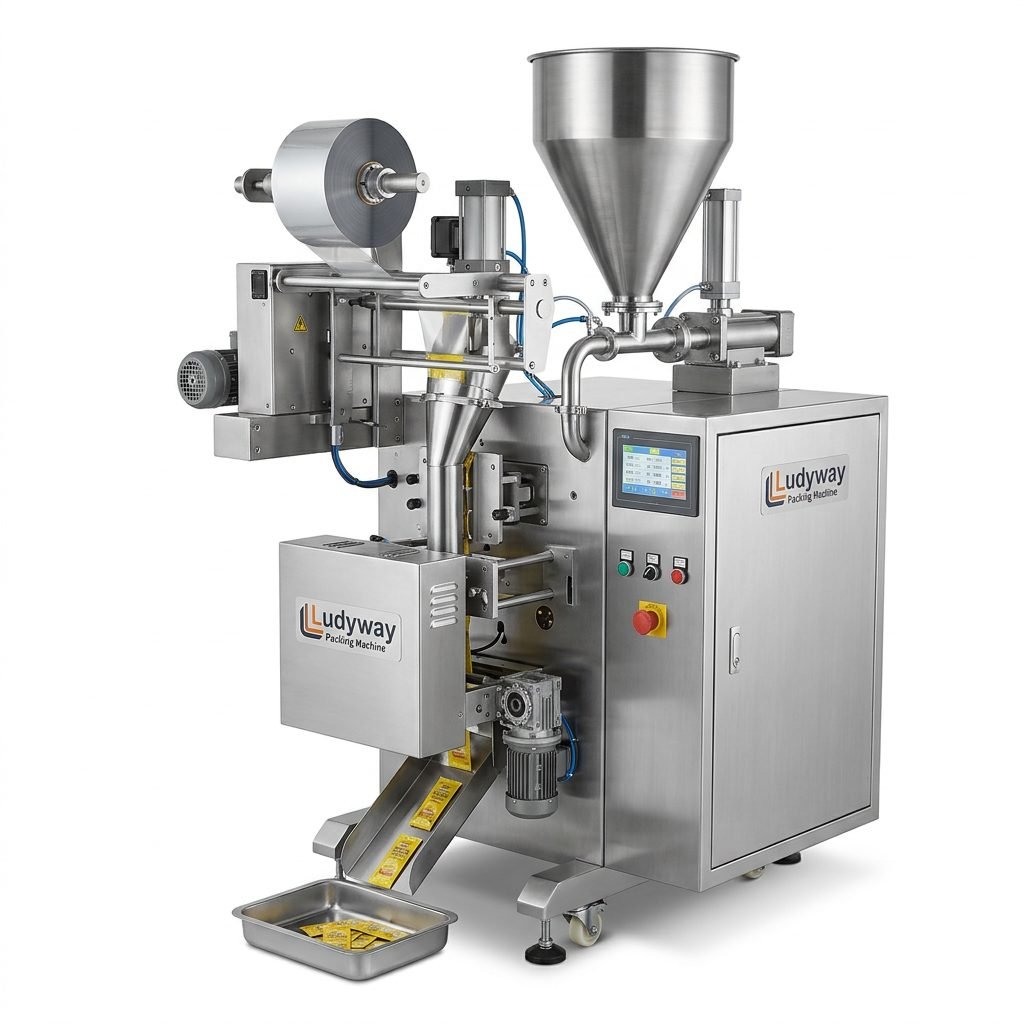
Understanding Your Sauce Product Characteristics
The foundation of choosing the correct machinery lies in analyzing your product. Sauces are not a one-size-fits-all category. The physical and chemical properties will dictate the type of filling system and machine configuration you need.
- Viscosity: Is your sauce thin like soy sauce, semi-viscous like ketchup, or chunky like salsa? Low-viscosity liquids often use gravity or volumetric piston fillers, while high-viscosity products require positive displacement pumps or piston fillers with strong suction.
- Particulate Content: Sauces with chunks of vegetables, herbs, or meat require specially designed valves and nozzles to prevent clogging and ensure consistent piece distribution in every pouch.
- Foaming Tendency: Products that trap air easily need bottom-up filling nozzles to minimize oxygen exposure and ensure accurate fill weights.
- Temperature at Filling: Hot-fill sauces demand machinery built with heat-resistant sealing jaws and components that maintain integrity under thermal stress.
Matching Machine Type to Your Production Scale
Sauce pouch machines come in various automation levels and configurations. Selecting the right class ensures you meet output targets without overspending on unnecessary capacity.
| Machine Type | Best For | Typical Output Range |
|---|---|---|
| Semi-Automatic Single-Lane | Startups, test batches, small artisan producers | 10 – 30 packs/min |
| Automatic Single-Lane | Growing brands, medium-scale co-packers | 30 – 60 packs/min |
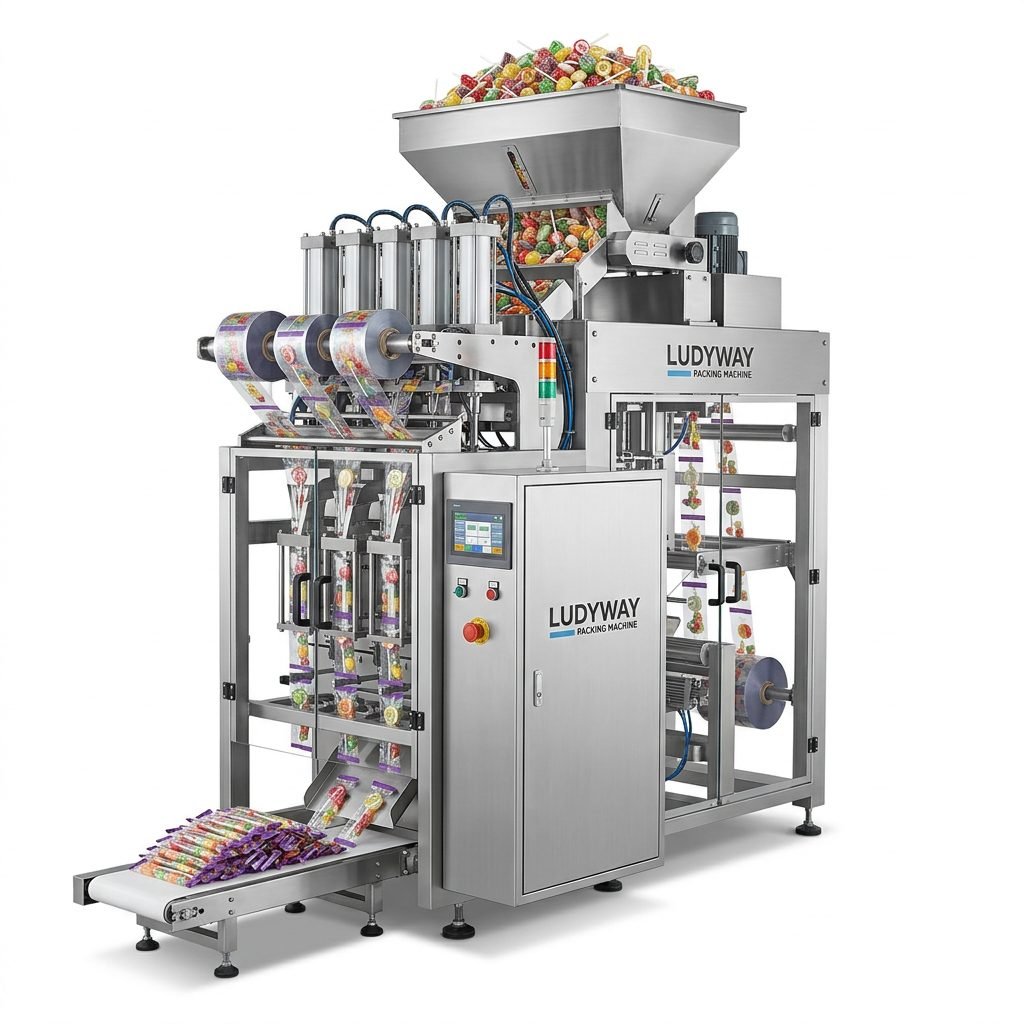
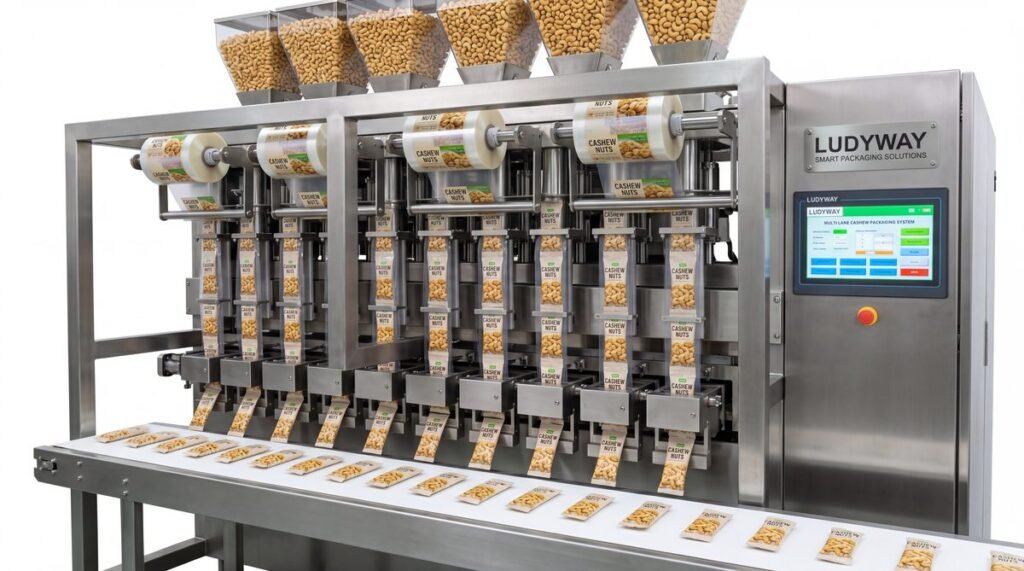
| High-Speed Multi-Lane | Large enterprises, high-volume contract manufacturing | 100 – 400+ packs/min |
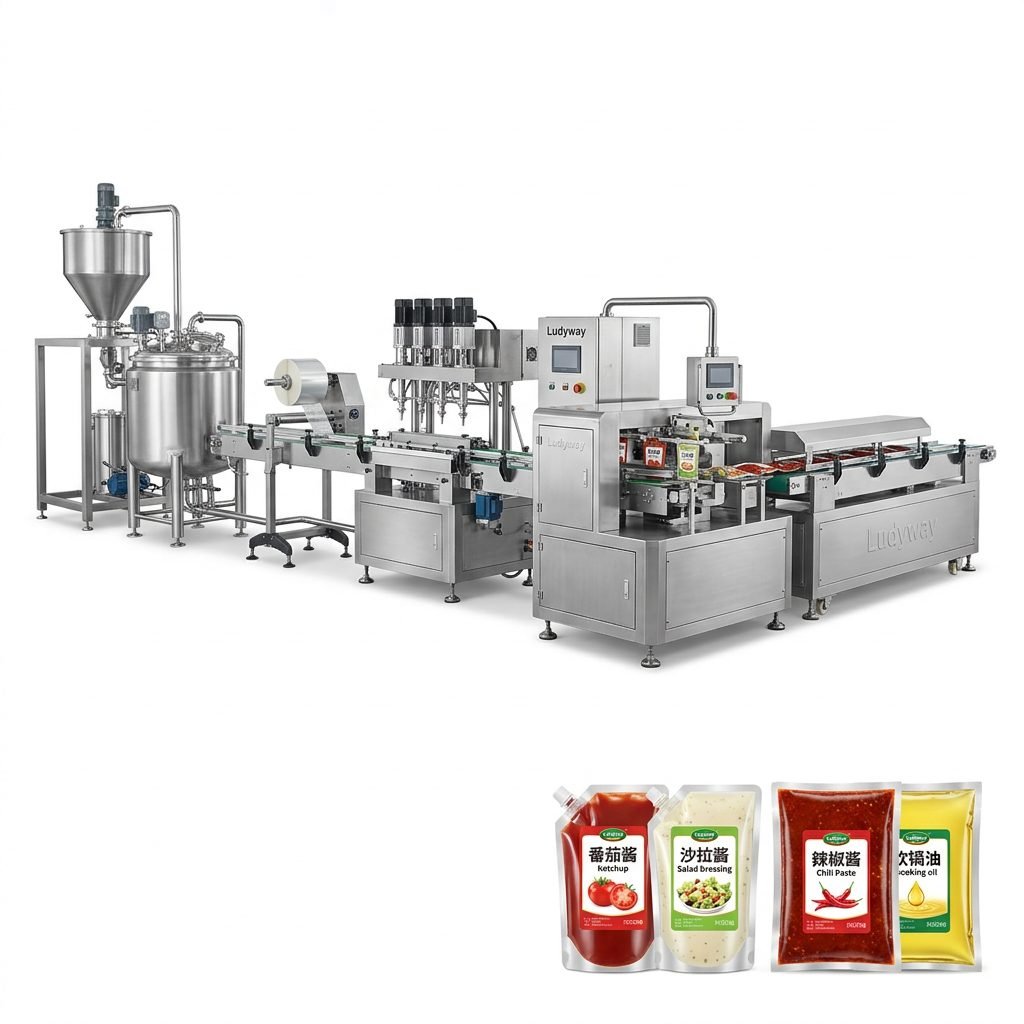
Assessing Pouch Formats and Dimensions
Modern sauce packaging goes beyond the basic flat sachet. Your machine must be mechanically compatible with the bag styles and sizes your marketing and distribution channels demand.
- Pillow Pouches: Most common for single-serve ketchup and condiments.
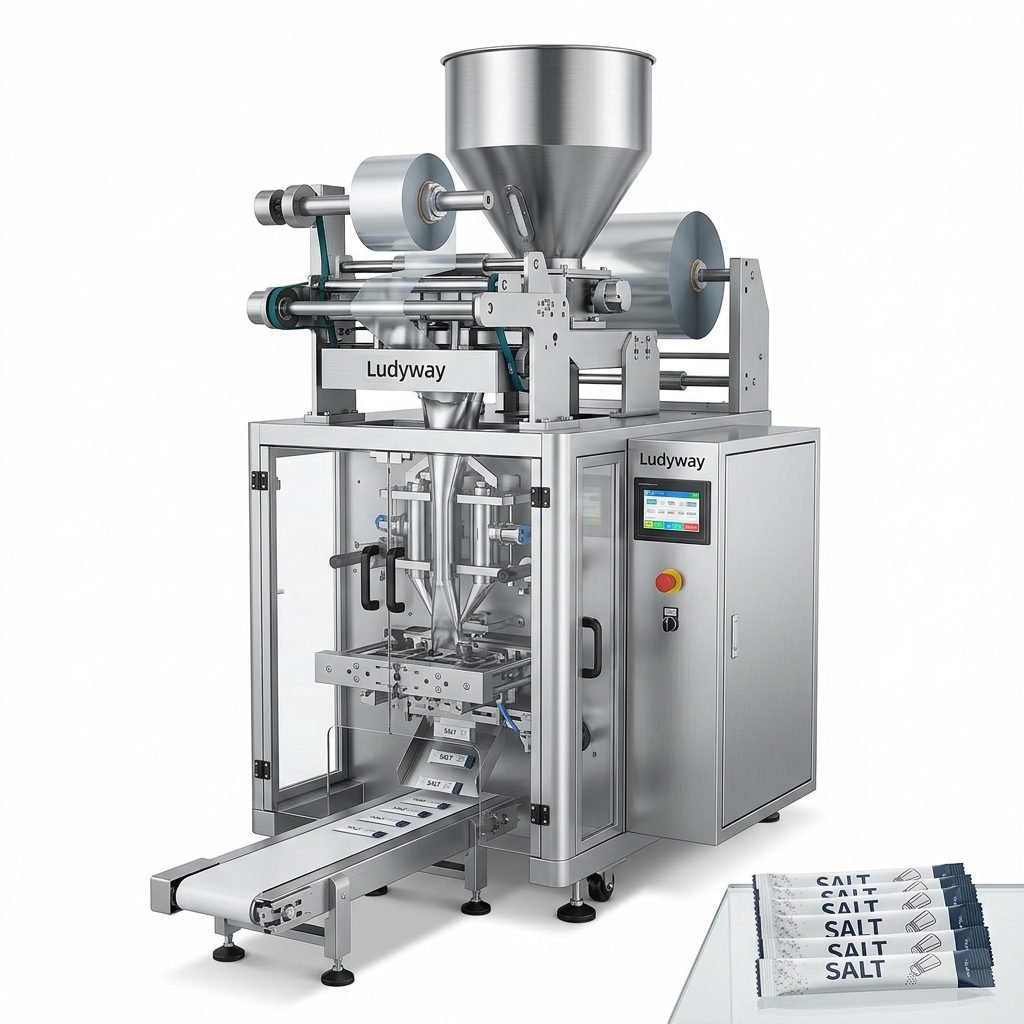
- Stick Packs: Slim, elongated formats popular for energy gels and premium samples.
- Stand-Up Pouches (Doypacks): Often require a secondary pouch packing machine type with zipper or spout insertion modules.
- 3-Side / 4-Side Seal Sachets: Standard for food service and take-away applications.
Critical Filling and Sealing Technologies
The heart of any sauce packing line is its dosing and closure system. Hygiene and precision are non-negotiable. Look for machines equipped with food-grade 316 stainless steel contact parts and validated clean-in-place (CIP) options for dairy or protein-based dressings.
Filling Accuracy and Drip Control
Advanced nozzle designs with anti-drip and suck-back functions prevent product waste and seal contamination. A dirty seal area is the leading cause of leaking pouches and costly product recalls. For chunky sauces, widen-diameter product pathways and gentle pumping mechanisms preserve ingredient integrity.
Seal Integrity
Temperature, pressure, and dwell time must be precisely calibrated for the film structure. Machines utilizing PID temperature controllers ensure consistent seal bonds even during high-speed cyclic operations. If your sauce contains oils or acidic components, verify that the sealing jaws are coated or designed to resist corrosion and product build-up.
Automation and Line Integration
To build a future-proof production line, consider how your sauce pouch packing machine integrates with ancillary equipment. Manufacturers with turnkey capability can engineer a seamless connection between the filler and upstream/downstream systems, such as those provided by Ludyway Machinery, a company with over 30 years of packaging integration experience.
- Inline Coding and Printing: Integration with thermal transfer or inkjet systems for batch codes and expiry dates.
- Checkweighing and Metal Detection: Essential for compliance with FDA food safety standards and retailer specifications.
- Cartoning and Case Packing: Automating the final packaging stages reduces manual labor and improves throughput.
Material Compatibility and Sustainability Trends
The shift toward recyclable mono-materials and bio-based films presents unique challenges for form-fill-seal machines. Traditional equipment struggles to seal novel eco-friendly laminates without burning or wrinkling.
- Mono-PE and Mono-PP: Require highly responsive heat control to manage narrow sealing windows.
- Paper-Based Structures: Need specialized folding and gentle forming shoulders to prevent cracking.
- Post-Consumer Recycled Content: Demands robust unwinding tension control to handle material inconsistencies.
When evaluating machinery, explicitly discuss your roadmap for sustainable packaging with the supplier to ensure the machine frame and sealing modules can be adapted without exorbitant retrofit costs, aligning with guidelines from the Flexible Packaging Association.
Sanitary Design and Cleanability
Food safety regulations demand strict hygienic engineering, especially for dairy, egg-based, or low-acid sauces that support pathogen growth. Machine construction must minimize harborage points.
- Sloped Surfaces: Should prevent liquid pooling.
- Open Frame Architecture: Allows visual inspection and access for sanitation crews.
- Quick-Release Components: Tool-less removal of hoppers, pumps, and forming tubes reduces maintenance downtime.
Check if the machine is designed to withstand periodic washdowns. IP65 or higher electrical ratings indicate a machine that won’t fail due to moisture ingress during cleaning cycles.
Evaluating Total Cost of Ownership (TCO)
The initial purchase price is only a fraction of the true cost. A cheaper machine often consumes more compressed air, requires more frequent spare parts replacements, and generates excessive product giveaway due to low accuracy.
| Cost Factor | Low-Cost Impact | Premium Machine Impact |
|---|---|---|
| Product Waste | High due to inconsistent fills and leaky seals | Minimized through servo-driven precision |
| Downtime | Frequent unplanned stops, difficult part sourcing | Predictable maintenance cycles, OEE benchmarks met |
| Operator Skill | Requires constant mechanical intervention | Intuitive interfaces reduce training time |
Vendor Selection and Factory Acceptance Testing
Selecting a supplier with deep engineering expertise and global support infrastructure is non-negotiable for a long-term asset. A manufacturer’s experience across diverse sauce applications—from water-thin vinegar dressings to heavy cold-fill mayonnaise—is a strong indicator of reliability.
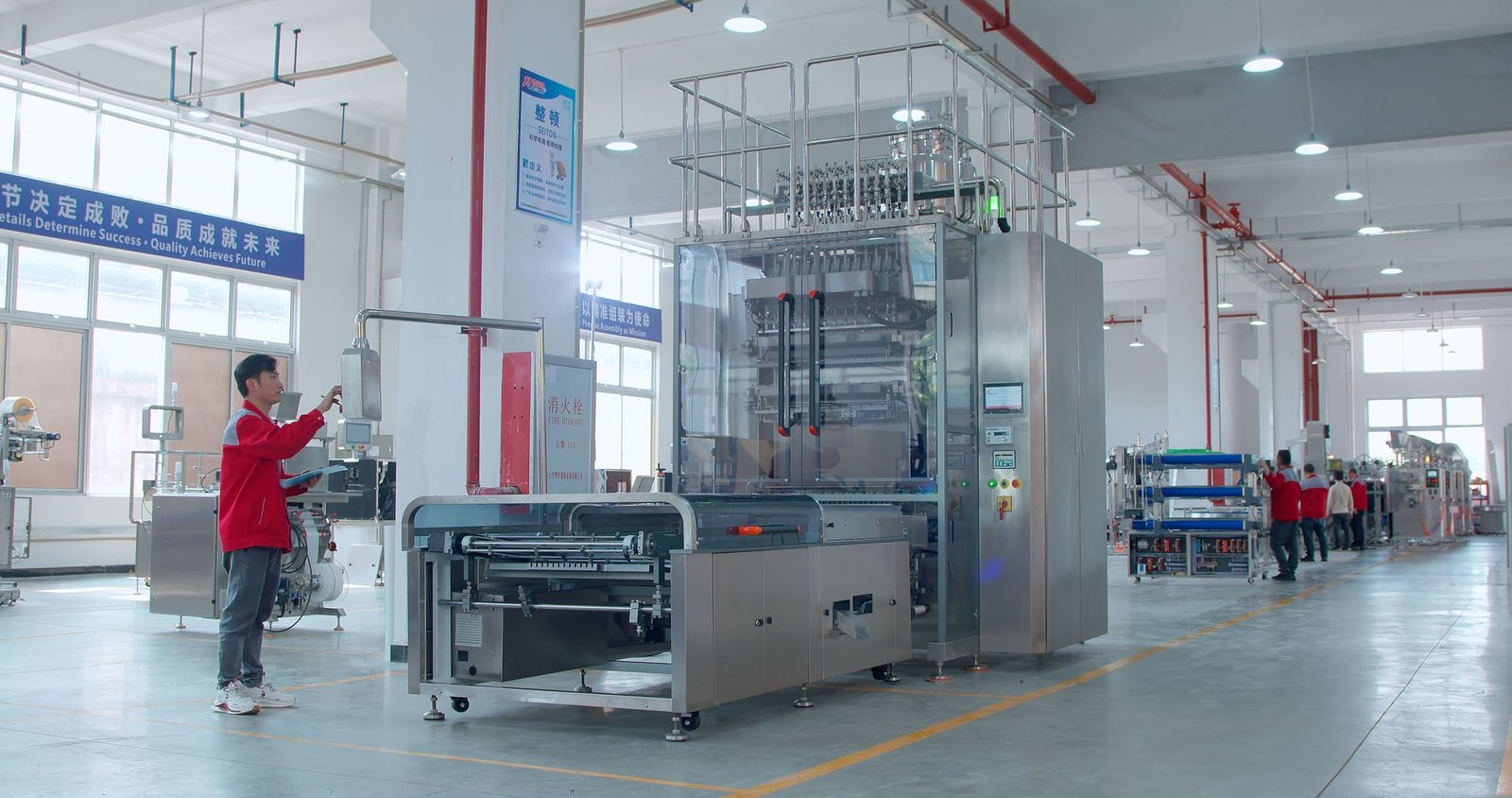
Visit a full-scale manufacturing facility whenever possible. A supplier with a 20,000-square-meter facility and a team of over 130 professionals indicates the engineering depth required to support customized turnkey solutions. Always request a Factory Acceptance Test (FAT) where your specific product and film are run on the machine. Measure actual speeds versus quoted speeds, seal strength via tensile testers, and fill accuracy across the lanes.
Warranty and Spare Parts Strategy
A localized or easily shippable spare parts portfolio is critical. Clarify the average lead time for consumable parts like heater cartridges, thermocouples, and forming collars. A remote assistance capability can help your maintenance team troubleshoot electrical and pneumatic faults directly with the engineer, minimizing delays.
Common Mistakes to Avoid During Selection
- Ignoring Film Tension Control: Liquid-filled pouches are heavy. Unwinding systems must be robust enough to handle weight fluctuations without stretching or misaligning the film.
- Overlooking Nitrogen Flushing: If extending shelf life is a priority, ensure the sealing station has integrated gas flushing capabilities to reduce residual oxygen levels in the headspace.
- Underspecifying Conveyor Discharge: Filled liquid pouches drop with force. A poorly designed discharge belt can damage the bottom seal immediately after it exits the machine.
Ensuring a Future-Ready Investment
The right sauce pouch packing machine does more than simply fill a bag. It provides precise dosing, secure seals, and reliable operation that adapts to evolving packaging formats and sustainability demands. By prioritizing product analysis, machine construction, automation readiness, and vendor support over price alone, you safeguard your production throughput and brand reputation. As the packaging machinery market continues to evolve—indicated by industry projections tracked by the PACK EXPO International community—investing in quality engineering ensures your operation remains competitive and compliant for years to come.