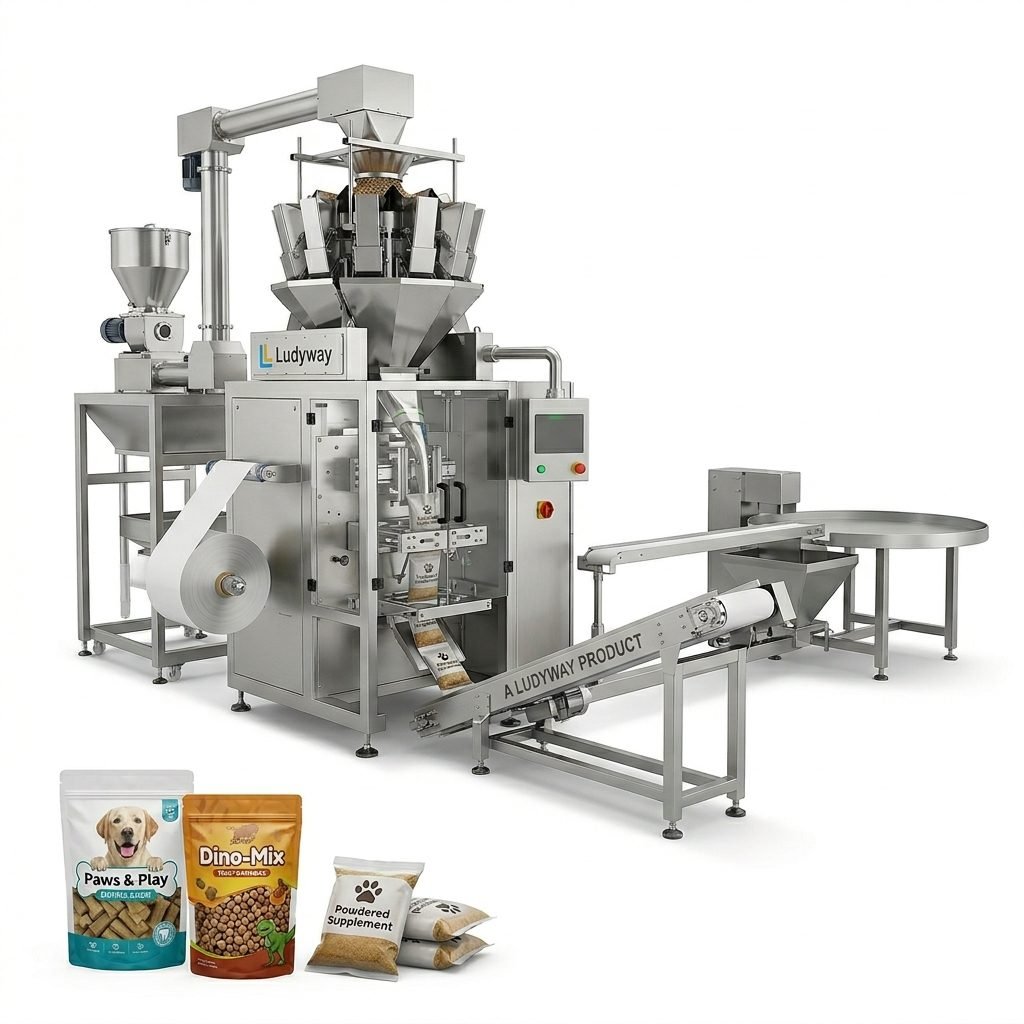
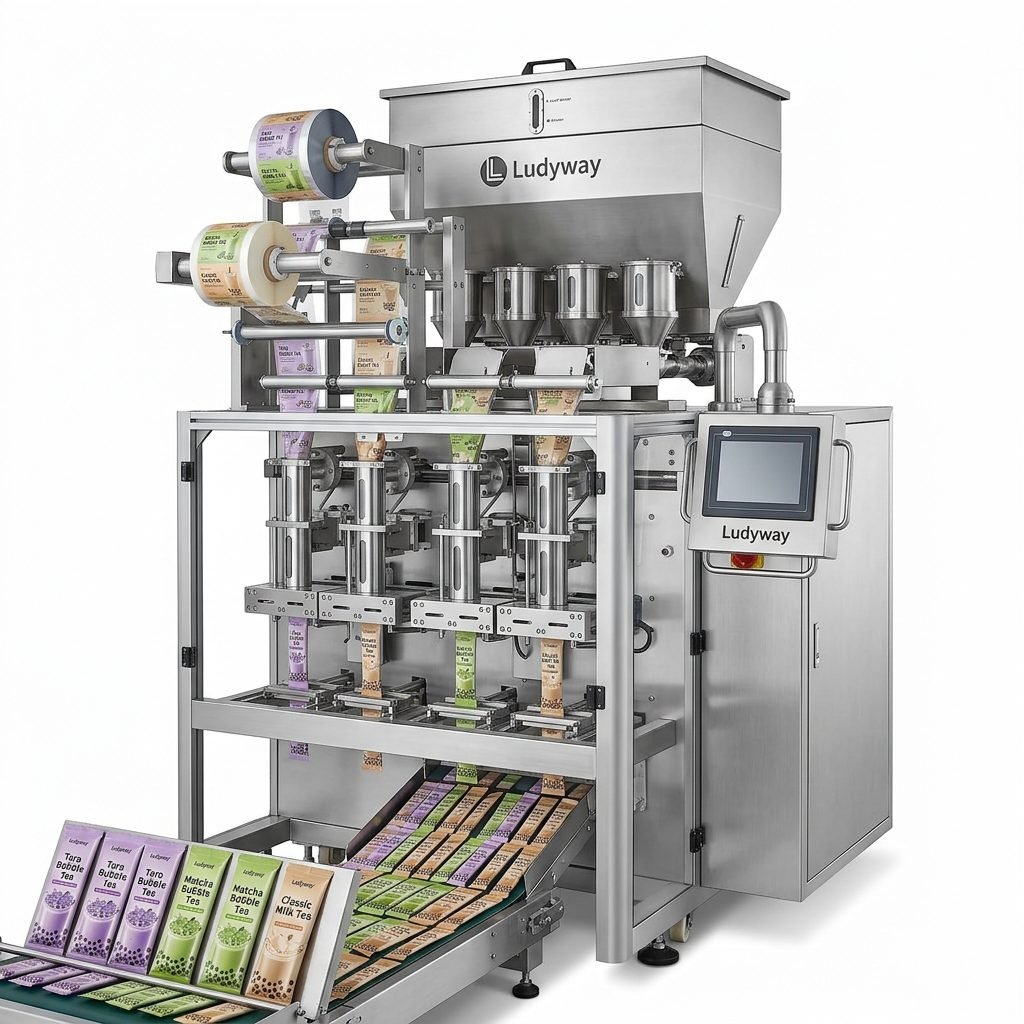
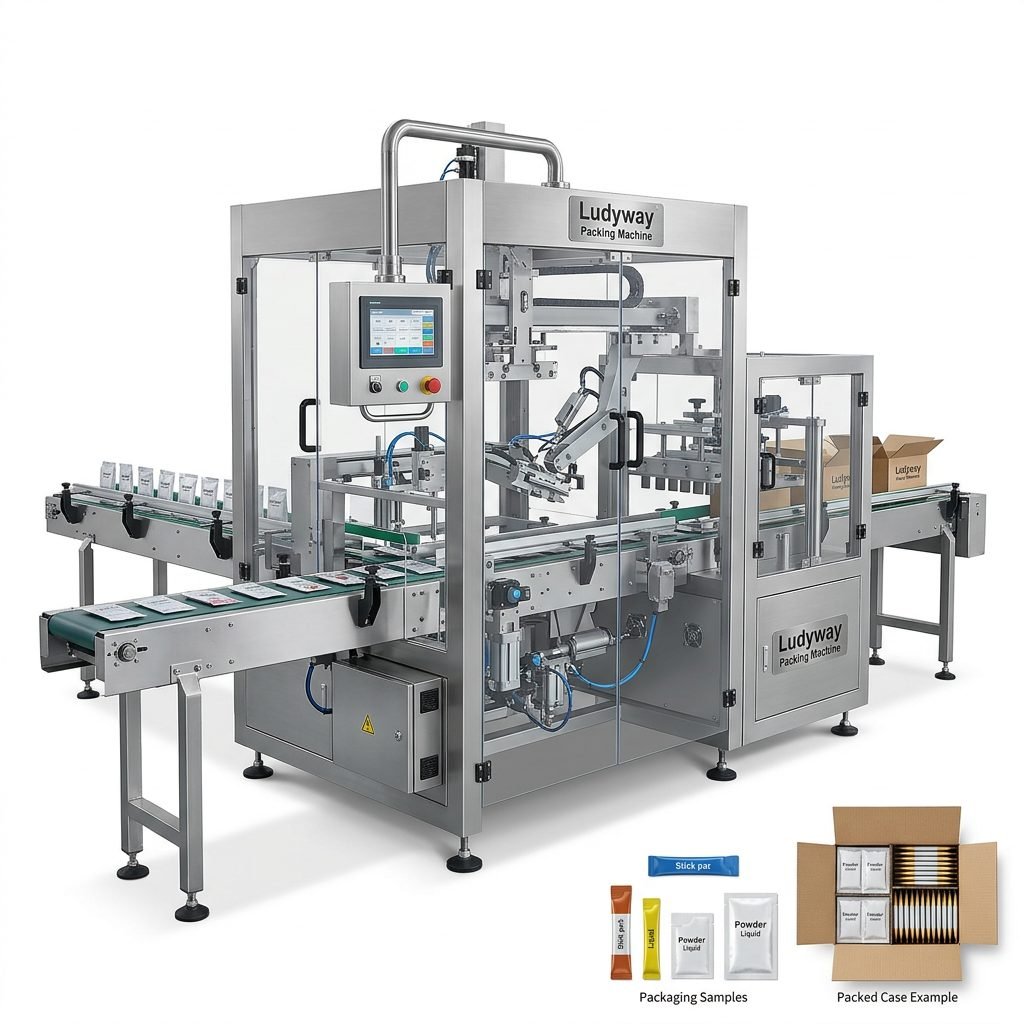
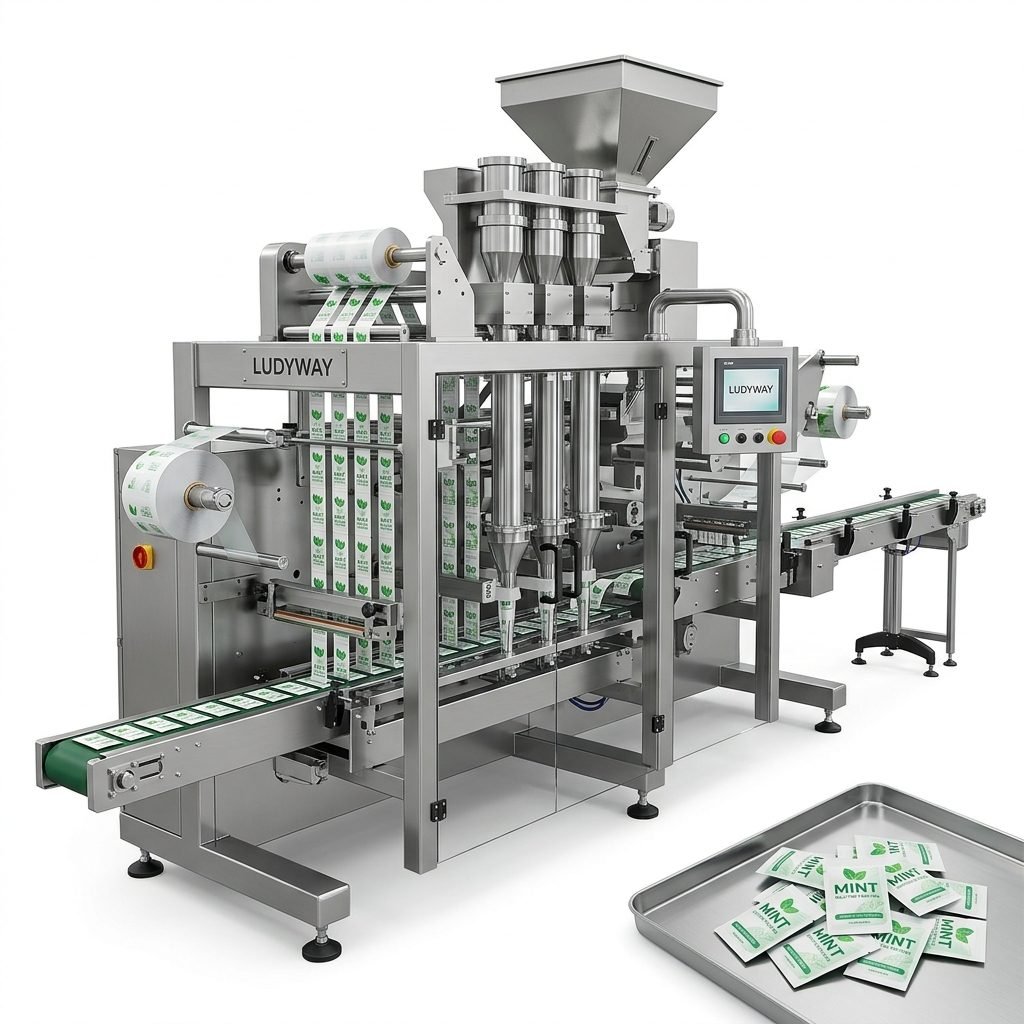
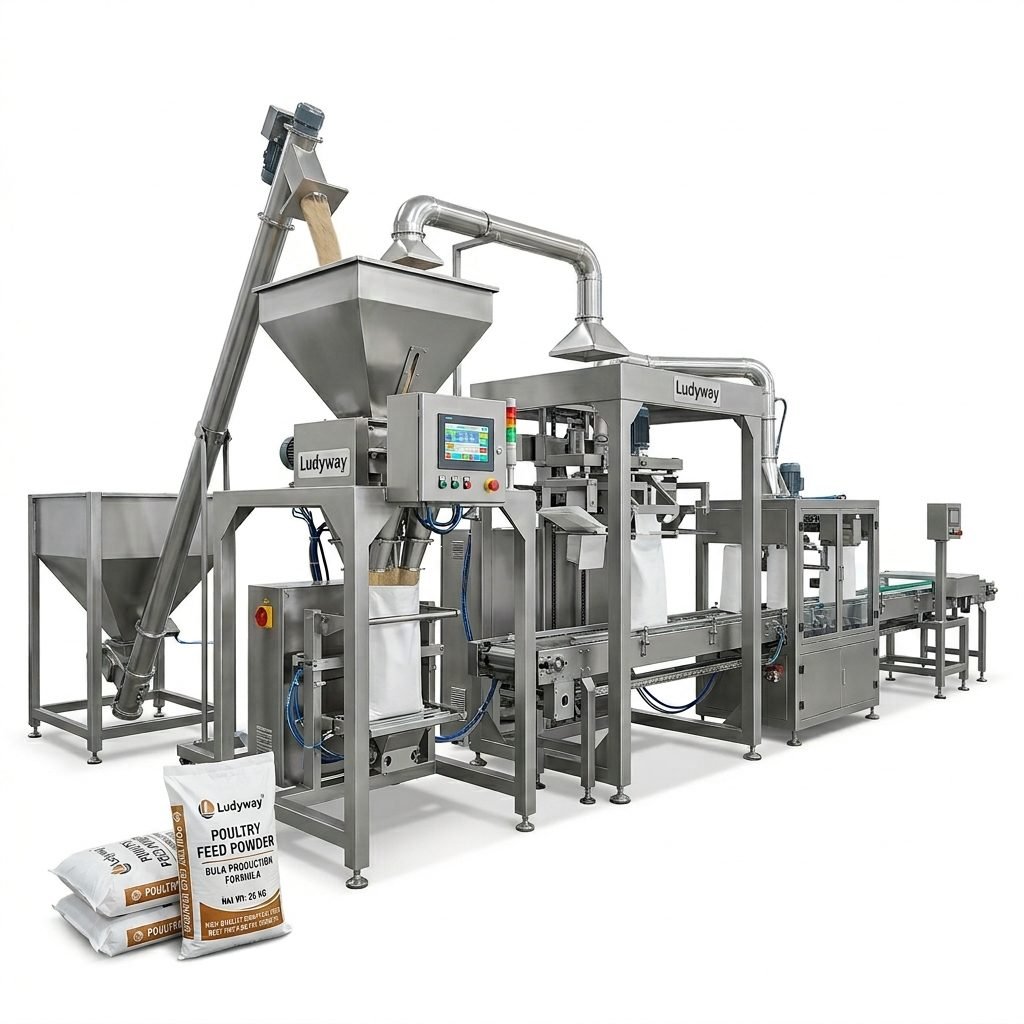
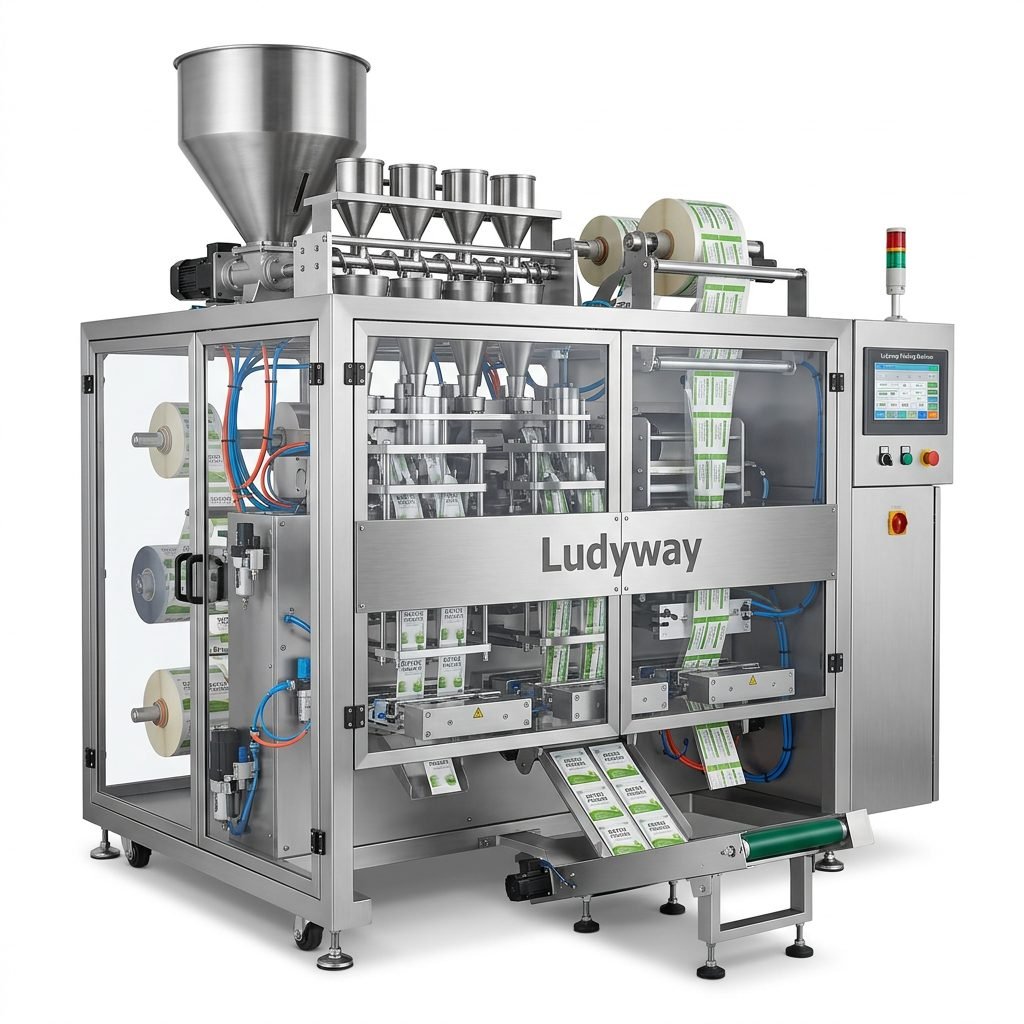
Setting up a cookie packaging machine production line in Oceania requires careful planning, an understanding of local regulatory frameworks, and a strategic approach to equipment selection. With the packaged food market in Australia and New Zealand continuing to expand—driven by rising consumer demand for convenience foods and on-the-go snacks—bakeries and food manufacturers are increasingly investing in automated packaging solutions to improve efficiency, maintain product freshness, and meet strict food safety standards.

Understanding the Oceania Cookie Packaging Landscape
The cookie and biscuit sector in Oceania is characterized by both large-scale industrial bakeries and a growing number of artisanal and specialty producers. Australia alone accounts for a significant share of the Asia-Pacific biscuit market, with exports reaching markets across Southeast Asia, the Pacific Islands, and beyond. New Zealand’s food processing industry similarly relies on efficient packaging to maintain product quality during long-distance shipping.
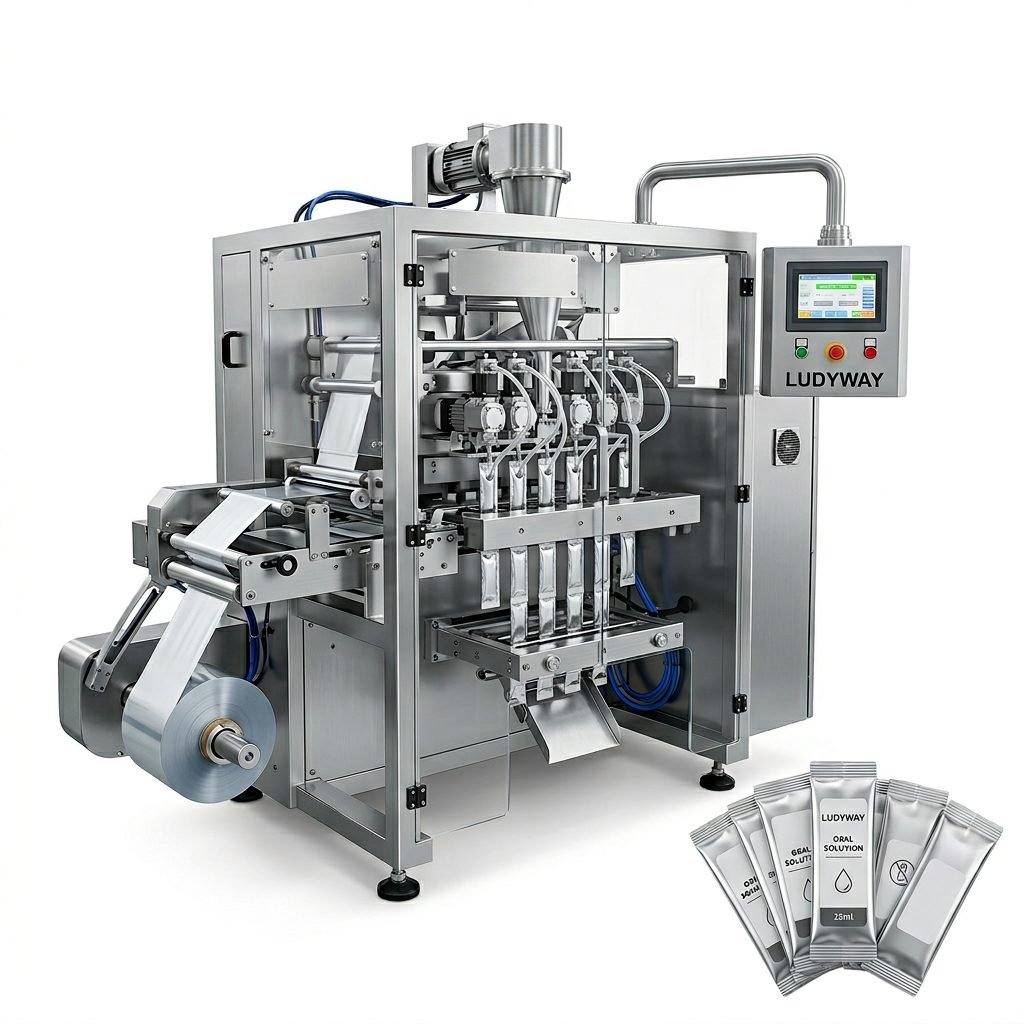
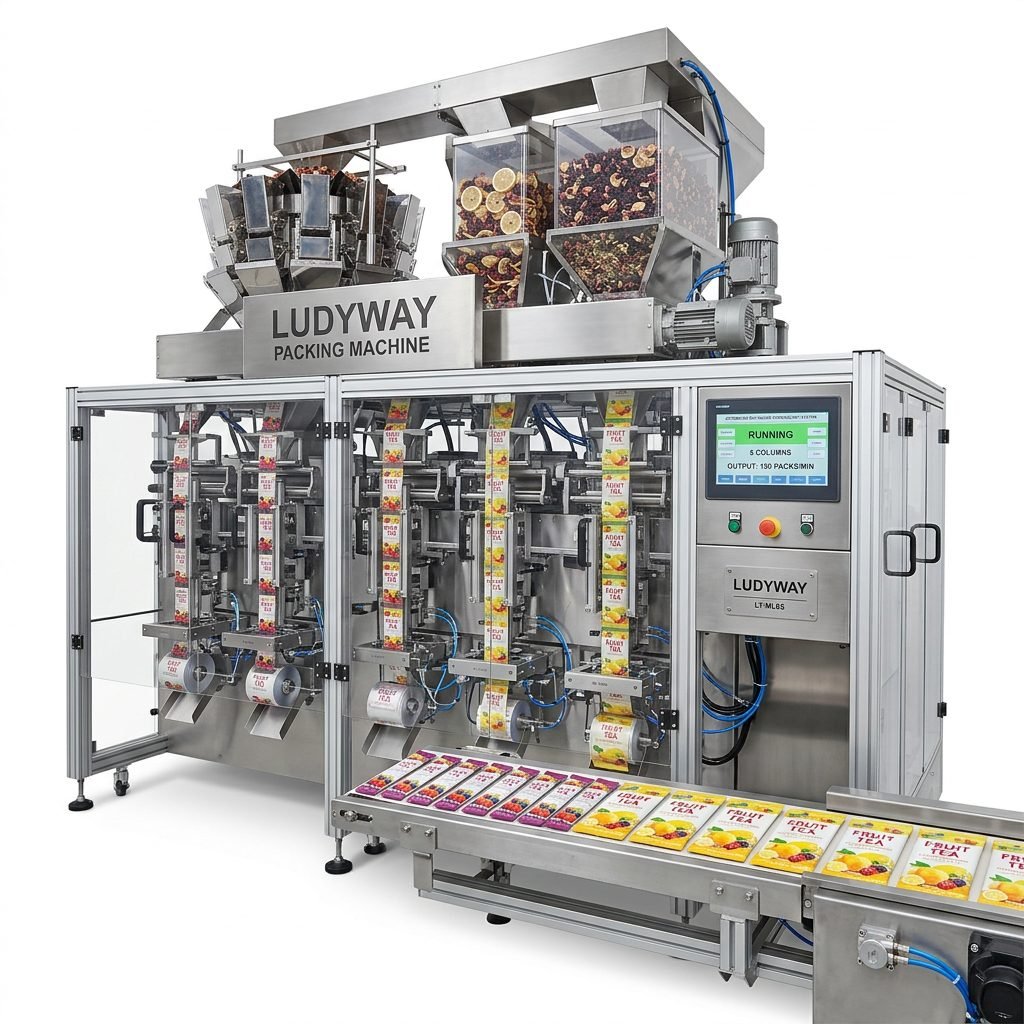
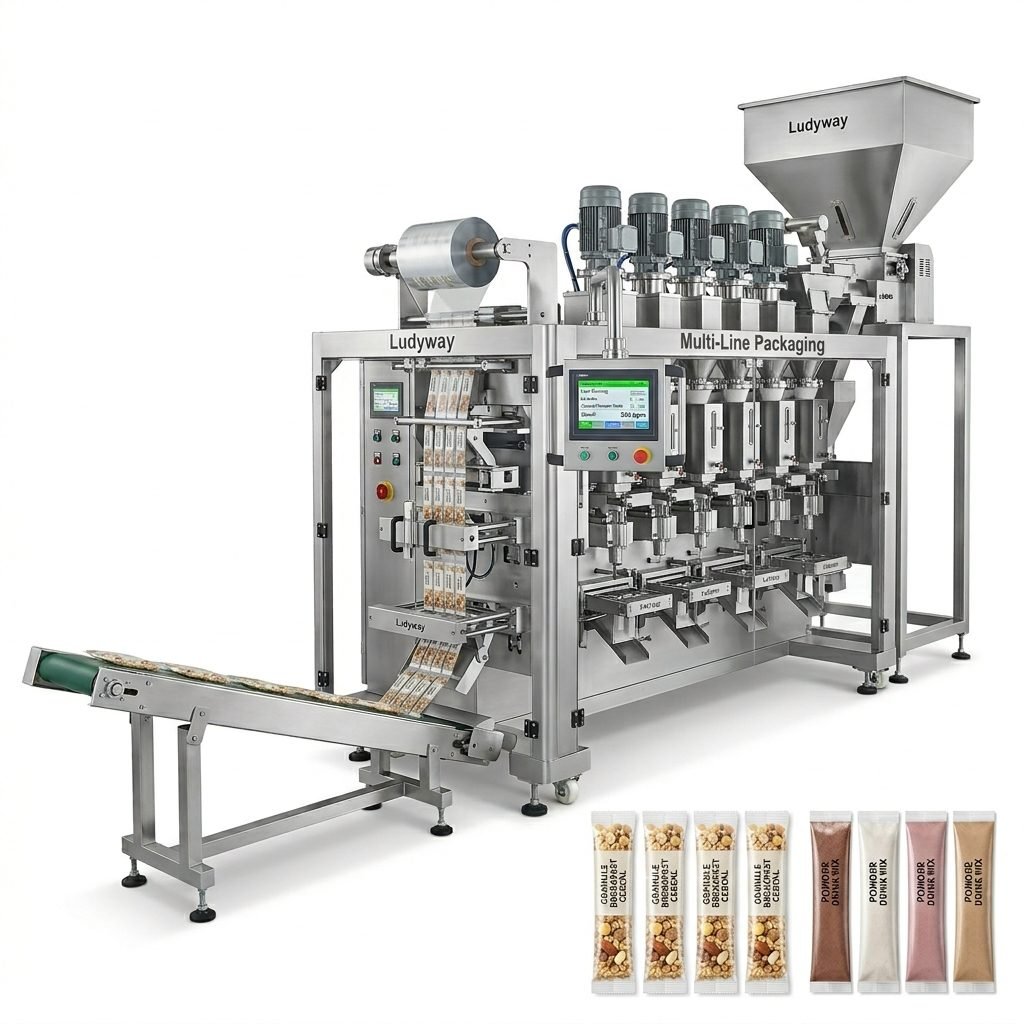
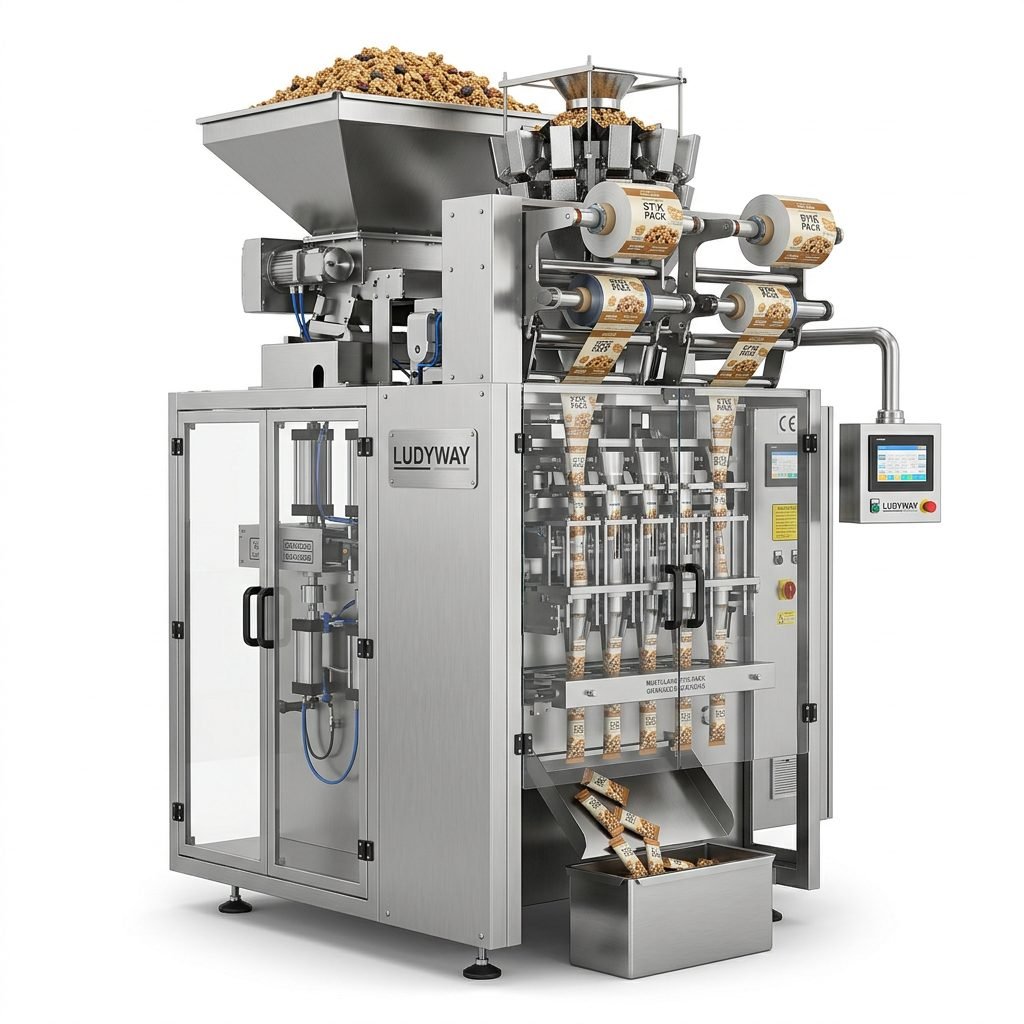
When setting up a production line, manufacturers must consider several critical factors: product fragility, moisture sensitivity, shelf-life requirements, and packaging formats that appeal to regional consumers. Multi-lane sachet and stick-pack systems have become particularly popular for portion-controlled cookie packs, while flow-wrapping remains the standard for larger biscuit formats.
Key Components of a Cookie Packaging Production Line
A complete cookie packaging line typically integrates multiple machines working in sequence. Understanding each component is essential for proper line setup and optimization.
- Feeding and Orientation Systems — Vibratory feeders or belt conveyors align cookies for consistent entry into the packaging station, reducing breakage and ensuring uniform product presentation.
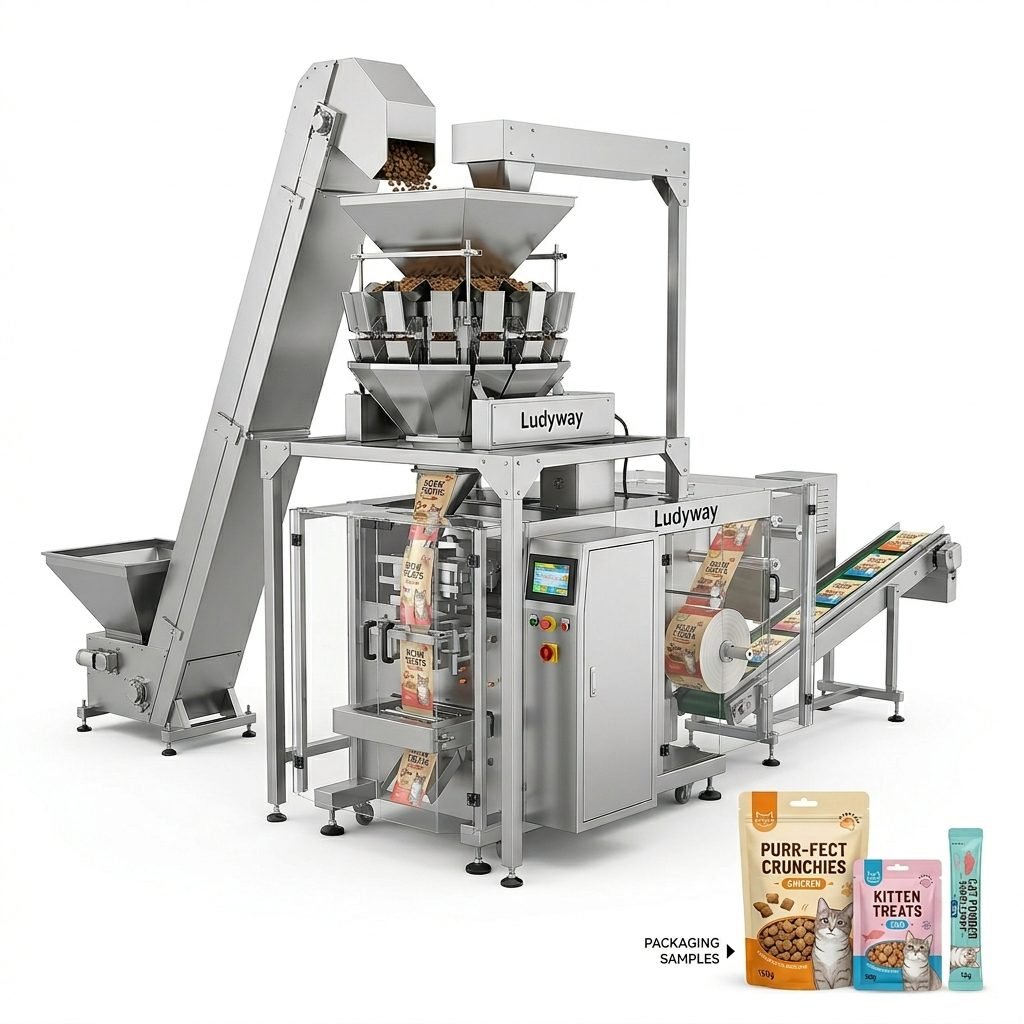
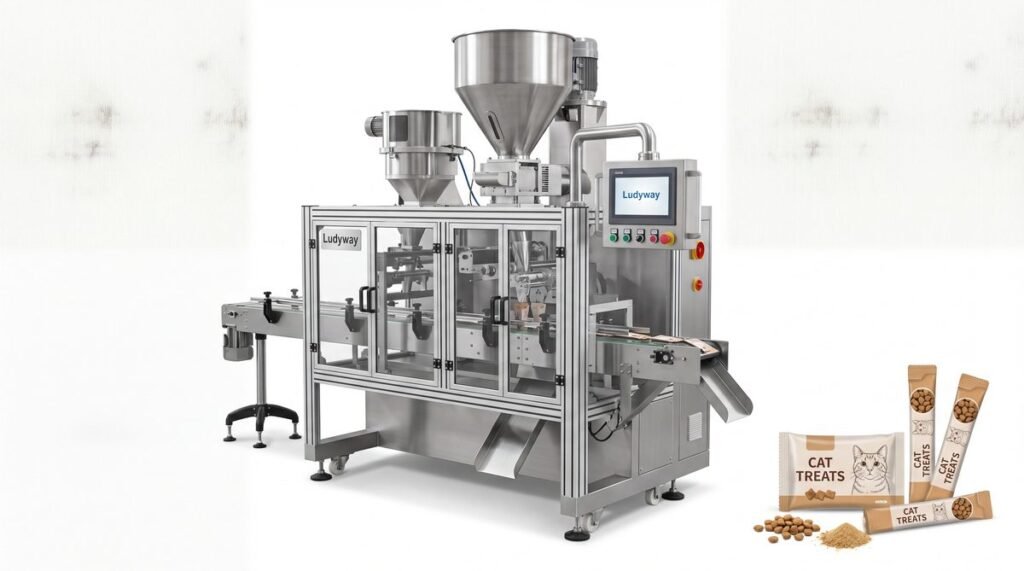
- Primary Packaging Machine — This is the core of the line, whether a flow-wrapper, vertical form-fill-seal (VFFS) unit, or multi-lane sachet machine, depending on the desired pack format.
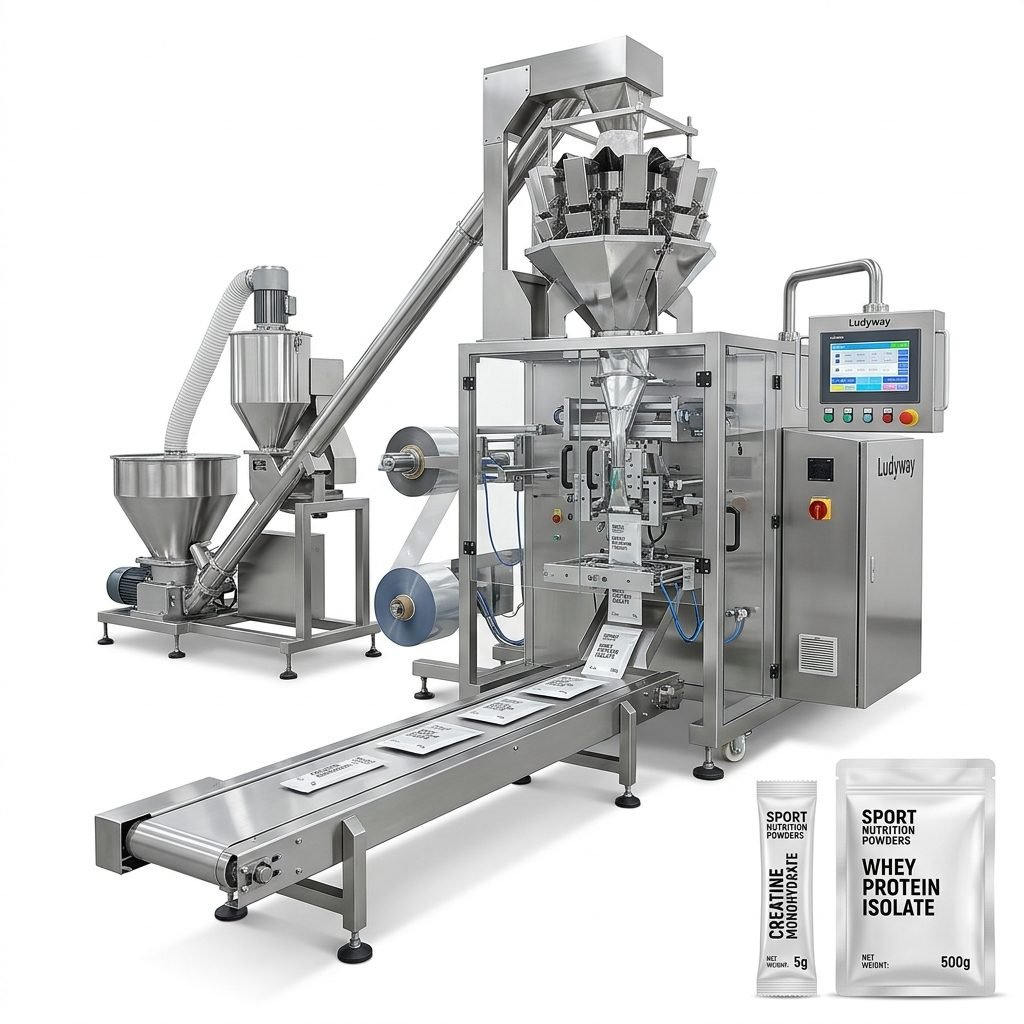
- Weighing and Dosing Units — Multi-head weighers or volumetric fillers ensure each package contains the correct product weight, critical for regulatory compliance in Australia and New Zealand.
- Inspection Systems — Metal detectors, checkweighers, and vision inspection units verify product integrity before secondary packaging.
- Secondary Packaging Equipment — Cartoning machines, case packers, and palletizers prepare finished packs for distribution.
Step-by-Step Setup Process for Oceania Operations
1. Conduct a Site Assessment
Before any equipment arrives, evaluate your facility’s floor space, electrical supply, compressed air availability, and environmental conditions. Oceania’s climate varies significantly—from tropical North Queensland to cooler South Island New Zealand—and humidity control is especially important for cookie packaging to prevent moisture absorption and product degradation.
2. Define Your Packaging Specifications
Determine the exact pack formats, materials, and production speeds required. Common formats in Oceania include single-serve sachets, multi-pack stick packs, and family-size flow-wrapped portions. Flexible packaging materials such as metallized BOPP, PET/PE laminates, and paper-based structures are widely used, with increasing demand for recyclable and compostable options aligned with the circular economy goals being adopted across the region.
3. Install and Commission Equipment
Professional installation by qualified technicians is strongly recommended. This phase includes mechanical assembly, electrical integration, and initial dry-run testing. For companies sourcing equipment internationally, ensure that all machinery complies with Australian/New Zealand electrical safety standards (AS/NZS 3000) and that appropriate voltage and frequency settings are configured.
4. Configure Software and Parameters
Modern packaging machines feature PLC control systems with touchscreen interfaces. Set parameters for sealing temperature, dwell time, film tension, and fill weight specific to your cookie product. Data logging capabilities can assist with traceability requirements under food safety regulations.
5. Conduct Trial Runs and Quality Validation
Run test batches to validate seal integrity, package appearance, weight accuracy, and overall equipment effectiveness (OEE). This is also the time to train operators on proper machine operation, cleaning procedures, and basic troubleshooting.
Regulatory Compliance in Oceania
Food packaging operations in Australia and New Zealand are governed by Food Standards Australia New Zealand (FSANZ), which sets requirements for food contact materials, labeling, and safety. The following table outlines key compliance areas relevant to cookie packaging:
| Compliance Area | Key Requirement | Applicable Standard |
|---|---|---|
| Food Contact Materials | Packaging must not transfer harmful substances to food | FSANZ Standard 1.4.3, AS 2070 |
| Labeling Requirements | Ingredient lists, allergen declarations, net weight | FSANZ Standard 1.2.1 – 1.2.8 |
| Weights and Measures | Packaged goods must meet declared net content | National Measurement Act (Australia) |
| Electrical Safety | Machinery must comply with wiring rules | AS/NZS 3000 |
| Workplace Safety | Machine guarding and operator protection | Work Health and Safety Act, AS 4024 |
Selecting the Right Packaging Equipment for Cookies
Cookie products present unique packaging challenges. They are often fragile, irregularly shaped, and sensitive to breakage. The ideal packaging machine must handle these characteristics while maintaining high throughput. Consider the following factors when evaluating equipment:
- Product Handling — Look for gentle feeding mechanisms and minimal drop heights to preserve cookie integrity throughout the packaging process.
- Film Compatibility — Ensure the machine supports the packaging films commonly used in Oceania, including flexible packaging materials with barrier properties suitable for extended shelf life.
- Changeover Flexibility — If you produce multiple cookie varieties or pack sizes, quick-changeover features can significantly reduce downtime between production runs.
- Integration Capability — The packaging machine should integrate with upstream baking and cooling lines and downstream cartoning and palletizing systems.
- After-Sales Support — Given Oceania’s geographic distance from major manufacturing hubs, reliable technical support and parts availability are critical considerations.
When sourcing equipment, working with established manufacturers such as Ludyway—one of the largest packaging machine manufacturers in China with over 30 years of industry experience—can provide access to turnkey solutions backed by comprehensive engineering support and a global service network spanning more than 100 countries.
Optimizing Production Line Efficiency
Preventive Maintenance Scheduling
Implementing a structured preventive maintenance program is essential for minimizing unplanned downtime. Establish daily, weekly, and monthly inspection routines covering sealing jaws, film feed rollers, heating elements, and sensor calibration. In Oceania’s humid coastal regions, particular attention should be paid to corrosion prevention on metal components.
Operator Training Best Practices
Well-trained operators are the backbone of an efficient packaging line. Comprehensive training should cover machine startup and shutdown procedures, parameter adjustments, cleaning protocols, and basic troubleshooting. Many packaging industry resources provide guidance on workforce development and operational excellence.
Continuous Improvement and Data Analysis
Modern packaging lines generate substantial operational data. Analyzing metrics such as OEE, rejection rates, and downtime causes can identify opportunities for line optimization. Real-time monitoring systems allow supervisors to track performance and respond quickly to emerging issues.
Future Trends in Cookie Packaging for Oceania
The packaging landscape continues to evolve, with several trends shaping investment decisions across Australia and New Zealand:
- Sustainable Packaging — Growing consumer and regulatory pressure is driving adoption of recyclable, compostable, and reduced-material packaging solutions, in line with sustainable materials management principles.
- Smart Packaging Features — QR codes, NFC tags, and augmented reality elements are being incorporated into cookie packs to enhance consumer engagement and provide traceability information.
- Portion Control and Health Focus — Smaller pack sizes with clear nutritional labeling cater to health-conscious consumers seeking moderated indulgence.
- Automation and Industry 4.0 — Fully integrated packaging lines with IoT connectivity enable remote monitoring, predictive maintenance, and seamless production planning.
Key Takeaways for a Successful Cookie Packaging Line Setup
- Thoroughly assess your facility and define clear packaging specifications before equipment procurement.
- Ensure all machinery and packaging materials comply with relevant FSANZ standards and electrical safety regulations.
- Select equipment that balances speed, flexibility, and gentle product handling suitable for fragile cookie products.
- Invest in comprehensive operator training and establish a preventive maintenance regimen from day one.
- Partner with suppliers who offer reliable after-sales support and understand the unique requirements of the Oceania market.
- Stay informed of evolving packaging standards through resources such as ISO packaging standards and FDA food packaging guidelines applicable to export markets.
Frequently Asked Questions
What packaging format is best for cookies in Oceania?
The optimal format depends on your target market. Flow-wrapped single-serve packs dominate convenience retail channels, while multi-lane stick packs are gaining popularity for portion-controlled snacking ranges. Family-sized packs typically use pillow bags or fin-seal flow wraps with added barrier protection.
How can I ensure my packaging line meets Australian food safety standards?
Work with equipment suppliers familiar with FSANZ requirements, use only approved food-grade packaging materials, implement HACCP-based quality control procedures, and maintain thorough documentation of cleaning, maintenance, and quality inspection activities.
What are the common challenges when setting up a cookie packaging line?
Common challenges include managing product breakage during feeding and transfer, achieving consistent seal integrity with cookie crumbs present, controlling humidity in tropical climates, and integrating new packaging equipment with existing production assets.
For additional information on packaging machinery trends and global market insights, refer to the PMMI State of the Industry Report 2025 and the Flexible Packaging Association’s industry resources. Manufacturers seeking detailed guidance on compliance can consult ISO 11607 packaging standards for additional quality framework references.