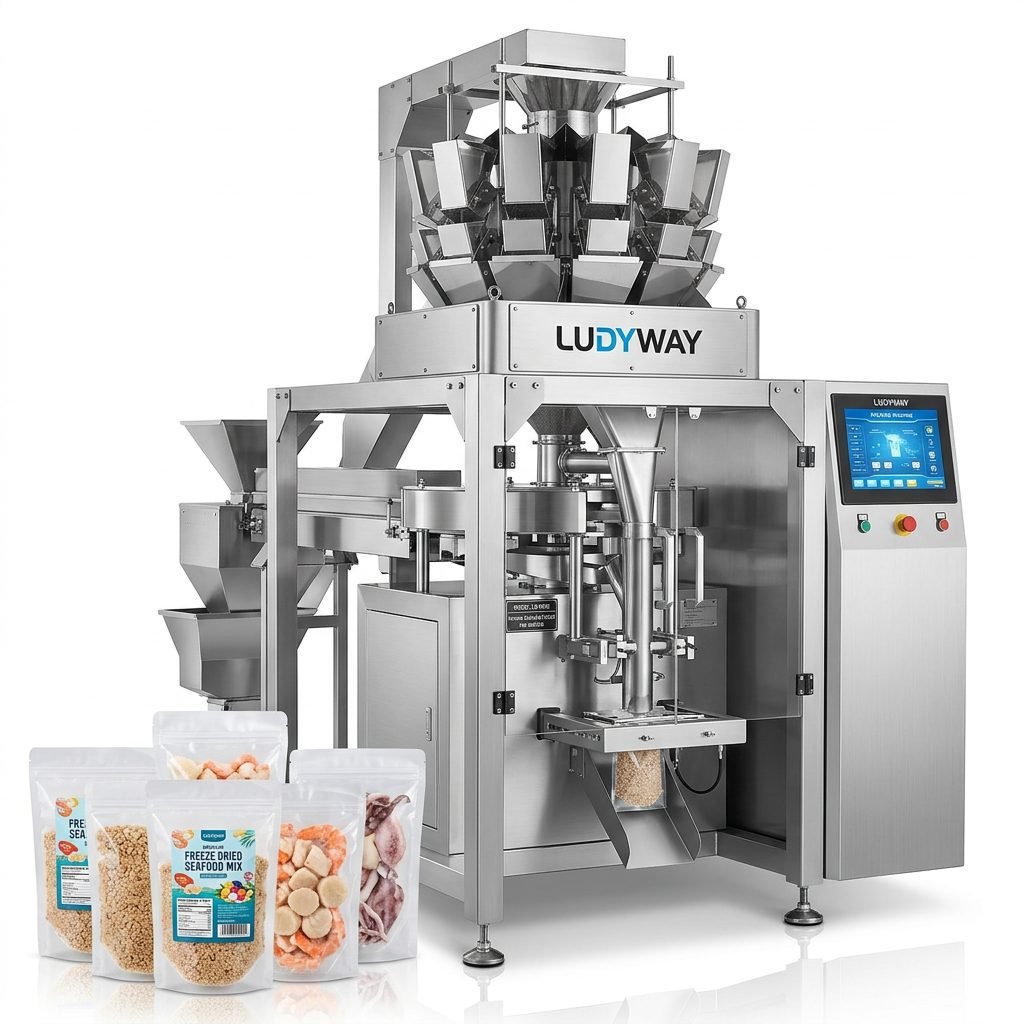
Establishing a cream packaging machine production line in Germany requires careful planning, regulatory compliance, and the right equipment selection. Germany’s position as Europe’s largest economy and a global leader in manufacturing makes it an ideal location for high-quality packaging operations. This guide walks you through every essential step, from understanding German regulations to optimizing your production workflow.
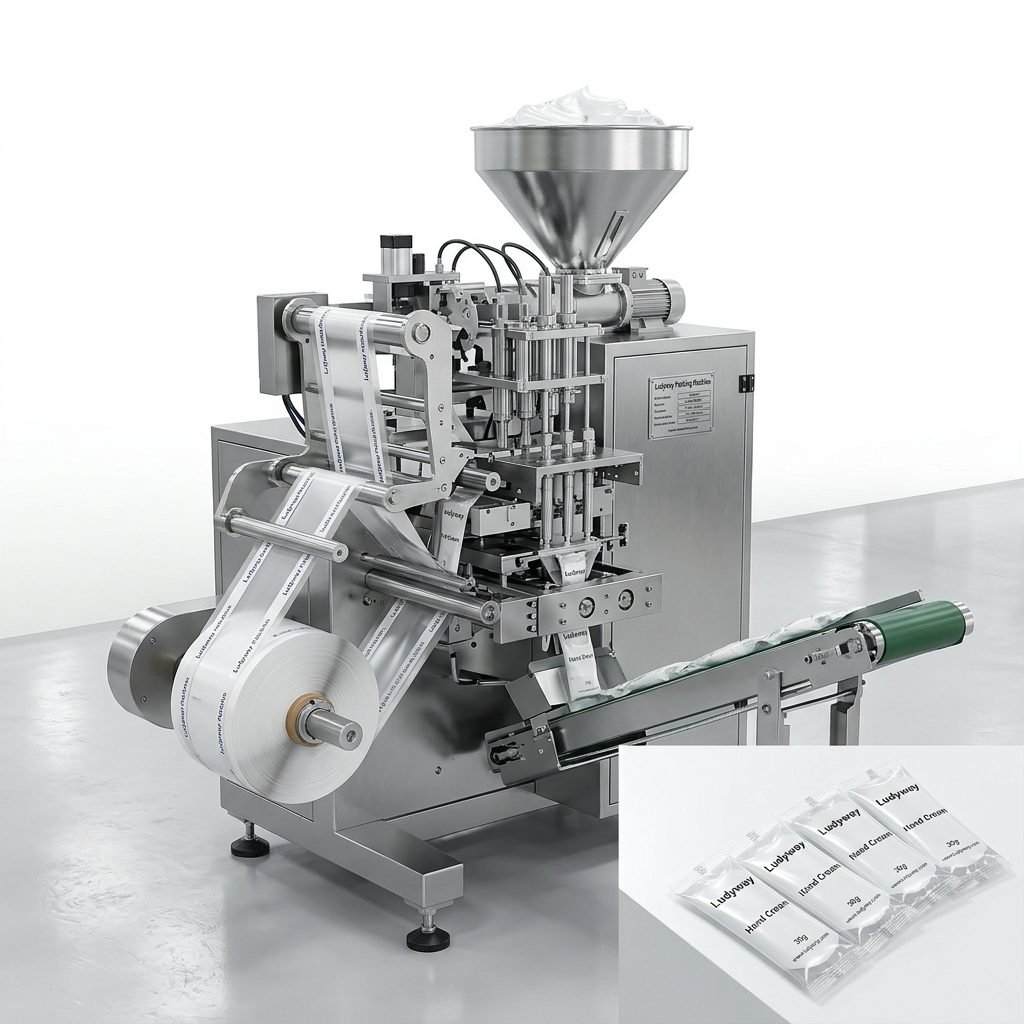
Understanding the German Cream Packaging Market
Germany hosts one of the most stringent and quality-driven packaging markets in the world. The cosmetics and personal care sector alone generates billions of euros annually, with cream-based products—from luxury face creams to industrial ointments—representing a significant share. German consumers and regulators demand precision filling accuracy, hygienic production environments, and sustainable packaging solutions. Before investing in a cream packaging production line, understanding the local market dynamics, consumer preferences, and competitive landscape is essential for long-term success.
Key Market Drivers in Germany
- Growing demand for sustainable and recyclable packaging materials
- Increasing popularity of single-dose sachets and stick packs for creams
- Strict enforcement of EU cosmetic regulations (EC No. 1223/2009)
- Rising automation levels across German manufacturing facilities
- Expanding organic and natural cosmetics segment
Regulatory Compliance and CE Certification
Operating a cream packaging production line in Germany requires full compliance with European Union machinery directives and obtaining CE marking. The ISO packaging standards provide a comprehensive framework that German authorities rigorously enforce. Additionally, cream packaging equipment must comply with the Machinery Directive 2006/42/EC, which sets essential health and safety requirements for machinery placed on the EU market.
For cream products intended for cosmetic use, packaging operations must also align with GMP (Good Manufacturing Practice) guidelines as outlined in FDA packaging and food contact substances standards, which are often referenced alongside EU-specific requirements for materials that come into contact with cosmetic formulations.
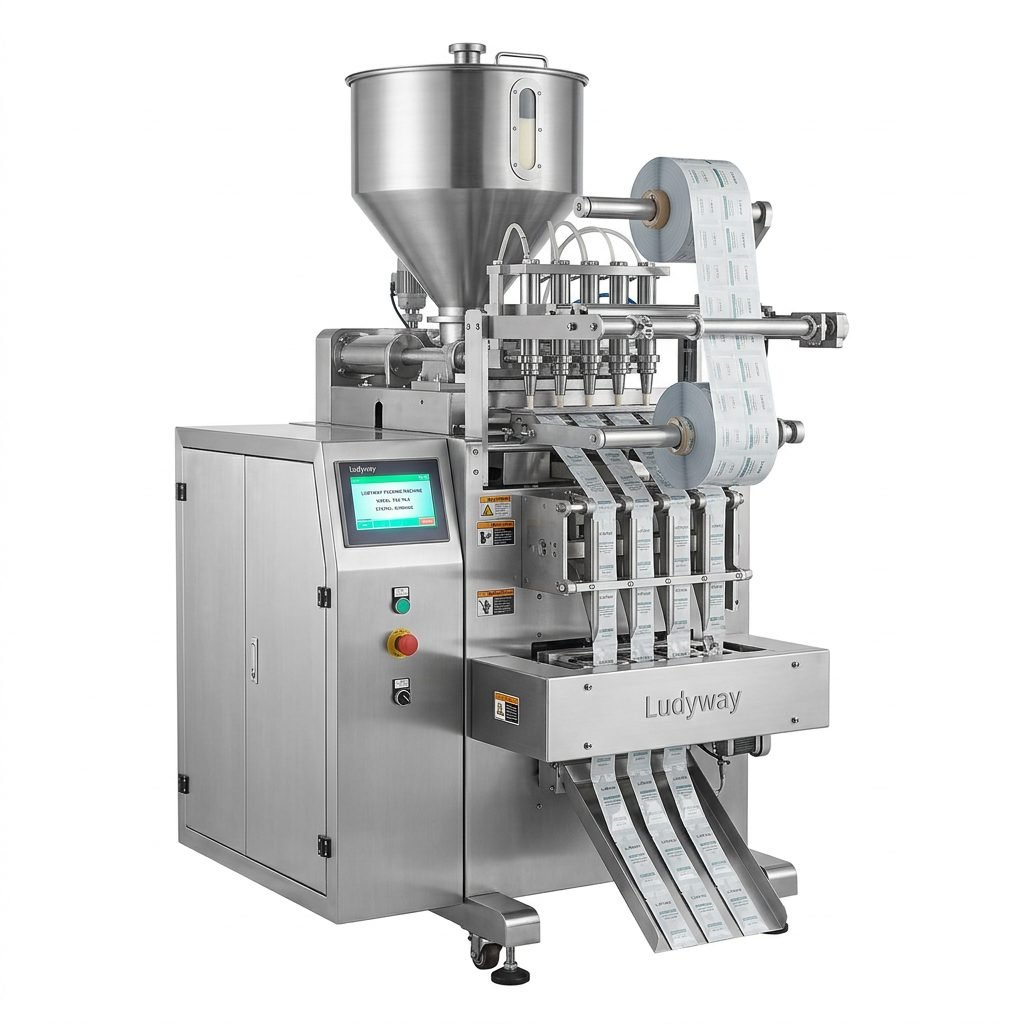
Choosing the Right Cream Packaging Machine
Selecting the appropriate packaging machinery is the cornerstone of a successful production line. Cream products vary significantly in viscosity, from light lotions to heavy ointments, and each formulation demands specific filling technology. The packaging machinery market research from PMMI consistently highlights that viscosity-adapted filling systems are critical for reducing product waste and ensuring consistent fill weights.
Types of Cream Packaging Formats
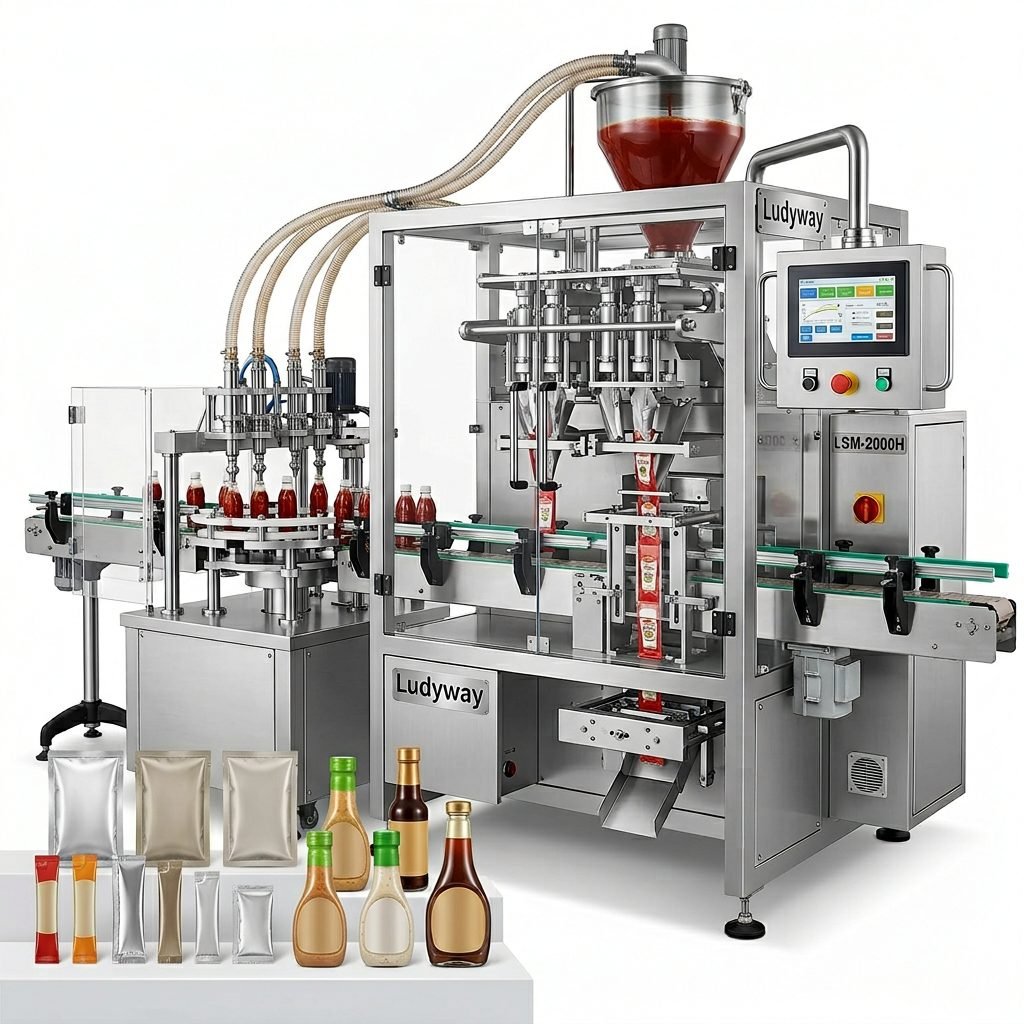
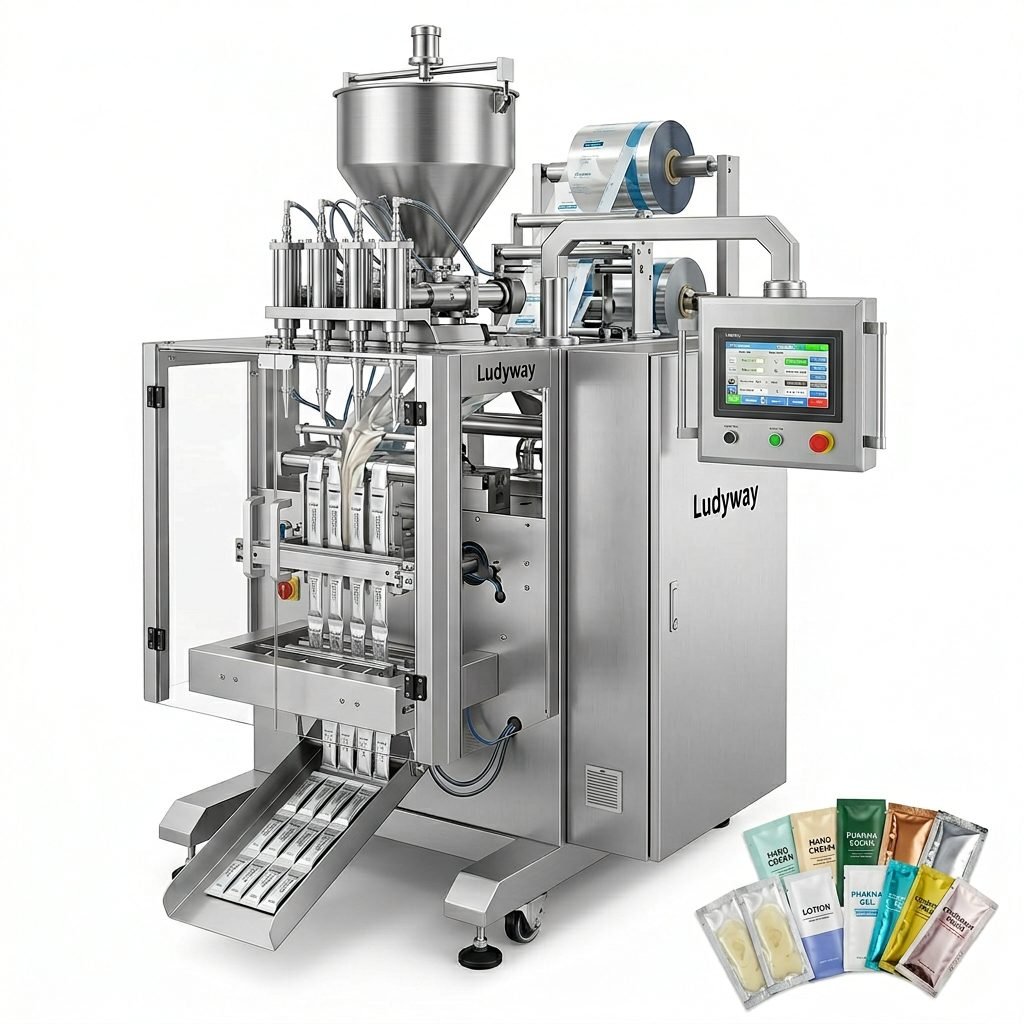
- Sachet packaging — Single-use flat pouches ideal for sample creams and travel sizes
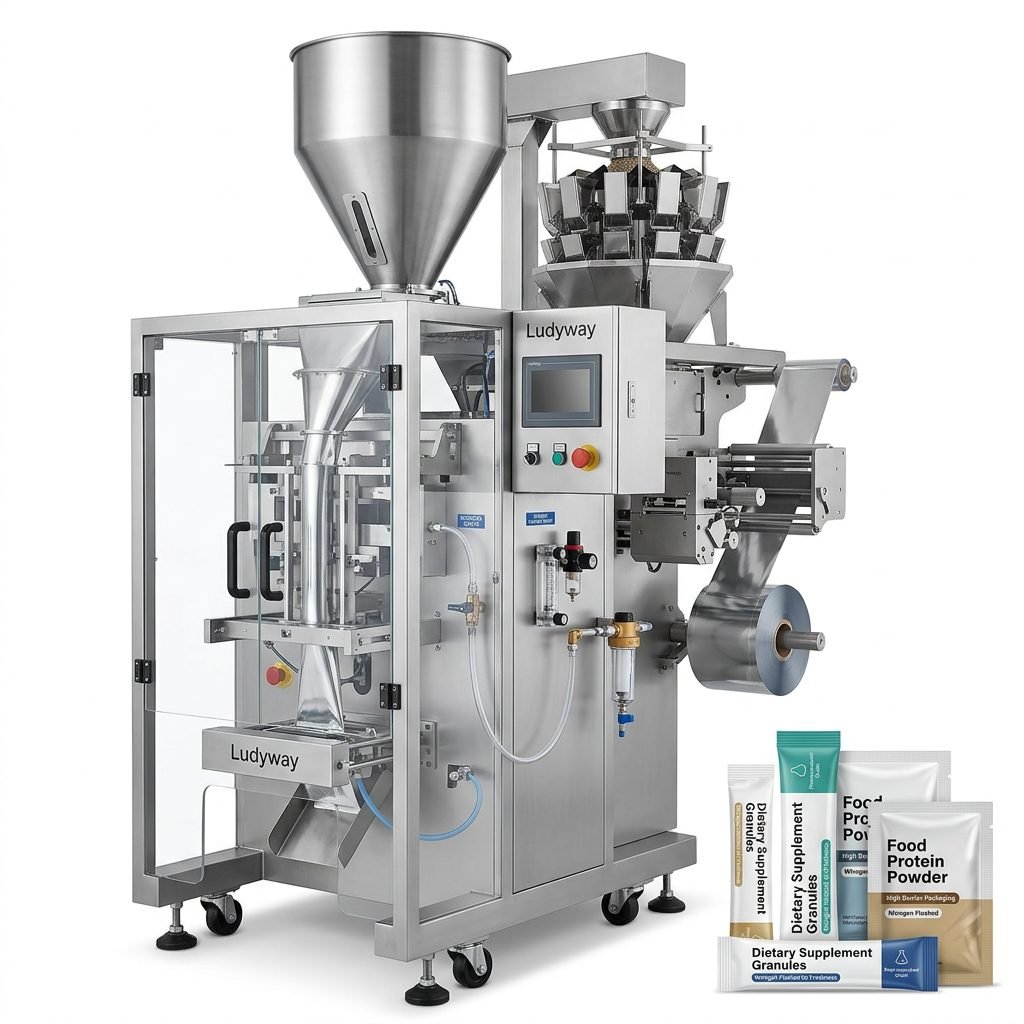
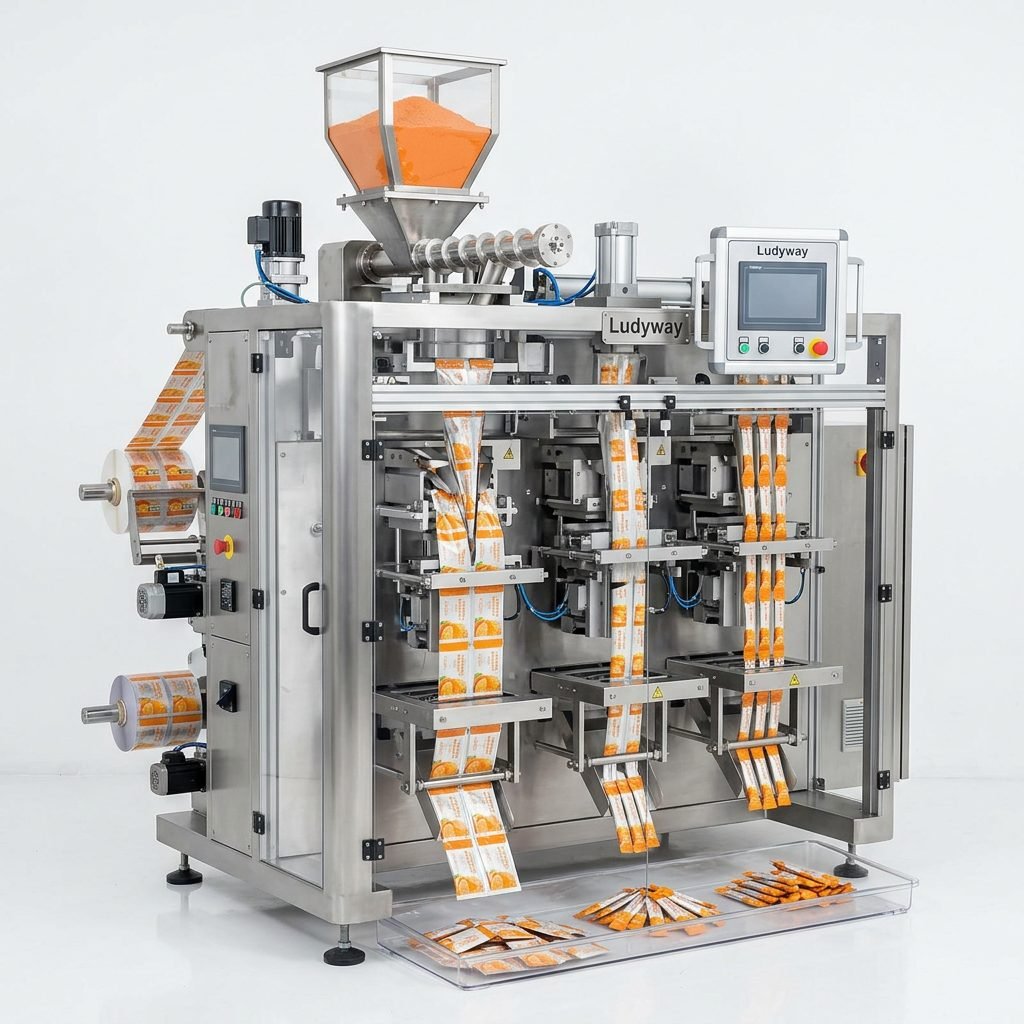
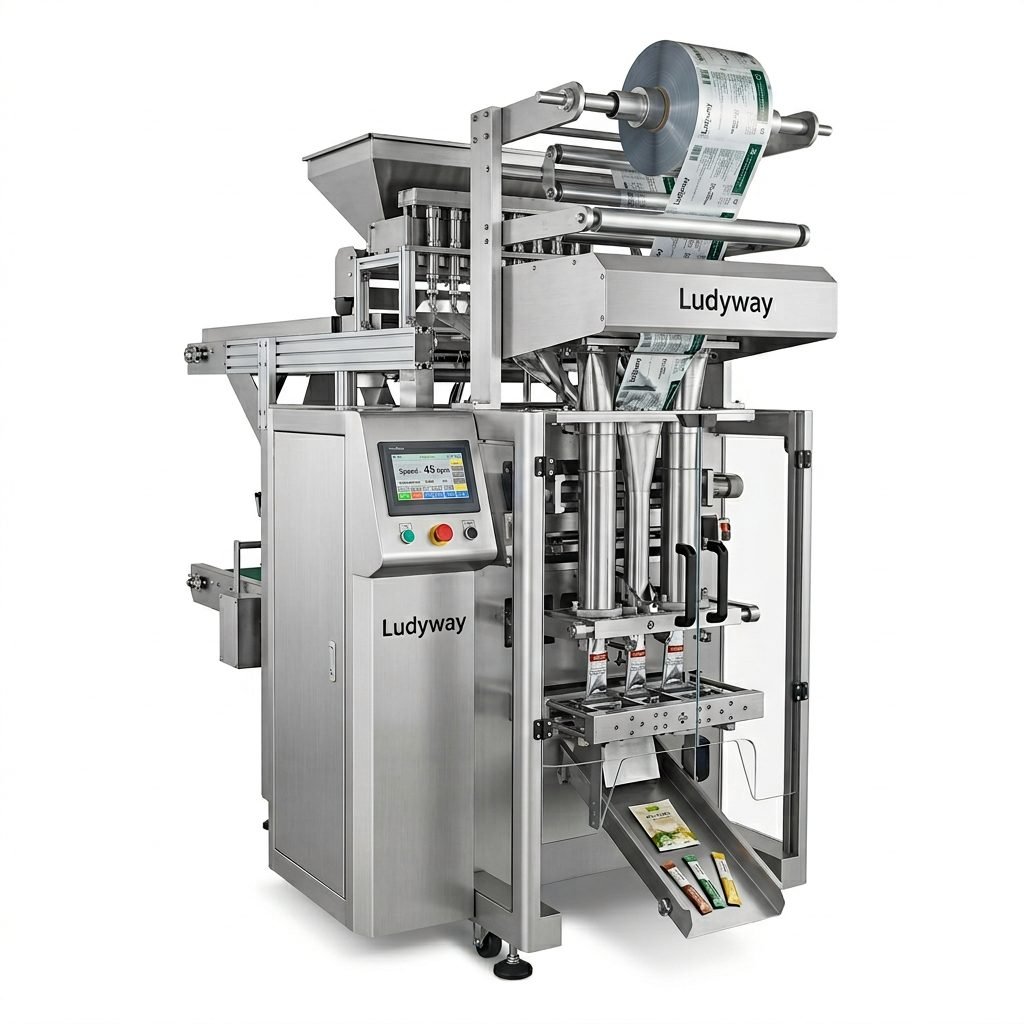
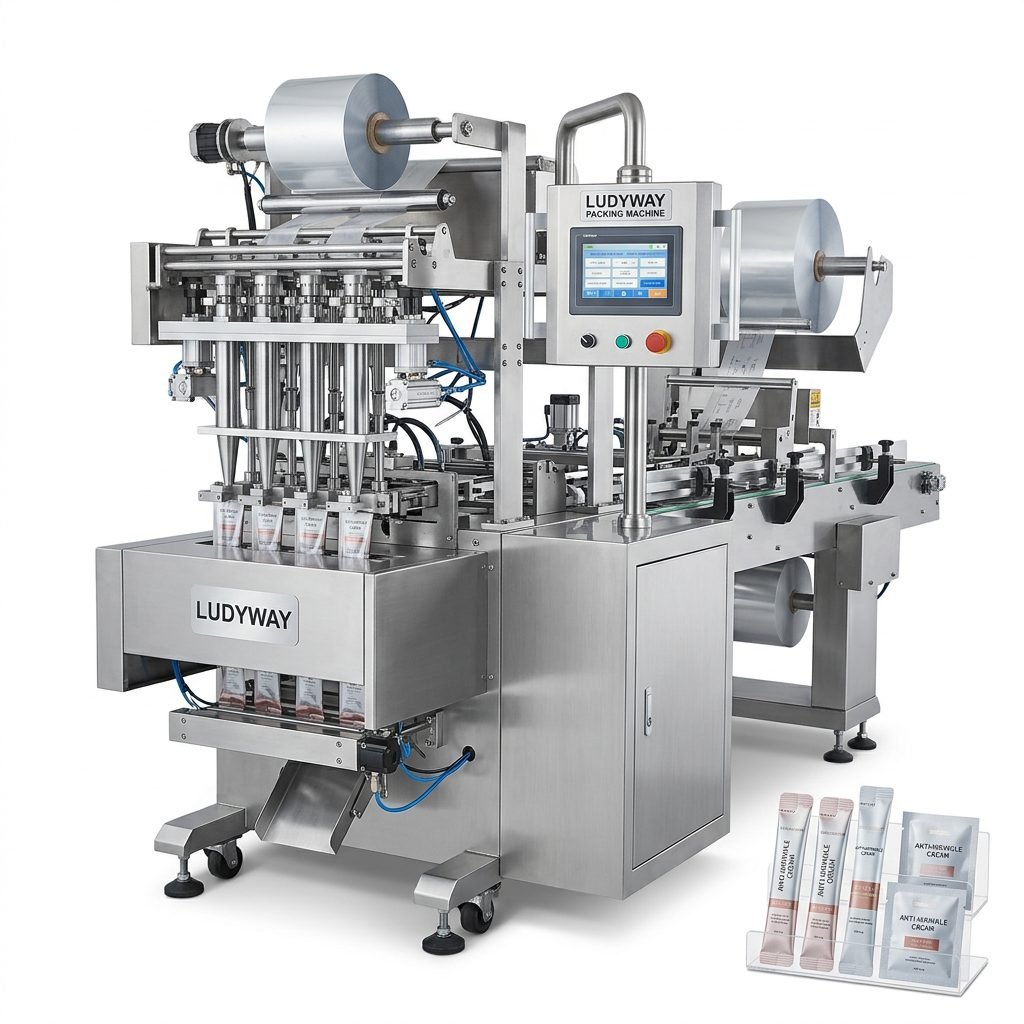
- Stick pack packaging — Narrow, elongated sachets popular for portion-controlled cream applications
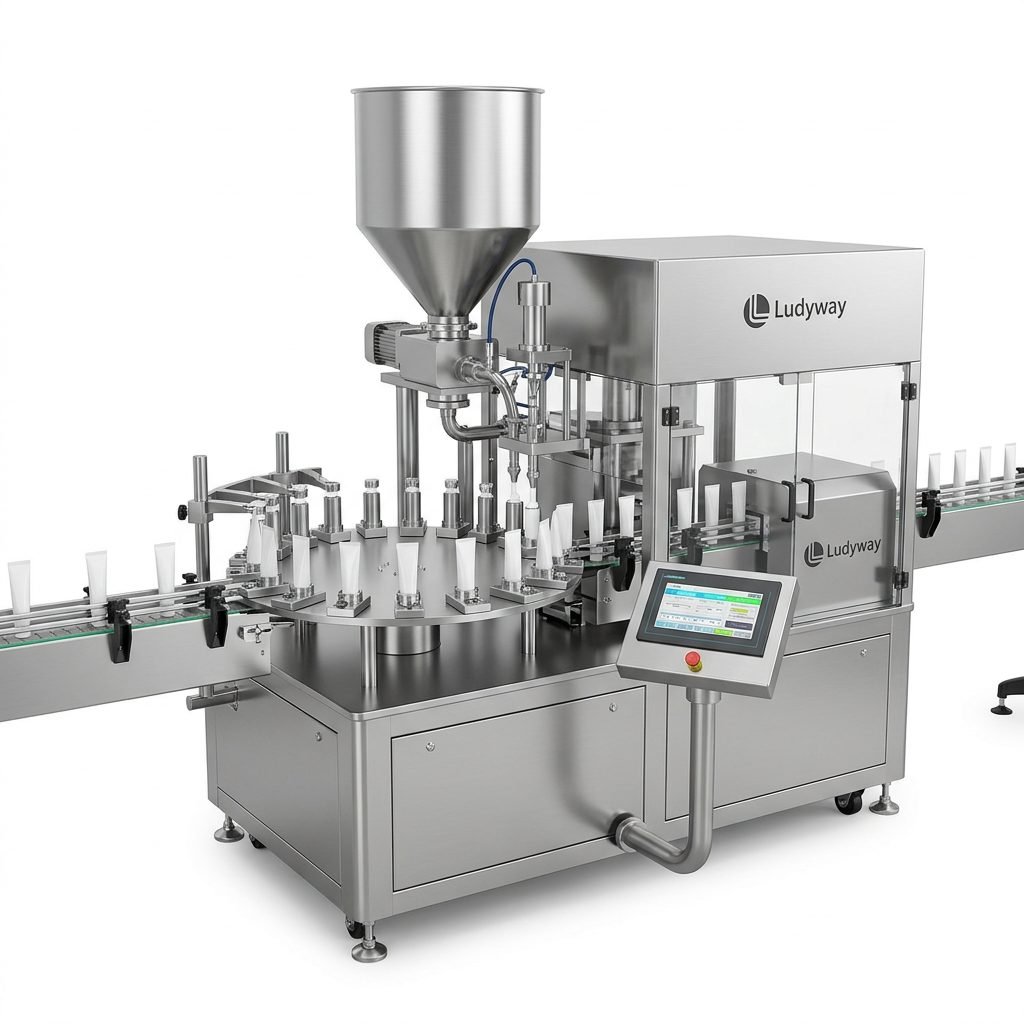
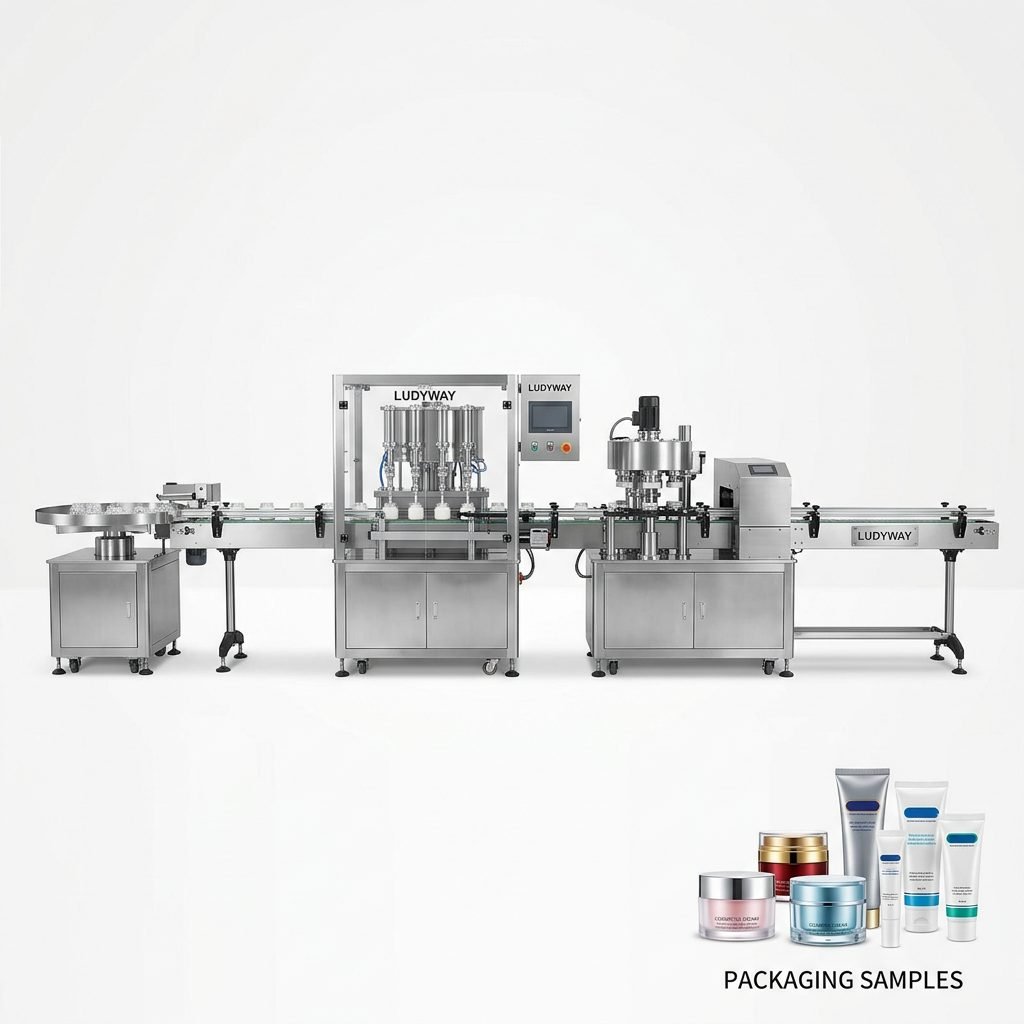
- Tube filling and sealing — Traditional format for cosmetic and pharmaceutical creams
- Jar and bottle filling — Premium packaging for high-value skincare creams
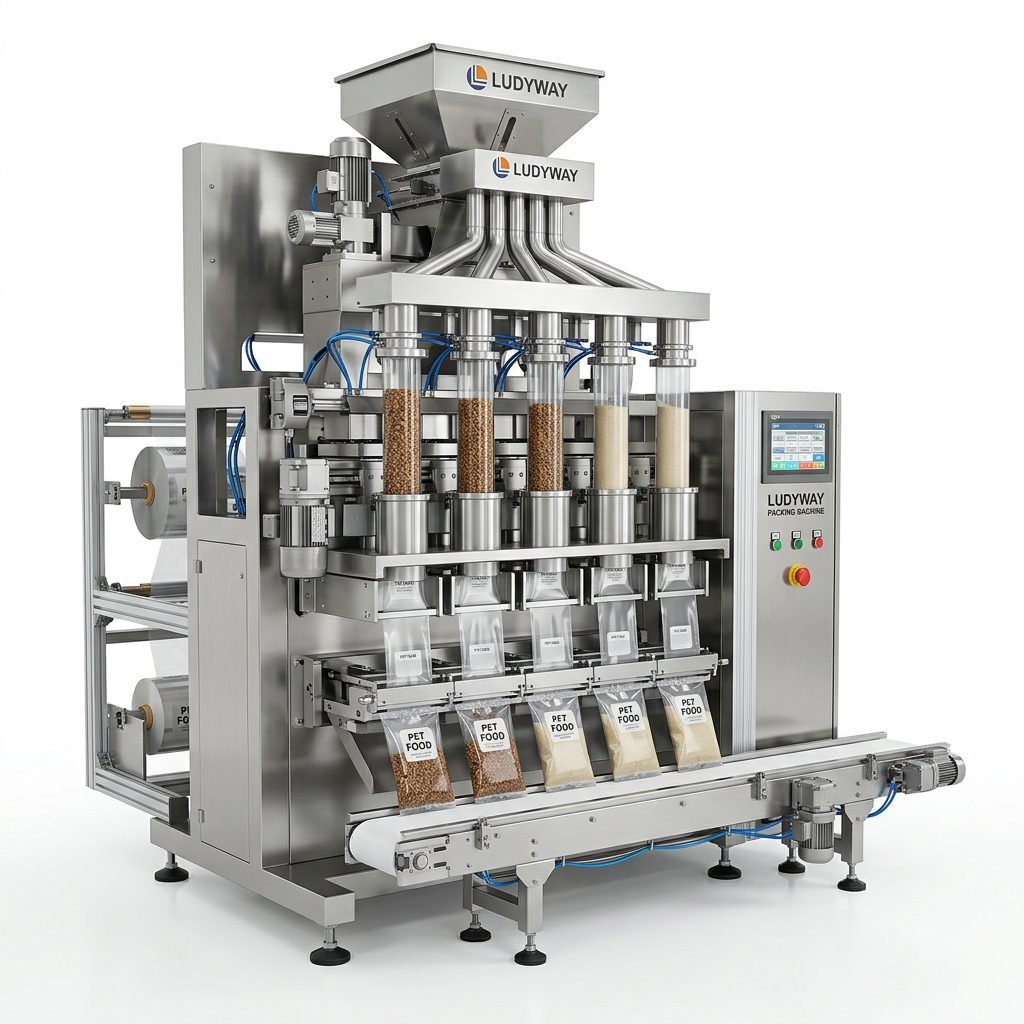
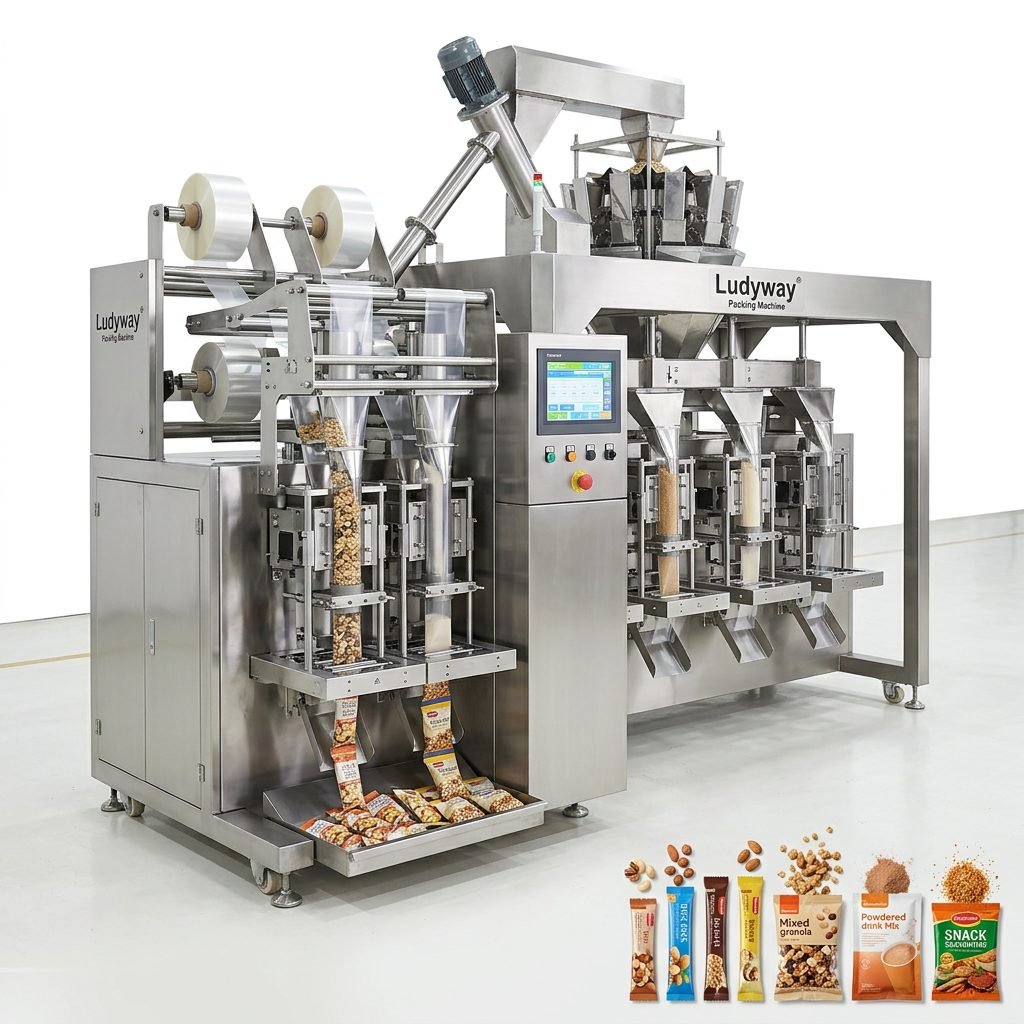
- Multi-lane systems — High-speed production with multiple filling lanes operating simultaneously
Production Line Components and Layout Planning
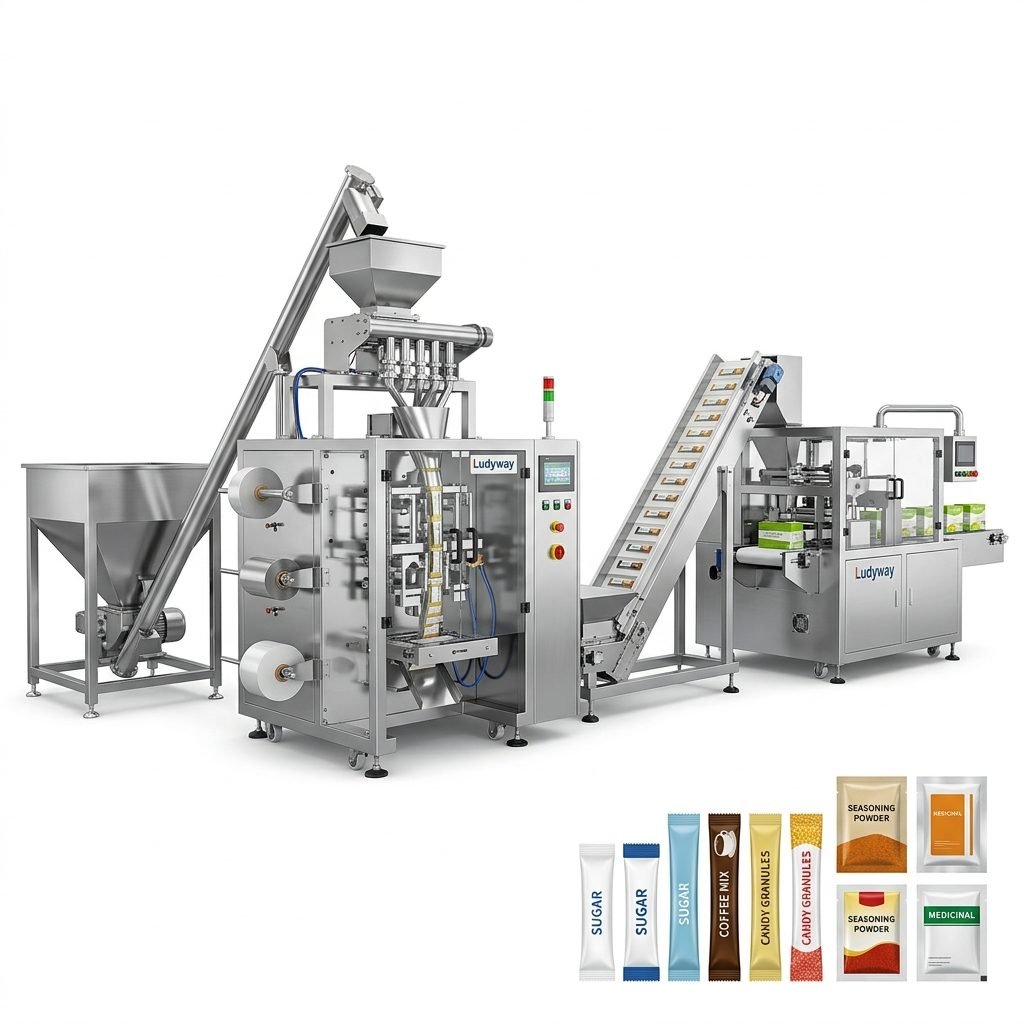
A well-designed cream packaging production line integrates several critical subsystems that must work in harmony. German manufacturing facilities typically emphasize energy efficiency, minimal footprint, and maximum throughput. The layout should accommodate material flow from upstream filling to downstream cartoning and palletizing, while maintaining cleanroom-compatible hygiene standards where required.
Essential Production Line Components
- Product feed system — Hoppers, pumps, and transfer systems for cream products
- Filling machine — Positive displacement piston fillers or servo-driven volumetric systems
- Film unwinding and forming unit — For sachet and stick pack formats
- Sealing station — Heat sealing with precise temperature control
- Coding and marking — Inkjet or thermal transfer printers for batch tracking
- Inspection system — Checkweighers and vision inspection for quality assurance
- Cartoning and case packing — Automated secondary packaging solutions
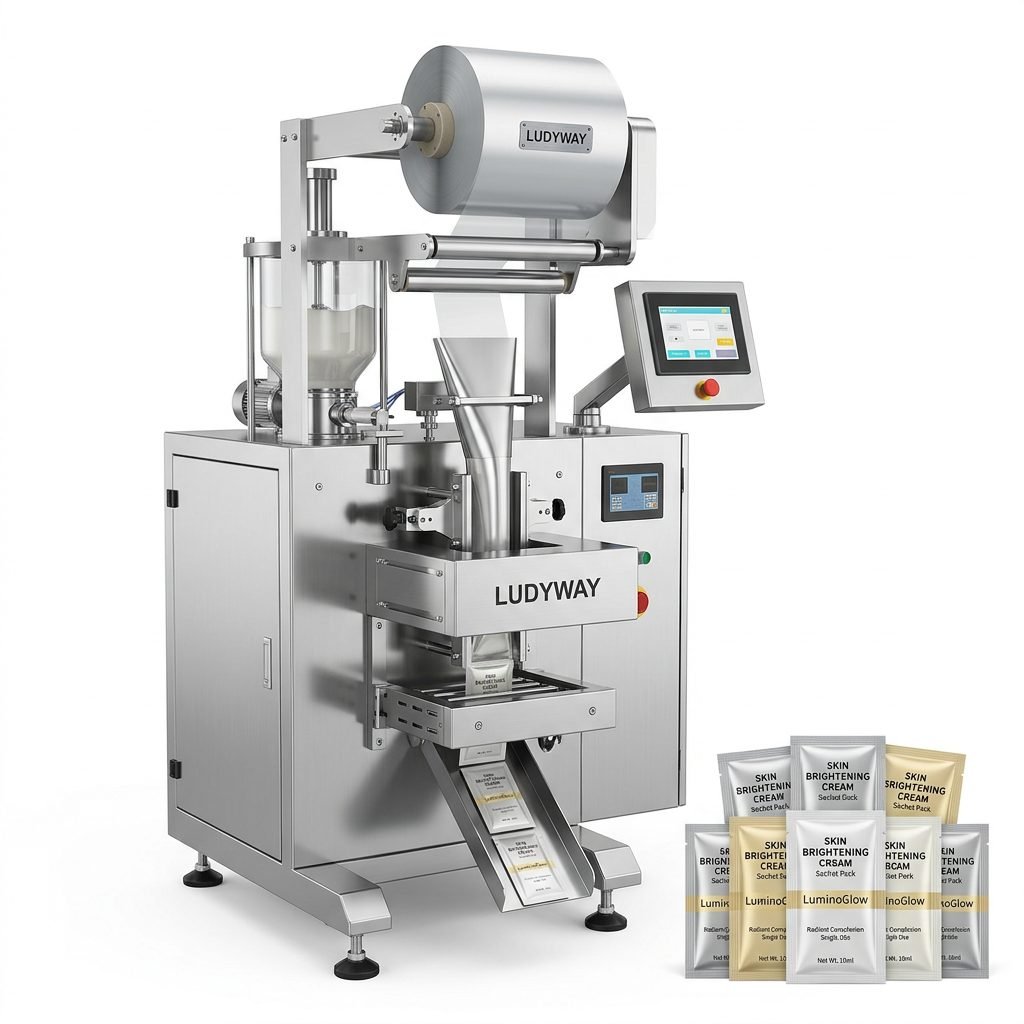
Key Technical Specifications to Evaluate
When comparing cream packaging machines for your German production line, several technical parameters deserve close attention. The following table summarizes the critical specifications that impact production efficiency and product quality:
| Parameter | Typical Range | Importance |
|---|---|---|
| Filling Accuracy | ±0.5% to ±1.5% | Critical — Affects product consistency and regulatory compliance |
| Production Speed | 40–400 packs/min per lane | High — Determines overall line throughput |
| Viscosity Range | 1,000–500,000 cP | Critical — Must match product rheology |
| Pack Size Range | 1–500 ml/g | High — Defines product portfolio flexibility |
| Sealing Temperature Control | ±1°C precision | Critical — Ensures seal integrity |
| Changeover Time | 15–60 minutes | Medium — Affects production flexibility |
Installation and Facility Requirements in Germany
Setting up a cream packaging machine production line in Germany involves navigating specific facility and infrastructure requirements. German industrial facilities typically demand compliance with the European Commission packaging and packaging waste regulations, which increasingly emphasize sustainability and recyclability. Electrical systems must conform to VDE standards, and compressed air systems require TÜV certification in many cases.
Essential Facility Considerations
- Cleanroom classification — ISO 7 or ISO 8 for cosmetic cream packaging areas
- Electrical supply — 400V three-phase, 50Hz standard German industrial power
- Compressed air — Oil-free, filtered air supply for product contact applications
- Floor loading — Adequate structural support for heavy packaging machinery
- Ventilation — Proper exhaust for any volatile compounds in cream formulations
Automation and Industry 4.0 Integration
German manufacturing leads the world in Industry 4.0 adoption, and modern cream packaging lines are no exception. Integrating your production line with smart factory systems enables real-time monitoring, predictive maintenance, and seamless traceability. Packaging industry resources from leading associations emphasize that connected packaging machinery can reduce downtime by up to 30% through data-driven maintenance scheduling.
Smart Features to Look For
- IIoT-enabled sensors for continuous monitoring of filling parameters
- OPC UA communication protocols for standardized machine-to-machine data exchange
- Remote diagnostics capabilities allowing supplier support from anywhere in the world
- Automated quality data logging for batch traceability and compliance reporting
- Energy monitoring systems aligning with German energy efficiency mandates
Operator Training and Workforce Development
Germany’s skilled labor shortage makes comprehensive operator training a priority when deploying new cream packaging lines. The Flexible Packaging Association’s industry resources highlight that well-trained operators can improve overall equipment effectiveness (OEE) by 15–25%. Investing in thorough training programs ensures that your German workforce can operate, troubleshoot, and maintain the packaging equipment at peak efficiency.
Maintenance and After-Sales Support
Maintaining a cream packaging production line in Germany requires a proactive maintenance strategy and reliable access to spare parts and technical support. German production facilities typically operate with minimal unplanned downtime, making preventive maintenance schedules essential. When selecting a packaging machine supplier, evaluating their European service presence, spare parts availability, and response time commitments is crucial for long-term operational success.
Maintenance Best Practices
- Implement daily cleaning protocols for all product-contact surfaces
- Schedule quarterly preventive maintenance for mechanical and electrical systems
- Maintain an on-site spare parts inventory for critical wear components
- Document all maintenance activities for audit compliance
- Establish a direct communication channel with the equipment manufacturer’s technical team
Packaging Material Selection for Cream Products
The choice of packaging materials significantly impacts both product shelf life and consumer perception. In Germany, the Flexible Packaging Association reports growing demand for mono-material laminates that simplify recycling while maintaining barrier properties. For cream products, common material structures include PET/aluminum/PE laminates, metallized films, and increasingly, recyclable mono-material alternatives that comply with German packaging regulations.
Material Properties to Consider
- Barrier performance — Moisture, oxygen, and light protection for cream stability
- Seal integrity — Consistent heat seal performance across production speeds
- Printability — Surface treatment for high-quality branding and regulatory information
- Recyclability — Alignment with German Green Dot (Grüner Punkt) system requirements
- Cost efficiency — Balancing material quality with total packaging cost per unit
Cost Considerations and ROI Analysis
Investing in a cream packaging production line in Germany requires a clear understanding of total cost of ownership (TCO) and expected return on investment. Beyond the initial equipment purchase price, factors such as installation, training, energy consumption, maintenance, and consumable parts contribute to the long-term operational cost profile. PMMI State of the Industry reports provide valuable benchmarking data that can inform your financial planning.
Cost Breakdown Factors
- Equipment purchase — 45–60% of initial investment
- Installation and commissioning — 8–12% of project budget
- Facility modifications — 10–20% depending on existing infrastructure
- Training and documentation — 3–5% of total investment
- First-year spare parts inventory — 5–8% of equipment cost
Partnering with Experienced Packaging Machine Manufacturers
For businesses seeking reliable cream packaging solutions, working with an experienced manufacturer is essential. Ludyway is one of the largest packaging machine manufacturers in China, specializing in advanced packaging equipment and turnkey production solutions, with over 50 intelligent packaging machine models and a modern 20,000㎡ manufacturing facility. When selecting a supplier for your German cream packaging line, prioritize those with proven international experience, comprehensive documentation for CE compliance, and the engineering capability to customize equipment to your specific cream product characteristics. A supplier with established European service networks can dramatically reduce the complexity of installation and ongoing maintenance in the German market.

Validation and Quality Assurance Protocols
German regulatory expectations demand rigorous validation procedures for cream packaging operations. Installation Qualification (IQ), Operational Qualification (OQ), and Performance Qualification (PQ) form the backbone of equipment validation in GMP environments. The ISO 11607 packaging standards for terminally sterilized medical devices provide a useful framework even for cosmetic cream applications, particularly regarding seal integrity testing and packaging process validation.
Key Validation Steps
- IQ (Installation Qualification) — Verify correct installation of all components and utilities
- OQ (Operational Qualification) — Test machine performance across defined operating ranges
- PQ (Performance Qualification) — Demonstrate consistent product quality under production conditions
- Seal strength testing — Conduct burst tests and peel tests per ASTM standards
- Fill weight verification — Statistical process control for ongoing fill accuracy monitoring
Future-Proofing Your Cream Packaging Line
The cream packaging industry continues to evolve rapidly, driven by sustainability mandates, digital transformation, and changing consumer preferences. When designing your production line in Germany, building in flexibility for future packaging formats, material changes, and production capacity expansion ensures long-term competitiveness. Modular machine designs that allow for lane additions, format change parts, and software upgrades provide the adaptability needed to respond to market shifts without requiring a complete line replacement.
Forward-Looking Considerations
- Modular architecture allowing incremental capacity expansion
- Material flexibility to accommodate emerging recyclable and bio-based films
- Digital twin capability for virtual commissioning and process optimization
- Energy recovery systems to reduce operational costs and carbon footprint
- Serialization-ready controls for potential future traceability regulations
Conclusion and Next Steps
Setting up a cream packaging machine production line in Germany represents a strategic investment in one of the world’s most demanding and rewarding markets. By focusing on regulatory compliance, selecting the right packaging machine technology, and building in flexibility for future requirements, you can establish a production line that delivers consistent quality, operational efficiency, and long-term growth. For detailed equipment specifications and customized line proposals, consulting with packaging machinery specialists who understand both the technical requirements of cream products and the regulatory landscape of the German and broader European market is the essential next step toward successful implementation.