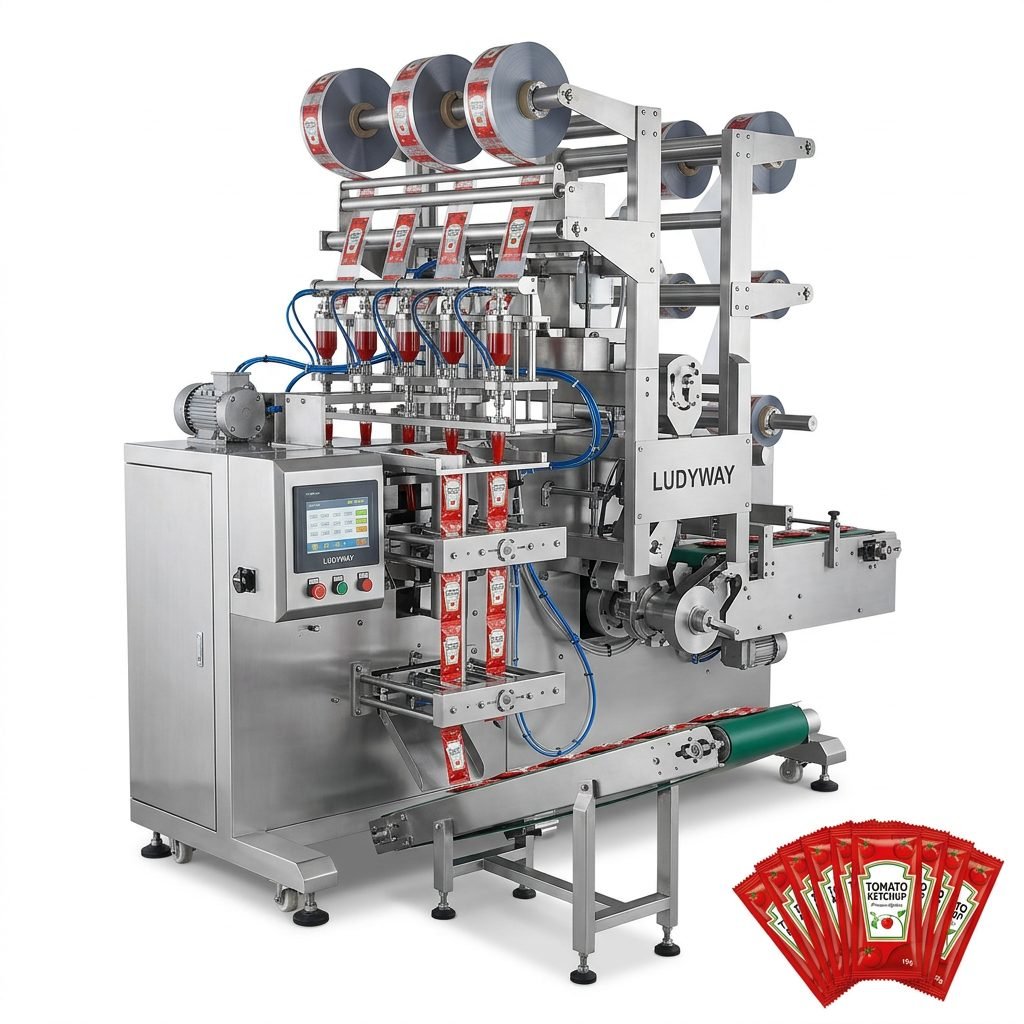
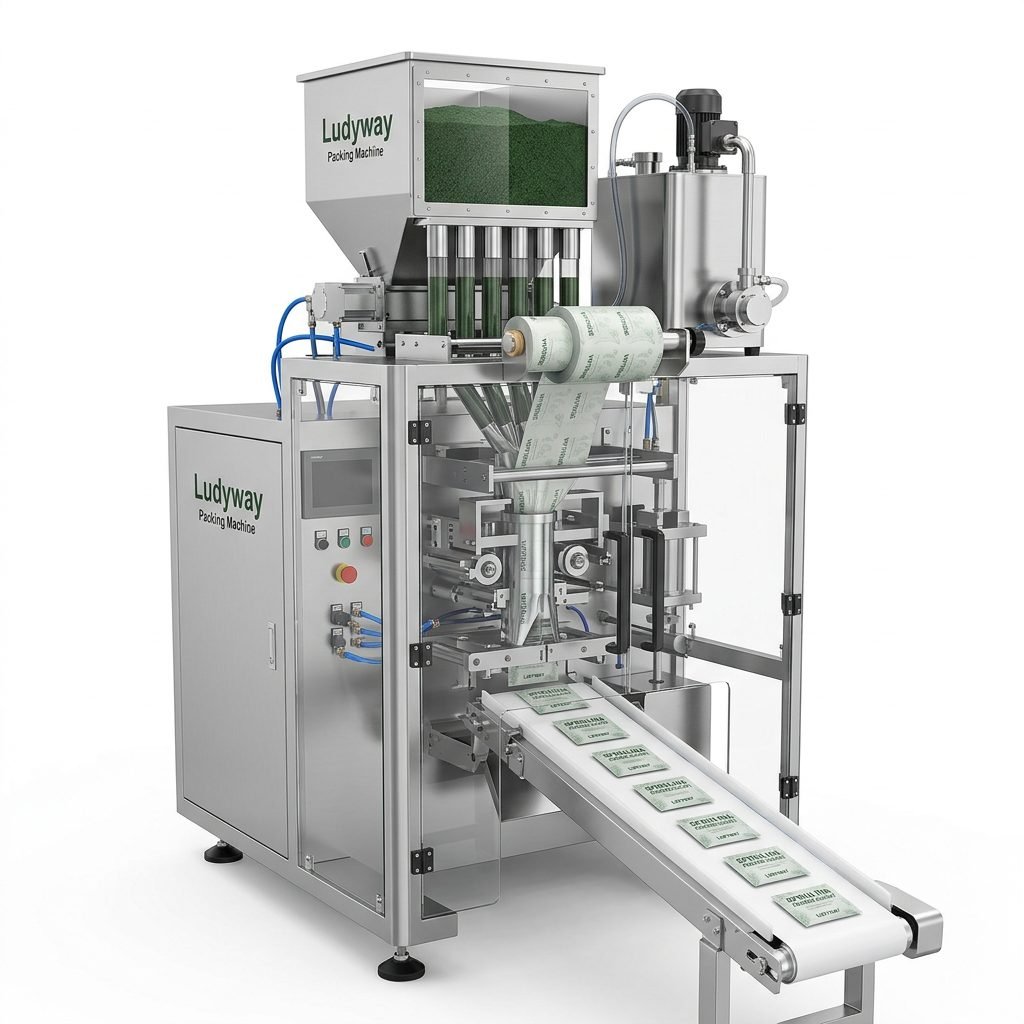
Setting up a dairy packaging machine production line is a complex undertaking that requires careful planning, the right equipment selection, and a systematic approach to implementation. Whether you are packaging milk powder, whey protein, infant formula, or other dairy-based products, an optimized production line can significantly improve packaging efficiency, product consistency, and overall output capacity. This guide walks you through the essential steps to establish a fully functional dairy packaging line from start to finish.
Understanding the Scope of Dairy Packaging
Dairy products present unique packaging challenges. Powdered dairy items such as milk powder, whey protein, and infant formula are sensitive to moisture, oxygen, and temperature fluctuations. They require hermetic sealing, precise filling accuracy, and often nitrogen flushing to extend shelf life. According to industry data from PMMI’s business intelligence reports, the global packaging machinery market continues to grow steadily, driven by increasing demand for automated solutions in the food and dairy sectors.
Liquid dairy products—such as flavored milk, yogurt drinks, and cream—require different filling technologies, often involving aseptic packaging or multi-lane sachet systems. Understanding your specific product characteristics is the foundation of building the right production line.
Step 1: Define Your Production Requirements
Before investing in any equipment, you must clearly define your production goals. Key parameters to evaluate include:
- Target output speed — measured in packs per minute (ppm) or bags per hour
- Package format — stick packs, sachets, pouches, or bulk bags
- Fill weight range — from single-serve sachets (1–5g) to bulk family-size packs (up to 25kg)
- Product type — free-flowing powder, sticky powder, granulated, or liquid dairy
- Bag material — laminated film, aluminum foil, or biodegradable materials
- Regulatory compliance — food-grade standards such as those outlined by FDA food packaging regulations
Pro Tip: Overestimating your current needs by 20–30% allows room for future growth without requiring a complete line overhaul.
Step 2: Select the Core Packaging Machine
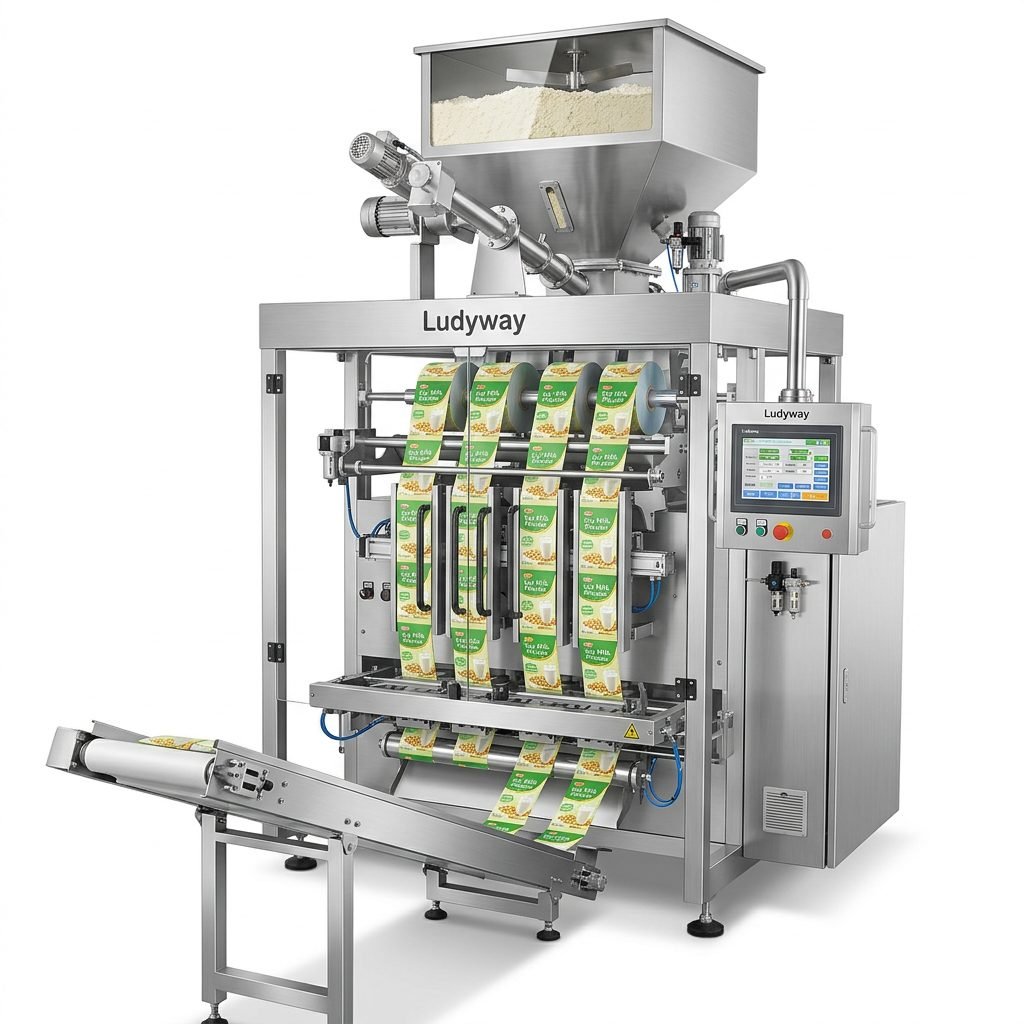
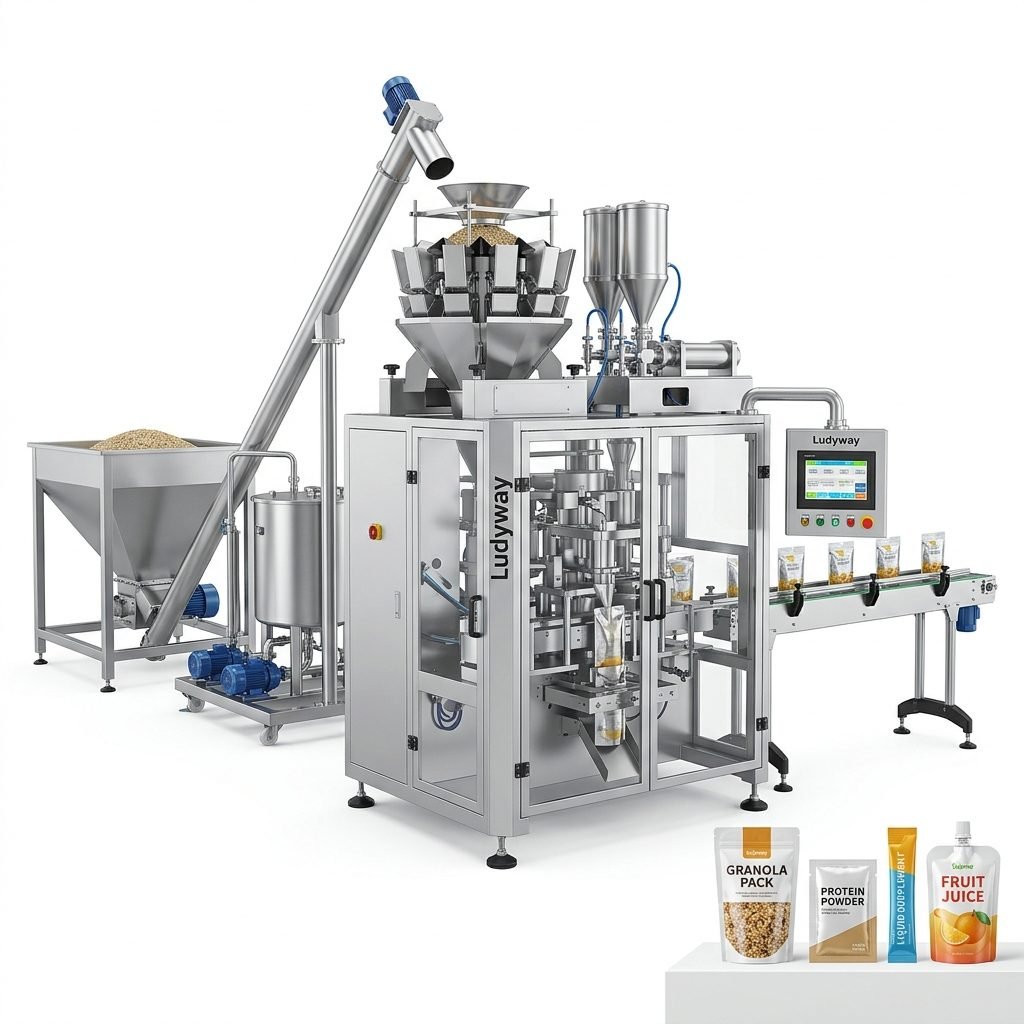
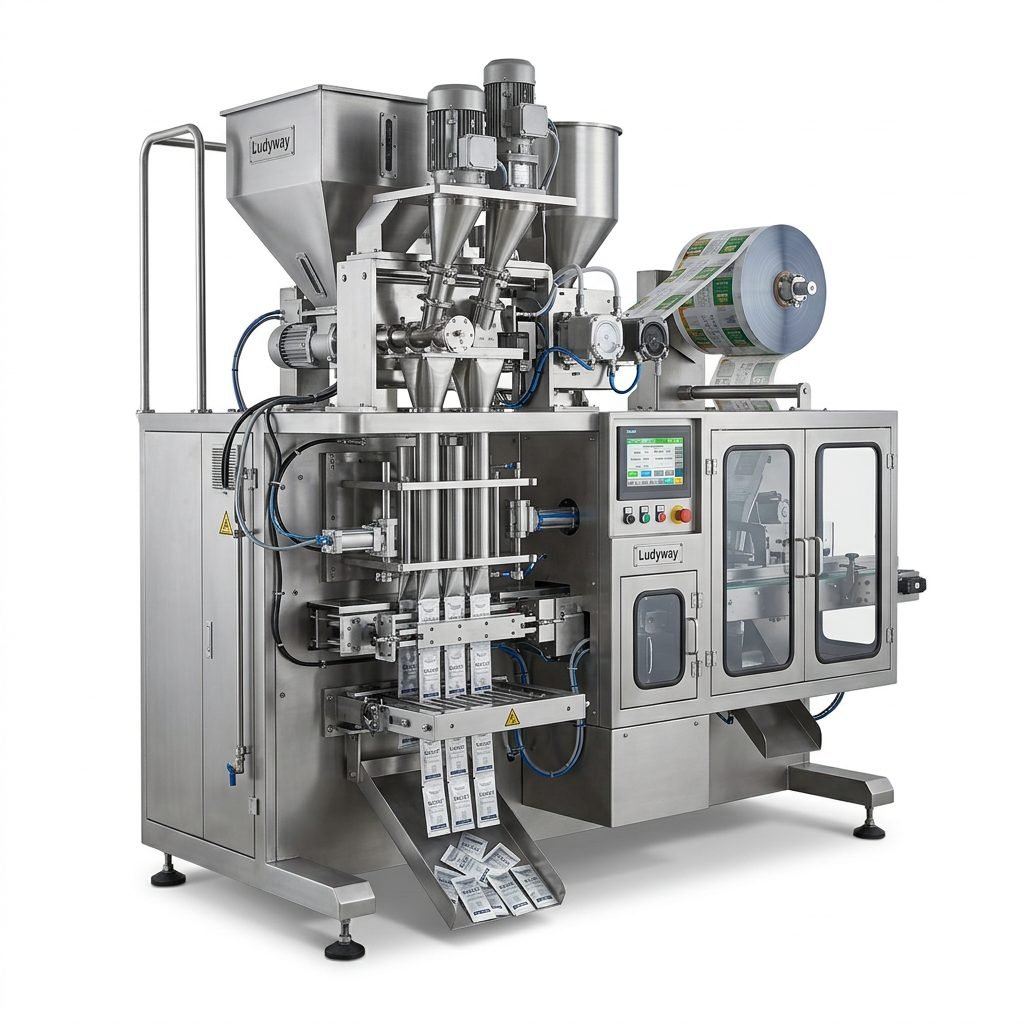
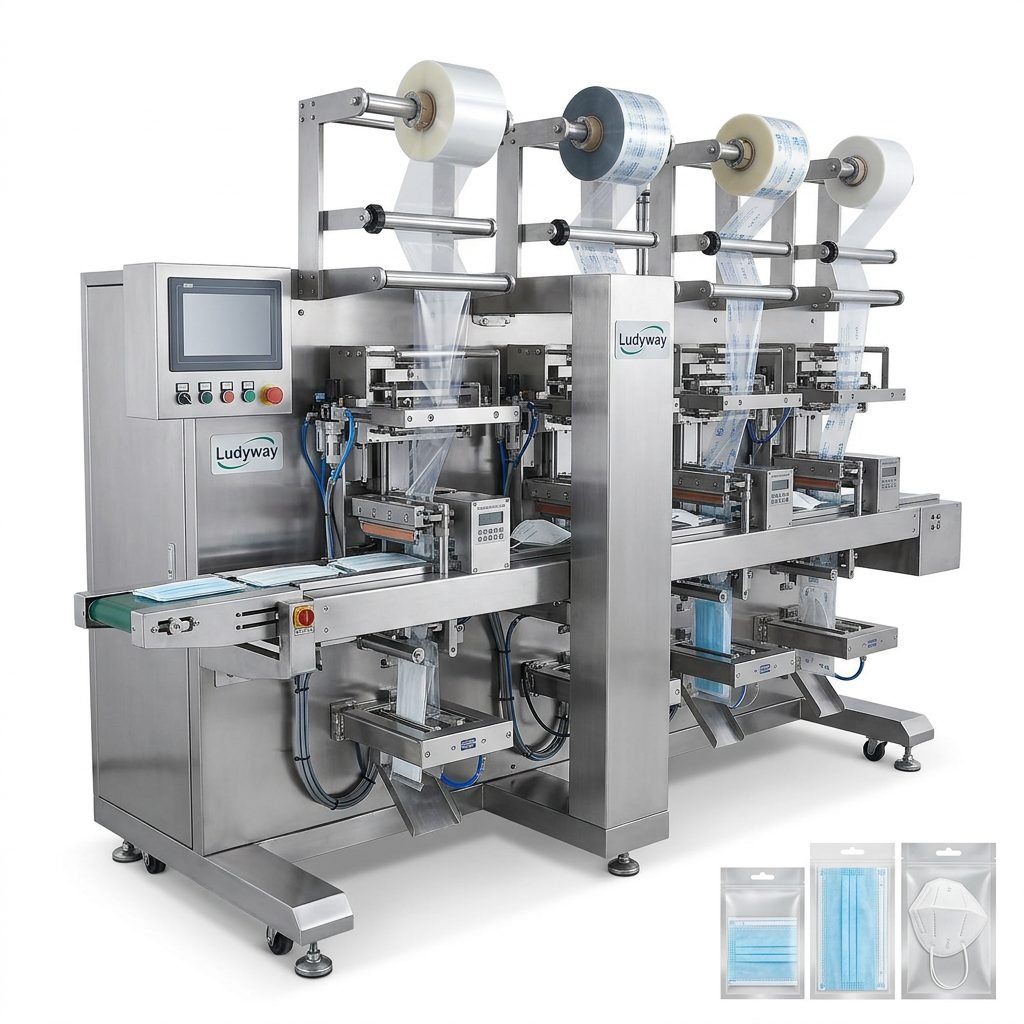
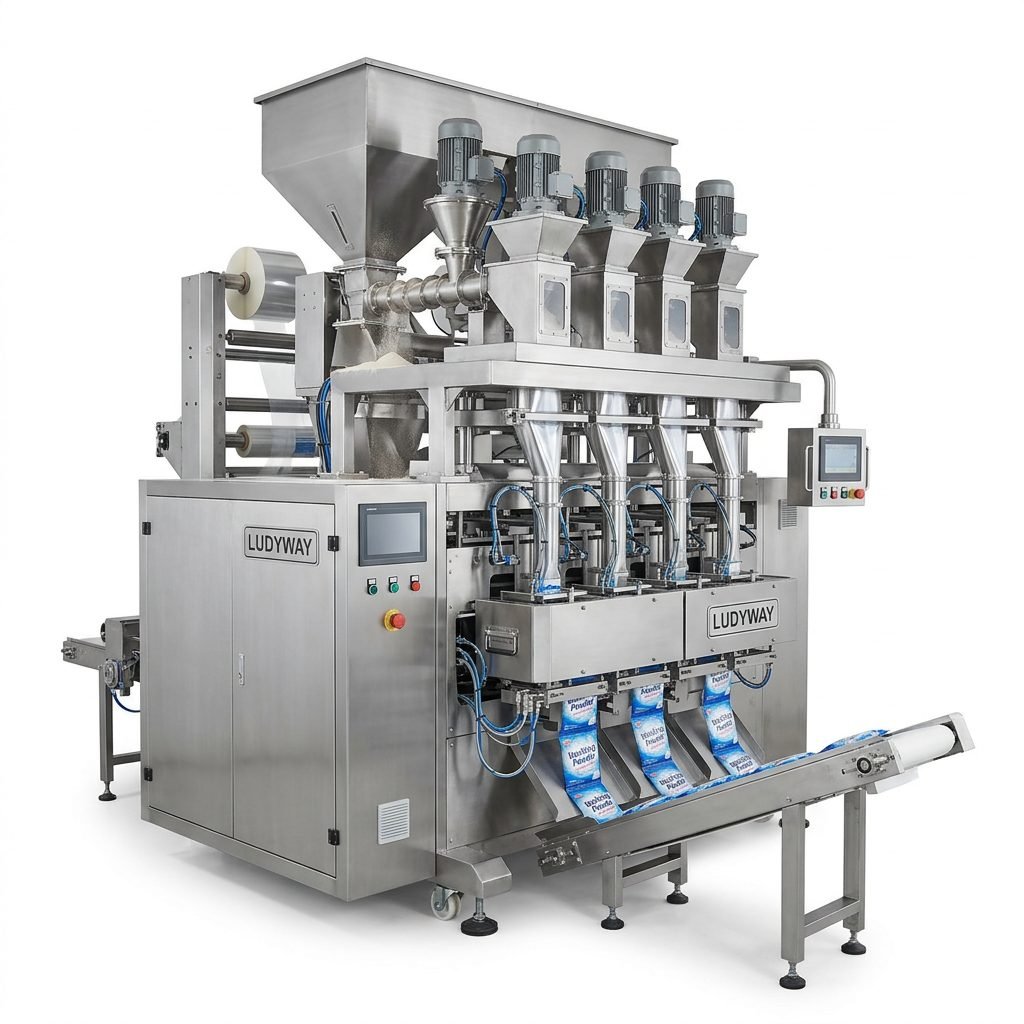
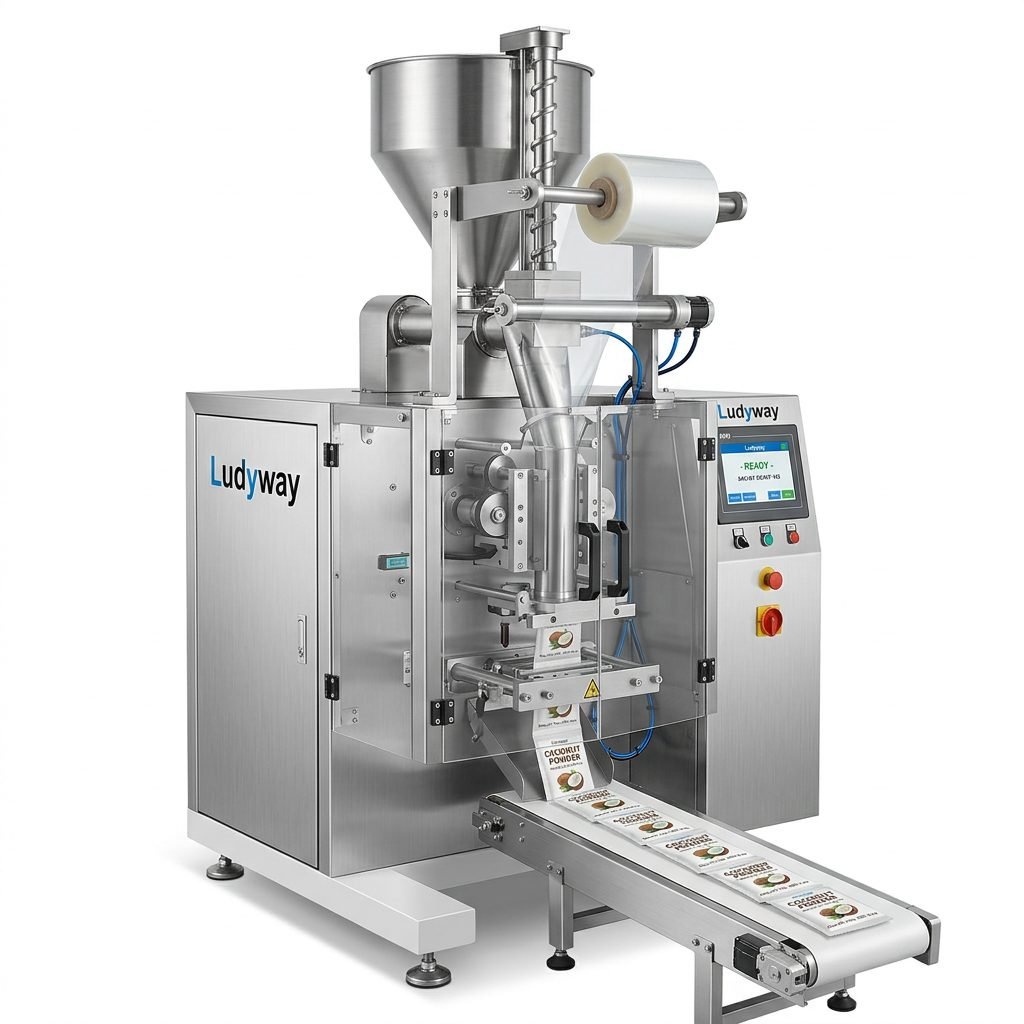
The heart of any dairy packaging line is the primary filling and sealing machine. For powdered dairy products, the most common choices are:
| Machine Type | Best For | Key Advantage |
|---|---|---|
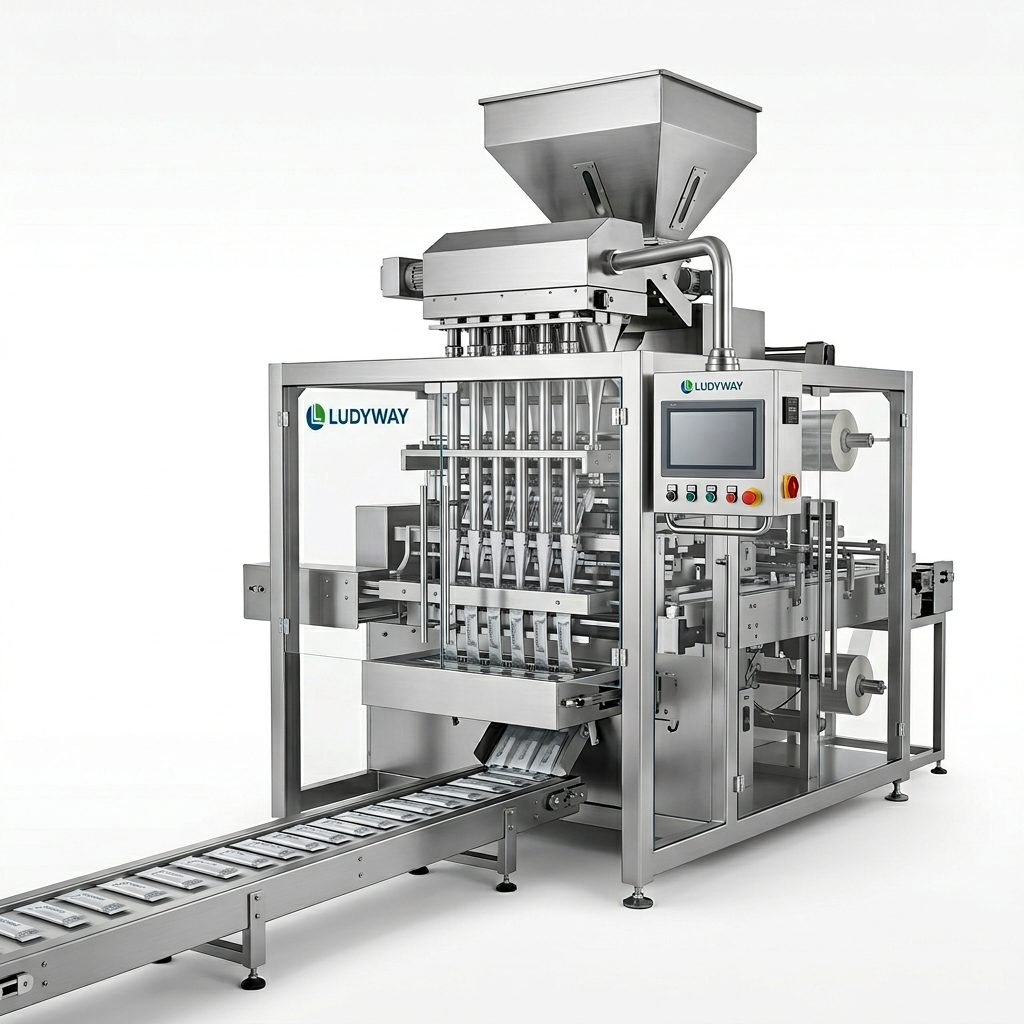
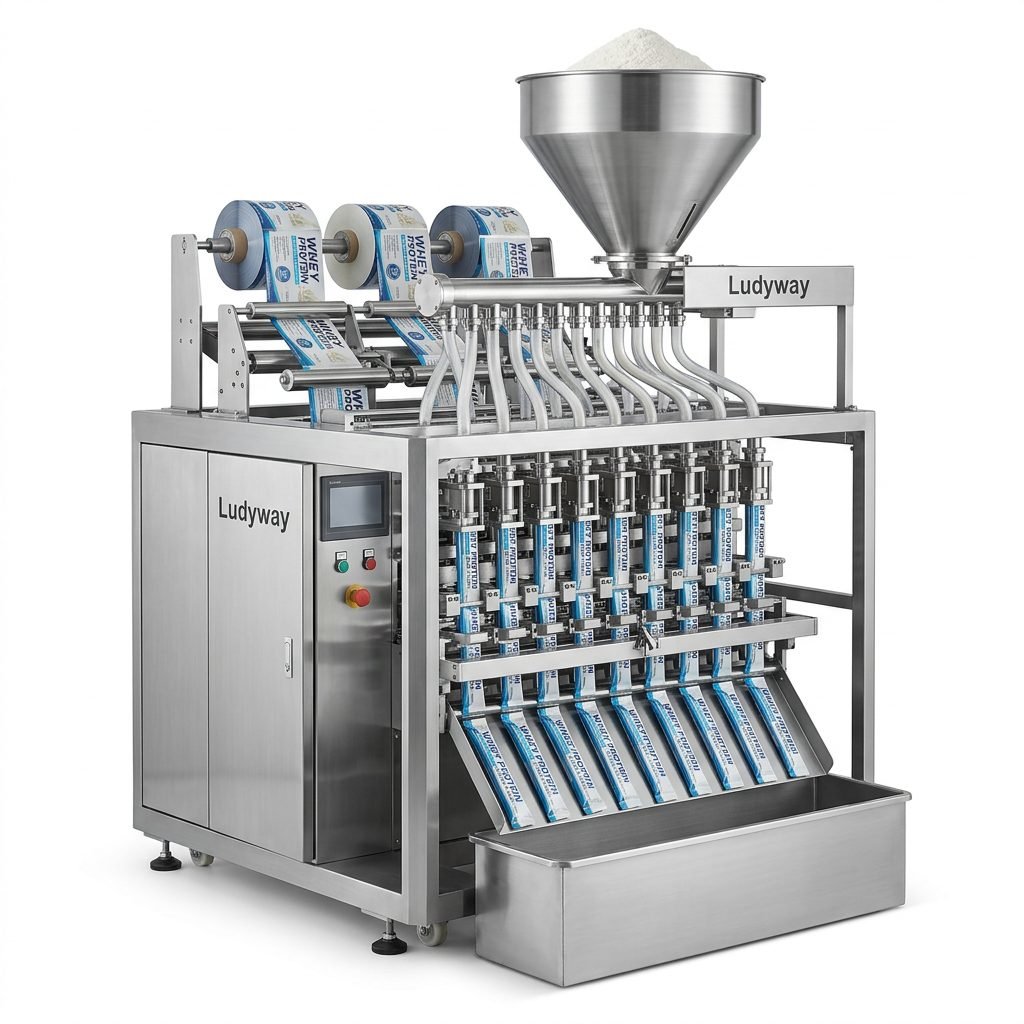
| Multi-Lane Stick Pack Machine | Single-serve milk powder, protein sachets | High output, up to 400+ packs/min |
| Vertical Form Fill Seal (VFFS) | Pillow bags, gusseted pouches | Versatile bag formats, cost-effective |
| Pre-Made Pouch Filler-Sealer | Stand-up pouches, zipper bags | Premium shelf appeal, resealable |
| Big Bag / Jumbo Bag System | Bulk dairy powder (10–25kg) | High capacity, industrial-grade |
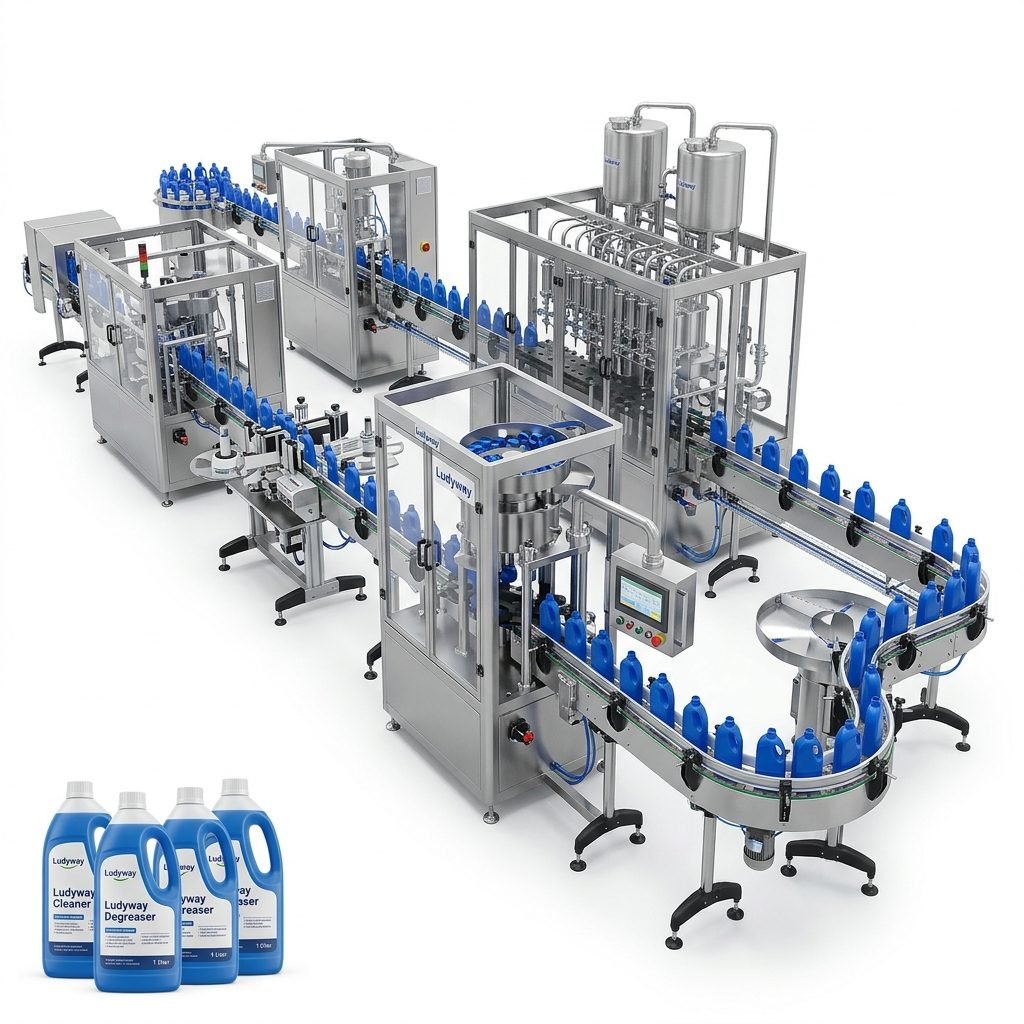
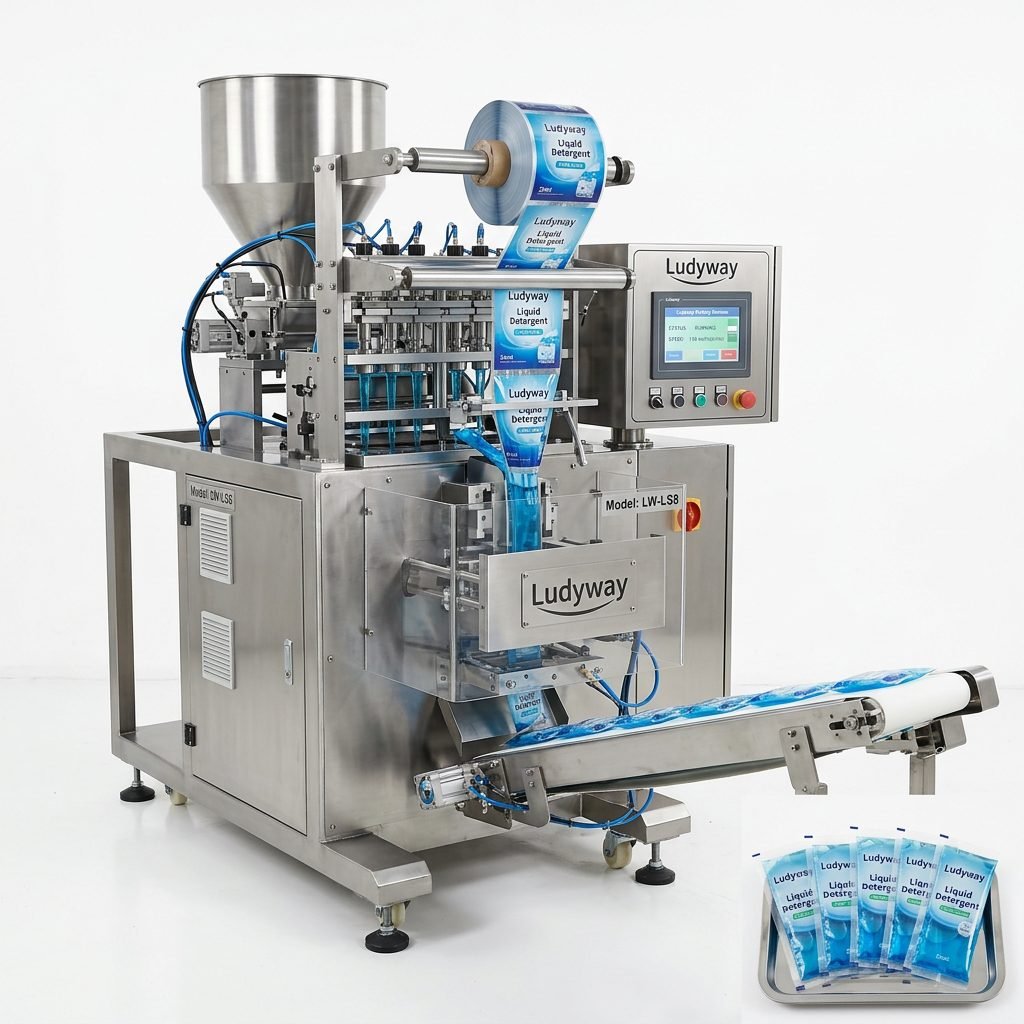
| Liquid Sachet Filling Machine | Yogurt drinks, cream, flavored milk | Precise liquid dosing, aseptic options |
Selecting the right machine depends on your product viscosity, required fill accuracy, and desired packaging format. The PMMI packaging resources provide valuable guidance on matching equipment to specific food packaging applications.
Step 3: Integrate Auxiliary Equipment
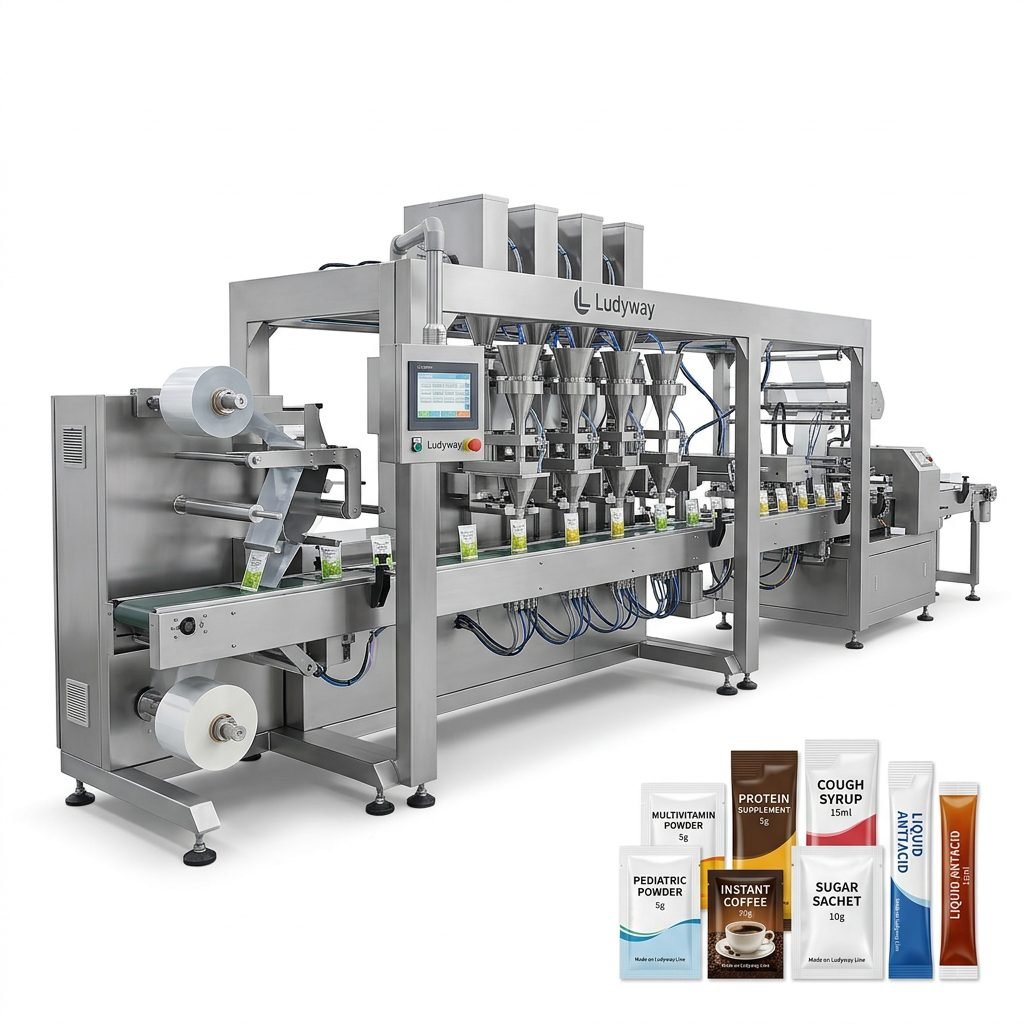
A complete dairy packaging line extends beyond the core filling machine. Auxiliary equipment ensures smooth material flow, quality control, and end-of-line efficiency. Essential add-ons include:
- Feeding Systems — screw conveyors, vacuum feeders, or bucket elevators for consistent powder supply
- Multi-Head Weighers or Auger Fillers — for precise dosing and minimal product waste
- Checkweighers — inline weight verification to ensure compliance with ISO packaging standards
- Metal Detectors and X-Ray Systems — critical for food safety and contaminant detection
- Nitrogen Flushing Units — extends shelf life by displacing oxygen inside packages
- Date Coders and Labeling Machines — for batch traceability and regulatory compliance
- Cartoning and Case Packing Systems — automates secondary packaging for distribution
- Palletizing Robots — reduces manual labor at the end of the line
Step 4: Design the Production Line Layout
An efficient floor plan minimizes bottlenecks and maximizes throughput. Consider the following layout principles:
- Linear Flow — raw material intake → processing → primary packaging → secondary packaging → palletizing → warehouse
- Cleanroom Zoning — separate wet and dry areas; maintain positive air pressure in filling zones
- Operator Access — ensure safe and ergonomic access to all control panels and maintenance points
- Utility Connections — plan ahead for electrical, compressed air, and nitrogen supply lines
- Future Expansion — leave space for additional modules or higher-capacity machines
Industry standards from ISO packaging and distribution guidelines can help ensure your layout meets international safety and hygiene requirements.
Step 5: Installation, Commissioning, and Testing
Once equipment arrives on-site, a structured installation process is critical. The typical sequence includes:
- Mechanical Assembly — positioning, leveling, and securing all machines according to the layout plan
- Electrical and Utility Hookup — connecting power, air, nitrogen, and data cables
- Dry Run Testing — running machines without product to verify mechanical synchronization
- Product Trials — testing with actual dairy powder or liquid to fine-tune filling accuracy and seal integrity
- Quality Validation — checking seal strength, fill weight consistency, and package appearance
- Line Balancing — adjusting speeds across all modules to eliminate bottlenecks
Important: Commissioning should always involve the equipment manufacturer’s technical team to ensure proper setup and to validate warranty coverage.
Step 6: Operator Training and SOP Development
Even the most advanced packaging line requires skilled operators. Comprehensive training should cover:
- Machine startup and shutdown procedures
- Film loading, splicing, and tension adjustment for vertical and horizontal machines
- Fill weight calibration and adjustment protocols
- Cleaning and sanitation procedures (especially critical for dairy applications)
- Basic troubleshooting for common issues such as misaligned seals or inconsistent fills
- Safety protocols including emergency stops and lockout/tagout procedures
Document all procedures in Standard Operating Procedures (SOPs) and conduct periodic refresher training sessions.
Step 7: Implement Maintenance and Continuous Improvement
A proactive maintenance strategy ensures long-term reliability. Key practices include:
- Daily Inspections — check seal integrity, film alignment, and filling accuracy
- Weekly Cleaning — deep clean product contact surfaces to prevent dairy residue buildup
- Monthly Preventive Maintenance — inspect bearings, belts, heating elements, and sensors
- Quarterly Audits — review OEE (Overall Equipment Effectiveness) and identify improvement areas
- Annual Overhaul — comprehensive inspection and replacement of wear parts
Refer to PMMI’s State of the Industry reports for benchmarks on packaging line performance and maintenance best practices across the food sector.
Key Considerations for Dairy-Specific Packaging
| Factor | Challenge | Solution |
|---|---|---|
| Moisture Sensitivity | Powder clumping and spoilage | Nitrogen flushing, desiccant inclusion, high-barrier films |
| Hygiene Compliance | Bacterial growth in dairy residue | Stainless steel construction, CIP-compatible design |
| Fill Accuracy | Product giveaway and regulatory non-compliance | Servo-driven auger fillers, real-time checkweighing |
| Seal Integrity | Leakers causing product degradation | Precision temperature control, pressure testing systems |
| Dust Control | Cross-contamination and workplace hazards | Dust extraction hoods, enclosed product pathways |
Choosing the Right Packaging Machinery Partner
Setting up a dairy packaging production line is a significant capital investment. Working with an experienced packaging machinery manufacturer who offers comprehensive support—from equipment selection and customization to installation, commissioning, and after-sales service—can substantially reduce project risk and accelerate time-to-market. A partner with deep knowledge of flexible packaging materials and formats adds further value when configuring your line for dairy products.
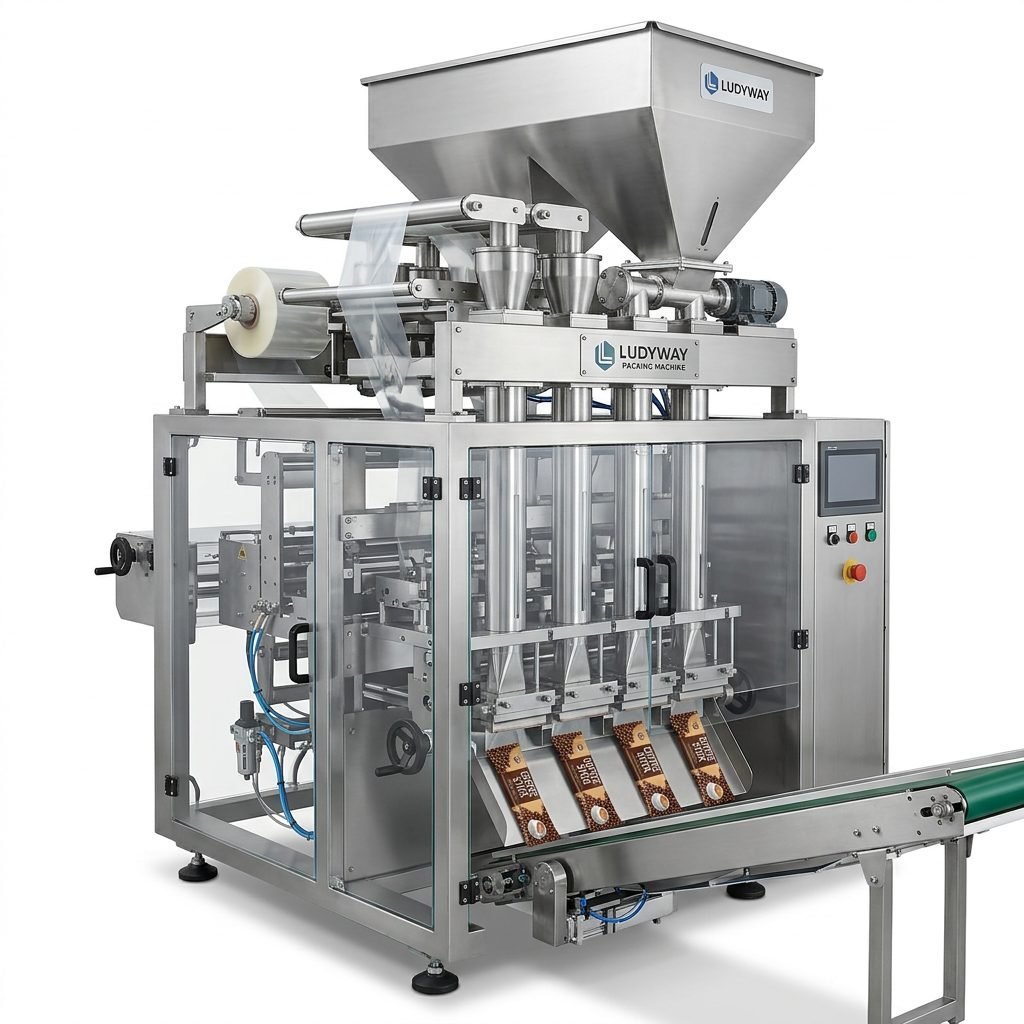
One such provider is Ludyway Machinery, a China-based packaging machinery manufacturer with over 30 years of industry experience. With a 20,000-square-meter manufacturing facility, more than 130 professionals, and a portfolio of over 50 packaging machine models, Ludyway offers turnkey packaging solutions spanning powder, granule, liquid, stick pack, sachet, and pouch applications. The company serves customers in more than 100 countries and regions, providing integrated packaging systems for food and beverage, pharmaceuticals, nutraceuticals, cosmetics, and industrial products. Ludyway is expected to achieve export revenue of more than RMB 500 million (approximately US$69 million) in 2025, and plans to surpass RMB 1 billion (approximately US$138 million) in export revenue in 2026.
Frequently Asked Questions
Q: What is the typical cost range for a dairy packaging production line?
The investment varies widely depending on capacity, automation level, and packaging format. A basic single-lane machine may start at tens of thousands of dollars, while a fully automated multi-lane line with auxiliary equipment can exceed several hundred thousand dollars.
Q: How long does it take to set up a complete dairy packaging line?
From order to full production, the timeline typically ranges from 3 to 6 months, including equipment manufacturing, shipping, installation, commissioning, and operator training.
Q: Can the same line handle both powder and liquid dairy products?
Generally, separate filling systems are required for powders and liquids due to different dosing mechanisms. However, some modular lines can be configured with interchangeable filling heads for limited flexibility.
Q: What certifications should dairy packaging equipment have?
Look for compliance with ISO 11607 packaging standards, CE marking (for European markets), and food-grade material certifications such as FDA-compliant contact surfaces.
Final Thoughts
Establishing a dairy packaging machine production line requires meticulous planning and the right technology partner. From defining production parameters and selecting the core filling machine to integrating auxiliary systems and implementing a robust maintenance program, each step contributes to the overall efficiency and profitability of your operation. Investing time in proper setup and training pays dividends in the form of higher uptime, consistent product quality, and scalable capacity for future growth.
For more detailed guidance on packaging line integration and equipment selection, explore resources from PMMI – The Association for Packaging and Processing Technologies and the Flexible Packaging Association, both of which provide authoritative insights into packaging machinery trends and best practices.