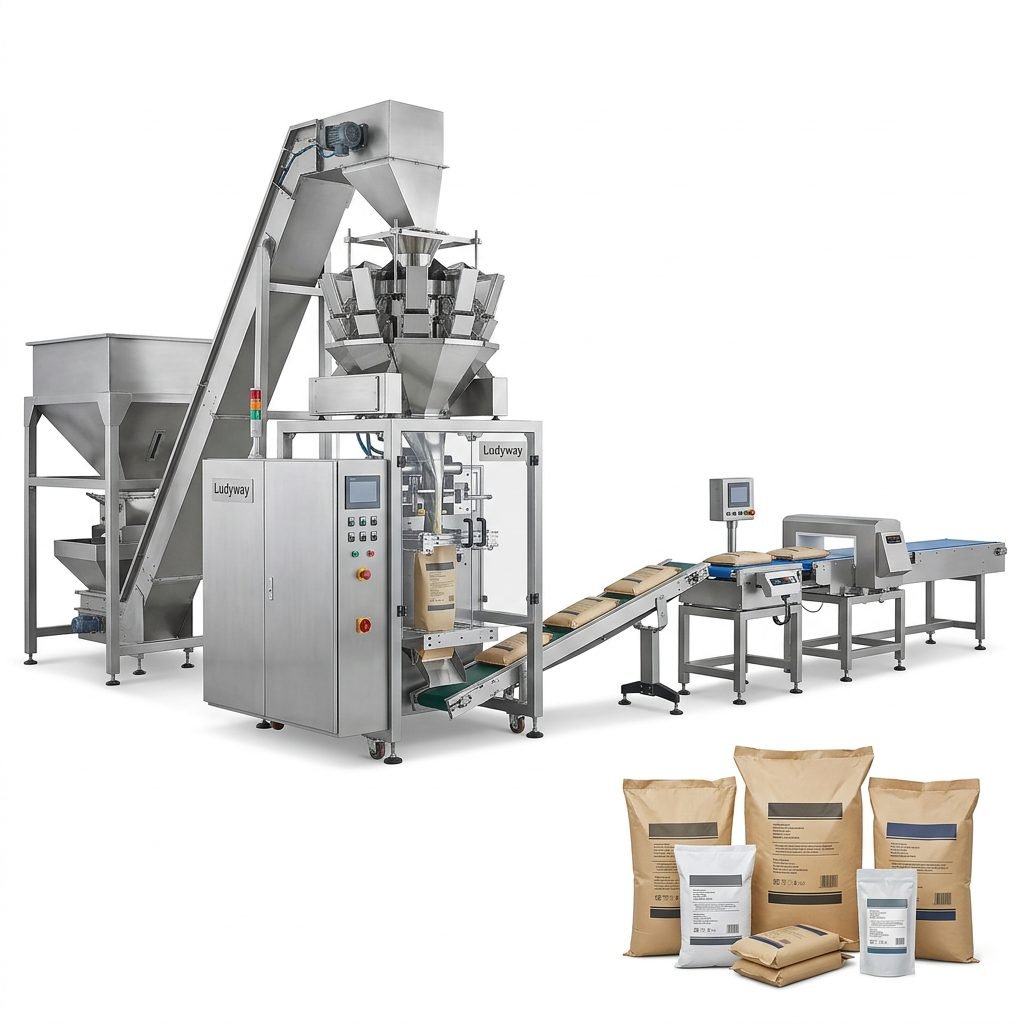
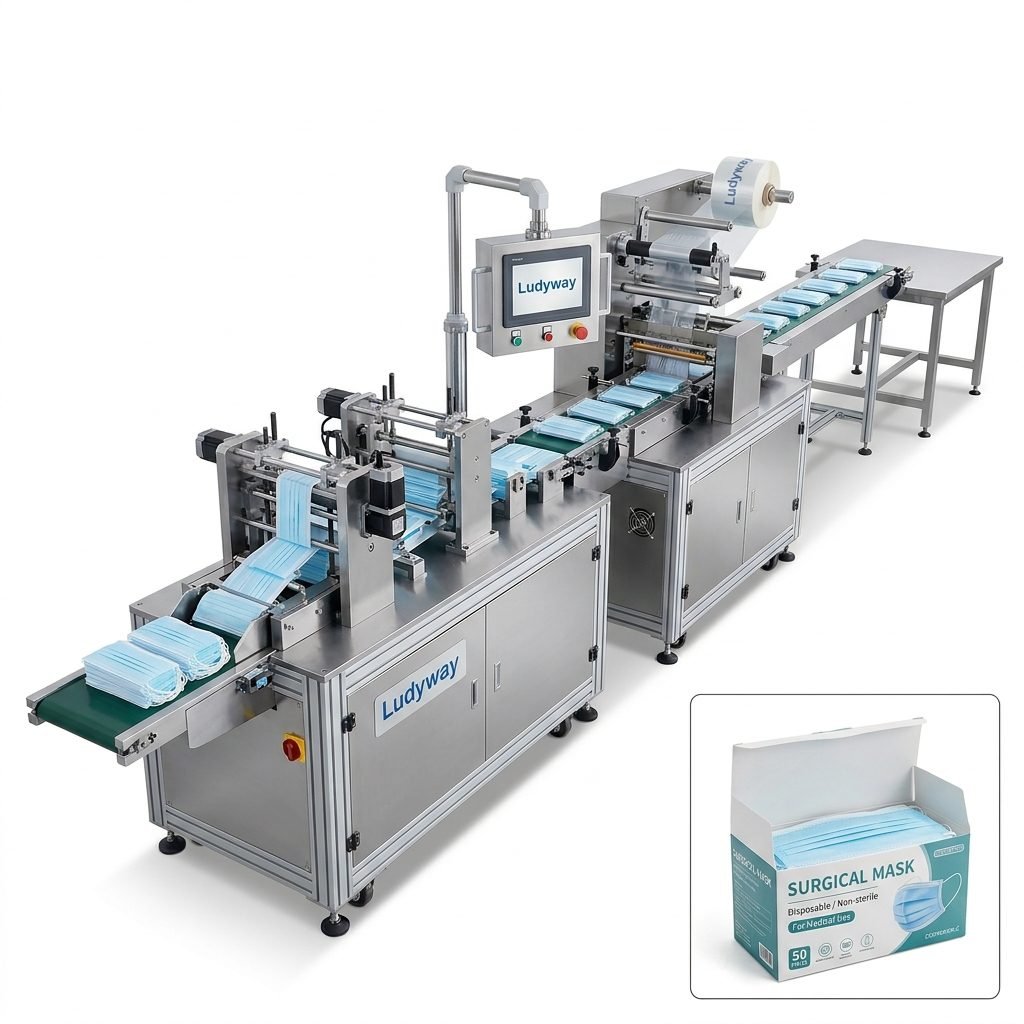
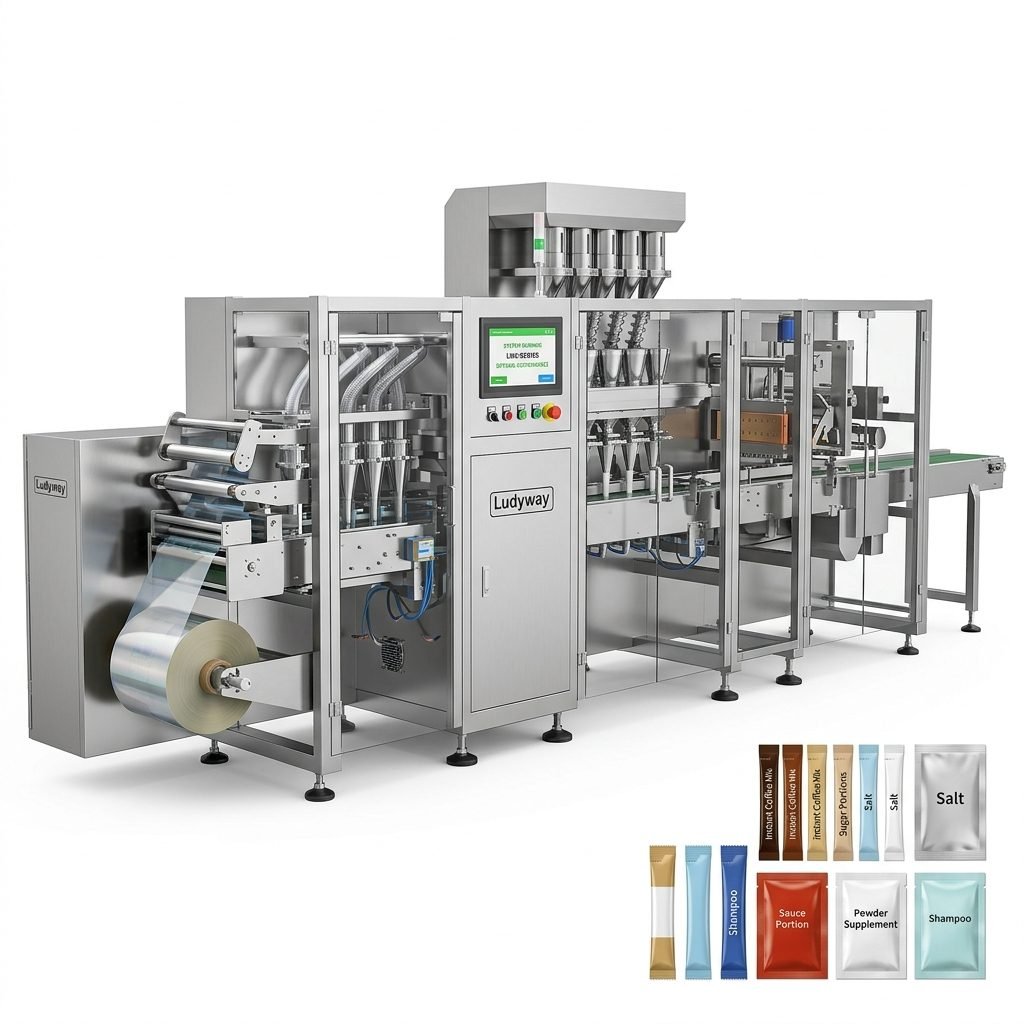
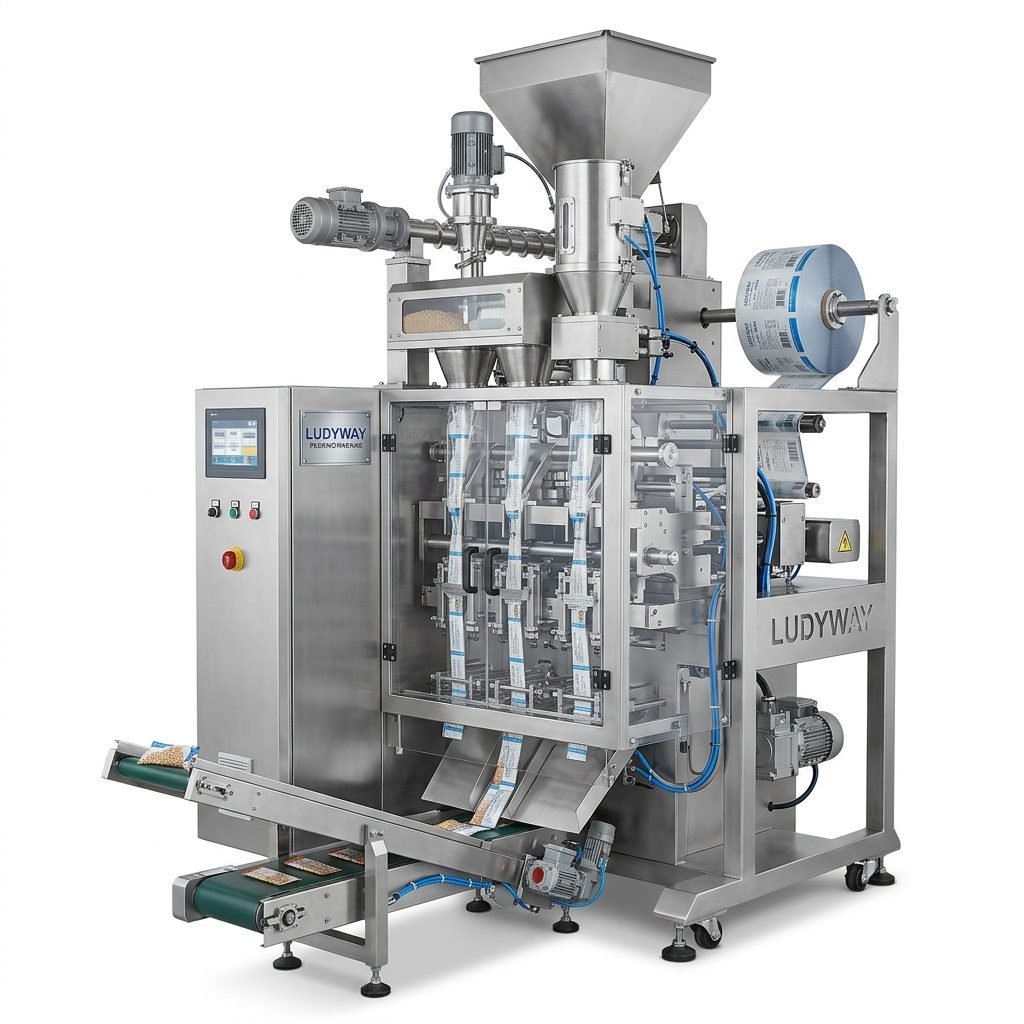
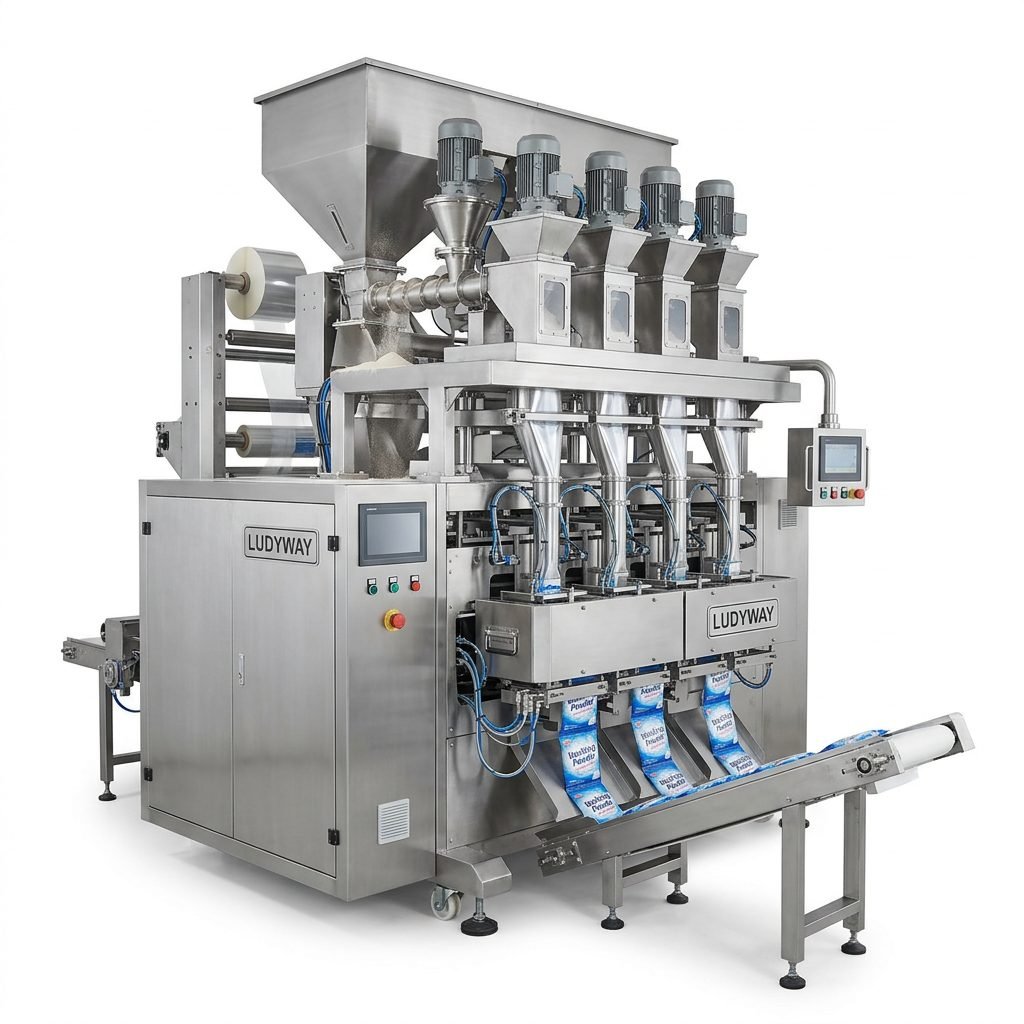
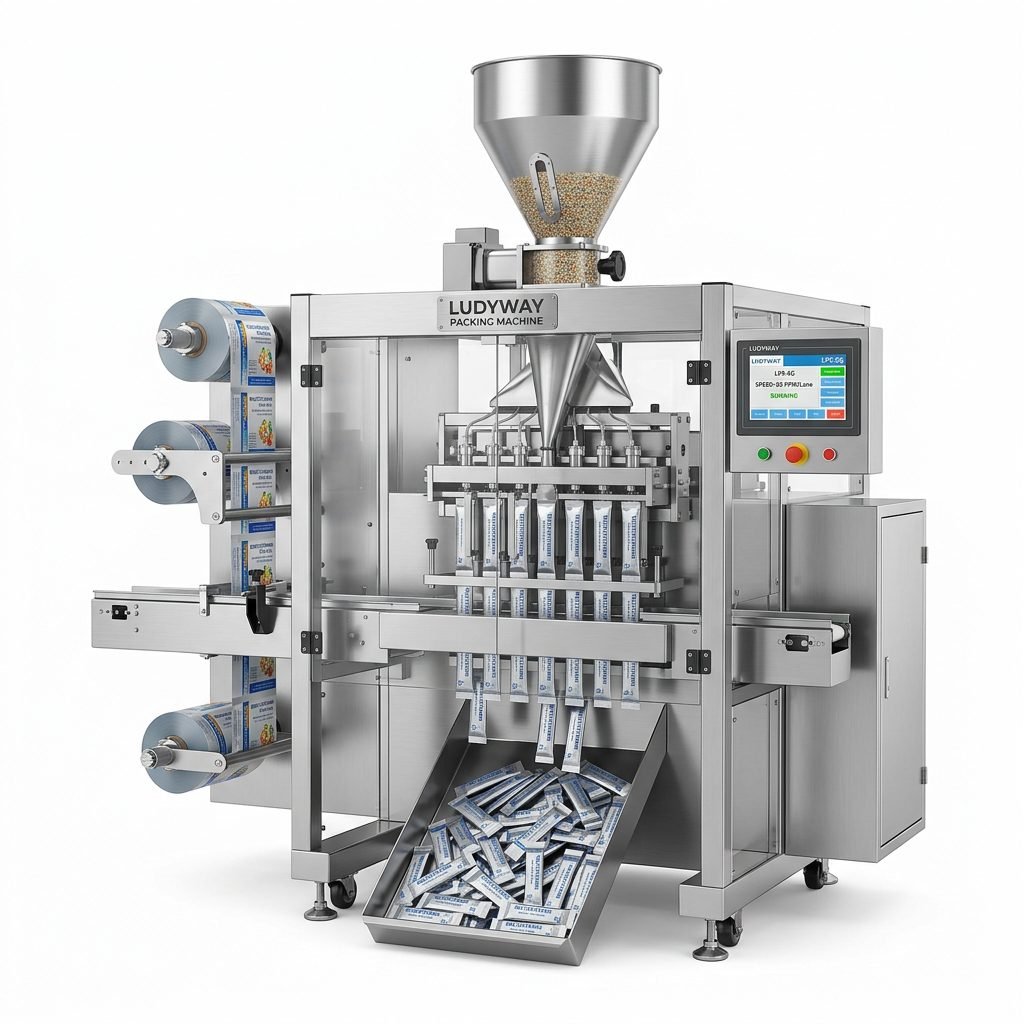
Setting up a ground meat packaging machine production line in Asia requires strategic planning, an understanding of regional regulatory frameworks, and access to reliable equipment suppliers. Whether you are launching a new facility in Southeast Asia, expanding operations in South Asia, or upgrading an existing plant in East Asia, this guide walks you through every critical step—from equipment selection and line layout to compliance and after-sales support.
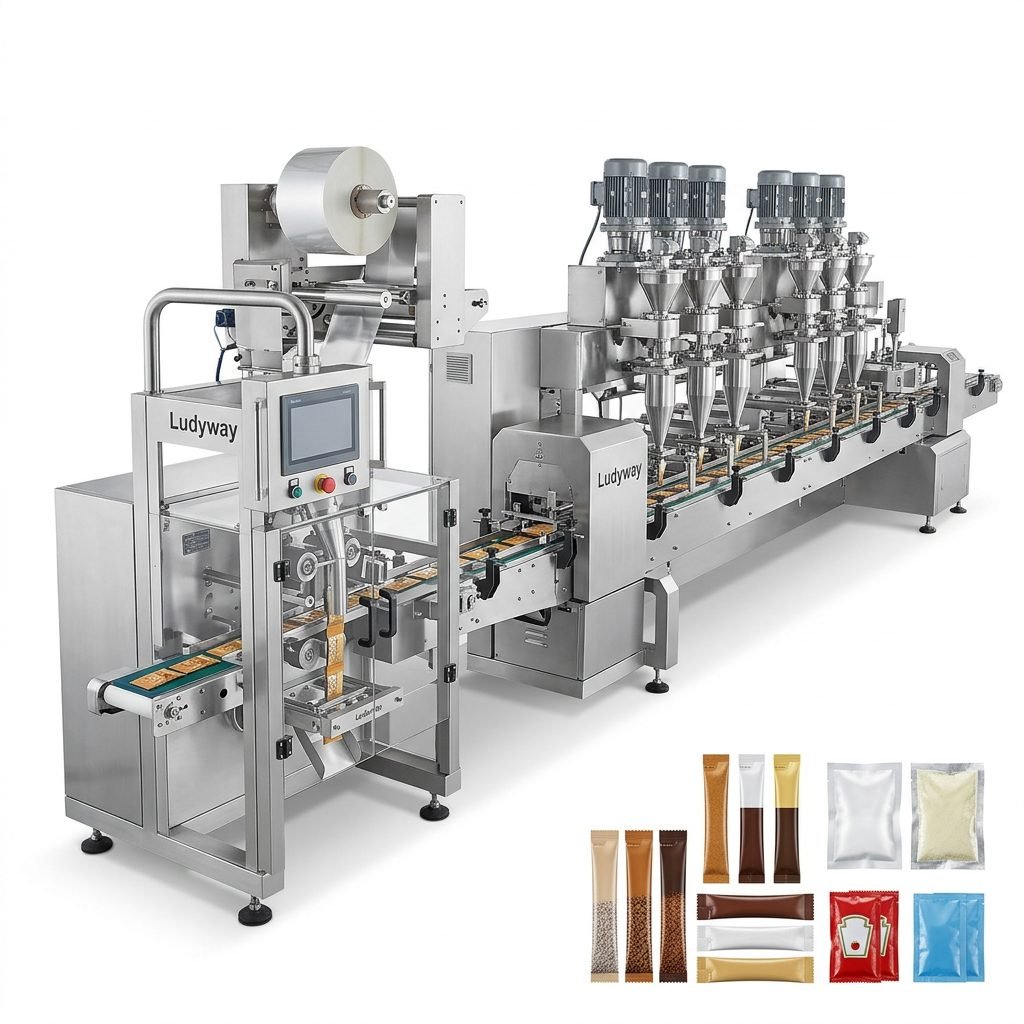
Understanding the Ground Meat Packaging Market in Asia
The Asian market for processed and packaged ground meat has experienced double-digit growth over the past five years. Rapid urbanization, rising disposable incomes, and changing dietary habits across countries like China, India, Vietnam, Indonesia, and Thailand are driving demand for hygienically packaged meat products. According to industry data from PMMI’s business intelligence reports, the Asia-Pacific region now accounts for over 40% of global packaging machinery demand.
Key factors fueling this expansion include:
- Cold chain infrastructure improvements across ASEAN countries
- Growing supermarket and hypermarket penetration in tier-2 and tier-3 cities
- Increasing consumer preference for portion-controlled, ready-to-cook meat products
- Stricter food safety regulations mandating automated packaging solutions
- Rising labor costs pushing manufacturers toward automated packaging systems
Key Equipment for a Ground Meat Packaging Production Line
A complete ground meat packaging machine production line consists of several interconnected equipment modules. Understanding each component helps you make informed procurement decisions:
| Equipment Module | Primary Function | Key Consideration |
|---|---|---|
| Meat Grinder / Mincer | Reduces raw meat to consistent particle size | Throughput capacity (kg/hour), plate hole size range |
| Mixing and Blending System | Homogenizes meat with additives and seasonings | Vacuum mixing capability, CIP cleaning access |
| Portioning and Forming Unit | Shapes ground meat into patties or portions | Changeover speed, shape flexibility |
| Tray / Pouch Packaging Machine | Seals portions into primary packaging | MAP capability, film compatibility, sealing integrity |
| Weighing and Checkweighing | Ensures accurate portion weights | Accuracy (±g), speed, data logging |
| Metal Detection and X-Ray | Foreign body detection for food safety | Sensitivity levels, HACCP compliance |
| Cartoning and Palletizing | Secondary packaging for distribution | Automation level, footprint requirements |
Choosing Between Tray-Seal and Flow-Wrap Systems
For ground meat packaging, two dominant formats exist in Asian markets. Tray-seal systems with Modified Atmosphere Packaging (MAP) are preferred for retail-ready products displayed in chiller cabinets, offering extended shelf life of 7-14 days. Flow-wrap or pillow-pack systems, by contrast, provide a more cost-effective solution for frozen ground meat products destined for food service and export channels. Your choice should align with your target market segment and distribution infrastructure.
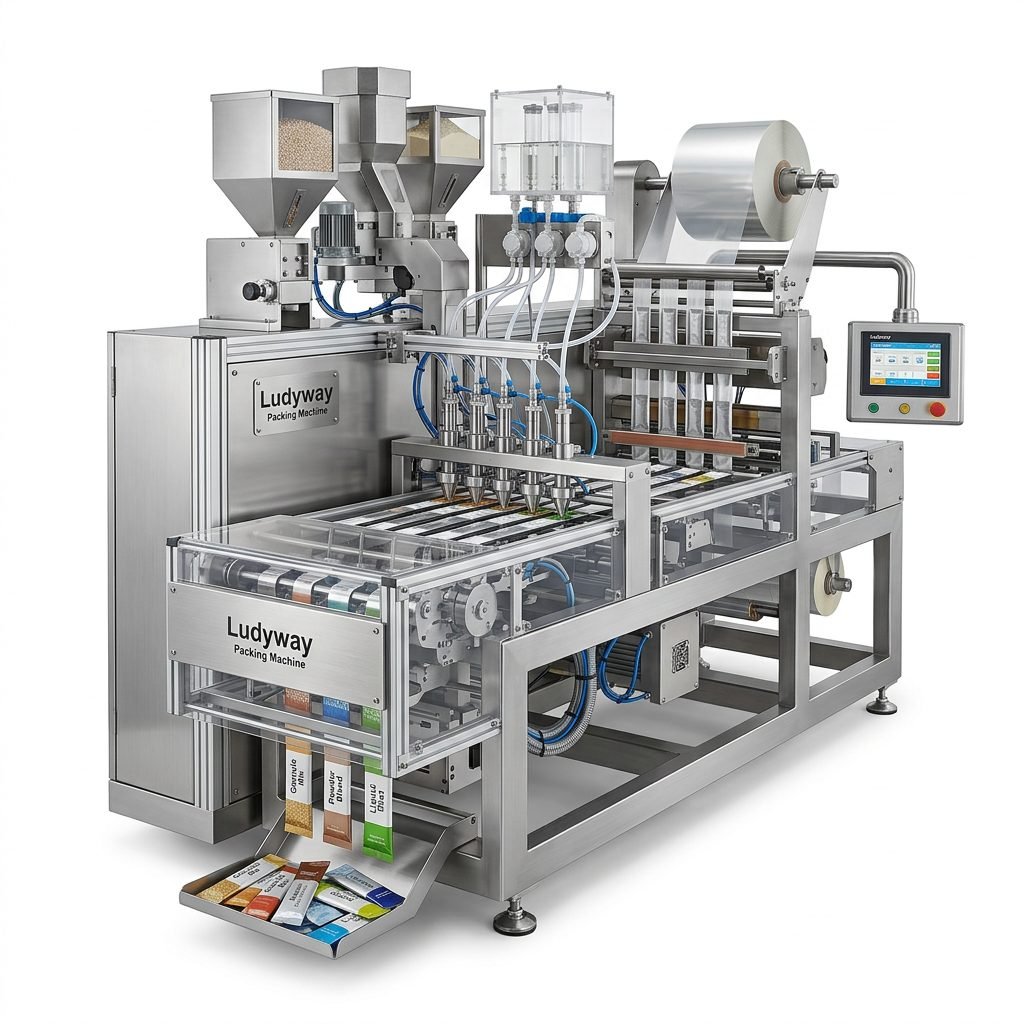
Production Line Layout and Workflow Design
An optimized ground meat packaging machine line layout minimizes cross-contamination risks while maximizing throughput. The gold standard in modern Asian facilities follows a linear flow pattern with clearly separated raw and cooked zones:
- Raw Material Reception — Temperature-controlled receiving bay with rapid transfer to cold storage (0-4°C)
- Grinding and Mixing Room — Climate-controlled environment (≤10°C) with dedicated air handling
- Portioning and Forming Station — Direct feed from grinding to minimize holding time
- Primary Packaging Zone — ISO Class 7 or 8 cleanroom conditions depending on product sensitivity
- Metal Detection and Checkweighing — Inline quality control immediately after sealing
- Secondary Packaging and Palletizing — Automated case packing with robotic palletizers
- Cold Storage and Dispatch — Finished goods held at -18°C for frozen or 0-4°C for chilled distribution
Critical Infrastructure Requirements
Before installing your ground meat packaging production line, ensure your facility meets these baseline requirements:
- Electrical supply: 380V / 415V three-phase power, with voltage stabilization for precision equipment
- Compressed air: Oil-free compressed air at 6-8 bar, filtered and dried to ISO 8573-1 Class 1 standards
- Water and drainage: Hot and cold potable water supply with floor drainage gradients of at least 1:50
- Ventilation: Positive pressure in packaging rooms with HEPA filtration on air intake
- Flooring: Non-porous, slip-resistant epoxy or polyurethane flooring with coved wall junctions
Food Safety Compliance and Regulatory Standards
Operating a ground meat packaging line in Asia means navigating a complex regulatory environment. Each country enforces its own standards, but several international frameworks serve as benchmarks:
| Country / Region | Key Regulatory Body | Relevant Standard |
|---|---|---|
| China | SAMR (State Administration for Market Regulation) | GB 14881, GB 19303, GB/T 27301 |
| Japan | MHLW (Ministry of Health, Labour and Welfare) | Food Sanitation Act, JFS standards |
| South Korea | MFDS (Ministry of Food and Drug Safety) | Food Code, HACCP certification |
| ASEAN (General) | National food authorities | Codex Alimentarius, GMP, HACCP |
| India | FSSAI (Food Safety and Standards Authority) | FSS Regulations 2011, Schedule 4 |
For facilities targeting export markets, compliance with FDA food packaging regulations and ISO packaging standards is equally critical. Many Asian manufacturers now pursue FSSC 22000 or BRCGS certification to access premium export channels.
Automation and Smart Factory Integration
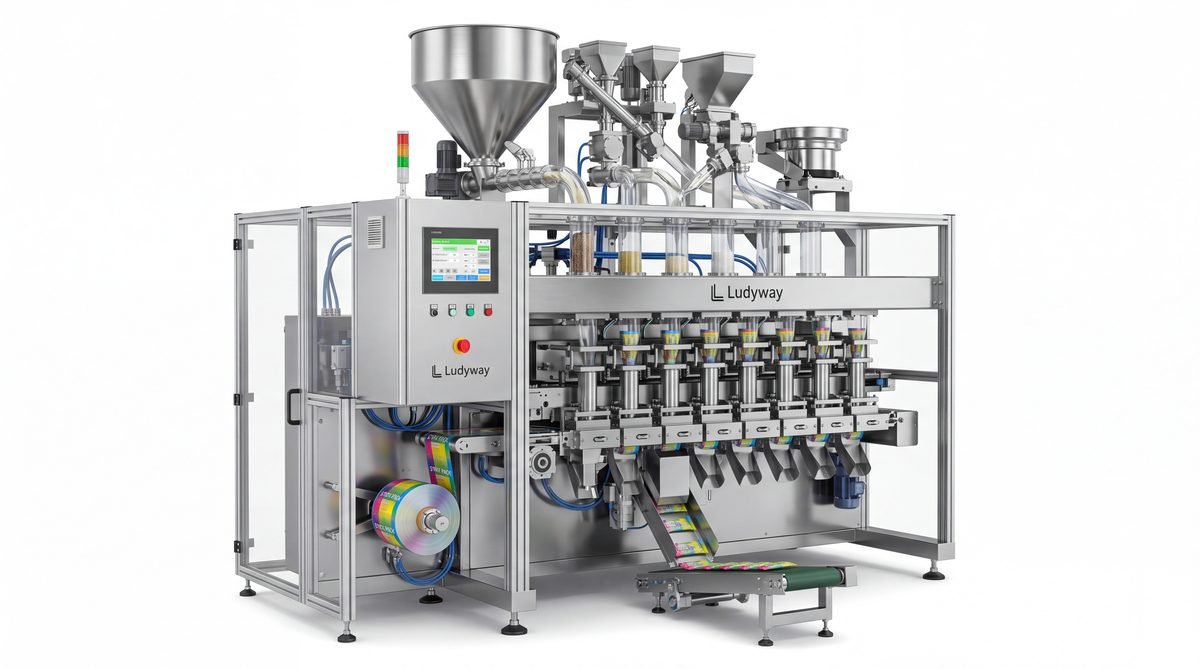
Modern ground meat packaging machine lines in Asia increasingly incorporate Industry 4.0 technologies. IoT-enabled sensors monitor critical control points (CCPs) in real time, while SCADA systems provide centralized visibility across the entire production floor. Key automation features to prioritize include:
- Automated recipe management for rapid product changeovers
- Predictive maintenance algorithms that reduce unplanned downtime by up to 30%
- Vision inspection systems for seal integrity and label verification
- Real-time OEE dashboards for continuous improvement programs
- Traceability systems with blockchain integration for export documentation
The Role of Turnkey Solutions
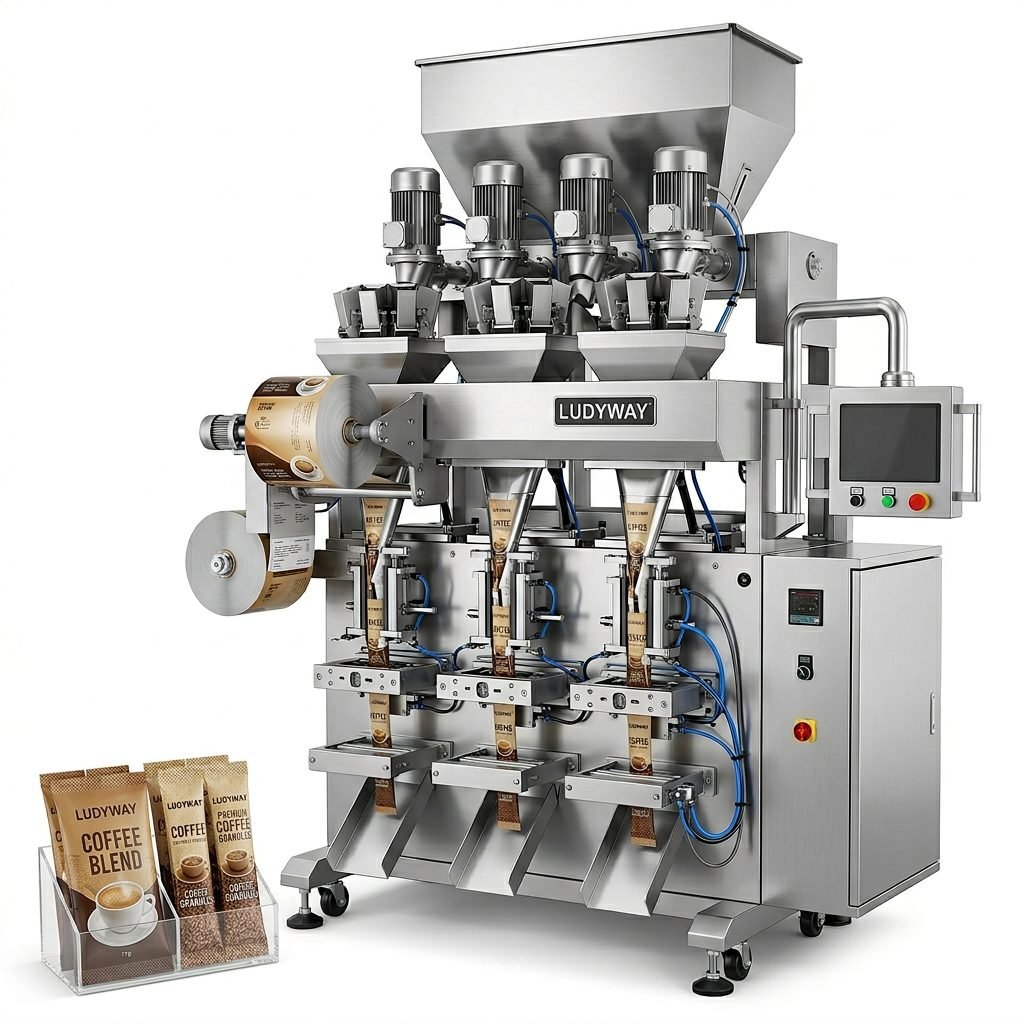
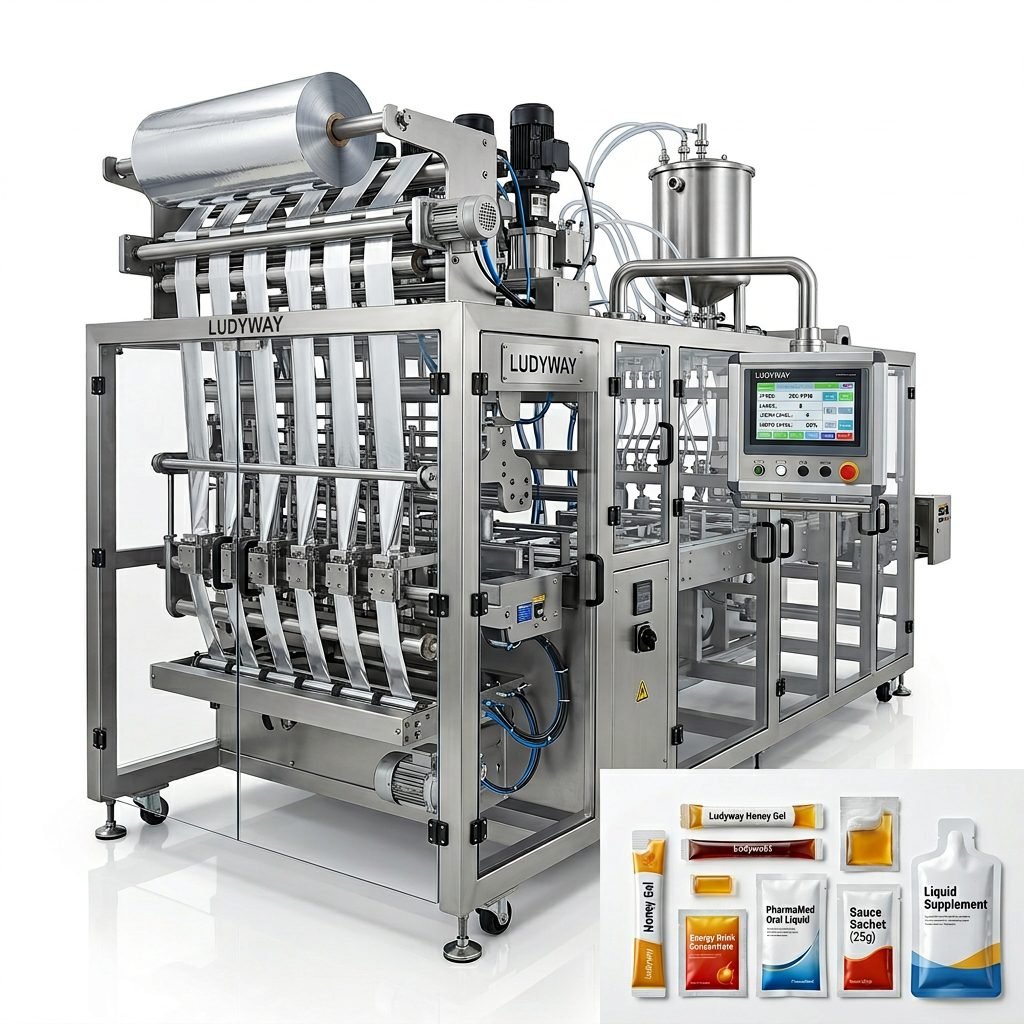
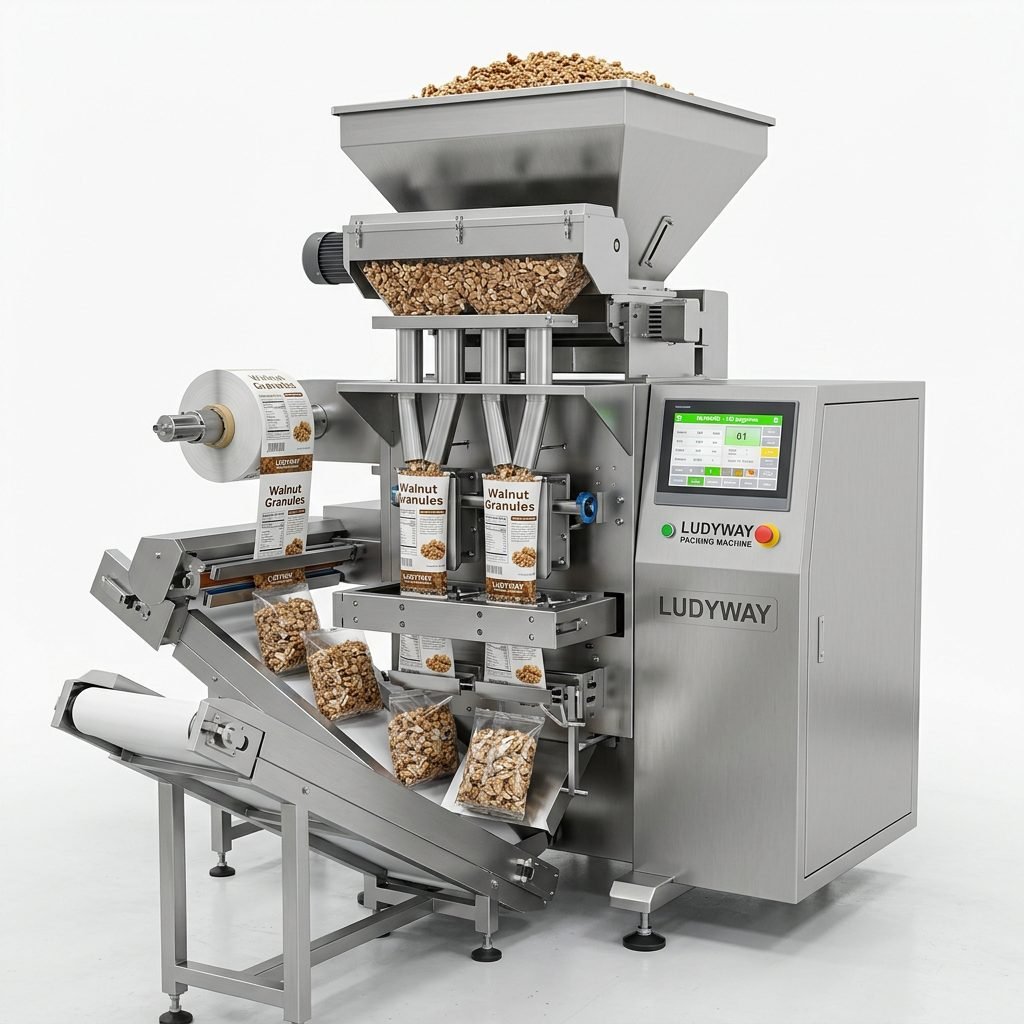
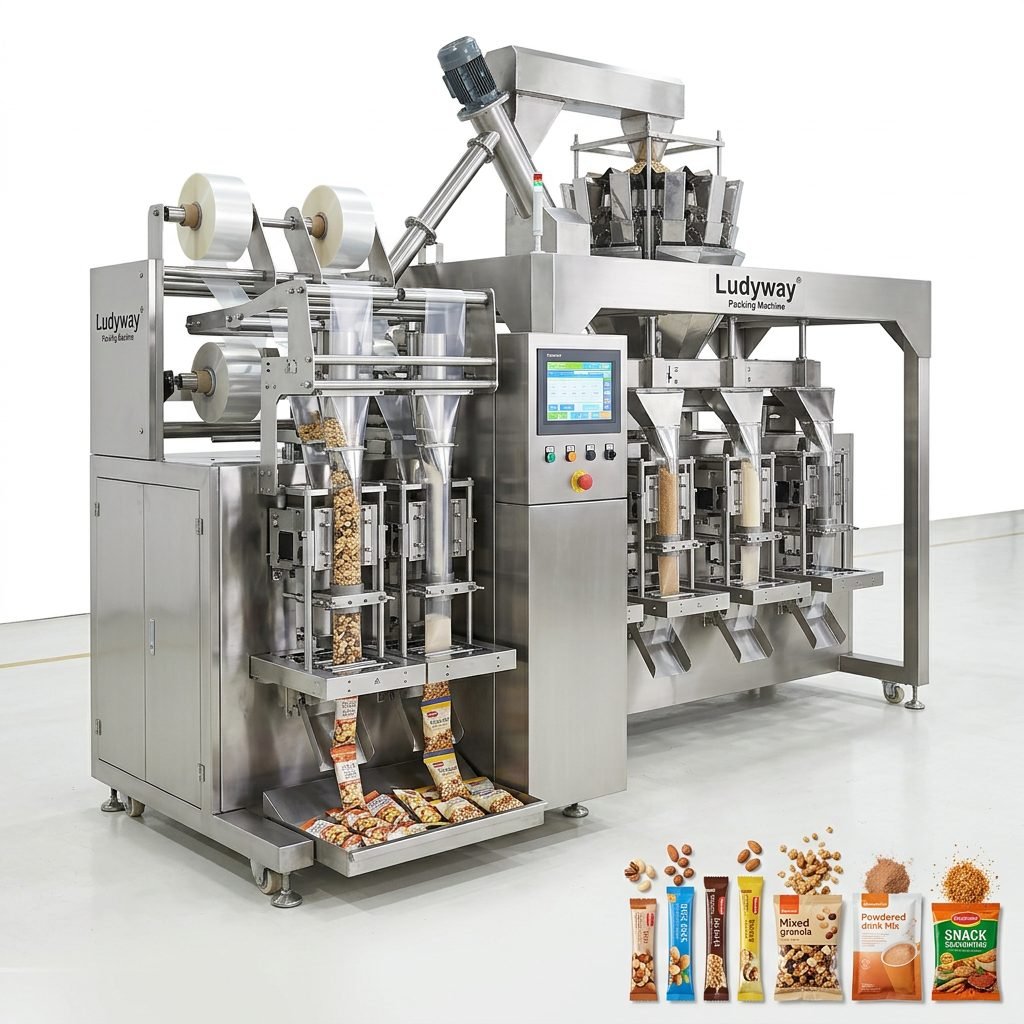
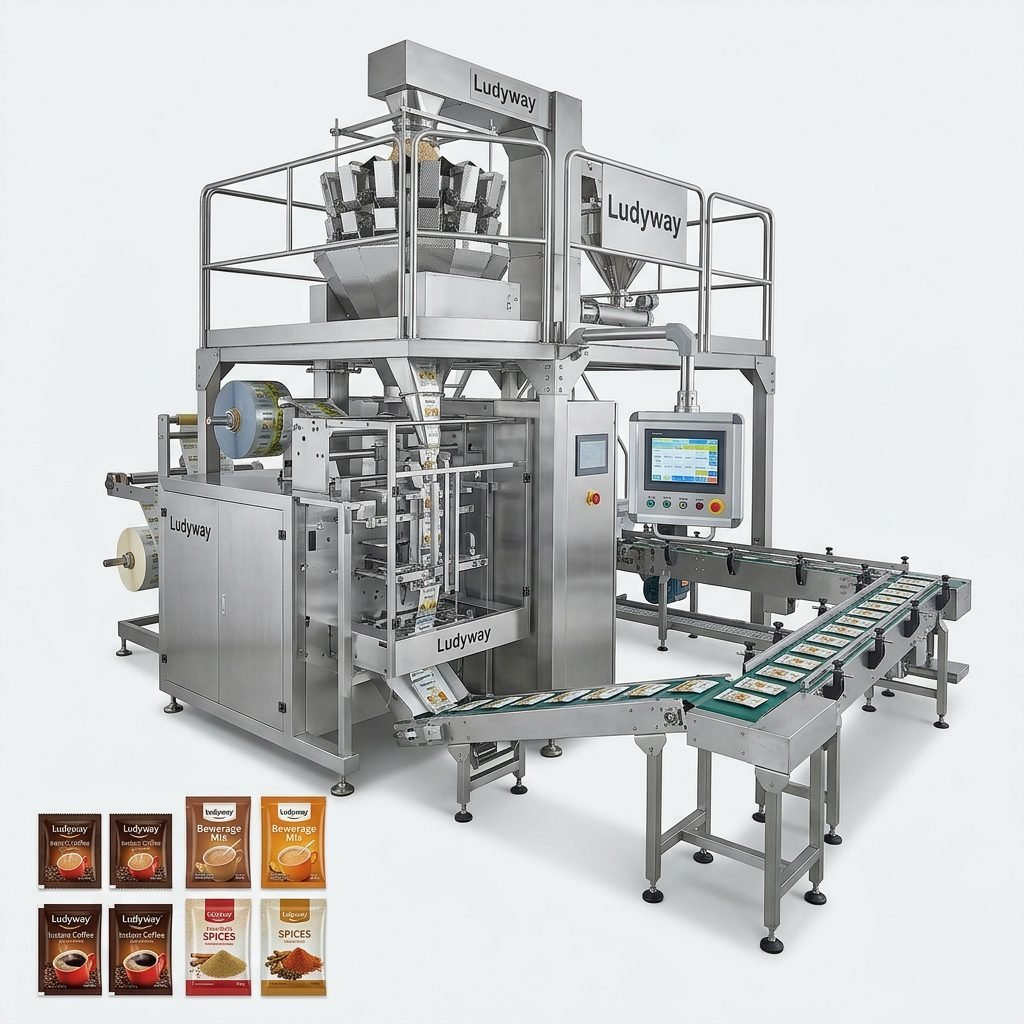
For companies entering the Asian ground meat market, turnkey packaging line solutions offer significant advantages. Rather than coordinating multiple equipment vendors across different time zones and languages, a single-source provider delivers an integrated line with guaranteed throughput and performance metrics. This approach dramatically reduces project management complexity and accelerates time-to-market. Experienced packaging machinery manufacturers, such as Ludyway, provide comprehensive turnkey solutions that encompass equipment manufacturing, line integration, installation, and training—tailored specifically to the unique requirements of Asian production environments.
Cost Considerations and ROI Analysis
Investing in a ground meat packaging production line in Asia requires careful financial planning. Below is a representative cost breakdown for a mid-capacity line processing 2,000-3,000 kg per shift:
| Cost Category | Estimated Range (USD) | Percentage of Total |
|---|---|---|
| Core Packaging Machinery | $180,000 – $350,000 | 45-55% |
| Installation and Commissioning | $25,000 – $50,000 | 8-12% |
| Facility Modifications | $40,000 – $100,000 | 15-20% |
| Training and Documentation | $10,000 – $20,000 | 3-5% |
| Spare Parts (First Year) | $15,000 – $30,000 | 5-8% |
| Contingency Buffer | $30,000 – $55,000 | 10-15% |
Typical ROI timelines range from 24 to 36 months, depending on product margins, utilization rates, and local labor cost differentials. Facilities operating two shifts achieve payback significantly faster than single-shift operations.
Supplier Selection and Due Diligence
Choosing the right ground meat packaging machine supplier is arguably the most consequential decision in your project. When evaluating potential partners in Asia, apply the following checklist:
- Local service presence: Does the supplier maintain service engineers within your country or region?
- Spare parts availability: Can critical components be delivered within 48-72 hours?
- Reference installations: Request to visit operating lines in similar applications
- Hygienic design credentials: Verify compliance with EHEDG, 3-A, or equivalent standards
- Language and communication: Ensure technical documentation is available in your preferred language
- Warranty terms: Standard warranties in Asia range from 12 to 24 months on major components
Exhibitions and Industry Events
Attending regional packaging exhibitions is an excellent way to compare multiple suppliers, see equipment in operation, and build relationships with technical teams. Key events in Asia include ProPak Asia (Bangkok), PackEx India (Mumbai), and CHINAPLAS (Shanghai). These events provide valuable opportunities to benchmark different ground meat packaging production line configurations.
Installation, Commissioning, and Training
A successful production line launch hinges on meticulous installation and comprehensive operator training. The following timeline represents a typical 8-12 week implementation schedule:
- Week 1-2: Site preparation, utility connections, and equipment positioning
- Week 3-4: Mechanical installation, conveyor integration, and electrical wiring
- Week 5-6: Dry testing, PLC programming verification, and safety system validation
- Week 7-8: Wet testing with product, seal integrity validation, and weight calibration
- Week 9-10: Operator training (3-tier: basic operation, troubleshooting, maintenance)
- Week 11-12: Performance qualification runs and formal handover
Ongoing Maintenance and Optimization
Post-installation, your ground meat packaging machine line requires a structured maintenance program to sustain peak performance. Develop a Total Productive Maintenance (TPM) schedule that includes:
- Daily: Sanitation verification, seal integrity spot checks, temperature logging
- Weekly: Conveyor belt tension checks, sensor cleaning, lubrication of bearings
- Monthly: Comprehensive seal bar inspection, pneumatic system leak tests, calibration verification
- Quarterly: Full preventive maintenance with replacement of wear components
- Annually: Major overhaul including gearbox oil changes, motor bearing replacement, and control system backup
For deeper industry insights on packaging line optimization and market trends, refer to resources from the Flexible Packaging Association and PMMI’s State of the Industry reports, which provide valuable benchmarking data for packaging operations worldwide.
Future-Proofing Your Investment
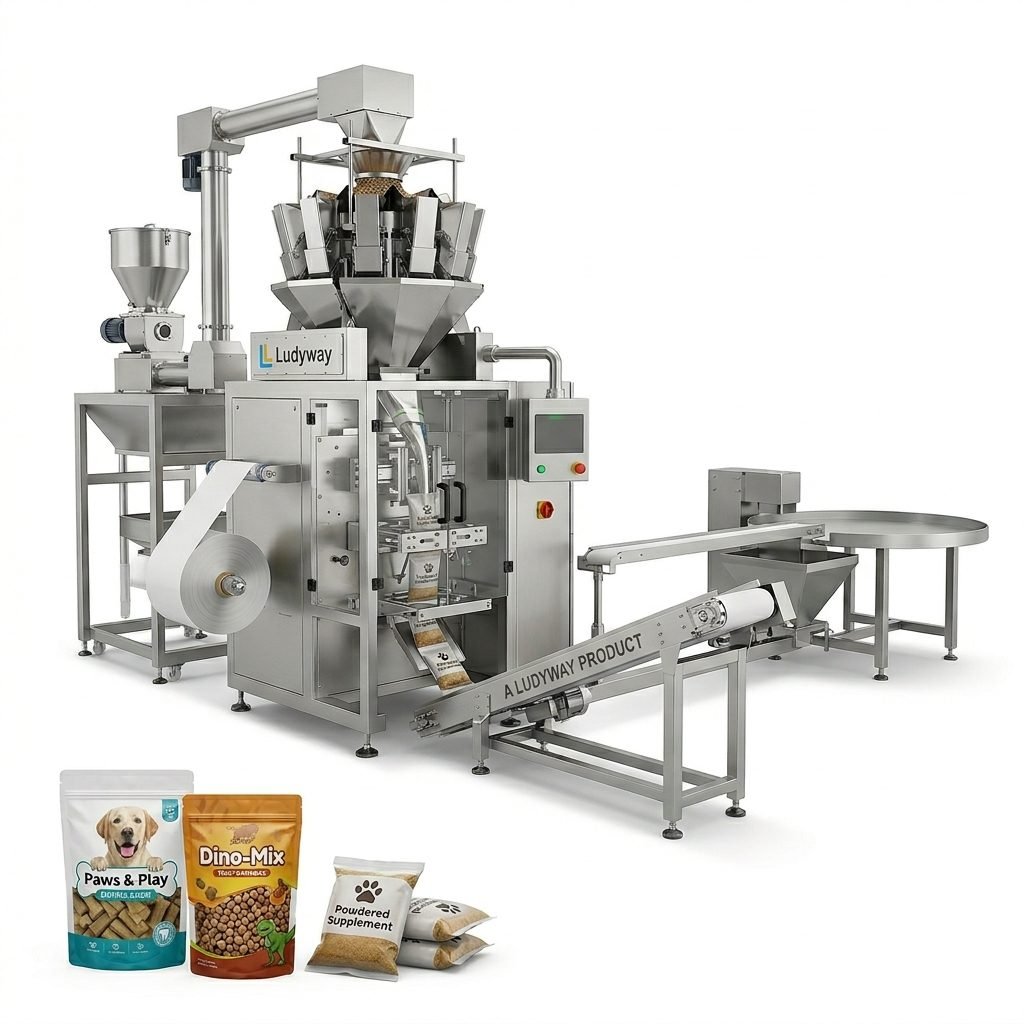
As the Asian ground meat market continues to evolve, your packaging line must remain adaptable. Modular machine designs allow you to incrementally add capacity or switch between packaging formats without replacing entire systems. Additionally, ensure your equipment supports sustainable packaging materials, as regulations around single-use plastics tighten across Asia—particularly in markets influenced by EU packaging waste directives.
By following this comprehensive guide, you can confidently navigate the process of setting up a high-performance ground meat packaging machine production line in Asia—from initial planning through to full-scale commercial operation.