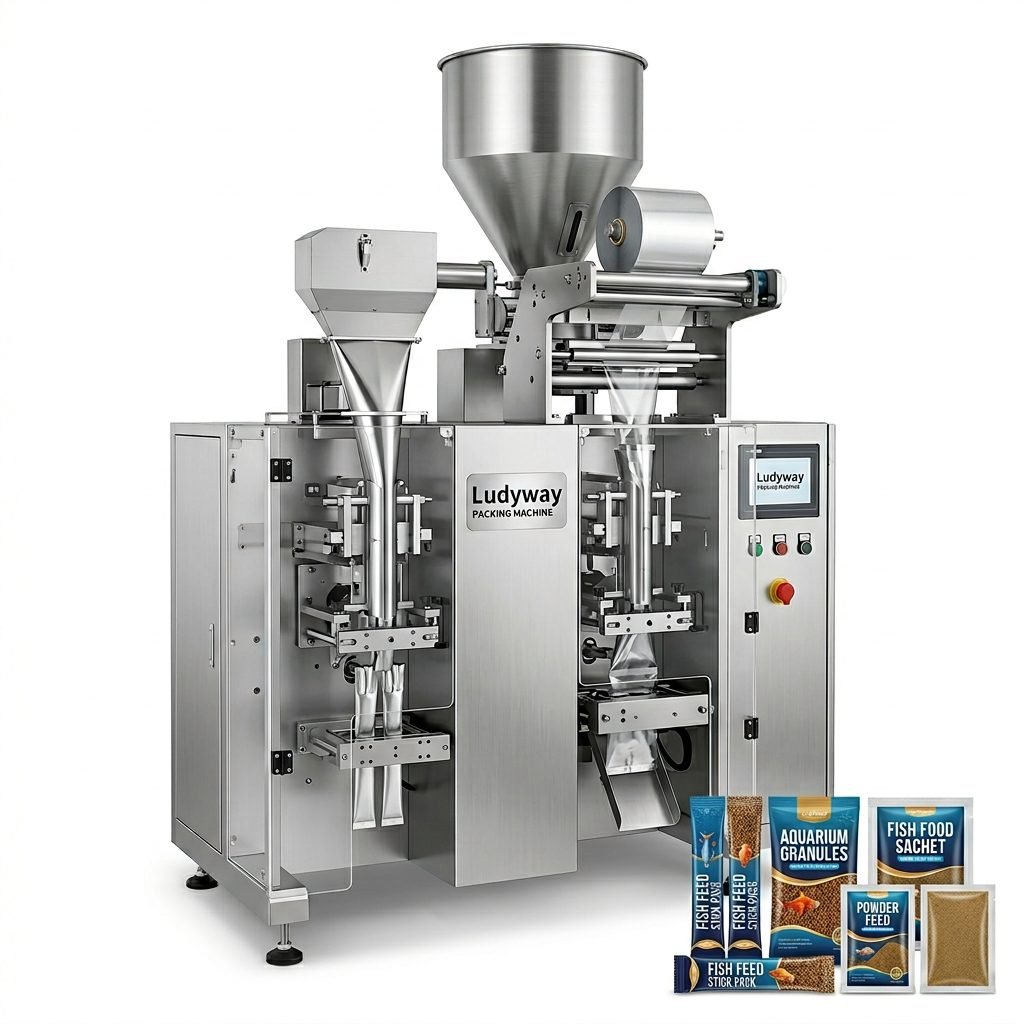
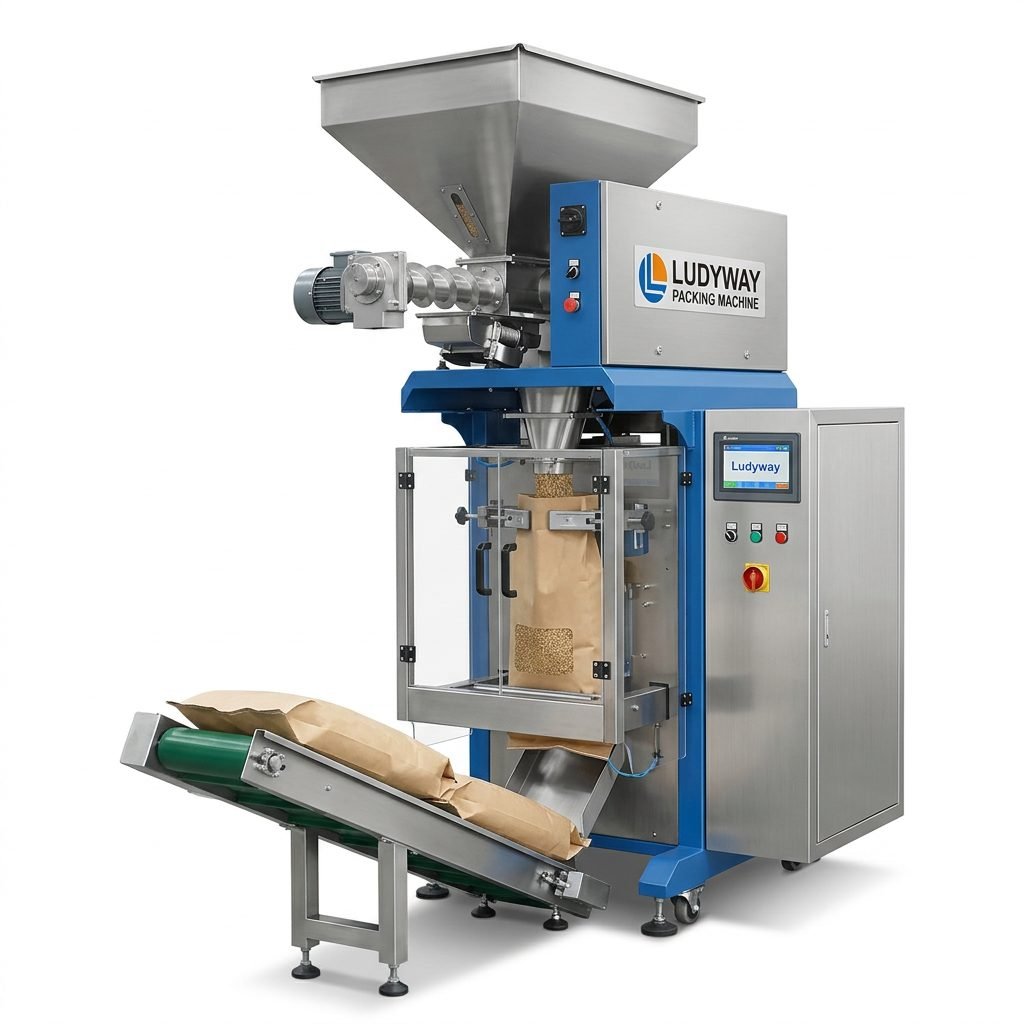
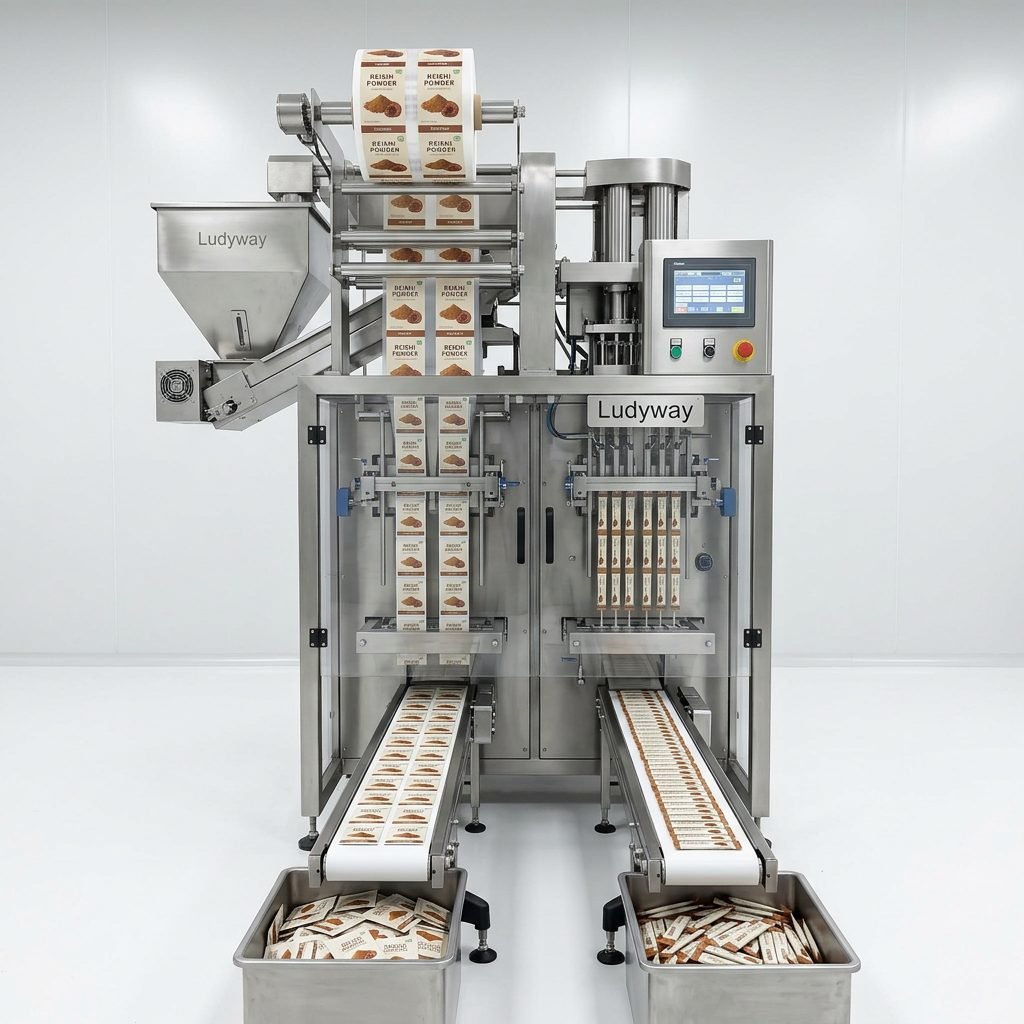
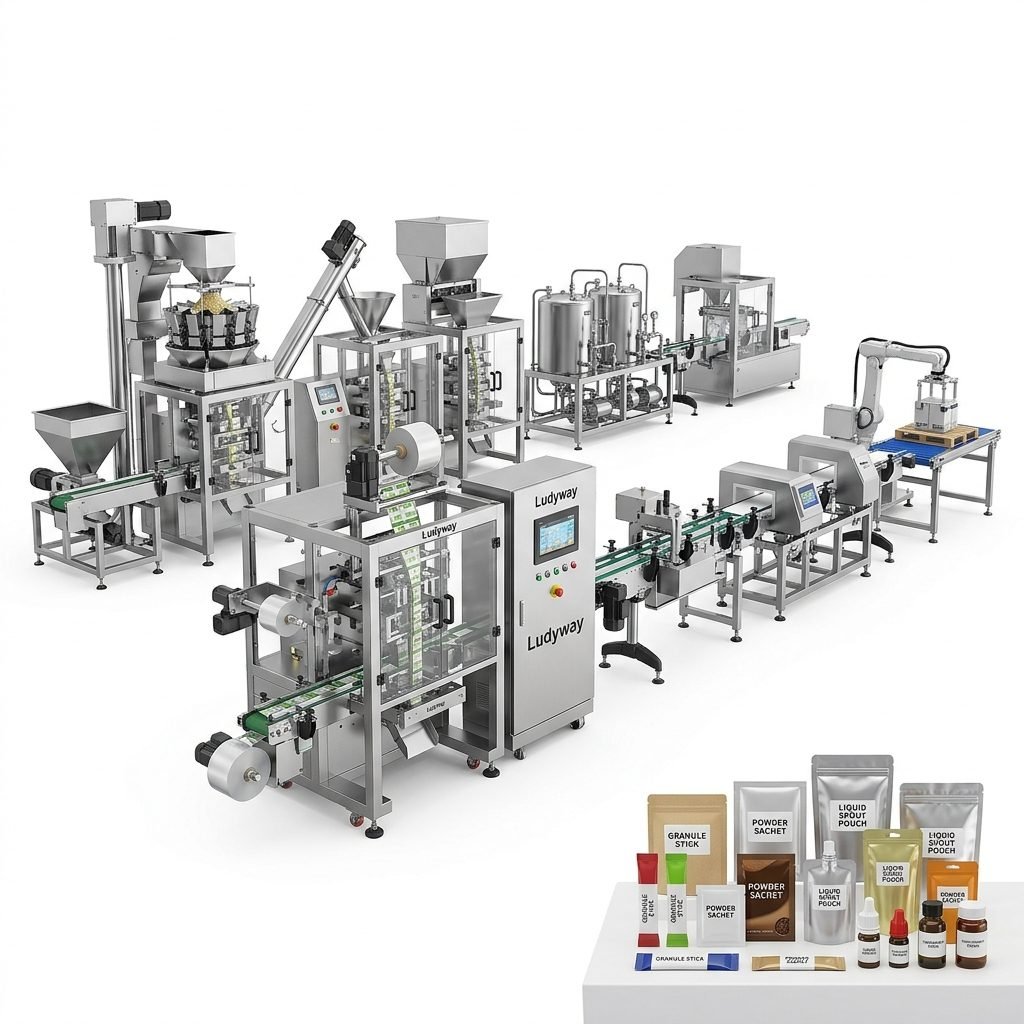
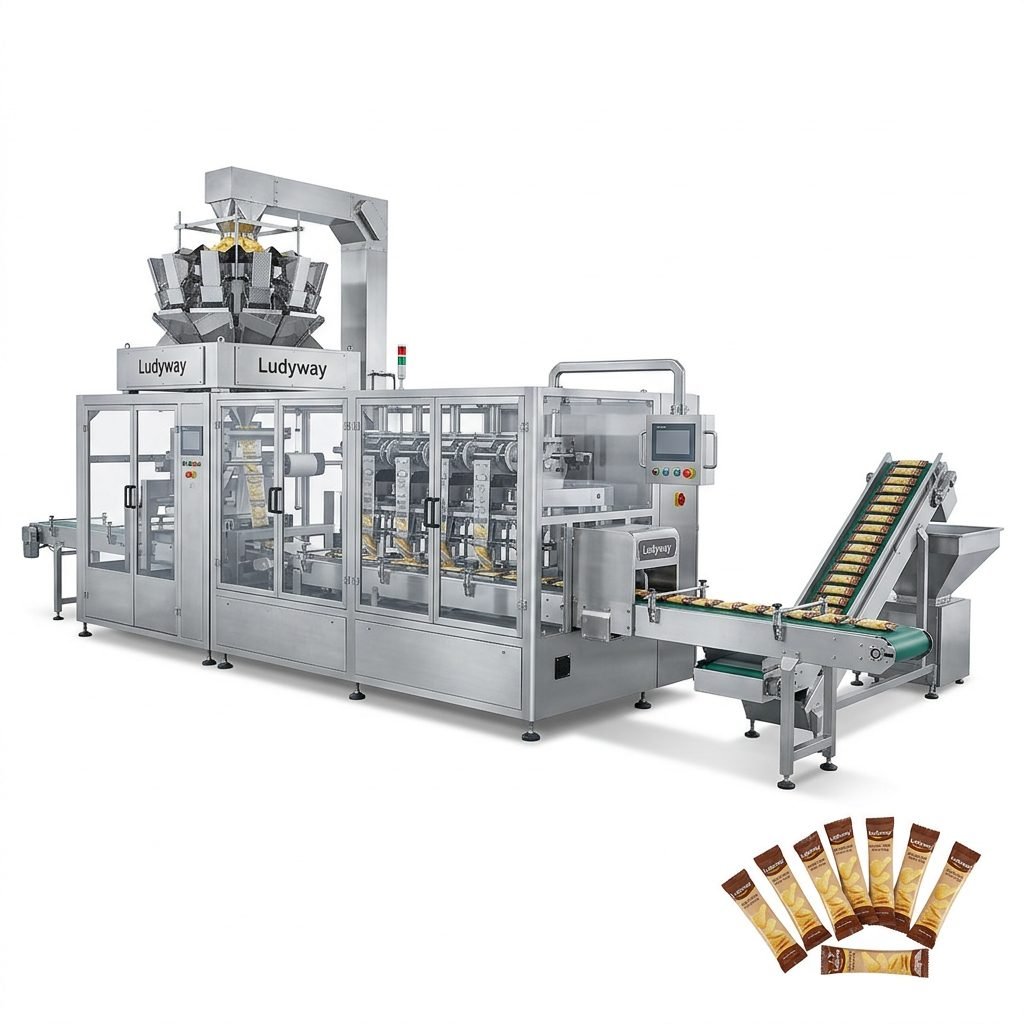
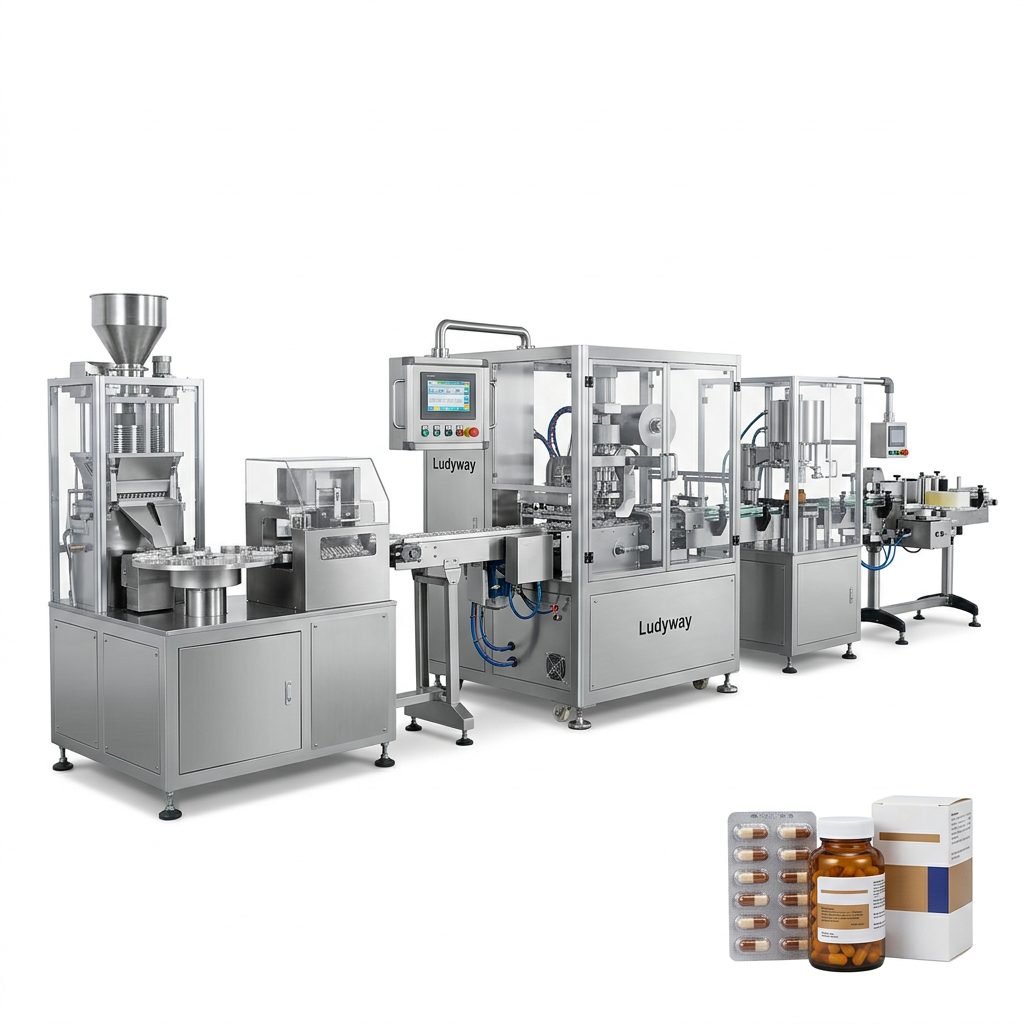
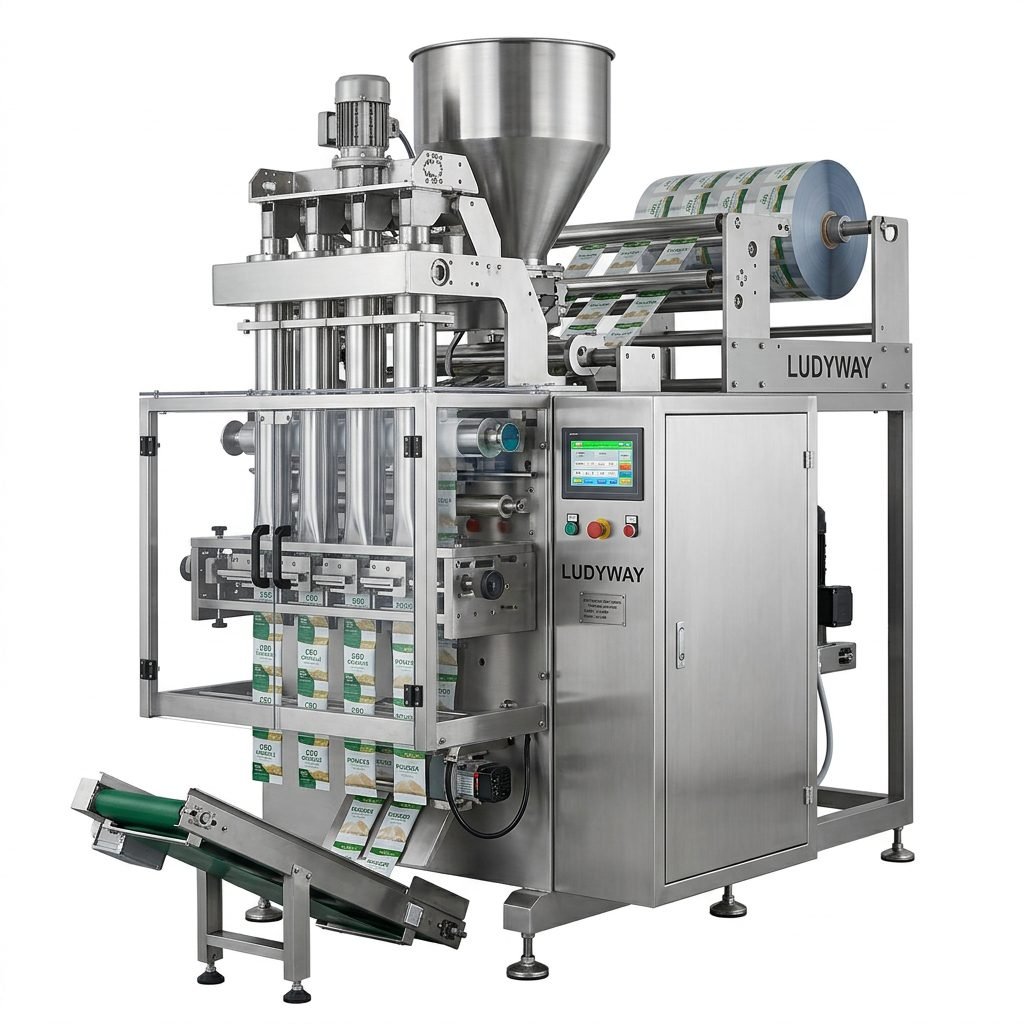
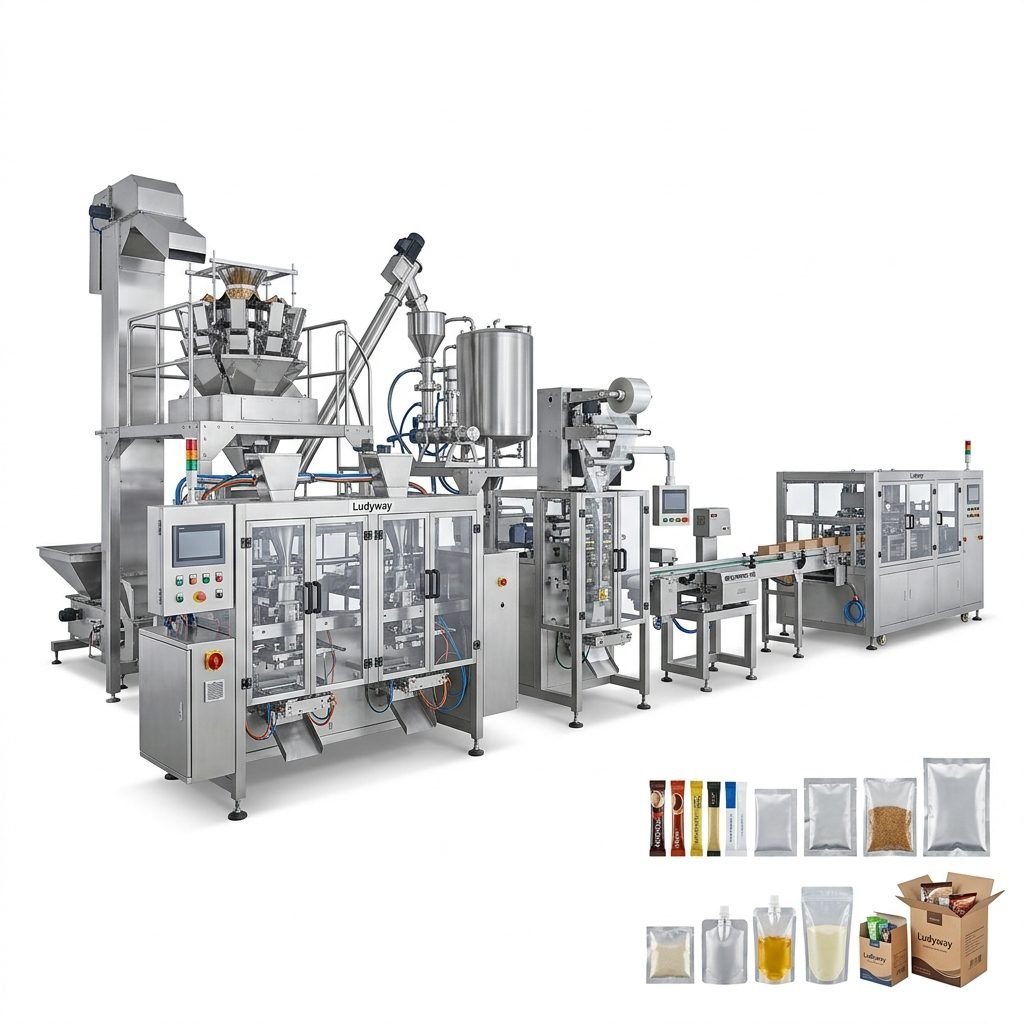
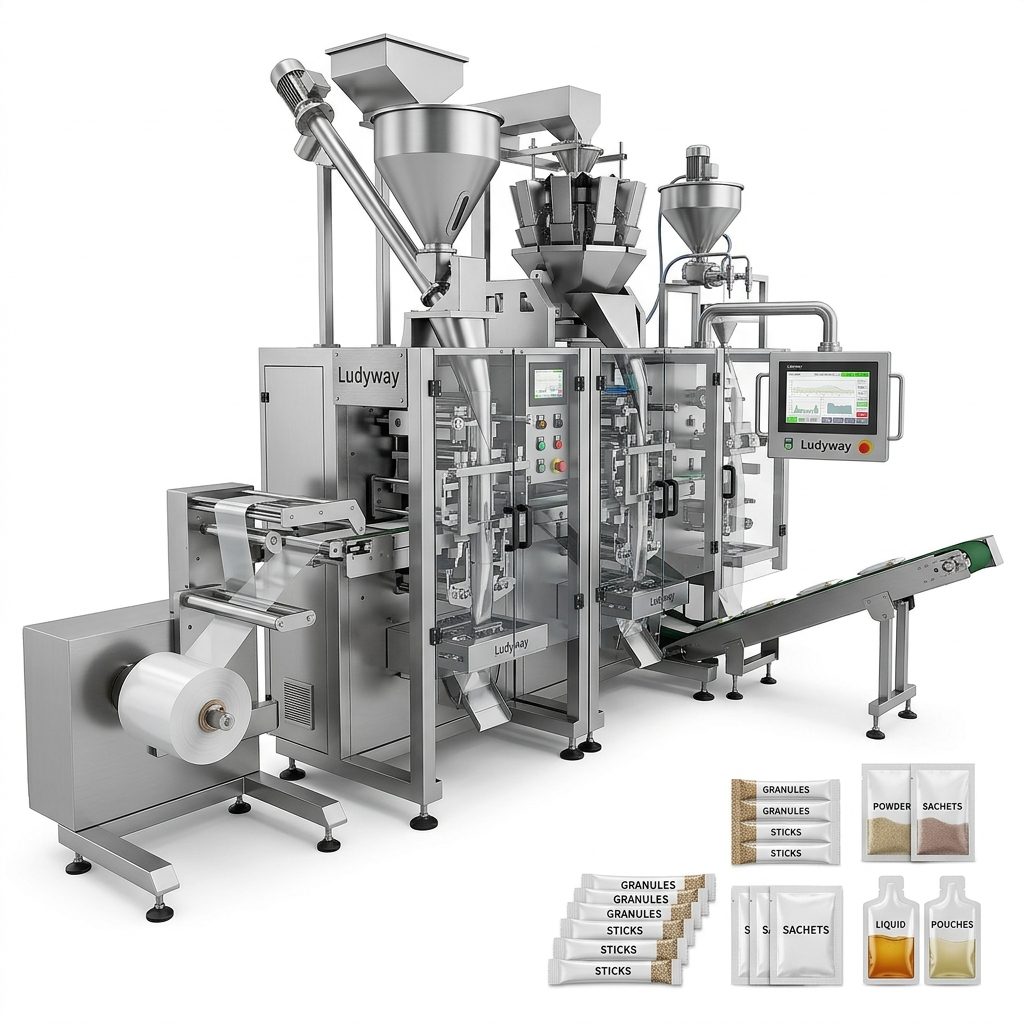
Setting up a feed packaging machine production line in the UK requires careful planning, adherence to stringent regulations, and selection of the right automated equipment. Whether you are packaging livestock pellets, poultry feed, or pet food granules, a well-integrated system ensures efficiency, accuracy, and compliance with British standards.
Understanding the UK Feed Packaging Market
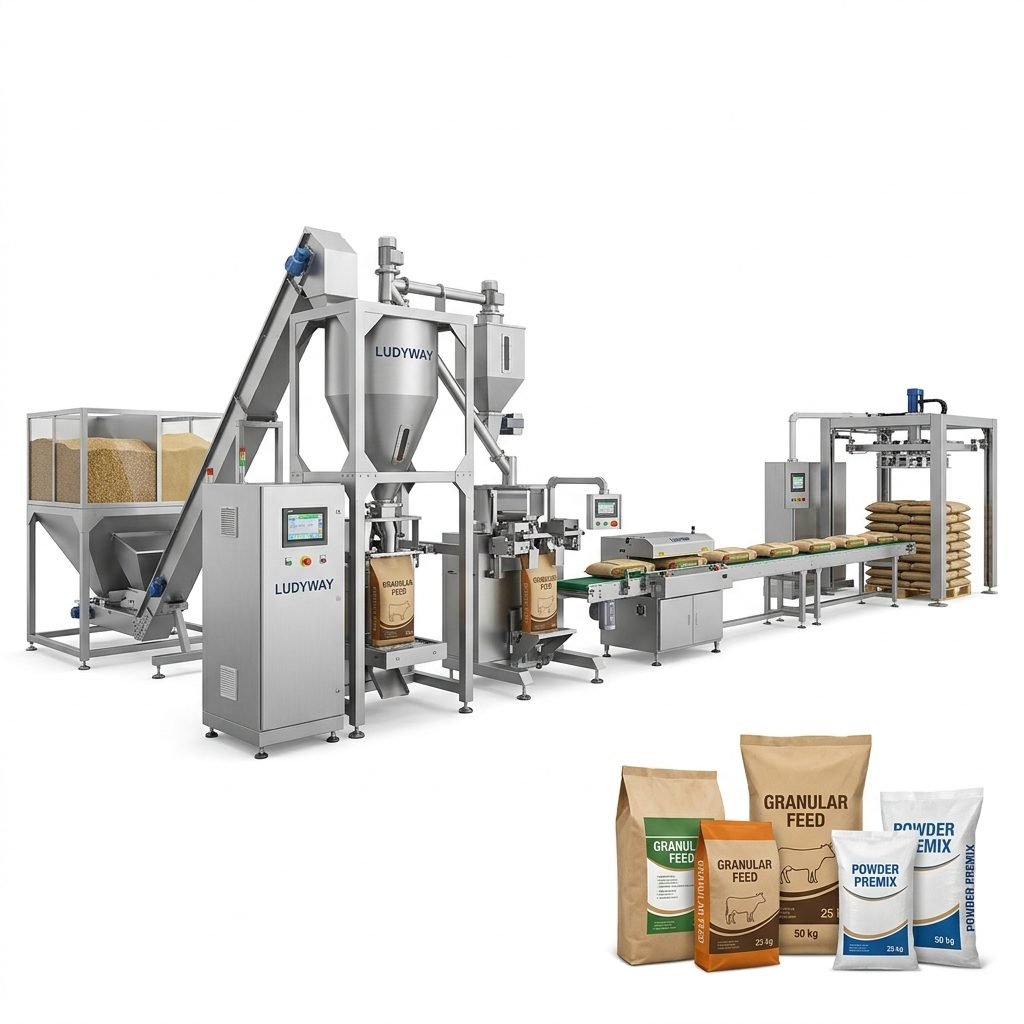
The United Kingdom maintains a robust agricultural sector, with the Animal Feed Statistics for Great Britain indicating significant monthly production volumes. Modern feed mills and processing plants are increasingly transitioning towards automated packaging solutions to meet growing demand for compound feed, premixes, and specialty animal nutrition products. From bulk bagging systems to multi-lane sachet lines for supplements, the market requires versatile machinery capable of handling diverse granule and powder formulations.
Key Feed Product Categories for Packaging
- Compound feed pellets for cattle, sheep, and poultry
- Feed premixes and additives containing vitamins and minerals
- Pet food kibble for dogs and cats
- Aquaculture feed for fish and shrimp farming
- Specialty horse feed and equine supplements
- Organic and non-GMO feed products for niche markets
Step 1: Defining Production Requirements and Capacity
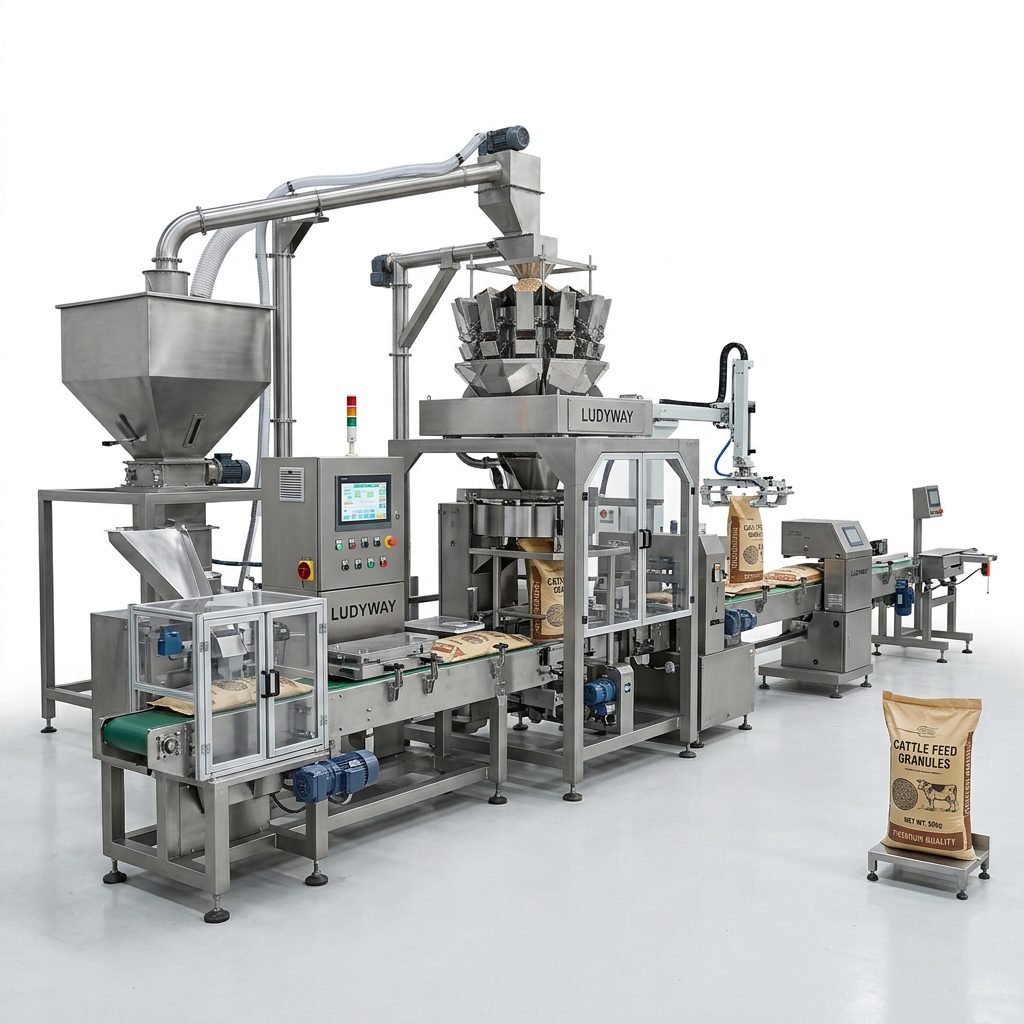
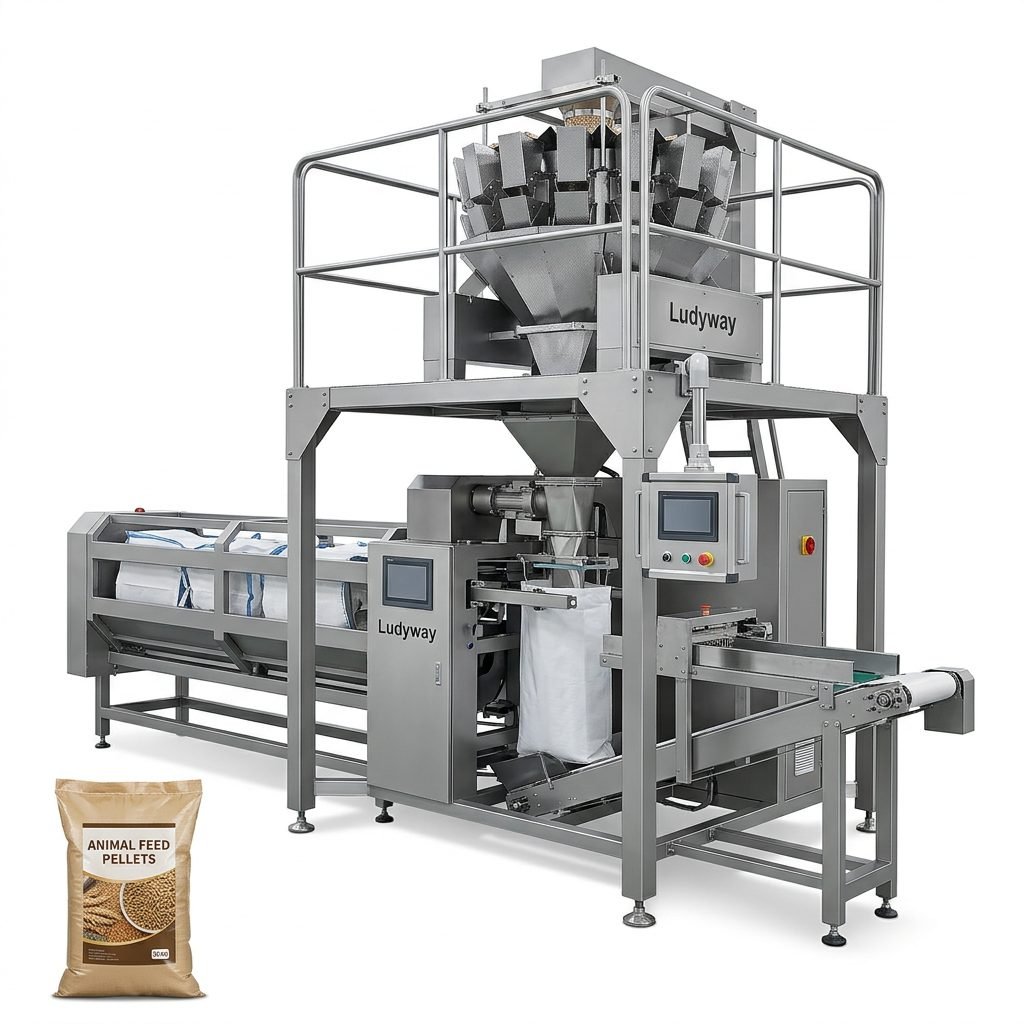
Before procuring equipment, you must establish your target throughput in kilograms per hour or bags per minute. Consider whether your operation requires open-mouth bagging for 20kg-50kg sacks, valve bag filling, or smaller consumer-ready pouches. For high-volume operations, fully automated weighing and bagging systems significantly reduce labor costs. Evaluate the physical characteristics of your feed products: granule size, bulk density, flowability, and dust content all influence machine configuration.
| Production Scale | Typical Output | Recommended Equipment | Investment Level |
|---|---|---|---|
| Small / Startup | 3-8 bags/min | Semi-automatic weighing & sewing | £15,000 – £40,000 |
| Medium Production | 8-15 bags/min | Automatic bagger with conveyor | £40,000 – £120,000 |
| Large Industrial | 15-25+ bags/min | Turnkey fully automated line | £120,000 – £500,000+ |
Site and Facility Considerations in the UK
- Factory floor space — allocate sufficient area for raw material staging, packaging machinery, and finished goods palletizing
- Electrical supply — UK standard 415V three-phase power with appropriate amperage
- Compressed air systems — clean, dry air supply for pneumatic components
- Dust extraction — essential for compliance with Health and Safety Executive (HSE) regulations on combustible dust
- ATEX considerations — zones where explosive atmospheres may form require certified equipment
- Access for container delivery — ensure loading bays accommodate 40ft shipping containers for machinery import
Step 2: Selecting Core Packaging Line Components
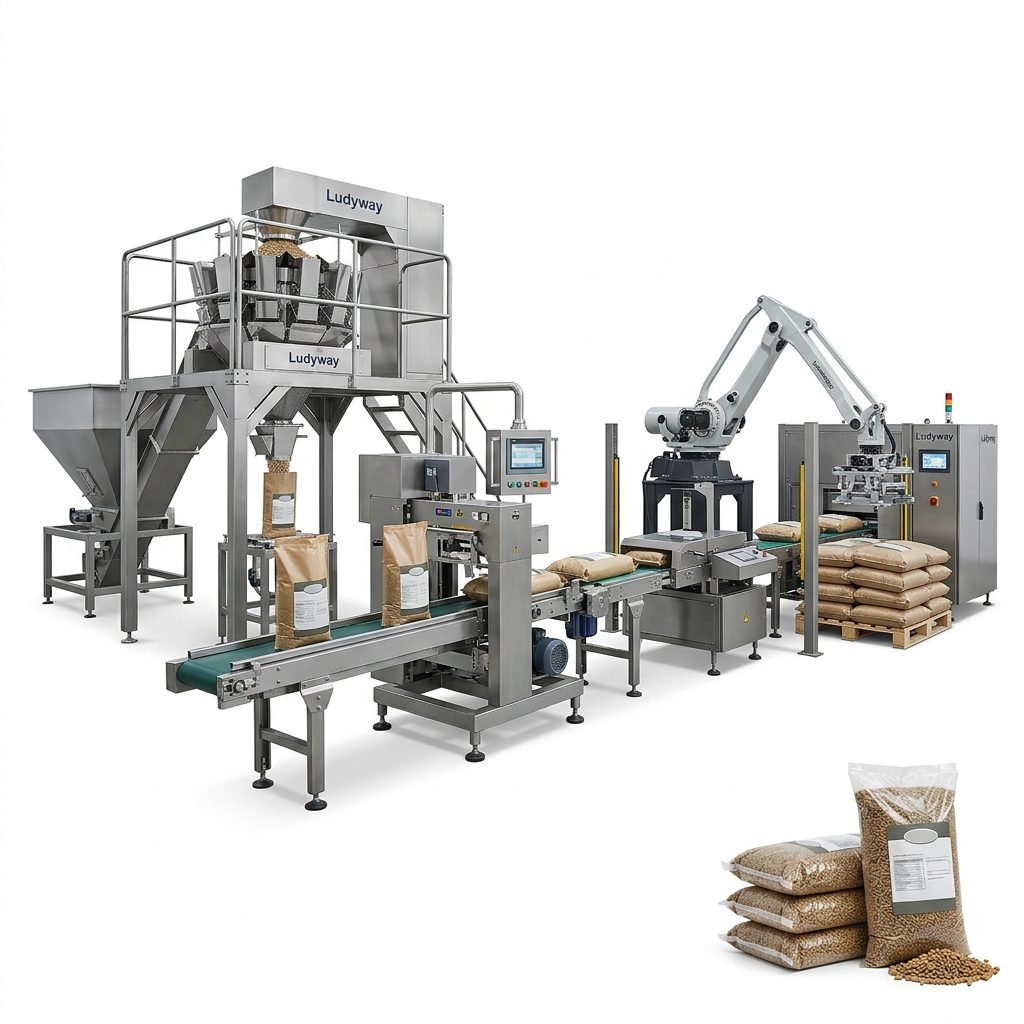
A comprehensive feed packaging production line integrates multiple subsystems. Understanding each component’s function helps you specify requirements accurately when communicating with equipment suppliers. The primary modules include feeding systems, weighing mechanisms, bagging stations, sealing units, and end-of-line automation.
Feeding and Conveying Systems
Material handling begins with efficient infeed solutions. Bucket elevators, screw conveyors, and vibratory feeders transport granules and powders from storage silos or hoppers to the weighing station. For abrasive feed pellets, heavy-duty designs with wear-resistant liners extend equipment life. Vacuum conveying systems offer dust-free operation, which is increasingly important for UK facilities focused on worker safety.
Weighing and Filling Accuracy
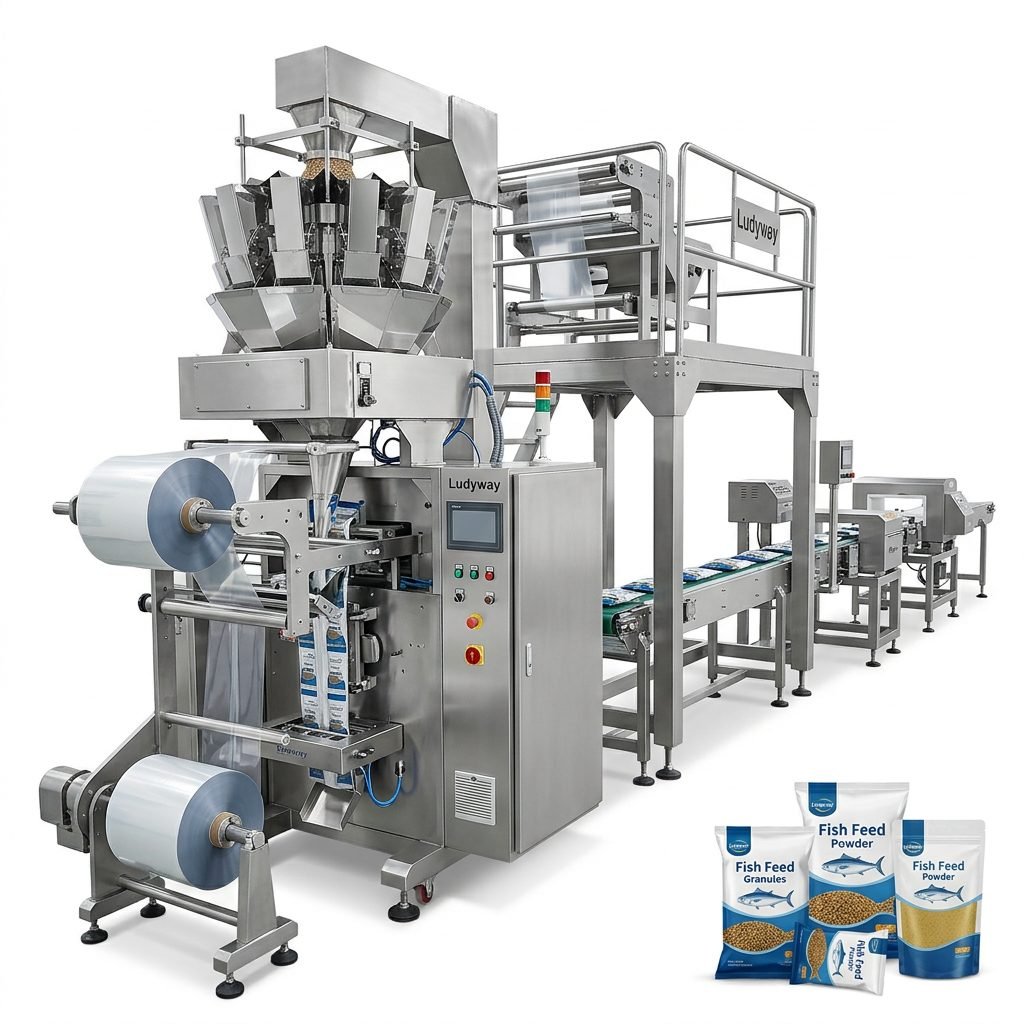
Precision weighing is critical for both regulatory compliance and profitability. Multi-head weighers offer high-speed accuracy for smaller pouch formats, while net weigh scales handle bulk bagging applications. The National Measurement and Regulation Office (NMRO) enforces quantity control standards for packaged goods sold by weight in Great Britain. Regular calibration schedules must be established as part of your quality management system.
| Weighing Technology | Best Application | Accuracy Range | Speed Capability |
|---|---|---|---|
| Multi-head Weigher | Small pouches, sachets, stick packs | ±0.5 – 1.0g | Up to 120 packs/min |
| Net Weigh Scale | 10kg – 50kg bulk bags | ±10 – 20g | 6 – 12 bags/min |
| Gross Weigh Filler | Open-mouth sacks | ±20 – 50g | 3 – 8 bags/min |
| Auger Filler | Powders and fine granules | ±1 – 3g | 20 – 60 fills/min |
Bagging and Sealing Technologies
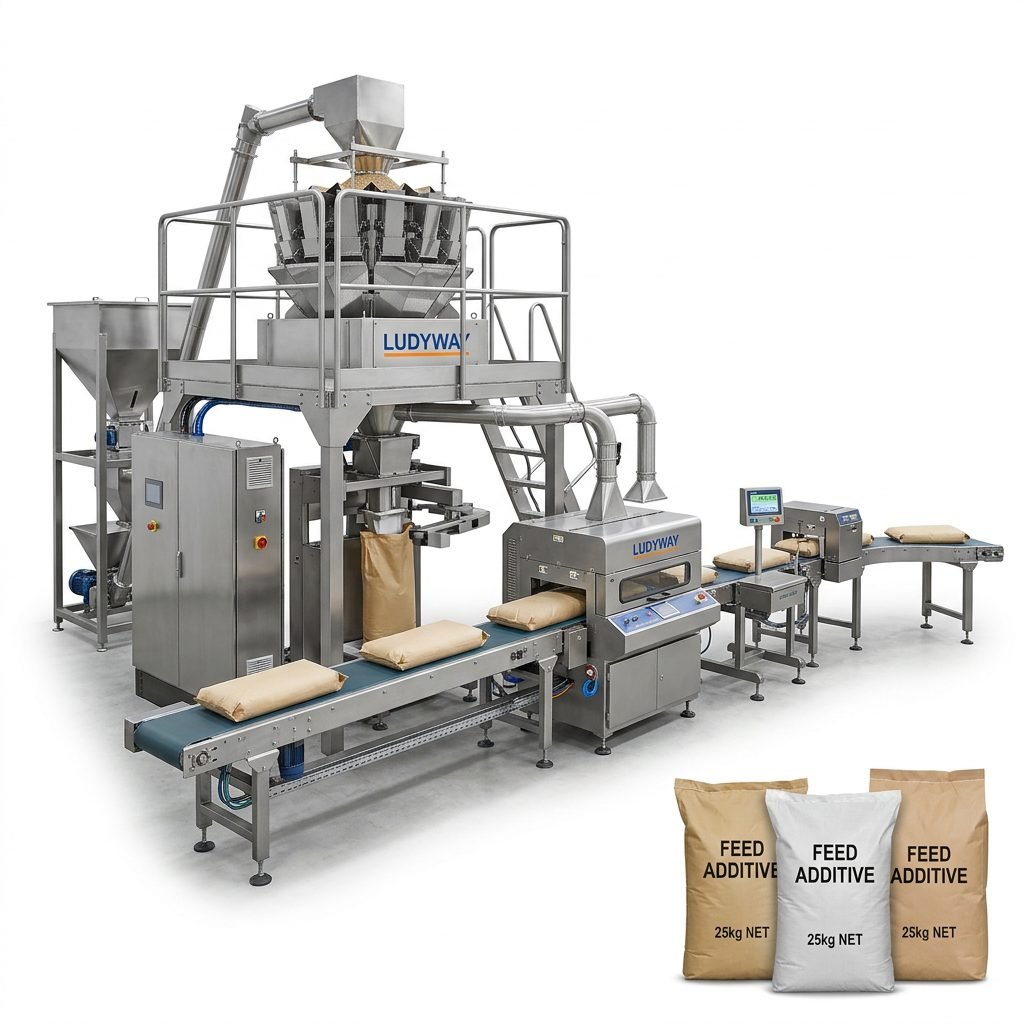
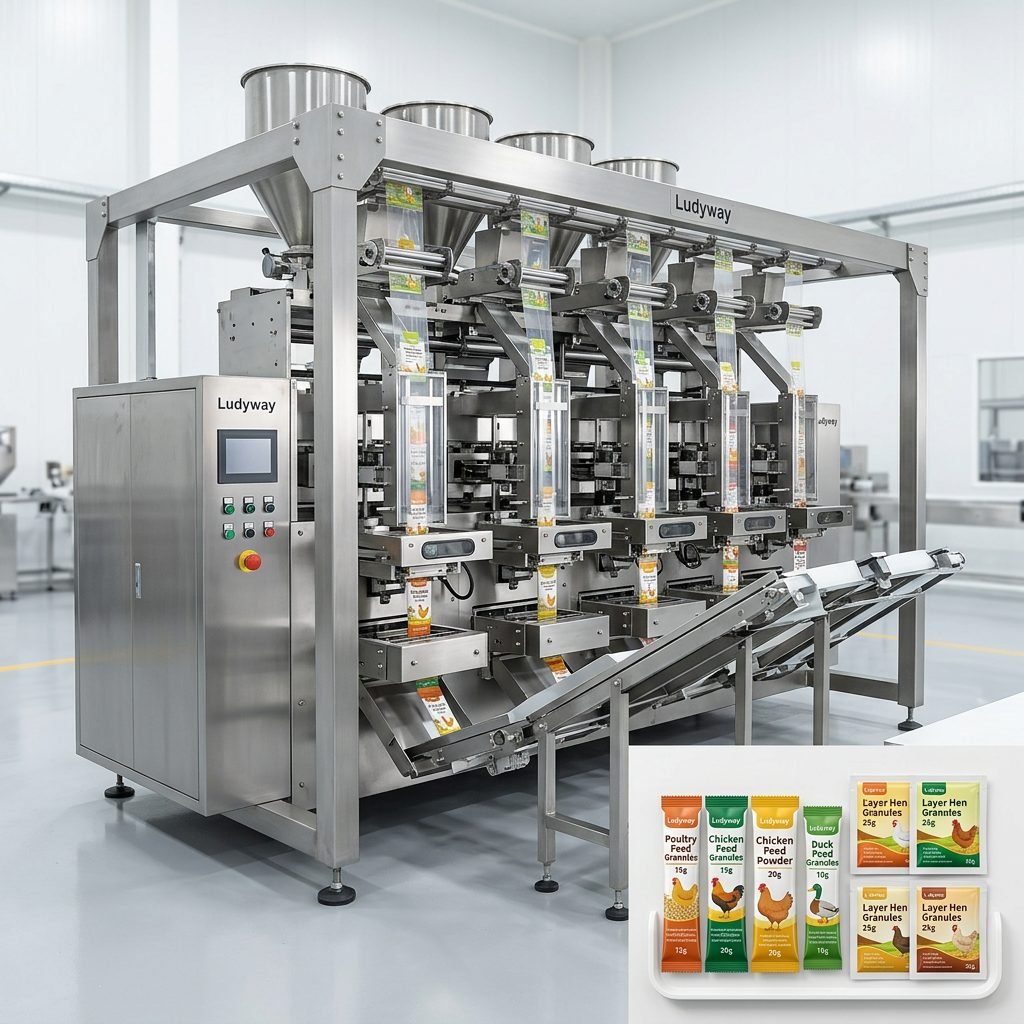
Your choice of bagging machine depends on packaging format. Options include open-mouth baggers for woven polypropylene sacks, valve bag fillers for paper or plastic valve bags, and vertical form-fill-seal (VFFS) machines for pillow pouches. Heat sealing, sewing, or glue closure methods must be selected based on bag material and product protection requirements. For flexible packaging formats like sachets and stick packs, multi-lane systems maximize throughput.
Step 3: UK Regulatory Compliance and Standards
Operating a feed packaging line in the UK involves navigating a complex regulatory landscape. Post-Brexit, the UK maintains its own framework through retained EU legislation and domestic regulations enforced by the Food Standards Agency (FSA) and Agriculture and Horticulture Development Board (AHDB). Machinery must comply with Supply of Machinery (Safety) Regulations 2008, which require CE marking or UKCA marking, detailed technical documentation, and conformity assessment procedures.
Feed Hygiene and Safety Regulations
Regulation (EC) No 183/2005 on feed hygiene, retained in UK law, establishes requirements for feed business operators. Your packaging line design must prevent cross-contamination between medicated and non-medicated feed, incorporate effective cleaning protocols, and maintain traceability records. HACCP principles should be applied to packaging operations, identifying critical control points where foreign material contamination or product degradation could occur.
Packaging Material Compliance
Materials in contact with animal feed must meet safety standards. The FCM (Food Contact Materials) framework, while primarily for human food, influences feed packaging practices. Bags and liners must not transfer harmful substances to feed products. Many UK producers specify food-grade polyethylene liners or multi-wall paper sacks with appropriate barrier properties to protect against moisture ingress during the British climate’s characteristic damp conditions.
Weight and Labeling Requirements
Packaged feed products sold by weight must comply with the Weights and Measures Act 1985. Labels must include product identity, net quantity, manufacturer details, batch coding for traceability, and compositional information as required by flexible packaging regulatory affairs standards. Automatic checkweighers integrated into the production line ensure every bag meets declared weight tolerances, reducing giveaway and protecting brand reputation.
Step 4: Automation and Industry 4.0 Integration
Modern UK feed manufacturing facilities increasingly adopt smart factory principles. PLC-controlled packaging lines with HMI touchscreen interfaces allow operators to switch between product recipes rapidly. Integration with ERP systems enables real-time production monitoring, inventory tracking, and batch reporting. Key automation features to consider include servo-driven filling for precision, automatic film splicing on VFFS machines for continuous operation, and robotic palletizing to address warehouse labor challenges prevalent across British manufacturing sectors.
End-of-Line Automation Options
- Automatic checkweighers — reject underweight/overweight packages before shipment
- Metal detectors and X-ray inspection — critical for foreign body detection in feed products
- Inkjet coders and thermal transfer printers — apply batch codes, dates, and barcodes
- Stretch wrapping machines — secure pallet loads for transport across UK distribution networks
- Robotic palletizers — handle heavy 25kg sack stacking with consistent precision
- Automated guided vehicles (AGVs) — transport finished pallets to warehouse staging areas
Step 5: Supplier Selection and Project Management
Choosing the right packaging machinery supplier significantly impacts project success. For UK buyers, both domestic and international manufacturers offer viable options. International suppliers like Ludyway, one of the largest packaging machine manufacturers in China, provide comprehensive turnkey solutions with significant cost advantages. When evaluating suppliers, assess their experience with feed industry applications, availability of spare parts within the UK or Europe, and willingness to provide installation and training support.
Key Supplier Evaluation Criteria
| Criterion | What to Look For | Importance Level |
|---|---|---|
| Industry Experience | Proven installations in feed/agriculture sector | Critical |
| CE/UKCA Compliance | Documentation for UK market acceptance | Critical |
| After-Sales Support | Remote diagnostics, local service partners | Critical |
| Spare Parts Availability | UK or European warehouse stock | High |
| Training Provision | On-site operator and maintenance training | High |
| Warranty Terms | Minimum 12-month comprehensive warranty | Medium |
Installation and Commissioning Timeline
A typical feed packaging line project follows a structured timeline: factory acceptance testing (FAT) at the supplier’s facility, shipping (4-6 weeks sea freight to UK ports like Felixstowe or Southampton), customs clearance, delivery to site, mechanical and electrical installation (2-4 weeks), commissioning and operator training (1-2 weeks), and production ramp-up. Planning for potential delays due to port congestion or UK border checks ensures realistic project schedules.
Cost Analysis and ROI Considerations
Investment in automated feed packaging equipment requires thorough financial analysis. Beyond the capital expenditure for machinery, factor in shipping costs, import duties (check current UK Global Tariff rates for packaging machinery HS codes), installation labor, and ongoing operational costs. Calculate return on investment through labor savings (typically 2-4 operators replaced per shift), reduced product giveaway from improved weighing accuracy, increased throughput capacity, and lower packaging material waste.
Typical Operating Cost Savings
- Labor reduction: Automated lines typically reduce direct packaging labor by 50-70%
- Material savings: Precision filling reduces overfill giveaway by 0.5-2% of product volume
- Energy efficiency: Modern servo-driven systems consume 30-40% less power than pneumatic equivalents
- Reduced rework: Consistent seal quality and accurate weighing minimize rejected product
- Extended shelf life: Better seal integrity and nitrogen flushing options preserve feed freshness longer
Maintenance and Long-Term Support
Establishing a preventive maintenance program from day one maximizes equipment lifespan and minimizes unplanned downtime. Critical spare parts should be stocked locally, including common wear items like sealing elements, belts, bearings, and sensors. Many UK facilities contract with local engineering service providers for routine maintenance while maintaining direct relationships with original equipment manufacturers for specialized support. Remote connectivity features increasingly allow suppliers to diagnose issues without on-site visits, reducing response times significantly.
For comprehensive guidance on packaging machinery standards, consult resources from the PMMI packaging industry association and the ISO packaging standards documentation. These organizations publish valuable technical references for production line specification and regulatory compliance, helping UK feed producers make informed equipment decisions.
Setting up a feed packaging machine production line in the UK represents a significant but rewarding investment. By carefully defining requirements, selecting appropriate technology, ensuring regulatory compliance, and partnering with experienced suppliers, you can build a packaging operation that delivers consistent quality, operational efficiency, and long-term profitability in the competitive British agricultural and pet food markets.