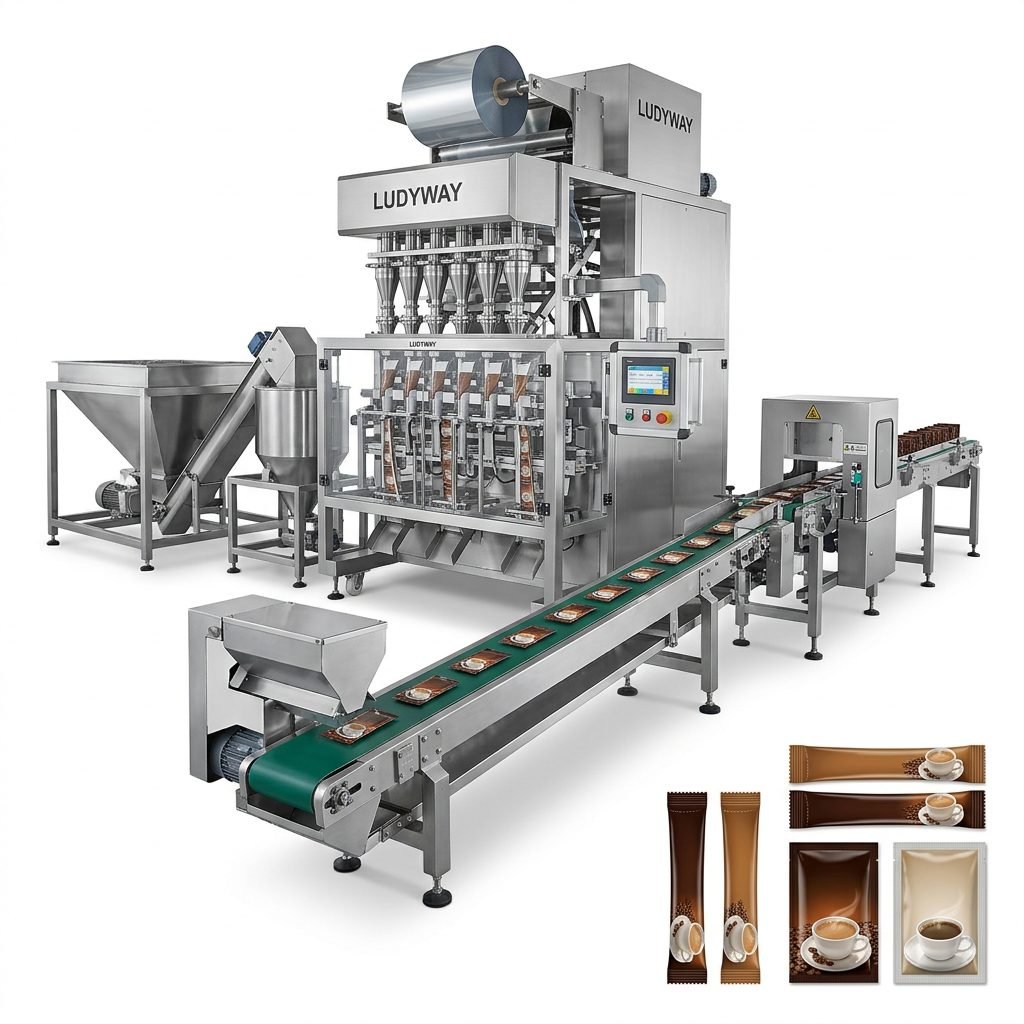
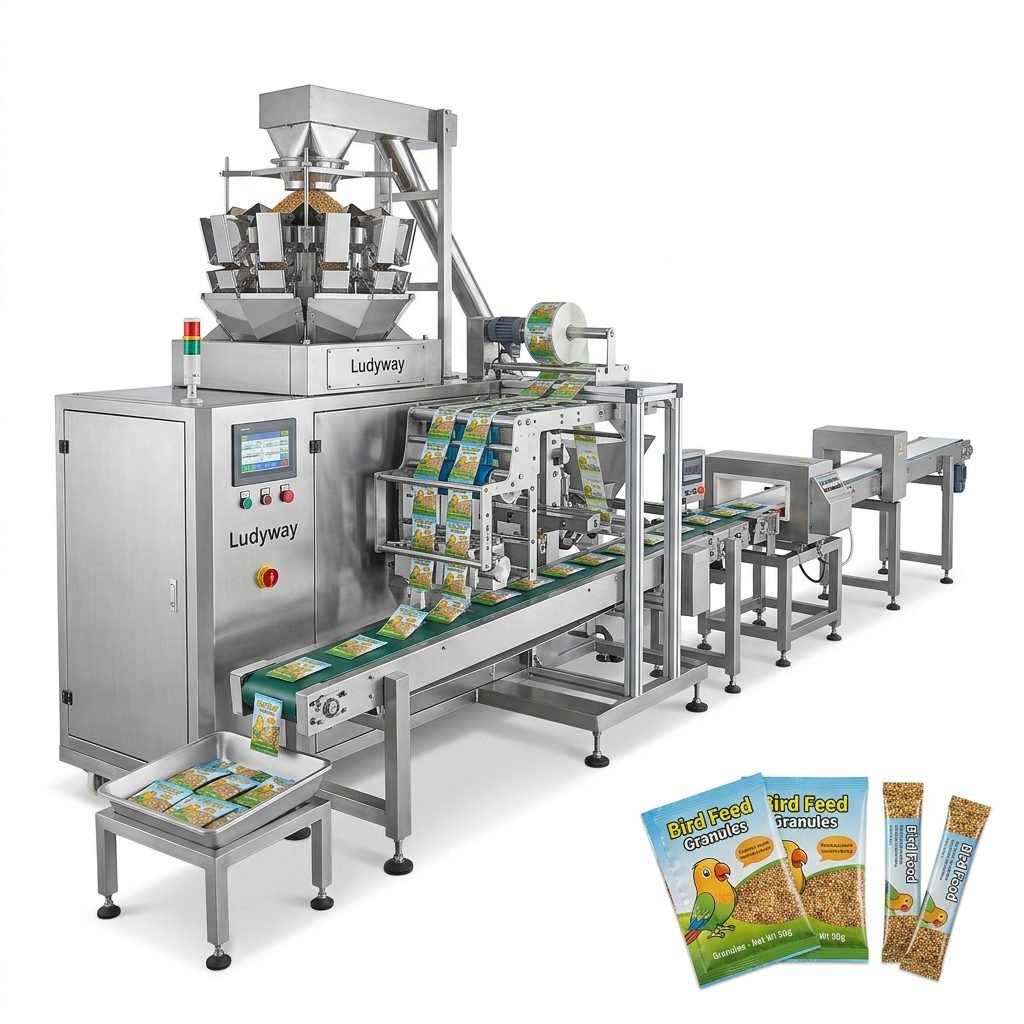
Investing in an automatic poly bag packing machine is a significant decision that can transform your production line’s efficiency, reduce labor costs, and improve packaging consistency. However, with dozens of machine types, configurations, and technical specifications available, selecting the right equipment requires careful evaluation. This comprehensive buyer’s guide walks you through the essential factors to consider before making your purchase.
Understanding Automatic Poly Bag Packing Machines
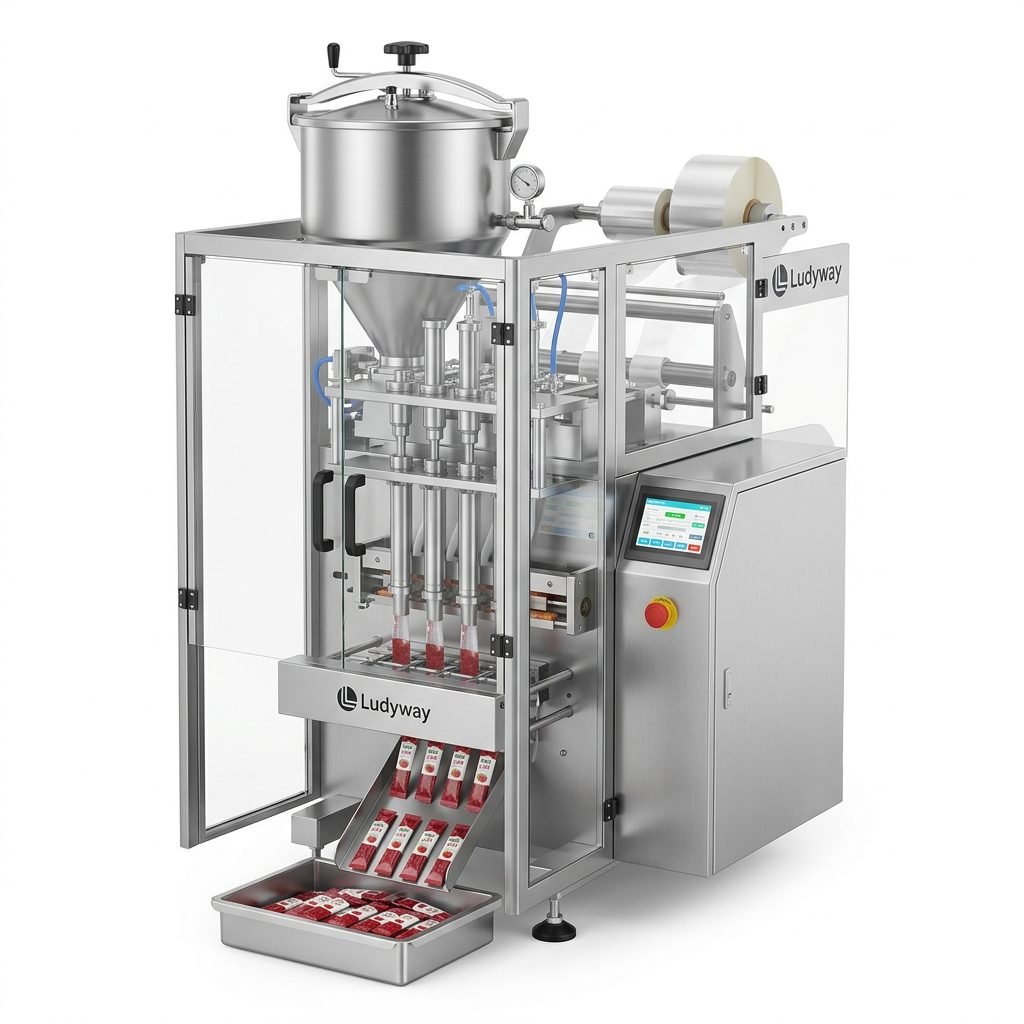
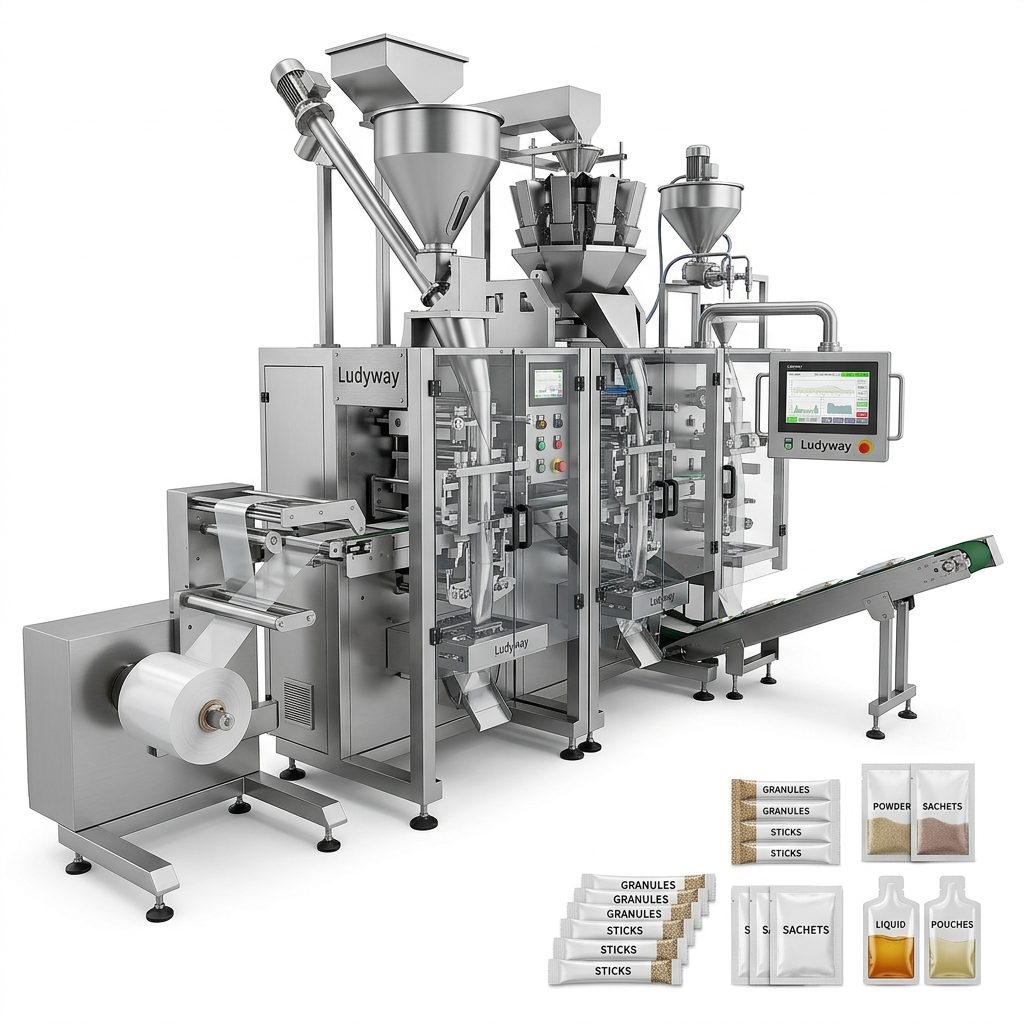
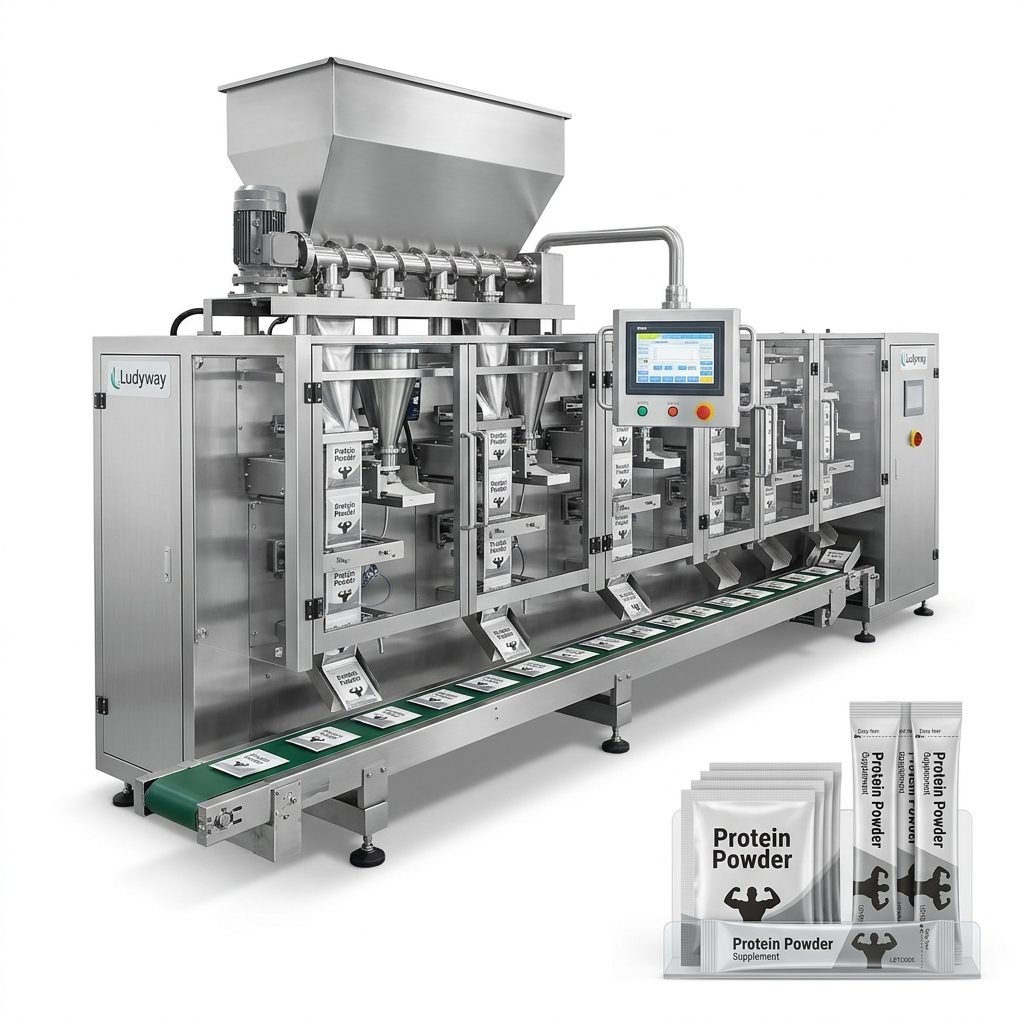
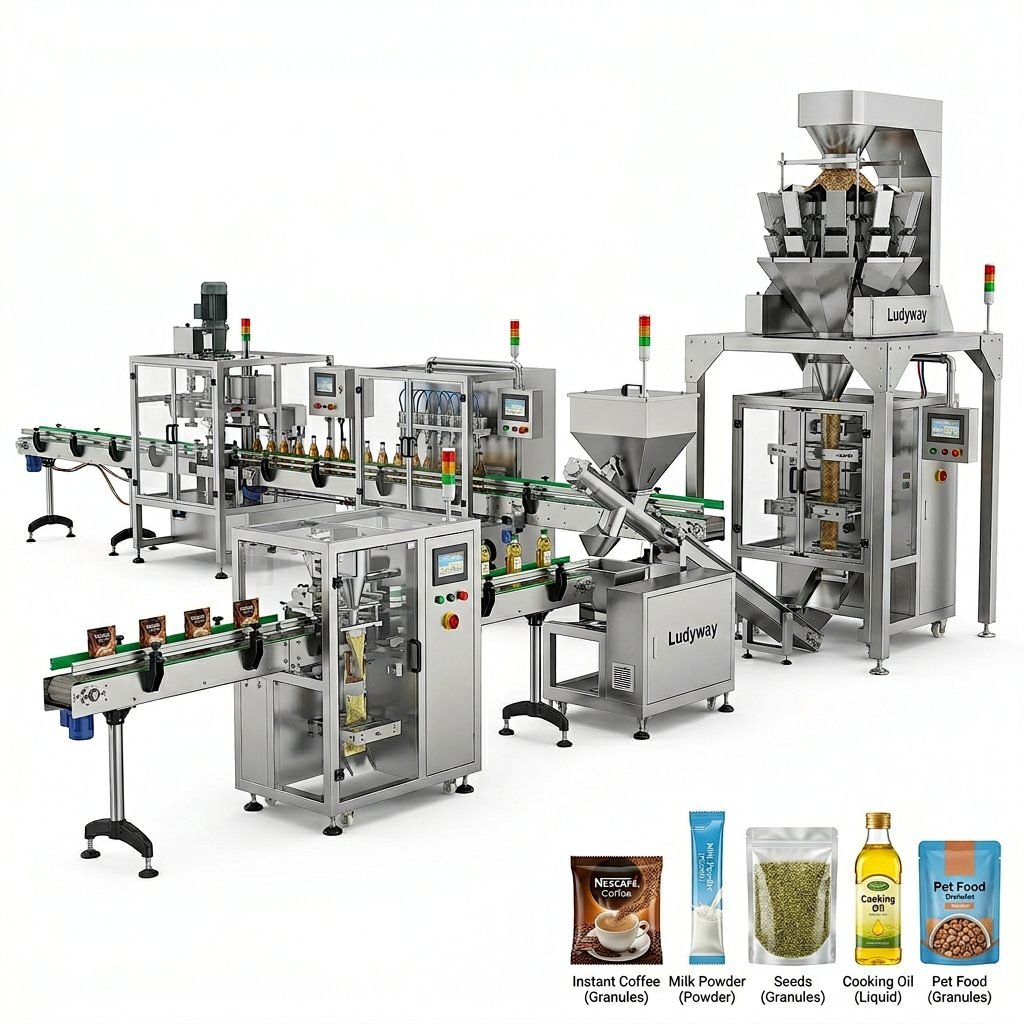
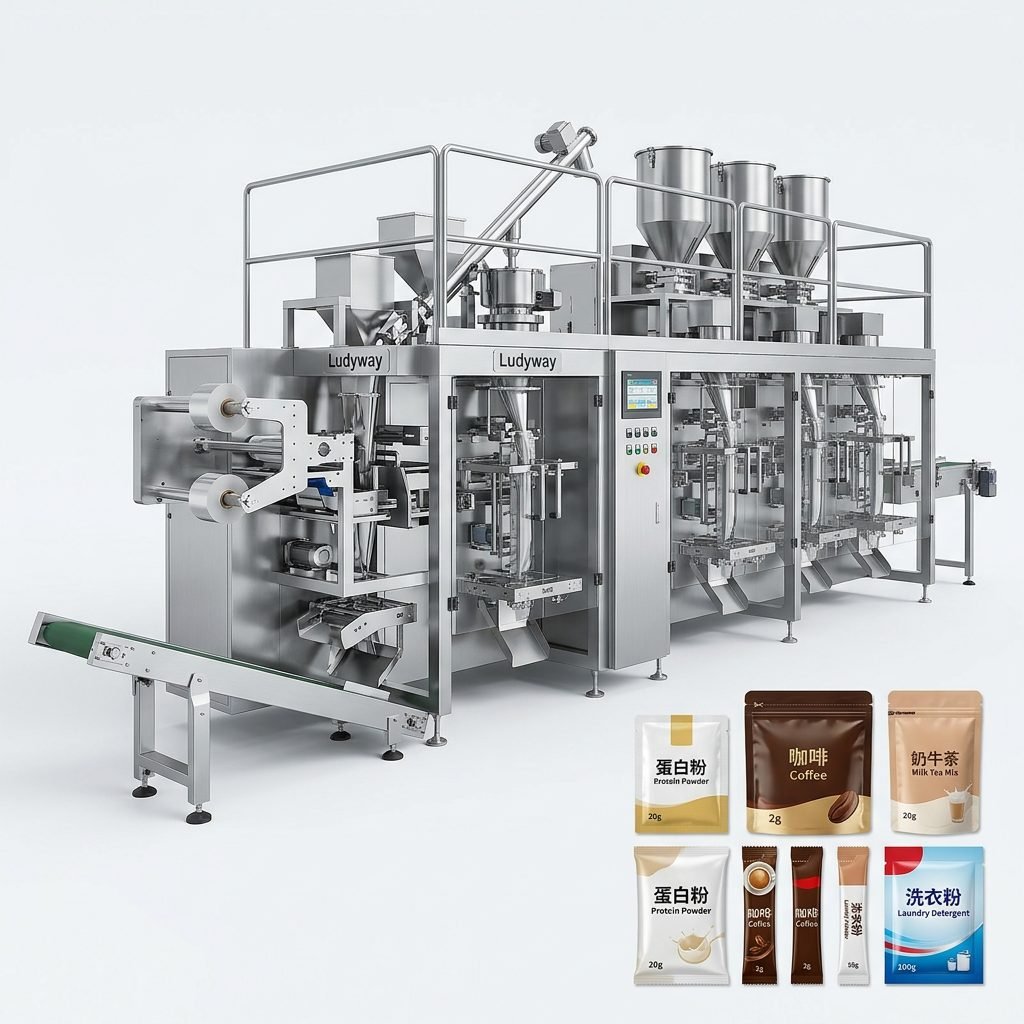
An automatic poly bag packing machine is designed to form, fill, and seal polyethylene bags with minimal human intervention. These machines handle various products — from granules and powders to liquids and solid items — across industries including food and beverage, pharmaceuticals, chemicals, cosmetics, and agriculture. Modern systems can integrate weighing, filling, sealing, coding, and even cartoning into a single automated workflow.
According to the PMMI Business Intelligence reports, the global packaging machinery market continues to grow as manufacturers increasingly adopt automation to meet rising consumer demand and stricter quality standards. Understanding your specific application is the first step toward choosing the right machine.
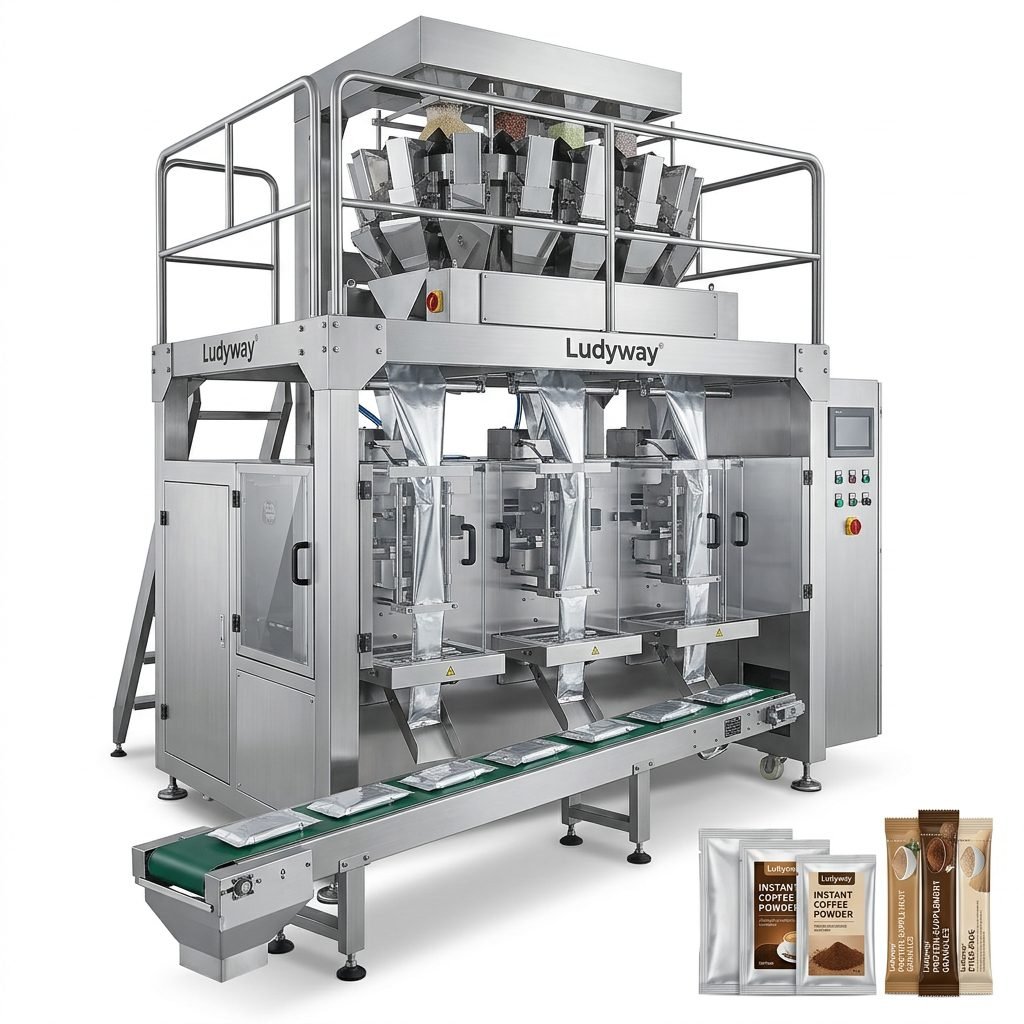
Key Factors to Evaluate Before Buying
Every packaging application is unique. The following factors will help you narrow down your options and ensure the machine you select aligns with your production goals.
1. Product Characteristics and Material Compatibility
The physical properties of your product directly influence which machine configuration is suitable. Consider the following:
- Product form: Is it a free-flowing granule, fine powder, liquid, paste, or solid item? Each requires a specific dosing and filling mechanism.
- Flowability and density: Powders with poor flow characteristics may need auger fillers or specialized hoppers, while free-flowing granules work well with volumetric or multi-head weighers.
- Moisture sensitivity: Hygroscopic products may require nitrogen flushing or vacuum sealing to extend shelf life.
- Temperature sensitivity: Heat-sensitive products need sealing systems with precise temperature control to prevent product degradation.
The Flexible Packaging Association provides extensive data on material compatibility and packaging film innovations that can help you select the right poly bag material for your product.
2. Bag Dimensions and Packaging Formats
Automatic poly bag machines can produce various bag styles, including pillow bags, gusseted bags, stand-up pouches, and sachets. You need to confirm:
- Minimum and maximum bag width and length the machine can handle
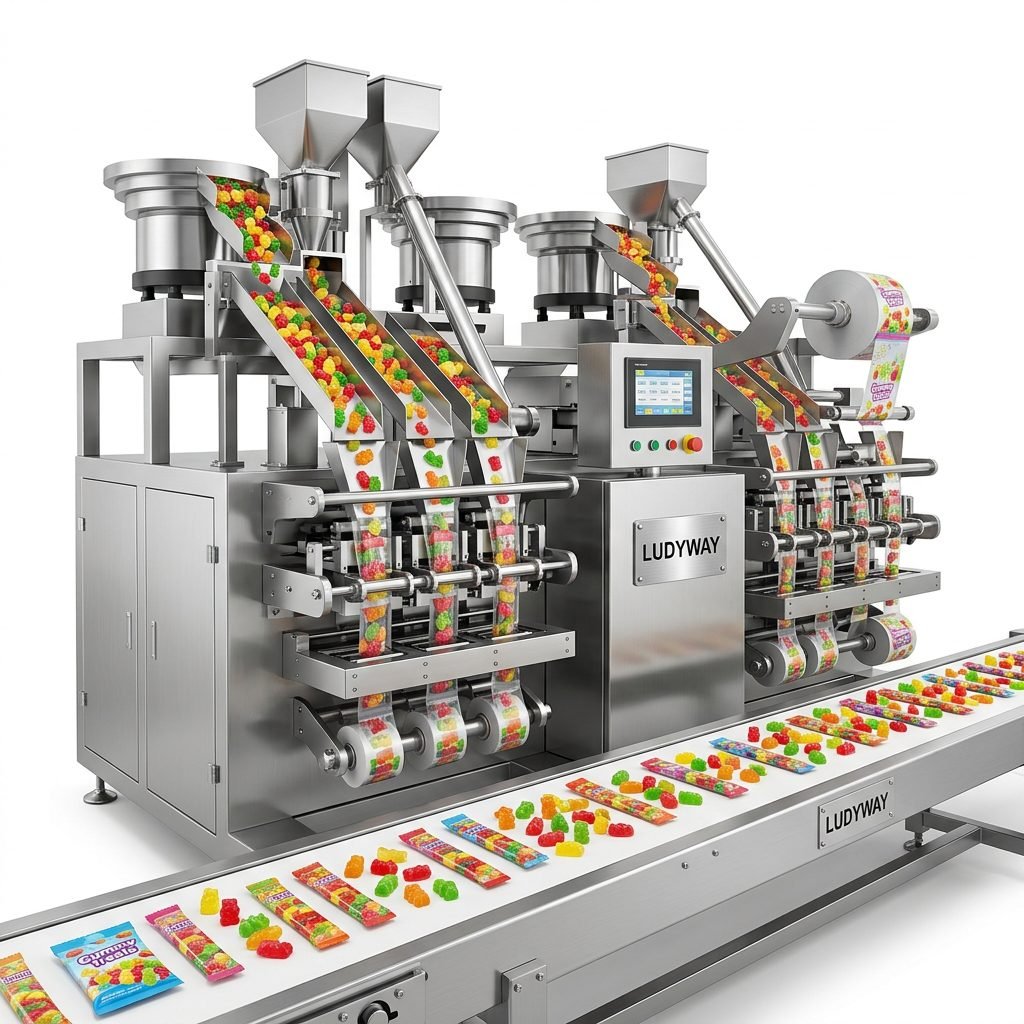
- Whether the machine supports multi-lane production for smaller sachet or stick pack formats
- Compatibility with different film thicknesses and material structures
- Whether you need zipper closures, tear notches, or euro slot punching
3. Production Speed and Capacity Requirements
Production speed is measured in bags per minute (BPM) and varies significantly based on machine design and bag size. A single-lane machine may produce 30-80 BPM, while multi-lane stick pack machines can achieve 300-600 BPM or more. When evaluating speed, consider:
- Current production volume and future growth projections
- Changeover time between different bag sizes or products
- The balance between speed and filling accuracy
Comparing Machine Types: A Quick Reference
Below is a comparison of common automatic poly bag packing machine configurations to help you identify which type suits your operation.
| Machine Type | Best For | Speed Range | Bag Formats |
|---|---|---|---|
| Single-Lane VFFS | Medium-volume production, diverse product types | 30-80 BPM | Pillow, gusseted, flat bottom |
| Multi-Lane Stick Pack | High-volume small sachets, powders, granules | 200-600+ BPM | Stick packs, sachets (4-16 lanes) |
| Premade Pouch Machine | Stand-up pouches, zipper bags, spouted pouches | 30-60 BPM | Stand-up, flat, zipper, spouted |
| Horizontal Flow Wrapper | Solid items, baked goods, hardware | 40-150 BPM | Pillow, fin seal, lap seal |
| Bulk Bag Filler | Large bags (5kg-50kg), industrial products | 3-15 BPM | Open mouth, valve bags, FIBC |
Automation Level and Integration Capabilities
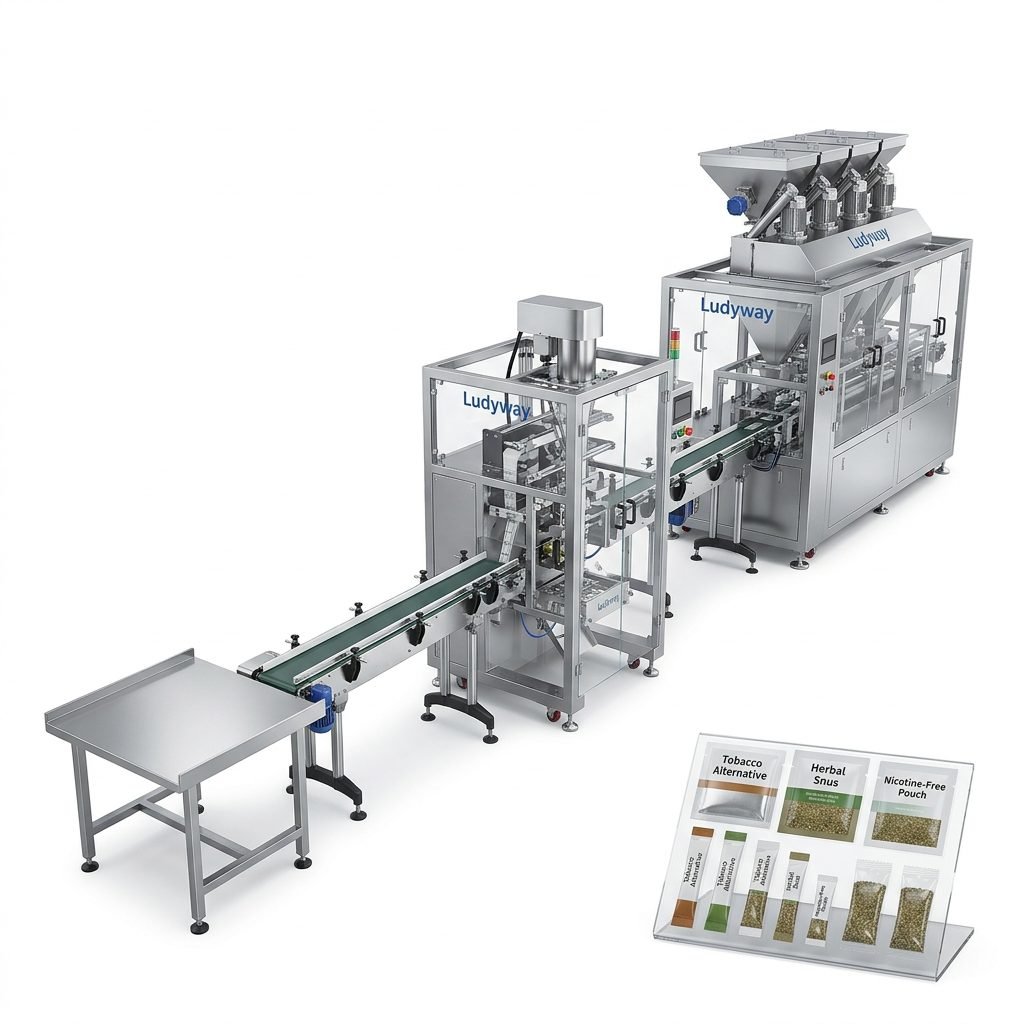
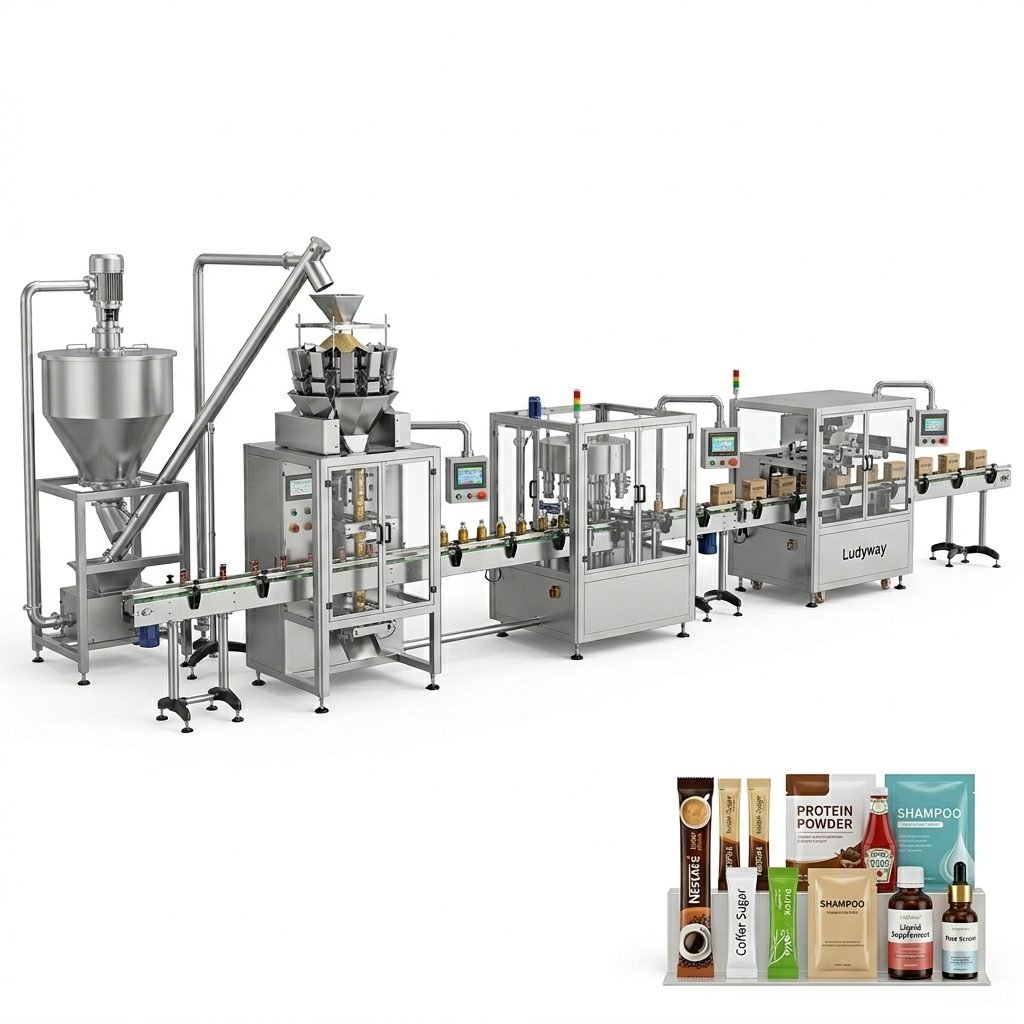
Modern automatic poly bag packing machines range from semi-automatic systems requiring manual product loading to fully integrated turnkey lines that handle feeding, dosing, filling, sealing, coding, inspection, cartoning, and palletizing. When evaluating automation, consider:
- Upstream integration: Can the machine connect to your existing production line, feeders, and conveyors?
- Downstream integration: Does it support automatic cartoning, case packing, and palletizing?
- Control system: Look for PLC-based controls with HMI touchscreens for intuitive operation and recipe management.
- Data capabilities: Industry 4.0-ready machines can provide production data, OEE metrics, and remote diagnostics.
Compliance with International Standards
Depending on your industry and target markets, your packaging machinery may need to comply with specific regulations and standards. Key considerations include:
- Food-grade requirements: Machines handling food products should use food-safe materials and be designed for easy cleaning. Refer to FDA food packaging regulations for U.S. market compliance.
- Pharmaceutical standards: Machines for pharmaceutical applications may need to comply with GMP guidelines and ISO 11607 for medical device packaging.
- CE marking and electrical safety: For European markets, ensure the machine meets applicable EU directives.
- Dust and explosion protection: For powders and chemicals, ATEX or equivalent safety standards may apply.
Cost Considerations Beyond the Purchase Price
The initial machine cost is only one part of the total investment. A thorough cost analysis should include:
- Installation and commissioning: Engineering support, on-site setup, and operator training
- Packaging material costs: Different machines have different film utilization efficiency and waste rates
- Maintenance and spare parts: Availability of critical components and ongoing service requirements
- Energy consumption: Efficiency of motors, heating elements, and compressed air usage
- Downtime costs: Reliability and mean time between failures (MTBF) directly affect your bottom line
Selecting the Right Packaging Machinery Partner
Choosing the right machine goes hand in hand with choosing the right manufacturer. Look for a partner with proven experience, engineering capabilities, and comprehensive after-sales support. Key criteria include:
- Years of experience and number of installations in your industry
- In-house manufacturing and engineering capabilities for customized solutions
- Availability of turnkey packaging line integration services
- International certifications and compliance documentation
- Responsive technical support, spare parts availability, and operator training programs
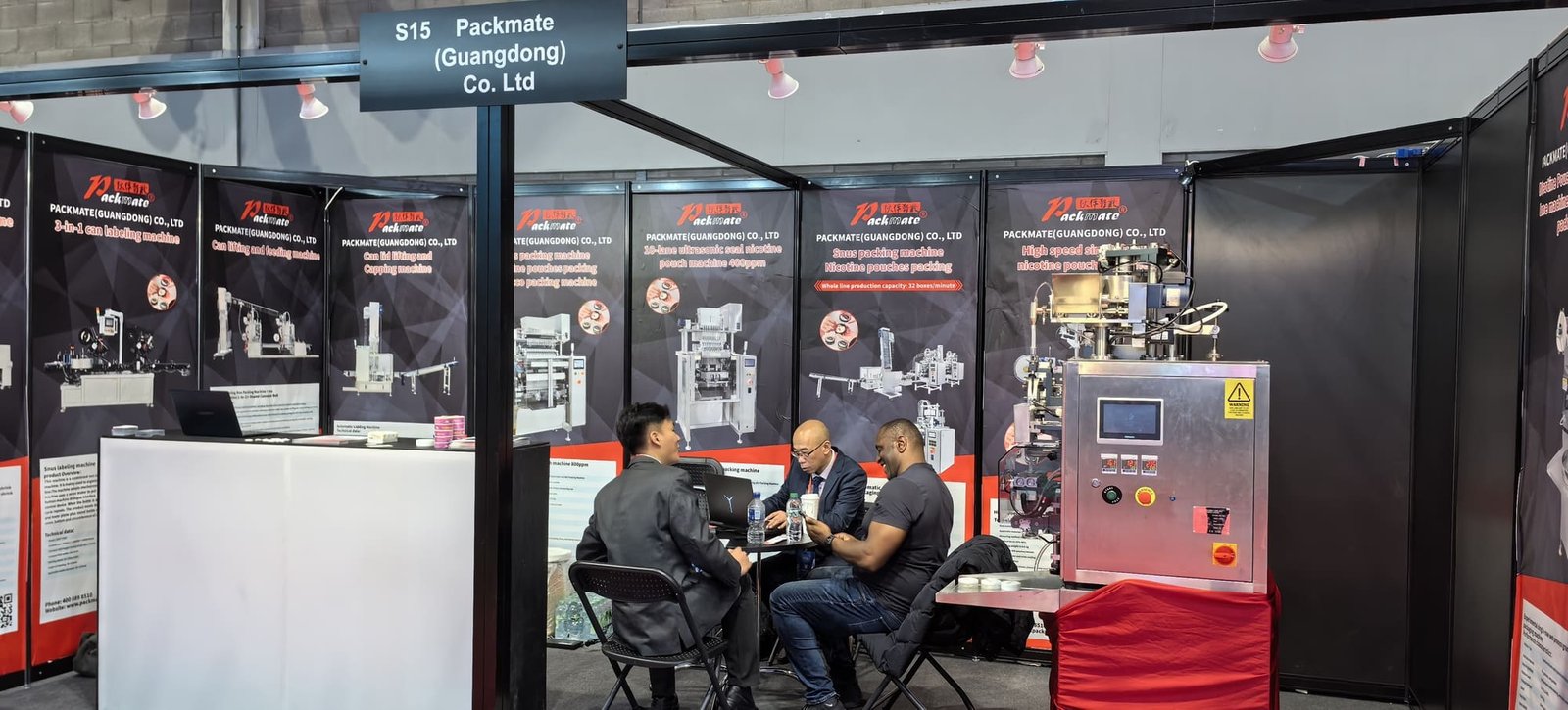
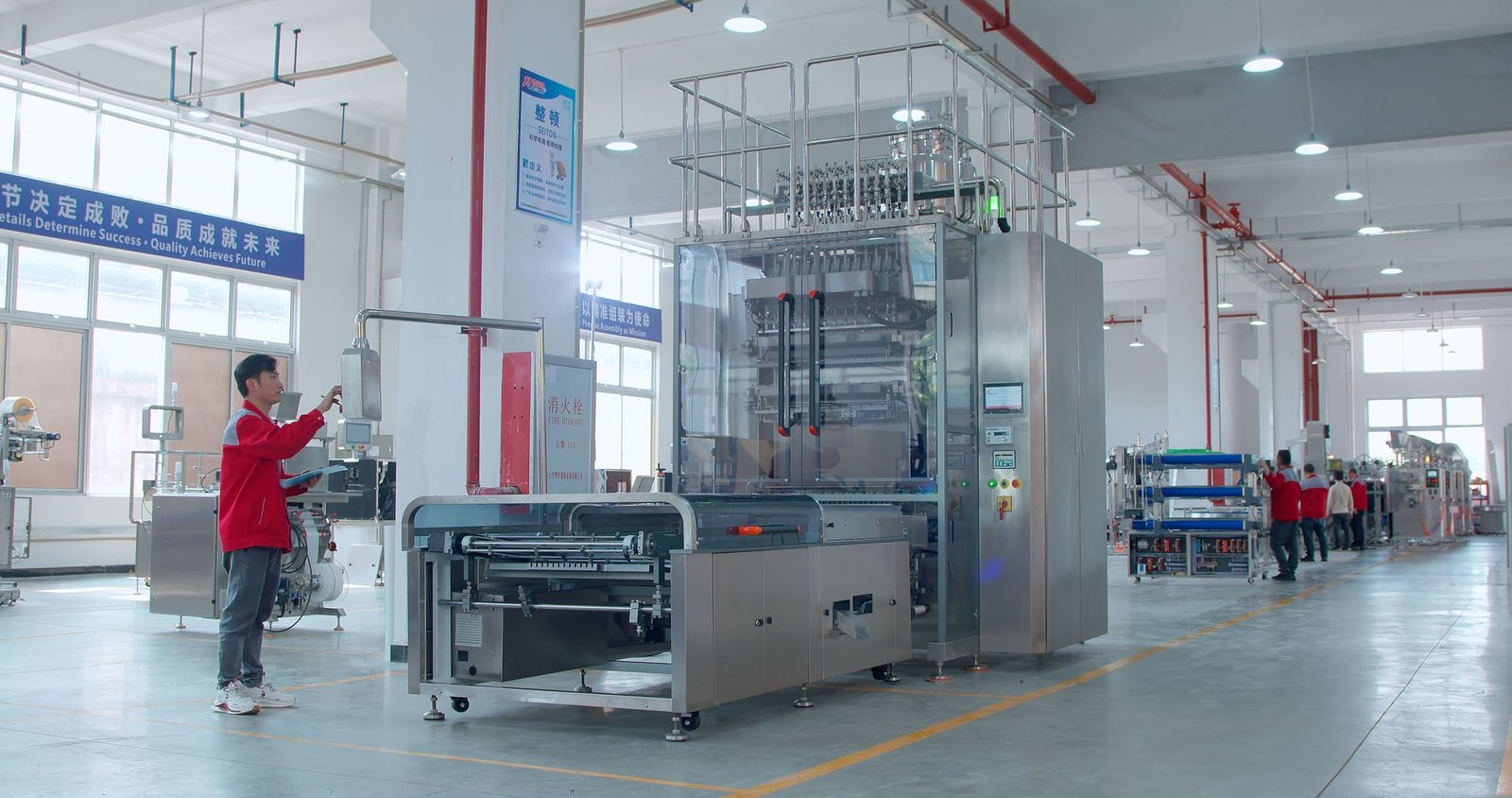
For manufacturers seeking a reliable long-term partner, Ludyway Machinery offers over 30 years of packaging machinery expertise with more than 50 machine models, a 20,000-square-meter manufacturing facility, and turnkey packaging solutions serving customers across 100+ countries. Whether you need a single automatic poly bag machine or a fully integrated packaging line, working with an experienced manufacturer can make the difference between a smooth implementation and costly operational disruptions.
For broader industry trends and market data, the PMMI 2026 State of the Industry report and Flexible Packaging Association resources offer valuable insights into packaging technology advancements and market forecasts.
Final Checklist Before Making Your Decision
Before finalizing your purchase, run through this summary checklist:
- Product compatibility — Confirm the machine handles your product type, density, and flow characteristics
- Bag specifications — Verify the machine supports your required bag dimensions, formats, and materials
- Speed and capacity — Ensure the machine meets current and projected production volumes
- Automation level — Determine whether you need standalone equipment or a fully integrated line
- Regulatory compliance — Check that the machine meets applicable standards for your industry and target markets
- Total cost of ownership — Calculate installation, material, maintenance, and energy costs over the machine’s lifespan
- Manufacturer support — Evaluate the supplier’s engineering capabilities, service network, and spare parts availability
Taking a methodical approach to machine selection will help you invest in equipment that delivers reliable performance, consistent packaging quality, and strong long-term ROI.