The frozen food market in South America is experiencing significant growth, driven by changing consumer lifestyles, expanding retail networks, and increasing demand for convenient food options. Countries such as Brazil, Argentina, Chile, Colombia, and Peru are leading this expansion, creating substantial opportunities for food manufacturers looking to establish or upgrade frozen food packaging operations. Setting up a frozen food packaging line in this region requires careful planning around equipment selection, cold chain logistics, regulatory compliance, and cost management.
Market Opportunity for Frozen Food Packaging in South America
South America’s frozen food sector has shown consistent double-digit growth over the past five years. The region’s expanding middle class, urbanization trends, and the proliferation of modern supermarkets have all contributed to increased frozen food consumption. Brazil alone accounts for approximately 45% of the regional frozen food market, followed by Argentina and Chile. For manufacturers, this presents a compelling case for investing in efficient, high-capacity packaging lines that can handle diverse product categories including frozen vegetables, fruits, meat, seafood, ready meals, and ice cream products.
Essential Equipment for a Frozen Food Packaging Line
A well-designed frozen food packaging line integrates multiple equipment types to ensure product integrity, speed, and efficiency. Understanding each component’s role is critical for making informed purchasing decisions. The packaging industry trends and forecasts indicate that automation and multi-lane systems are becoming the standard for competitive operations.
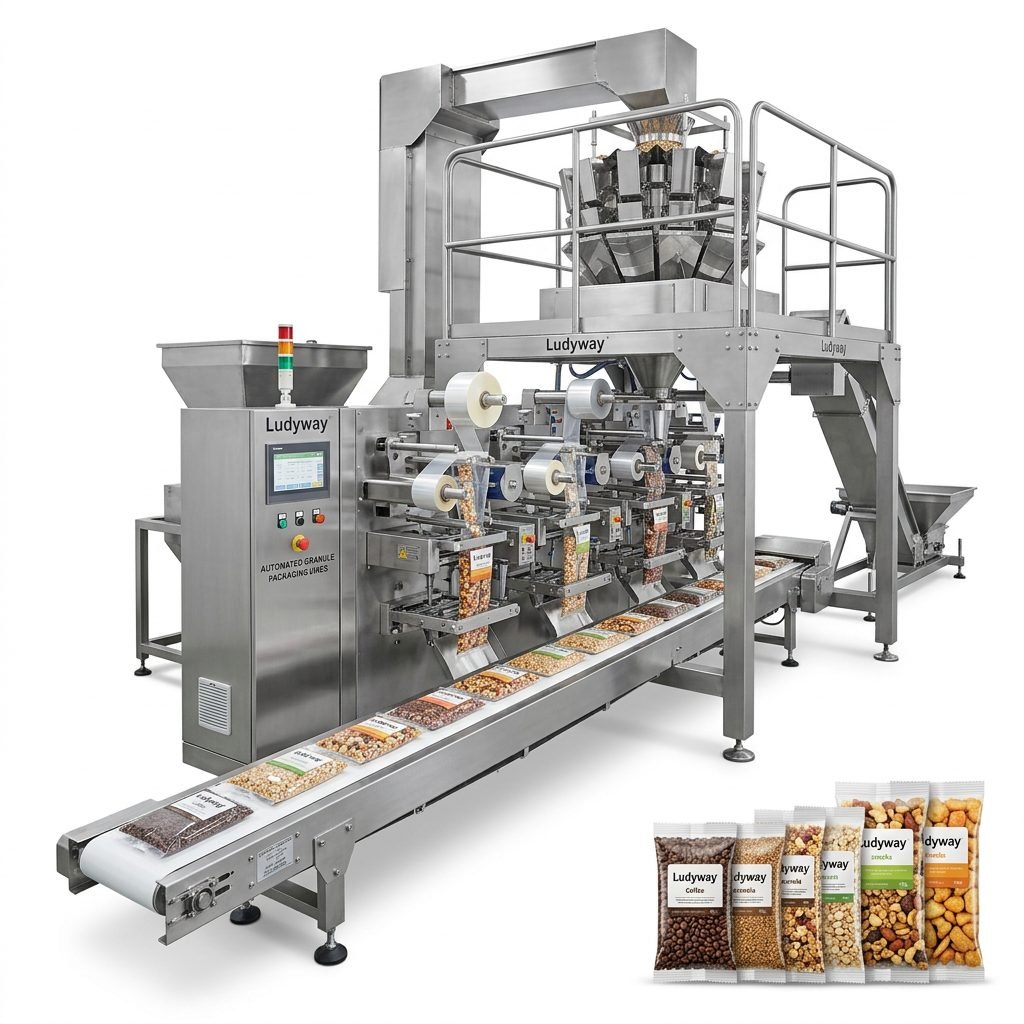
Primary Packaging Equipment
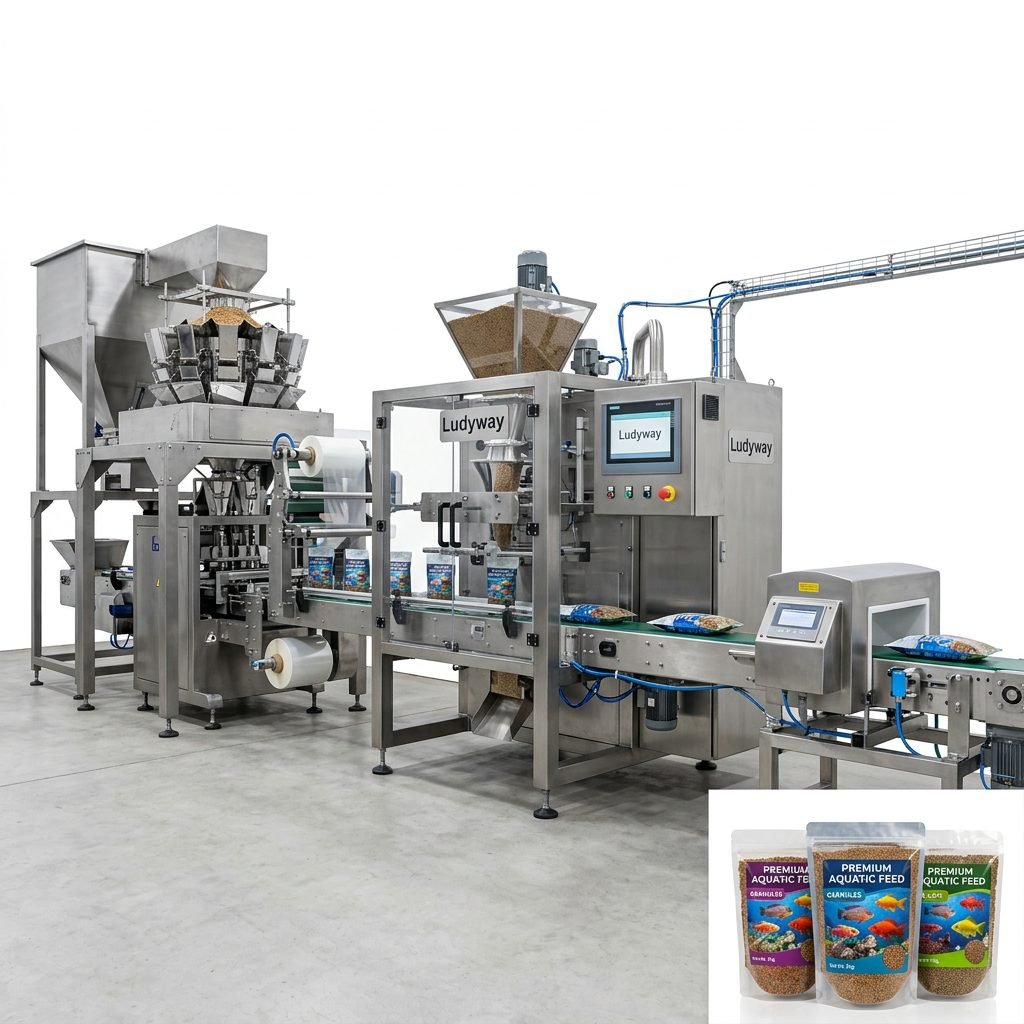
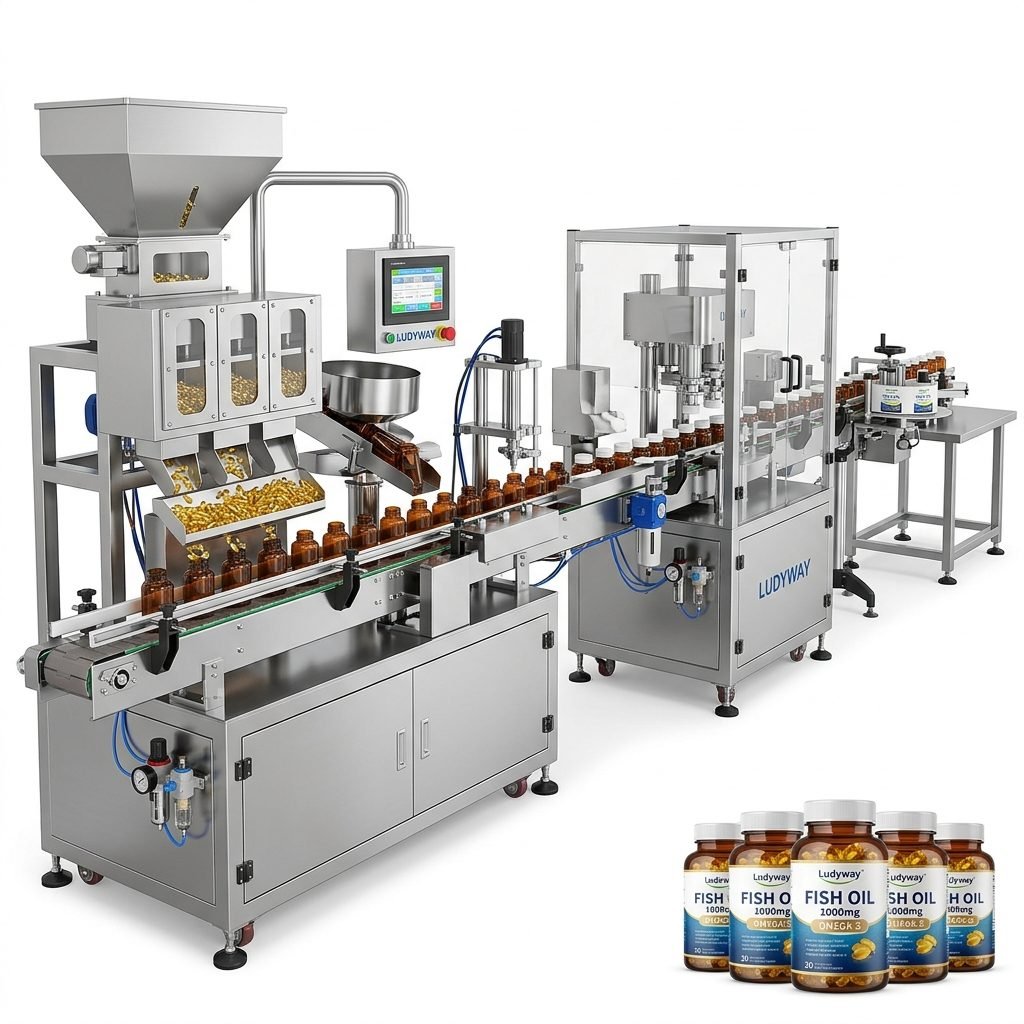
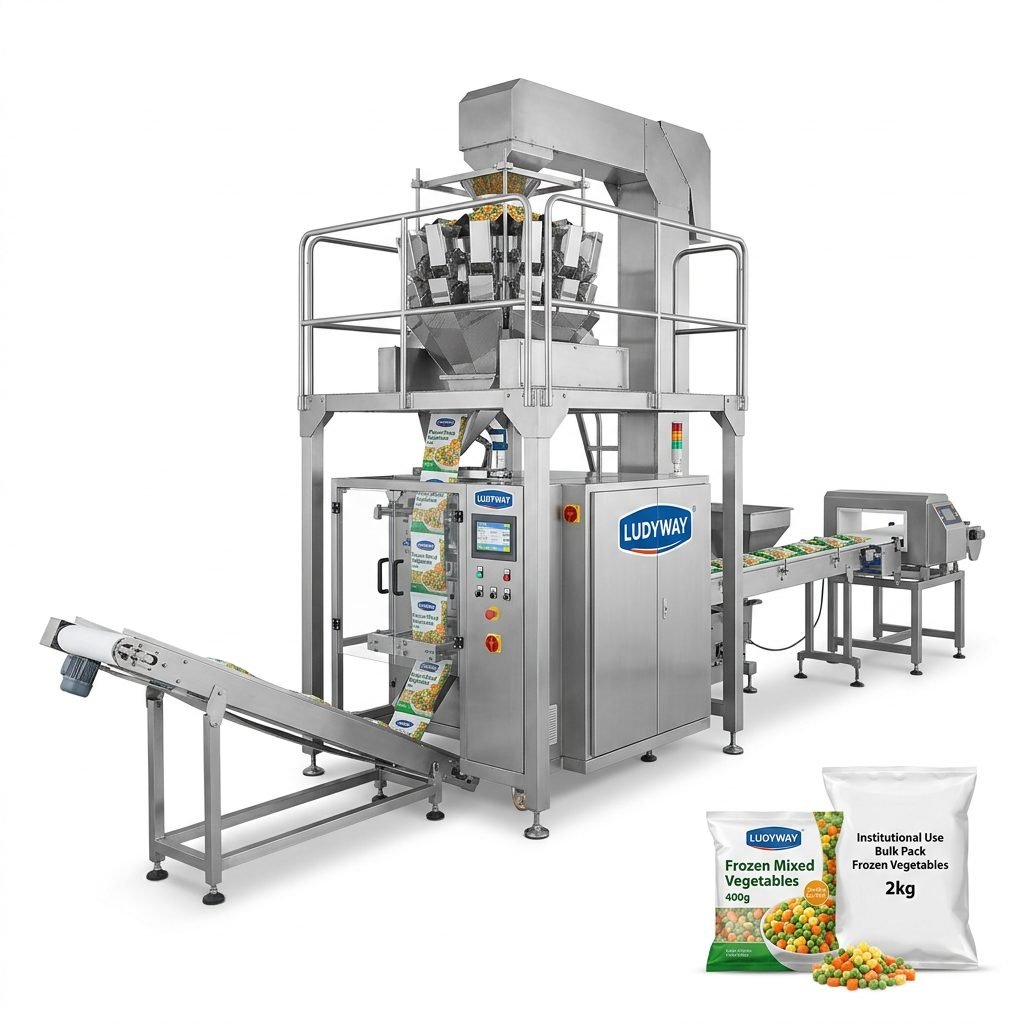
- Multi-Head Weighers: Essential for accurate portioning of frozen products such as vegetables, fruits, and nuggets. Modern multi-head weighers deliver high-speed precision weighing with minimal product damage.
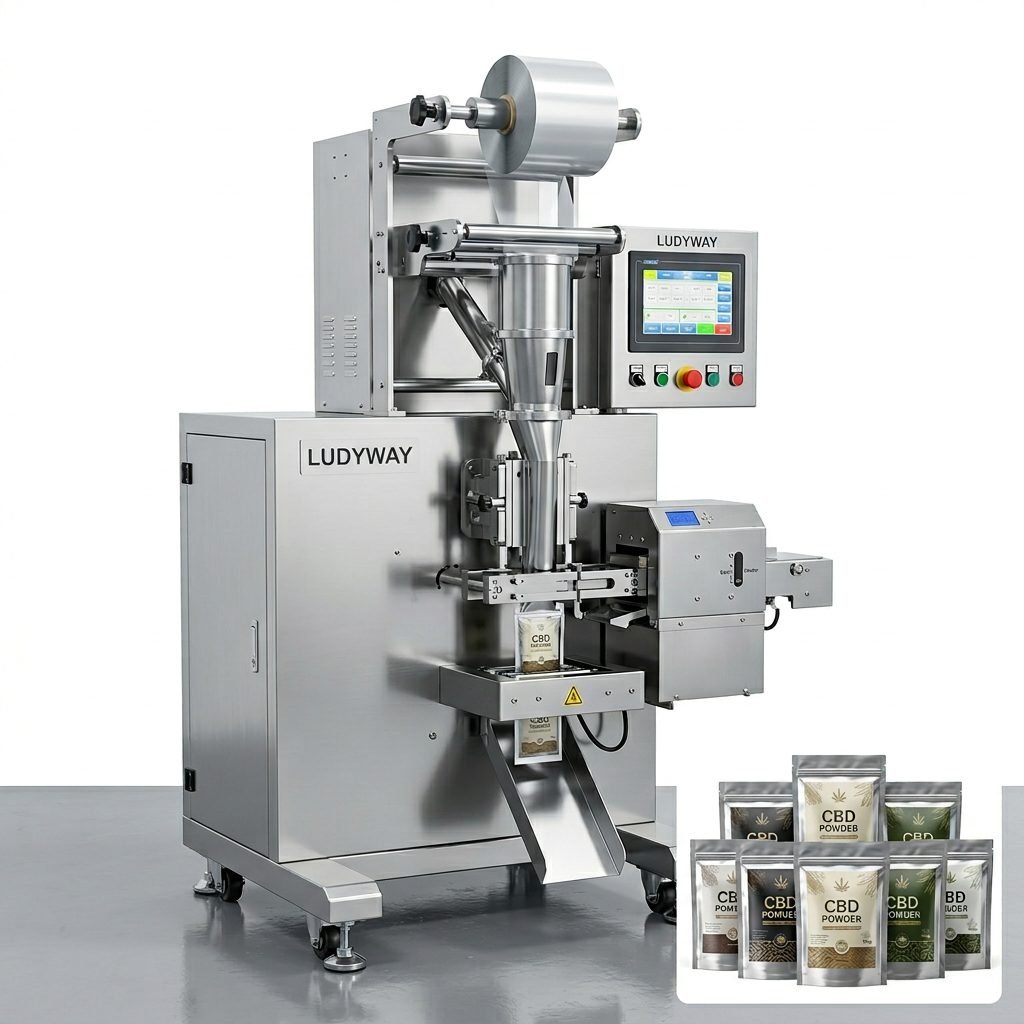
- Vertical Form Fill Seal (VFFS) Machines: Ideal for packaging frozen granular and free-flowing products into pillow bags, gusseted bags, or block-bottom pouches. These machines form, fill, and seal bags in a continuous vertical motion.
- Horizontal Form Fill Seal (HFFS) Machines: Better suited for frozen products that require gentle handling, such as frozen burgers, patties, and delicate frozen seafood portions.
- Tray Sealing and Thermoforming Machines: For frozen ready meals and portioned products, tray sealers with Modified Atmosphere Packaging (MAP) capabilities extend shelf life and preserve product quality.
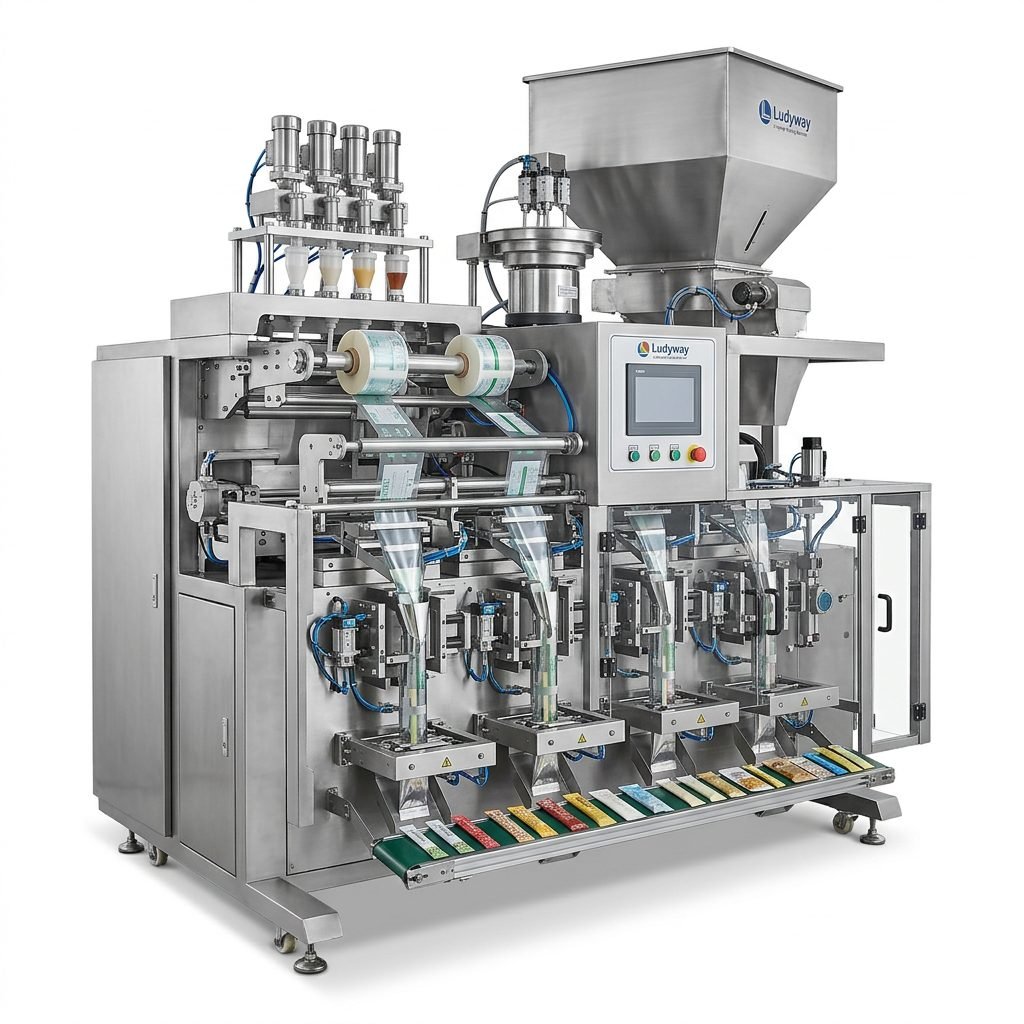
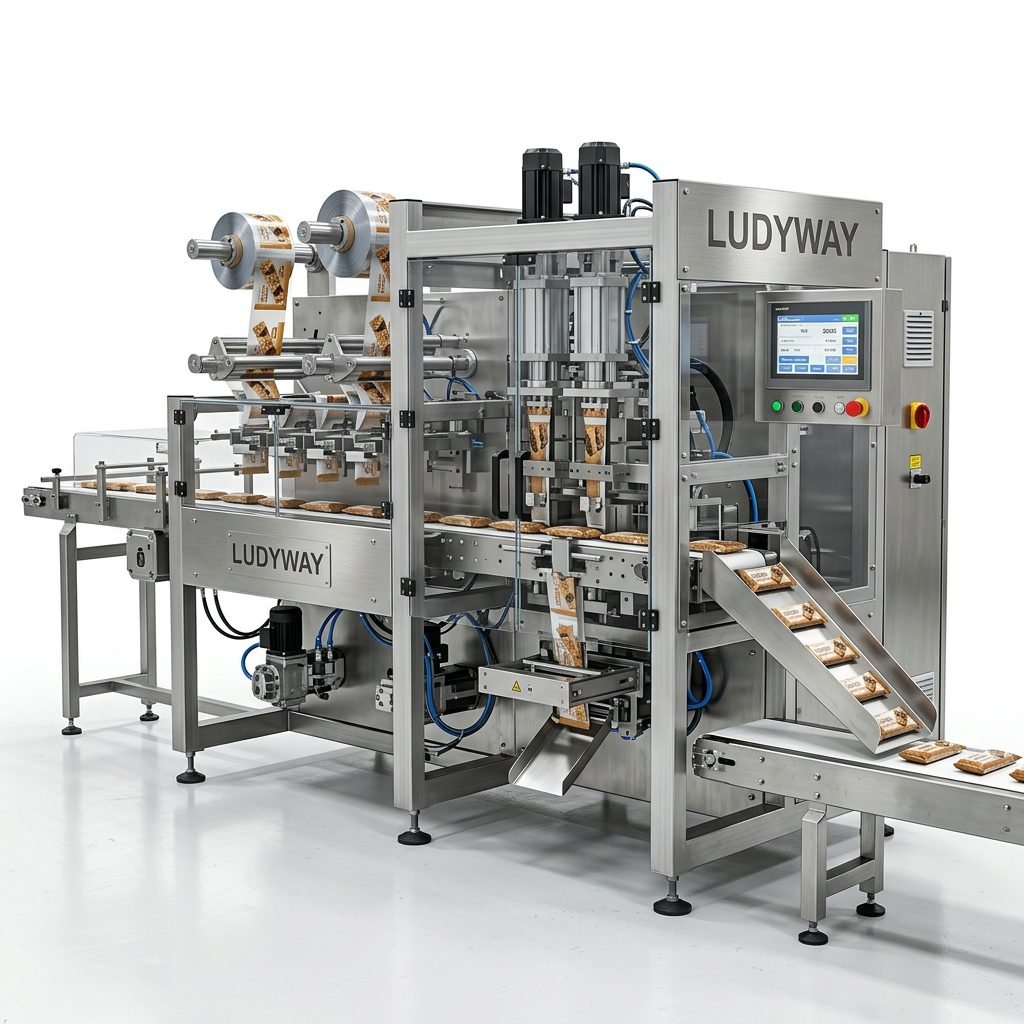
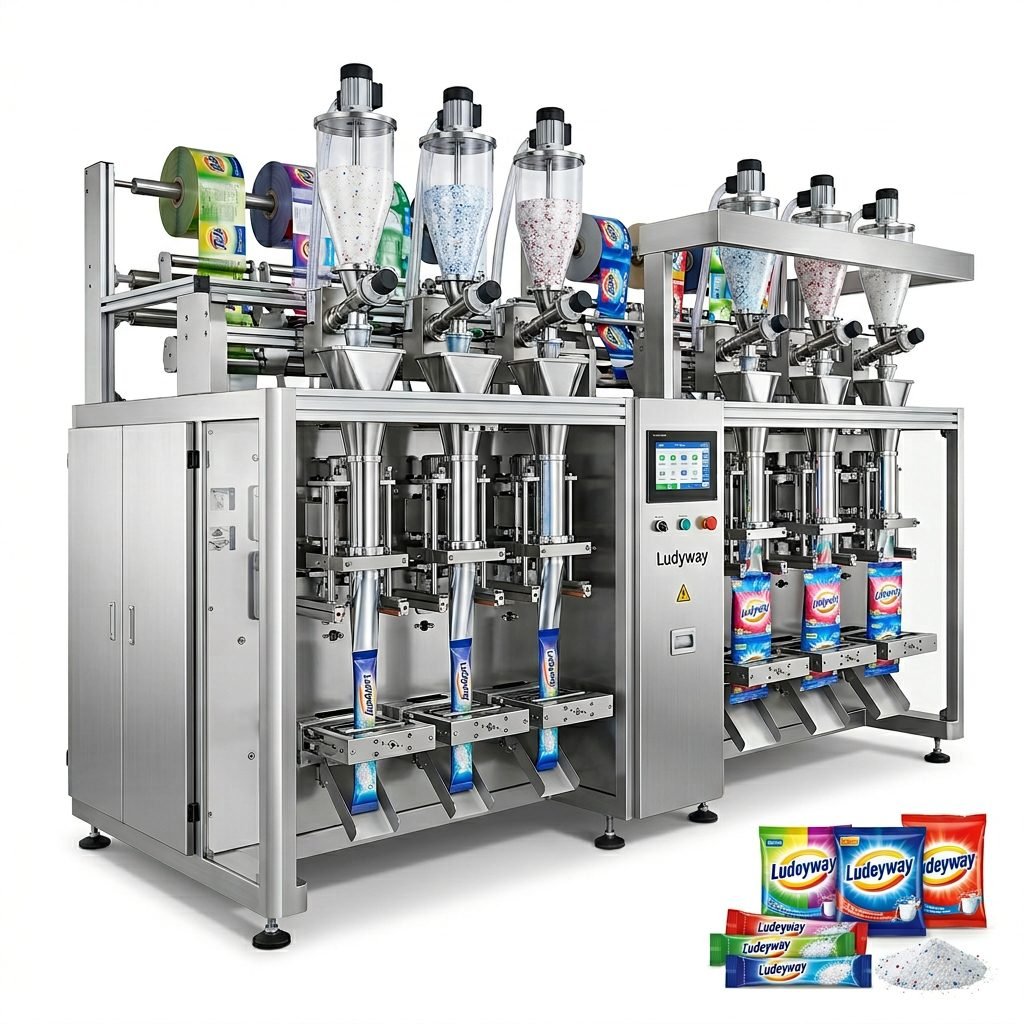
- Multi-Lane Stick Pack and Sachet Machines: Increasingly popular for single-serve frozen products like frozen smoothie packs, seasoning blends, and portion-controlled ingredients destined for food service channels.
Secondary Packaging and End-of-Line Systems
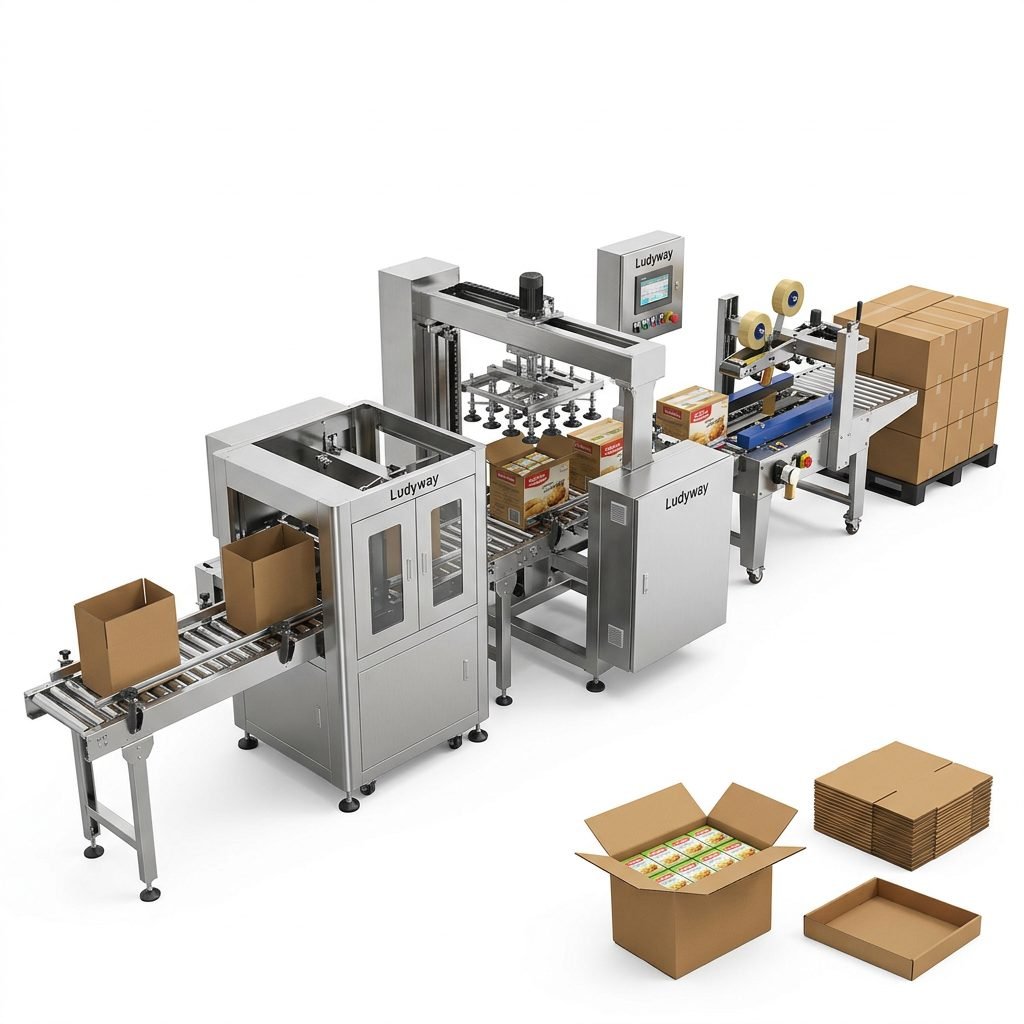
- Cartoning Machines: Automate the process of placing primary packages into cartons or boxes for retail distribution.
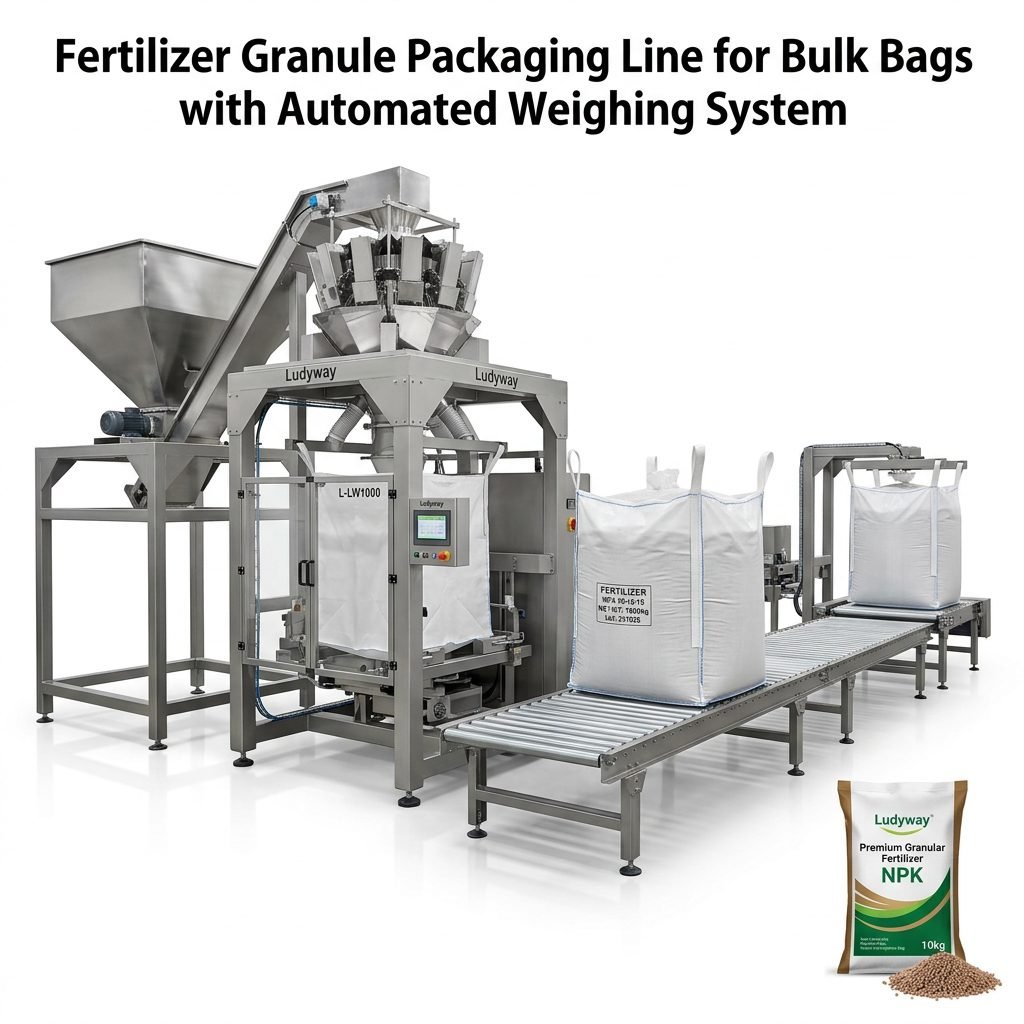
- Case Packers and Palletizers: Robotic palletizing systems reduce labor costs and improve throughput for high-volume frozen food operations.
- Checkweighers and Metal Detectors: Critical quality control equipment ensuring package weight accuracy and contaminant detection before products leave the facility.
- Cold Storage Conveying Systems: Specially designed conveyors that operate reliably in sub-zero temperature environments without belt cracking or motor failure.

Key Steps to Setting Up Your Packaging Line
Setting up a frozen food packaging line in South America involves a structured approach. Following these key steps can help avoid costly mistakes and delays.
1. Facility Planning and Cold Chain Infrastructure
Before purchasing equipment, evaluate your production facility. Frozen food packaging requires a controlled environment with temperatures typically maintained between -18°C to -25°C. Key considerations include floor space for equipment layout, adequate electrical supply, compressed air systems, and drainage for cleaning and defrost cycles. In South America, where humidity levels can be high in tropical regions, dehumidification systems are also critical to prevent frost buildup on machinery.
2. Equipment Selection and Customization
Choose equipment based on your product characteristics, target output, and packaging format. Frozen foods vary widely—from IQF (Individually Quick Frozen) vegetables to frozen meat blocks—and each requires specific handling. Work with equipment manufacturers who can customize machines with features such as anti-frost components, stainless steel construction, and low-temperature rated electronics. Request detailed technical specifications and ensure compatibility between upstream and downstream equipment.
3. Regulatory Compliance and Certifications
South American countries have distinct regulatory frameworks governing food packaging. Brazil’s ANVISA, Argentina’s ANMAT, and Chile’s ISP each enforce specific requirements for food contact materials, labeling, and facility standards. Review the FDA food contact substance guidelines as a benchmark, since many South American regulations align with international standards. Additionally, certifications such as HACCP, ISO 22000, and BRCGS are increasingly expected by retailers and importers in the region.
4. Installation, Training, and Commissioning
Plan for a phased installation approach. Begin with primary packaging equipment, followed by secondary packaging and end-of-line systems. Allow sufficient time for cold-temperature testing—machines that perform well at room temperature may behave differently in freezing conditions. Comprehensive operator training should be conducted in the local language (Portuguese or Spanish) and include both operational and basic maintenance procedures. Commissioning should involve trial runs with actual frozen products to verify performance metrics.
Cost Breakdown for a Frozen Food Packaging Line
Understanding the investment required is essential for budgeting and financial planning. Below is an estimated cost breakdown for setting up a mid-range frozen food packaging line in South America. Actual costs vary based on production capacity, automation level, and local market conditions.
| Cost Category | Estimated Range (USD) | Key Variables |
|---|---|---|
| Primary Packaging Equipment | $80,000 – $500,000+ | Speed, lanes, format flexibility |
| Secondary Packaging Systems | $30,000 – $200,000 | Cartoning, case packing, palletizing |
| Cold Storage and Conveying Infrastructure | $50,000 – $300,000 | Freezer room capacity, conveyor length |
| Installation and Commissioning | $20,000 – $80,000 | Complexity, local labor rates |
| Shipping and Import Logistics | $15,000 – $60,000 | Port fees, customs duties, inland transport |
| Training and Documentation | $5,000 – $20,000 | Staff size, language requirements |
| Regulatory Compliance and Testing | $10,000 – $50,000 | Certifications, lab testing, inspections |
| Total Estimated Investment | $210,000 – $1,210,000+ | Depending on scale and complexity |
Note: Import duties on packaging machinery in South America vary by country. Brazil typically applies 14-20% import tax on industrial machinery, while Chile has more favorable rates under free trade agreements. The flexible packaging market data shows that equipment costs represent approximately 40-55% of total project investment, with infrastructure and compliance making up the remainder.
Logistics and Supply Chain Considerations in South America
South America’s diverse geography and infrastructure present unique logistical challenges for frozen food packaging operations. Efficient supply chain management is critical to maintaining the cold chain from production to consumer.
Port Infrastructure and Shipping Routes
Major ports such as Santos (Brazil), Buenos Aires (Argentina), Valparaíso (Chile), and Callao (Peru) serve as primary entry points for imported packaging equipment. When importing machinery, plan for potential port congestion delays, which can extend lead times by 2-6 weeks in busy seasons. Working with experienced freight forwarders who understand South American customs procedures can significantly reduce clearance times. For equipment sourced from Asia, typical sea freight transit times range from 35-50 days to major South American ports.
Local Distribution Networks
Once production is underway, distributing frozen products across South America requires reliable cold chain logistics. The region has seen significant investment in refrigerated transportation over the past decade, with companies expanding their fleets of temperature-controlled trucks. However, infrastructure quality varies considerably between countries and between urban and rural areas. Brazil and Chile have the most developed cold chain networks, while Bolivia and Paraguay present more logistical challenges.

Maintenance, Spare Parts, and After-Sales Support
Operating a frozen food packaging line in South America requires a proactive approach to maintenance. The combination of cold temperatures and high production demands places significant stress on mechanical and electronic components. Establish a preventive maintenance schedule that includes daily, weekly, and monthly inspection routines. Key areas requiring attention in frozen environments include sealing jaws (which can accumulate frost), pneumatic systems (prone to condensation), and conveyor belts (which may stiffen in extreme cold).
When sourcing packaging equipment, prioritize suppliers who offer reliable after-sales support in South America. This includes access to spare parts inventories, remote technical assistance, and local service technicians who can respond quickly to minimize downtime. Companies like Ludyway, one of the largest packaging machine manufacturers in China with a 20,000㎡ production facility and customers in over 100 countries, provide comprehensive packaging solutions with professional technical support tailored to international markets including South America. Building a strategic spare parts inventory for critical components such as heating elements, sensors, belts, and sealing jaws is recommended to avoid extended production interruptions.
Frequently Asked Questions
What is the typical ROI timeline for a frozen food packaging line in South America?
Most manufacturers achieve return on investment within 18-36 months, depending on production volume, product margins, and operational efficiency. Lines running at higher capacities with multi-shift operations typically see faster payback periods.
Which South American country is most favorable for setting up a frozen food packaging facility?
Brazil offers the largest domestic market, while Chile provides excellent export infrastructure and favorable trade agreements. Colombia is increasingly attractive due to its growing economy and strategic location for regional distribution. The choice depends on your target market and distribution strategy.
Can existing room-temperature packaging equipment be adapted for frozen products?
Generally, standard packaging machines are not suitable for frozen food applications. Equipment designed for ambient temperatures often lacks the specialized seals, lubricants, and electronic protections required for reliable sub-zero operation. Retrofitting is possible in limited cases but typically costs 40-60% of new equipment pricing while delivering lower reliability.
What packaging materials work best for frozen food products?
Multi-layer laminated films with excellent moisture barrier properties are the industry standard. Materials such as PET/PE, BOPP/PE, and PET/Aluminum/PE laminates provide the necessary protection against freezer burn, moisture migration, and temperature fluctuations. The Flexible Packaging Association provides updated guidance on material specifications for frozen food applications.
Conclusion
Setting up a frozen food packaging line in South America represents a significant but rewarding investment. The region’s growing demand for frozen products, combined with improving infrastructure and expanding retail channels, creates a favorable environment for food manufacturers. Success depends on careful equipment selection, thorough facility planning, diligent regulatory compliance, and strategic supply chain management. By following the key steps outlined in this guide and partnering with experienced equipment suppliers, manufacturers can establish efficient, reliable packaging operations capable of capturing the opportunities in South America’s dynamic frozen food market. Planning thoroughly and investing in quality equipment from the outset will position your operation for long-term growth and profitability in this expanding sector.